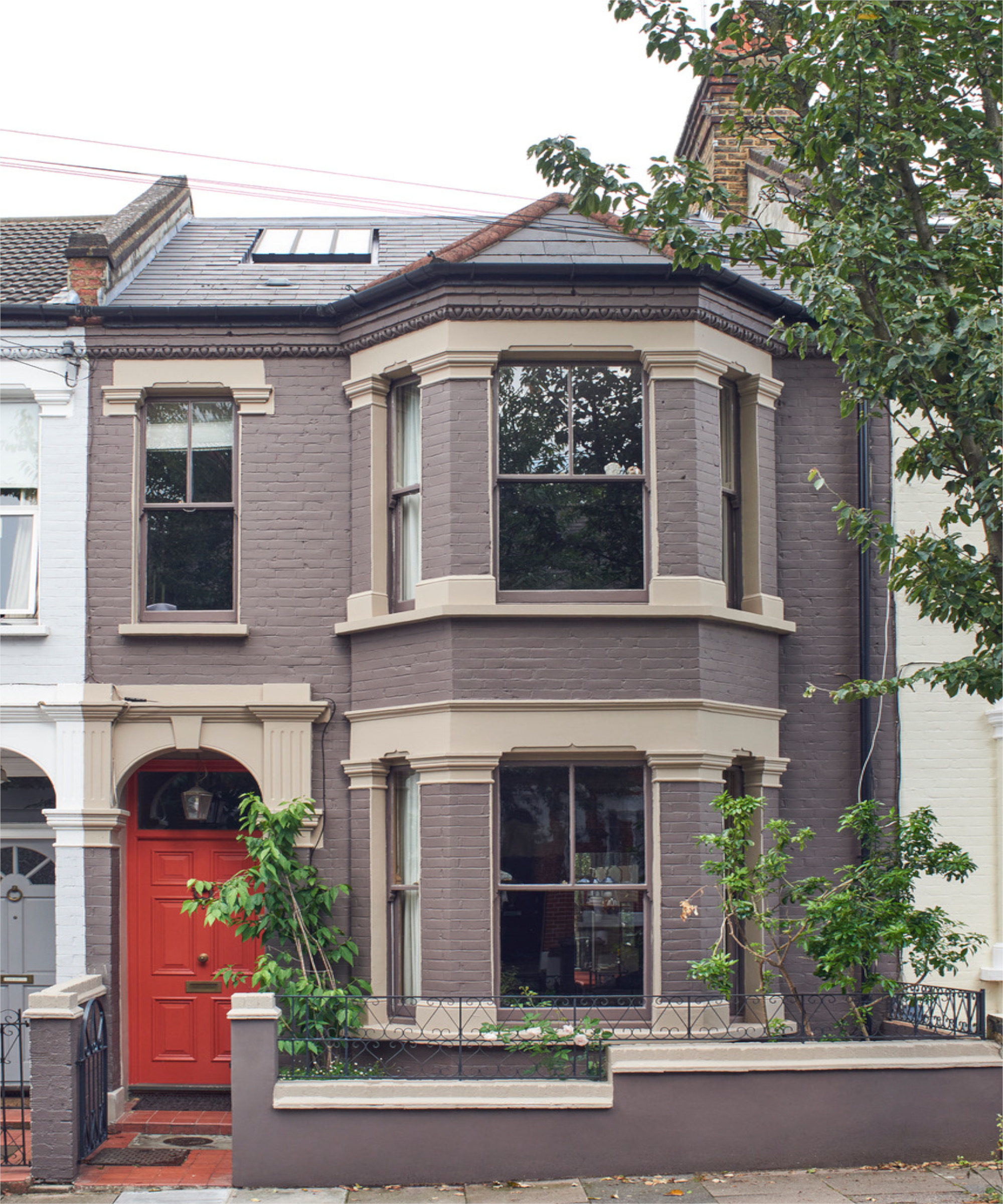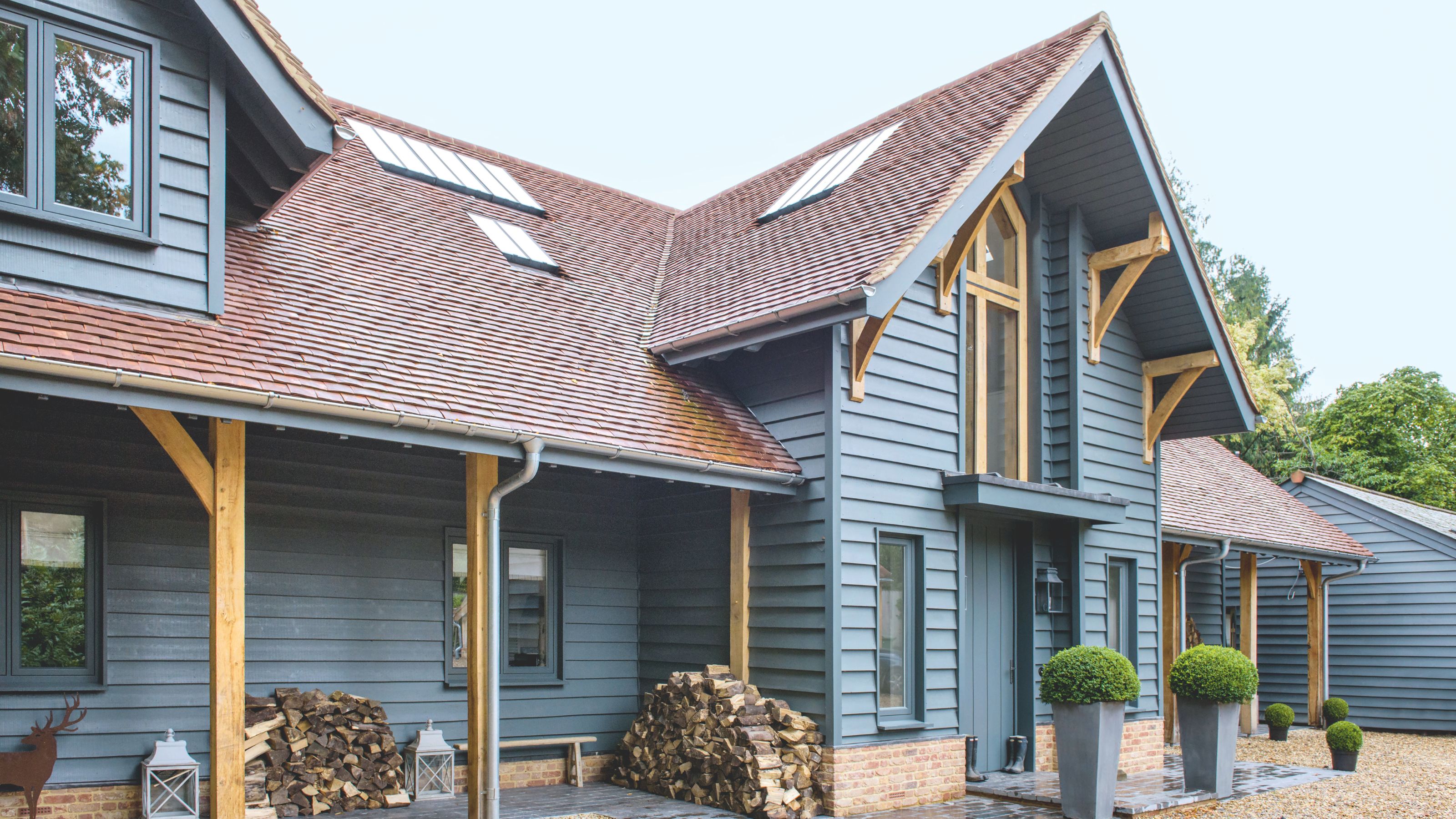
1/6
5 things to know before cladding your home's exterior
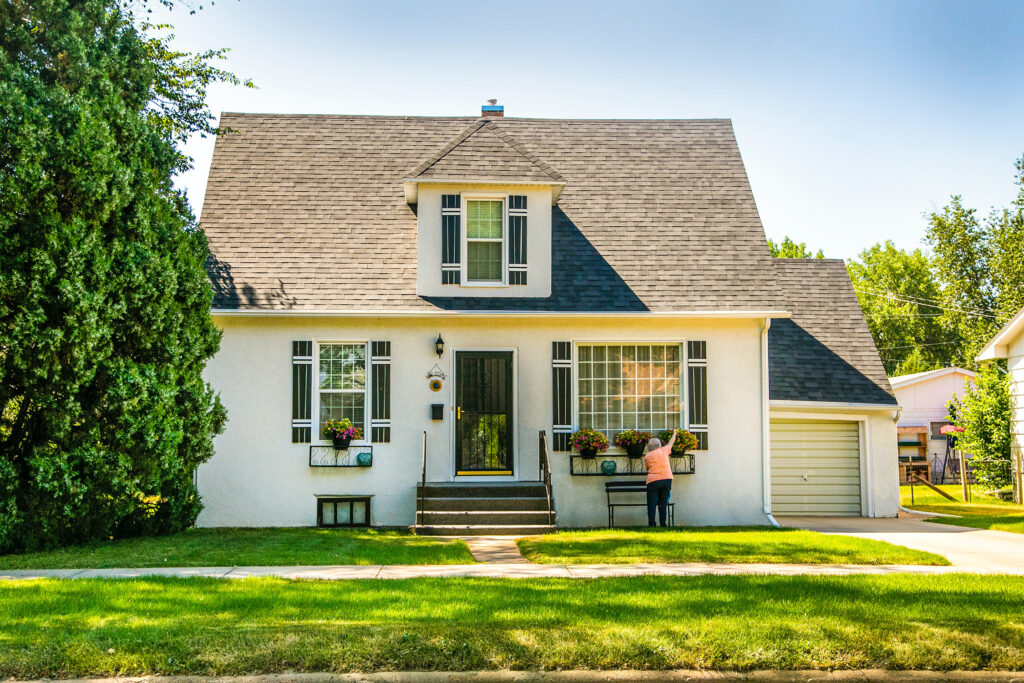
Cladding your home's exterior is a popular and affordable method to update a home's appearance, offering aesthetic enhancement and practical benefits like improved insulation and protection against the elements. This guide outlines five key considerations before undertaking such a renovation, aiming to help homeowners make informed decisions.
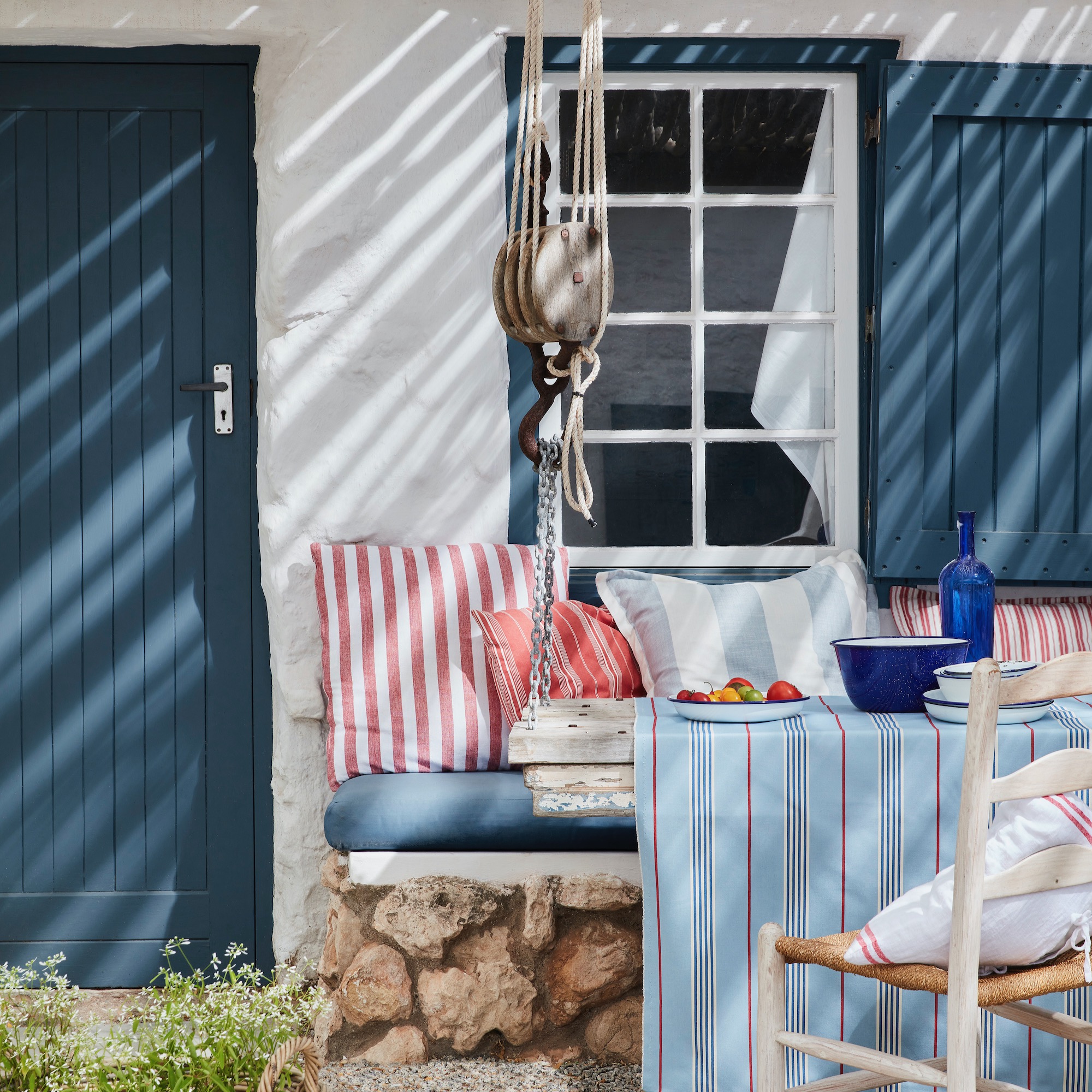
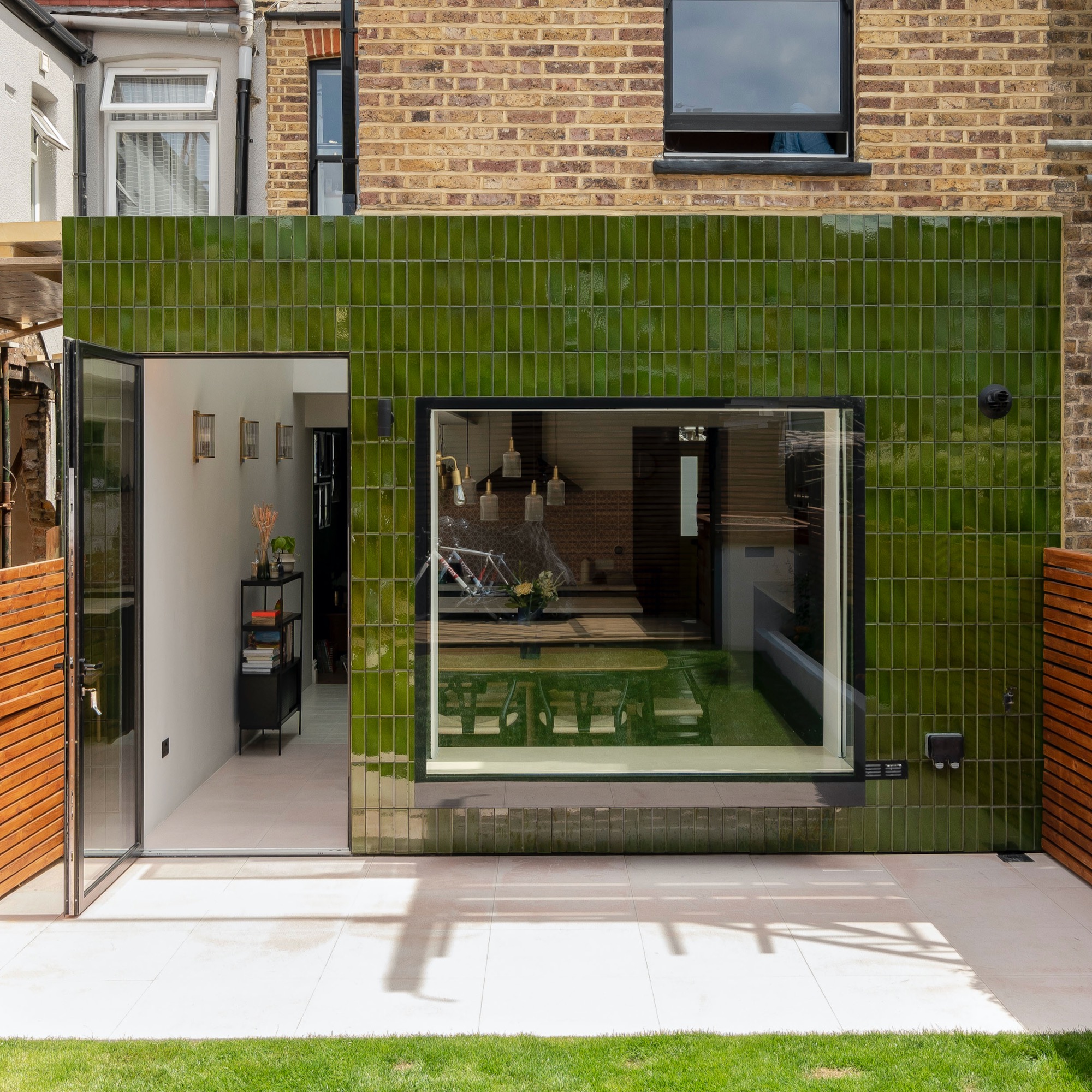
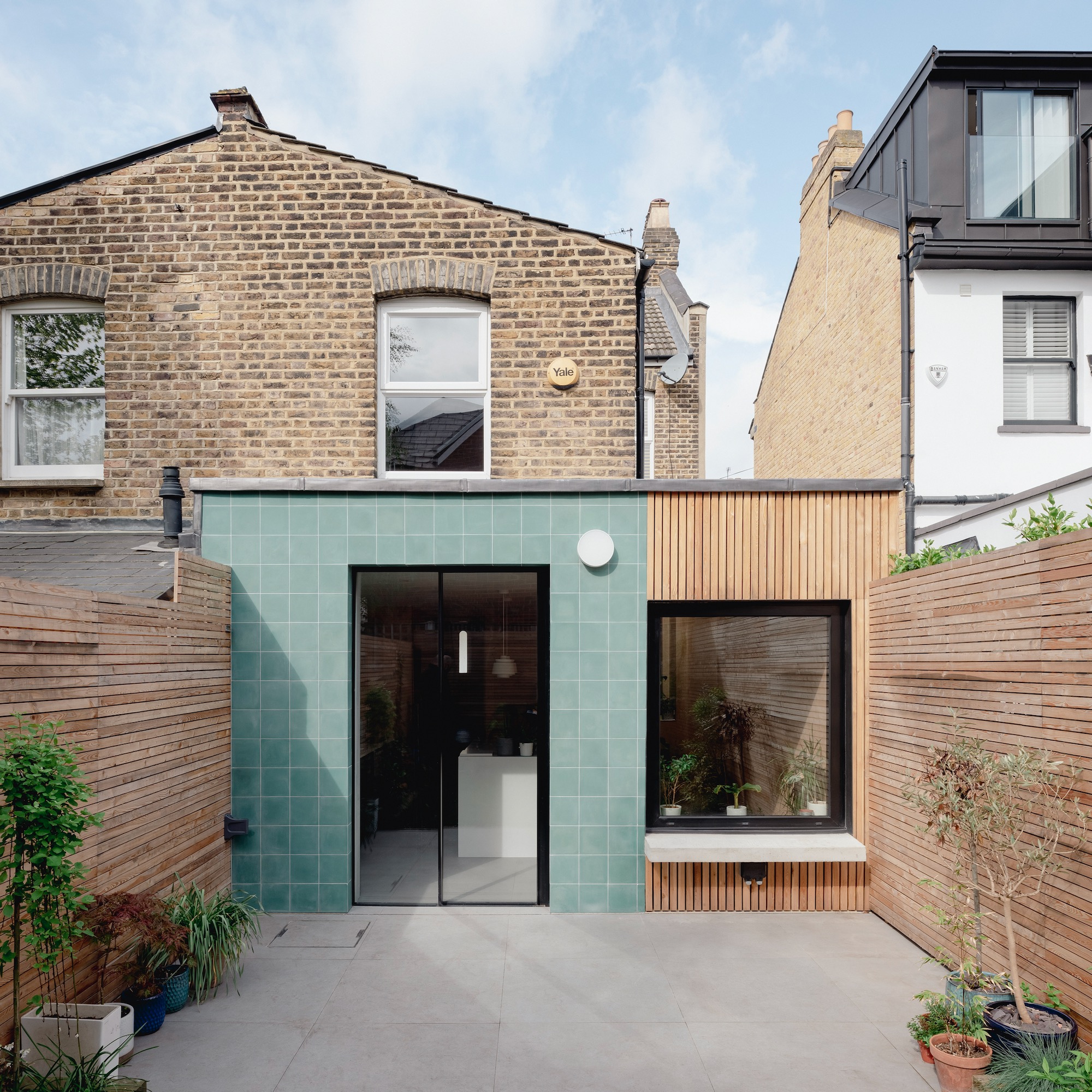
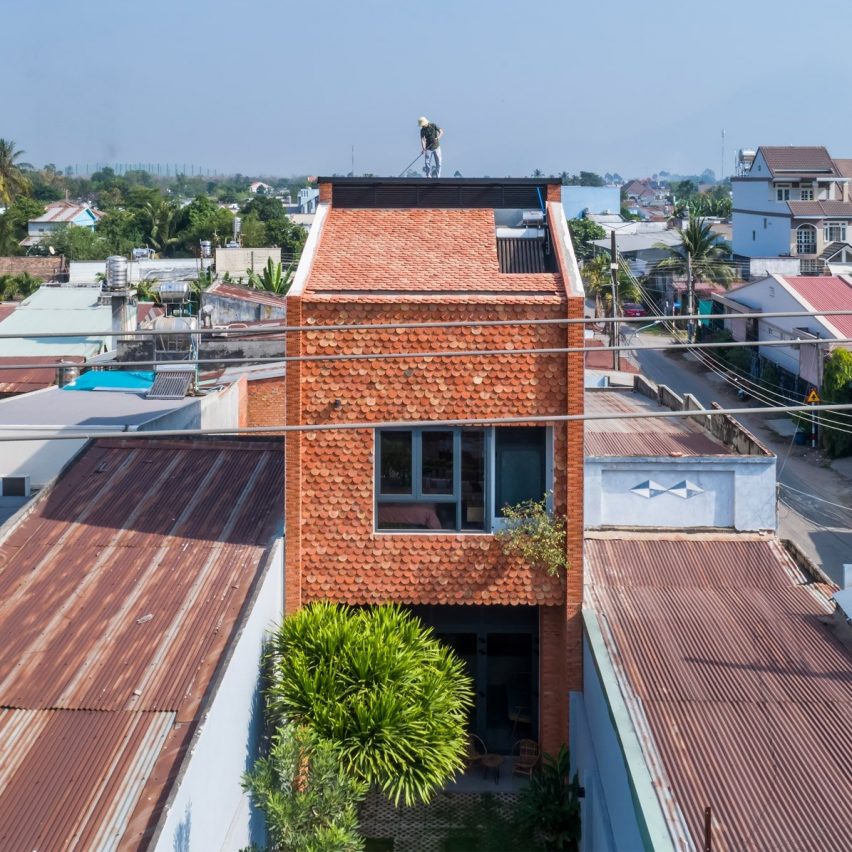
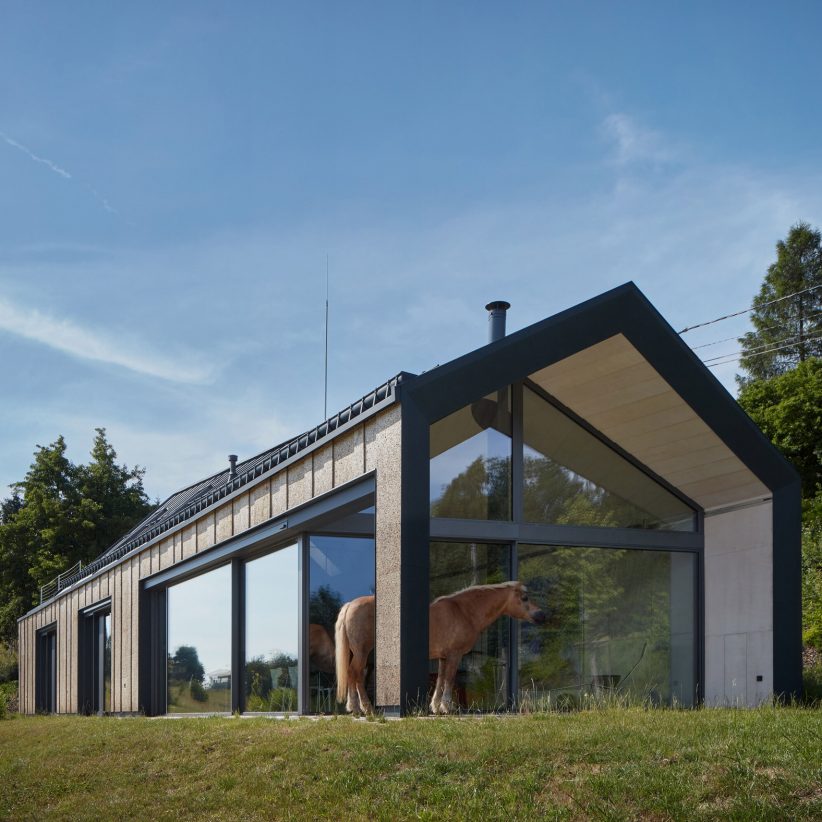
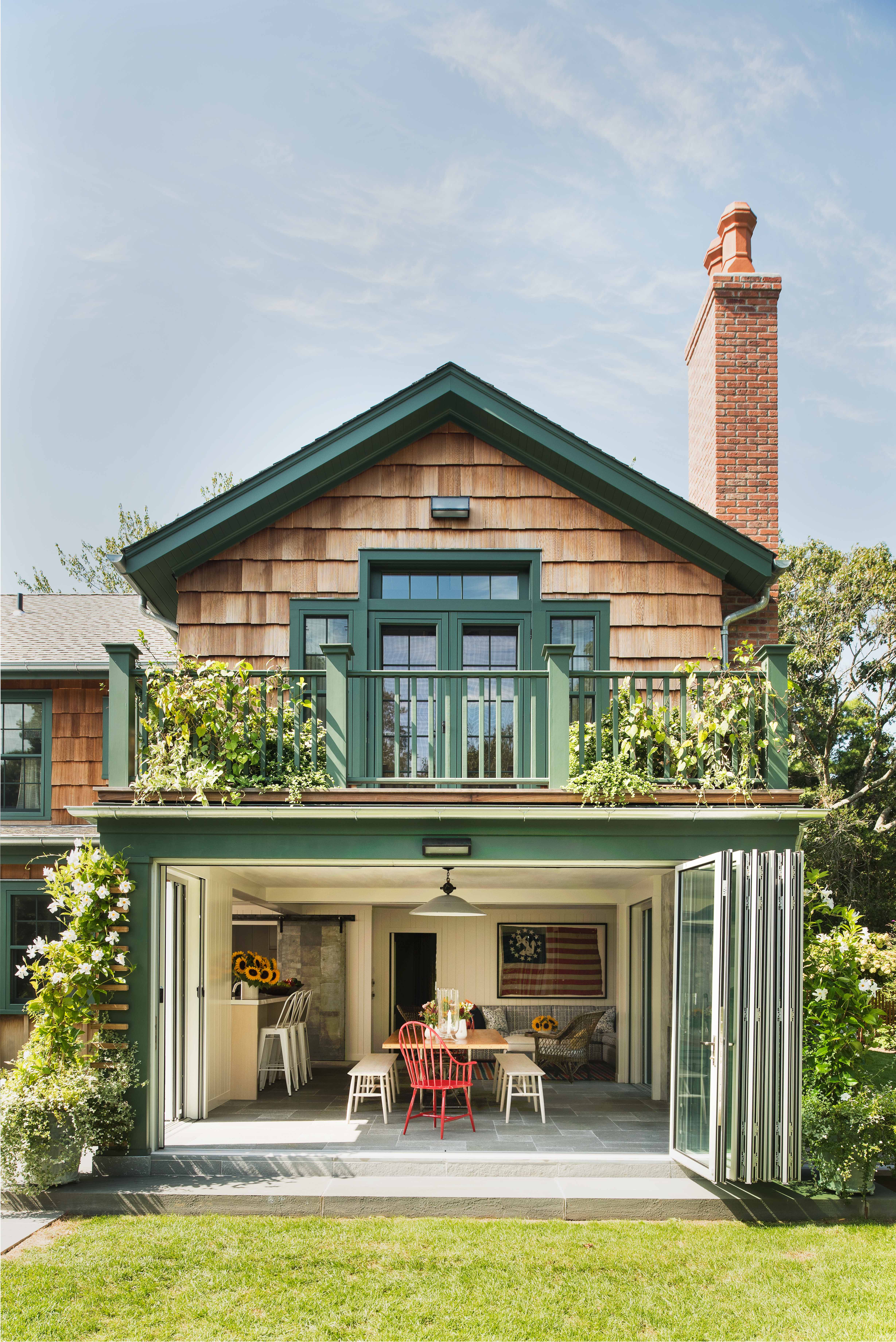
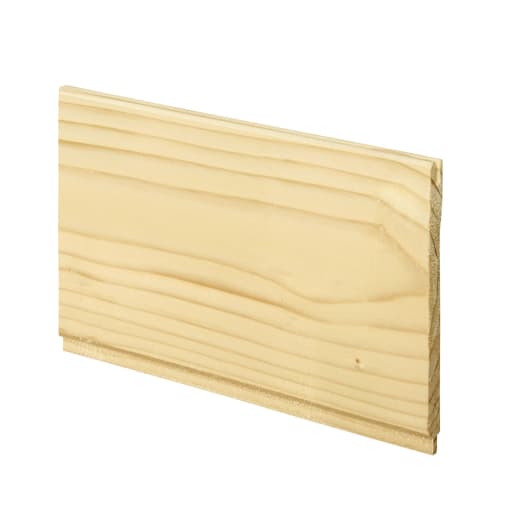
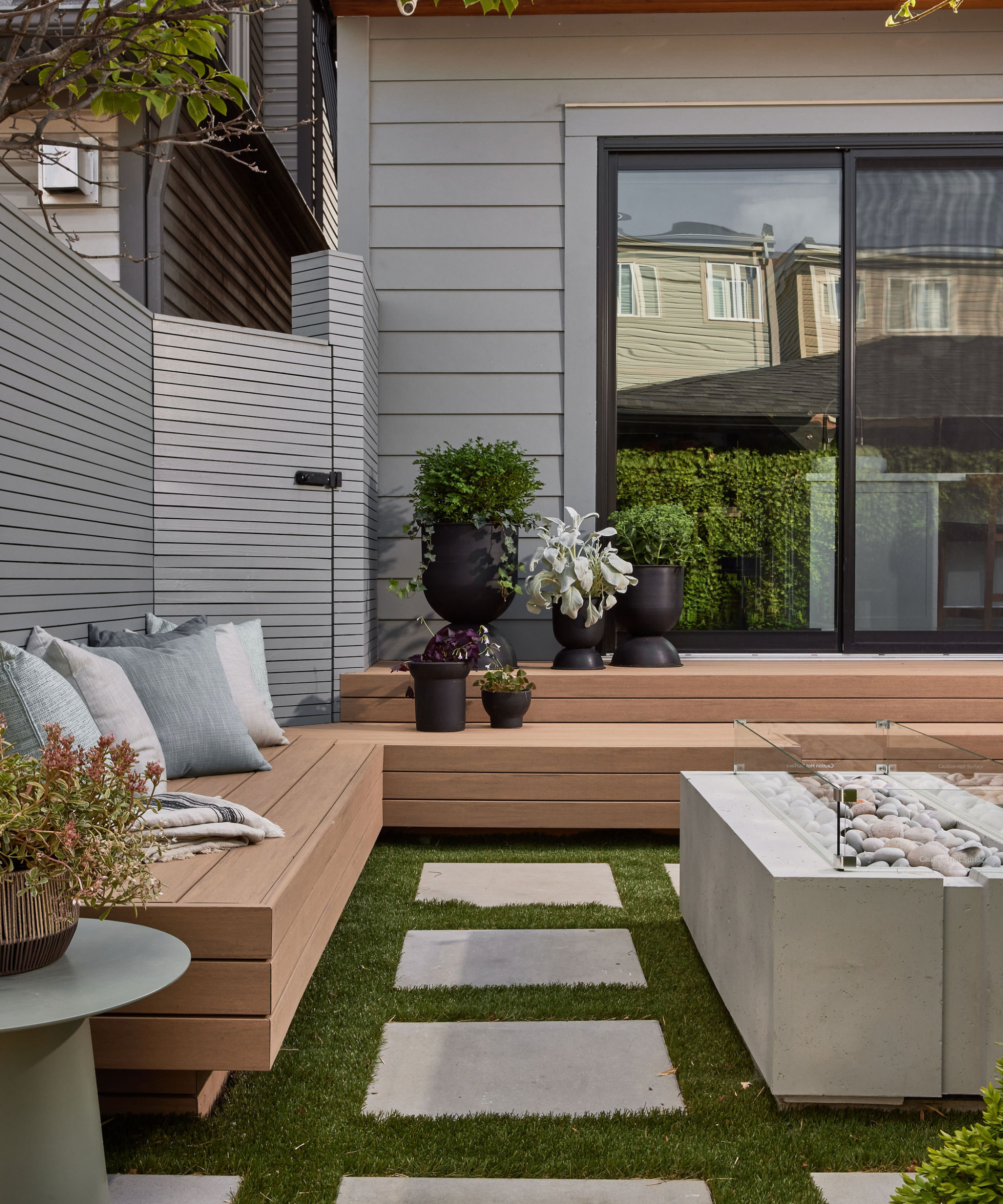
First, selecting the appropriate material is crucial. Options range from paintable render, timber, metal, and uPVC to stone. Each material offers distinct aesthetic qualities and benefits. For instance, fibre cement is lauded for its durability, resistance to rot, rust, warping, and cracking, good fire classification, and environmental advantages due to its material composition and energy efficiency. Composite cladding, made from recycled wood and plastic, combines the natural look of wood with the low maintenance of plastic and is available in various colors and textures. Homeowners are advised to request samples and observe them in different lighting conditions to ensure satisfaction before committing to a choice. The article also mentions the option of comparing composite with timber cladding.
Second, understanding the budget is essential. The cost of cladding varies based on the quantity and type of materials used. Homeowners should consider not only the material cost but also installation expenses, including scaffolding. An average four-bedroom detached house, for instance, might incur around £12,000 for top-half cladding with insulation. Some companies offer online calculators to assist with budgeting, but these should be treated as estimates.
Third, it is important to be aware of the rules and regulations. While exterior cladding is generally considered 'permitted development' and does not typically require planning permission, exceptions apply. Properties located in Areas of Outstanding Natural Beauty, conservation areas, or listed buildings may require specific permission. It is recommended to contact the local planning authority for guidance before starting any work. Additionally, all cladding systems must adhere to building regulations, including fire ratings and energy performance standards. These regulations aim to enhance a building's energy efficiency, potentially leading to lower energy bills and environmental benefits, and in some cases, eligibility for subsidies or green loans.
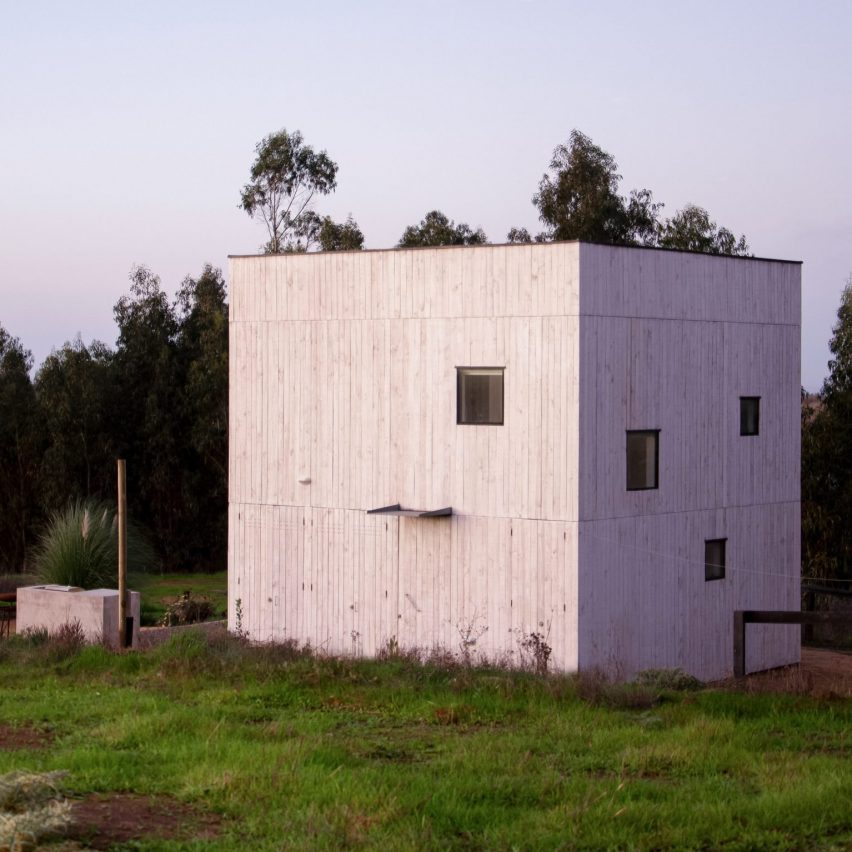
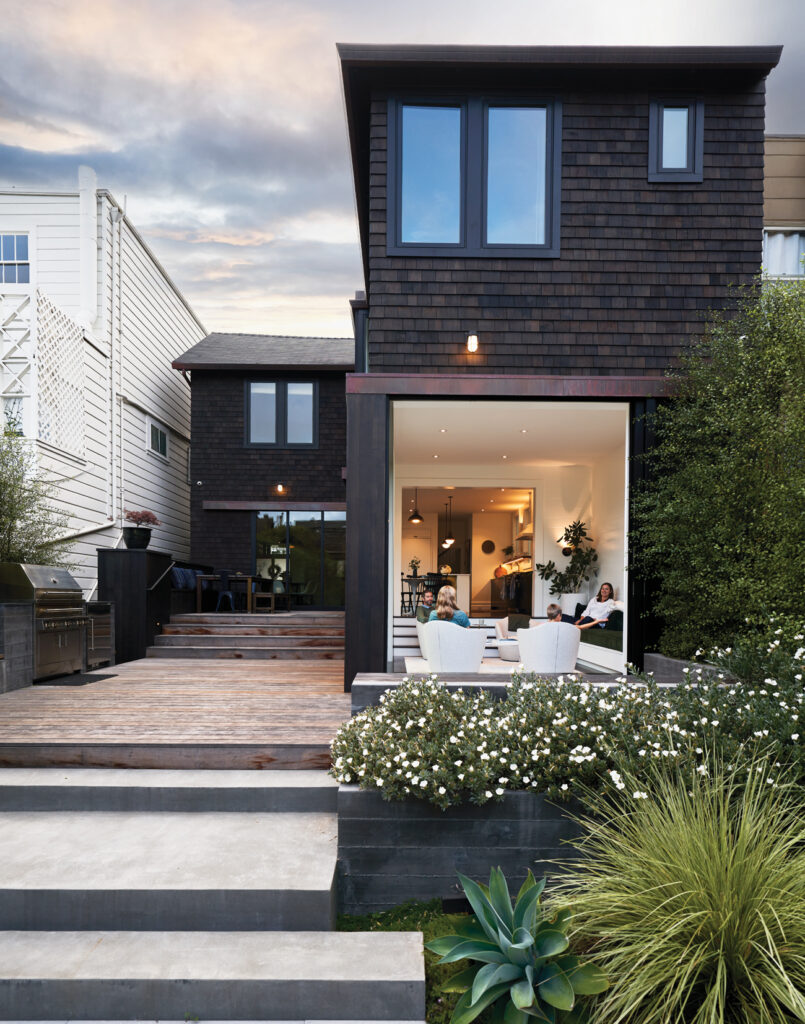
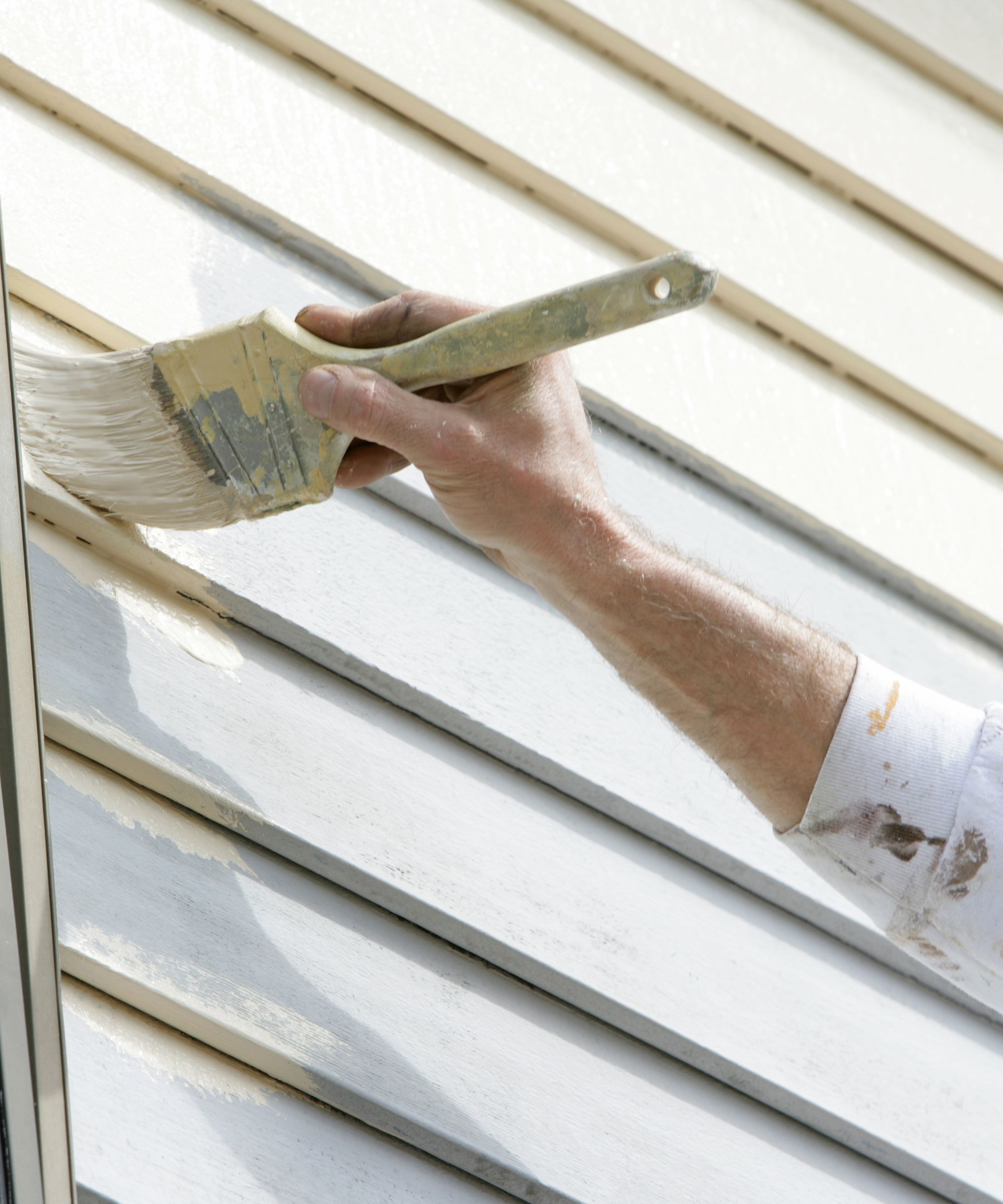
Fourth, maintenance requirements should be considered when choosing a material. Different cladding types demand varying levels of upkeep. Composite and uPVC cladding are low-maintenance, typically requiring only washing. Stone, tiles, and fibre cement are almost maintenance-free. Timber cladding, while offering natural beauty, is more demanding. It may develop silvery-grey tones after outdoor exposure, which can be mitigated with treatment. To retain its original color and provide weatherproofing, timber cladding usually needs to be treated with exterior paint and finishes approximately every five years.
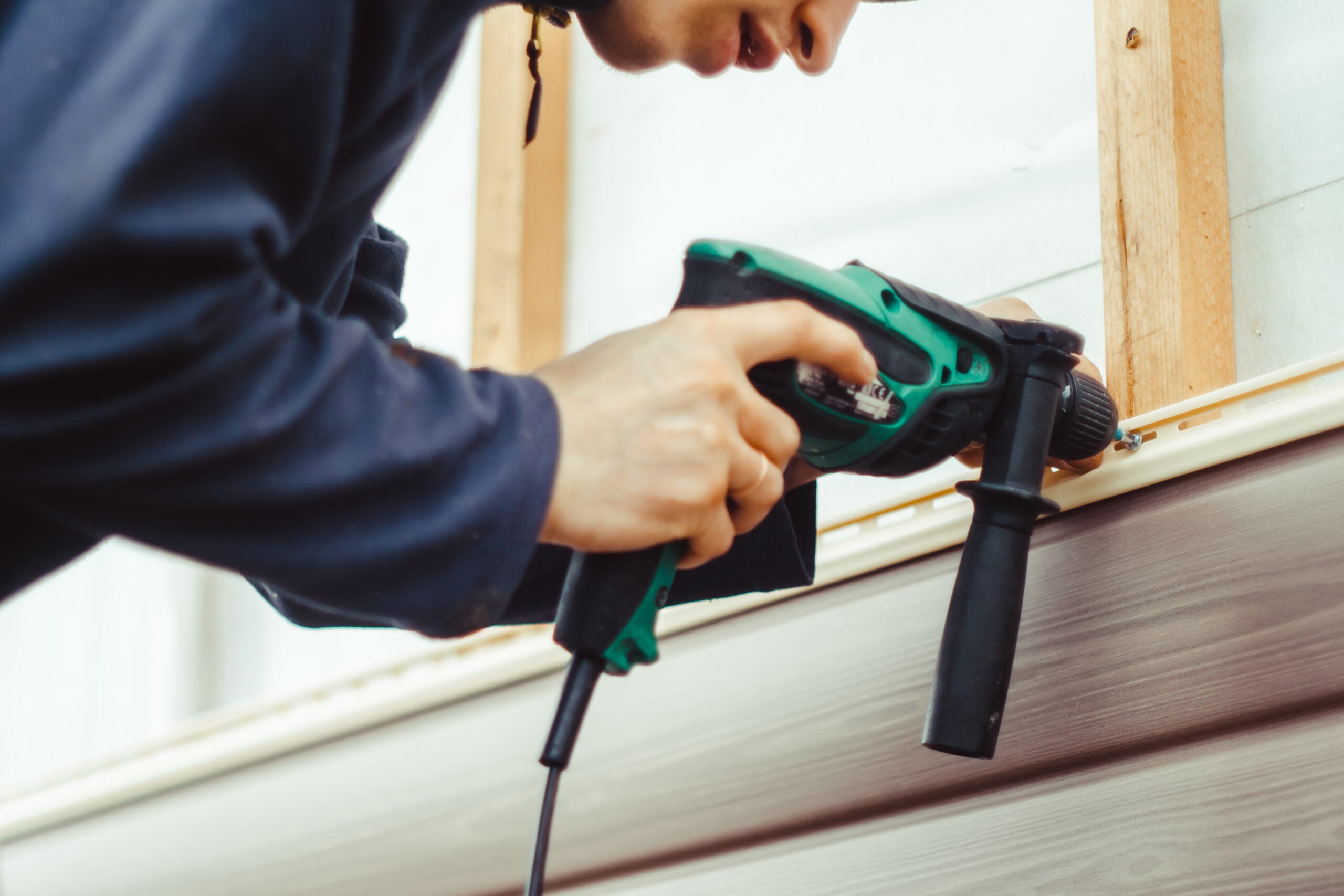
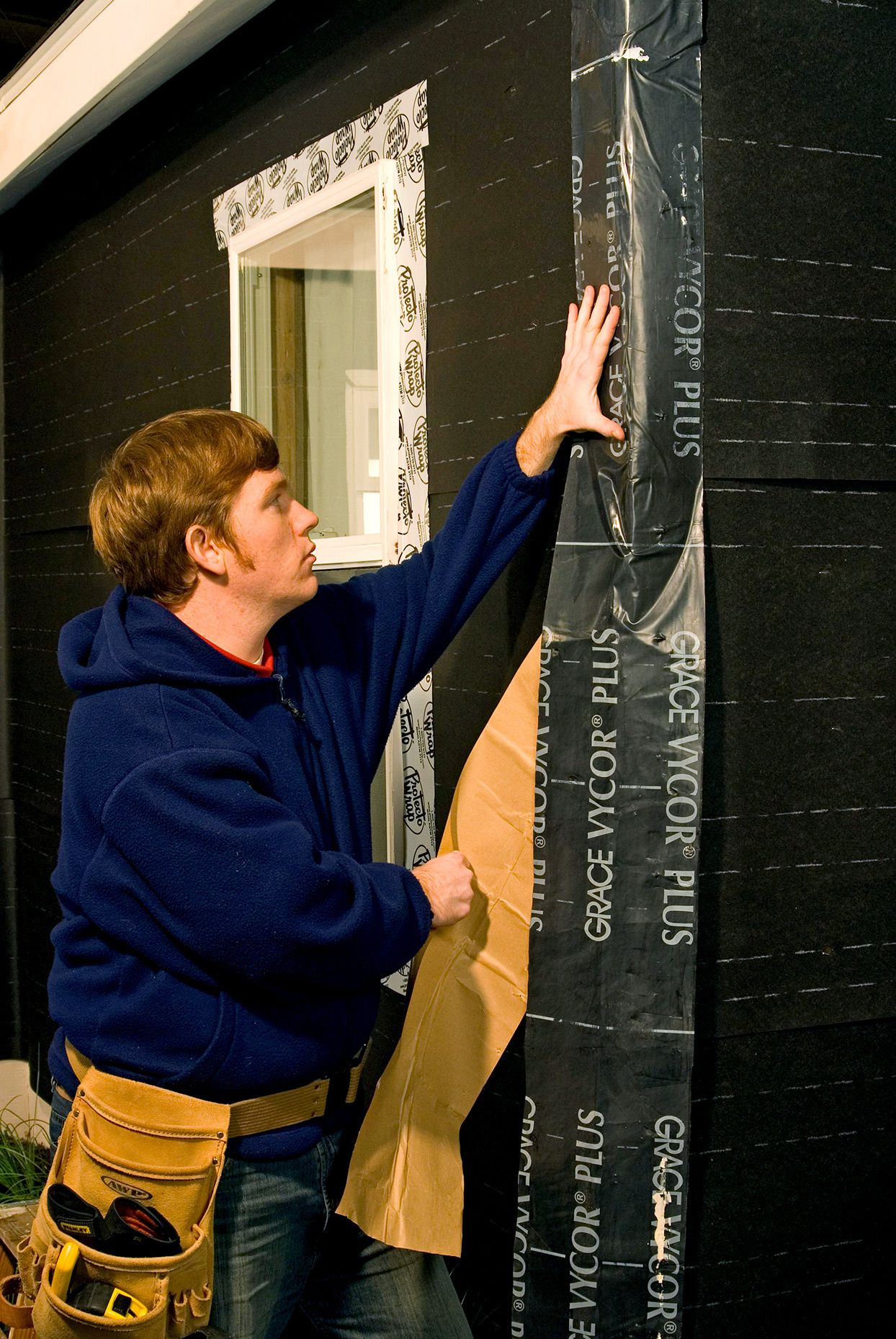
Fifth, ensuring the cladding is weatherproof is paramount to prevent issues like dampness. Each material possesses inherent water-resistant properties, but additional measures might be necessary to maximize protection. For composite, uPVC, stone, and tile cladding, their natural water resistance is a benefit, while timber requires specific wood types and appropriate treatment. Regardless of the material, it is crucial to fit a breathable membrane behind the cladding and ensure all joints are properly sealed with a waterproof sealant to guarantee comprehensive weatherproofing.
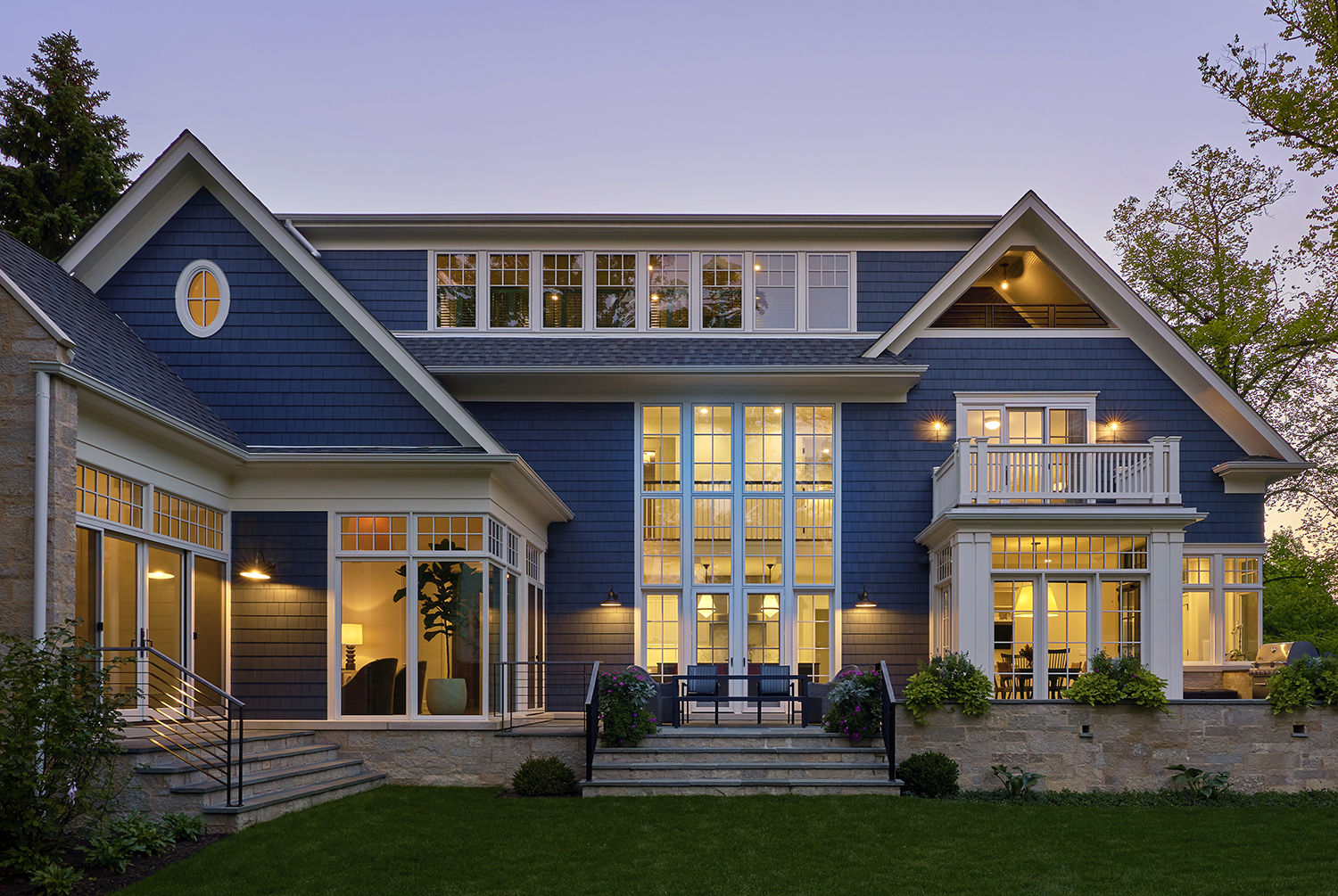
Ultimately, external cladding is a beneficial investment that enhances a home's aesthetics, kerb appeal, and market value. It also contributes to energy efficiency, aligning with broader sustainability goals. Fibre cement is often cited as a top choice due to its balance of durability, performance, and environmental considerations, while traditional timber remains a popular option for its rustic charm, despite higher maintenance needs.
#HomeRenovation #ExteriorCladding #HomeImprovement #MaterialSelection #BuildingRegulations #HomeMaintenance #EnergyEfficiency #KerbAppeal #PropertyValue #HomeRenovation #ExteriorCladding #HomeImprovement #MaterialSelection #BuildingRegulations #HomeMaintenance #EnergyEfficiency #KerbAppeal #PropertyValue
0 comment in total
 No comments yet
You may also like
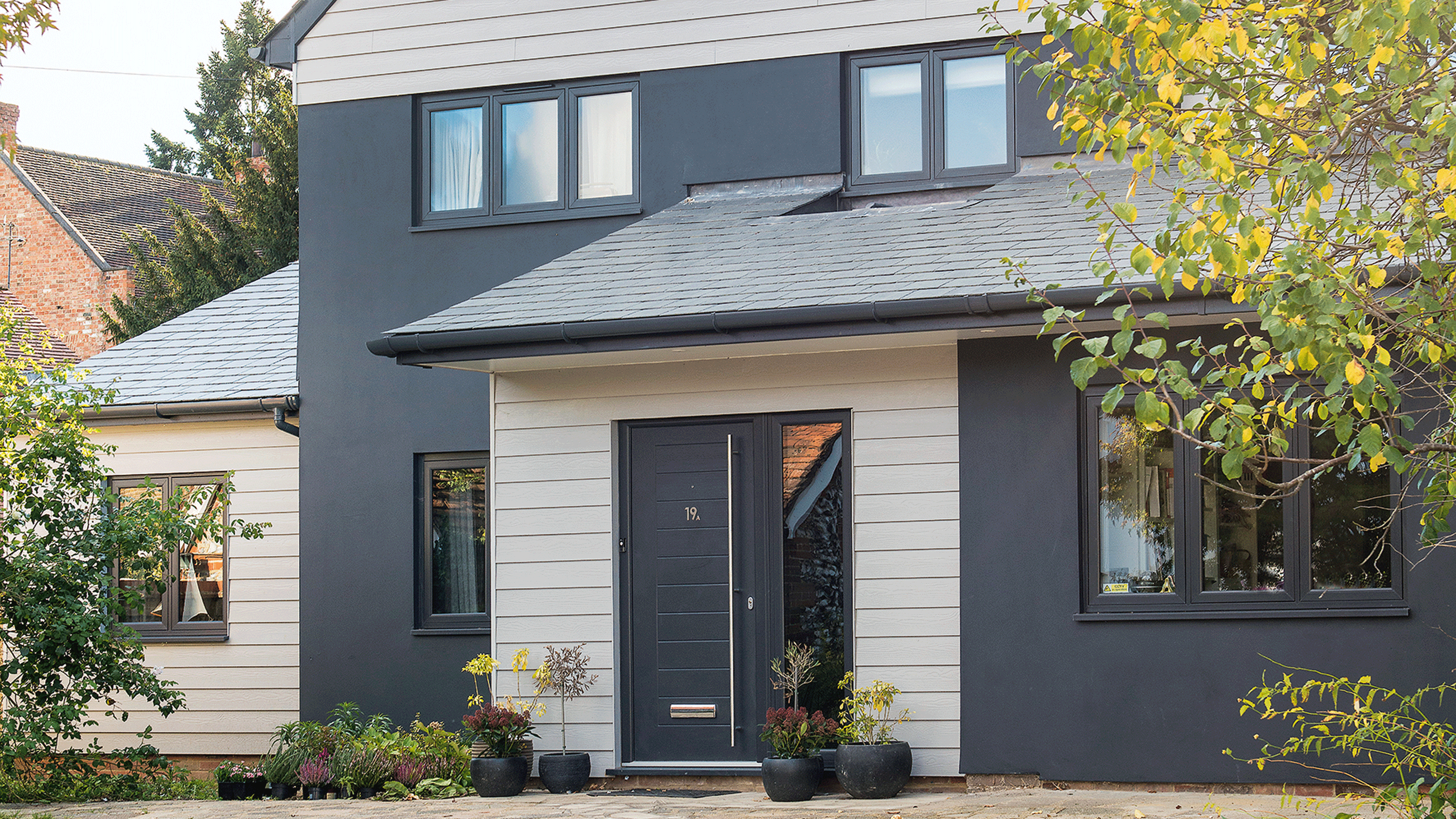
11 house exterior colour ideas - boost your kerb appeal with paint, cladding and tiles
Cladding

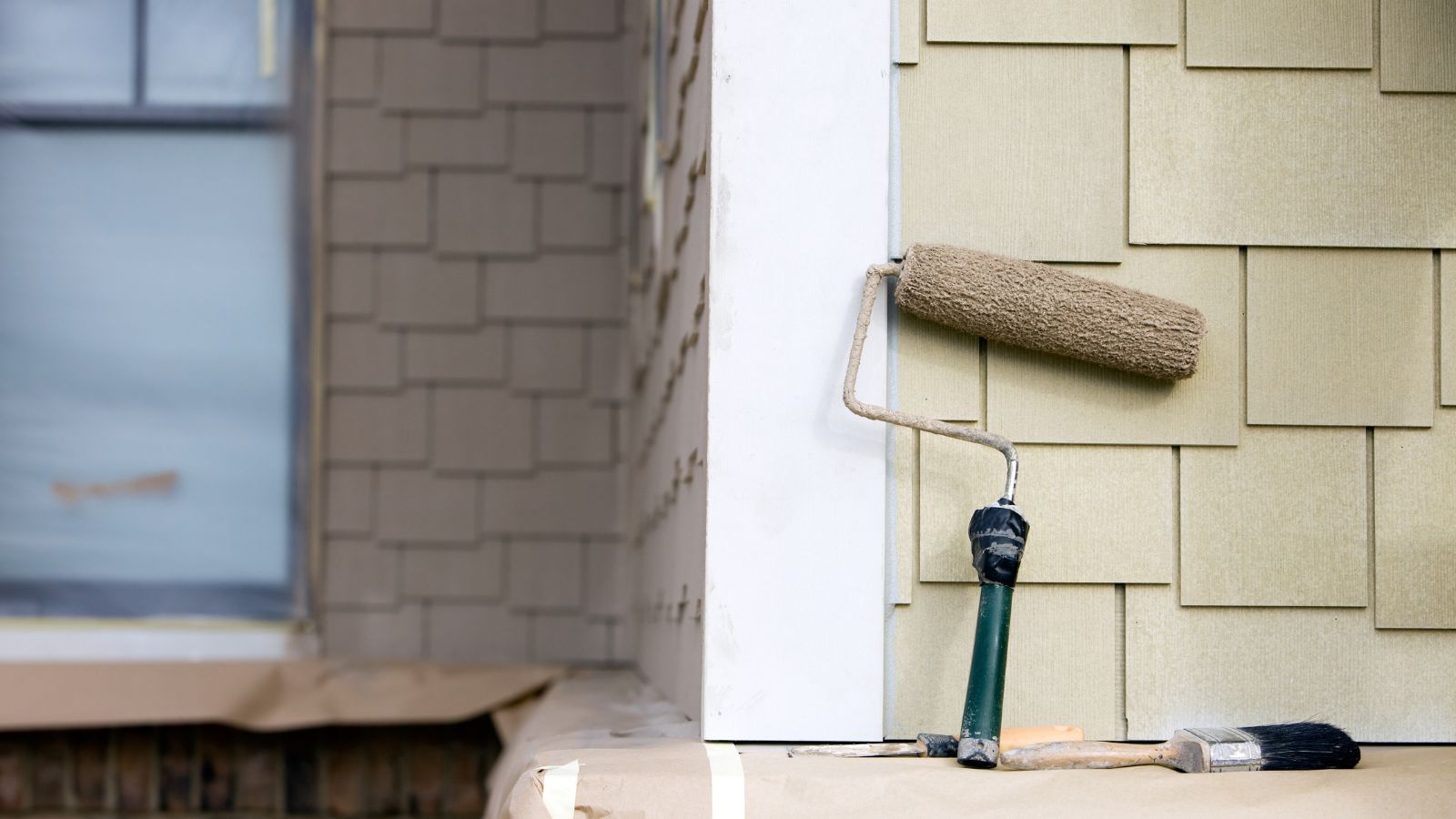
How often to paint a house – and three things that impact longevity

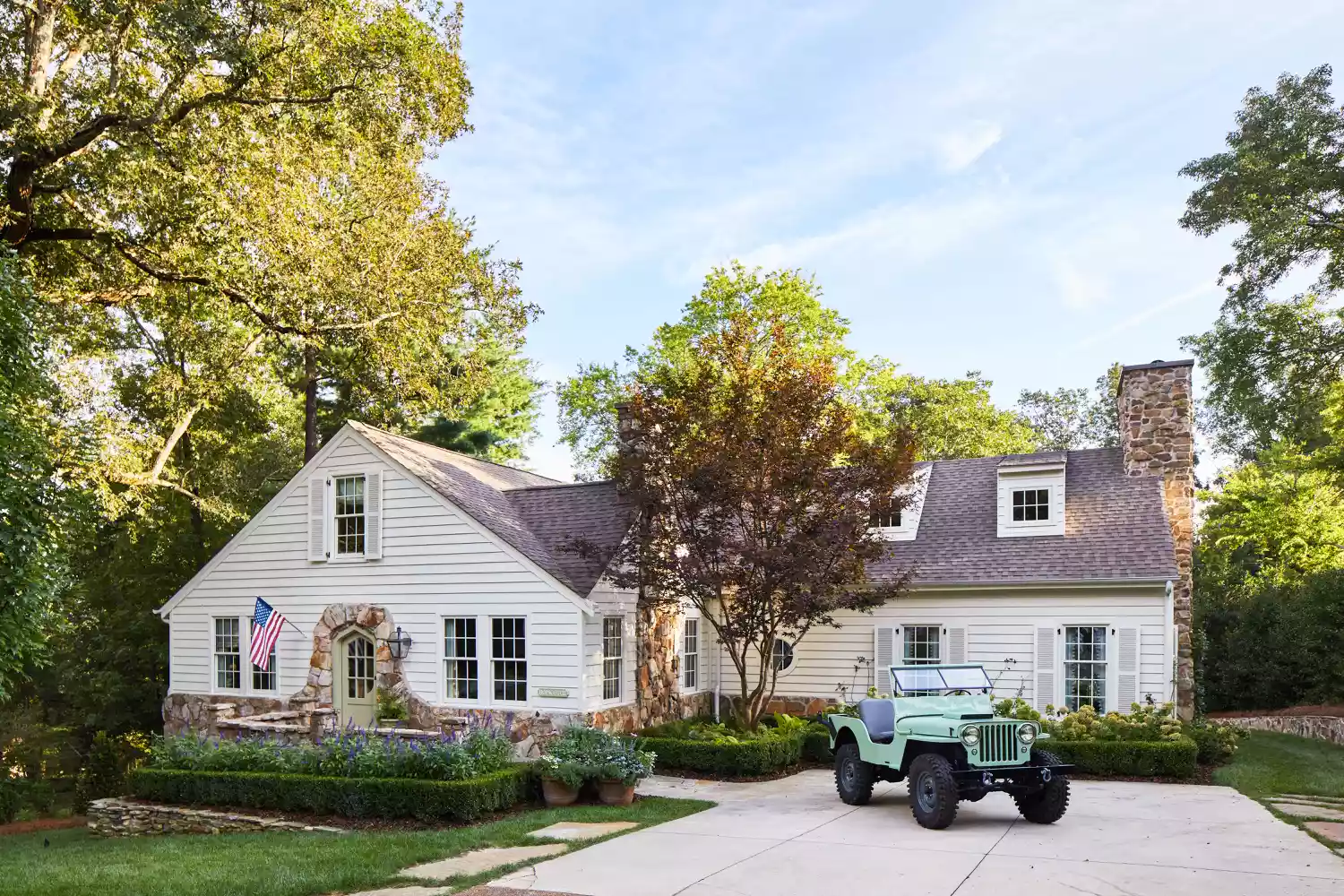
How To Choose The Best Siding For Your Home
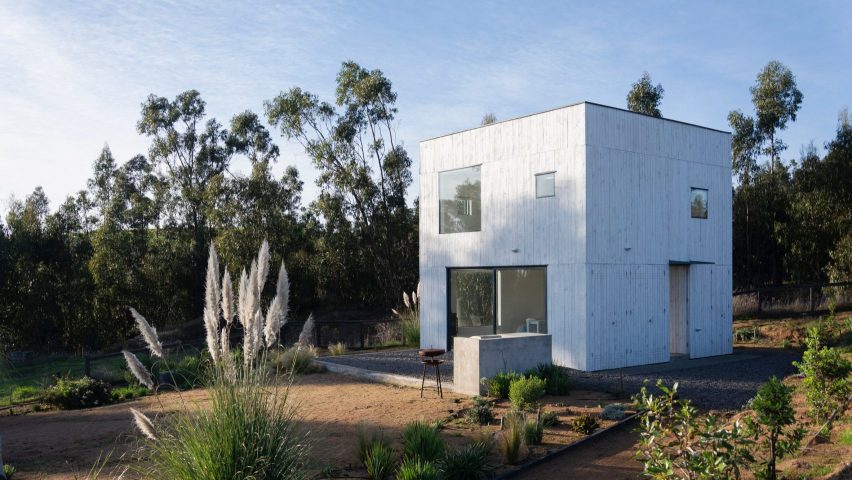
Distinctive house cladding from Dezeen's Pinterest
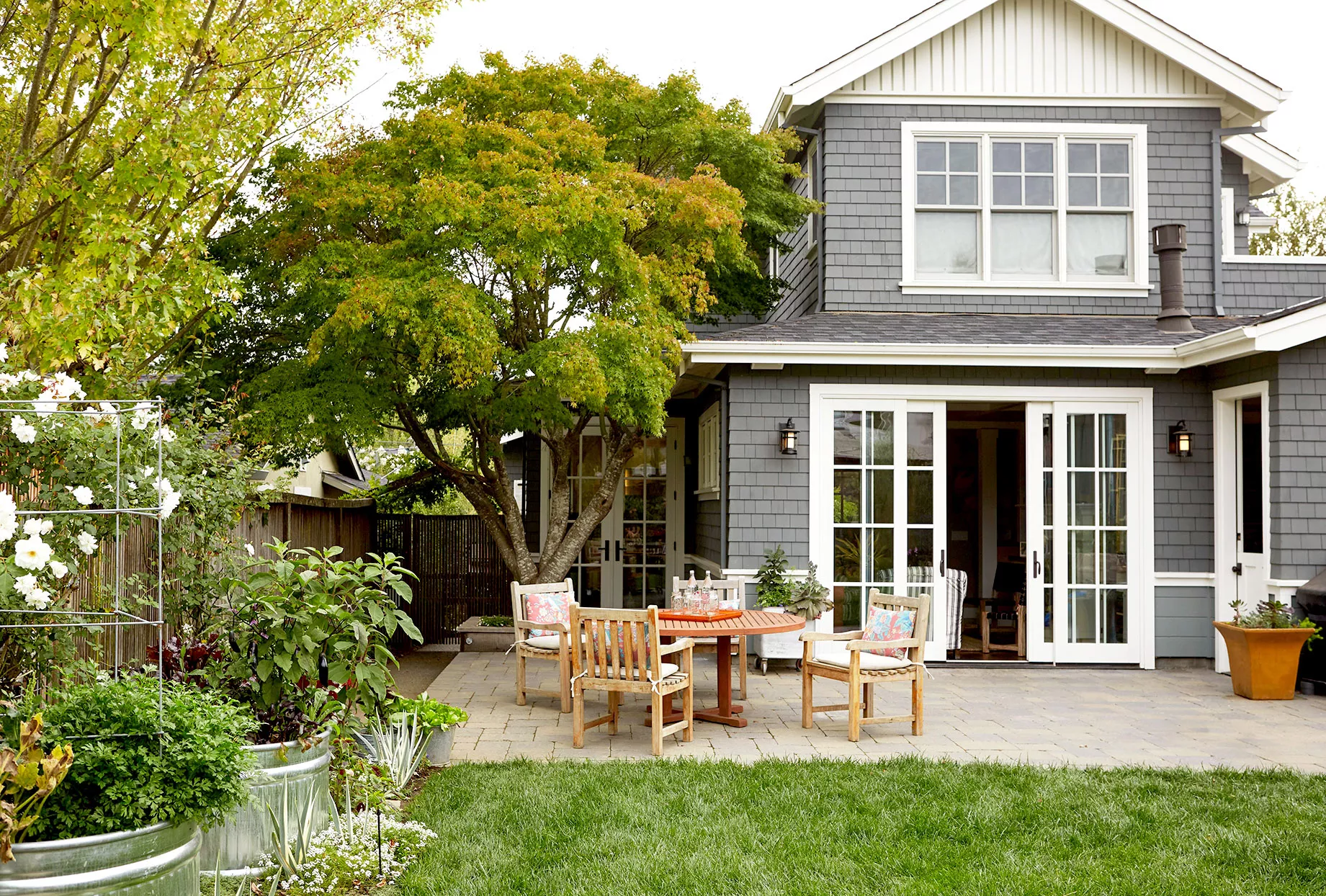
Revamp Your Exterior with Our How-to Guide to Installing Siding Shingles

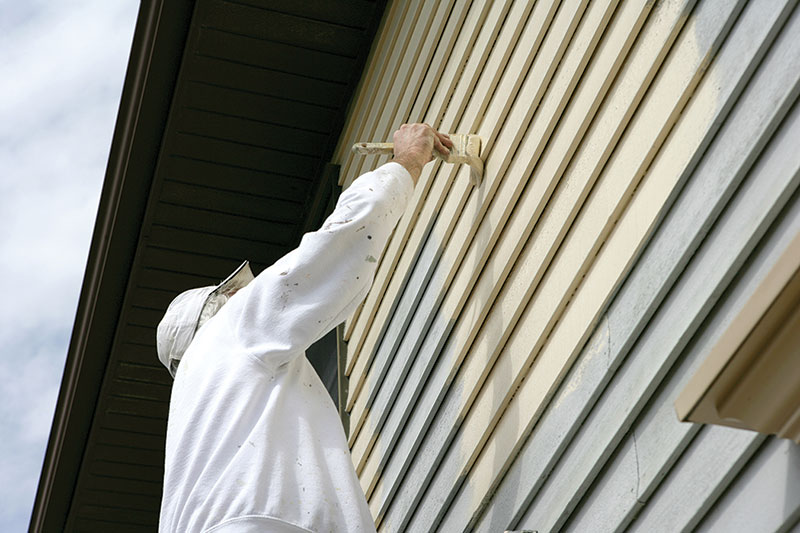
Professional Tips on Exterior Paint for Your Home

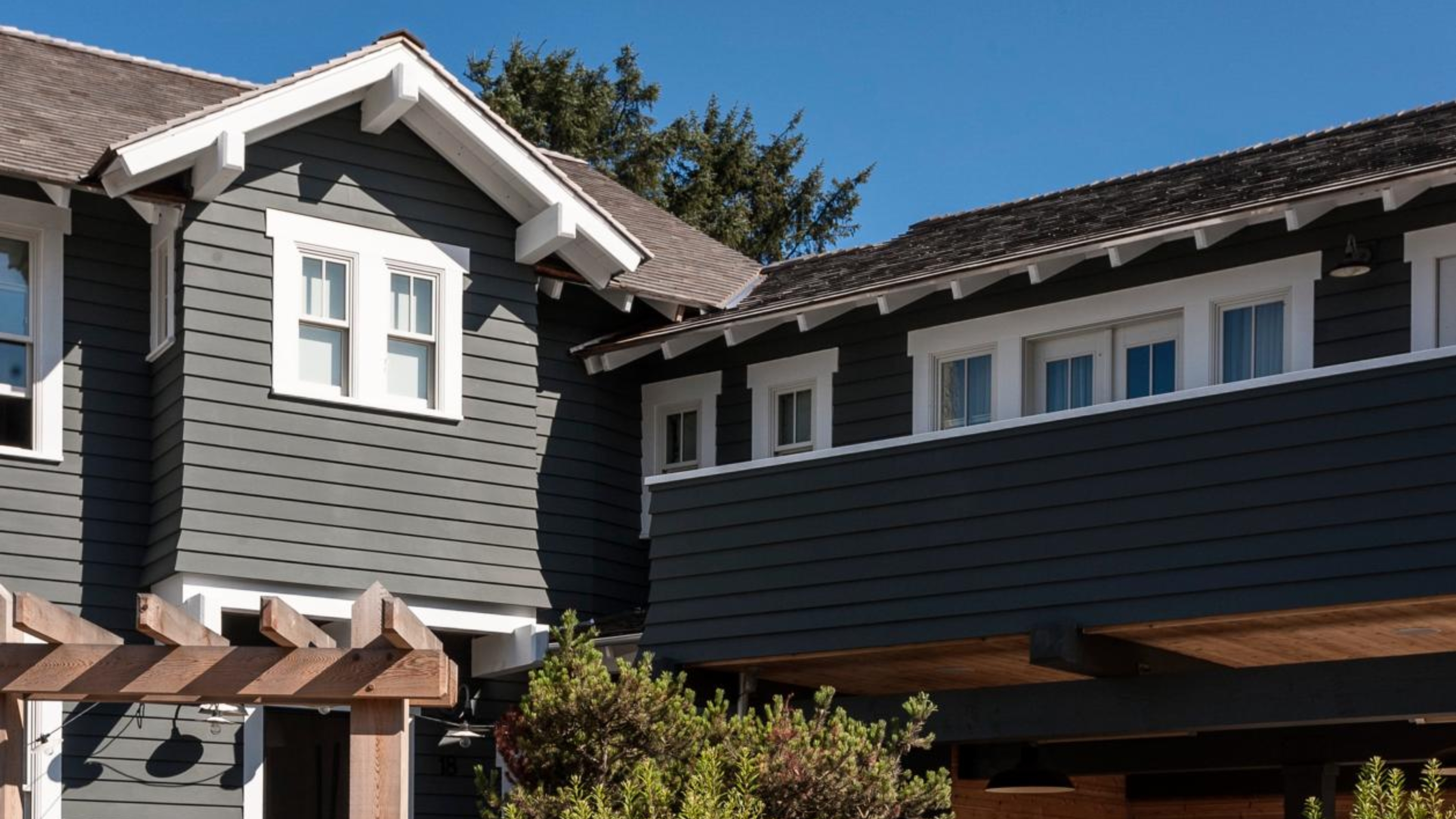
5 Exterior Paint Mistakes to Avoid If You Don't Want Your House to Become the Worst-Looking on the Street

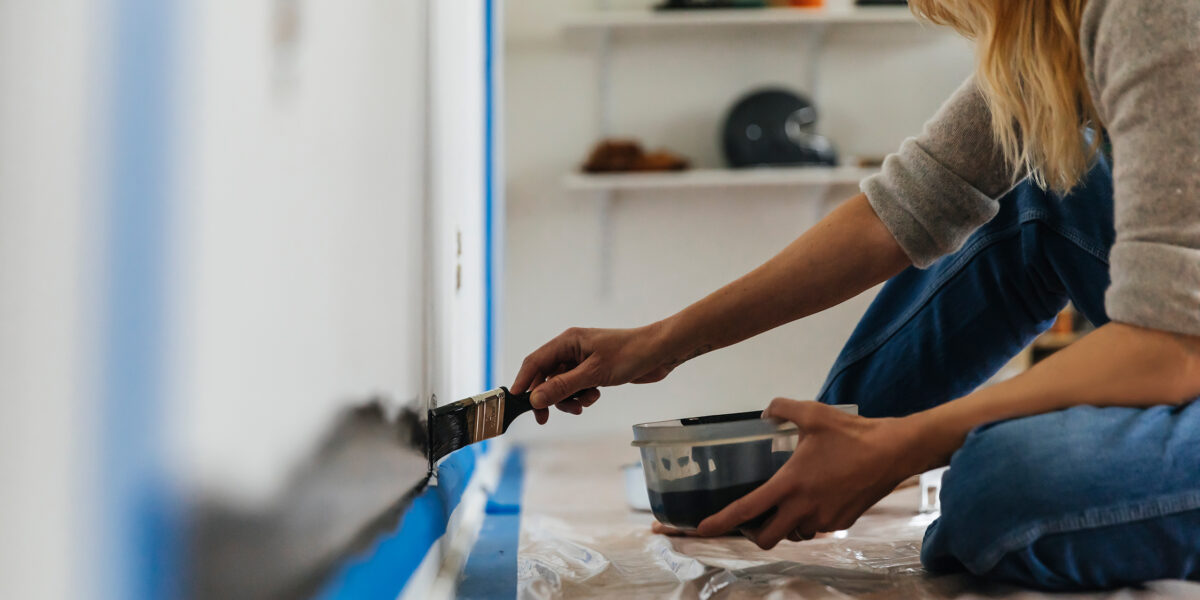
9 Things You Need to Know Before Renovating Your Home, According to Experts

5 factors to consider before choosing exterior wall paint

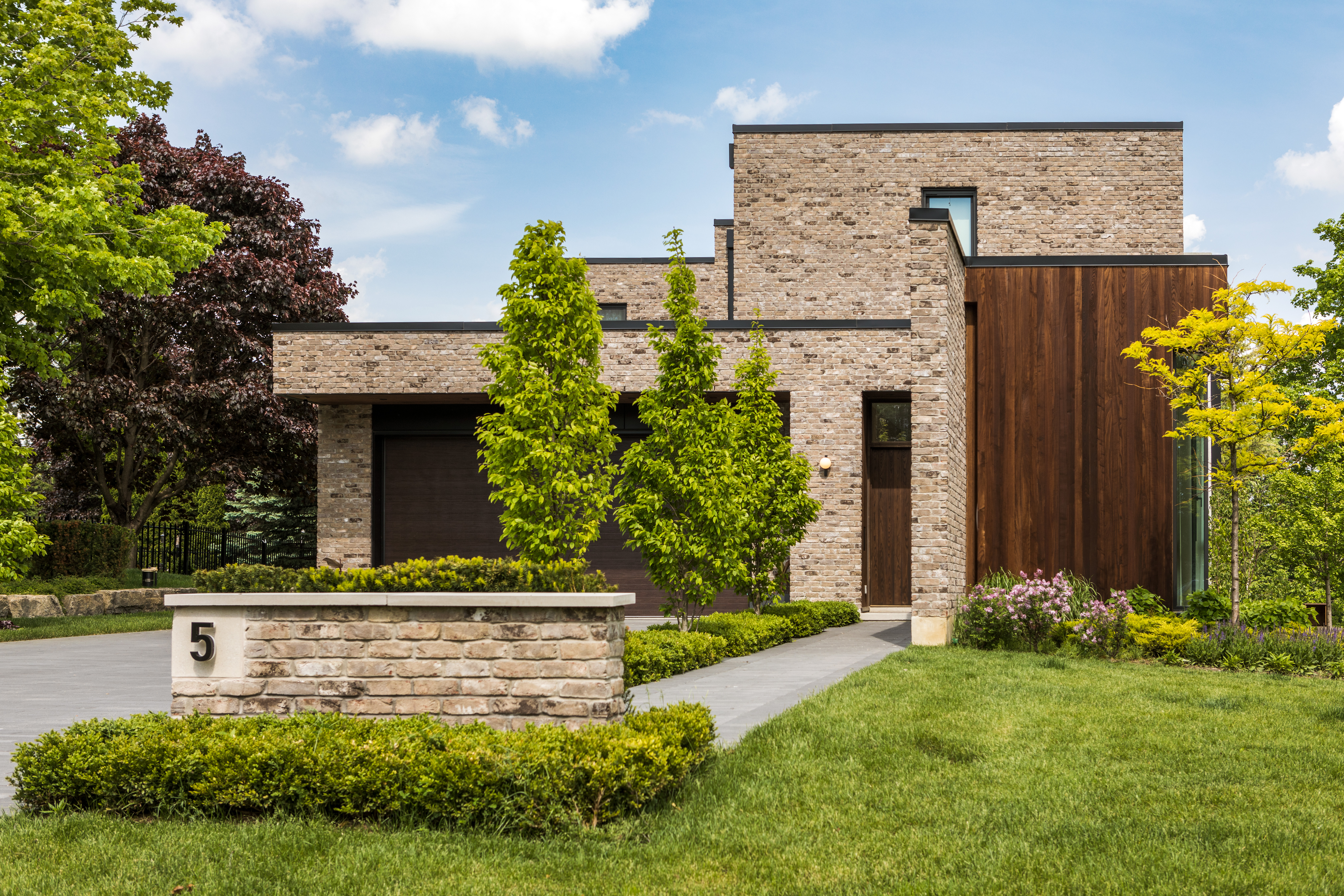
11 front of house design ideas to add instant curb appeal

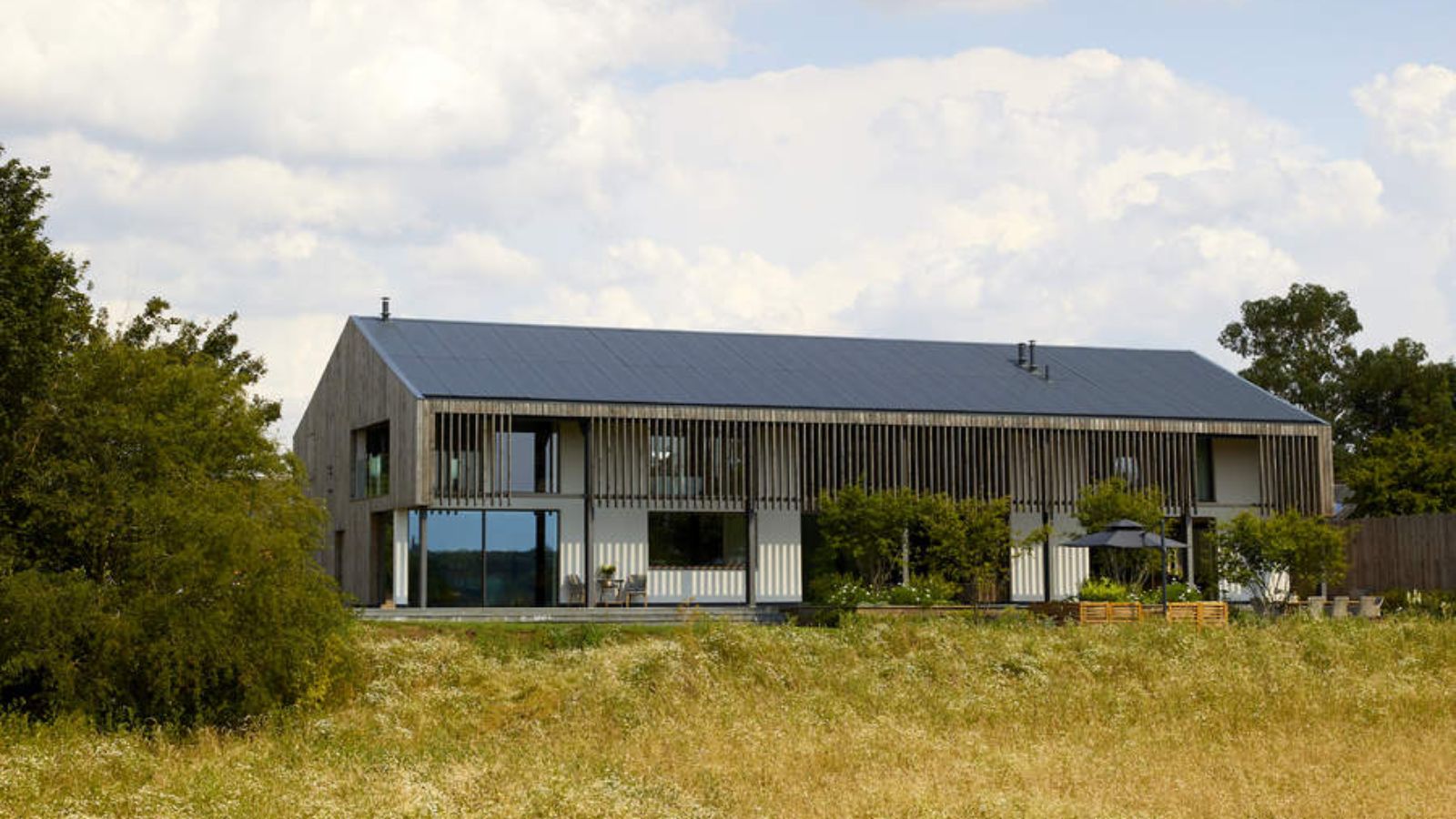
The best time to paint a house exterior, according to pros
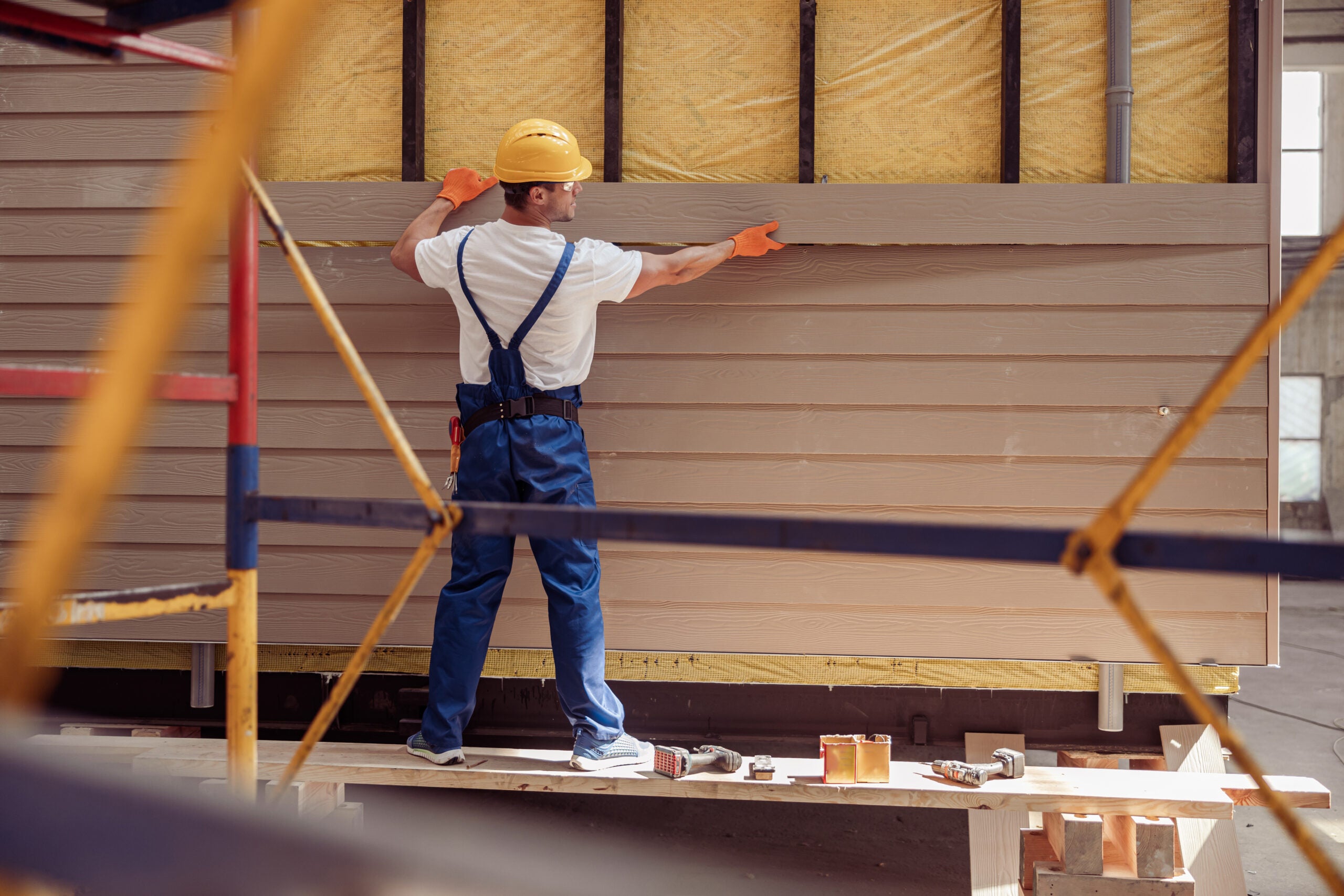
New Construction: What you need to know about siding your home

Interior Timber Wall Cladding

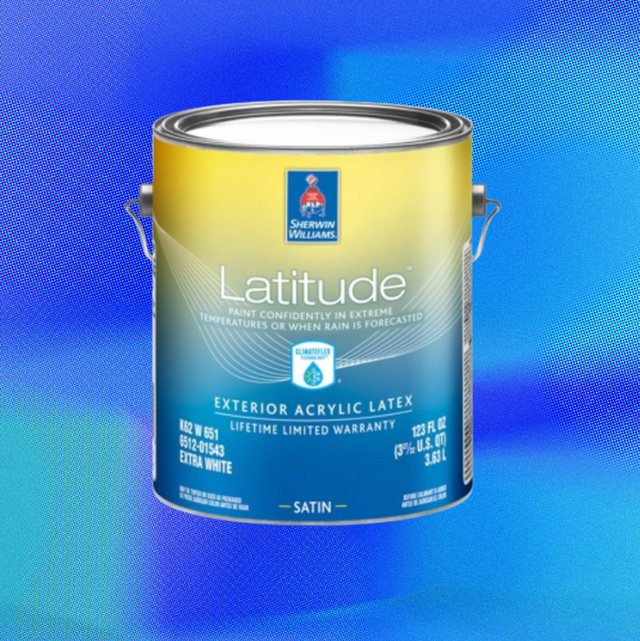
6 Best Exterior Paints for Your Home, According to Experts

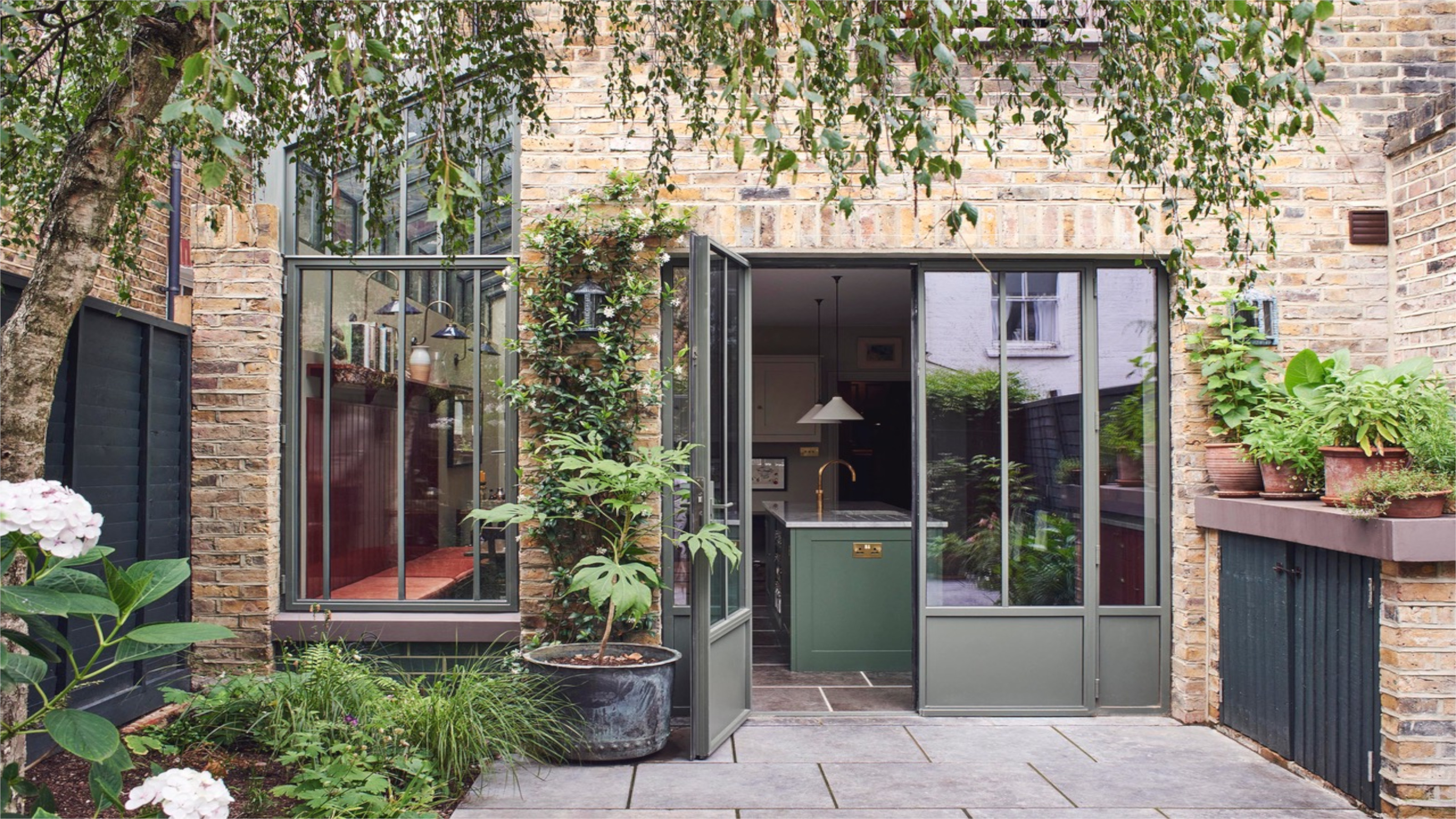
How to choose the best exterior paint for doors and windows
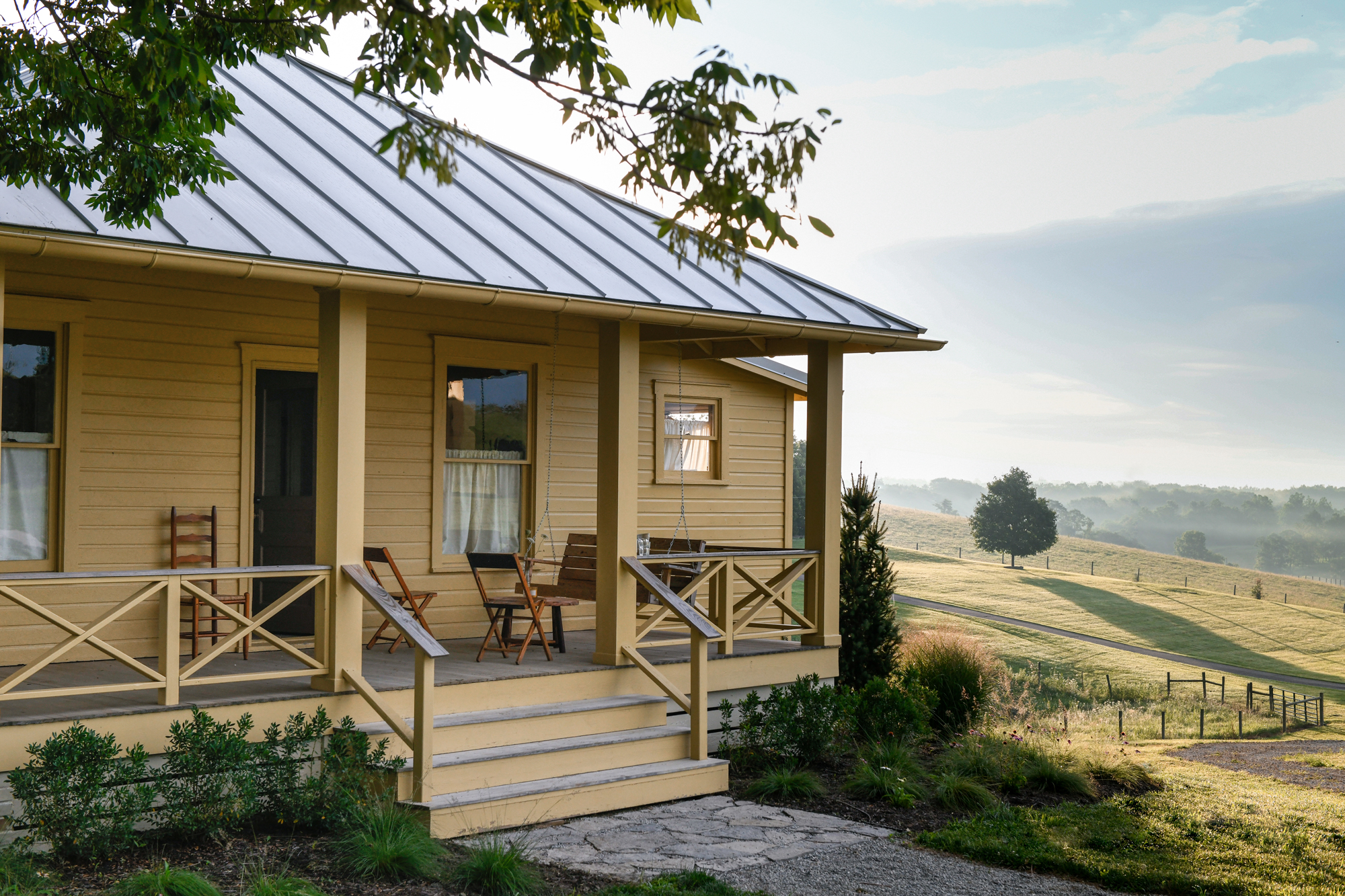
7 rules designers always follow to find the best exterior paint for your home
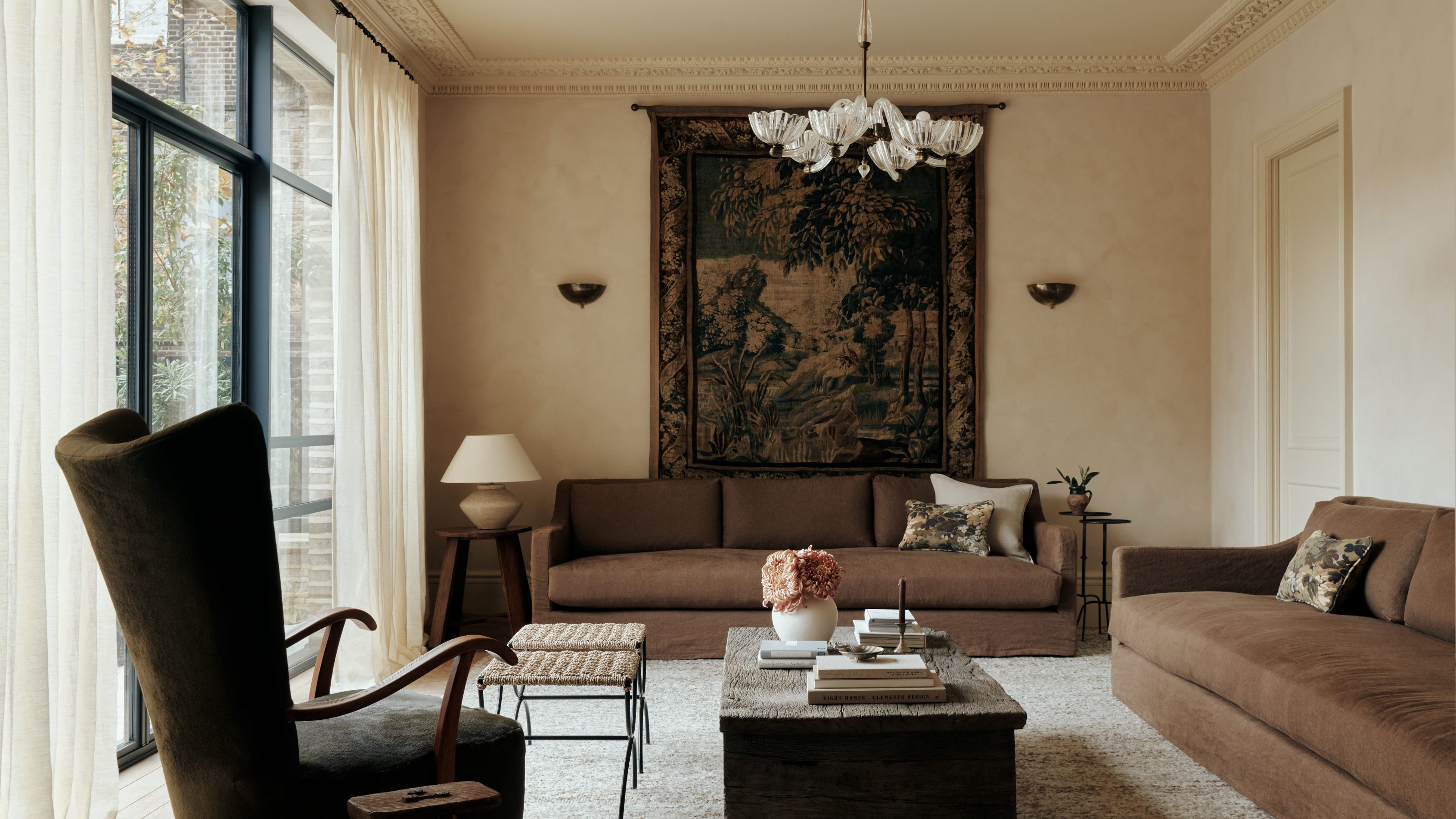
5 Questions on Decorative Plasterwork You Need to Ask Before Specifying It in 2025 — Answered by Interior Designers
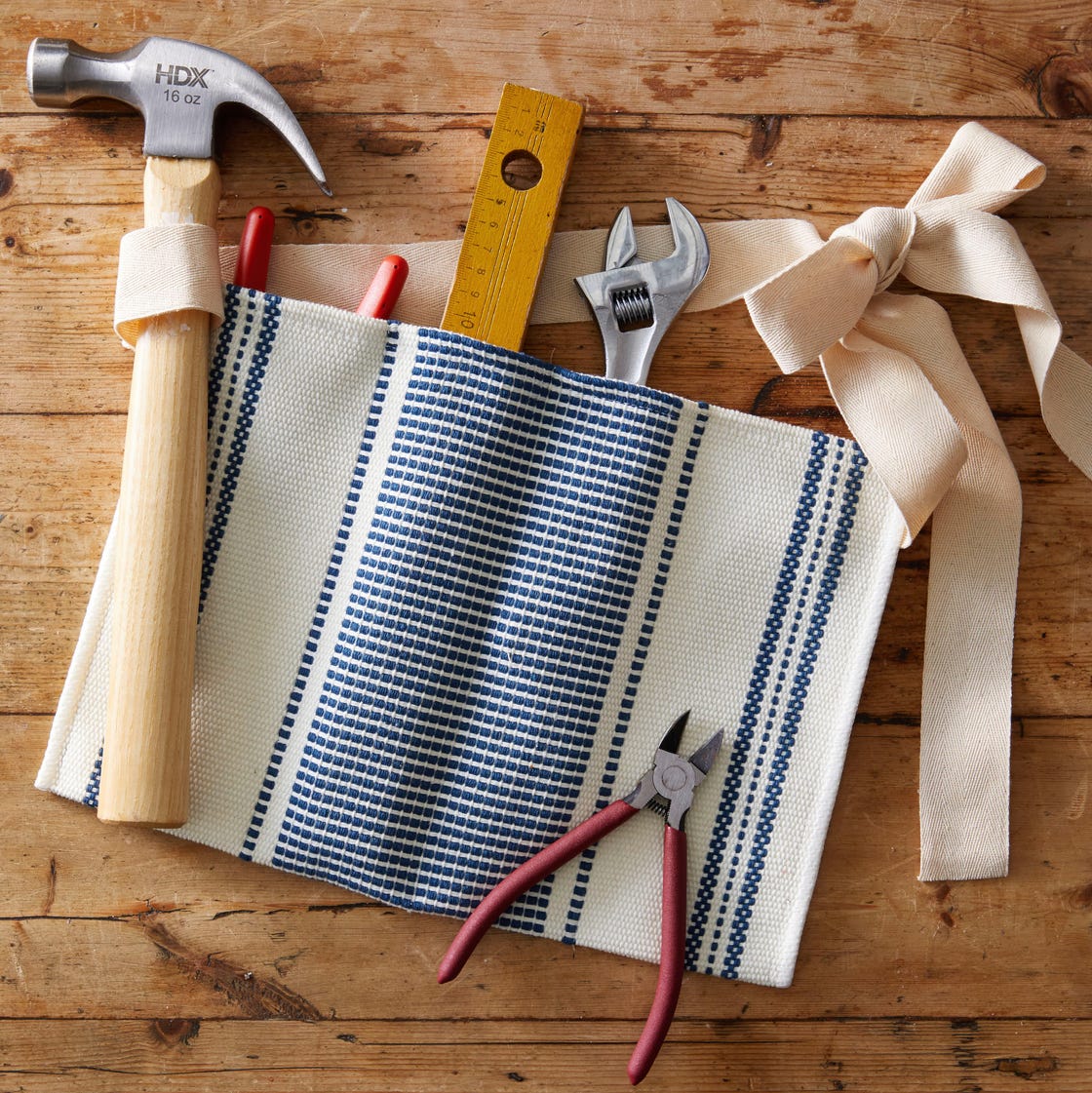
6 Lessons I Wish I’d Known Before Renovating My Home
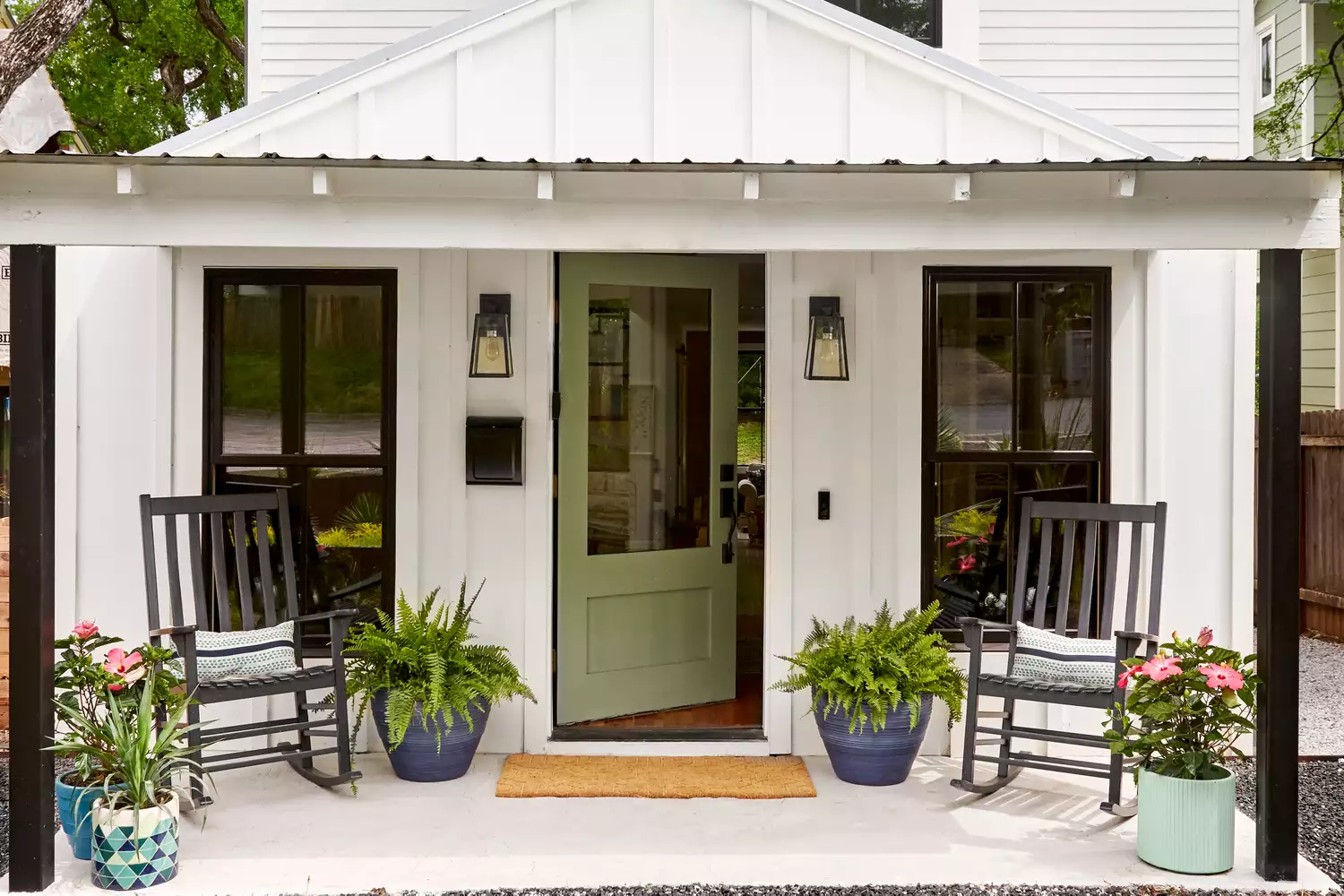
You Should Paint Your Home's Exterior Right Now, a Pro Says—Here's Why