1/11
Distinctive house cladding from Dezeen's Pinterest
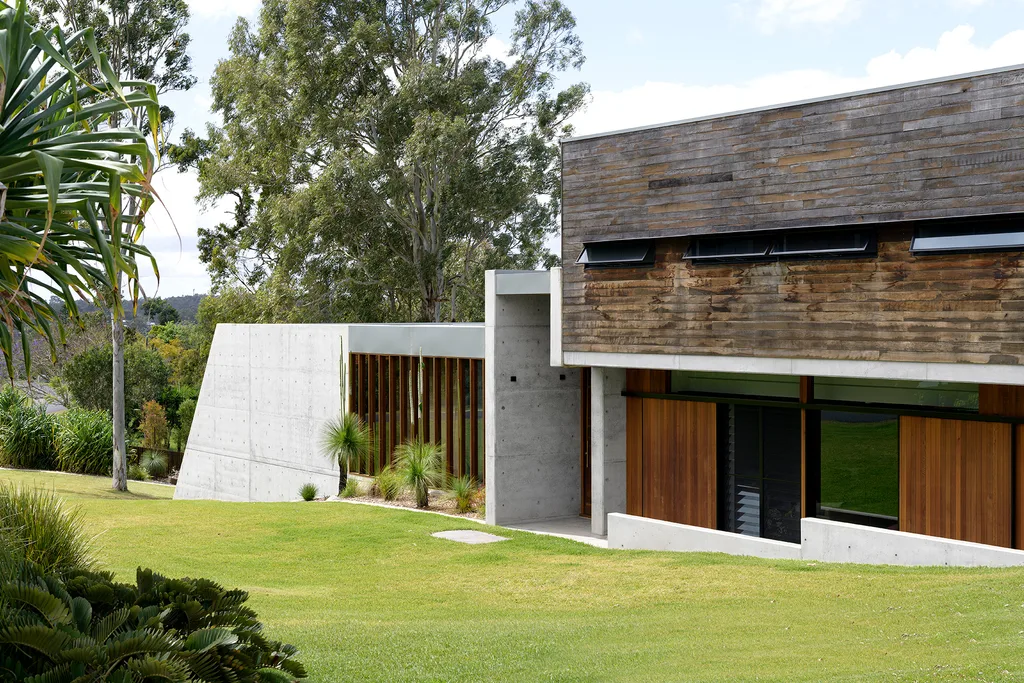
This article highlights ten residential projects that feature distinctive types of house cladding, in response to a 70 percent increase in searches for "house cladding" on Dezeen's Pinterest over the past month. Architects globally are increasingly using a variety of materials to creatively cover building exteriors, moving beyond traditional methods to incorporate both aesthetic appeal and practical benefits such as thermal efficiency and weather resistance. The featured projects showcase innovative uses of materials including recycled scallop tiles, cork, pine siding, slate, weathering steel, and ceramic tiles.
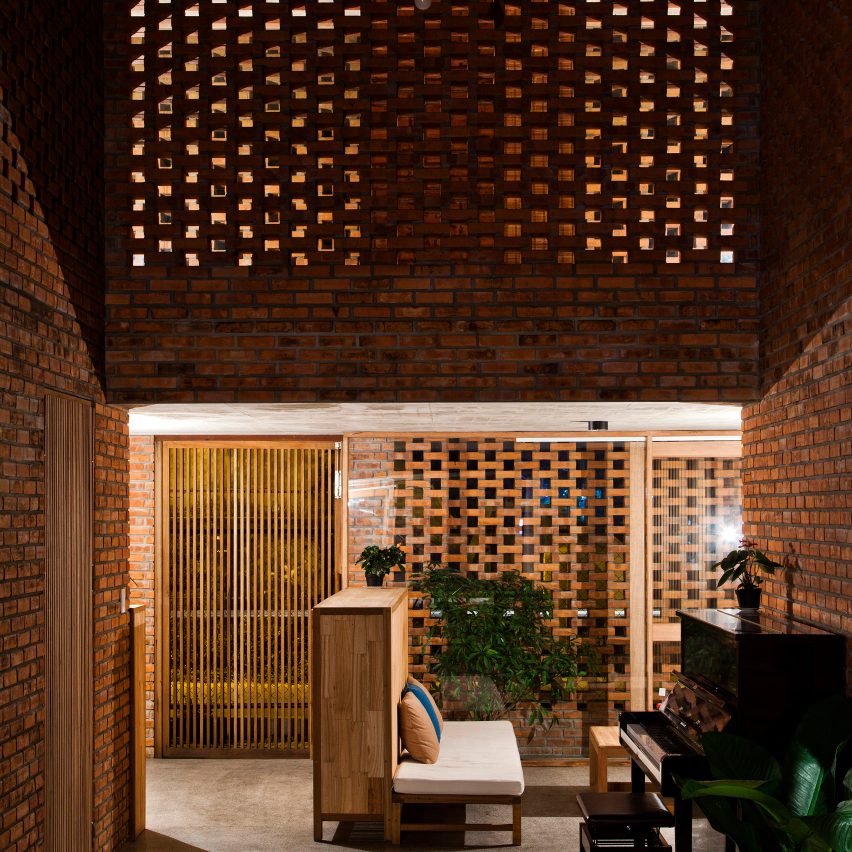
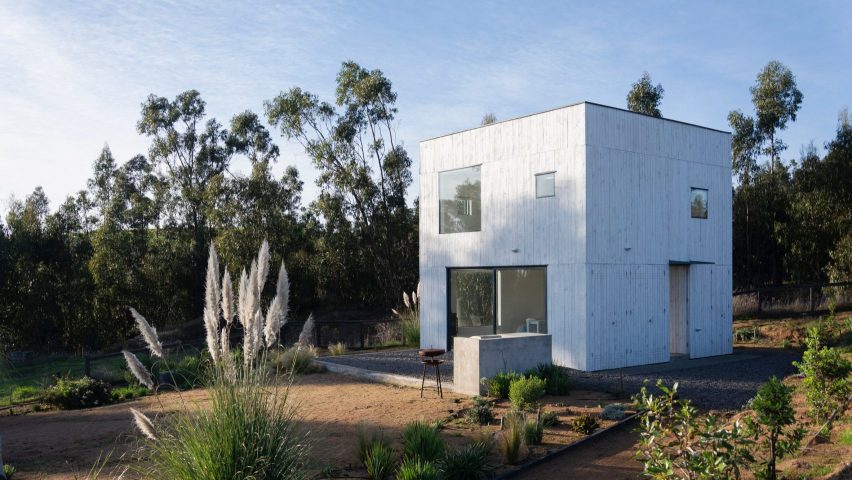
The 2HIEN house in Vietnam, designed by CTA, utilizes recycled scallop tiles from the client's previous home to clad both the exterior and roof, as well as interior walls, minimizing the need for new materials. In the Czech Republic, Atelier SAD and Iveta Zachariášová selected cork for a rural house's exterior due to its thermal and weather-resistant qualities, complementing the interior's concrete walls, floors, and ceilings. Stanaćev Granados's Casa Kuvo in Chile, a cubic holiday home on the coast, employs pine siding to reflect the intense sun, integrating the structure with its natural surroundings.
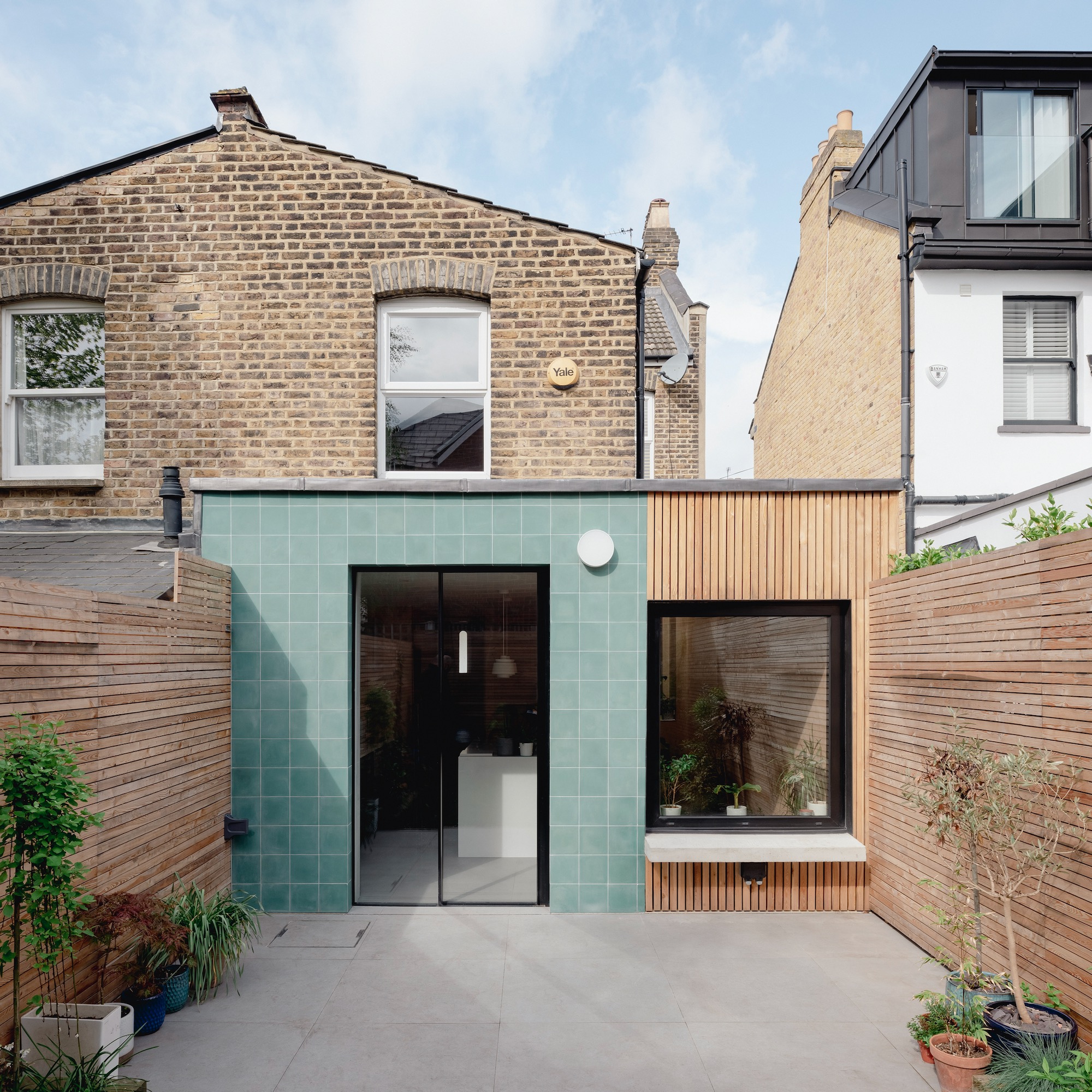
Angelucci Architects' Nido House in Australia involves the renovation of a Victorian brick terraced house with an extension clad in hand-cut Welsh slate tiles, covering both the roof and a portion of the facade. LCA Architetti's "The House of Wood, Straw and Cork" in Italy exemplifies sustainable building practices, using a timber structure, straw insulation, and cork cladding to create a minimalist home that harmonizes with its rural setting and reduces environmental impact. Studio Okami Architecten's Beli House in Belgium draws inspiration from 1960s design, featuring a mirrored-clad volume that reflects the surrounding woodland, integrated into a concrete and glass structure.
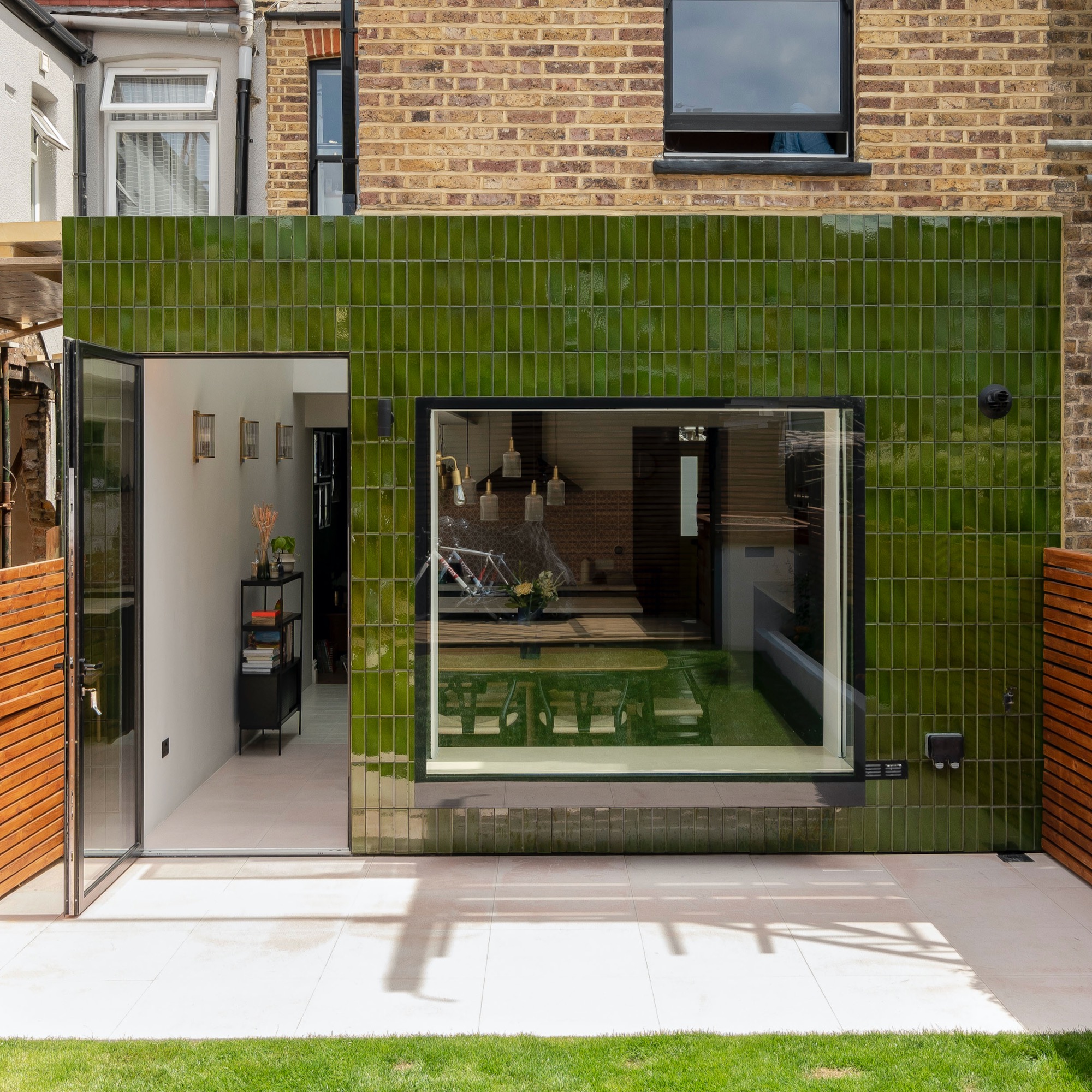
Omar Gandhi Architect's "Mountain Beetle" in British Columbia, Canada, is a fire-resistant mountaintop retreat clad in weathering steel, designed to resemble a mountain beetle and protect against wildfires prevalent in the region. Mecanoo's Villa BW in the Netherlands incorporates ceramic tiles in shades of grey, blue, and green with a pearlescent glaze, creating a facade that changes color with the sunlight. The Nishiji Project in Chiba, Japan, by Kompas, uses traditional kawara tiles, blackened to resist salt damage, for a house and art gallery with garages on the ground floor and art spaces across three upper levels. Lastly, Rundzwei Architekten's "Cork Screw House" in Berlin, Germany, utilizes waste cork from the wine industry for its facade and roof, providing thermal efficiency and a distinctive exterior. These projects collectively demonstrate a diverse and innovative approach to house cladding, emphasizing both sustainability and unique architectural expression.
#HouseCladding #ArchitecturalDesign #SustainableMaterials #ResidentialArchitecture #ExteriorDesign #BuildingMaterials #InnovativeCladding #HomeExteriors #ArchitecturalProjects #HouseCladding #ArchitecturalDesign #SustainableMaterials #ResidentialArchitecture #ExteriorDesign #BuildingMaterials #InnovativeCladding #HomeExteriors #ArchitecturalProjects
0 comment in total
 No comments yet
You may also like
Fine Homebuilding Online Archive

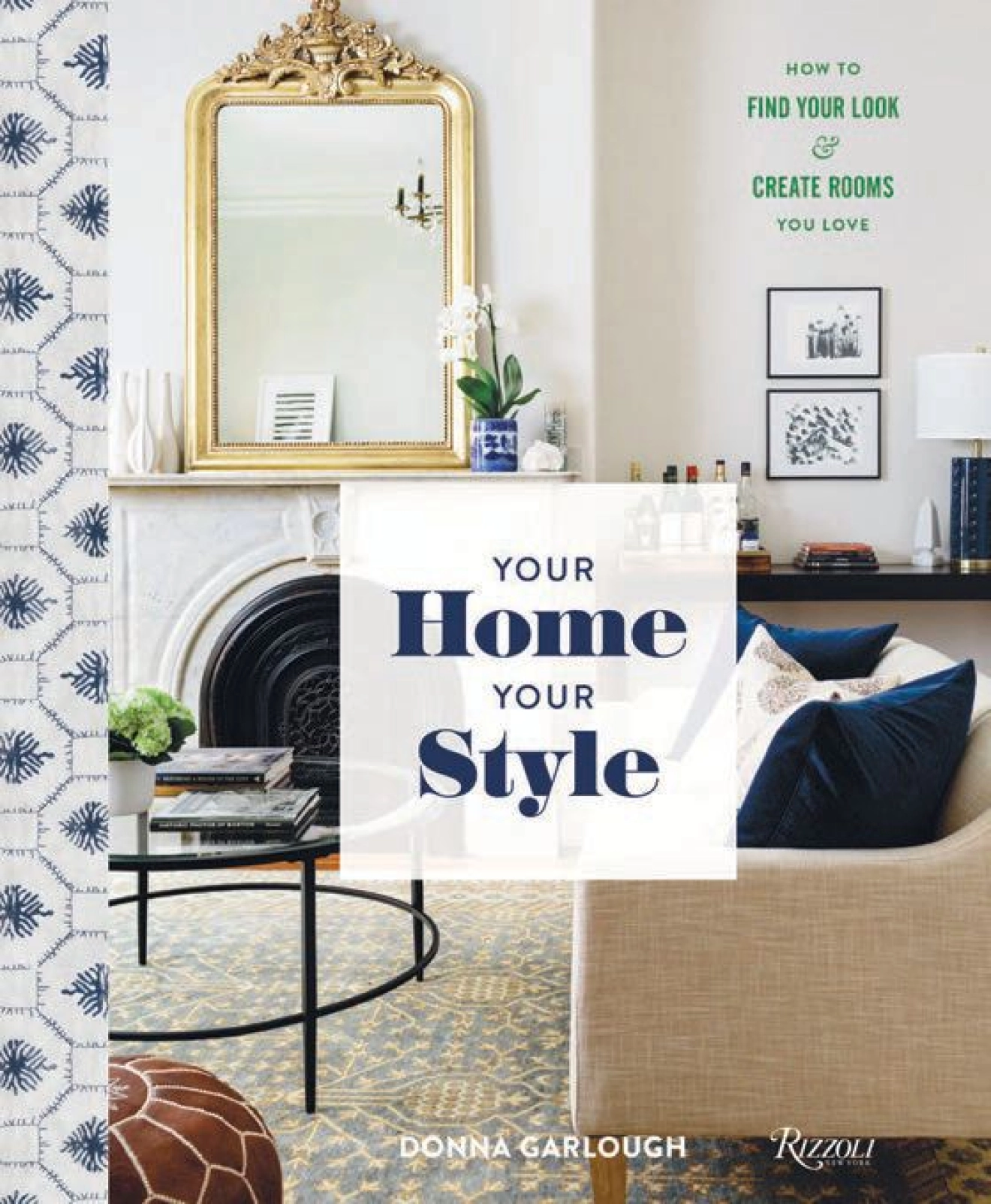
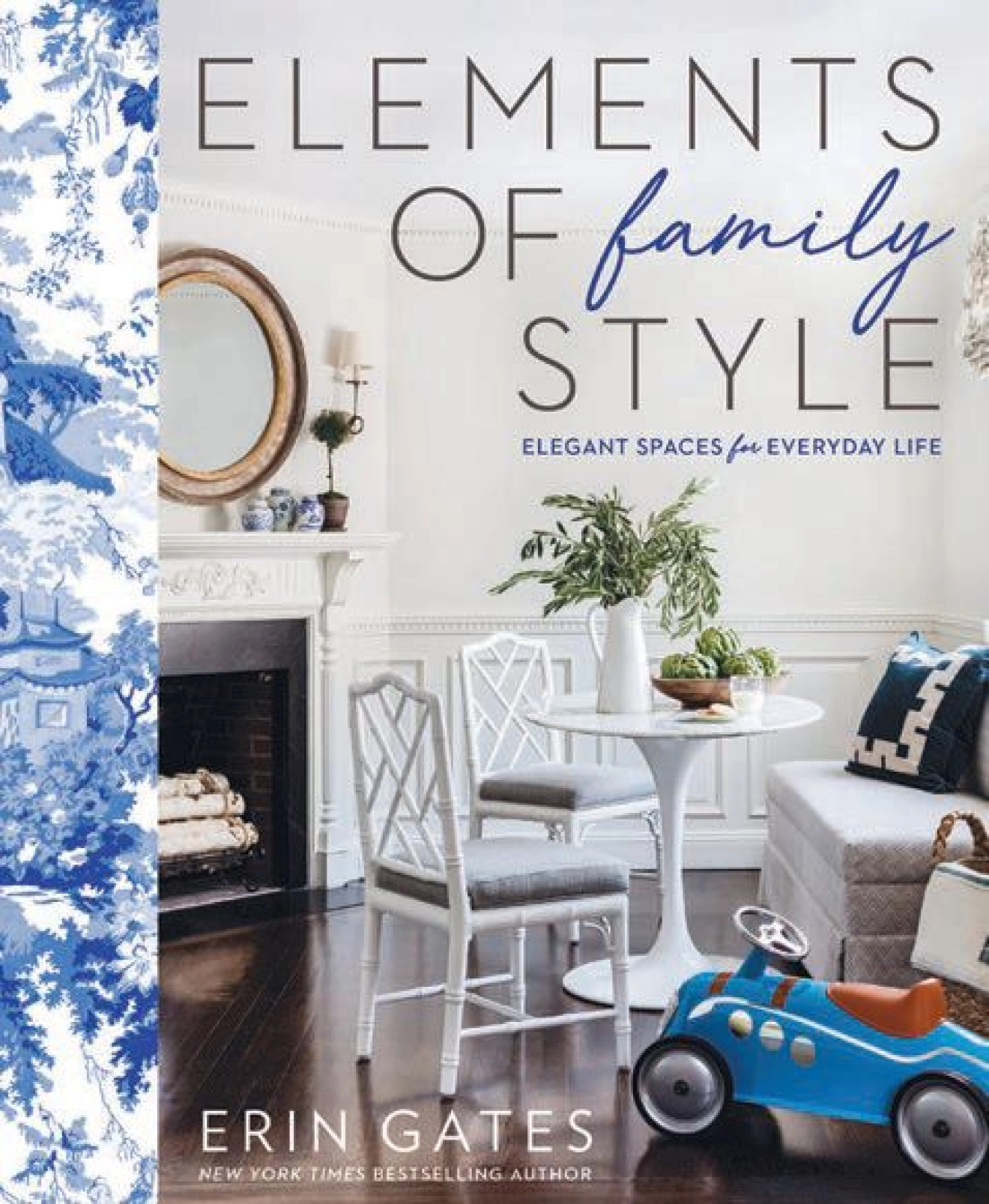
4 Home Decor Books For Coastal Design Inspiration
Why do the ultra-rich have tacky interiors?
Designers Reveal the TINY Detail That Instantly Adds Character to Any Home
6 Tips For Creating The Perfect Home For Any Life Stage
Hidden Doors and Patterns Galore Brought British Charm to This Builder-Grade Home

Looking to Buy a New Home? These Are the Most Popular House Styles to Know

Here are the most popular bathroom splurges for homeowners in 2017

"It's Like I'm On An HGTV Acid Trip": People Are Denouncing The Worst Home Design Features

How To Use Pinterest For Home Remodeling Projects: The 6 Steps To Follow
Home & Design | Making It Personal
38 of the world's most colourful homes | loveproperty.com
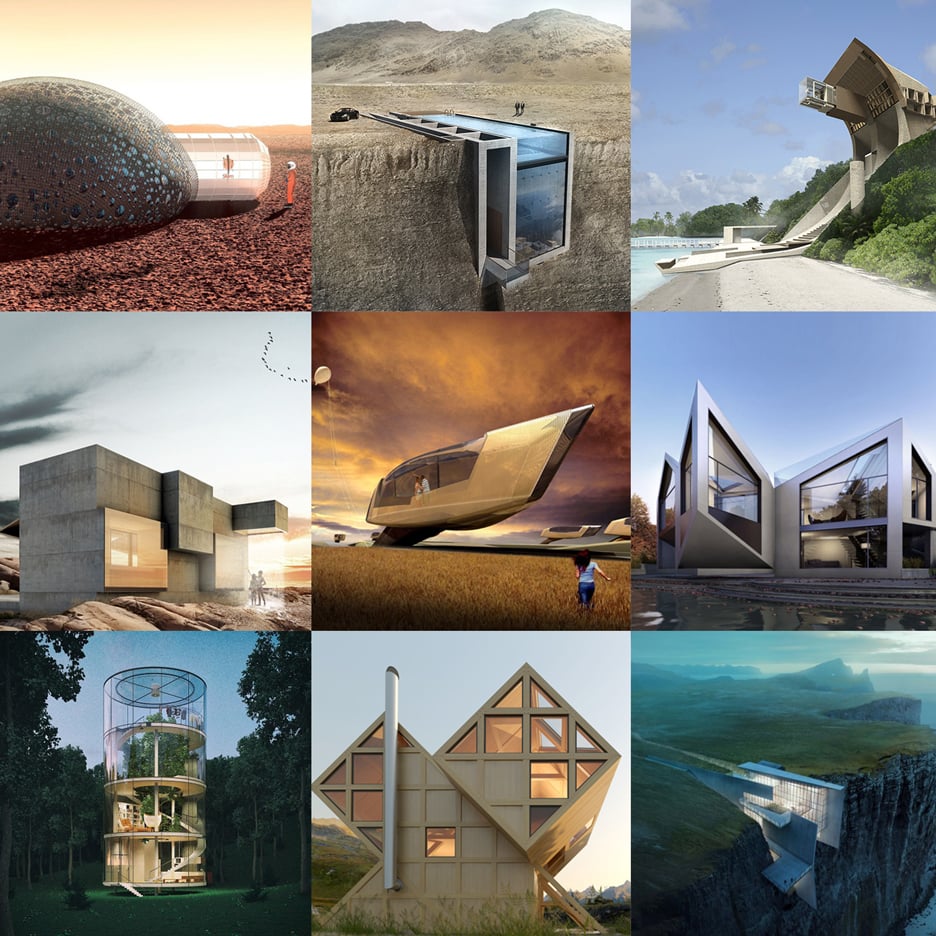
Daring house designs feature on Dezeen's new Pinterest board

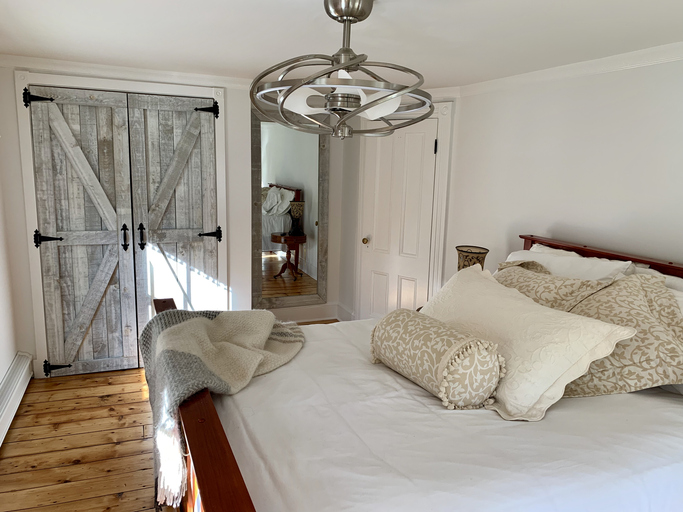
10 Horrifying Home Design Trends: 2022 Edition
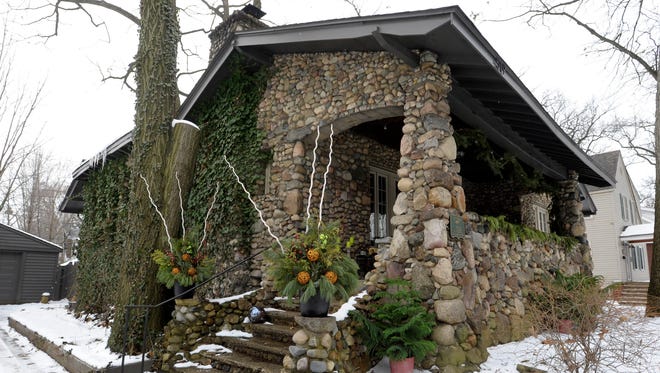
Ferndale stone house rocks design style
11 house exterior colour ideas - boost your kerb appeal with paint, cladding and tiles
10 of the most popular brick interiors on Dezeen's Pinterest boards
Homeowner wows with DIY version of latest feature wall trend – and the results are stunning!
Drawing inspiration from modernist icons, this home rises organically from its landscape

20 Best Amazon Home Decor Items To Elevate Your Space In 2024