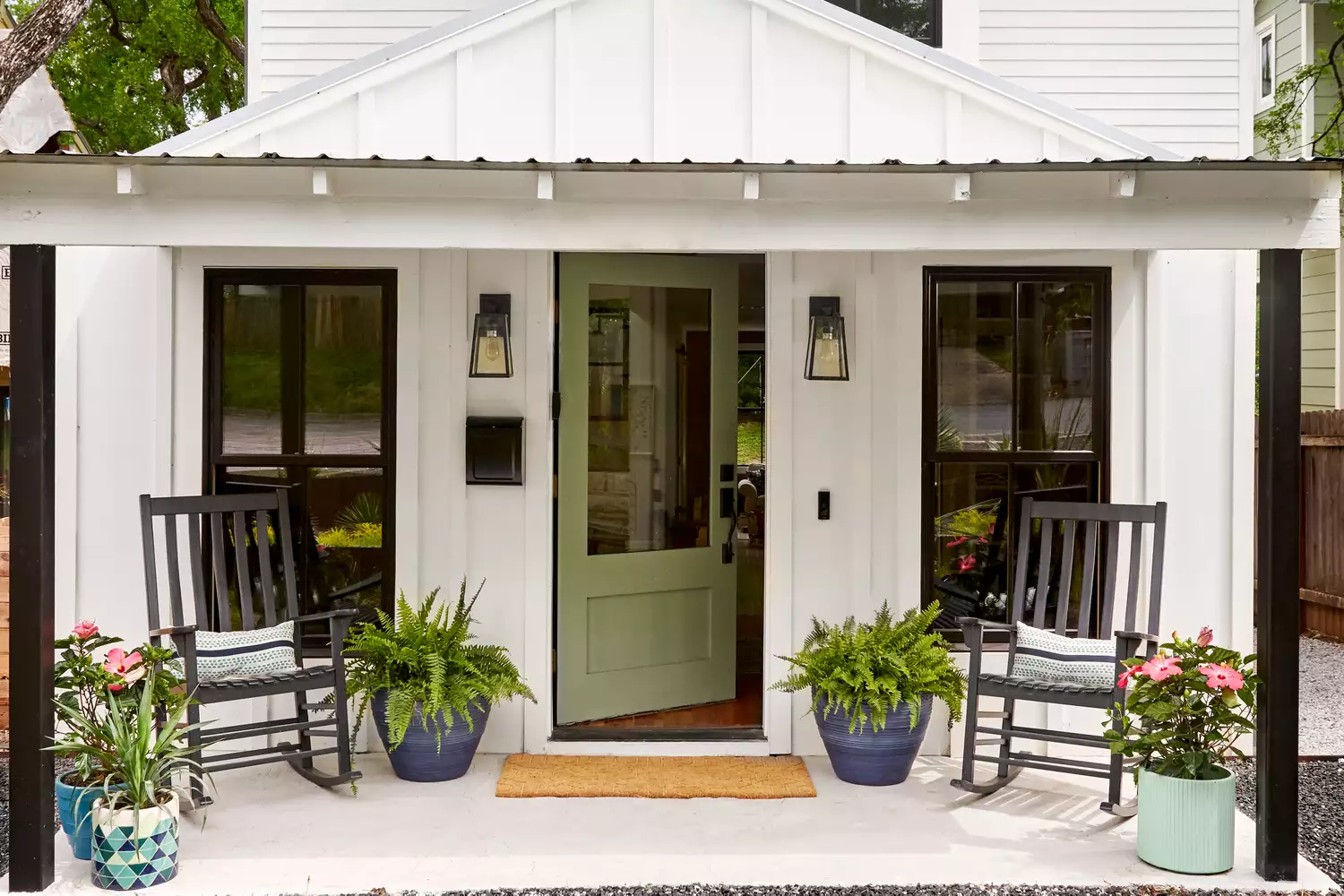
You Should Paint Your Home's Exterior Right Now, a Pro Says—Here's Why
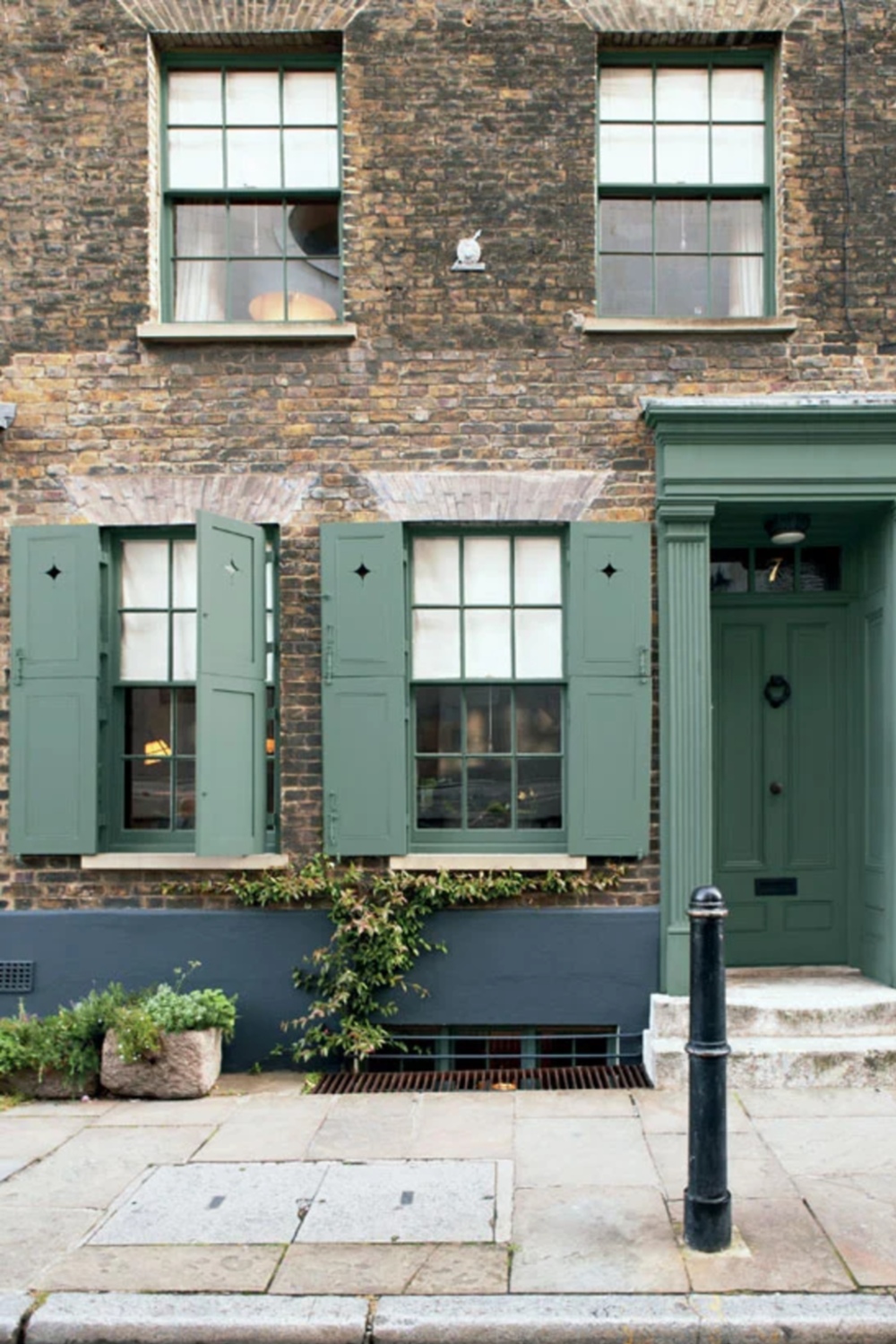
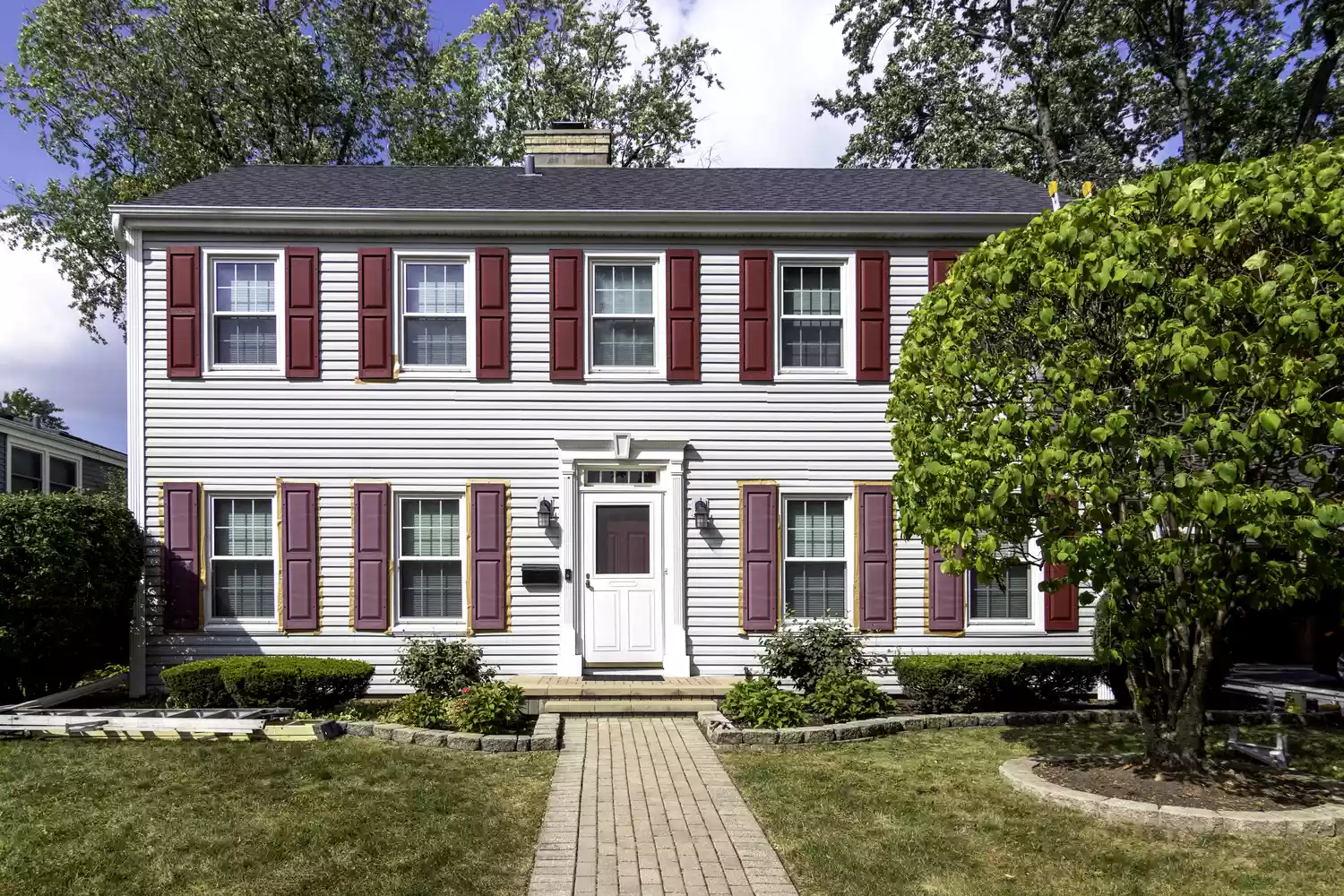
Repainting a home's exterior is a significant project that, when timed correctly, can yield optimal results in terms of finish quality and longevity. Spring often presents the ideal conditions for exterior painting due to favorable weather, inspiring many homeowners to undertake this task. While warmer days make outdoor work more comfortable and facilitate faster drying times, specific weather conditions, beyond just temperature, are crucial for successful paint application and curing.
Optimal painting temperatures, as suggested by paint manufacturers like Benjamin Moore, range between 35°F and 100°F, with 77°F being considered perfect. However, humidity plays an even more critical role; low humidity levels are essential for the paint to cure properly. Therefore, even if temperatures are within the acceptable range, high humidity can compromise the paint's adherence and durability, potentially leading to streaking or premature failure.
Before any paint is applied, thorough preparation of the surface is non-negotiable. This involves cleaning the home's exterior to remove dirt, debris, and mildew. Pressure washing is an effective method for this, but it requires caution. Incorrect pressure settings or cleaning solutions can damage the house's exterior, highlighting the importance of understanding the equipment and proper techniques or considering professional assistance for this step.
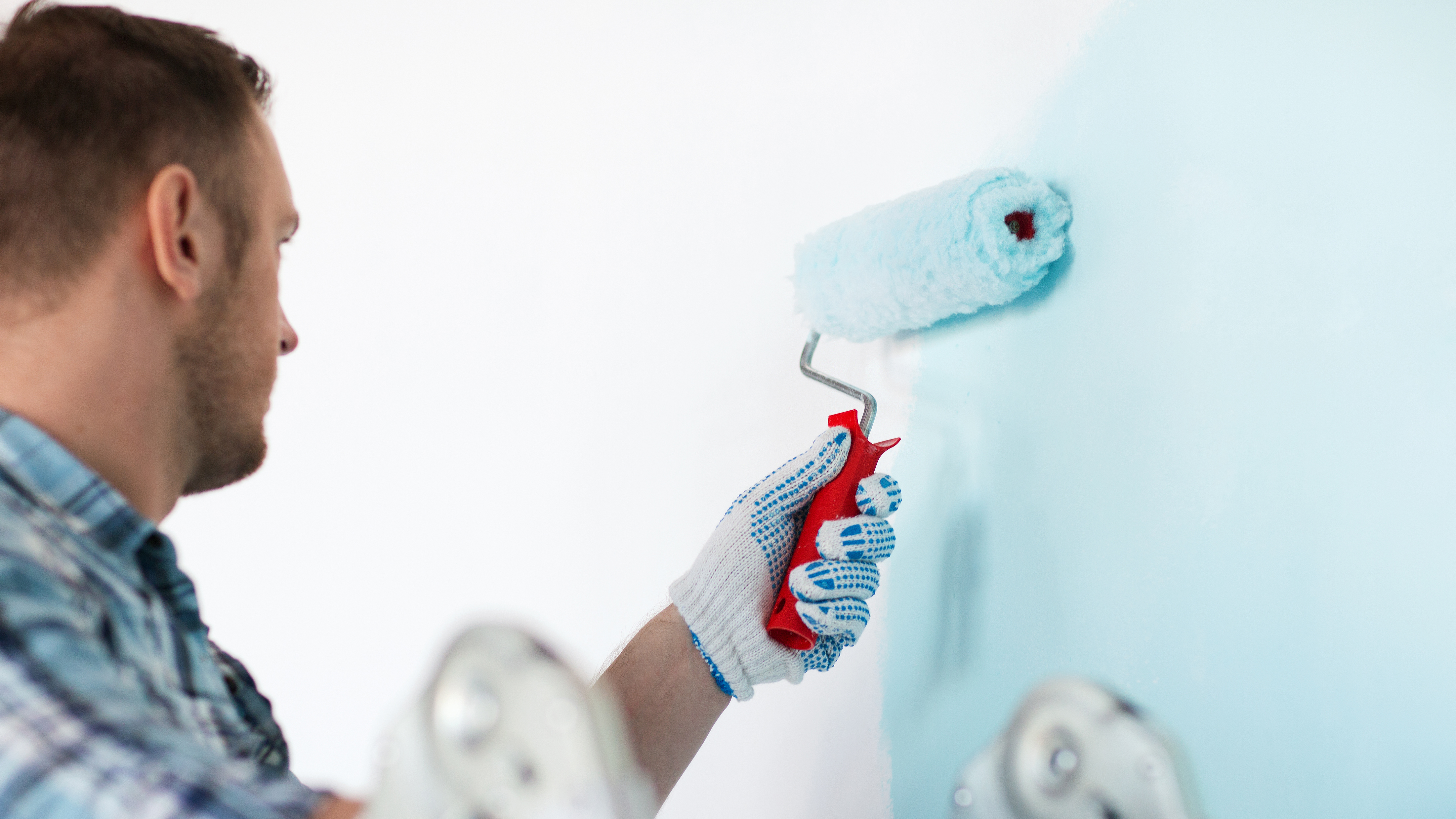
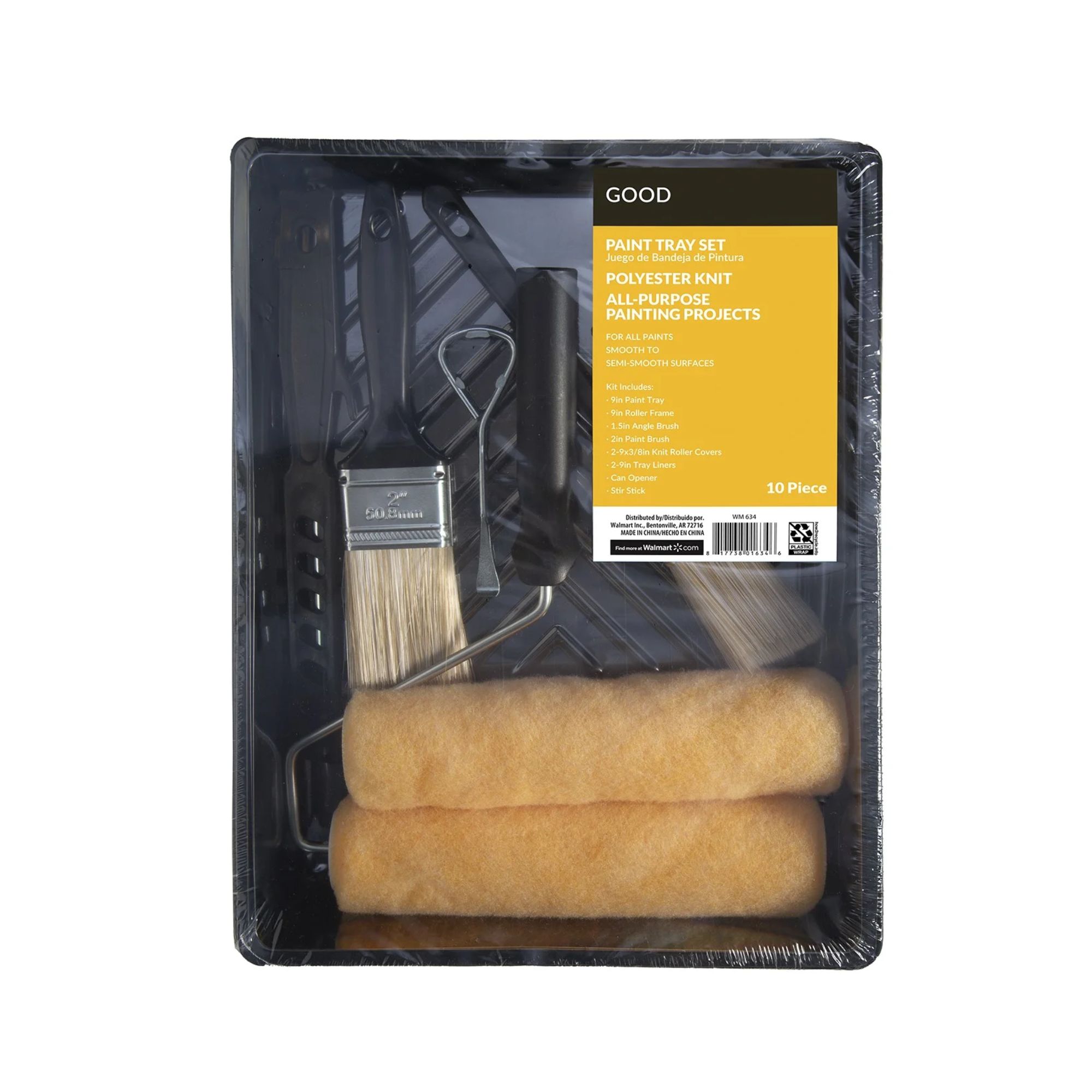
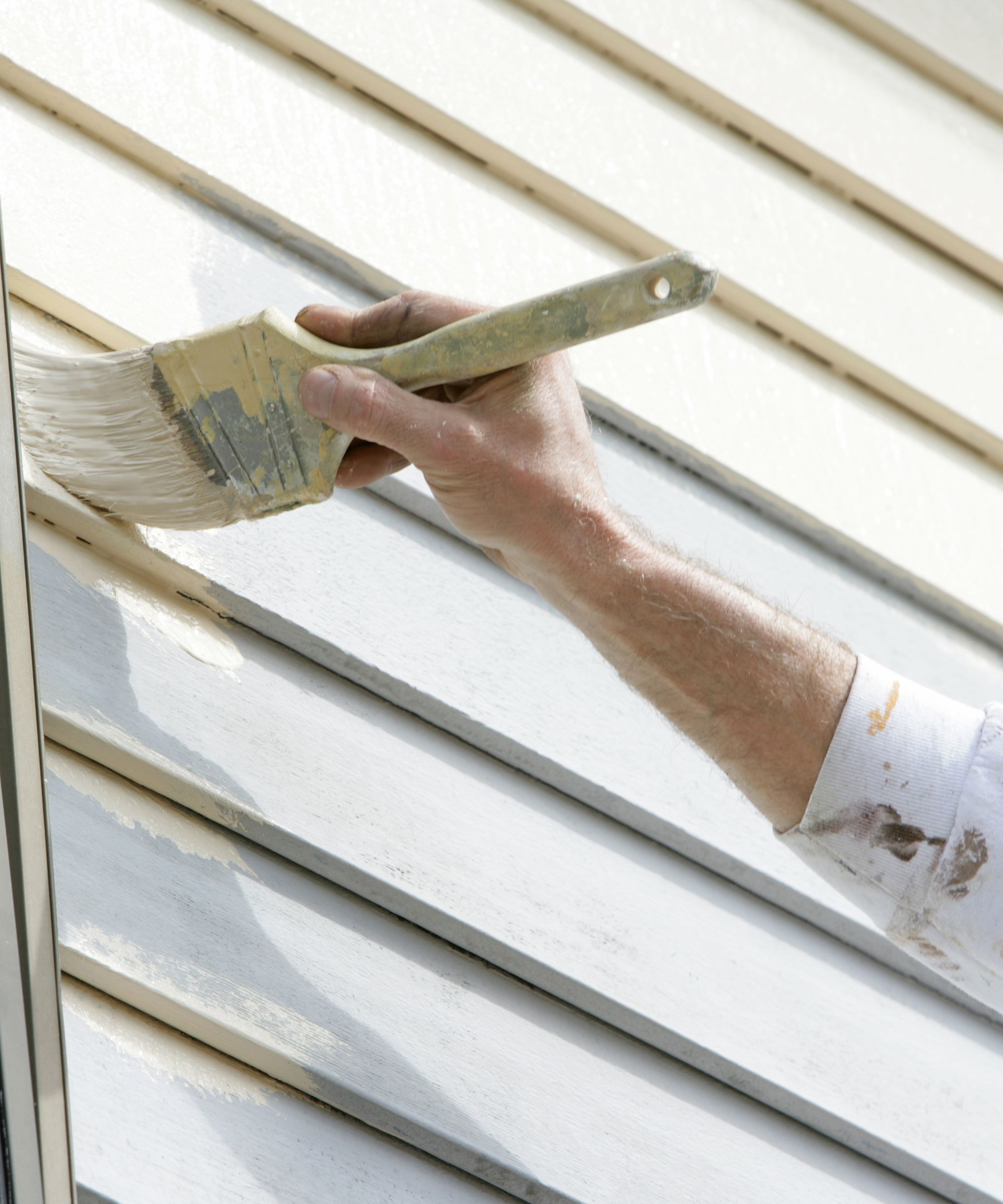
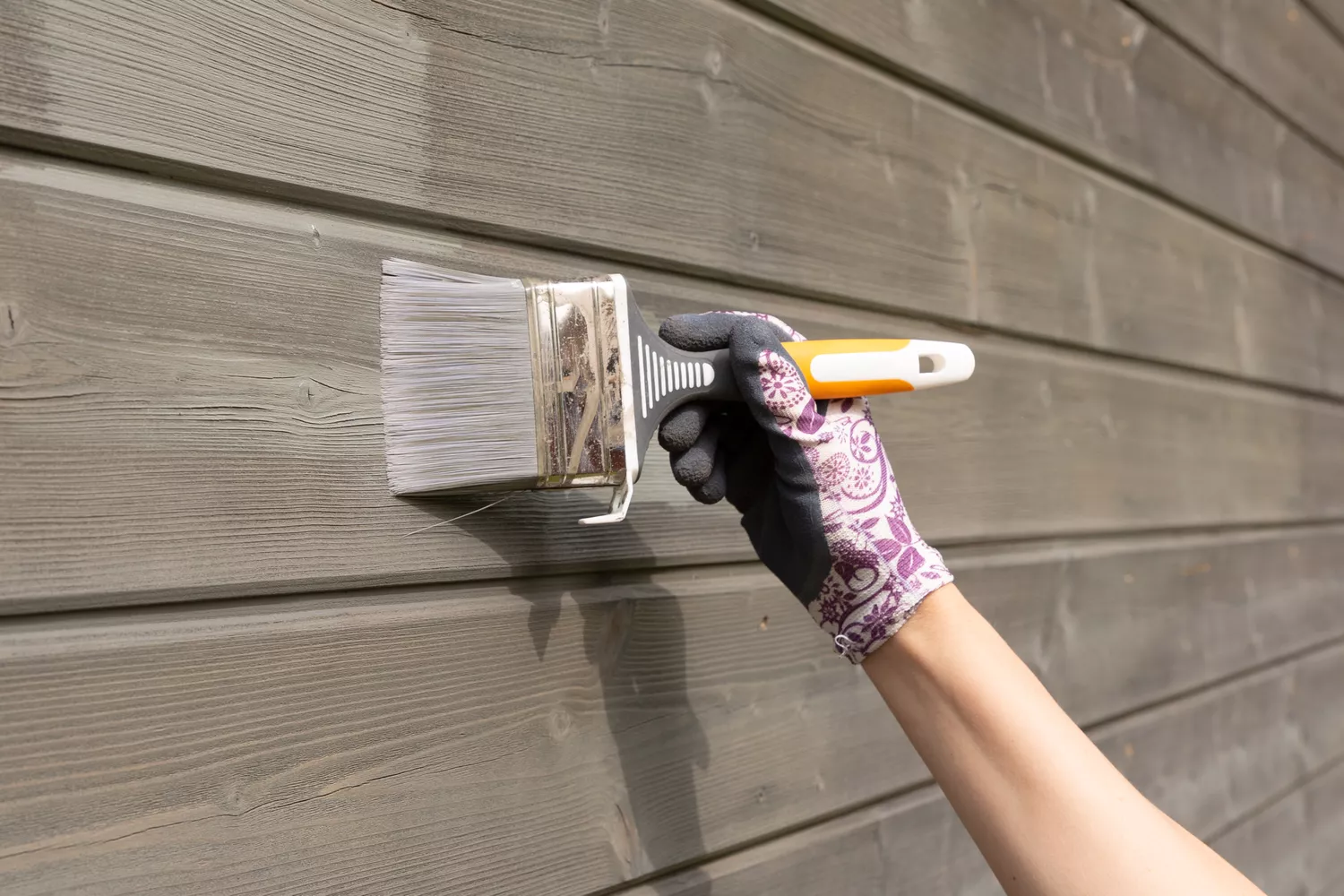
Choosing the right tools for application is another key aspect. For DIY enthusiasts, paint rollers offer an easier learning curve compared to paint sprayers, although they are more time-consuming. Paint sprayers can cover large areas quickly but demand a higher skill level to prevent uneven application or overspray. Regardless of the chosen tool, practicing its use beforehand is recommended to ensure a smooth, even finish.
The weather forecast must be closely monitored throughout the painting process. Rain, in particular, can significantly disrupt exterior painting, as it can wash away fresh paint or cause streaking, ultimately compromising the finish. Therefore, avoiding painting when rain is predicted is a fundamental rule for exterior projects.
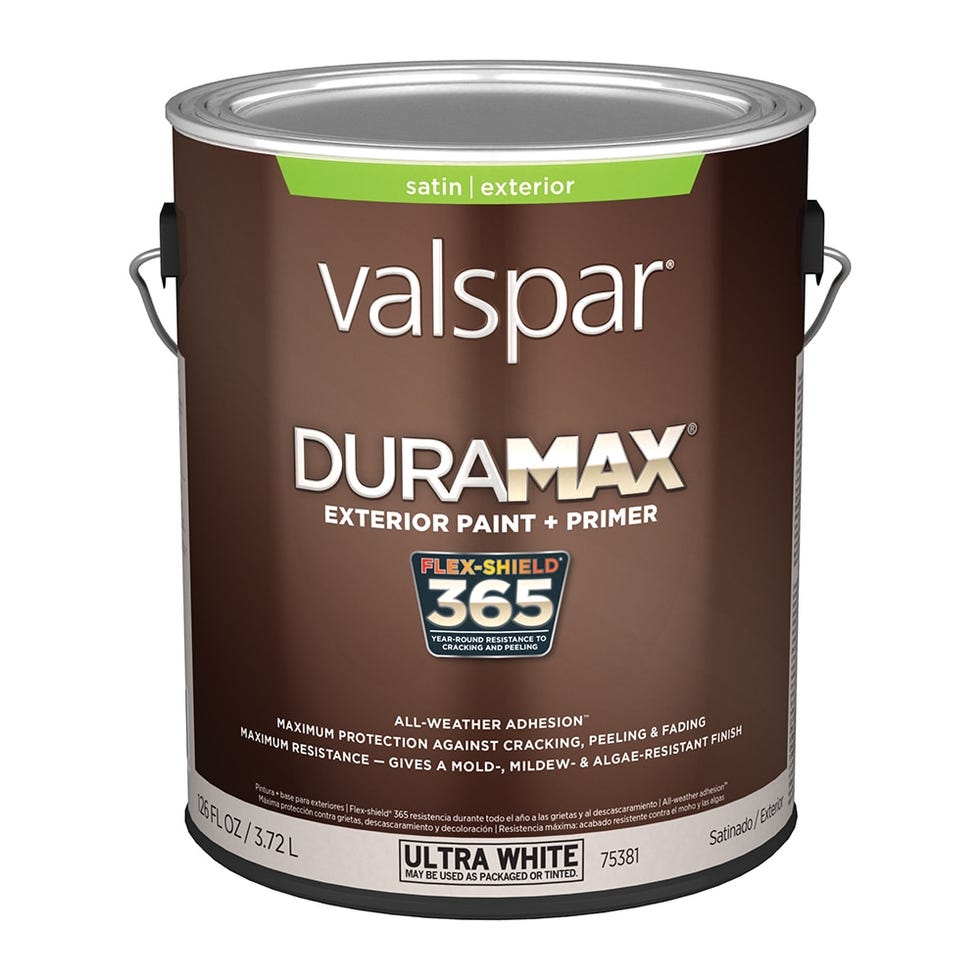
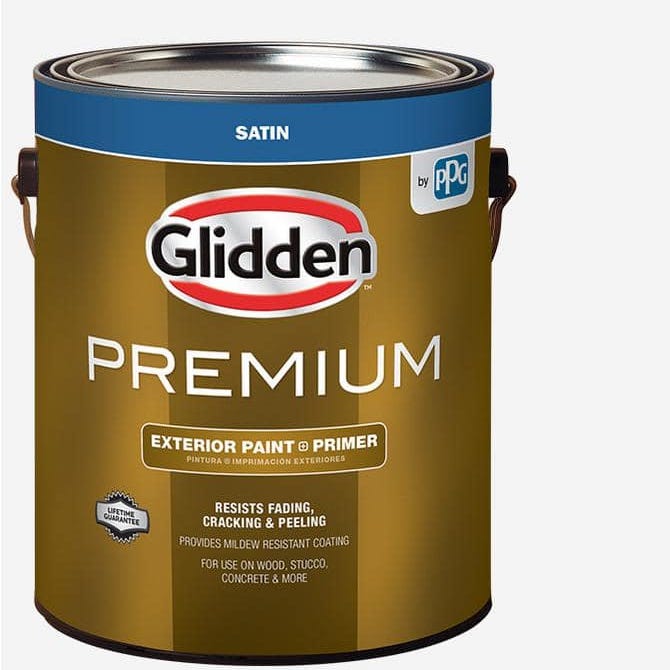
Selecting the appropriate type of paint is also vital. High-quality paints are often more forgiving in varying weather conditions, offering a greater chance of success even if ideal weather windows are narrow. Homeowners should ensure that their preferred color is available in a formulation suitable for exterior use and the prevailing environmental conditions.
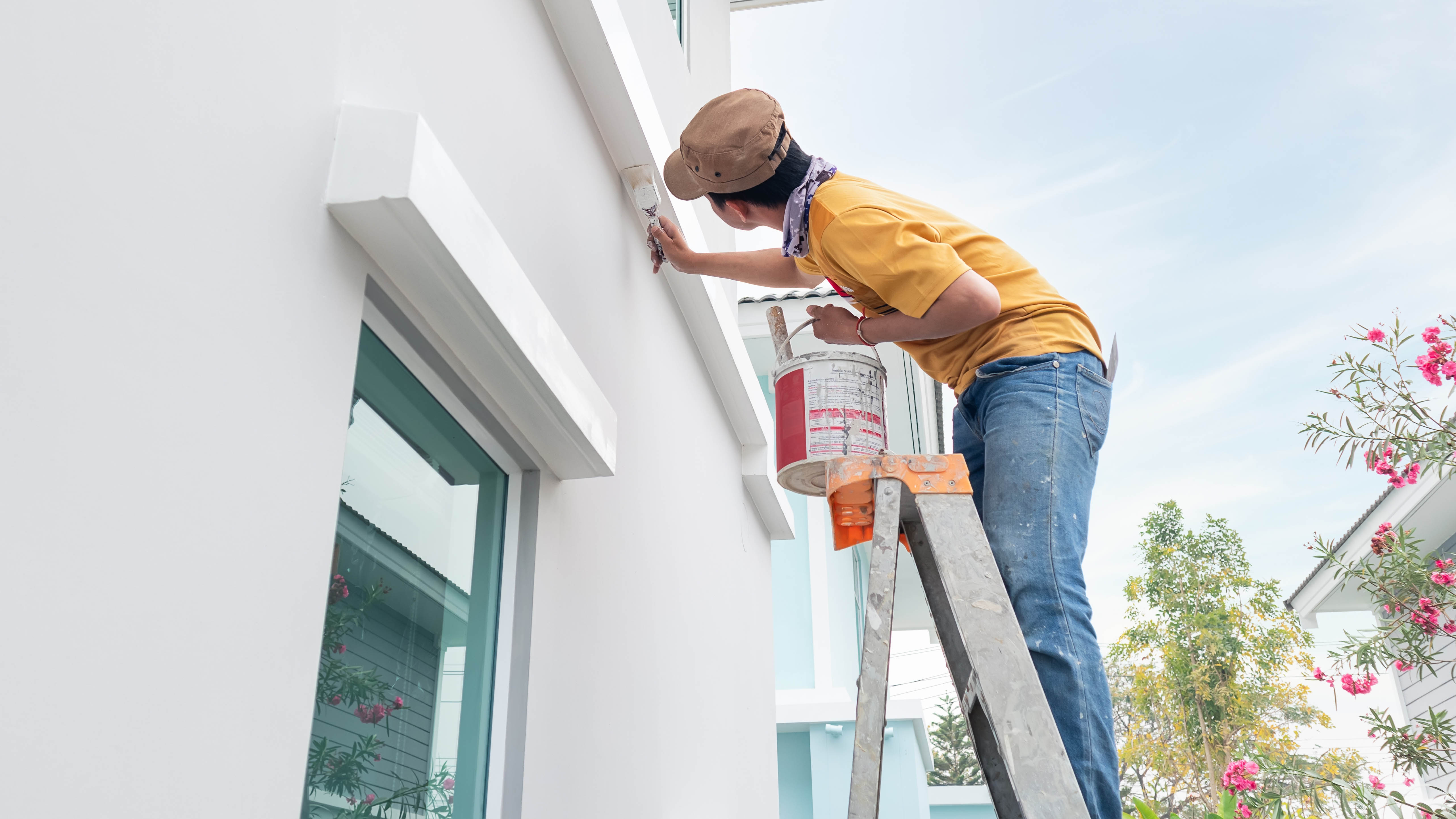
Furthermore, painting should ideally be done in the shade. Direct sunlight can cause paint to dry too quickly, preventing proper absorption into the surface and potentially leading to a flawed finish. Working in shaded areas, and moving around the house as the sun shifts, allows for a more controlled drying process. This practice also makes the task more comfortable for the painter, especially when working at heights on ladders, where surfaces like roofs can become excessively hot.
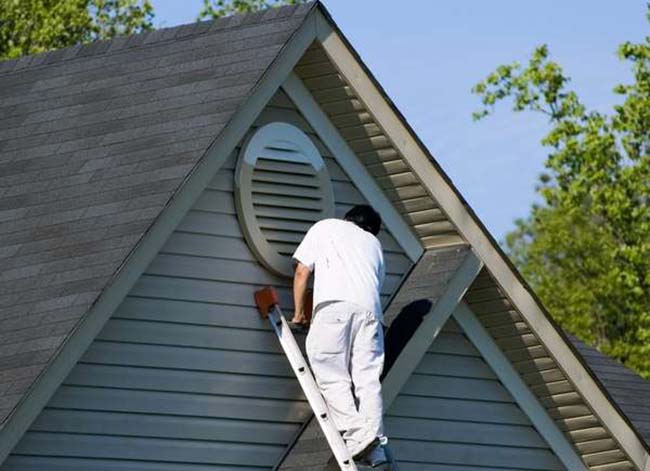
Finally, safety should be the paramount concern throughout the entire project. Tasks involving ladders, especially at significant heights, carry inherent risks. Homeowners should assess their comfort and proficiency levels with such activities. Opting for professional painters, if there are any safety concerns or doubts about one's ability to execute the project safely and effectively, is a wise decision, as medical costs from injuries can far exceed professional service fees.
#ExteriorPainting #HomeImprovement #SpringMaintenance #DIYProjects #PaintApplication #WeatherConditions #HomeMaintenance #SurfacePreparation #PaintingTools #ExteriorPainting #HomeImprovement #SpringMaintenance #DIYProjects #PaintApplication #WeatherConditions #HomeMaintenance #SurfacePreparation #PaintingTools
0 comment in total
 No comments yet
You may also like
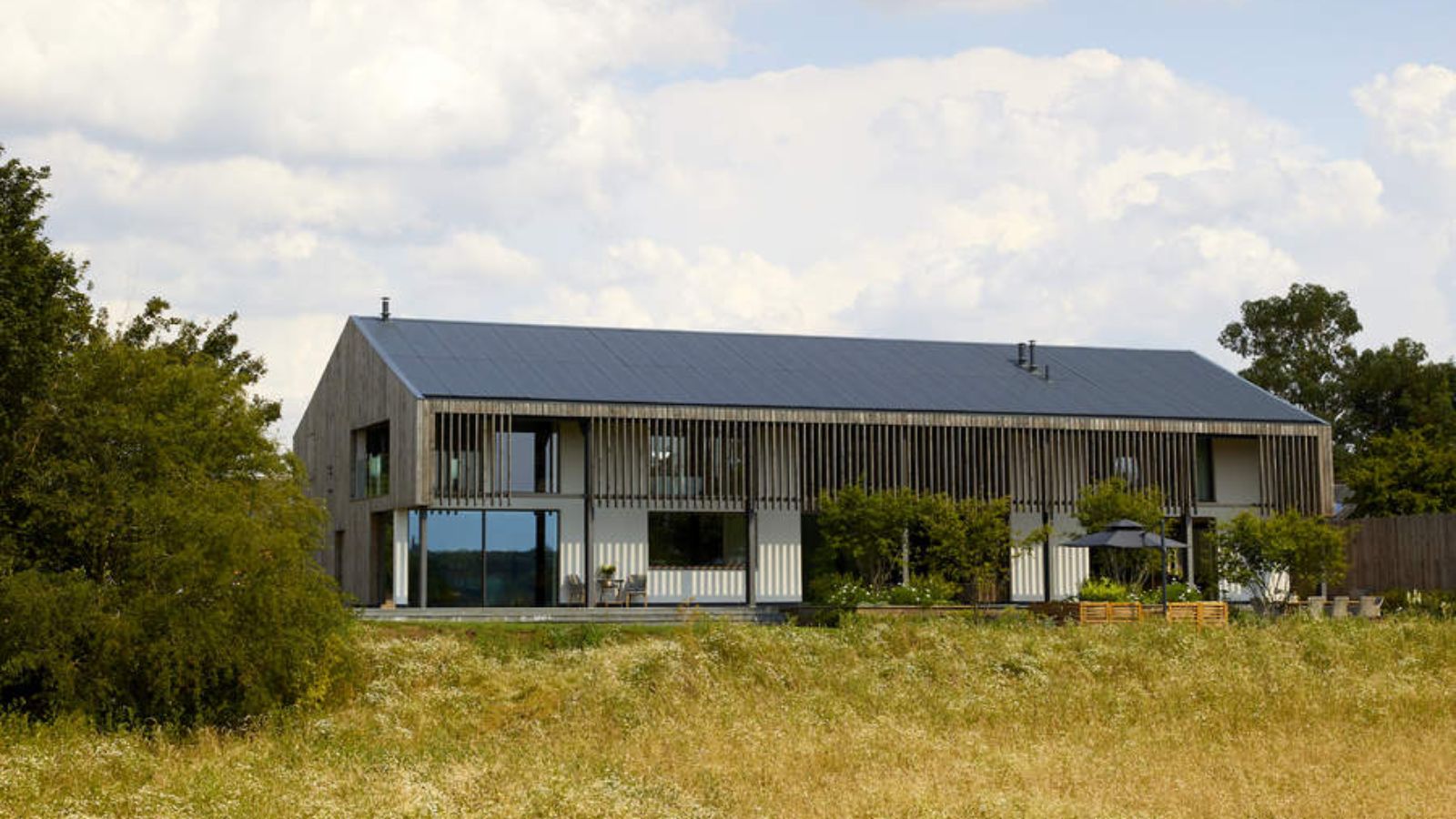
The best time to paint a house exterior, according to pros

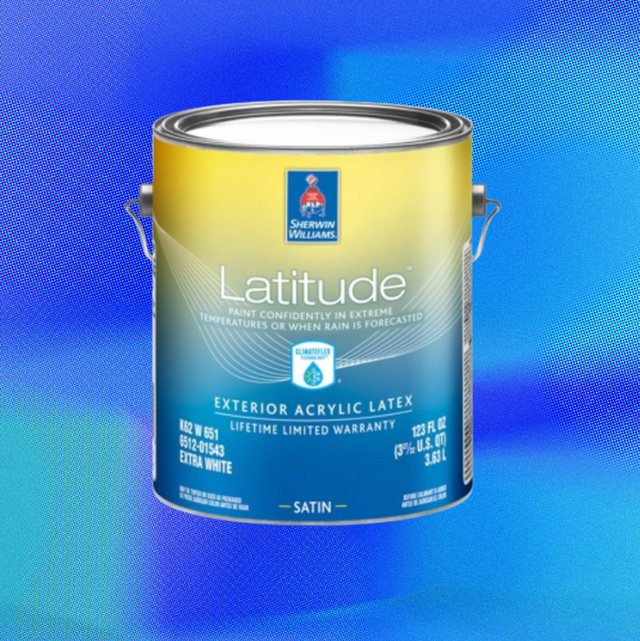
6 Best Exterior Paints for Your Home, According to Experts

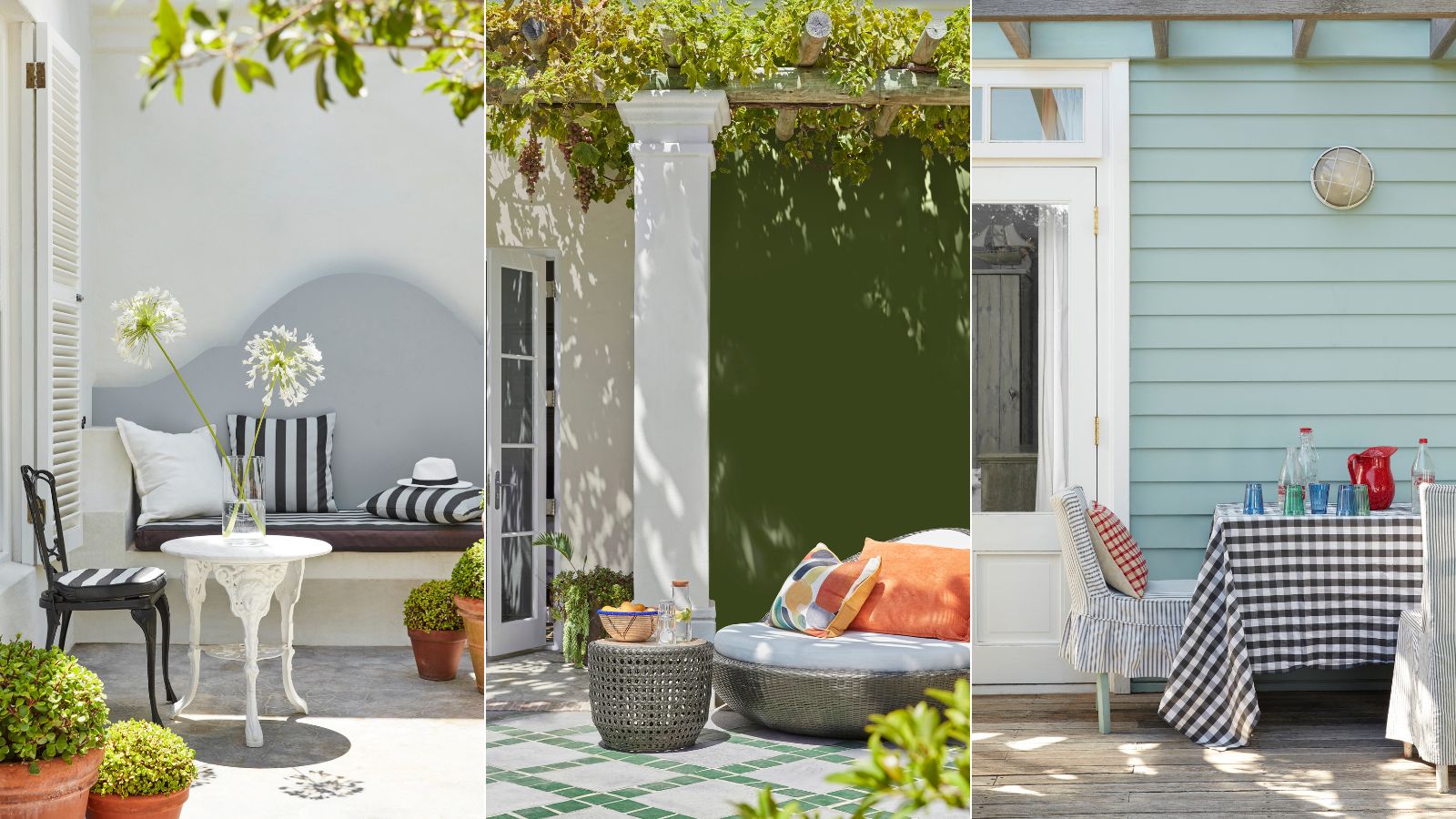
Exterior paint trends 2025 – 8 stylish color ideas for the outside of your home
The 3 Biggest Exterior Paint Color Mistakes Homeowners Make, According to Pros
Decorating expert reveals this is the best time of year to paint your home

How often to paint a house – and three things that impact longevity
Spotlight: Wait for the just-right conditions before tackling any exterior painting and staining

9 Reasons Why It’s Time to Paint Your Kitchen

How Often Should You Repaint Your House Exterior? Expert Explain When it's Time to Paint Your Outside Walls

Professional Tips on Exterior Paint for Your Home


10 Painting Tips The Stars Of HGTV's Unsellable Houses Swear By
I Asked Three Color Experts How to Choose Modern Exterior House Colors. Here's Their Best Advice.

Don't Wait Much Longer—This Is the Best Time of Year to Paint a House, Reno Pros Say

How to choose the best exterior paint for doors and windows
12 Exterior Paint Colors That’ll Help Sell Your House


The Moody Shade That Will One-Up White Exteriors in 2026

There's still time! I’m a painting expert and it's the best month to paint inside your home for a silky-smooth finish
The Most Popular Paint Swatches Renovators Are Testing Out on Their Exteriors
7 rules designers always follow to find the best exterior paint for your home
Is it an okay temperature to paint outside? Why it might be too cold to decorate your home's exterior right now