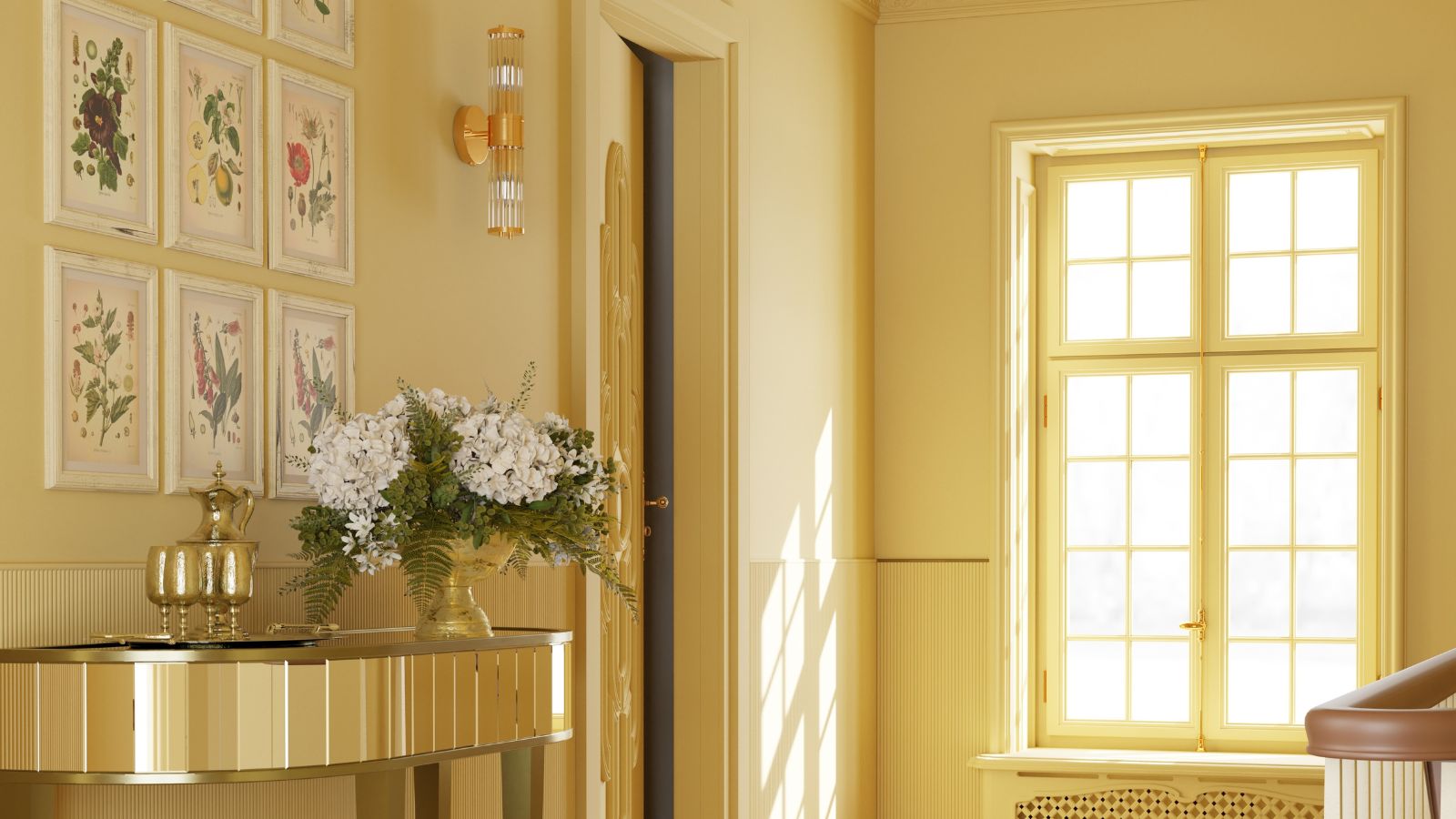
1/11
There's still time! I’m a painting expert and it's the best month to paint inside your home for a silky-smooth finish
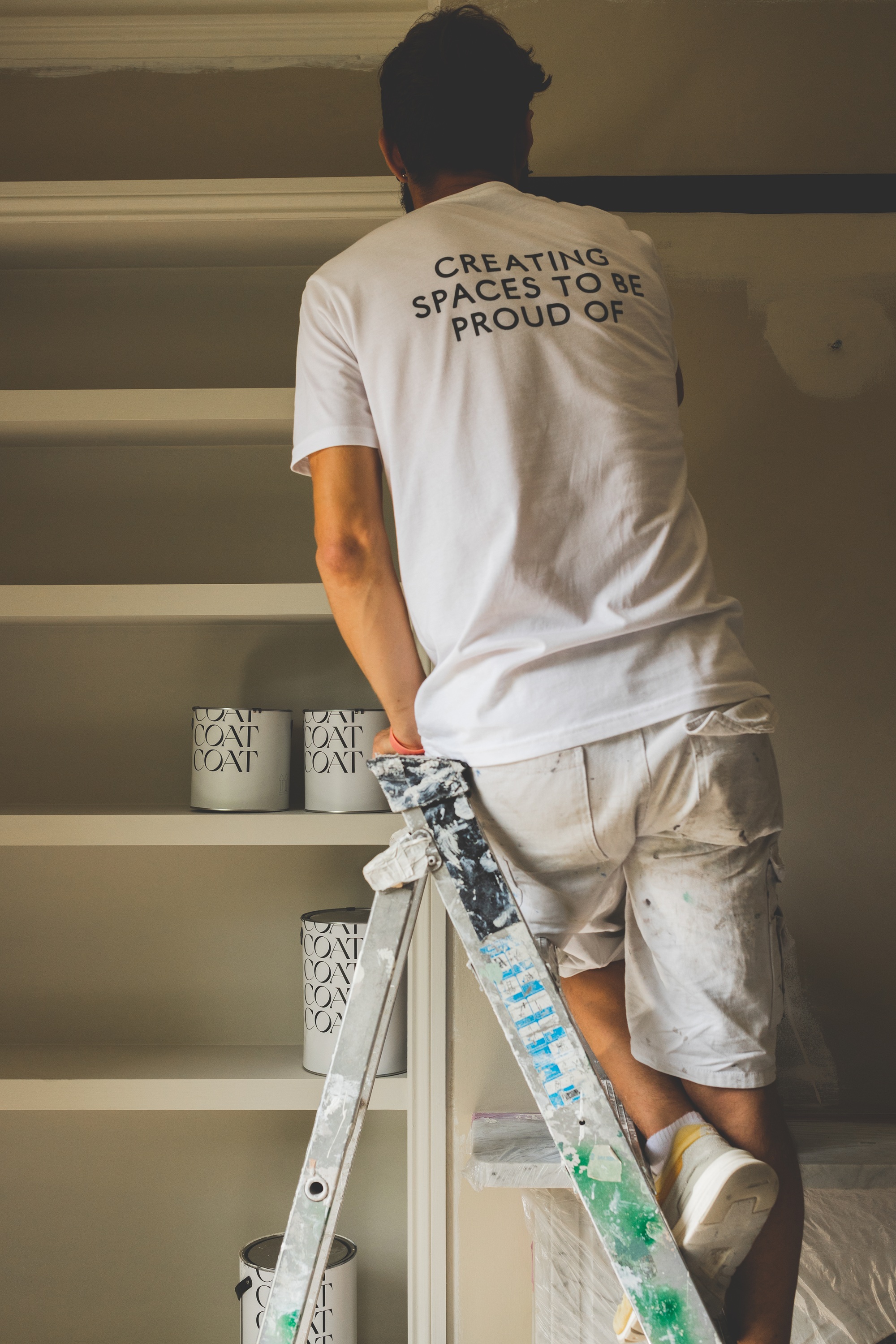
This article, authored by a painting expert, identifies March as the optimal month for interior house painting to achieve a silky-smooth finish. The primary reason for this recommendation lies in the favorable temperature and humidity conditions typically experienced during this month, particularly in regions where temperatures range from 50-70 degrees Fahrenheit. These conditions are crucial for proper paint drying and curing, preventing issues such as cracking, peeling, or bubbling that can arise from extreme heat, cold, or humidity.
The benefits of painting in March include ideal drying and curing conditions due to moderate temperatures, which prevent paint from drying too quickly or too slowly. Additionally, March generally precedes the high humidity levels seen later in spring and early summer in various regions, further contributing to a better paint finish. Completing painting projects in March also means homes are refreshed and ready before the peak entertaining seasons of spring and summer, allowing homeowners to present a polished interior to guests. This timing aligns well with spring cleaning efforts, offering an opportunity for a comprehensive home refresh.
While March is presented as the best time, the article also acknowledges potential disadvantages. Natural light is more limited in spring compared to summer, which can make it challenging to spot imperfections without additional lighting, potentially affecting color perception. In rainy or highly humid climates, paint may take longer to dry, leading to streaks or uneven finishes. Furthermore, in colder northern regions, the reluctance to open windows for ventilation can cause paint fumes to linger, posing comfort and health concerns, even with the use of fans.
The article also outlines the drawbacks of painting during other times of the year. Late spring brings the risk of pollen and dust settling on wet paint, and heavy rains can increase indoor humidity. Summer's high temperatures can cause paint to dry too rapidly, resulting in visible brush strokes and uneven finishes, while humidity can lead to bubbling or peeling. Fall presents a challenge as early fall might be suitable, but late fall can become too cold for proper drying, and dampness can prolong drying times. Winter is deemed the least ideal due to cold temperatures significantly extending drying times and potentially hindering paint adhesion, leading to peeling or cracking. Opening windows for ventilation during freezing temperatures is also impractical.
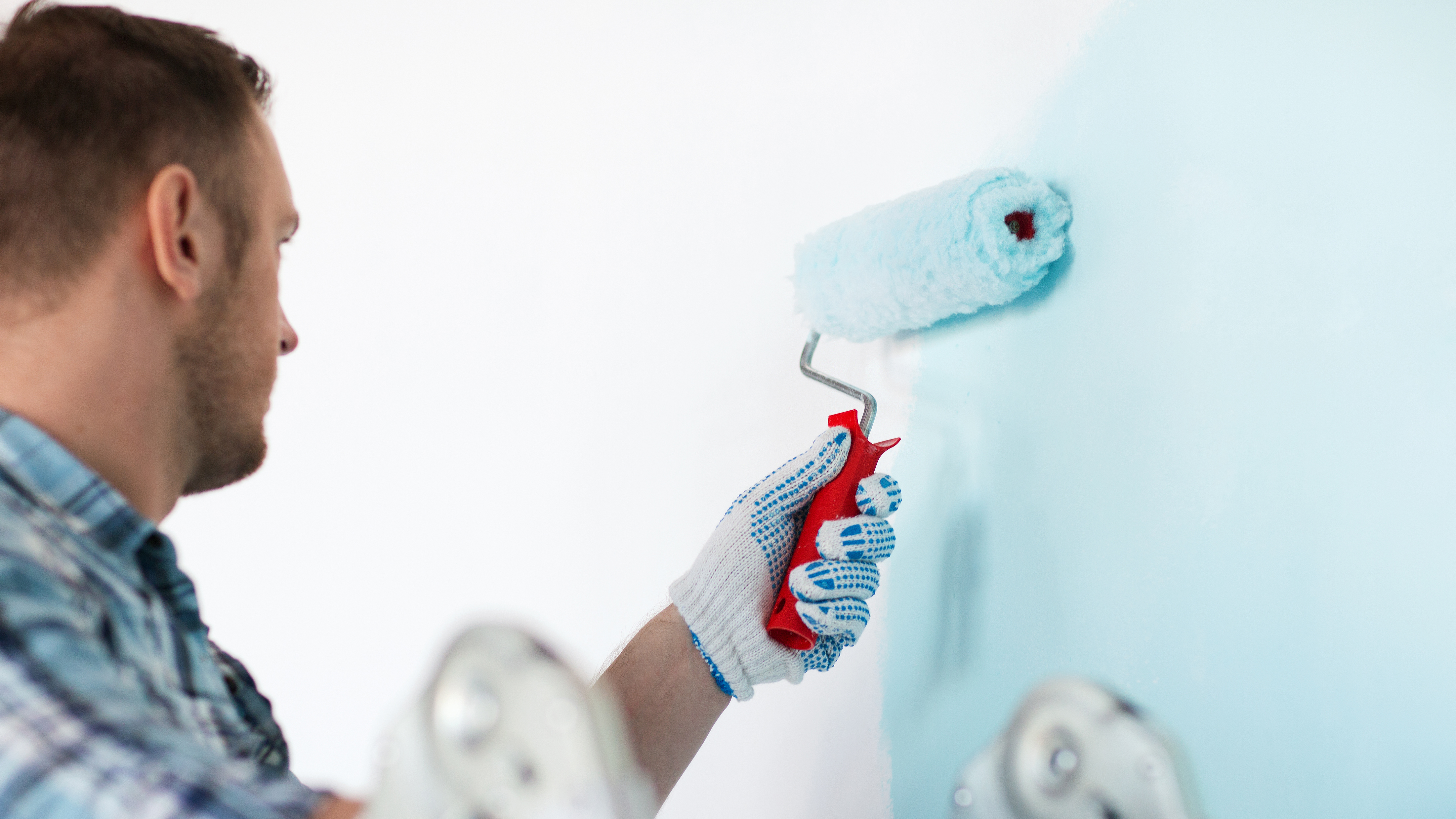
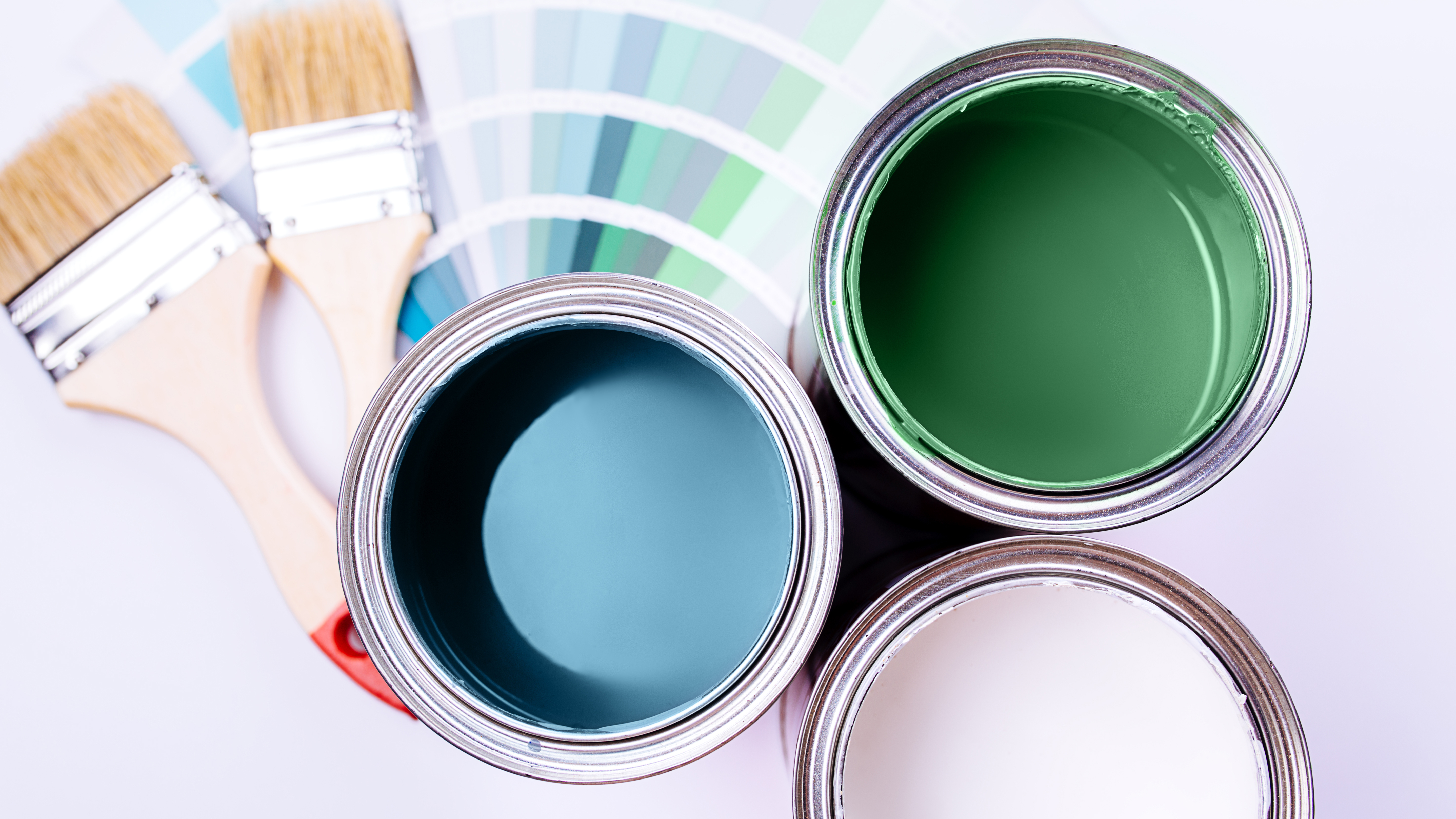
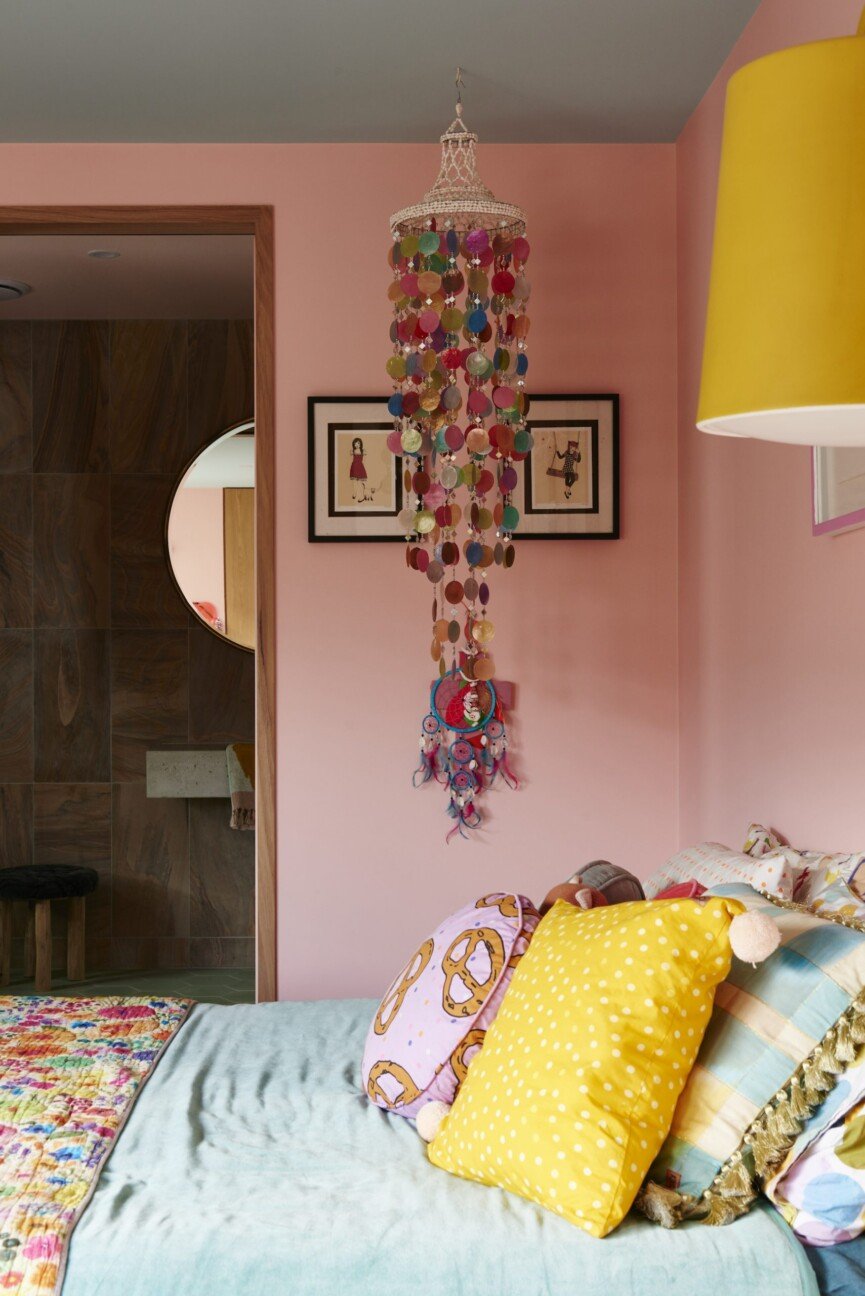
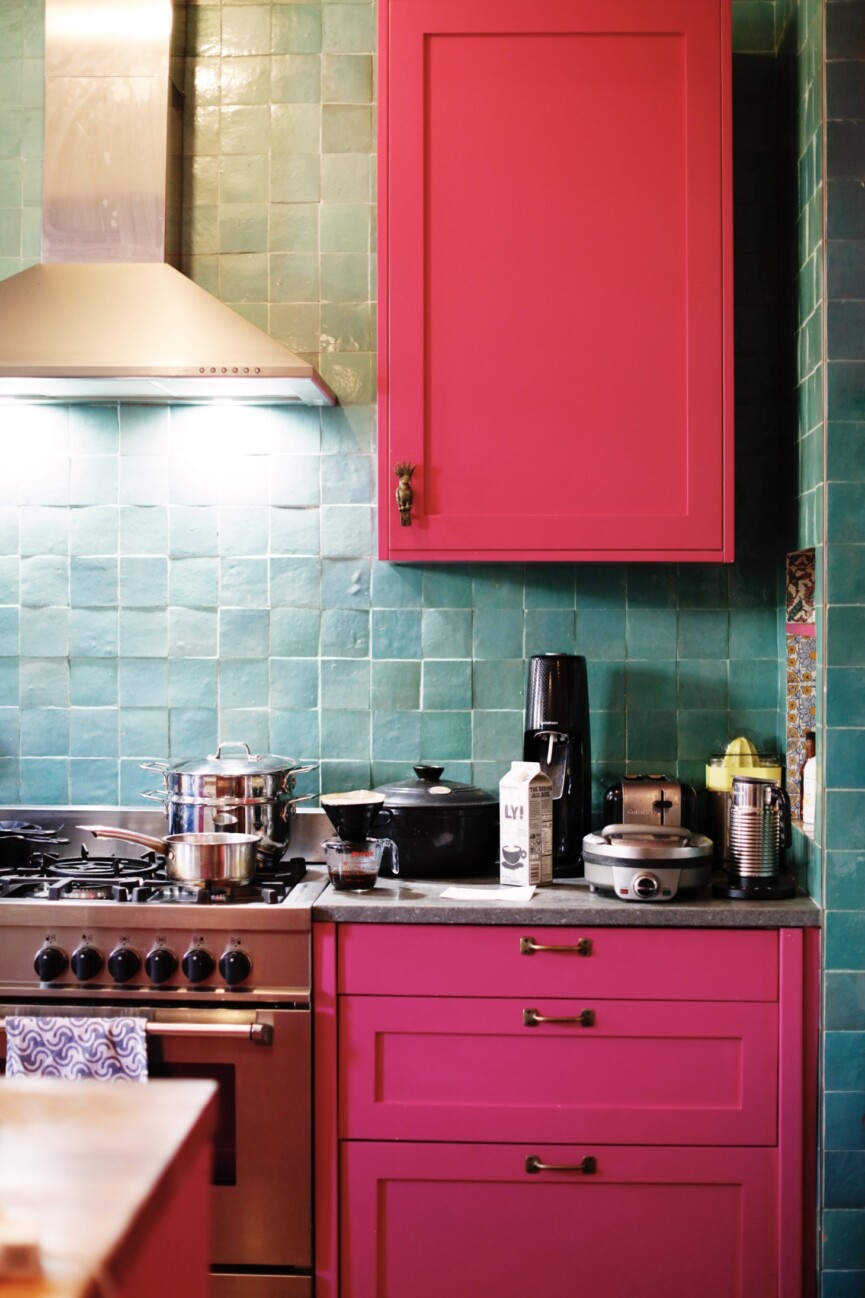
To aid readers, the article suggests essential painting tools, including a quality paint roller set, a versatile paint brush set with various sizes for corners and crevices, and a water-based primer for uniform sealing and stain blocking. It also recommends three spring-inspired paint colors: Tissue Pink for a soft aesthetic, Butter for a vibrant kitchen, and Green 13 (Matcha) for an on-trend, nature-inspired look. The piece concludes by advising readers to consider how much paint is needed for a room and to explore tips for making a room look more expensive through paint.
#HomePainting #InteriorDesign #PaintingTips #DIYHomeImprovement #HomeMaintenance #PaintApplication #SeasonalPainting #HomeDecor #PaintColors #HomePainting #InteriorDesign #PaintingTips #DIYHomeImprovement #HomeMaintenance #PaintApplication #SeasonalPainting #HomeDecor #PaintColors
0 comment in total
 No comments yet
You may also like
Decorating expert reveals this is the best time of year to paint your home

'It's the best way to make a home joyful' - this paint trend is the perfect idea to introduce color thoughtfully

This Paint Brand Will Transform Your Room In A Day

8 Timeless Paint Colors That Always Look Fresh, No Matter the Season

The best time to paint a house exterior, according to pros
Design Pros Have Spoken: Here Are the Only Paint Color Trends That Matter in 2023

You Should Paint Your Home's Exterior Right Now, a Pro Says—Here's Why

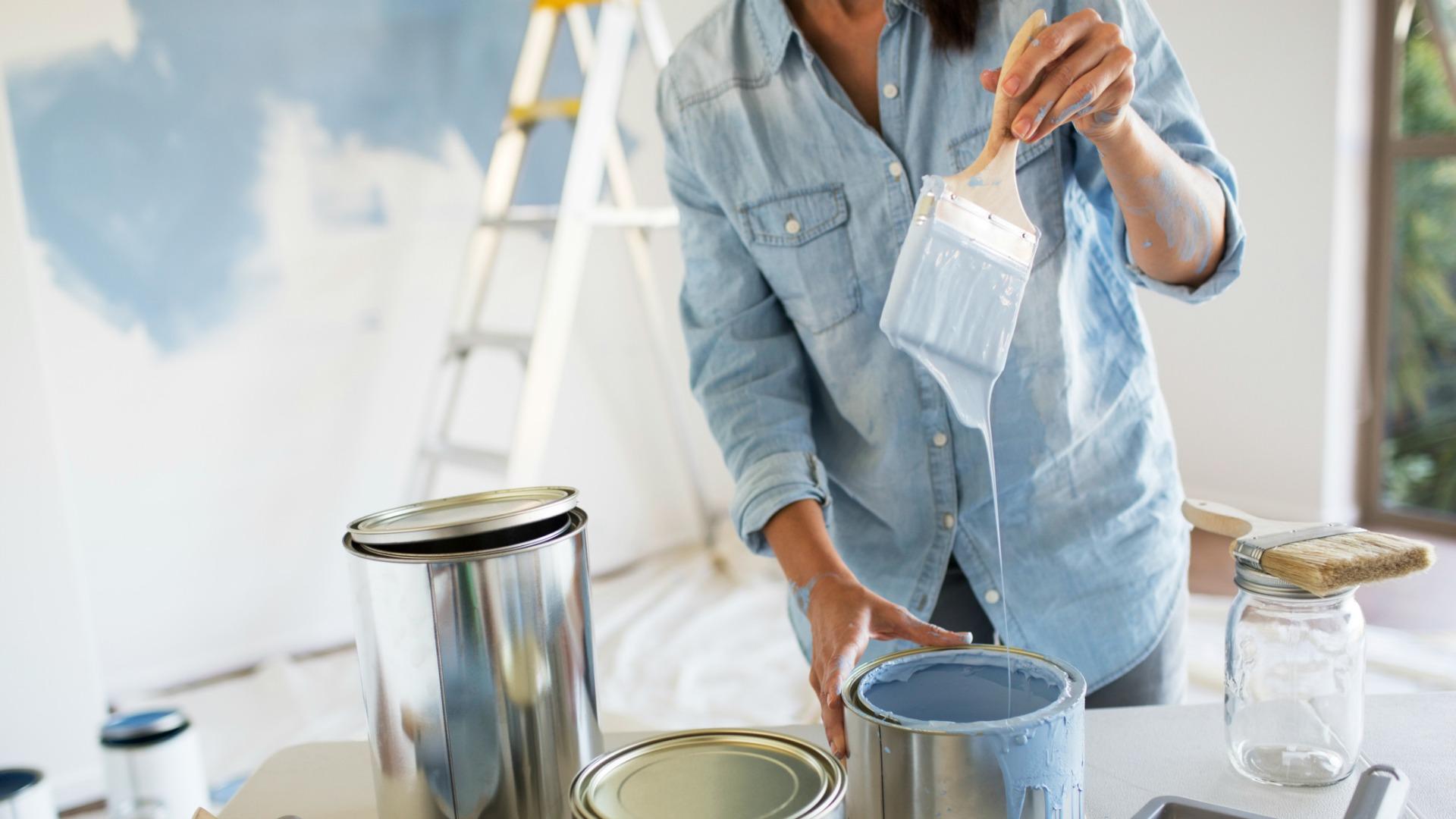
These hacks are all you'll need for your next home painting project


Update your home with these paint tips!

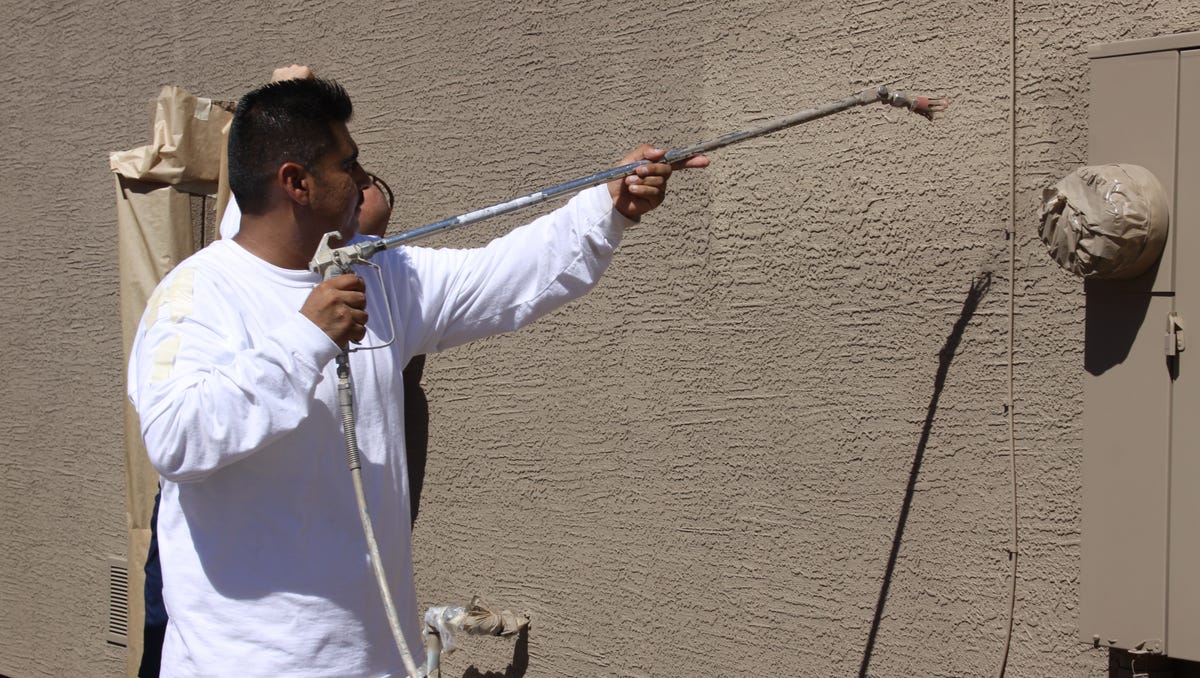
It’s the best time of year to paint your Arizona home, but not for the reasons you may think
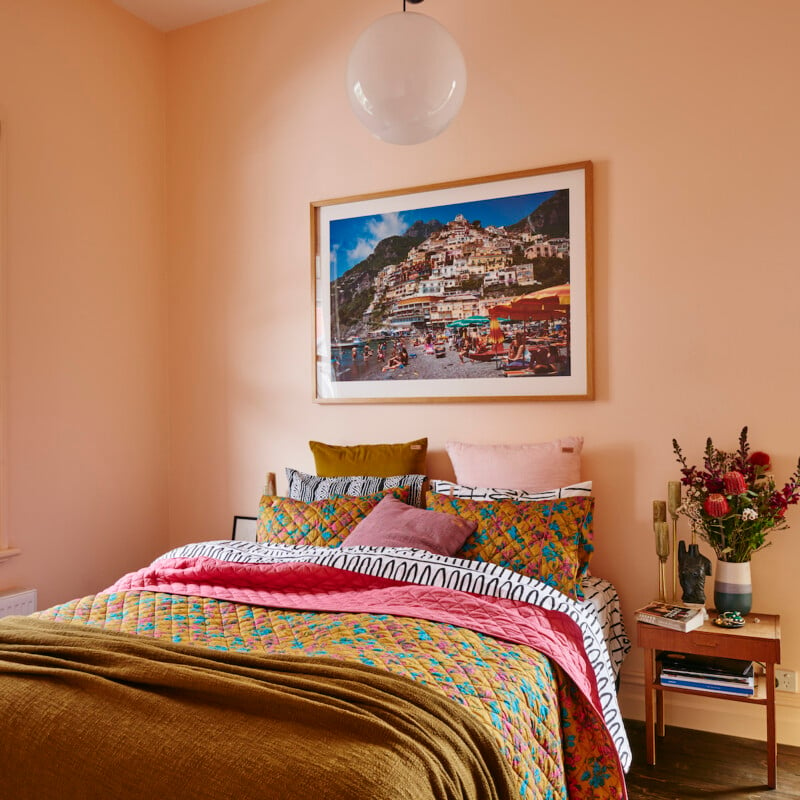
The Brighter, the Better—These Vibrant Paints Will Infuse Your Home With Positivity

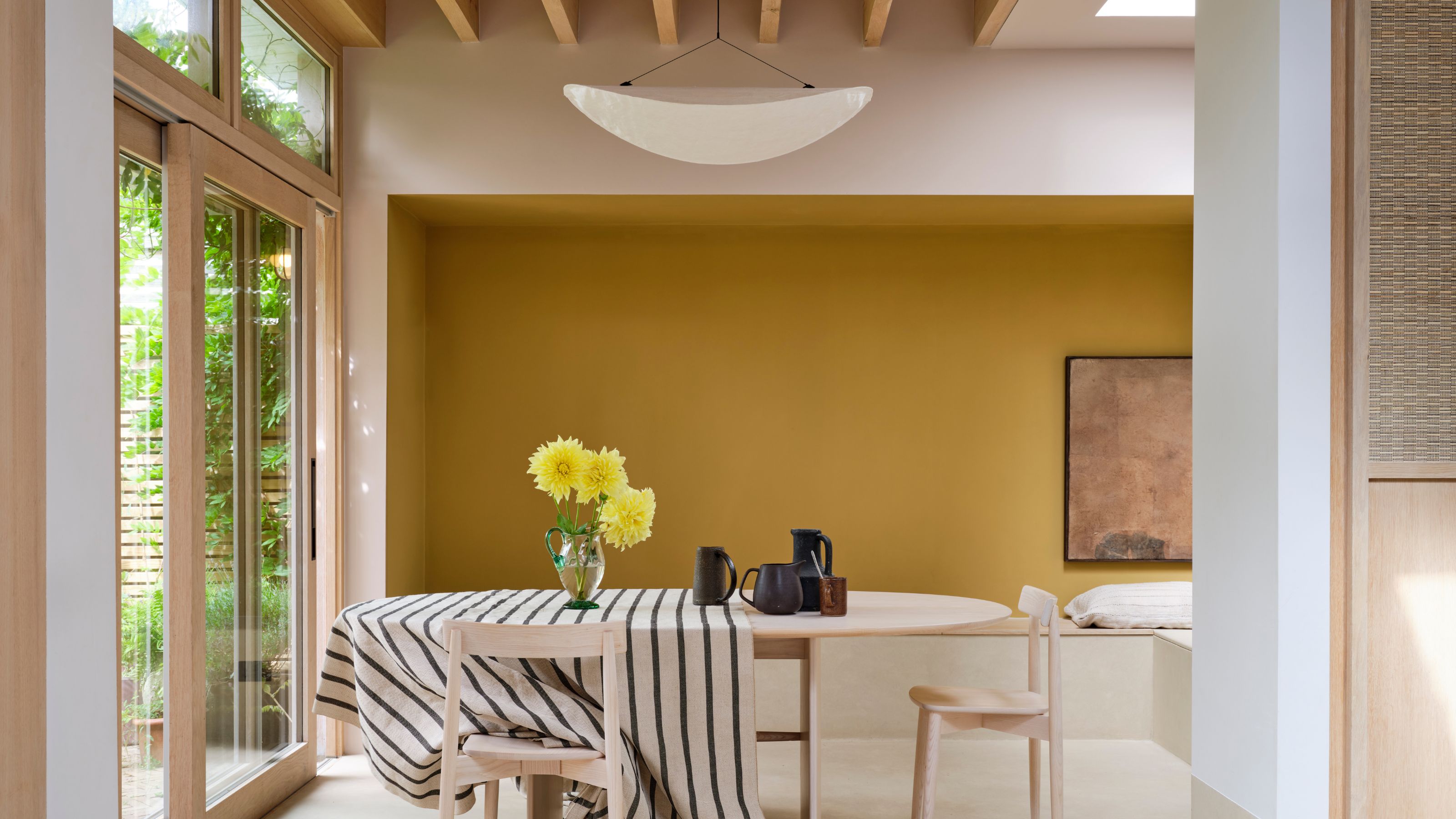
13 of the Best Paint Brands for Luxurious-Looking Interiors, as Rated by Professional Painters and Serial Redecorators
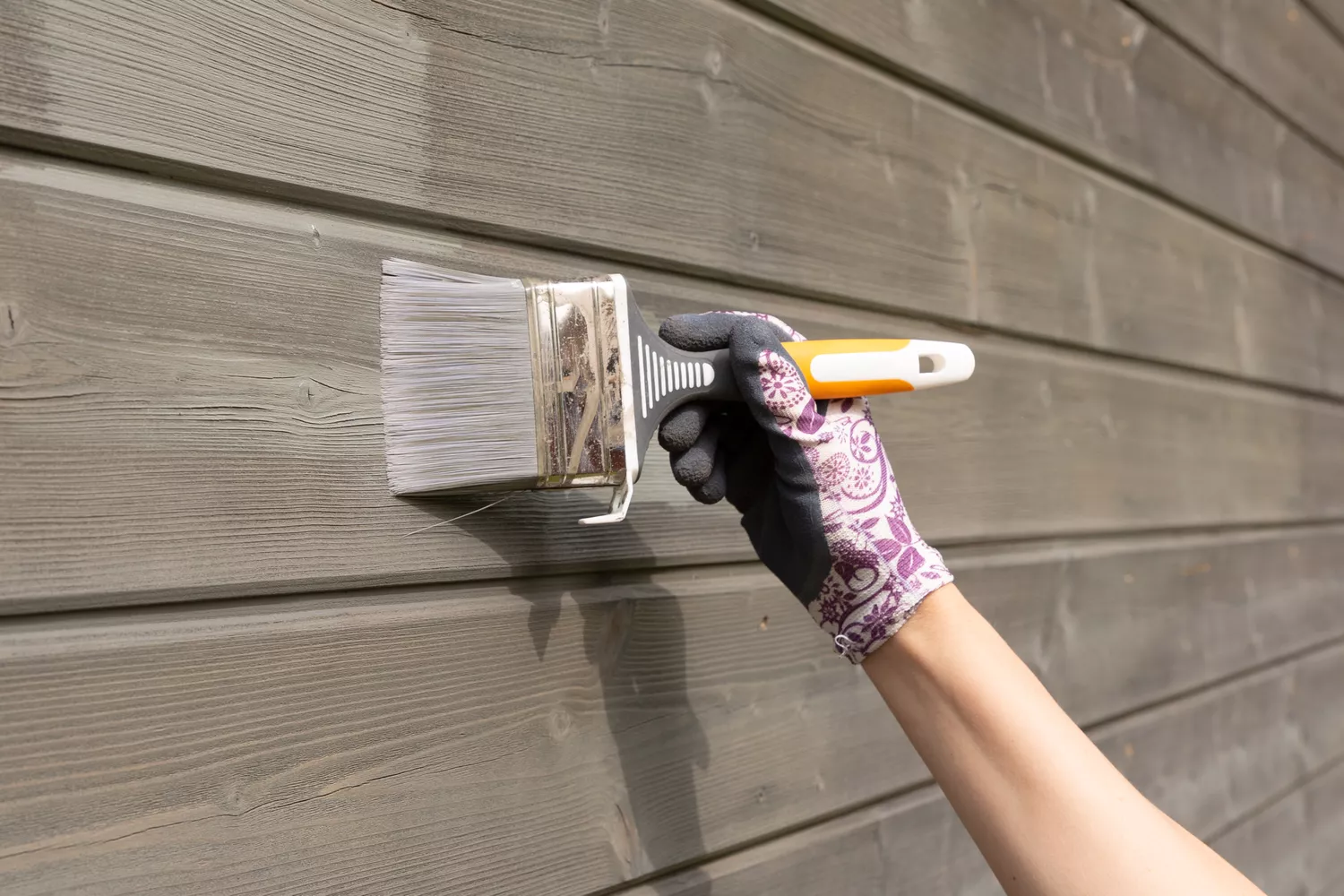
Don't Wait Much Longer—This Is the Best Time of Year to Paint a House, Reno Pros Say

Understanding paint finishes
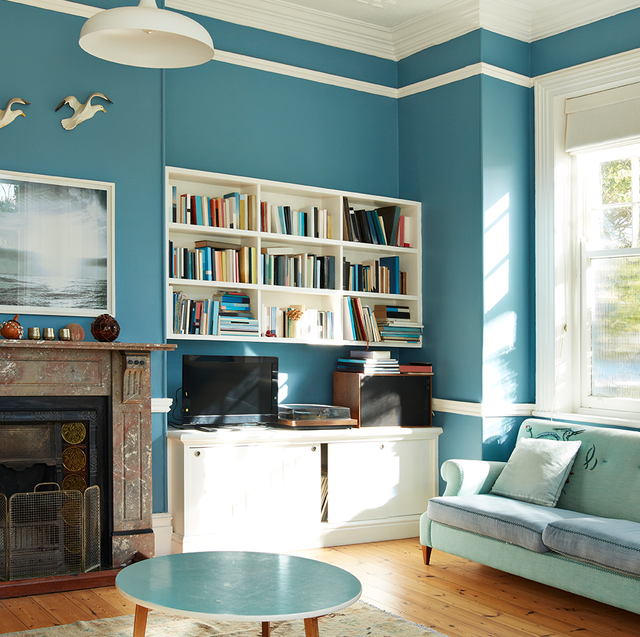
The best paints for streak-free coverage, from Dulux to Farrow & Ball
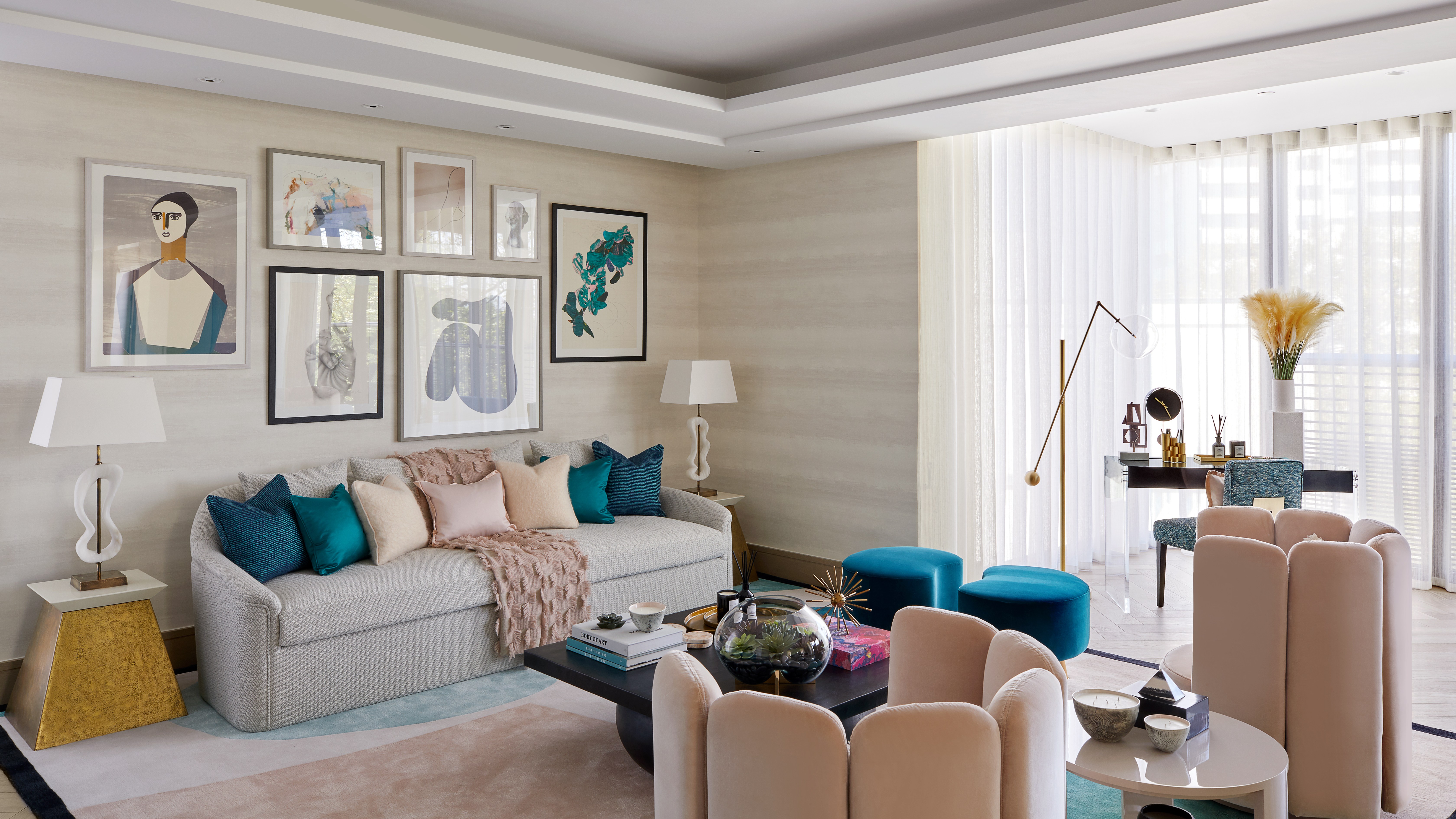
Forget painting your walls grey, it’s time to sparkle

10 Painting Tips The Stars Of HGTV's Unsellable Houses Swear By
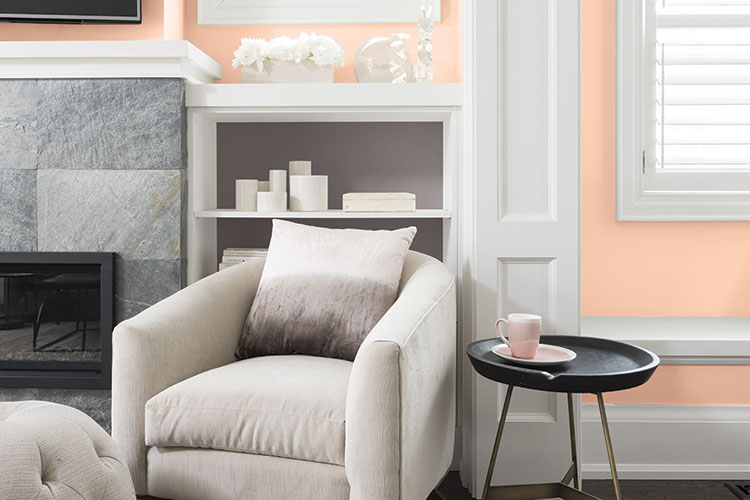
New Year New Paint: Give Your Room a Makeover

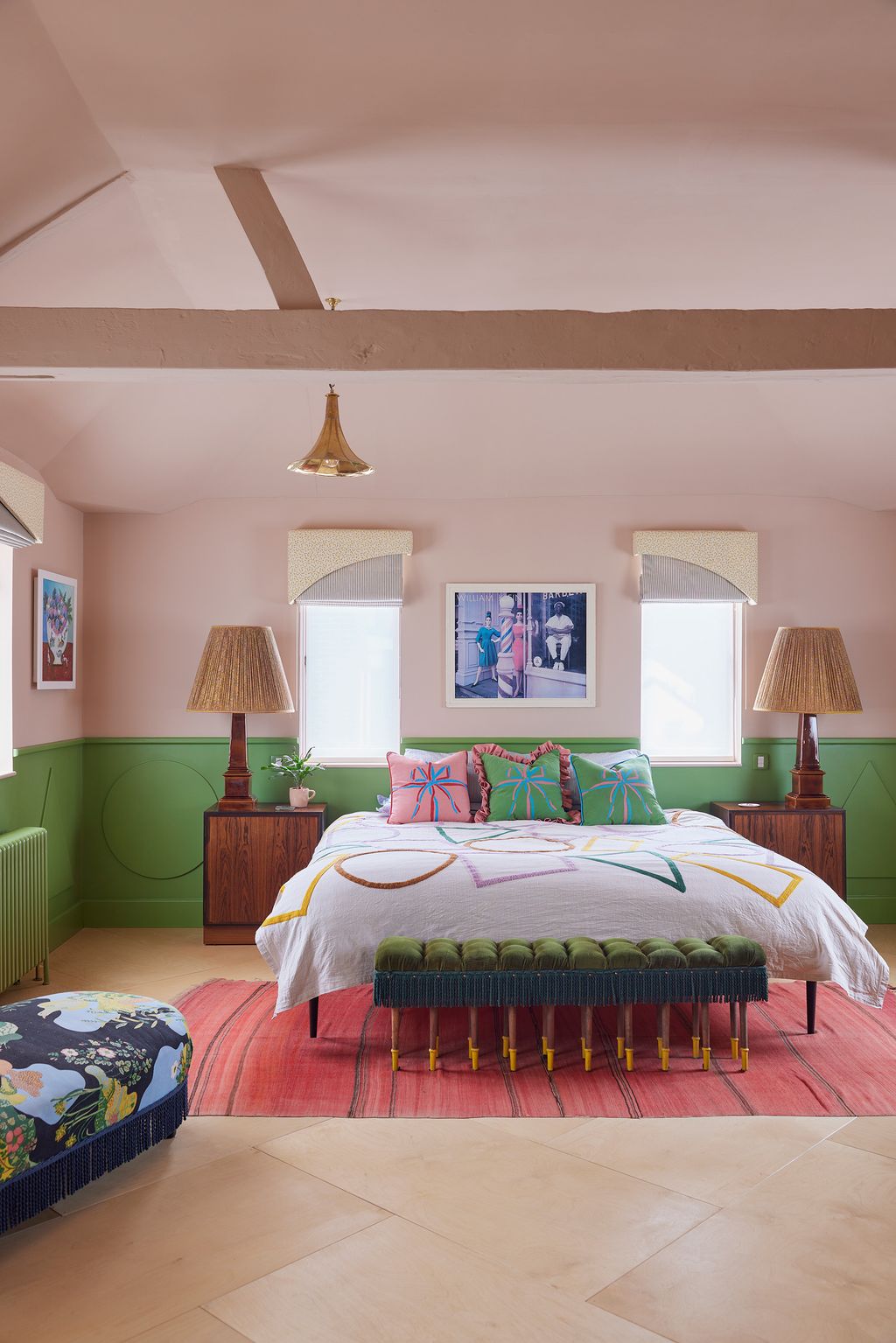
Time to rethink coloured ceilings and woodwork
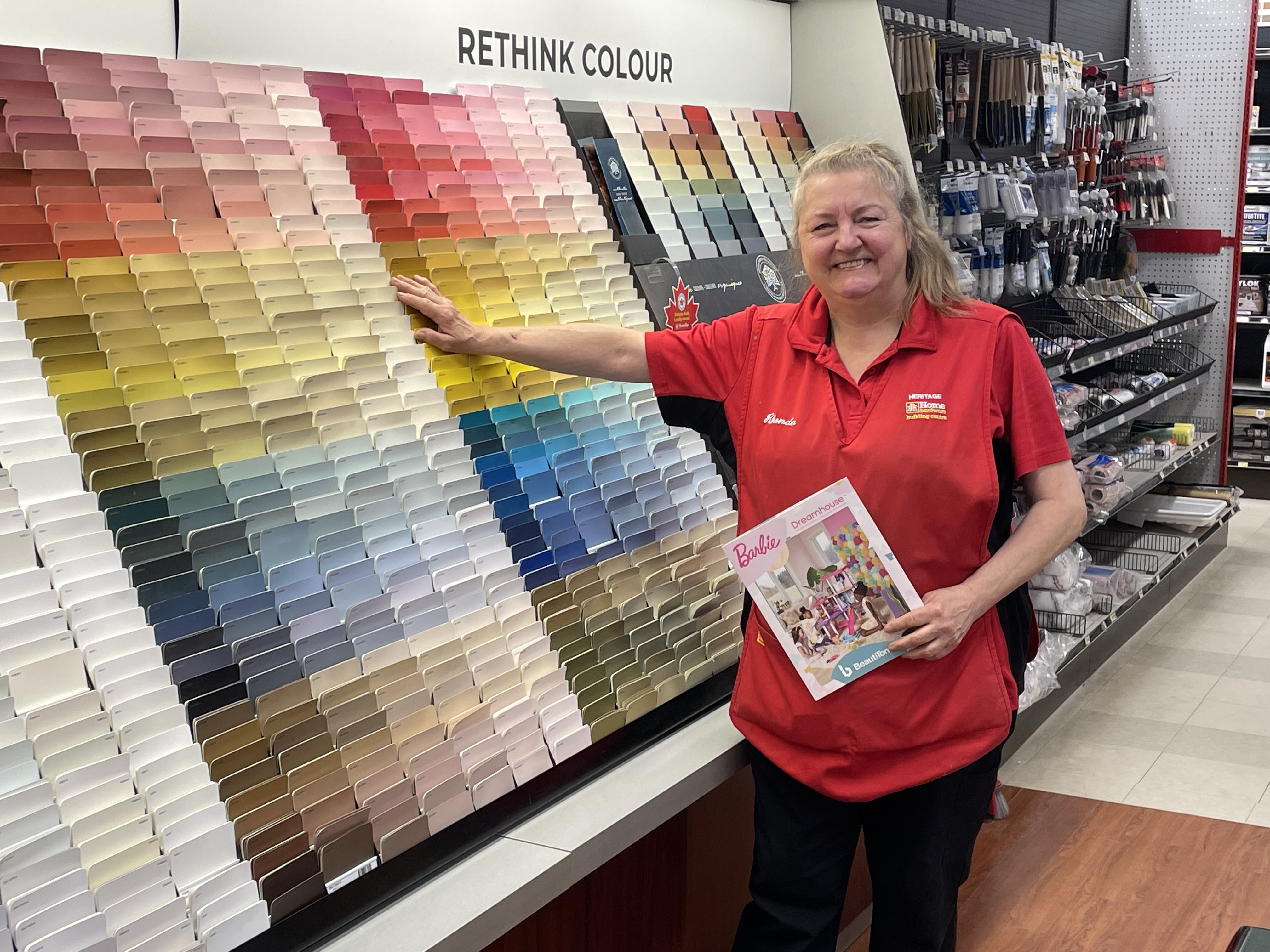
Spotlight: Wait for the just-right conditions before tackling any exterior painting and staining