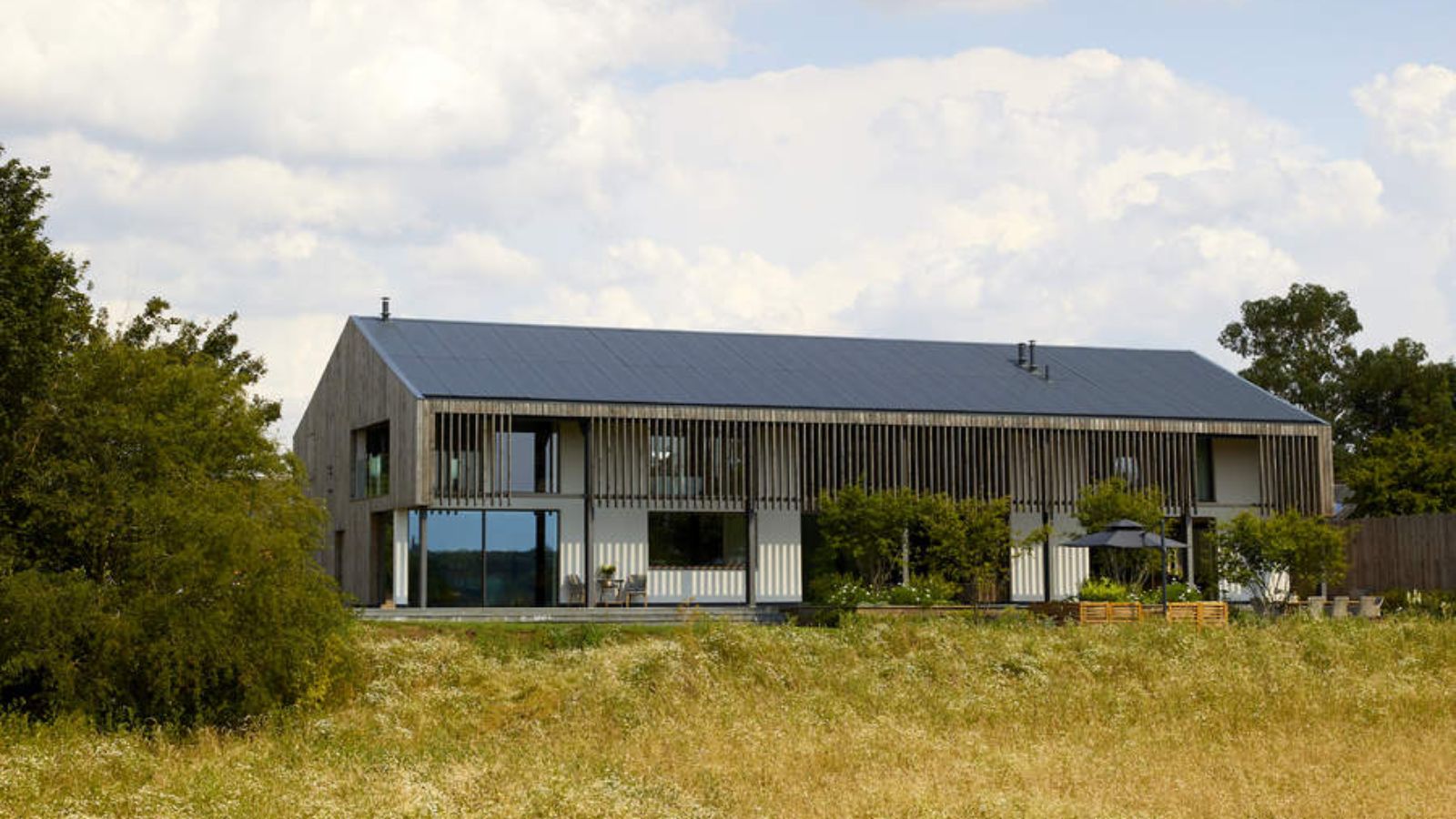
1/6
The best time to paint a house exterior, according to pros
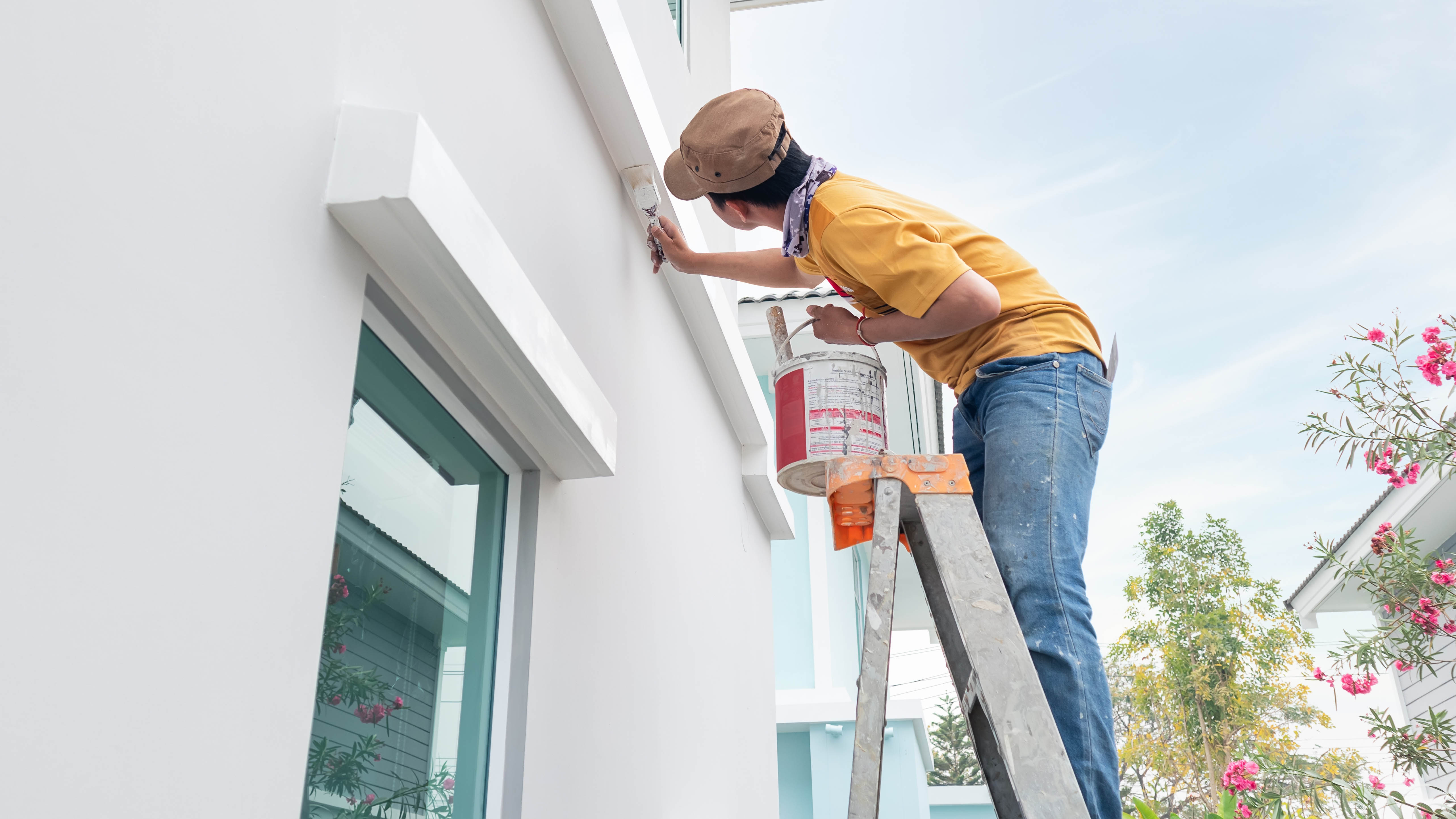
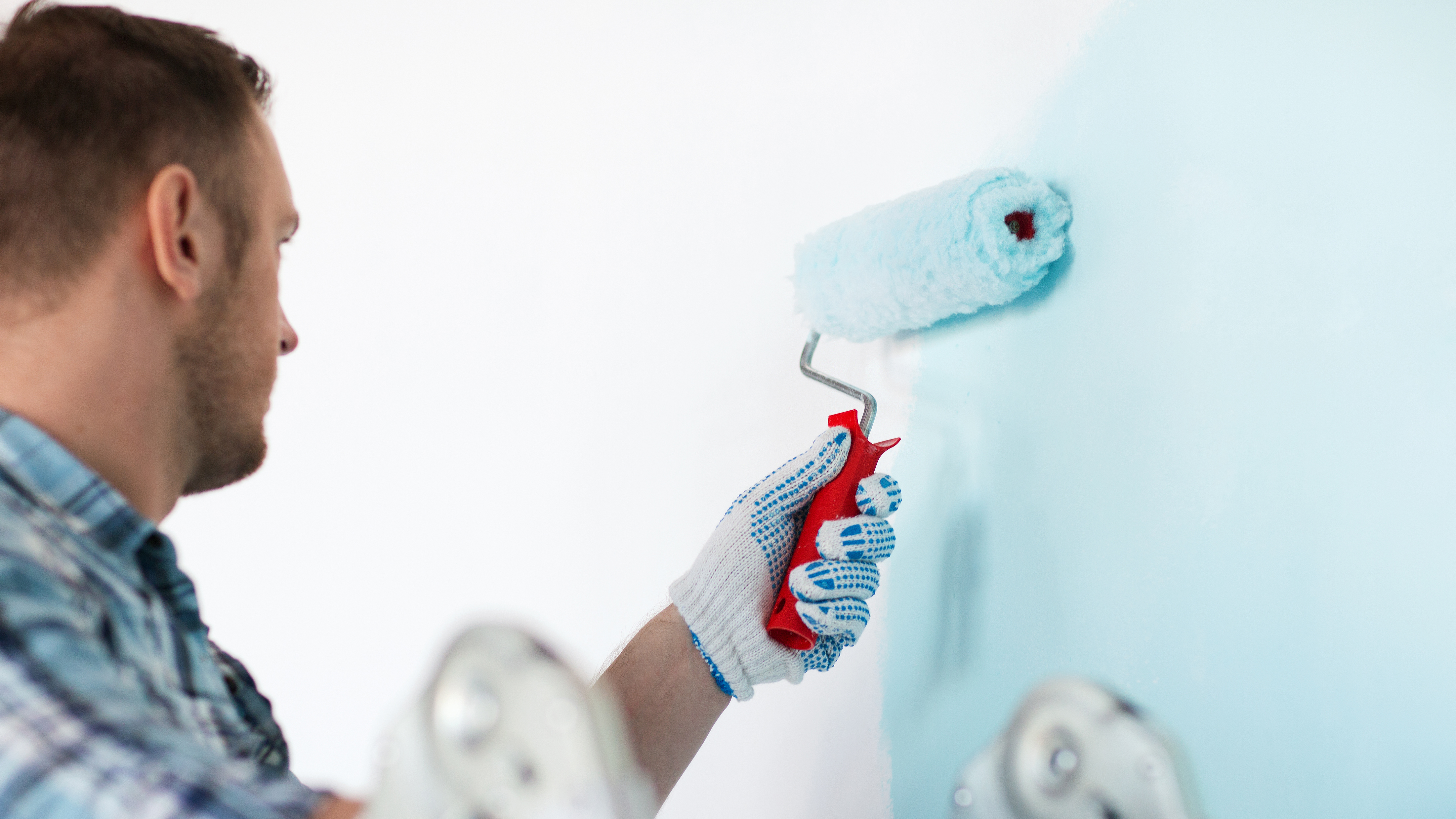
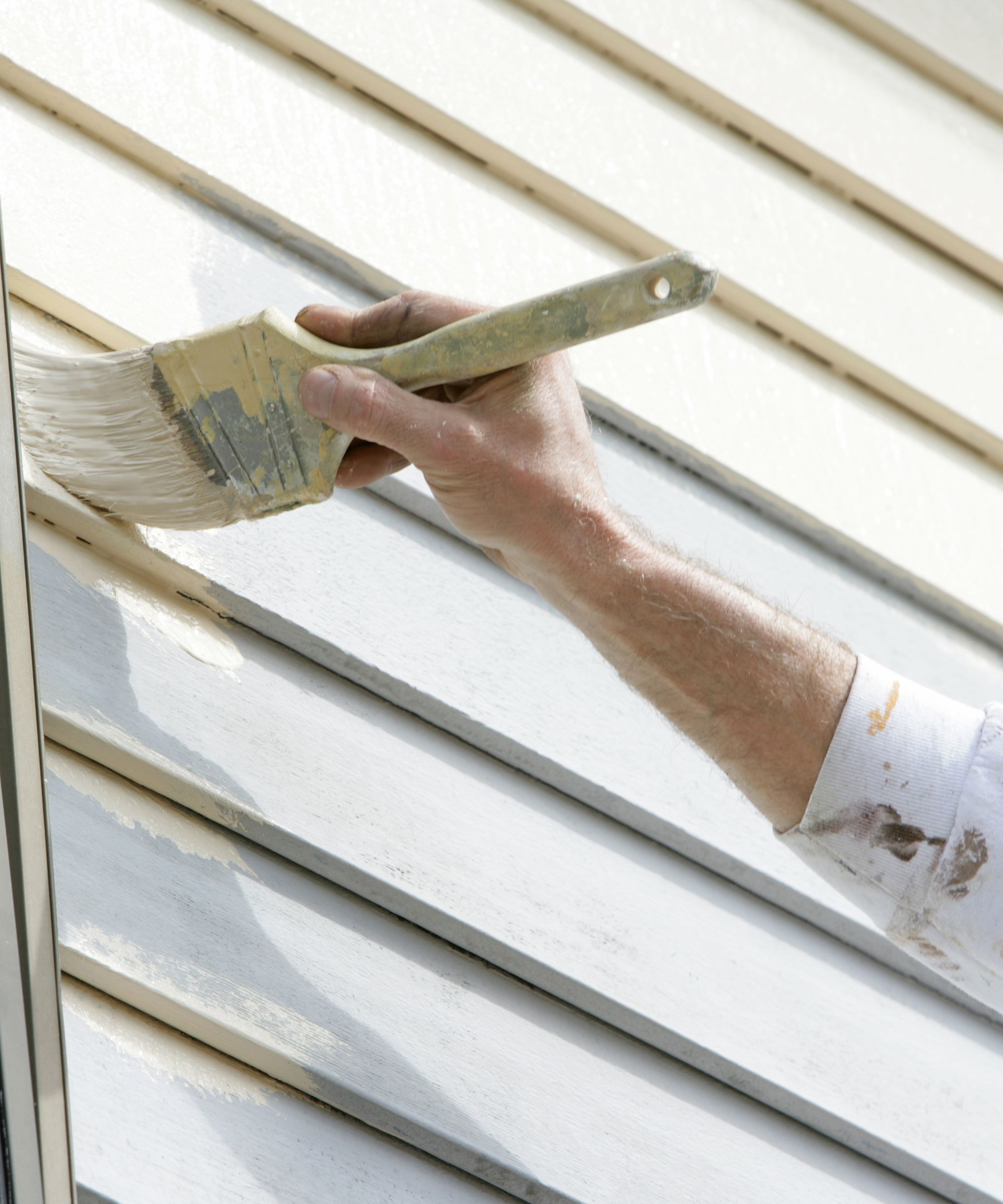
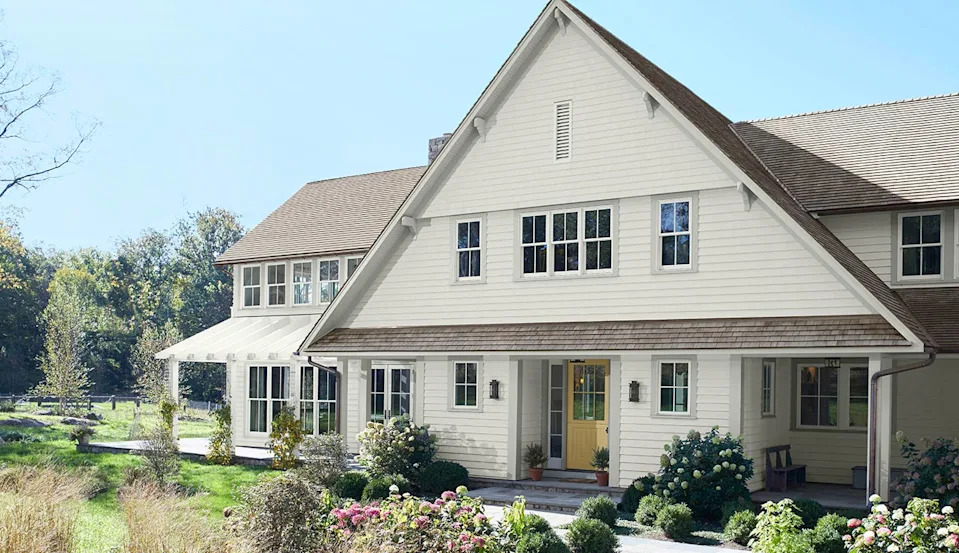
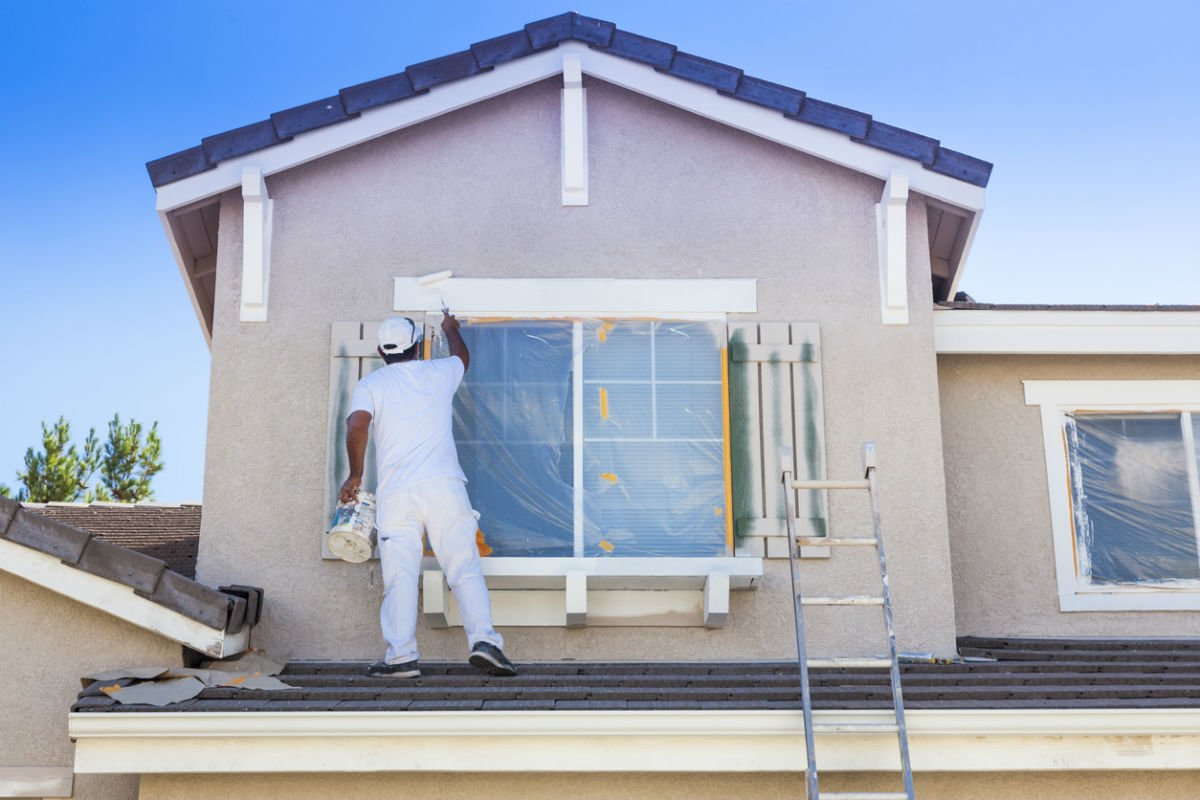
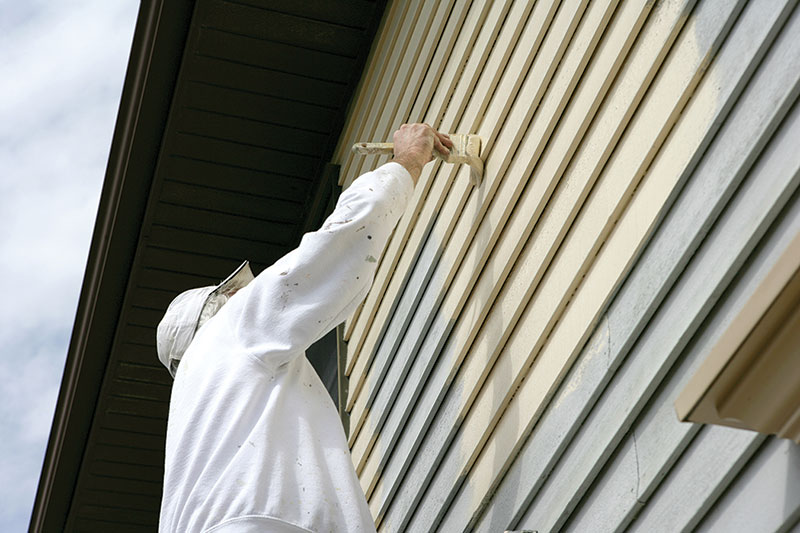
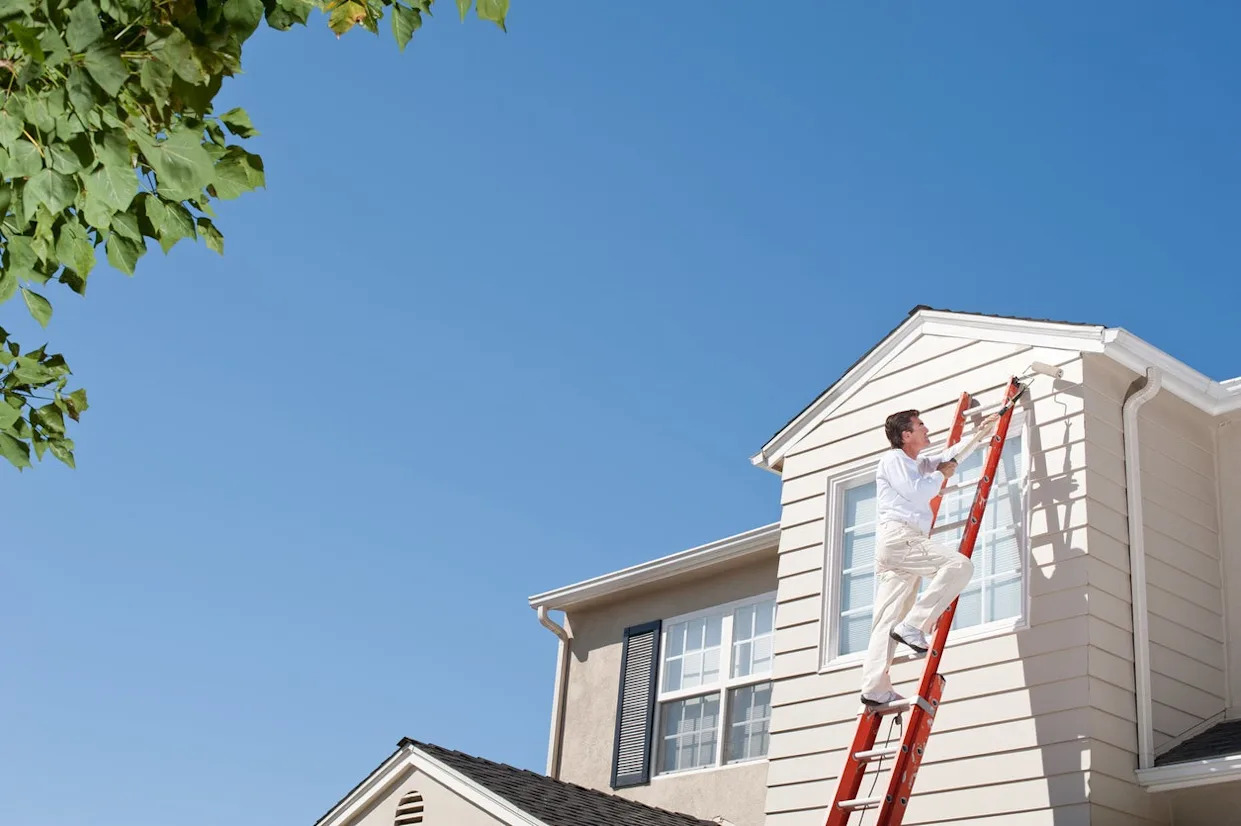
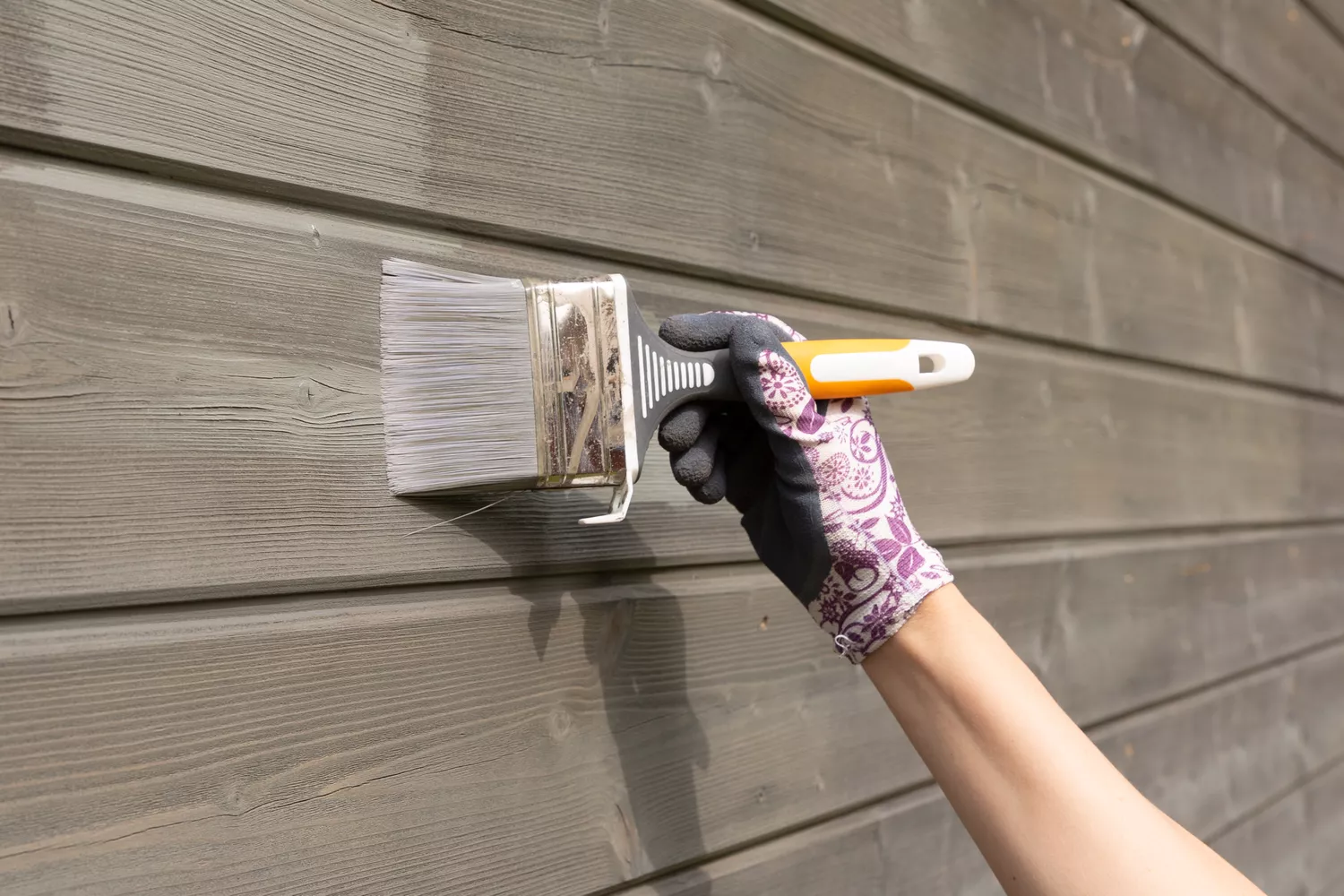
Painting a house exterior is a significant undertaking that requires careful planning to ensure the best results and longevity of the paintwork. Several critical factors influence the optimal time to undertake such a project, including temperature, weather conditions, season, time of day, and the type of paint used. Adhering to expert advice on these aspects can prevent common issues like poor adhesion, peeling, or bubbling.
Temperature plays a crucial role, with experts recommending painting during milder conditions. Extreme heat can cause paint to dry too quickly, leading to brush marks and uneven application, while very cold temperatures can impede the paint's curing process, resulting in poor adhesion. The ideal temperature range for paint adhesion and drying is generally between 40 and 90 degrees Fahrenheit, with 50 to 70 degrees Fahrenheit being even better. This moderate range allows the paint to cure properly, maximizing its durability and appearance.
Weather conditions are equally important. It is essential to check the weather forecast for several days before and after the planned painting period. Rain, even light moisture, can compromise the paint job, as surfaces must be completely dry before painting. Furthermore, strong winds can carry dust, debris, and insects onto wet paint, causing imperfections. Humidity is another factor; high humidity levels can slow down drying time significantly. Conversely, a clouded sky can be beneficial as it allows the paint to dry at a more measured pace, helping to avoid brush marks that direct sunlight might cause. Avoiding painting too close to the dew point is also advised, as dew can cause freshly applied paint to become tacky and unattractive.
The season is a composite of temperature and weather considerations. Generally, late spring to early fall is considered the best window for exterior painting in many regions, due to the mild temperatures and lower humidity. This period allows for even and thorough drying. However, local climate variations must be considered. In areas with harsh winters, painting in early fall can protect the exterior before cold weather sets in. In milder climates, summer might also be suitable, provided temperatures are not excessively high and humidity is manageable.
The time of day also impacts the painting process. While a bright, sunny day might seem ideal, direct sunlight can actually cause the paint to dry too rapidly, leading to brush marks and poor adhesion on overheated surfaces. Experts suggest following the shade around the house, painting west-facing walls in the morning and east-facing walls in the afternoon. This approach prevents the sun from softening fresh paint and accumulating dirt.
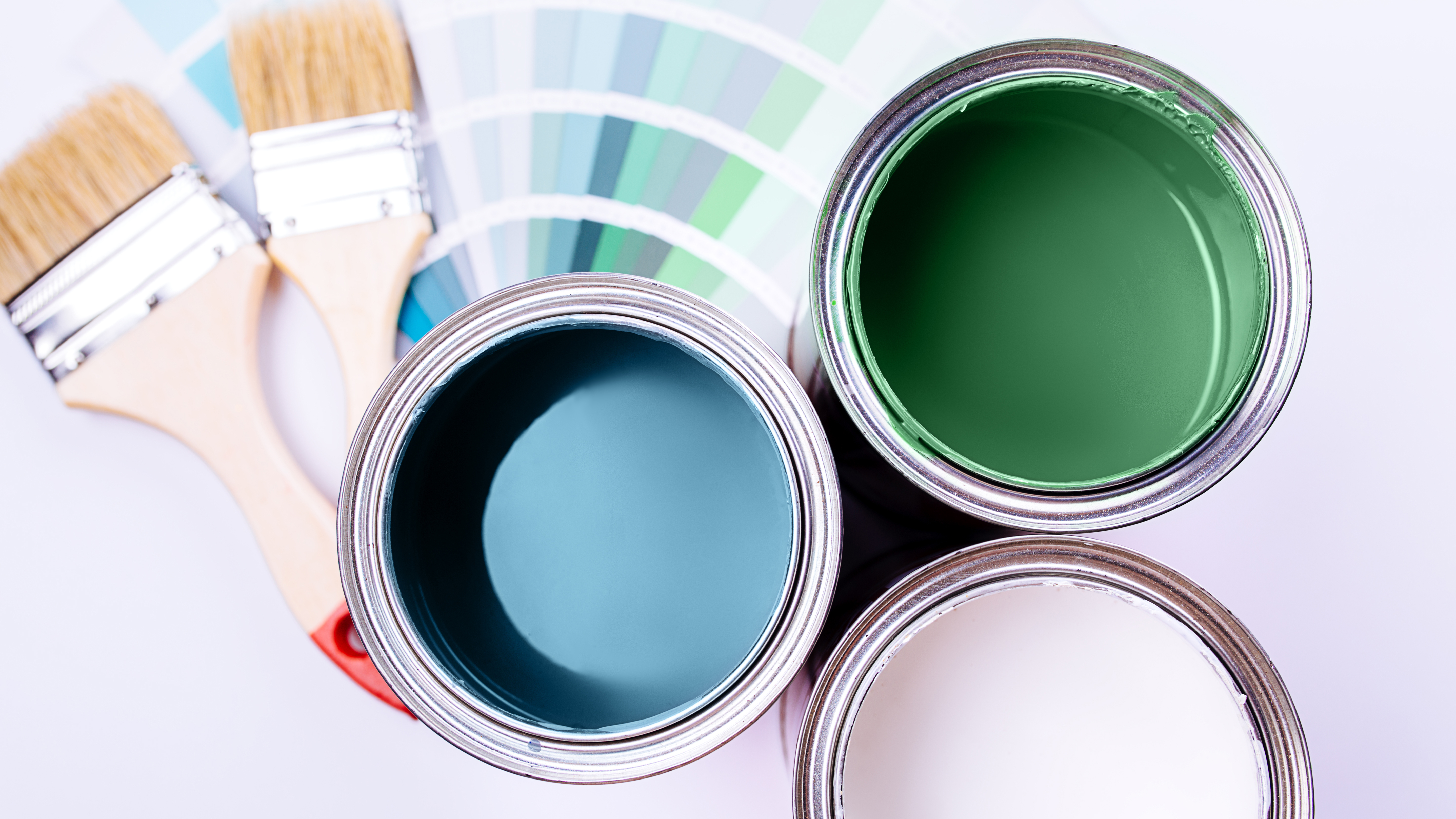
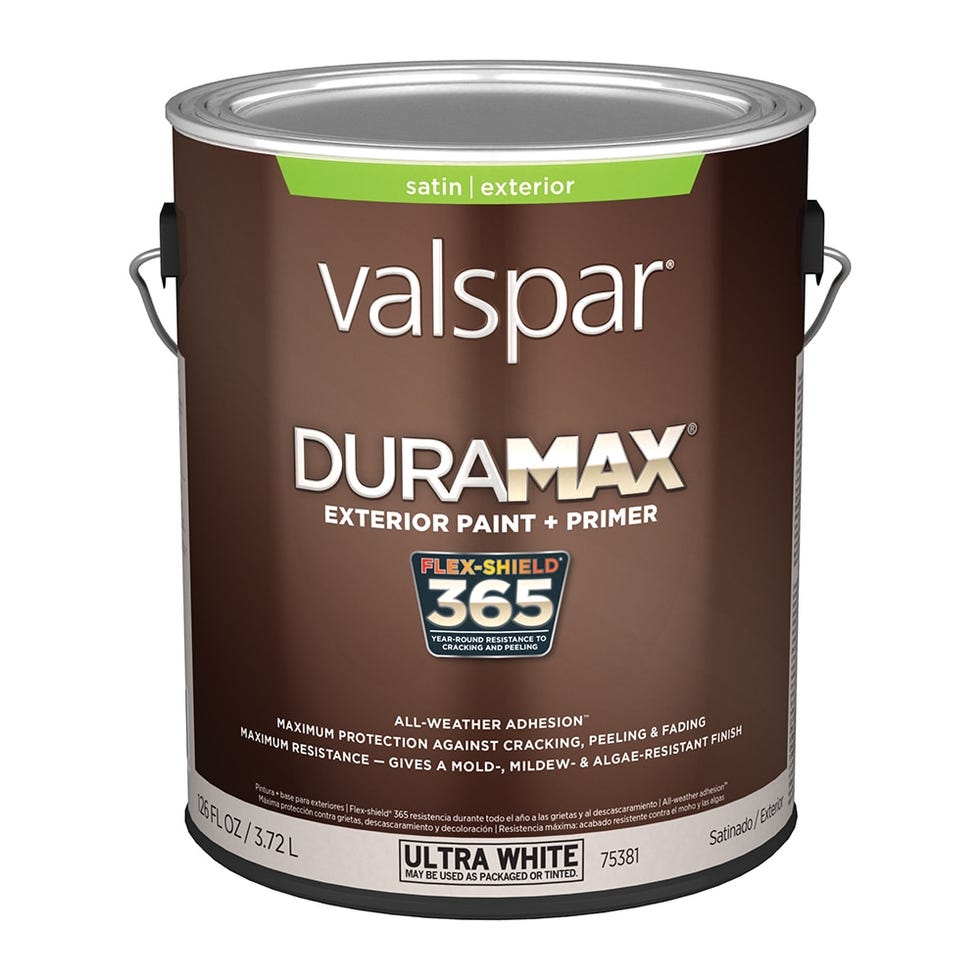
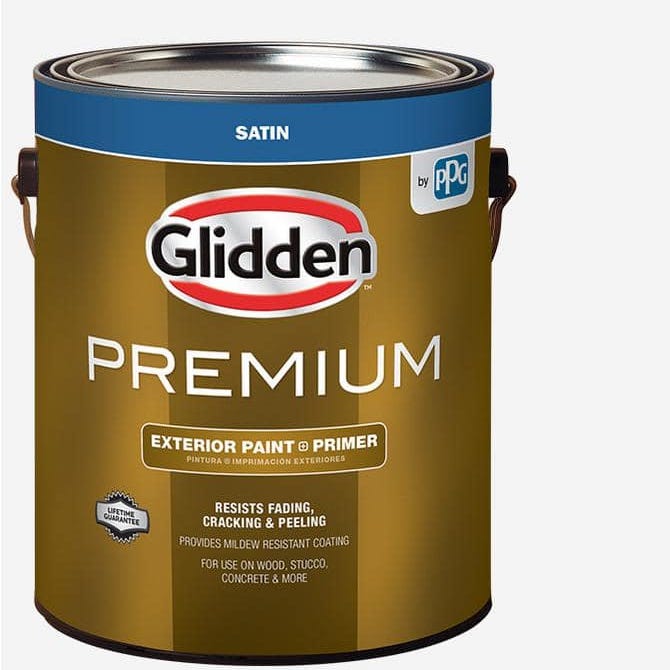
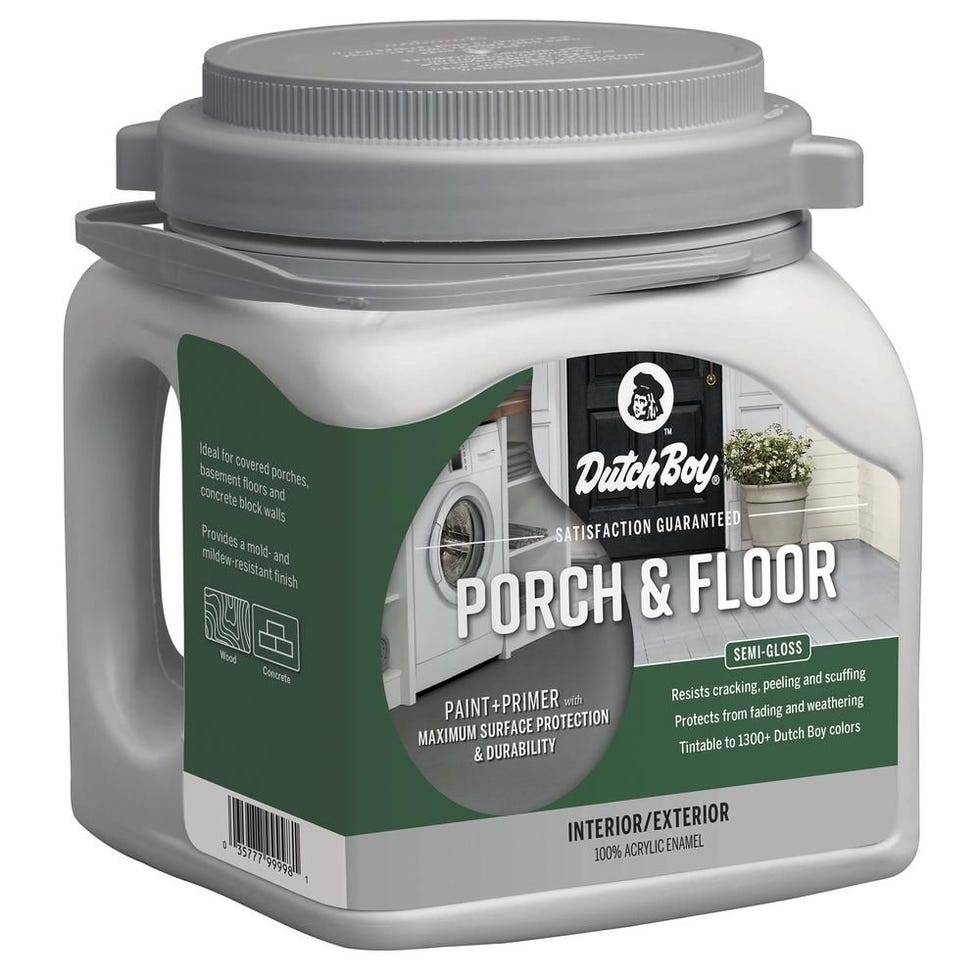
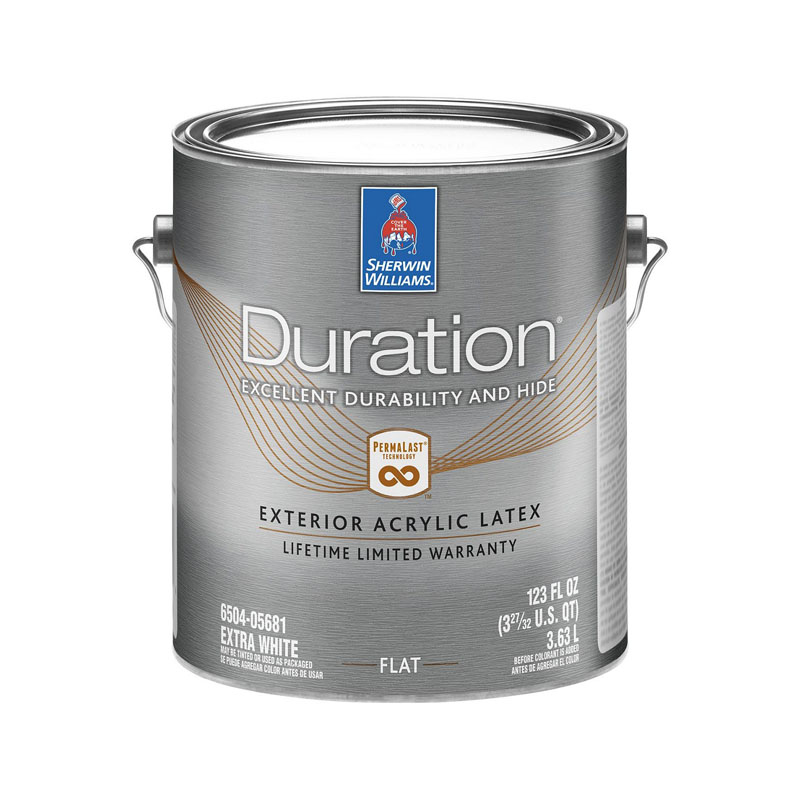
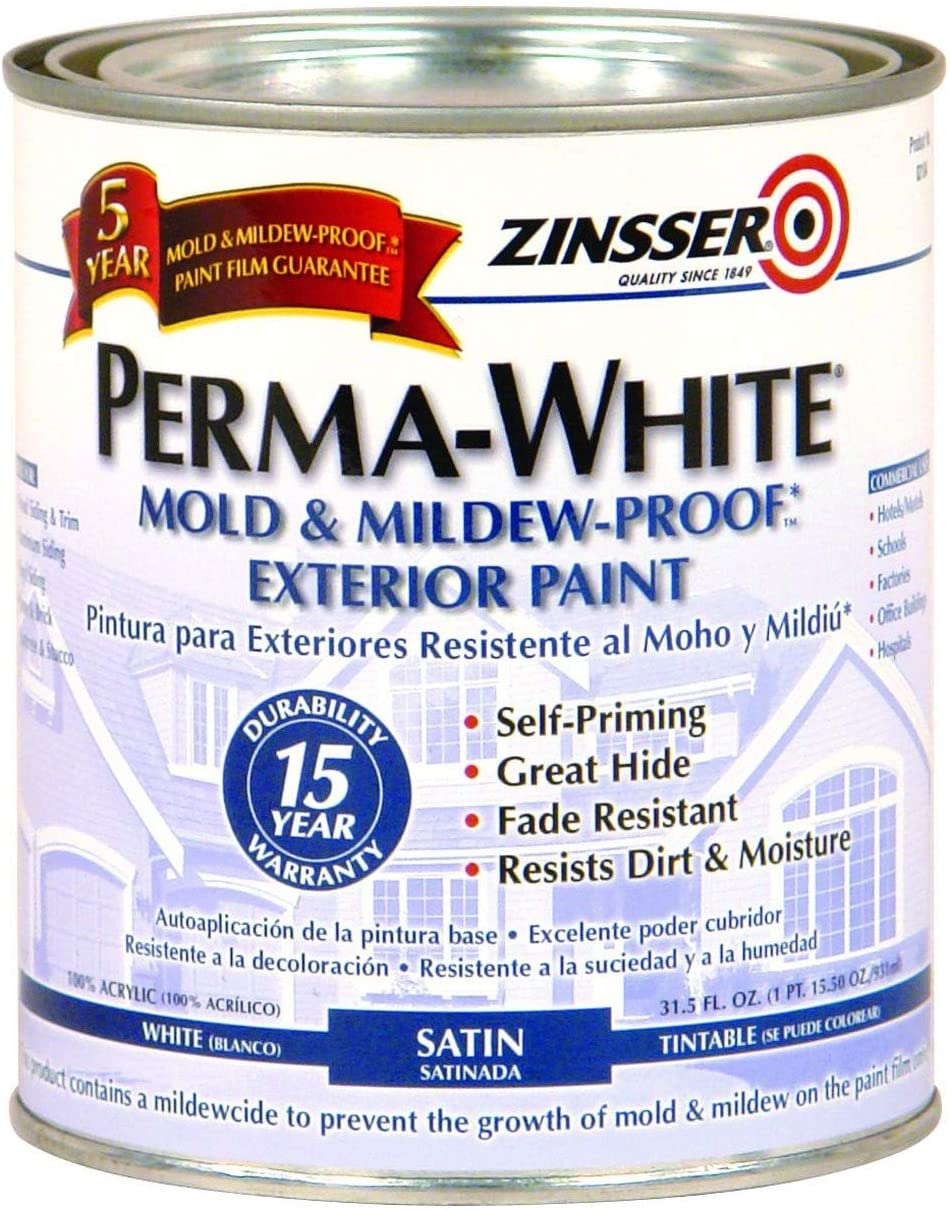
Finally, the type of paint and the surface being painted are critical considerations. Different paint formulations have specific temperature and humidity requirements for optimal curing and adhesion. For instance, oil-based paints may need warmer conditions, while latex paints can be sensitive to high humidity. Always consult and follow the manufacturer's recommendations on the paint product. Proper surface preparation, including cleaning, scraping old paint, repairing damage, and priming, is also vital for a successful and long-lasting exterior paint job.
#ExteriorPainting #HomeImprovement #PaintApplication #WeatherConditions #HomeMaintenance #DIYHome #SeasonalTips #PaintDurability #ExteriorPainting #HomeImprovement #PaintApplication #WeatherConditions #HomeMaintenance #DIYHome #SeasonalTips #PaintDurability
0 comment in total
 No comments yet
You may also like
Decorating expert reveals this is the best time of year to paint your home

6 Best Exterior Paints for Your Home, According to Experts

Exterior paint trends 2025 – 8 stylish color ideas for the outside of your home
Professional Tips on Exterior Paint for Your Home

How Often Should You Repaint Your House Exterior? Expert Explain When it's Time to Paint Your Outside Walls

The Best Exterior House Paint Colors for Hot and Cold Climates
Spotlight: Wait for the just-right conditions before tackling any exterior painting and staining


BBB Tip: When to call a professional painter
There's still time! I’m a painting expert and it's the best month to paint inside your home for a silky-smooth finish
You Should Paint Your Home's Exterior Right Now, a Pro Says—Here's Why

How to choose the best exterior paint for doors and windows
The Best Exterior Paints for Every Outdoor Surface
Don't Wait Much Longer—This Is the Best Time of Year to Paint a House, Reno Pros Say

The Best Exterior House Paint Colors for Hot and Cold Climates

12 Exterior Paint Colors That’ll Help Sell Your House
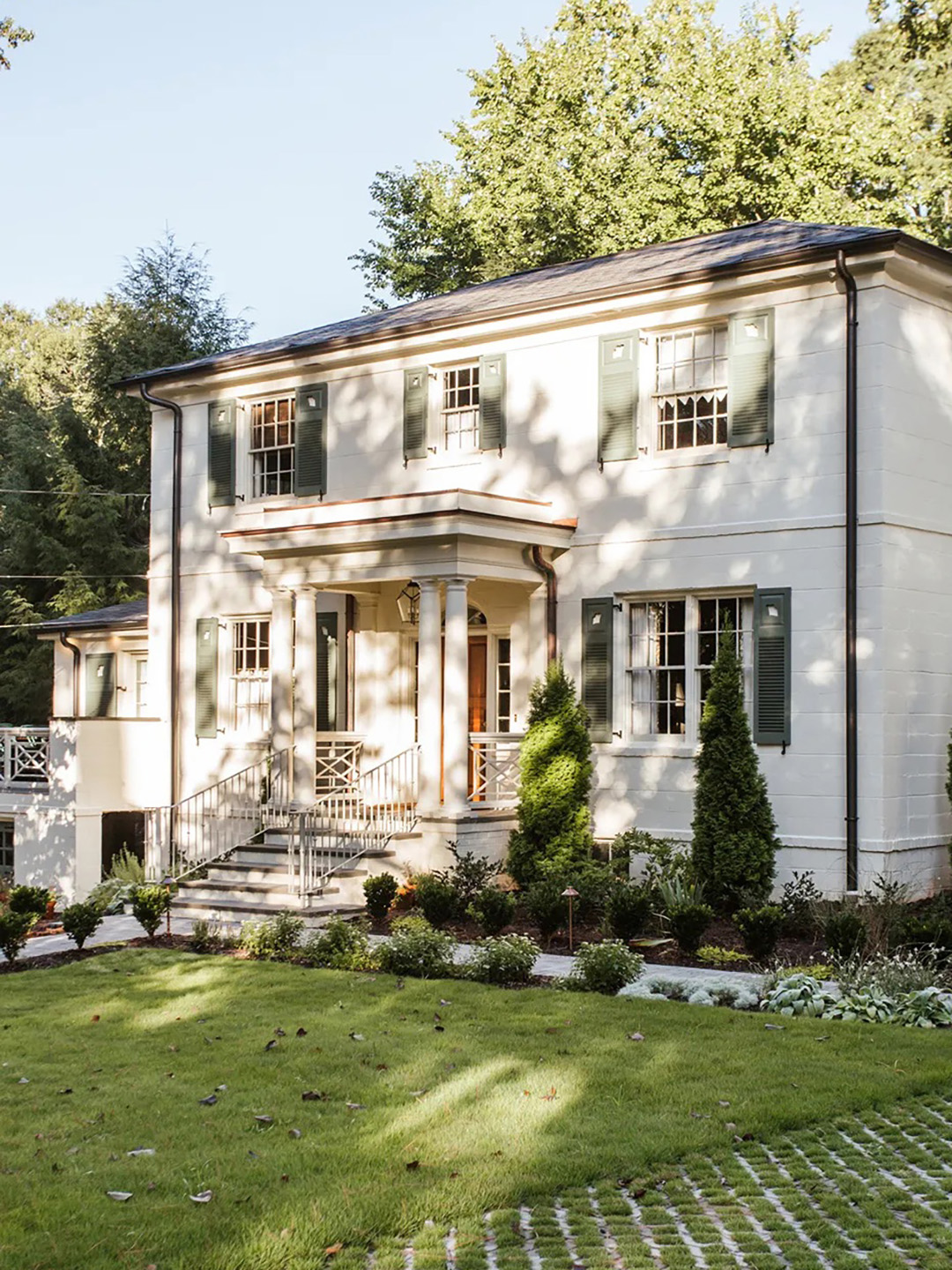
The Moody Shade That Will One-Up White Exteriors in 2026

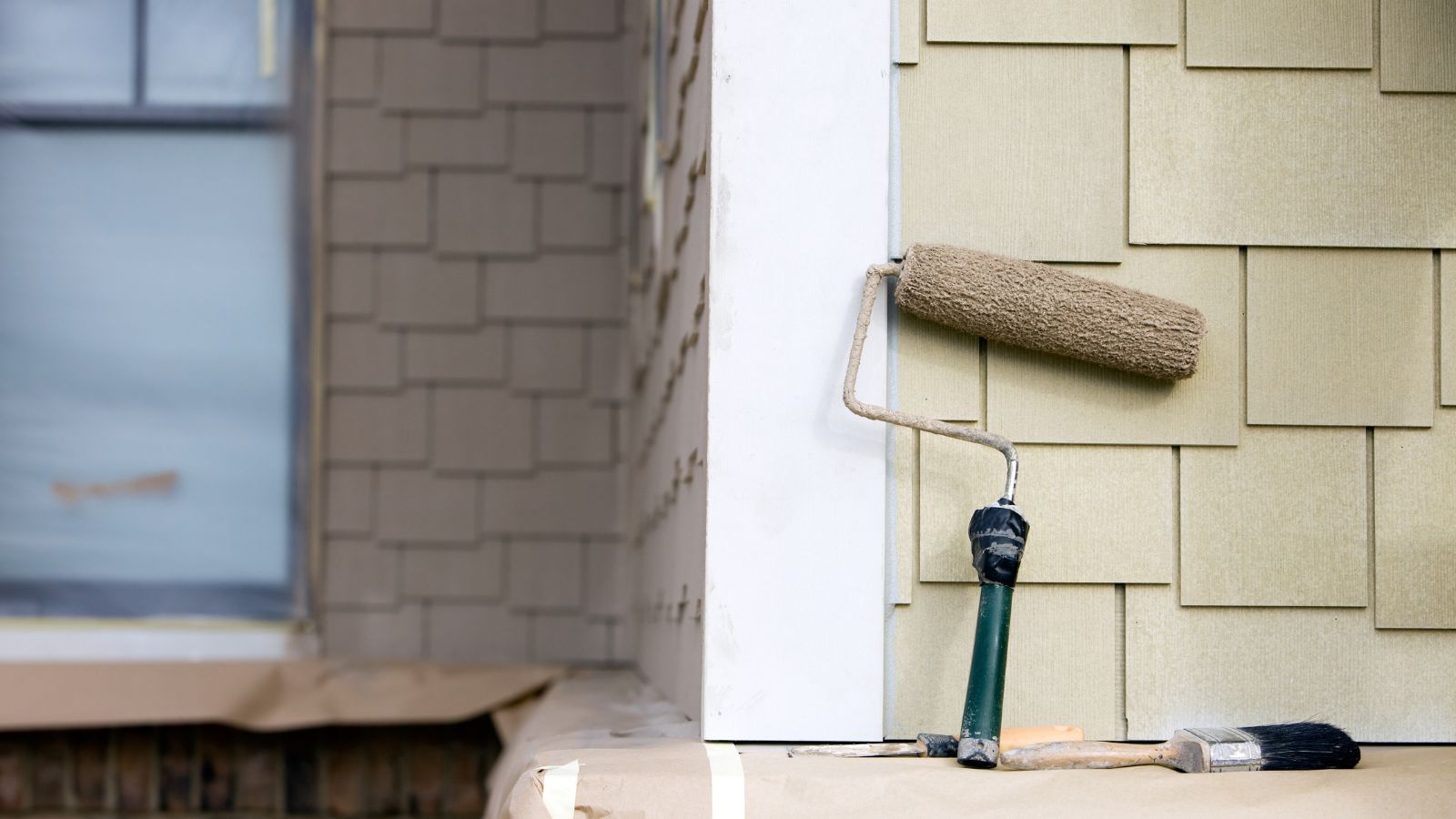
How often to paint a house – and three things that impact longevity
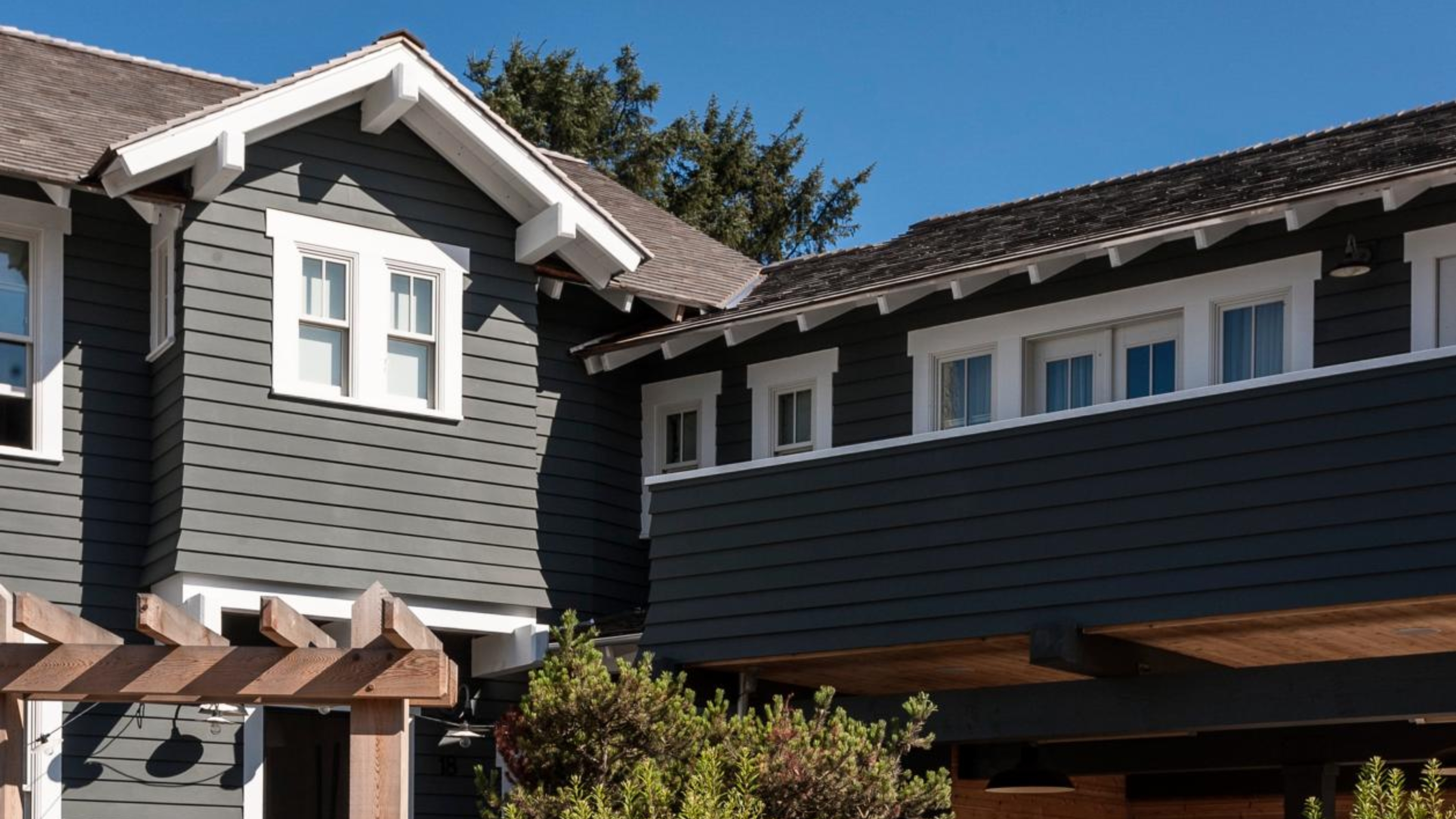
5 Exterior Paint Mistakes to Avoid If You Don't Want Your House to Become the Worst-Looking on the Street
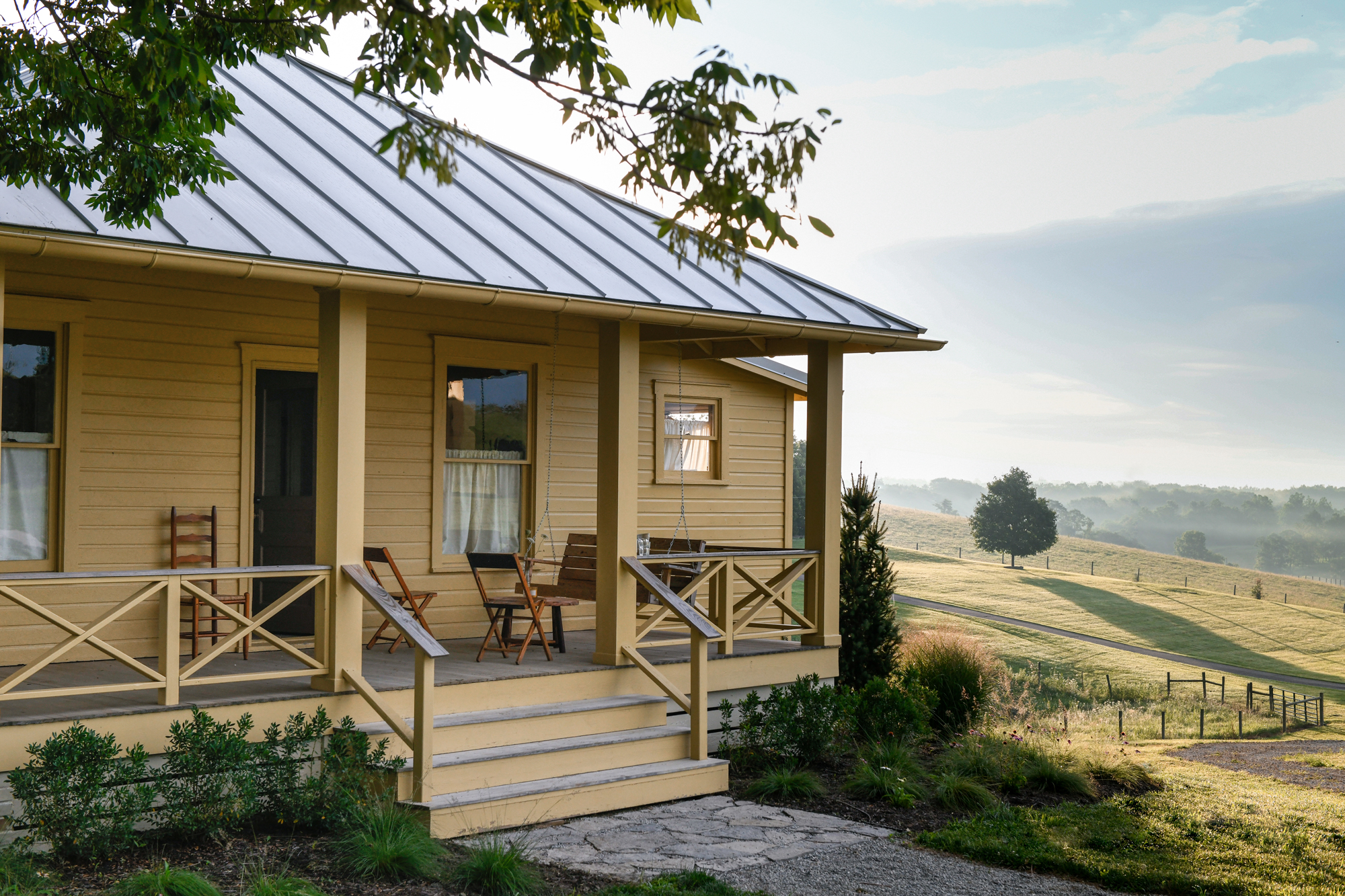
7 rules designers always follow to find the best exterior paint for your home
It’s the best time of year to paint your Arizona home, but not for the reasons you may think