1/4
How often to paint a house – and three things that impact longevity
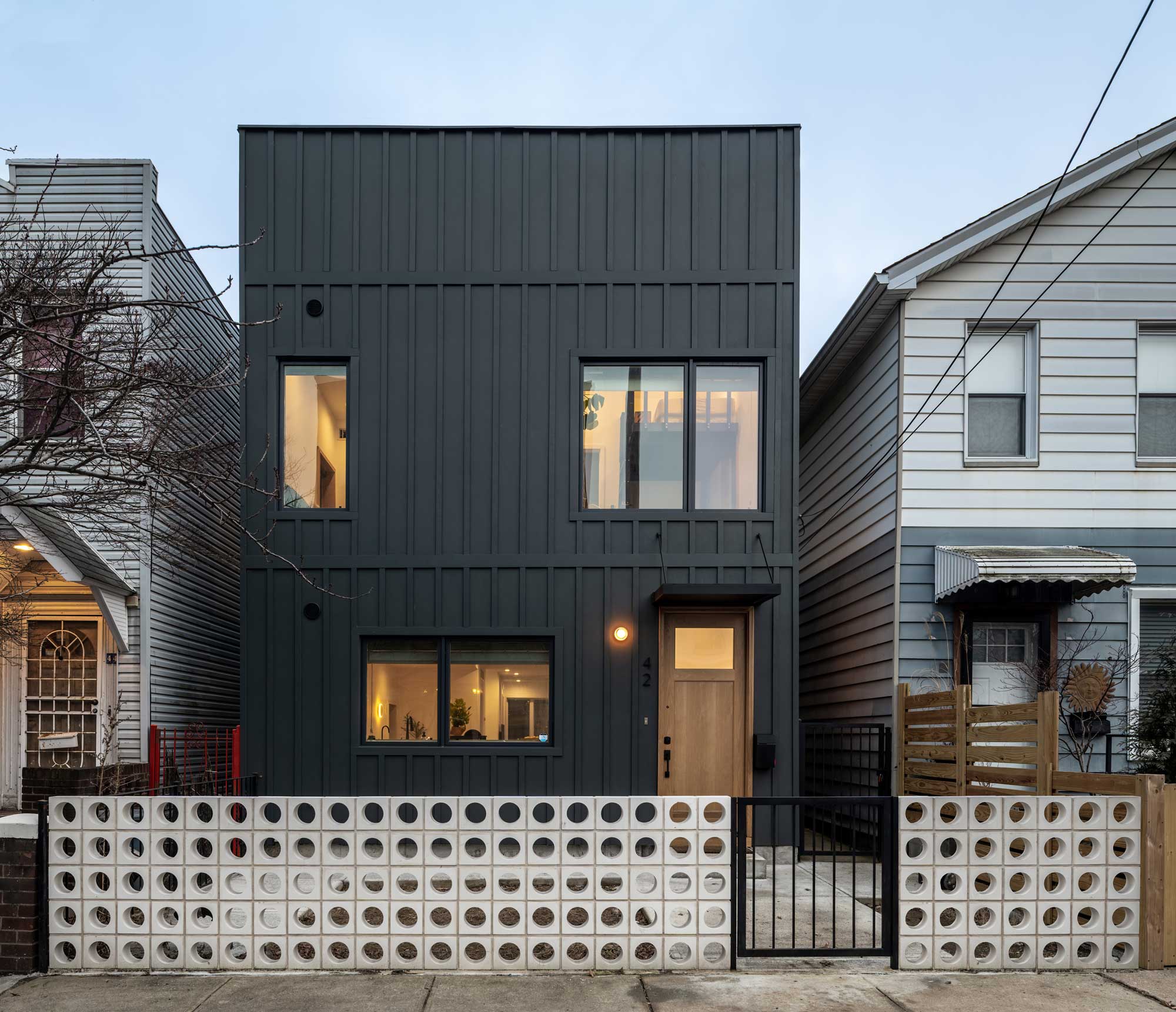
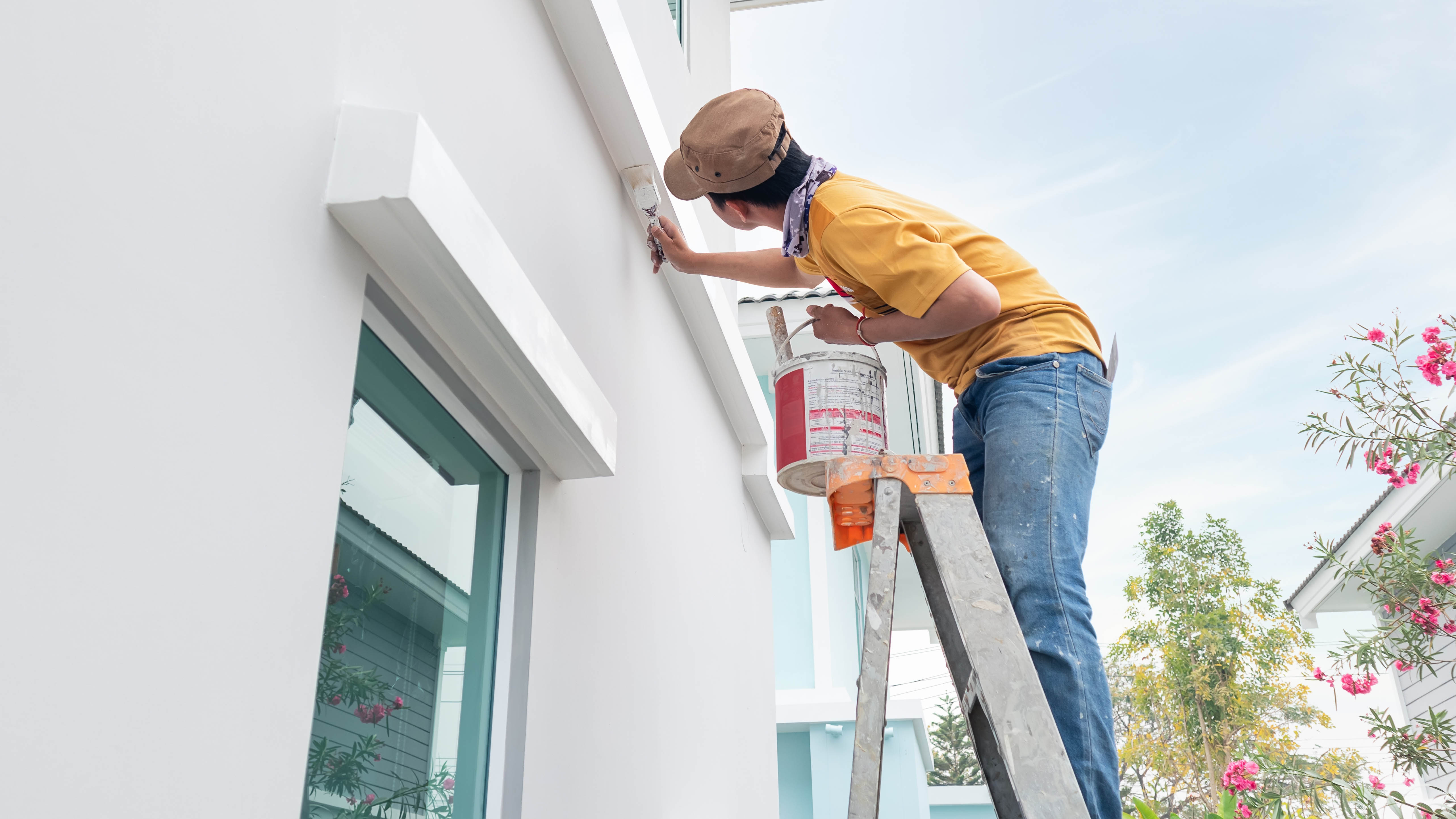
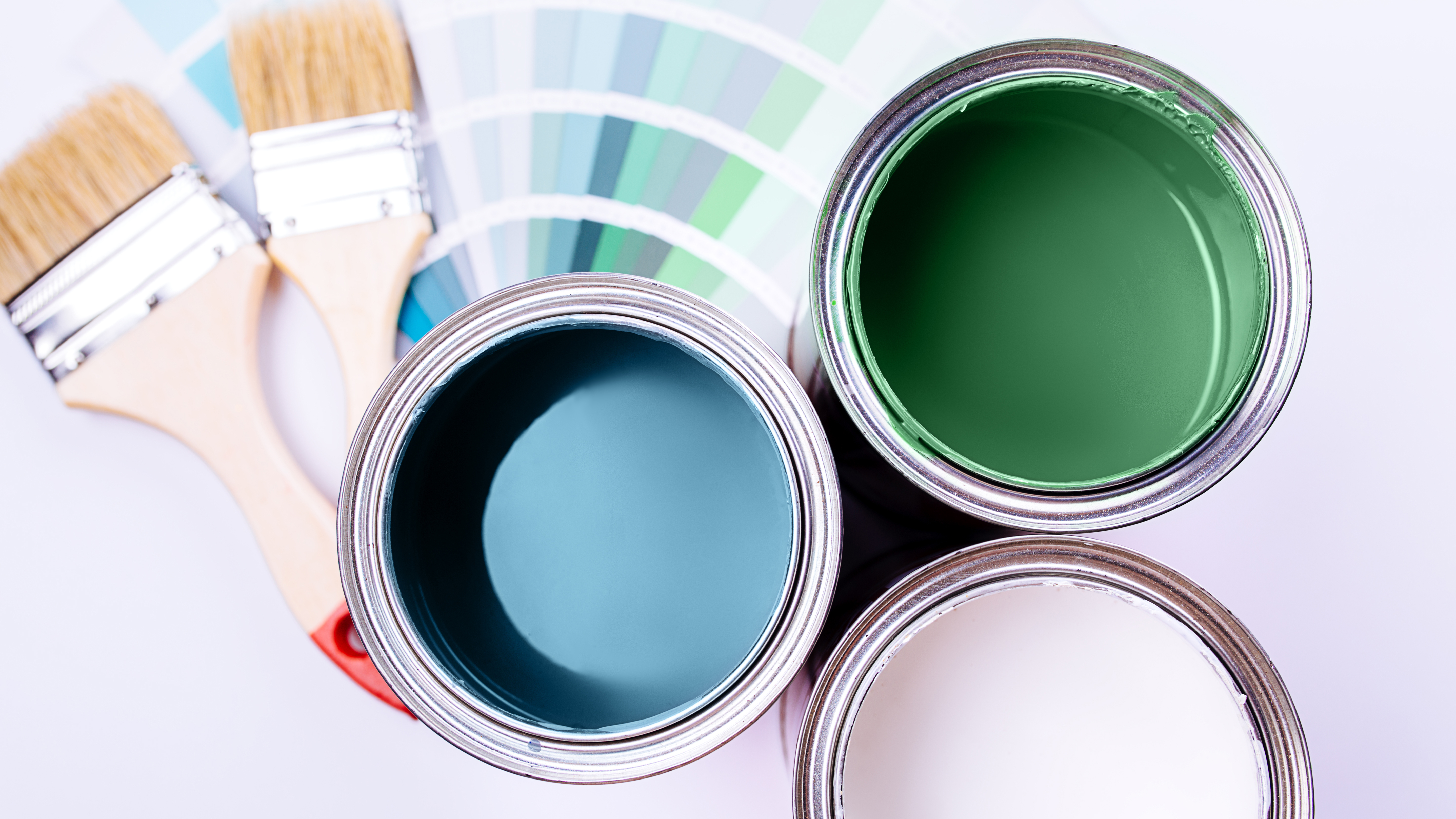
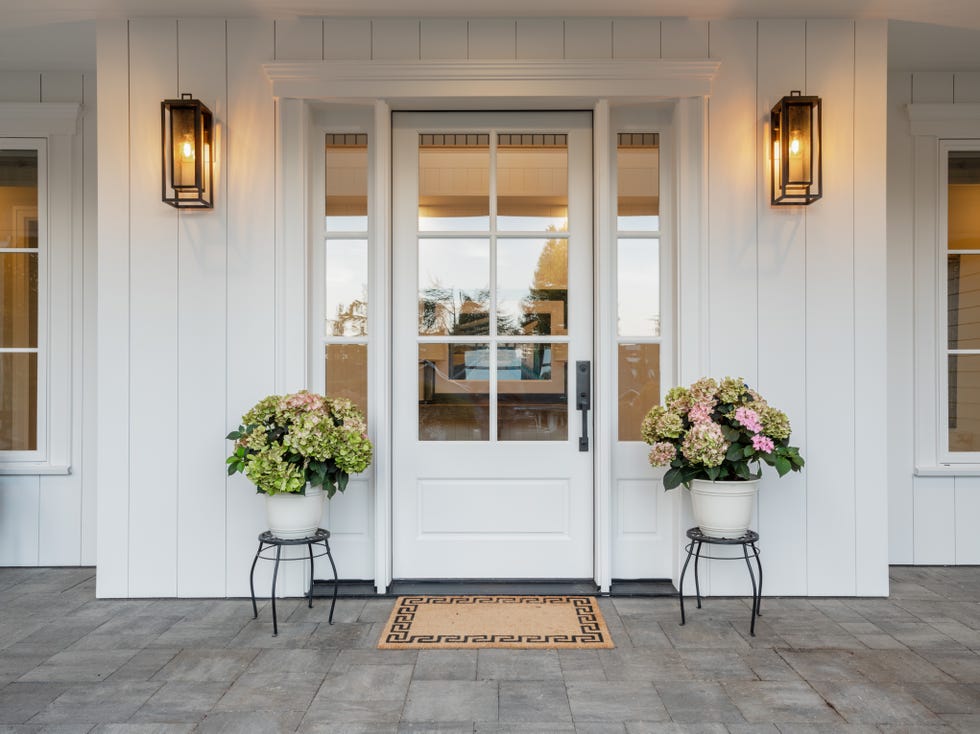
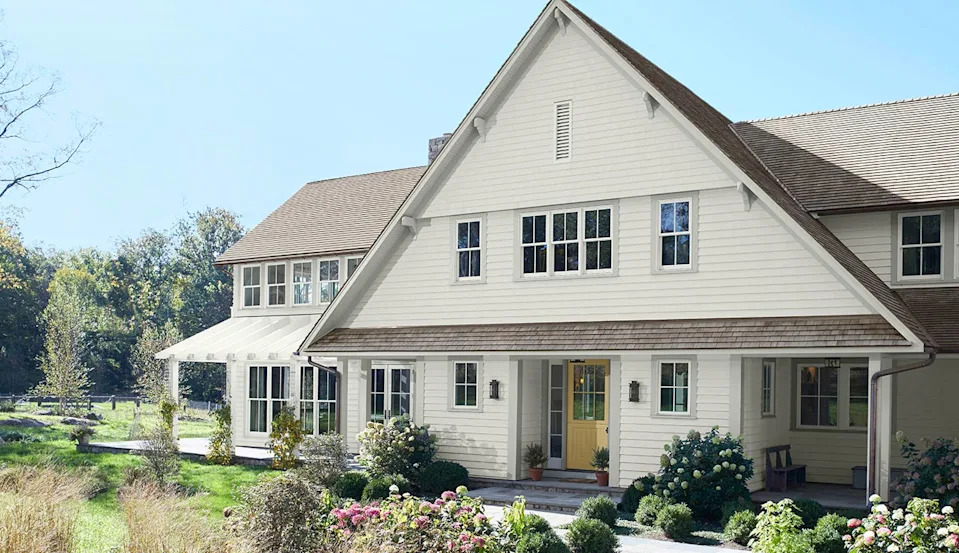
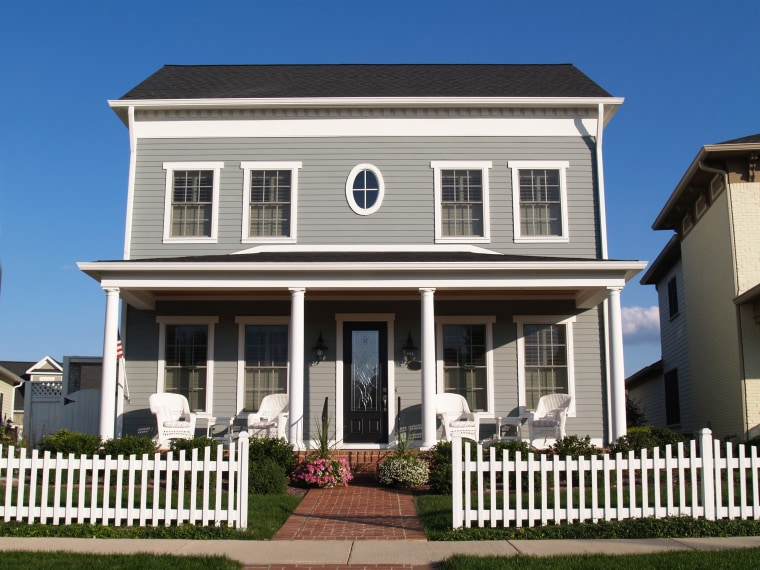
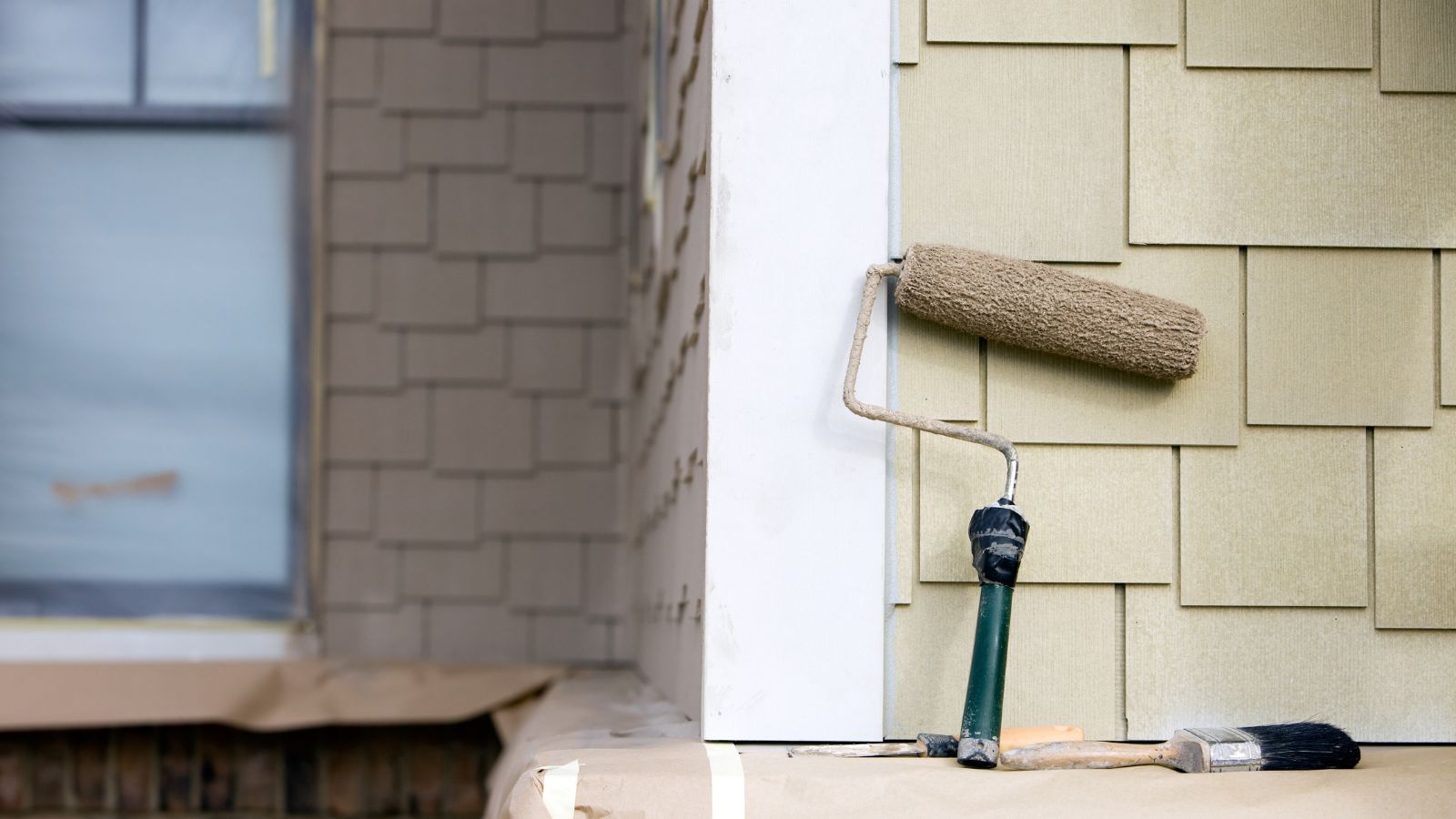
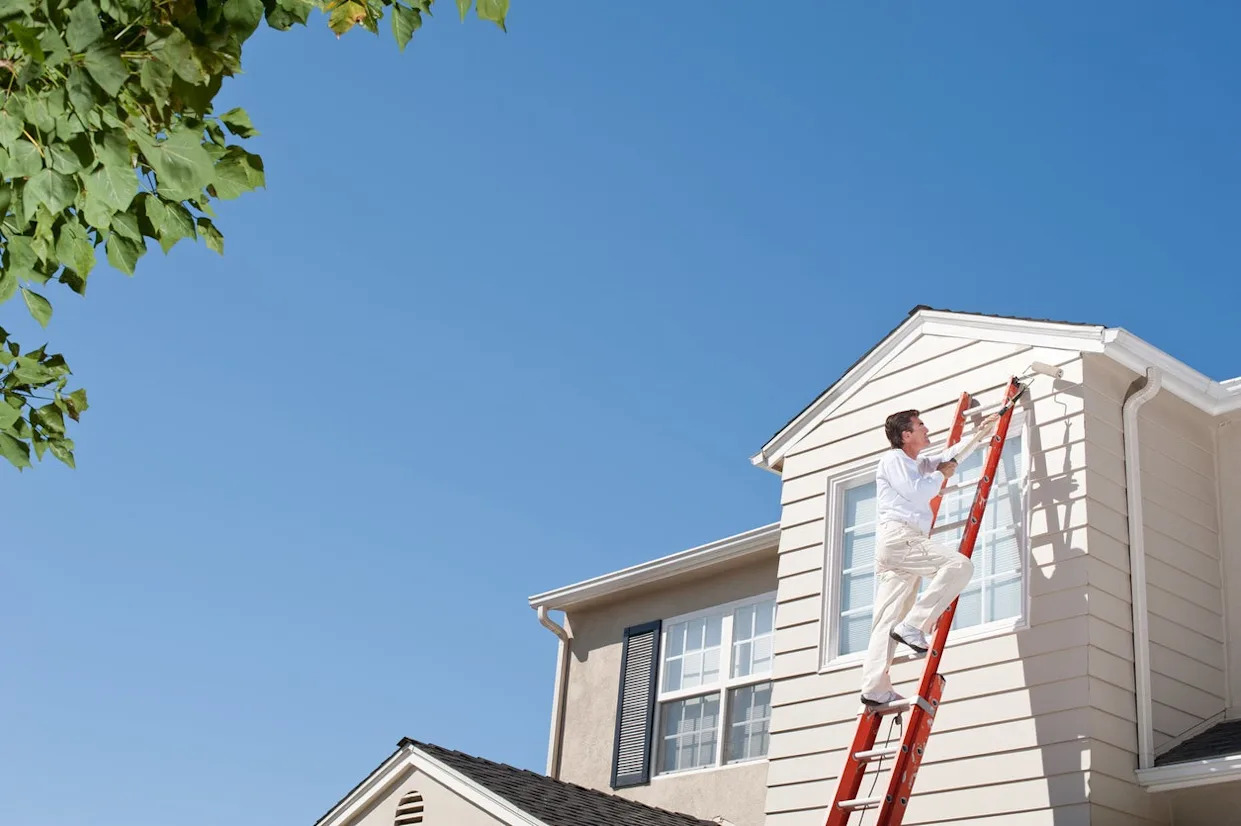
The exterior of a house requires painting every five to ten years, with the exact timeframe depending on various factors such as climate, siding material, and the quality of the previous paint job. Harsh weather conditions, including strong winds, rain, or extreme heat, can accelerate paint degradation, leading to issues like peeling, cracking, and fading. These issues not only diminish the aesthetic appeal of the home but also expose underlying materials like wood to the elements, potentially causing rot over time.
Regular repainting is crucial for more than just aesthetics; it serves as a protective barrier for the house's structure. Neglecting exterior paint for too long can lead to warping of fascia boards, which may necessitate their replacement. Additionally, prolonged exposure can cause the paint surface to become 'chalky,' indicating the disintegration of the top layer and the failure of the resin binding the paint, leaving behind only minerals and pigments on the surface.
To maximize the longevity of exterior paint, several steps are recommended. First, thorough preparation of the wall surface is essential. This involves pulling back any loose debris, pressure washing to remove dirt, grime, and loose paint flakes, and hand scraping stubborn areas to achieve a smooth surface. Before applying new paint, any necessary repairs, such as patching stucco or filling cracks, must be completed using materials specifically designed for outdoor use to prevent future damage.
Second, using an appropriate primer is vital for ensuring proper paint adhesion and durability. The primer chosen should be compatible with both the home's material and the type of paint to be applied. Third, selecting paint that is suitable for the local climate is important. Factors such as durability, resistance to UV radiation, and ease of maintenance should be considered. Applying two coats of paint is generally recommended for better coverage and increased longevity, always adhering to the manufacturer's instructions for application and drying times.
Regarding the duration of the painting process, painting a full house can take several days for professionals, typically four to five, but may take longer for DIY enthusiasts. The best time to paint outdoors is during warmer months, specifically between late spring and early summer, or in early fall in typically wet climates. These periods offer optimal temperatures and humidity levels for proper paint drying, preventing issues like stickiness from excess moisture or slow drying in freezing temperatures. While it is possible to paint over old exterior paint after cleaning, removing peeling patches is crucial to ensure the new coat adheres properly and lasts. Ultimately, while a DIY approach is possible, hiring professionals is often a more reliable investment due to their access to specialized tools and safety equipment, ensuring a thorough and long-lasting job.
#ExteriorPainting #HomeMaintenance #PaintLongevity #HomeRenovation #WeatherImpact #PaintPreparation #PrimerApplication #ClimateConsiderations #DIYPainting #ExteriorPainting #HomeMaintenance #PaintLongevity #HomeRenovation #WeatherImpact #PaintPreparation #PrimerApplication #ClimateConsiderations #DIYPainting
0 comment in total
 No comments yet
You may also like
How to prolong the life of your paint job, according to painters and decorators
There's still time! I’m a painting expert and it's the best month to paint inside your home for a silky-smooth finish
8 Surprising Colors That Will Decrease Your Home's Value, According to Experts

Increase your home's value by choosing the right paint color

How Often Should You Repaint Your House Exterior? Expert Explain When it's Time to Paint Your Outside Walls


Update your home with these paint tips!

Don't Wait Much Longer—This Is the Best Time of Year to Paint a House, Reno Pros Say

This Cheery Kitchen Color Could Hurt Your Home Value

Decorating expert reveals this is the best time of year to paint your home

8 Timeless Paint Colors That Always Look Fresh, No Matter the Season

Design Pros Have Spoken: Here Are the Only Paint Color Trends That Matter in 2023

How to Pick the Best Paint Colors for Every Space in Your Home

How Often Do Designers Really Recommend Painting a Home to Stay On Trend? We Got Answers

10 Painting Tips The Stars Of HGTV's Unsellable Houses Swear By
The Best Exterior House Paint Colors for Hot and Cold Climates
5 Timeless Paint Colors That Will NEVER Go Out of Style, According to Designers
Here's What Colorists Want You to Know About Picking House Paint

The best time to paint a house exterior, according to pros

Interior Paint: A Guide to Buying the Best Paints for Your Home

This Surprising Paint Color Tricks Buyers Into Paying More for a Home