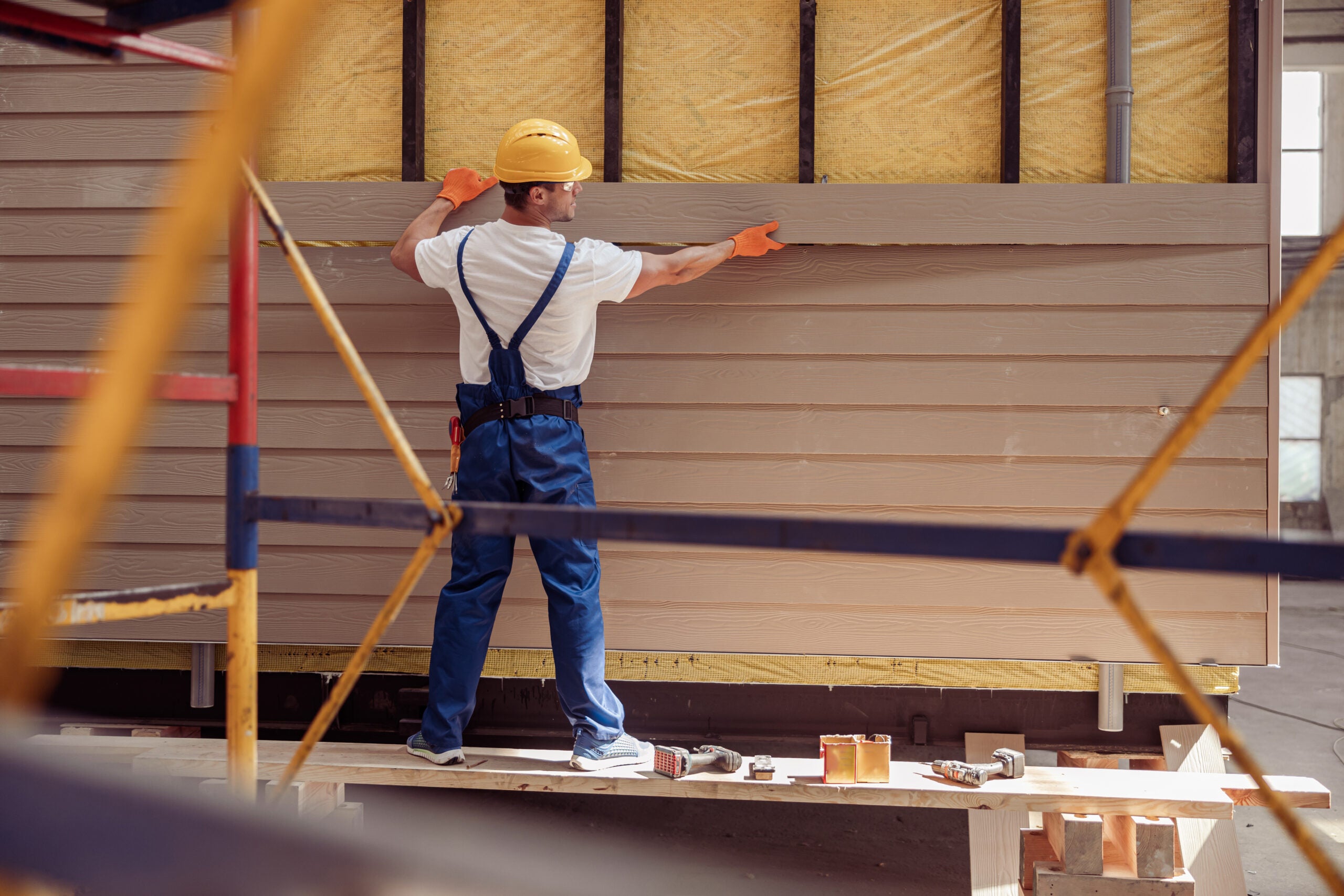
1/2
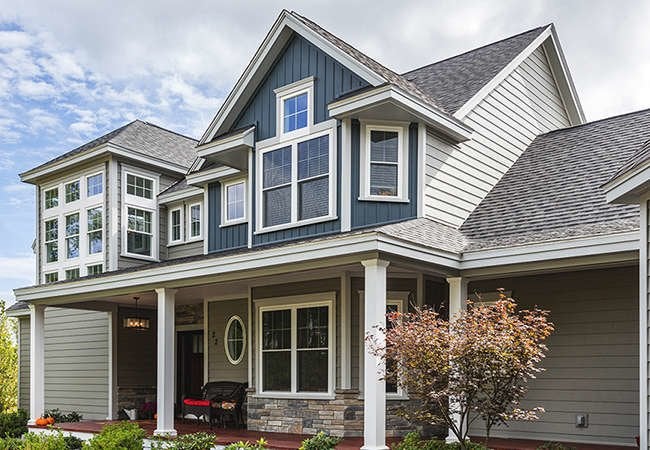
New Construction: What you need to know about siding your home
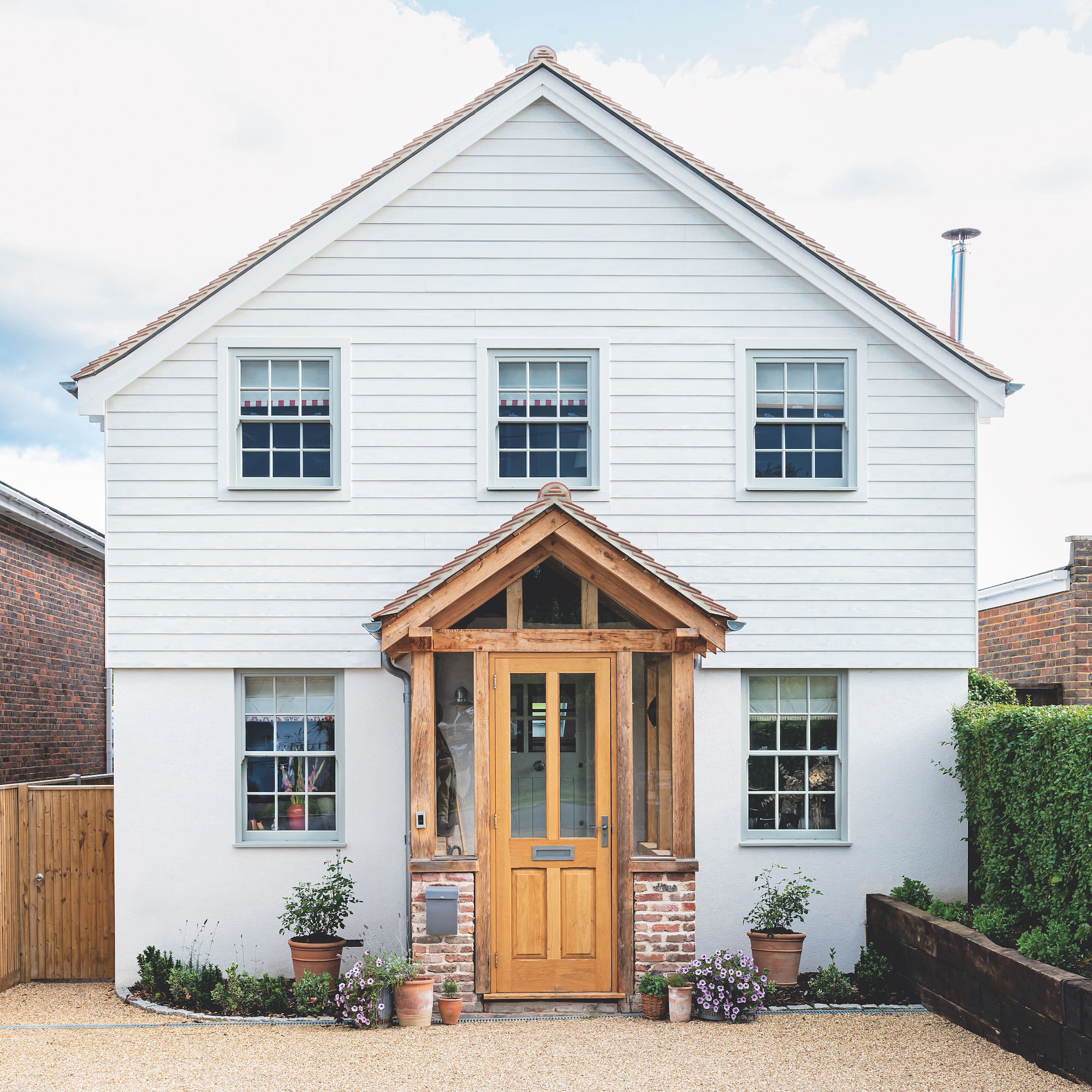
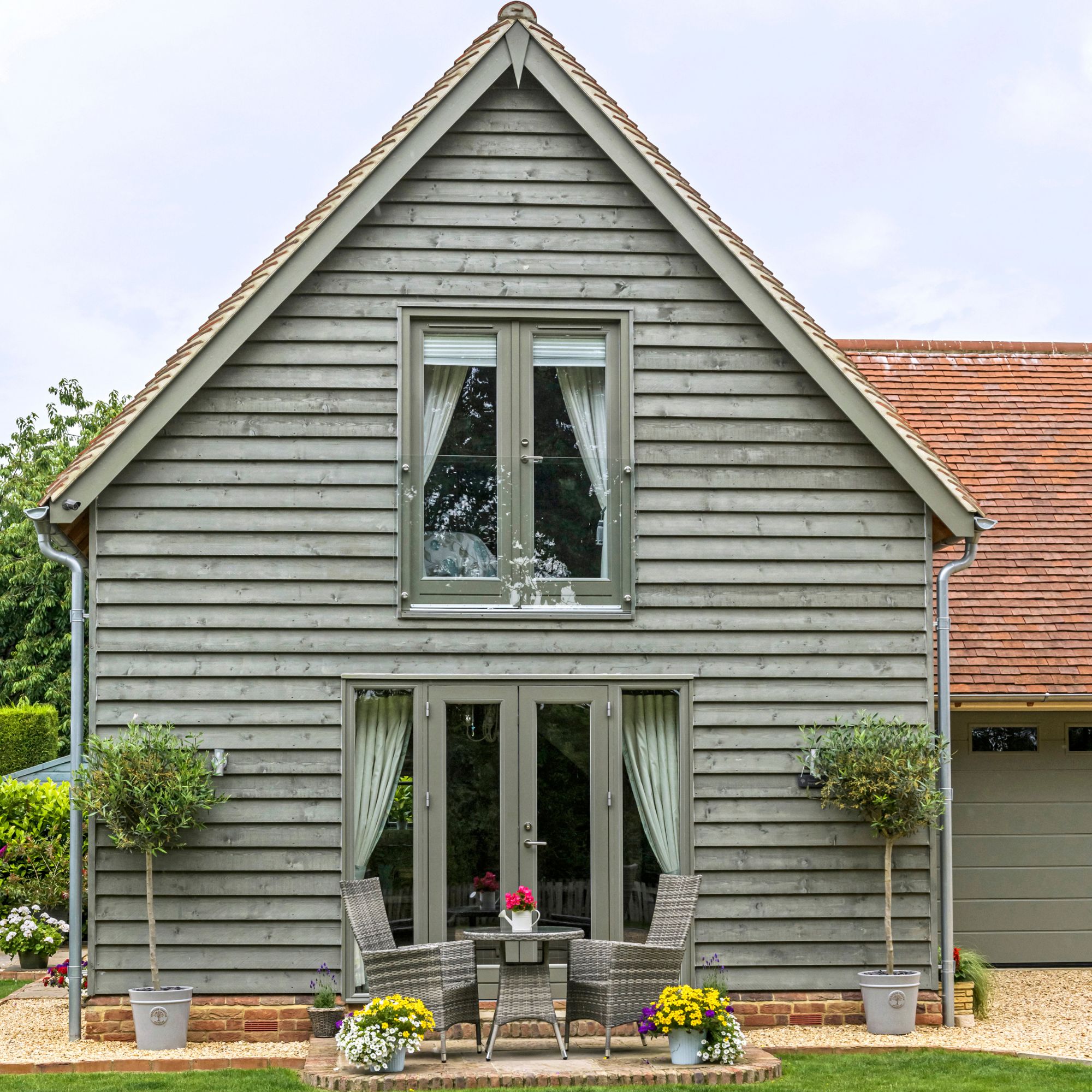
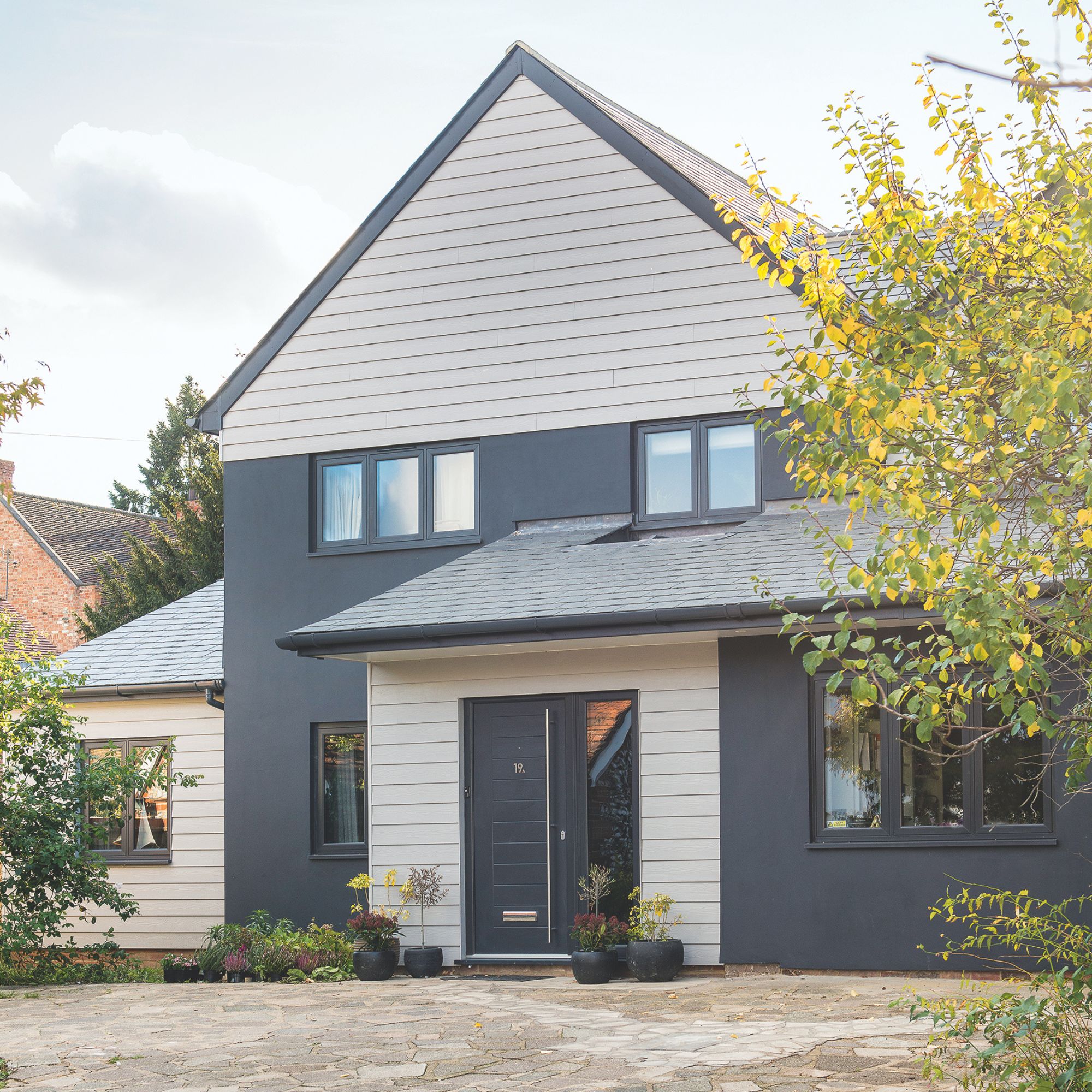
This article discusses the comprehensive considerations involved in selecting and installing new siding for a home, highlighting its significant impact on curb appeal and resale value. Siding replacement is presented as a high-stakes decision due to the numerous options available and its long-term visual and functional implications. The piece categorizes residential siding into two main types: wood and synthetic, detailing the characteristics, benefits, and drawbacks of each.
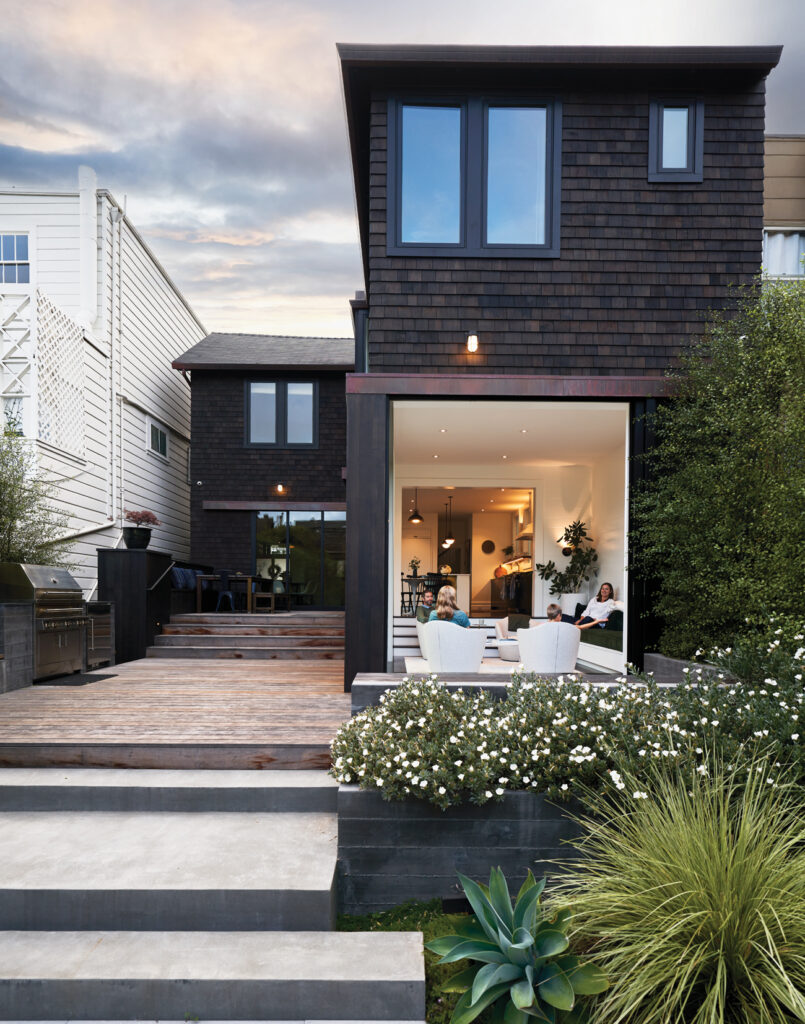
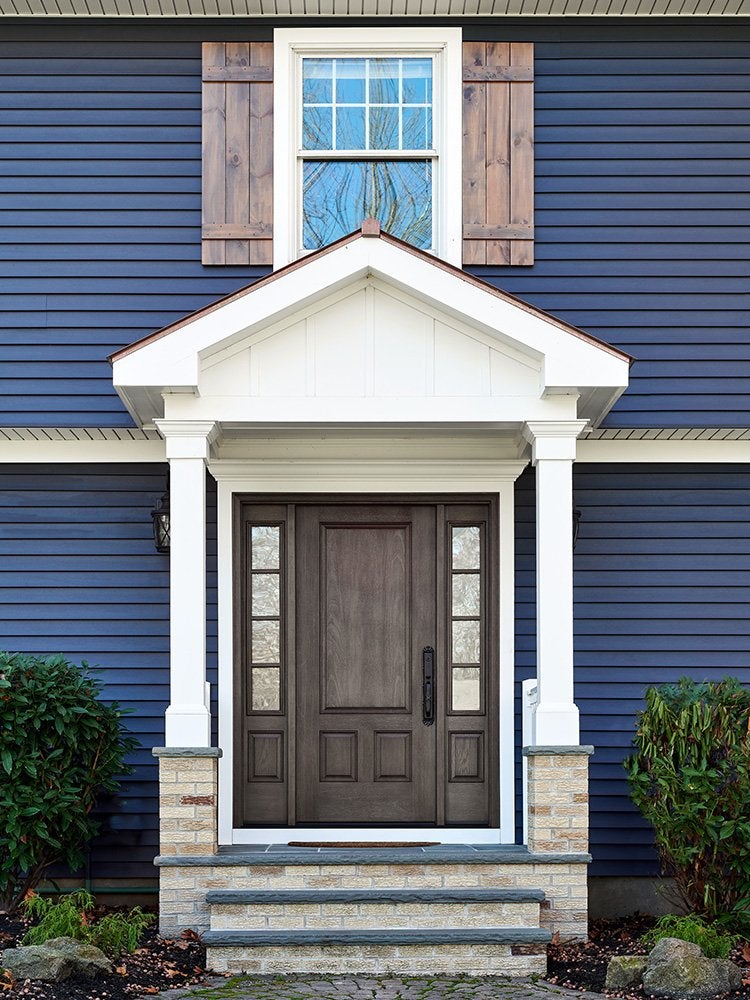
Wood siding options primarily include red and white cedar, both known for their natural rot resistance. Red cedar, sourced from the West, offers a denser grain suitable for larger shingles and clapboards, while Eastern white cedar, prevalent in New England, is ideal for shingles. The article emphasizes cedar's sustainability, particularly when certified by the Forest Stewardship Council, and its low embodied carbon footprint, especially for locally sourced white cedar. While cedar can be pre-stained or oiled for extended life, even untreated cedar offers significant durability. However, wood siding, particularly cedar, is expensive, and recent supply chain issues have made it difficult and costly to procure enough material for an entire home. Newer wood siding treatments, such as acetylated and torrefied wood, are also mentioned for their enhanced durability against pests and mold.
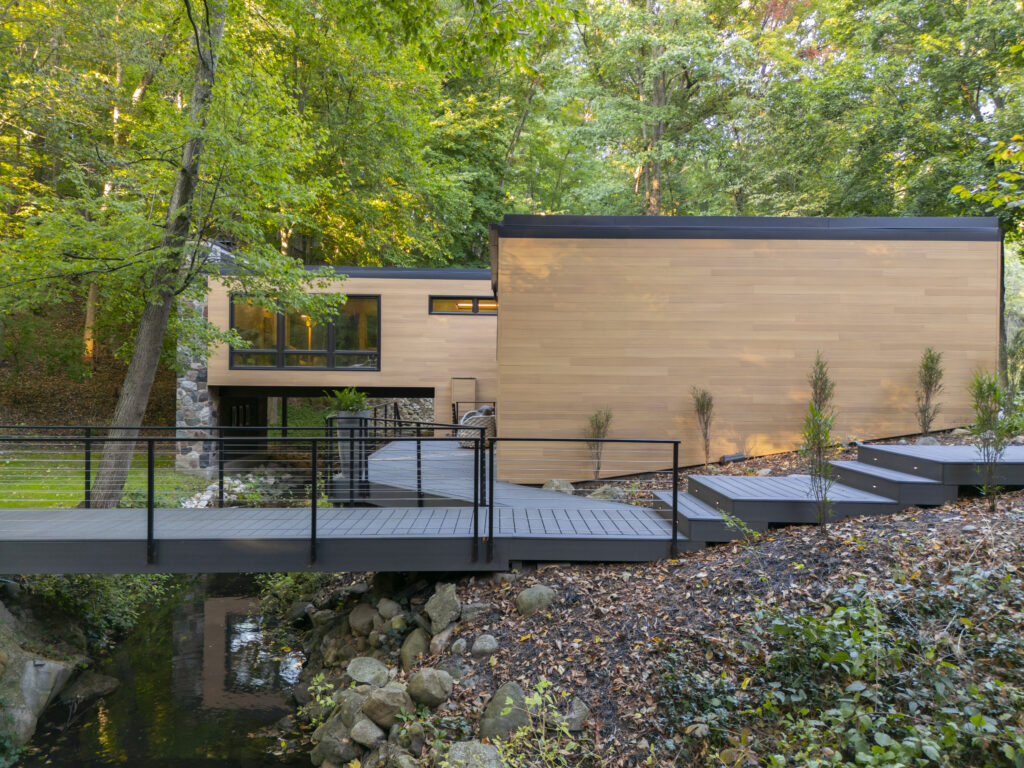
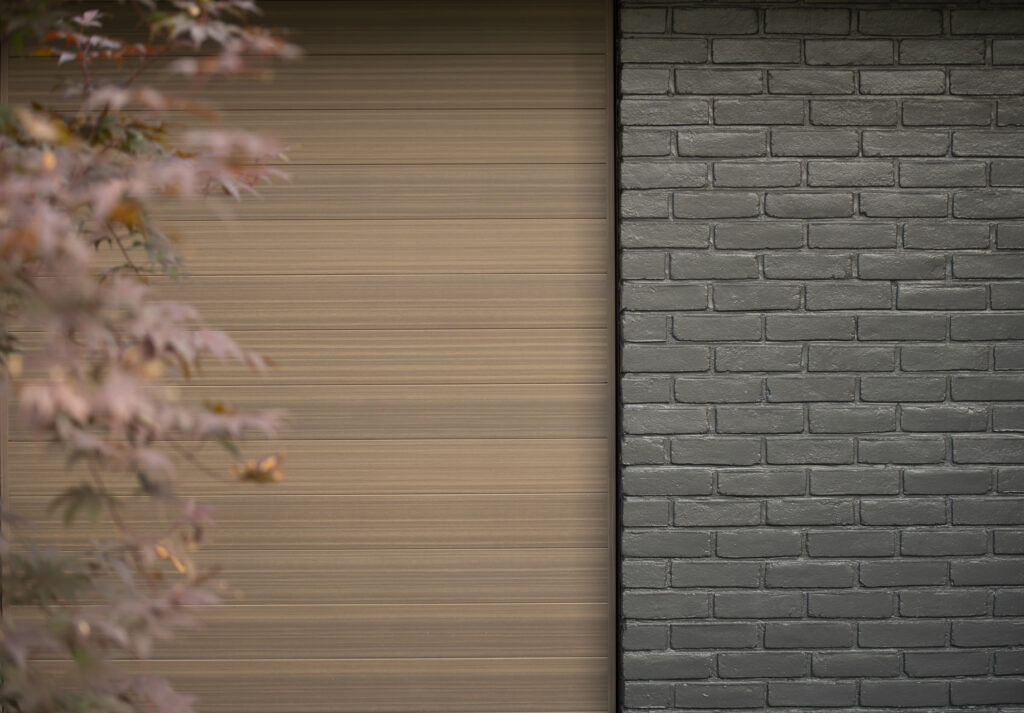
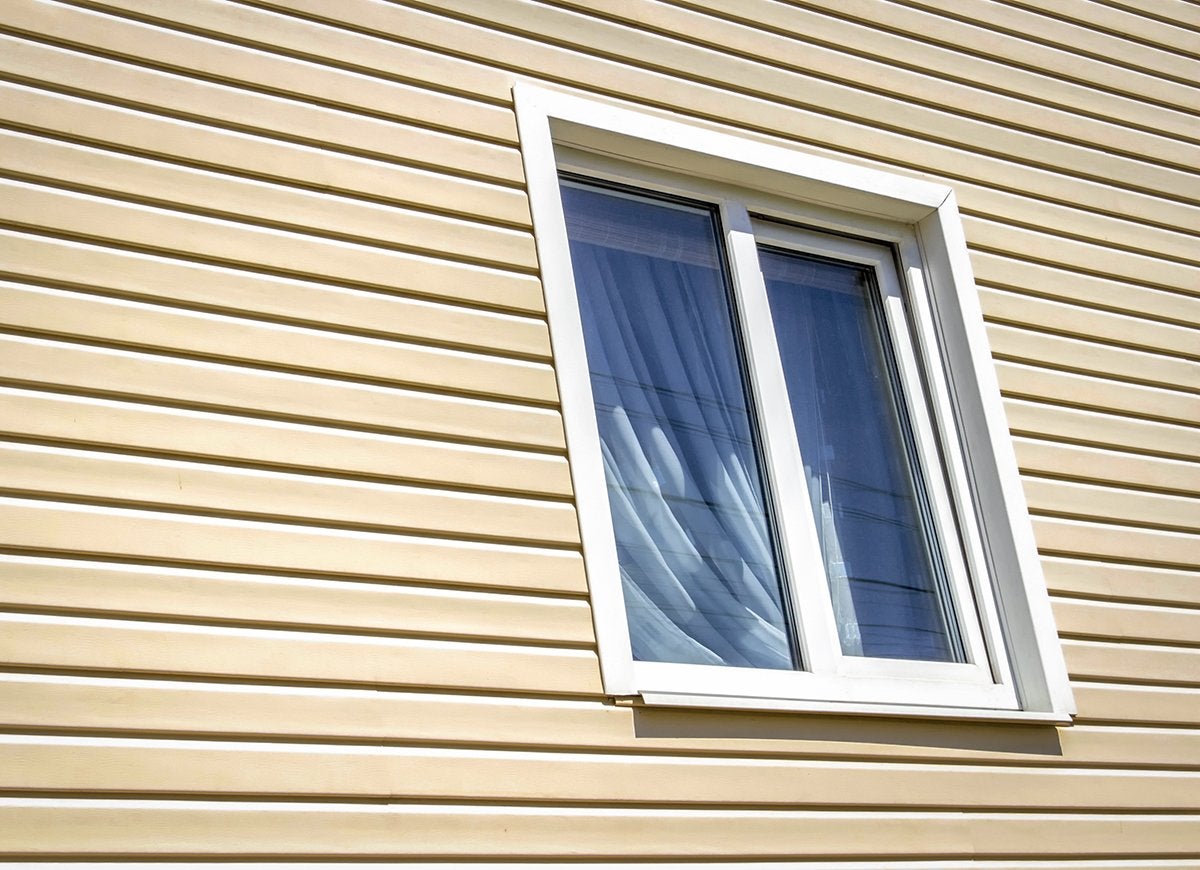
Synthetic siding, encompassing vinyl and various composite materials, is presented as a favored, low-maintenance alternative. Vinyl siding is the most affordable and widely used option, particularly in new constructions. The article notes advancements in vinyl siding, allowing for more authentic appearances, such as cedar-look PVC products like Grayne, which offers advantages like low waste and a Class A fire rating. Another premium vinyl option, CertainTeed Cedar Impressions, provides varied textures and colors but incurs higher labor costs and waste due to complex installation requirements. Other composite sidings discussed include TruExterior, made from polymer and fly ash; Everlast, a PVC-based resin mixed with inorganic materials; and SmartSide, engineered wood treated for durability. The ease of removal for future renovations is highlighted as a practical advantage for certain synthetic products like Grayne, unlike others such as Everlast.
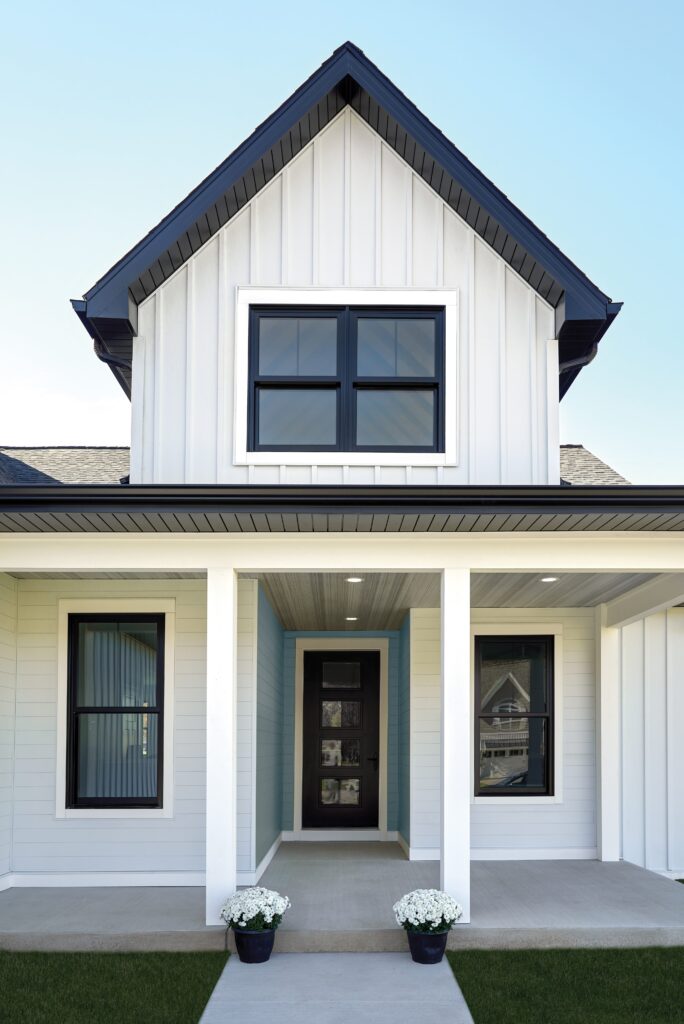
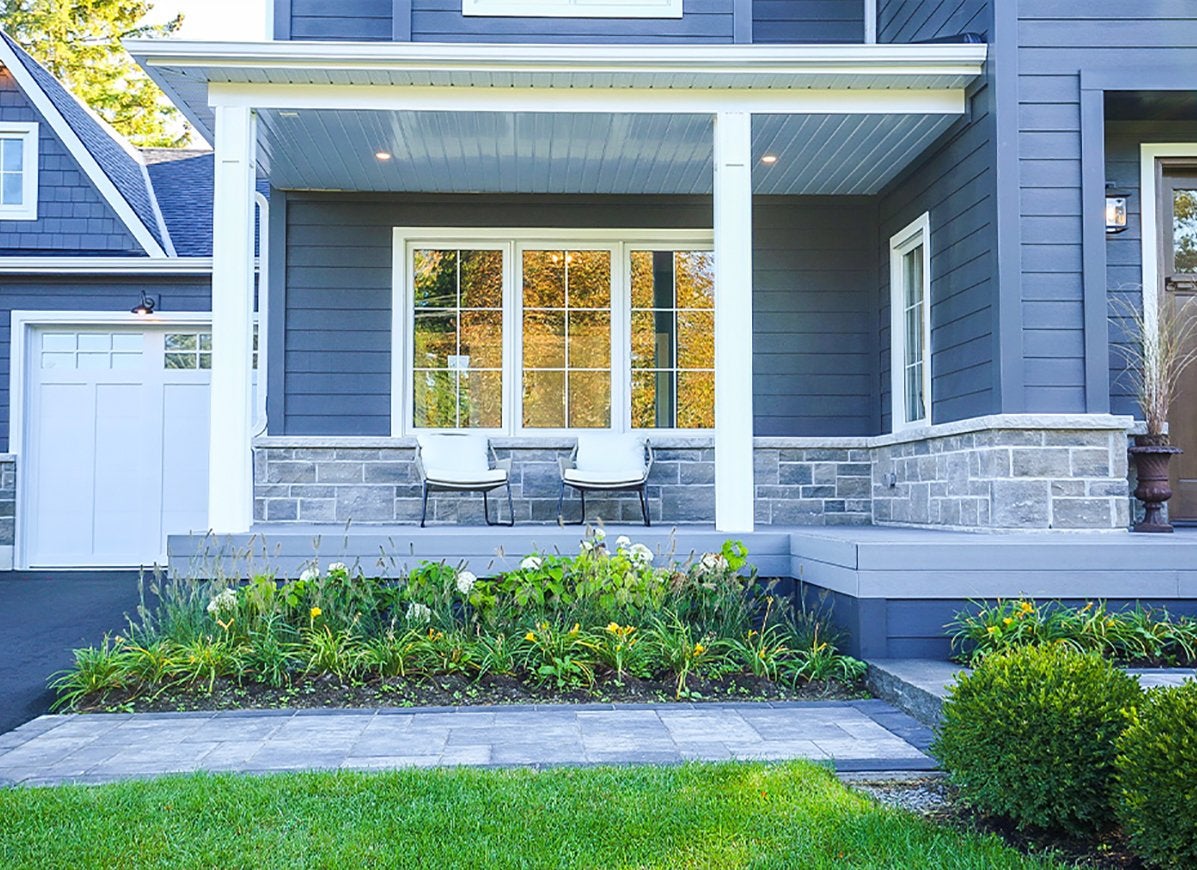
Fiber-cement siding, a composite material typically made from cellulose, cement, and sand or fly ash, is also examined. It offers durability against insects, fire, and rot and holds paint well, requiring less maintenance than wood. However, concerns regarding installer safety due to silica dust and product performance issues, as evidenced by past class-action lawsuits, are raised. Certain brands, like James Hardie, are noted for engineering fiber-cement products specifically for challenging climates like New England.
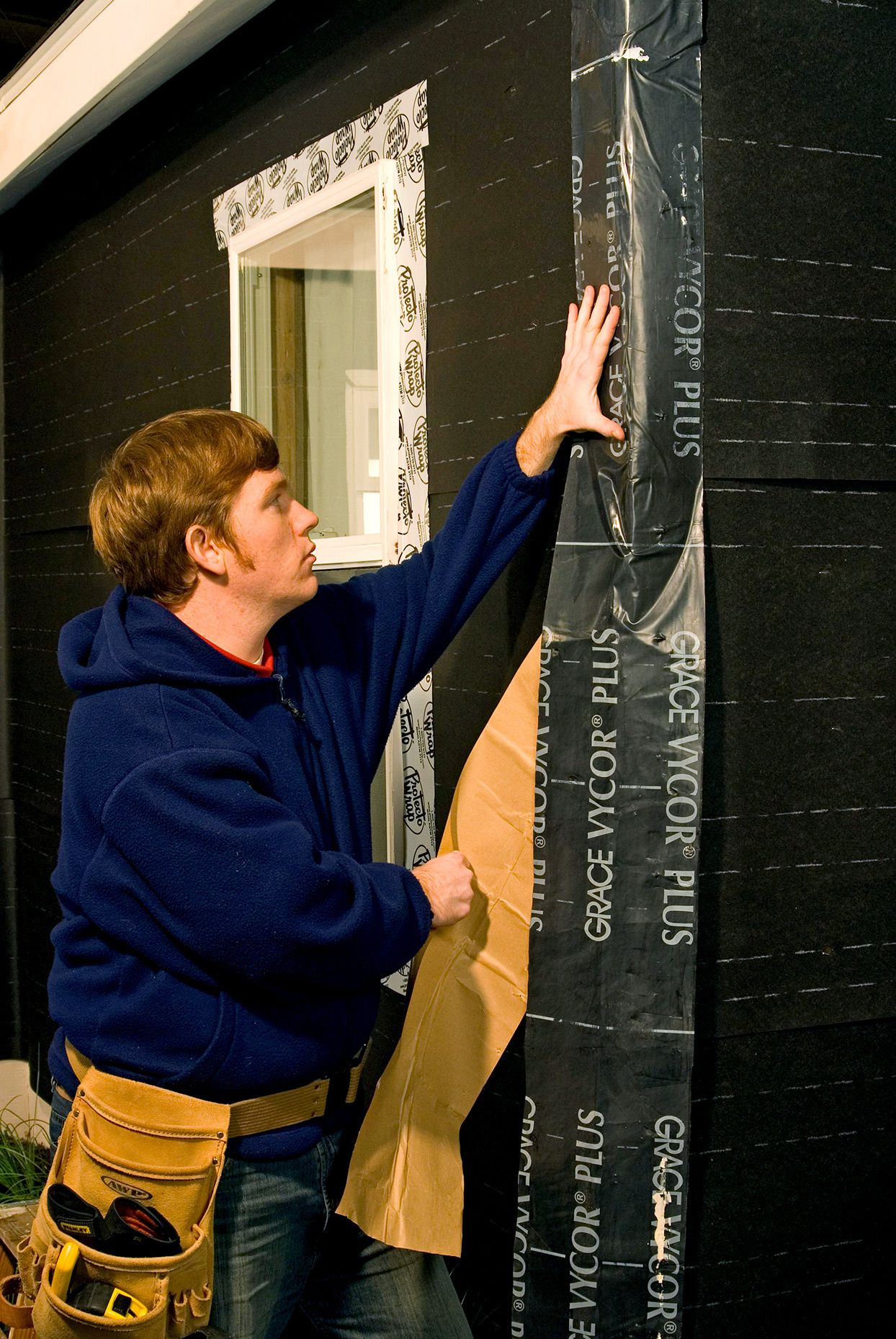
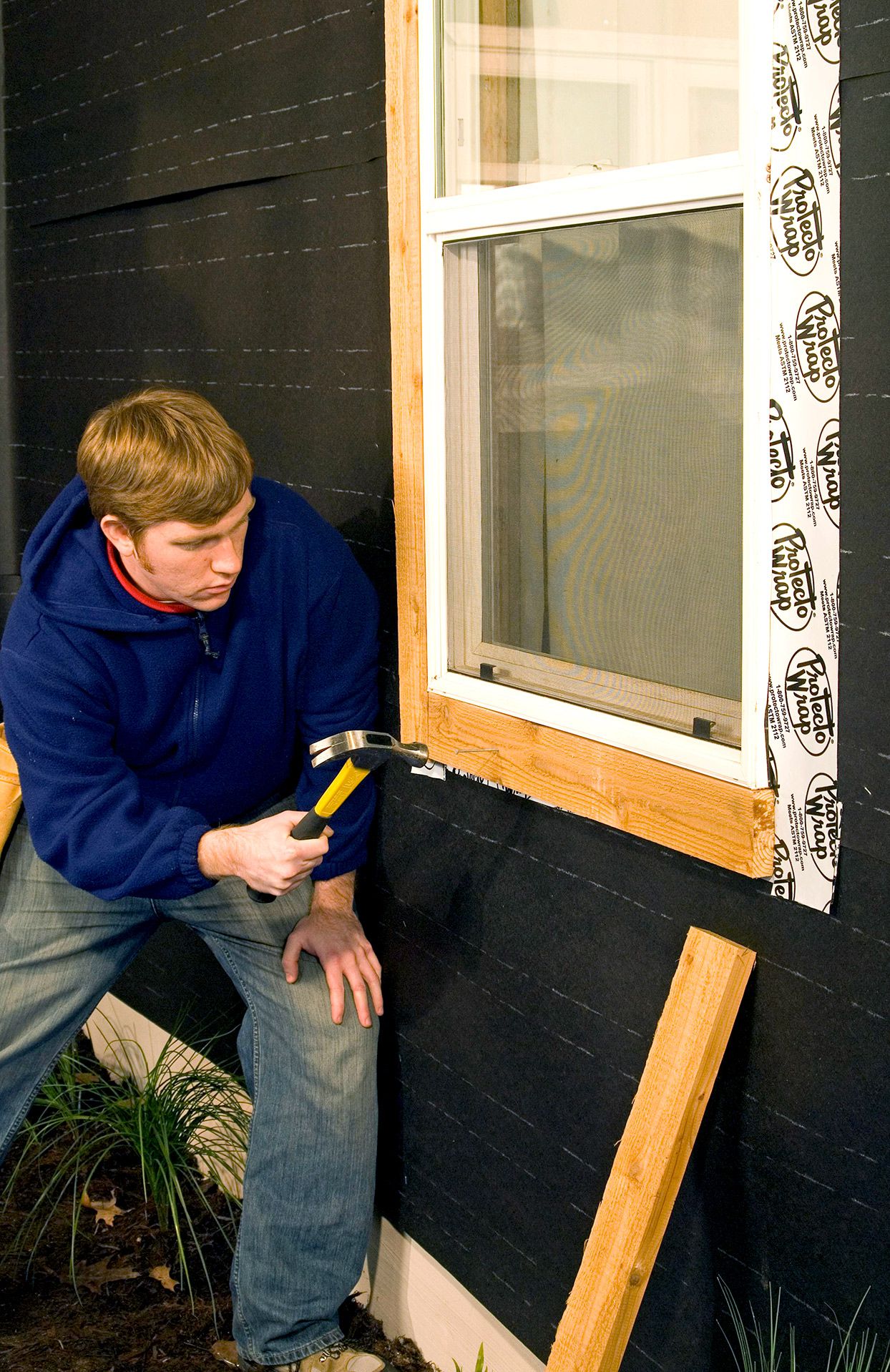
Beyond the visible siding, the article stresses the critical role of underlying components in protecting a home. A weather barrier, such as Tyvec or Typar home wrap or peel-and-stick membranes like Vycor or BlueSkin, is essential to prevent water ingress. The importance of stripping old siding to inspect and repair sheathing and install a proper weather barrier is emphasized. For cedar applications, a rain screen is crucial to facilitate drainage and airflow, preventing rot and ensuring the siding dries properly. Finally, the article suggests opportune home improvement projects to combine with siding replacement, such as window upgrades and insulation installation, particularly highlighting the benefits of wall insulation for energy efficiency, especially in colder climates.
#HomeImprovement #SidingOptions #WoodSiding #SyntheticSiding #VinylSiding #FiberCement #CurbAppeal #HomeRenovation #ConstructionMaterials #HomeImprovement #SidingOptions #WoodSiding #SyntheticSiding #VinylSiding #FiberCement #CurbAppeal #HomeRenovation #ConstructionMaterials
0 comment in total
 No comments yet
You may also like
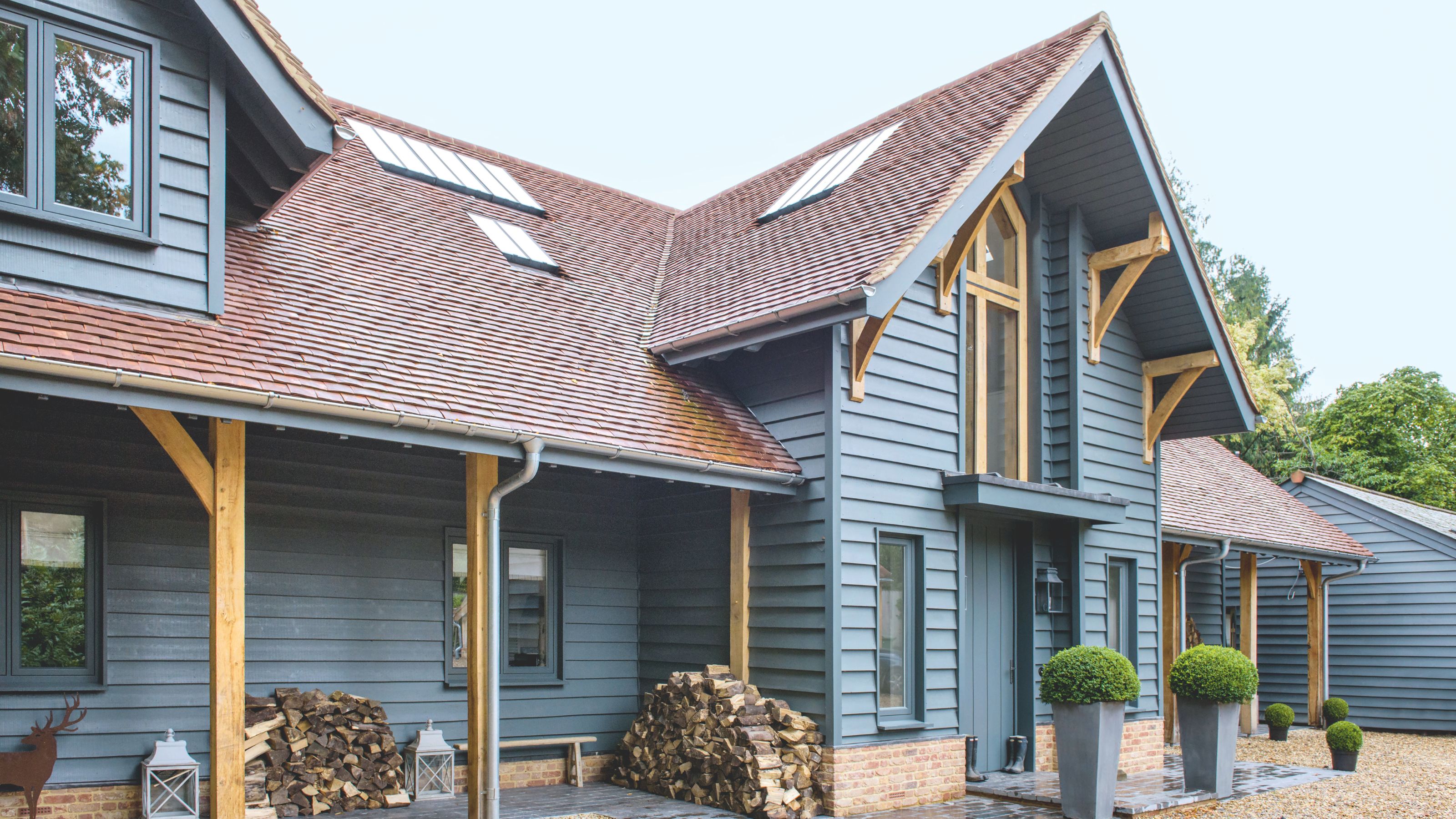
5 things to know before cladding your home's exterior
The Backyard Home Trend That Needs To Go (And What We Recommend Instead)
Mission complete: Is building your own patio worth it? | Home With Tess
The Build Up
Revamp Your Exterior with Our How-to Guide to Installing Siding Shingles

You Can Save Thousands of Dollars With a DIY Vinyl Siding Installation
What You Need to Know About Installing Steel Siding


Renovation
15 Shed Building Mistakes and How to Avoid Them

Engineered Siding: Everything You Need to Know

Product Picks: July 2022


Podcast 563: Caulking Old Siding, Tearing Into Leaky Walls, and HVAC in Unconditioned Attics

How To Choose The Best Siding For Your Home

Explore Your Next Course
The Best Siding Nailers
6 things you should look past when viewing a property, according to real estate experts and interior designers

9 Things You Need to Know Before Renovating Your Home, According to Experts
Is Quality Edge Vesta® Steel Siding Right For Your New Home?
These Classic Vinyl Siding Colors Deliver Curb Appeal for Years

Our 2023 Best Builders Explain Their Custom Home Tips