1/4
The Backyard Home Trend That Needs To Go (And What We Recommend Instead)
The article addresses the growing online sentiment against vinyl siding, particularly when used on the back of homes, creating a noticeable aesthetic disparity with more expensive front-facing materials. This practice, often referred to as a 'mullet effect,' combines a sophisticated front with a cheaper, less appealing back. Judi Kutner, a licensed realtor, staging expert, and senior contributor at Virtual Staging, shares her expert opinion on why vinyl siding, especially cheap variants, has become a contentious design choice and offers alternative materials.
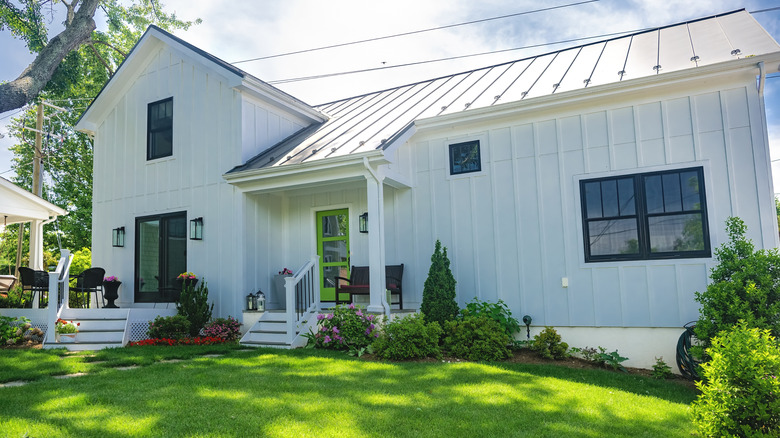
Vinyl siding's popularity in the United States is attributed primarily to its affordability and ease of installation, factors that align with the country's emphasis on quick and cost-effective home construction. In 2022, over 26% of new homes utilized vinyl siding as their main cladding material, with a higher prevalence in the Midwest and Northeast regions. This widespread use is largely driven by homeowners looking to cut costs, often by using vinyl on the less visible parts of the house while maintaining a more premium look on the front.
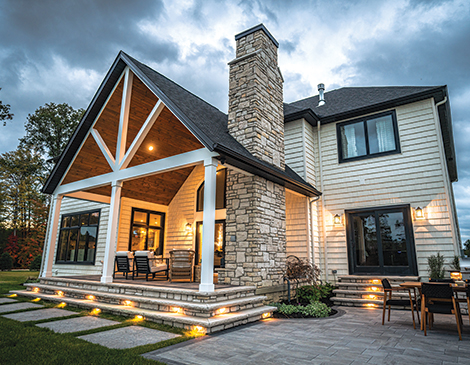
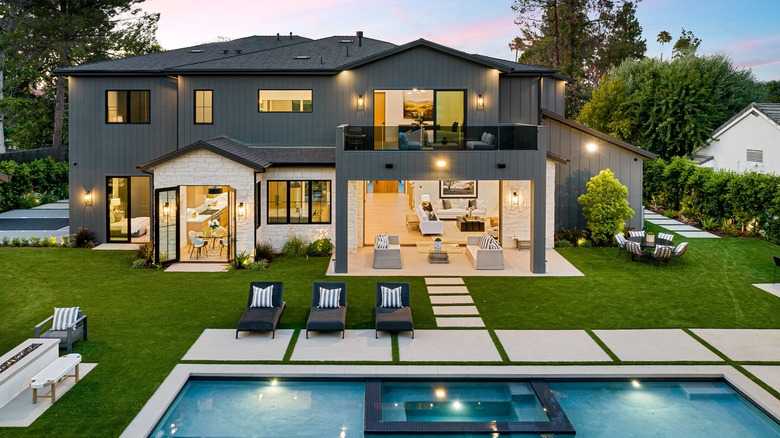
Despite its initial cost-saving benefits, Kutner highlights that this approach can ultimately detract from a property's overall harmony, design integrity, and potential resale value. She advocates for more durable and visually cohesive alternatives that can enhance a home's long-term value. Her recommendations include fiber cement, brick veneer, and high-quality engineered wood siding. Fiber cement siding is praised for its wood-like appearance, durability, and lower maintenance requirements compared to natural wood, lasting significantly longer than vinyl.
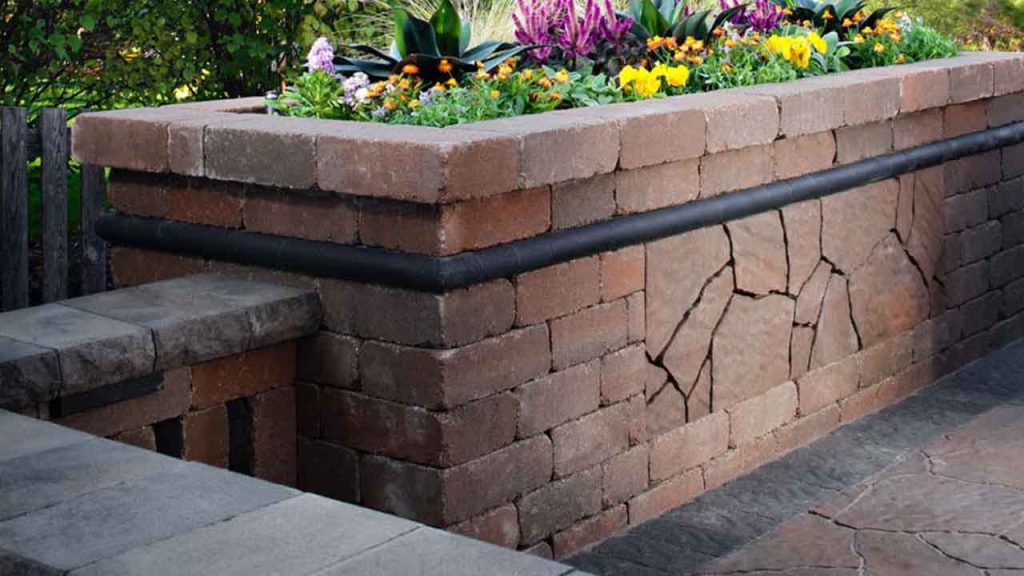
For homeowners seeking a cost-effective solution for the back of their homes while maintaining architectural cohesion, brick veneer is suggested as a more affordable alternative to full brick construction. Engineered wood siding is another recommended option, offering the rich aesthetic of traditional wood combined with enhanced resistance to moisture and decay, bridging the gap between affordability and luxury design. These materials aim to ensure a home maintains a thoughtfully designed appearance from all angles.
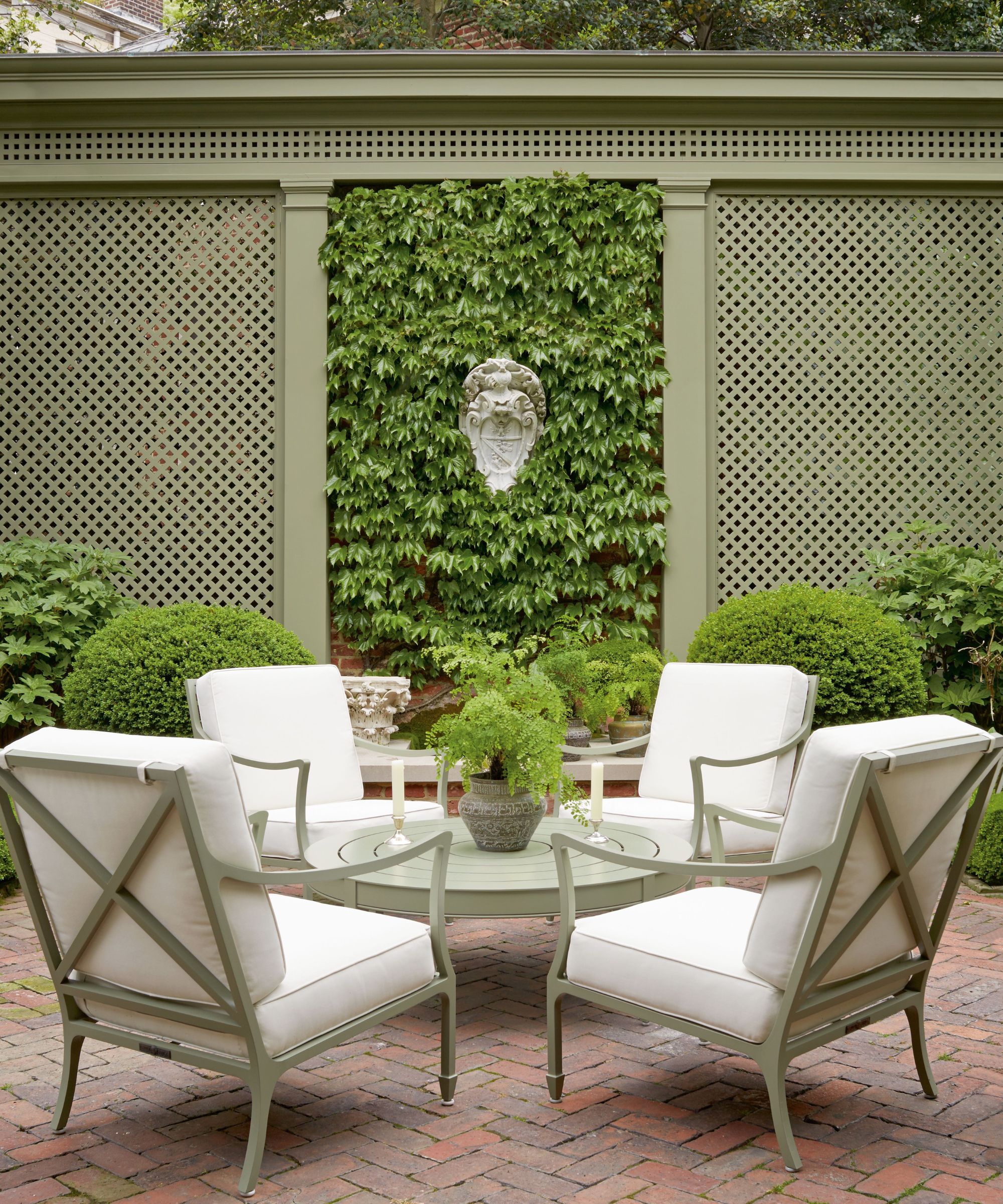
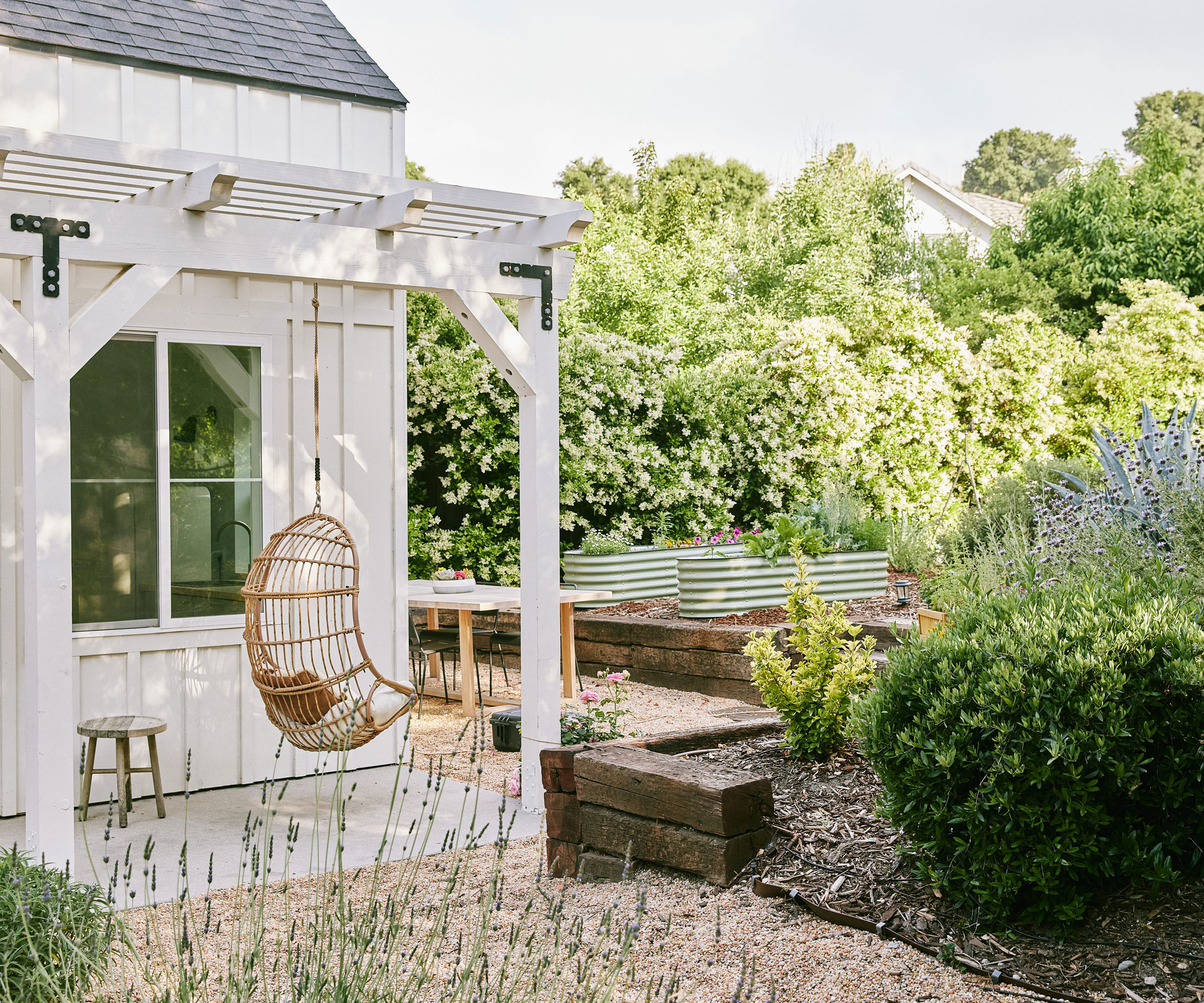
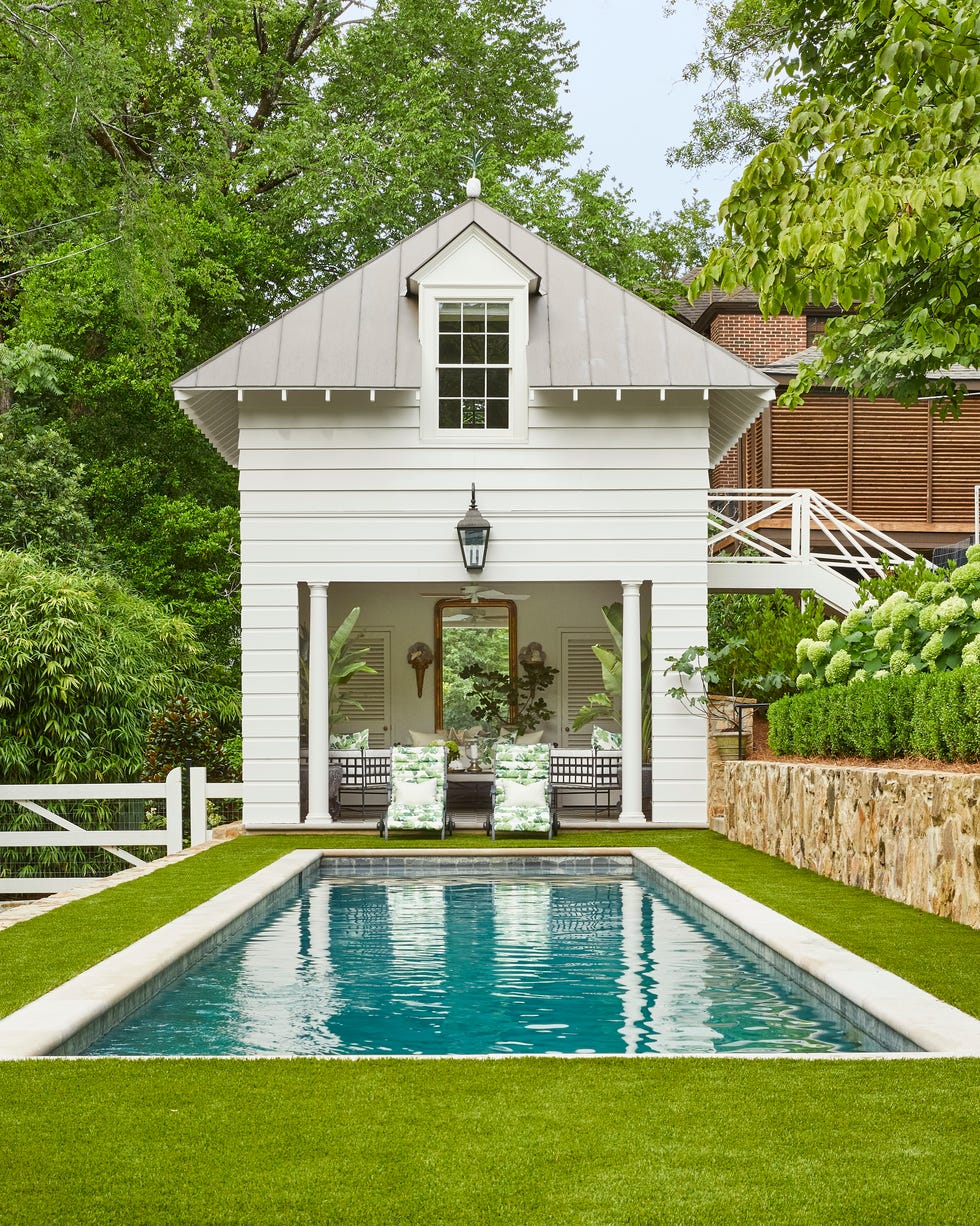
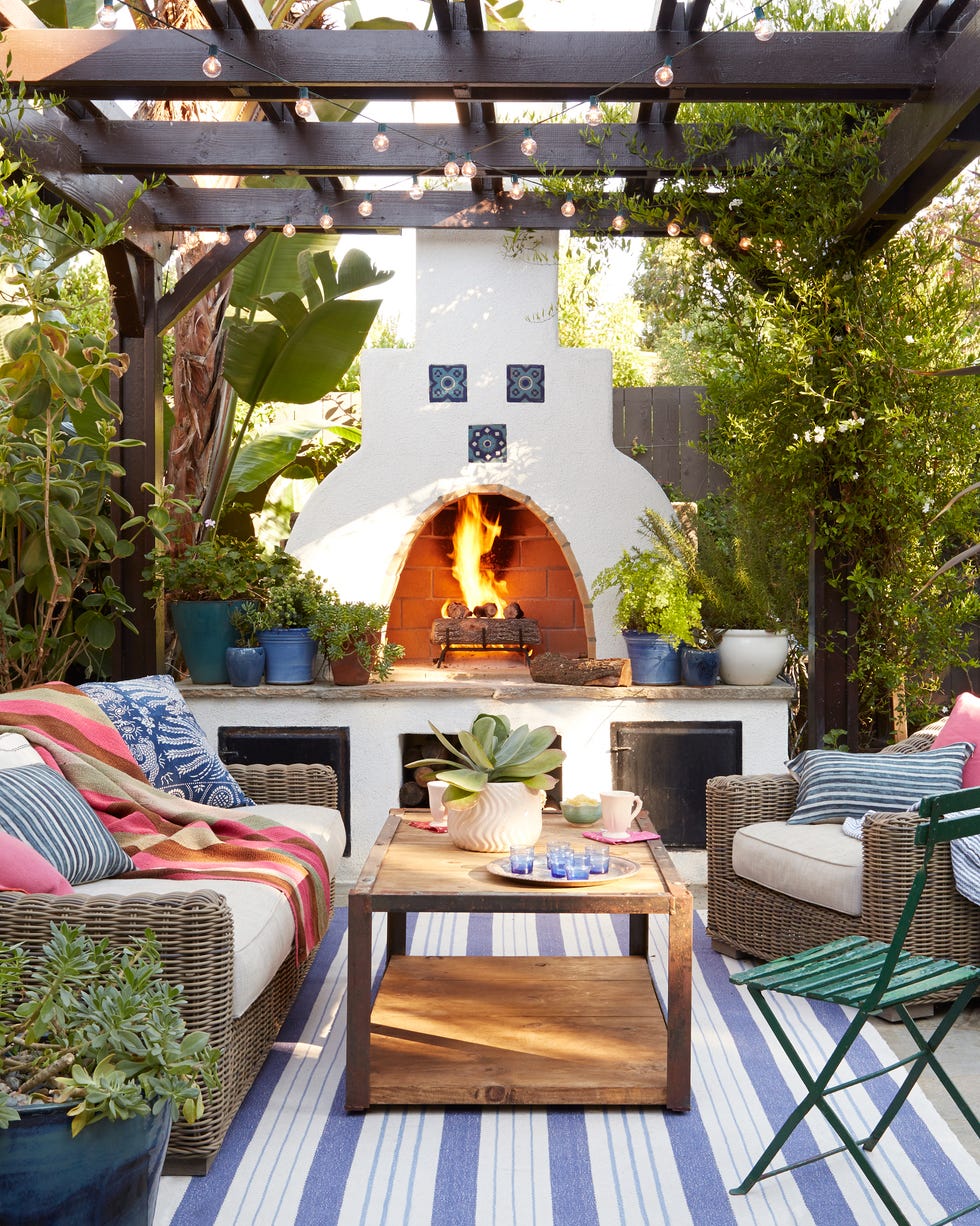
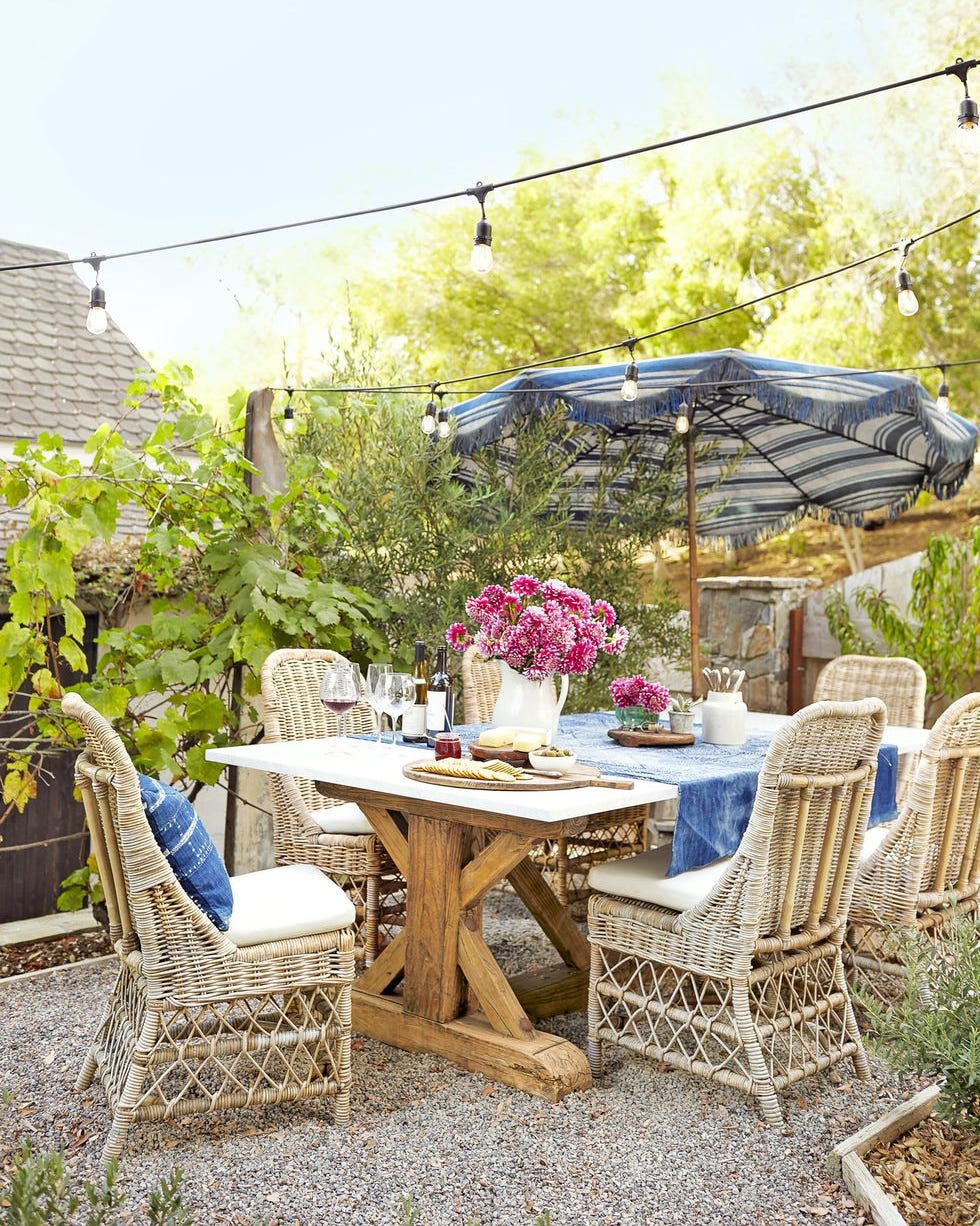
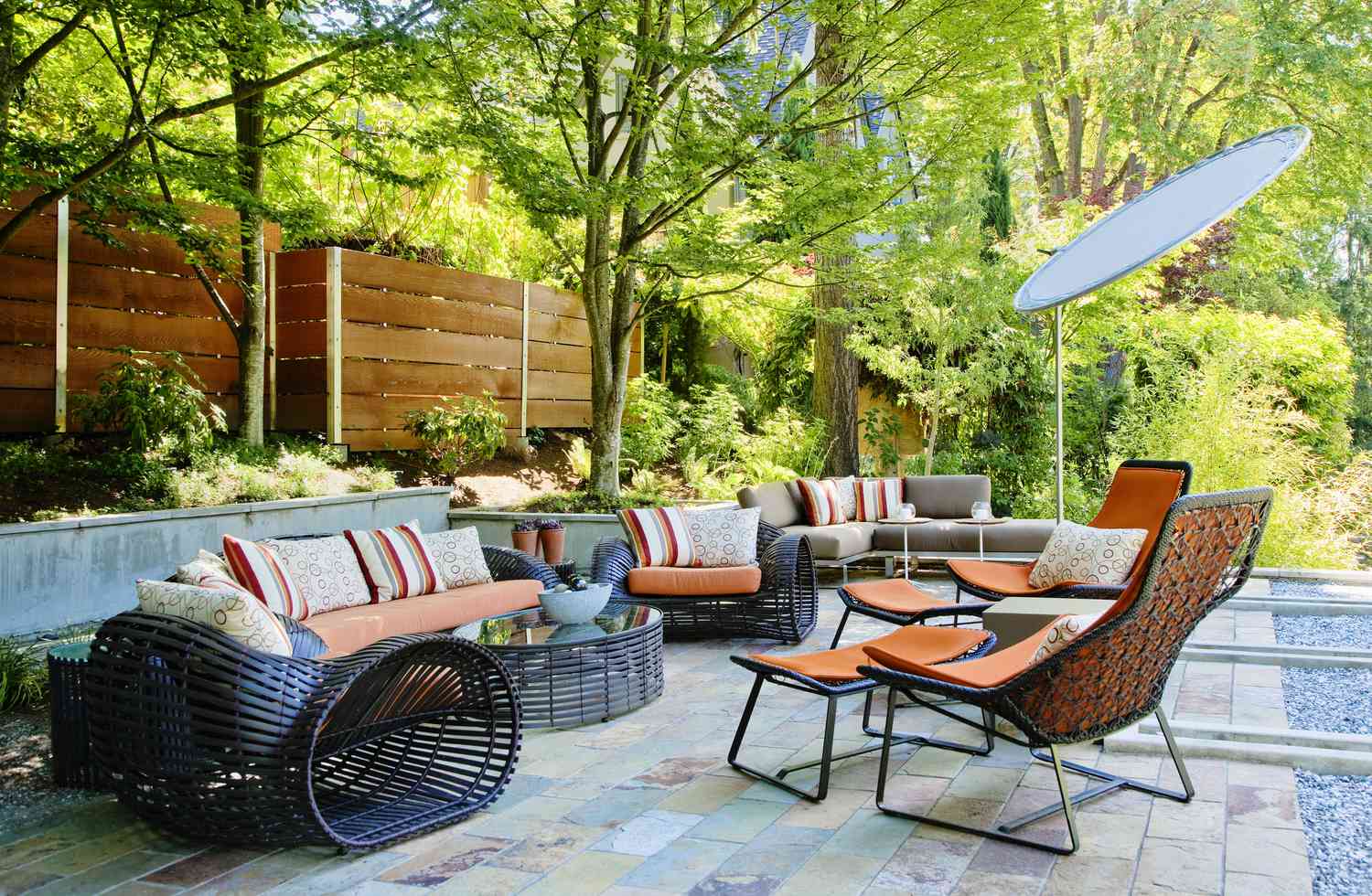
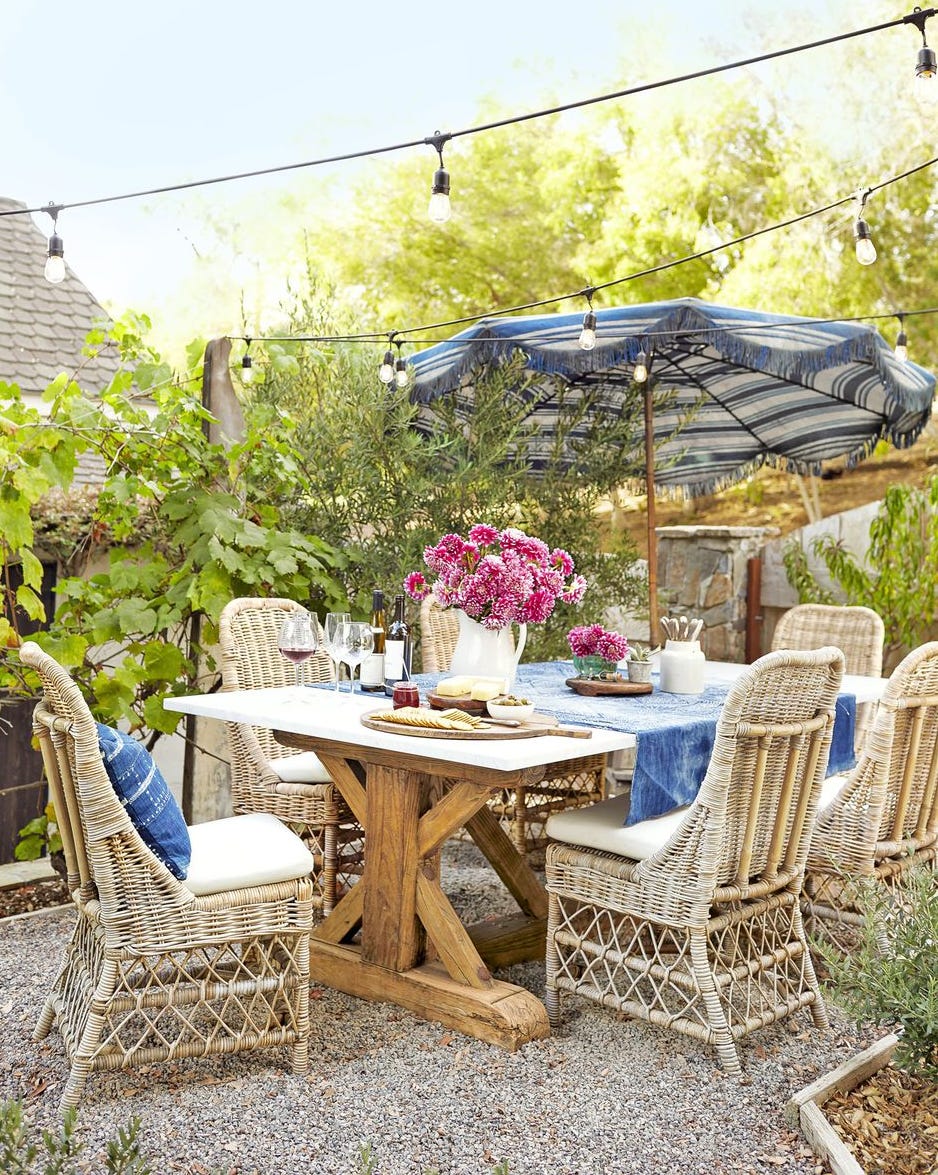
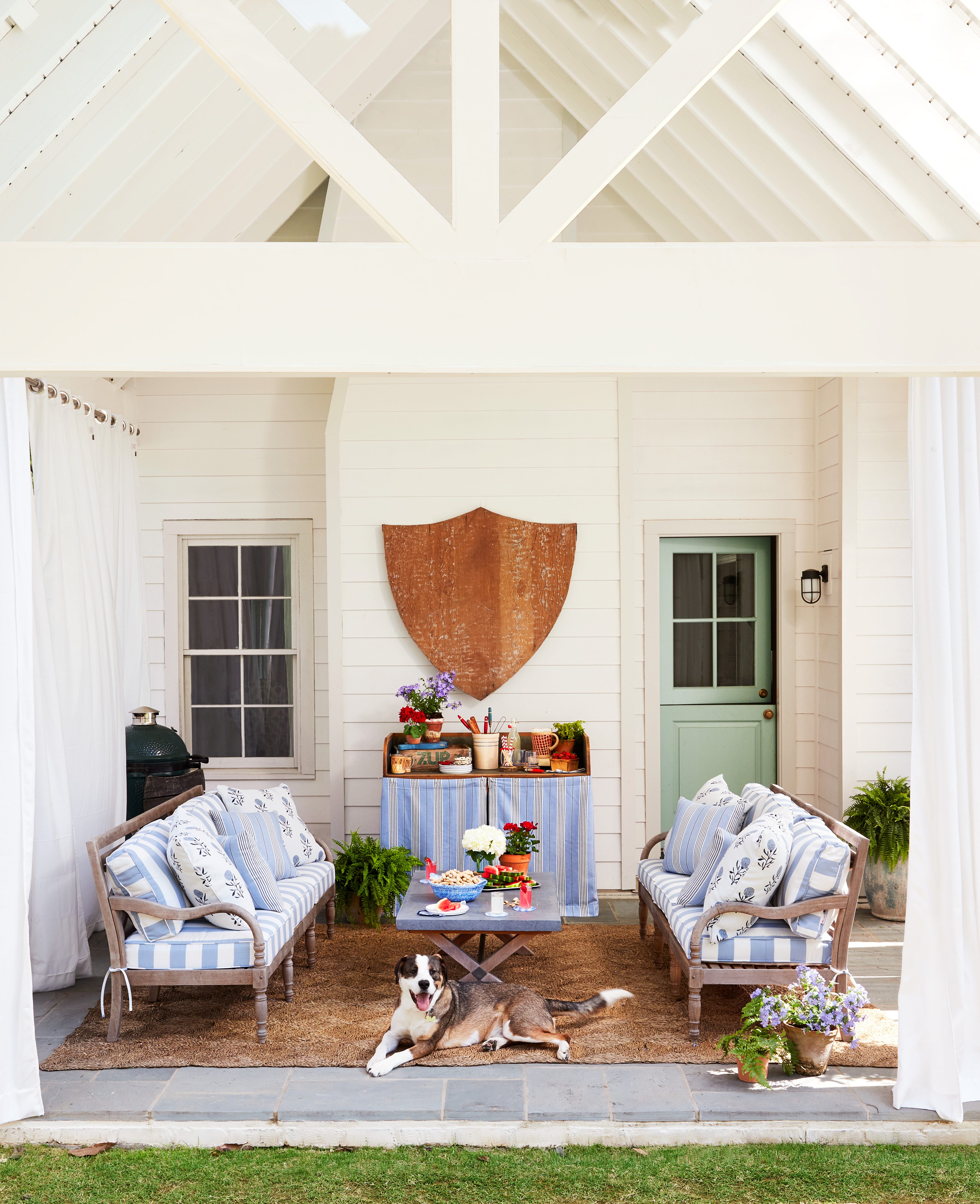
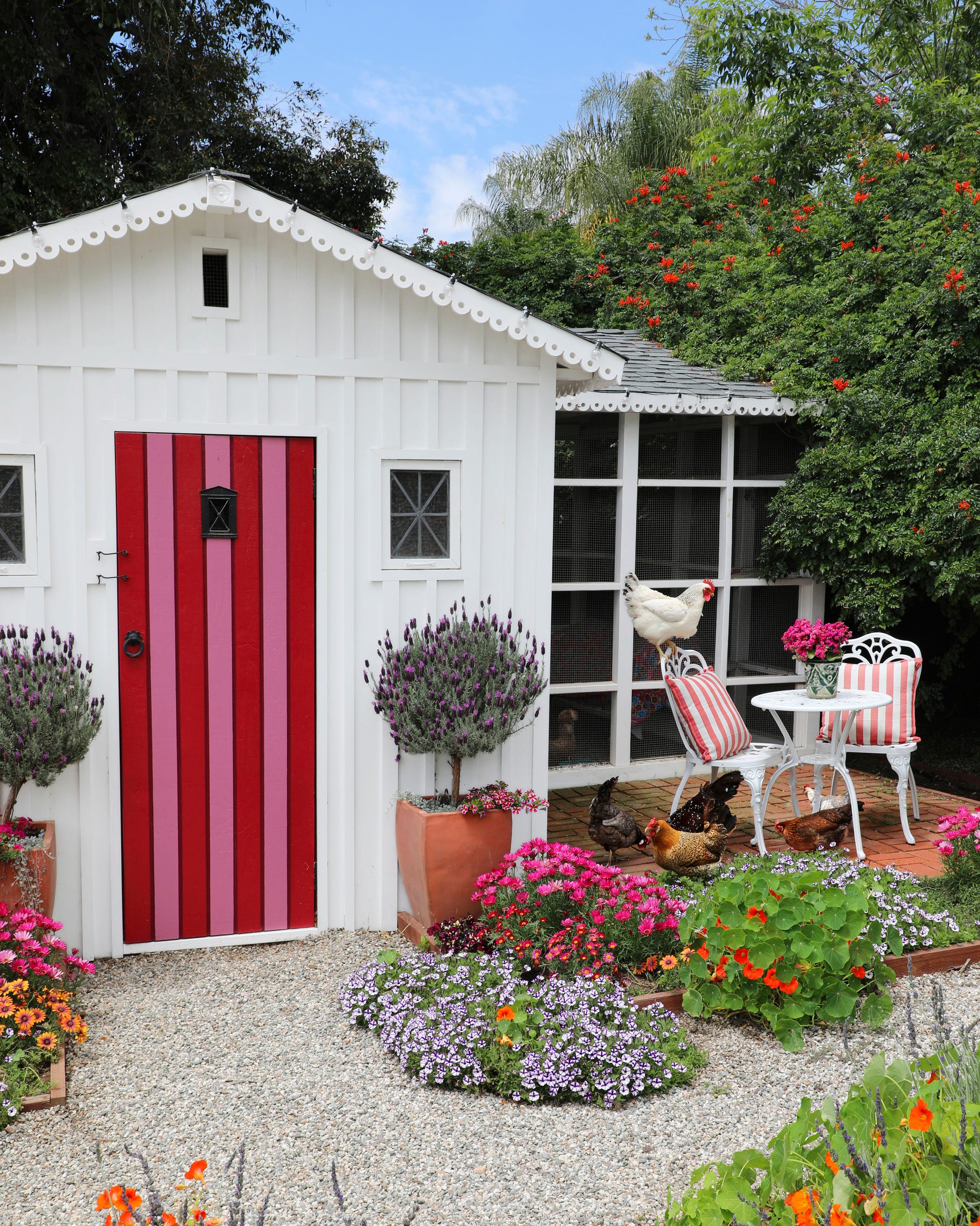
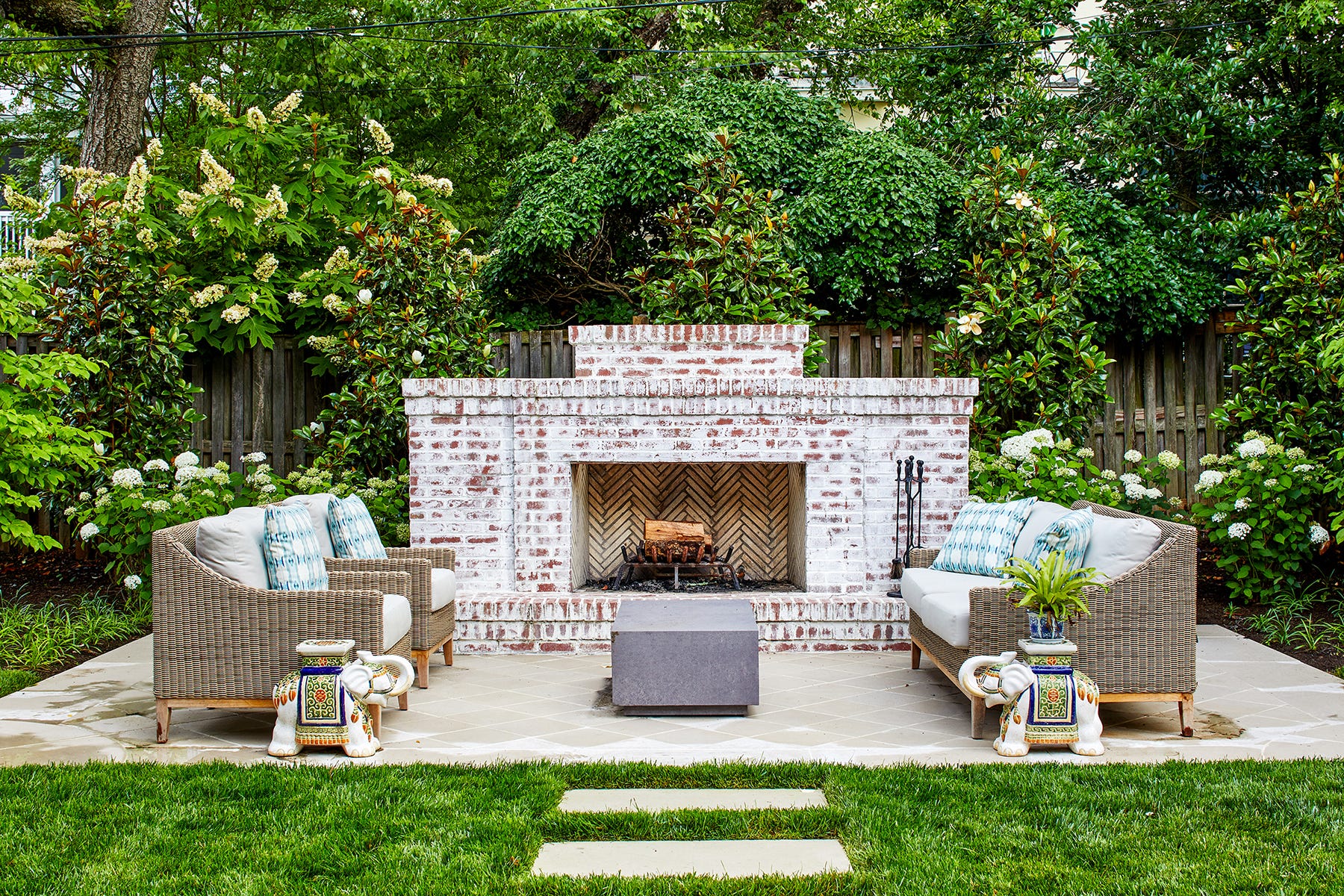
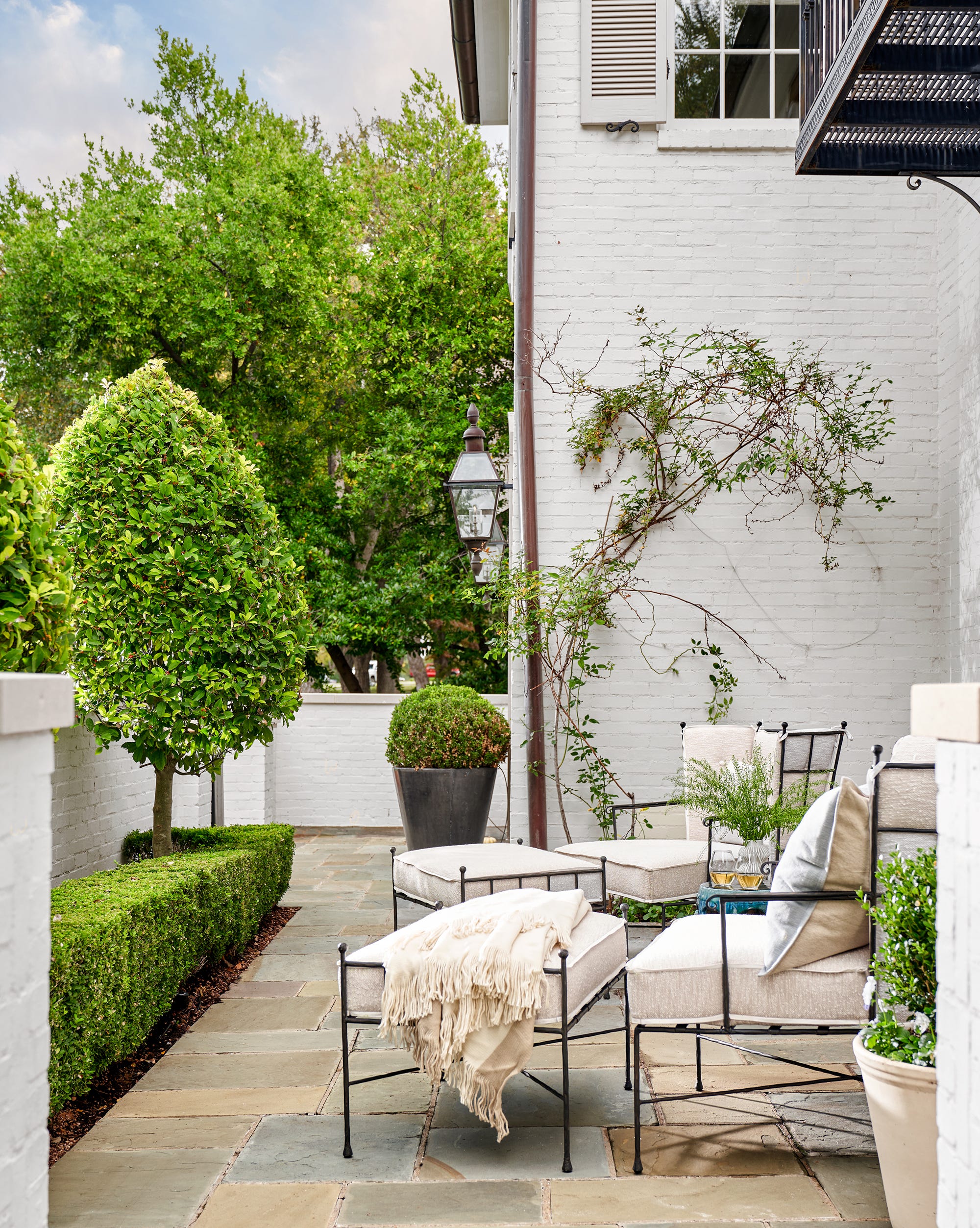
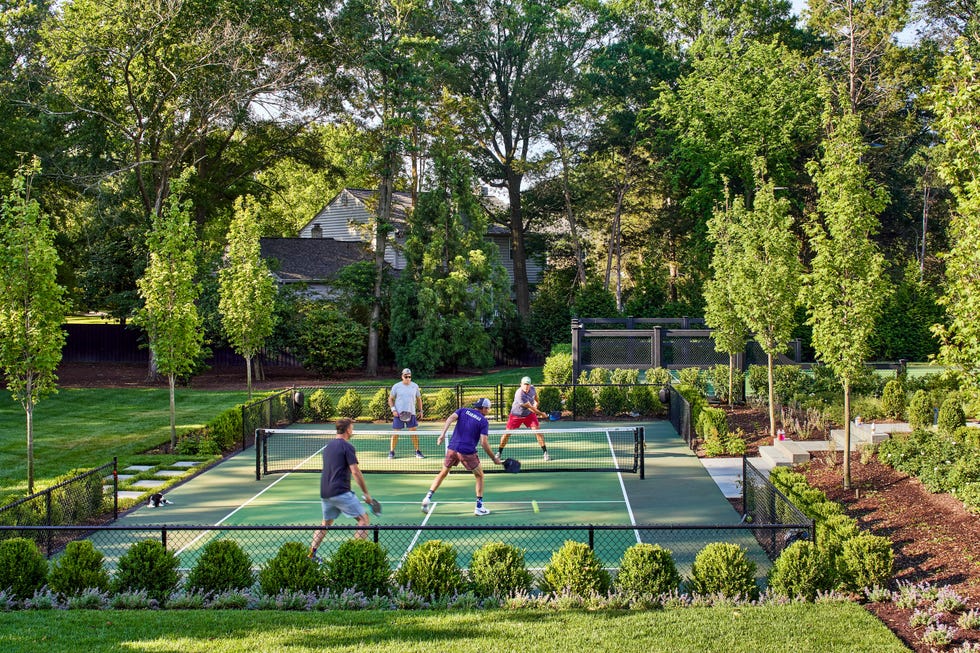
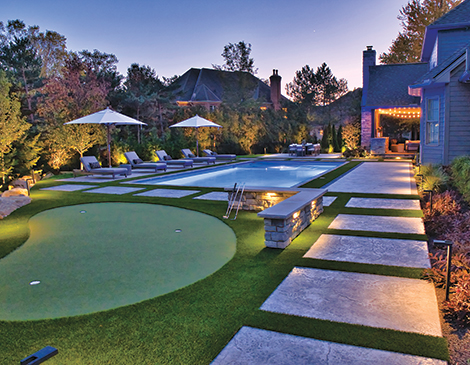
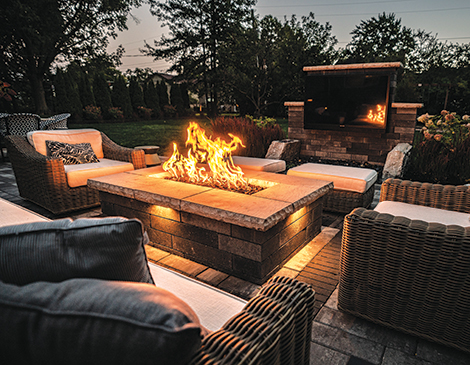
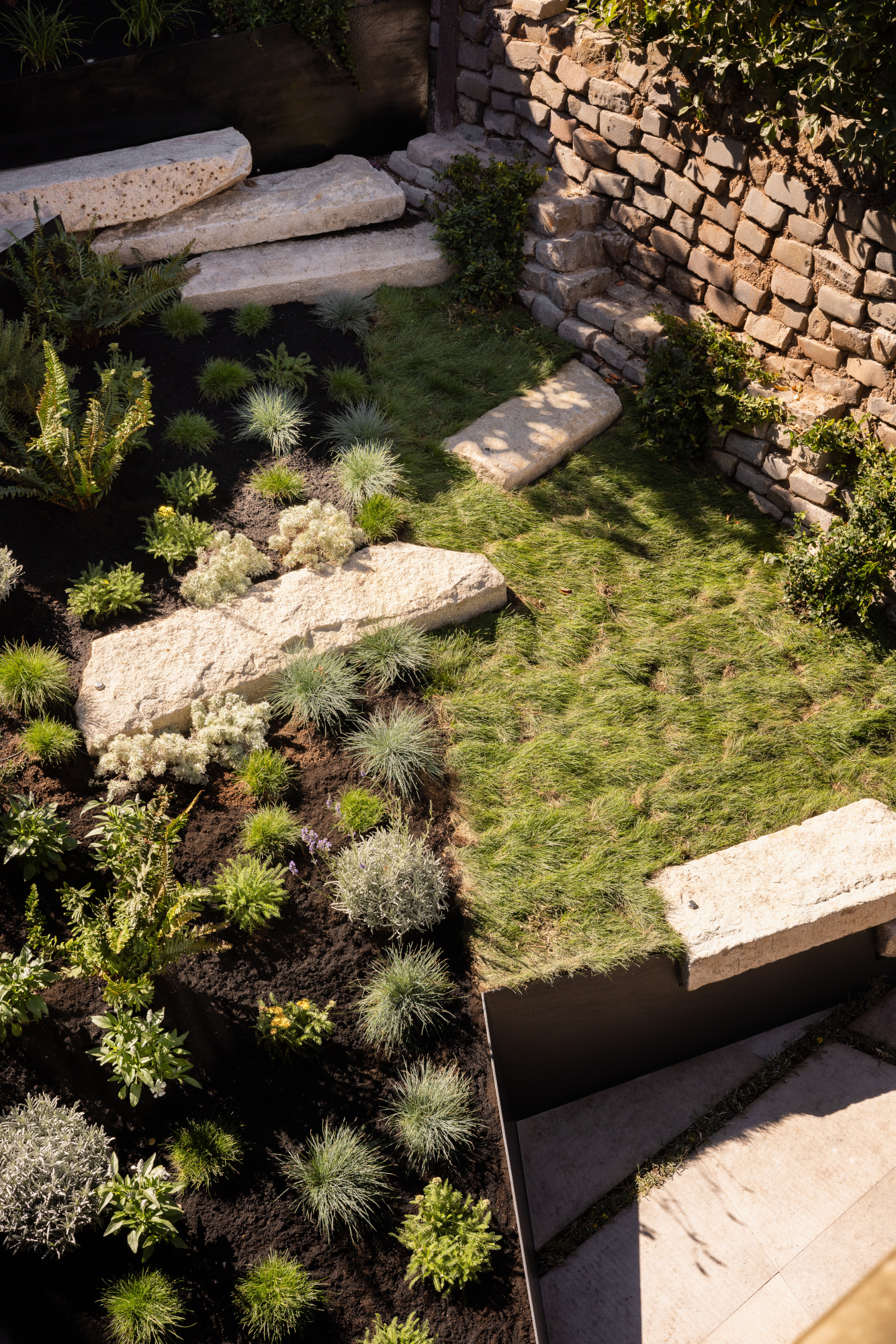
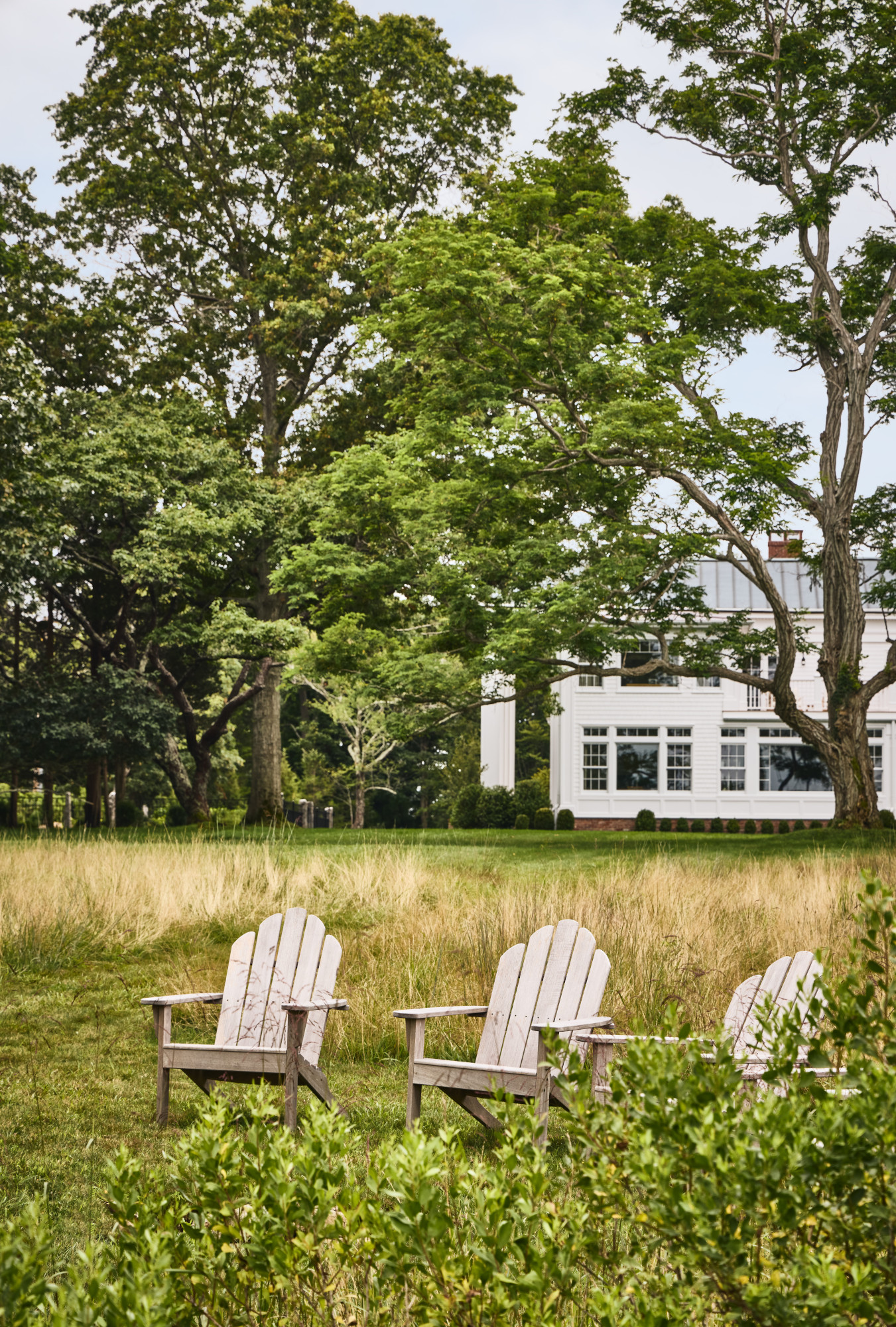
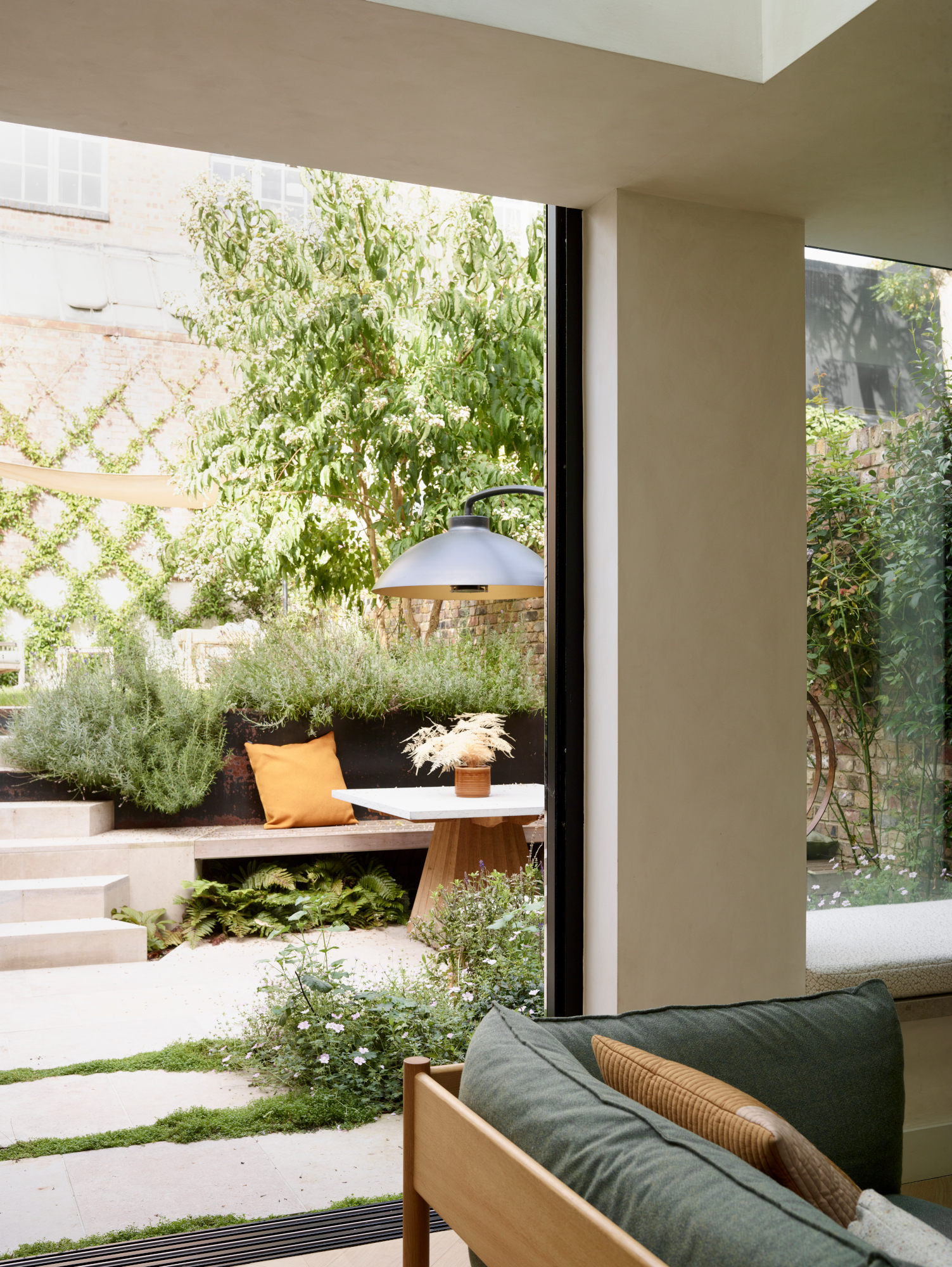
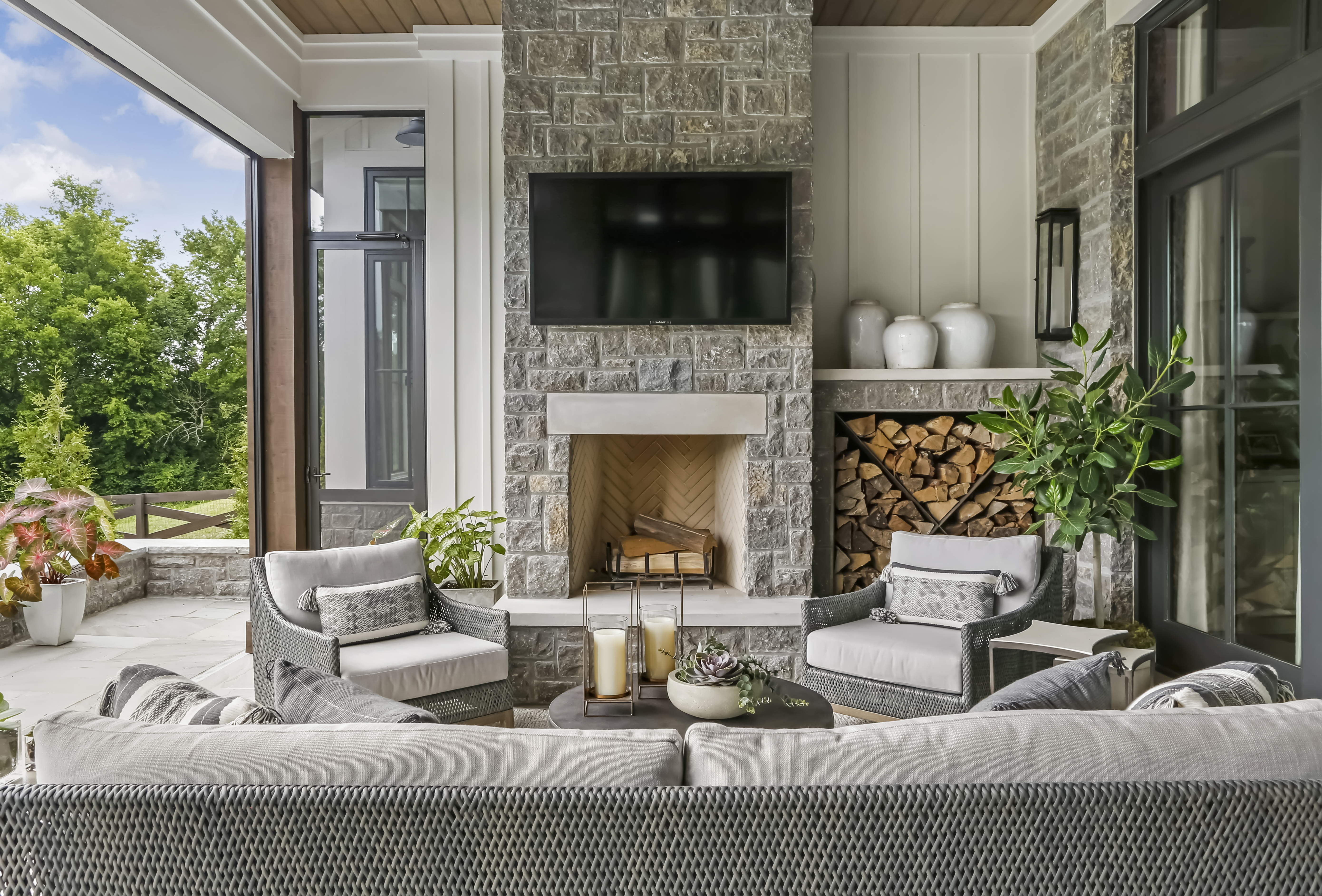
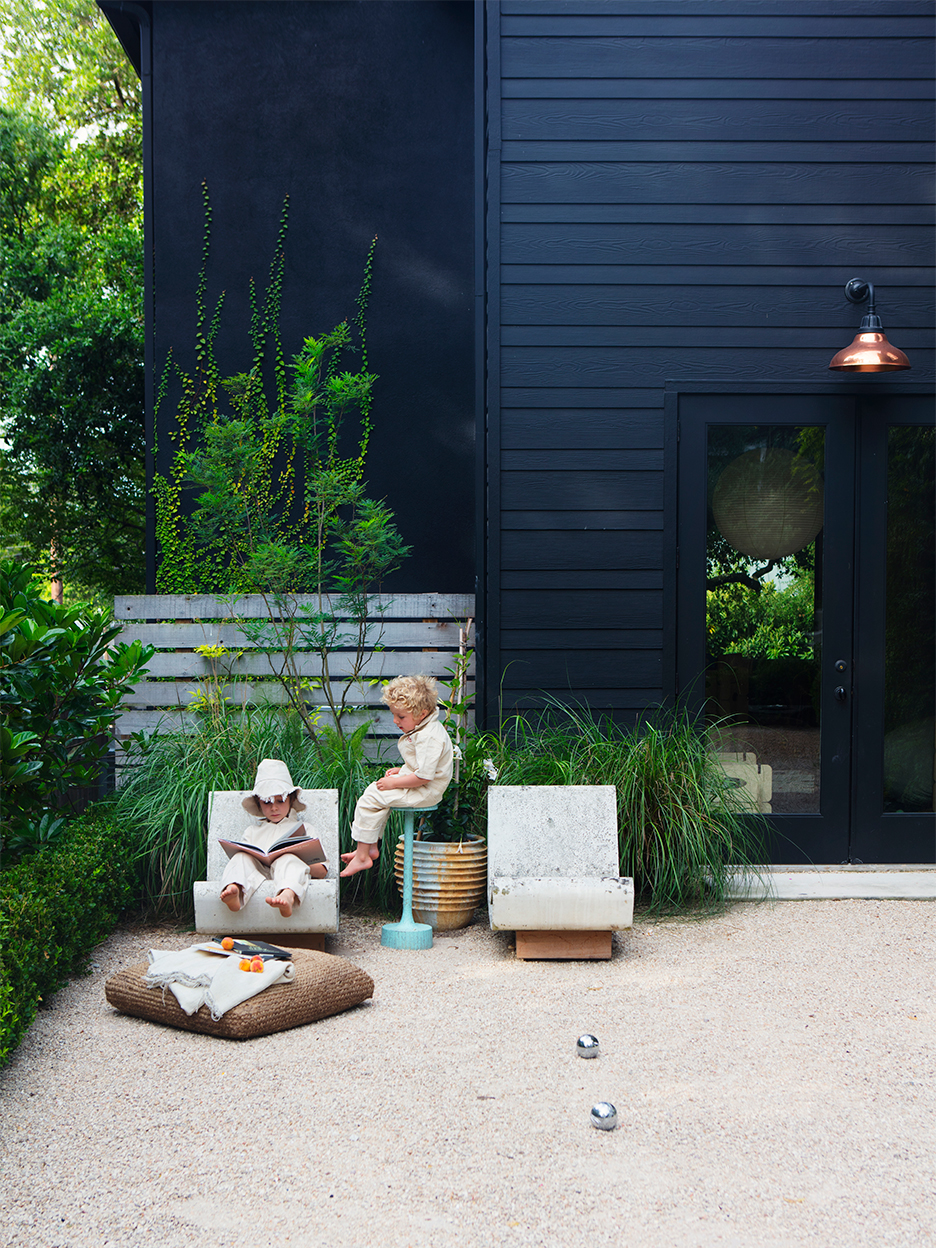
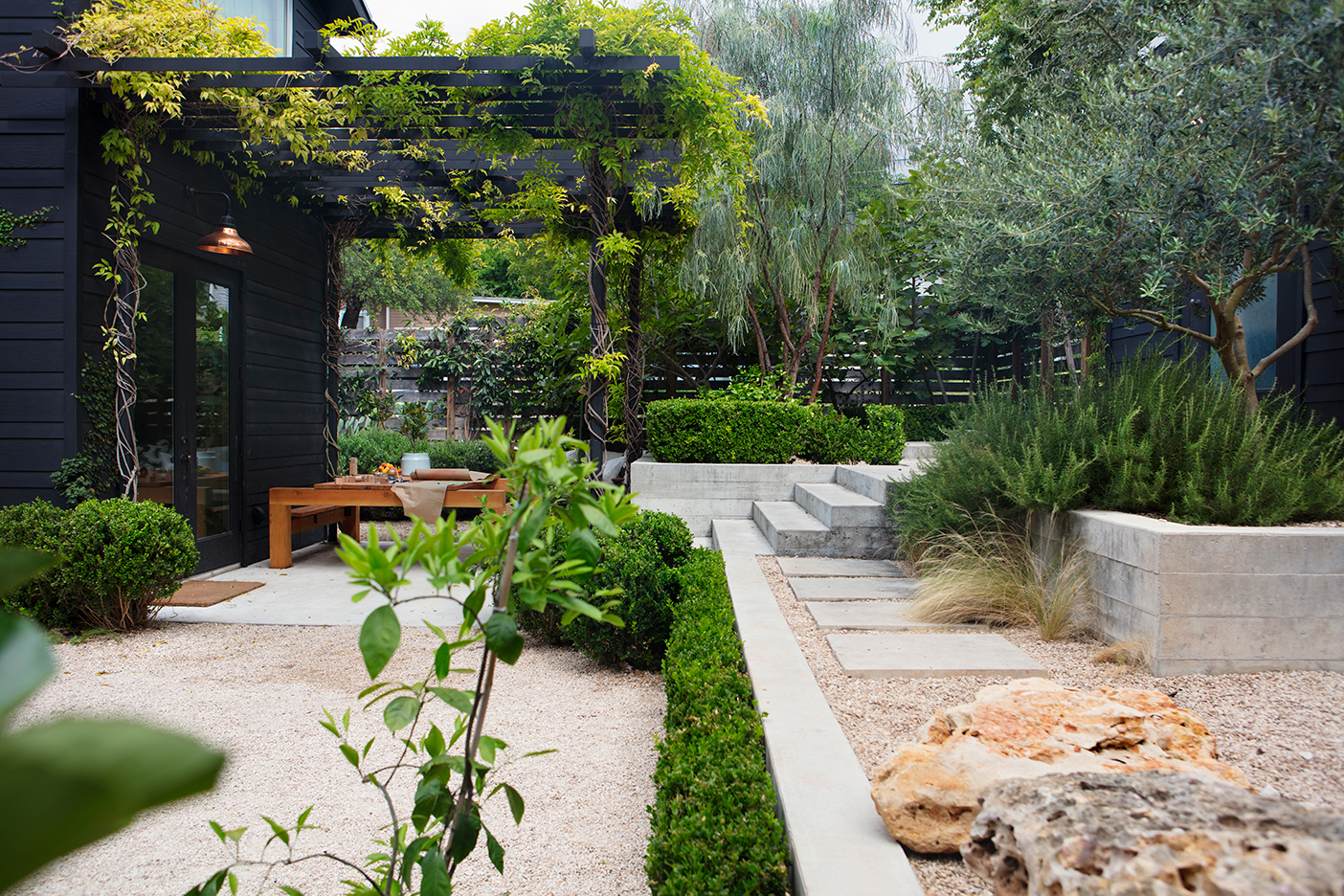
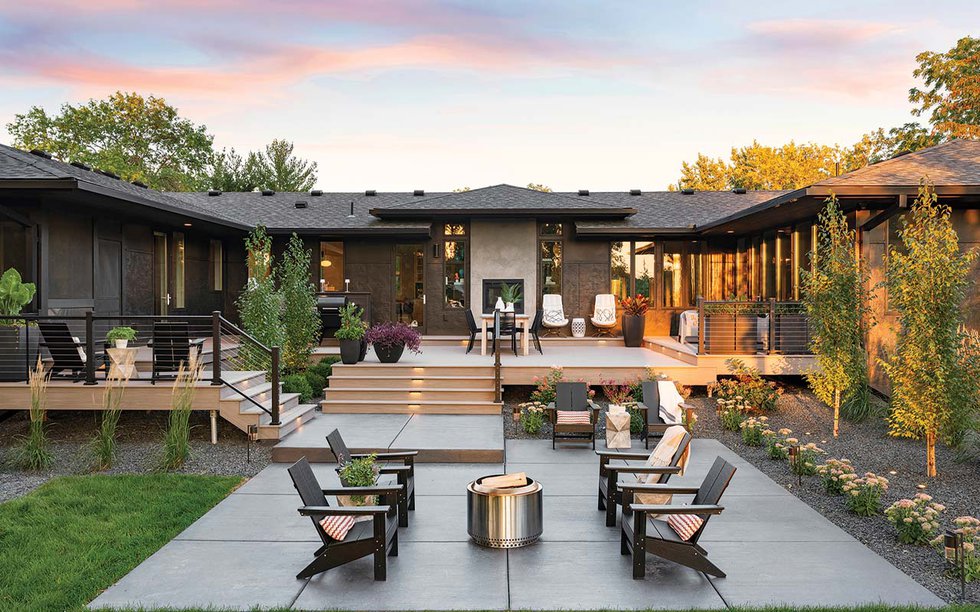
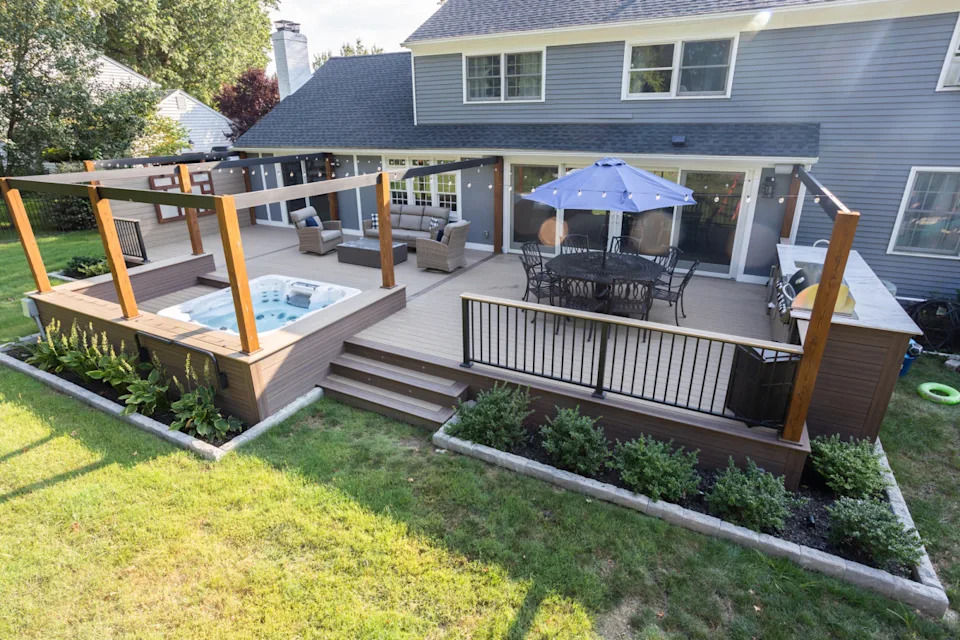
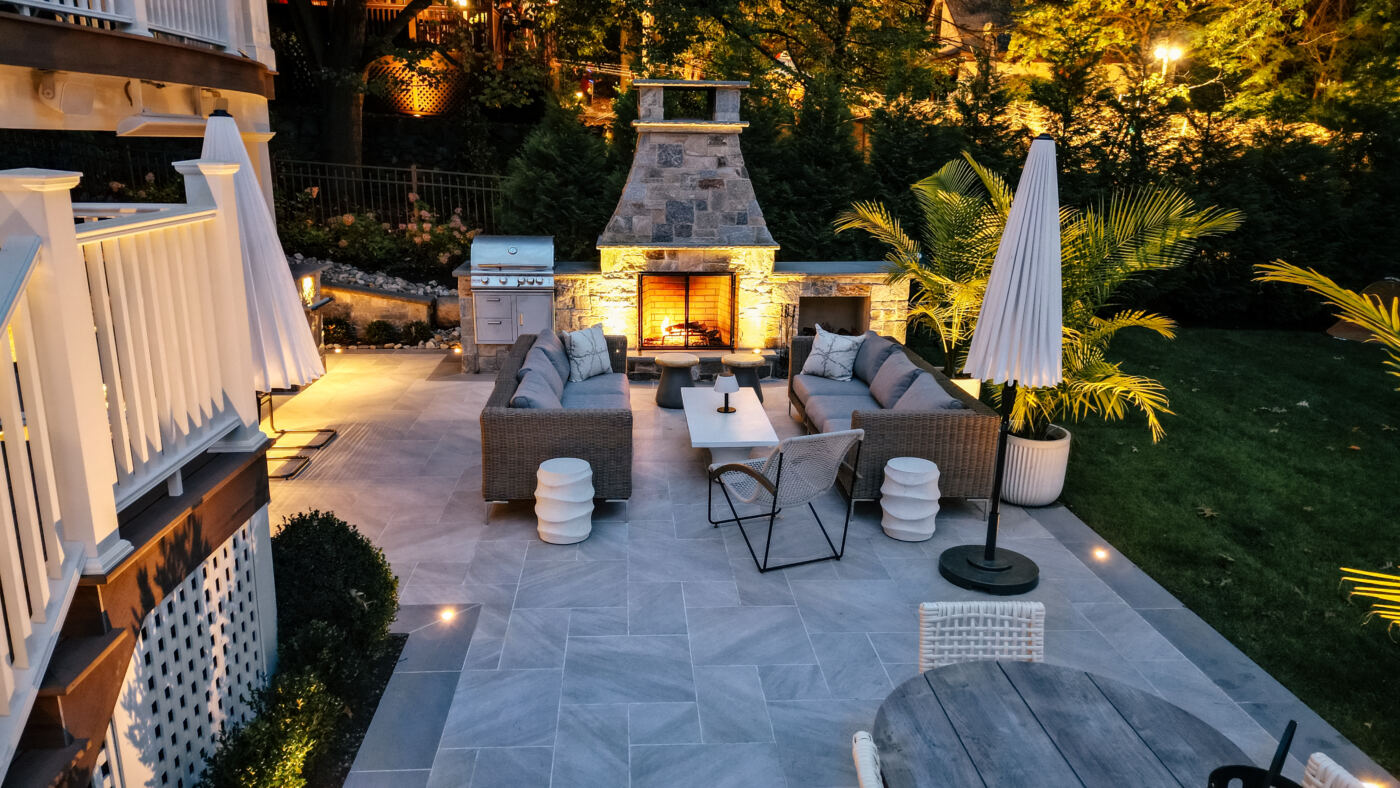
For homes already featuring vinyl siding, the article provides strategies to enhance the backyard's appeal without extensive and costly renovations. One approach involves selecting cladding materials for any future additions or replacements that complement the home's front facade, such as using brick veneer, fiber cement, or engineered wood siding in coordinating colors to create a seamless transition. Alternatively, homeowners can focus on investing in landscaping and outdoor living spaces. Creative garden designs, inviting outdoor areas, or strategic placement of tall greenery can divert attention from the vinyl siding, making the backyard more appealing. The core idea is to create an inviting space that shifts focus away from the exterior siding, as Kutner suggests, ensuring that "If you create an inviting space in your garden, people won't be looking at your siding."
#VinylSiding #HomeRenovation #BackyardDesign #CladdingMaterials #FiberCement #BrickVeneer #EngineeredWoodSiding #HomeValue #LandscapingIdeas #VinylSiding #HomeRenovation #BackyardDesign #CladdingMaterials #FiberCement #BrickVeneer #EngineeredWoodSiding #HomeValue #LandscapingIdeas
0 comment in total
 No comments yet
You may also like
Outdated backyard trends and what's replacing them in 2025 – 8 expert suggestions to refresh your outdoor space

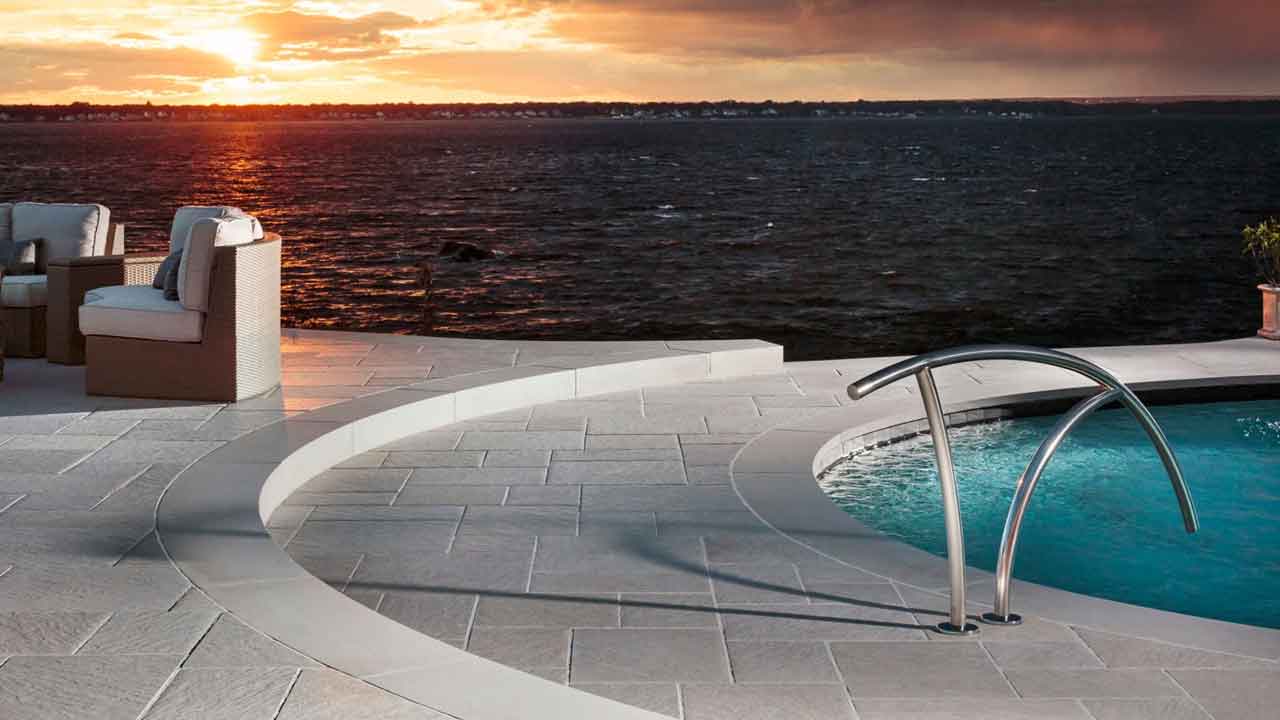
Top Outdoor Living Trends for 2025: Transform Your Backyard with Expert Insights

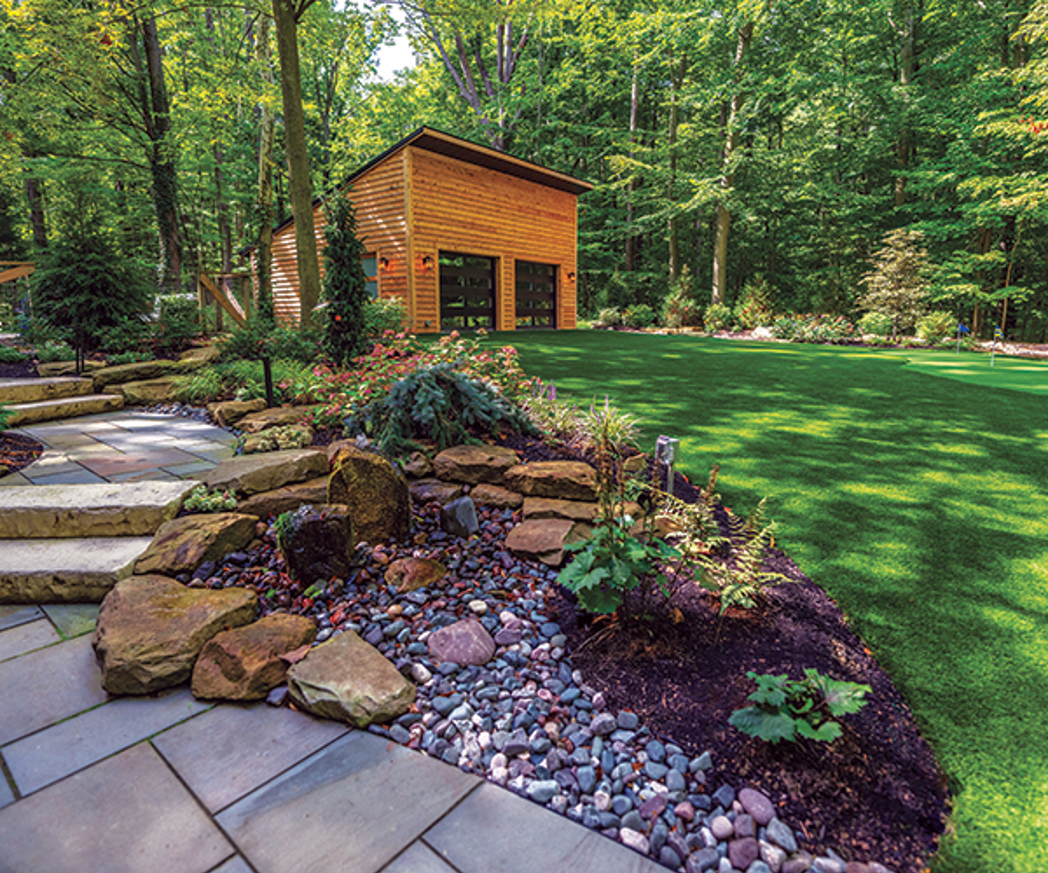
12 Outdoor Design and Patio Trends for Cleveland Homes

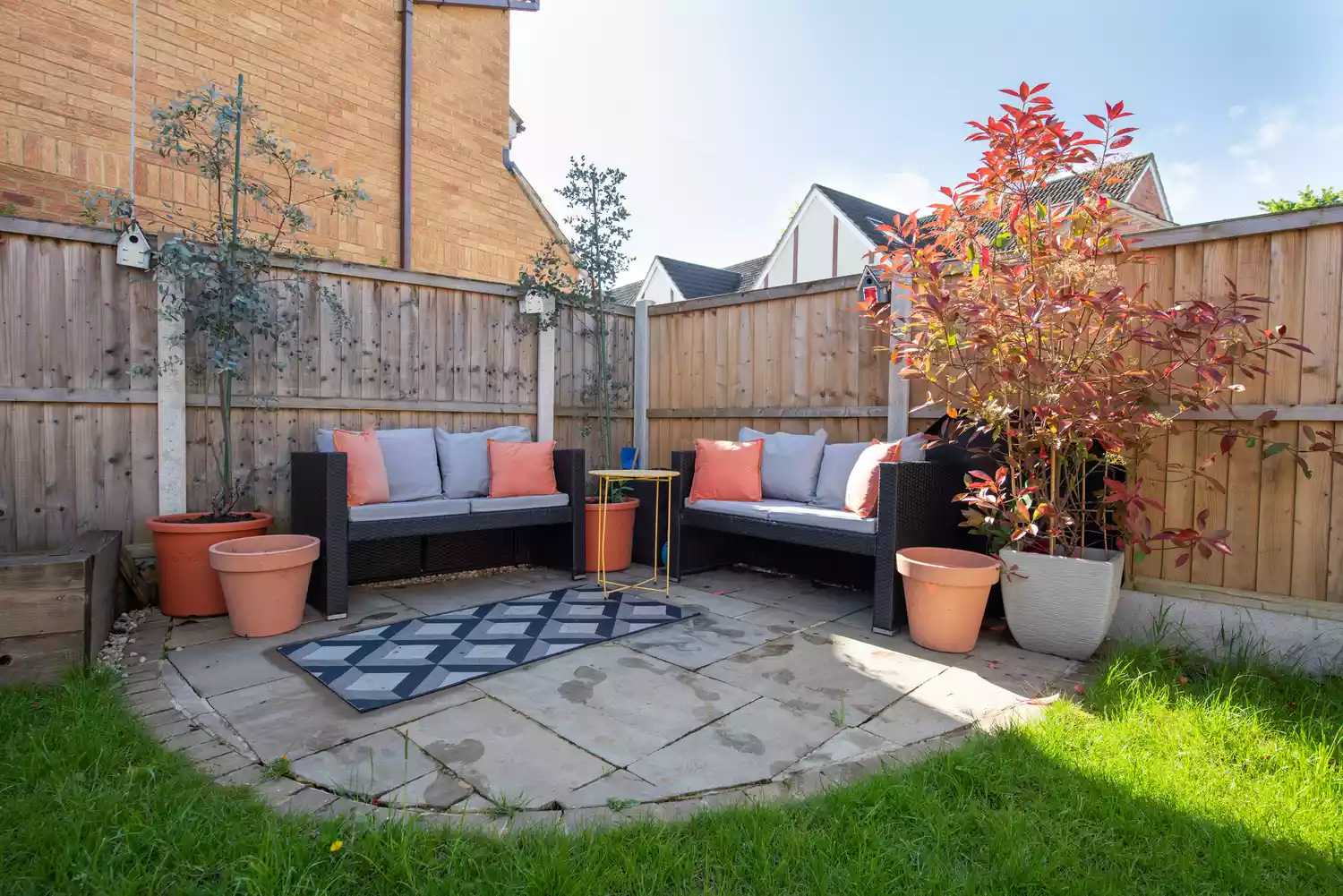
5 Backyard Features That Are So Outdated, According to Designers

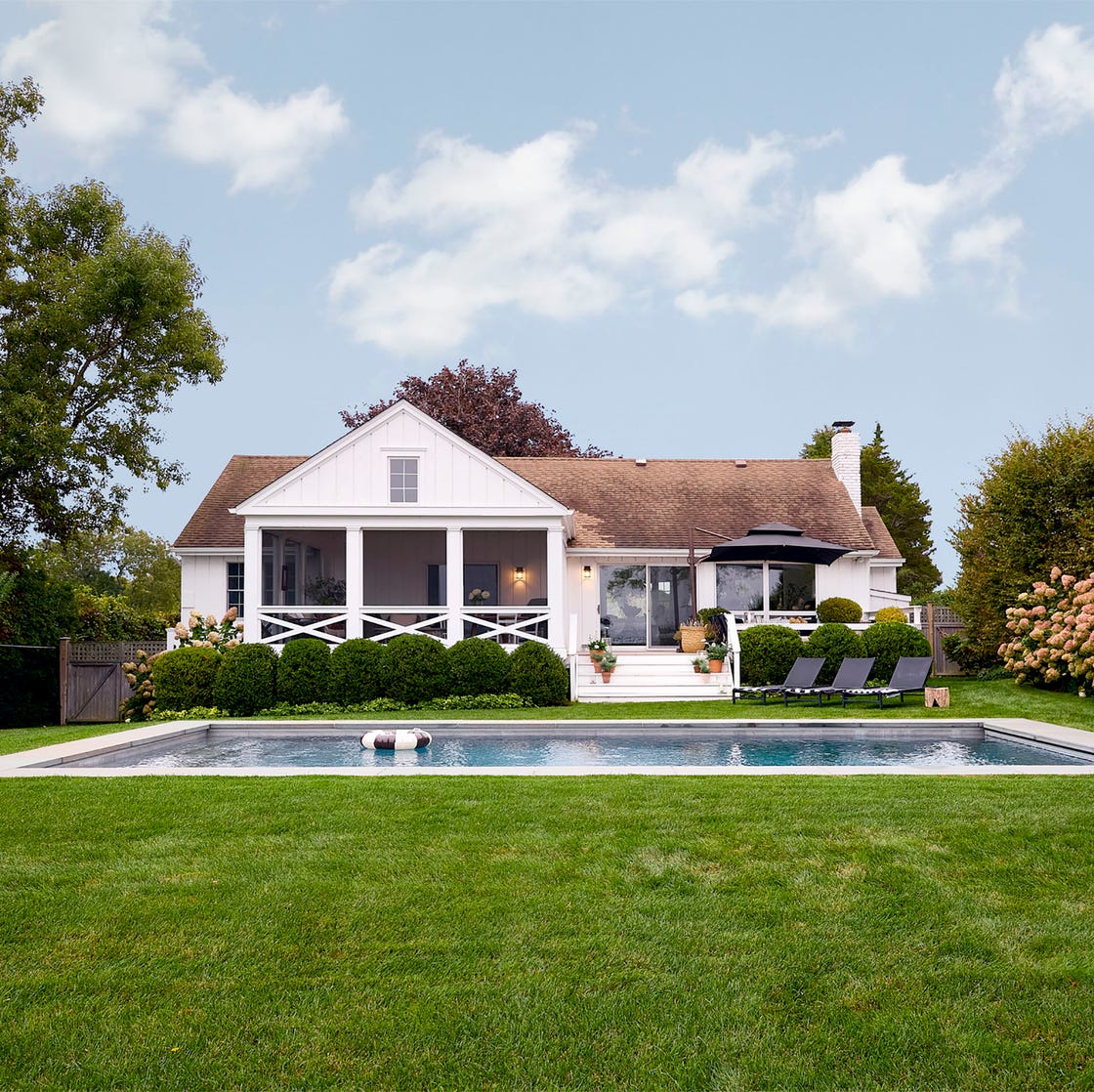
Forget Kitchens—Zillow Says This is Where Homeowners Are Spending Big in 2025
The Biggest Trends for Outdoor Spaces

Backyard bliss: Tips for designing a dream outdoor oasis
An Outdoor Space Made for Social Distancing, Down to the Dining Table

Backyard Design Choices That Are Making It Harder For You To Sell Your House
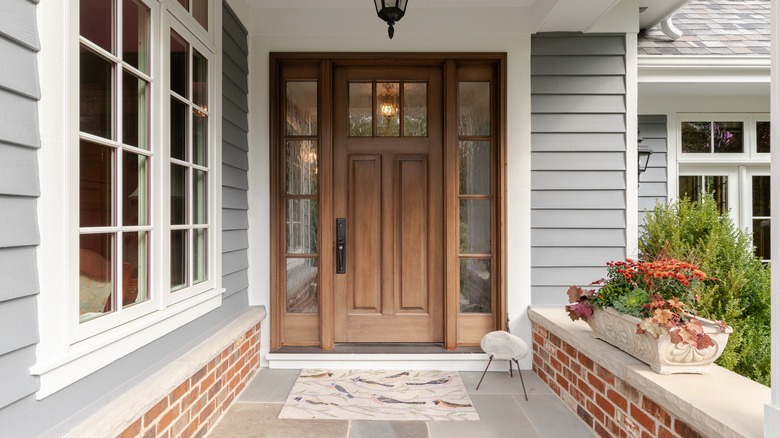
The Overdone Exterior Home Trend No One Wants To Use Anymore
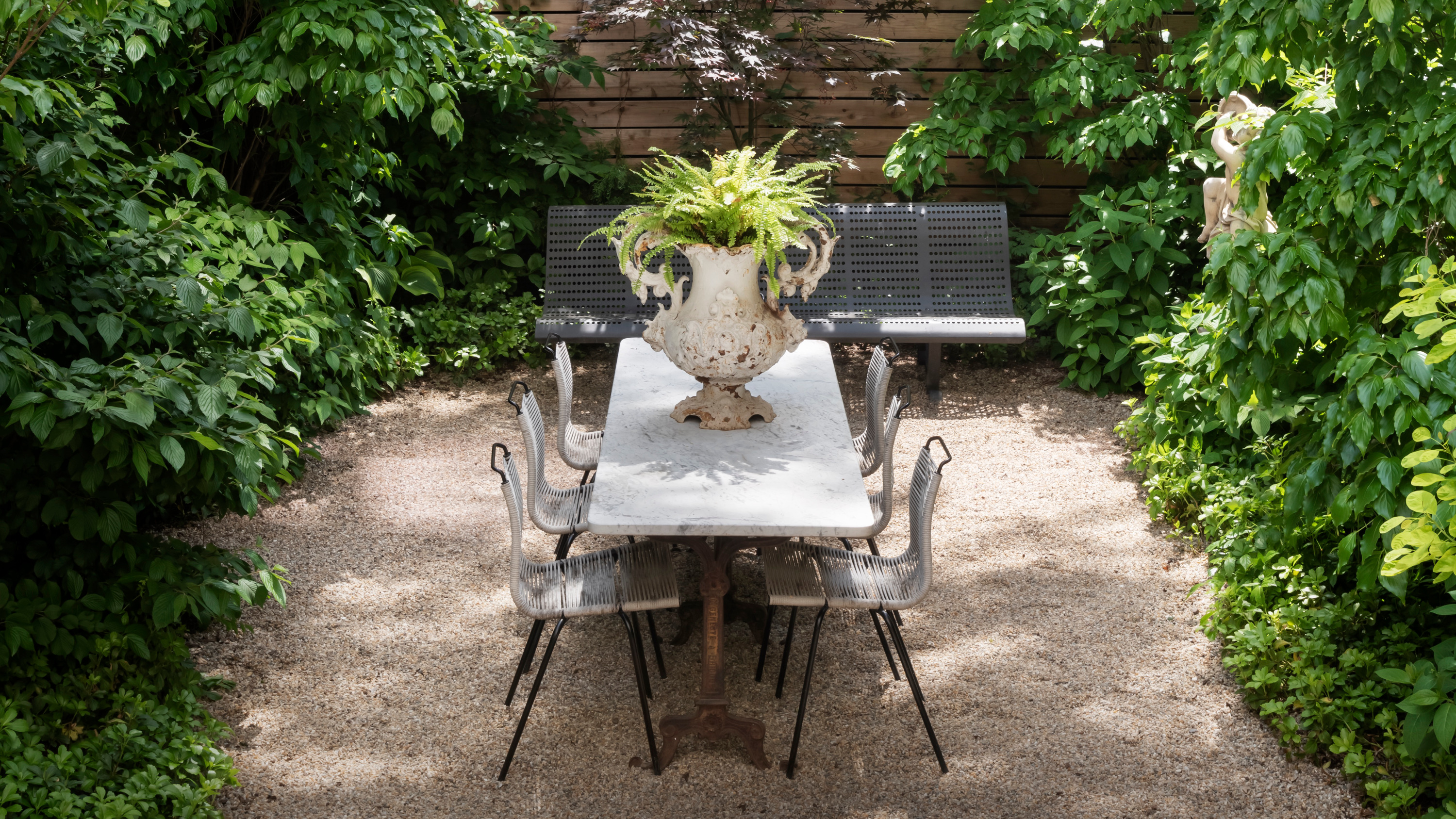
5 Outdated Backyard Designs That Landscape Designers Have Left Behind – And What They're Doing Now Instead

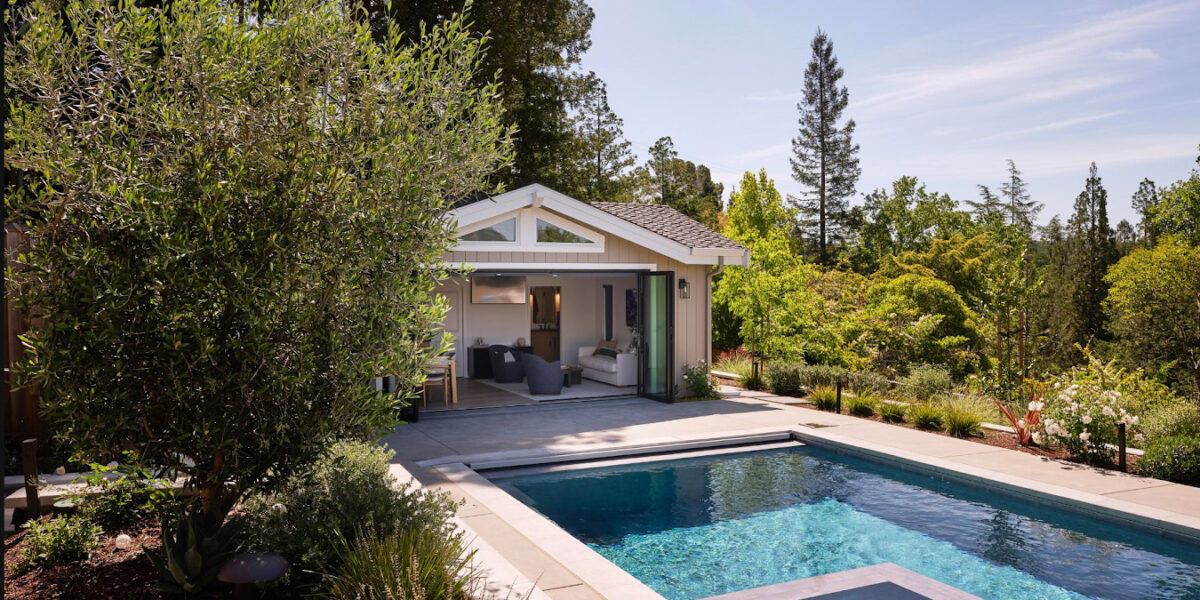
Tired of the Barn Door Trend? These Alternatives Are on the Rise
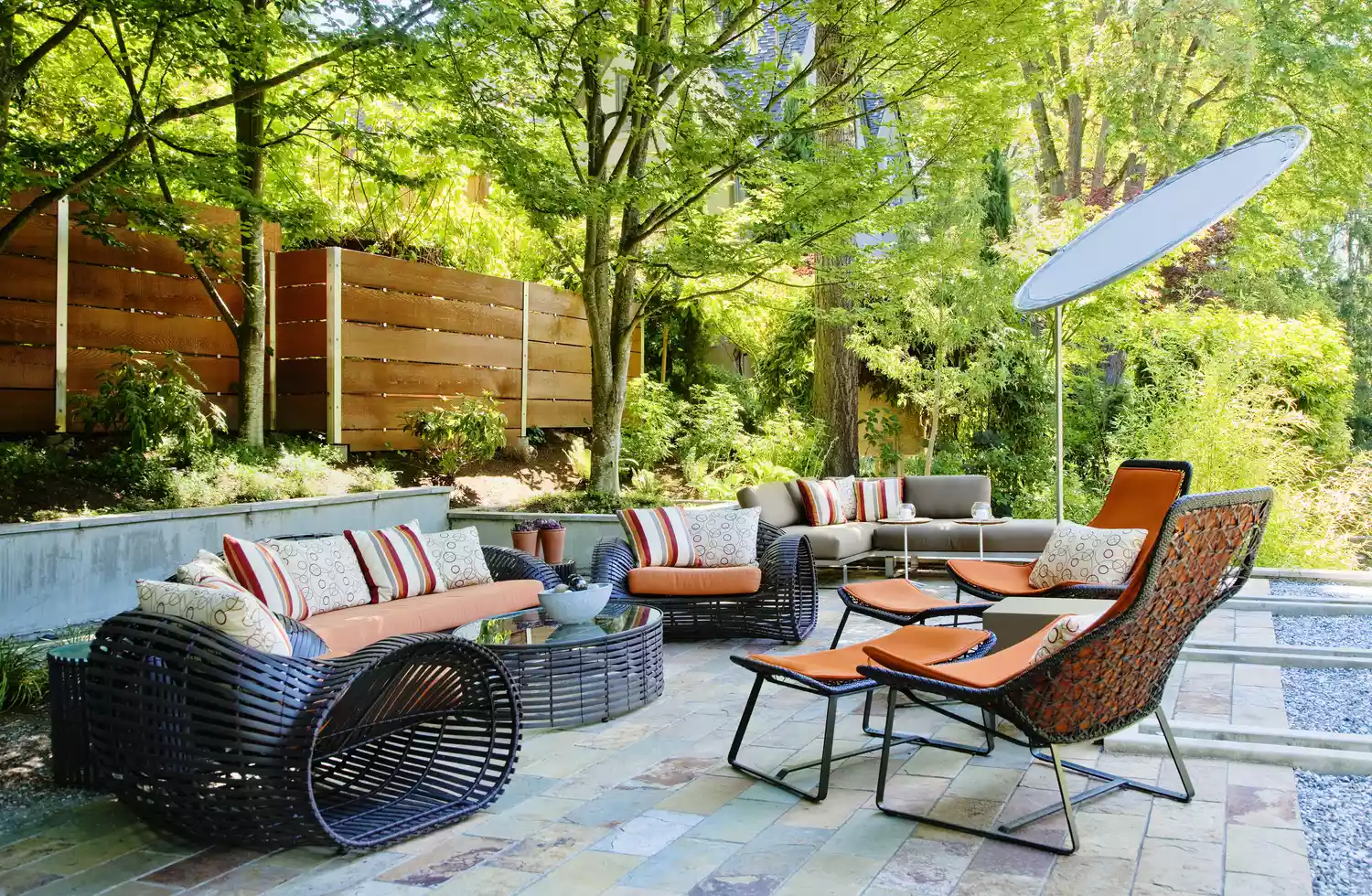
7 Outdated Patio Décor Trends You Should Skip—and What to Try Instead
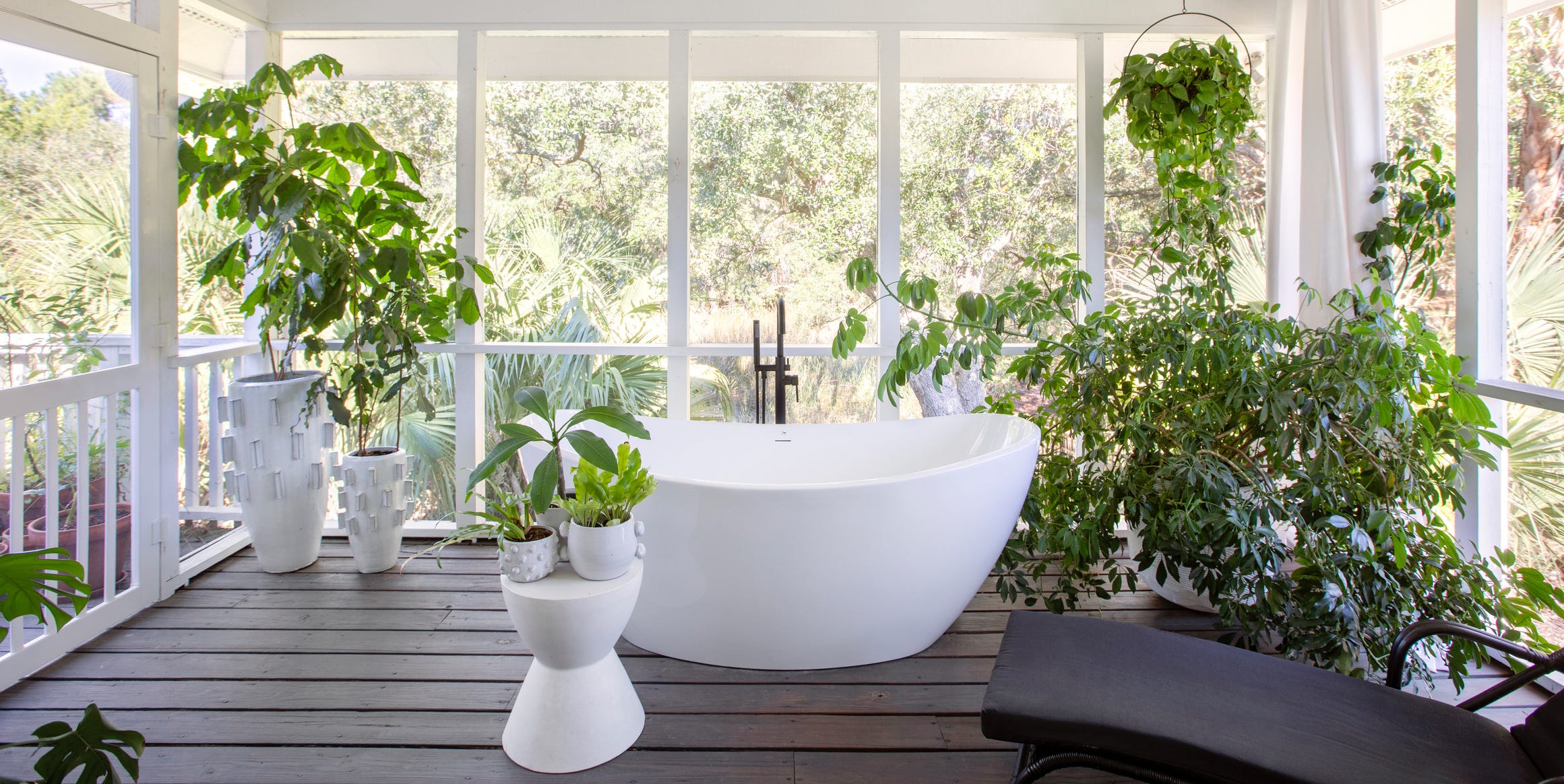
It's Called a "Spa Porch" And It's Coming To a House Near You

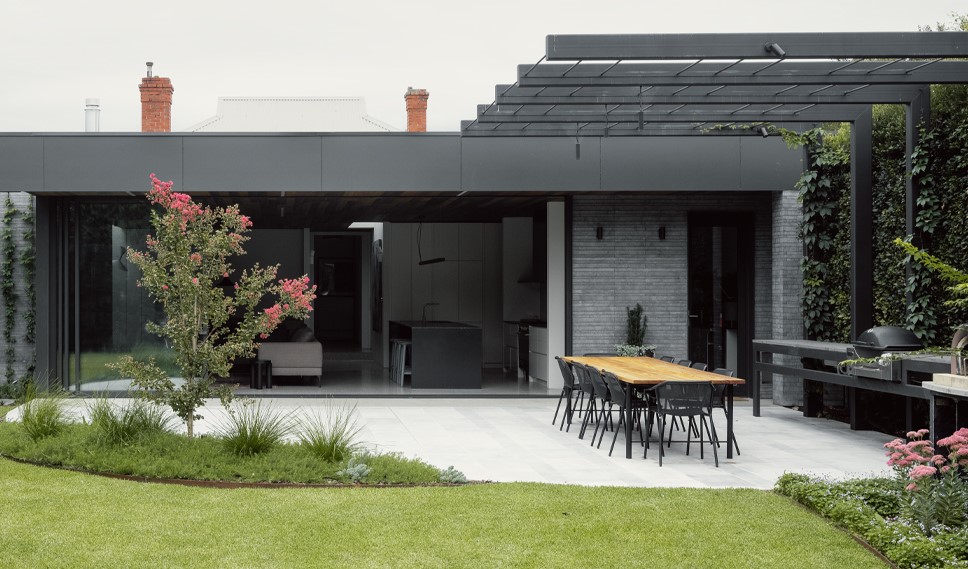
Backyard Ideas — 15 Brilliant Ways to Make the Outdoors Fun and Functional
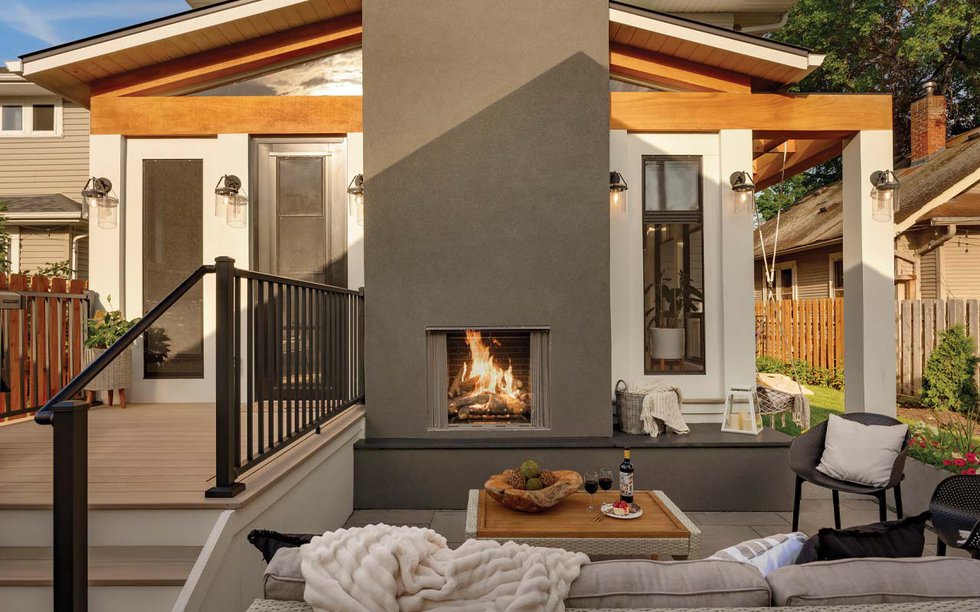
Home & Design | Reno Trends and Landscaping Tips for 2025
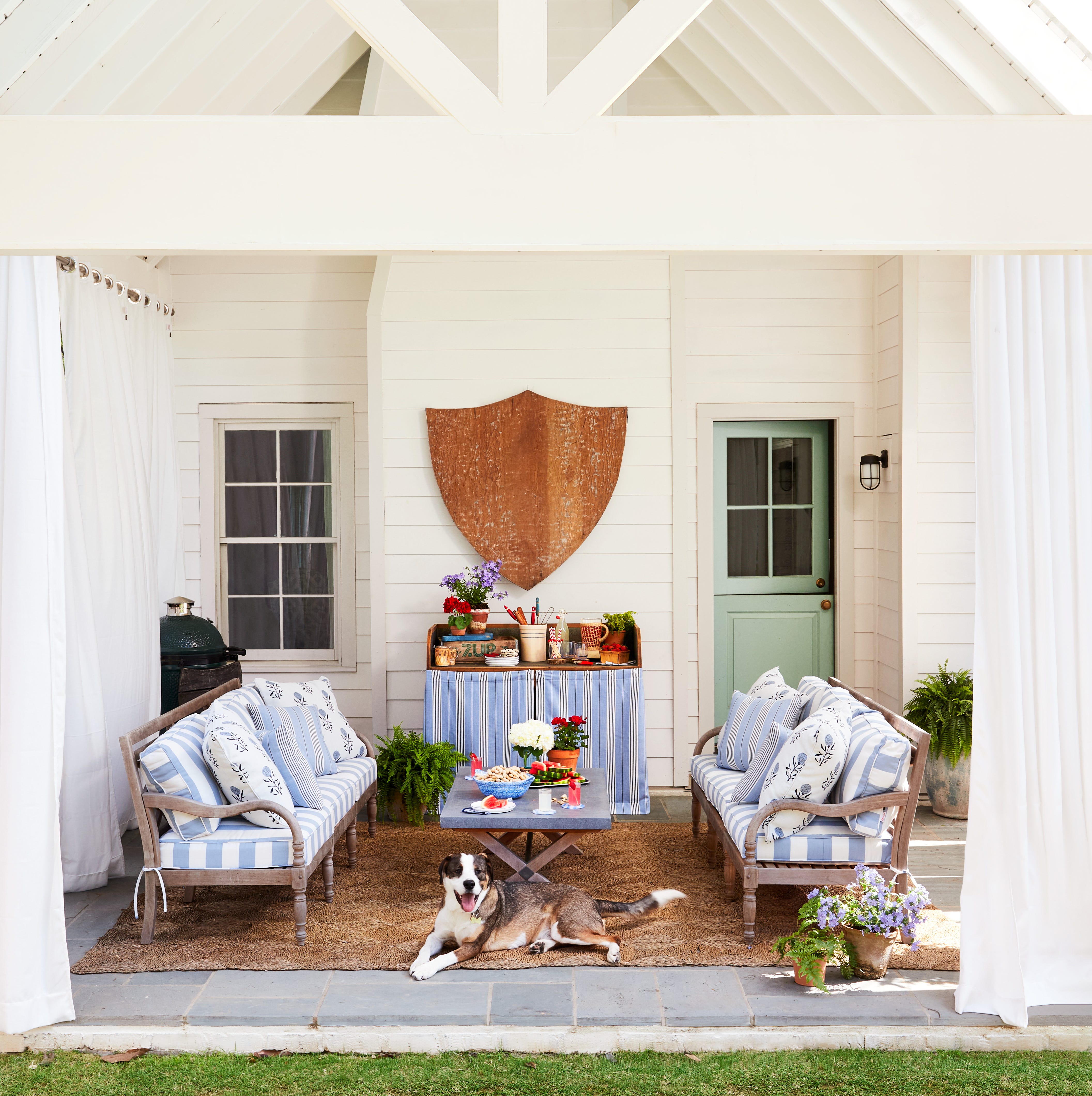
5 Weekend Backyard Makeover Projects So Good You’ll Be Canceling Plans Just to Hang Out

Pickleball Courts Are the Hottest Backyard Trend Design Pros Didn't See Coming

The #1 Home Trend You Should Avoid, According to Designers

These are the biggest landscaping trends for outdoor living spaces