1/4
Pickleball Courts Are the Hottest Backyard Trend Design Pros Didn't See Coming
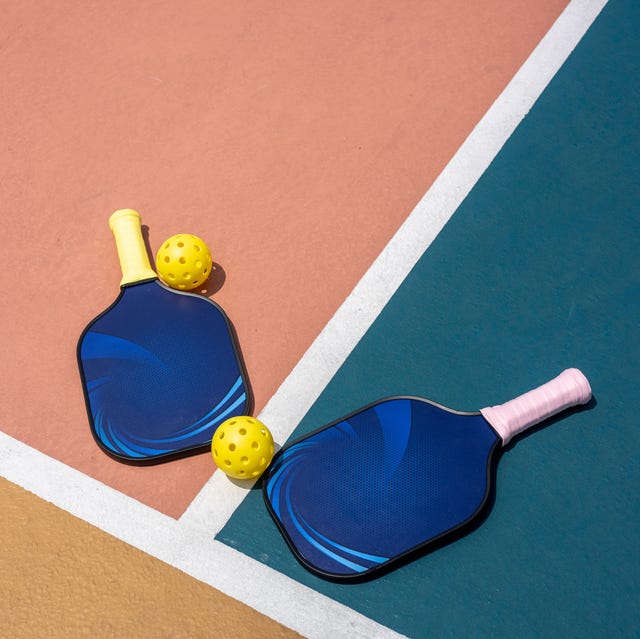
Pickleball courts are rapidly becoming a highly sought-after backyard amenity, transitioning from a niche sport accessory to a mainstream design trend. This growing popularity is evident in real estate platforms like Zillow, whose 2026 Home Trends Report highlighted a significant increase in listings featuring pickleball courts. Home trends expert Amanda Pendleton notes that buyers are increasingly looking for homes that offer multi-dimensional spaces combining work, wellness, and play, and they are willing to invest more for such features, even in today's challenging real estate market.
The appeal of pickleball lies in its accessibility, catering to a wide range of ages and skill levels, making it a versatile activity for families and individuals. From a design perspective, pickleball courts present a practical solution for residential backyards compared to larger sports facilities like tennis courts. Joseph Richardson, founding principal of Richardson & Associates Landscape Architecture, emphasizes that their smaller footprint makes them more attainable for homeowners who desire a dedicated recreational space without requiring extensive land.
Integrating a pickleball court into a property's landscape requires careful planning to ensure it functions well and enhances the overall aesthetic. A primary consideration is location, as the court's regulation dimensions and necessary runoff areas cannot be compromised for safety and playability. This often involves finding or creating a level surface, which might necessitate significant grading or retaining solutions, especially on sloped properties. Distance from the main residence and neighboring homes is also crucial due to potential noise, with recommendations for strategic placement, acoustic fencing, landscaping buffers, or even quieter equipment to mitigate sound.
Playing conditions are another important factor. Designers consider sun orientation to minimize glare during play and recommend screens for wind protection. Proper lighting is essential for nighttime use, not only for visibility but also to prevent light pollution that could disturb neighbors or the surrounding environment. Once these fundamental aspects are addressed, the design phase allows for personalization. The color palette, for instance, can be chosen to either seamlessly blend the court into the landscape or make a bold design statement, depending on the homeowner's vision.
Material selection is also key, with asphalt or concrete being the typical choices, often supplemented with a cushioned membrane for comfort and support. While both are suitable, asphalt is generally more cost-effective. The investment for a pickleball court can range from $35,000 to $80,000. Costs can be reduced by repurposing existing tennis or basketball courts by repainting lines and using movable nets. Flexible, modular sports textiles offer an even more affordable and adaptable alternative, being easy to install, replace, and remove if the space needs to serve multiple functions. Experts predict that pickleball's popularity will continue to surge, making at-home courts a worthwhile investment for those looking to embrace a competitive and engaging backyard activity.
#PickleballCourts #BackyardTrends #HomeRenovation #LandscapeDesign #ResidentialSportsCourts #OutdoorLiving #RealEstateTrends #HomeImprovement #PickleballCourts #BackyardTrends #HomeRenovation #LandscapeDesign #ResidentialSportsCourts #OutdoorLiving #RealEstateTrends #HomeImprovement
0 comment in total
 No comments yet
You may also like
The Backyard Home Trend That Needs To Go (And What We Recommend Instead)
Designers Are Predicting These Outdoor Living Trends Will Be Everywhere This Year

This Viral Gardening Trend is Loved by Experts — "It's the Best-Looking Idea for Growing Vegetables"

5 Backyard Features That Are So Outdated, According to Designers

12 Outdoor Design and Patio Trends for Cleveland Homes

Designers Reveal the Surprising Home Trend That's Taking Over Right Now


The Latest Decor Trend Might Replace The Indoor Plant Craze

This Palm Springs-Inspired Backyard Getaway is a Desert Oasis

Outdated backyard trends and what's replacing them in 2025 – 8 expert suggestions to refresh your outdoor space

6 Patio Decor Trends Designers Are Begging You to Skip This Season

Backyard ideas that kids and parents will love

This garden furniture trend championing small spaces is what your garden has been waiting for
These are the biggest landscaping trends for outdoor living spaces
Forget Kitchens—Zillow Says This is Where Homeowners Are Spending Big in 2025
5 Outdated Backyard Designs That Landscape Designers Have Left Behind – And What They're Doing Now Instead
3 Beautiful Backyards Made for Summers Outdoors in Westchester

Local Landscape Experts Weigh in on Yardzen’s 2023 Outdoor Living Trends
The Biggest Trends for Outdoor Spaces

This Relaxing Garden Trend is Going to Rule 2025, According to a Garden Expert

8 Deck Trends That Will Transform Your Backyard in 2025