Engineered Siding: Everything You Need to Know
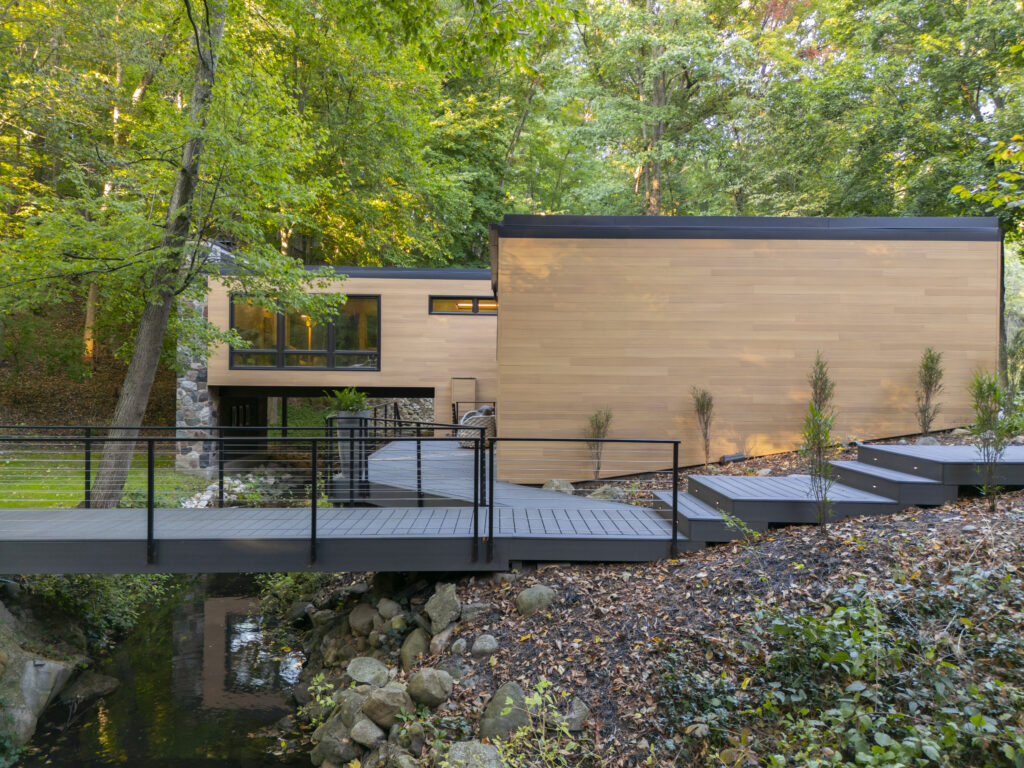
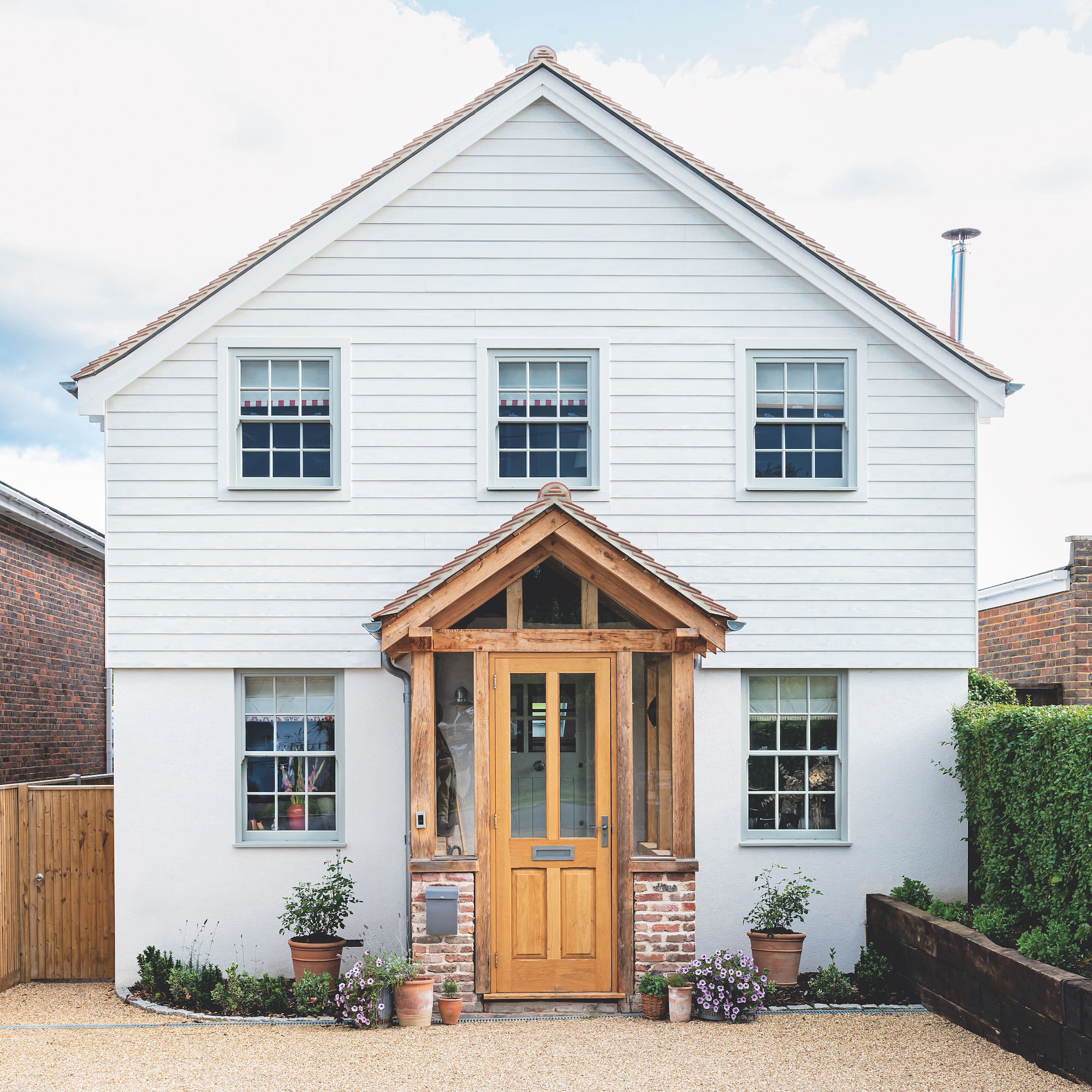
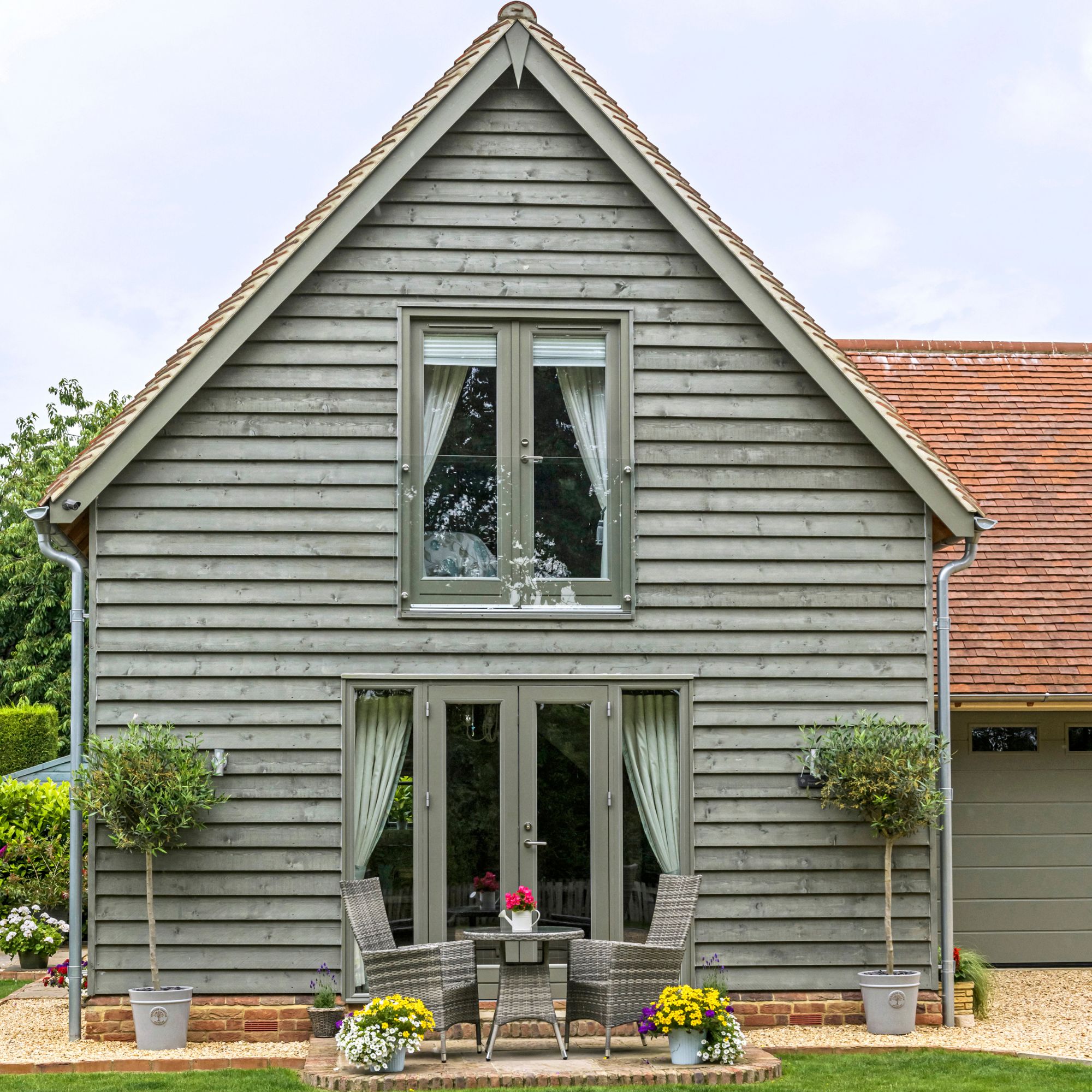
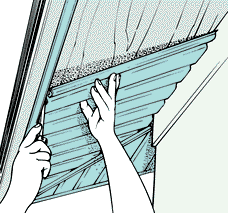
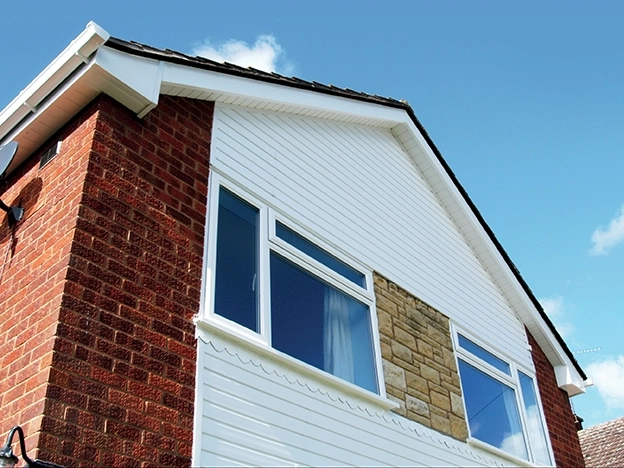
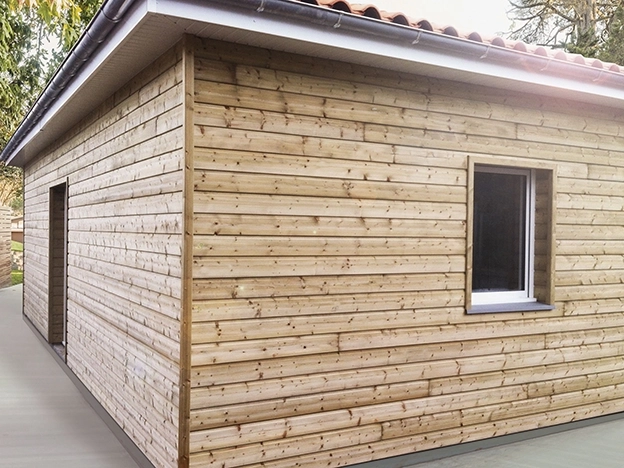
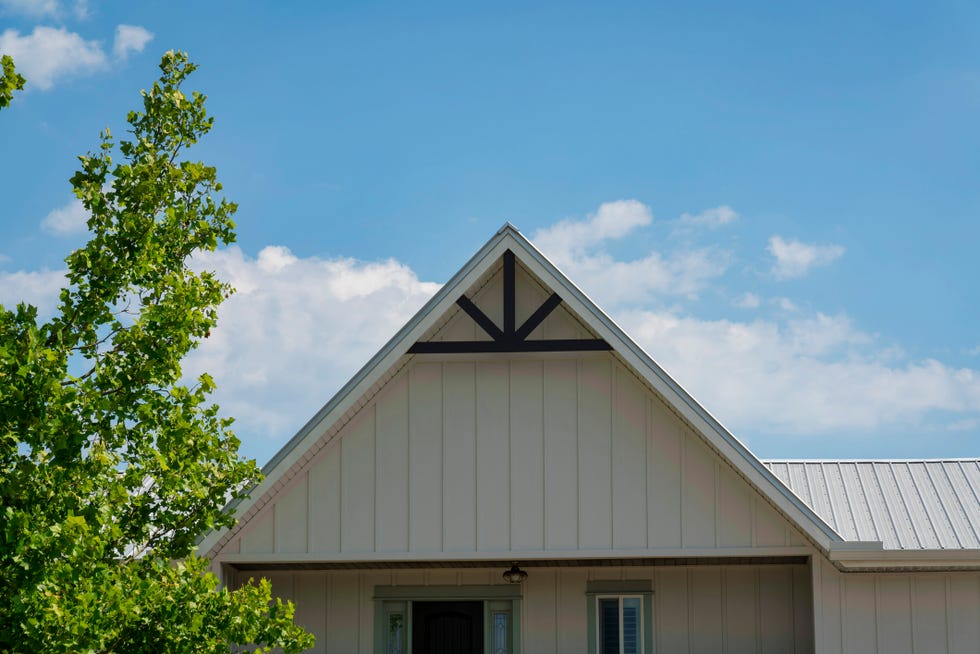
Engineered wood siding, marketed under names like SmartSide, Catawba, and TruWood, offers a technological alternative to traditional real wood siding. These products are designed to address common issues associated with natural wood, such as flaws and deterioration, while also being cost-effective for installation and maintenance. The composition of engineered wood siding typically involves wood chips or strands bound together with resin. For instance, LP Building Products' SmartSide utilizes wood strands coated with a resin binder and compressed into boards. These boards are further treated with LP's SmartGuard zinc-borate system to provide protection against termites and rot. A moisture-resistant overlay, often embossed with a cedar-grain pattern, is applied to give an authentic appearance.
Key manufacturers like LP SmartSide and Collins Products' TruWood offer engineered siding in longer 16-foot boards, which helps minimize seams and reduce material waste during installation. The cost-effectiveness of engineered wood siding is a significant advantage, often being about half the price of real wood. Its lighter weight and advanced features, such as LP's SmartLock self-aligning edge design, contribute to easier and less costly installation. Homeowners can purchase engineered siding pre-primed, ready for paint, or pre-finished, further reducing on-site labor and time. These products also come with substantial warranties, with both Collins and LP offering 30-year transferable warranties, and LP SmartSide providing an additional seven-year, 100 percent labor and replacement warranty.
Despite its benefits, engineered siding is not without its drawbacks, primarily concerning moisture vulnerability. The industry has faced class-action lawsuits due to moisture-related product failures and installation errors. LP, for example, acknowledges issues with its earlier Inner-Seal product but states that its SmartSide line, which has been installed on over 1.5 million homes, has been revamped to address these concerns. From an environmental perspective, engineered wood products are considered eco-friendly as they reduce the demand for extensive tree clearing. Both fiber cement and engineered wood responsibly utilize wood resources, minimizing negative impacts on forests. Collins Products' TruWood engineered wood siding, for instance, is certified by the Forest Stewardship Council, indicating its sourcing from managed and socially responsible forests.
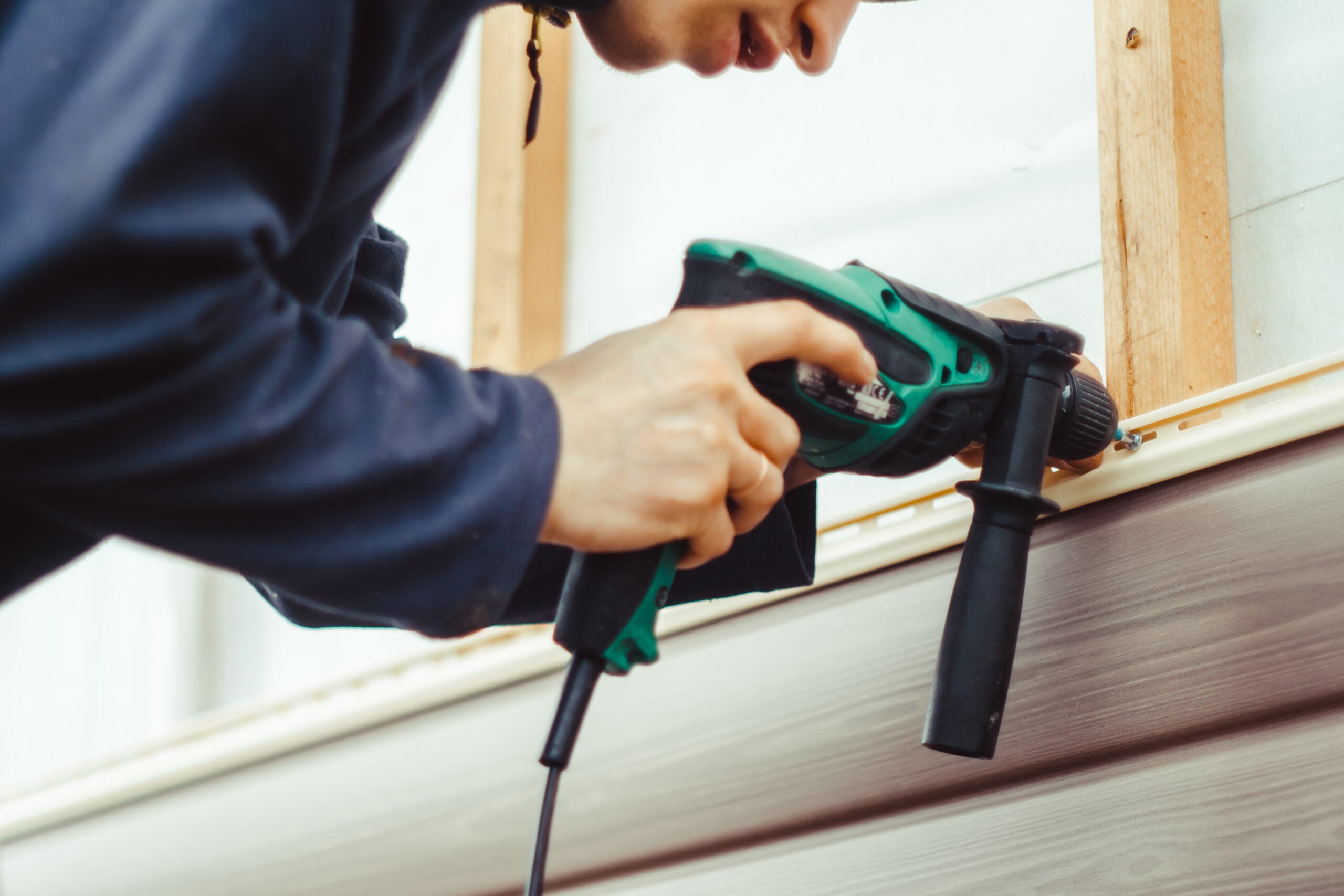
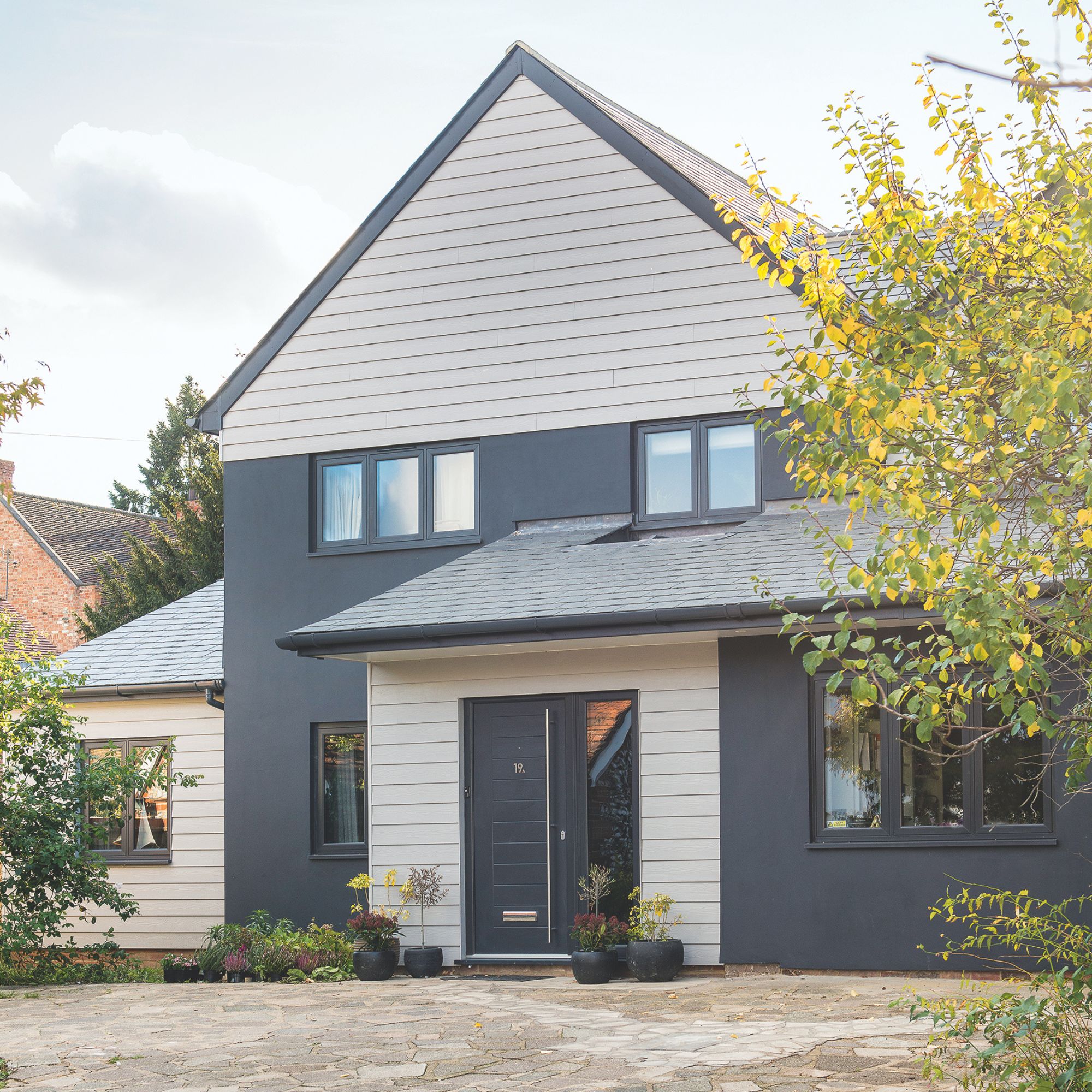
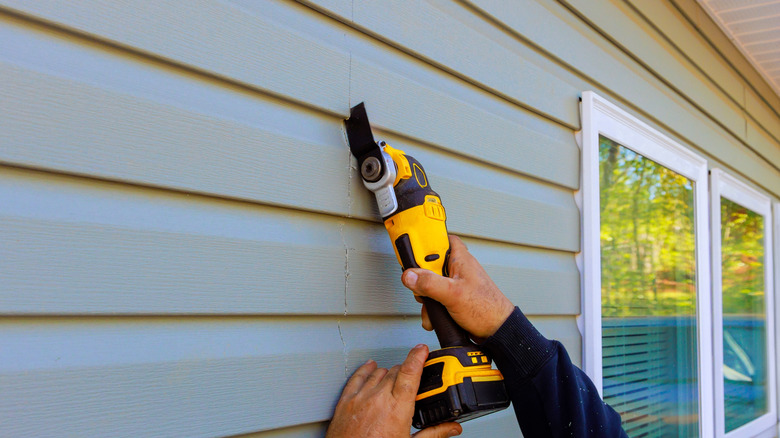
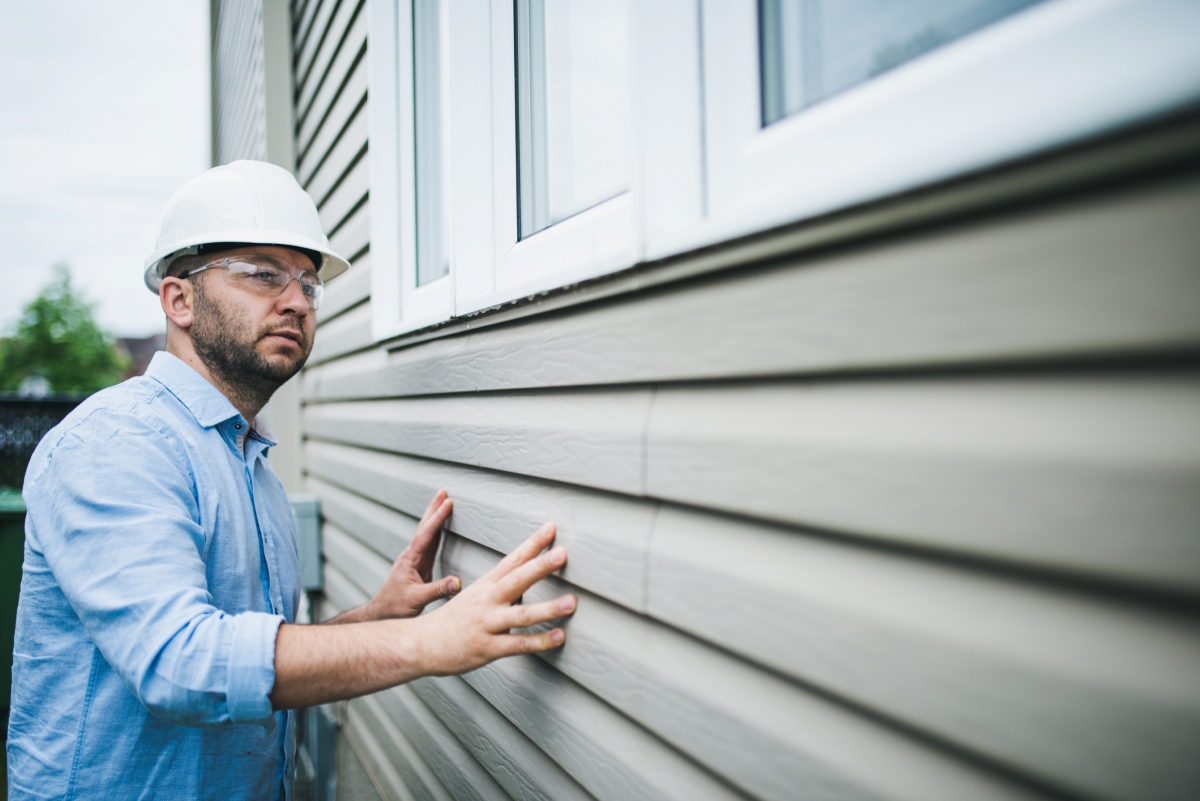
Fiber cement siding is another alternative to natural wood, having been in use for nearly a century. Modern fiber cement siding is composed of Portland cement, cellulose or wood fiber, sand, and other materials, replacing the asbestos found in older versions. It can be manufactured in various patterns and textures, including smooth, embossed, or cedar-look finishes. A special curing process ensures low moisture content, making it resistant to warping and suitable for paint. Installation is similar to real wood siding, though it is heavier and more challenging to cut, requiring installers to wear masks and goggles to protect against dust. Fiber cement siding is generally half the cost of real wood, requires minimal maintenance, holds paint longer, and is easy to clean. Its durability is a major selling point, as it resists harsh weather, insects, and rot. Companies like CertainTeed and Cemplank offer strong warranties, with CertainTeed's WeatherBoards providing a 50-year limited transferable warranty. Its fire-resistant properties also make it a suitable choice for homes in wildfire-prone areas.
However, fiber cement siding also has disadvantages. It is susceptible to moisture penetration if not installed correctly, which can lead to mold and rot in underlying sheathing or structural supports. Its weight and the need for specialized cutting tools also present installation challenges. Overall, both engineered wood siding and fiber cement siding offer viable, often more affordable and durable, alternatives to traditional wood siding, each with its own set of advantages and considerations regarding composition, cost, installation, environmental impact, and vulnerabilities.
#EngineeredSiding #FiberCementSiding #HomeImprovement #BuildingMaterials #EcoFriendlyBuilding #HomeExterior #ConstructionCosts #SidingInstallation #EngineeredSiding #FiberCementSiding #HomeImprovement #BuildingMaterials #EcoFriendlyBuilding #HomeExterior #ConstructionCosts #SidingInstallation
0 comment in total
 No comments yet
You may also like
Revamp Your Exterior with Our How-to Guide to Installing Siding Shingles

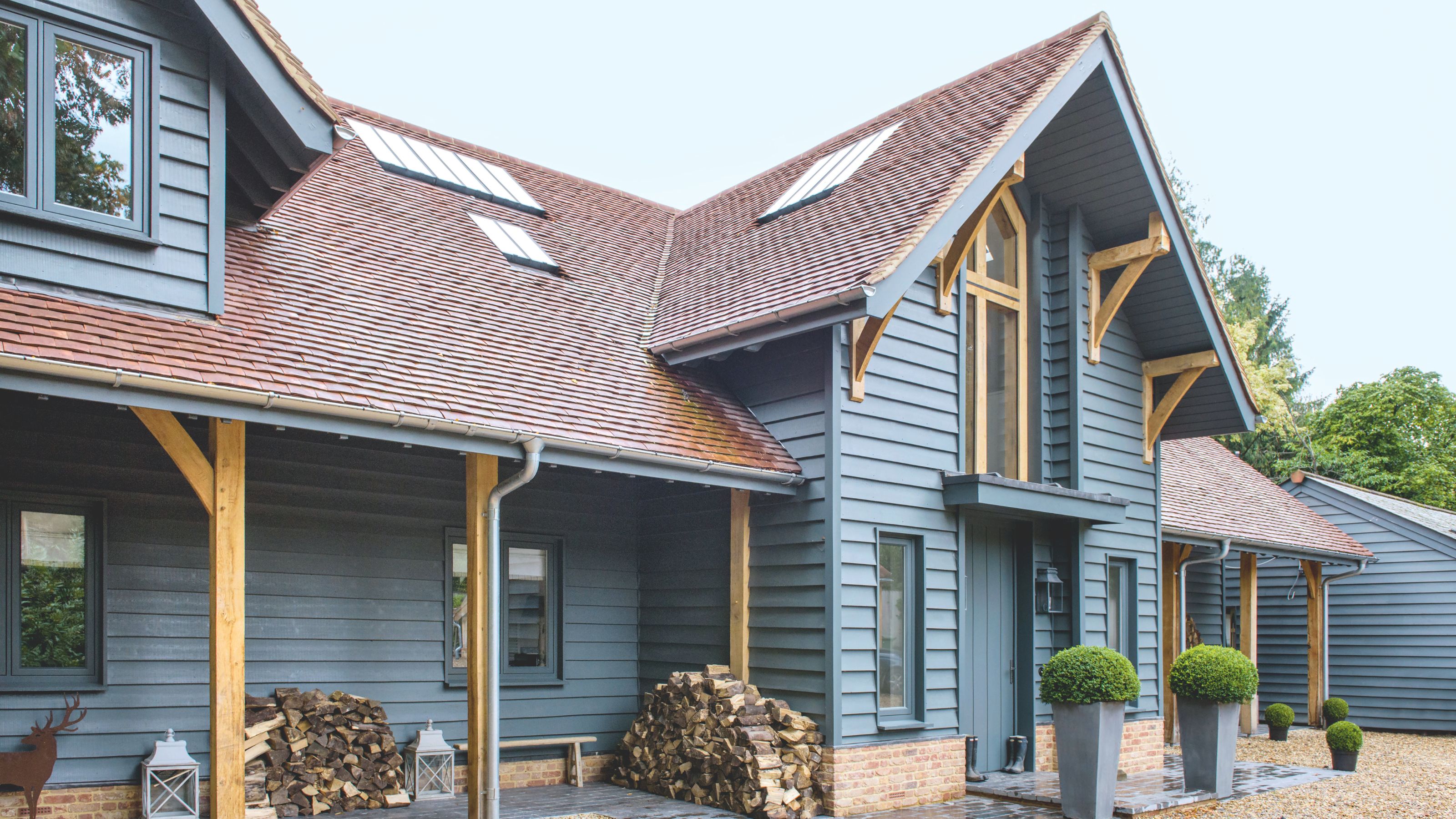
5 things to know before cladding your home's exterior
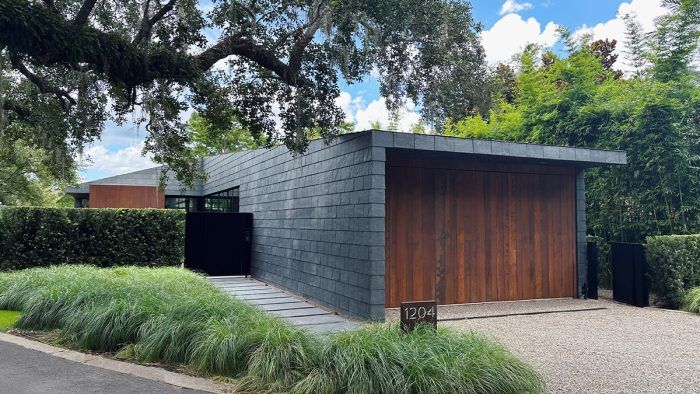
Learn How to Install Rainscreen Siding Like a Pro
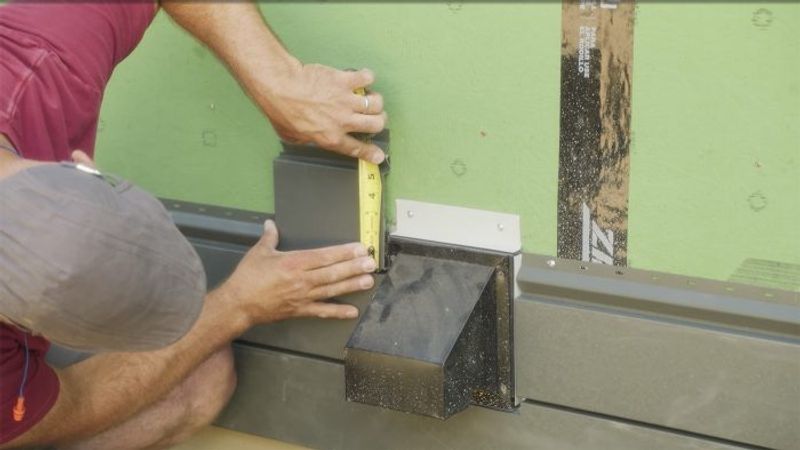
What You Need to Know About Installing Steel Siding
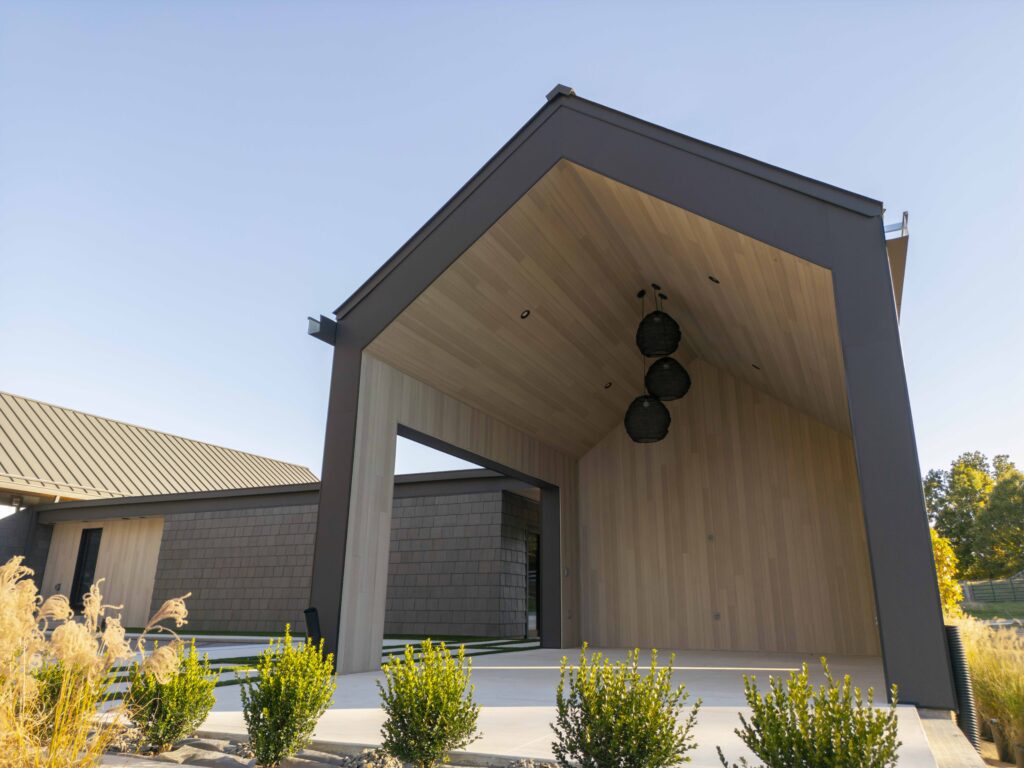
Is Quality Edge Vesta® Steel Siding Right For Your New Home?
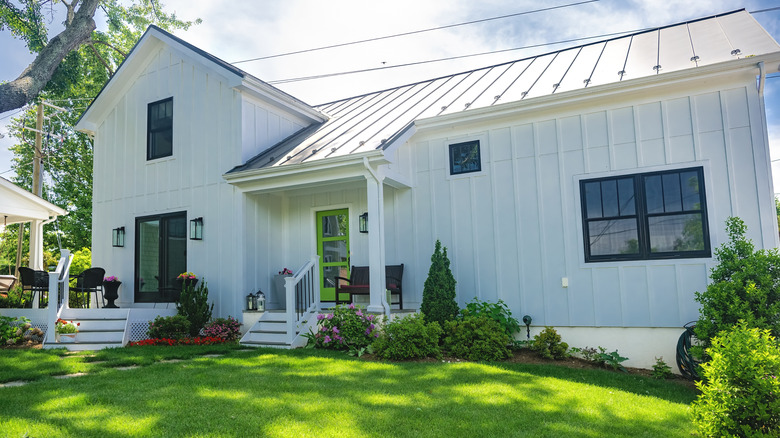
The Backyard Home Trend That Needs To Go (And What We Recommend Instead)
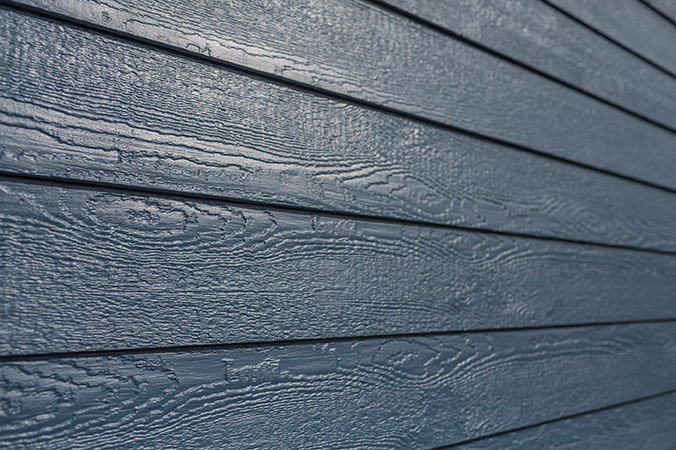
Engineered Wood Siding Helps Protect the Building Envelope

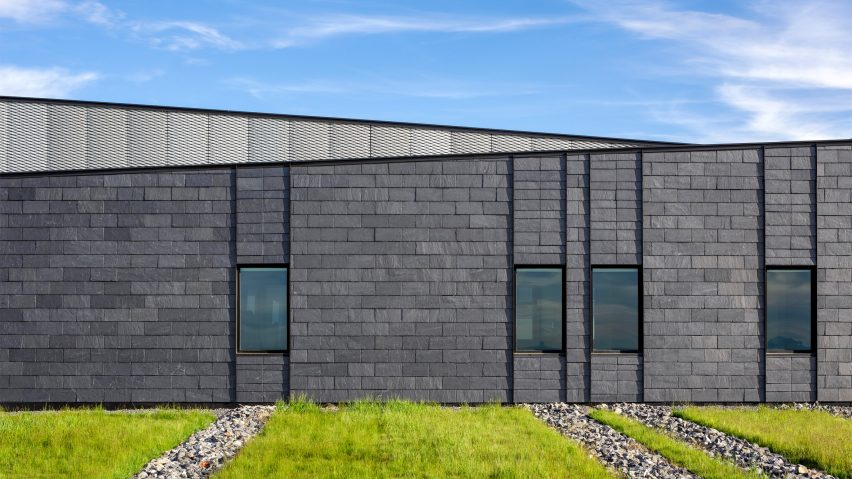
Cupa Pizarras creates cladding system that "utilises the beauty of natural slate"
15 Shed Building Mistakes and How to Avoid Them

Engineered Siding With the Grain and Depth of Real Wood
Cladding

How to install wooden panelling
New Construction: What you need to know about siding your home
The Best Siding Nailers
Distinctive house cladding from Dezeen's Pinterest
If You Live in a Farmhouse, Listen Up

Product Picks: July 2022
You Can Save Thousands of Dollars With a DIY Vinyl Siding Installation
Mass Timber Primer

How To Choose The Best Siding For Your Home