1/2
Engineered Wood Siding Helps Protect the Building Envelope
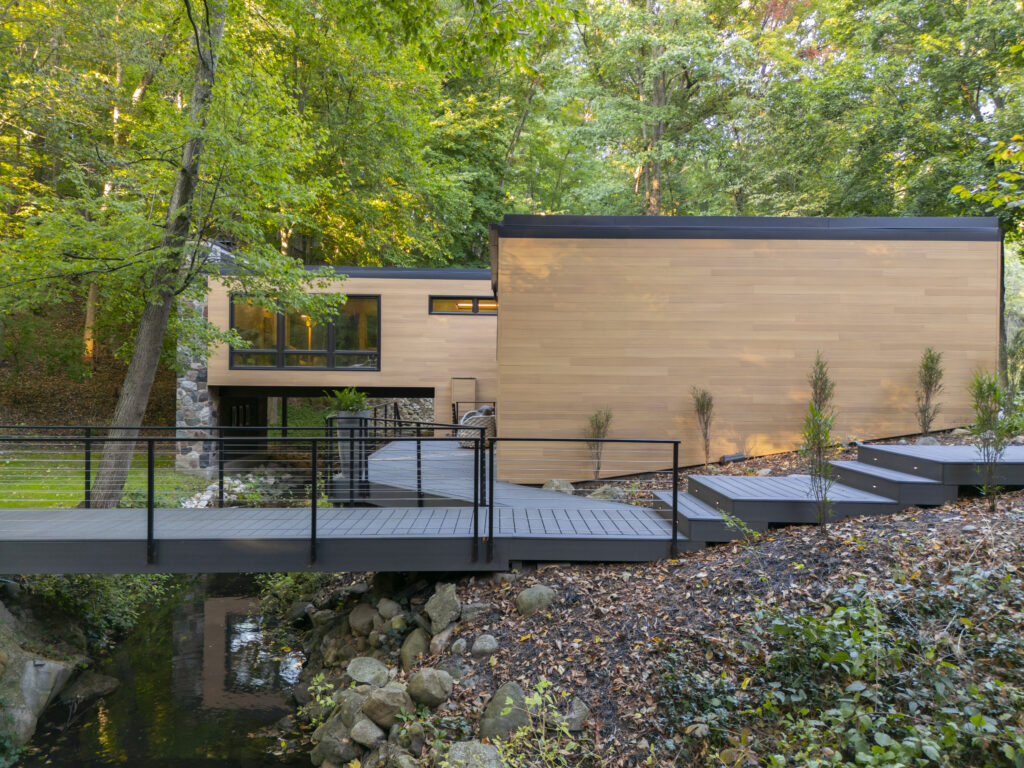
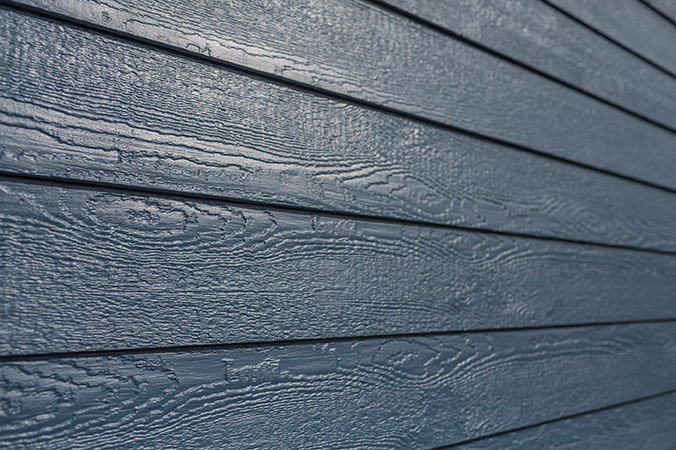
This article discusses the advantages of engineered wood siding, focusing on its role in protecting a home's building envelope and its superior durability compared to vinyl siding. It highlights the growing popularity of engineered wood as an exterior cladding material, contrasting it with the declining market share of vinyl siding. The piece explains that vinyl manufacturing is associated with environmental concerns, such as the production of carcinogens and pollutants, and its minimal recyclability, leading to significant landfill waste. In contrast, engineered wood is presented as a sustainable, recyclable, and renewable alternative.
The article delves into the specific engineering innovations that enhance the durability of engineered wood siding. It cites LP® SmartSide® siding products as an example, detailing their four-component protection system involving waxes, resins, zinc borate, and an overlay. These components collectively contribute to the material's ability to withstand impacts and various environmental stressors. The discussion elaborates on how engineered wood siding offers greater durability in several key areas. It demonstrates superior warp resistance from heat and sun exposure, an issue that commonly affects vinyl siding. Additionally, engineered wood products show enhanced protection against hail damage, with specific tests indicating their resilience to larger hailstone impacts compared to vinyl, leading to warranties against hail damage.
Further, the article addresses overall impact resistance, noting that engineered wood siding can withstand impacts from objects like rocks, golf balls, and baseballs without visible damage, unlike vinyl siding which often sustains surface damage that is difficult to repair. The material's capacity to withstand high winds is also emphasized, with some engineered wood lap siding products engineered to endure wind gusts up to 200 mph. The text references a FEMA report following Hurricane Ivan, which documented the poor performance of vinyl siding, including significant failures, displacement, and subsequent water damage to wall cavities. In stark contrast, the report highlighted the generally very good performance of wood siding, attributing its resilience to inherent strength and stiffness. The article concludes by reinforcing that engineered wood siding offers both aesthetic appeal and robust protection, aligning with homeowners' desire for sustainable, durable, and environmentally responsible building materials.
#EngineeredWoodSiding #BuildingEnvelope #HomeDurability #SustainableBuilding #VinylSidingComparison #ImpactResistance #WeatherProtection #LBMJournal #EngineeredWoodSiding #BuildingEnvelope #HomeDurability #SustainableBuilding #VinylSidingComparison #ImpactResistance #WeatherProtection #LBMJournal
0 comment in total
 No comments yet
You may also like
How To Keep Outdoor Wood Beautiful Year-Round: Best Sealers for the Job
We Spent 20+ Hours Testing the Best Fence Stains. Our Top Choice Will Make Your Fence Look Like New

Best wood for outdoor projects – 5 types that are loved for their durability and good looks in equal measure

How To Choose The Best Siding For Your Home
We Put the Best Exterior Wood Stains Through 40 Hours of Testing to Find the Top Picks
Exterior cladding siding shipping container wood houses outdoor wpc interior wall panel

How Bensonwood Builds a Wall That Works
How to Build a Fire Resistant Deck

The Best Stains for Cedar Decks, Siding, Fences, and More
New Construction: What you need to know about siding your home

Garden Fence Panels

Is Quality Edge Vesta® Steel Siding Right For Your New Home?
Engineered Siding With the Grain and Depth of Real Wood
Cupa Pizarras creates cladding system that "utilises the beauty of natural slate"
This Sustainable, Soundproofing Exterior Siding Is Cooler Than Clapboard
Ever Wondered Why Wooden Doors Have Raised Panels? Here’s The Real Reason

Make Cedar Shine: Our Favorite Wood Stains

Interior Timber Wall Cladding


PARKLEX PRODEMA: Maintenance-Free Natural Wood Veneer Cladding
Fiber-Cement Siding: An Attractive Alternative to Wood