1/8
7 rules designers always follow to find the best exterior paint for your home
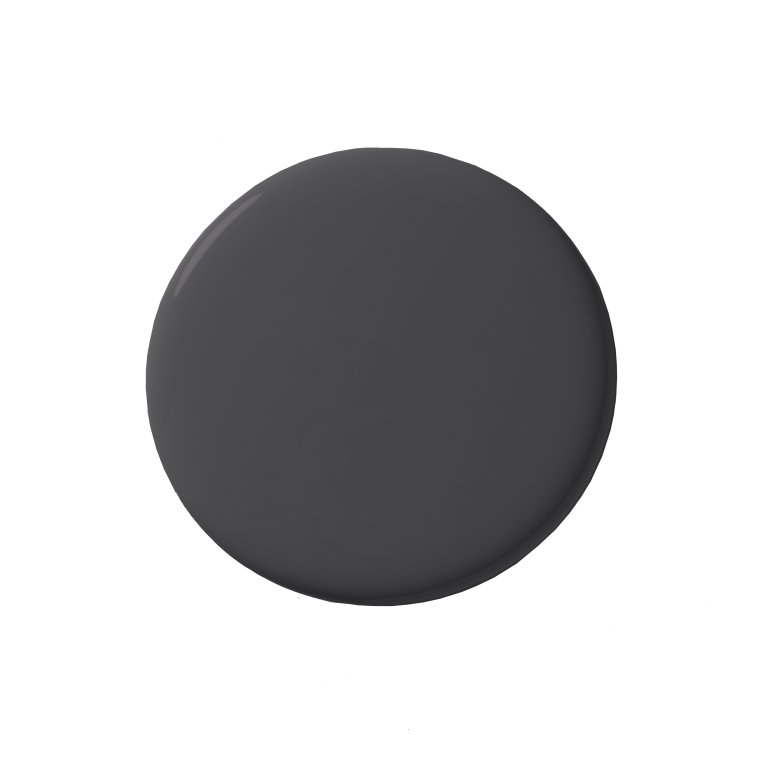
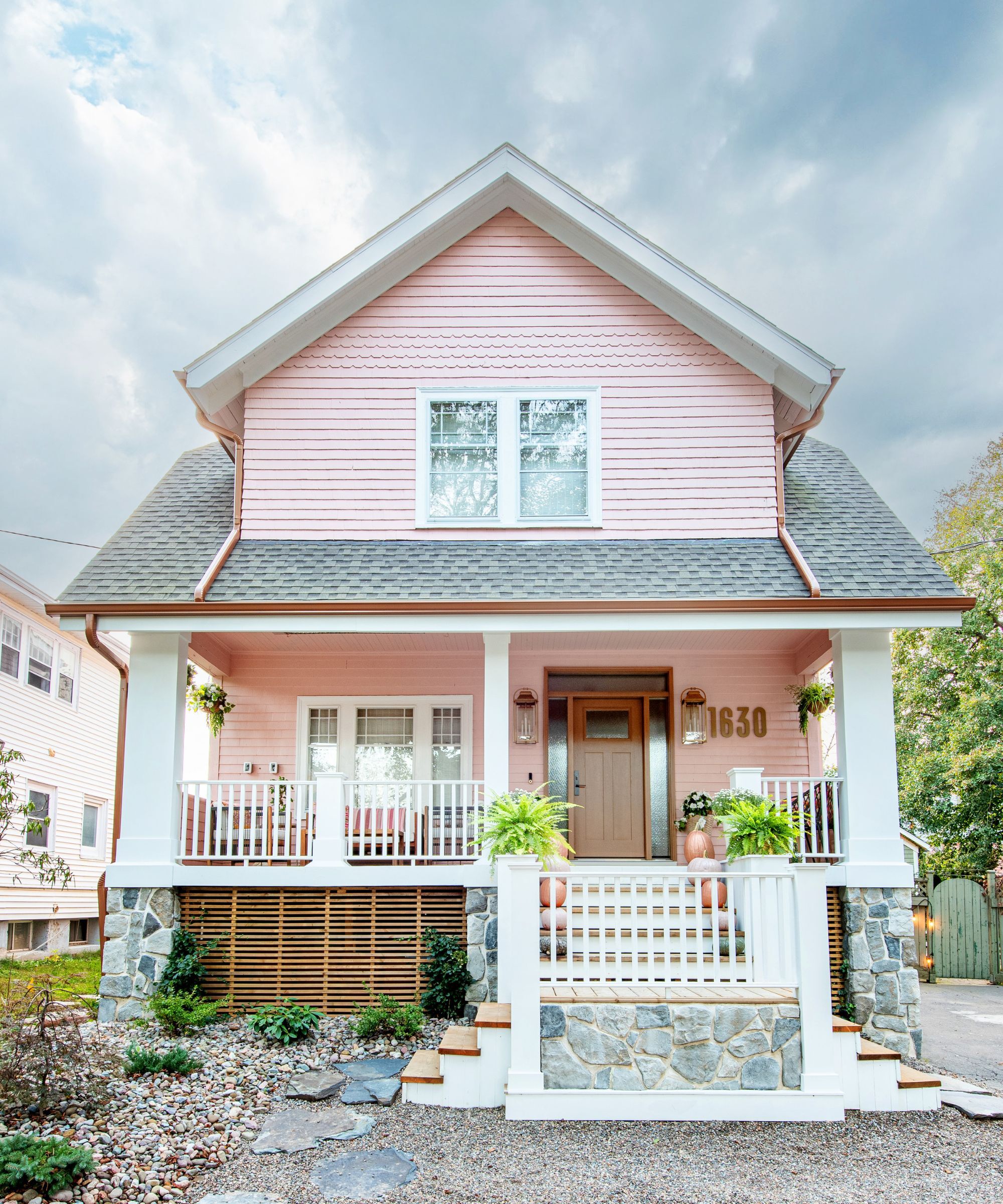
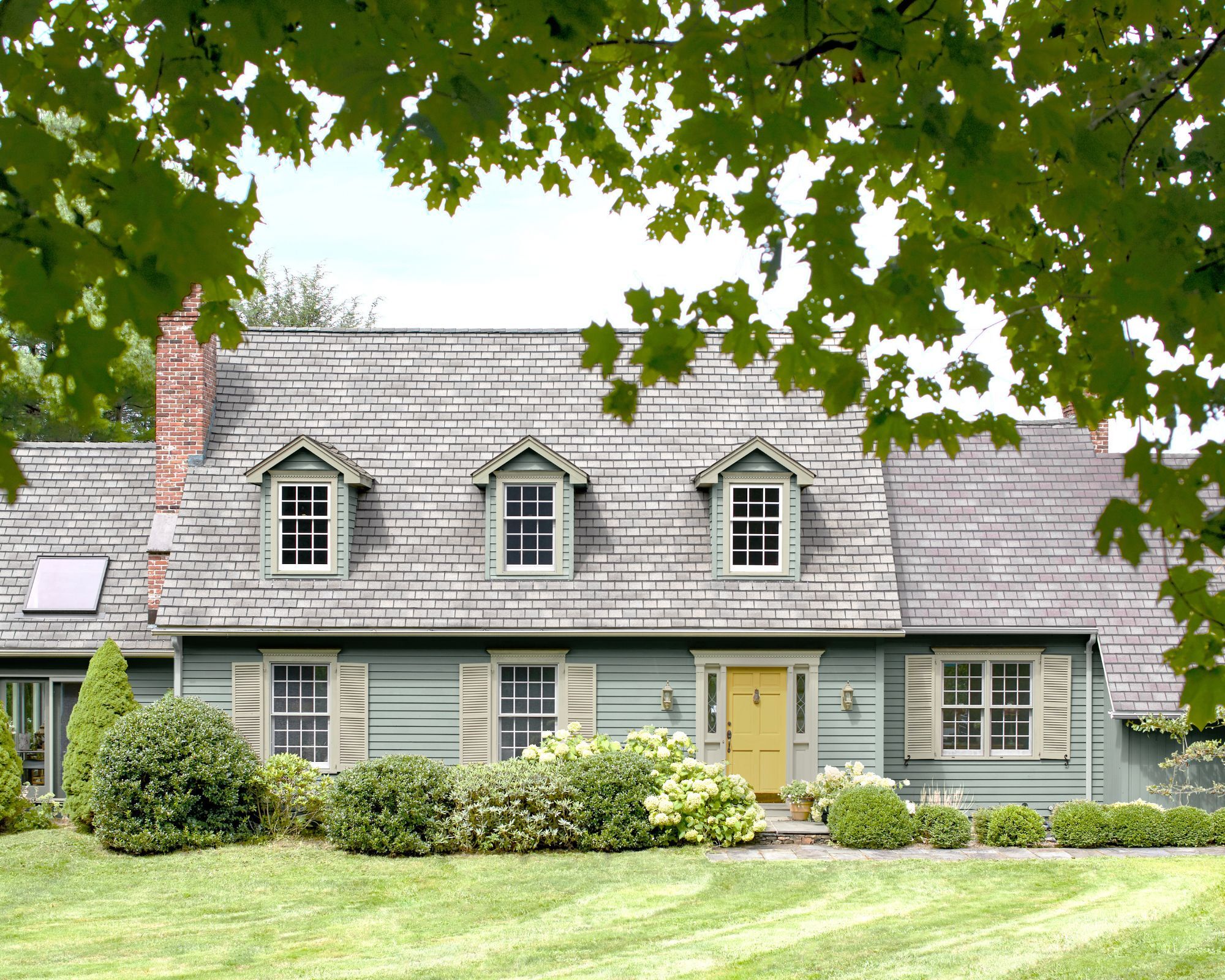
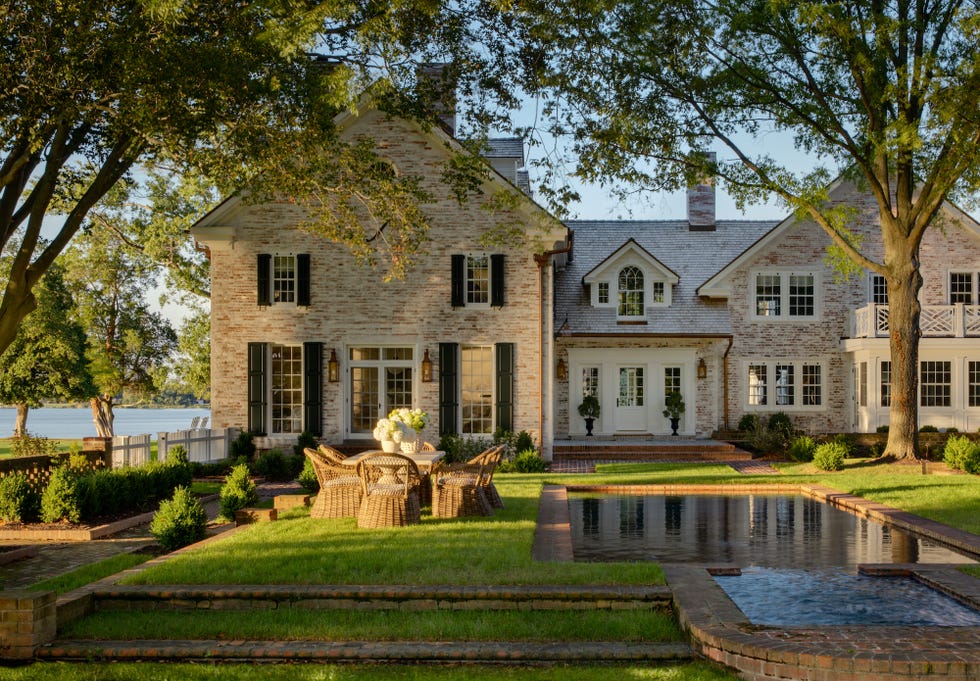
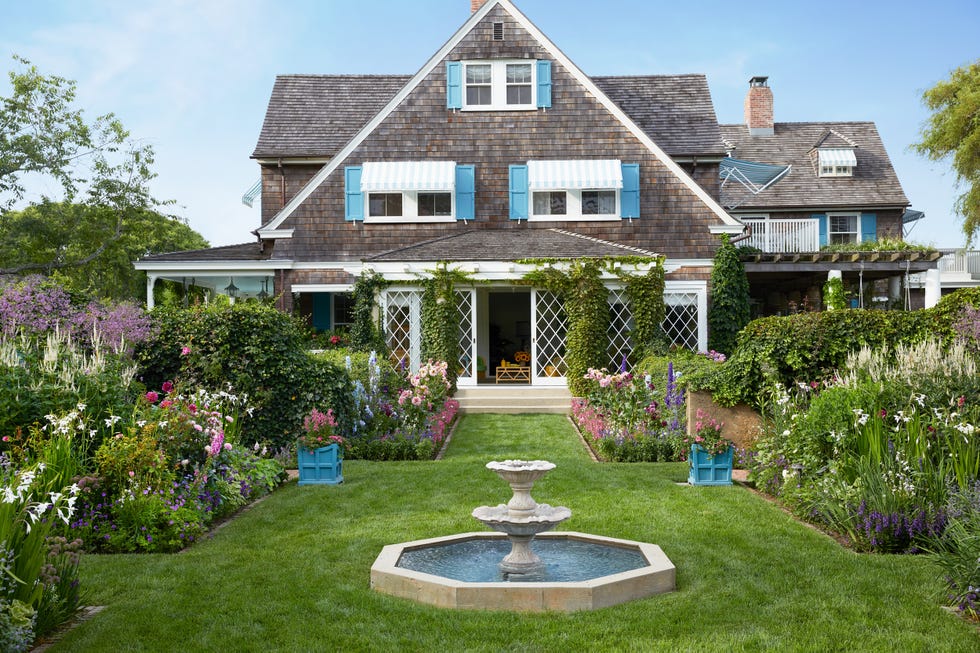
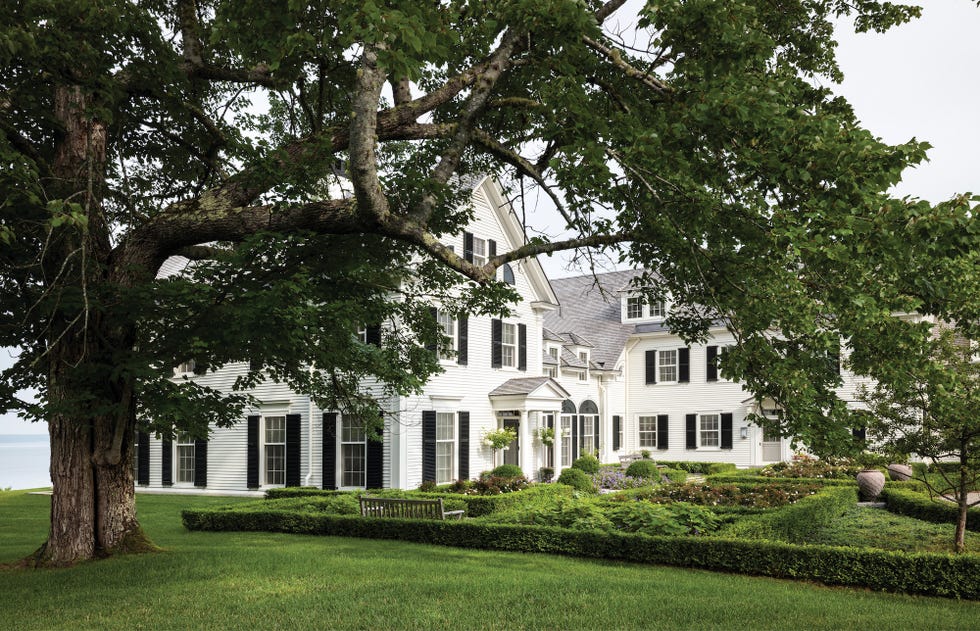
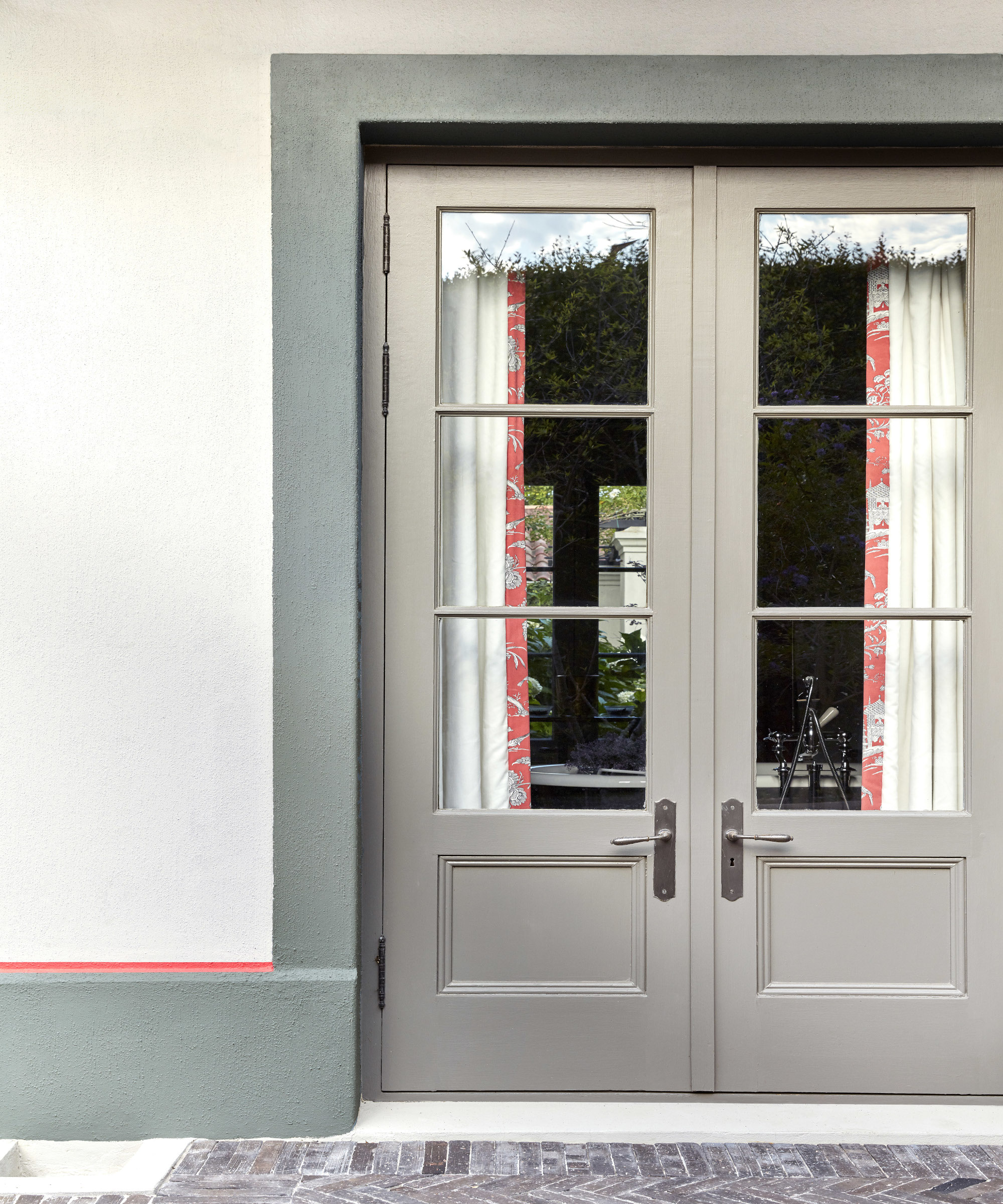
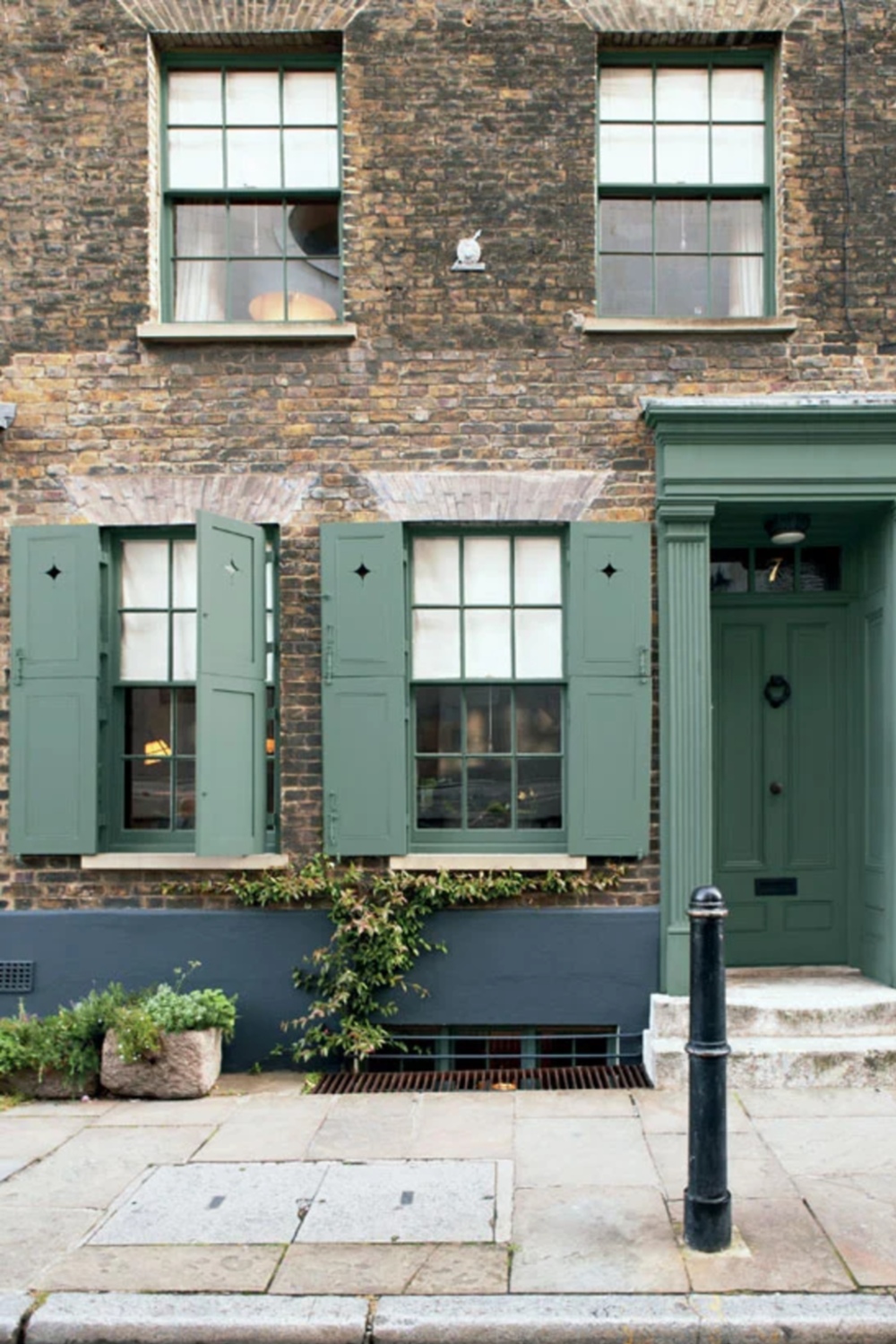
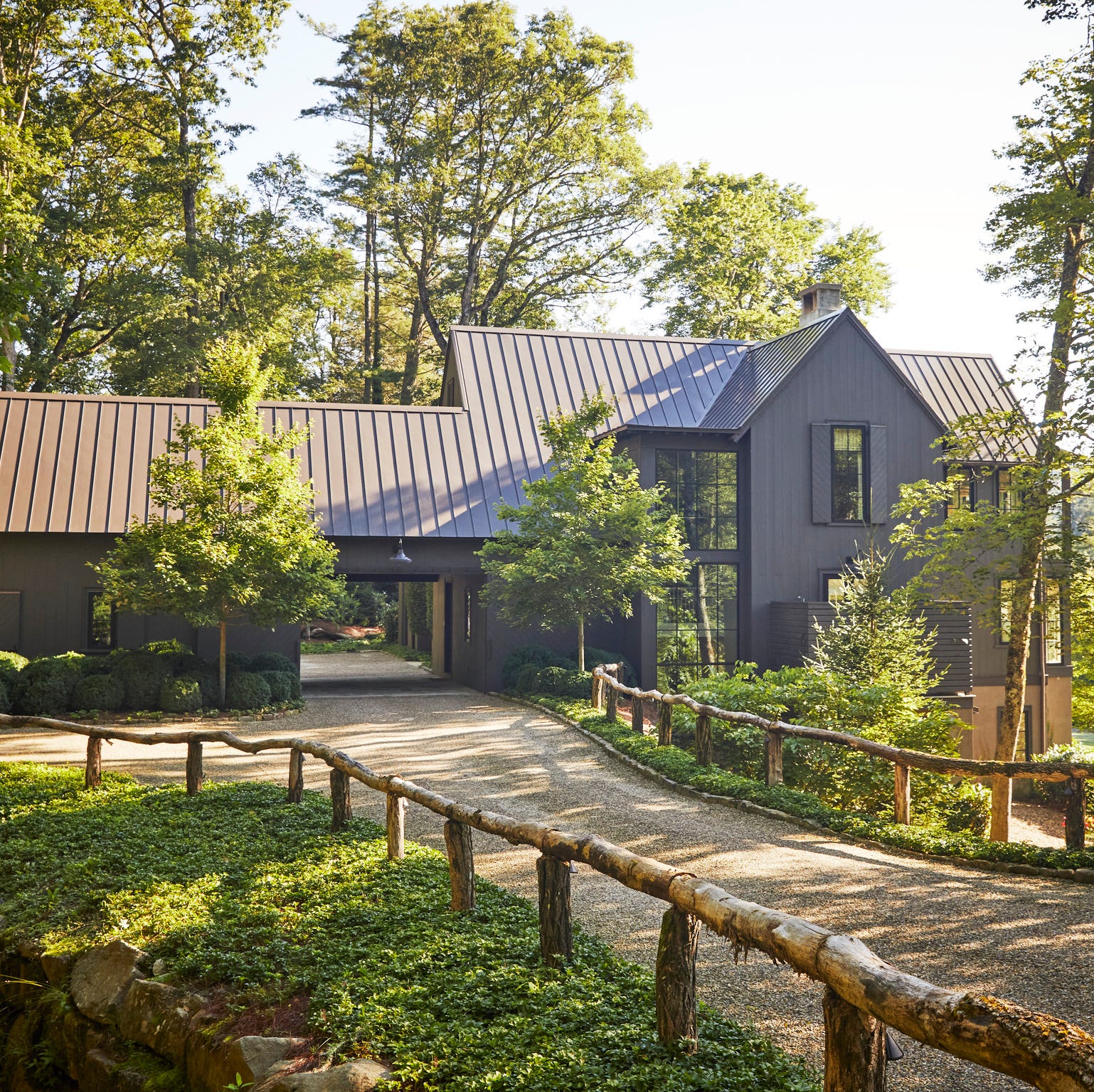
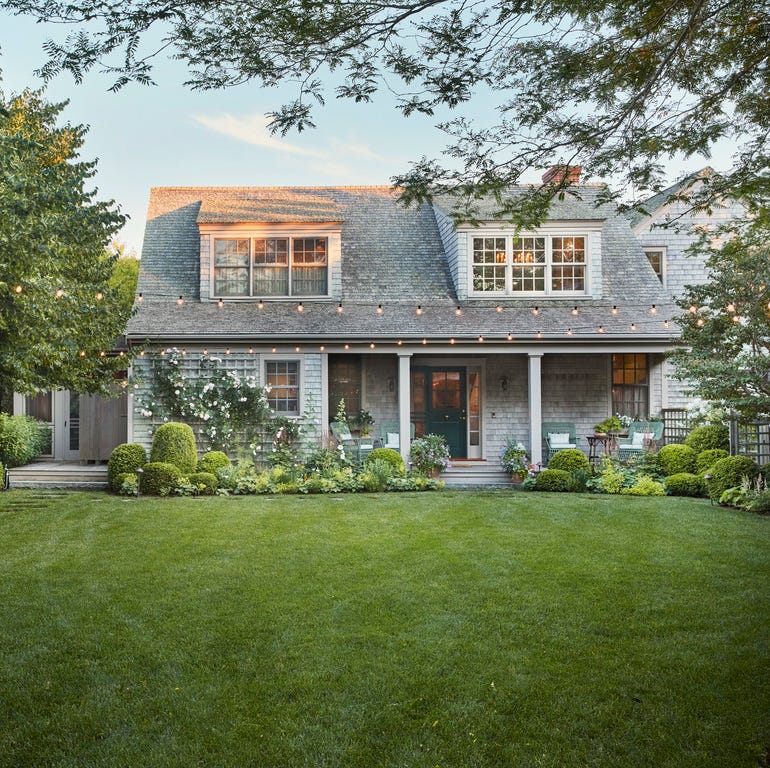
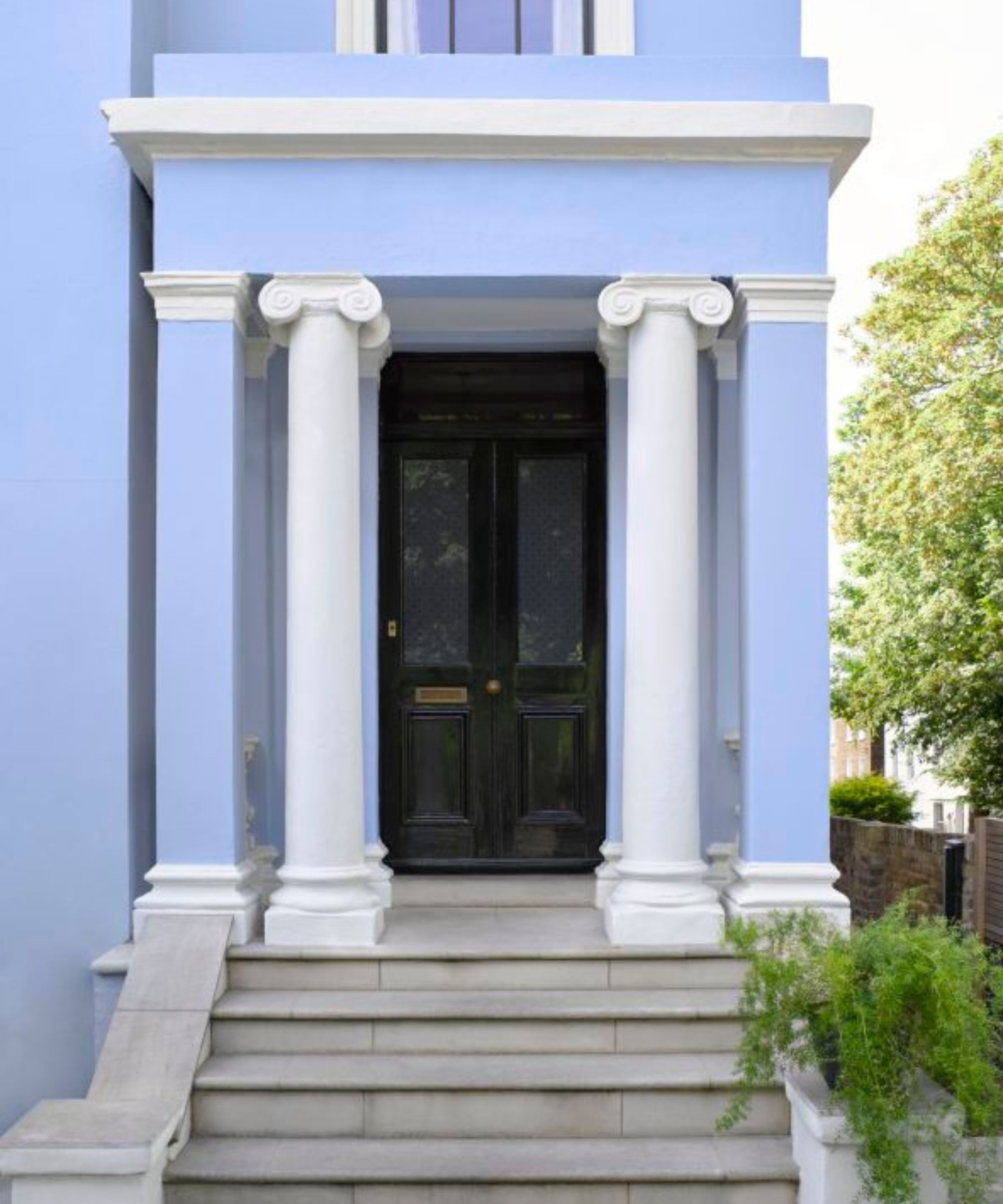
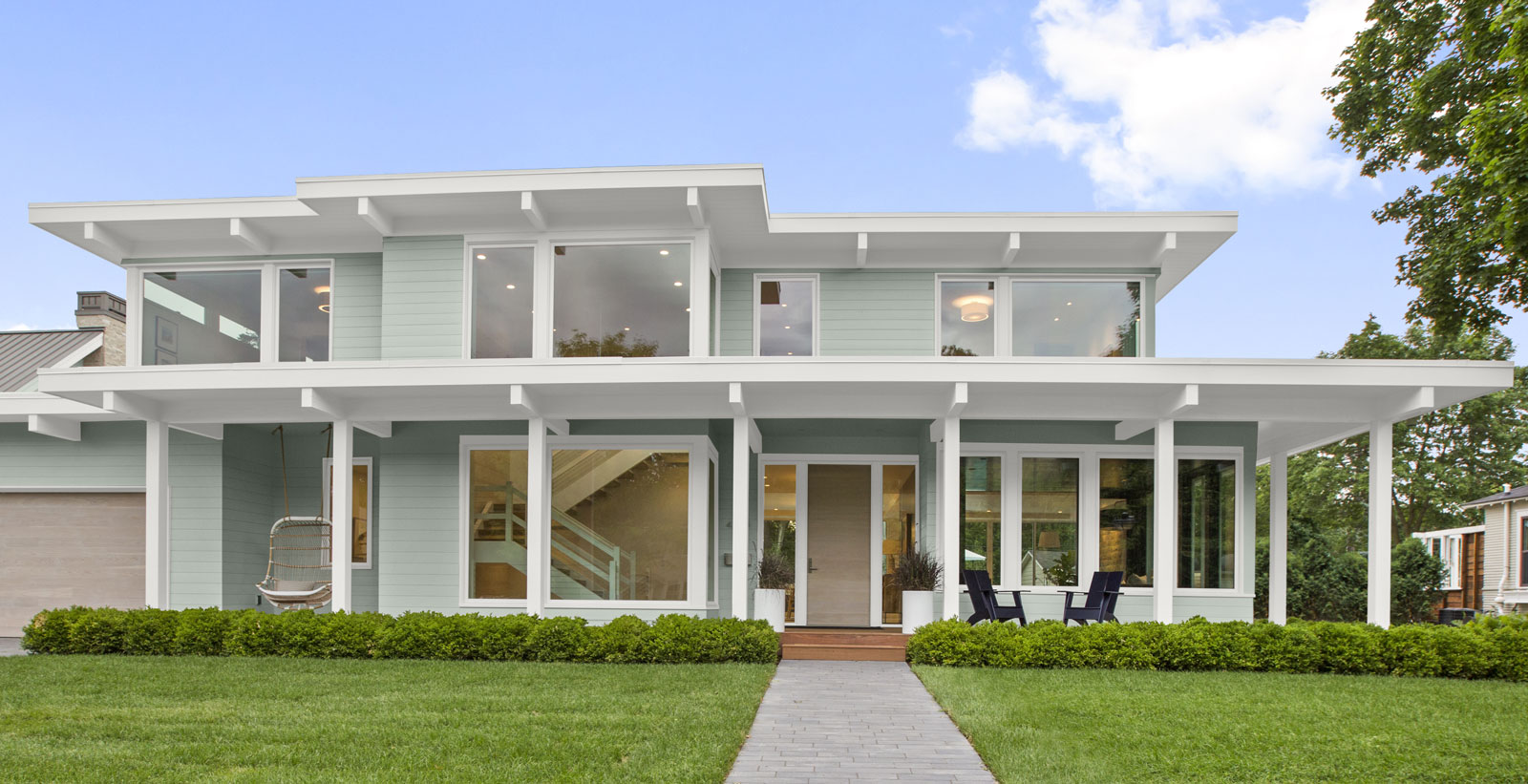
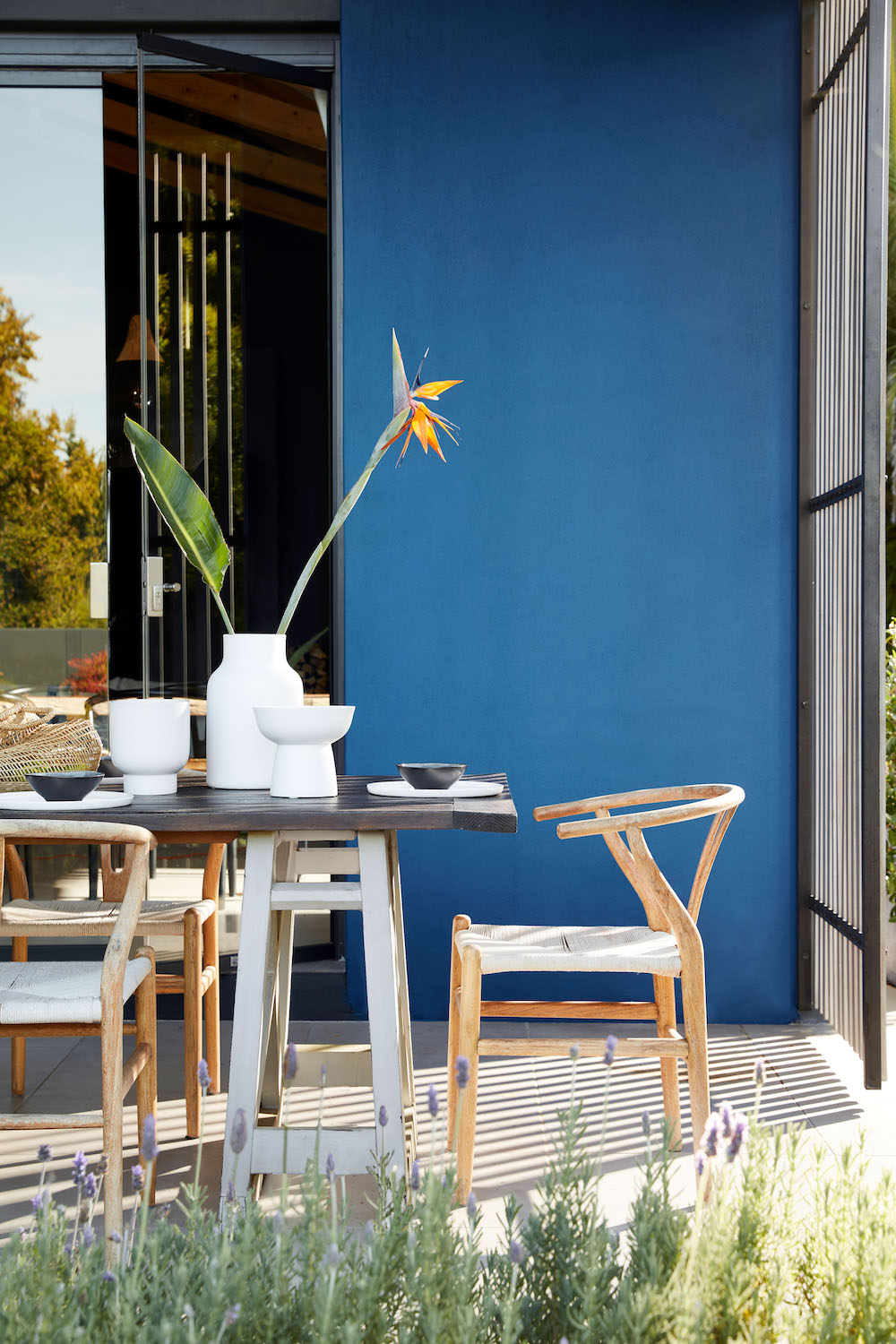
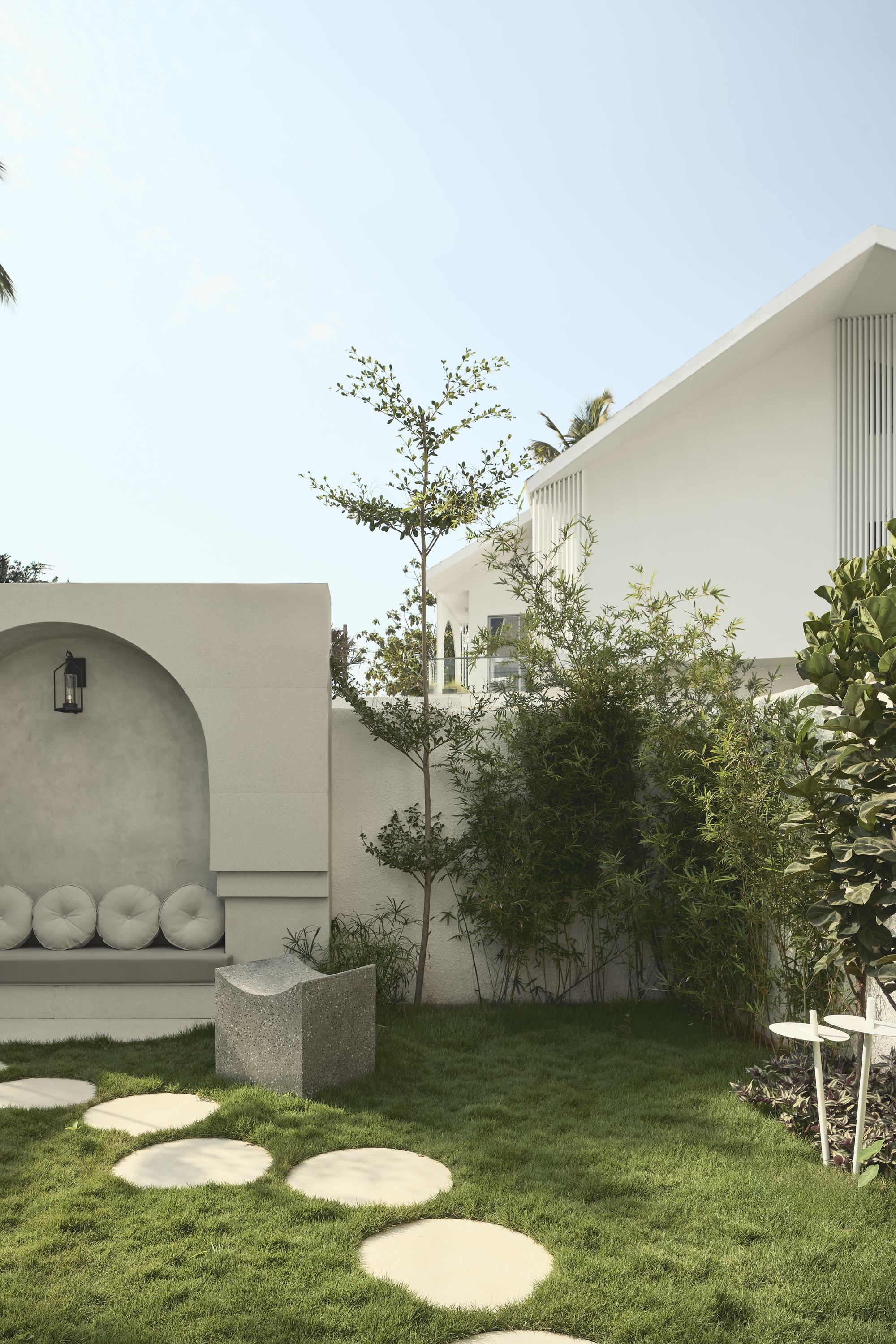
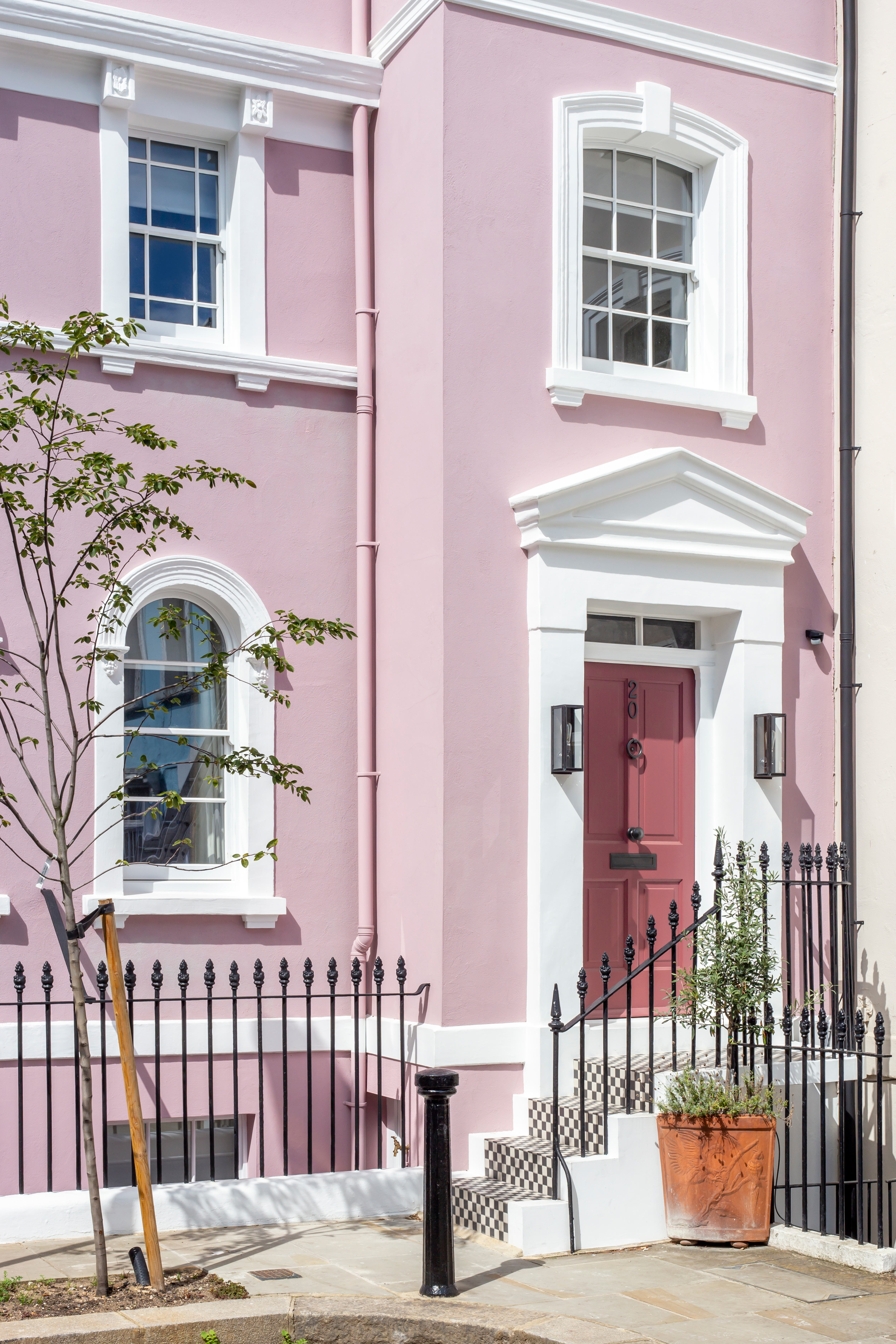
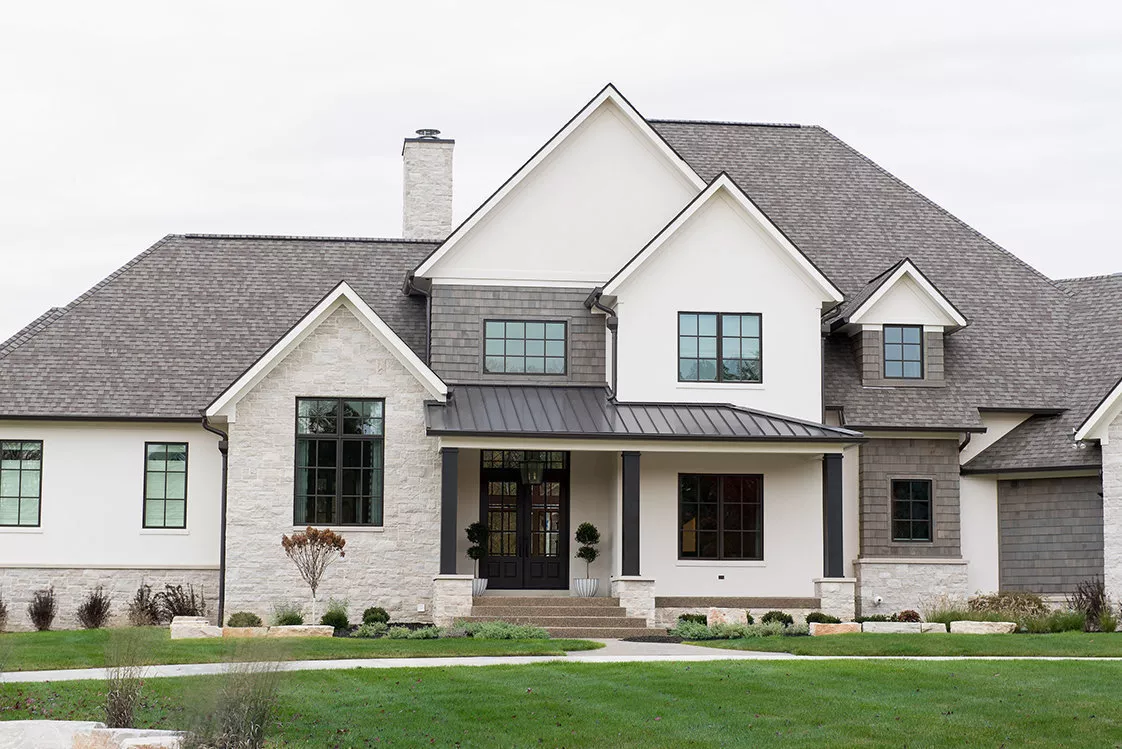
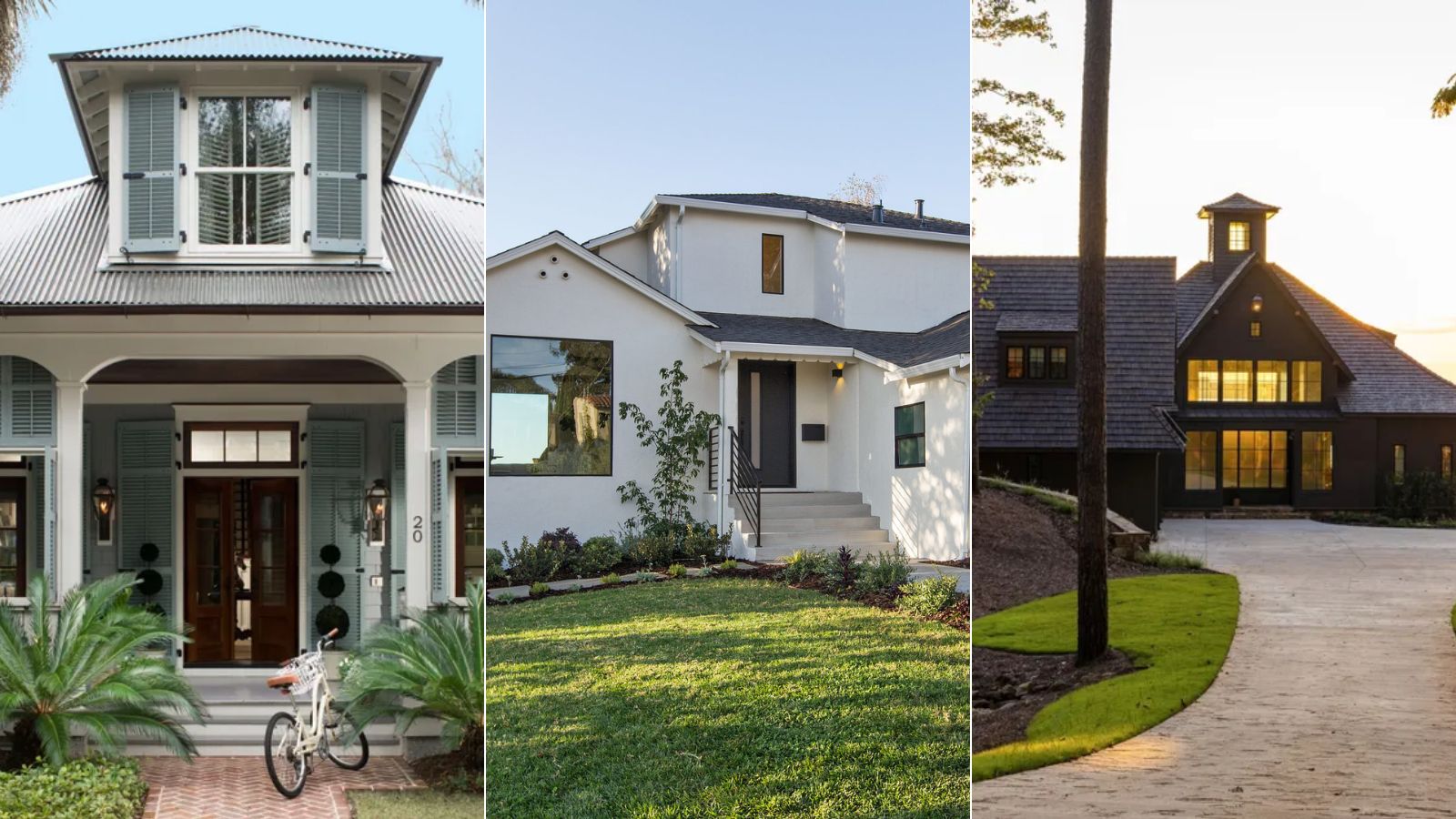
Selecting the right exterior paint for a home is a crucial decision, as it forms the first impression and significantly impacts its aesthetic appeal. Designers emphasize a multi-faceted approach to avoid costly mistakes and ensure a timeless, well-integrated look. One primary consideration involves deciding whether the home should stand out or blend into its surroundings. For a prominent appearance, designers often opt for light colors like white or light gray that reflect natural light. Conversely, to help a house recede into the landscape, darker hues such as greens, blacks, and grays are preferred, as they absorb light. This decision is influenced by the architectural style and the desired relationship between the house and its environment.
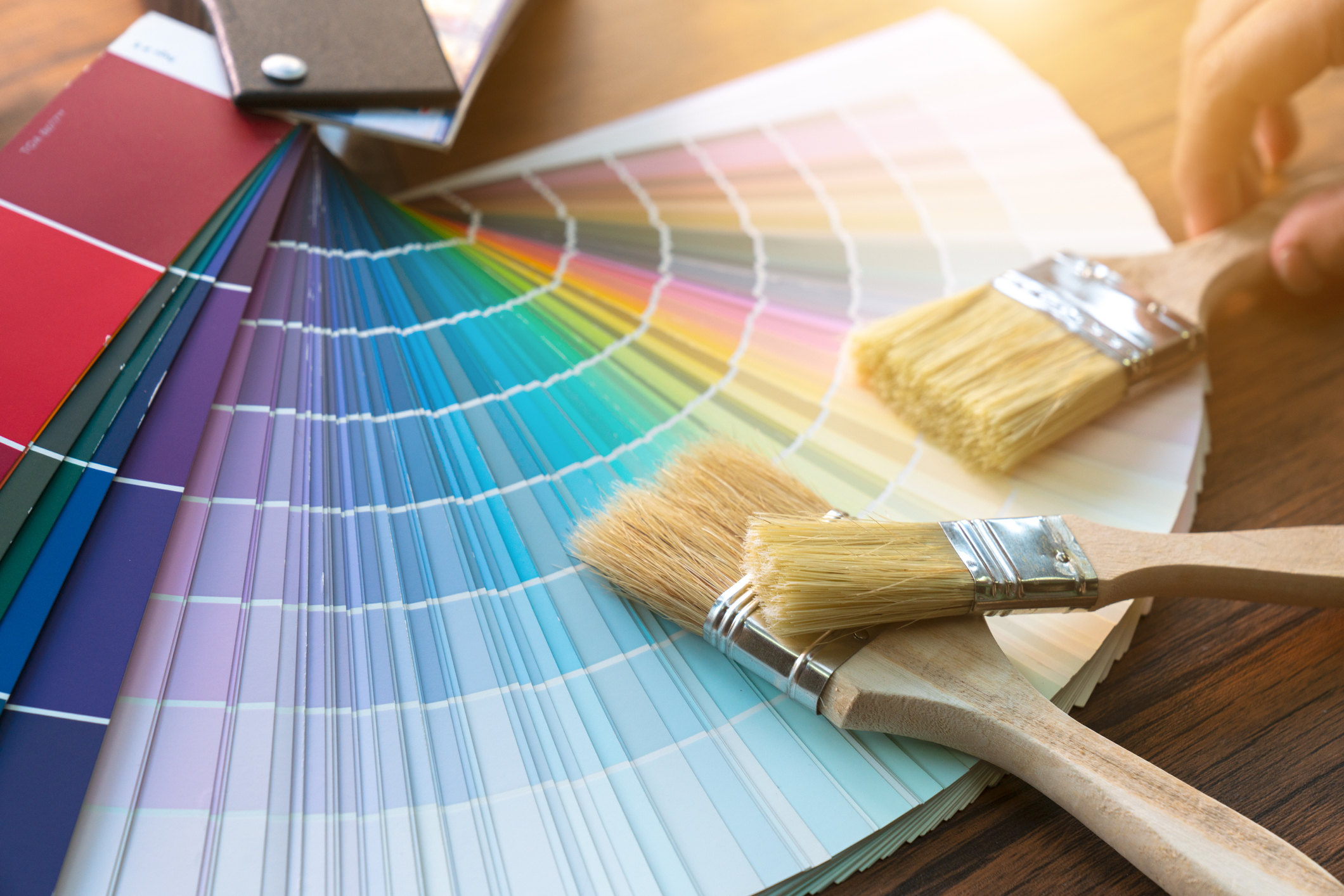
A critical step in the selection process is rigorous color sampling. Designers universally recommend testing paint samples on the actual exterior walls, observing them at various times of the day, and under different weather conditions, including sunny and overcast days. This is because light and shadow can dramatically alter how a color appears, revealing unexpected undertones. Specific colors, such as blues and greens, are particularly prone to changing appearance with seasonal variations, like the presence or absence of snow, making year-round observation valuable. Therefore, understanding how a chosen color performs in different lighting scenarios is essential.
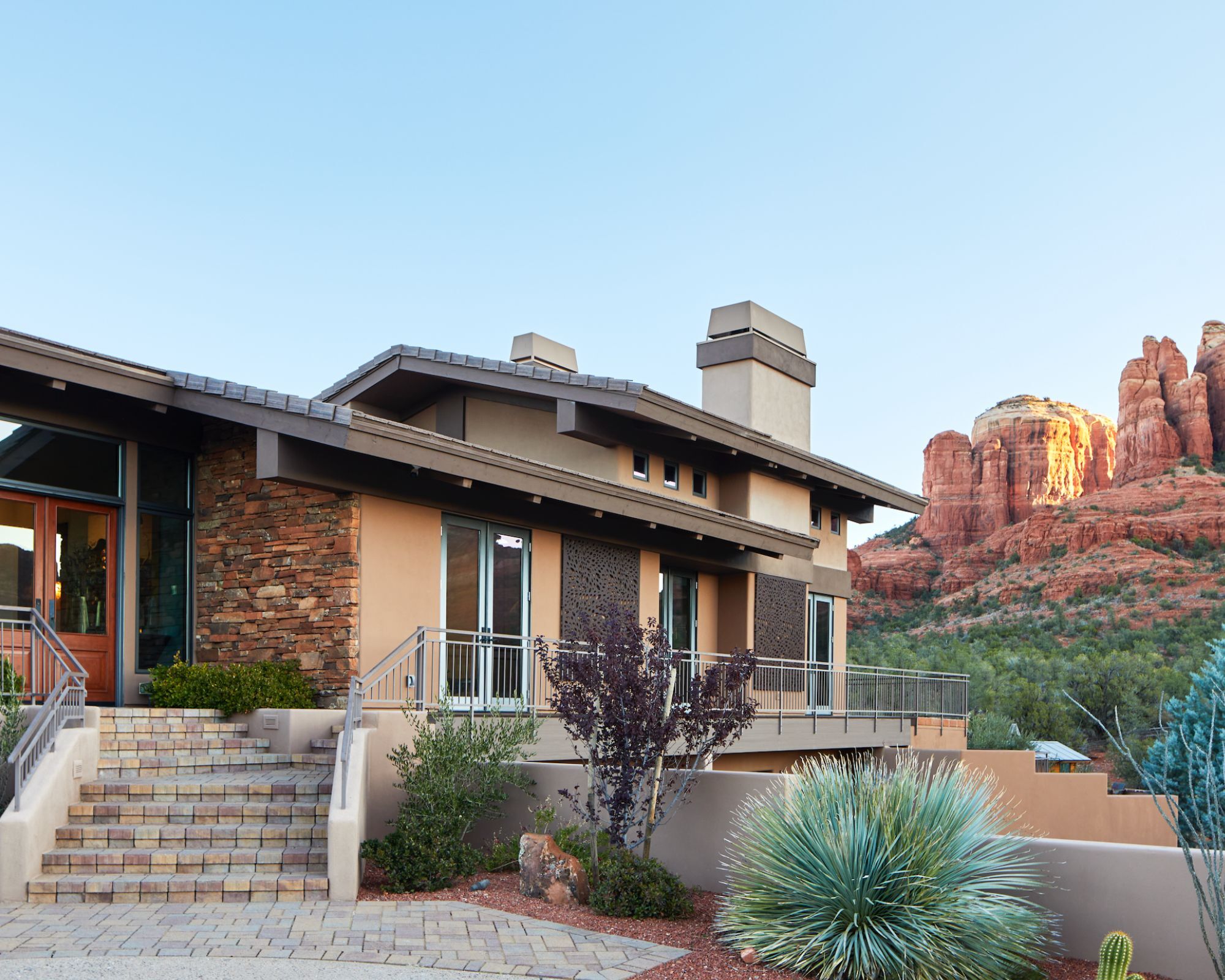
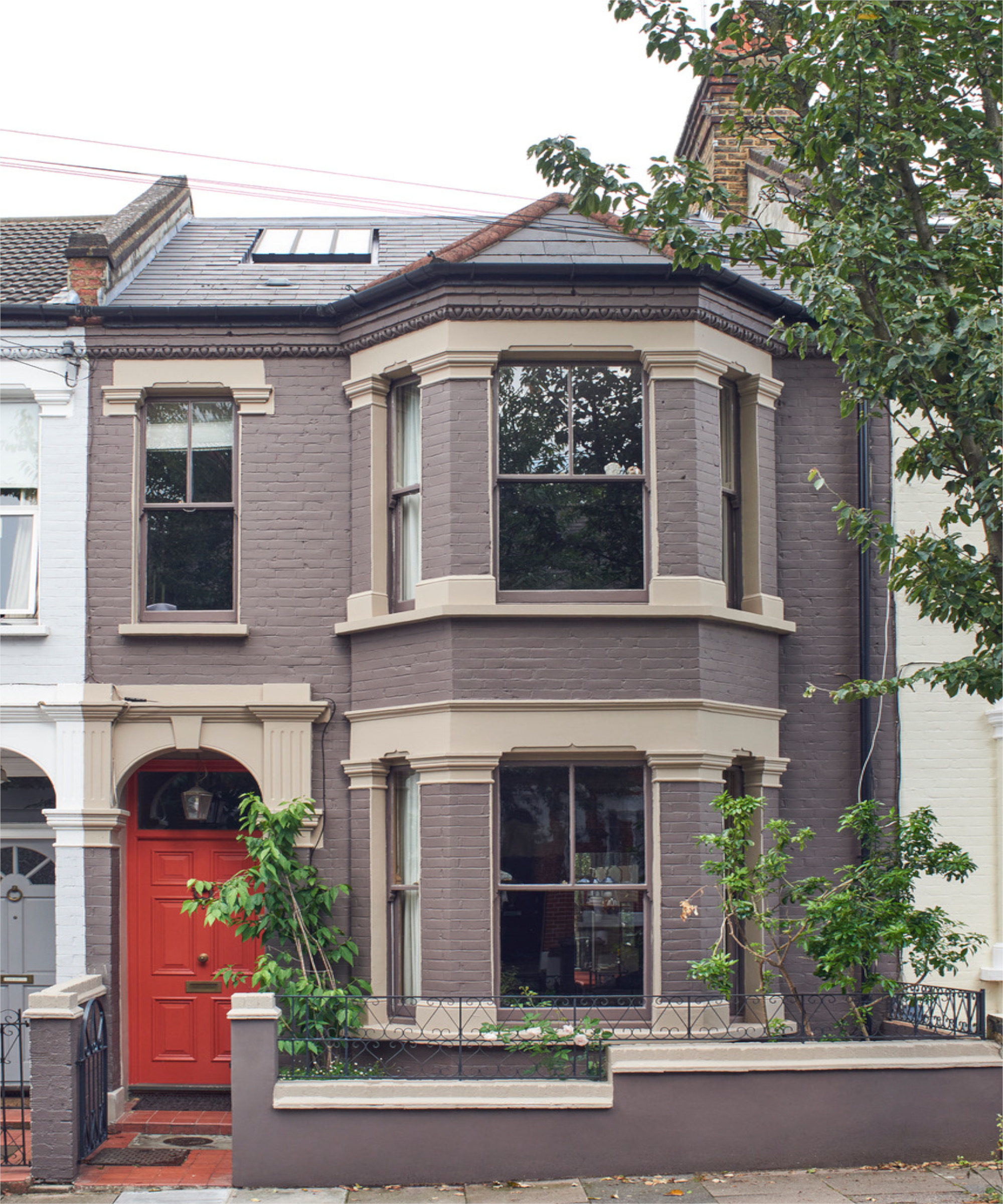
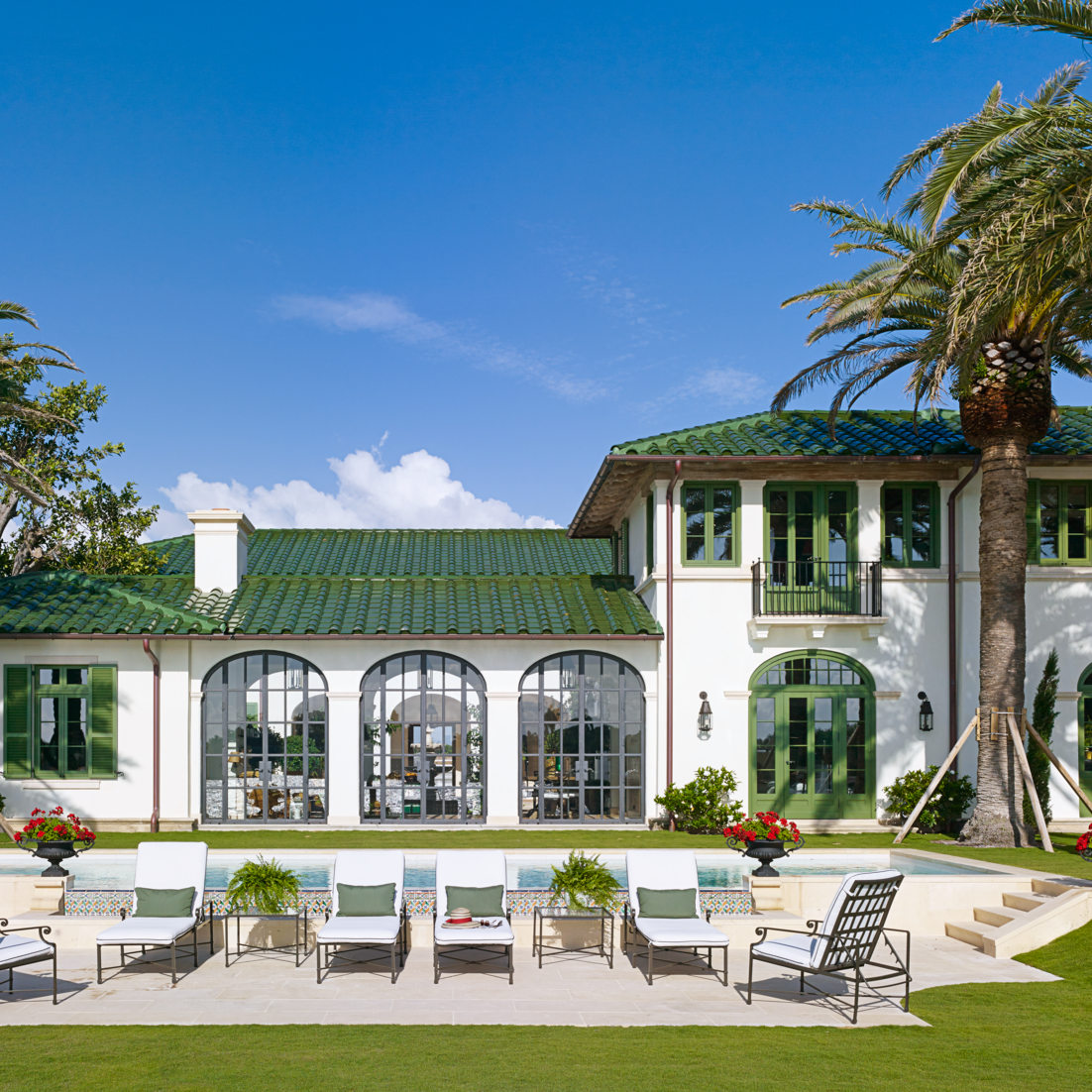
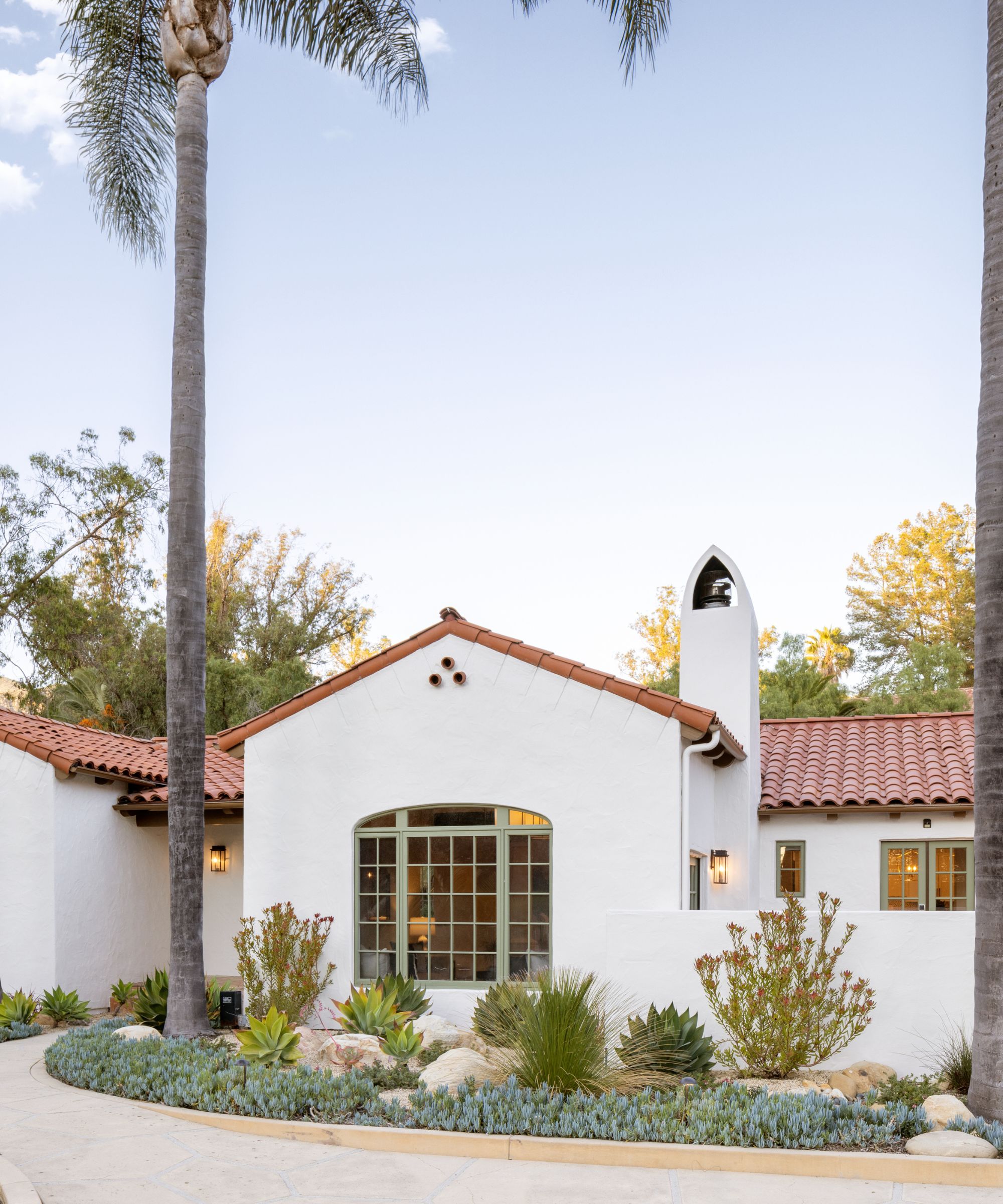
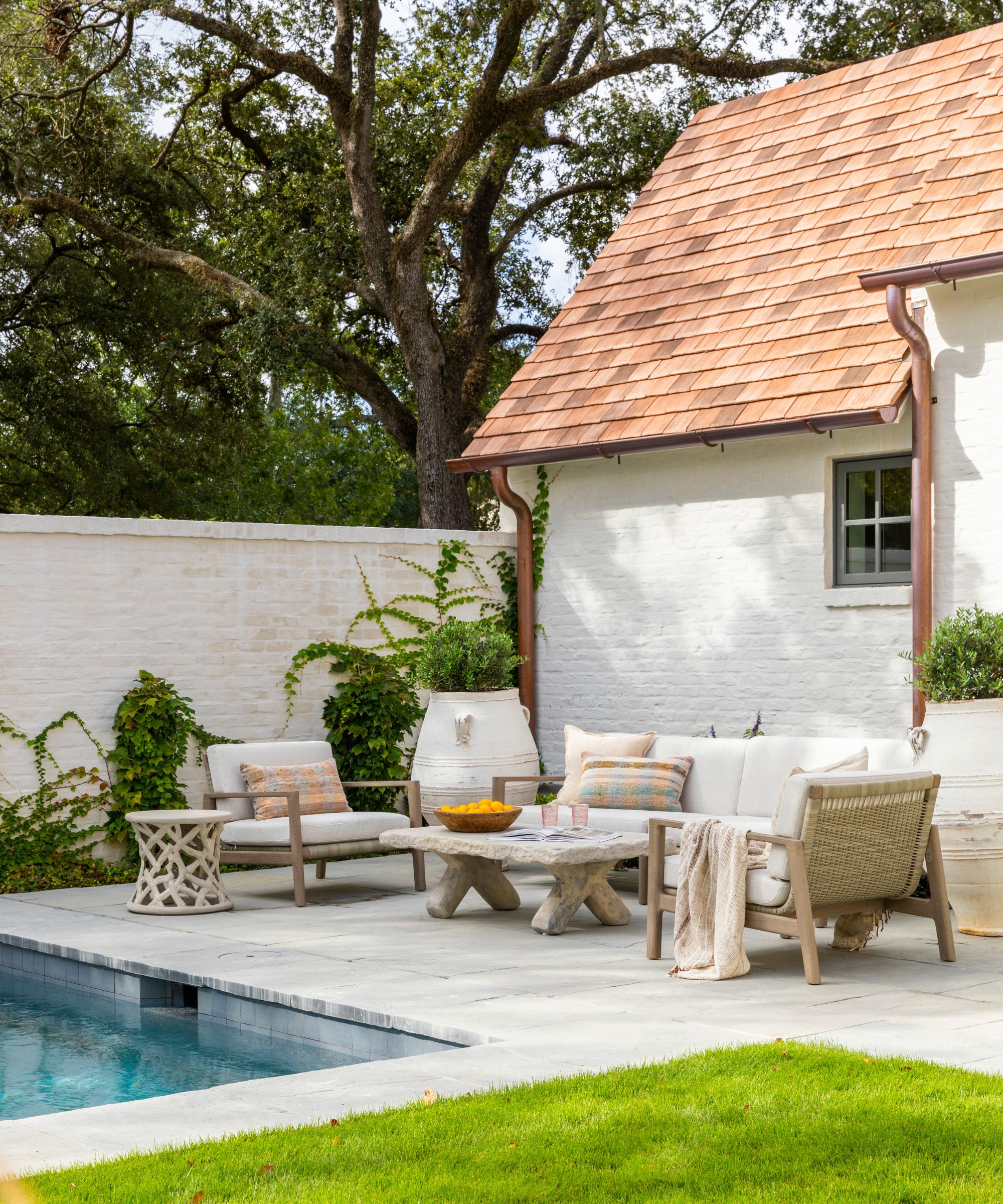
The durability and longevity of the paint choice are also significant factors. Since repainting a home's exterior is a substantial undertaking, selecting a color that withstands diverse weather conditions and ages gracefully is important. This consideration extends to the existing building materials of the house. Designers suggest integrating the paint color with unpainted elements like roofing tiles, stone, or stained wood. This approach allows for the creation of a cohesive palette, either through rich contrasts or complementary tones, similar to how an interior space is designed.
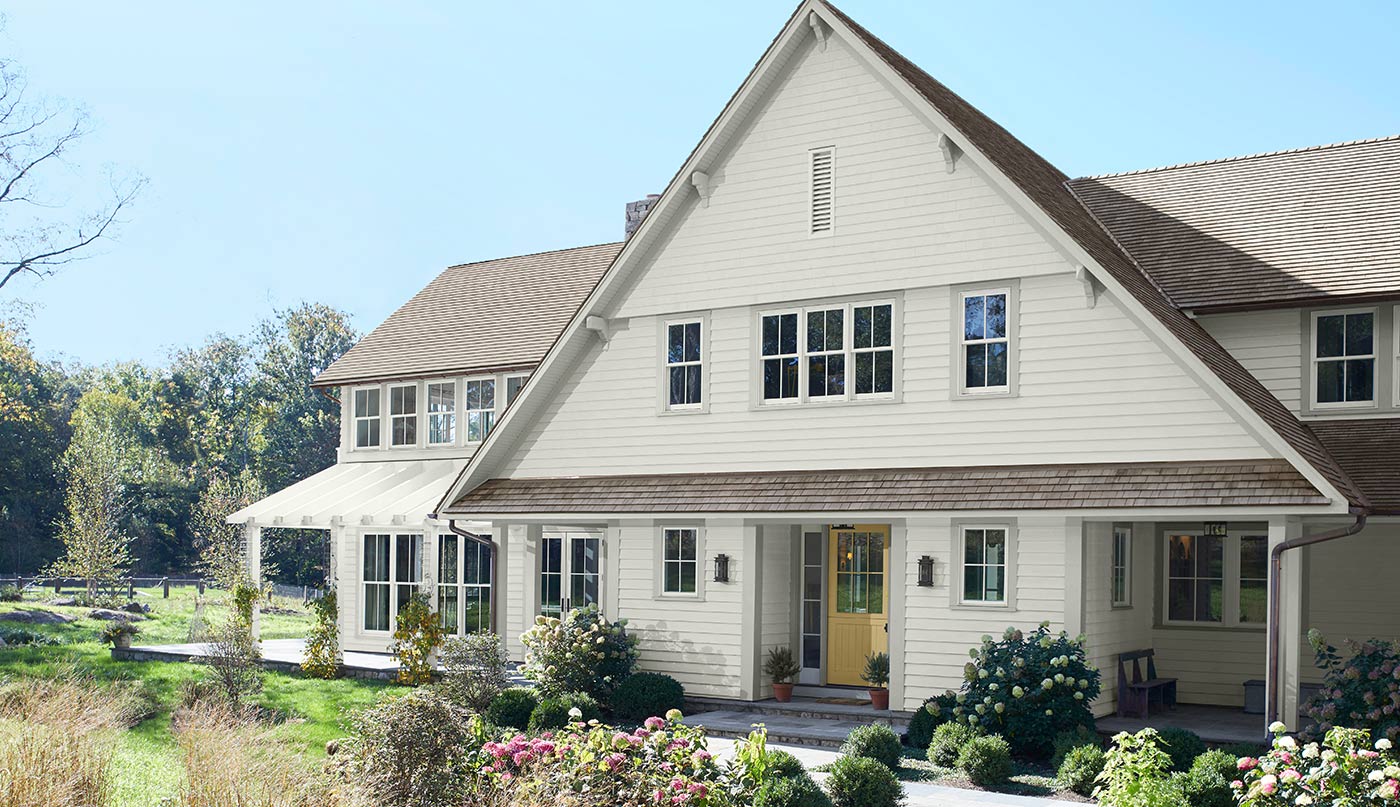
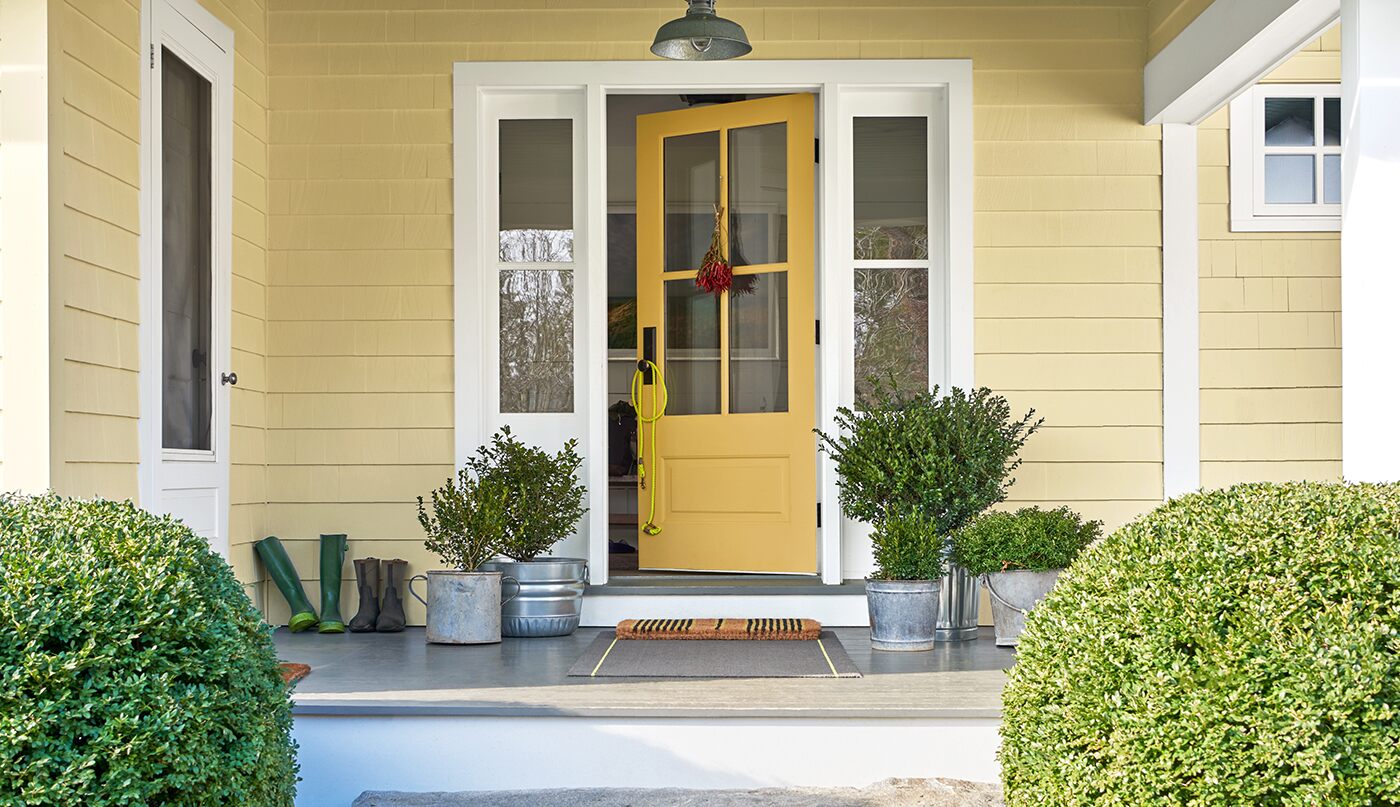
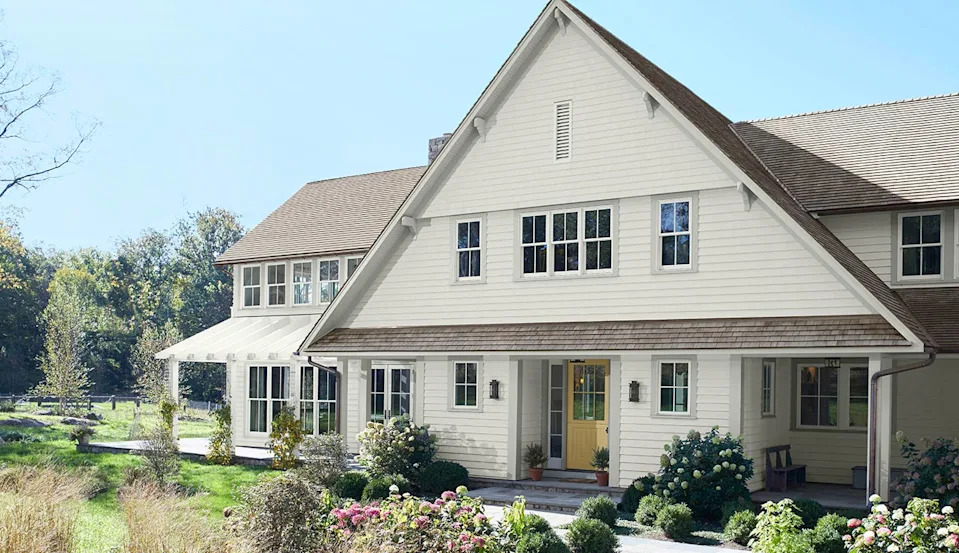
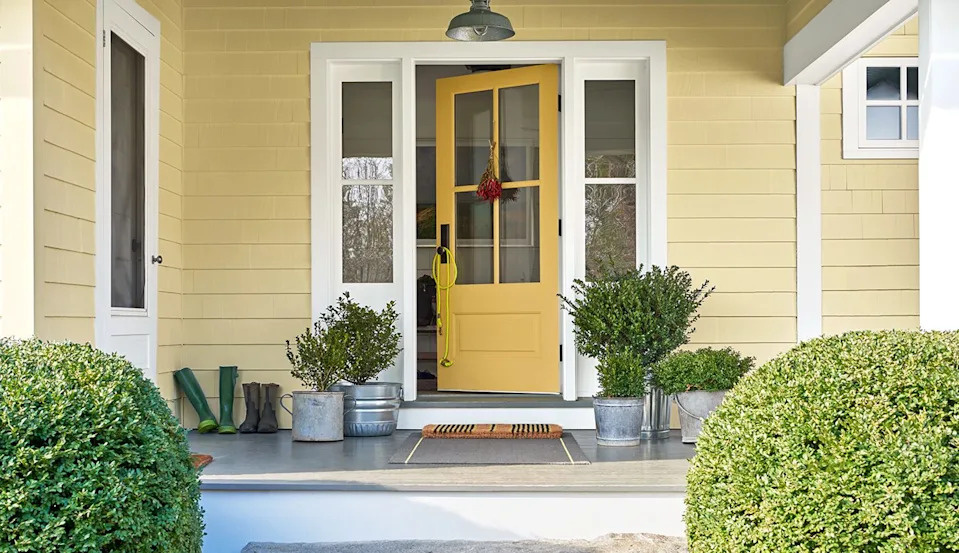
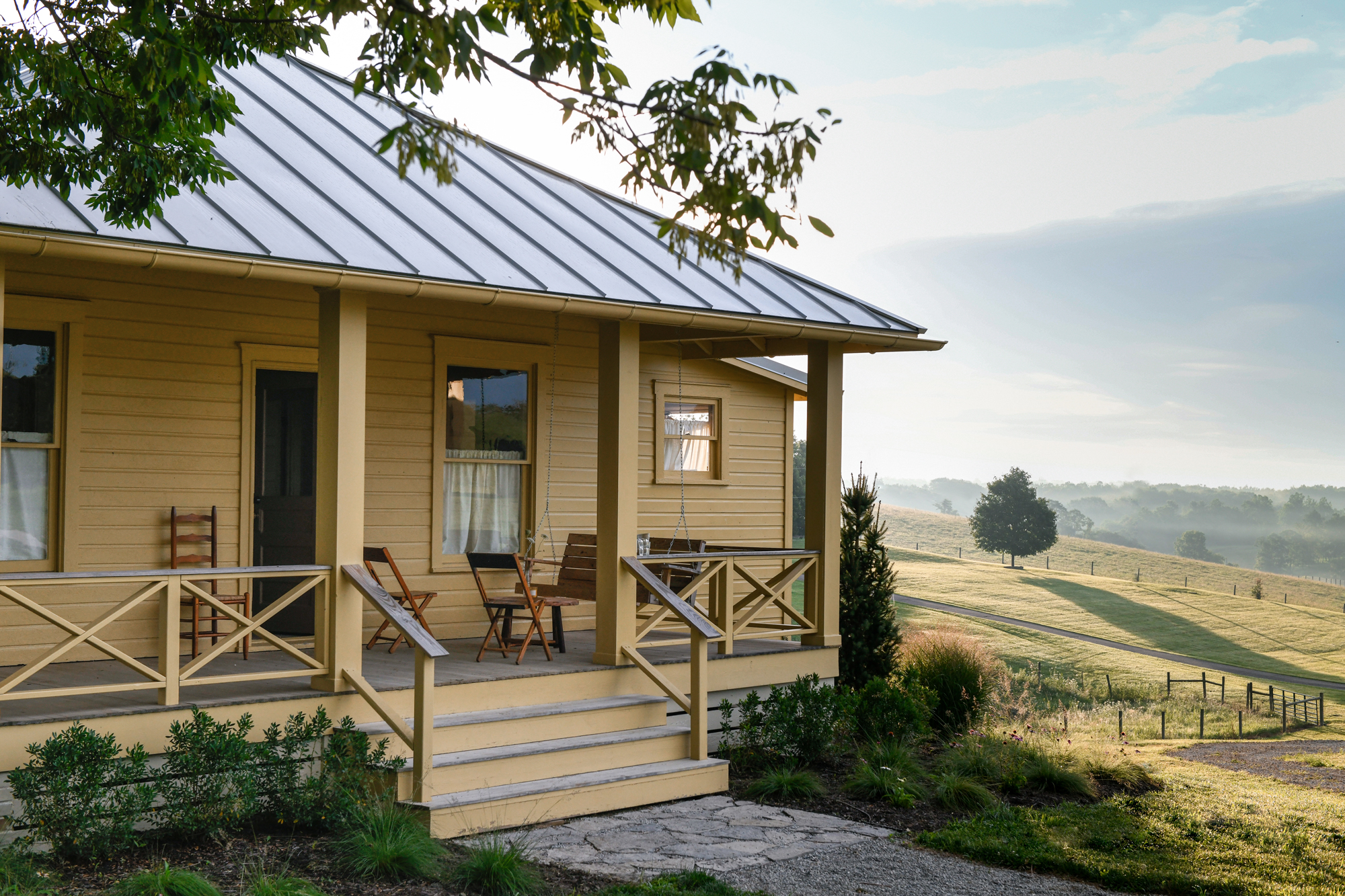
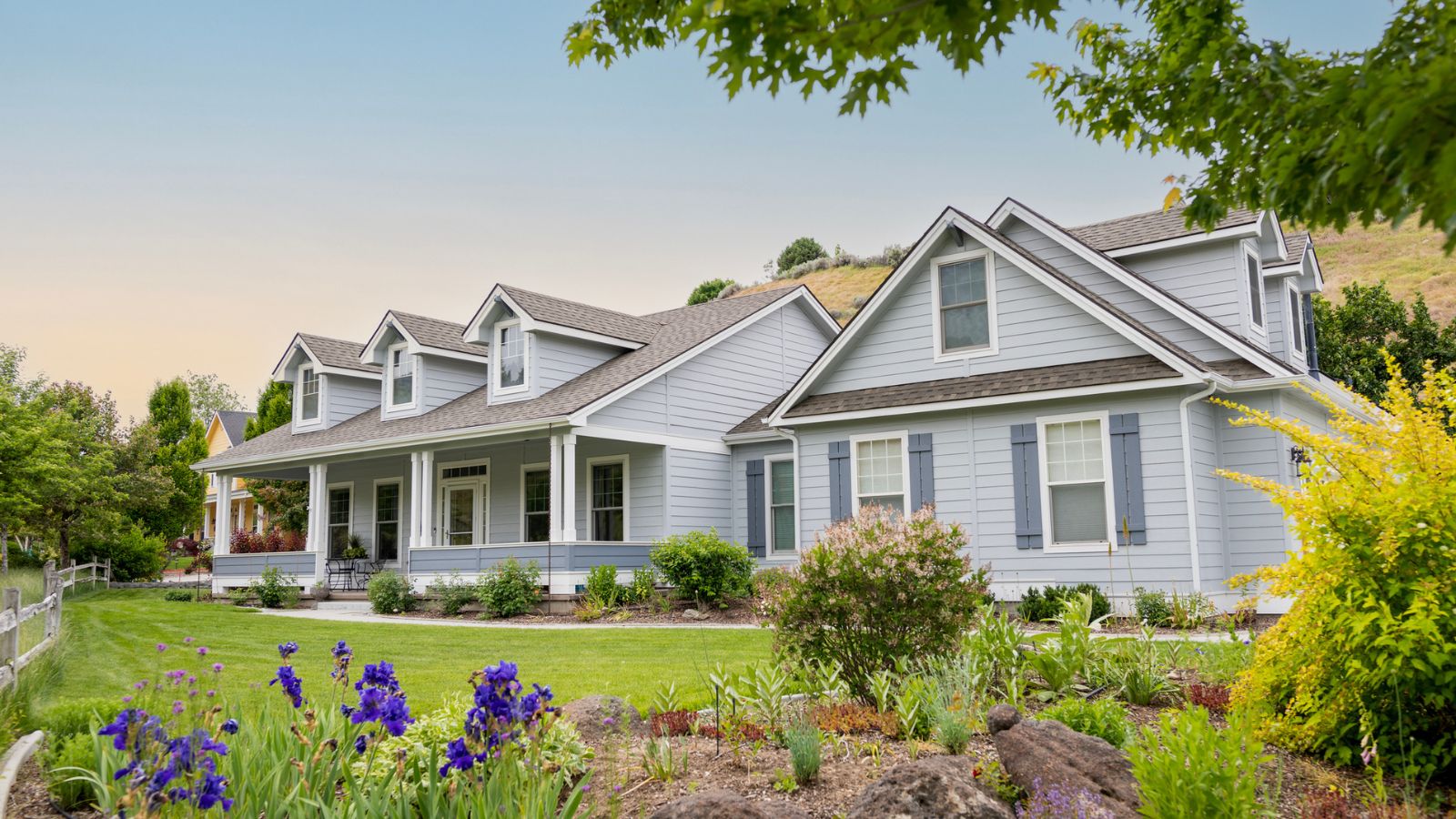
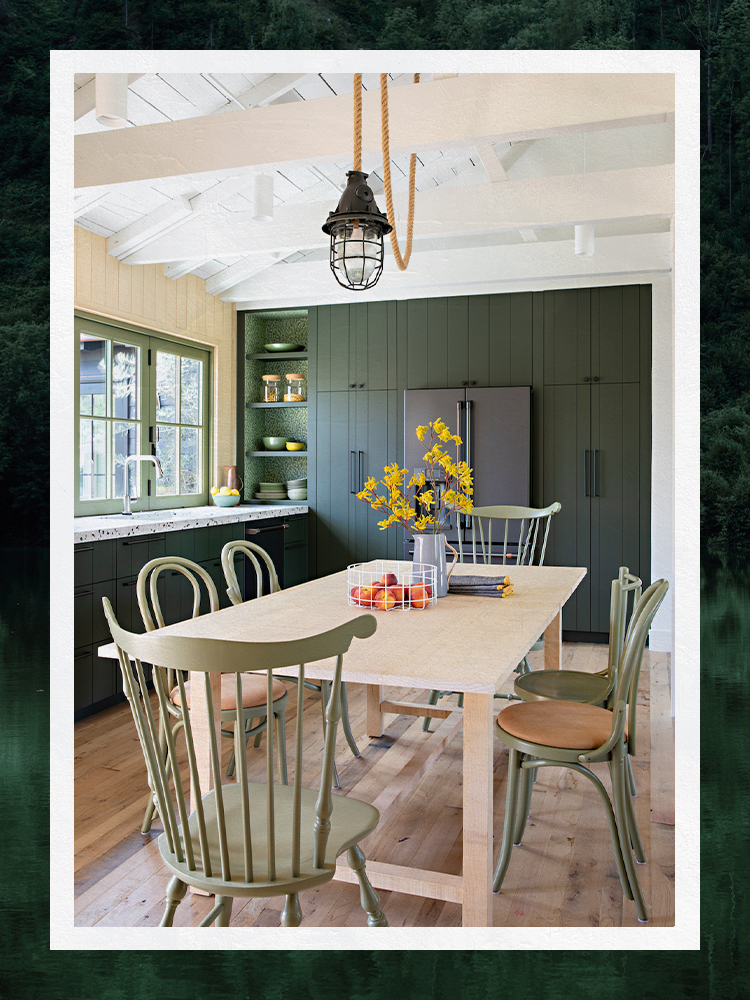
Furthermore, the surrounding environment plays a pivotal role in exterior paint selection. Designers often strive to choose colors that are sympathetic to the local landscape, incorporating tones seen in the area's natural elements or neighboring properties. This sensitive approach ensures the home harmonizes with its placement. For example, a house surrounded by forests and a lake might benefit from an inky green that complements both the summer foliage and cool water tones. Alternatively, a property set in fields of wildflowers could inspire a buttery yellow scheme that ties the house to its natural setting.
Finally, designers stress the importance of taking a holistic view. After considering individual elements like light, shadow, surroundings, and materials, it's vital to step back and assess the property as a whole. This involves evaluating how the chosen color accentuates the home's best features and interacts with its overall look. Many designers recommend having painters mock up samples on a larger scale to better understand the effect of light, shadows, and the interplay with various building materials, ultimately ensuring a well-considered and enduring exterior design.
#ExteriorPaint #HomeDesign #ColorSelection #DesignTips #ArchitecturalHarmony #SamplingPaint #Durability #LandscapeIntegration #ExteriorPaint #HomeDesign #ColorSelection #DesignTips #ArchitecturalHarmony #SamplingPaint #Durability #LandscapeIntegration
0 comment in total
 No comments yet
You may also like
6 Best Exterior Paints for Your Home, According to Experts

How to choose the best exterior paint for doors and windows

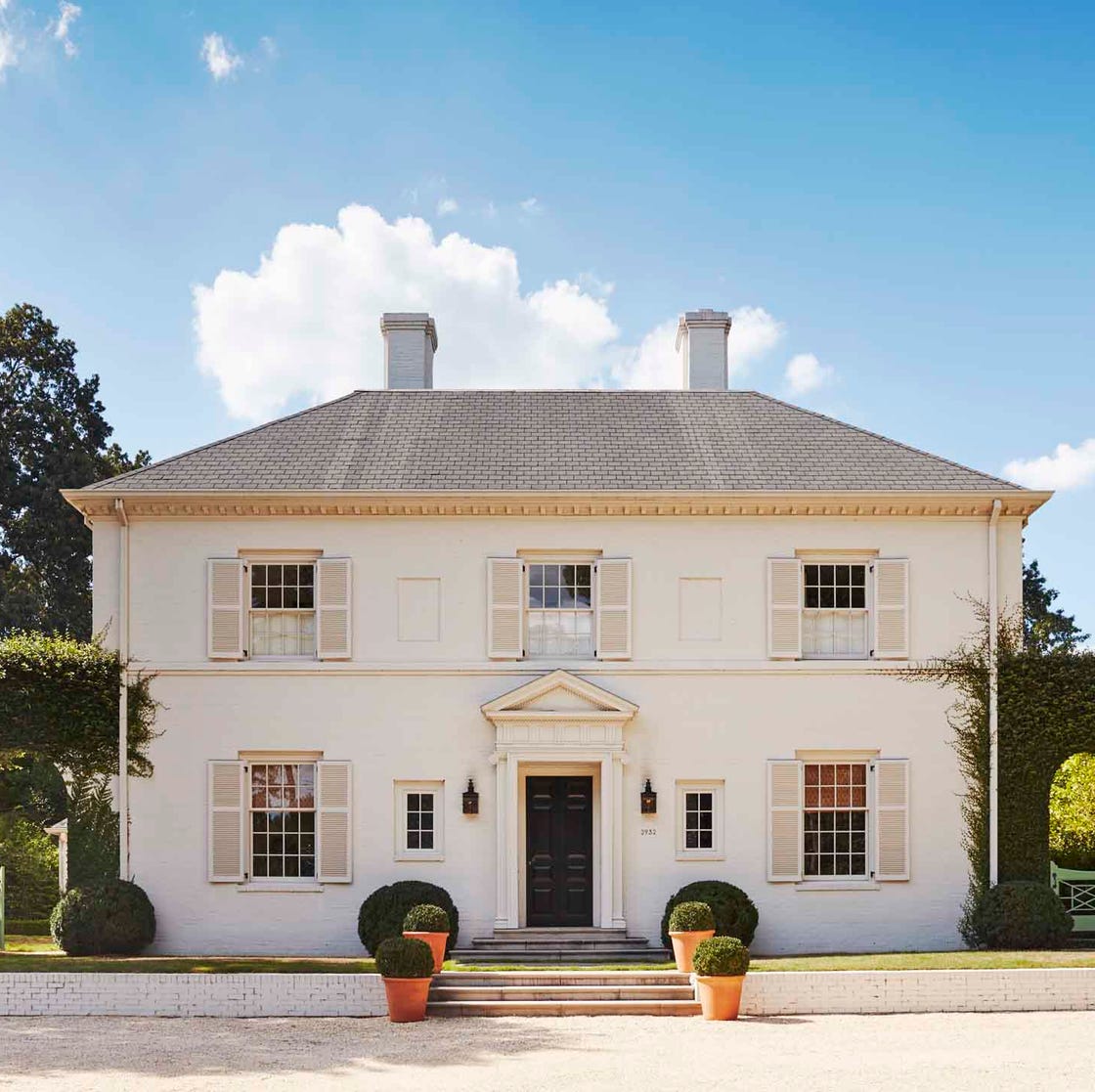
8 Exterior Paint Colors That Make Your House Look More Expensive, According to Designers

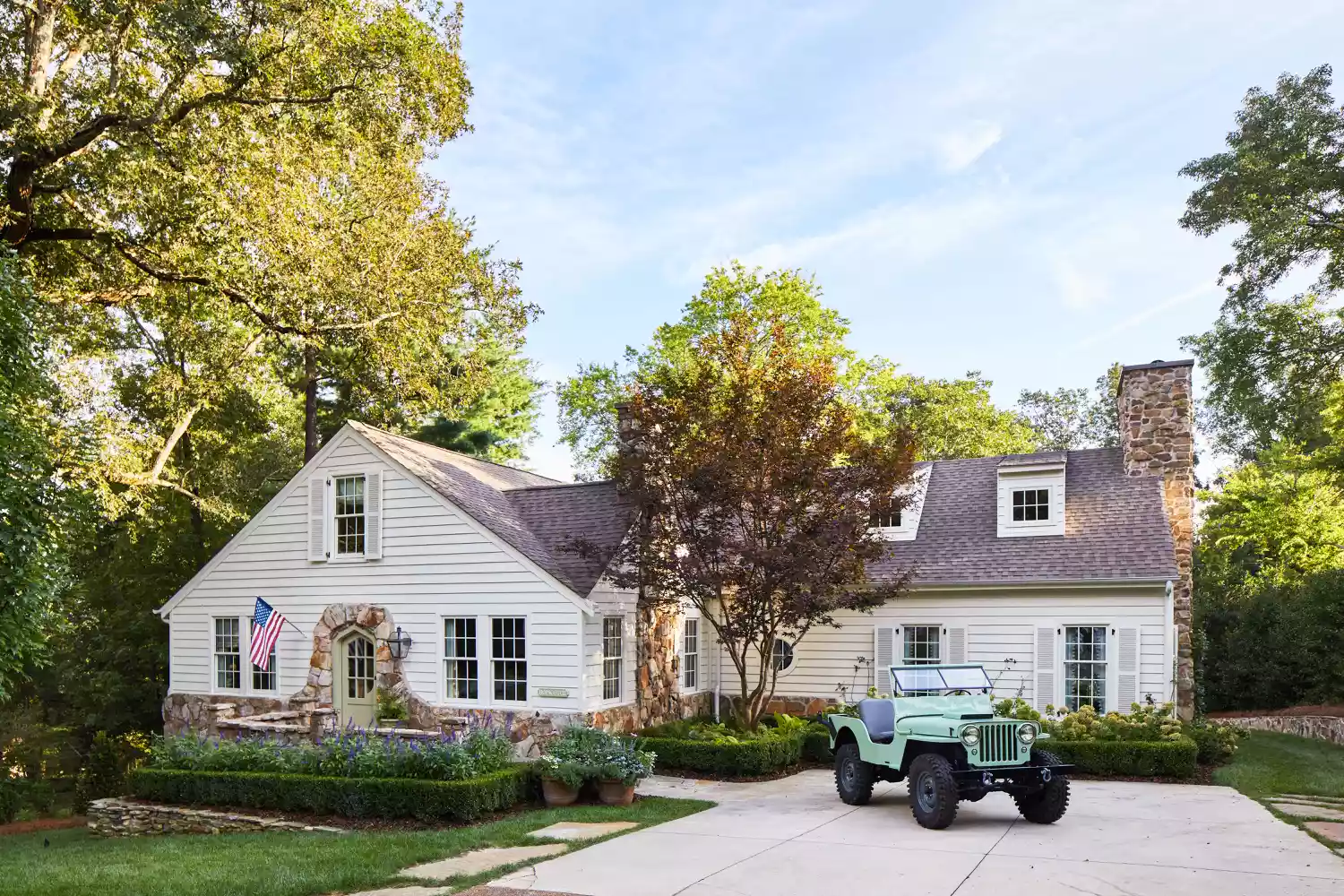
The Best Exterior Paint Colors, According To Designers
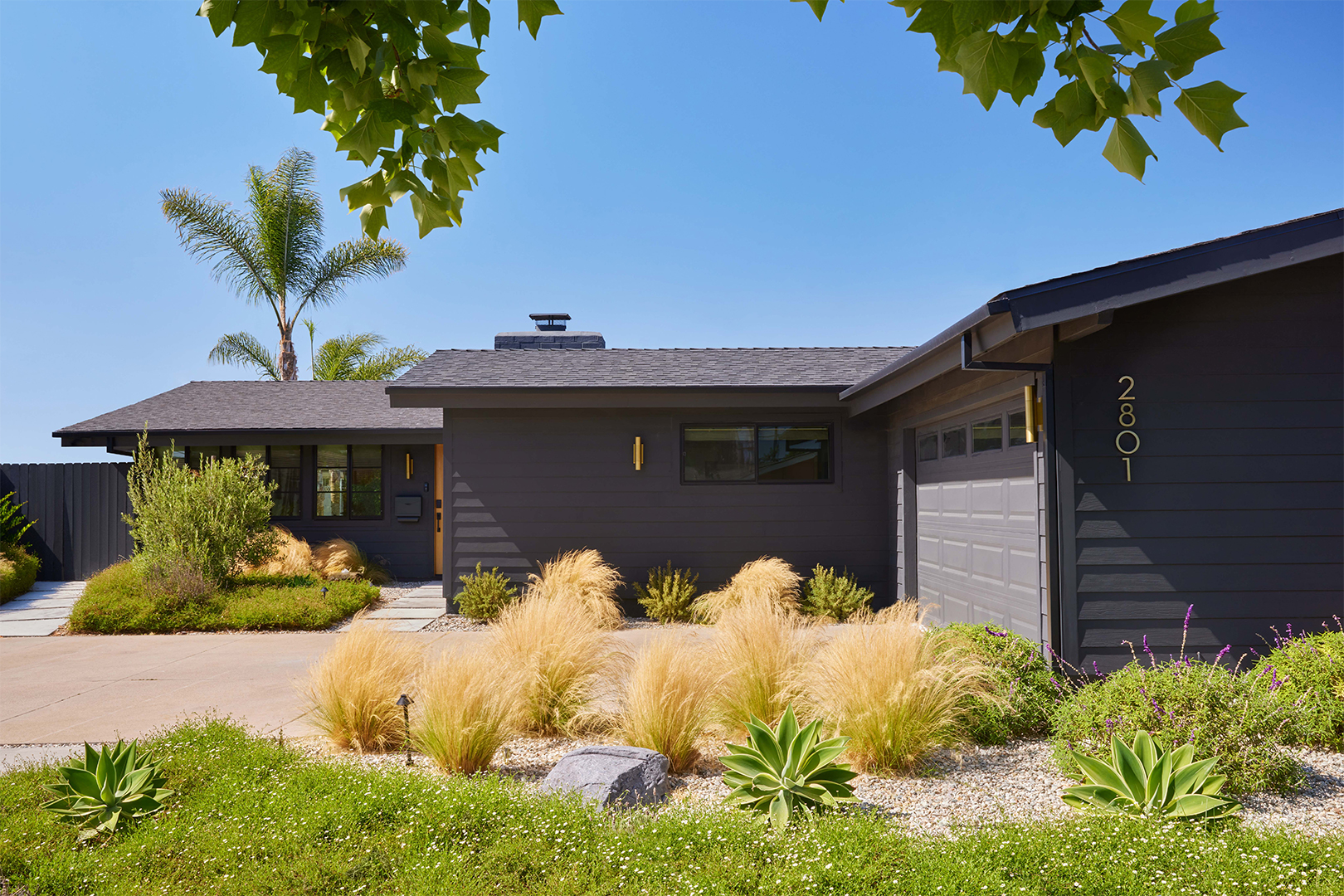
The Best Exterior Paint Colors Designers Have Ever Used

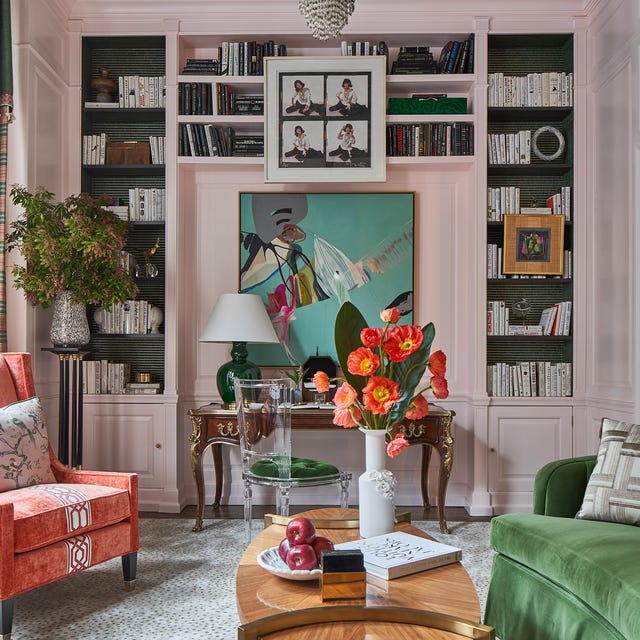
An A-List Designer’s Secrets To Picking Perfect Paint Colors

9 Tips for Choosing Exterior Paint Colors

Britain's best interior designers on the paint colours you just can't go wrong with
10 of the best exterior paint colors according to designers – these are the go-to shades from tried and trusted brands
Professional Tips on Exterior Paint for Your Home

11 best colors for the exterior of your home, for a classic look year-long as suggested by experts
How to Pick the Best Paint Colors for Every Space in Your Home

6 tips for picking the perfect exterior paint color for your home

Designers Share Their Tried-and-True Shades From the Best Interior Paint Brands
The Best Exterior House Paint Colors for Hot and Cold Climates

5 Exterior Paint Mistakes to Avoid If You Don't Want Your House to Become the Worst-Looking on the Street
Here's What Colorists Want You to Know About Picking House Paint
Interior Paint: A Guide to Buying the Best Paints for Your Home

The Best Exterior House Paint Colors for Hot and Cold Climates

Four Designers Pick Their Fave Exterior Paint Color For Your Abode