1/9
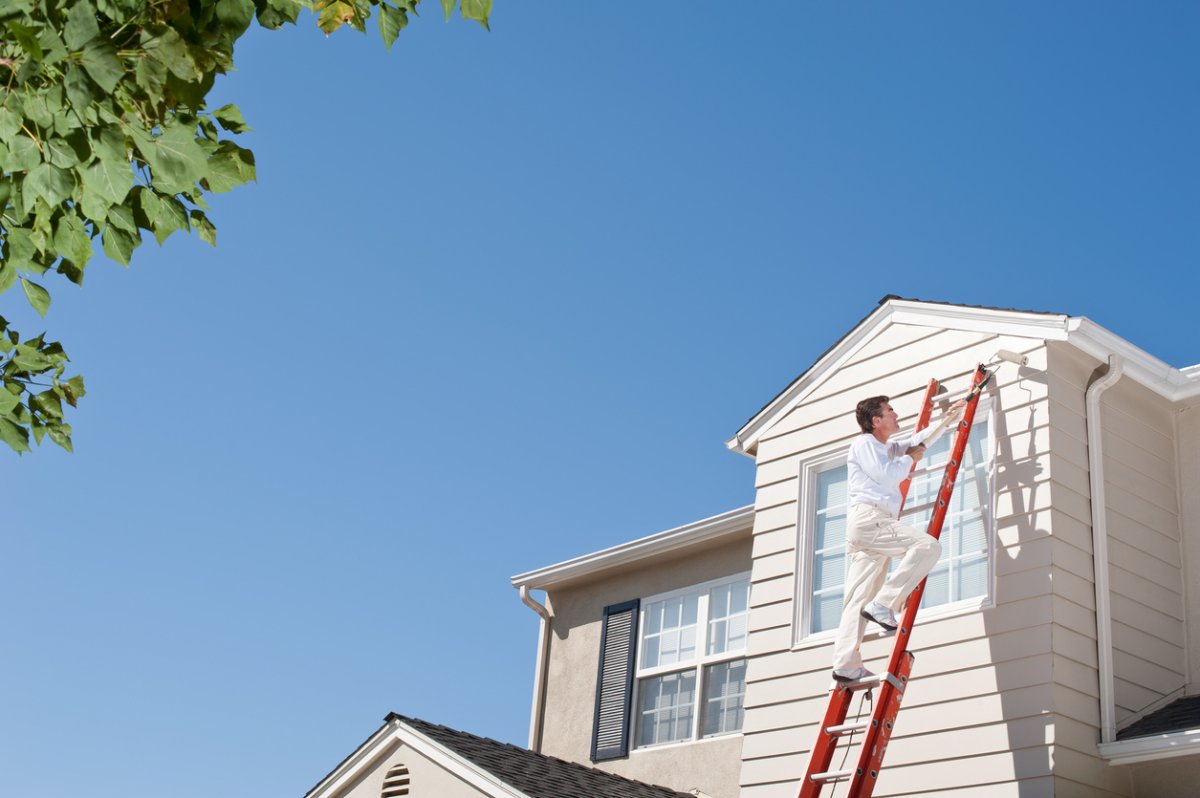
The Best Exterior House Paint Colors for Hot and Cold Climates
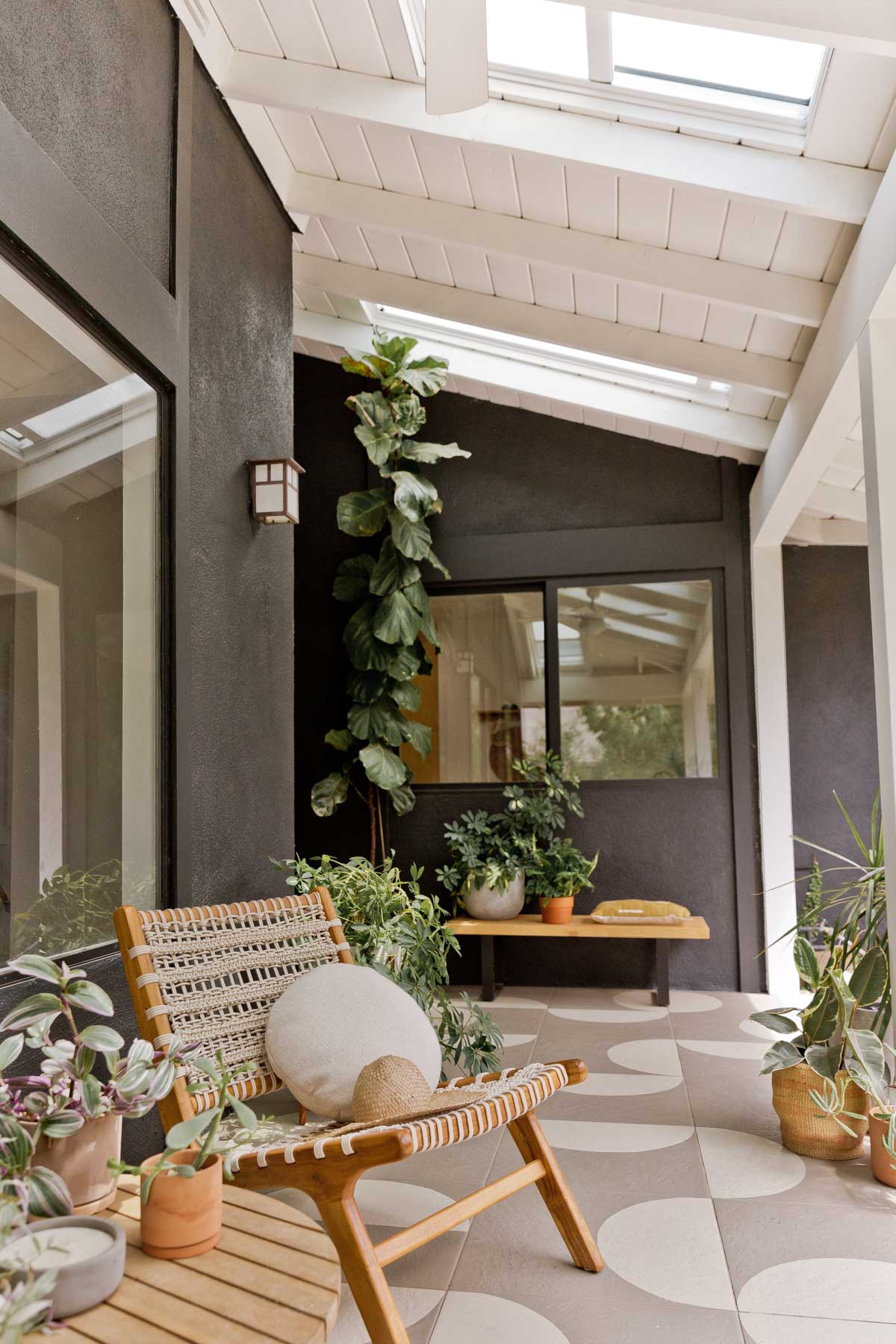
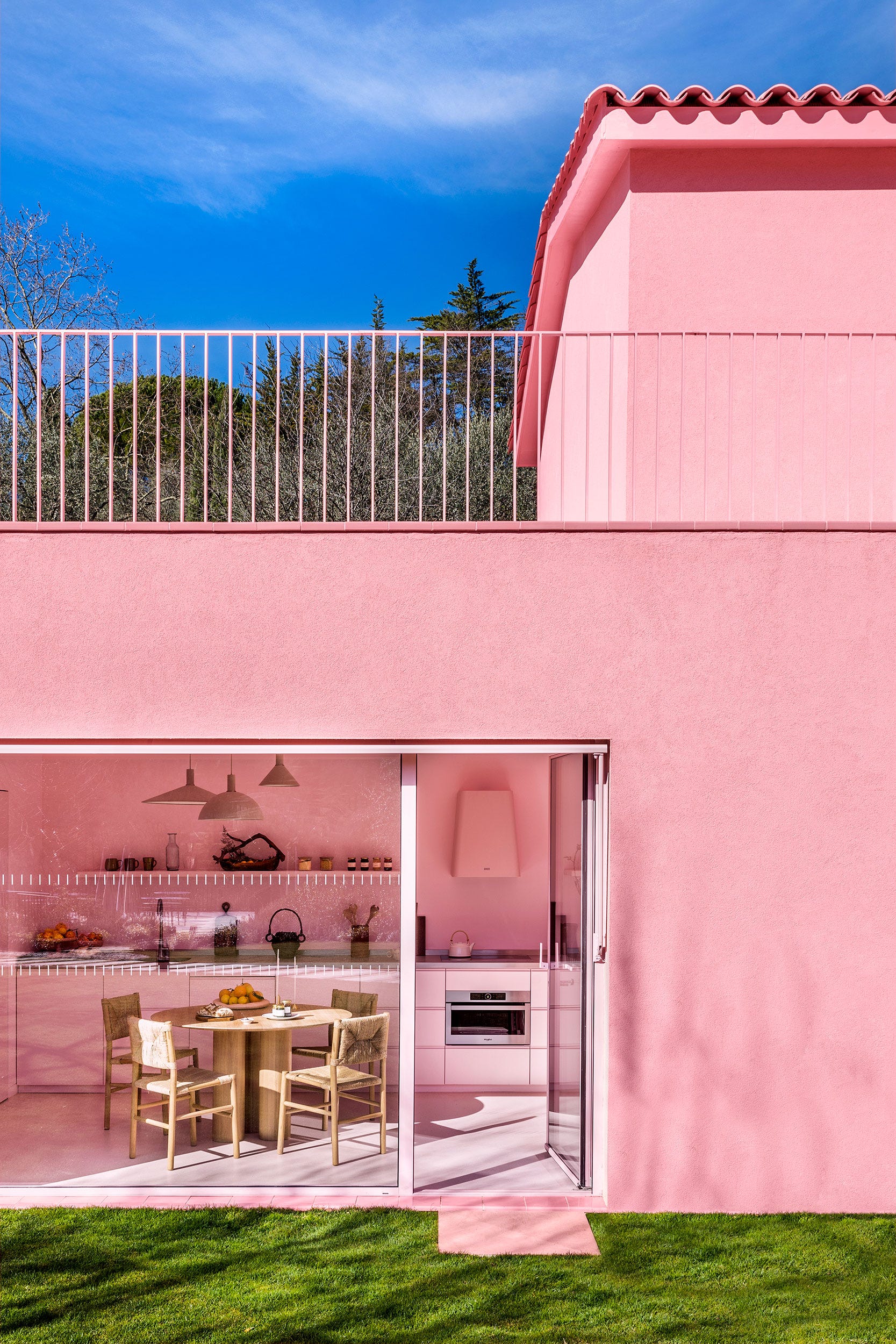
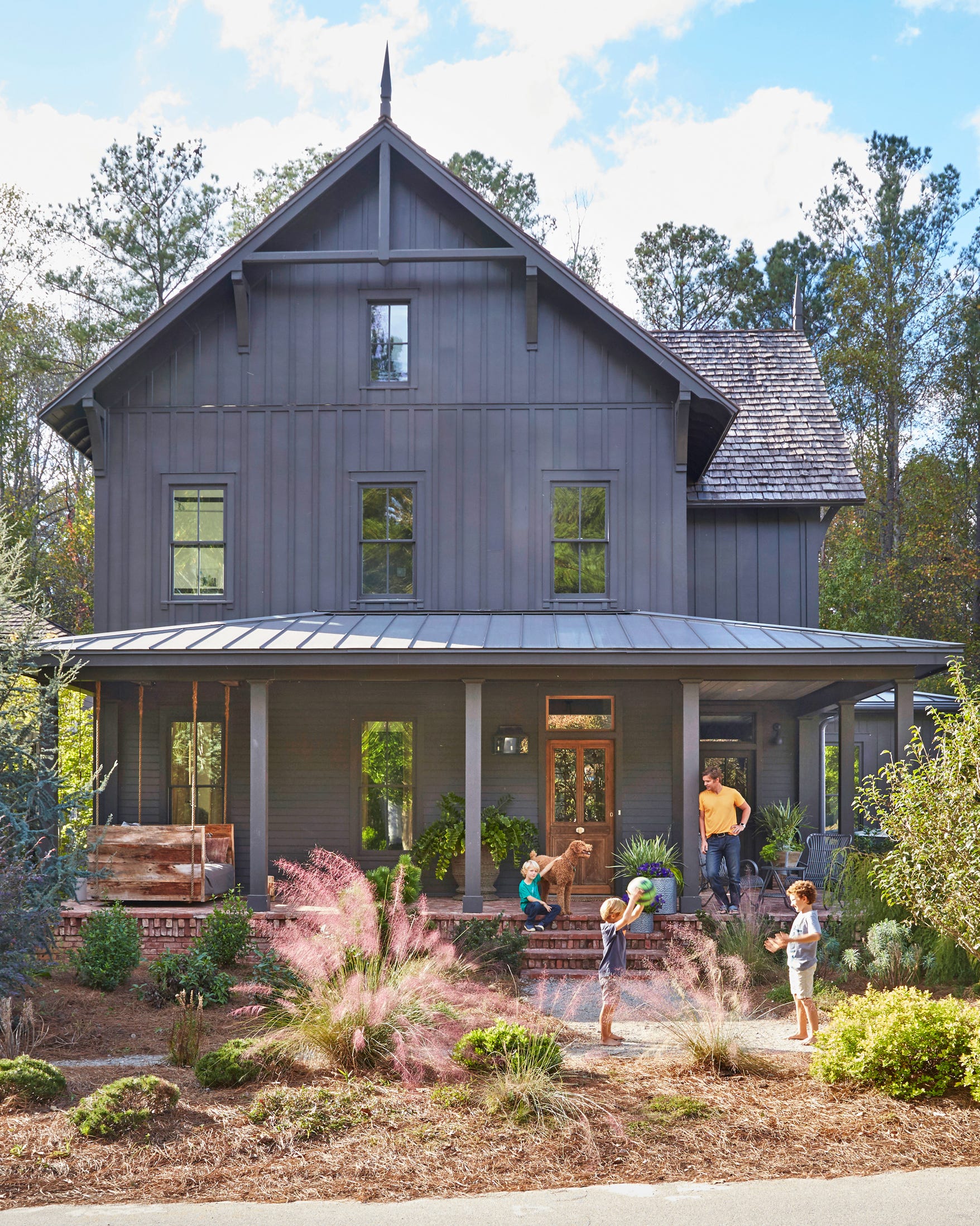
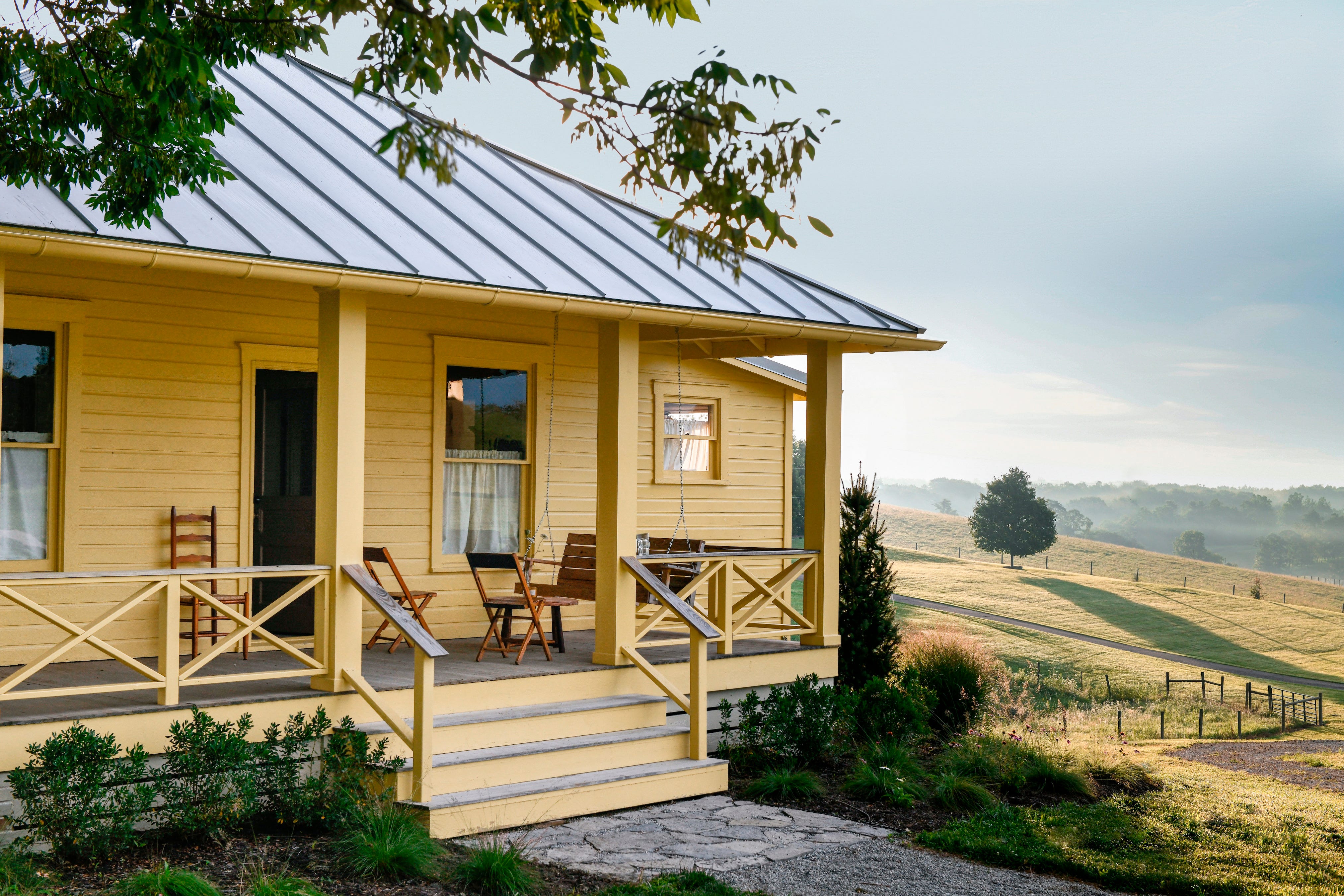
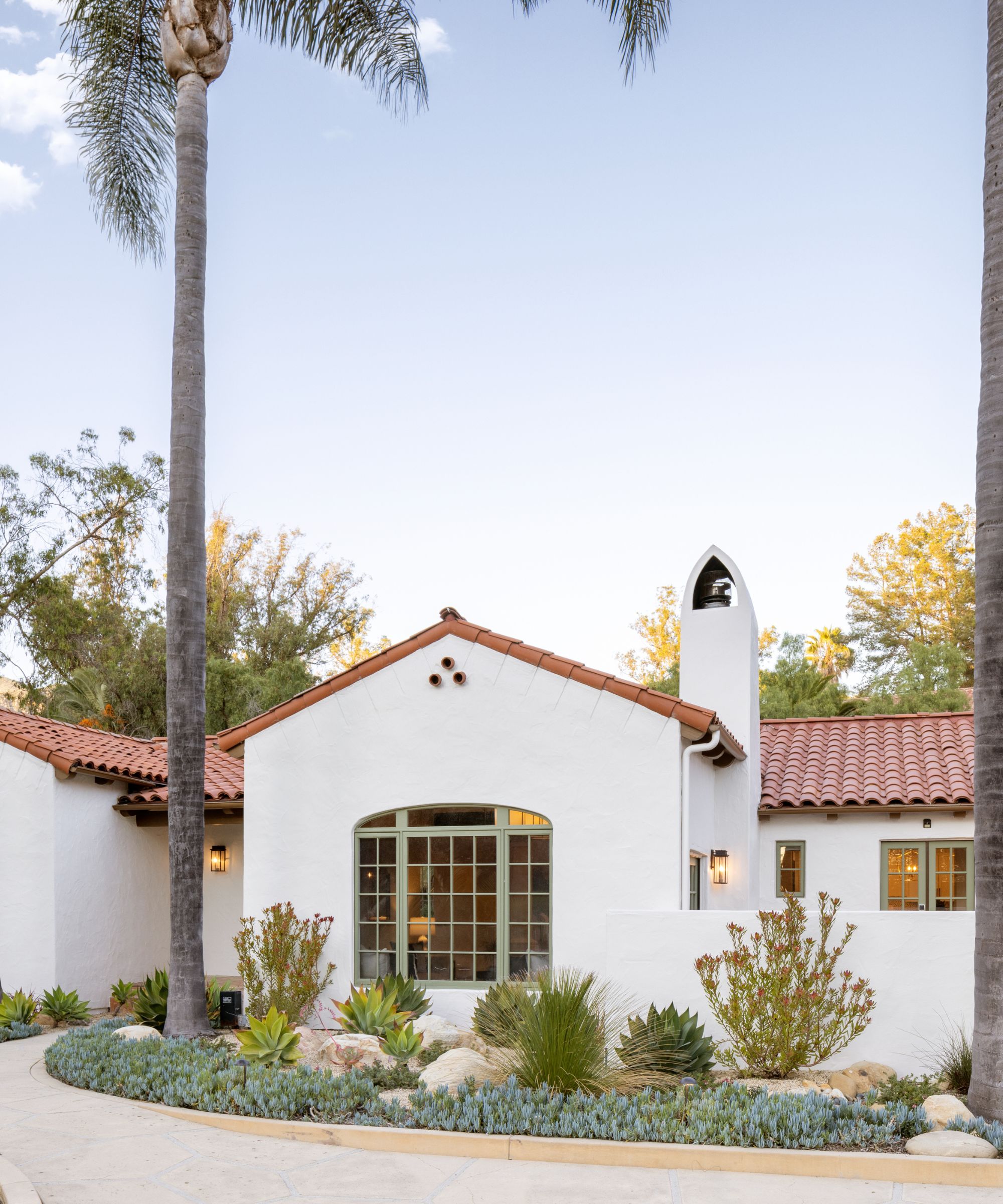
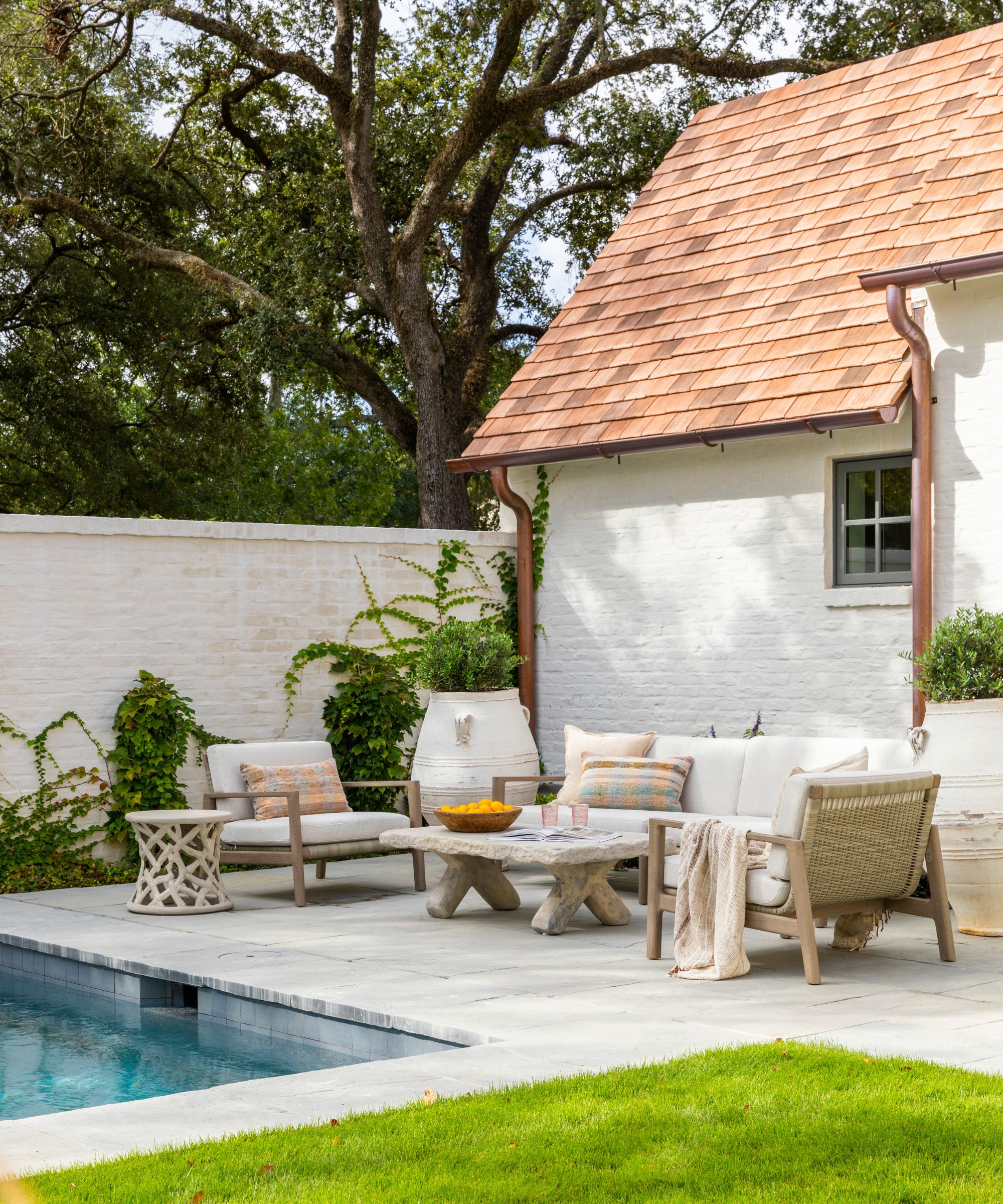
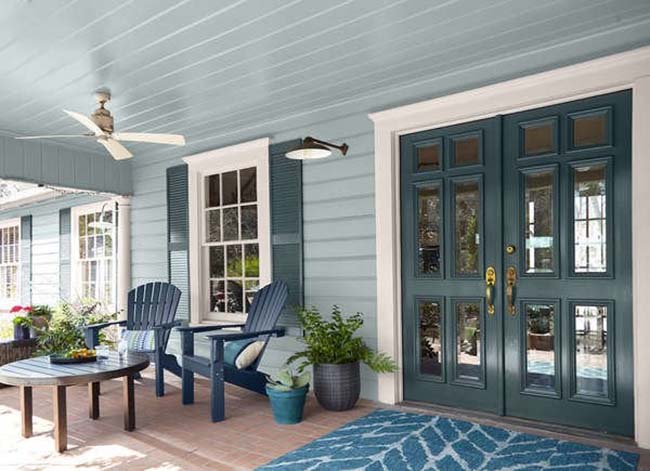
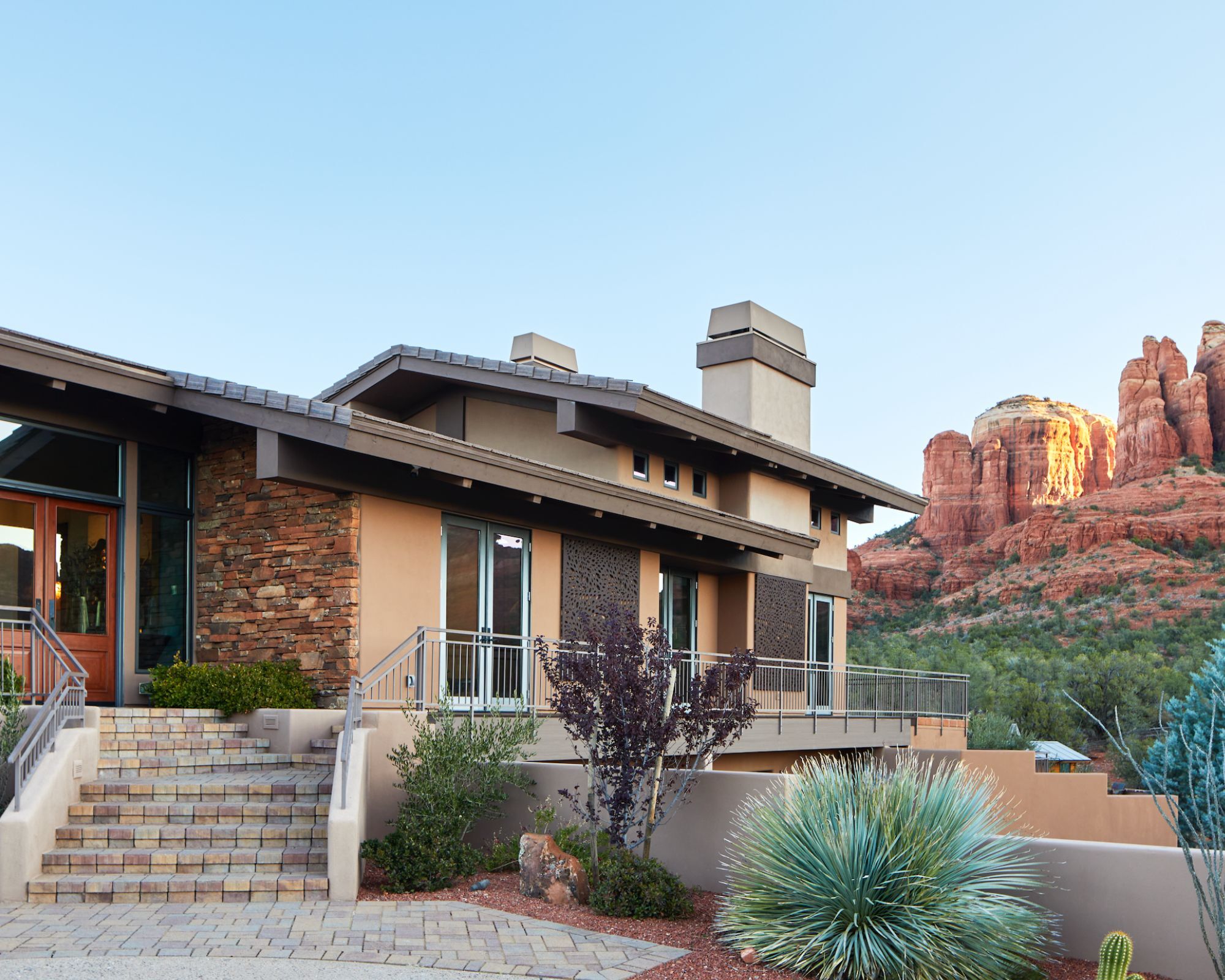
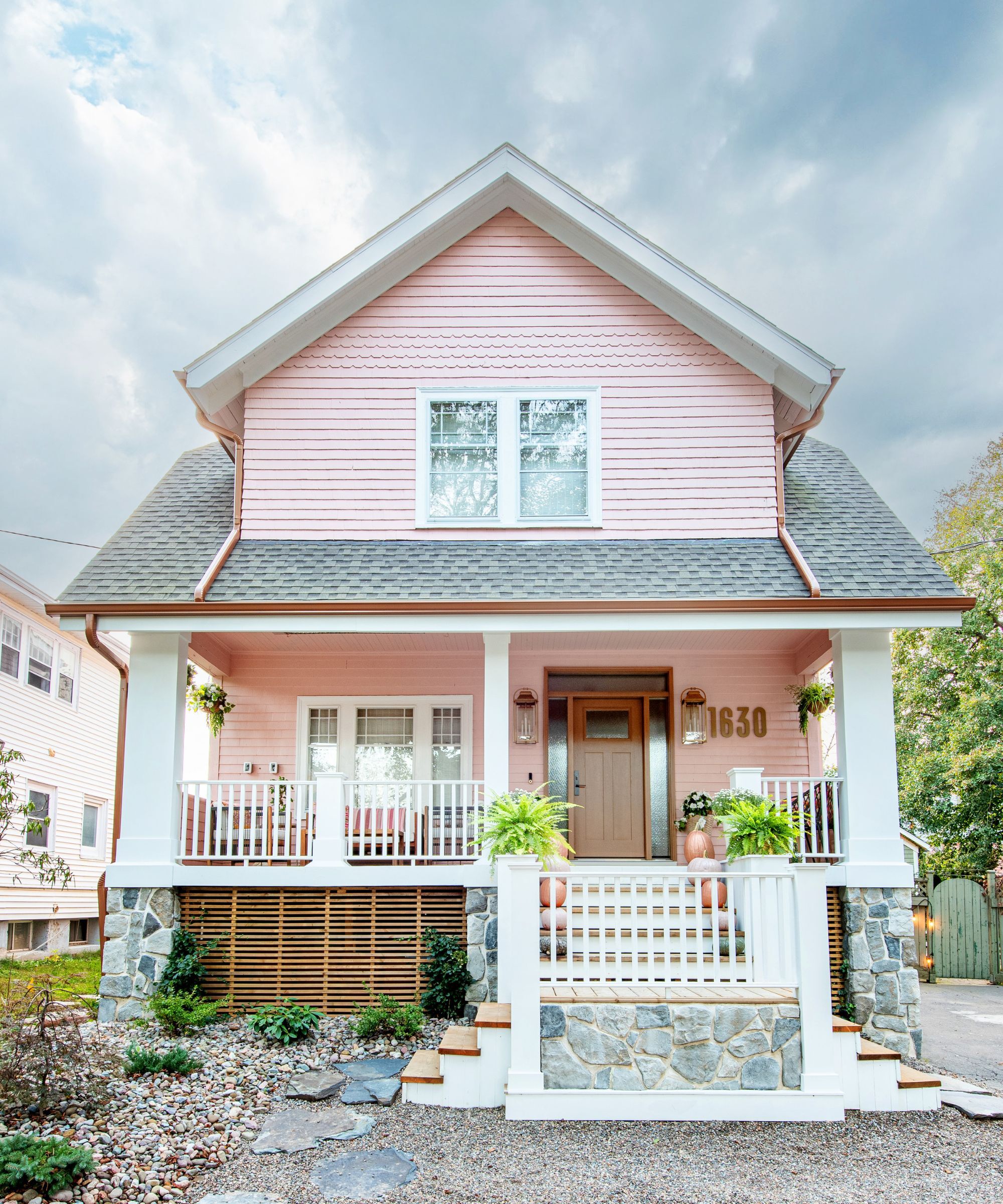
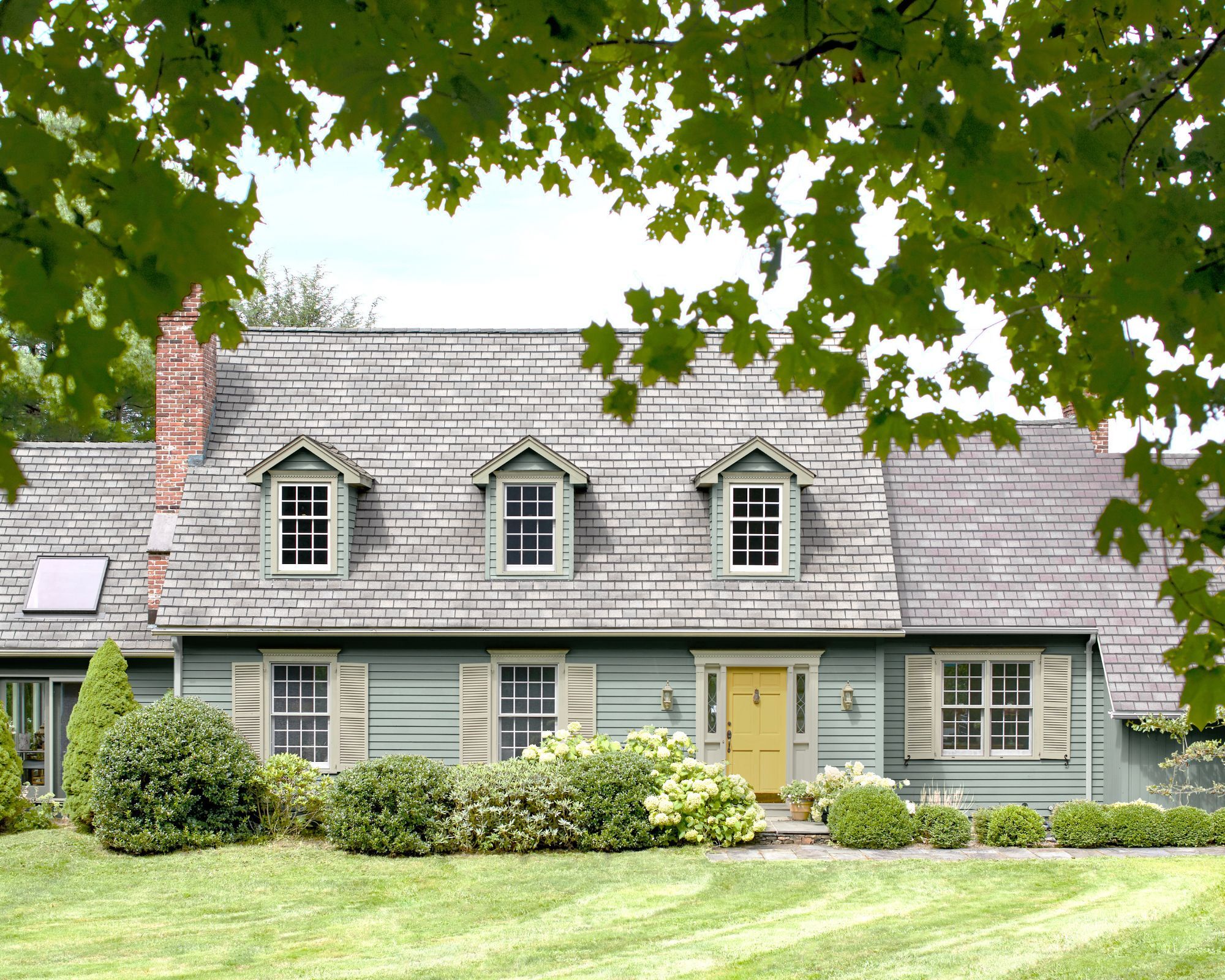
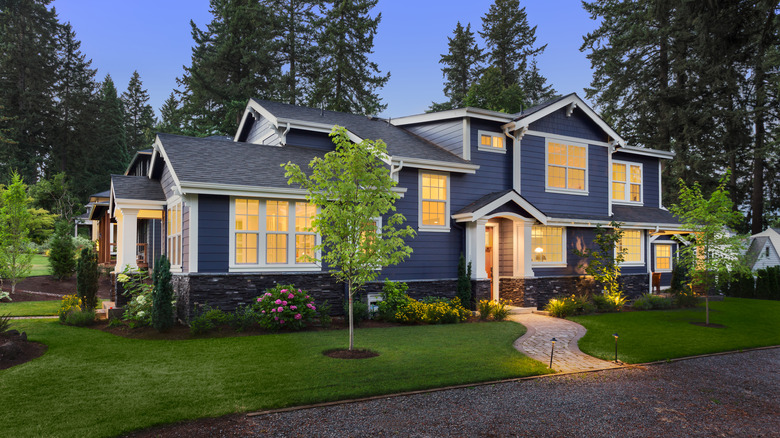
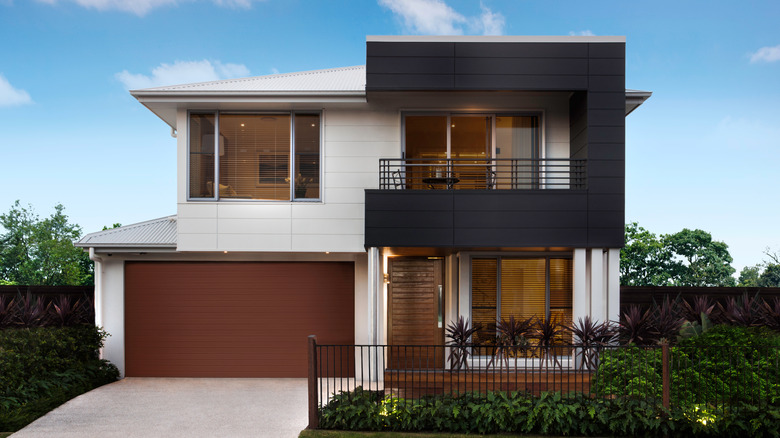
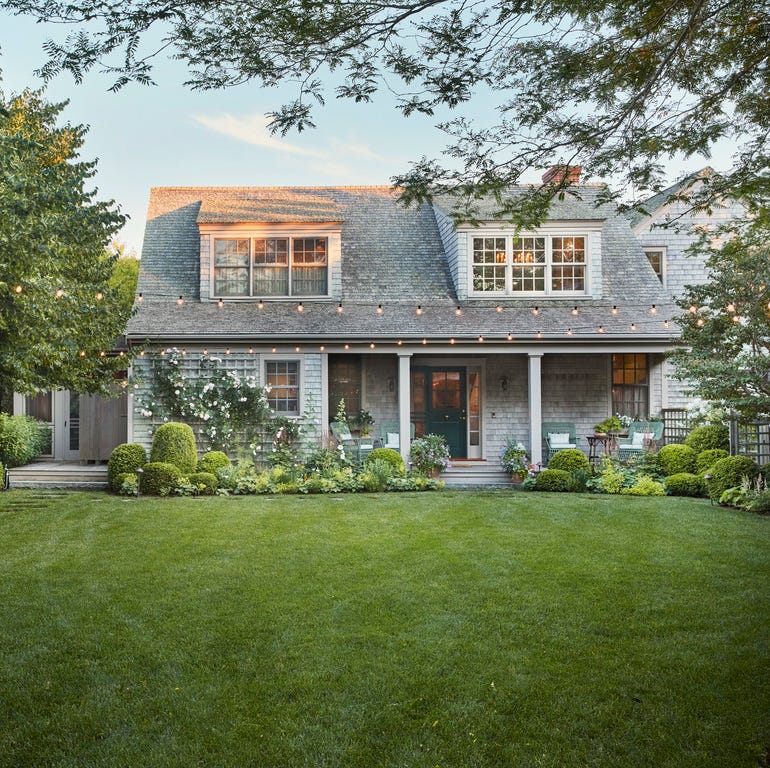
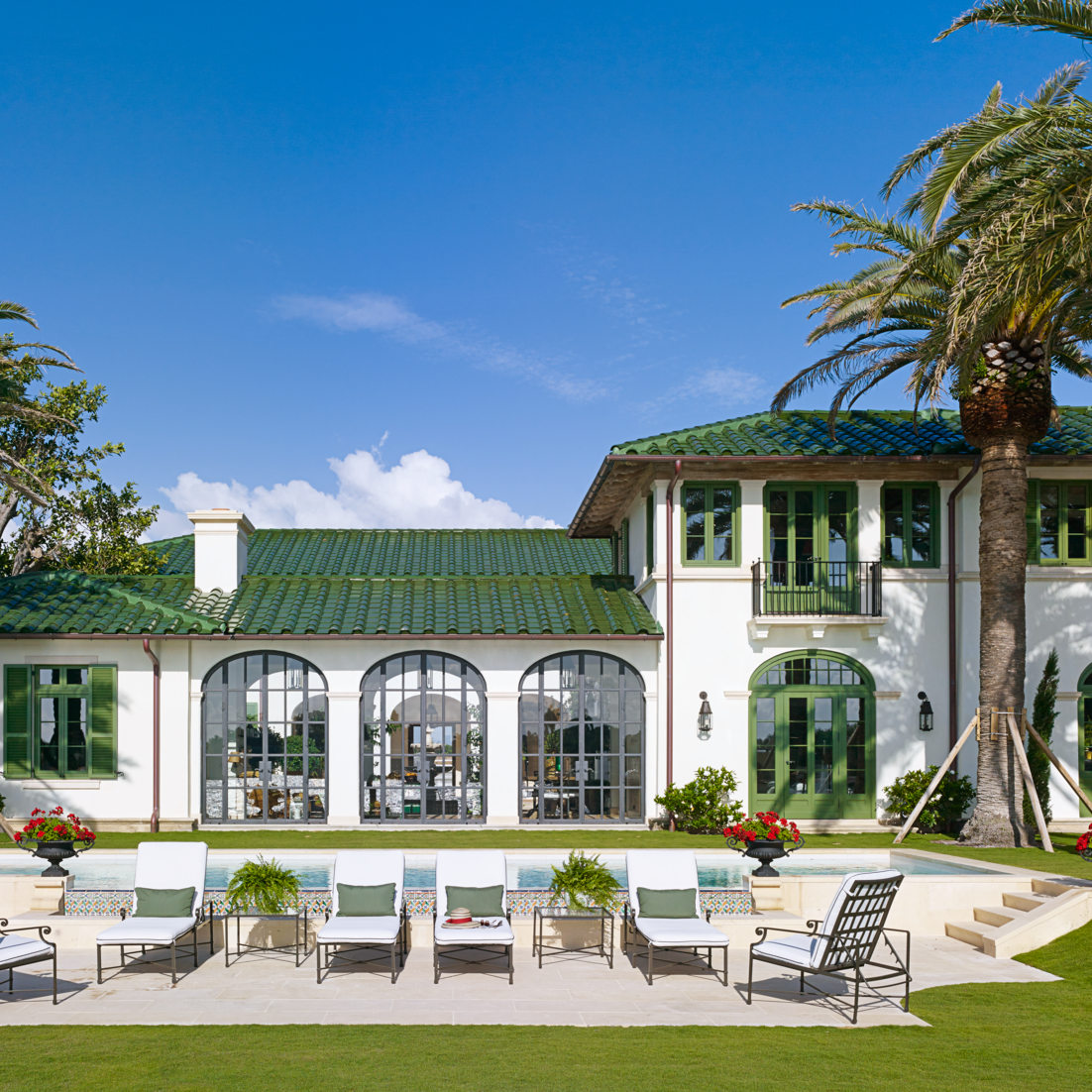
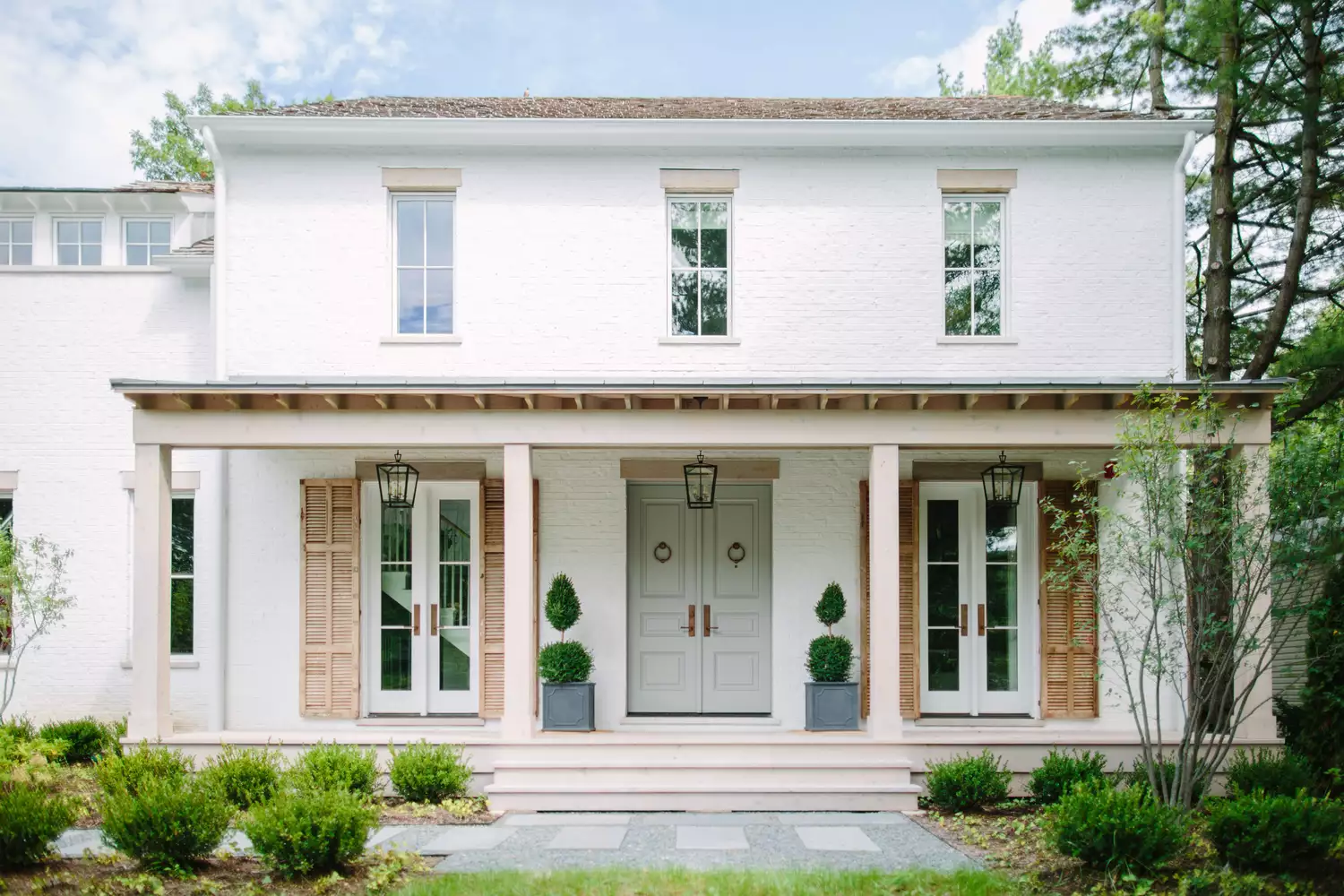
Choosing an exterior paint color for a home involves more than just aesthetic preferences, as the color can significantly impact the home's heating and cooling efficiency and long-term durability. Darker colors absorb 70 to 90 percent of the sun's radiant energy, leading to higher indoor temperatures, while lighter colors reflect sunlight, helping to keep the home cooler. Therefore, the local climate and weather patterns should be a primary consideration.
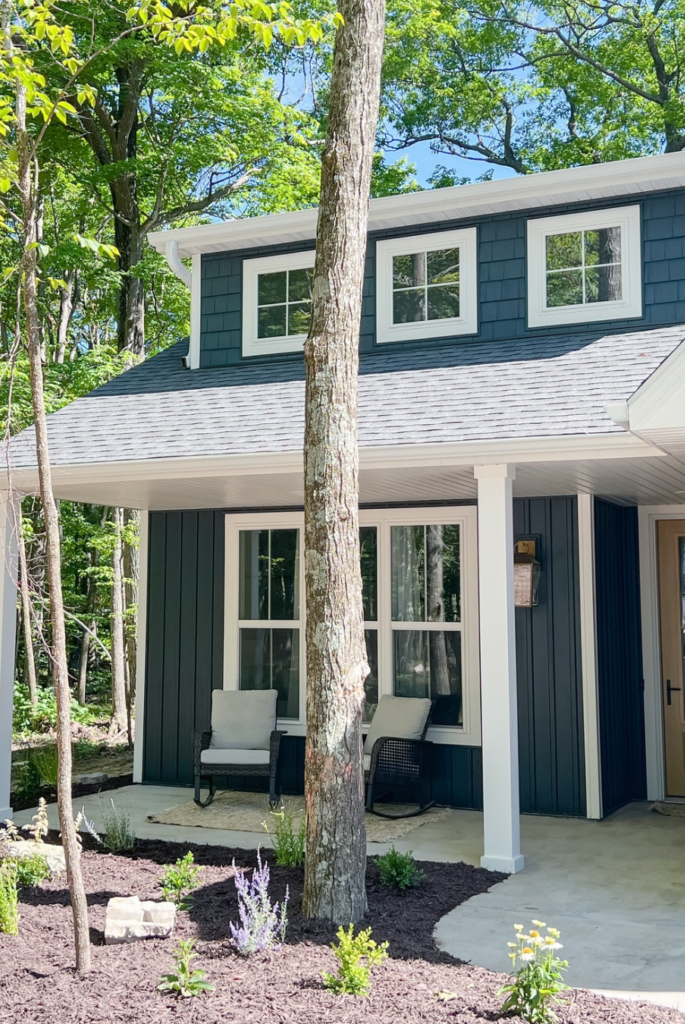
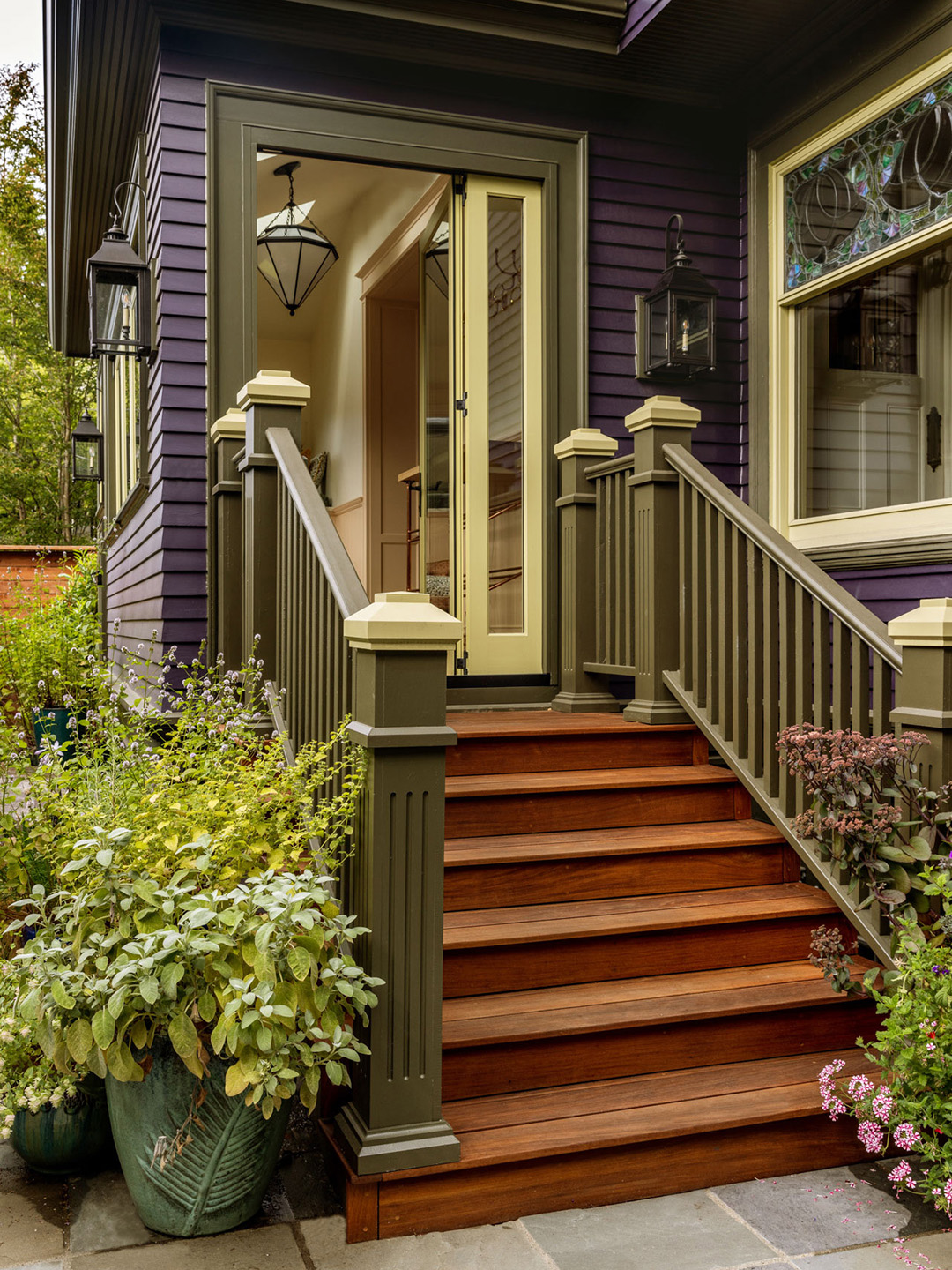
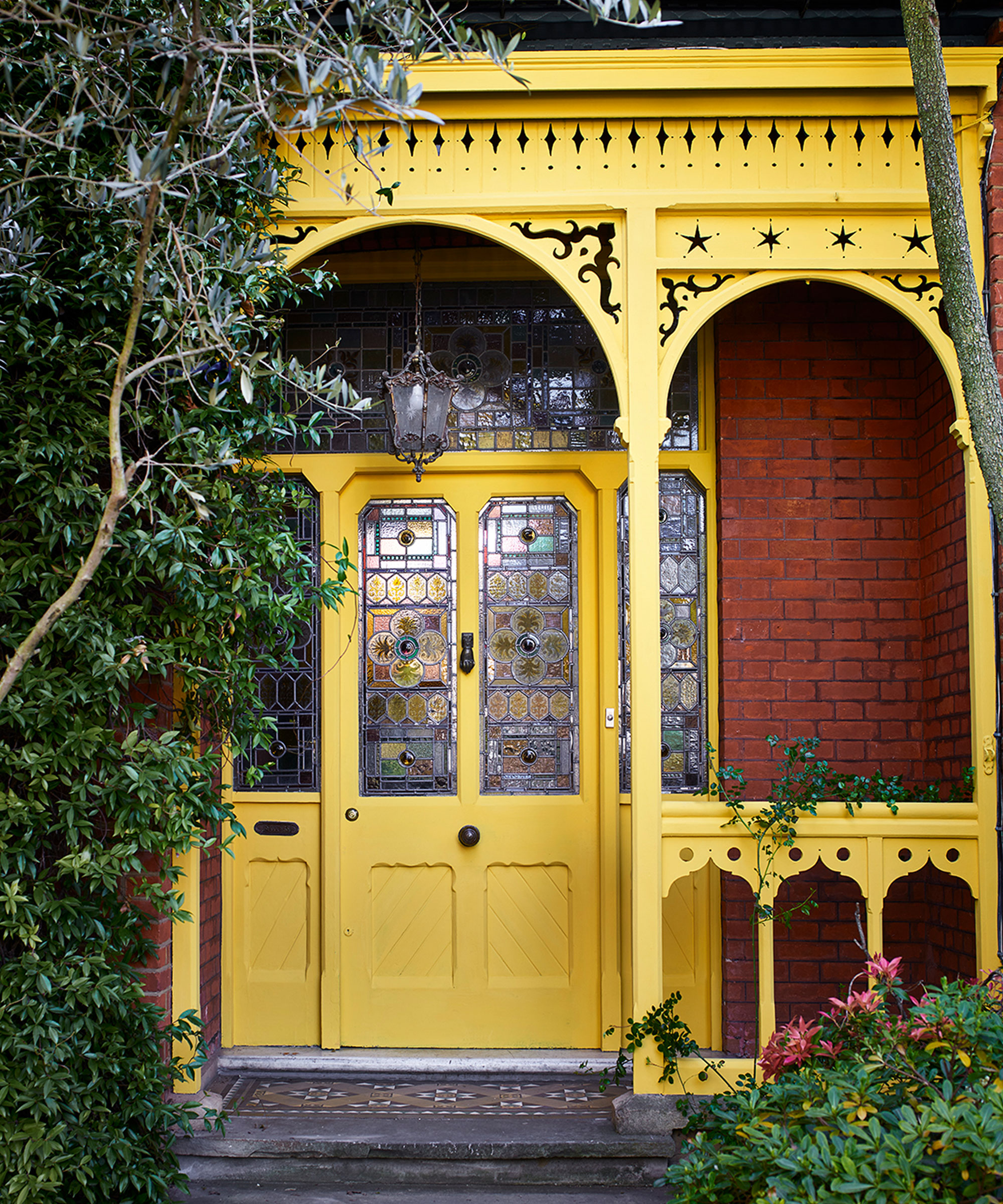
Paint experts emphasize the importance of Light Reflectance Value (LRV), a metric indicating a color's reflectivity or absorbency. Colors with an LRV above 55 are lighter and more reflective, making them suitable for warmer climates where cooling is a priority. Conversely, darker colors with an LRV below 55 absorb more light and heat, which can be advantageous in cooler climates for natural warming. When selecting a paint color, it's also crucial to consider existing elements of the home, such as roof color, stone or brick accents, and landscaping. Testing paint samples on large boards at different times of the day helps observe how natural light affects the chosen colors and their undertones, ensuring compatibility with the home's fixed features.
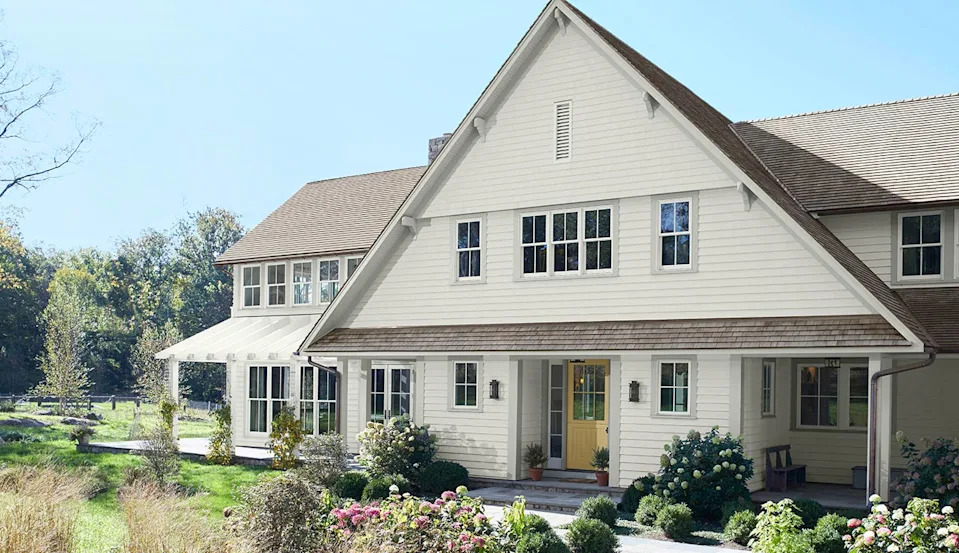
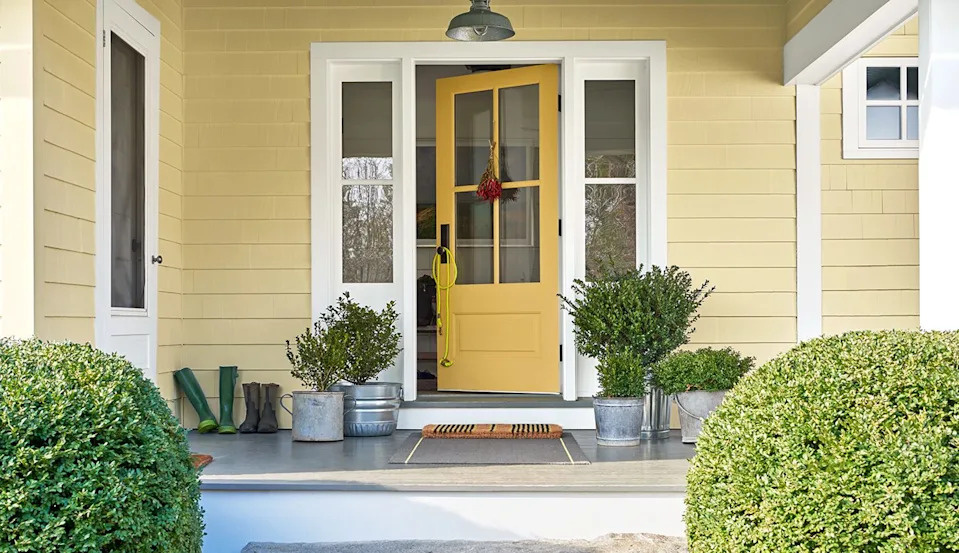
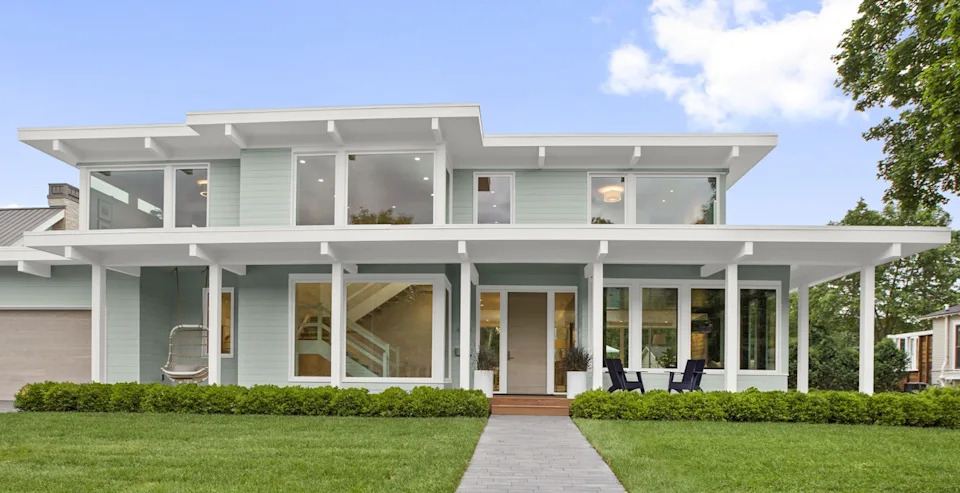
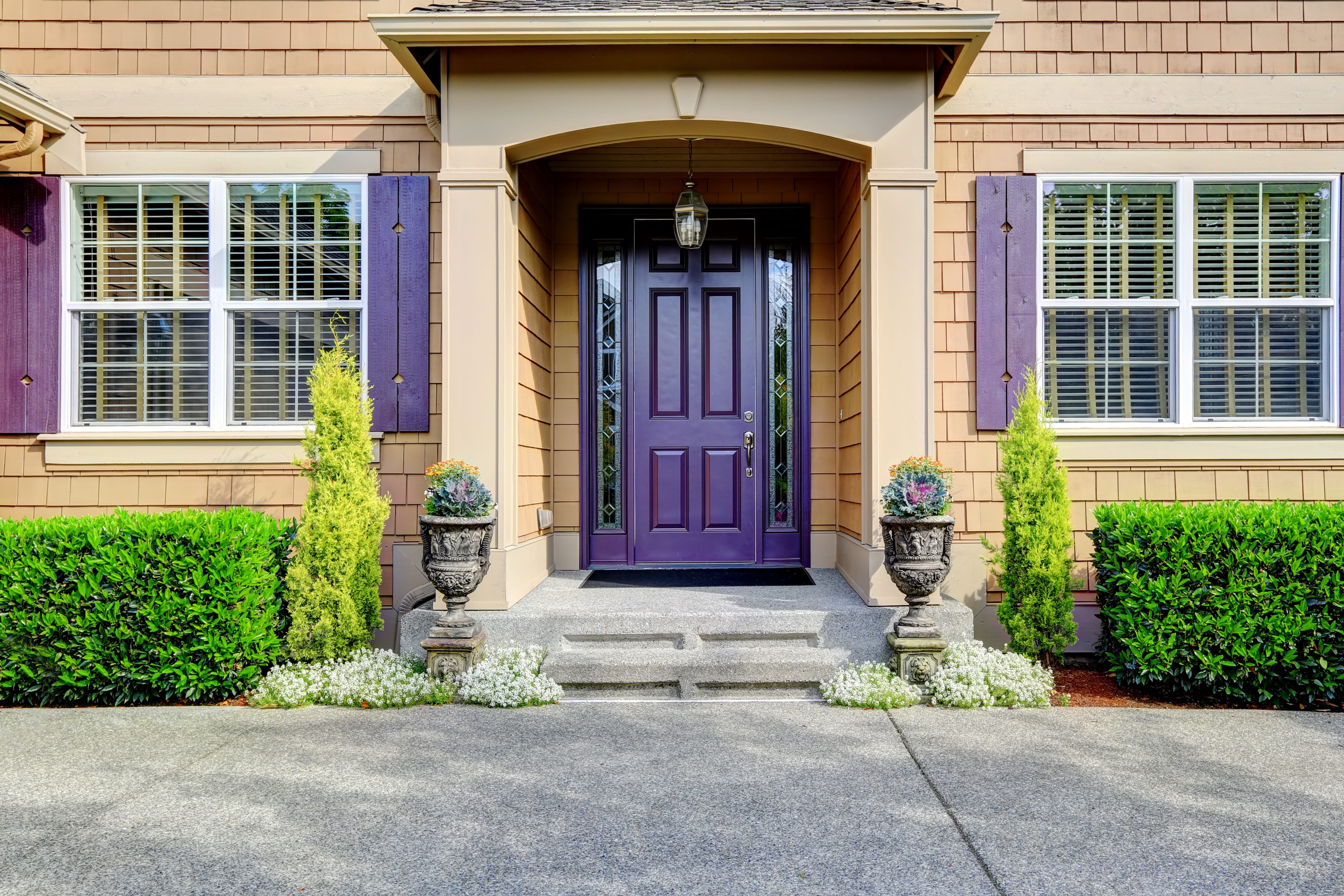
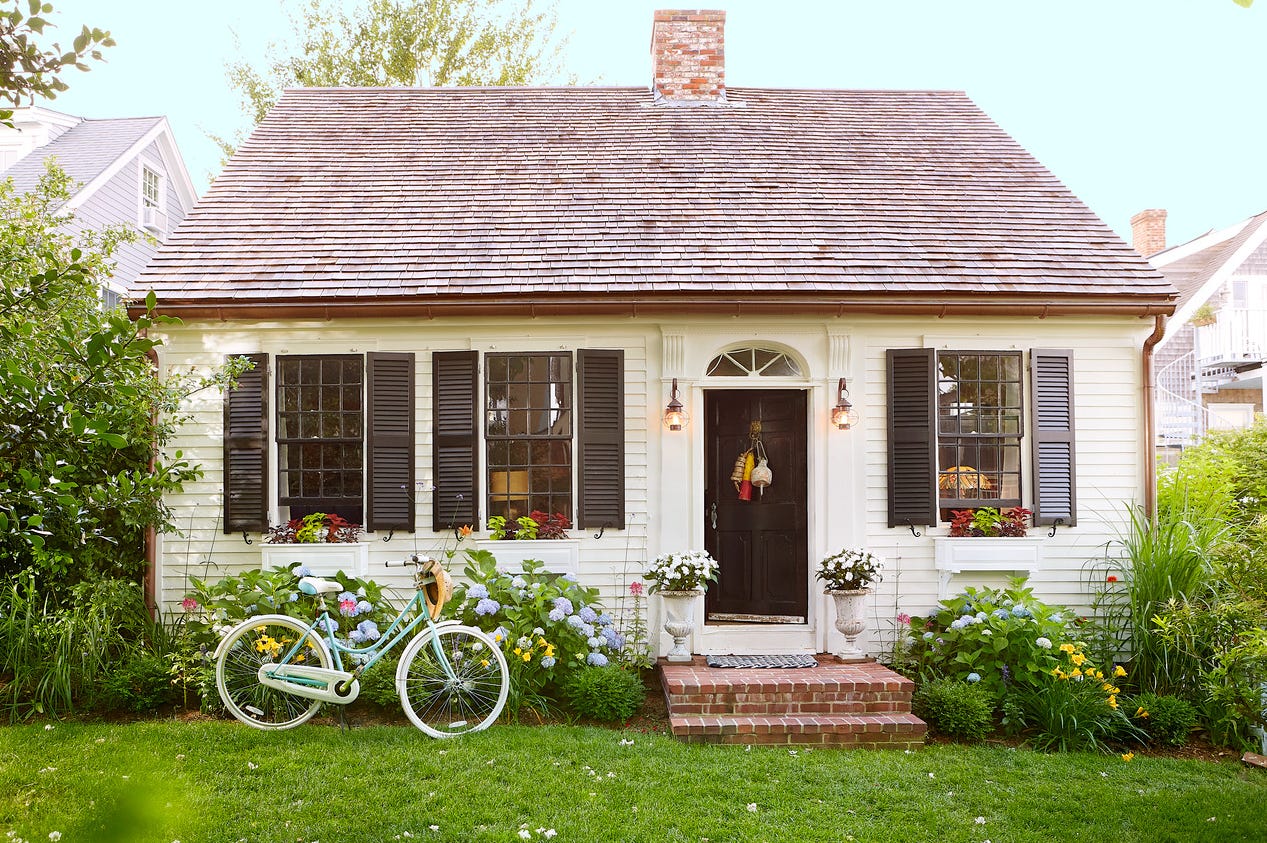
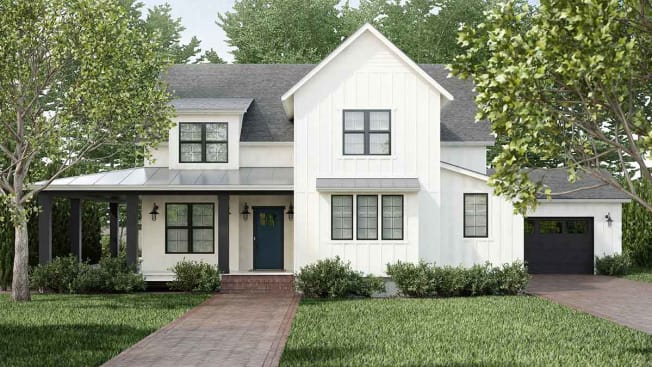
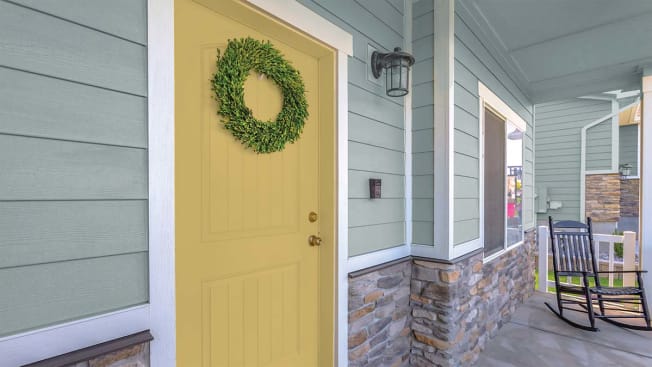
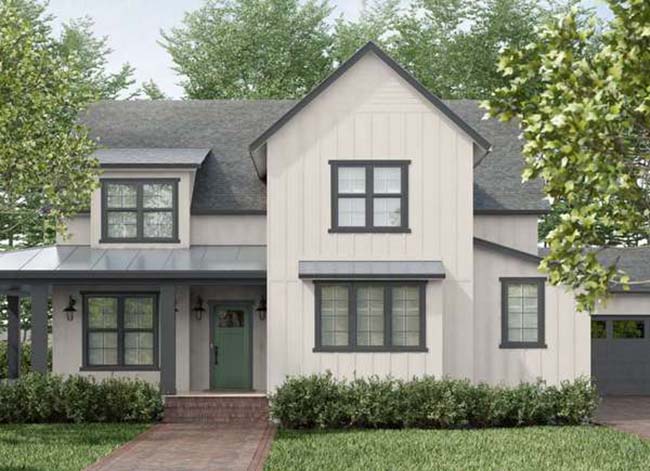
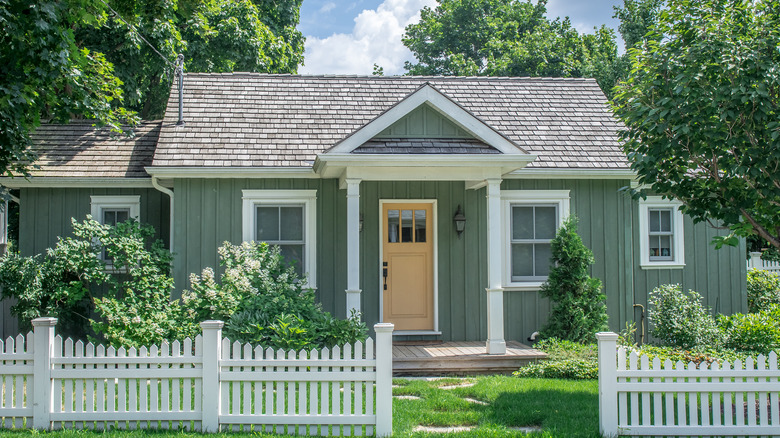
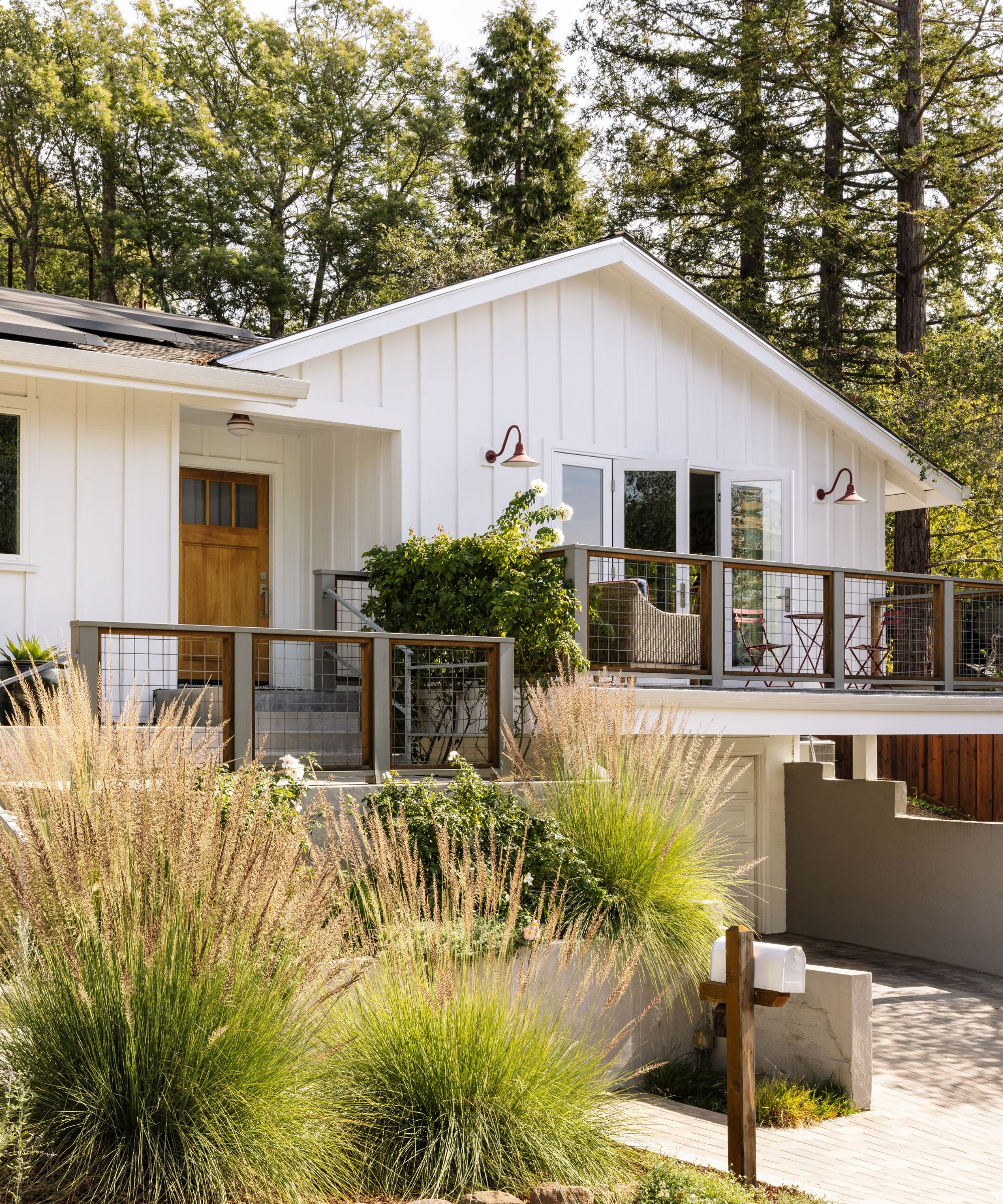
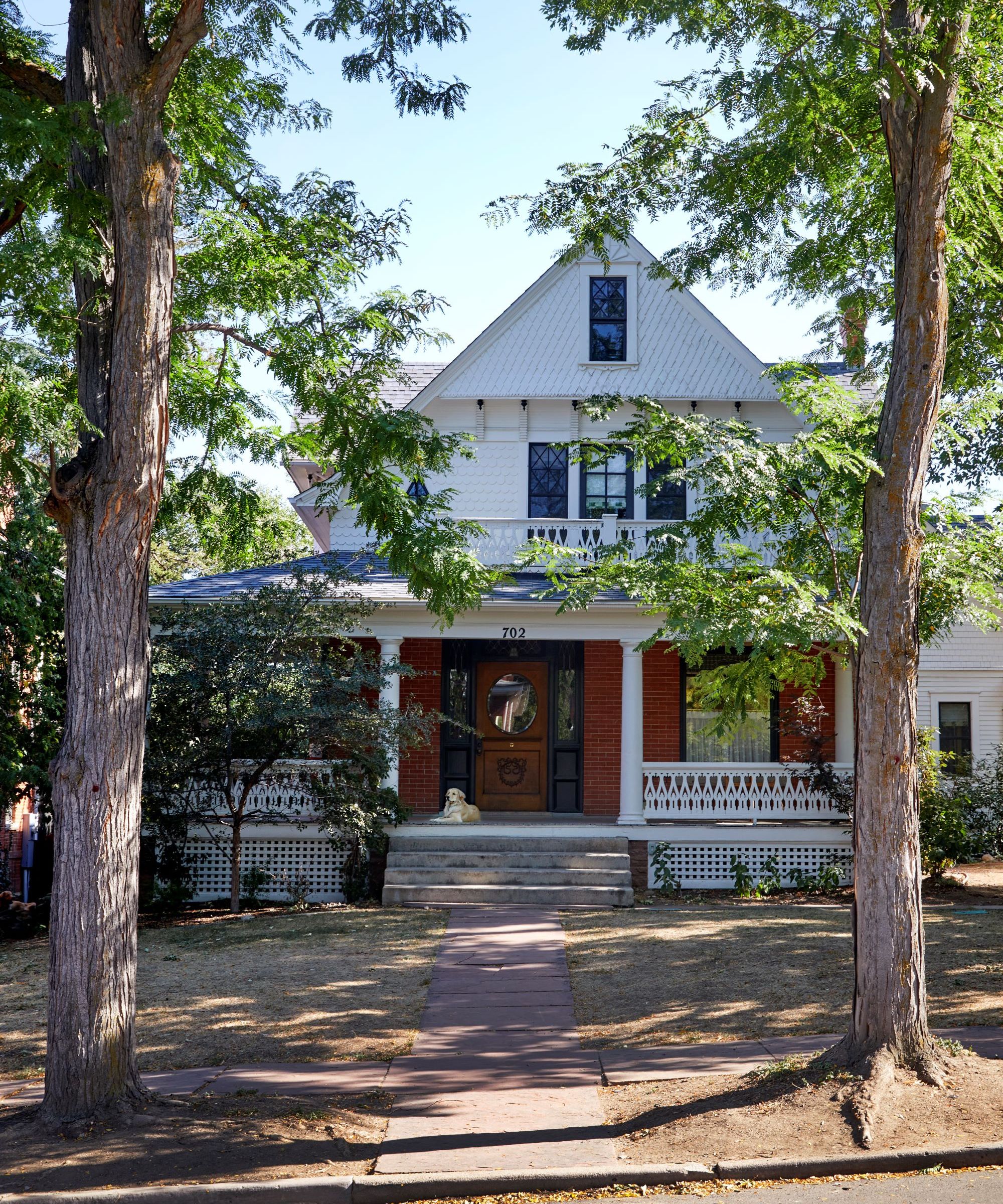
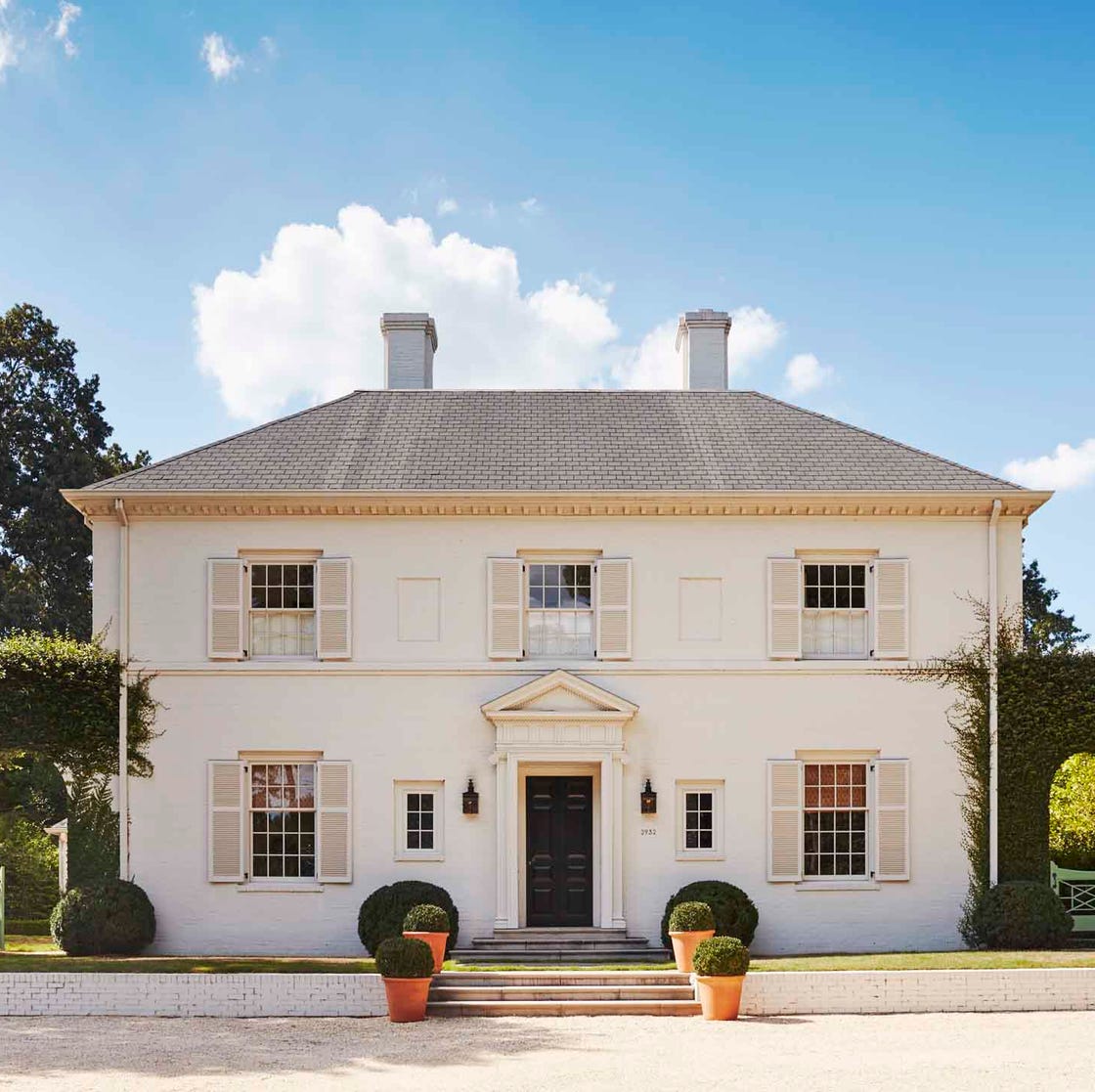
Longevity is another vital factor; lighter colors generally last longer as they absorb less sunlight, which can accelerate fading in darker hues. For homes in warm climates, lighter shades are recommended not only for their cooling properties but also for their extended durability. Versatile options like light grayish-green (e.g., Benjamin Moore's Hazy Skies) or soft, bright beige (e.g., Sherwin-Williams' Medici Ivory, Behr's Natural White) are often adaptable to various exterior features. In four-season climates, a balanced approach is best, pairing neutral main colors like light gray, white, or beige with darker accents on gutters, trim, or shutters. Neutrals reflect heat in summer, while dark accents absorb it in winter.
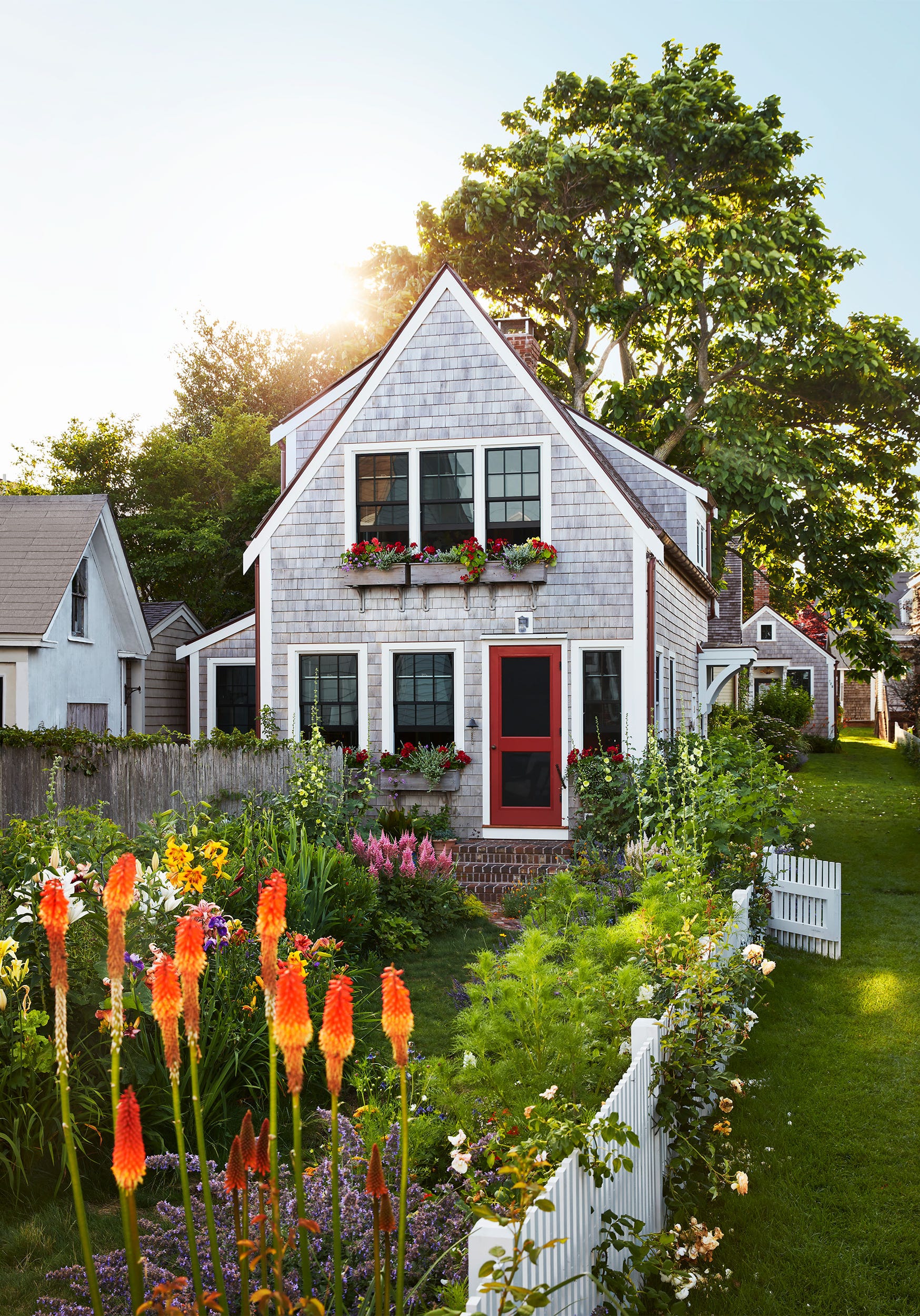
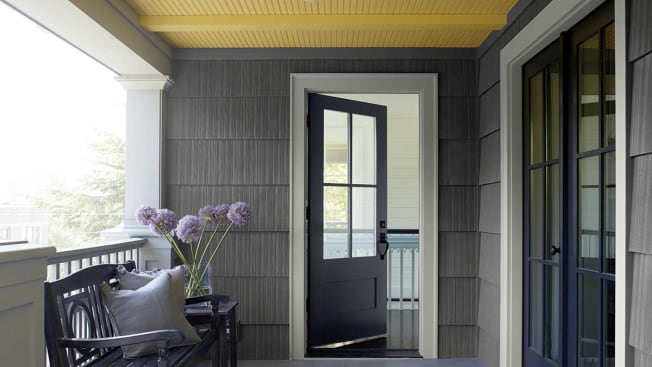
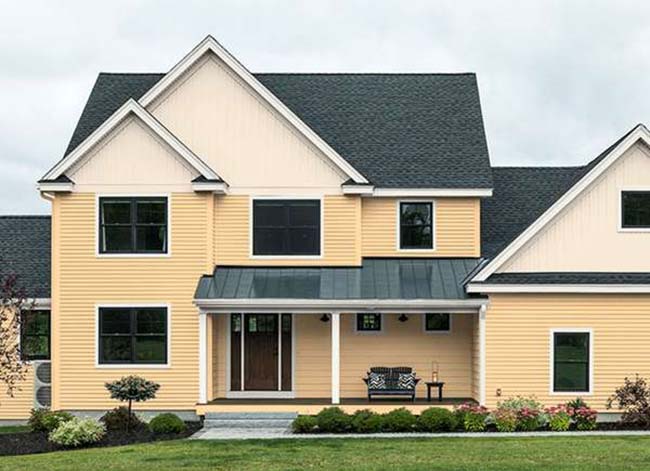
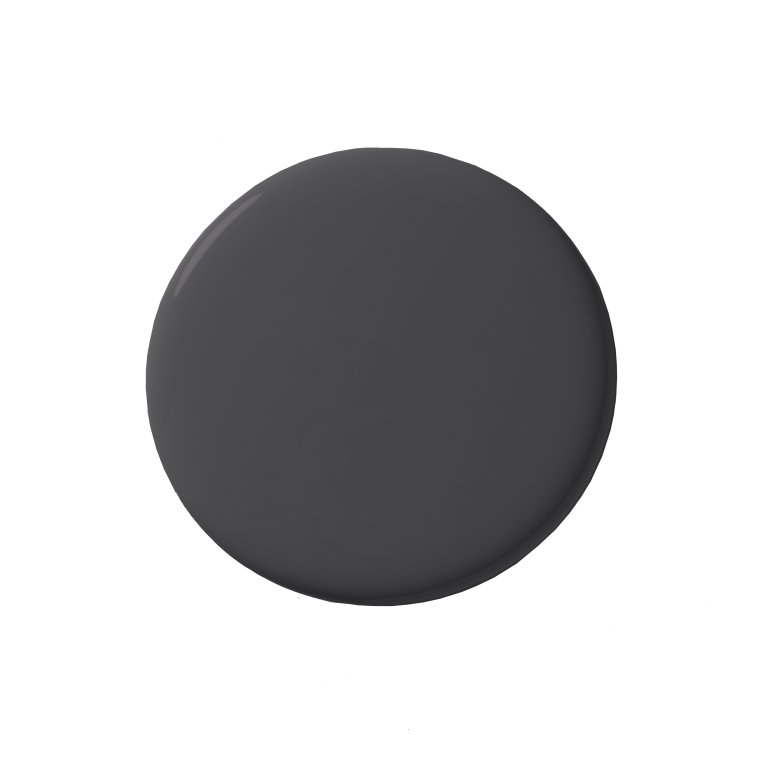
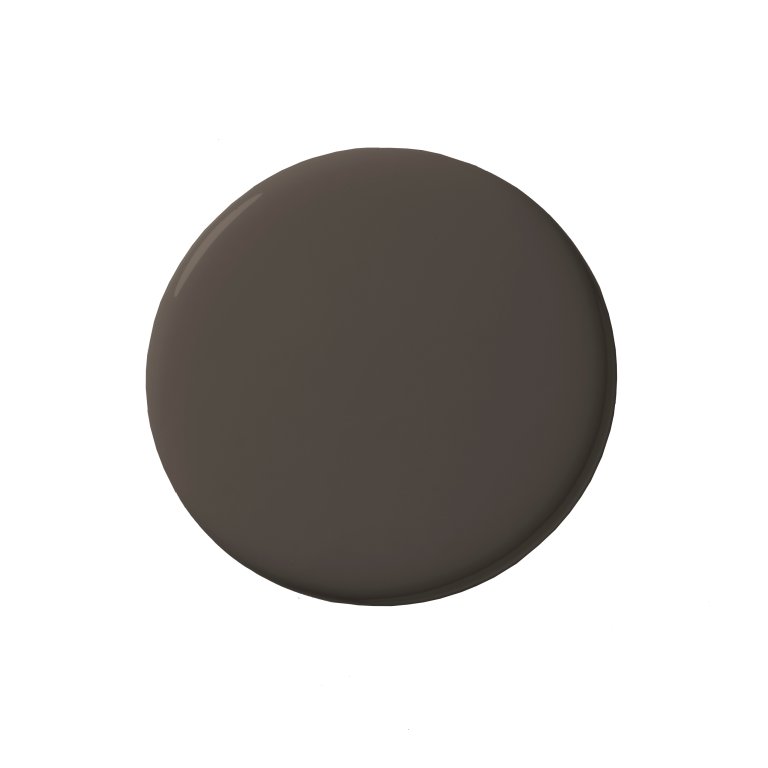
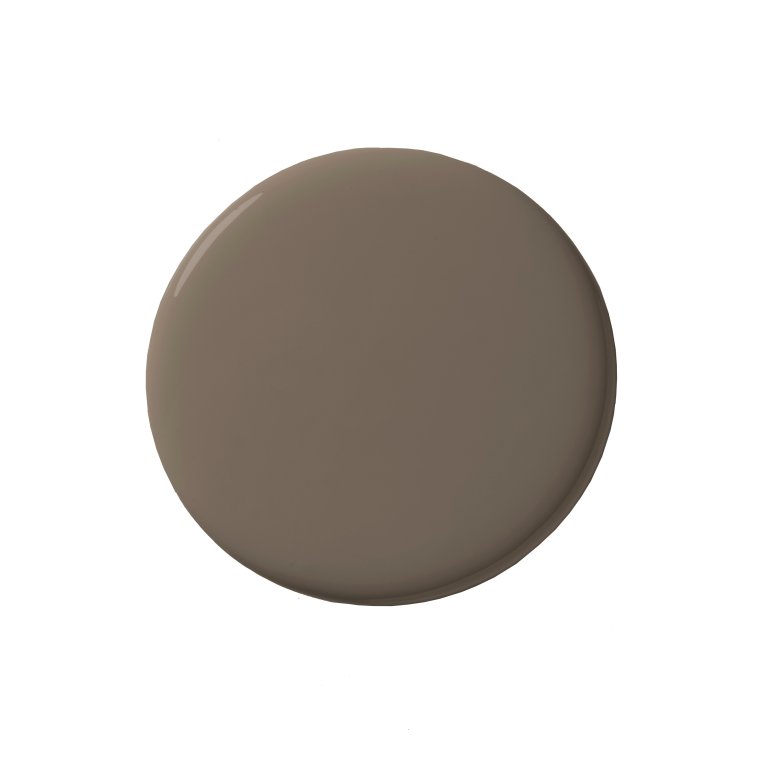
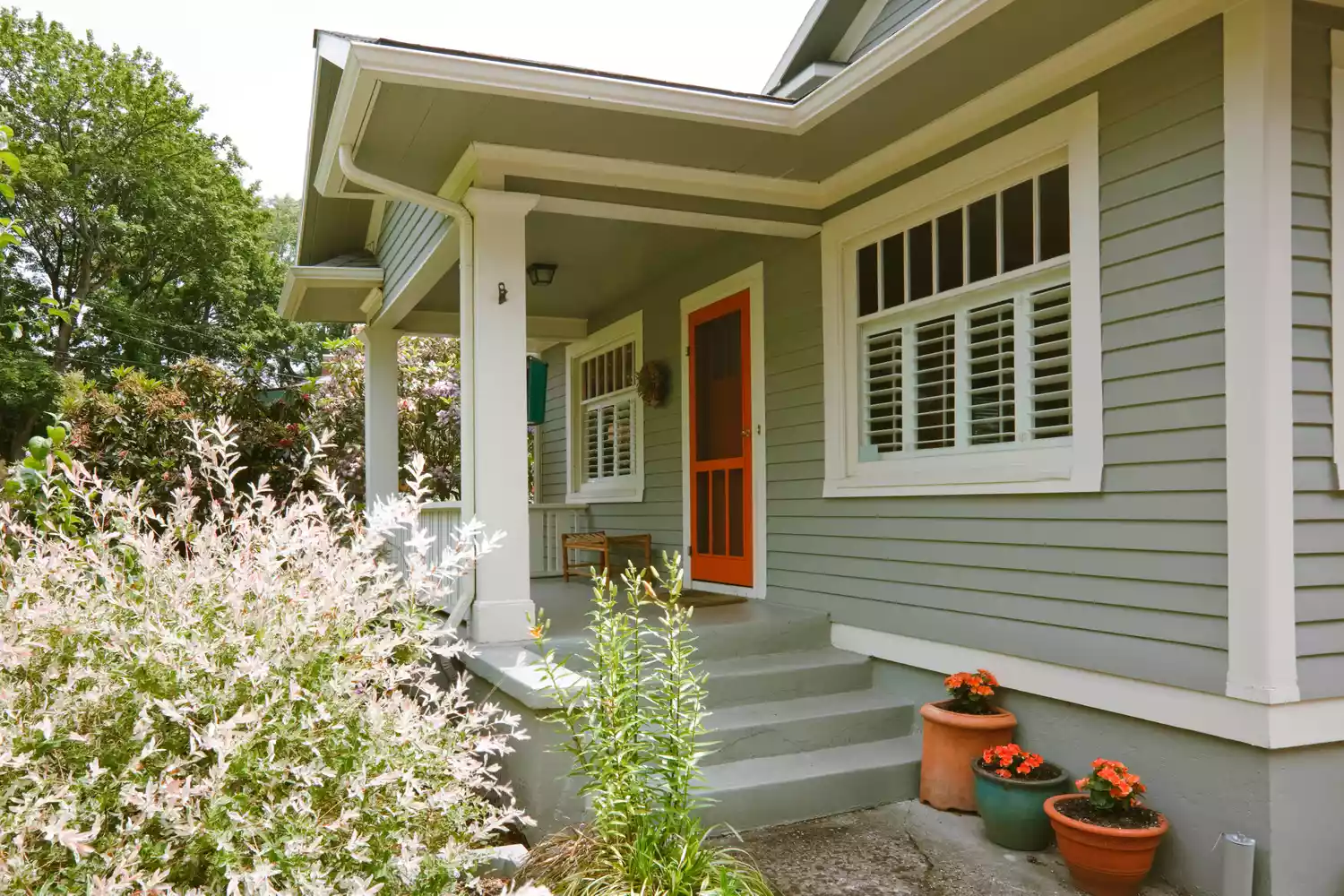
Grays offer a neutral and adaptable choice, with lighter shades like Benjamin Moore's Stonington Gray suitable for any climate, and darker options like Kendall Charcoal or Behr's Dark Pewter providing a more dramatic look while remaining neutral. For accents, a deep gray like Behr's Cracked Pepper can complement a lighter gray exterior. Beige is considered a timeless and energy-efficient option that pairs well with diverse accents, with examples including Benjamin Moore's Sparrow, Sherwin-Williams' Shoji White (a greige), and Behr's Honey Nougat for a warmer, golden beige.
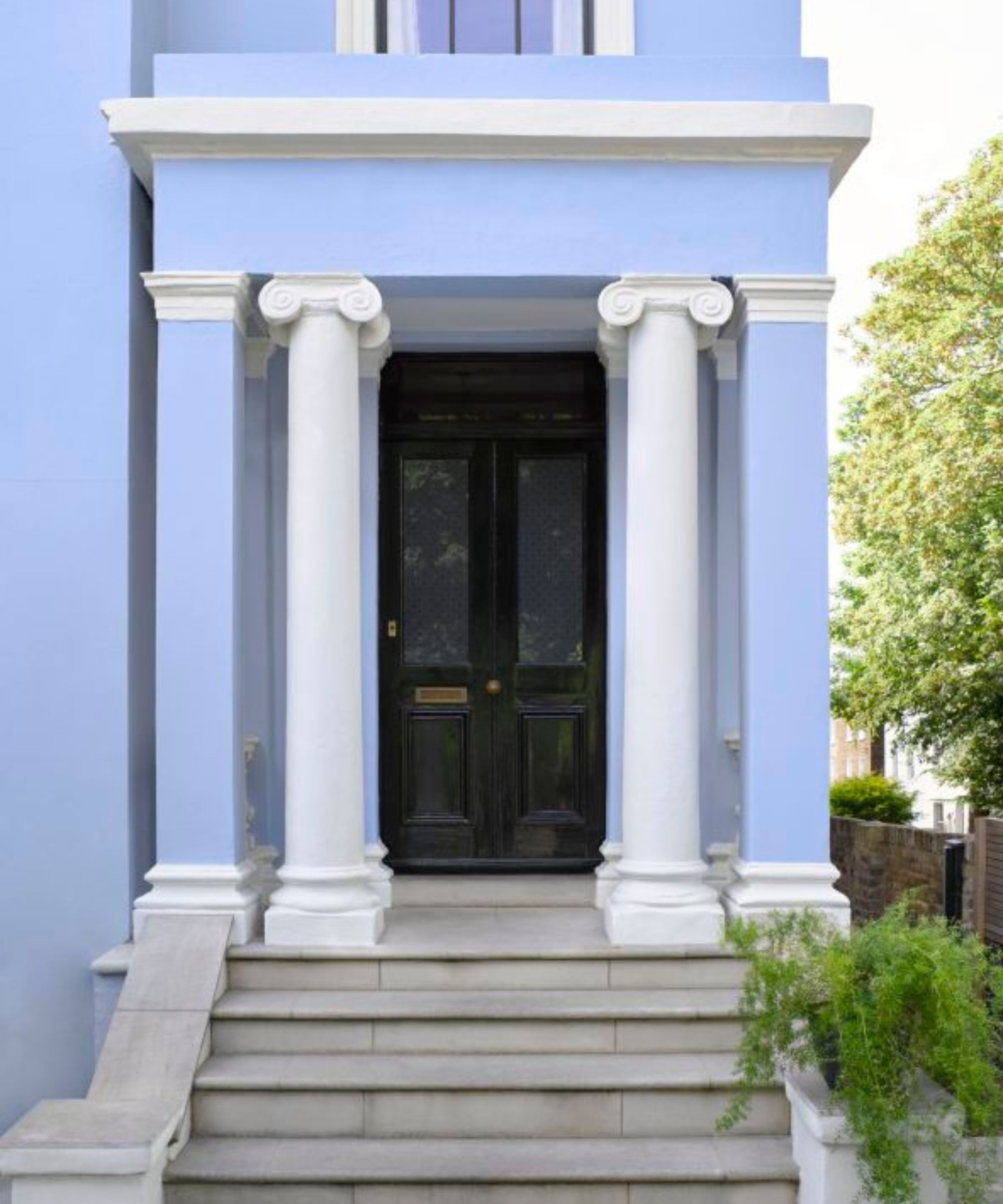
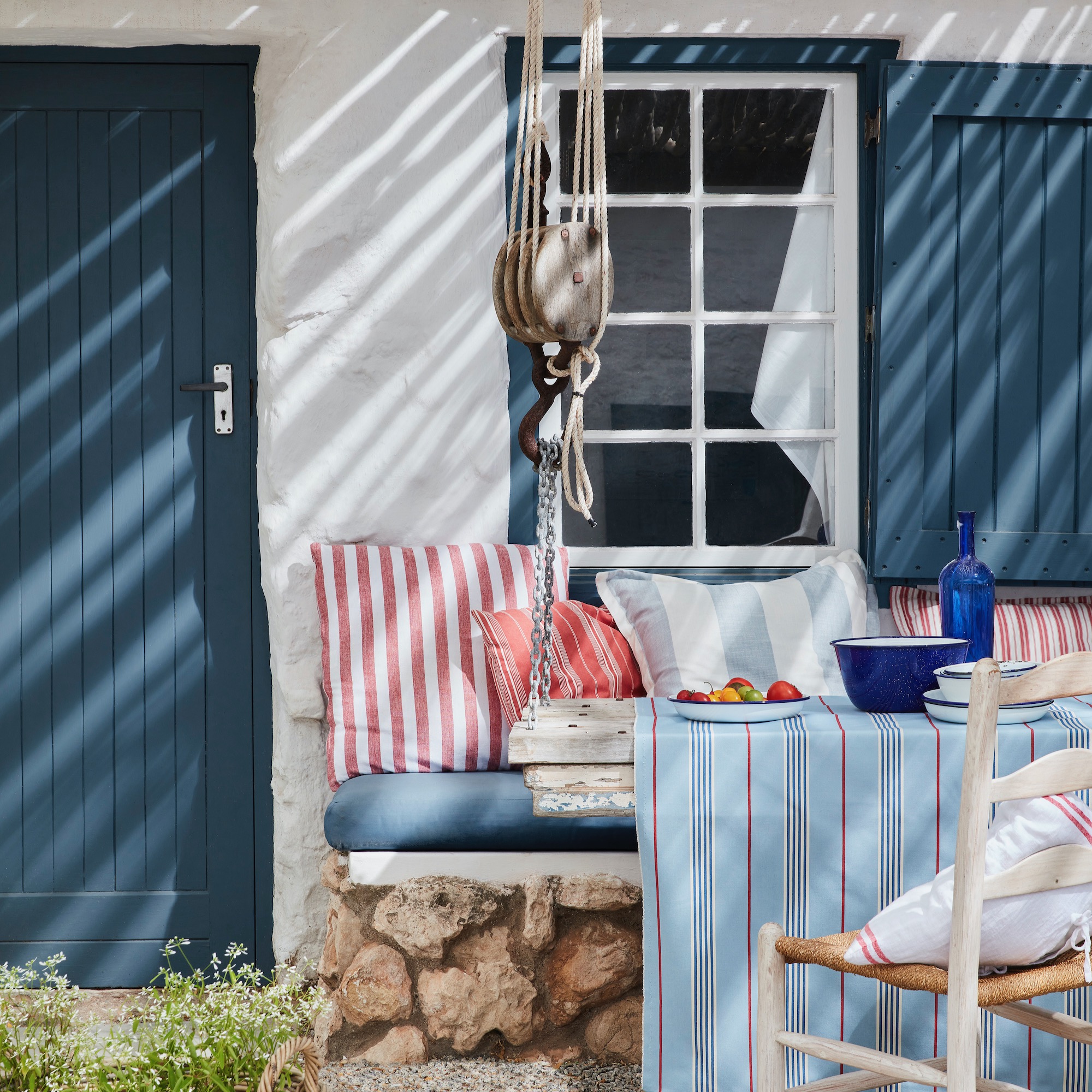
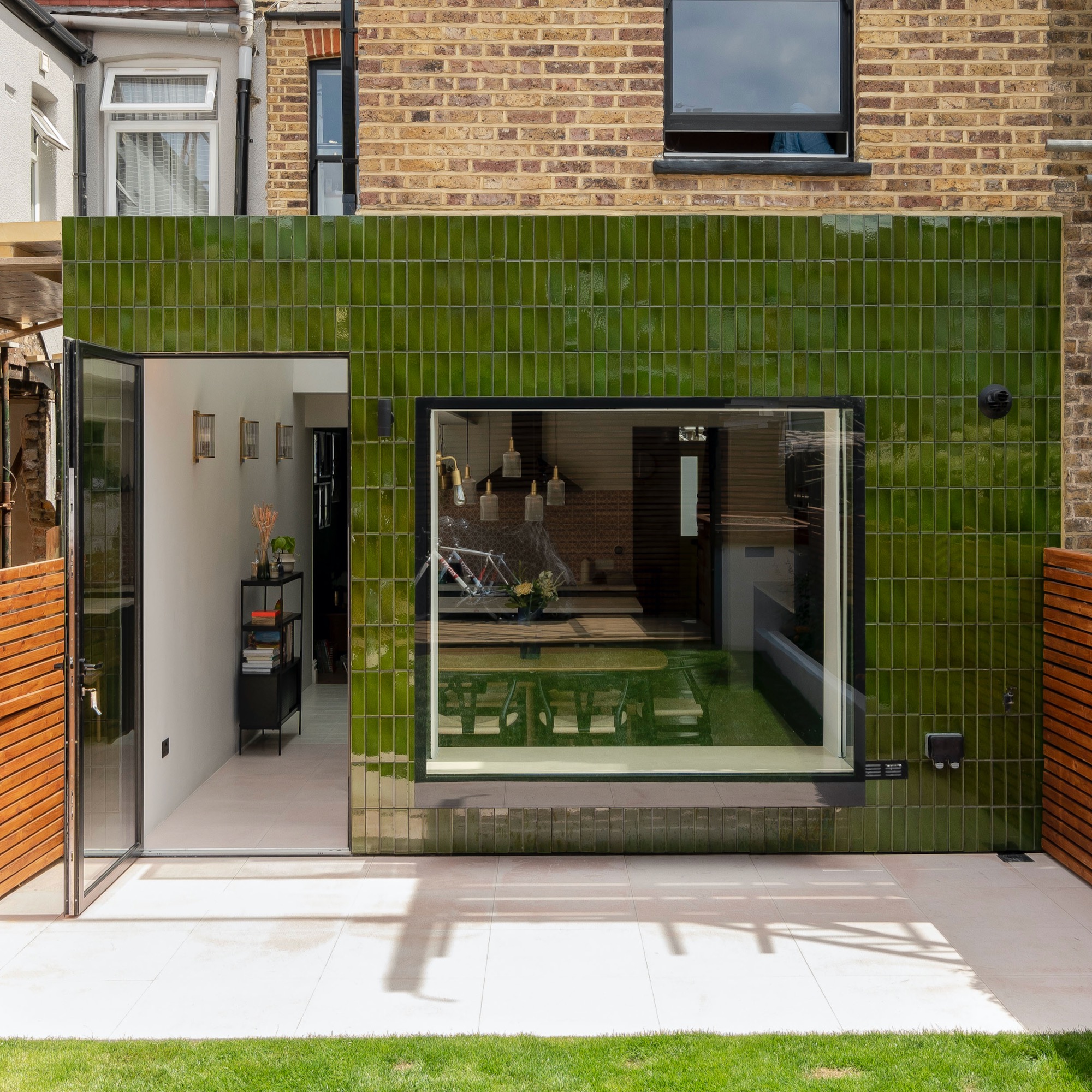
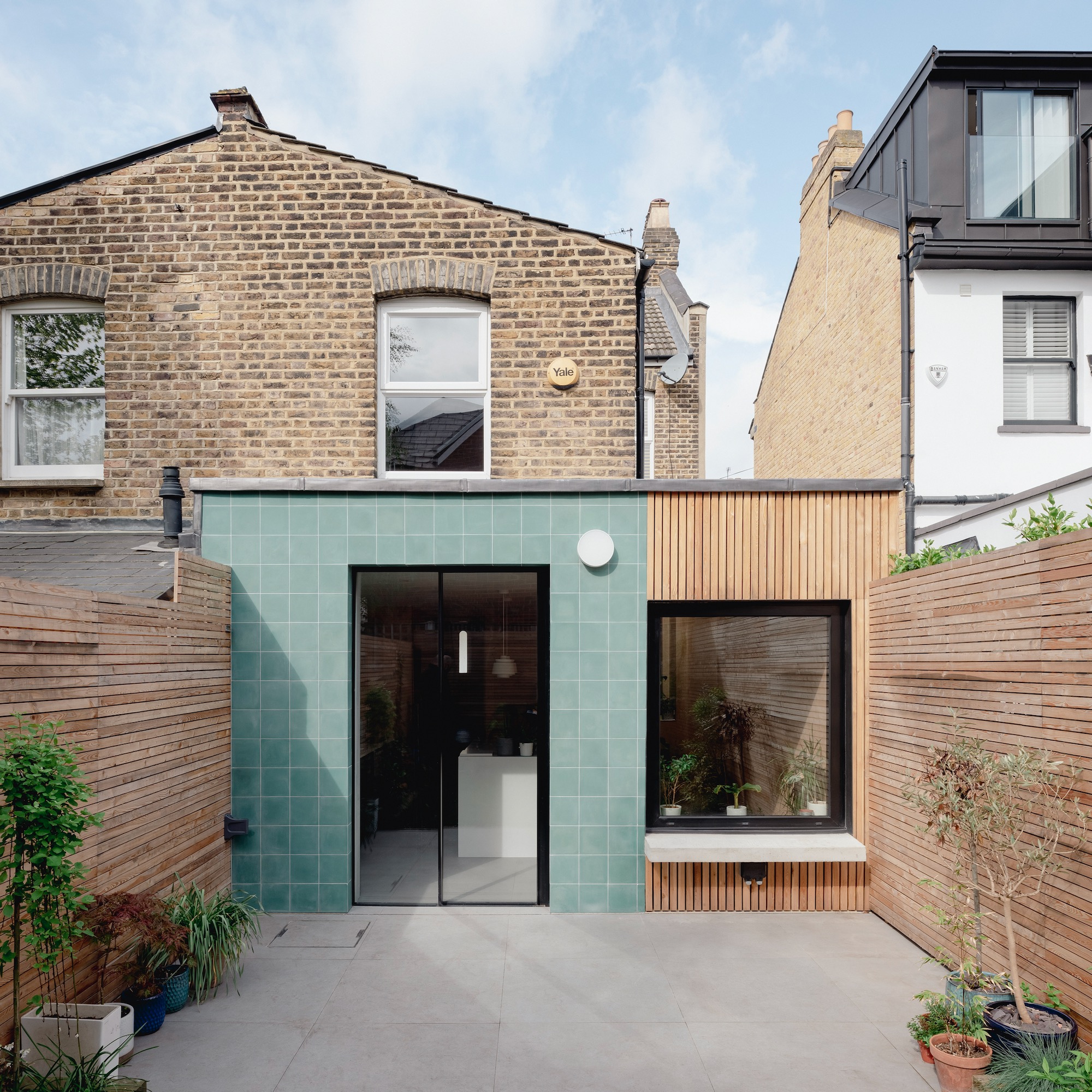
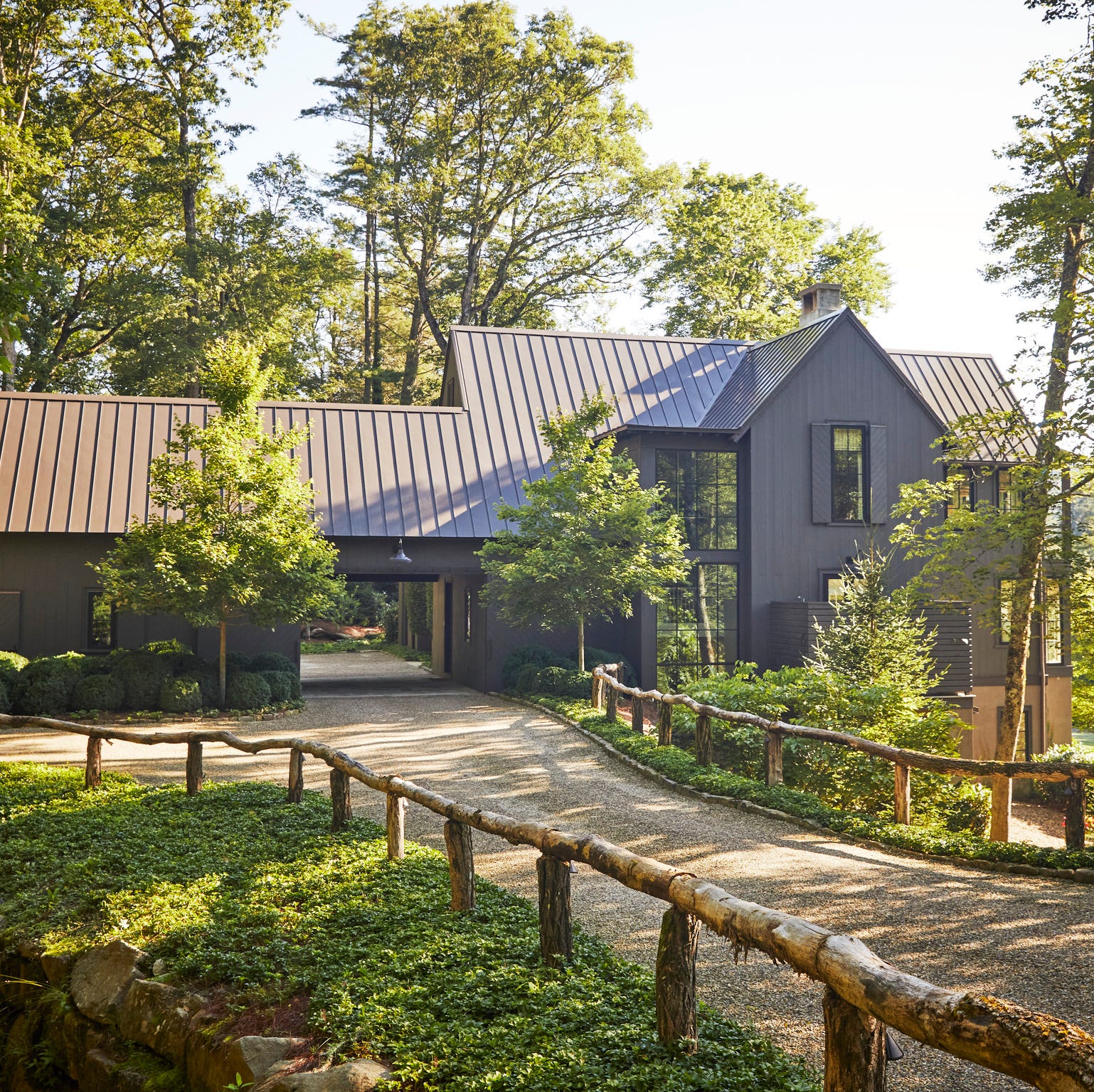
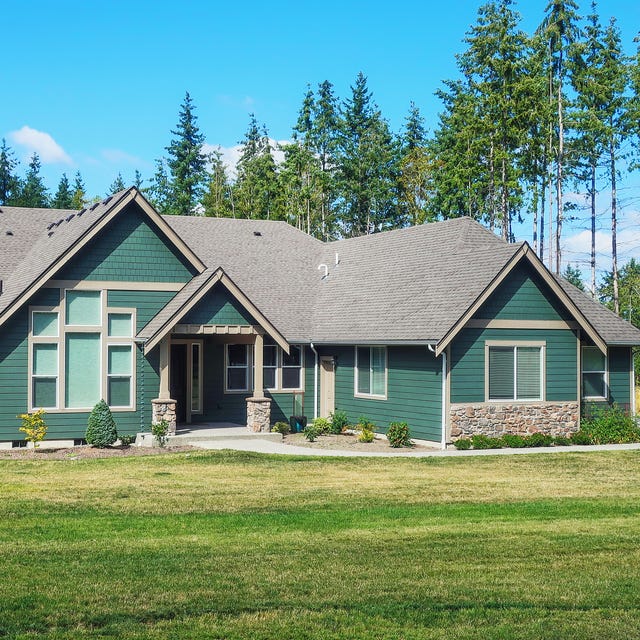
Finally, drawing inspiration from the surrounding natural environment can help in color selection. Coastal homes often feature cool blues, greens, and sandy neutrals, while rustic or cottage-style homes may lean towards earthy, deeper tones. Ultimately, the right exterior paint color is a thoughtful decision that balances aesthetic appeal with practical benefits like energy efficiency and paint durability, tailored to the specific climatic conditions and architectural style of the home.
#ExteriorPaintColors #ClimateConsiderations #HomeEnergyEfficiency #PaintLongevity #LightReflectanceValue #WarmClimateColors #FourSeasonColors #NeutralPaintColors #HomeExteriorDesign #ExteriorPaintColors #ClimateConsiderations #HomeEnergyEfficiency #PaintLongevity #LightReflectanceValue #WarmClimateColors #FourSeasonColors #NeutralPaintColors #HomeExteriorDesign
0 comment in total
 No comments yet
You may also like
The Best Exterior House Paint Colors for Hot and Cold Climates
The 25 Best Exterior Paint Colors To Give Your Home Inviting Curb Appeal for 2025
11 house exterior colour ideas - boost your kerb appeal with paint, cladding and tiles
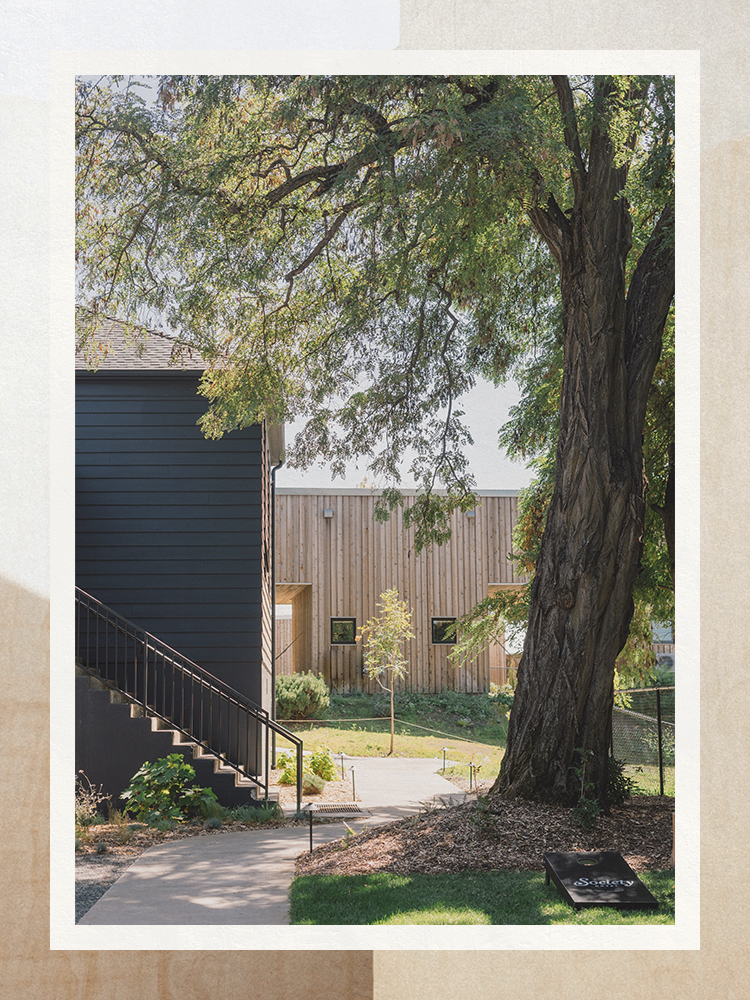
The Best Exterior Paint Colors to Give Your Home Serious Curb Appeal
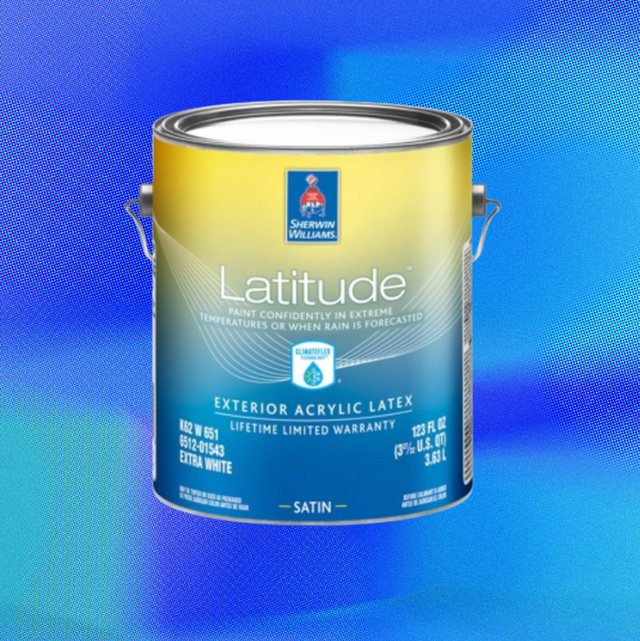
6 Best Exterior Paints for Your Home, According to Experts

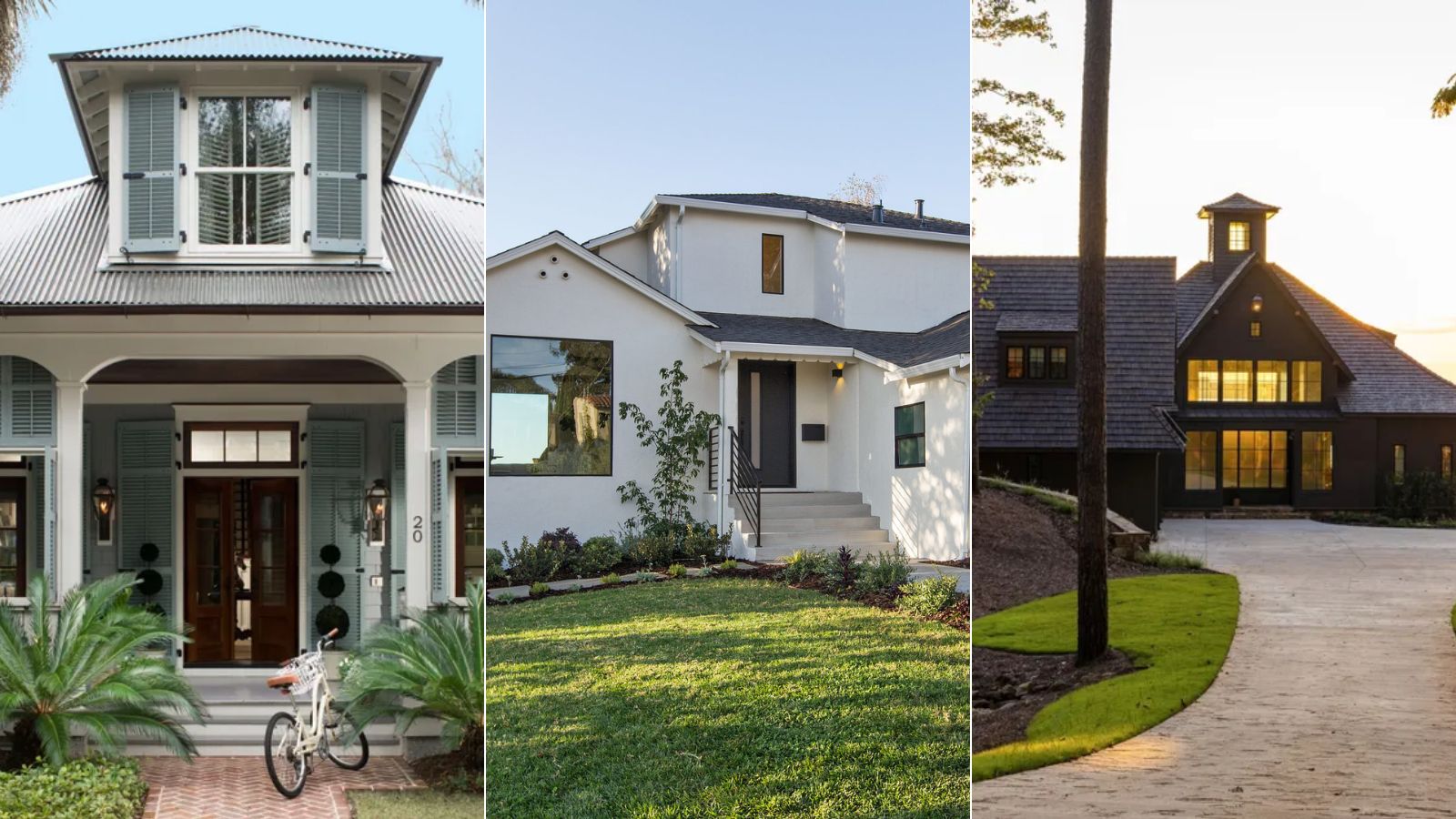
11 best colors for the exterior of your home, for a classic look year-long as suggested by experts

6 tips for picking the perfect exterior paint color for your home

8 Exterior Paint Colors That Make Your House Look More Expensive, According to Designers

These Exterior House Paint Color Combos Are Bound to Turn Heads
8 Warm Exterior Paint Colors That’ll Boost Your Home's Curb Appeal

12 Exterior Paint Colors That’ll Help Sell Your House

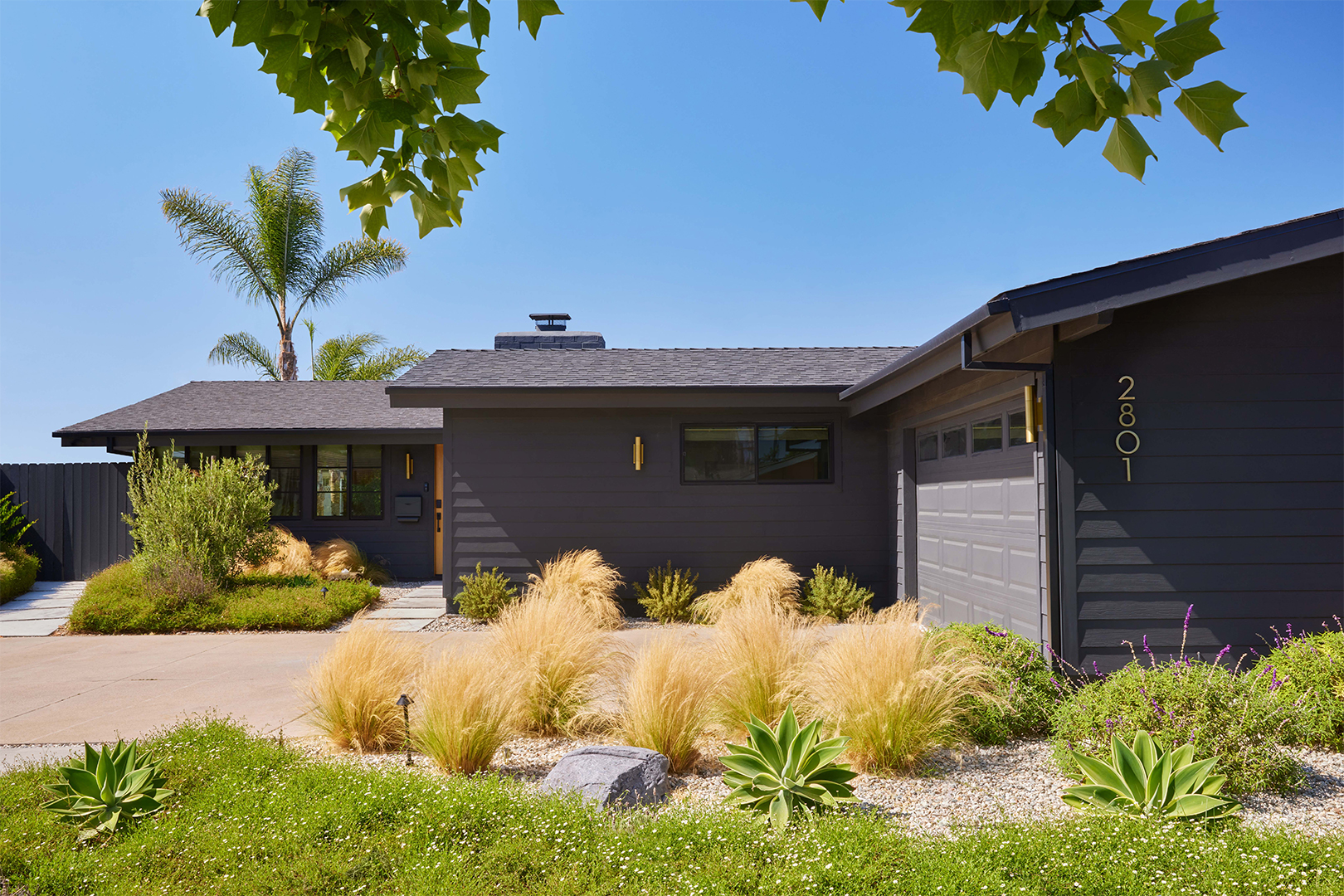
The Best Exterior Paint Colors Designers Have Ever Used

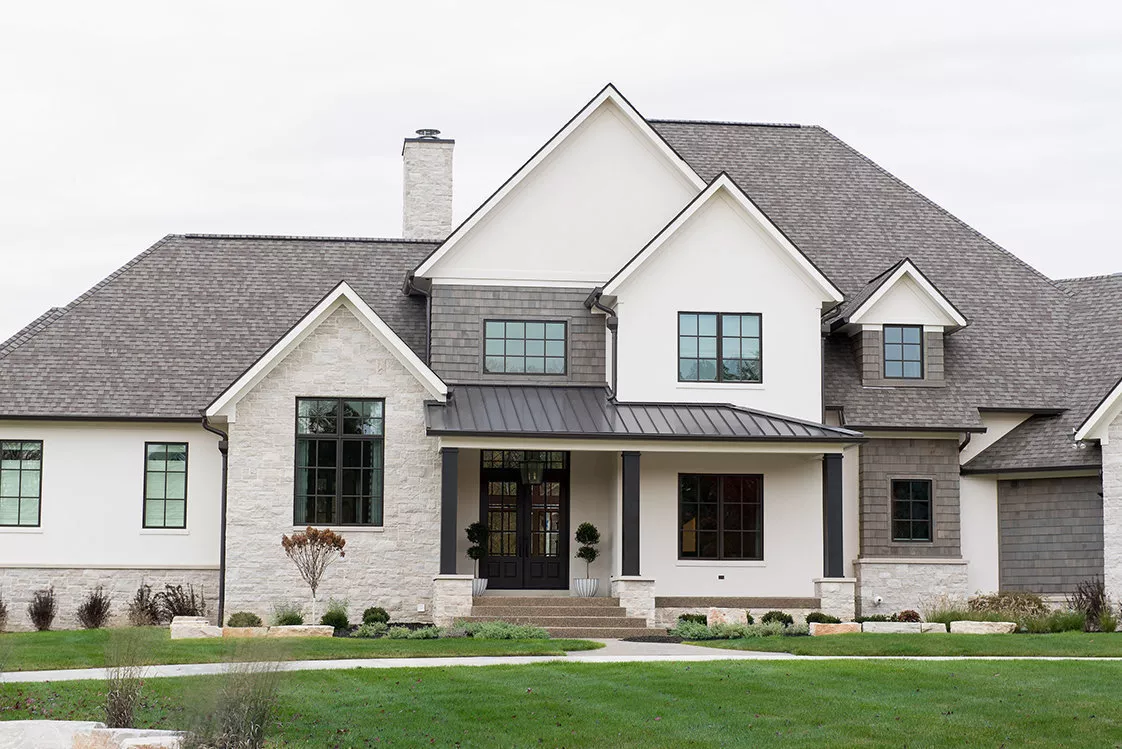
9 Tips for Choosing Exterior Paint Colors

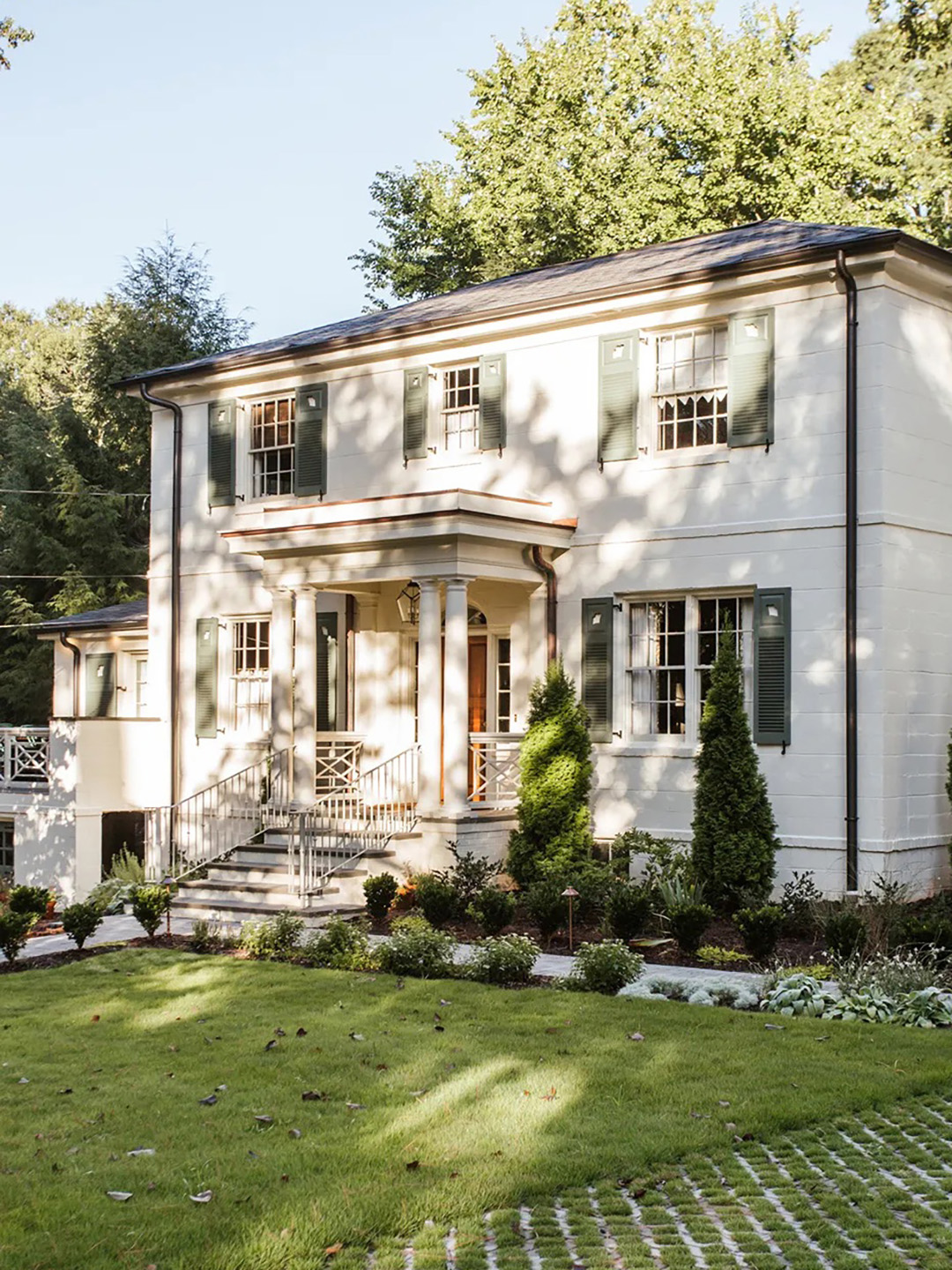
The Moody Shade That Will One-Up White Exteriors in 2026

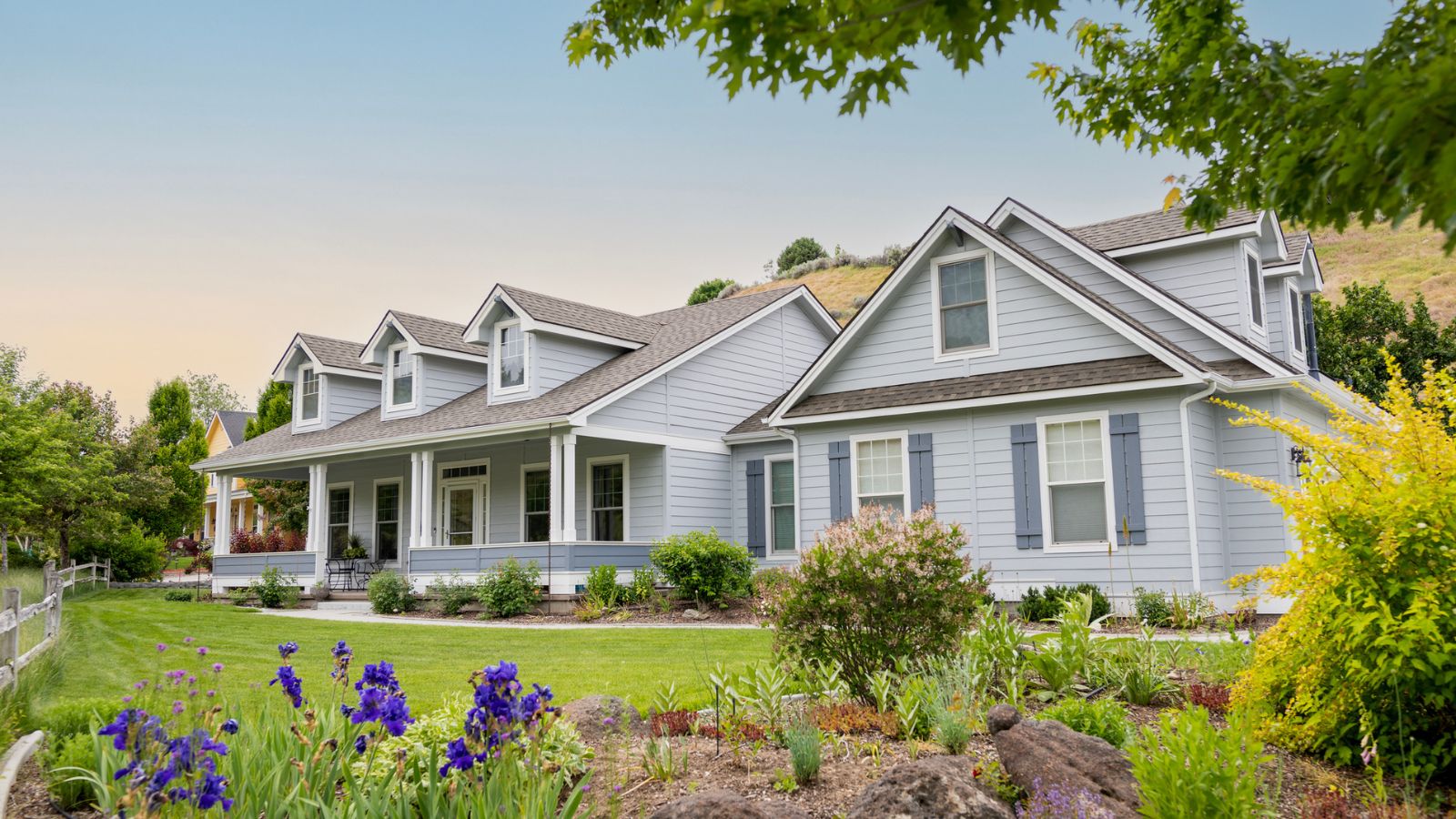
10 of the best exterior paint colors according to designers – these are the go-to shades from tried and trusted brands
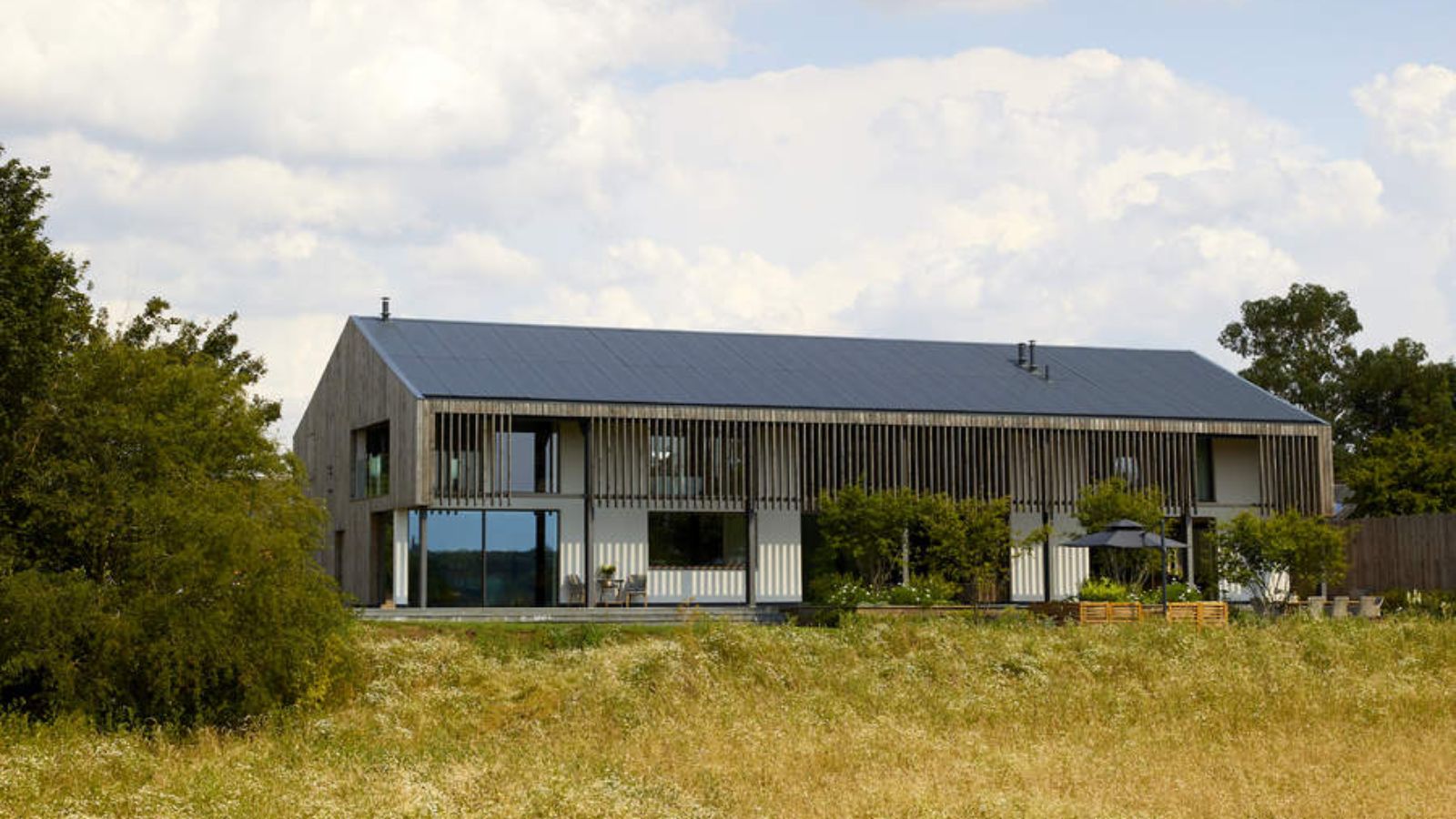
The best time to paint a house exterior, according to pros
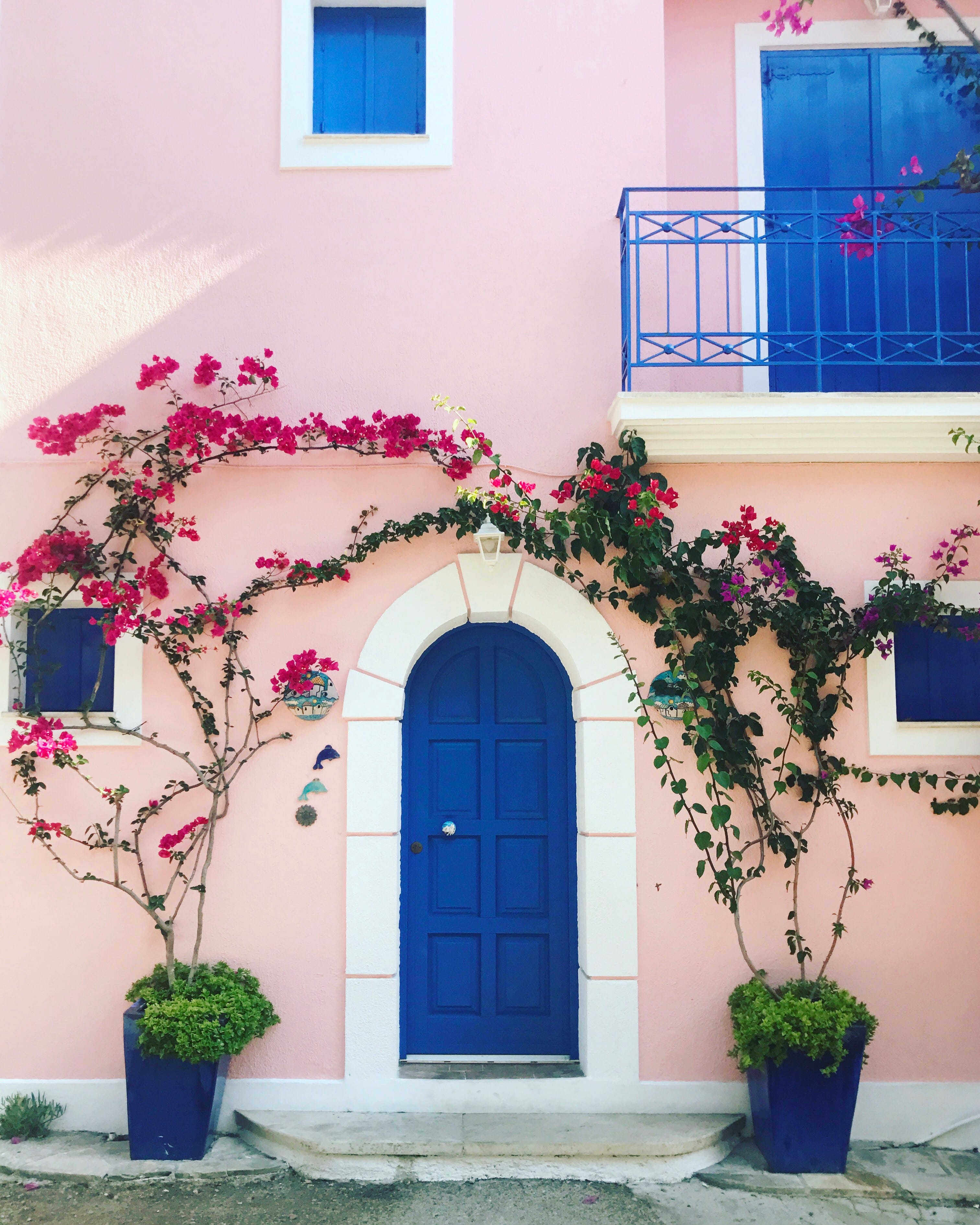
These 50 House Colors Are All the Rage in 2024

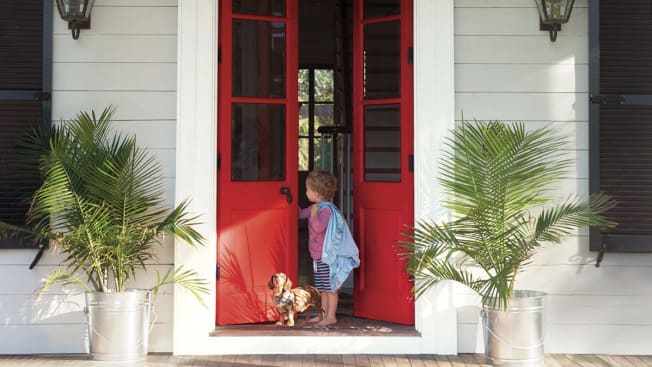
Hottest Exterior Paint Colors of 2020
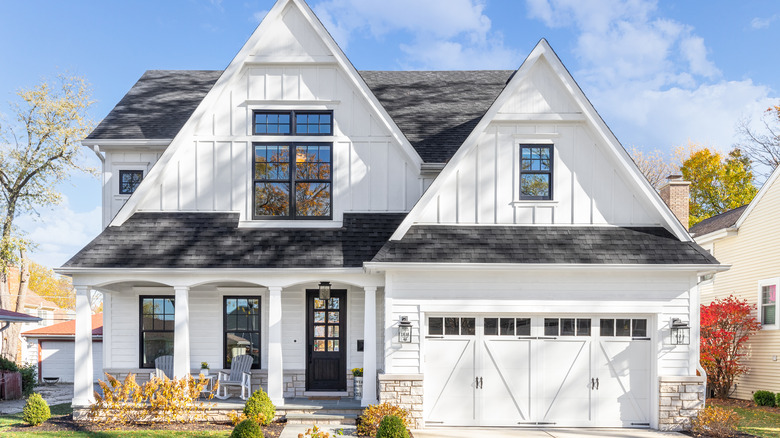
The Most Popular Exterior Paint Colors Of 2021
Designers Reveal 7 Exterior Paint Colors They Always Use for Their Projects