1/6
7 ways to flood-proof your home during Thailand’s storm season
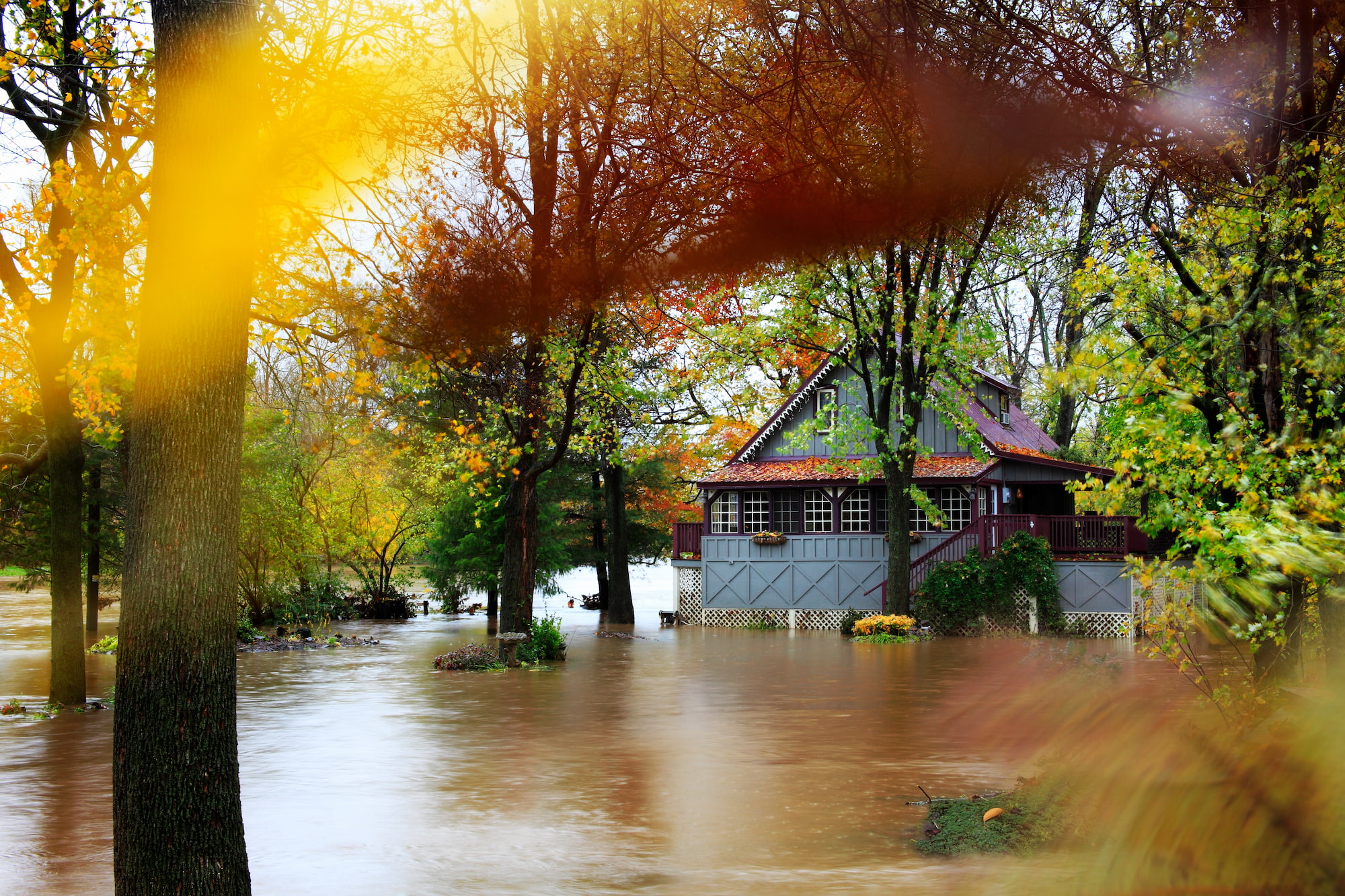
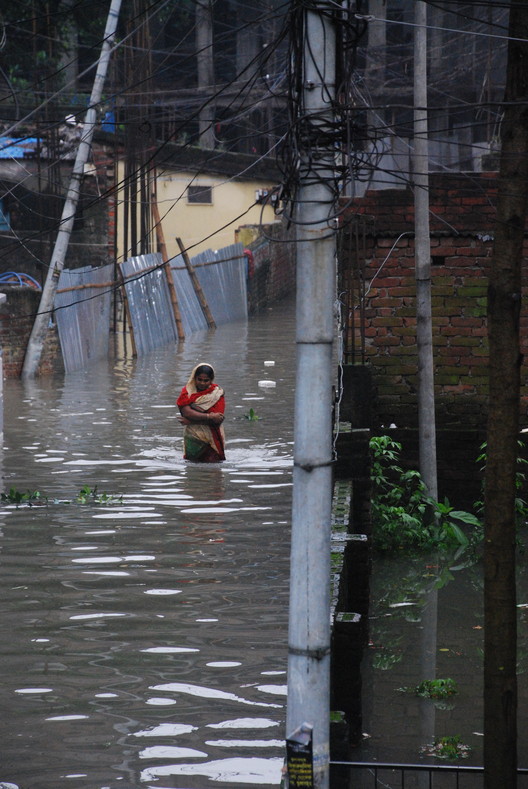
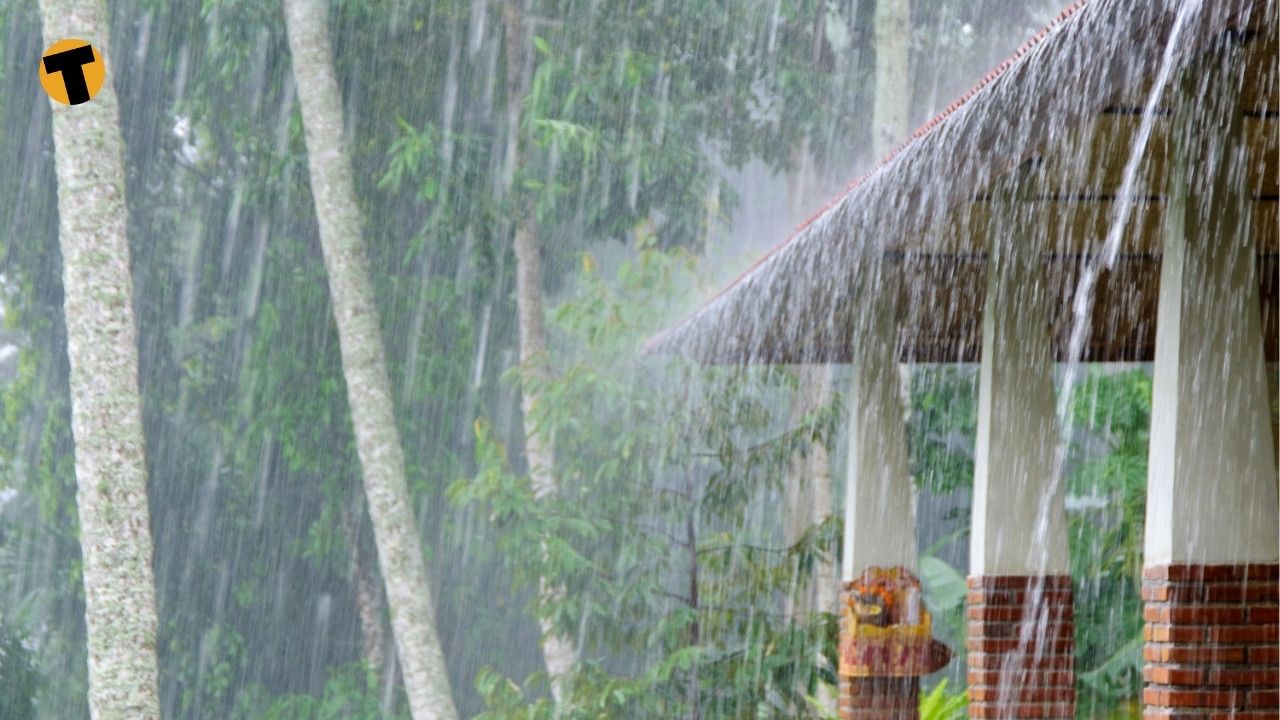
Thailand experiences an annual monsoon season from May to October, bringing heavy rains, flash floods, and rising river levels that can significantly impact homes, especially in low-lying urban areas like Bangkok, Chiang Mai, and Pattaya. Despite government efforts, drainage systems often struggle to cope with the sheer volume of water. Therefore, taking proactive measures to flood-proof a home is essential for residents, whether they own or rent. This guide outlines seven effective methods to protect a home during Thailand's stormy months and highlights the importance of comprehensive insurance coverage.
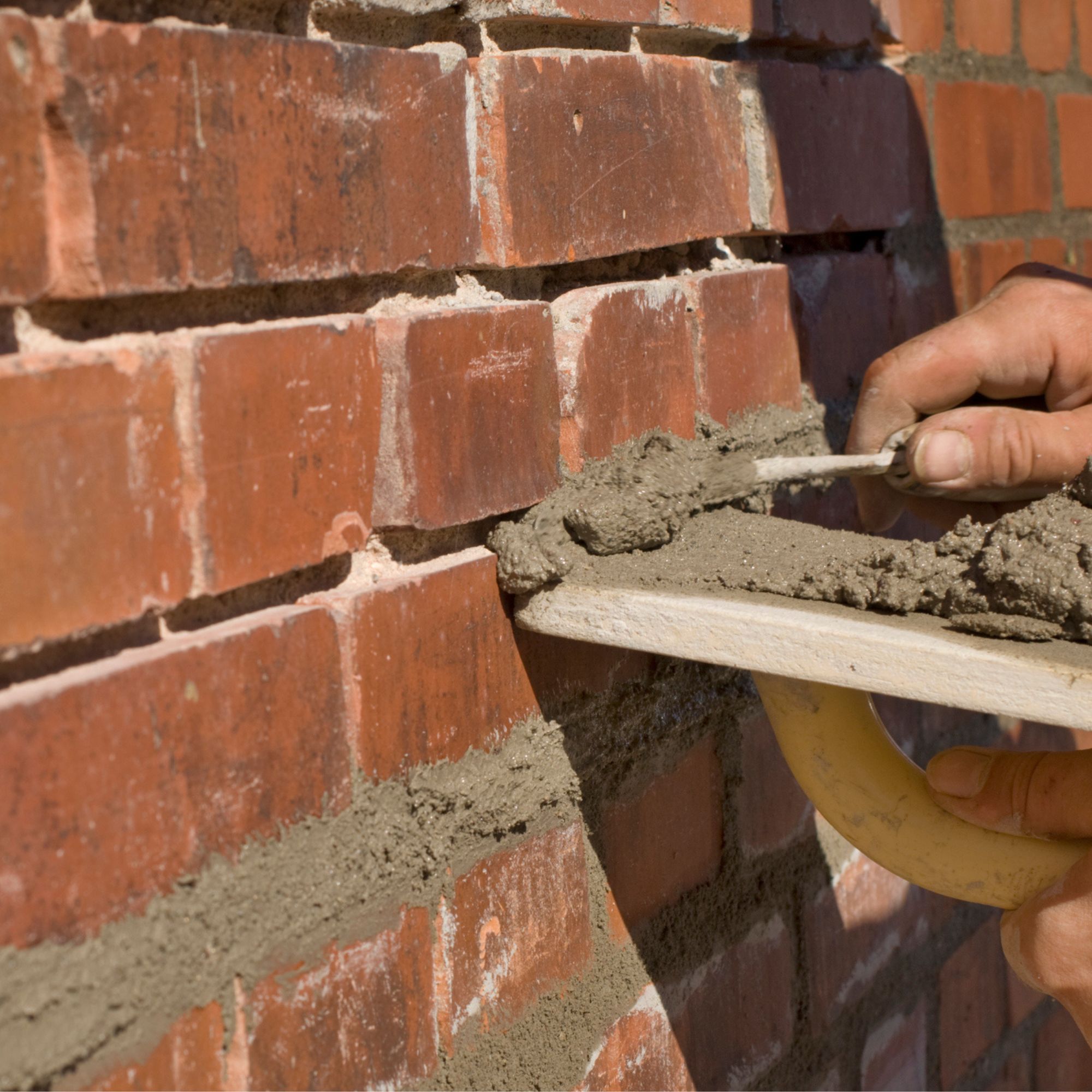
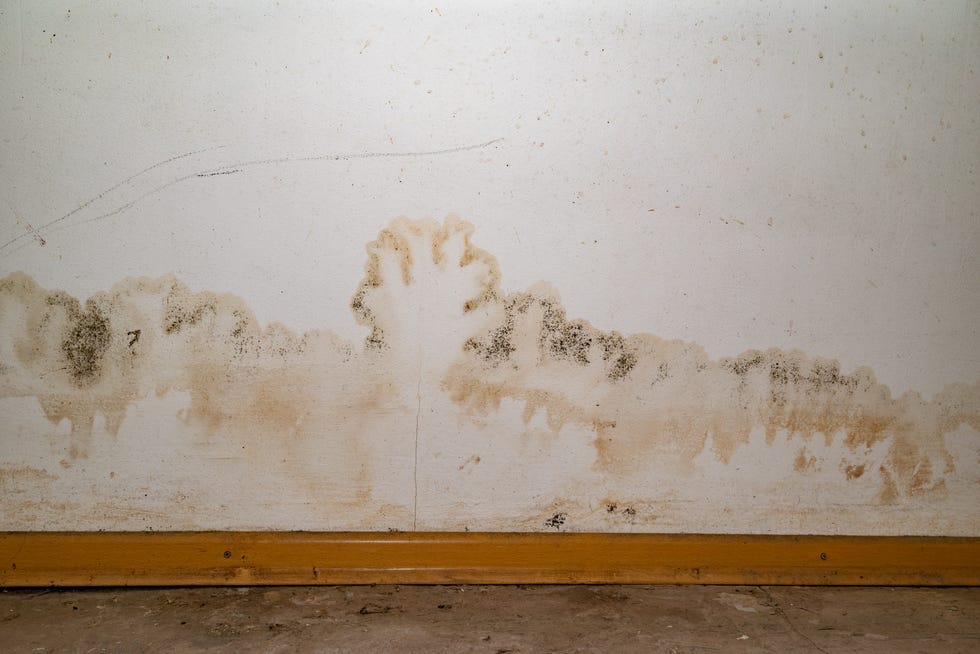
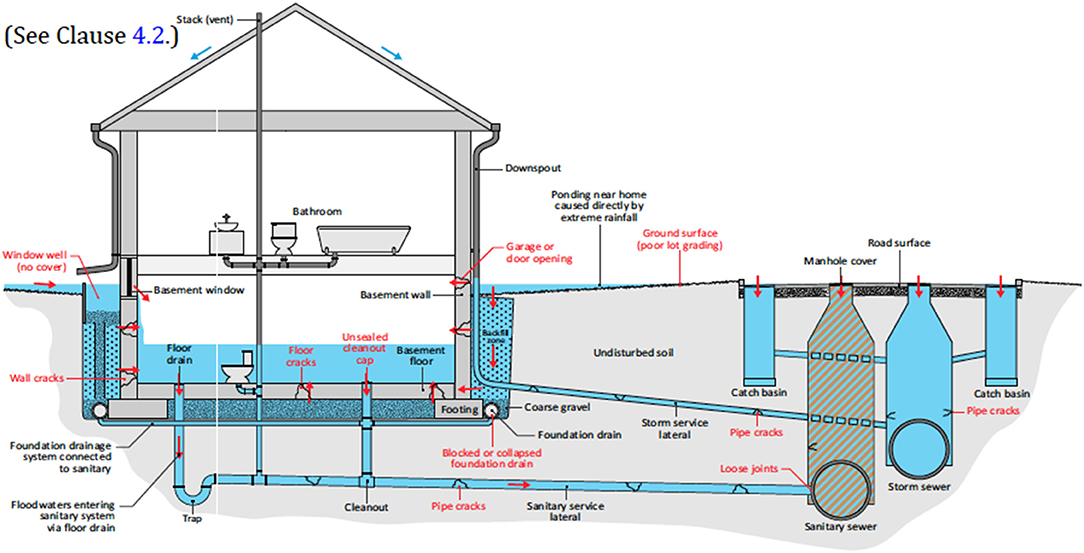
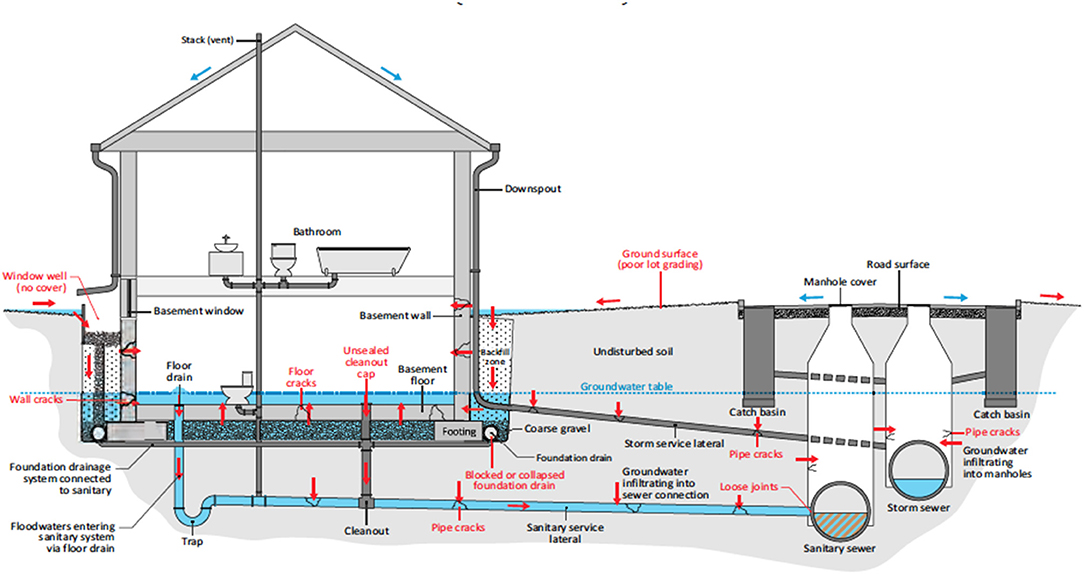
One of the most effective strategies is to elevate the home. Traditional Thai homes on stilts demonstrate this concept, allowing water to flow harmlessly beneath the structure. For modern homes, elevating and extending the foundation can be a costly but worthwhile investment, especially in flood-prone regions, also providing protection against land subsidence and rising sea levels. Beyond elevation, sealing the home's structure is crucial. Floodwater often infiltrates through small cracks in walls, foundations, and around utility pipes. Regular inspections for signs like musty smells or peeling paint near the floor are necessary. Using cementitious sealants, bituminous coatings, or professional epoxy injections can prevent water entry. It is equally important to seal around pipes, utility lines, and windows to deter water, pests, and insects.
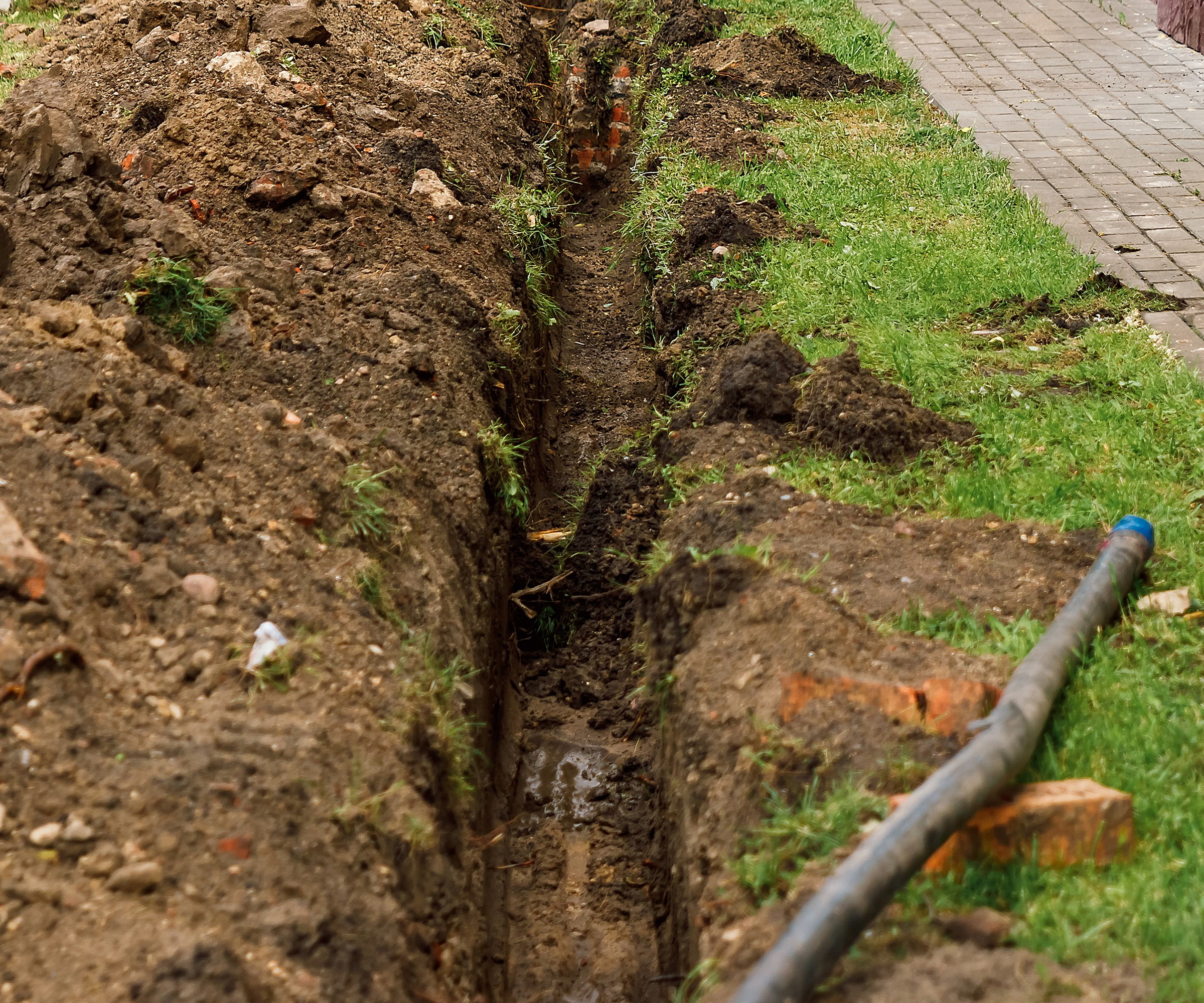
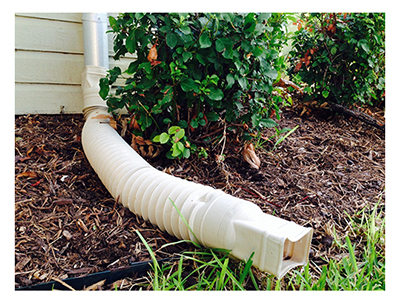
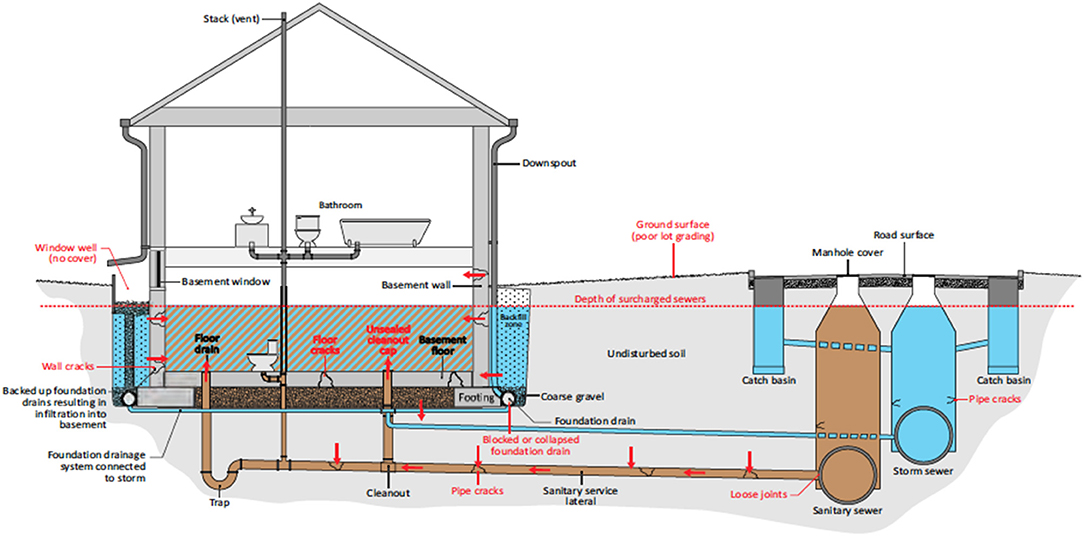
Redesigning the yard to manage water runoff is another key step. Grading the land to slope away from the home at a ratio of 1 inch per foot for at least 2 to 3 meters directs rainwater away from the foundation. For urban homes with limited space, replacing solid concrete driveways and walkways with permeable paving materials like Permeable Interlocking Concrete Pavers (PICP) or Plastic Grid Pavers allows water to seep into the soil, significantly reducing surface runoff. To address internal flooding from sewage backflow, installing non-return check valves in sewer and stormwater lines is vital. These valves automatically close to prevent contaminated water from entering the home during overwhelmed municipal systems, offering a cost-effective and maintenance-free solution to a significant sanitation hazard.
Protecting electrical utilities is paramount for safety and recovery. Elevating electrical sockets and circuit breakers to at least 120cm above ground, along with raising external air-conditioning units and pumps on concrete platforms or steel brackets, minimizes water damage and electrical hazards. Having a backup power source, such as a generator or solar system, ensures essential appliances can run during power outages, aiding post-storm recovery. For immediate flood defense, temporary barriers like traditional sandbags, water-activated quick dams, or modular aluminum barriers can be deployed. Sandbags should be filled two-thirds full and stacked in a staggered pattern with plastic sheeting for watertightness. Quick dams expand upon contact with water, while modular barriers offer a reusable, custom-fitted solution for doors and gates.
Finally, comprehensive home insurance is a critical last line of defense. Even with thorough prevention, damage can occur. Insurers like AA Insurance Brokers provide flexible plans covering flood and storm damage, fire, theft, and temporary accommodation. Both Named Perils and All-Risks policies offer extensive coverage, ensuring financial protection and peace of mind. Given that floods are an annual occurrence in Thailand, combining robust prevention measures with reliable insurance is essential for safeguarding property and well-being.
#FloodProofing #HomeProtection #ThailandStormSeason #MonsoonPreparedness #HomeInsurance #PropertyMaintenance #DisasterReadiness #FloodControl #ResidentialSafety #FloodProofing #HomeProtection #ThailandStormSeason #MonsoonPreparedness #HomeInsurance #PropertyMaintenance #DisasterReadiness #FloodControl #ResidentialSafety
0 comment in total
 No comments yet
You may also like

Ways to protect your home from flooding – safeguard your space from storms

Everything I Did to Flood-Proof My Old House | Reviews by Wirecutter
Reducing Urban Flood Risk Through Building- and Lot-Scale Flood Mitigation Approaches: Challenges and Opportunities
So Your Basement Is Severely Flooded. Now What?

Floodproofing a house — 12 things experts say you can do
The BEST Ways to Protect Your Home From Water Damage, According to Experts


4 ways to prevent flood damage to your car during a storm


12 exterior areas of your home that are prone to leaks in rainy season – and how to prevent moisture getting inside

When Rivers Rise Fast – Flood-Smart Living: Simple Steps to Protect your Home
What to Do If Your Basement Floods During a Storm, According to Experts

How Can Architecture Combat Flooding? 9 Practical Solutions

6 Best Hurricane Shutters to Protect Your Home During Storm Season


Four ways to storm-proof your home for hurricane season

How To Keep Floodwaters From Entering The House Through The Front Door And Bathroom

Beat the heat: 7 DIY natural ways to summer-proof your house | Lifestyle News

6 Best Sump Pumps to Flood-Proof Your Basement


Worried about your basement flooding? Install these temporary measures before heavy rainfall
6 ways to future-proof your home against extreme weather – your home (and wallet) will thank you

7 ways to winter proof your bathroom

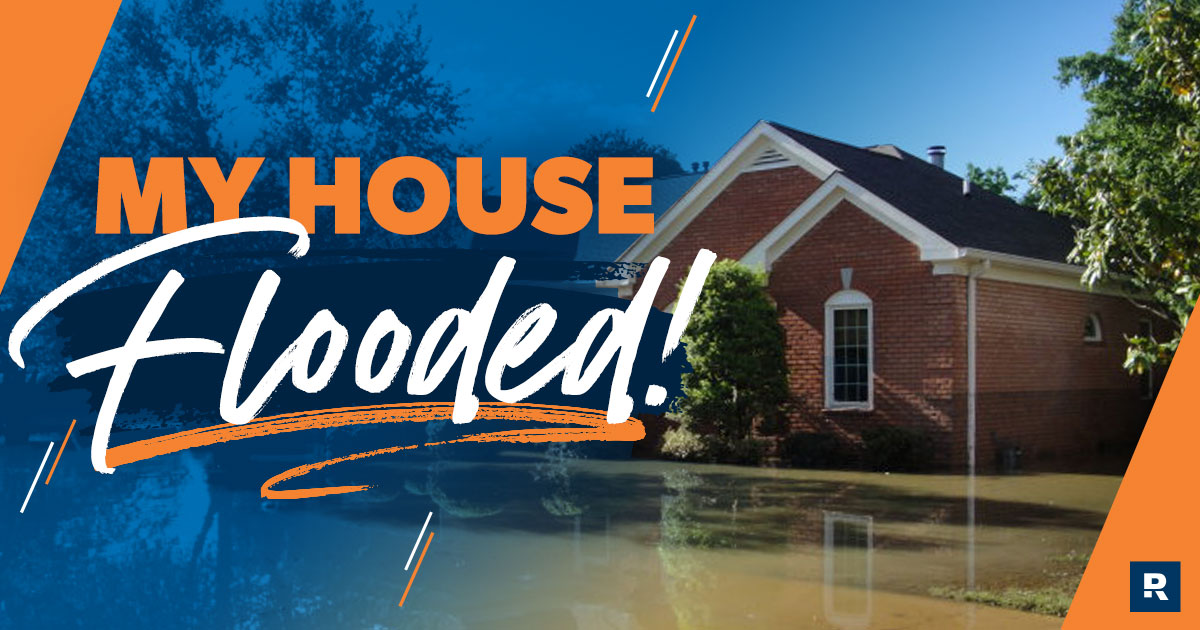
My House Flooded . . . Now What?