1/2
Beyond bleach: Mold a long-term problem after flooding and disasters
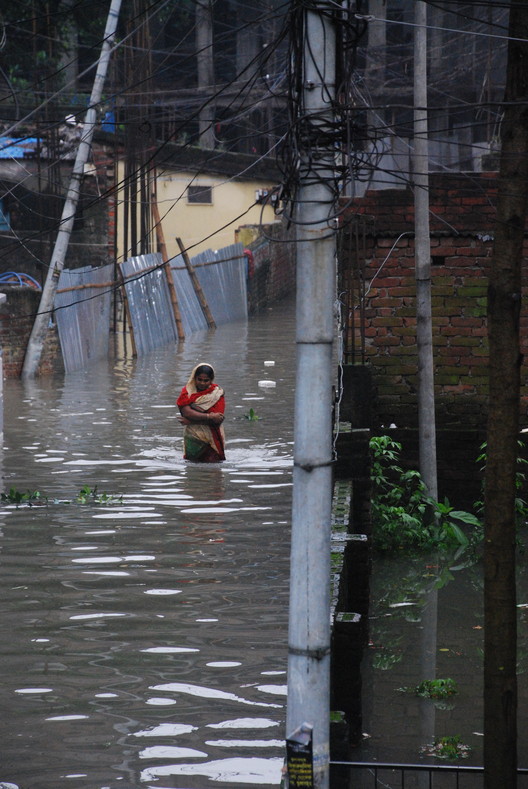
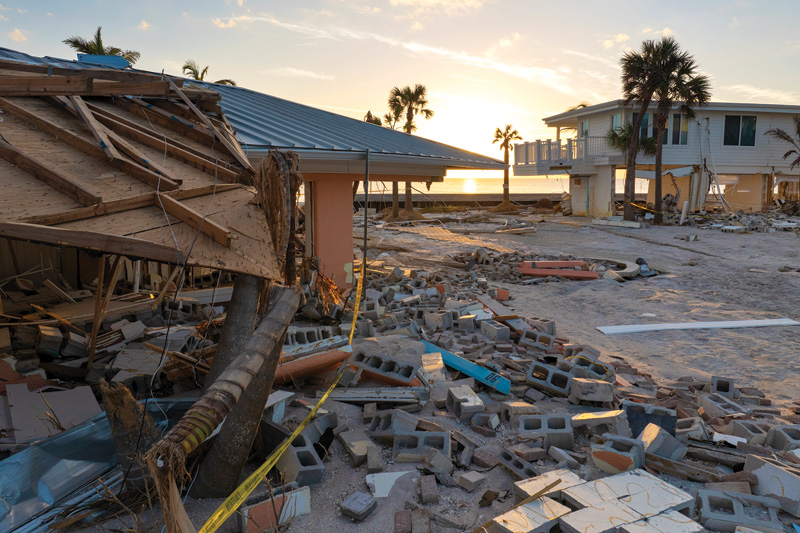
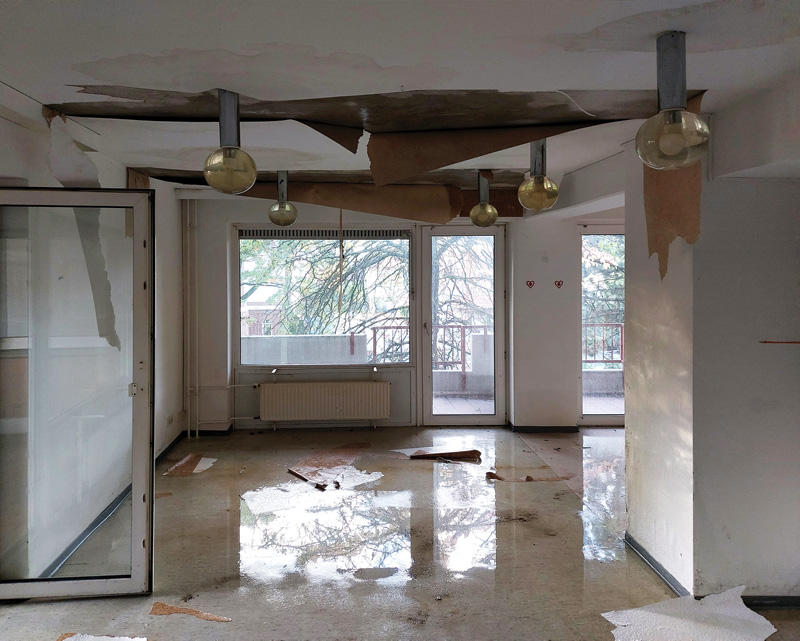
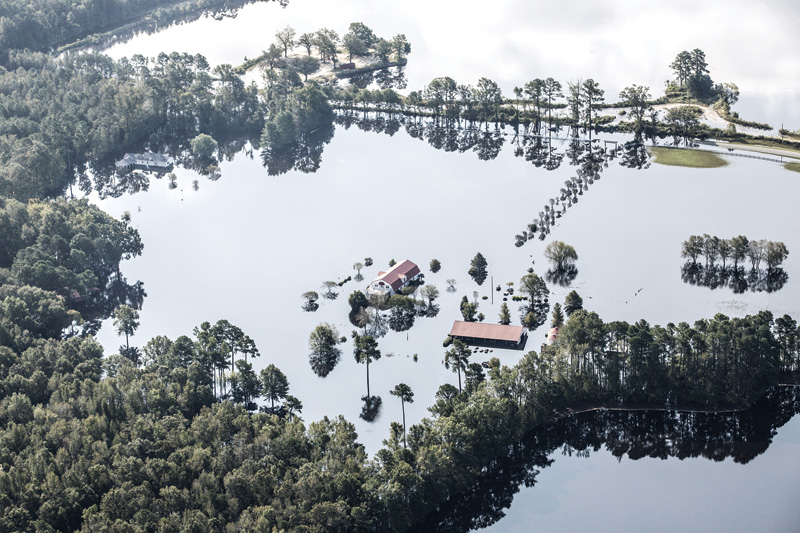
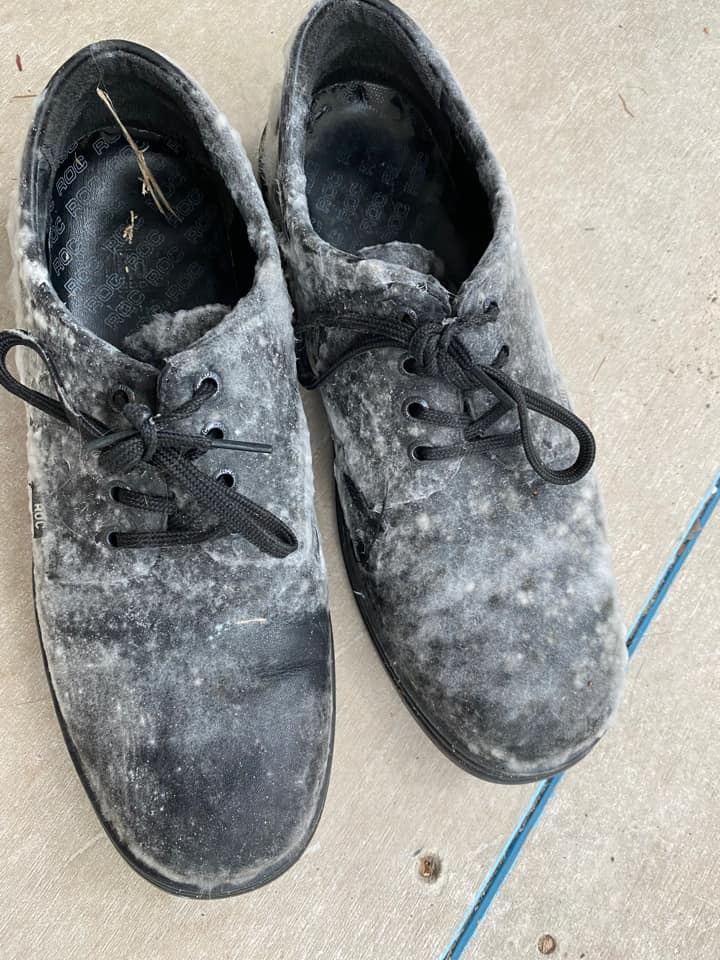
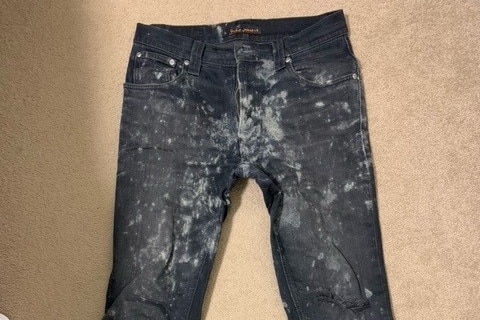
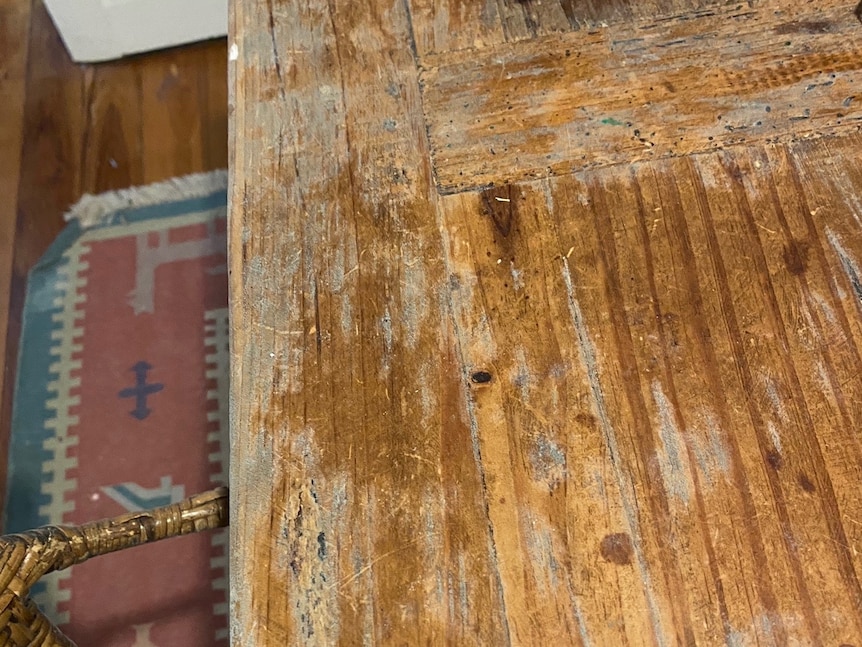
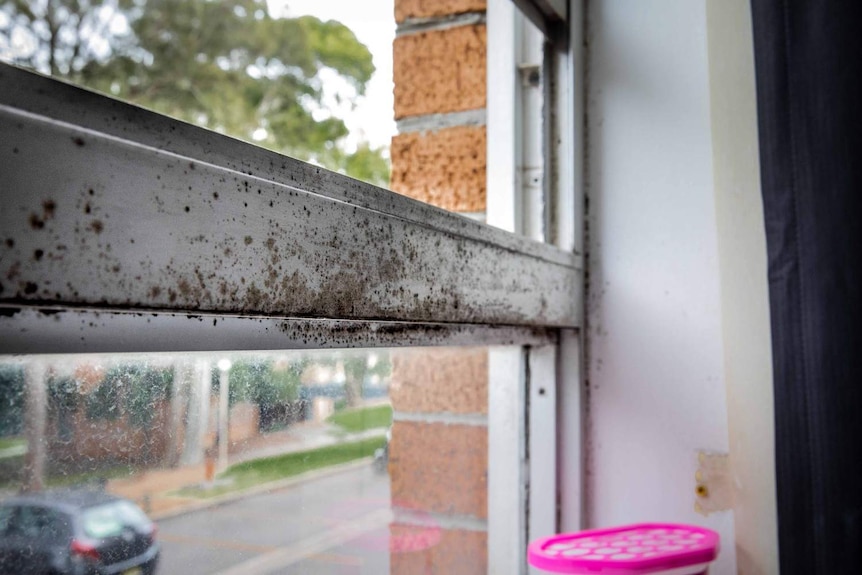
Natural disasters leading to flooding often leave behind a significant and persistent problem: mold. This issue can linger long after floodwaters recede, affecting the structural integrity and inhabitability of homes. Given that a considerable percentage of homes already exhibit conditions conducive to leaks, and mold thrives in a wide range of temperatures, its proliferation after a flood is not uncommon. Mold is a type of fungi, and damp conditions are ideal for its growth, creating unhealthy living environments. In large quantities, all molds are allergenic and potentially harmful, with historical instances linking mold exposure to severe health consequences and even fatalities following major natural disasters like Hurricane Katrina. The health effects of mold exposure can manifest as both short-term and long-term issues.
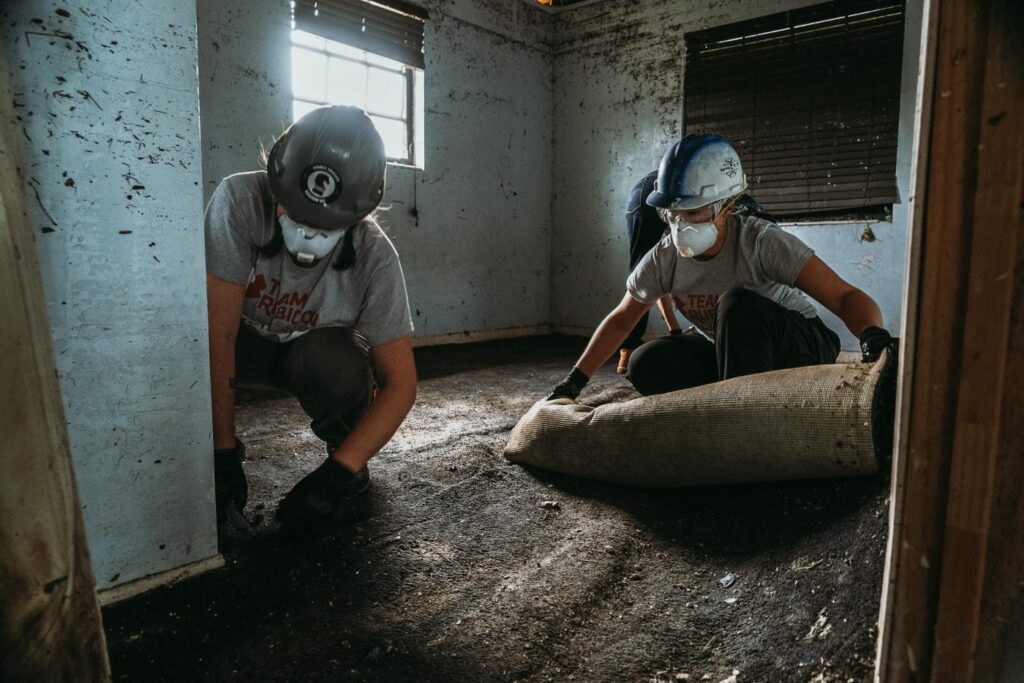
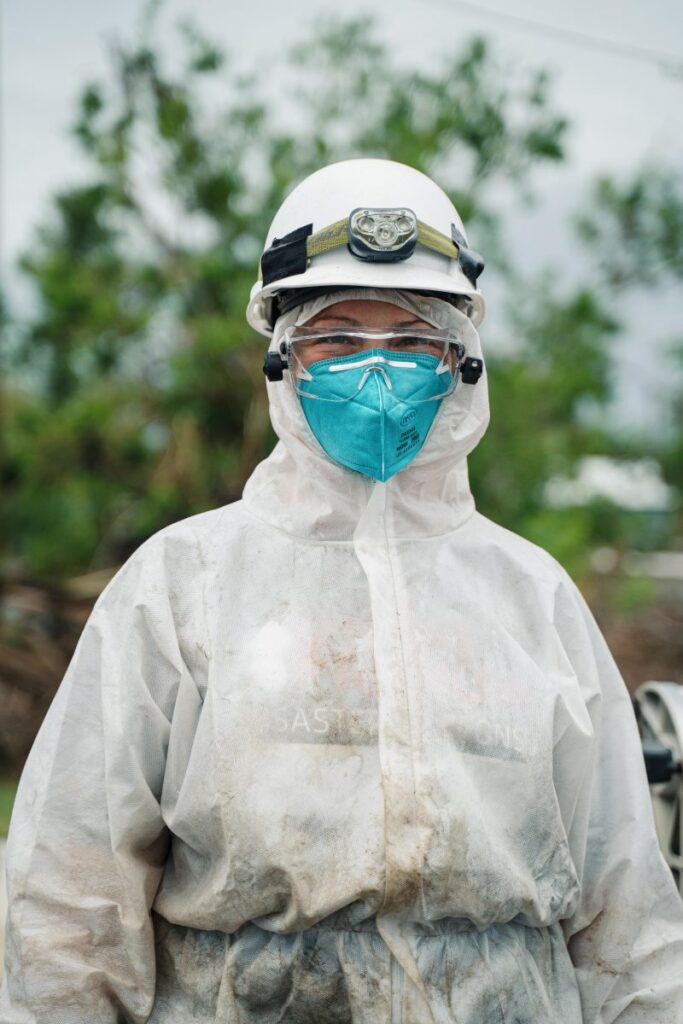
Addressing mold effectively requires immediate and careful action. Before re-entering a flooded home, prioritizing safety is crucial, including checking for structural stability and consulting specialists if damage is severe. For smaller mold-affected areas (under 10 square feet), homeowners can often manage the cleanup themselves. However, for larger infestations, professional remediation services are recommended. When hiring professionals, it's advisable to seek those affiliated with or certified by recognized environmental health and restoration organizations. For DIY efforts, protective gear, such as P100 or P95 respirators, eye protection, non-latex gloves, and coveralls, is essential. Containing the work area helps prevent the spread of mold spores. Identifying the full extent of the damage and preventing further water intrusion are key initial steps.
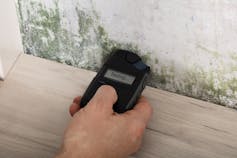
Tools like moisture meters are valuable for assessing the wetness of materials, as some dampness may not be immediately visible. Wood moisture content, for instance, should ideally be below 16 percent. Prompt and thorough drying of all wet areas is critical, as mold can begin to grow within two days of sustained wetness. It's important to remove mud and silt before they dry. Air-conditioning, heaters, fans, and dehumidifiers aid in moisture removal, but once mold has appeared, fans should be avoided to prevent spore dispersal. Mold is a resilient organism, capable of growing even in relatively dry spaces with specific humidity levels.
Contrary to popular belief, bleach is not always the most effective solution for mold. While it can kill mold on non-porous surfaces like tile, it is ineffective on porous materials such as wood and drywall, where it can even promote further growth by leaving moisture. Bleach also doesn't prevent mold regrowth if dampness persists. When using bleach on appropriate surfaces, it should be diluted, and the area must be well-ventilated. Bleach should never be mixed with ammonia due to the risk of toxic fumes, nor should it be used on air conditioning systems or fine wood furnishings. Sometimes, disposal of severely damaged items is the best course of action. Items like carpeting, upholstered furniture, and mattresses that absorb water quickly and dry slowly should be removed. Building materials in older homes, such as flooring or siding, may contain lead paint or asbestos, requiring additional precautions during removal.
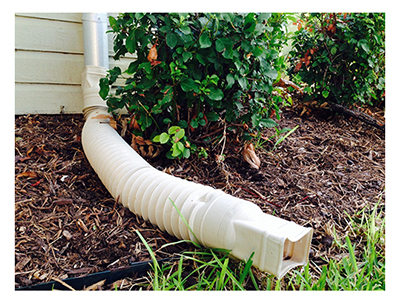
Effective mold remediation means complete removal, not just killing the mold, as dead spores can still pose health risks. The area should be wiped or vacuumed, preferably with a HEPA filter vacuum. Following this, a non-phosphate cleaning solution and hot water, along with stiff brushes and cloths, can be used. High-pressure sprayers are discouraged due to the risk of spreading spores. Ongoing vigilance is necessary, including monitoring for new mold growth and addressing persistent dampness. Ensuring proper exterior drainage and using indoor humidity controls, like exhaust fans, can help prevent future issues. If new mold appears, repeating the cleaning process or considering more extensive removal of building materials may be required. Dealing with post-flood home damage and mold can be emotionally taxing, but with proper knowledge and action, homes can be safely repaired and restored.
#MoldRemediation #FloodDamage #DisasterRecovery #HomeSafety #IndoorAirQuality #FungiGrowth #HouseholdHazards #PostDisasterCleanup #HealthyHomes #MoldRemediation #FloodDamage #DisasterRecovery #HomeSafety #IndoorAirQuality #FungiGrowth #HouseholdHazards #PostDisasterCleanup #HealthyHomes
0 comment in total
 No comments yet
You may also like
Here’s What to Do With Your Carpets After a Flood
Floodproofing a house — 12 things experts say you can do
7 ways to flood-proof your home during Thailand’s storm season

Does Homeowners Insurance Cover Mold?


When Rivers Rise Fast – Flood-Smart Living: Simple Steps to Protect your Home
Reducing Urban Flood Risk Through Building- and Lot-Scale Flood Mitigation Approaches: Challenges and Opportunities
How to Clean Up After a Flood: Muck Outs and More

Top 5 Things That Go Wrong in Too-Fast Construction

How Can Architecture Combat Flooding? 9 Practical Solutions


How to Prepare if You Live or Work in a Floodplain

5 reasons why floating development is set to take the world by storm

Rebuilding

Deluge defence: smart solutions for when the rain comes
Ways to protect your home from flooding – safeguard your space from storms


Drainage system
My House Flooded . . . Now What?
Hurricanes and flooding: Advancing building strategies for resilience
Lots of rain can mean mould, this is how to get rid of it. - ABC Emergency

Sea levels are rising, here’s how to floodproof your home

Flood proof skirting boards provide room heating