Rebuilding
Los Angeles County outlines a streamlined rebuilding process for residents affected by wildfires, establishing one-stop permit centers to assist with navigation. Construction cannot commence until debris removal is complete, but residents are encouraged to apply for necessary permits as soon as they are ready. A guide titled "The Road to Rebuilding" helps residents understand the steps involved in the complex rebuilding process after a wildfire, including an animated video overview.
Key rebuilding highlights include scheduling appointments at one-stop permit centers, applying for building or fire debris removal permits, learning about like-for-like rebuild options, obtaining temporary housing permits, and utilizing mapping resources. Information is also available for navigating manufactured and factory-built homes. The article addresses frequently asked questions related to fire rebuilds, covering topics such as what to expect, permitting timelines, and fees.
A "like-for-like" rebuild, as defined by the Zoning Code, involves a replacement structure that is the same size, in the same location, and for the same use as the previous one. In the Palisades Fire affected area, modifications that do not increase floor area, size, height, or building footprint by more than 10% are allowed. In the Eaton Fire affected area, modifications can increase these aspects by up to 10% or 200 square feet, whichever is greater. These structures can have different internal floor plans or be smaller and do not need to comply with current Zoning Code requirements but must adhere to current Building, Fire, and Health and Safety Codes.
The timeline for rebuilding is not definitive, with applications for temporary housing and like-for-like rebuilds generally required within two years of an emergency declaration. Extensions may be granted, but building permits expire if construction doesn't begin within 12 months. The duration of the permitting process varies based on project complexity, with expedited services for like-for-like rebuilds and pre-approved plans. More complex projects will still be expedited, with initial reviews within 10 business days and rechecks within 5 business days for Regional Planning.
Additional agency approvals, such as a water agency "Will-Serve" letter, are usually required before a building permit can be issued. Minimum submittal requirements include one application with architectural plans and property ownership information to initiate review, with additional materials like structural and energy plans requested later. A debris removal permit is only necessary if homeowners opt out of the government-assisted program. Reusing existing foundations requires evaluation by an engineering consultant, ensuring the foundation meets current building code requirements after thorough testing and forensic analysis. Demolition permits are not required for those in the government's debris removal program if the foundation remains.
The article also addresses specific code requirements, including exemptions and waivers for certain like-for-like rebuild projects in the Eaton Fire area, such as electric vehicle-ready infrastructure, cool roof requirements, graywater-ready plumbing systems, and low impact development (LID) requirements for buildings constructed before 2009. LID requirements are not waived in the Palisades area. Guidance is provided on cross-lot drainage and the process for determining previous square footage and available construction plans. Pre-approved building plans are available for homeowners, and solar panels are no longer mandatory but homes must be solar-ready. Fire sprinklers are required by current codes, and while new buildings must be electric-ready, gas appliances are still permitted. Wood-burning chimneys are now allowed for fire rebuild projects.
Information on property tagging ("Yellow" or "Red" tags) provides details on access restrictions and safety concerns, with contact information for local Building and Safety District Offices and One-Stop Permit Centers. Temporary housing, including RVs, manufactured homes, or mobilehomes, is allowed with proper connections, and approvals expire two years after the emergency declaration, with possible extensions. Manufactured and factory-built homes can serve as permanent replacement structures if they meet fire-resistant construction requirements and are installed on a continuous concrete footing. Building new Accessory Dwelling Units (ADUs) is permitted as temporary housing while the primary dwelling is rebuilt, with expedited permitting and compliance with current codes.
Utility-related questions cover septic systems, sewer connections, and undergrounding utilities. Existing septic systems can be reused if in good working order for like-for-like rebuilds, but upgrades are required if wastewater flow increases. Connection to county sewer lines is mandated if a property is within 200 linear feet of a sewer main and repair of a septic system is needed. Homeowners are responsible for the cost of lateral connections to underground utilities. The County supports the creation of community-driven sewer districts and clarifies that Public Health Department management keeps all inspectors informed of changes regarding septic, cesspool, and sewer systems. Incorporating greywater systems is encouraged for environmental benefits, though specific policies for new ADUs are still developing.
Regarding swimming pools and spas, temporary fencing is required if existing barriers are damaged, and debris removal from pools is covered by the U.S. Army Corps of Engineers if within the ash footprint. Draining pools to the sewer requires a permit and specific conditions, otherwise, private water haulers must be hired. The rights of new buyers are also addressed, clarifying that while temporary housing eligibility is tied to prior residency, expedited permitting is available to all within two years of the emergency declaration, regardless of property ownership changes. Lastly, contact information for one-stop locations and various rebuilding resources for different cities within Los Angeles County are provided, including links for FEMA assistance, disaster loans, tax relief, and insurance claims.
#WildfireRecovery #RebuildingProcess #LAcountyPermits #TemporaryHousing #LikeForLikeRebuilds #BuildingCodes #SepticSystems #SewerConnections #DisasterAssistance #WildfireRecovery #RebuildingProcess #LAcountyPermits #TemporaryHousing #LikeForLikeRebuilds #BuildingCodes #SepticSystems #SewerConnections #DisasterAssistance
0 comment in total
 No comments yet
You may also like
Remodeling
Deconstructing Buildings: The Quest for New Life for Old Wood

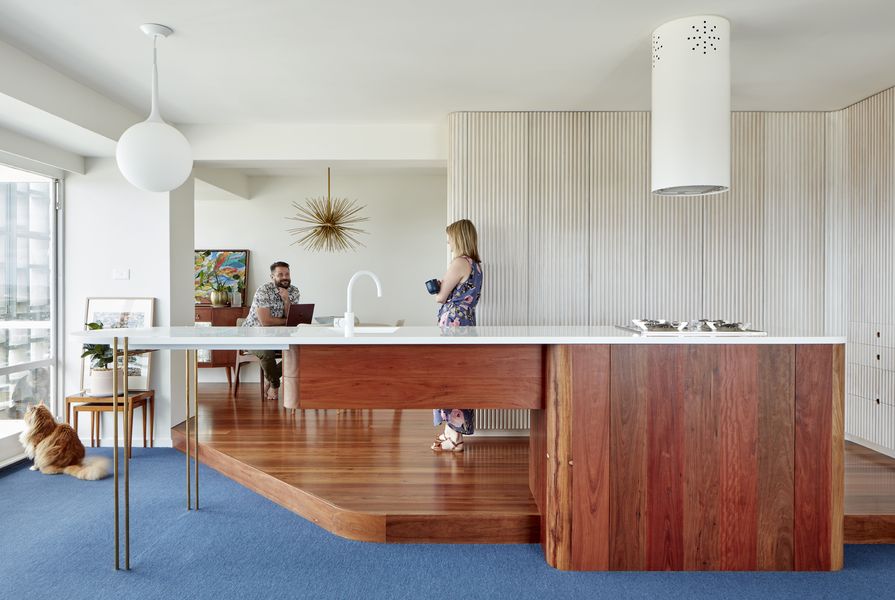
Retro revival: Torbreck Apartment Renovation
Renovations and Additions


Renovate | Build

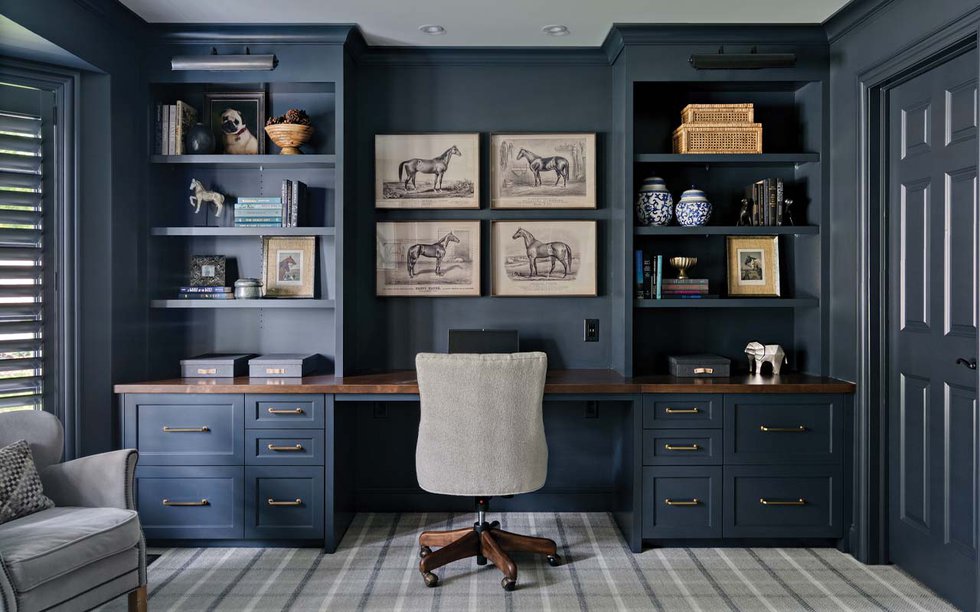
Home & Design | Redo & Renew

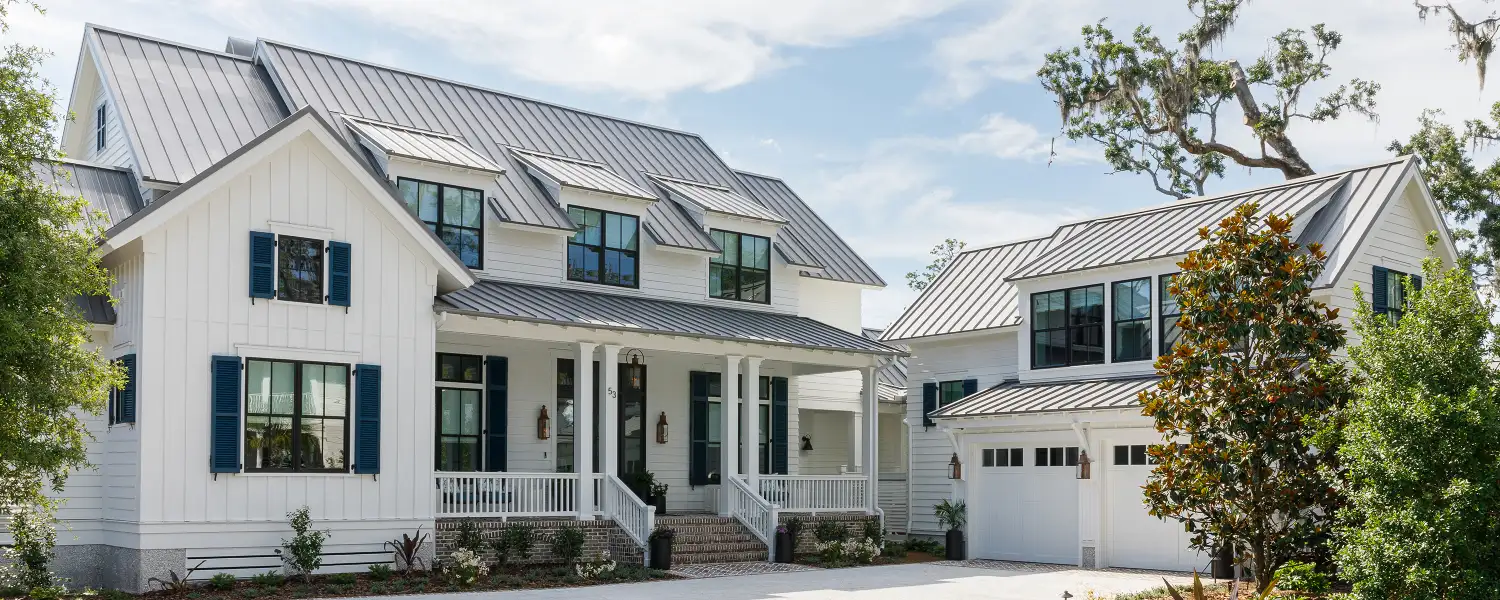
The Build Up

Renovating 101: Reworking existing spaces in the home

Renovation
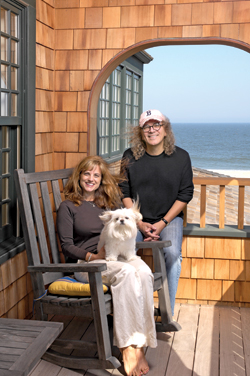
The Past, Re-Built to Last
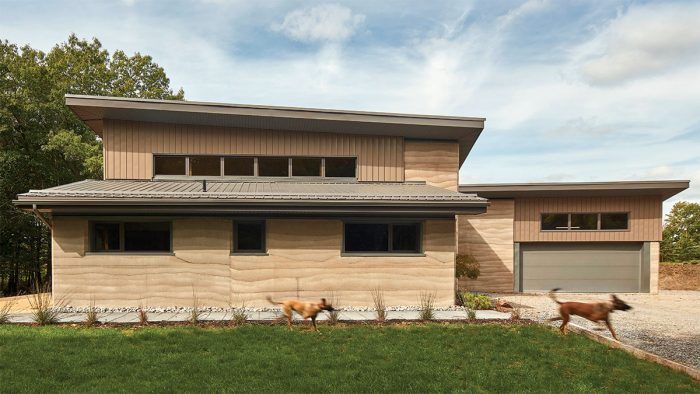
Rammed Earth: Creating a 500-Year House
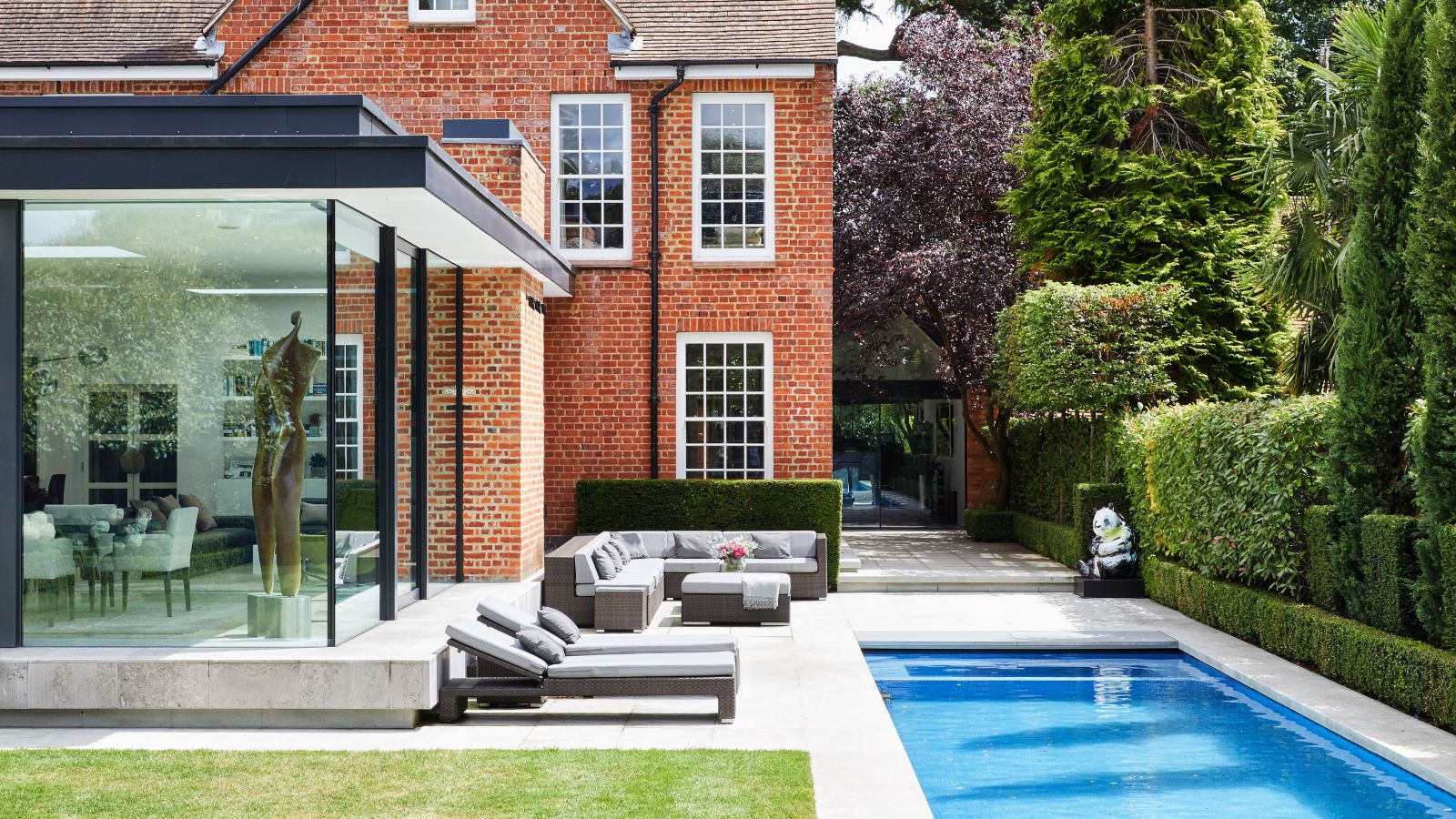
‘It’s a tough lesson to learn’ – brick homeowners must complete this outdoor maintenance task to avoid costly repairs and structural failure


Restoring the Past, Building the Future

Back to Basics
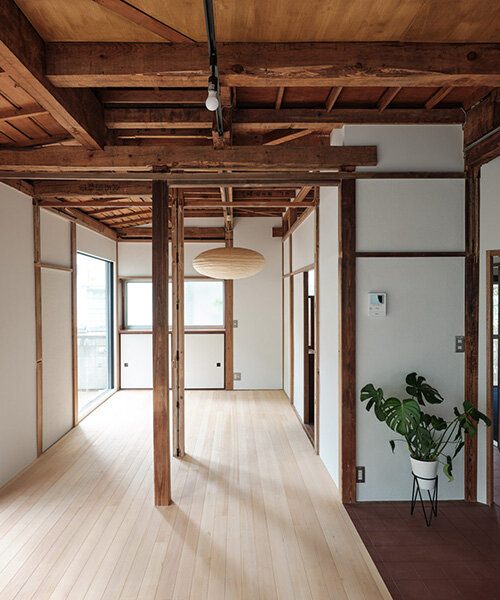
ROOVICE renovates 1970s japanese house with earthquake-safe design
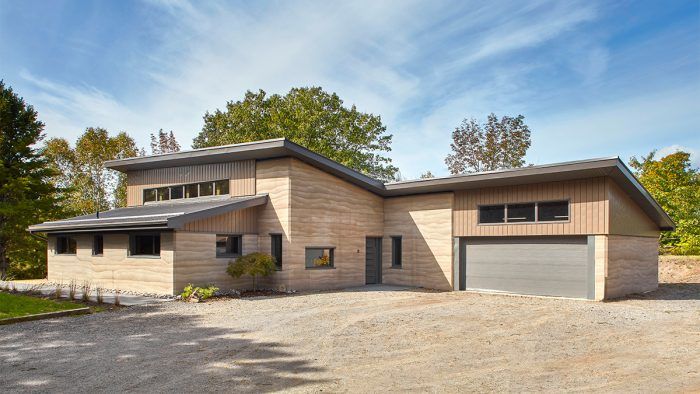
Rammed Earth Construction
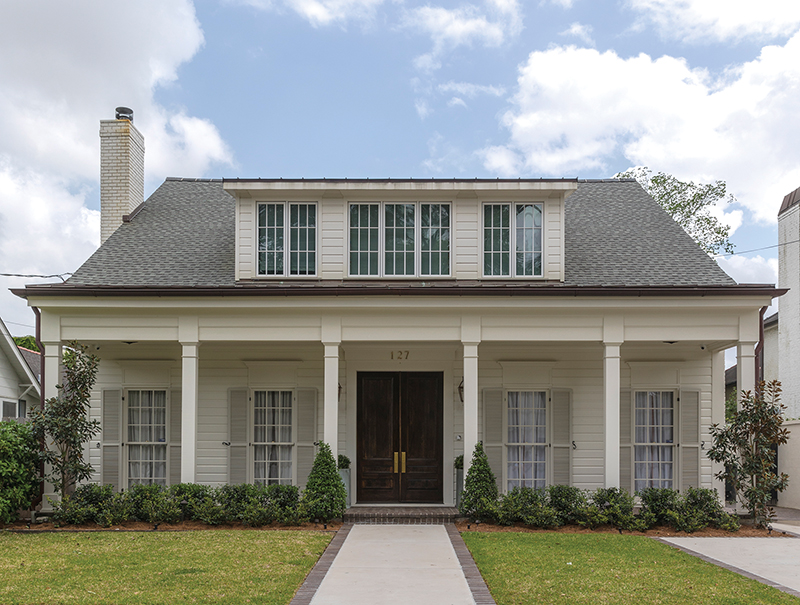
Renovation of the Year

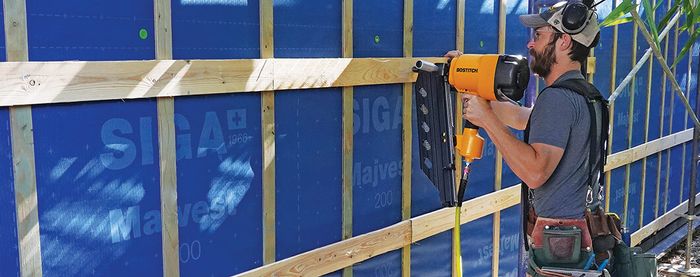
A Retrofit for the Future
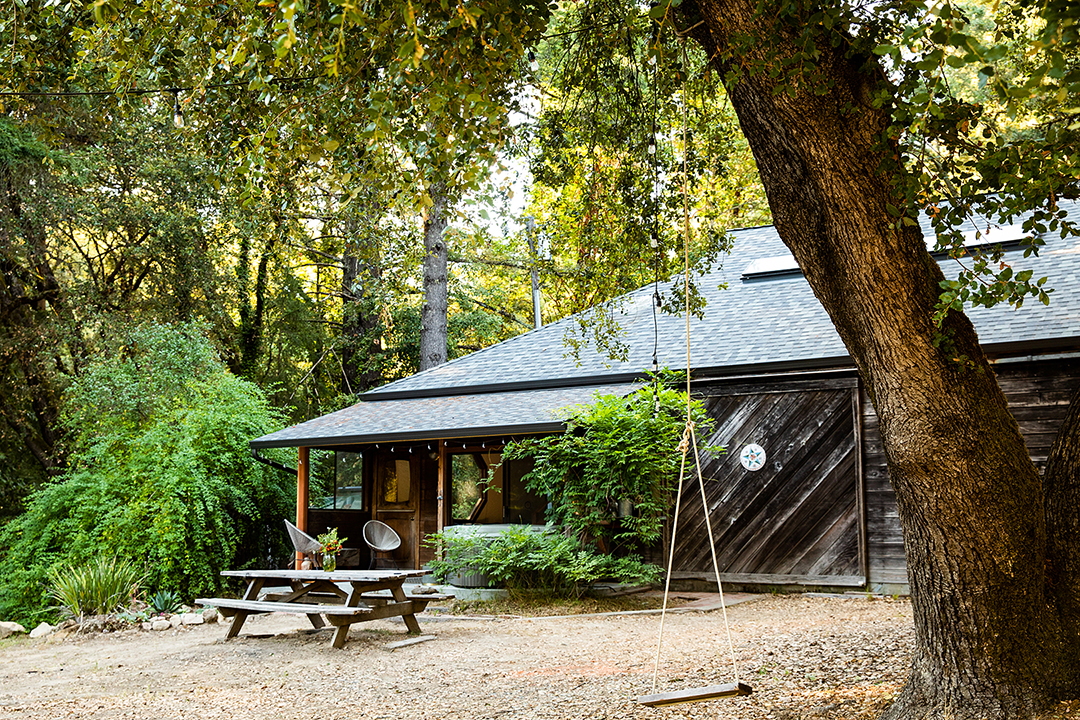
Replacing the Foundation Wasn’t Even the Hardest Part of This Cabin Renovation

Is it better to finish the basement as part of the build or later on?