1/11
Rammed Earth Construction
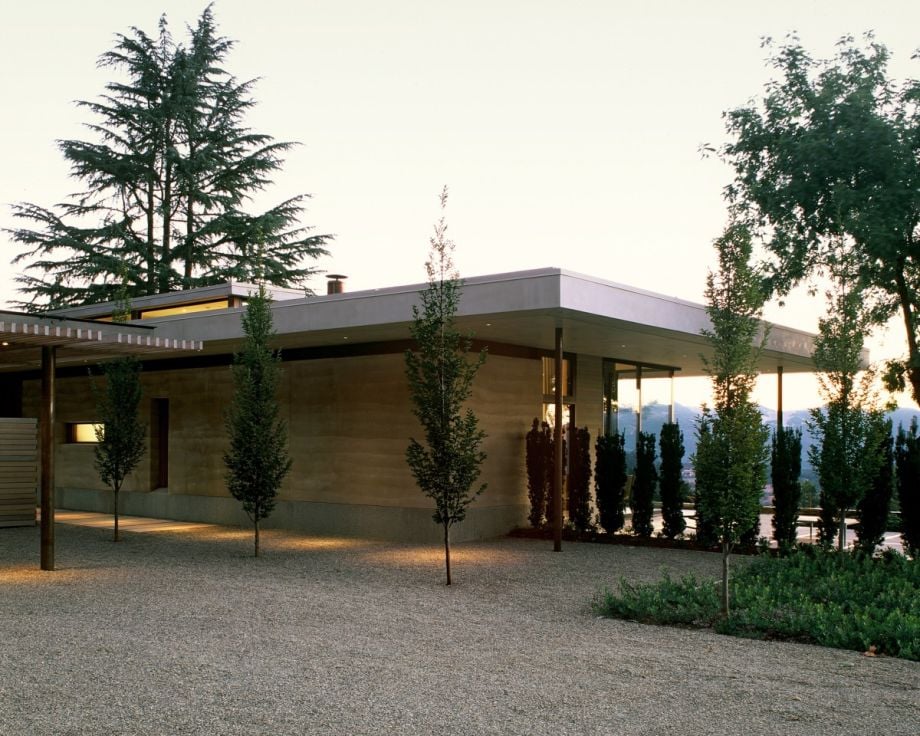
Rammed earth construction, an ancient technique originating independently in China and the Iberian Peninsula several thousand years ago, is gaining recognition for its numerous green building benefits. This method, utilized in structures like the Hakka Tulou in China and the Alhambra Palace in Spain, offers low embodied energy, recyclability, high thermal mass, low energy loads, and non-toxicity. Terrell Wong, principal of Stone’s Throw Design Inc. in Ontario, Canada, advocates for rammed earth, highlighting its durability and longevity, asserting that a rammed earth house can last 500 years or more without needing paint.
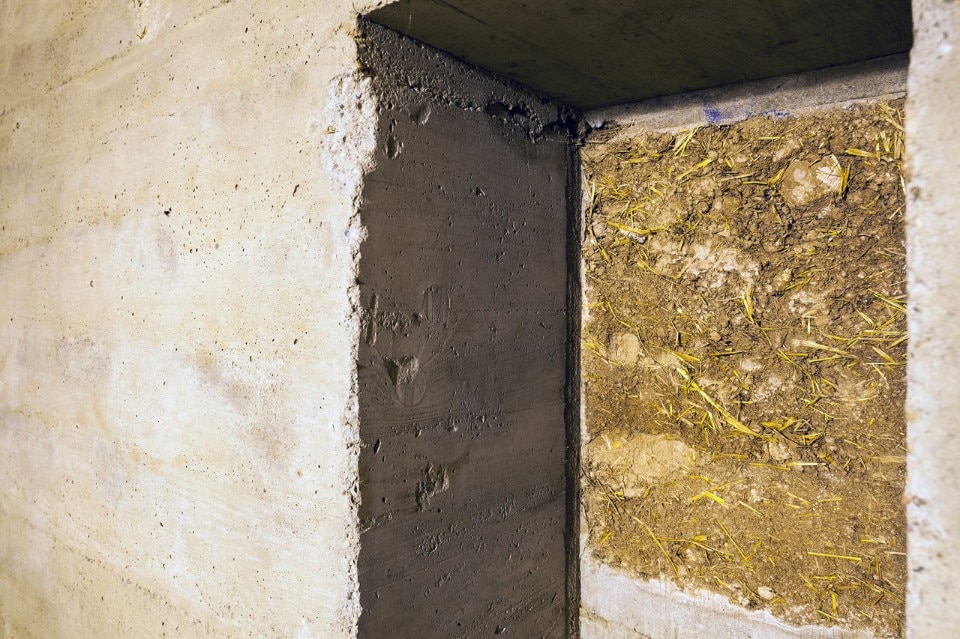
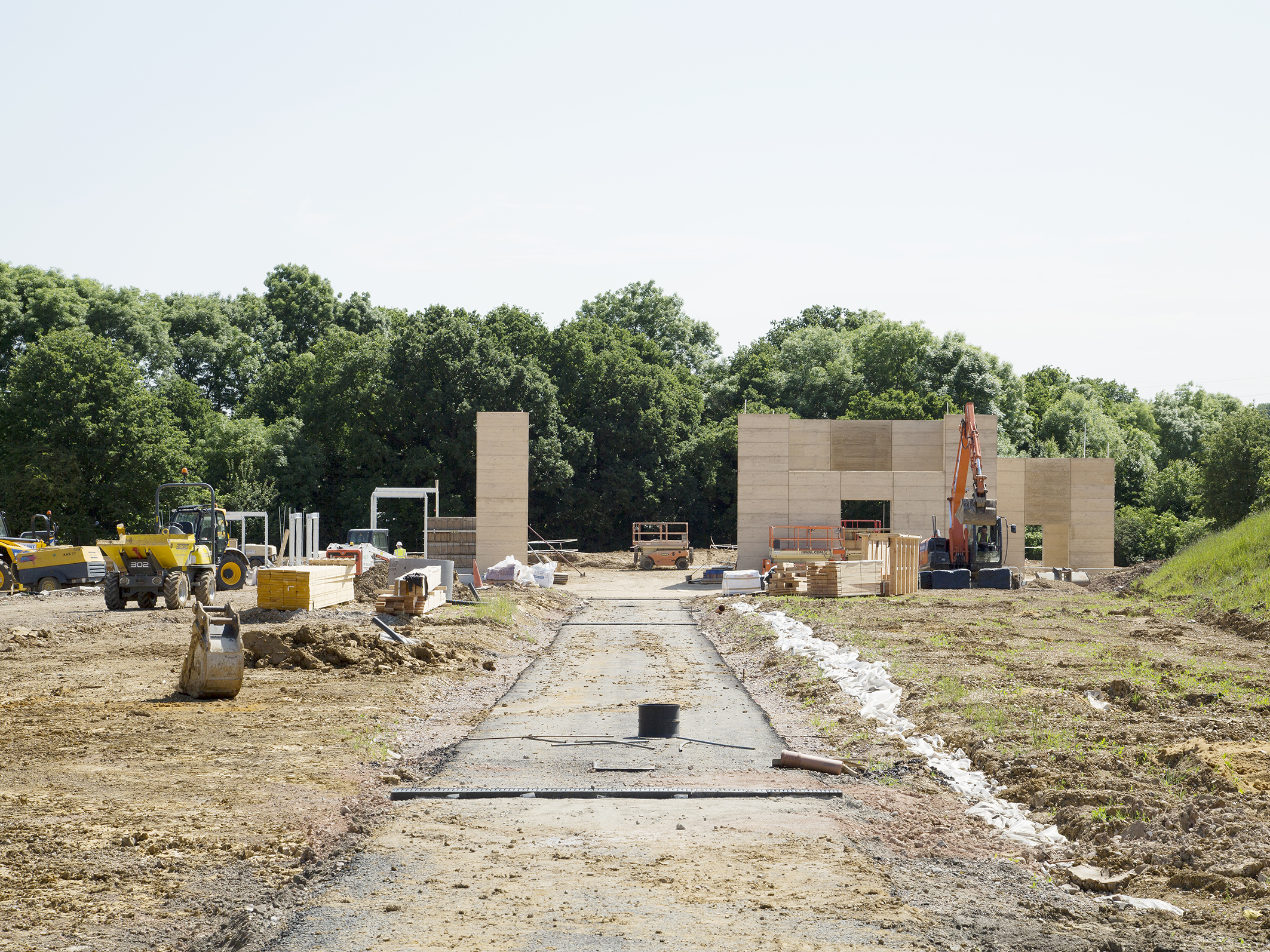
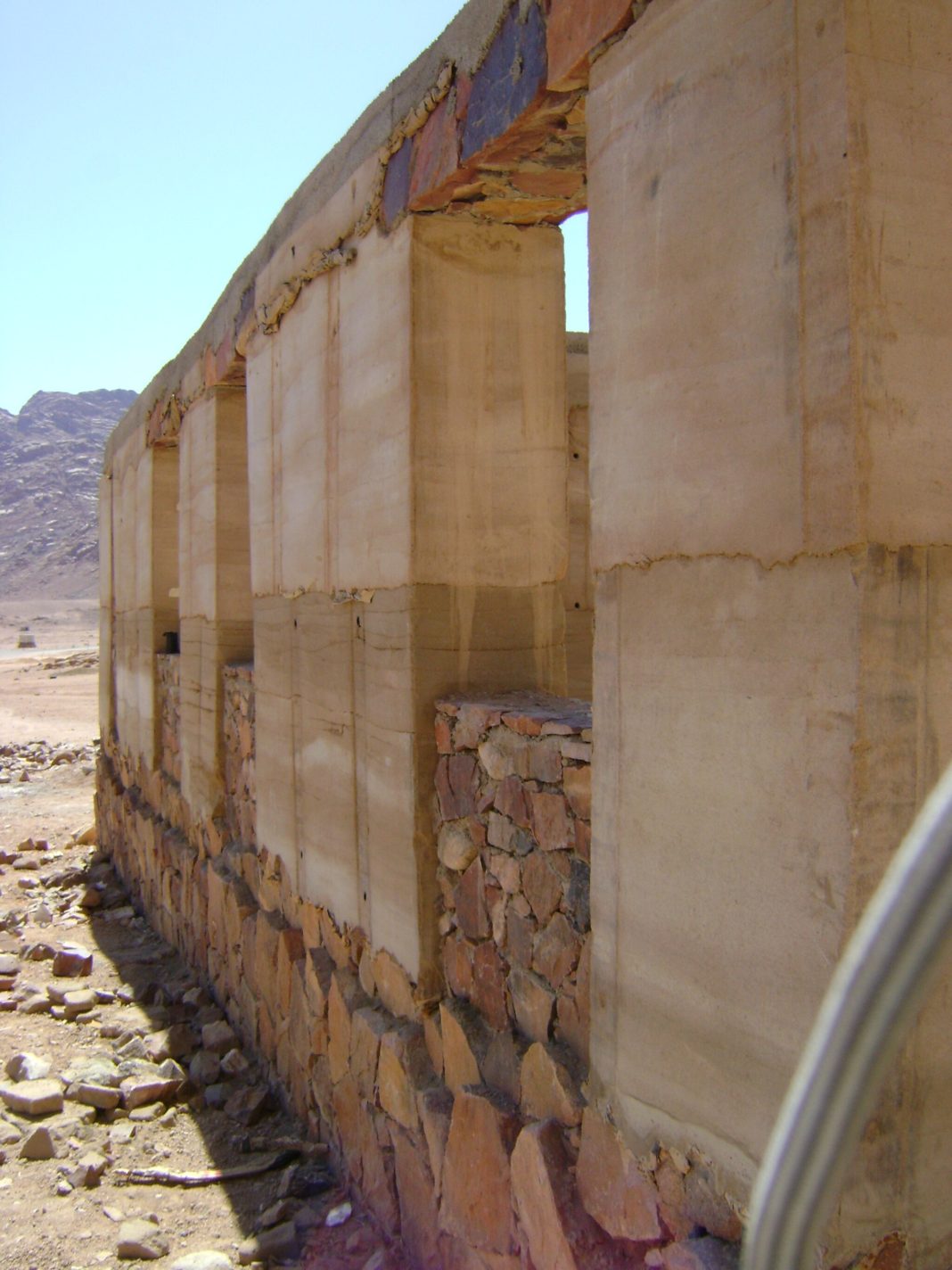
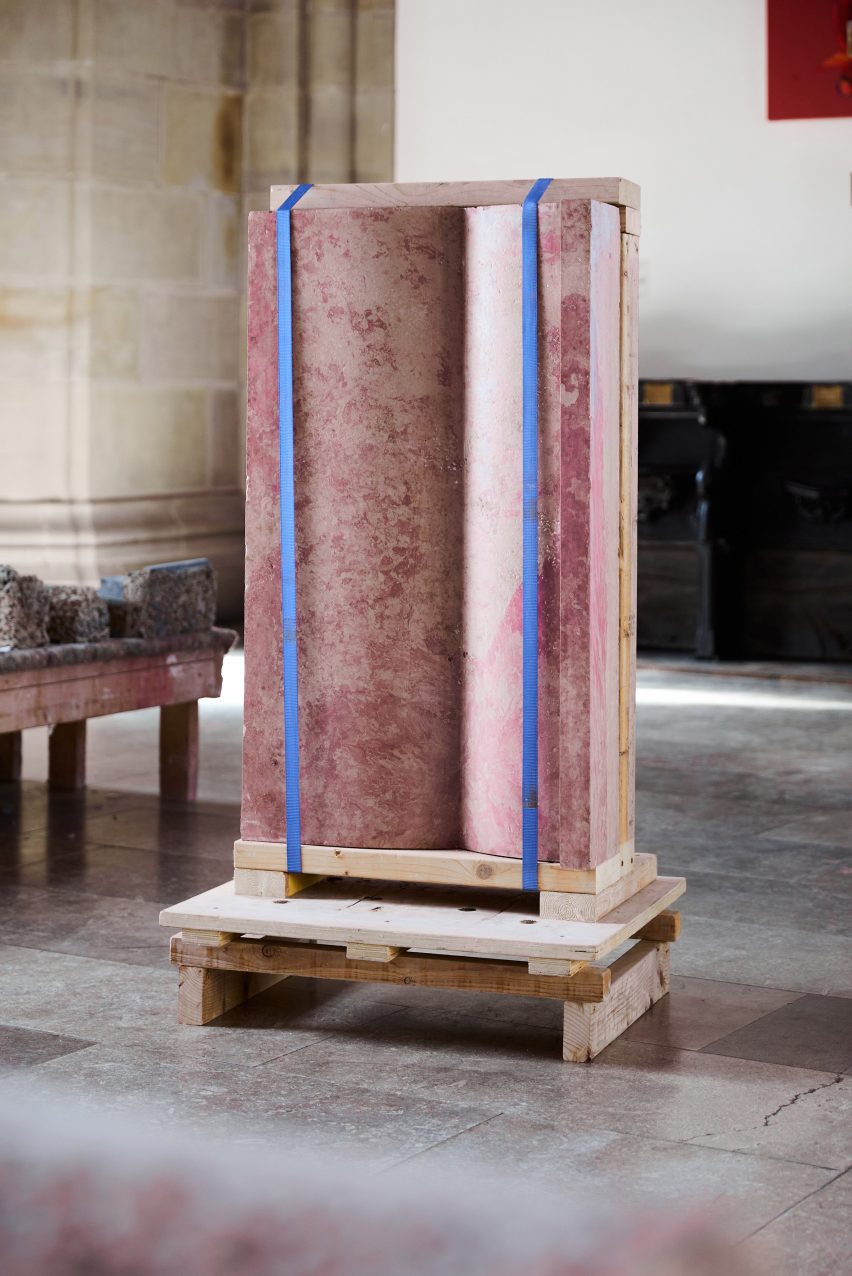
Rammed earth walls are constructed in approximately 11.5 ft. panels with flexible joints. The material mix typically includes 20% to 30% clay, sand, and 5% to 10% cement for added strength, with silicate-based waterproofing sometimes incorporated for cold, wet climates. The process involves layering a foot of material into formwork, which is then compressed to 6 inches using a pneumatic tamper. The forms, usually made from Marine-grade plywood and 2x12 walers, are about 20 inches wide and 4 feet tall. For multi-panel walls, a recess on the first panel locks with the second. Conduits for plumbing and electrical wiring are integrated during construction, requiring precise planning as changes are impossible once the wall is set. Walls typically dry within 24 hours and possess a load-bearing capacity comparable to concrete.
Despite its ancient origins and proven effectiveness, rammed earth construction remains a niche method in North America. Terrell Wong designs three to four rammed earth houses annually, noting only a handful of builders in Ontario specialize in this technique. Sylvia Cook of Aerecura Rammed Earth Builders emphasizes that the method's thermal mass benefits apply universally, delaying heat gain in hot climates and shifting heat loss in cold climates to periods when solar gain can compensate, thus maintaining consistent indoor temperatures. The limited adoption is primarily attributed to a lack of public and professional knowledge about the system’s versatility across different climates.
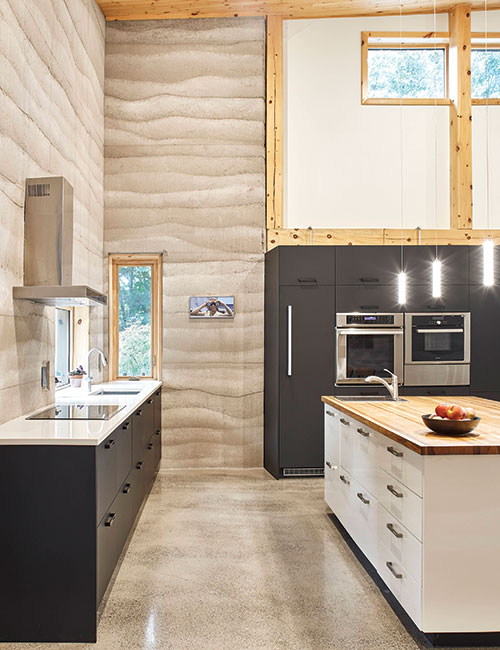
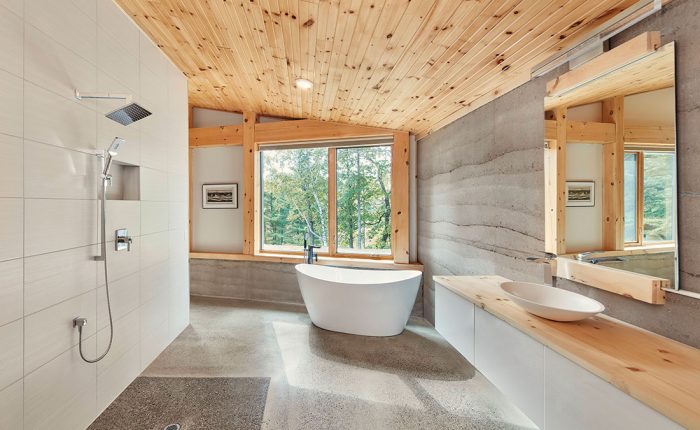
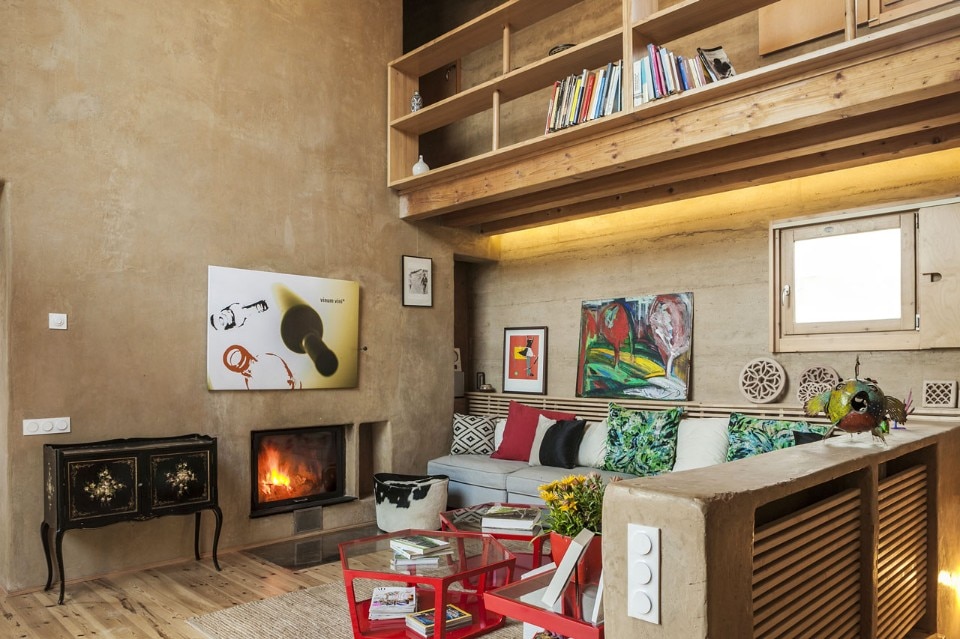
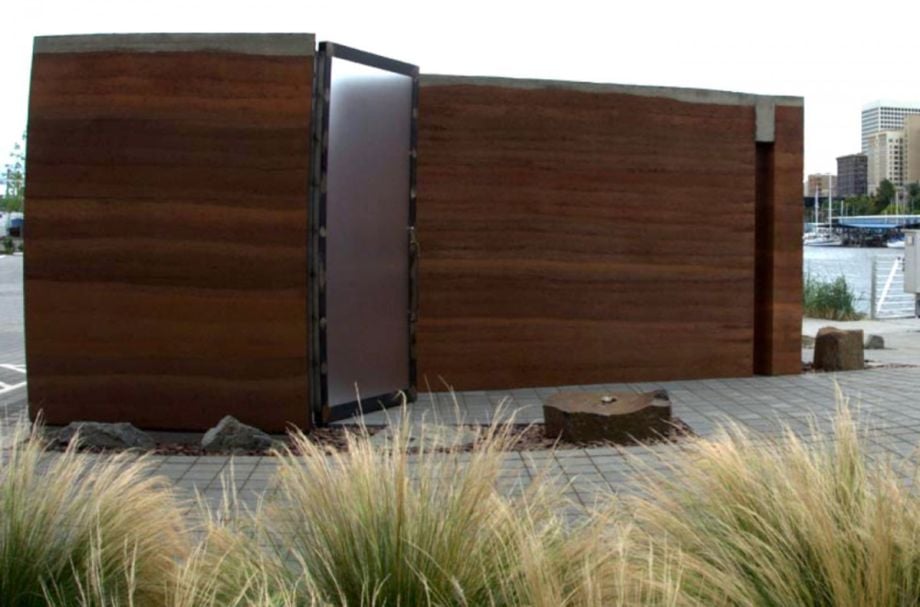
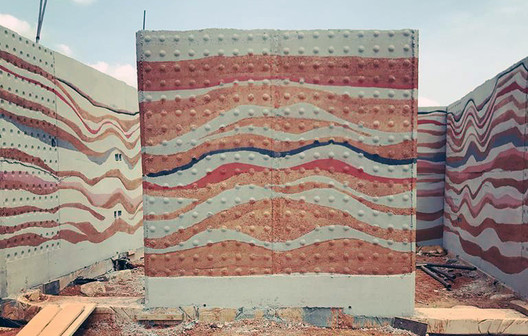
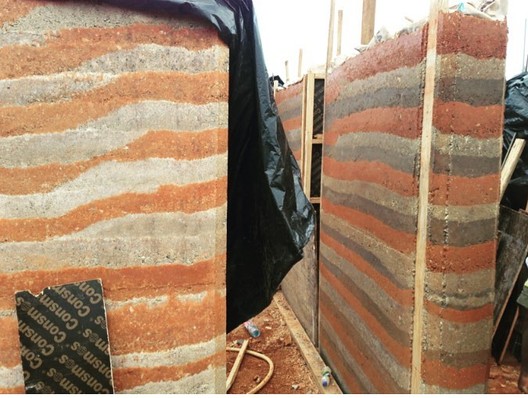
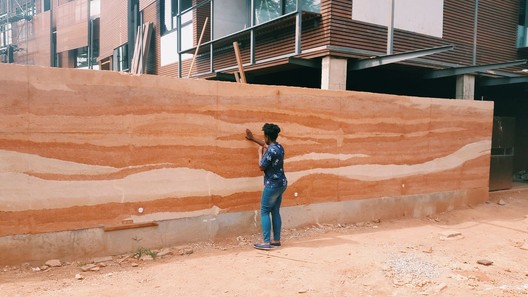
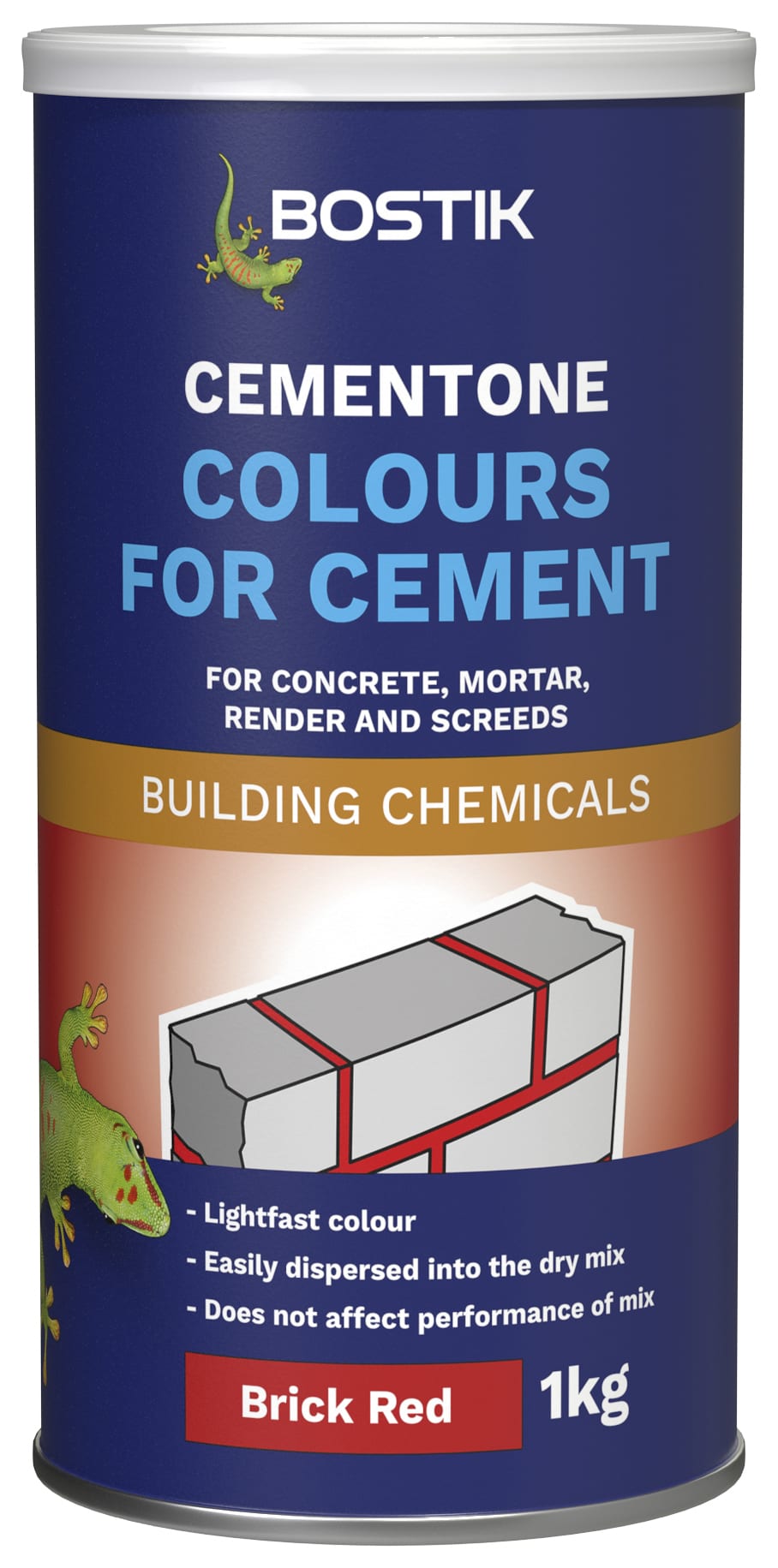
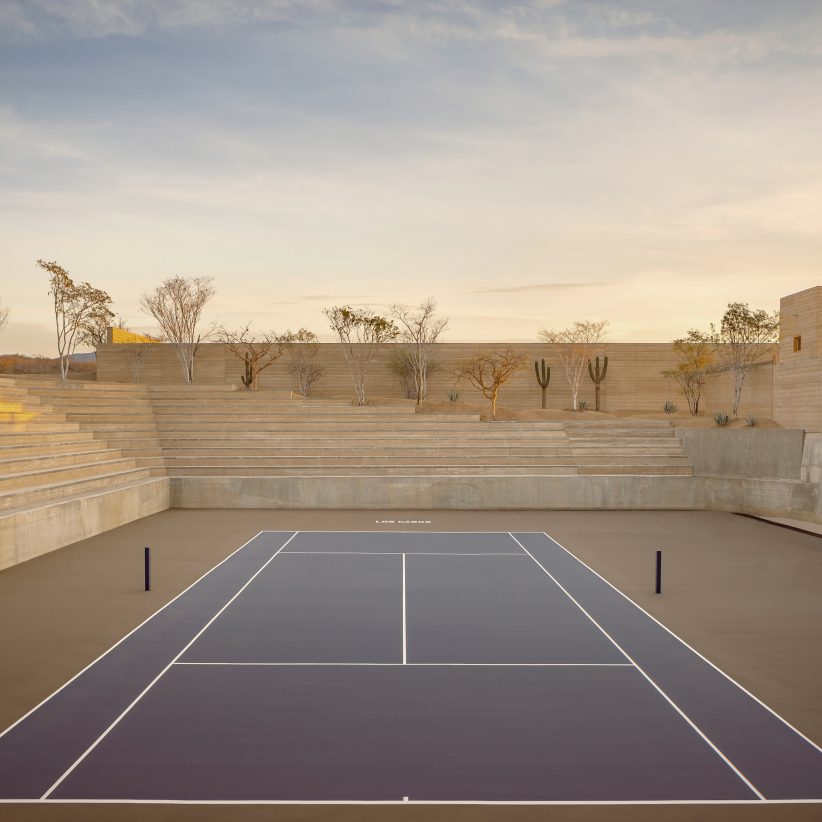
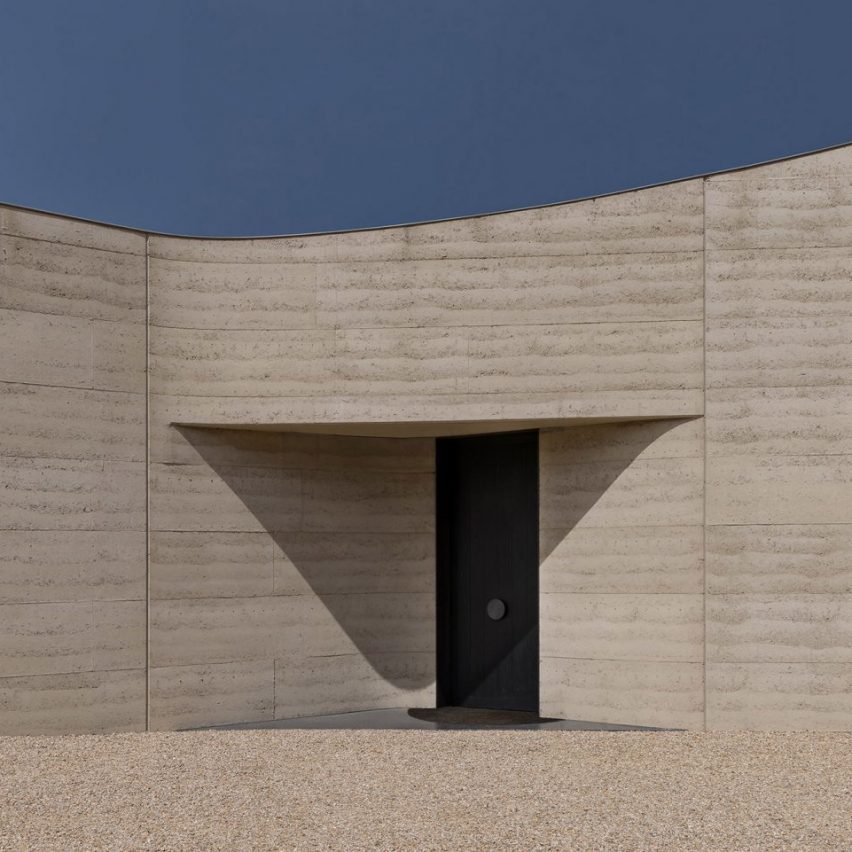
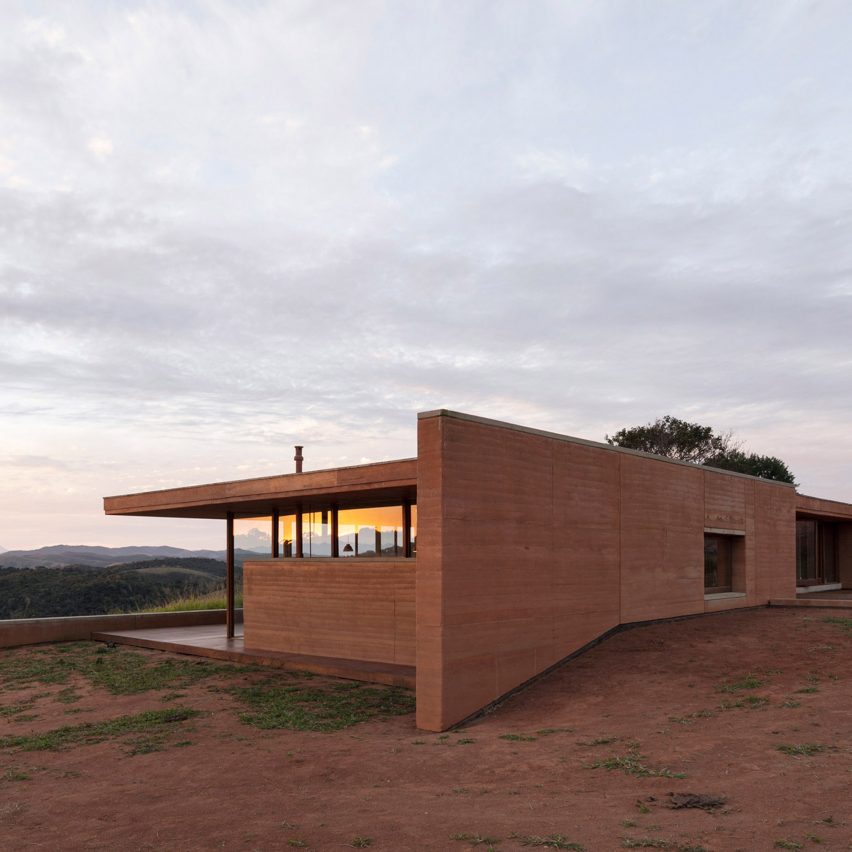
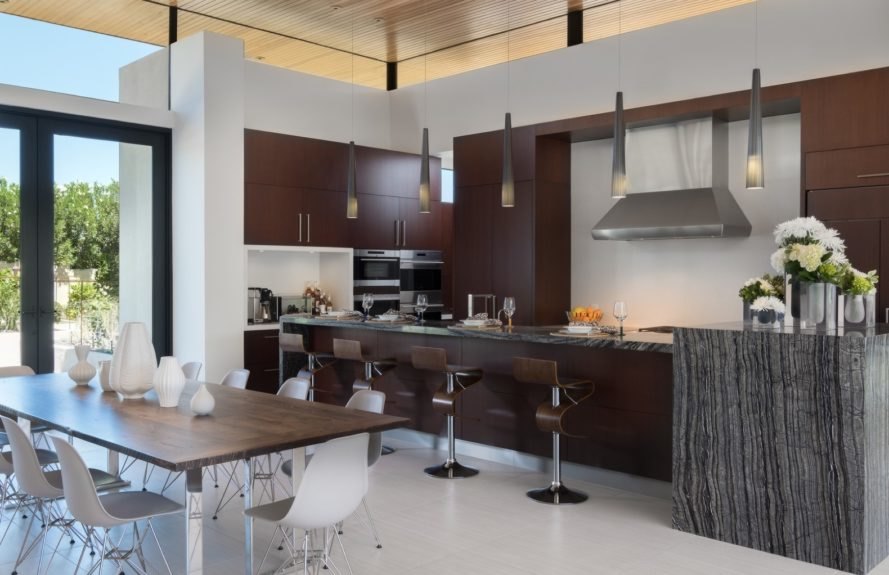
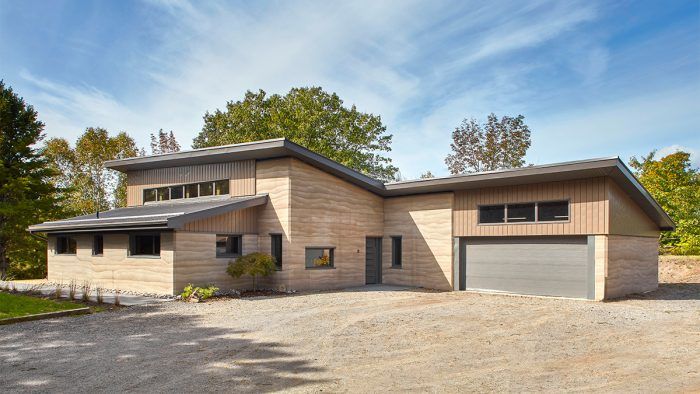
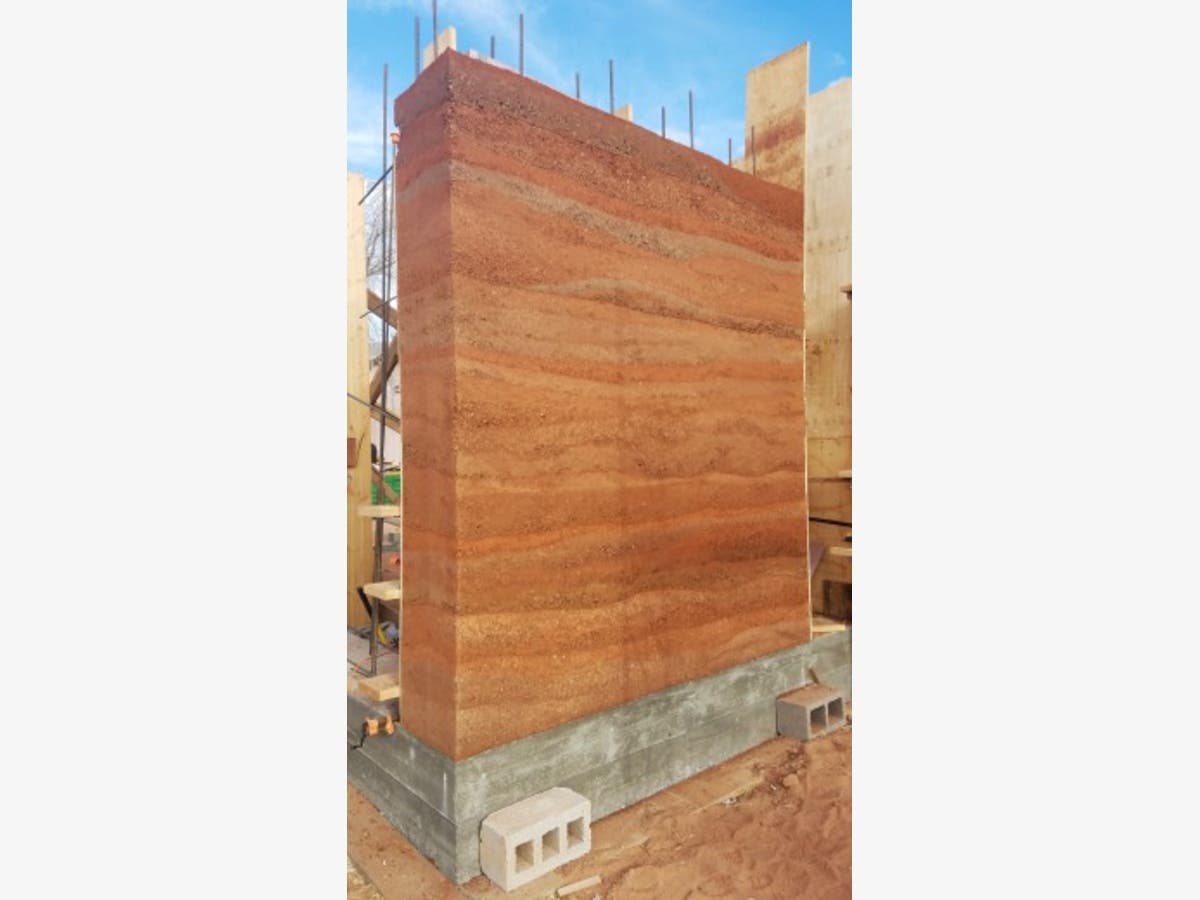
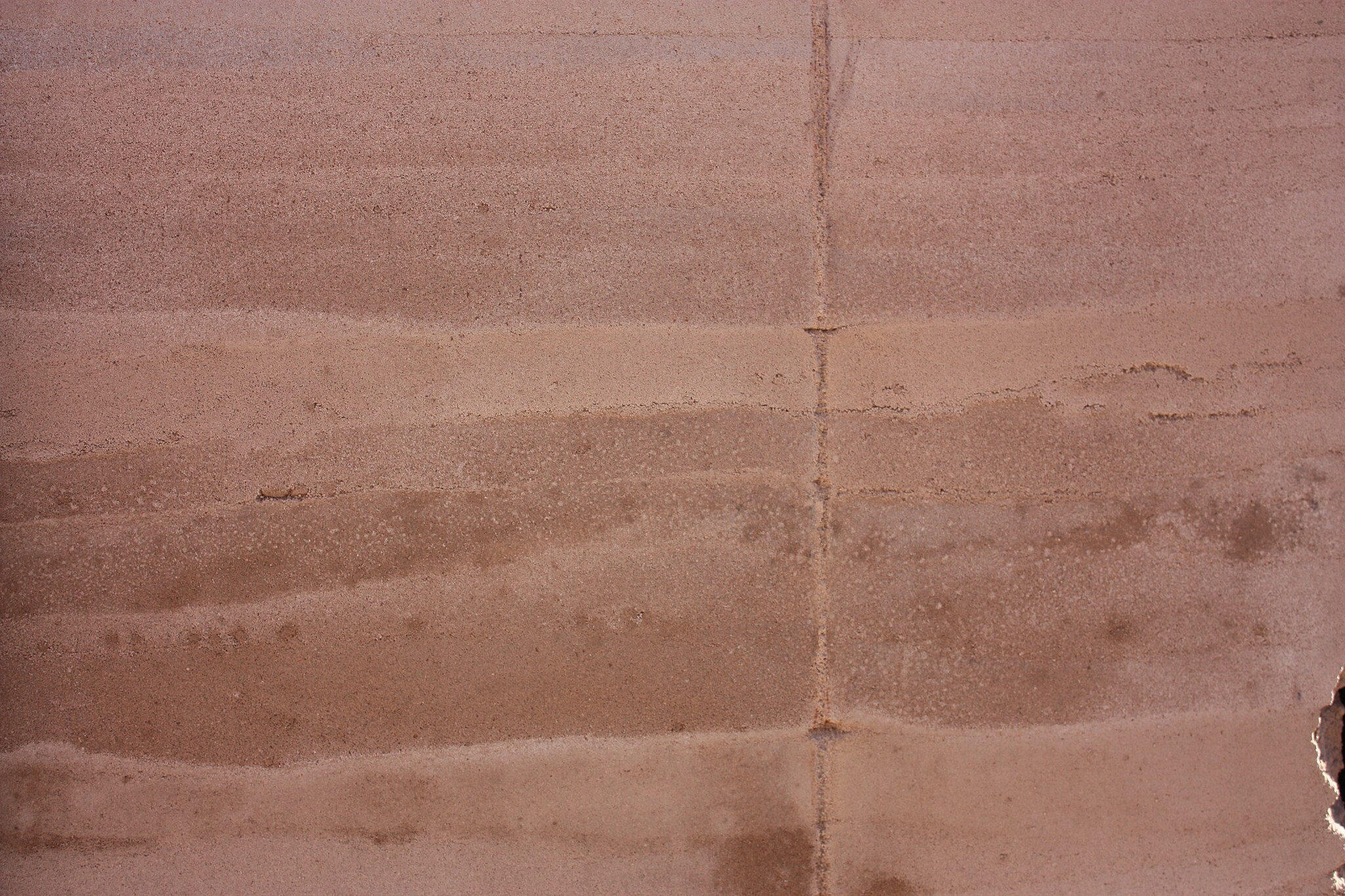
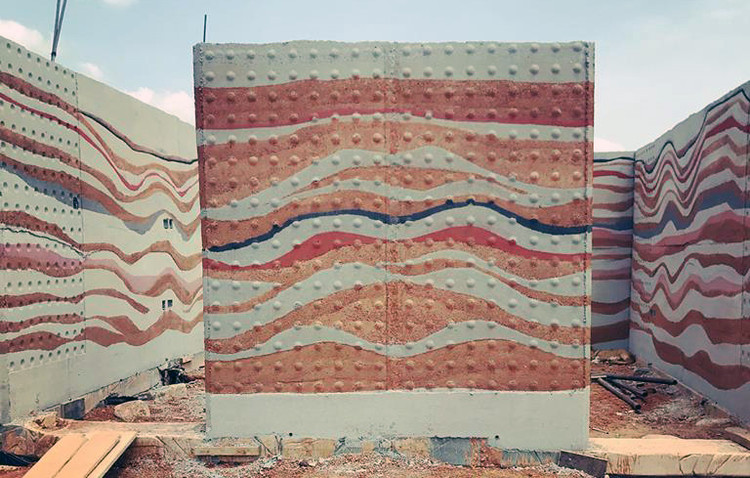
The distinctive earthy-toned striations characteristic of rammed earth walls are achieved by adding pigment to the cement mix. The ramming process pushes the colors to the formwork edges, creating a natural gradation. Exaggerating the undulations in the formwork can enhance these visual effects. While modern rammed earth construction has advanced, North America lacks specific building codes for it, unlike Australia and New Zealand where codes are formalized, and research even suggests superior seismic resistance compared to brick or block walls. In Canada, builders obtain approval by demonstrating that rammed earth meets existing code requirements, similar to concrete. In colder regions like Ontario, fiberglass rebar is used for structural stability, and recycled polyiso insulation is often integrated into the walls to minimize thermal bridging.
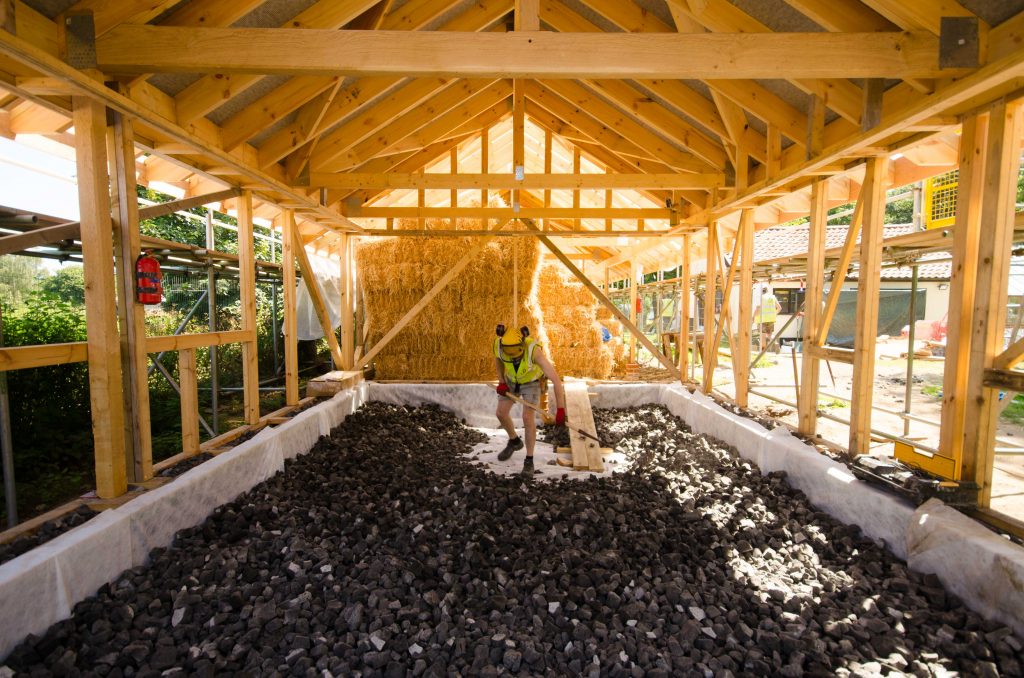
The cost of rammed earth projects is influenced by design complexity, with curved or angled walls being more expensive due to the labor-intensive nature of the method. However, by simplifying design and formwork, Terrell Wong successfully applied the technique to an affordable housing project meeting Passive House standards. Many rammed earth homes are hybrids, incorporating elements like stick- or timber-frame walls for interior partitions or upper floors, sometimes combined with straw-bale construction or CLT-panel roofs.
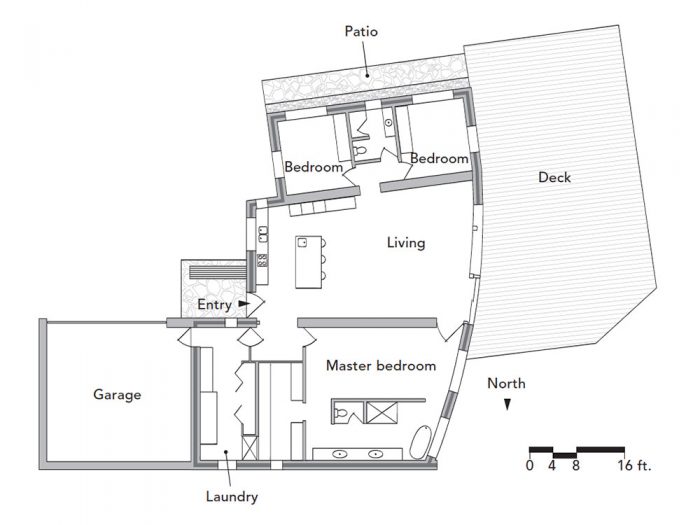
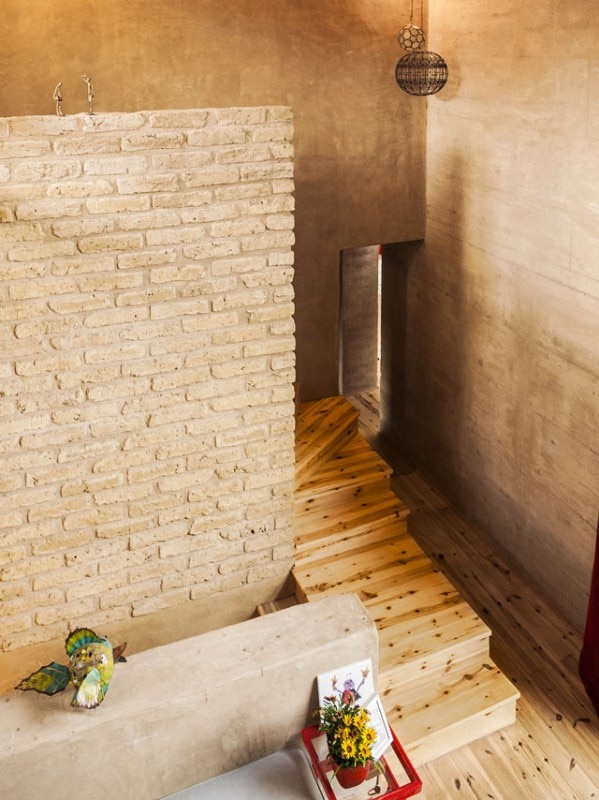
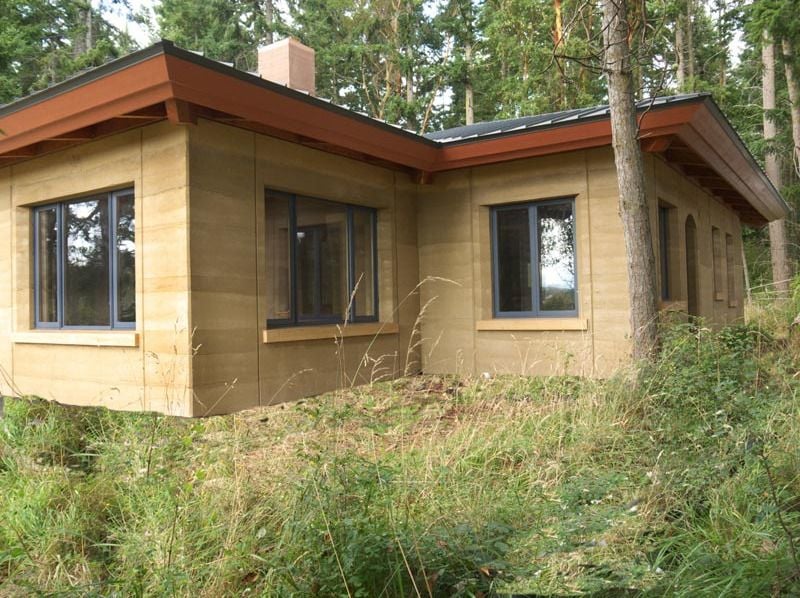
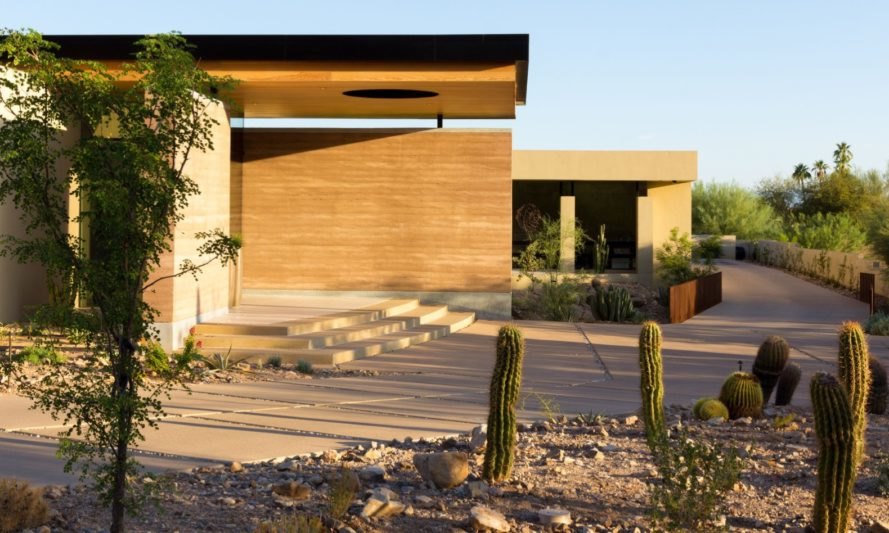
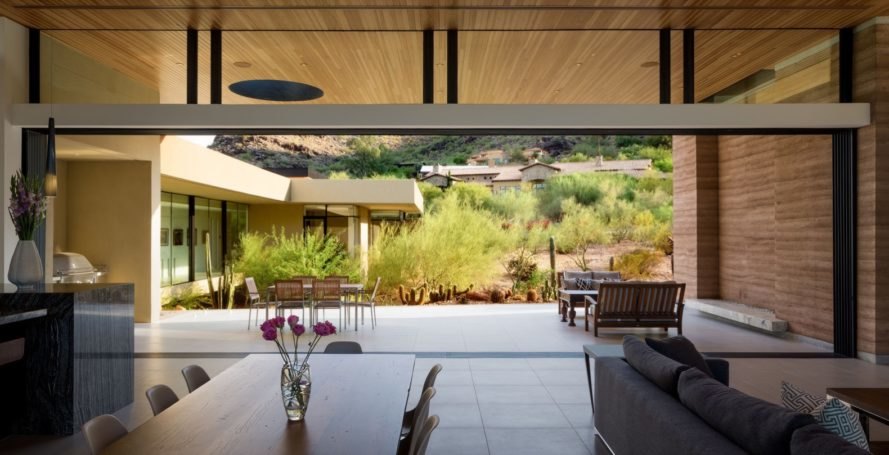
The featured single-family home, situated in a rural Ontario subdivision, exemplifies the integration of rammed earth with Passive House strategies. The design maximizes thermal mass, harvests southern light, and utilizes cross breezes to enhance passive ventilation, eliminating the need for mechanical cooling. The home's heating demand is approximately 20 kWh/m2 annually. The exterior walls consist of 530 tons of thermal mass, comprising two 6-inch rammed earth wythes around 6 inches of insulation. The construction’s embodied energy is exceptionally low, as 90% of the unprocessed material was sourced from a nearby gravel pit, and salvaged wood from a local roundhouse was repurposed for the main stair.
#RammedEarthConstruction #SustainableBuilding #GreenBuilding #ThermalMass #PassiveHouse #BuildingMaterials #EcoFriendlyHomes #ArchitecturalDesign #CanadianArchitecture #RammedEarthConstruction #SustainableBuilding #GreenBuilding #ThermalMass #PassiveHouse #BuildingMaterials #EcoFriendlyHomes #ArchitecturalDesign #CanadianArchitecture
0 comment in total
 No comments yet
You may also like
Rammed Earth: Creating a 500-Year House
Poured Earth is a sustainable construction method modelled on concrete casting

Cement

A manufactured stone installation that’s doomed to eventual failure

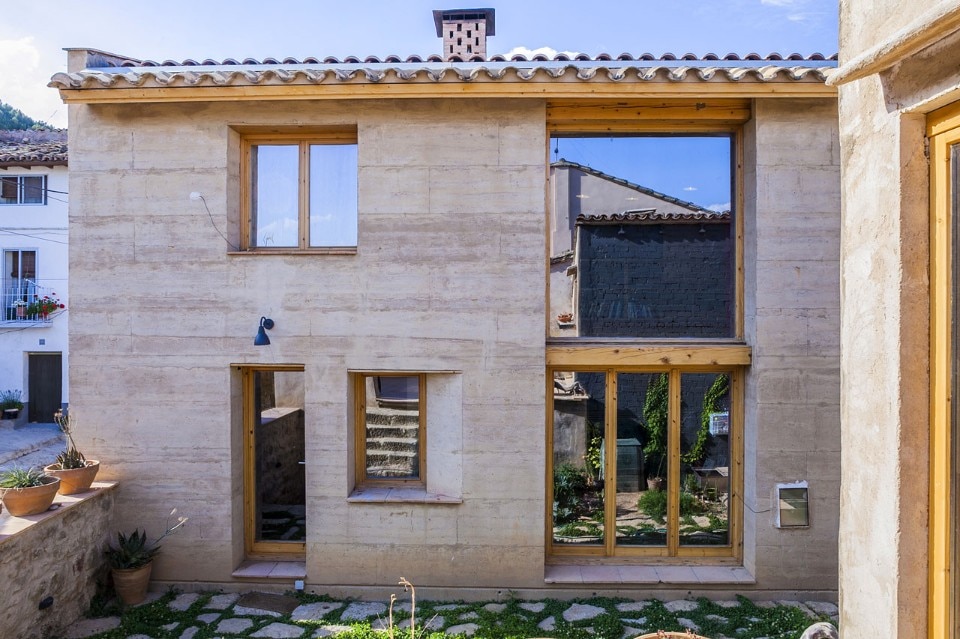
Rammed Earth House

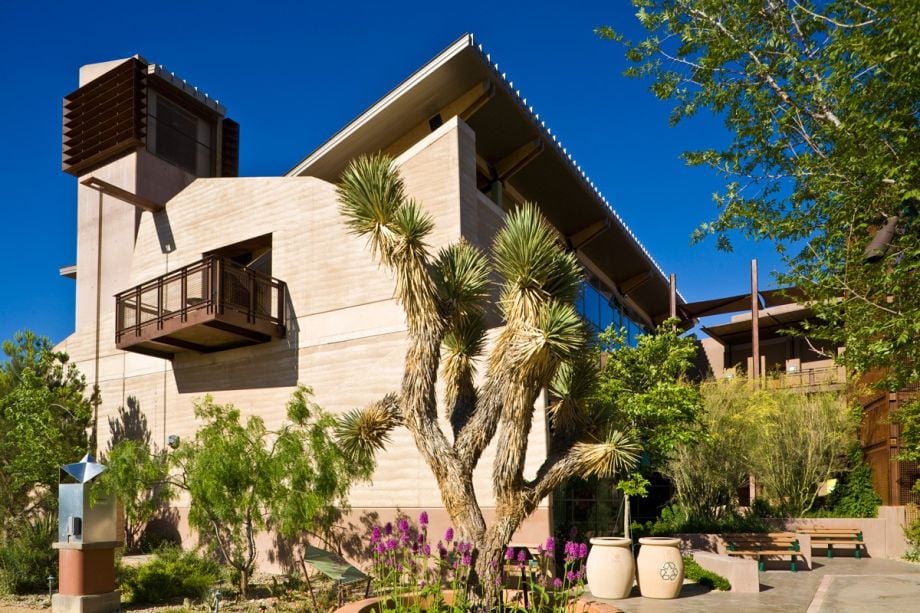
Rammed Earth Fits Into Urban Architecture’s Sustainable Future
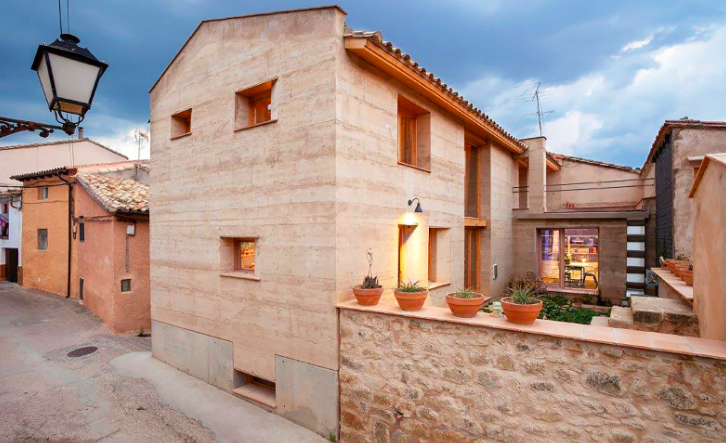
Are rammed earth buildings the new way forward?

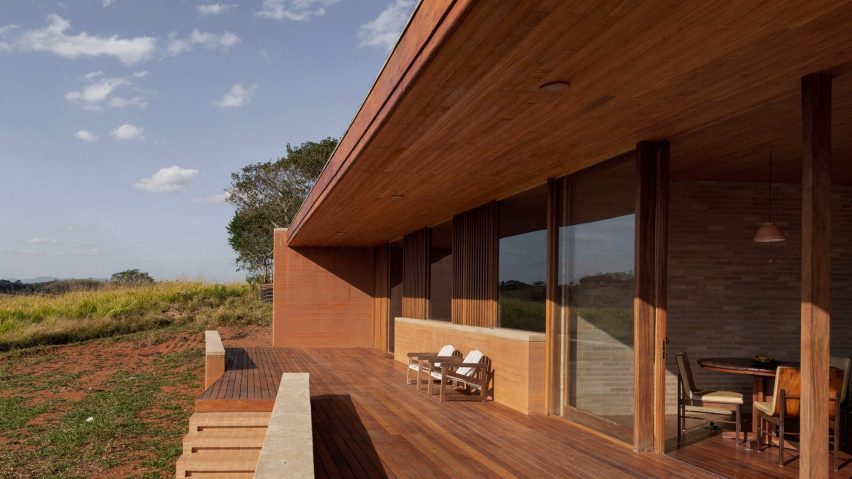
Eleven rammed-earth buildings from around the world
Saving the earth: making the case for rammed earth architecture
Earth Wall Builders Unite!
Rubble Stone Masonry Buildings with Cement Mortar: Base Shear Seismic Demand Comparison for Selected Countries Worldwide
Rammed earth walls tie modern home to the desert landscape
Rammed Earth in 2025: A Time-Tested Solution to Environmental Construction Challenges

Colors Of the Earth: Ghana's Incredible, Rammed Earth Walls

Geotechnical factors influencing earth retaining wall deformation during excavations

Rubble Stone Masonry Buildings With Cement Mortar: Design Specifications in Seismic and Masonry Codes Worldwide
Mechanically stabilized earth walls
School Buildings in Rubble Stone Masonry With Cement Mortar in Seismic Areas: Literature Review of Seismic Codes, Technical Norms and Practical Manuals
Cost Analysis of Mountain Schools in Nepal: Comparison of Earthquake Resistant Features in Rubble Stone Masonry vs. Concrete Block Masonry
The Build Up