1/10
Rammed Earth House
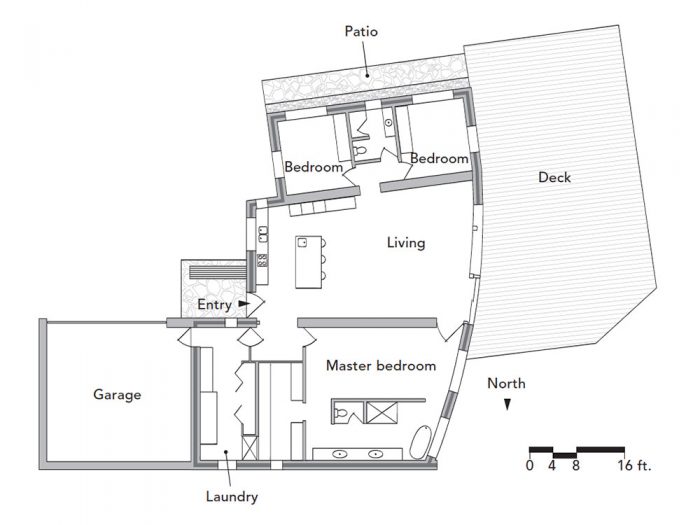
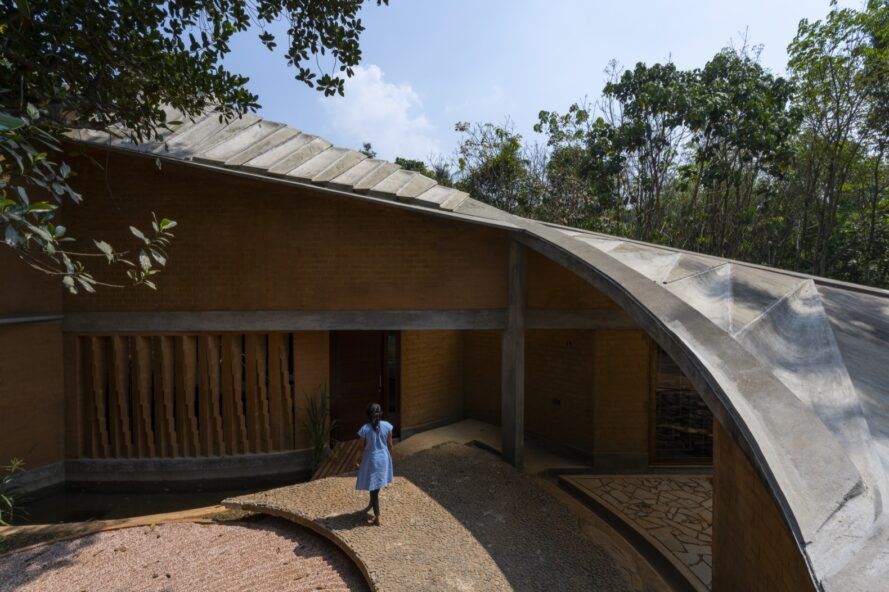
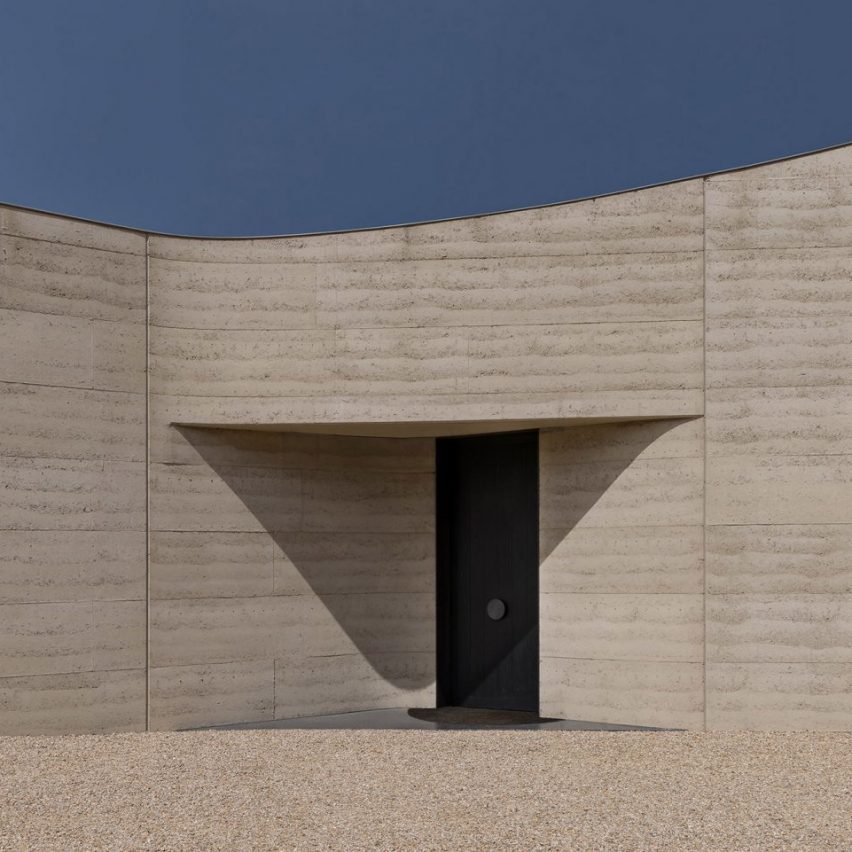
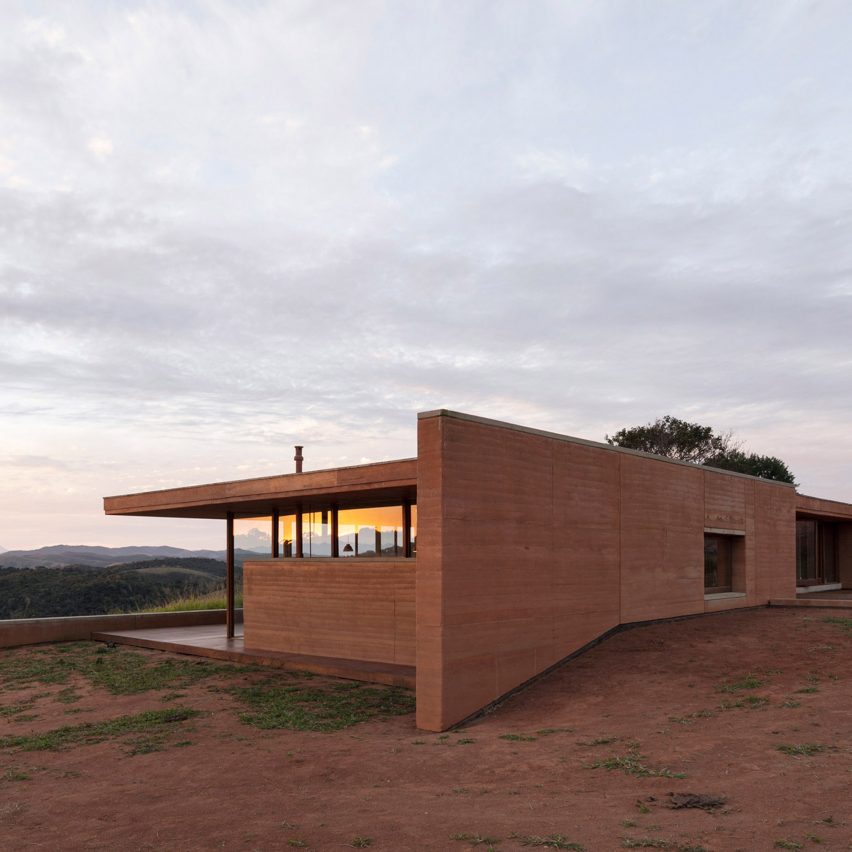
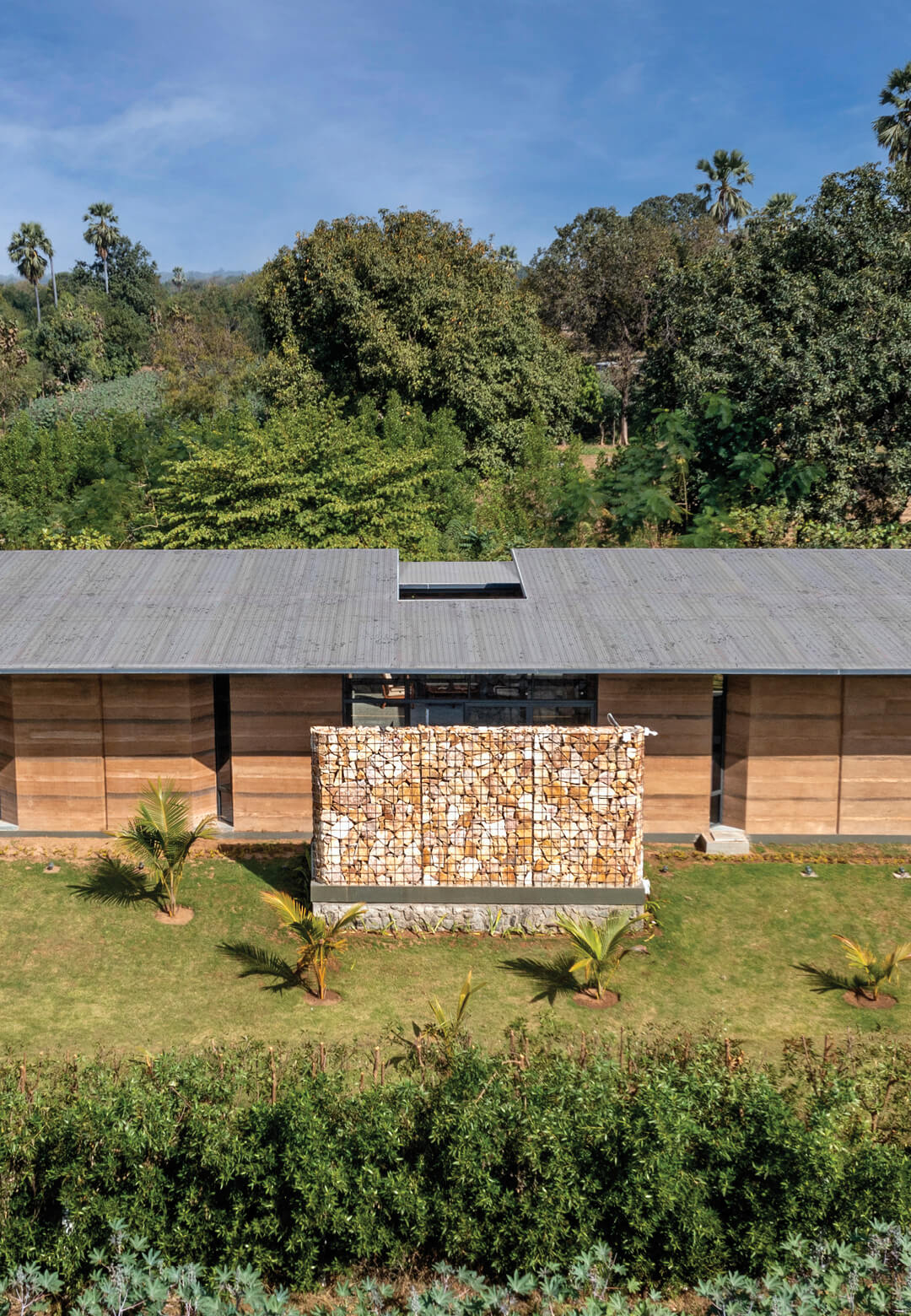
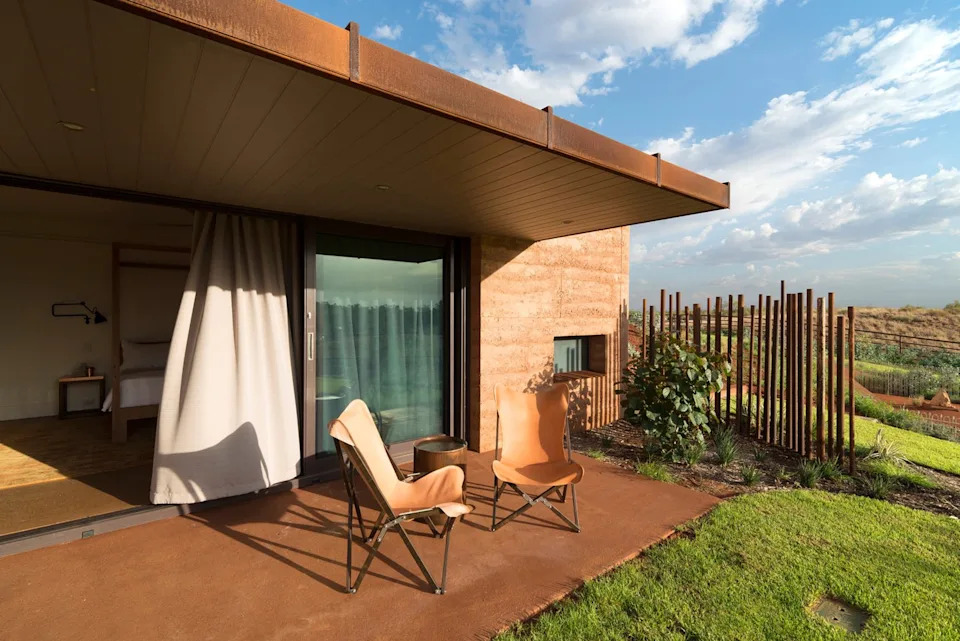
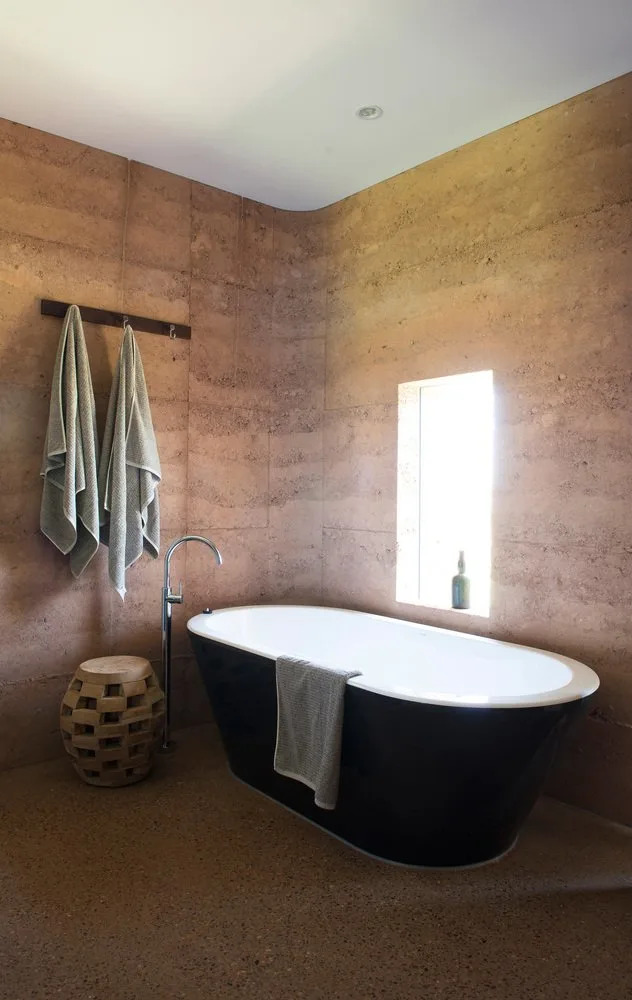
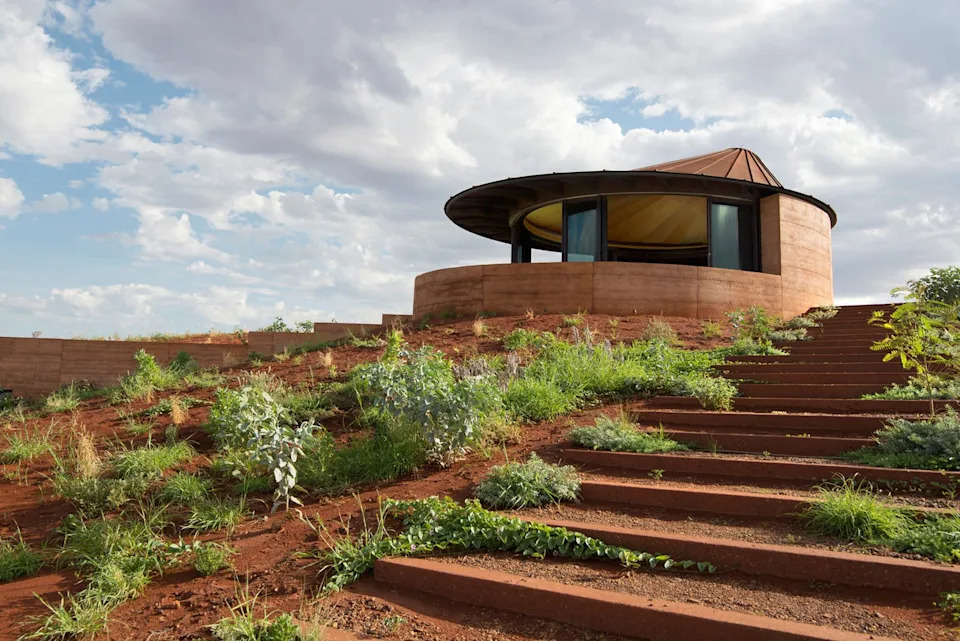
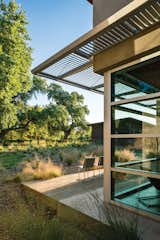
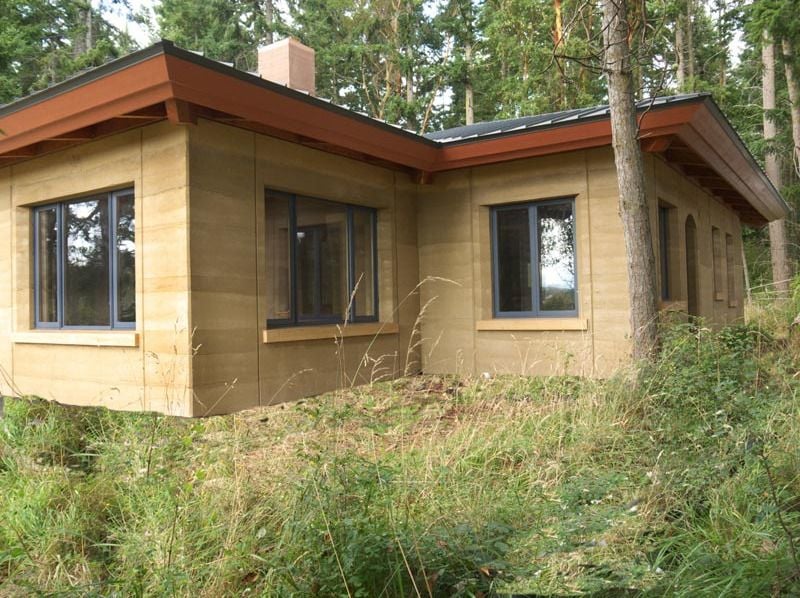
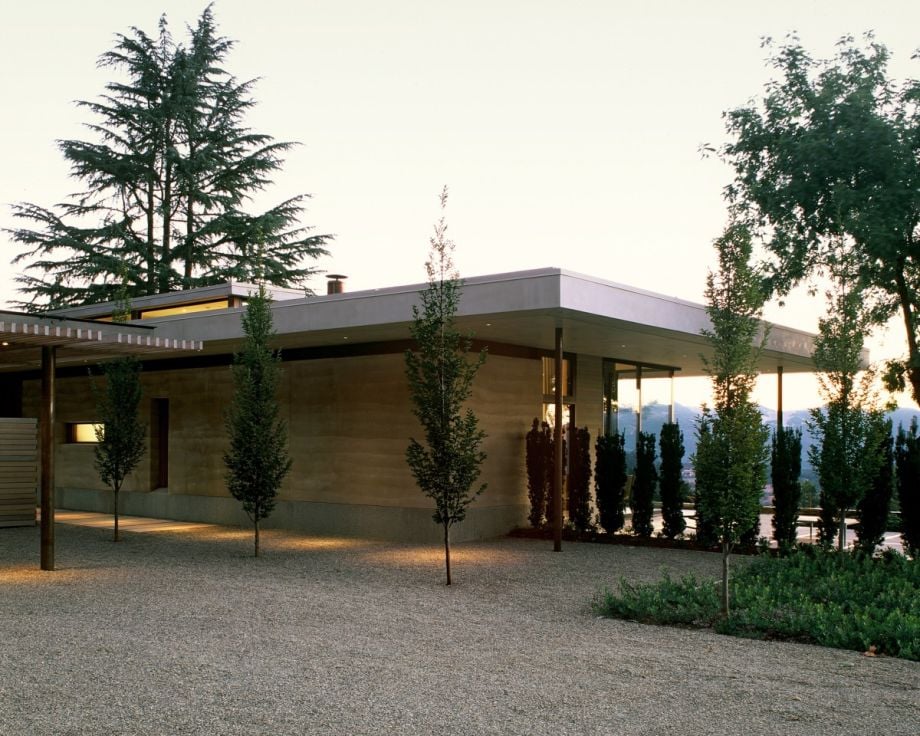
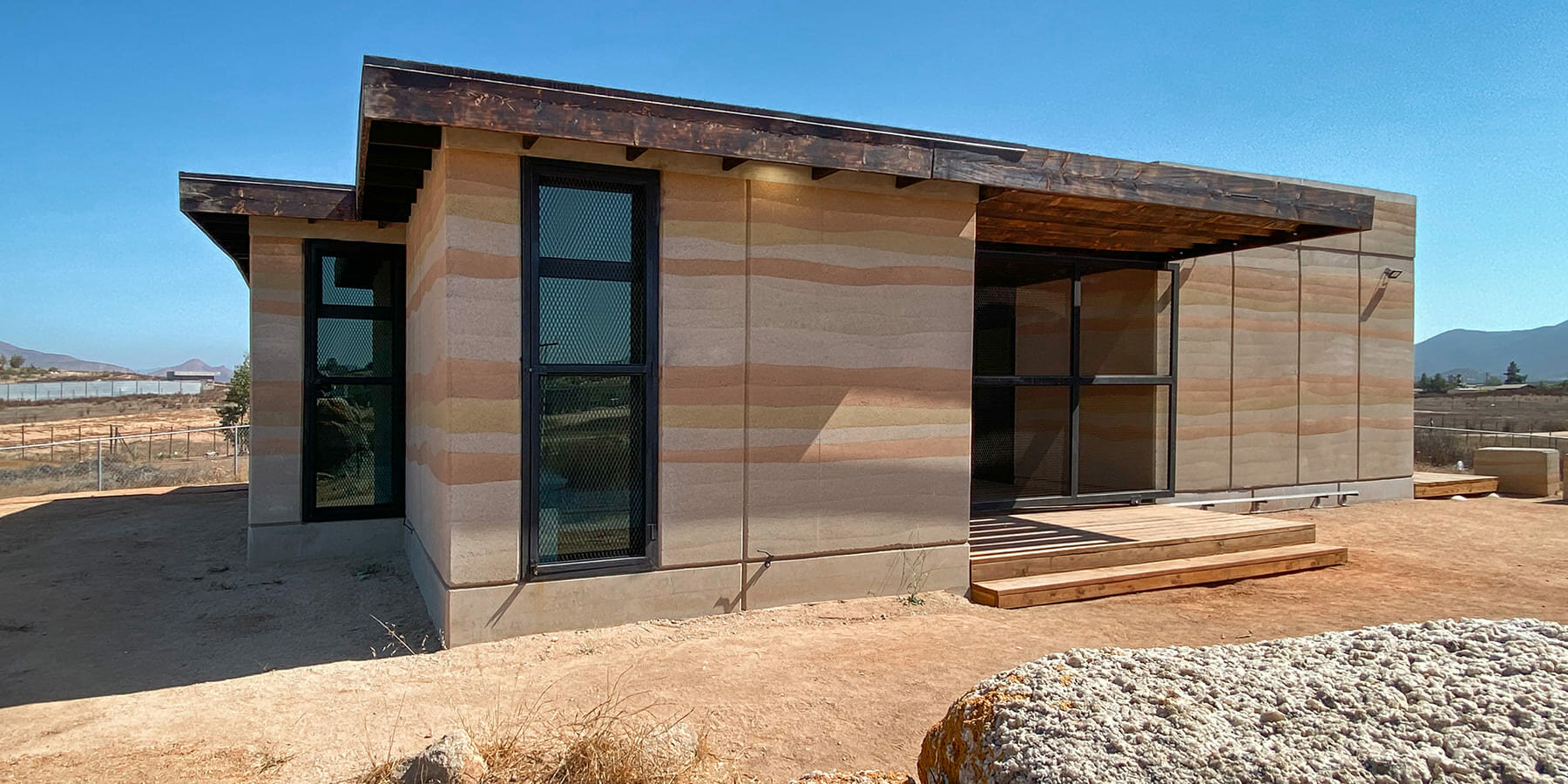
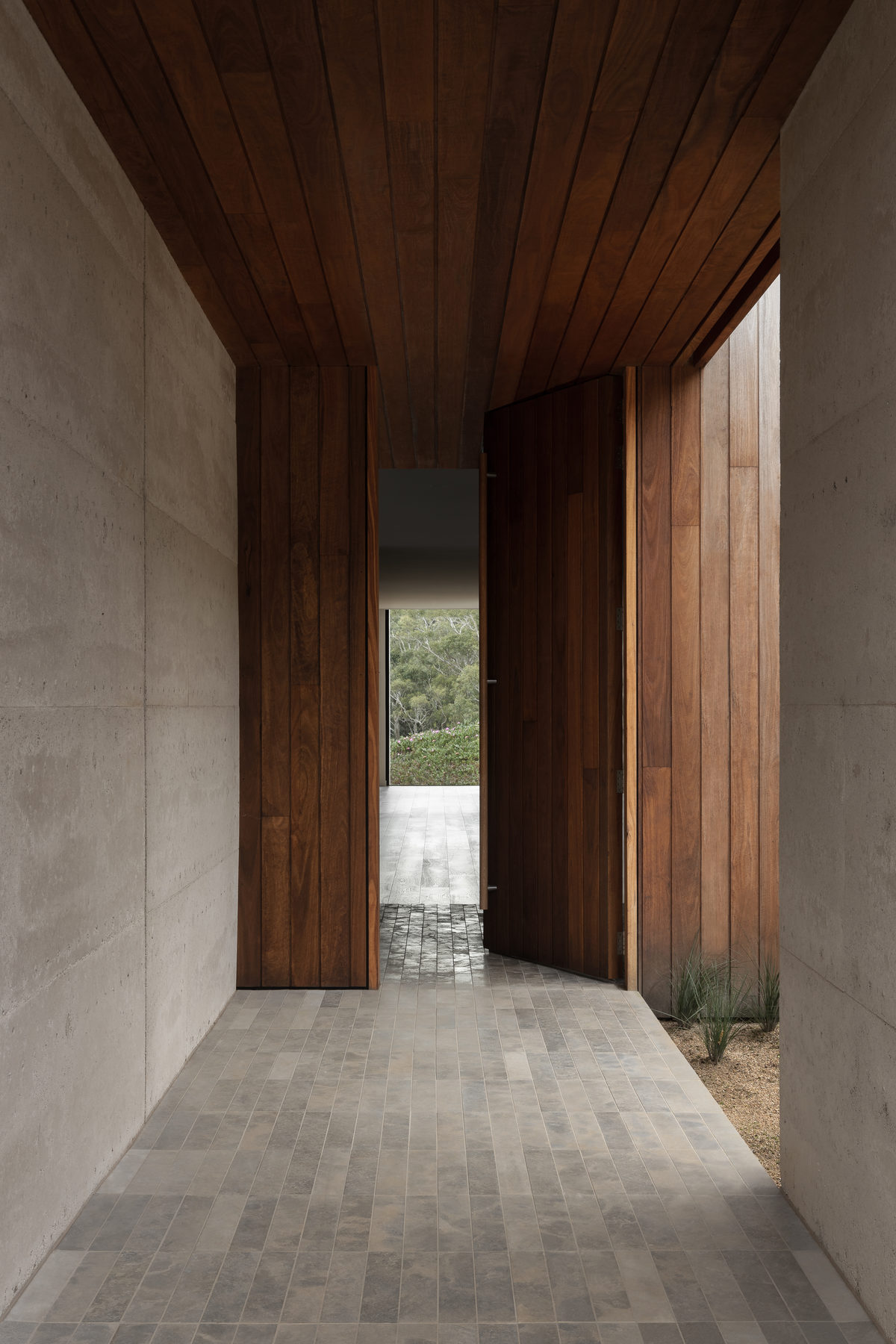
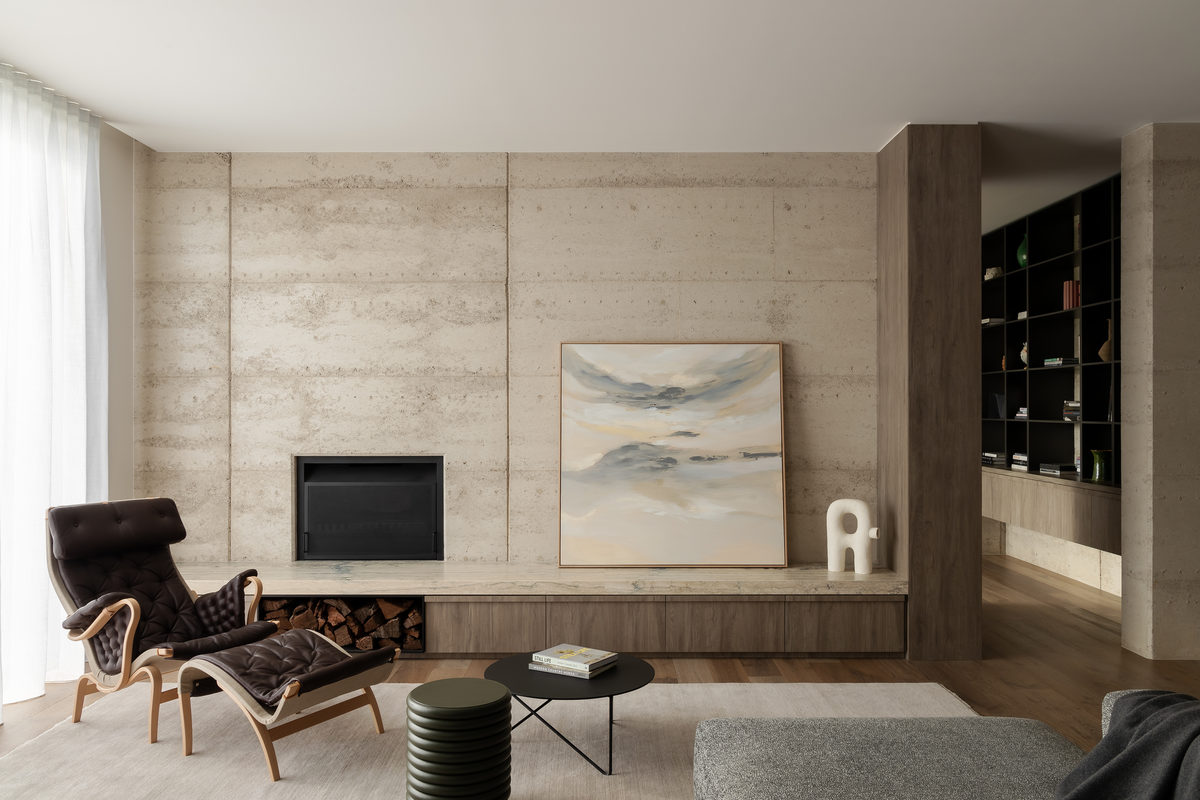
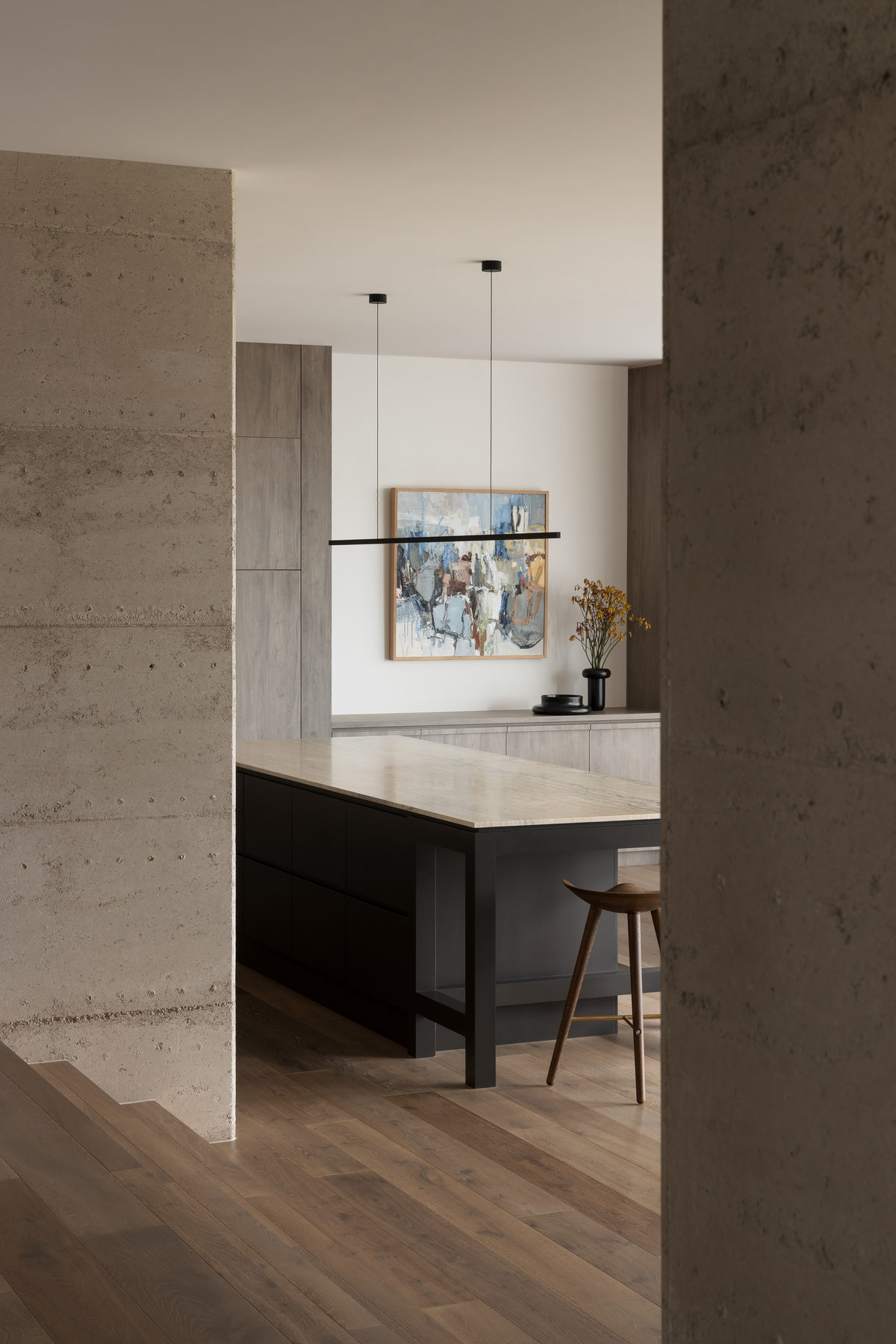
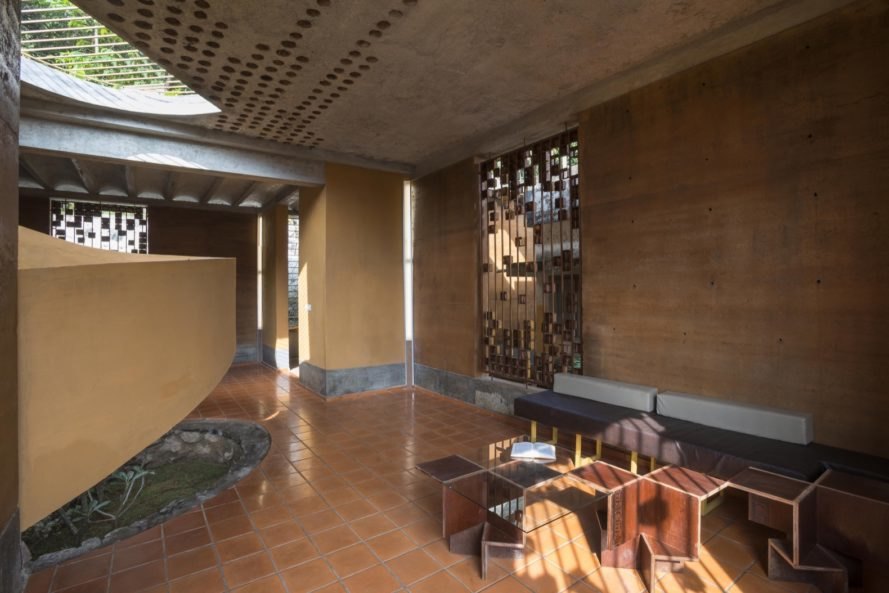
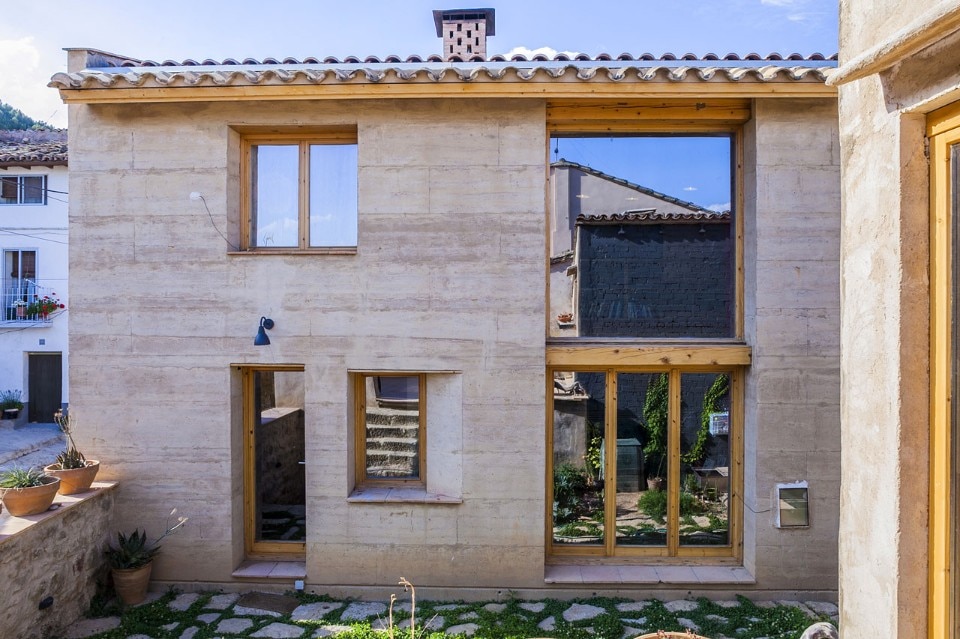
The Rammed Earth House, a finalist for the Terra Award 2016, represents a sustainable architectural endeavor in Ayerbe, Spain, designed by Edra Arquitectura km0. The project aims to rekindle community interest in sustainable building practices that are deeply integrated with the local environment, drawing inspiration from traditional Aragonese earthen structures. Its design incorporates vernacular architecture principles concerning orientation, morphology, and the use of locally sourced materials.
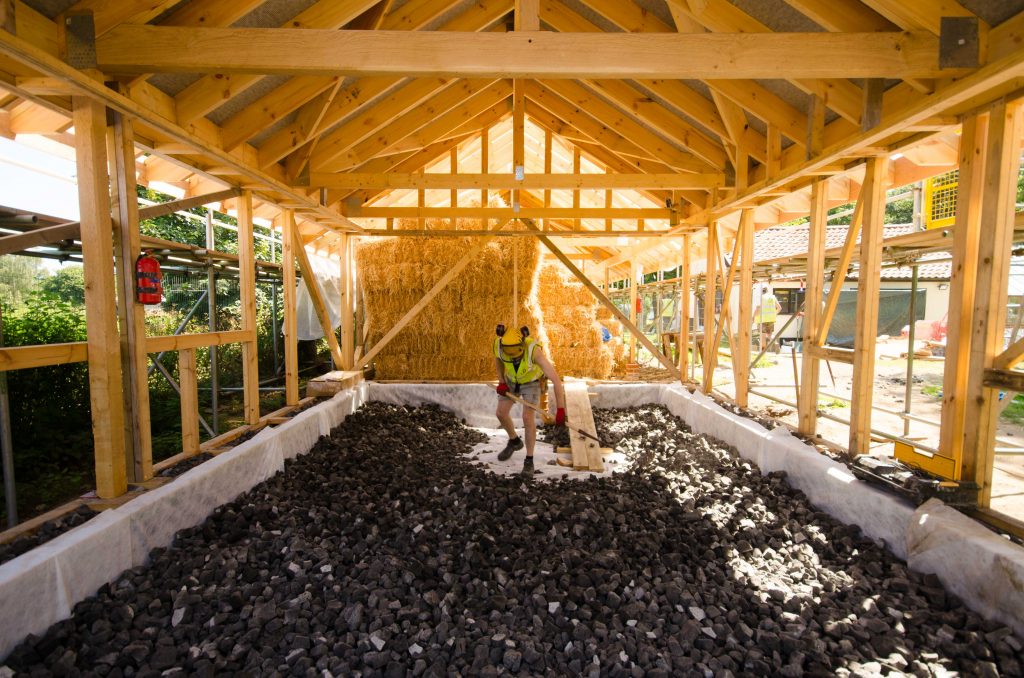
Technical advancements were integrated into the traditional rammed earth construction method. For instance, straw was added to the earth mixture to enhance its thermal performance. The architects prioritized low-tech, low-energy, and low-impact materials and building systems. Approximately 80% of the building's mass, including earth, stone, and straw, is derived from local sources. A life cycle analysis conducted from 'cradle to gate' indicated a 50% reduction in CO2 emissions compared to conventional construction. This approach underscores a commitment to environmental responsibility throughout the construction process.
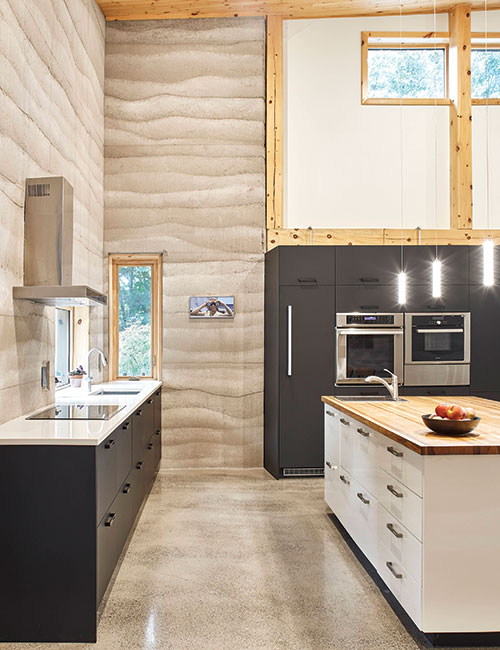
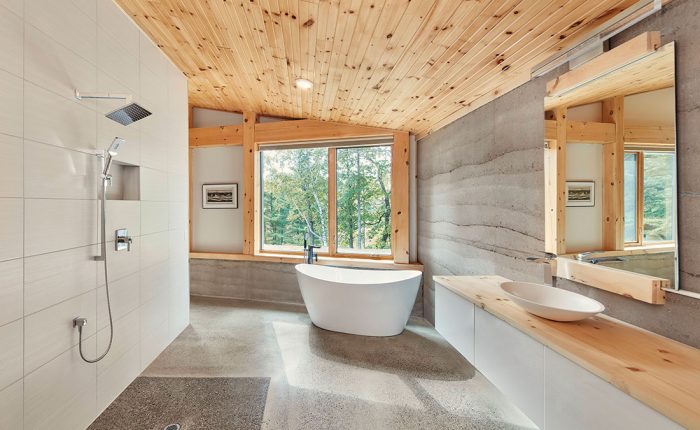
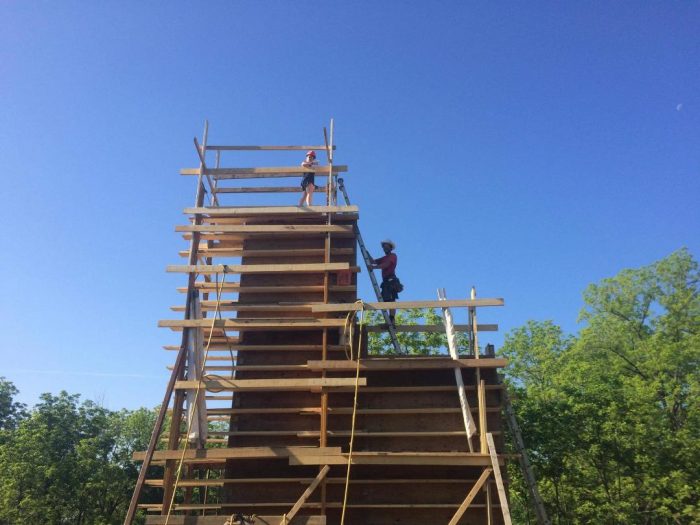
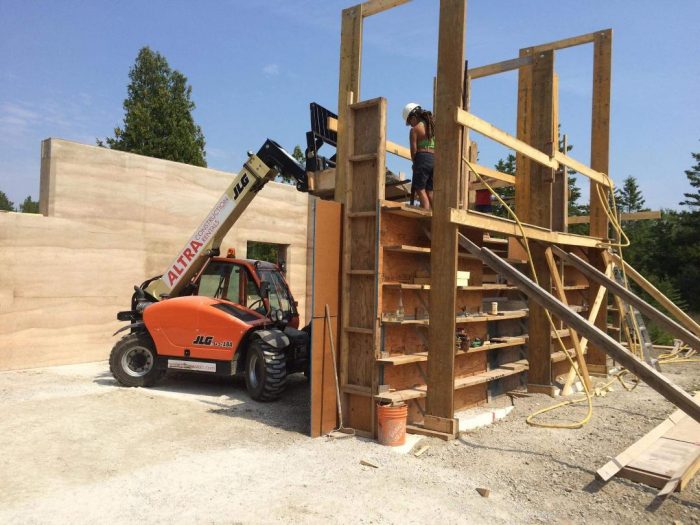
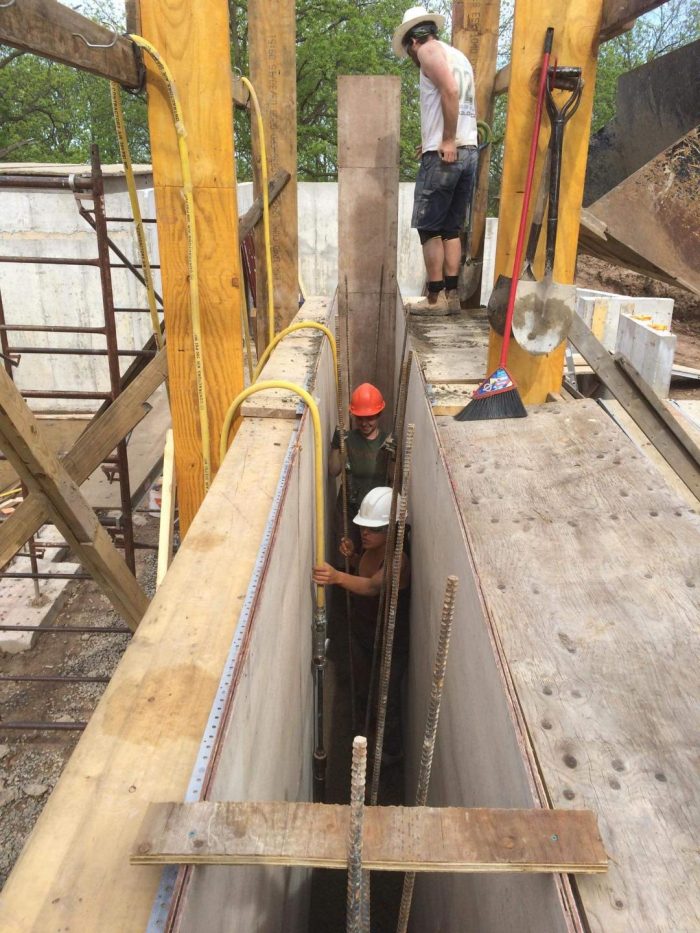
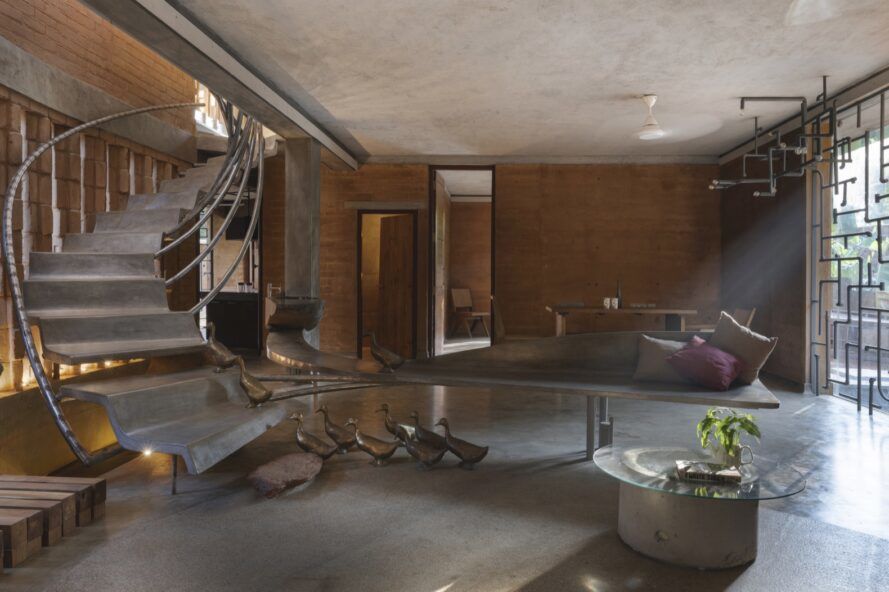
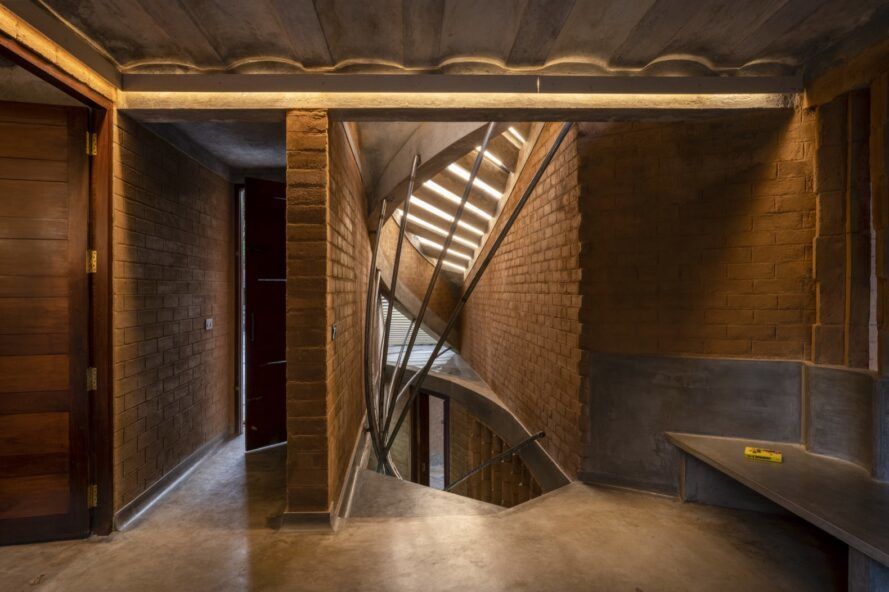
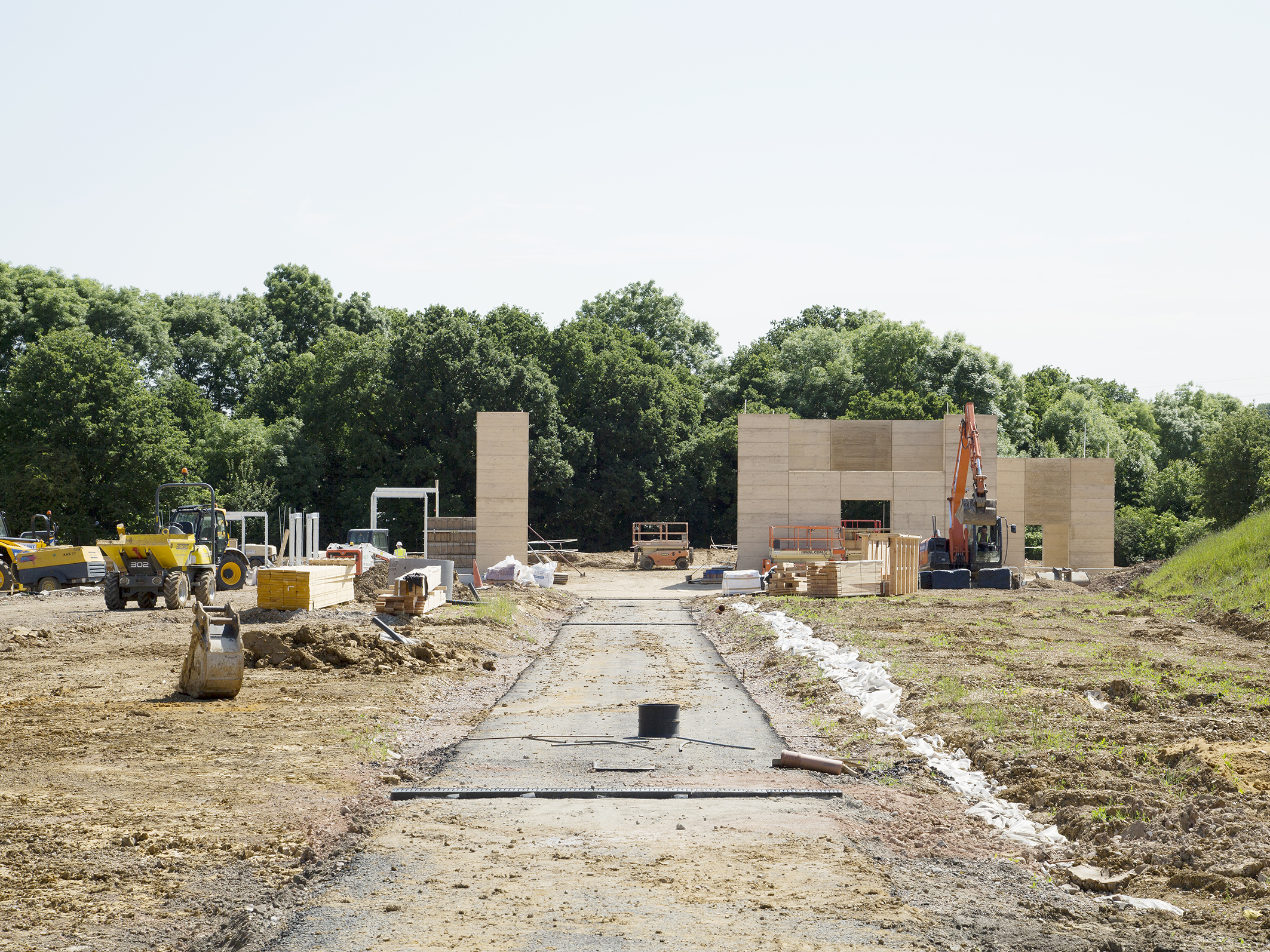
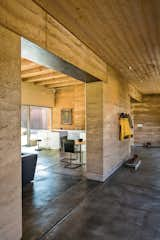
The upper floors of the house feature 45cm thick earthen walls, with timber decks supporting the living spaces. The interior and exterior lime plaster utilized the local "calicostrado" technique. A standardized wooden formwork system was employed, which was continuously mounted and filled, streamlining the construction process. Mechanization was introduced to improve both execution efficiency and economic viability. Interior partitions are finished with local clay plasters, and the floors comprise unidirectional swan timber with pine wooden planks for beam fillings.
Thermal insulation is a key feature of the house. The roof is insulated with 20cm of sheep's wool to mitigate heat loss in winter and prevent overheating in summer. Inner wooden floors are insulated with natural cork boards. South-facing windows are equipped with heavy interior curtains and exterior wooden roller shutters to manage solar gain and provide shade. For water management, a cistern buried in the patio collects and reuses rainwater. Heating and domestic hot water are provided by a biomass boiler. This modern earth house exemplifies how efficient vernacular architecture principles can be combined with contemporary techniques to foster a reconnection between humans and nature, contributing to a more sustainable architectural future.
#RammedEarth #SustainableArchitecture #VernacularDesign #TerraAward #EcoFriendlyBuilding #LocalMaterials #ThermalInsulation #BiomassHeating #RammedEarth #SustainableArchitecture #VernacularDesign #TerraAward #EcoFriendlyBuilding #LocalMaterials #ThermalInsulation #BiomassHeating
0 comment in total
 No comments yet
You may also like
Rammed Earth: Creating a 500-Year House

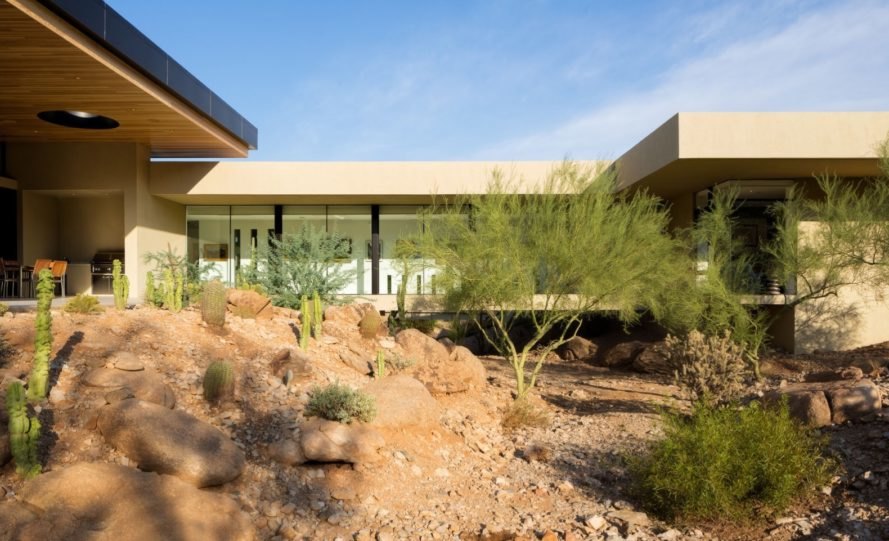
Rammed earth walls tie modern home to the desert landscape
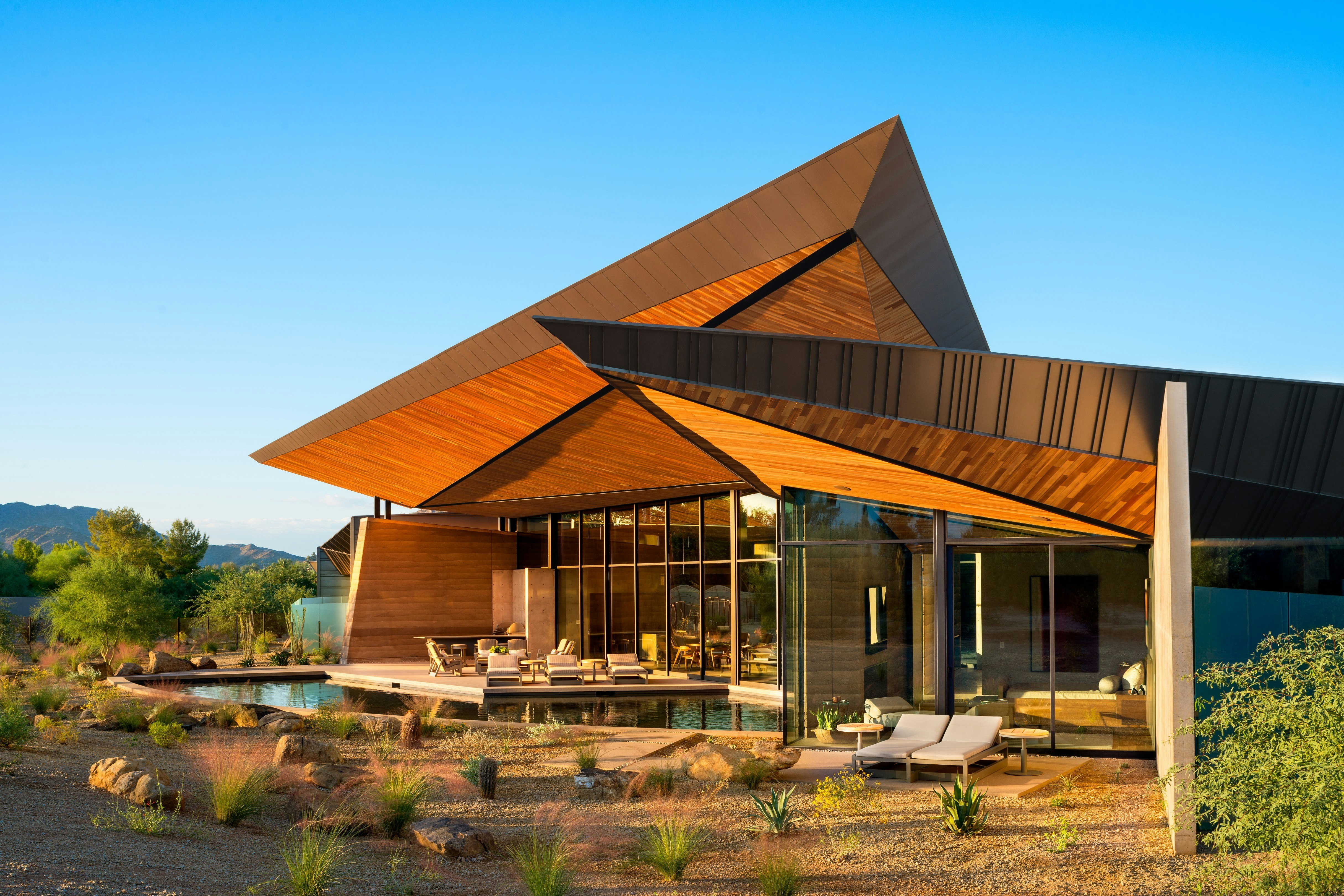
A Dramatic Floating Roof Crowns This Rammed Earth Home in Arizona

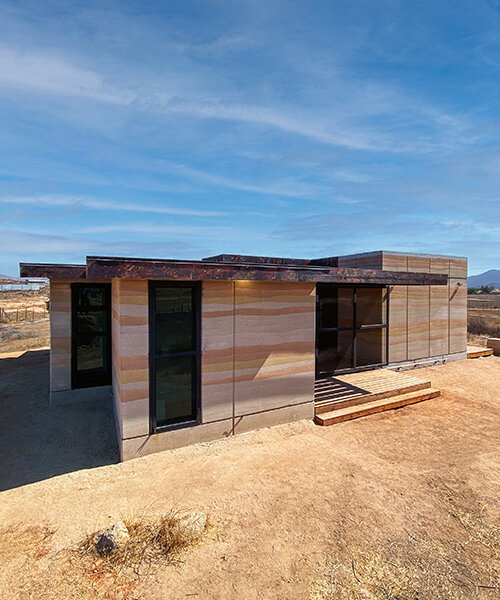
clad in rammed earth + burnt wood, 'santerra house' echoes the arid mexican landscape
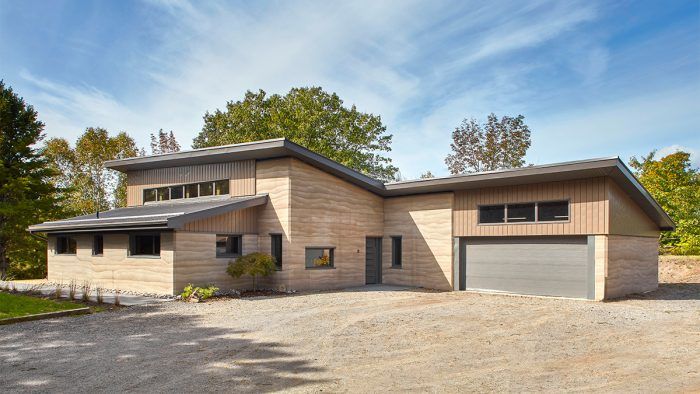
Rammed Earth Construction
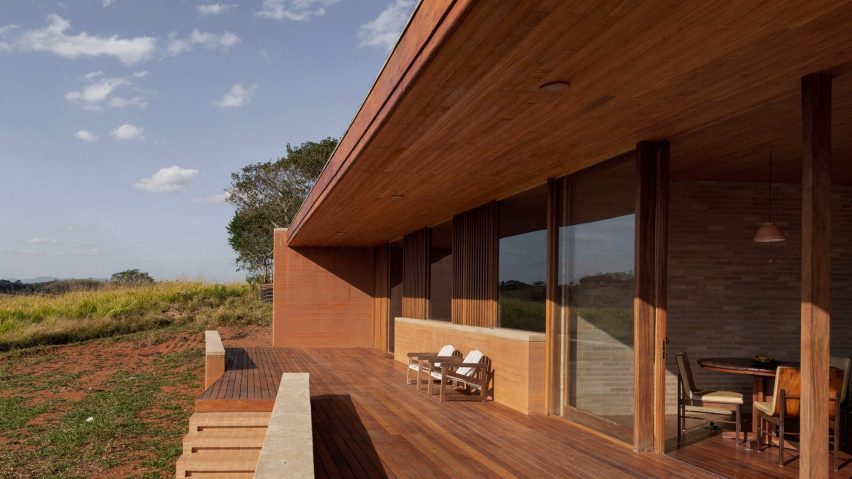
Eleven rammed-earth buildings from around the world
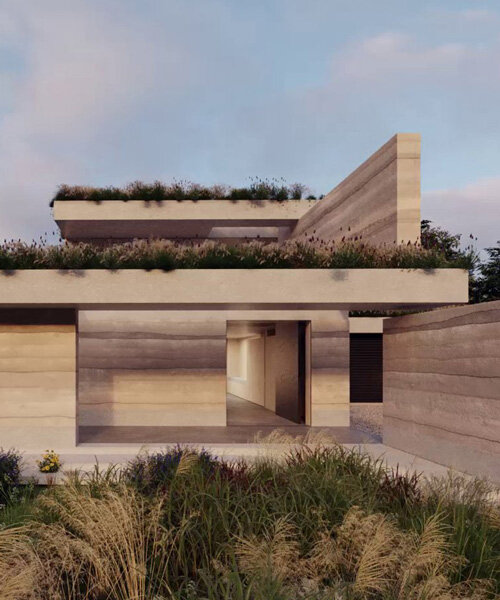
DHaus sculpts eco-friendly home in surrey's countryside from rammed earth
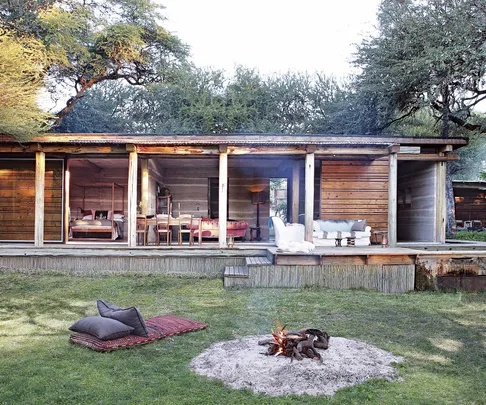
An eco-friendly rammed-earth holiday home in South Africa

Rammed Earth Walls Tie This Eco-Friendly Home to the Desert
The Earth House in Gujarat, India, advocates for local ingenuity with rammed earth
A Sustainable Rammed Earth Home in New Mexico
Rammed earth retreat in the Surf Coast's hinterland - Geelong Times
Are rammed earth buildings the new way forward?

12 Homes Tucked Into “Great Wall” of Rammed Earth in Australia
Rammed Earth Fits Into Urban Architecture’s Sustainable Future
This rammed earth home in India uses recycled materials throughout
Twisting rammed earth home wraps around a grand jackfruit tree
Saving the earth: making the case for rammed earth architecture
Two Levitating, Rammed Earth Villas in a Costa Rican Jungle

rammed earth, chukum and local materials complete residence in historic mexican hacienda