Are rammed earth buildings the new way forward?
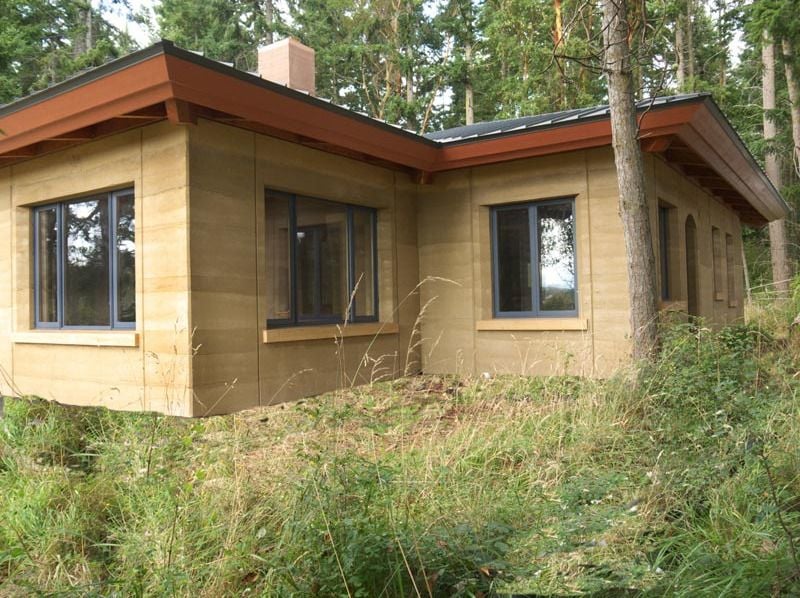
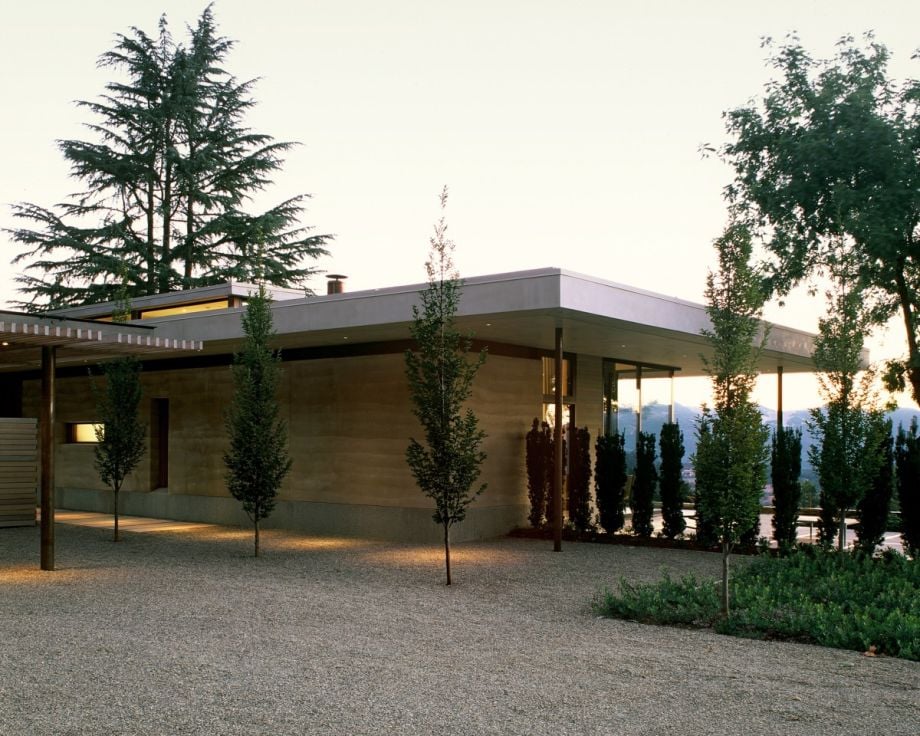
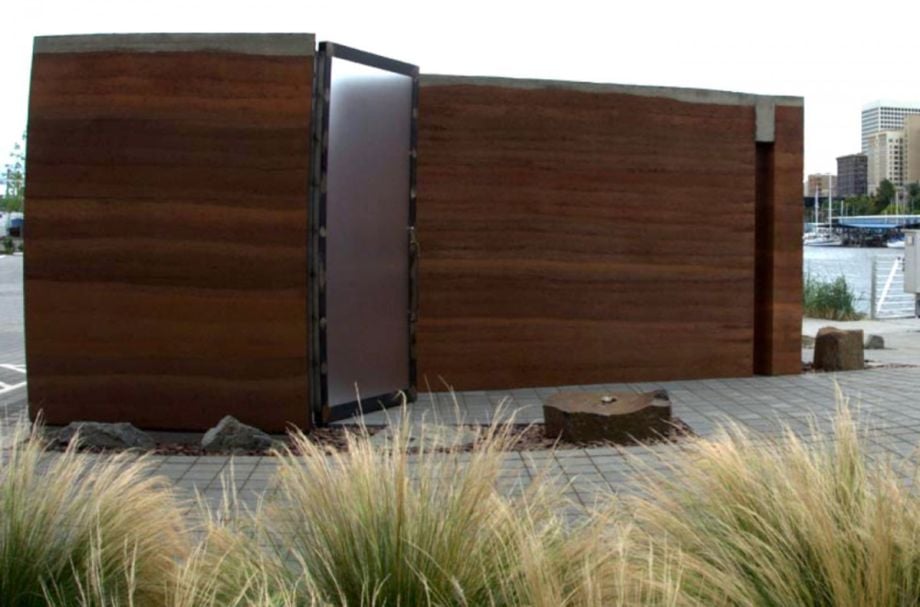
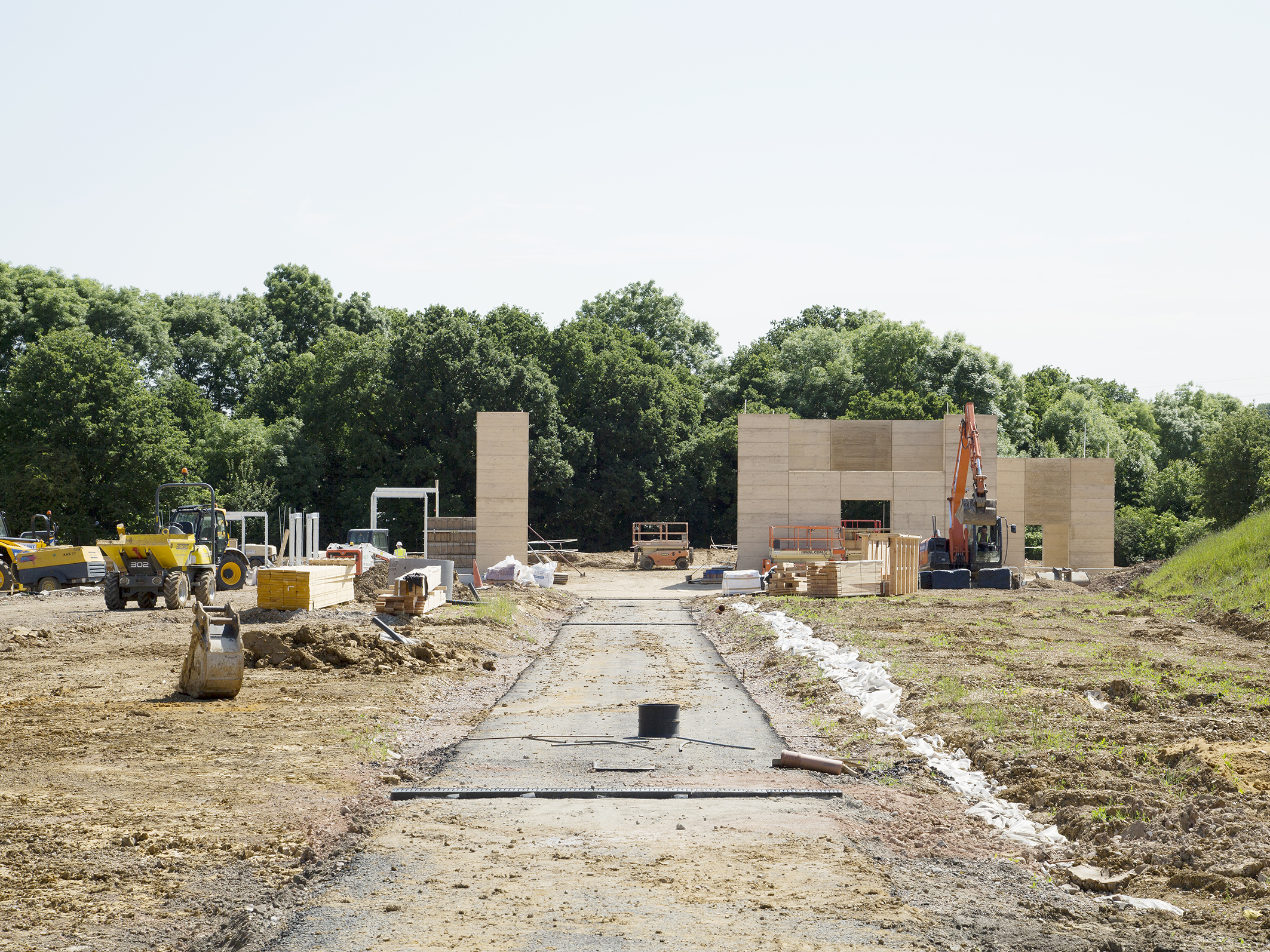
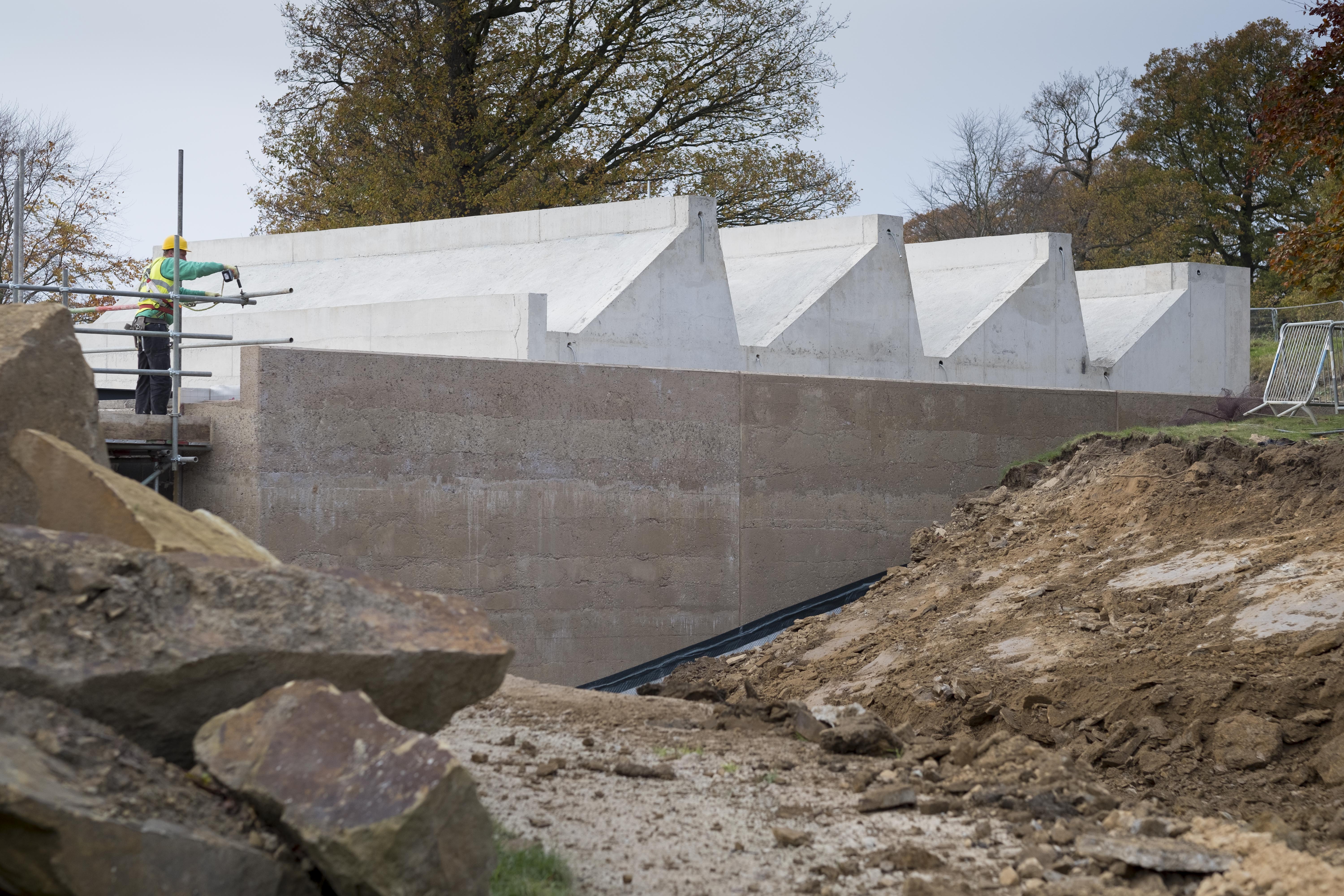
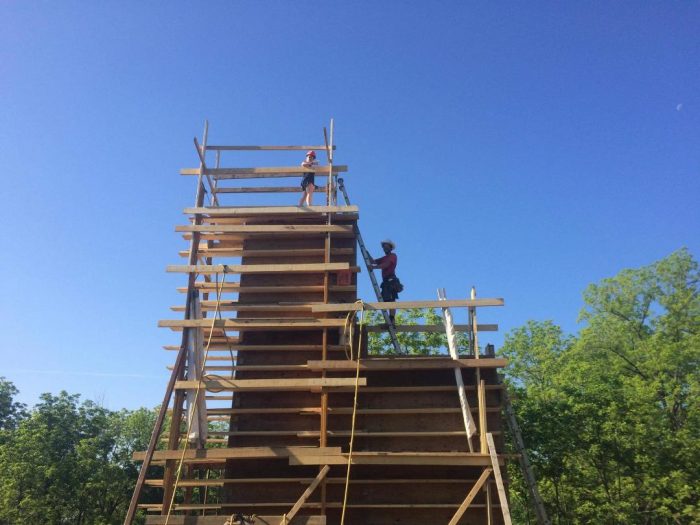
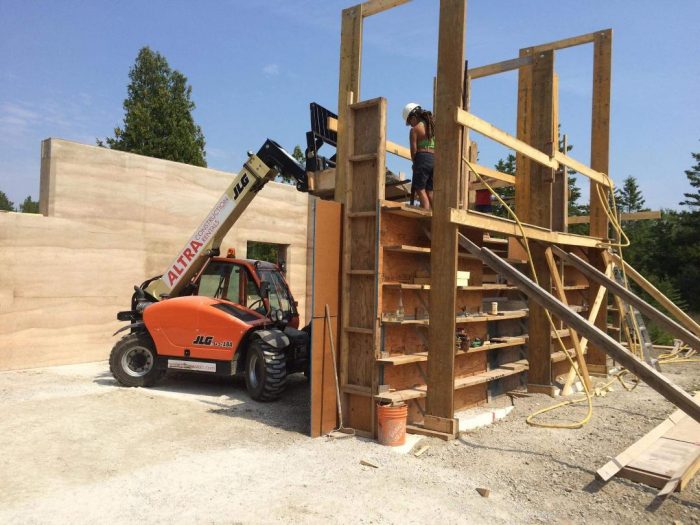
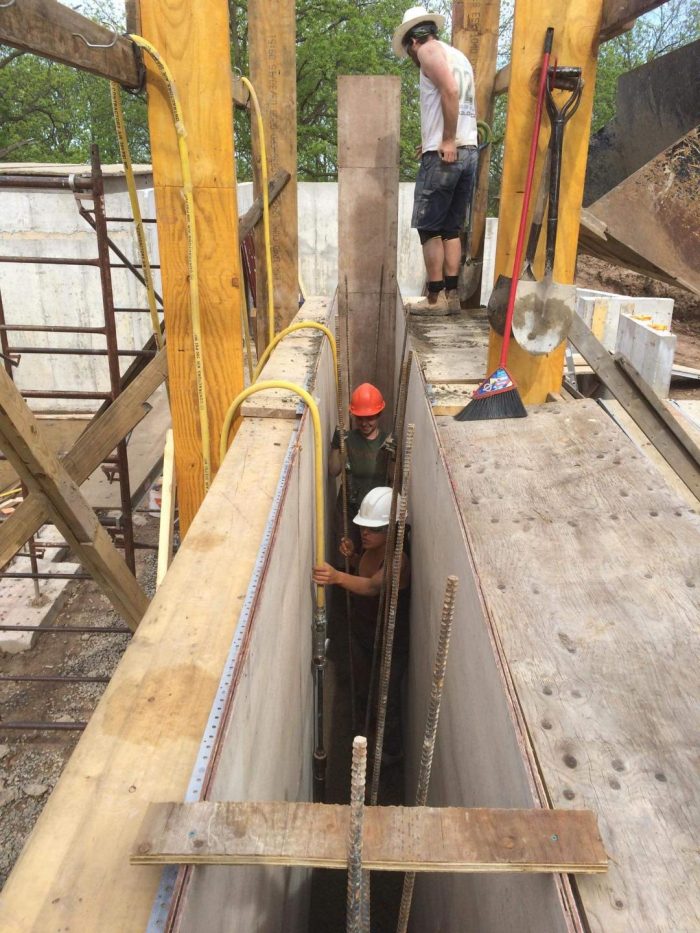
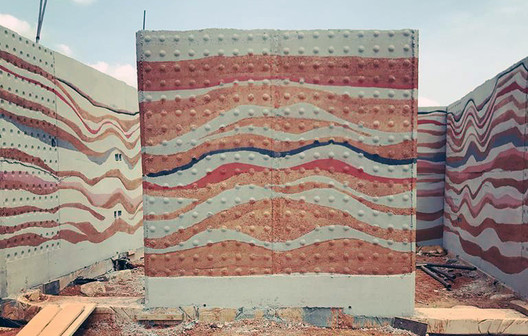
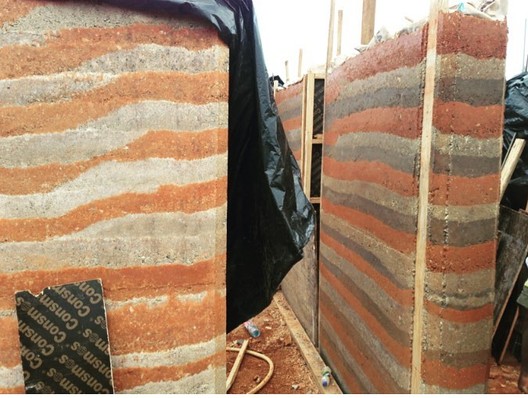
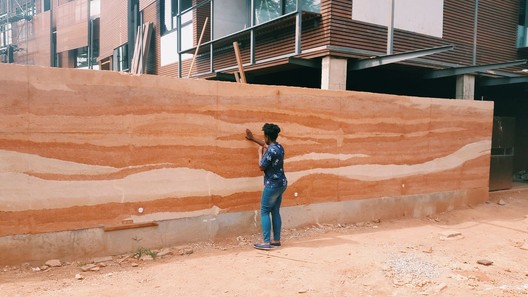
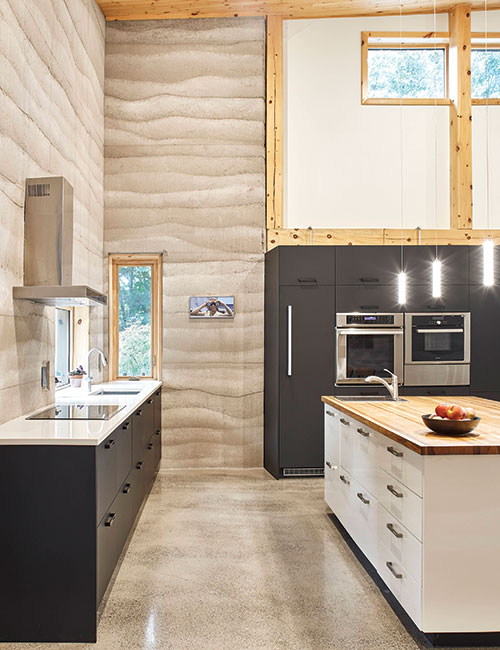
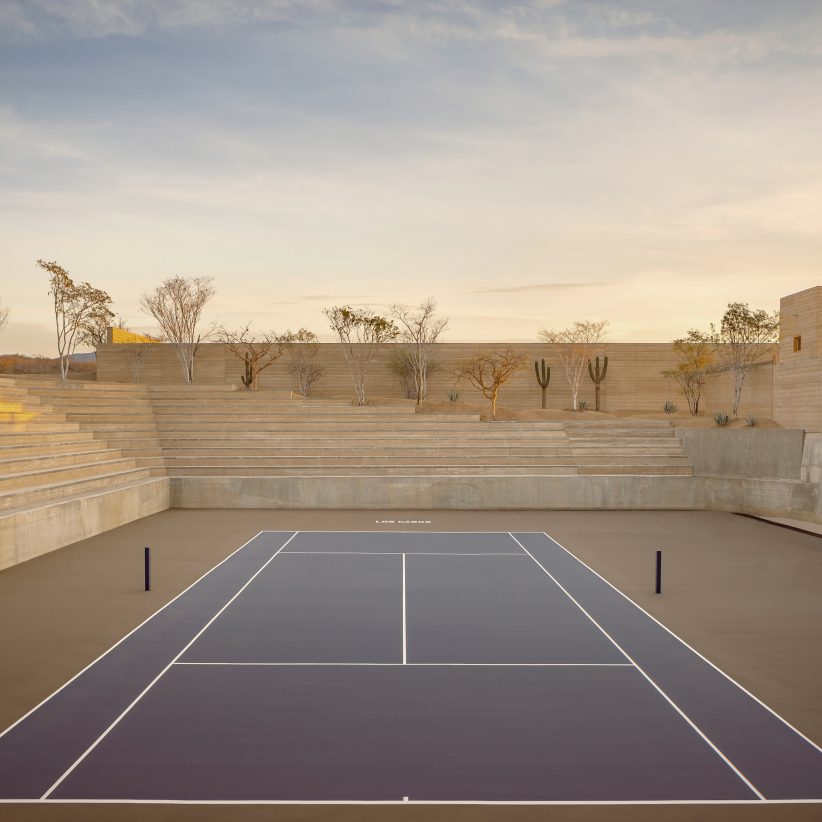
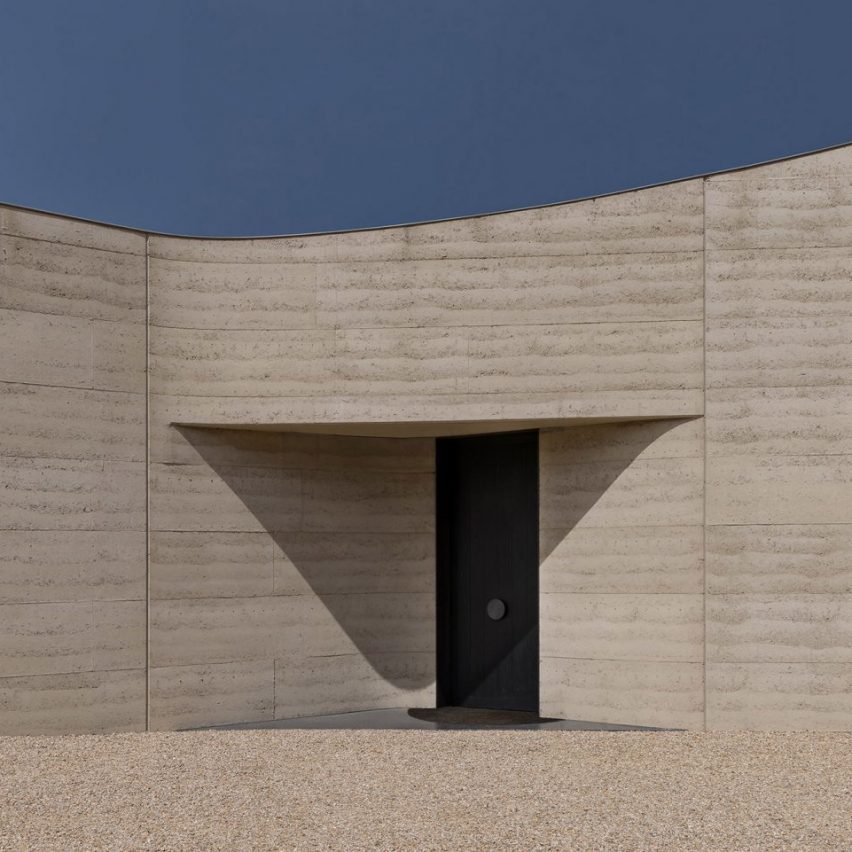
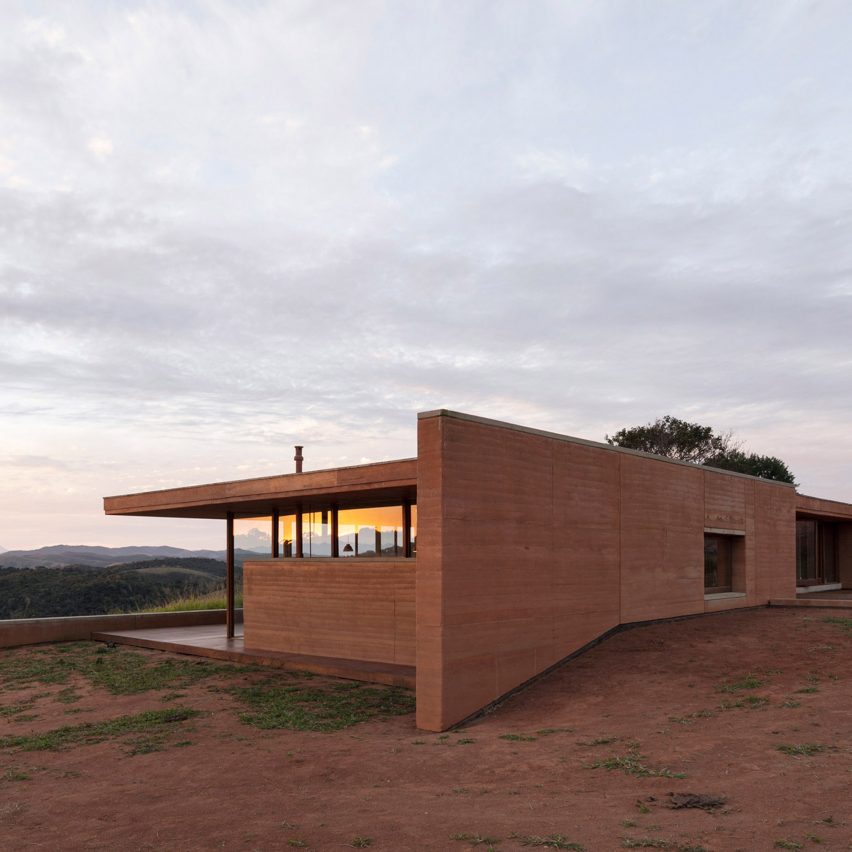
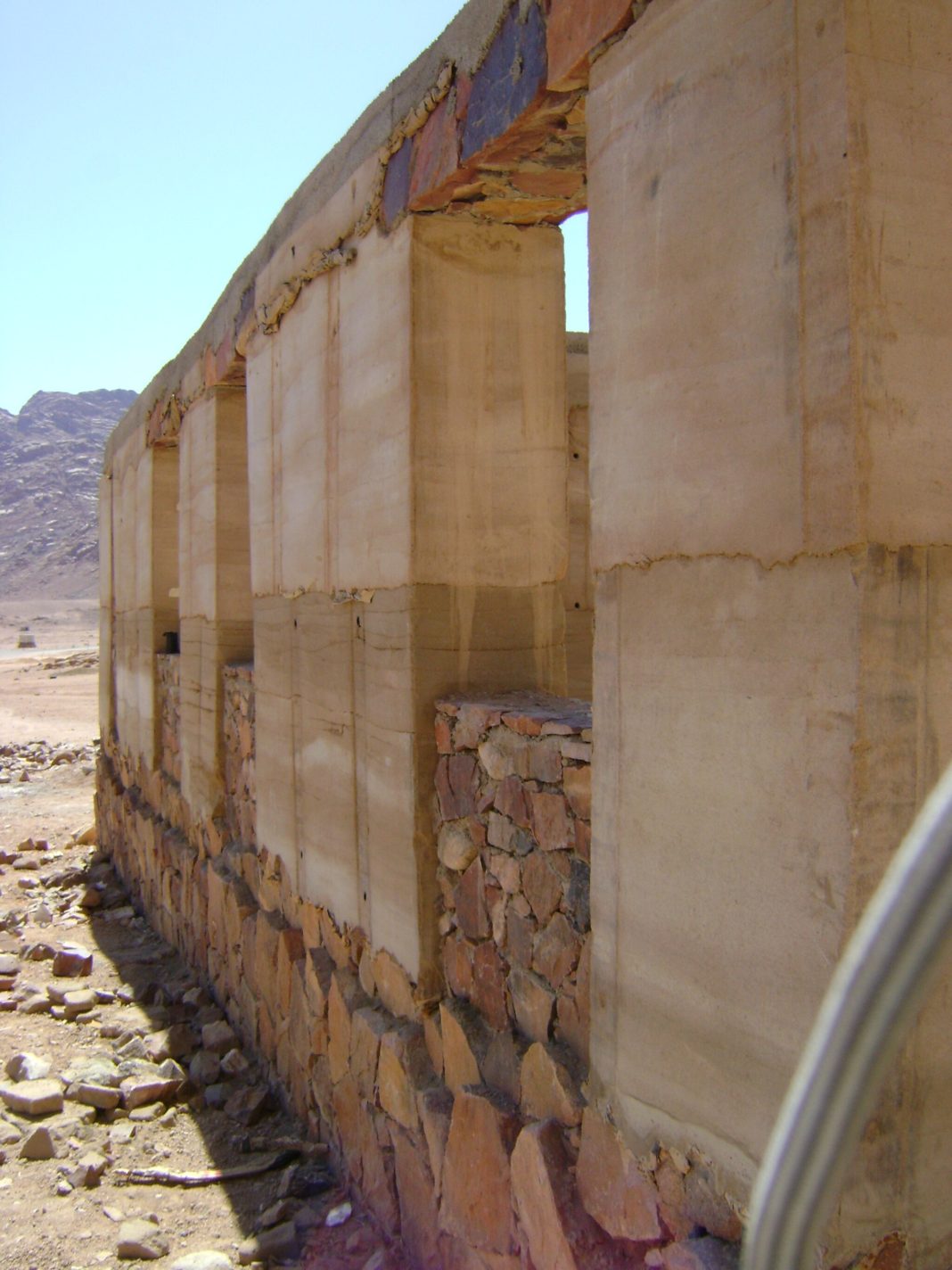
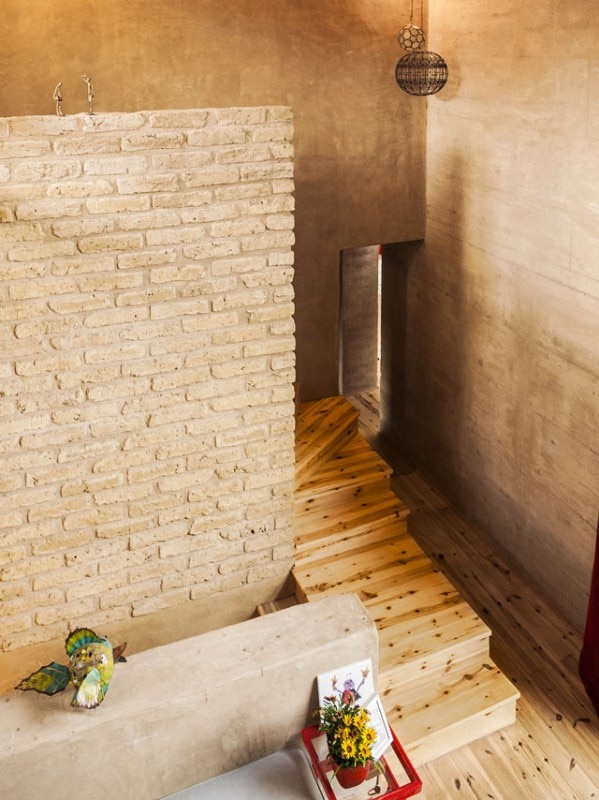
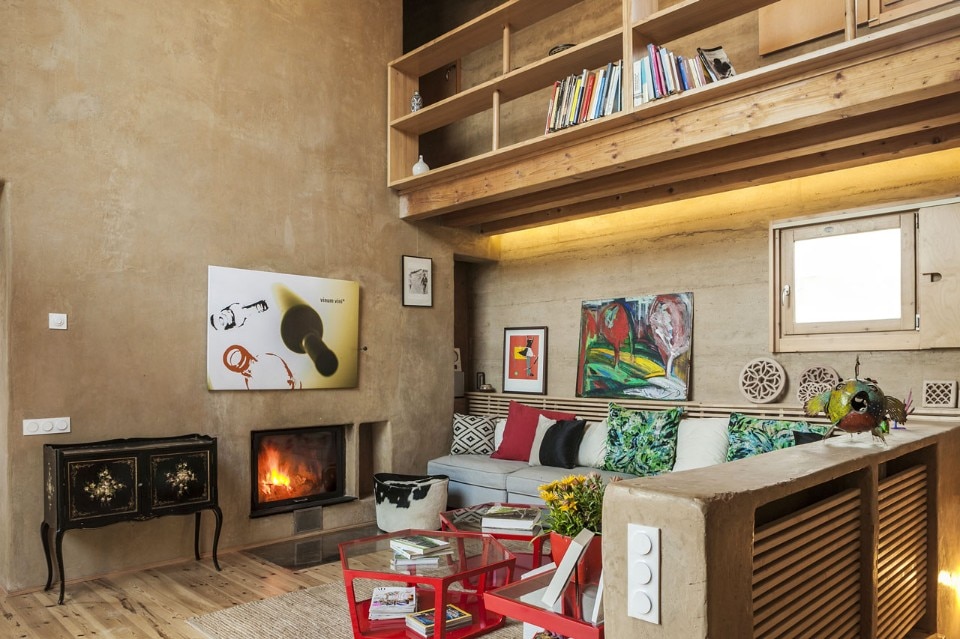
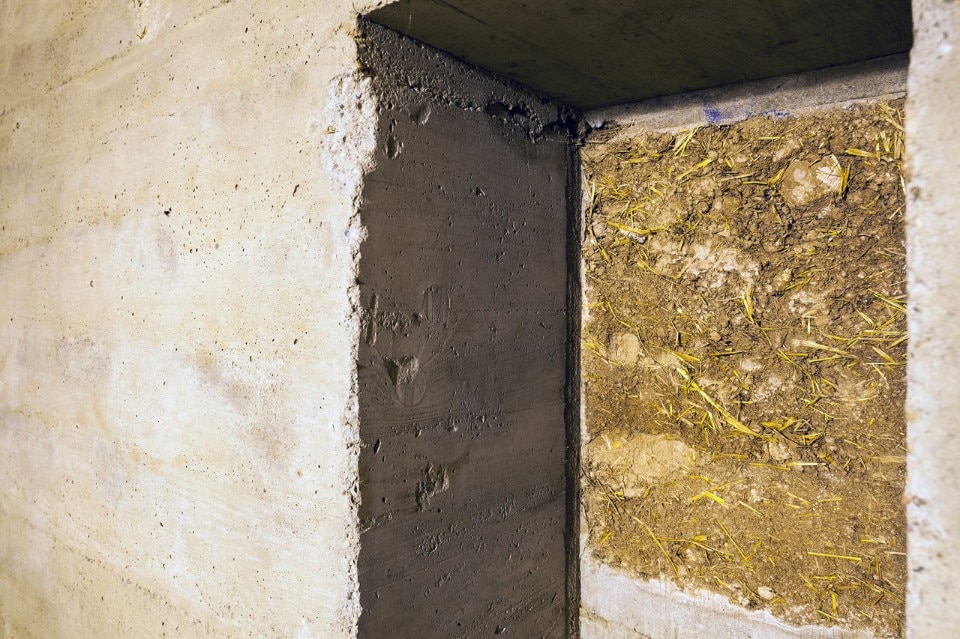
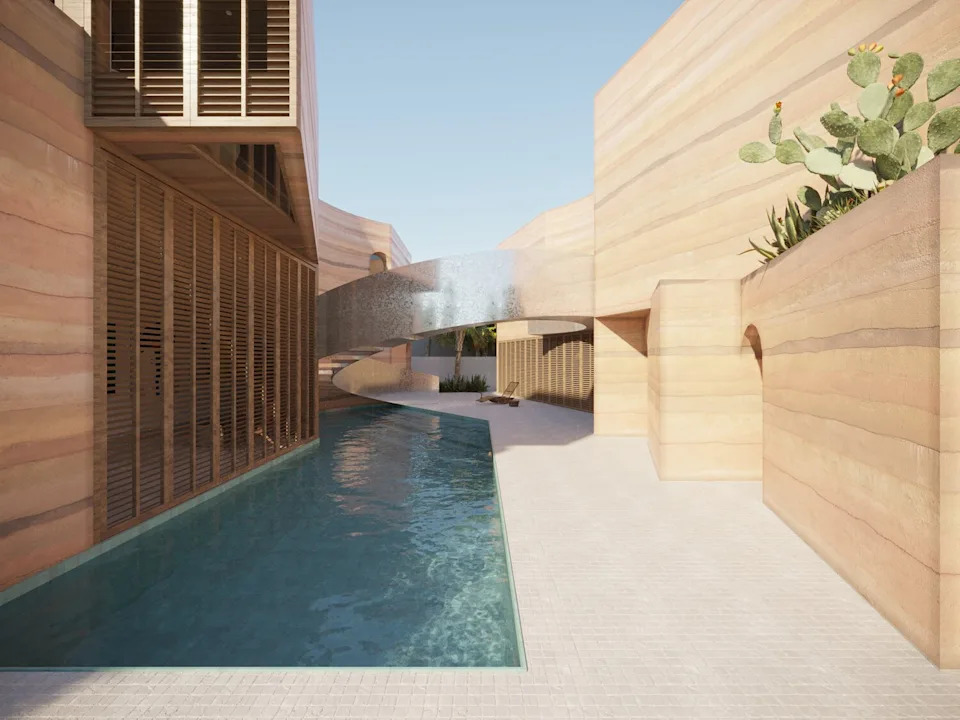
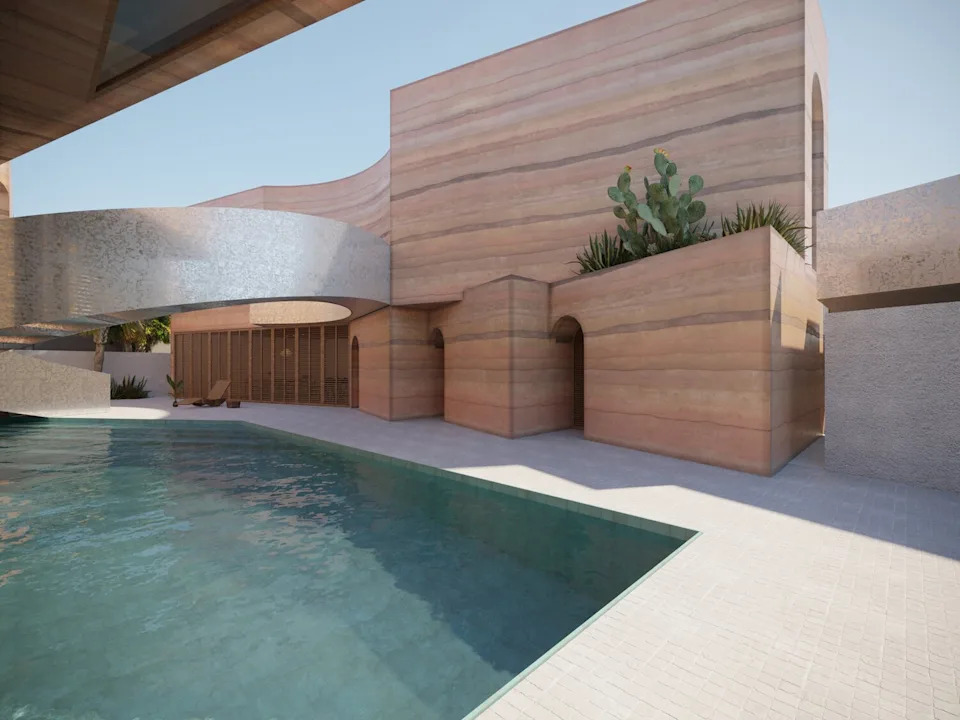
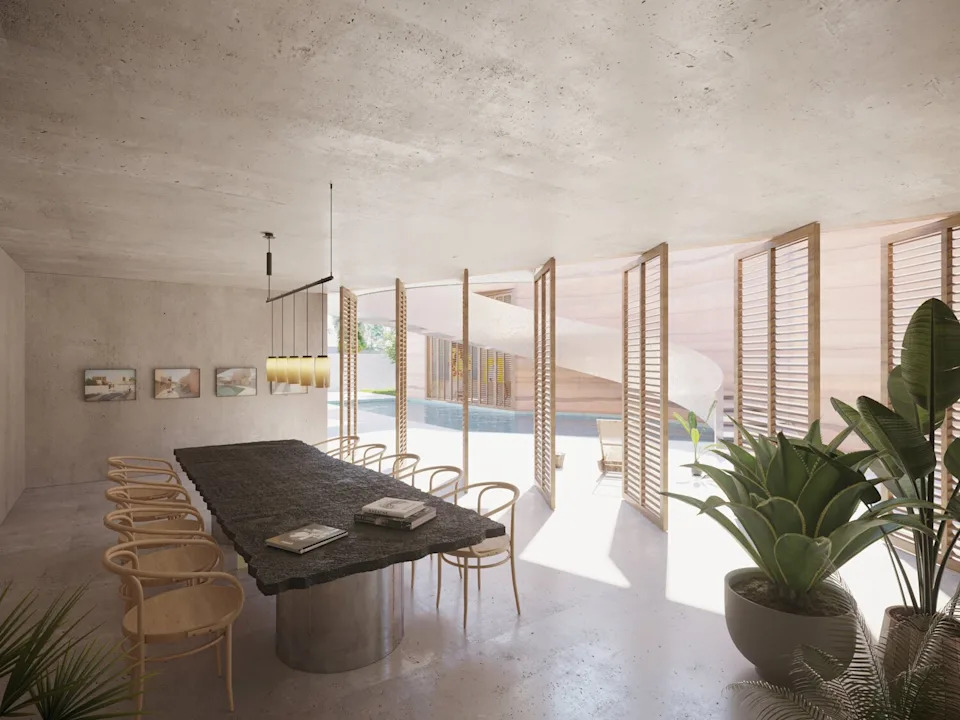
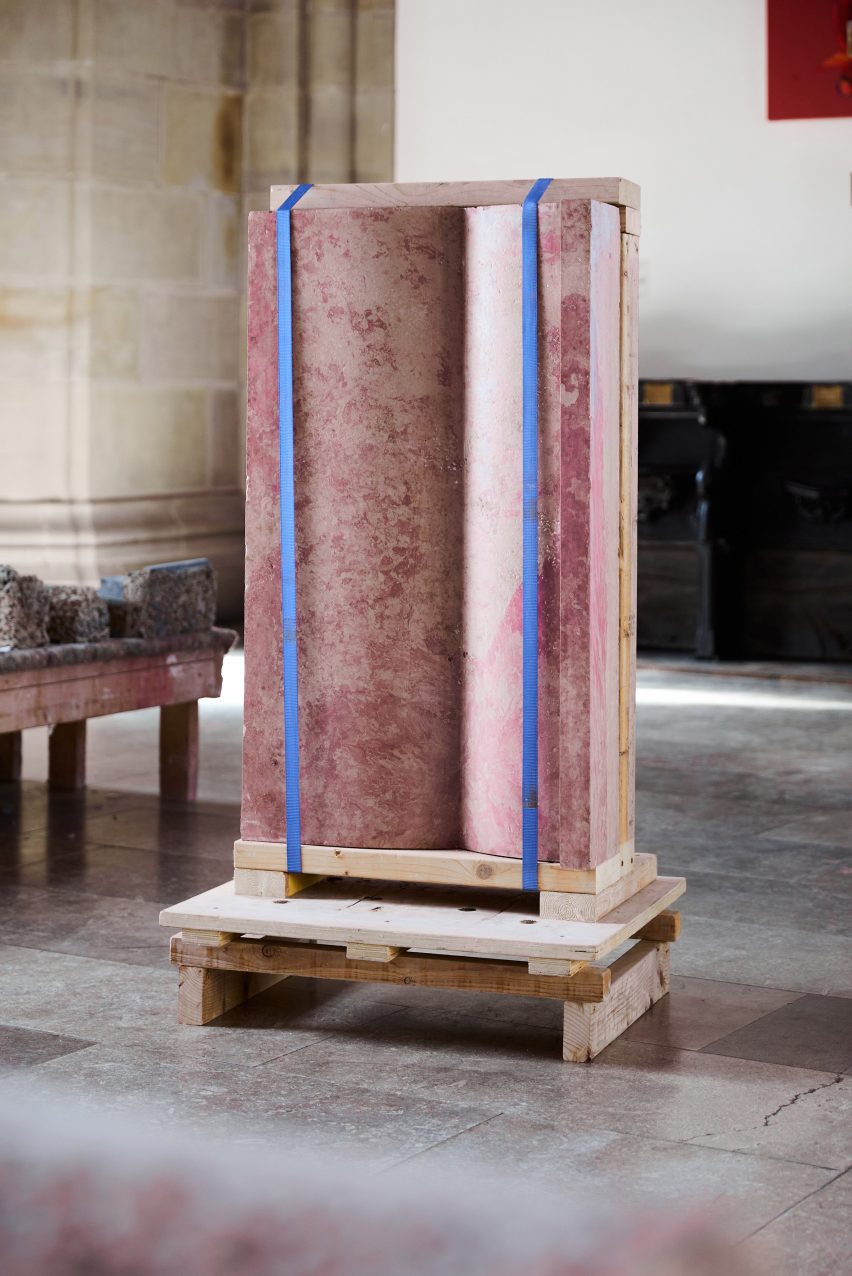
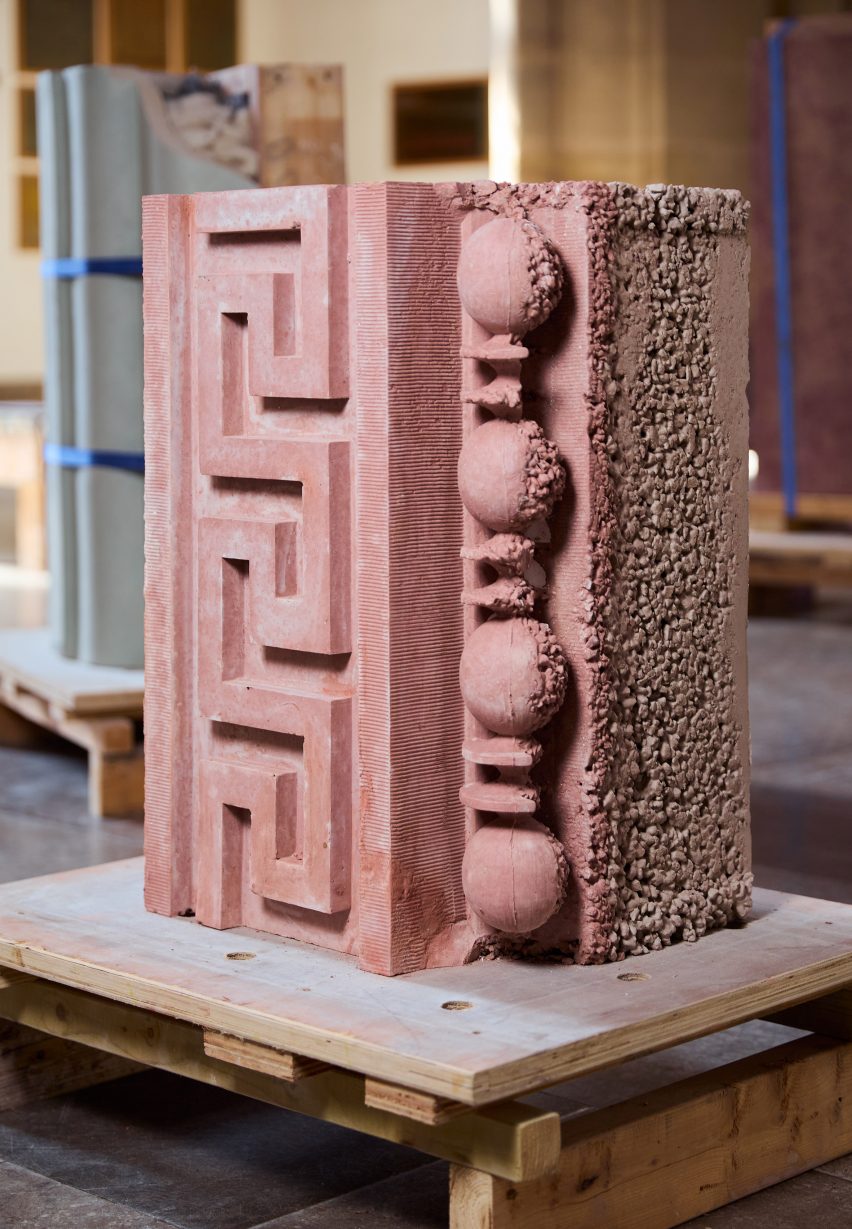
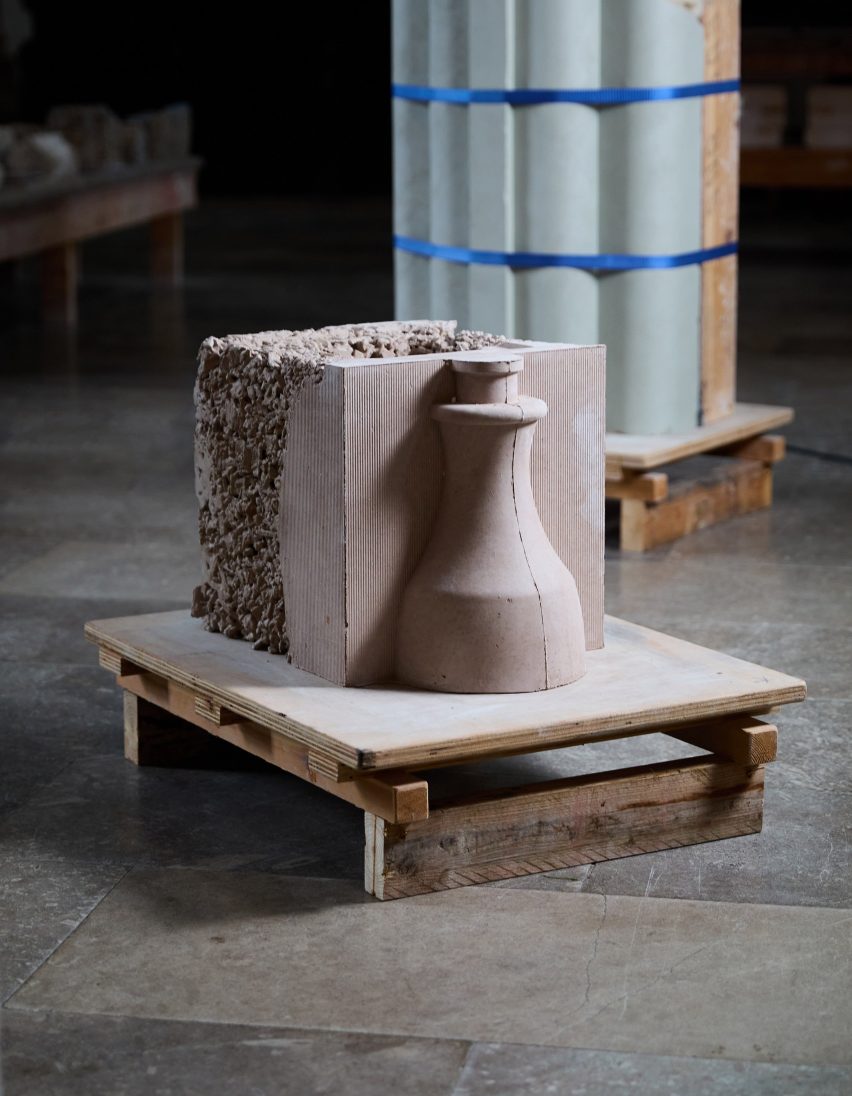
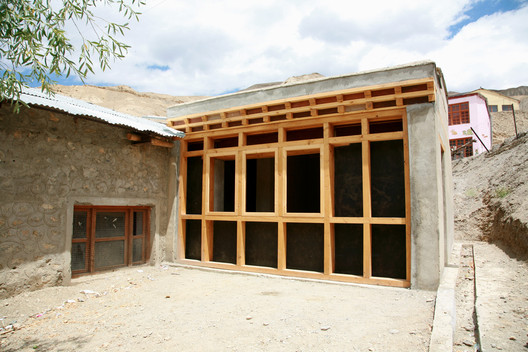
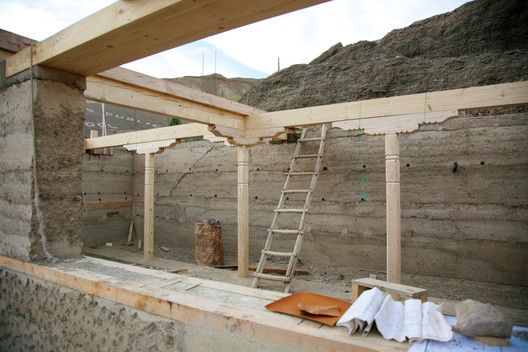
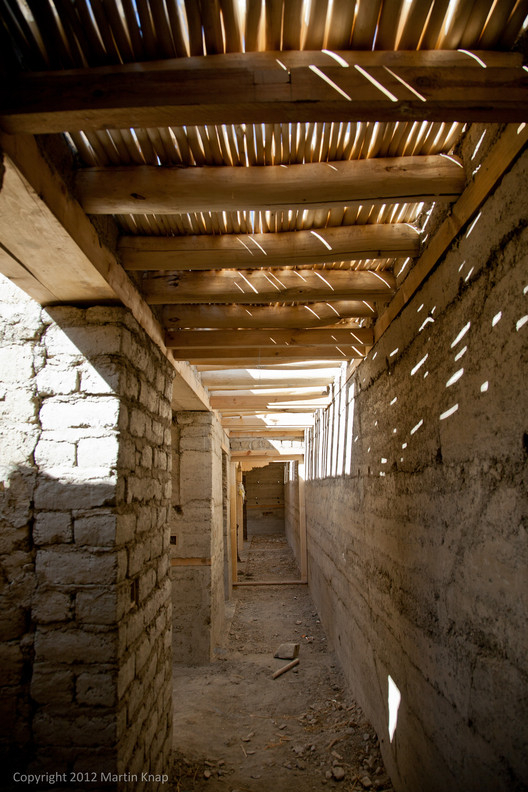
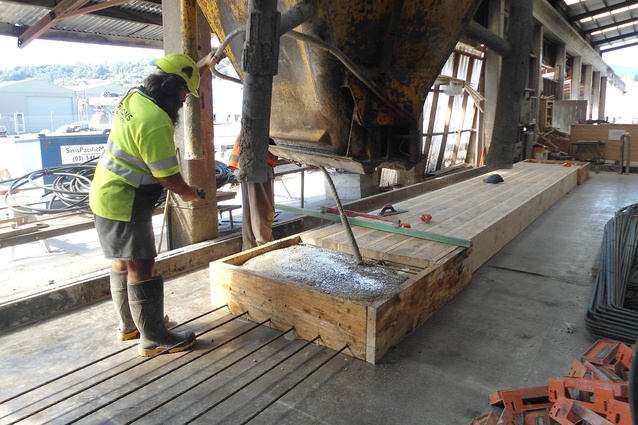
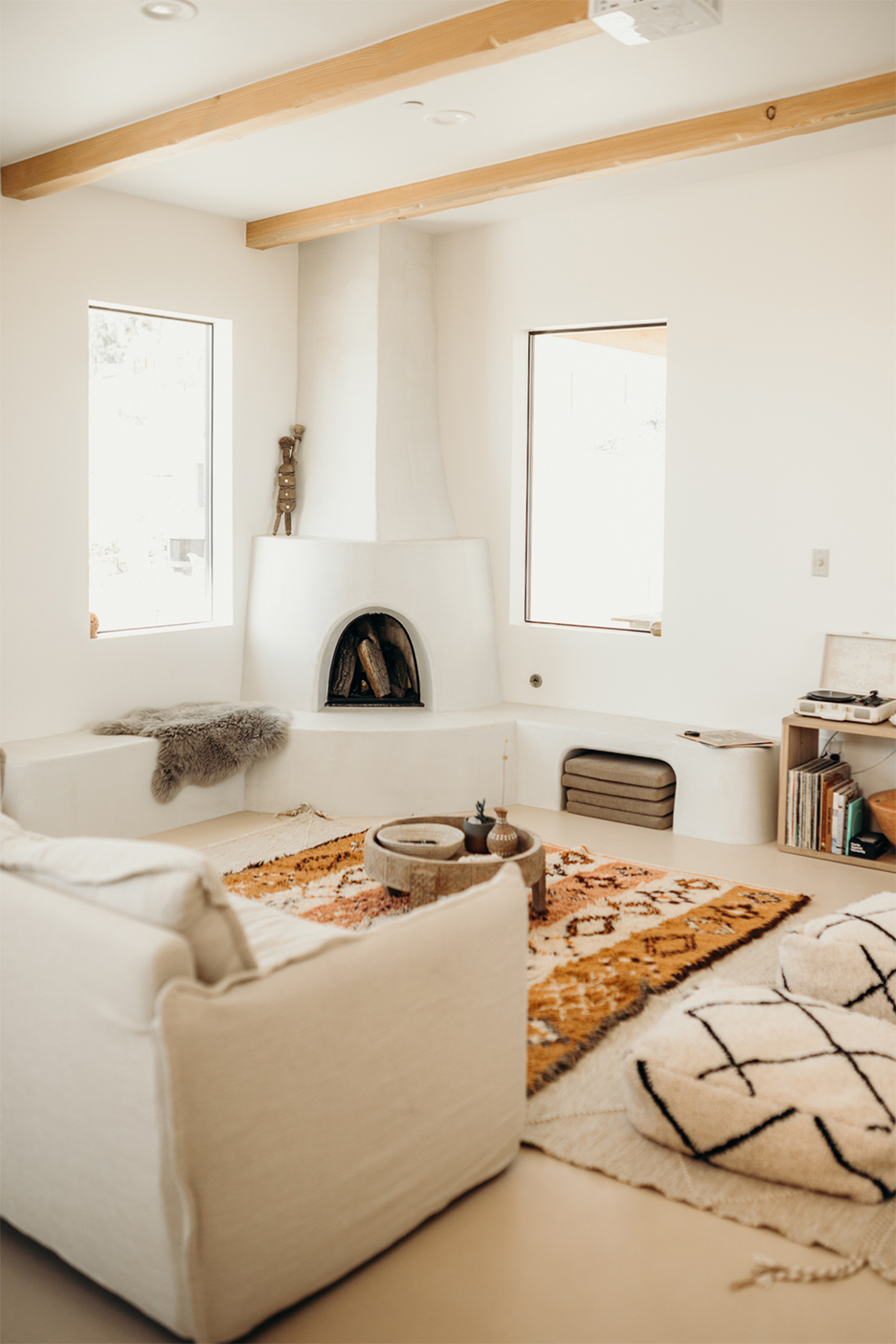
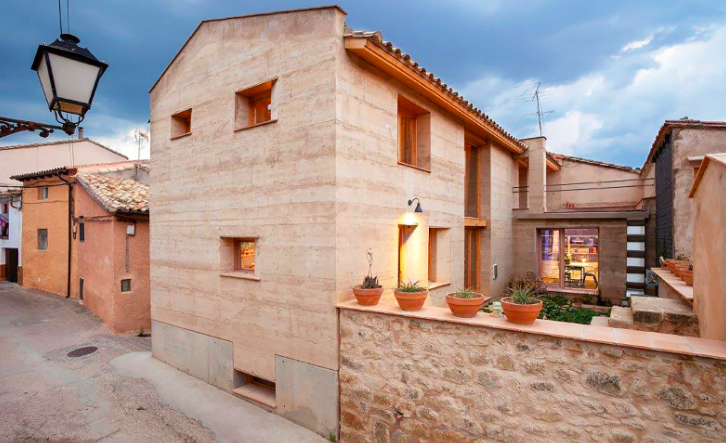
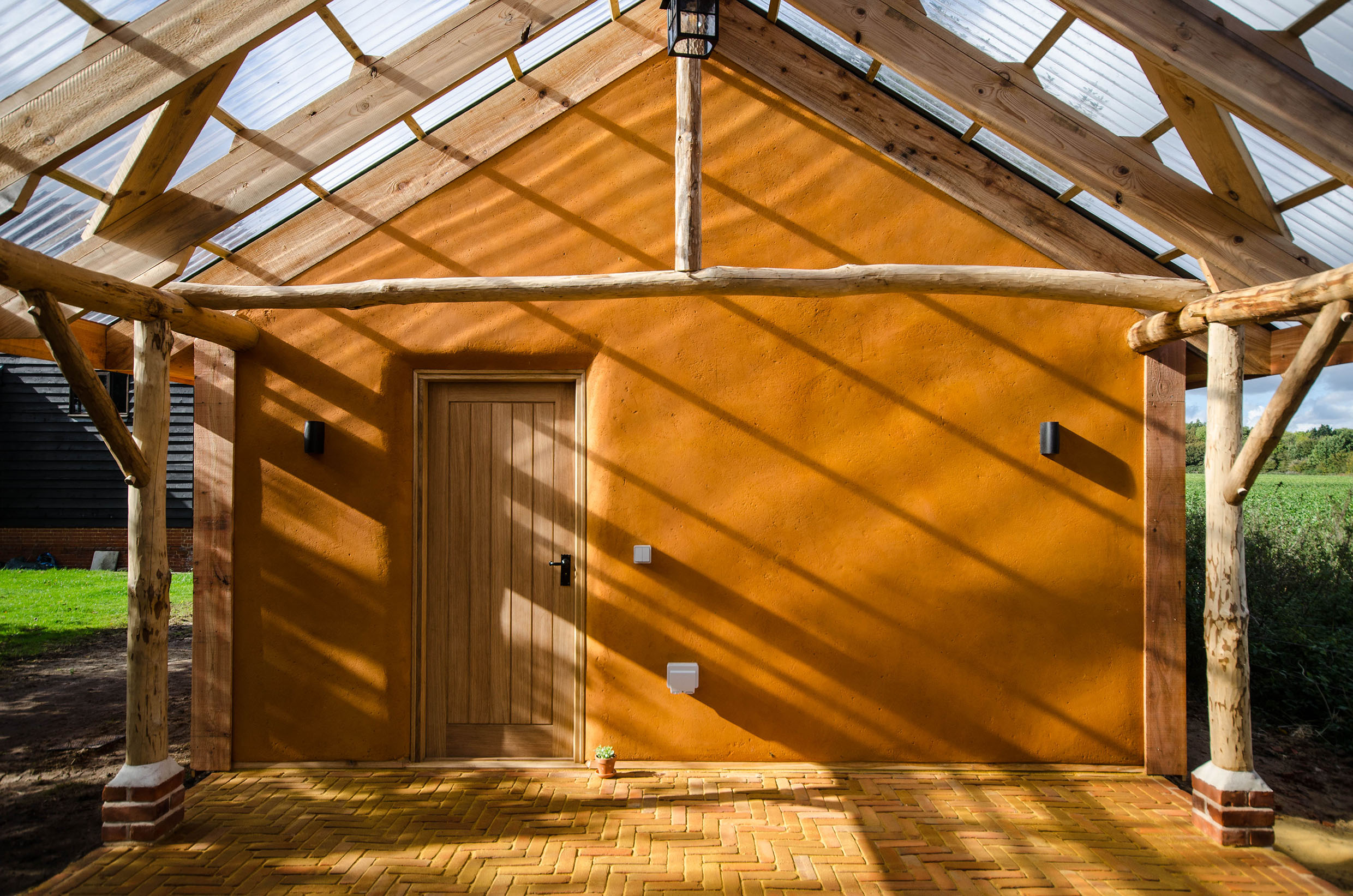
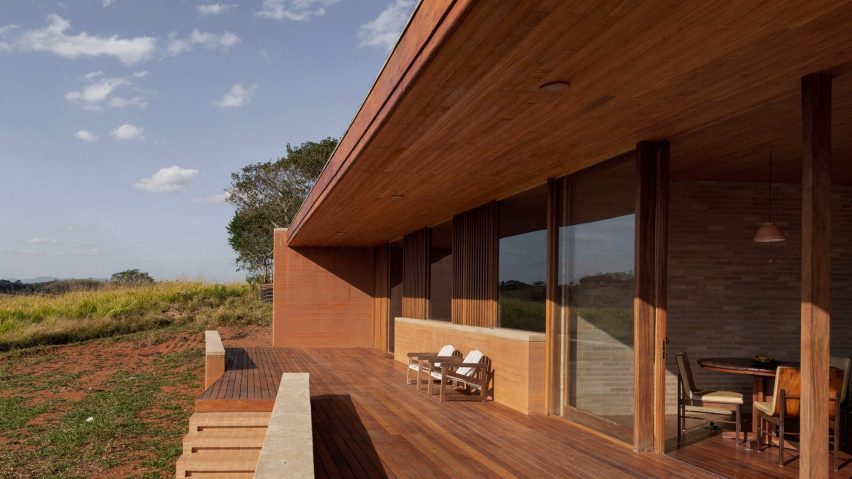
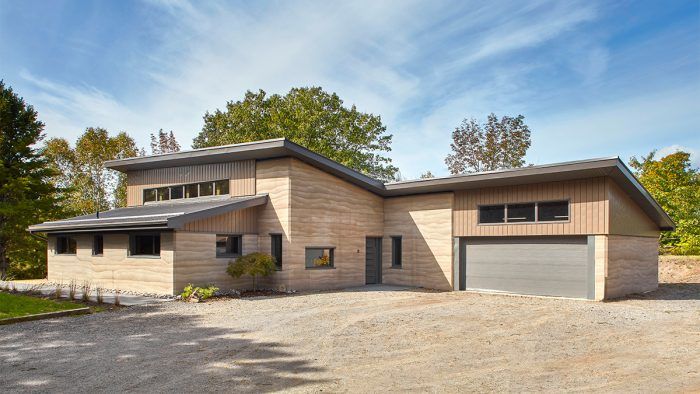
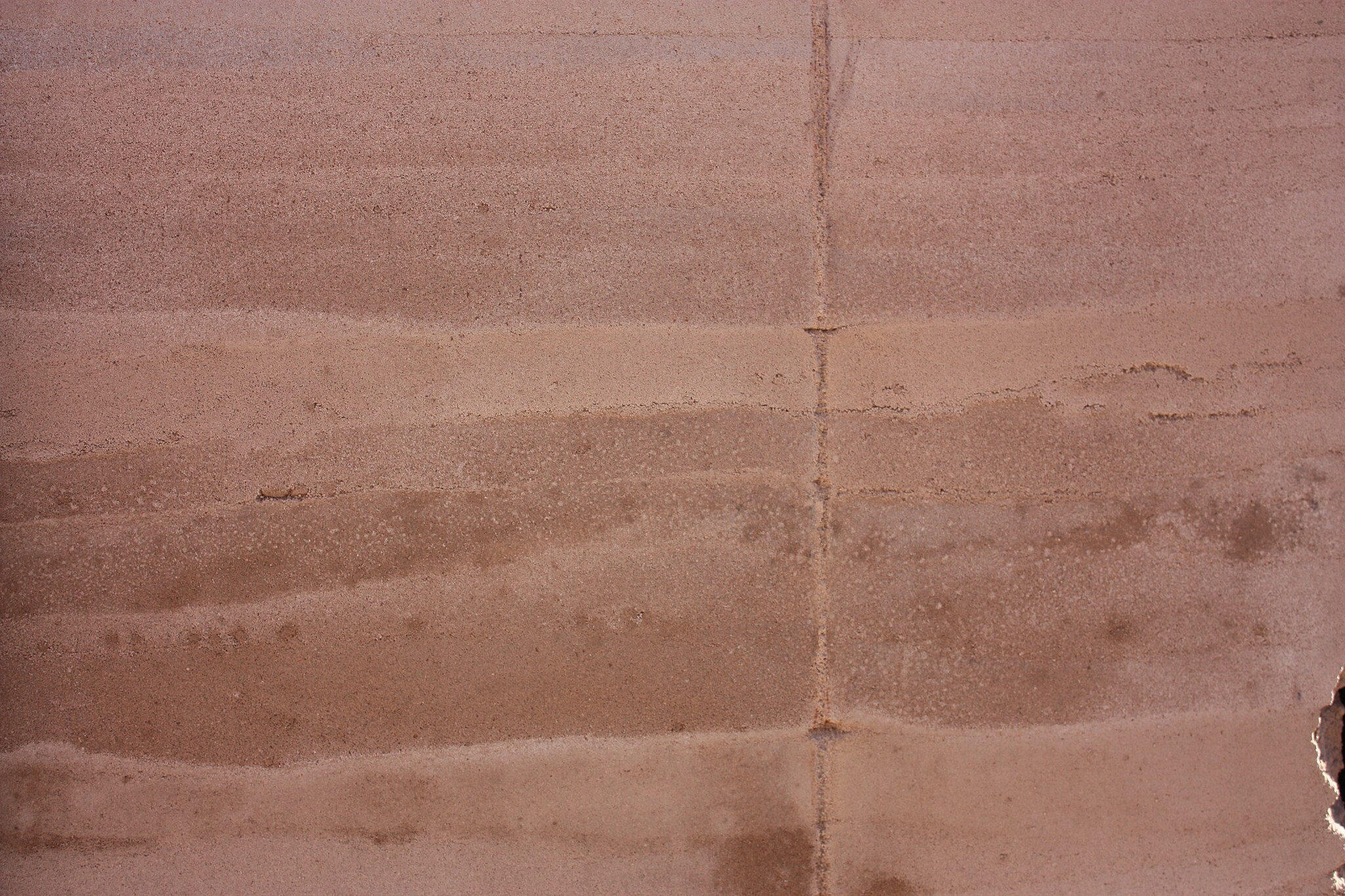
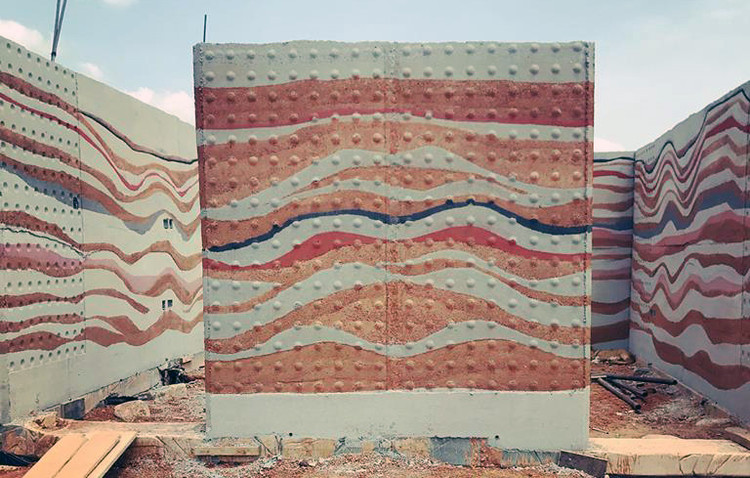
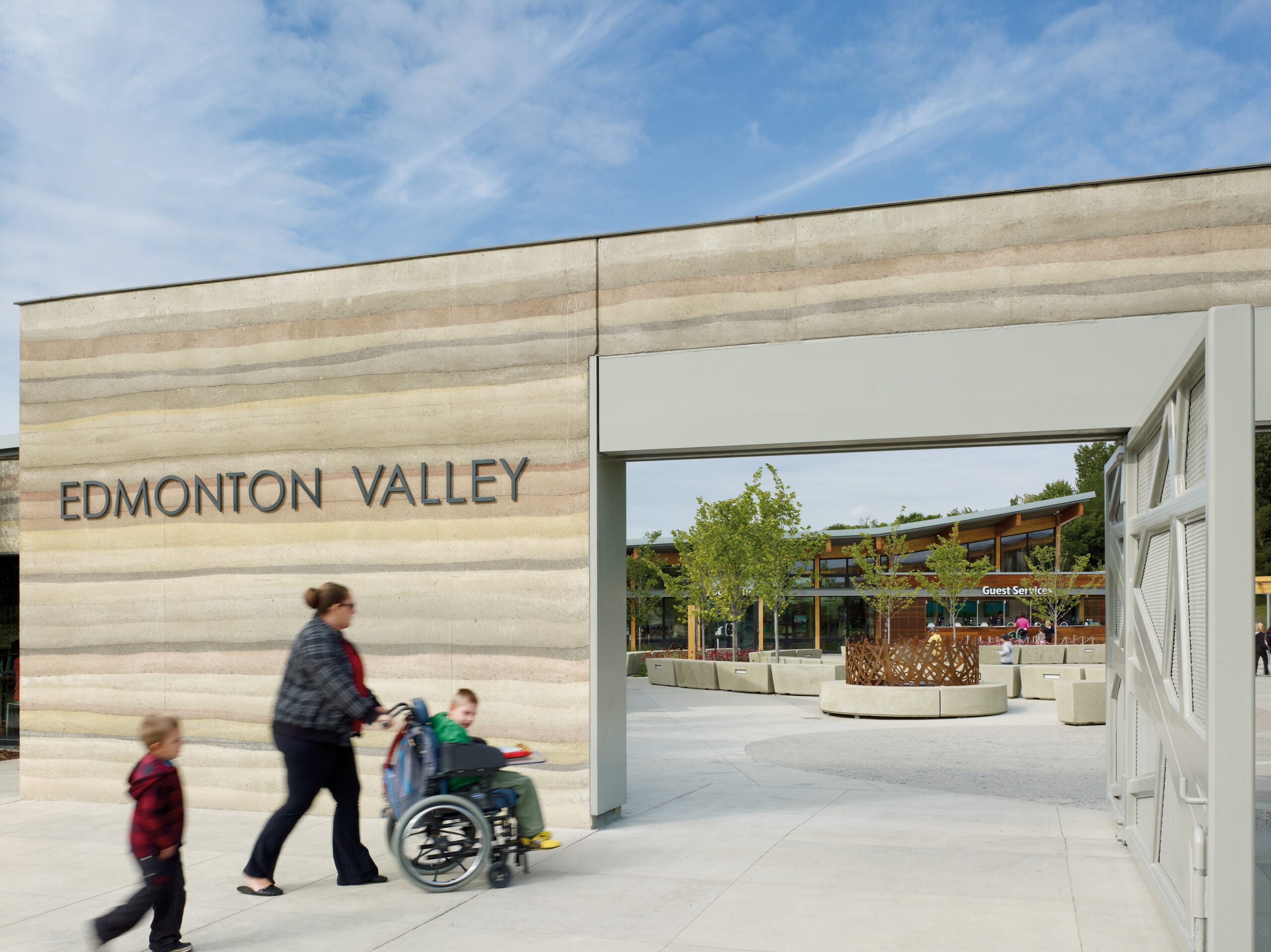
Rammed earth buildings utilize an ancient construction technique that combines soil, sand, clay, and water, compressed between forms to create solid walls. These thick, natural-looking walls are constructed on-site by pouring the earth mix into casings, which are then removed once the 'ramming' process is complete. The finished product often resembles man-made sedimentary rock, and stucco is frequently applied to protect the walls from environmental elements, especially water. Despite the stucco, the textural imperfections are considered a desirable aesthetic feature.
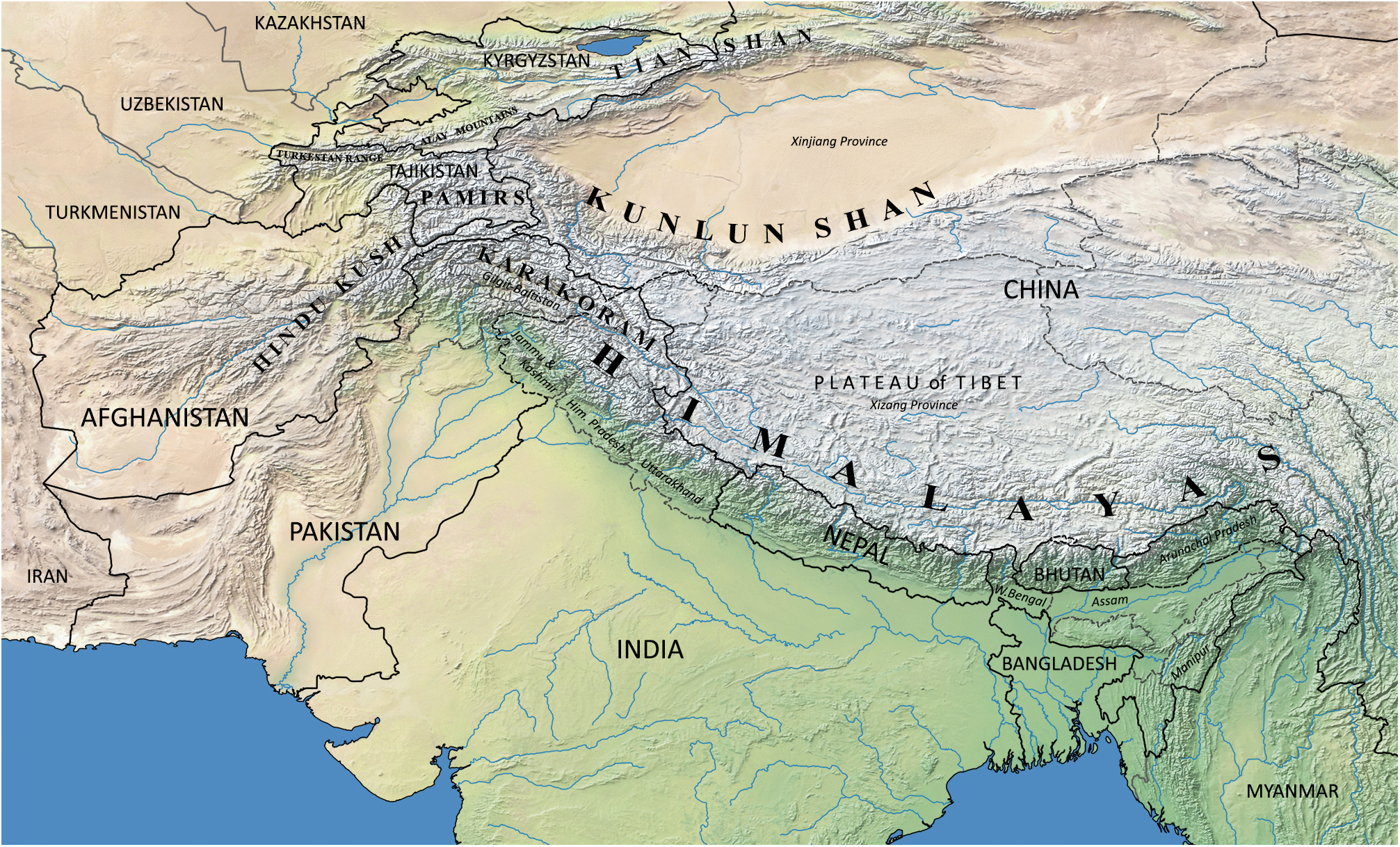
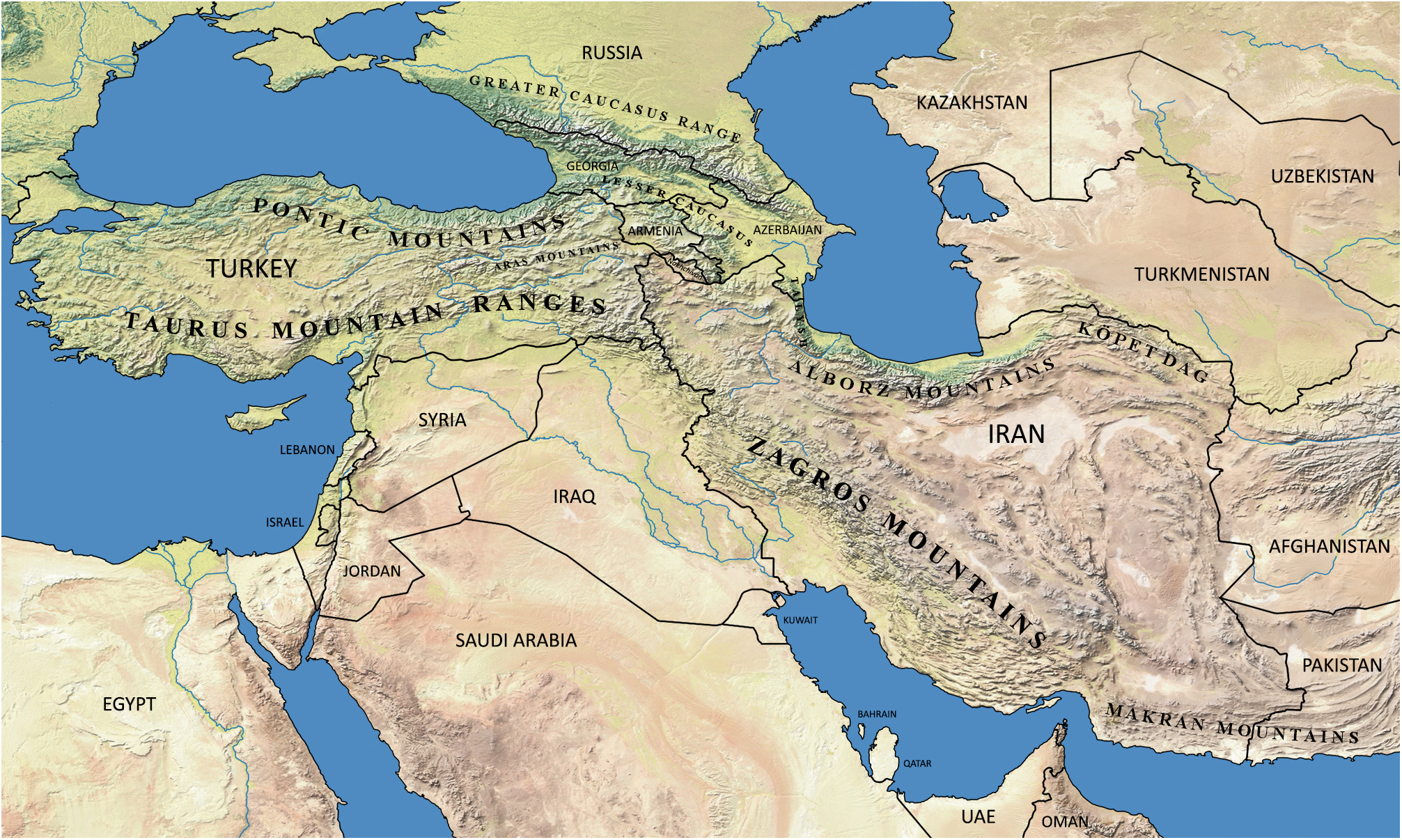
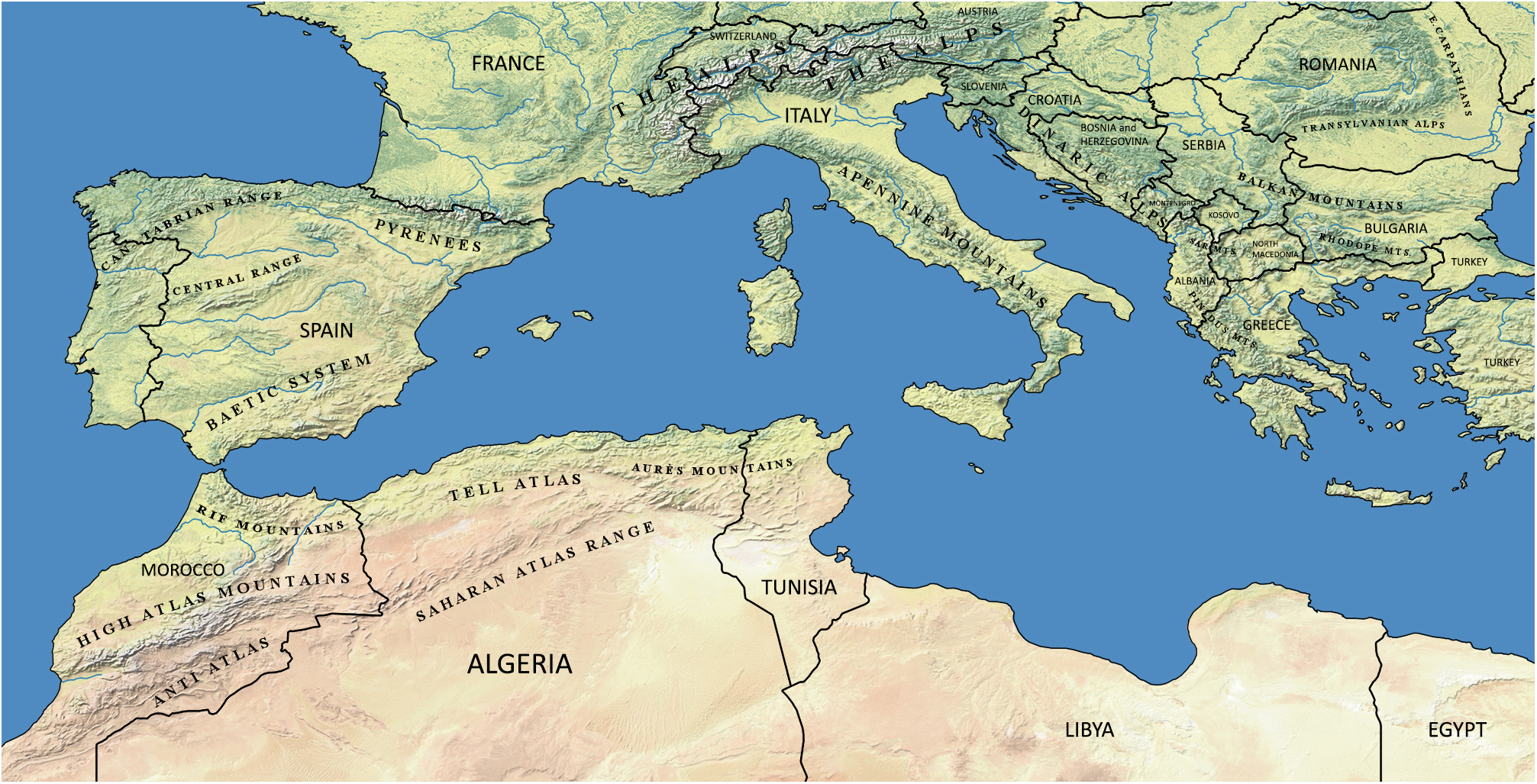
This building method has historical roots, appearing in centuries-old villages across Asia and the Middle East, and is now being adopted for modern, multi-million-dollar eco-friendly homes, including some in California. Notably, some rammed earth homes in New Zealand dating back to the 1800s are still standing, demonstrating the material's longevity.
Paul Geraets, a rammed earth builder and director of Terra Firma Earth Building, observes a growing interest in this technique, particularly due to its sustainability and energy efficiency. He notes an increase in inquiries from diverse individuals seeking natural and sustainably performing building options. Geraets emphasizes that the sustainability claims of rammed earth construction stem not only from a reduced carbon footprint, achieved through local material sourcing, but also from the inherent durability of the buildings.
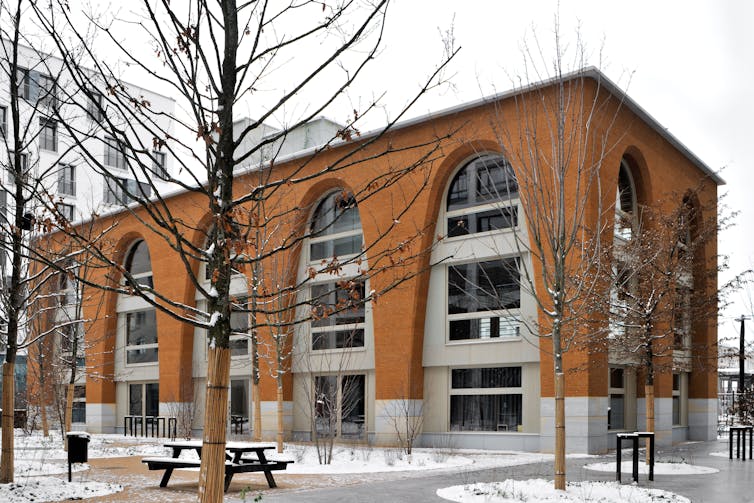
Further validating the material's potential, a rammed earth building in China received the 2017 World Architecture Festival's Building of the Year award. This particular structure was part of an effort to rebuild a village devastated by the 2014 Ludian earthquake. Geraets views this international recognition as a positive indicator for sustainable building practices in New Zealand, suggesting a shift towards prioritizing community architectural needs over developer profit margins and conventional construction industry interests.
However, Geraets points out that New Zealand still lacks sufficient recognition for rammed earth's unique thermal benefits, specifically its ability to effectively heat and cool buildings. He argues that the local building industry predominantly focuses on standard wall insulation as the primary measure of thermal performance. Geraets hopes that the global acknowledgment of rammed earth buildings will challenge the New Zealand trend of using weatherboard for insulation, a method he suggests does not adequately address humidity. In contrast, the 'breathing' qualities of rammed earth are believed to counteract humidity issues.
Dr. Paul Jaquin, an international expert on rammed earth buildings and part of the team updating New Zealand's earth building design codes, explains the thermal mass principle. The thick earth walls absorb heat from the interior of a structure, which helps to lower the internal temperature. When the interior temperature drops below that of the wall, the stored heat is released back into the room, warming it. For example, if the external temperature fluctuates between 30 degrees Celsius during the day and 10 degrees Celsius overnight, the internal temperature of a rammed earth building can stabilize at around 20 degrees Celsius.
Additionally, rammed earth buildings naturally maintain an indoor humidity level of approximately 55 percent. This is significant in the context of 'leaky homes' and mold growth, which typically begins when relative humidity reaches 70 percent. With the Healthy Homes Guarantee Bill in New Zealand, which mandates minimum heating and insulation standards for rental properties, Geraets sees an opportunity to consider rammed earth as a superior solution beyond conventional insulation and heat pumps. He advocates for the acceptance of rammed earth as an intelligent, realistically affordable construction method in New Zealand, offering benefits such as improved health, comfort, durability, low maintenance, a reduced carbon footprint, and aesthetically unique buildings.
#rammedEarth #sustainableBuilding #ecoFriendlyHomes #thermalMass #naturalMaterials #NewZealandConstruction #energyEfficiency #healthyHomes #architecturalInnovation #rammedEarth #sustainableBuilding #ecoFriendlyHomes #thermalMass #naturalMaterials #NewZealandConstruction #energyEfficiency #healthyHomes #architecturalInnovation
0 comment in total
 No comments yet
You may also like
Rammed Earth Fits Into Urban Architecture’s Sustainable Future
Rammed Earth: Creating a 500-Year House

House Gallery Boafo: Modern Rammed Earth in Ghana
New-old flooring: cement tiling on its way back| Gulf Times
Saving the earth: making the case for rammed earth architecture
Eleven rammed-earth buildings from around the world
The future of sustainable building materials
More Practical Than Plaster and Cement: This Material Is on Our Reno Radar
Rammed Earth Construction
Rammed Earth in 2025: A Time-Tested Solution to Environmental Construction Challenges

Poured Earth is a sustainable construction method modelled on concrete casting
Rubble Stone Masonry Buildings With Cement Mortar: Design Specifications in Seismic and Masonry Codes Worldwide
Building with earth could transform sustainable construction – here’s how

Rammed Earth House

How Rammed Earth Walls Were Given a New Lease of Life in Vernacular Himalayan Buildings

Seismic performances of reinforced concrete buildings with openings in unreinforced masonry infill walls: a soil–foundation–structure modelling approach
Colors Of the Earth: Ghana's Incredible, Rammed Earth Walls
7 Earth-based Solutions For Building Closer to Nature
Taking the floor
5 Concrete Technologies to Reduce Carbon Footprint