1/2
Building with earth could transform sustainable construction – here’s how
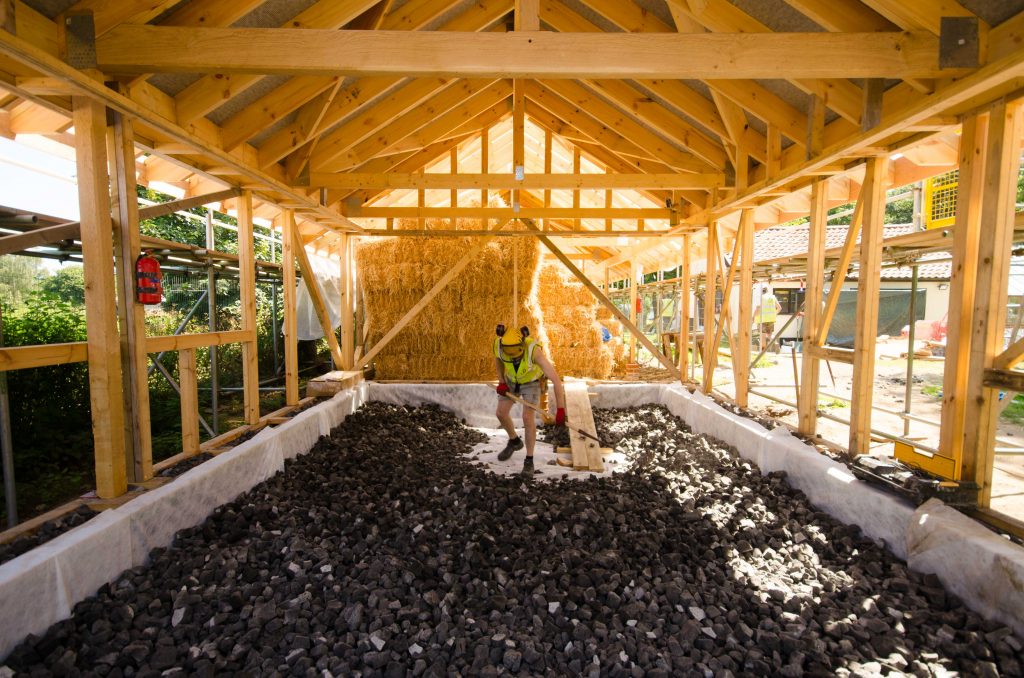
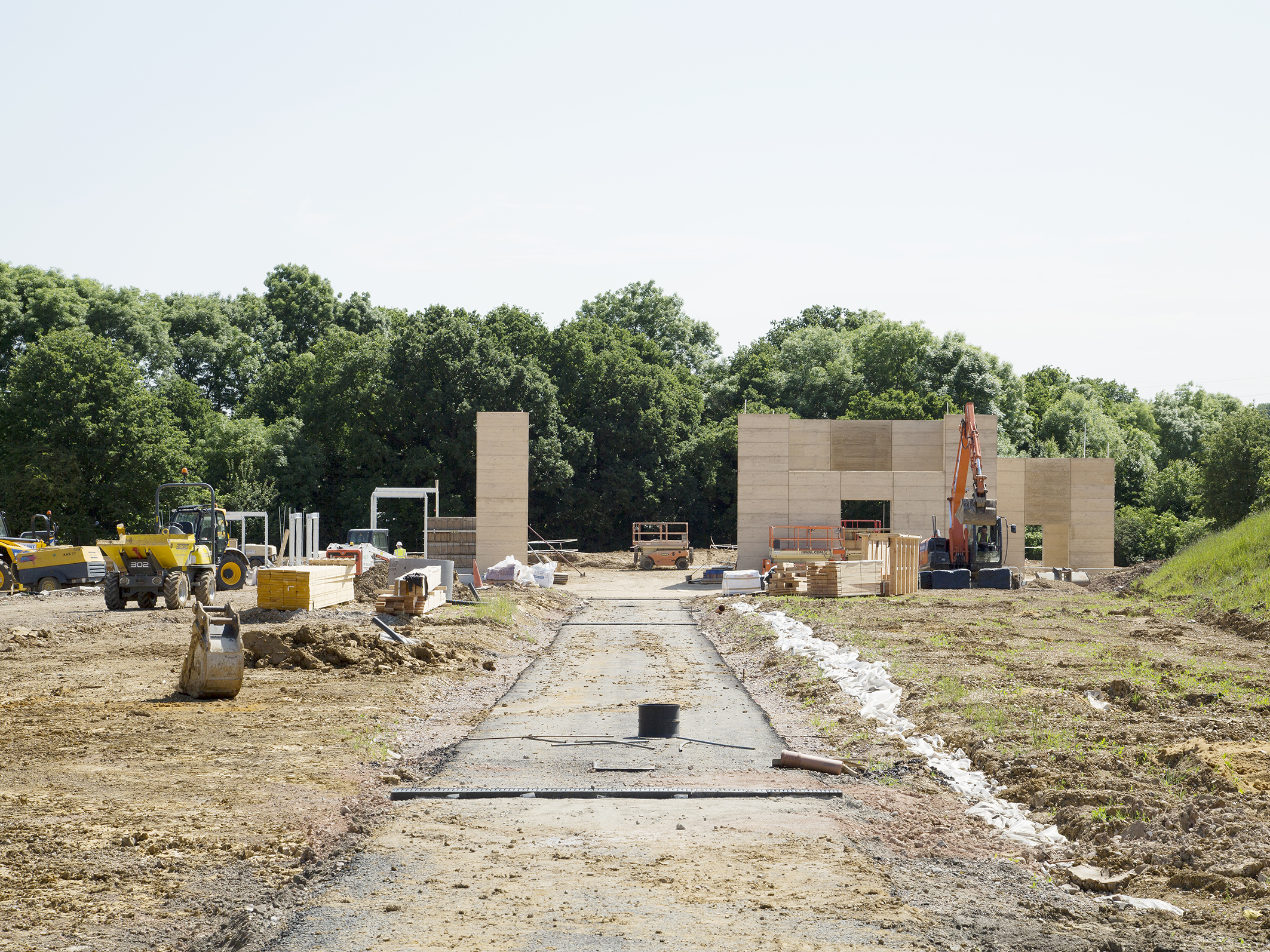
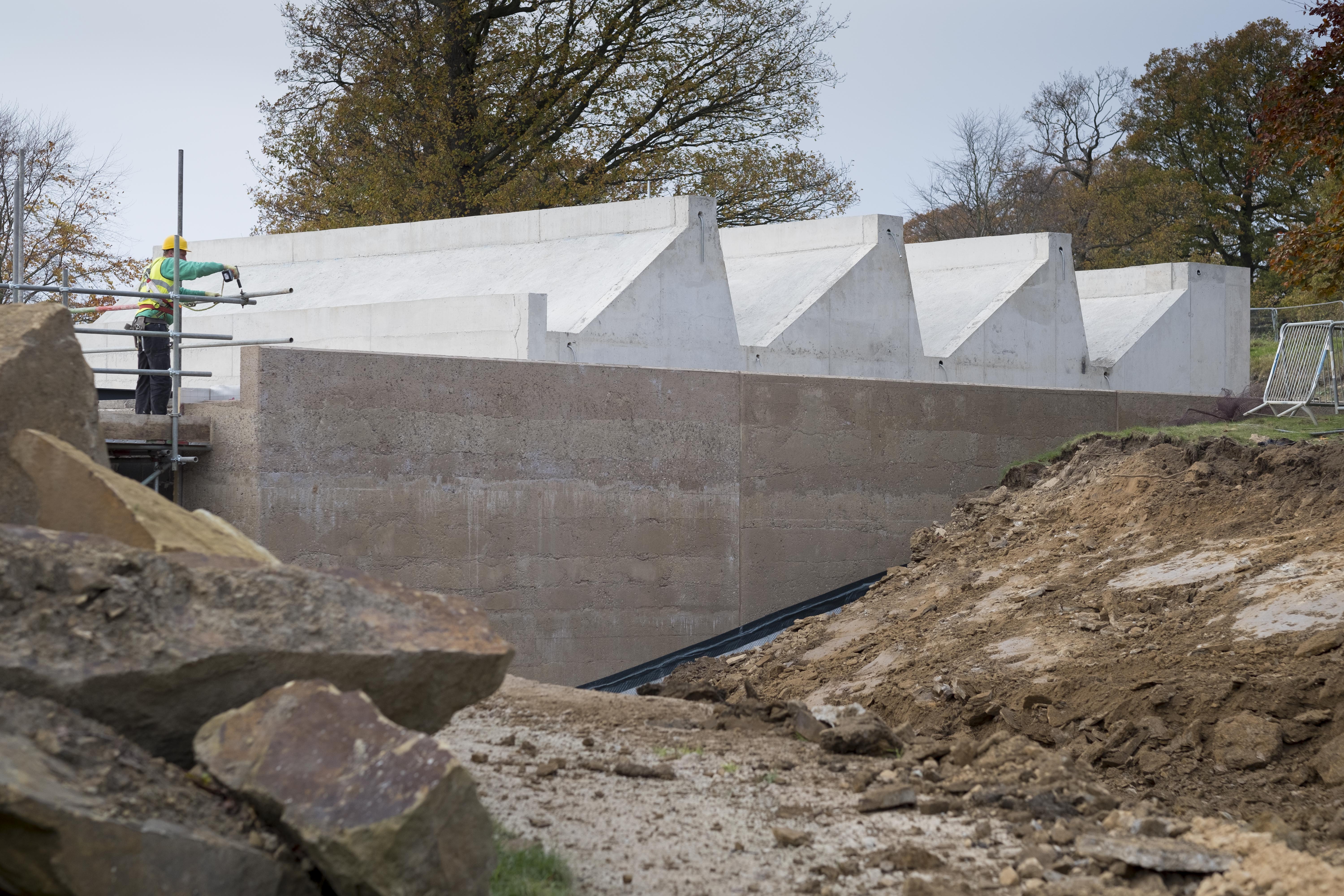
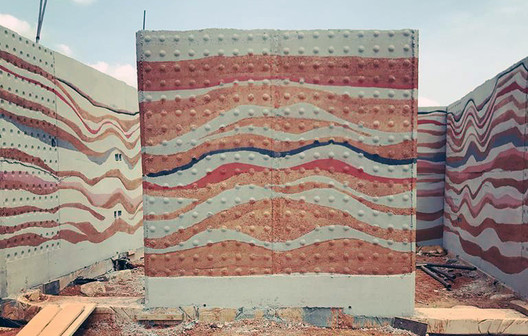
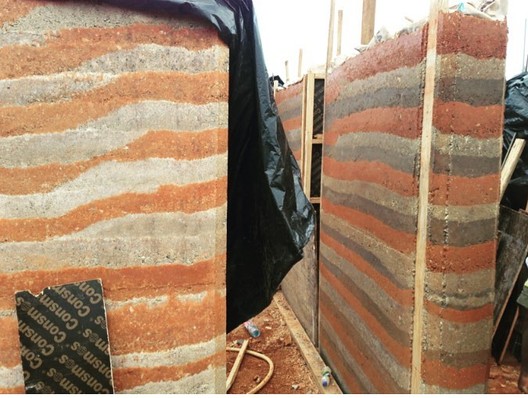
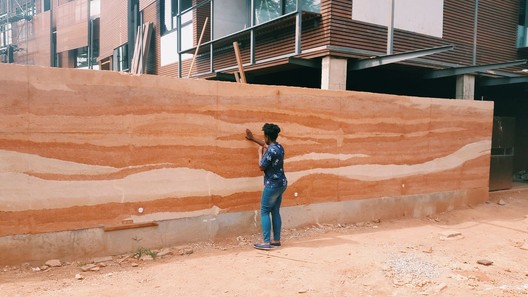
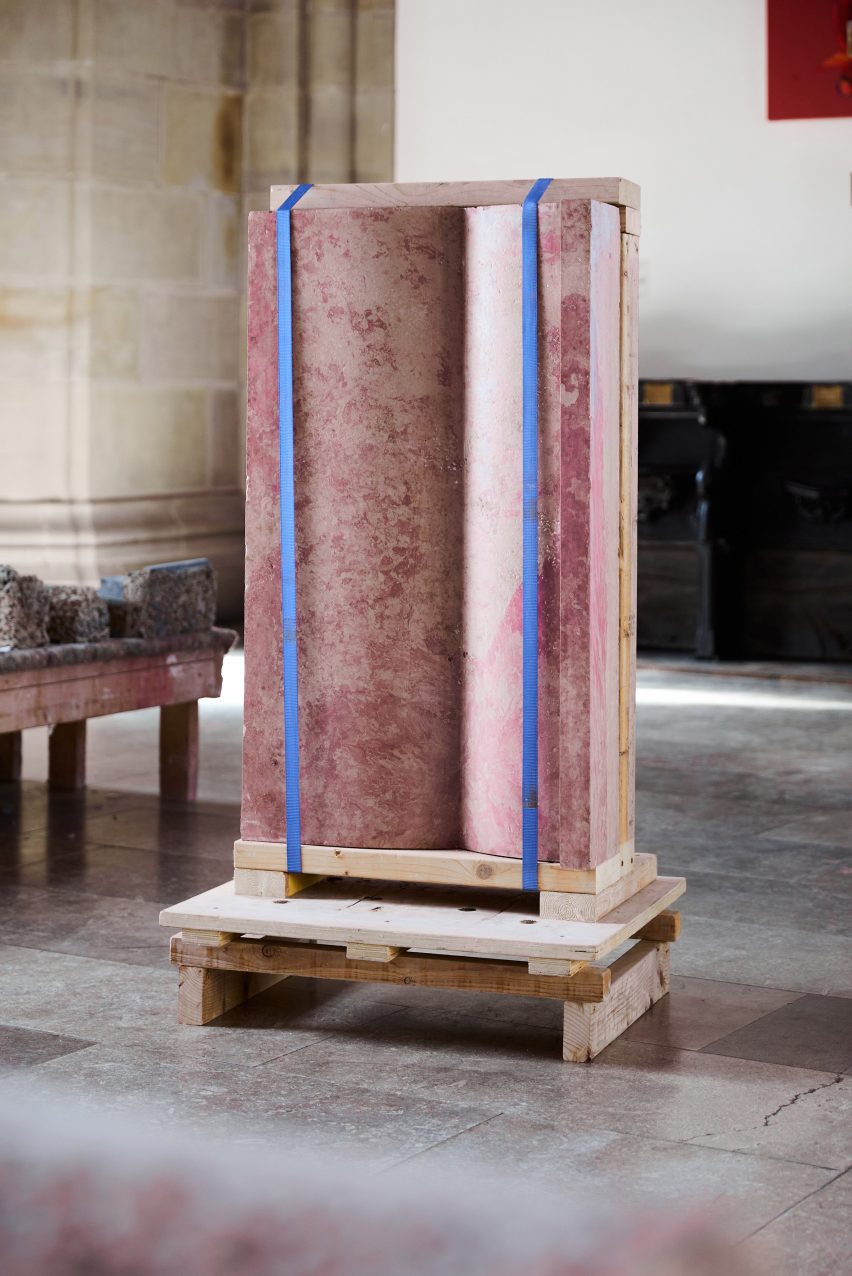
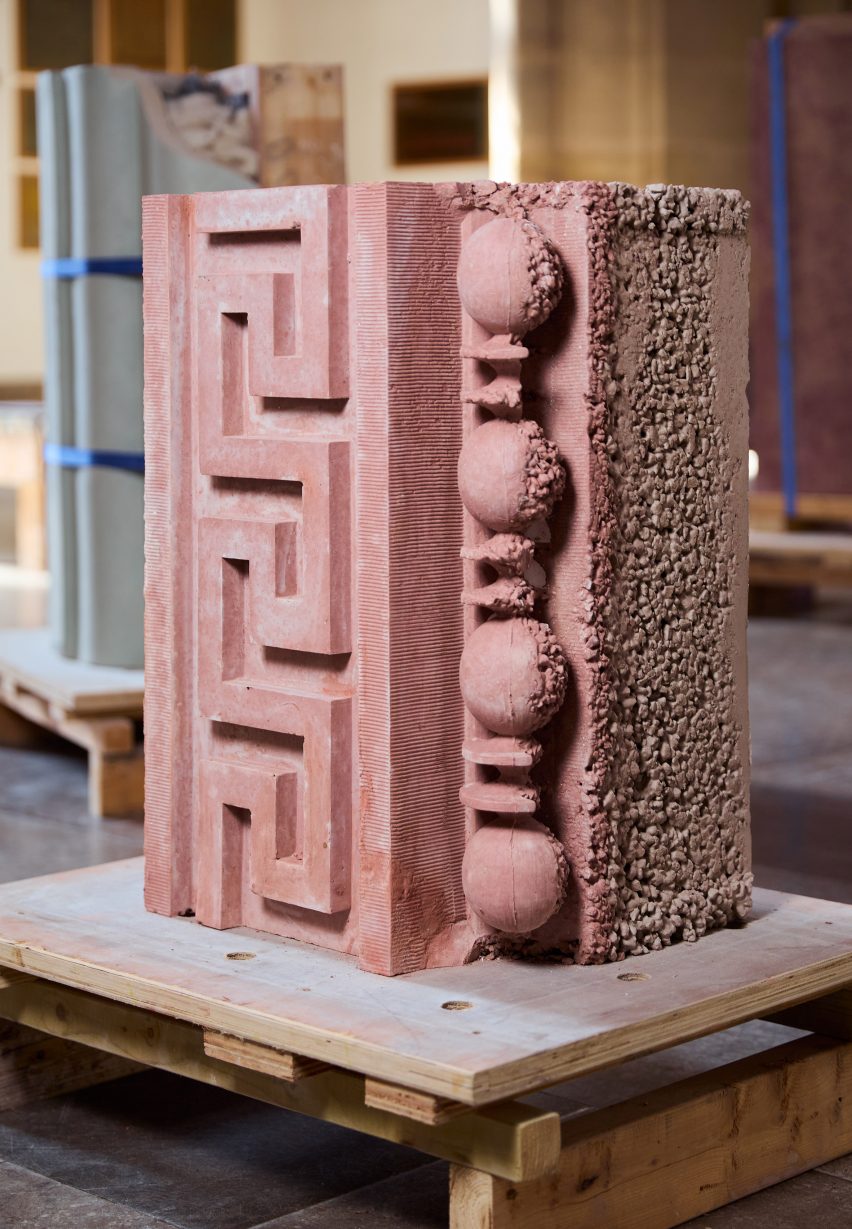
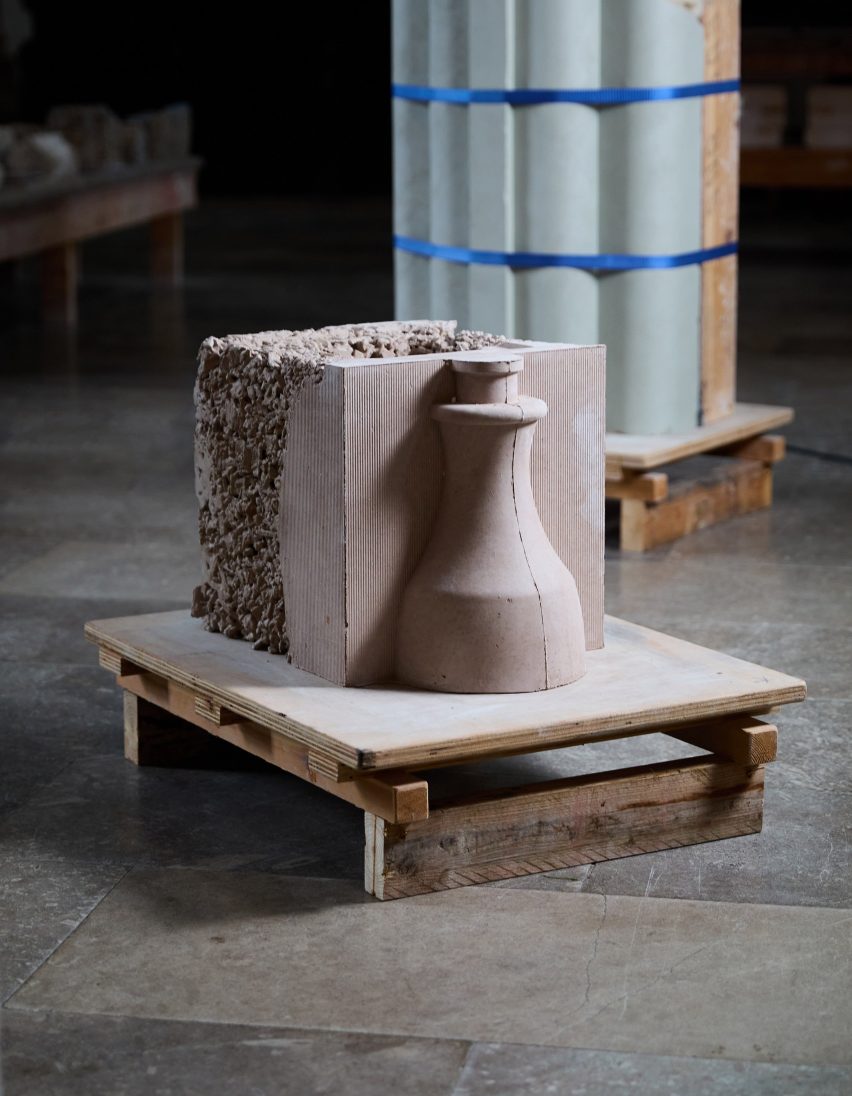
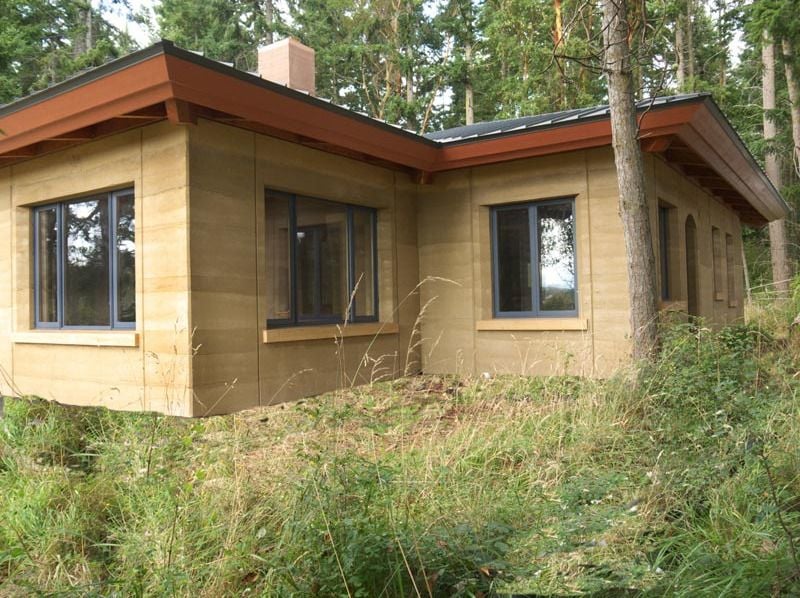
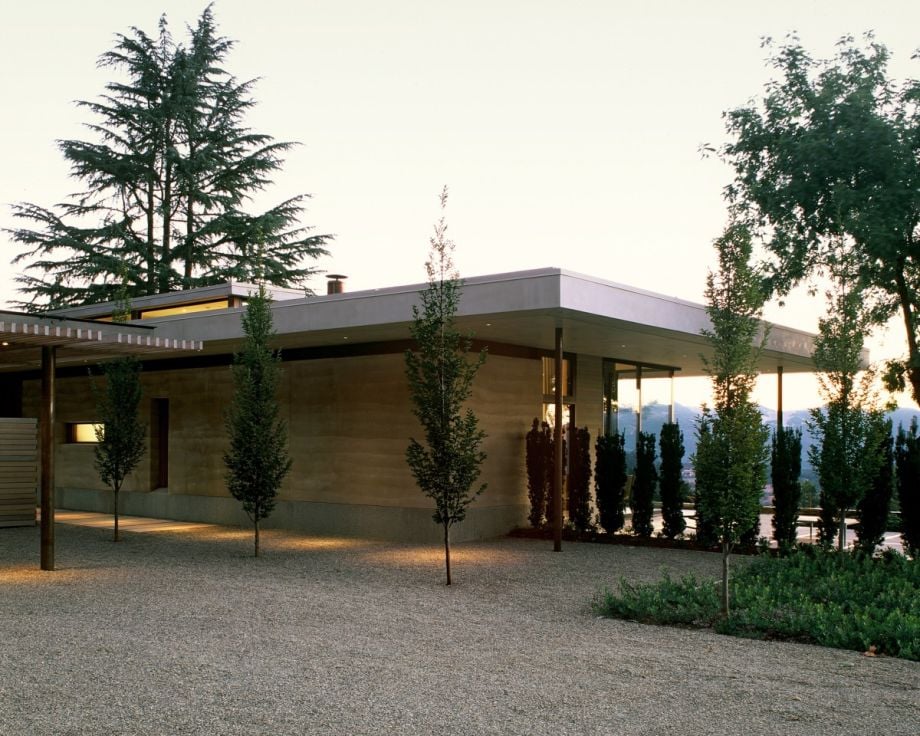
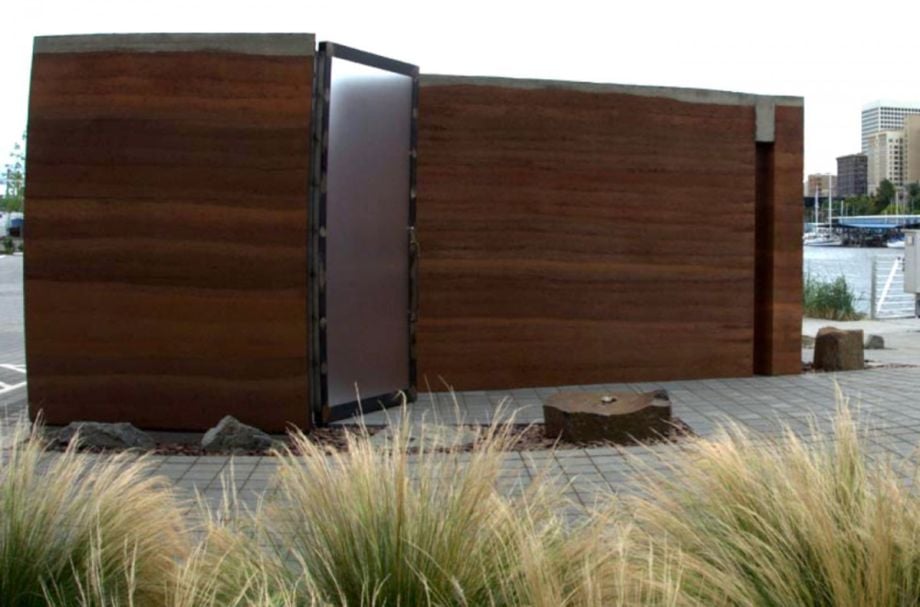
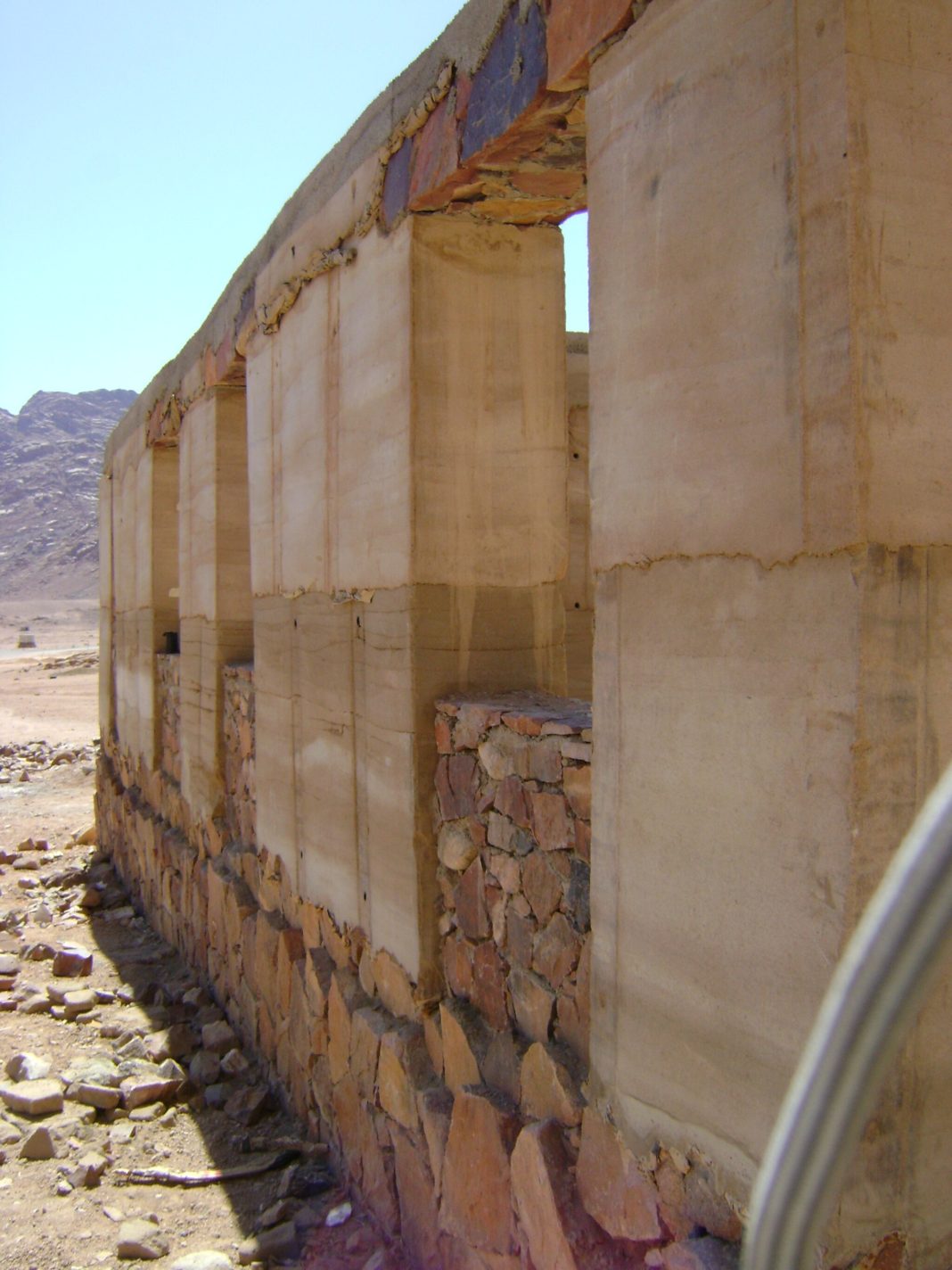
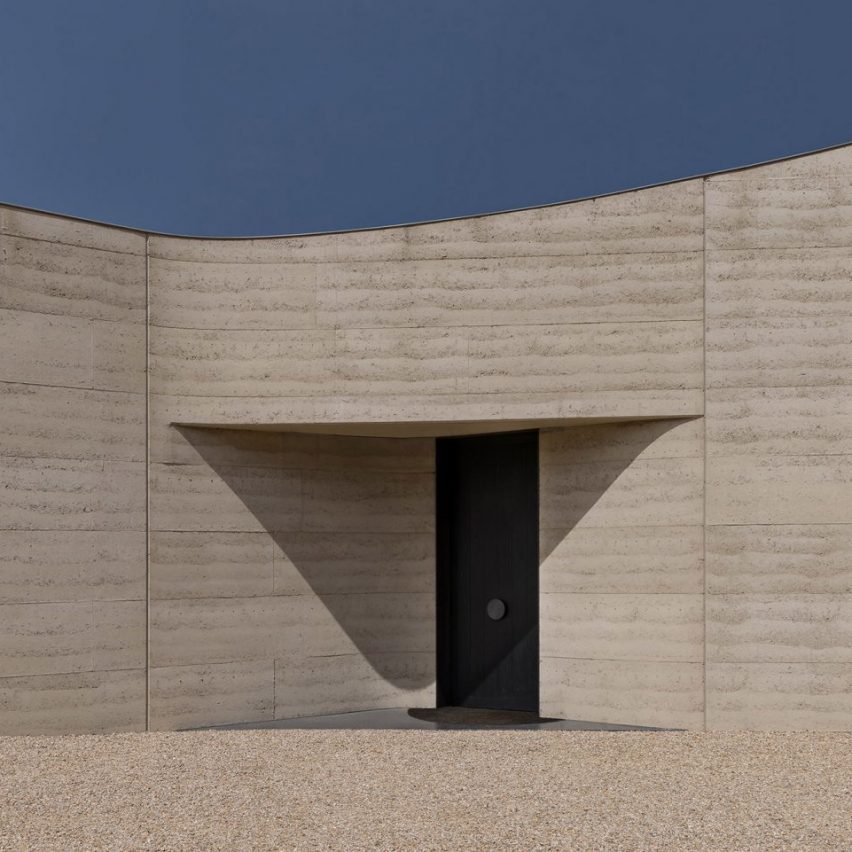
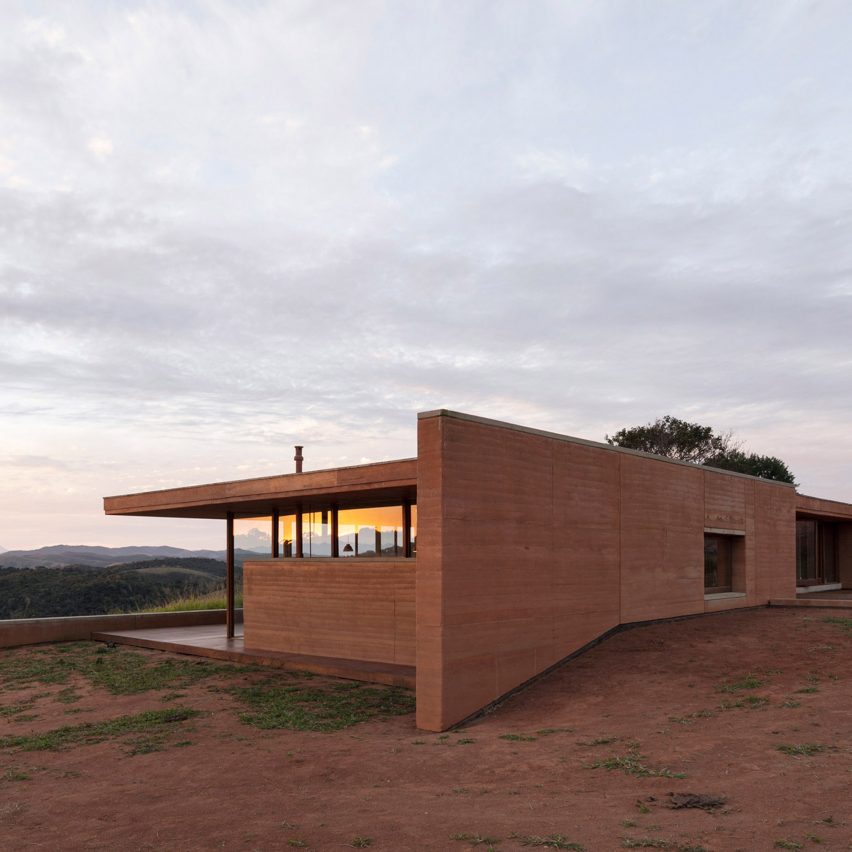
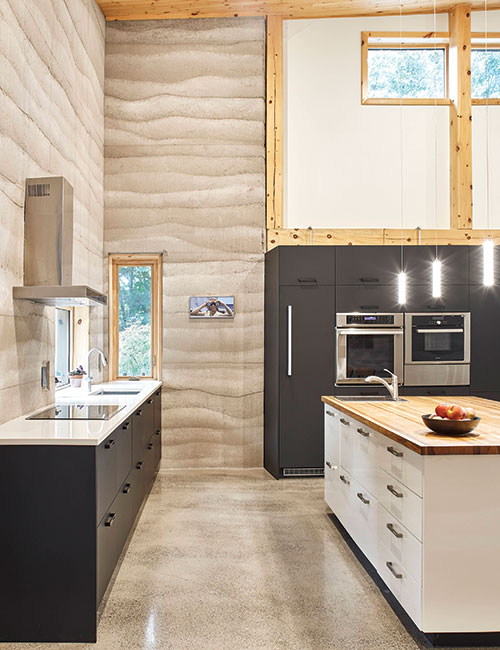
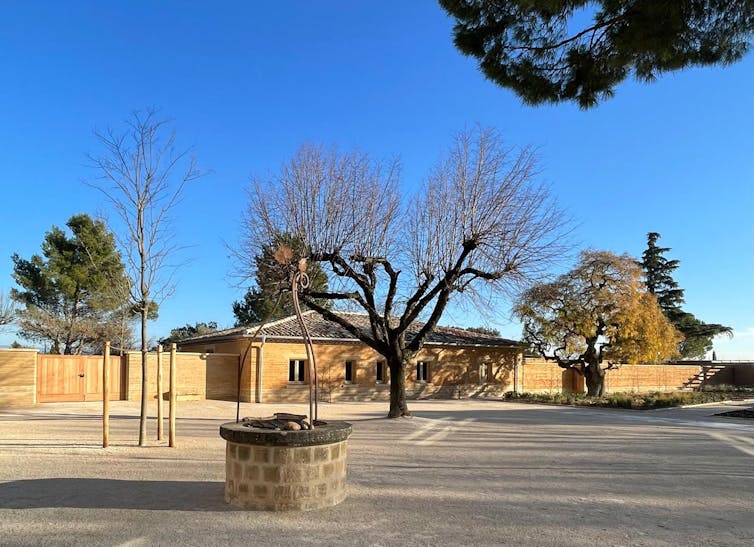
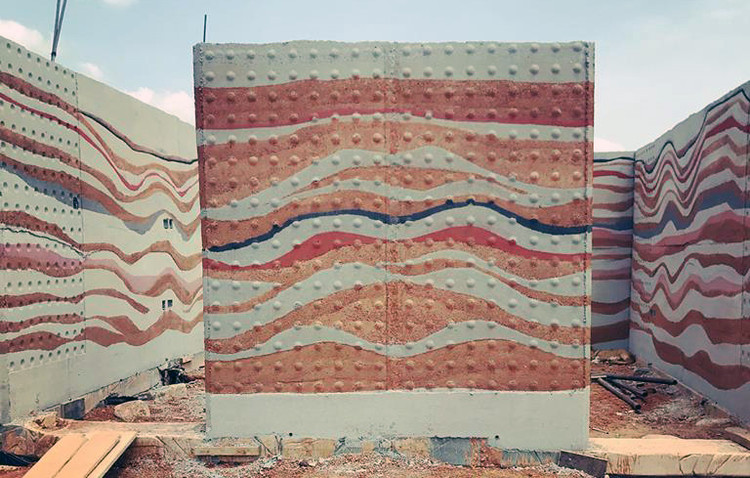
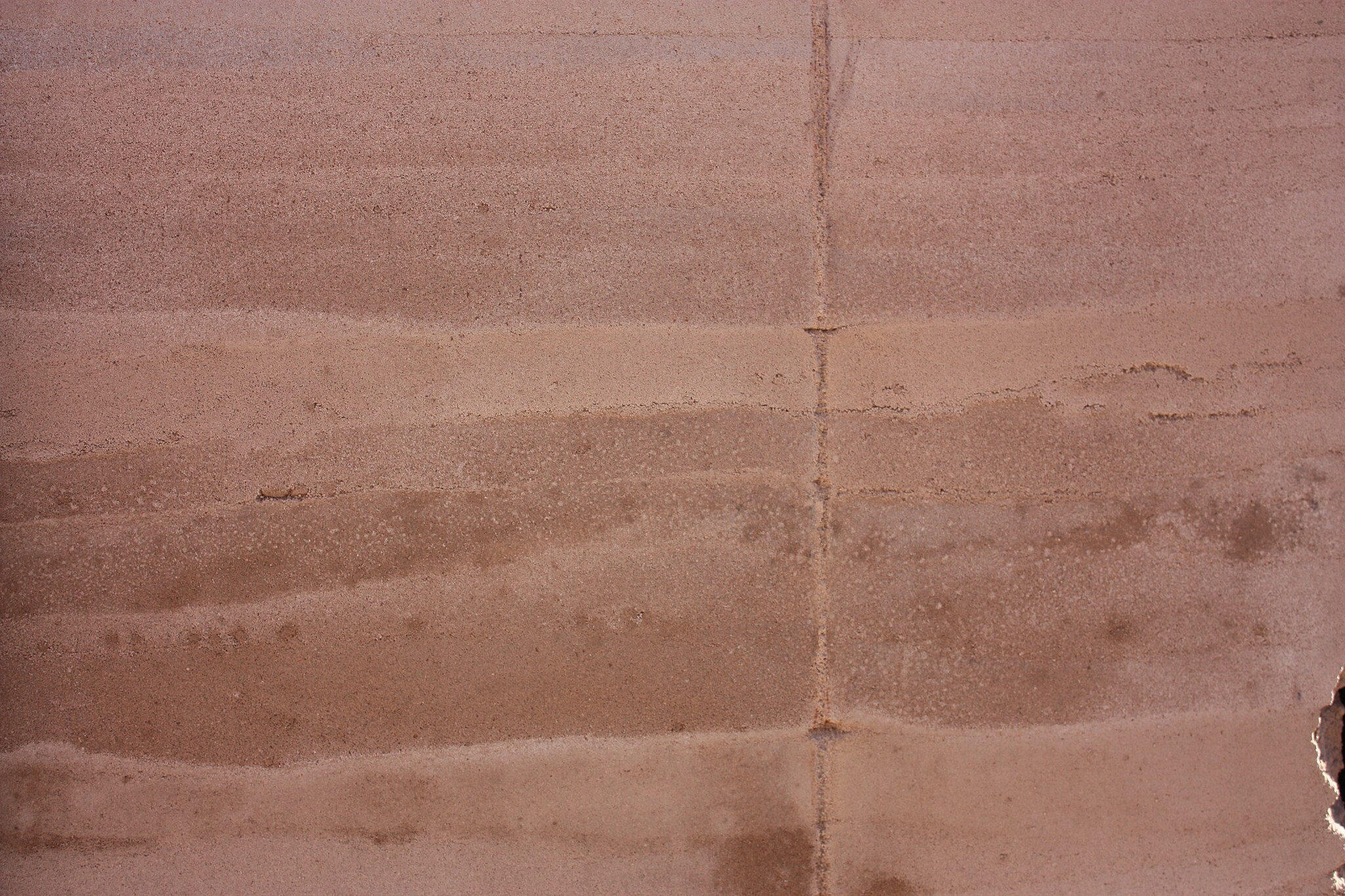
The construction sector is undergoing a transition towards more sustainable models, emphasizing material efficiency and waste reduction. Rammed earth construction, an ancient technique, offers a viable solution to modern building challenges. This method utilizes excavated earth, often considered waste from construction sites, mixing it with water and compacting it to create robust structural walls. This approach stands in contrast to cement-stabilized rammed earth, which, despite its similar appearance, relies heavily on cement, a material contributing significantly to global greenhouse gas emissions. The family house at Beaucastel winery in Provence, France, and L'Orangerie in Lyon serve as prime examples of this sustainable building practice, demonstrating the aesthetic and structural integrity achievable with rammed earth.
Despite the clear advantages of earthen construction, including its recyclability, energy efficiency, and low-carbon footprint, it remains underrepresented in the green building movement. Research indicates that the challenges facing earthen construction extend beyond technical issues. Socio-cultural perceptions often label earth as a 'poor man’s material' or a relic of the past, limiting its acceptance among architects, property developers, and local authorities. These outdated perceptions create a stigma that hinders its integration into modern construction practices. However, it is crucial to distinguish between fertile topsoil and subsoil used in construction; the latter does not contribute to desertification or soil degradation.
Addressing the skepticism surrounding earthen materials requires a fundamental shift in how construction is approached. While concerns about resistance to extreme weather persist, properly designed and implemented earthen buildings can exhibit extraordinary longevity, lasting for decades or even centuries. The inherent variability of soil necessitates adaptable design approaches to ensure durability, especially against water damage. Moreover, the labor-intensive nature of earth construction, coupled with the absence of a well-established supply chain, often results in higher initial costs compared to conventional methods.
Economic factors also play a significant role. The lack of taxes on carbon-intensive raw materials and high labor taxes in Europe make earthen construction less economically attractive to developers. Governments could incentivize the adoption of earthen architecture through financial support, subsidies, and by streamlining certification and insurance processes. The demand for accessible certifications and specific regulations for earth as a construction material is high among practitioners. Scaling up this sustainable and recyclable building method requires disrupting traditional design and building industry supply chains, fostering collaboration between masons, artisans, and designers to ensure plans are compatible with earthen materials. Building with earth is not only possible but also practical, sustainable, and essential for a greener future in construction.
#SustainableConstruction #RammedEarth #GreenBuilding #EcoFriendlyMaterials #ArchitecturalInnovation #CircularEconomy #LowCarbonBuilding #ConstructionTechnology #SustainableConstruction #RammedEarth #GreenBuilding #EcoFriendlyMaterials #ArchitecturalInnovation #CircularEconomy #LowCarbonBuilding #ConstructionTechnology
0 comment in total
 No comments yet
You may also like
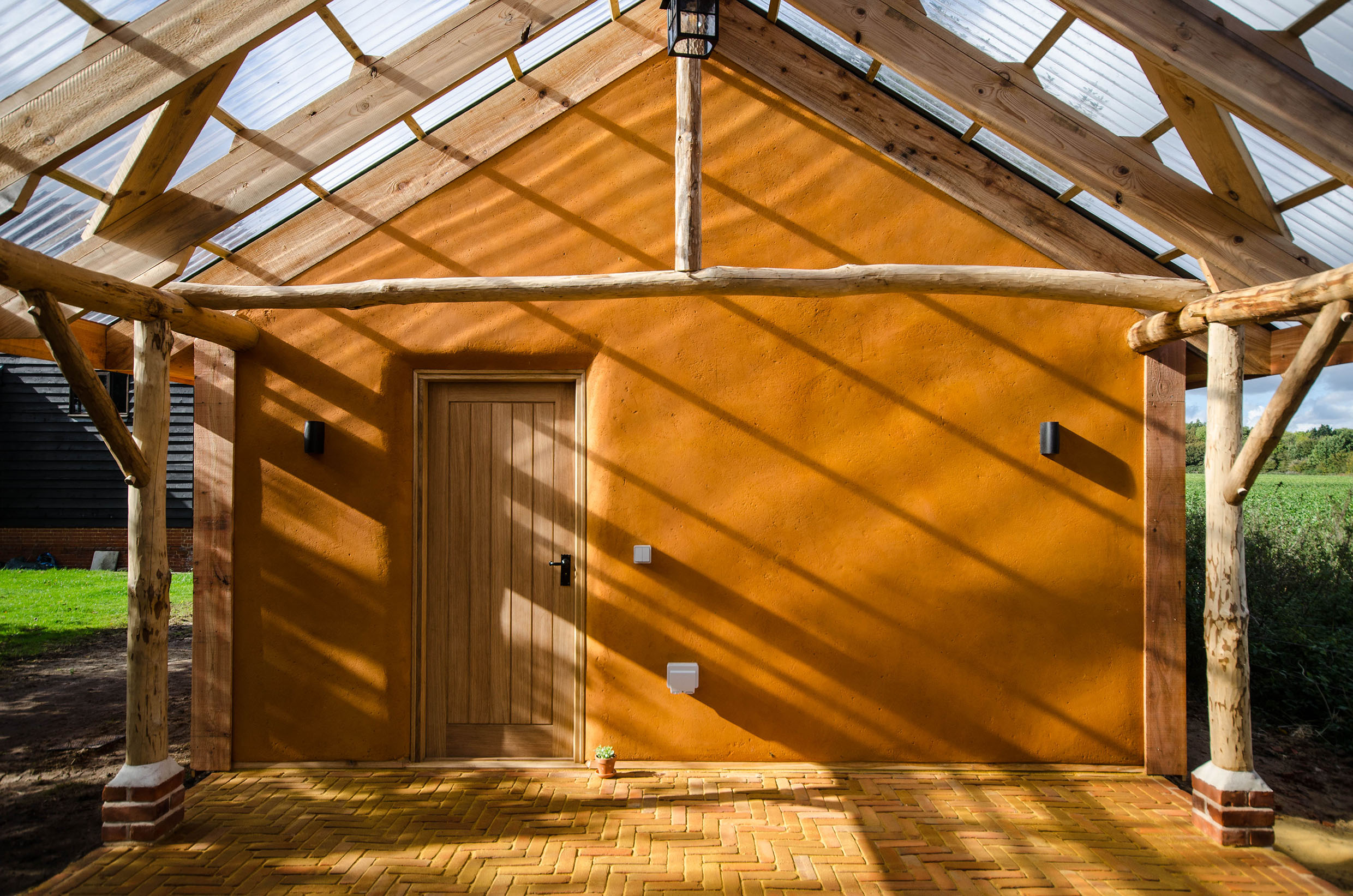
Saving the earth: making the case for rammed earth architecture
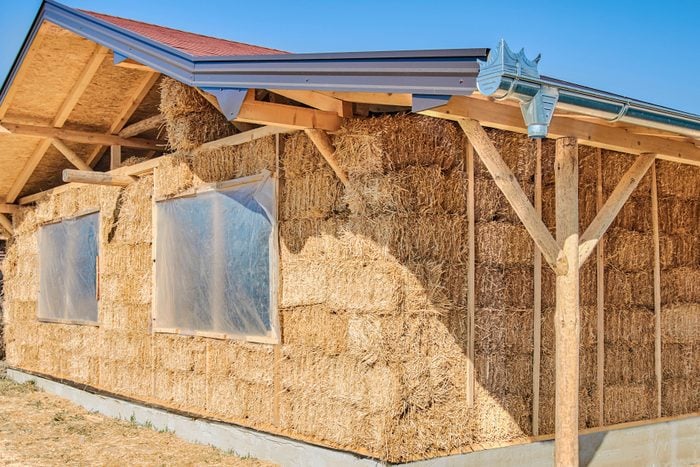
7 Concrete Alternatives

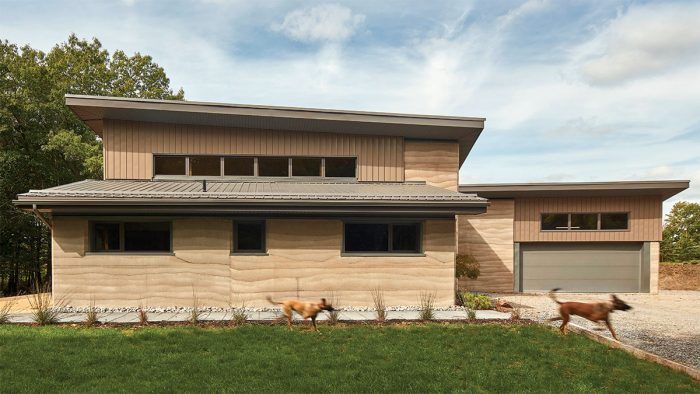
Rammed Earth: Creating a 500-Year House


Finding Sustainable Alternatives to Traditional Building Materials
7 Earth-based Solutions For Building Closer to Nature
Rammed Earth Fits Into Urban Architecture’s Sustainable Future
Eco-Friendly Properties: A Guide To Sustainable Flooring For A Greener Future

The BioBased concrete tiles cut carbon emissions and waste

Colors Of the Earth: Ghana's Incredible, Rammed Earth Walls

Rammed Earth in 2025: A Time-Tested Solution to Environmental Construction Challenges

Top 10 Examples of Most Sustainable Architecture in 2025

Sustainable Concrete Panel Construction | Spotlight on Nexii and Vero Building Systems

The future of sustainable building materials
Eleven rammed-earth buildings from around the world

10 Ways to Use Recycled Materials in Your Home Reno

Application of bionic architecture in low-carbon design: a systematic review from nature inspiration to architectural practice
Poured Earth is a sustainable construction method modelled on concrete casting
Sustainable Buildings: Pioneering a Green Revolution in Urban Design

The latest and greatest innovations in sustainable building materials
Innovations Driving Sustainable Building and Architecture Forward