1/41
How Rammed Earth Walls Were Given a New Lease of Life in Vernacular Himalayan Buildings
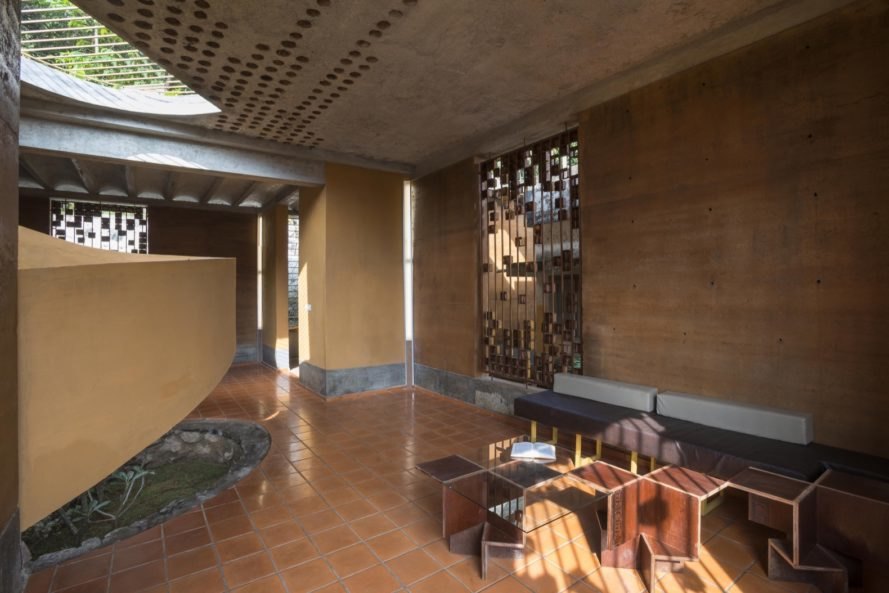
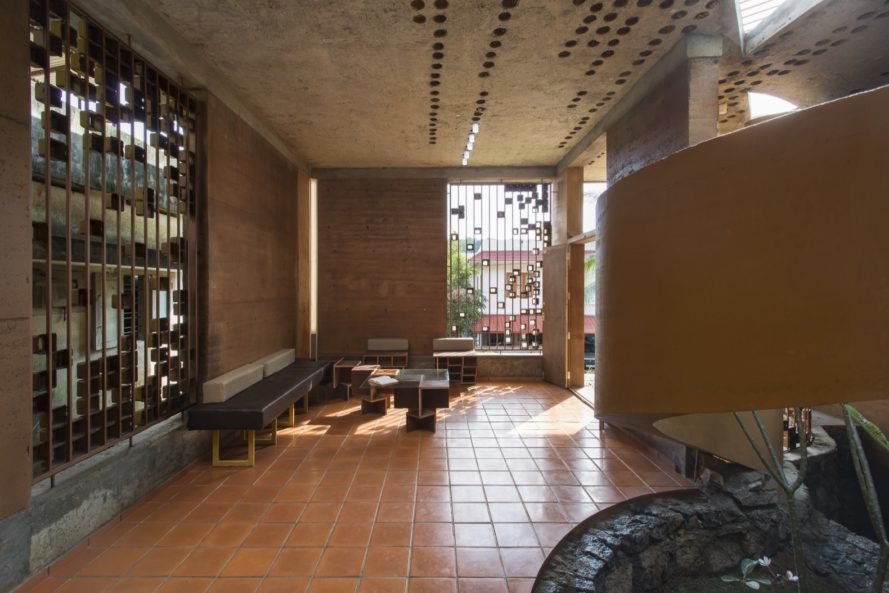
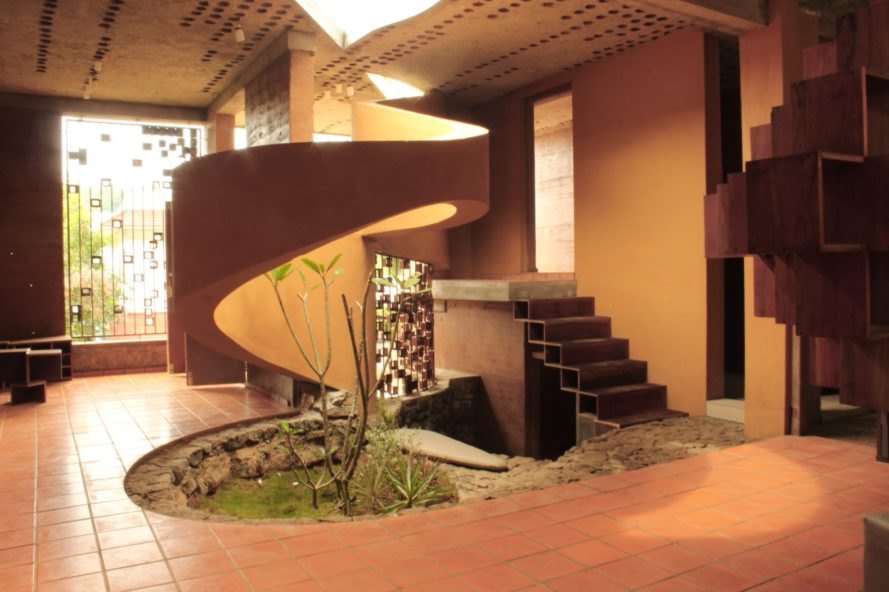
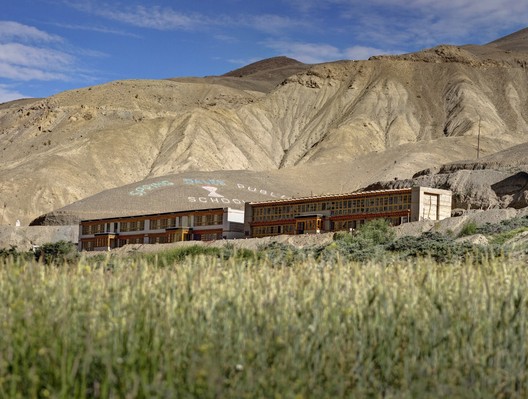
The Ladakh region, situated high in the Himalayan Mountains, is characterized by its remote location, extreme climate, and a short construction season of only four to six months. Temperatures fluctuate dramatically, reaching +30 degrees Celsius in summer and dropping to -30 degrees Celsius in winter. These harsh conditions necessitate robust construction methods, but importing materials is often impractical and expensive due to the region's inaccessibility. Czech architecture firm Archide addressed this challenge by revitalizing the use of rammed earth, a locally abundant material, for construction in Ladakh.
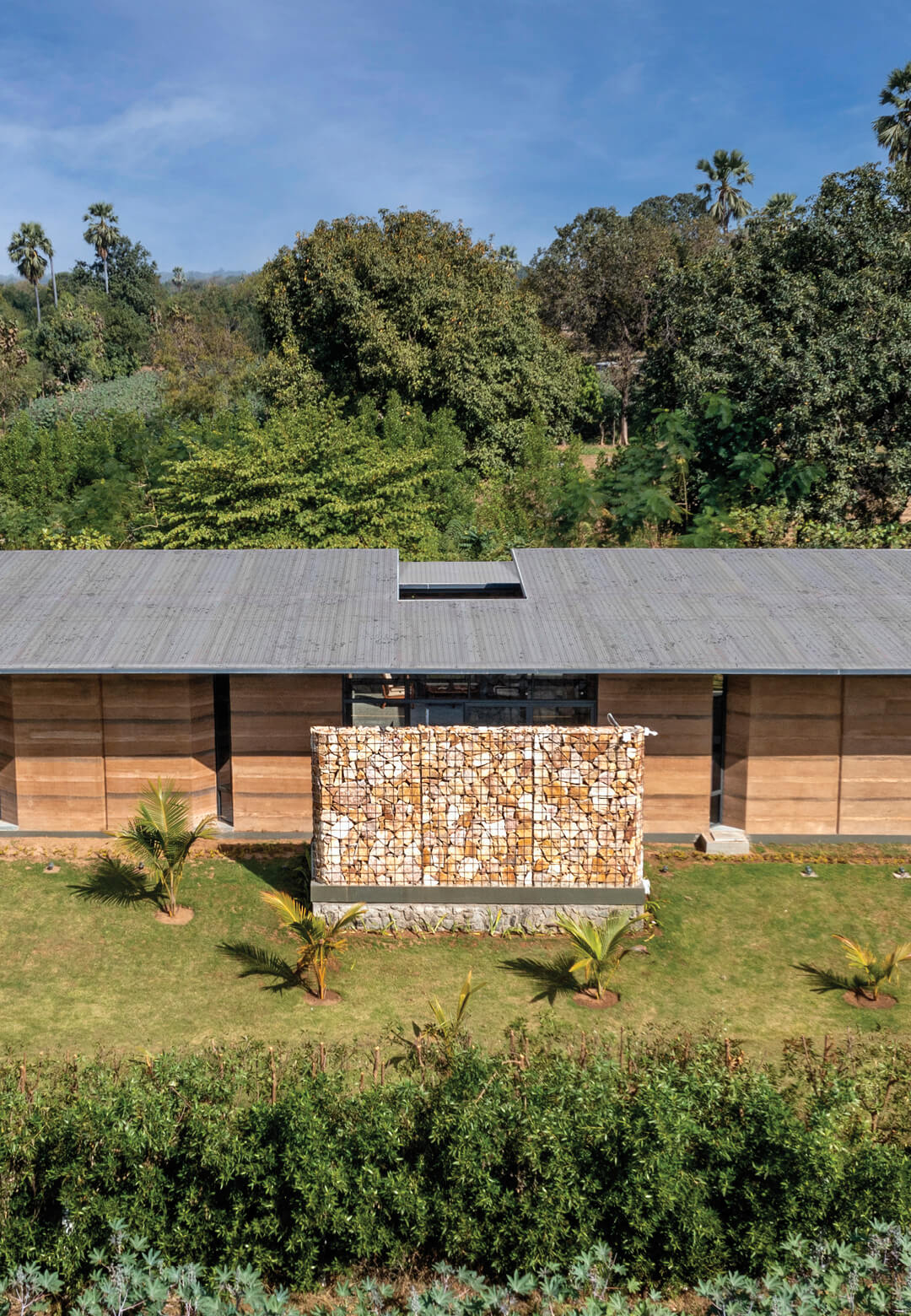
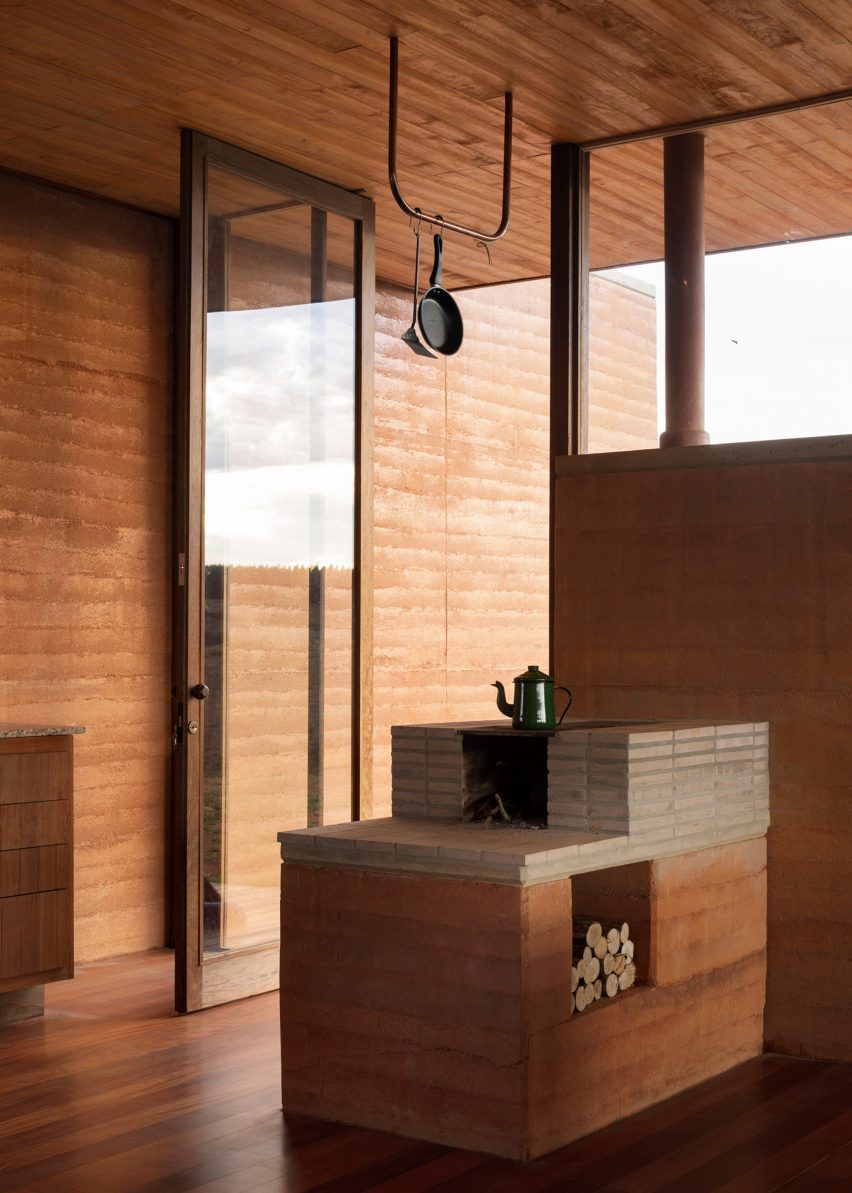
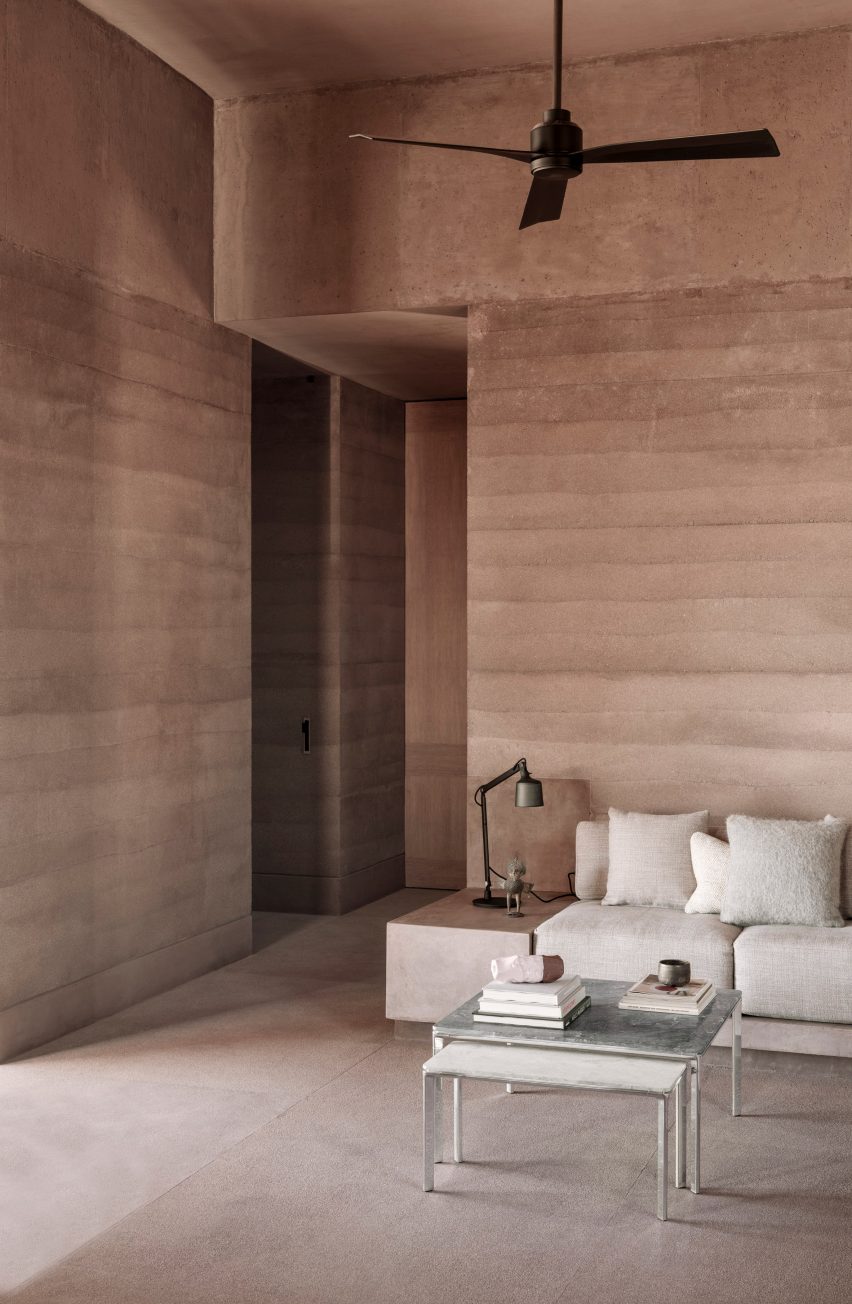
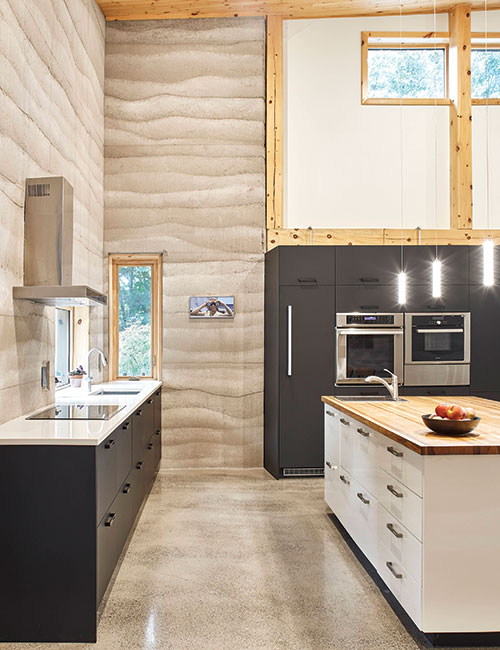
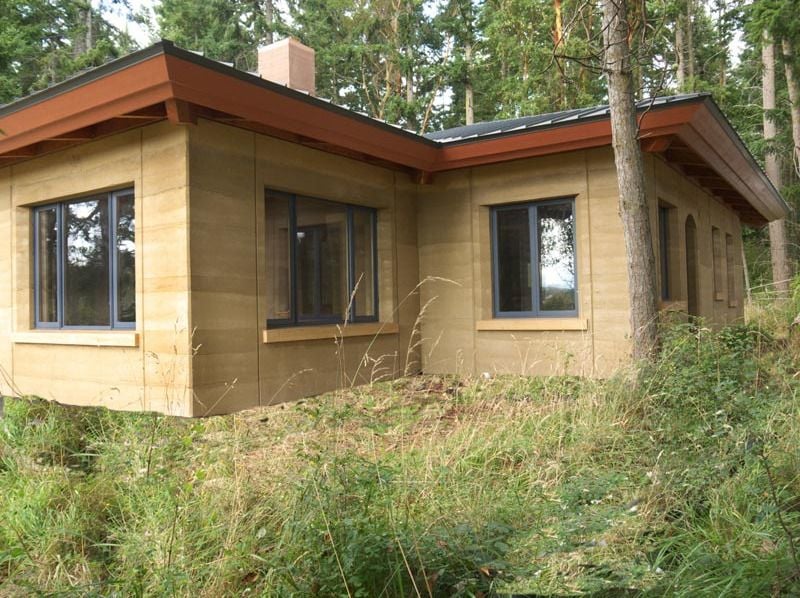
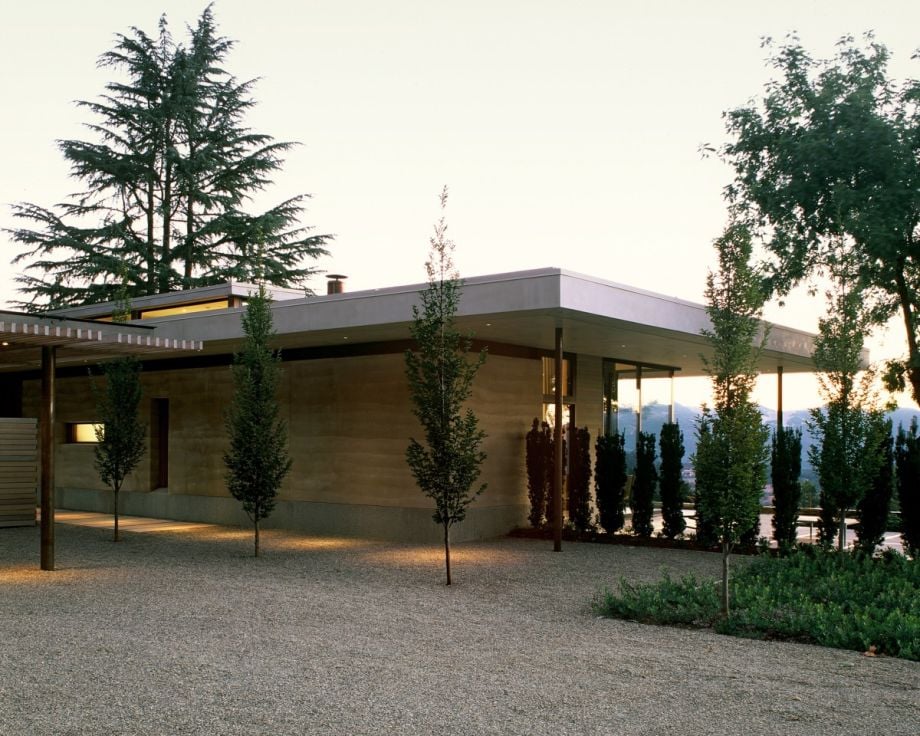
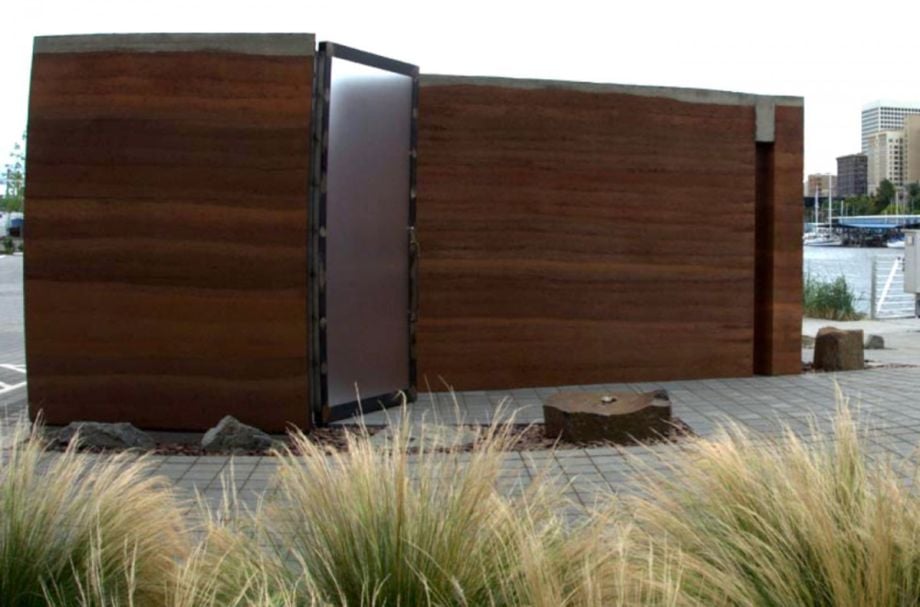
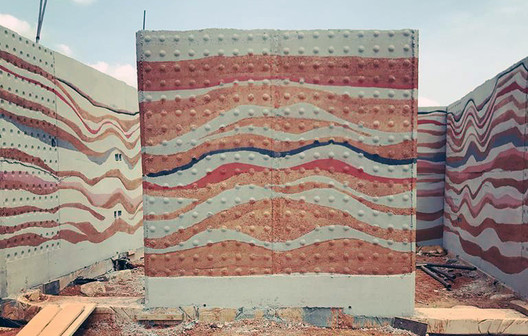
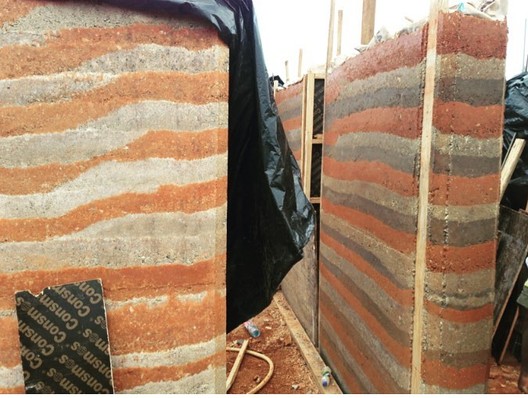
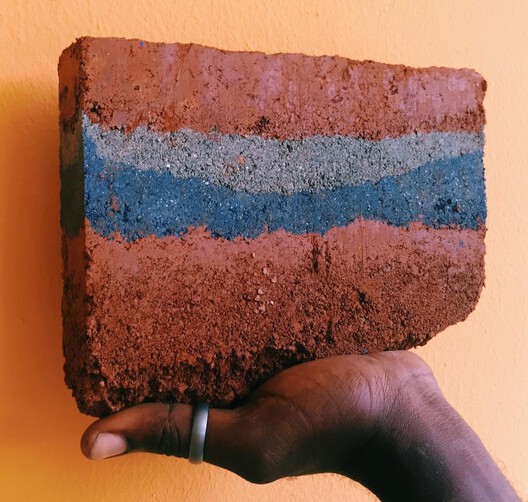
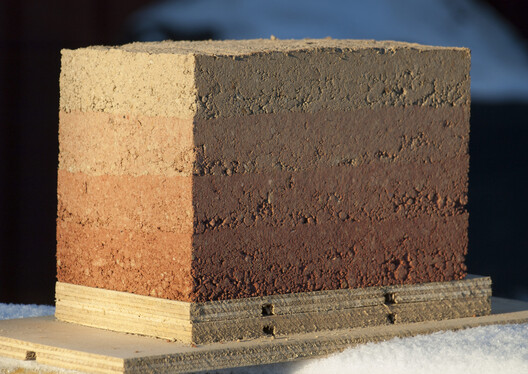
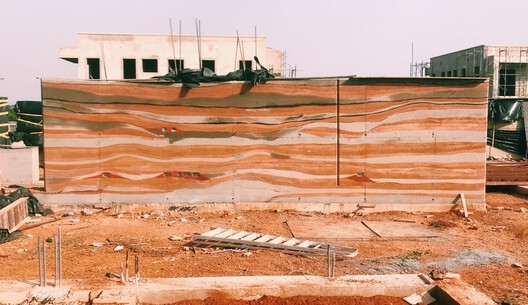
Rammed earth construction leverages local soil, making it a sustainable and cost-effective solution for remote areas. The process involves compacting layers of damp soil into formwork, which then cures to create durable, monolithic walls. This method is particularly well-suited for the Himalayan climate because earth walls possess excellent thermal mass properties, meaning they can absorb and store heat during the day and release it slowly at night. This natural insulation helps maintain stable indoor temperatures, reducing the need for artificial heating and cooling in a region with severe temperature swings.
Beyond its thermal advantages, rammed earth is environmentally friendly. It minimizes transportation costs and associated carbon emissions, as the primary material is sourced directly from the construction site or nearby. This reduces the ecological footprint of building projects. Additionally, rammed earth is non-toxic and breathable, contributing to healthier indoor air quality compared to many modern building materials. Its inherent durability also means structures built with rammed earth can last for centuries, reducing the need for frequent repairs or replacements.
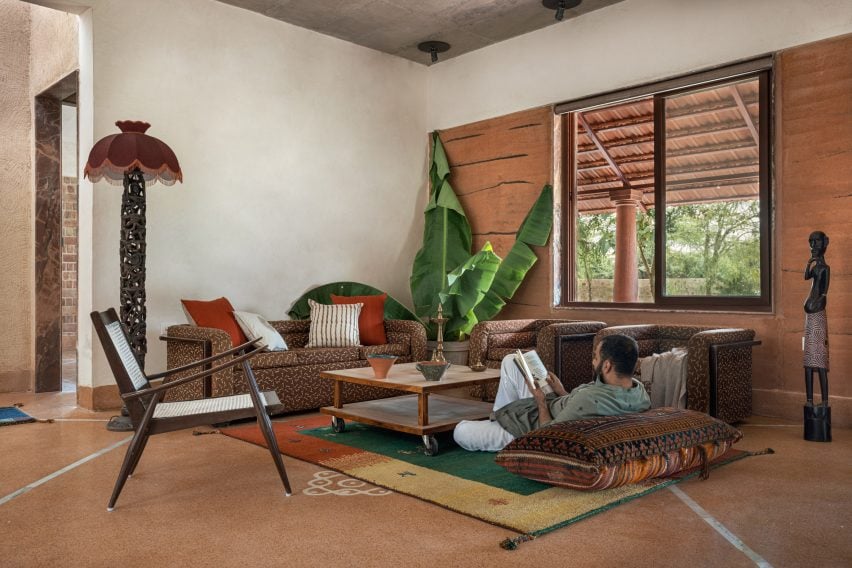
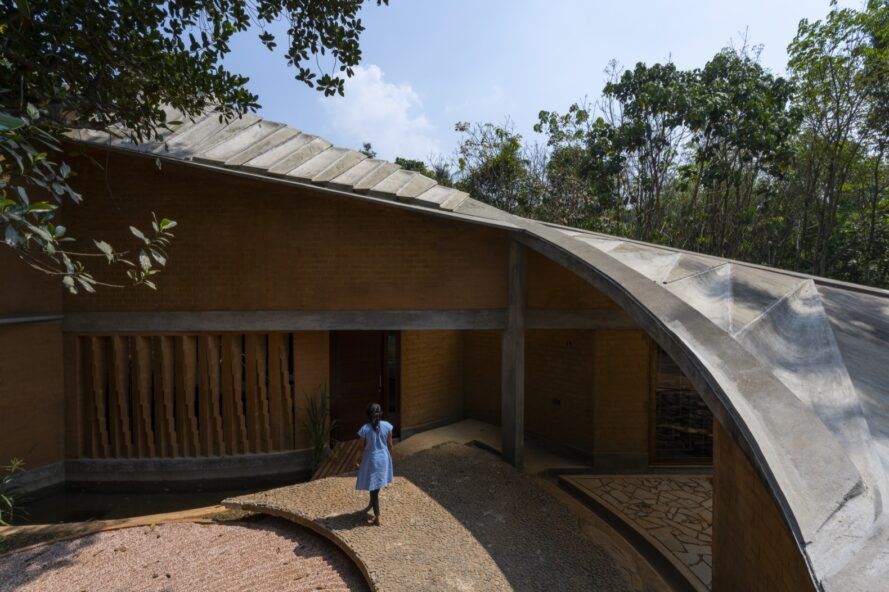
Archide's project in Ladakh demonstrates a successful blend of traditional building techniques with modern architectural principles. By adapting and refining rammed earth construction, they have provided the local communities with resilient and comfortable living spaces that are harmoniously integrated with the natural environment. This approach not only addresses immediate housing needs but also preserves cultural heritage by continuing the use of vernacular materials and construction knowledge. The revival of rammed earth in the Himalayas serves as a model for sustainable development in other remote and climatically challenging regions, showcasing how readily available resources can be harnessed for practical, durable, and eco-conscious construction.
#RammedEarth #HimalayanArchitecture #SustainableBuilding #VernacularArchitecture #PassiveDesign #Archide #LadakhConstruction #EcoFriendlyMaterials #RammedEarth #HimalayanArchitecture #SustainableBuilding #VernacularArchitecture #PassiveDesign #Archide #LadakhConstruction #EcoFriendlyMaterials
0 comment in total
 No comments yet
You may also like
The Himalayas' ancient earthquake-defying design
Rammed Earth: Creating a 500-Year House

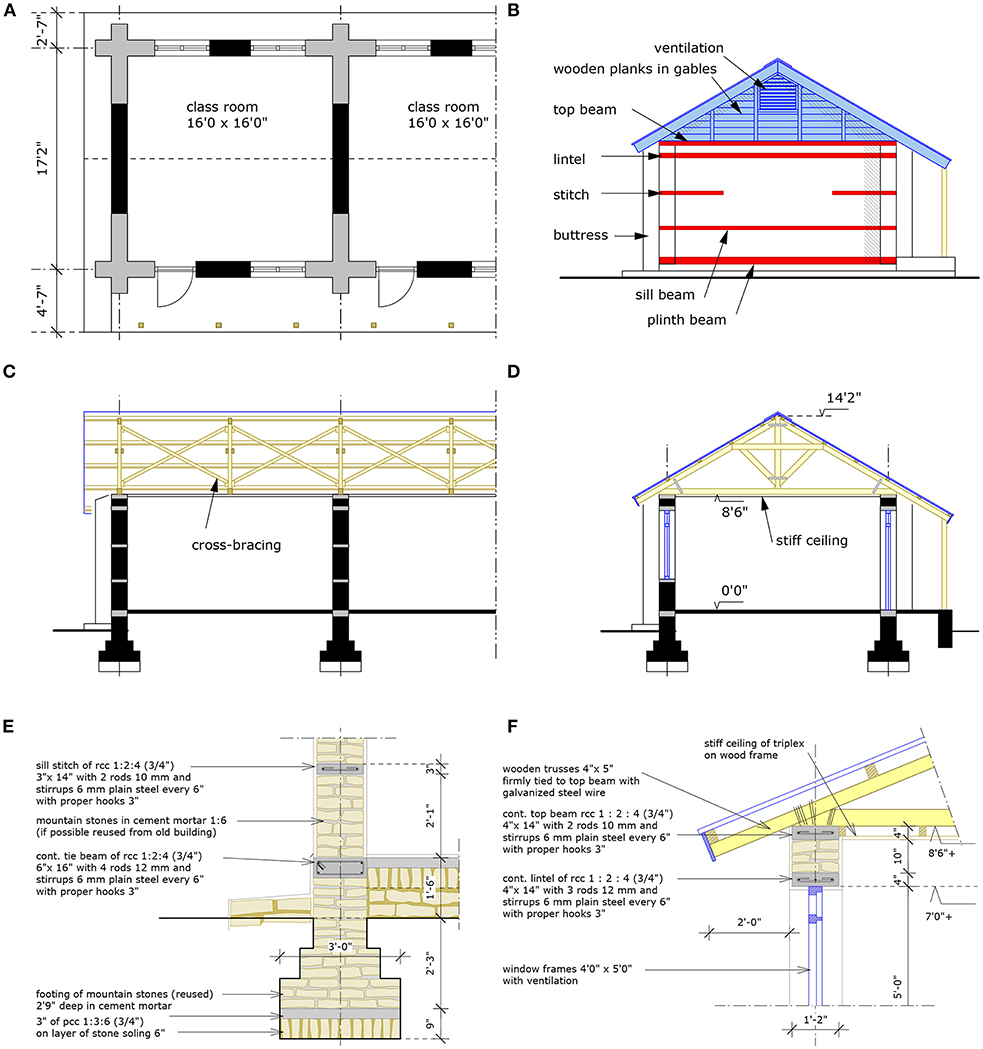
School Buildings in Rubble Stone Masonry With Cement Mortar in Seismic Areas: Literature Review of Seismic Codes, Technical Norms and Practical Manuals
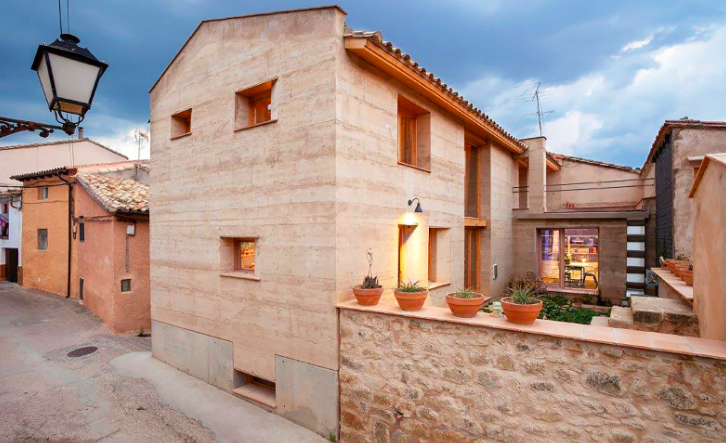
Are rammed earth buildings the new way forward?

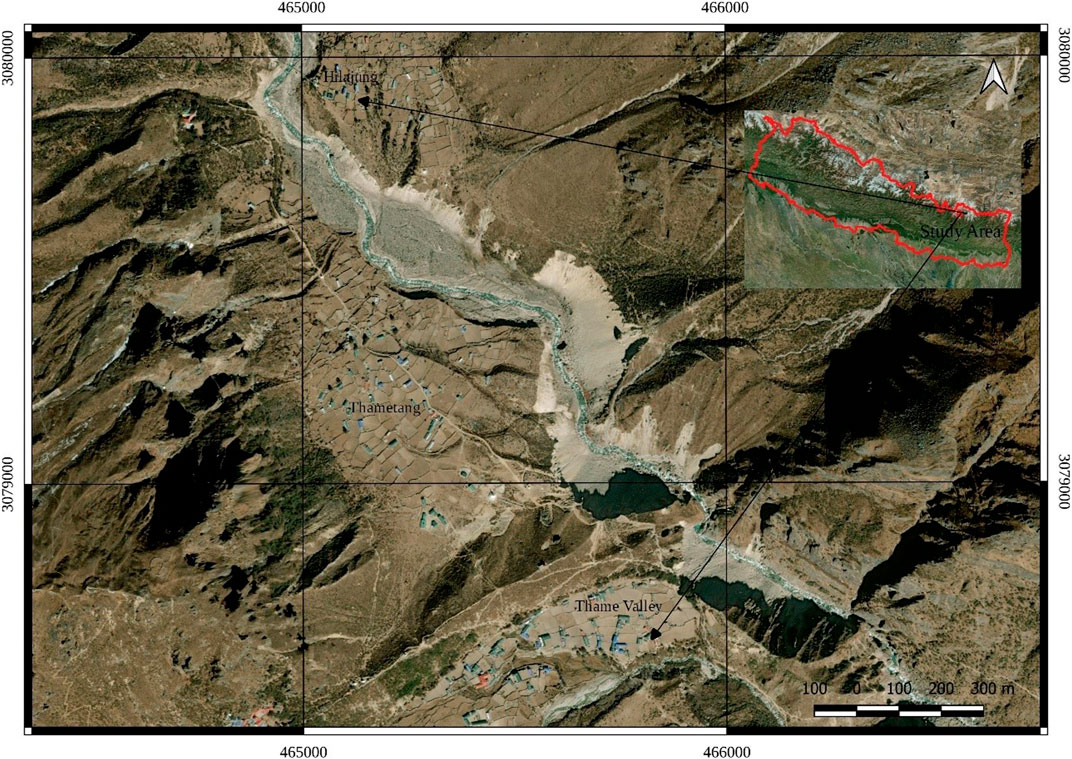
Enhancement of Himalayan irregular stone masonry buildings for resilient seismic design
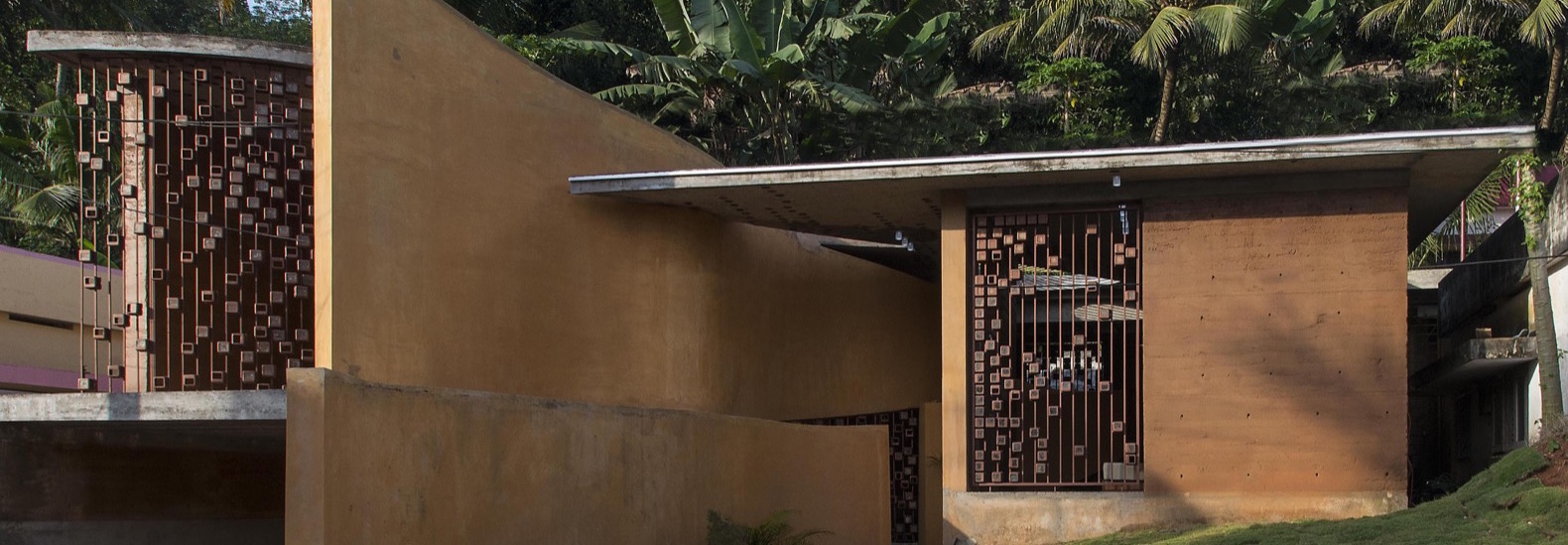
This rammed earth home in India uses recycled materials throughout
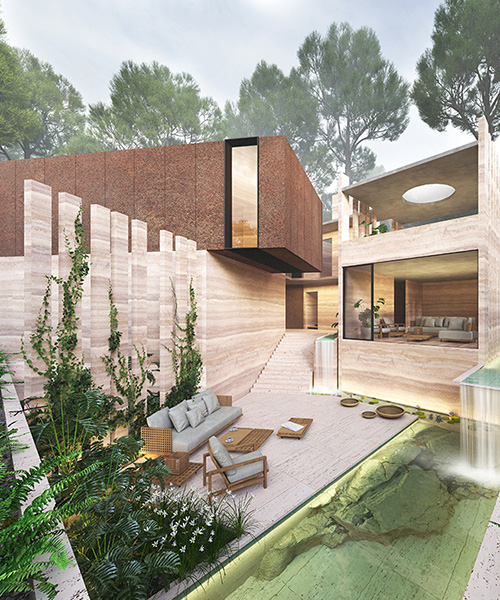
rammed earth walls build this tropical retreat with waterfalls in india
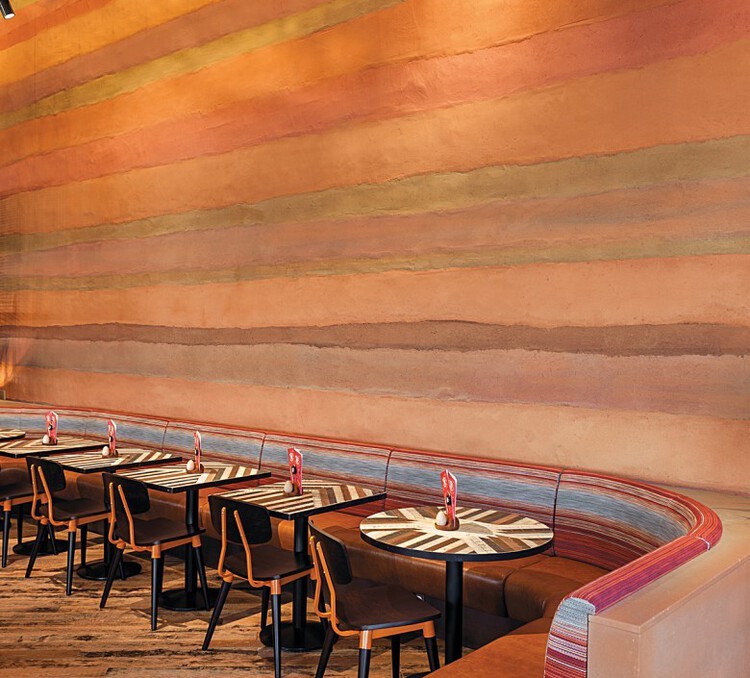
Designing the Appearance of Rammed Earth Walls: The Interplay Between Natural Clay Colors and Pigmentation
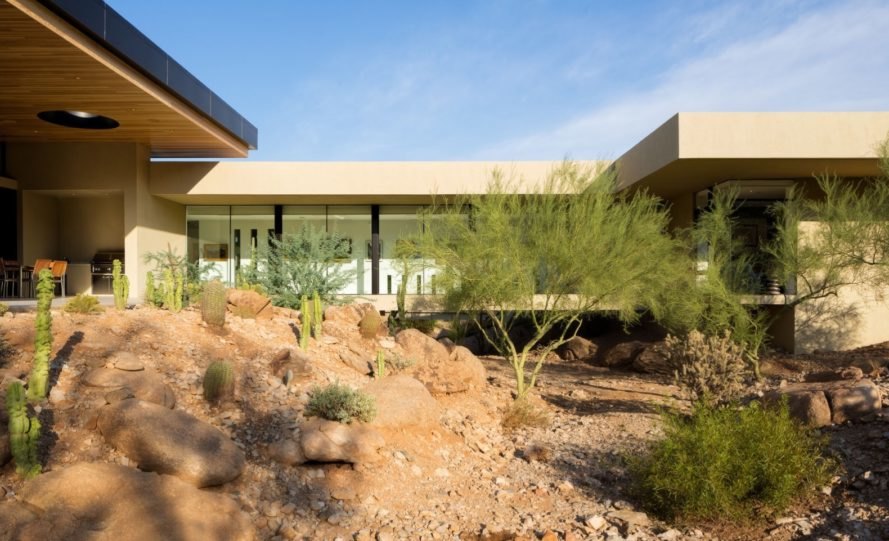
Rammed earth walls tie modern home to the desert landscape
Textured Walls Are The Latest Interiors Trend For Adding Warmth To Your Space
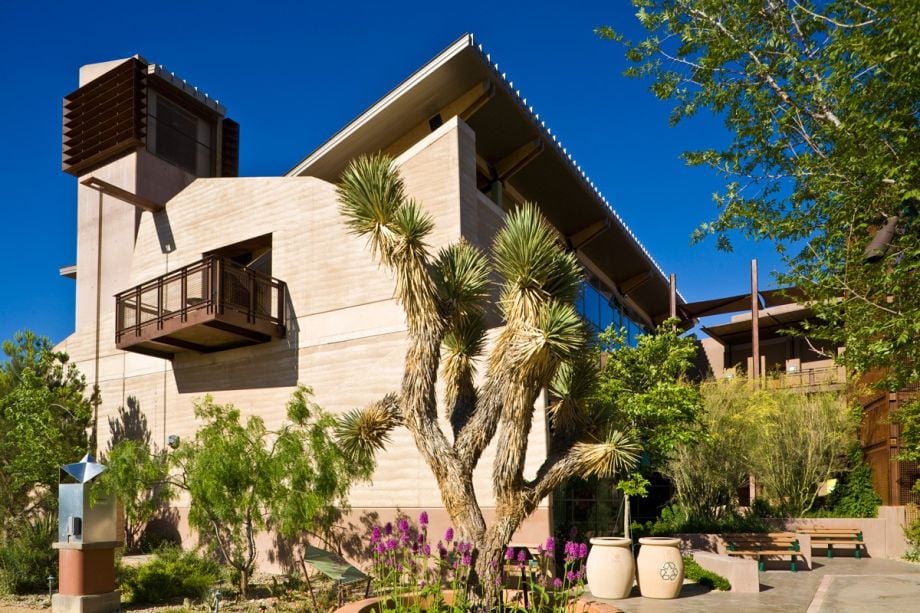
Rammed Earth Fits Into Urban Architecture’s Sustainable Future
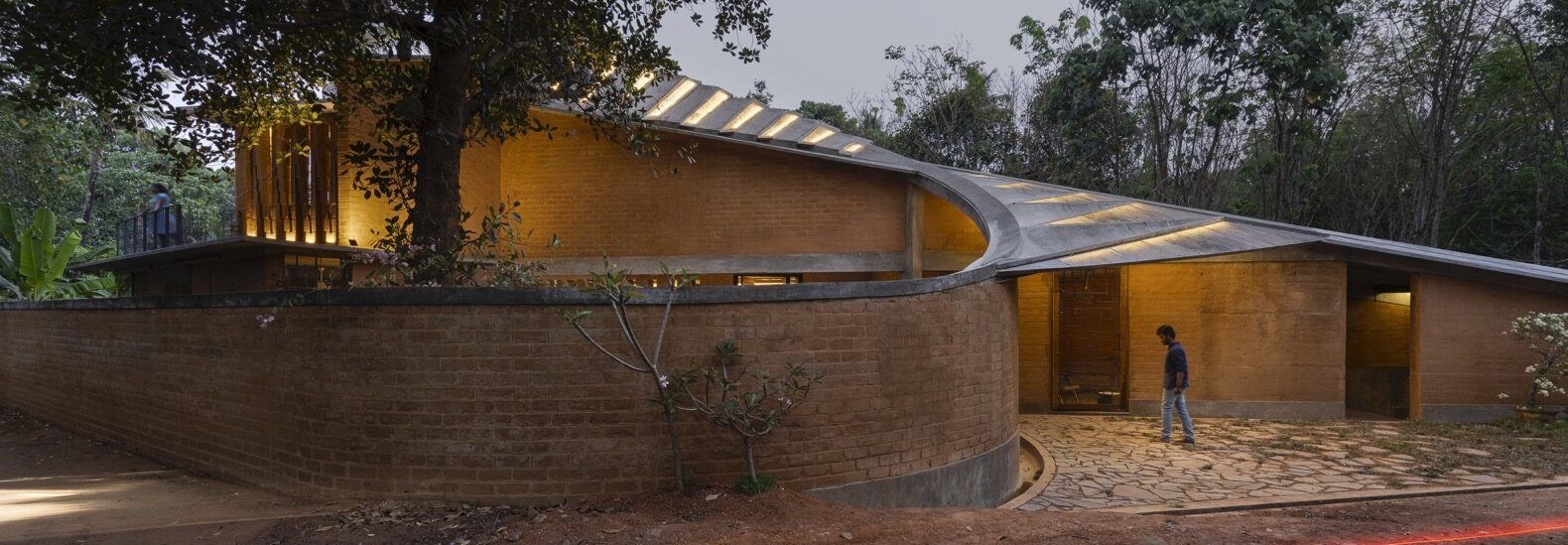
Twisting rammed earth home wraps around a grand jackfruit tree
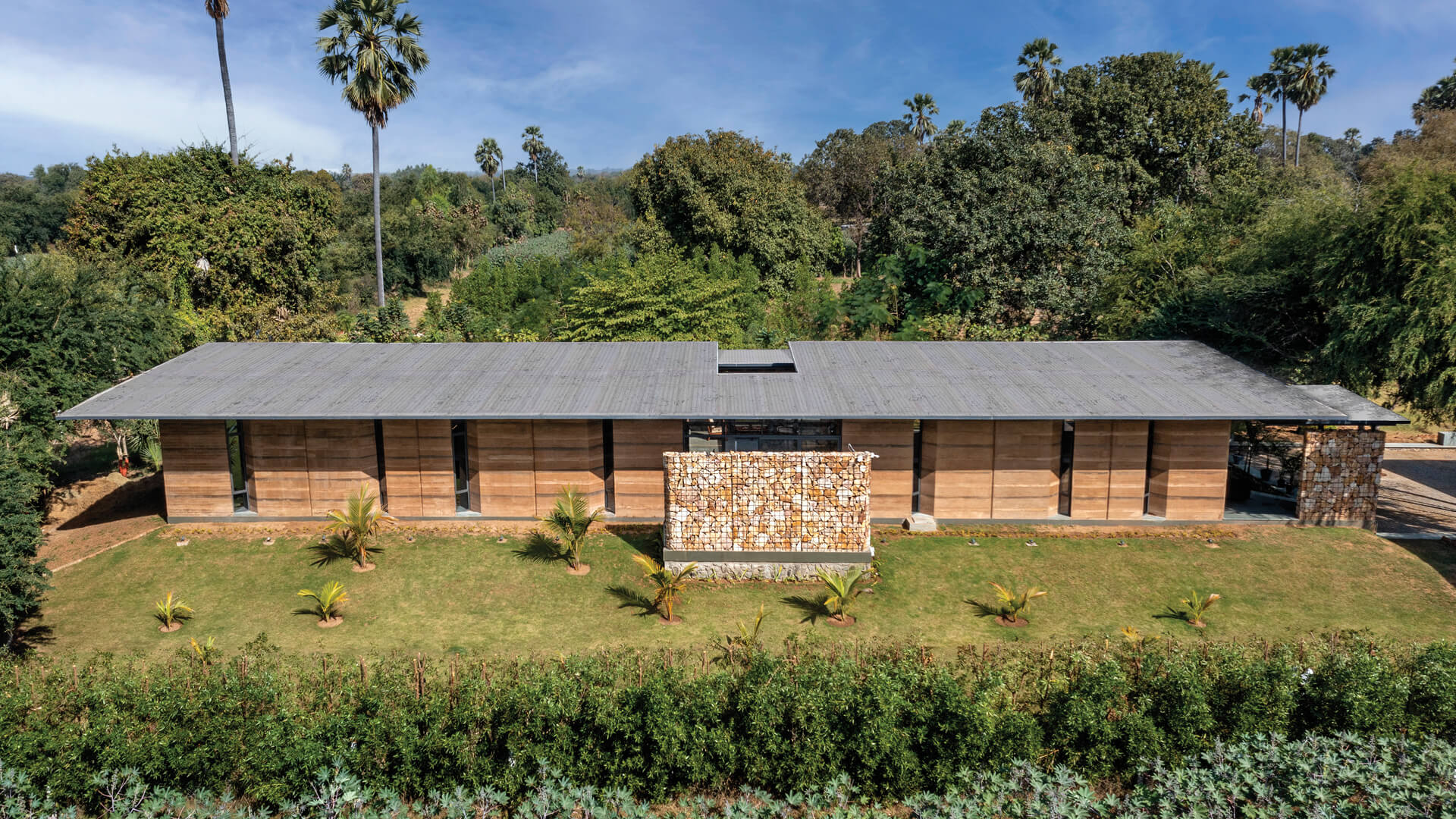
The Earth House in Gujarat, India, advocates for local ingenuity with rammed earth

The ancient flooring transforming modern homes

Rammed Earth Walls Tie This Eco-Friendly Home to the Desert

7 Earth-based Solutions For Building Closer to Nature
Eight living areas that make a feature of exposed rammed-earth walls
Sky Box House, Himalayan foothills property
Colors Of the Earth: Ghana's Incredible, Rammed Earth Walls
Is It Time to Hang Up on Hanging Drywall?