Is It Time to Hang Up on Hanging Drywall?
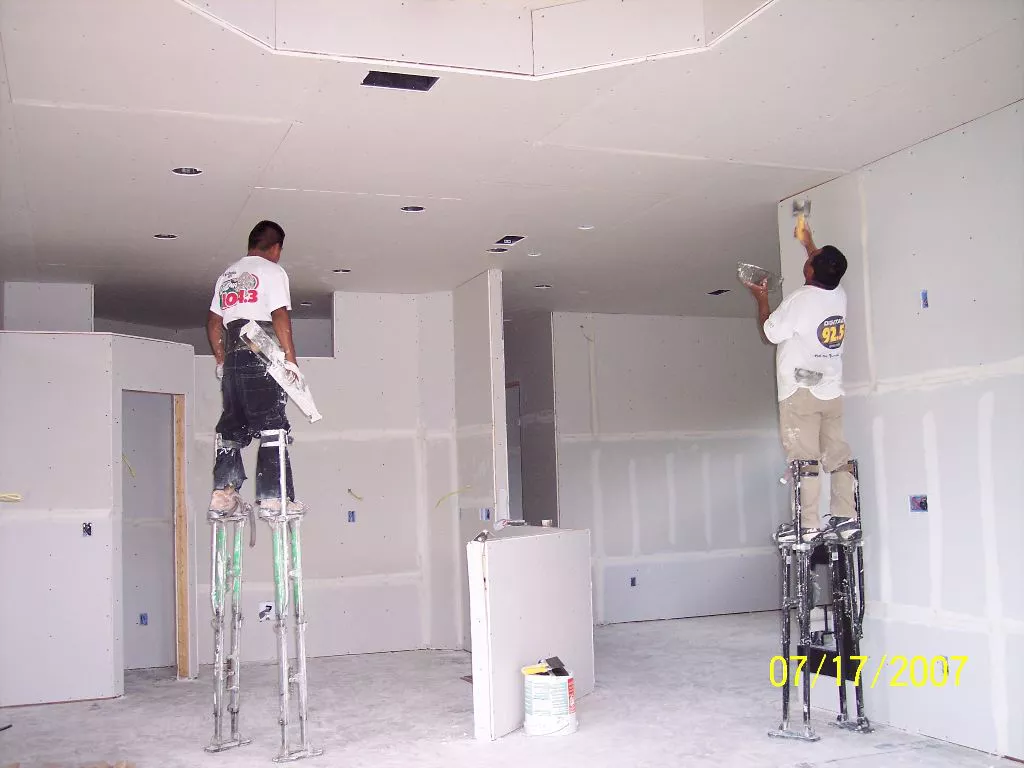
The environmental and practical concerns surrounding the widespread use of drywall as a construction material are explored, questioning its continued ubiquity in modern building practices. Drywall, also known as gypsum board, is a common interior wall and ceiling covering in many countries, particularly in North America. Despite its prevalence, issues related to its durability, health implications, and environmental impact raise questions about its suitability as a primary building material.
From a durability perspective, drywall is highly susceptible to water damage. When exposed to moisture, it tends to disintegrate into a messy mush, making it an unsuitable material in areas prone to leaks, floods, or high humidity. This characteristic makes buildings constructed with drywall vulnerable to significant damage during events like severe weather or plumbing failures. In contrast, traditional building materials such as plaster or wood paneling exhibit greater resilience to moisture, often requiring only simple cleaning after water exposure rather than extensive repairs or replacement.
Health concerns are another significant drawback of drywall. Its susceptibility to moisture creates an ideal environment for the growth of mold and mildew, which can lead to various respiratory problems and other health issues for occupants. This factor contributes to the "sick building syndrome" and necessitates costly remediation efforts to ensure a healthy indoor environment. The environmental impact of drywall also extends beyond its vulnerability to moisture. The manufacturing process of drywall involves mining gypsum, and after construction, significant amounts of drywall scraps are sent to landfills. In landfills, wet gypsum interacts with organic materials, producing hydrogen sulfide, a toxic gas with a rotten-egg smell. This gas is lethal in high concentrations and can contaminate water sources, increasing their acidity and posing risks to aquatic life.
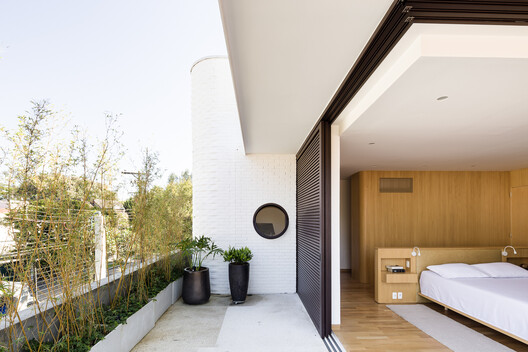
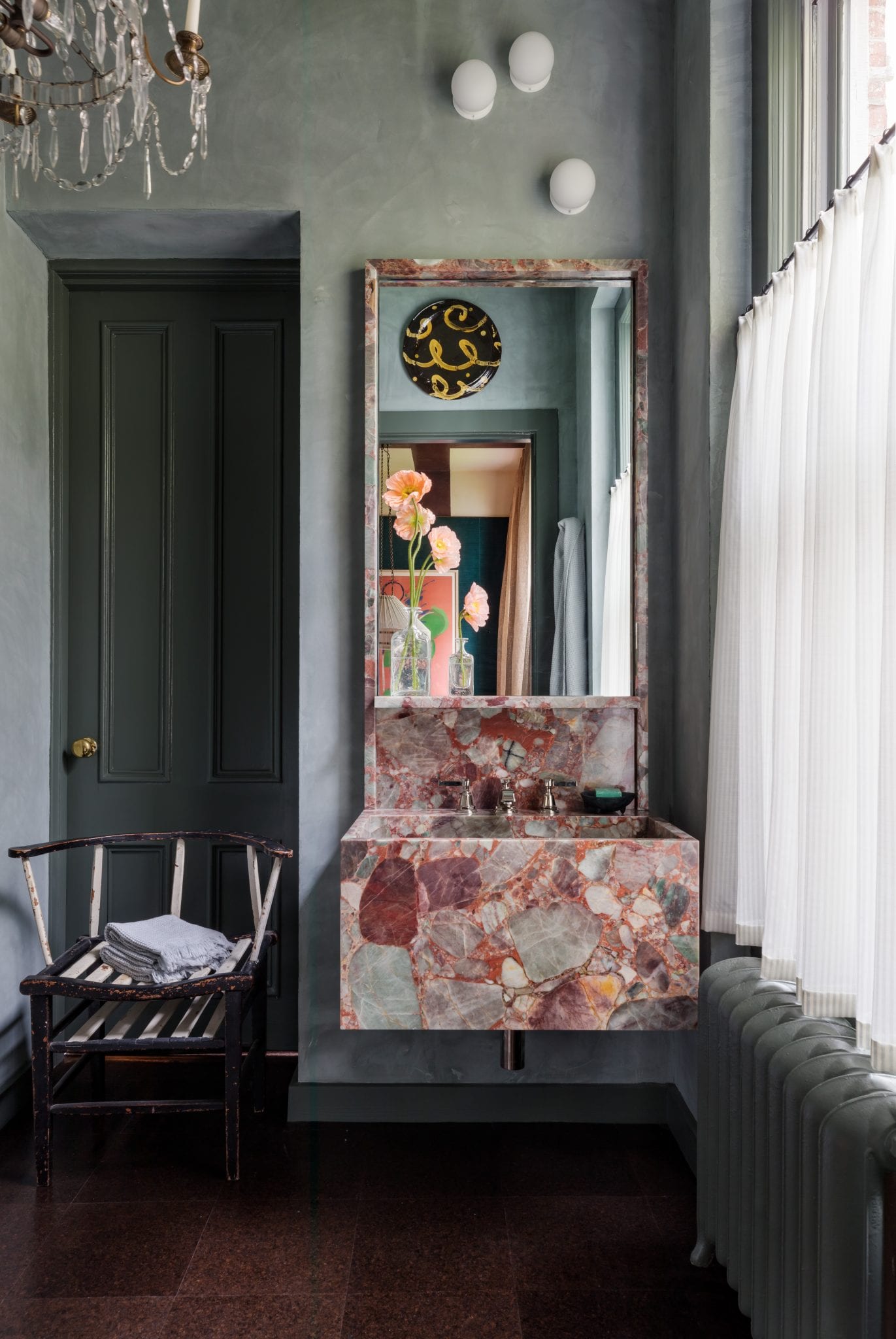
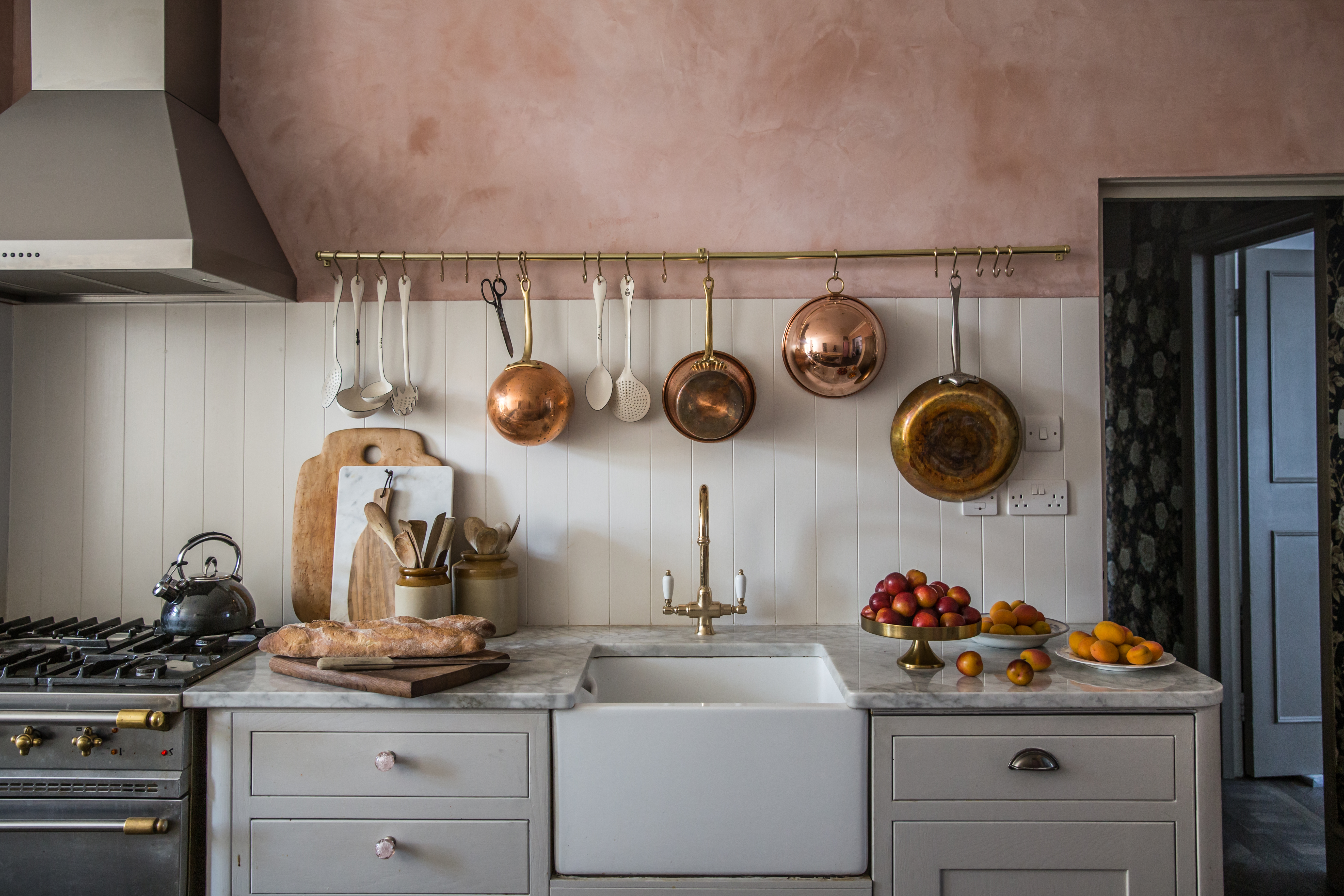
Alternatives to drywall are being explored and implemented, particularly by architects and builders focused on sustainability, health, and longevity. These alternatives include traditional plaster, wood paneling systems, and even materials like grasscloth. While these alternatives might initially seem more labor-intensive or costly, some architects, like Steve Mouzon, suggest that organized paneling systems can become cost-neutral after tradesmen adapt to the new methods. In Europe, many builders prefer plastered concrete blocks or clay tiles, which offer superior durability and resistance to abuse compared to drywall.
The article suggests that a shift towards more resilient, healthy, and environmentally friendly building materials is necessary for North American construction. This change would involve moving away from the "quick and cheap" mass-production model often associated with drywall and embracing materials and methods that prioritize long-term performance and occupant well-being. Ultimately, reconsidering the widespread use of drywall and exploring durable alternatives aligns with principles of sustainable design and construction.
#DrywallAlternatives #SustainableBuilding #EnvironmentalImpact #HealthyHomes #ConstructionMaterials #ArchitecturalDesign #MoistureDamage #IndoorAirQuality #GreenBuilding #WasteManagement #DrywallAlternatives #SustainableBuilding #EnvironmentalImpact #HealthyHomes #ConstructionMaterials #ArchitecturalDesign #MoistureDamage #IndoorAirQuality #GreenBuilding #WasteManagement
 No comments yet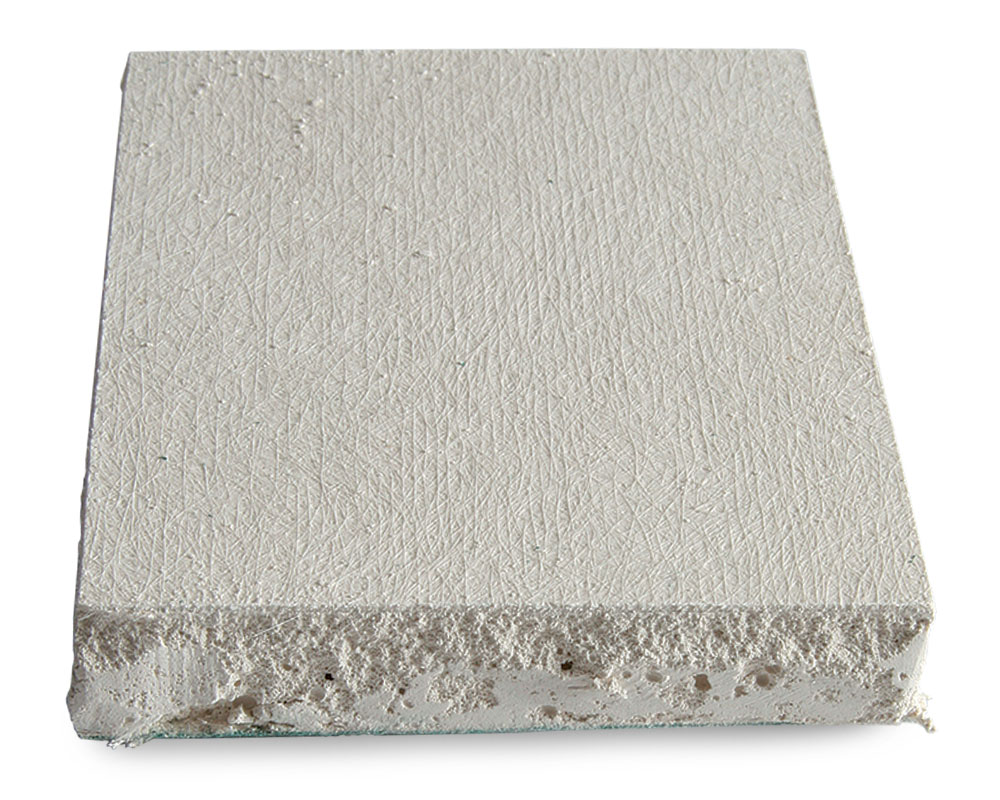
Fight Mold With Paperless Drywall
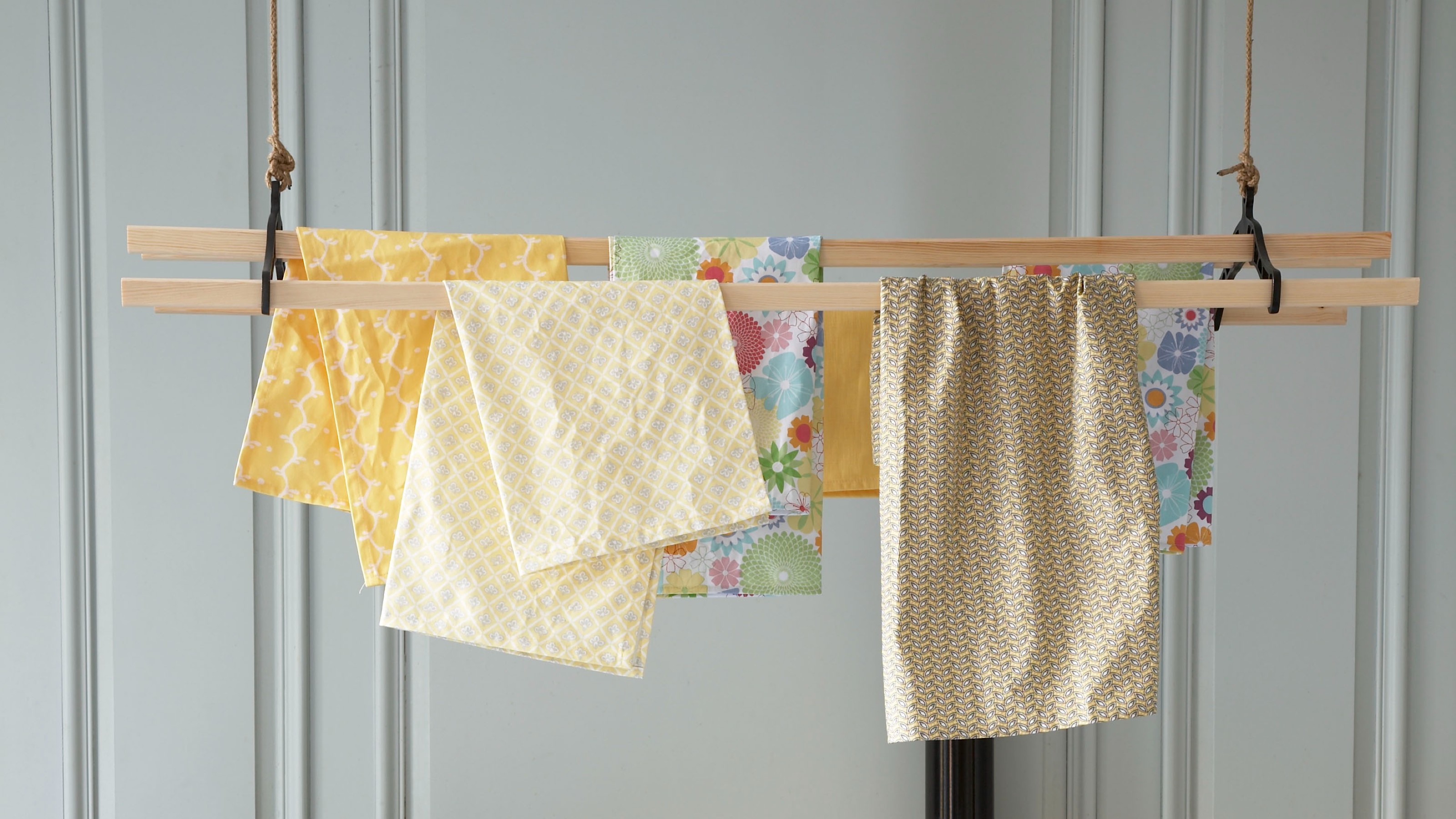
Experts warn not to hang washing to dry on your bannisters or doors – it can create a 'serious issue'

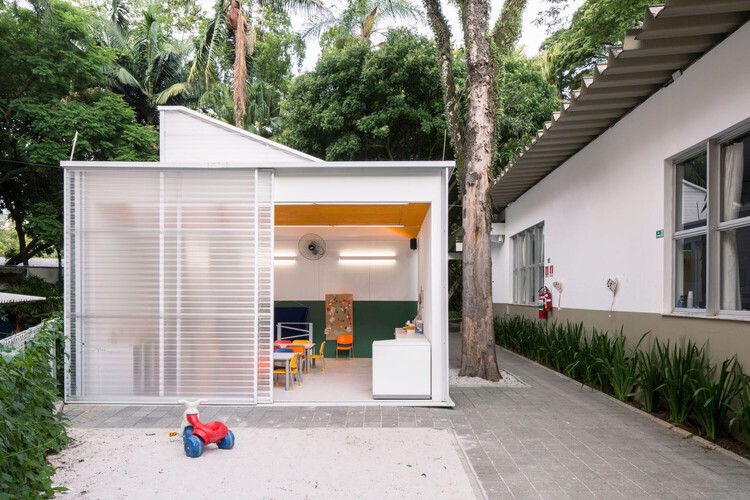
The Versatility of Drywall in Architecture: Pros and Cons

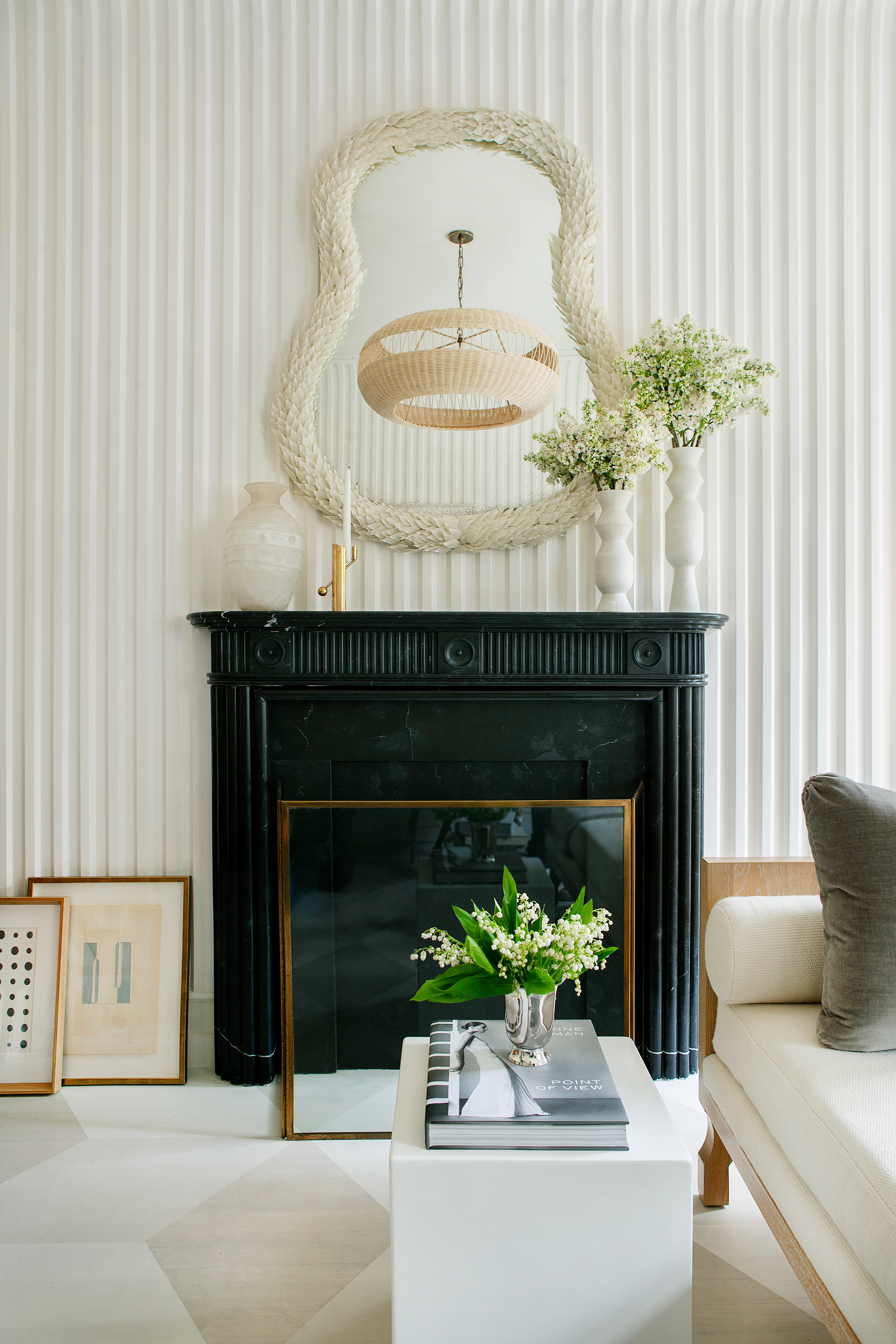
Now More Than Ever, I Need (Not Want) Plaster Walls

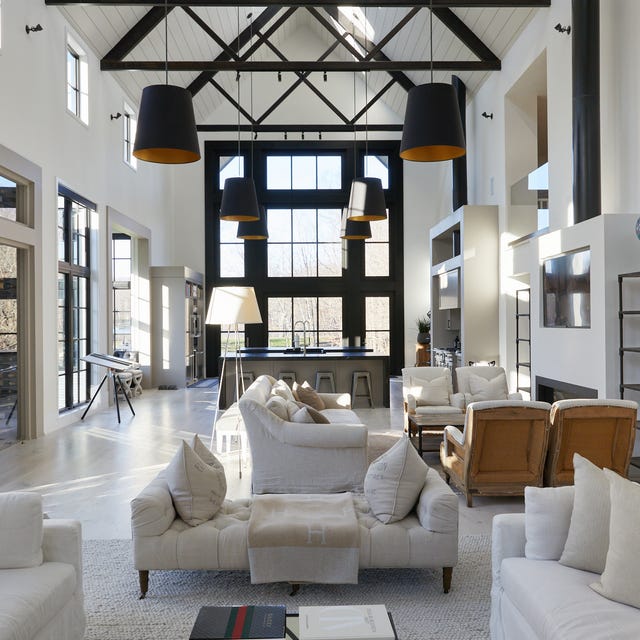
Is It Time to Shut the Door on Open-Concept Living?

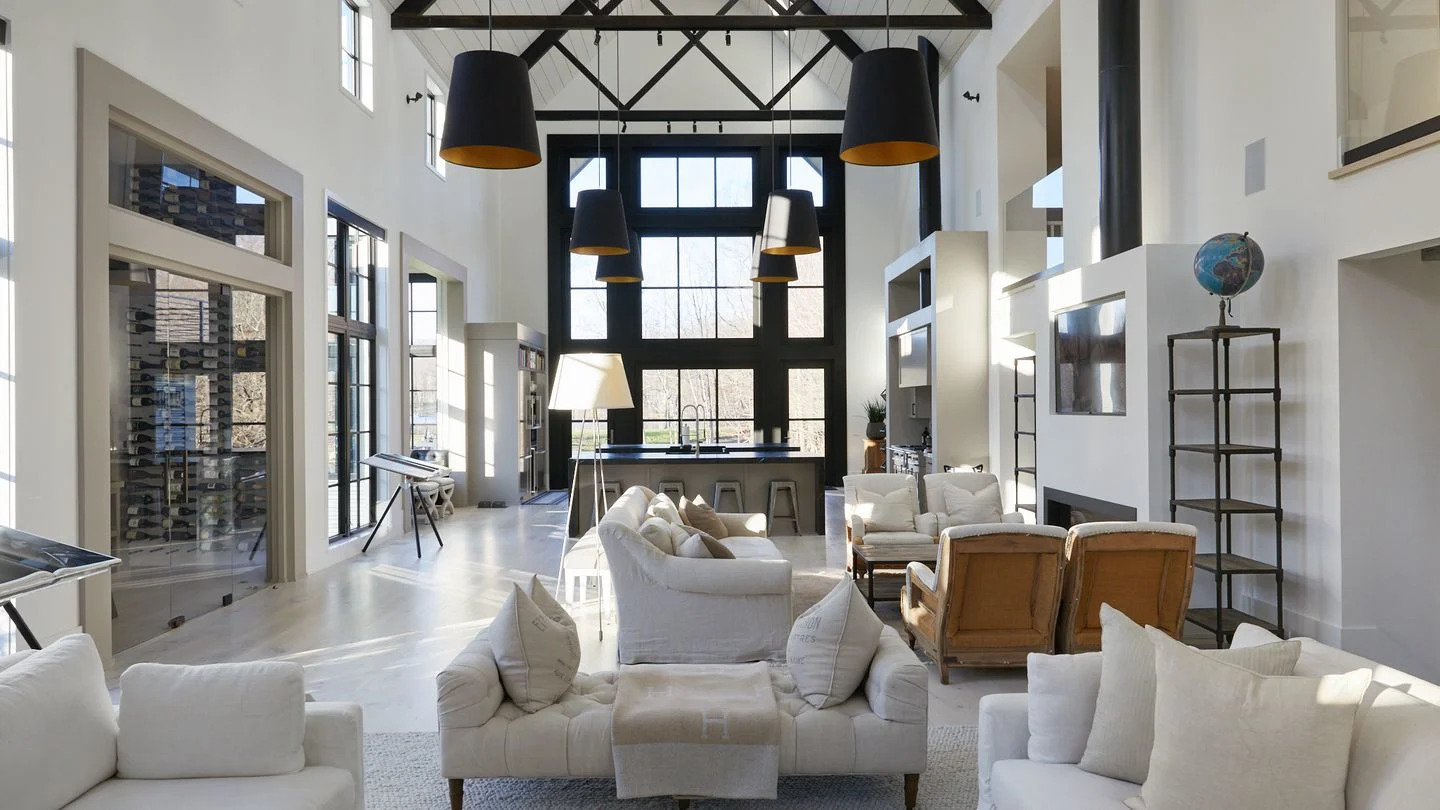
Is It Time to Shut the Door on Open-Concept Living?

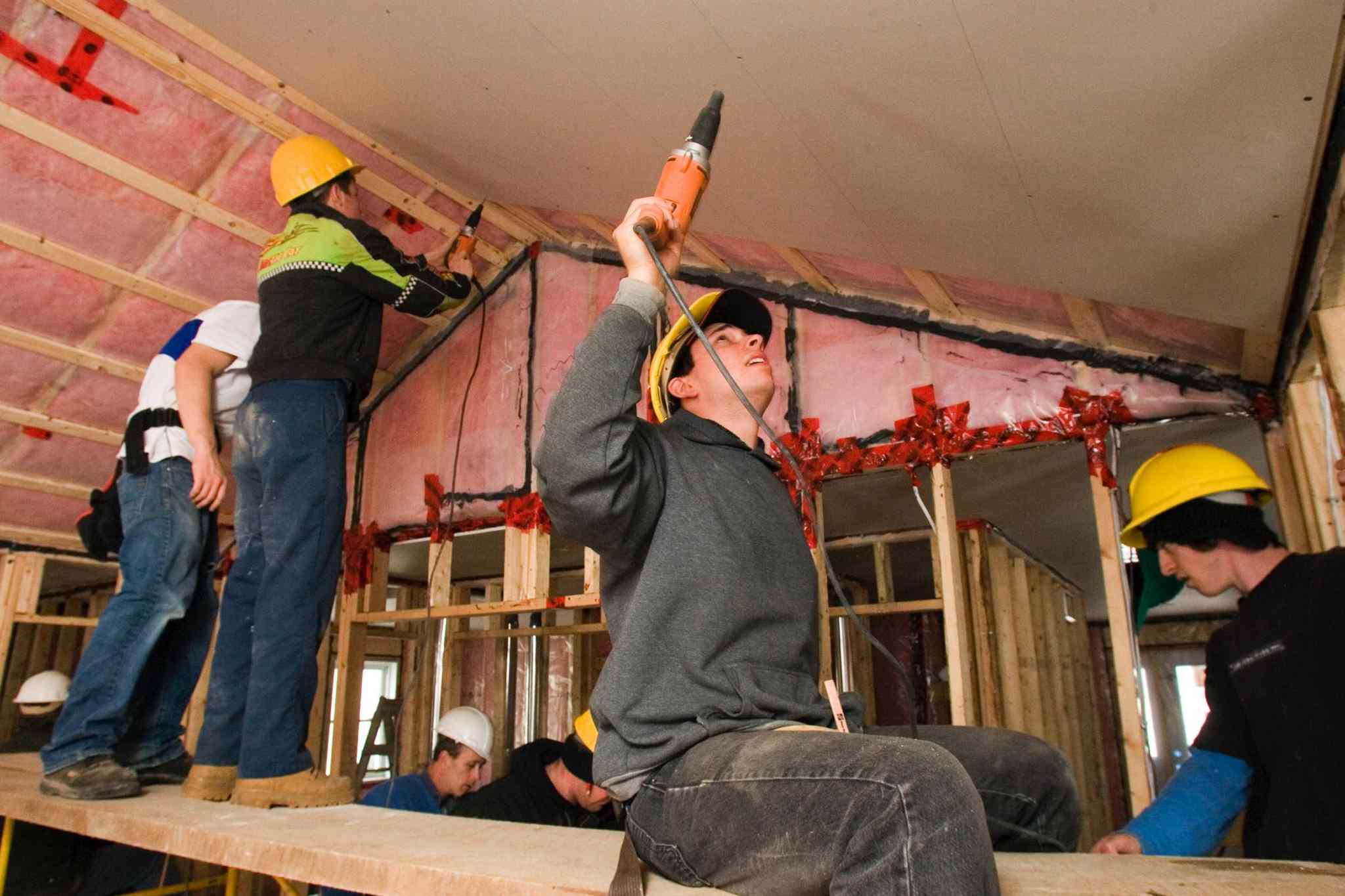
Mar 2014: ASK THE INSPECTOR: More is better with drywall screws

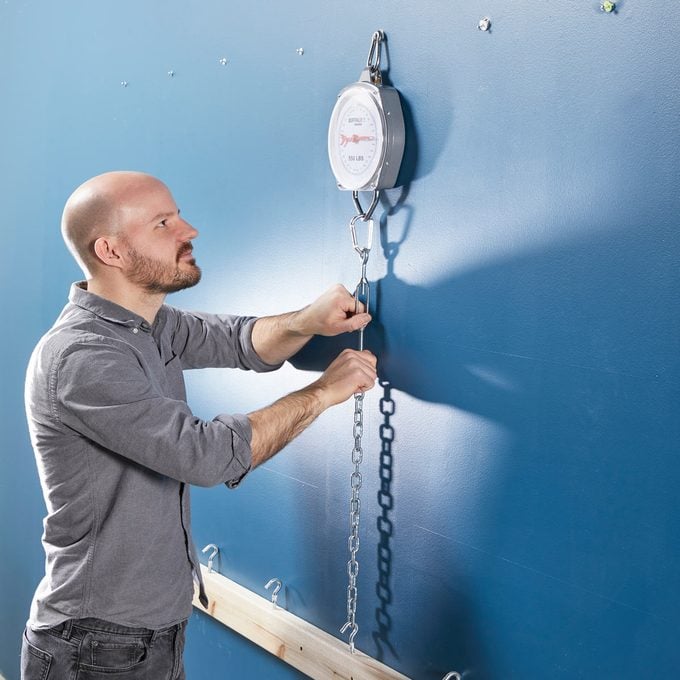
How Much Weight Can Drywall Anchors Hold In Your Home?