1/12
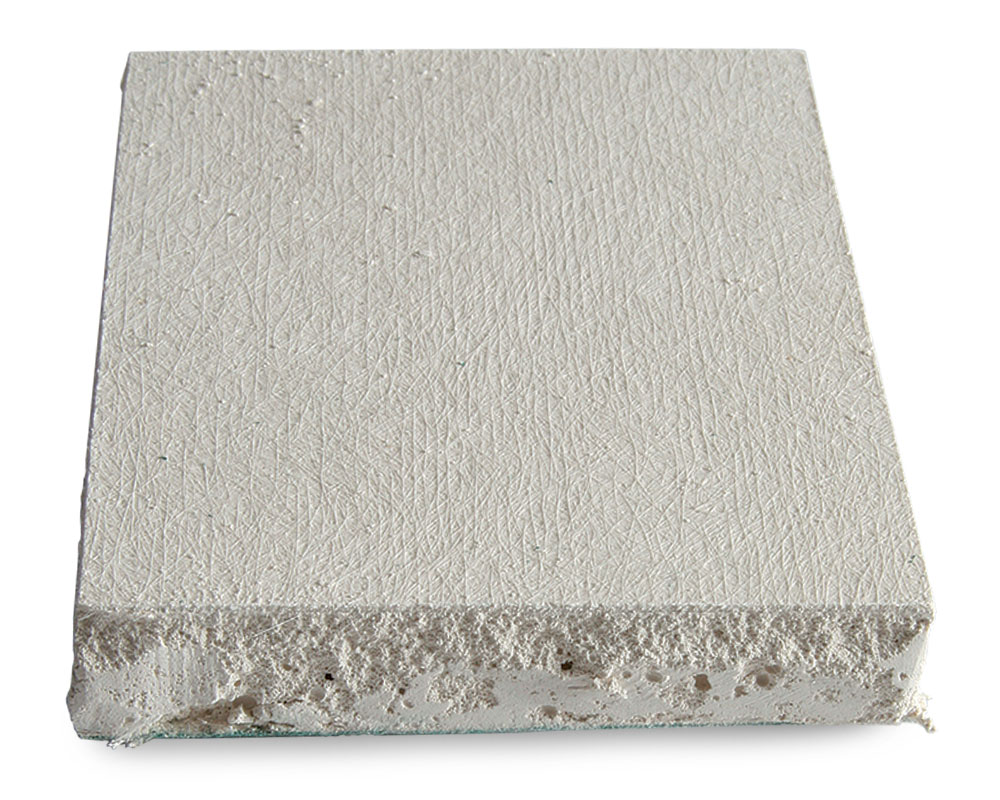
Fight Mold With Paperless Drywall
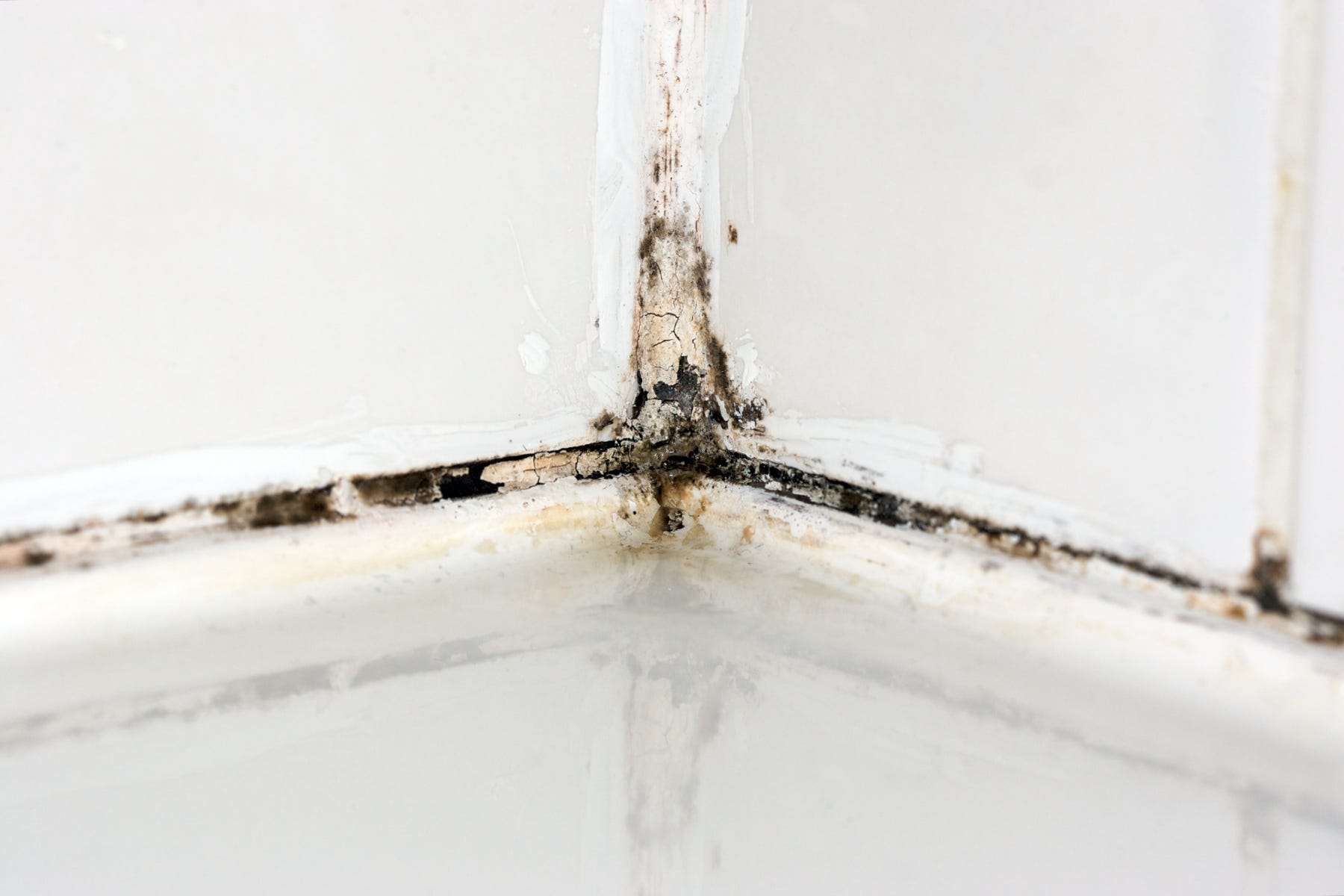
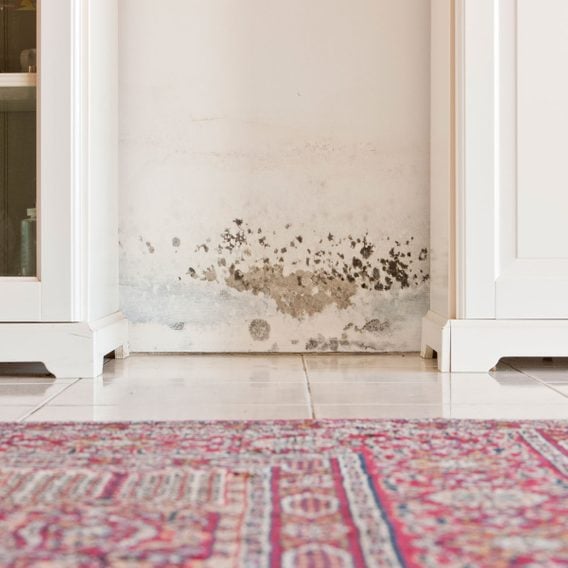
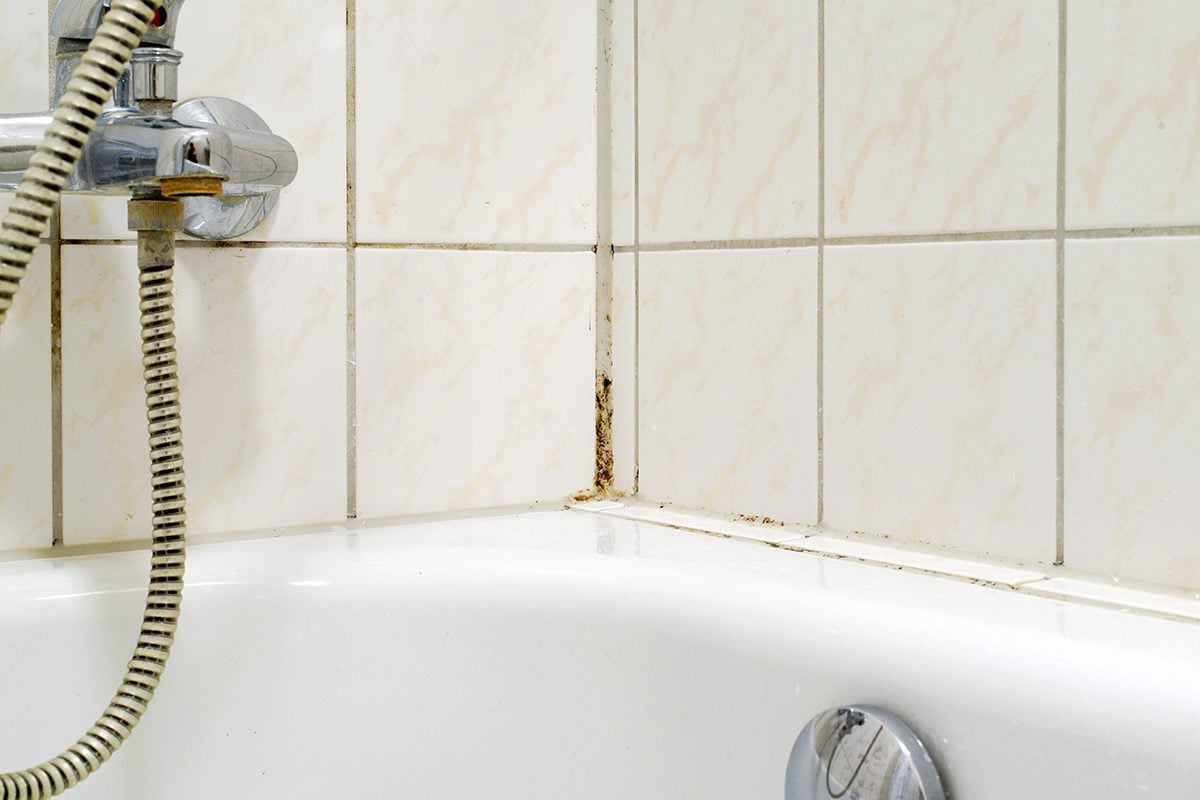
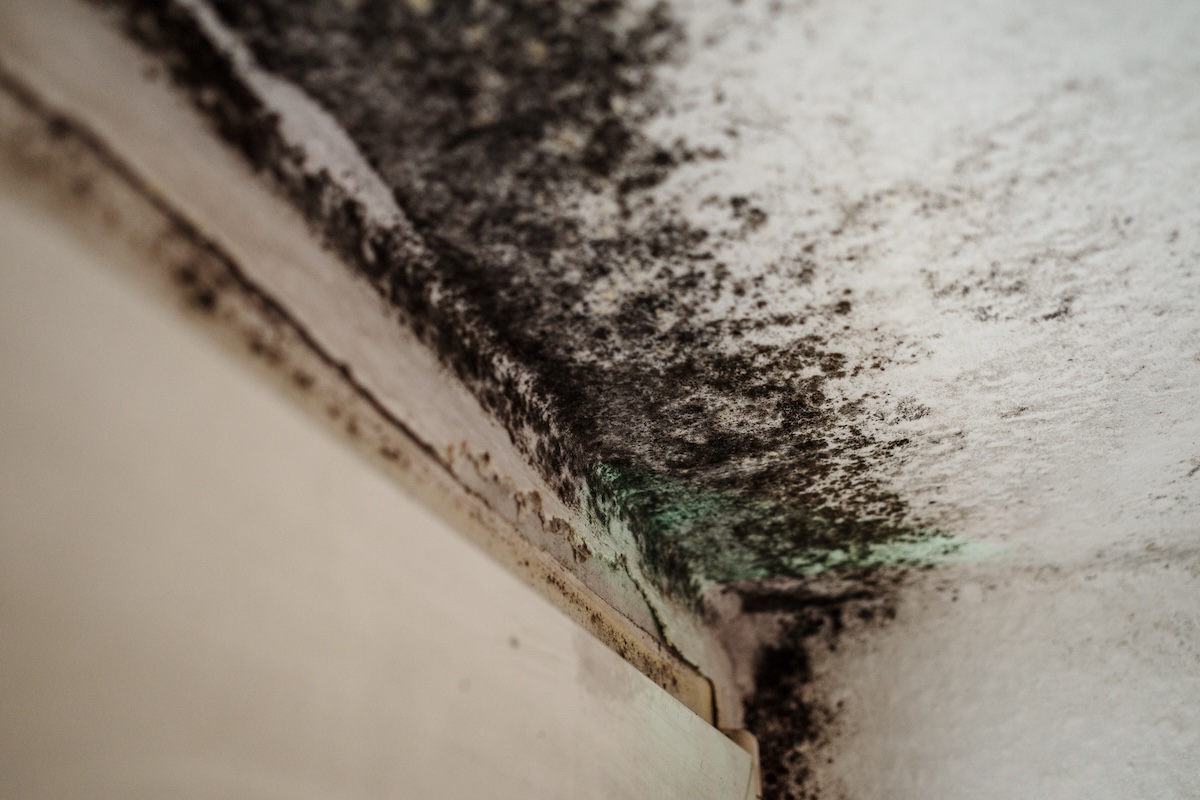
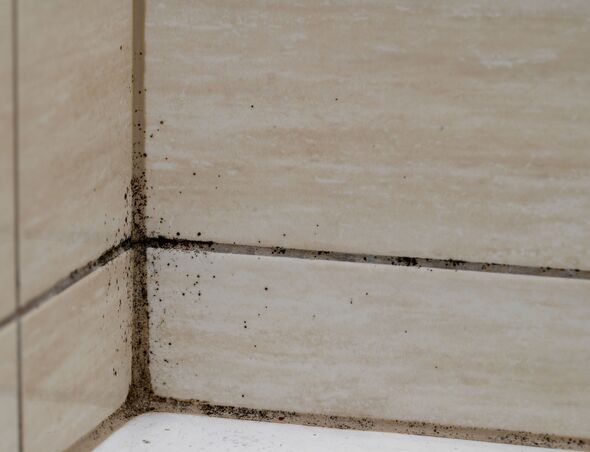
The article addresses the growing concern surrounding mold in residential environments and introduces paperless drywall as an effective solution for mold prevention, particularly in damp areas like kitchens, bathrooms, and basements. It emphasizes that while mold spores are ubiquitous, controlling their growth hinges on eliminating organic food sources. Traditional paper-faced drywall provides an easy food source for mold due to its paper facings. Although many modern paper-faced products offer improved mold resistance, paperless drywall, which replaces paper with inorganic fiberglass mats, offers superior protection.
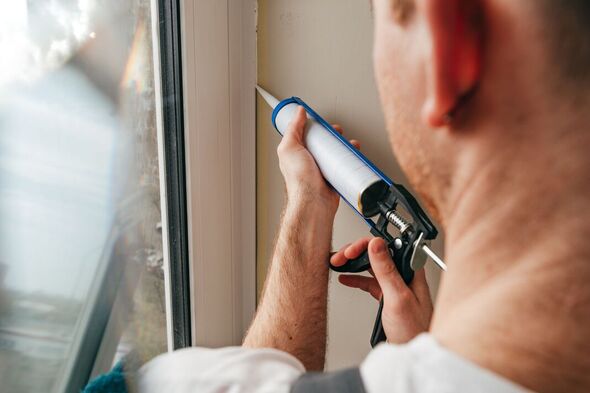
The article outlines four new work habits crucial for effectively installing paperless drywall. The first habit involves using both screws and adhesive for fastening. While standard drywall screws are used, the article advises complementing them with construction adhesive. This dual approach compensates for the greater likelihood of over-driving fasteners into fiberglass-faced panels, which lack the tear resistance of paper. The adhesive not only enhances the bond but also allows for a reduced number of fasteners, though a belt-and-suspenders approach with standard screw spacing is recommended if local building inspectors require visible fastener density.
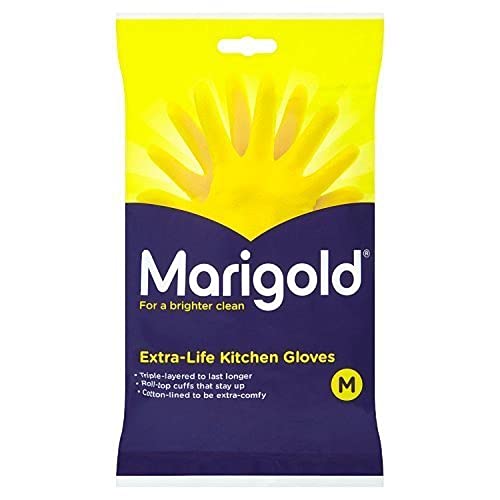
The second new work habit focuses on minimizing dust during installation due to the fiberglass content. It recommends wearing a dust mask, gloves, and long-sleeved shirts to prevent irritation from fiberglass particles. The use of power tools, particularly drywall routers, is discouraged for general cutting tasks as they generate significant airborne dust. Instead, hand tools like utility knives and handsaws are preferred for larger openings, reserving routers for precise cutouts around electrical boxes where the benefits outweigh the dust generation. If a router must be used, employing smaller 1/8-inch bits instead of larger 1/4-inch bits can help reduce dust. Care must also be taken to prevent contamination of the paperless drywall panels before installation, as spills or dirt can compromise their mold resistance.
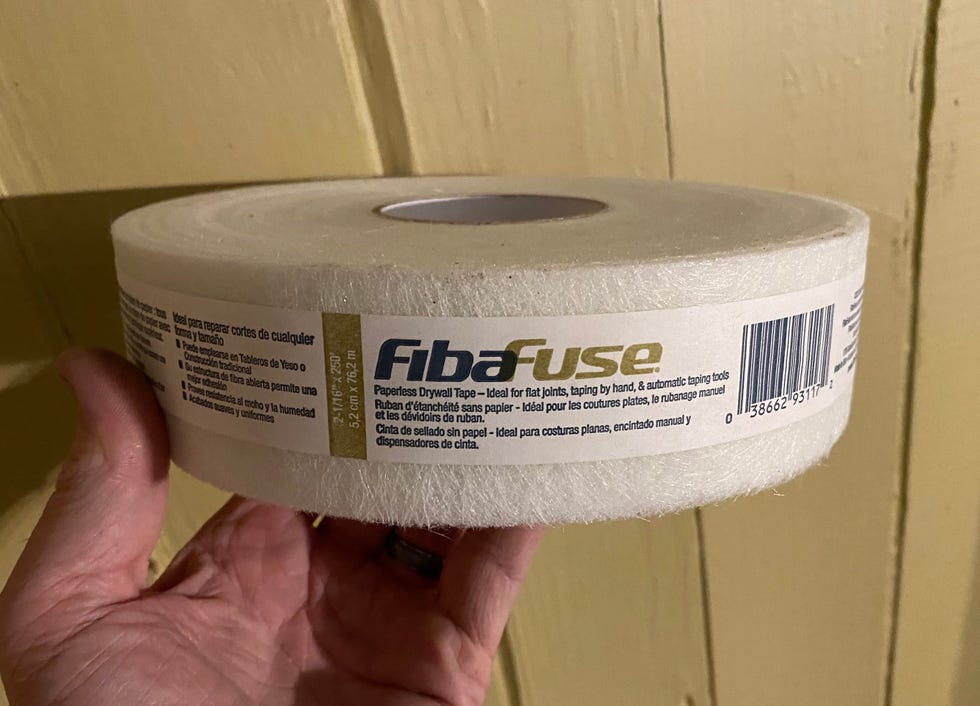
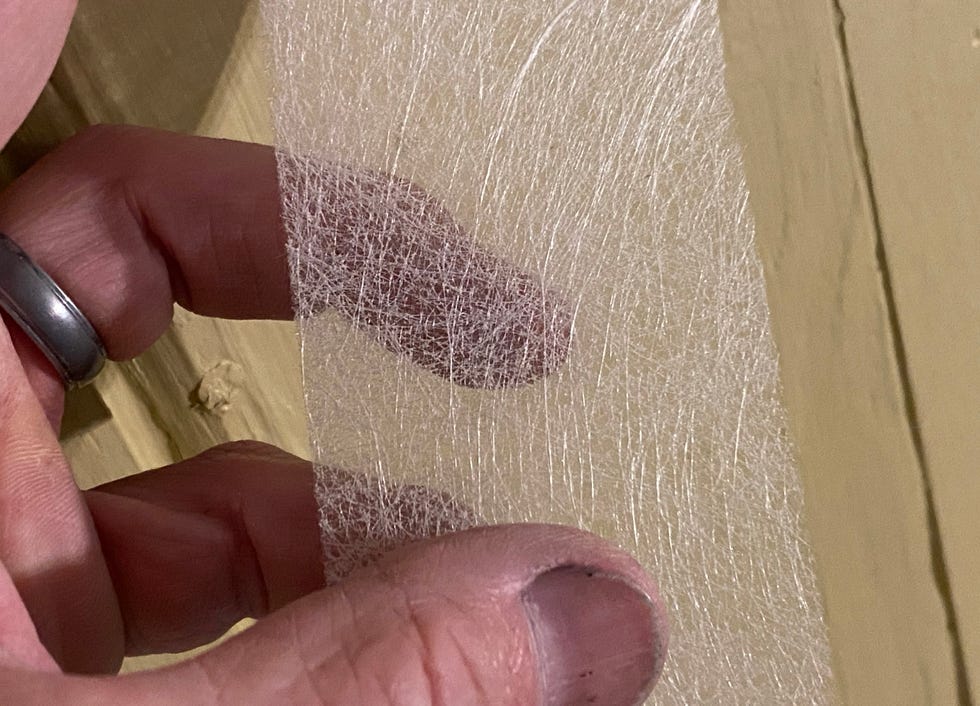
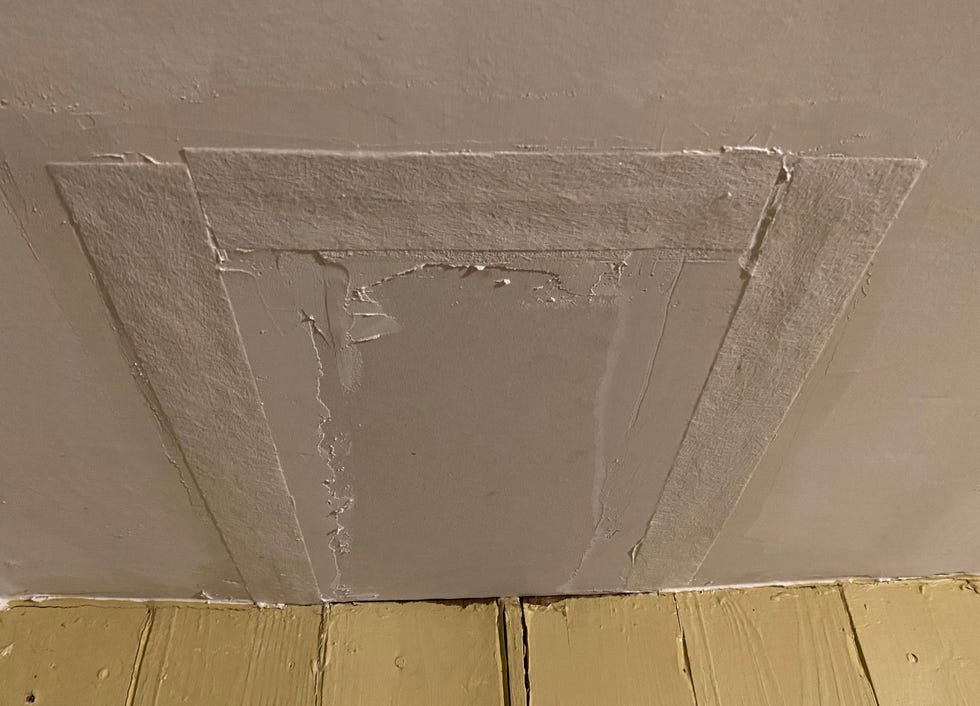
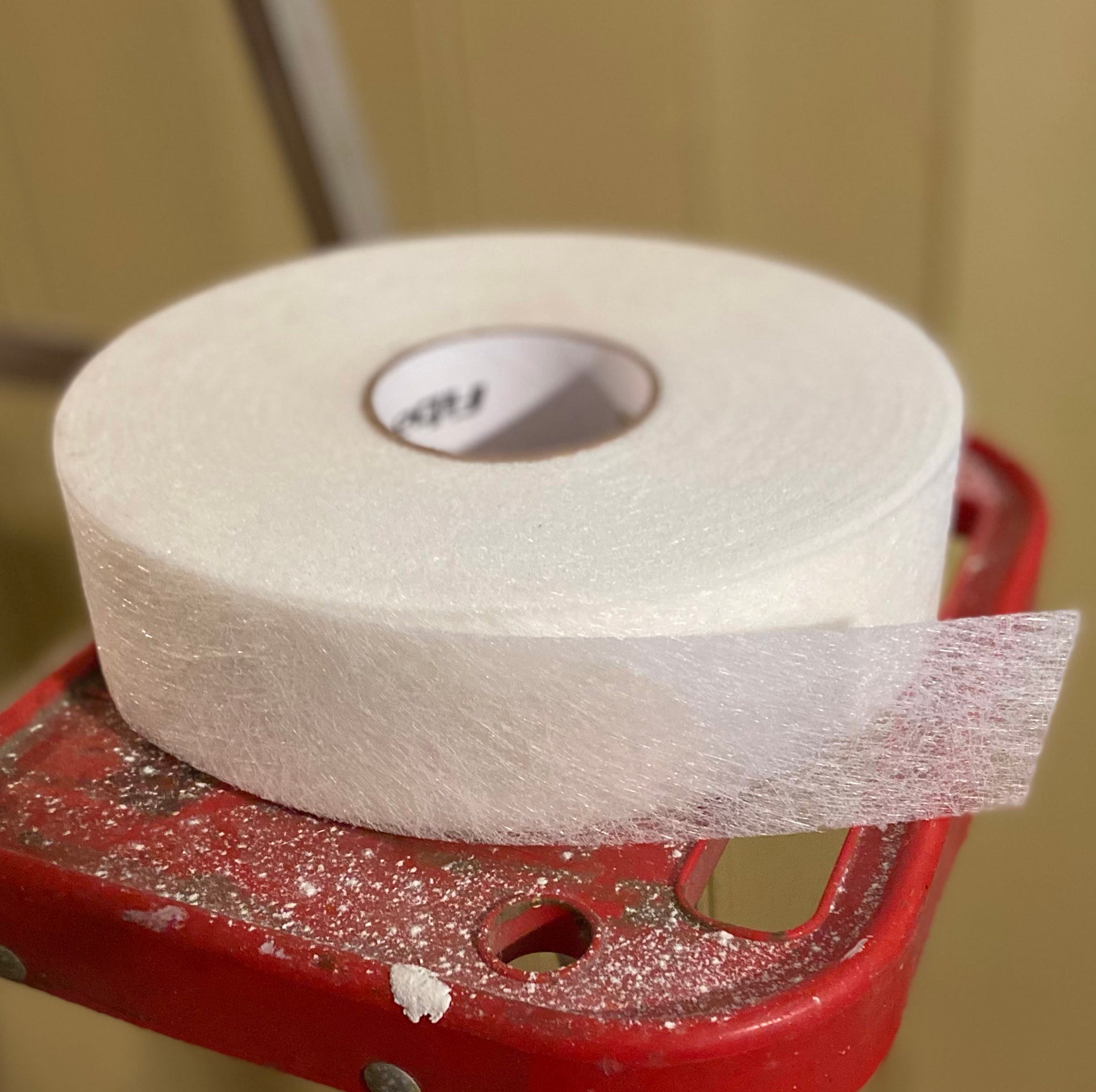
The third habit involves switching to inorganic tape for finishing joints. While paper tape with premixed joint compound is an option, the article strongly suggests using setting-type compound and mesh tape, such as FibaFuse fiberglass tape, to further eliminate organic food sources for mold. It advises caution when embedding mesh tape, recommending a thinned compound mixture, a corner knife for inside corners, and a relatively new taping knife with gentle handling to prevent accidental cuts or tears.
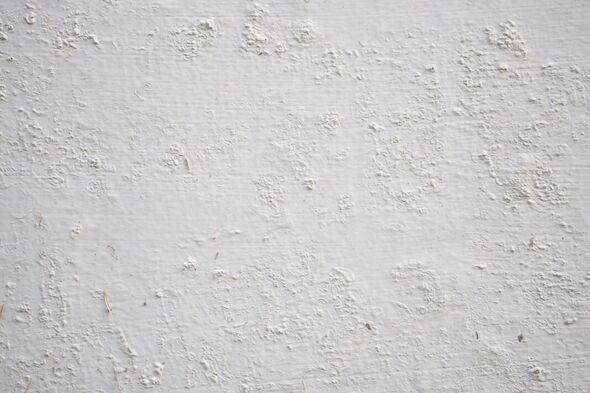
Finally, the fourth work habit addresses finishing the surface of paperless drywall. Due to its slightly rougher fiberglass texture compared to paper-faced drywall, a typical Level 4 finish (two coats of joint compound on seams) might require either light sanding of all walls to reduce the fiberglass texture or a Level 5 finish, which includes a skim coat over the entire surface. The latter is recommended for surfaces that will receive high-sheen paint or be exposed to strong raking light, as it creates a more uniform and smooth appearance. While paperless drywall requires some adjustments in handling and installation techniques, mastering these quirks ensures a successful and mold-resistant outcome.
#PaperlessDrywall #MoldPrevention #DrywallInstallation #BuildingMaterials #HomeImprovement #MoistureControl #ConstructionTechniques #InteriorFinishing #BuildingScience #PaperlessDrywall #MoldPrevention #DrywallInstallation #BuildingMaterials #HomeImprovement #MoistureControl #ConstructionTechniques #InteriorFinishing #BuildingScience
0 comment in total
 No comments yet
You may also like
How to get rid of mould
How to remove wallpaper - expert-approved steps to prevent damage and ensure a smooth finish
A Stress-Free Way to Remove Wallpaper


How to smooth walls without plastering, according to design experts

How to get rid of mould on walls – 7 home treatments tried and tested by the experts
Gross! Here Are the Best Ways to Remove Mildew for Good

How to Figure Out What Kind of Walls You Have Behind Your Wall Paneling

How to 'warm up' cold walls and 'protect' your home from condensation and mould growth
The Best Wallpaper Removers of 2025 for Updating Your Home’s Interior


Gross habit we're all doing with our towels is causing mould, according to an expert


The Versatility of Drywall in Architecture: Pros and Cons

FibaFuse Drywall Tape Solved the Issues That Can Come With Paper Tape

A Quick-Drying, Mold-Resistant Wall Assembly
The Best Way to Remove Mildew, According to Experts
How to Get Rid of the Musty Smell in Your Basement
Expert-tested mould removal tips that actually work

Best Mold- and Mildew-Resistant Paints for 2025

Mold and Mildew Cleaning and Repair
3D Printing Lightweight, Insulated Walls Using Cement-Free Mineral Foam

Cleaner’s ‘fantastic’ spray to ‘melt away’ silicone sealant mould in 30 minutes