1/5
Rubble Stone Masonry Buildings With Cement Mortar: Design Specifications in Seismic and Masonry Codes Worldwide
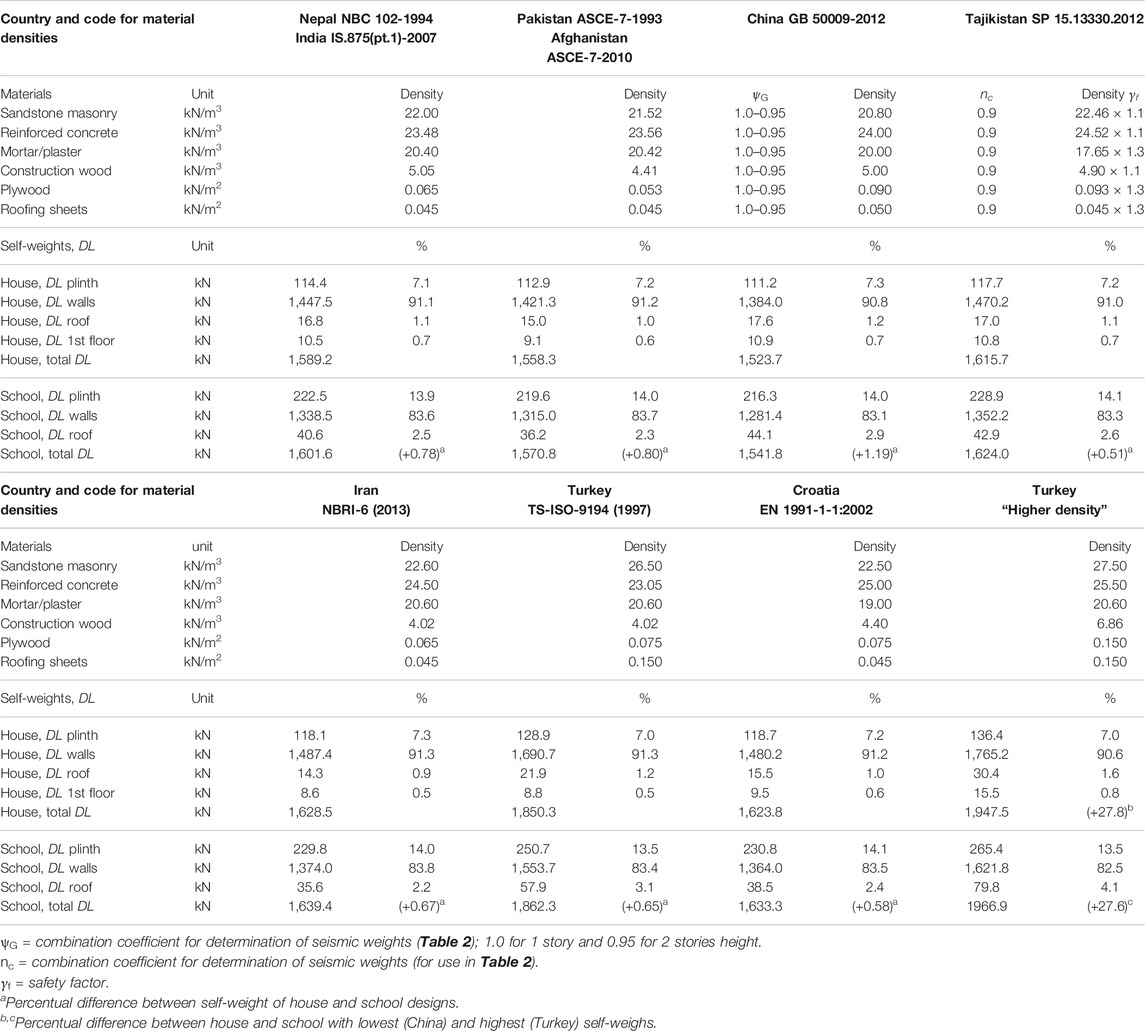
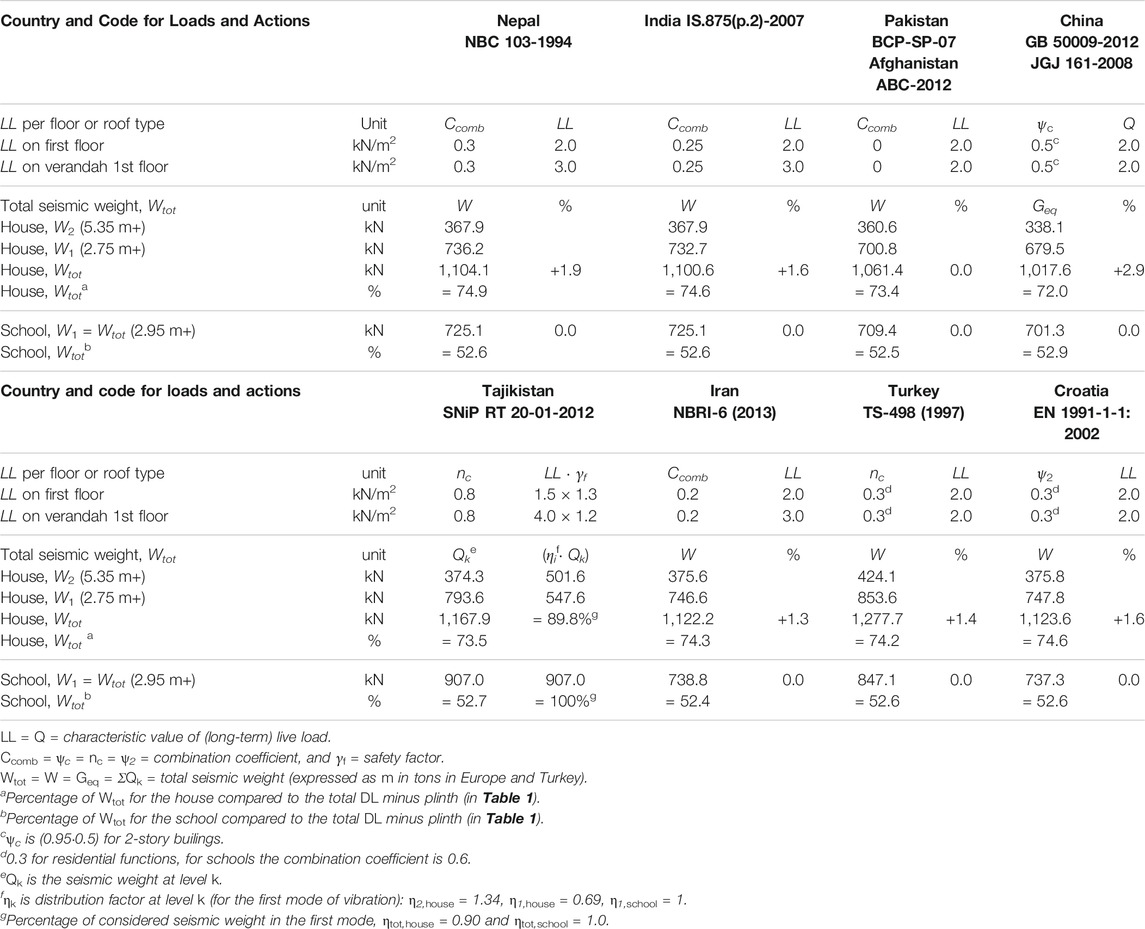
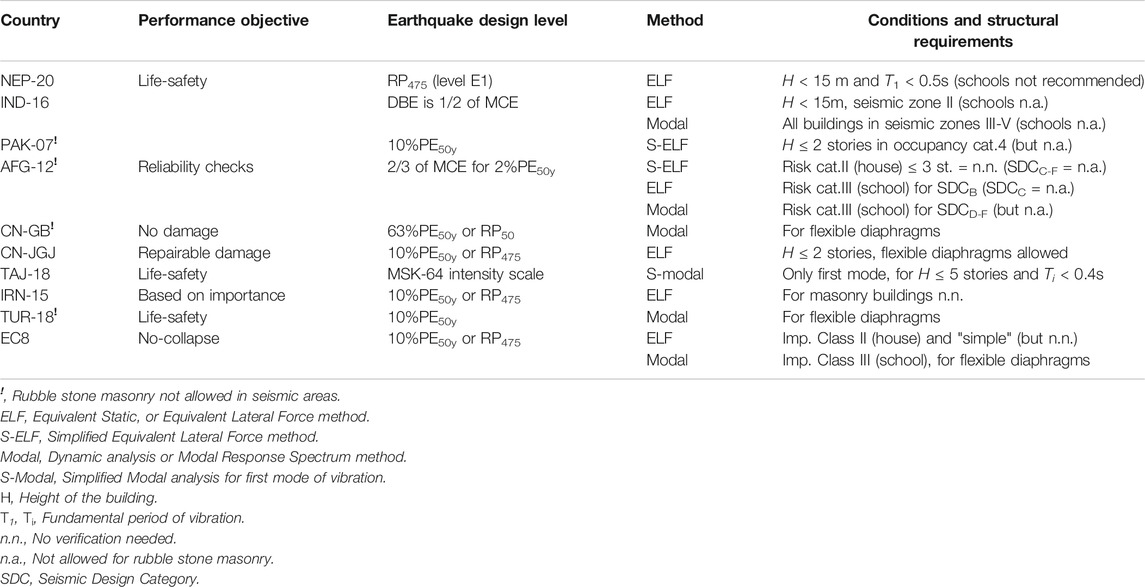
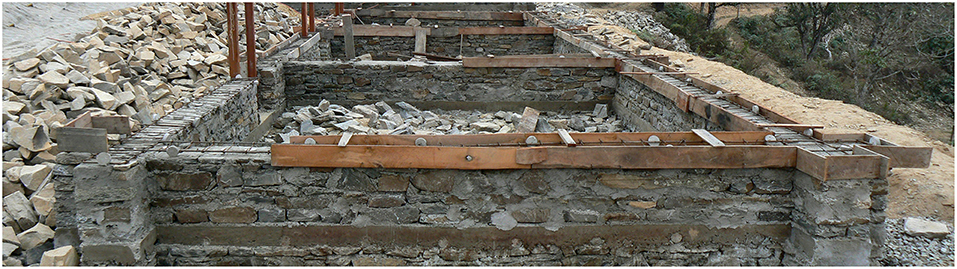
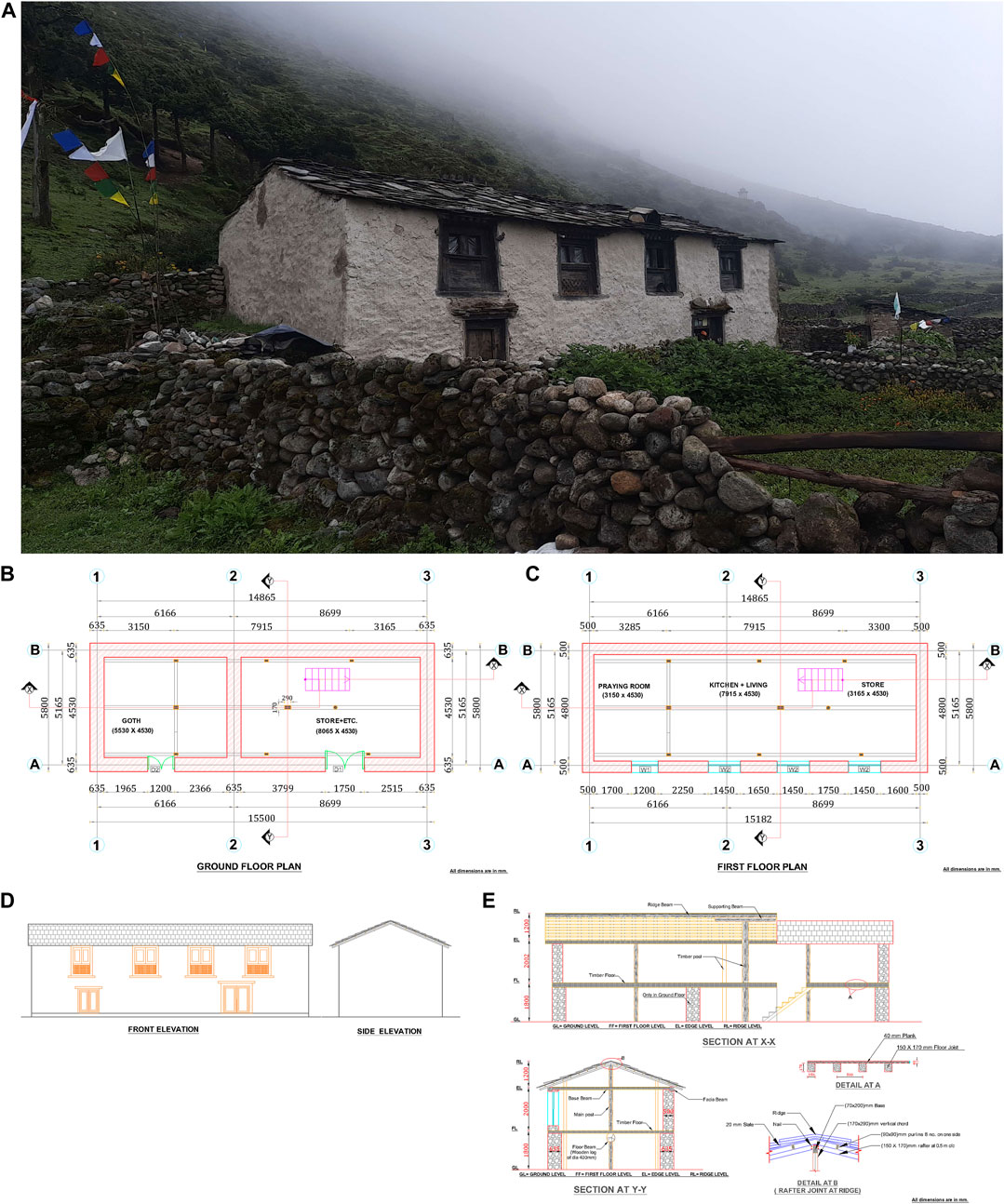
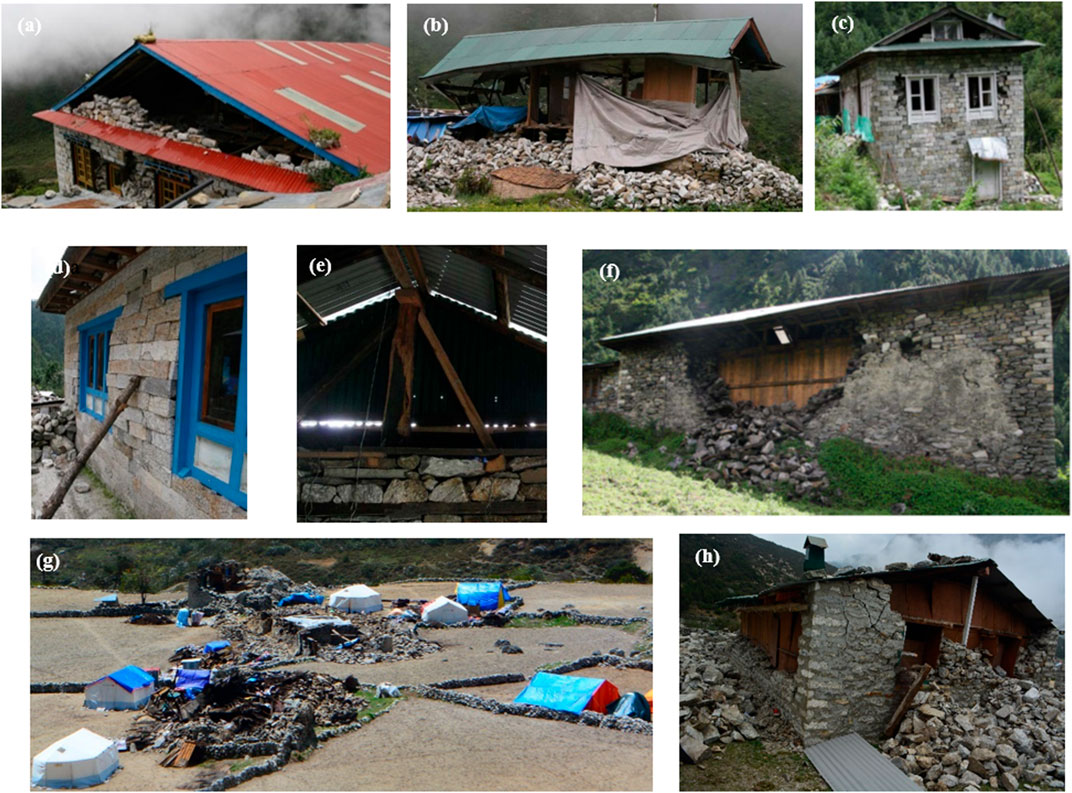
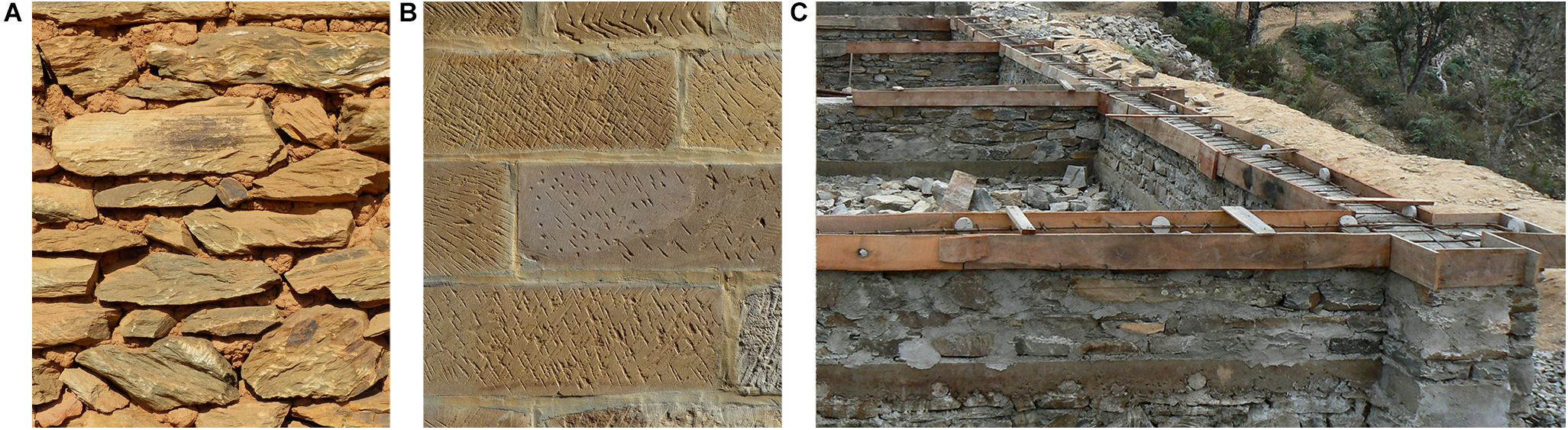
The widespread use of rubble stone masonry, particularly with cement mortar and wooden diaphragms, in seismic regions globally necessitates a comprehensive review of existing design specifications and construction requirements outlined in national seismic and masonry codes. This analysis covers nearly 325 codes from countries where this building technique is, or has been, common. The review focuses on identifying the allowances, restrictions, and specific details related to newly constructed houses and schools using "nominally reinforced rubble stone masonry (NRM) with cement mortar and wooden diaphragms in seismic areas." This particular type of construction is specifically detailed and permitted in the codes of only seven countries: Nepal, India, China, Tajikistan, Georgia, Iran, and Croatia.
Significant inconsistencies are observed among these national codes regarding design specifications. Parameters such as maximum building dimensions (length, width, and height), minimum and maximum wall and opening dimensions, and specifications for horizontal and vertical reinforcements vary considerably. For instance, maximum building lengths between seismic gaps range from 25m in Iran to 80m in Georgia, and the number of allowed stories ranges from one to five, even for similar design accelerations. Reinforcement requirements also differ widely, with some codes mandating multiple horizontal and vertical reinforcements, while others require only a few horizontal tie-beams. The discrepancy extends to maximum allowed design accelerations, which range from 0.08g in Indian zone III to 0.52g in Georgia. Such wide variations raise concerns about the completeness, correctness, and reliability of the current knowledge base in this field.
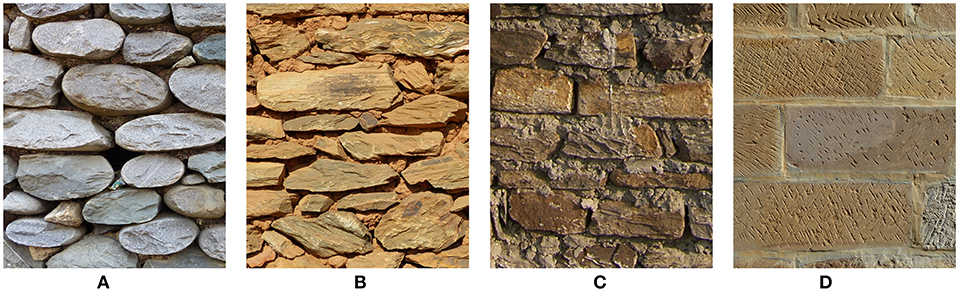
Another critical observation is the lack of clear descriptions regarding the types of stone masonry and stone properties addressed in many codes. Often, codes fail to distinguish between random rubble and cut, dimensioned stones, leading to ambiguity and potential misinterpretation. This is particularly prevalent in former Soviet countries whose codes are based on outdated clauses for dimensioned tuff stones, despite rubble stone being the prevalent local material. Furthermore, many codes use vague language, such as "should preferably be avoided," which weakens mandatory compliance. To address these issues, the introduction of "Nominally Reinforced Masonry" (NRM) as a distinct, fourth category of masonry, alongside Unreinforced Masonry (URM), Confined Masonry (CM), and Reinforced Masonry (RM), is proposed to provide clearer terminology and avoid confusion. It is also recommended that codes explicitly state whether rubble stone masonry is permitted, specifying the types of buildings and structures to which it applies.
Moreover, the study highlights that many countries where stone masonry is still a widely practiced technique, such as Afghanistan, Pakistan, Bhutan, Azerbaijan, Kyrgyzstan, Morocco, Tunisia, Turkey, Yemen, and Albania, either prohibit it in their codes or lack relevant regulations entirely. This disparity between traditional construction practices and formal building codes creates a significant challenge for local builders and communities. The paper advocates for the development of a stand-alone code specifically for NRM rubble stone buildings with cement mortar, consolidating all necessary design and execution information into a single, accessible document. Such a code would prevent the interchanging of incompatible specifications meant for other masonry types.
This comprehensive review forms the basis for future research within the "SMARTnet" initiative (Seismic Methodologies for Applied Research and Testing of Non-Engineered Techniques). This initiative aims to assess, validate, optimize, and complement existing knowledge through modern calculation, testing, and modeling methods. The goal is to develop a structured research approach, termed "Non-Engineered 2.0," focused on vernacular and traditional construction techniques to improve the seismic resilience of rubble stone masonry buildings globally. This effort is crucial for providing clear, reliable, and up-to-date information to millions of people who reside in stone houses worldwide, ultimately strengthening confidence in this traditional building method and potentially reintroducing it where it is currently prohibited.
#RubbleStoneMasonry #SeismicCodes #MasonryDesign #EarthquakeEngineering #BuildingCodesWorldwide #NominallyReinforcedMasonry #TraditionalConstruction #SustainableDesign #BuildingResilience #RubbleStoneMasonry #SeismicCodes #MasonryDesign #EarthquakeEngineering #BuildingCodesWorldwide #NominallyReinforcedMasonry #TraditionalConstruction #SustainableDesign #BuildingResilience
0 comment in total
 No comments yet
You may also like
Rubble Stone Masonry Buildings with Cement Mortar: Base Shear Seismic Demand Comparison for Selected Countries Worldwide
Enhancement of Himalayan irregular stone masonry buildings for resilient seismic design
Taking the floor
Confirming the Connection Detail for a Residential Footing

School Buildings in Rubble Stone Masonry With Cement Mortar in Seismic Areas: Literature Review of Seismic Codes, Technical Norms and Practical Manuals
Material Guide: The Benefits of Building With Concrete

The Regs: Staying compliant with construction in stone

Acme Brick, Tile and Stone – Shreveport
Cost Analysis of Mountain Schools in Nepal: Comparison of Earthquake Resistant Features in Rubble Stone Masonry vs. Concrete Block Masonry
Timber-concrete composite floor systems for tall buildings
Acme Brick, Tile and Stone – Abilene
Bore Through Tough Concrete and Brick With These Masonry Drill Bits
Coupling URM walls with RC walls ‒ EESD

Acme Brick, Tile and Stone – Northwest Arkansas

Acme Brick, Tile and Stone – Tulsa
Right the First Time: Manufactured Stone Veneer Installation

Masonry reinvented: One brick at a time
Acme Brick, Tile and Stone – El Paso
Seismic Retrofitting Concrete - Q and A with Kyle Tourje of Alpha Structural Inc.
Designing brick veneer for loadbearing exterior walls