1/6
Material Guide: The Benefits of Building With Concrete
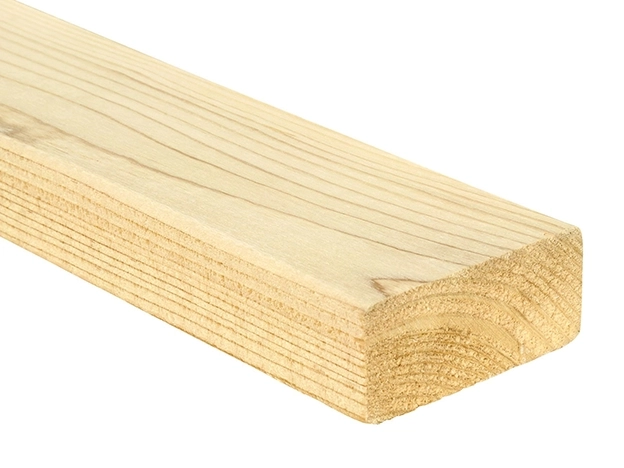
The article explores the increasing relevance and numerous advantages of using concrete as a primary construction material, especially in light of recent natural disasters such as earthquakes, hurricanes, and fires. While wood, despite its affordability and ease of use, presents several drawbacks including fragility in high winds, susceptibility to moisture and termites, and inherent flammability, concrete offers a robust and durable alternative. Wood trusses, for example, can lose a significant portion of their thickness within minutes of a fire, highlighting the need for more resilient building options.
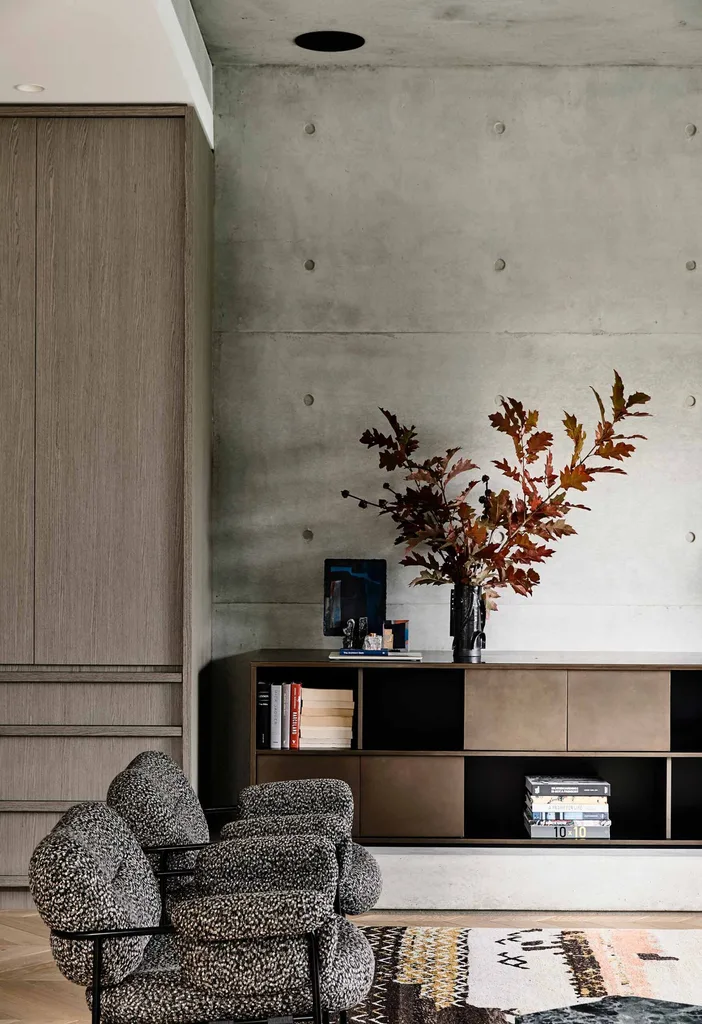
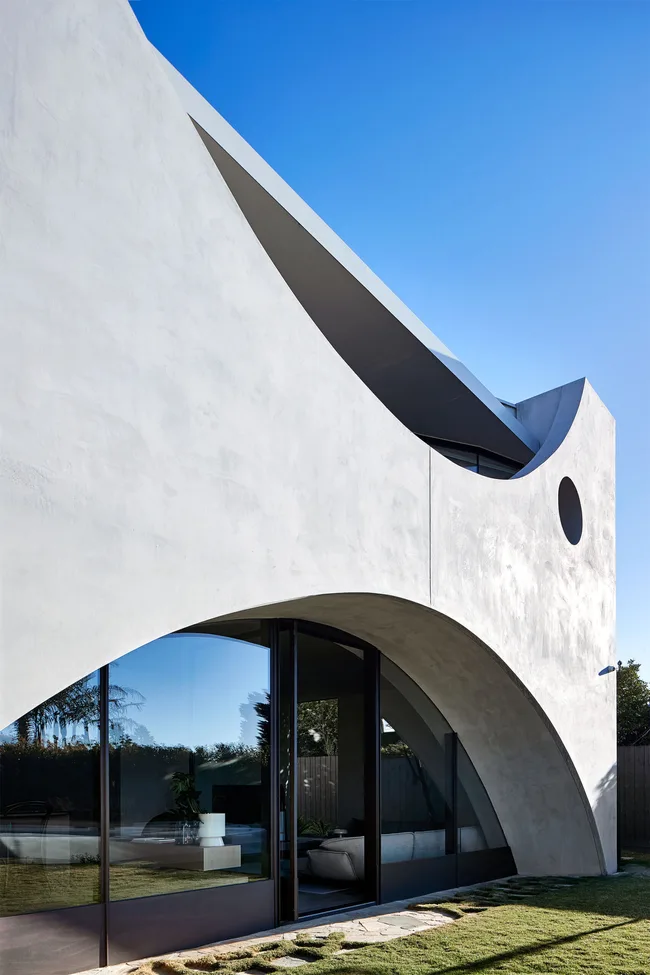
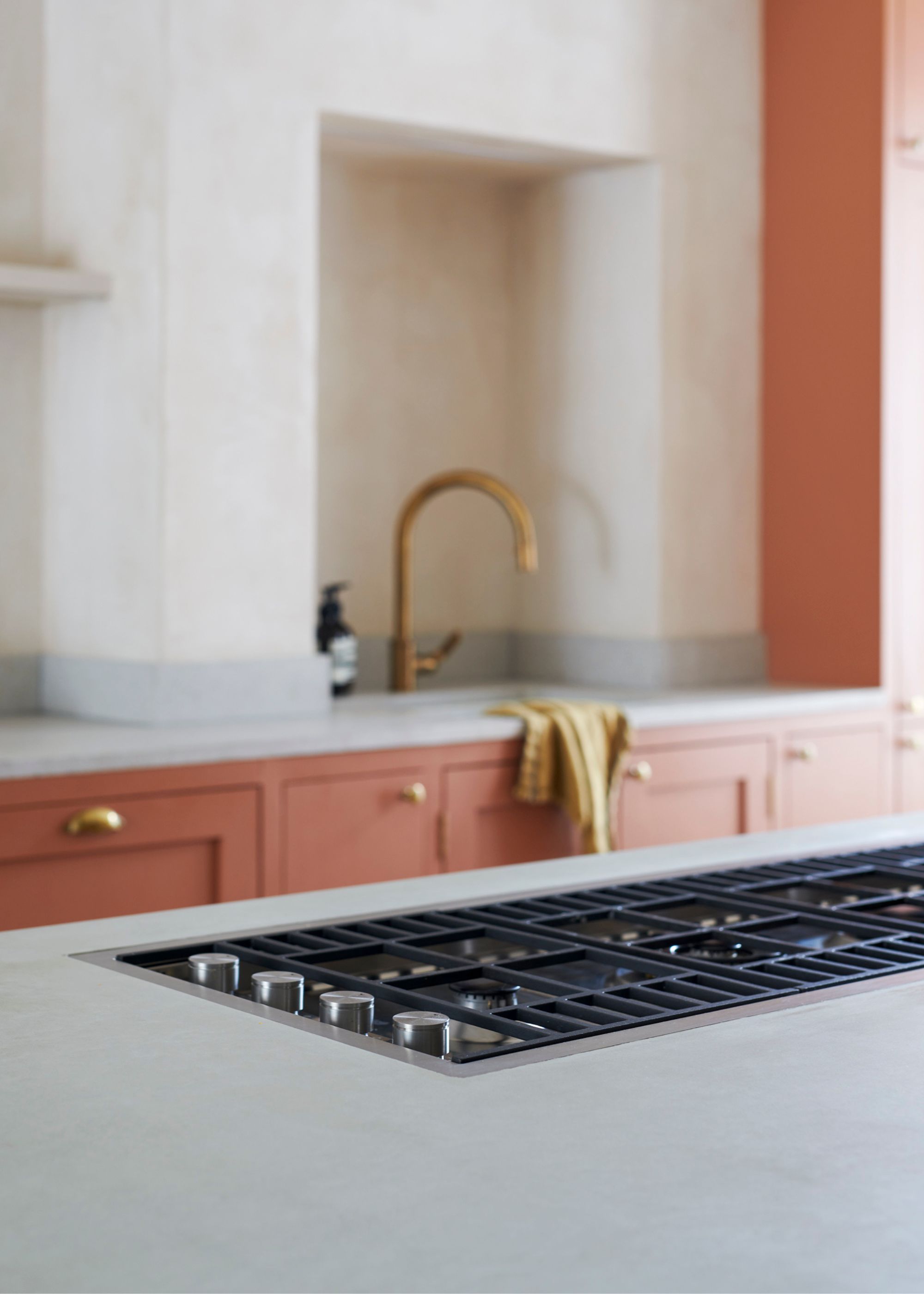
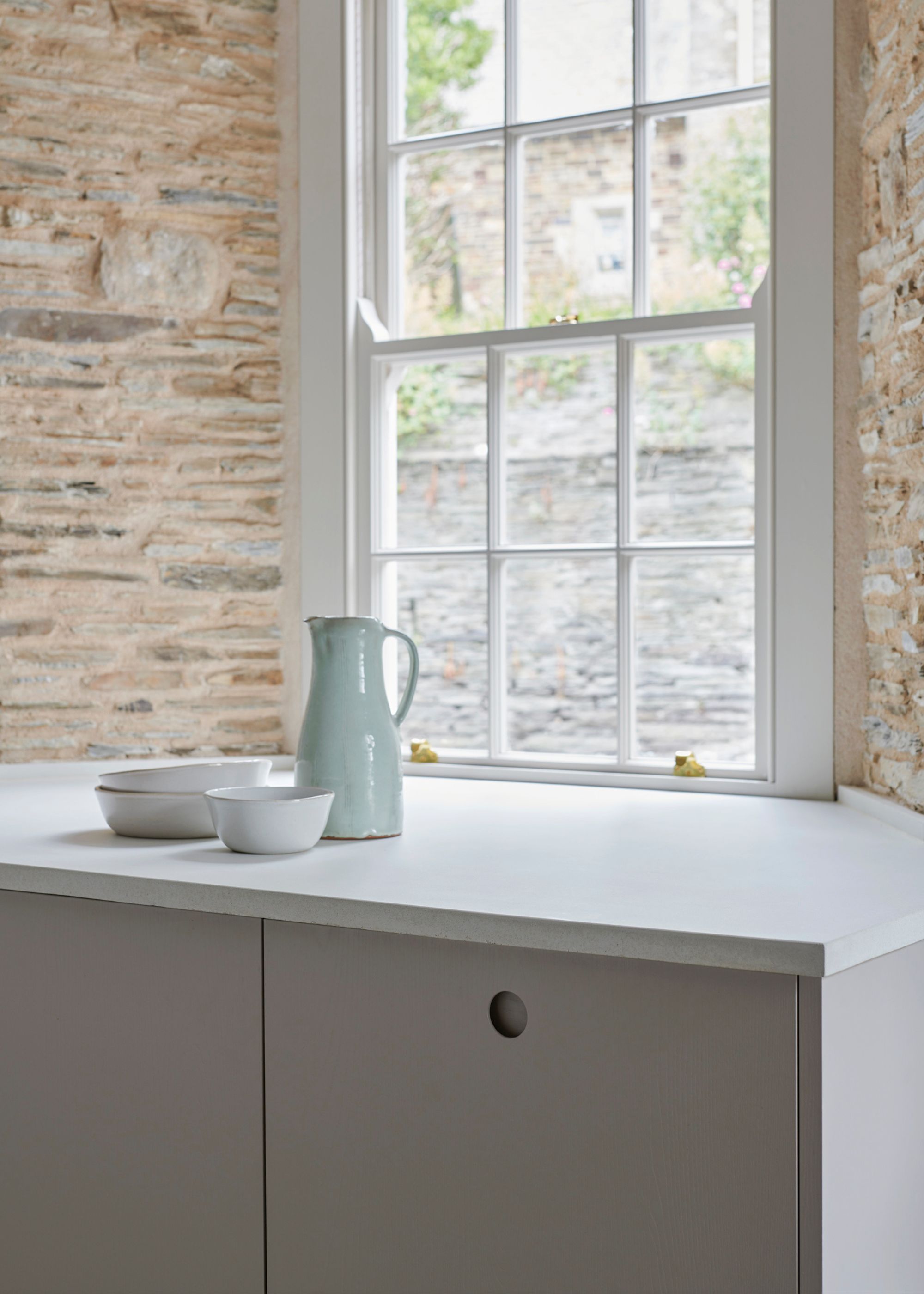
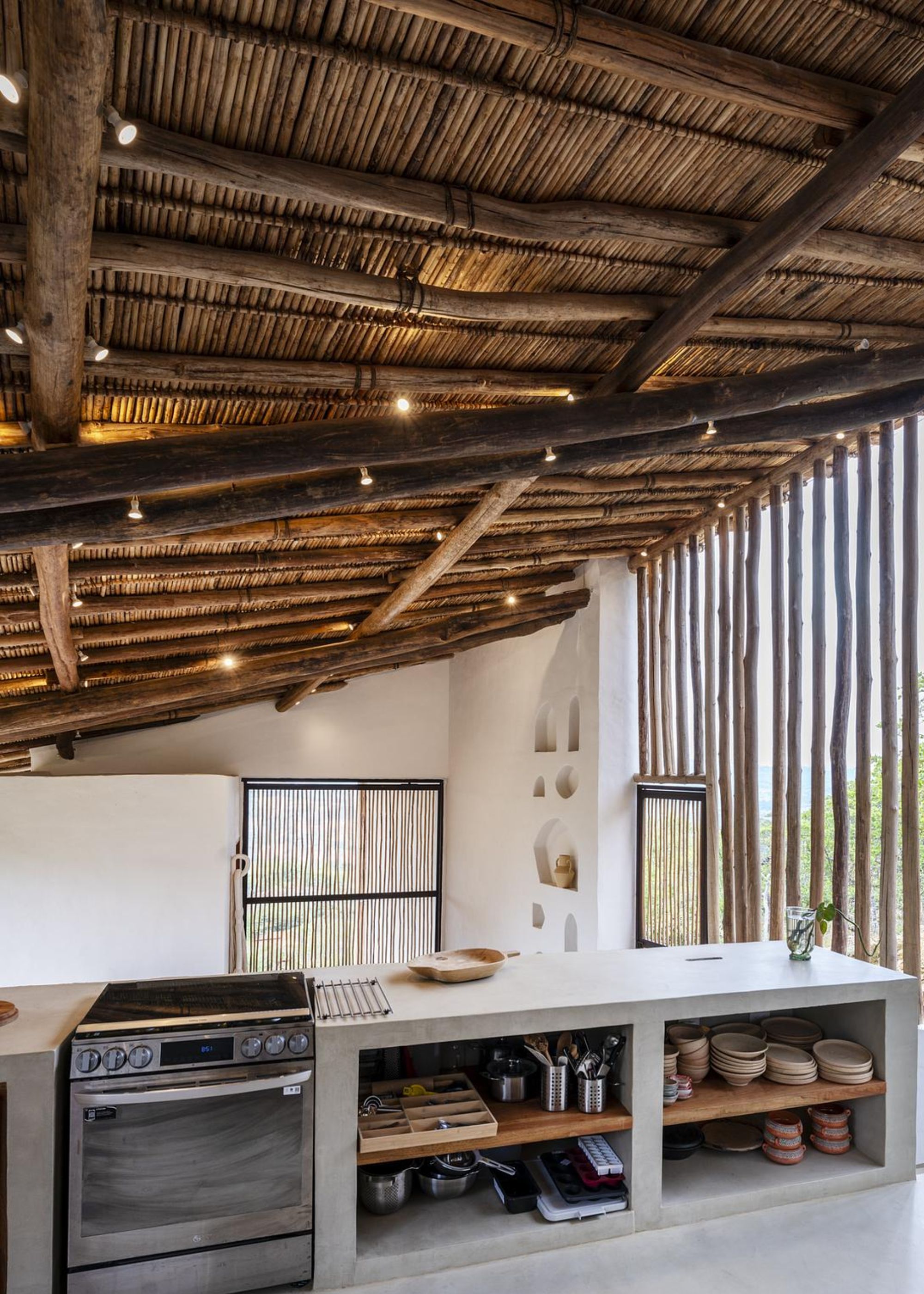
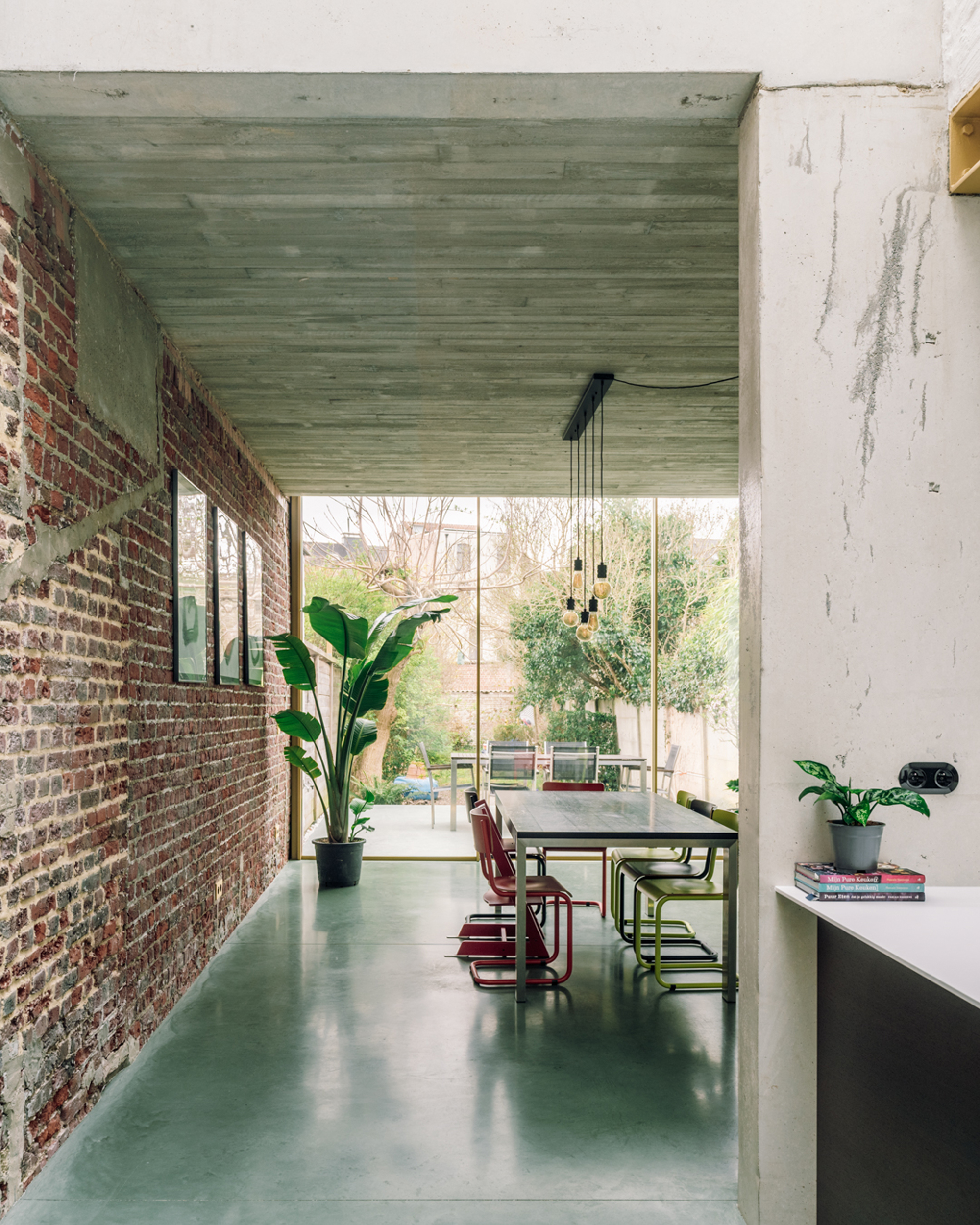
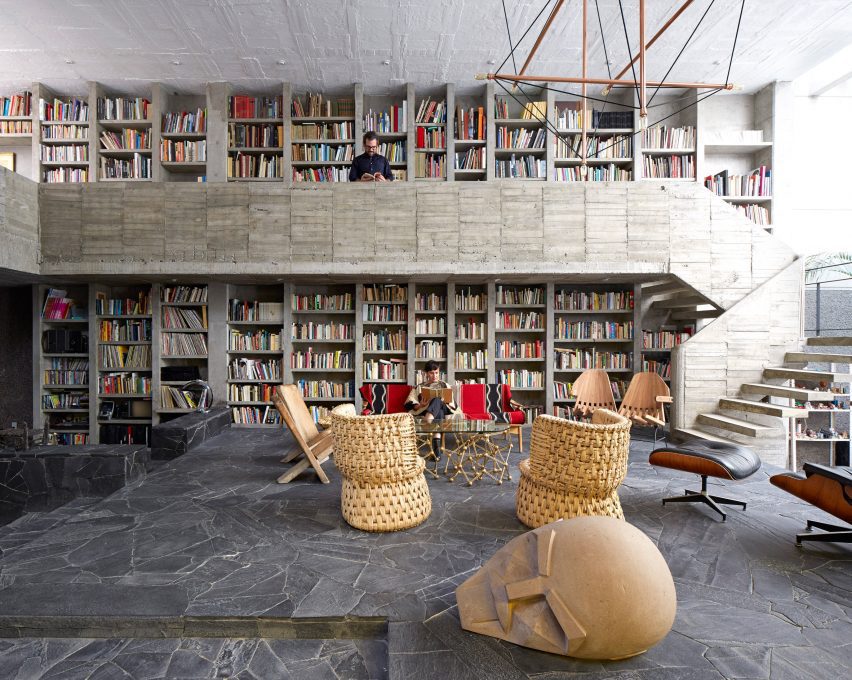
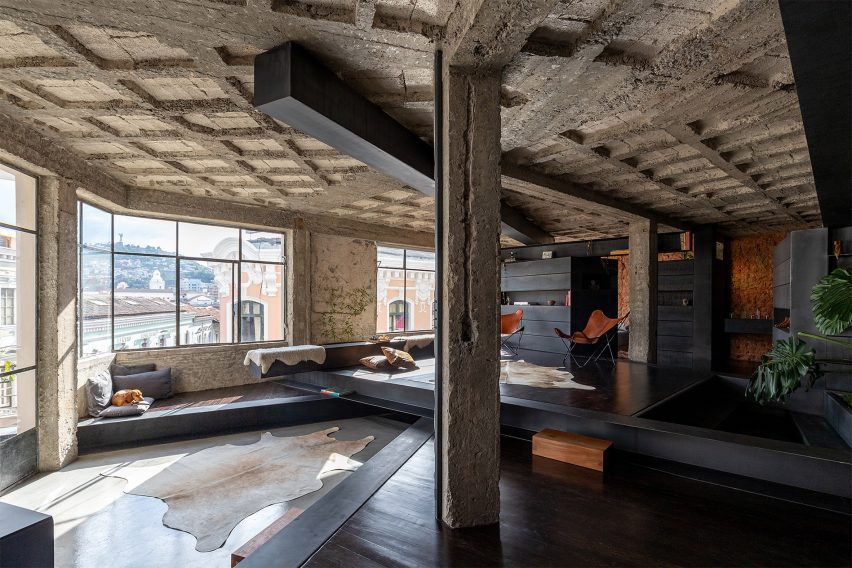
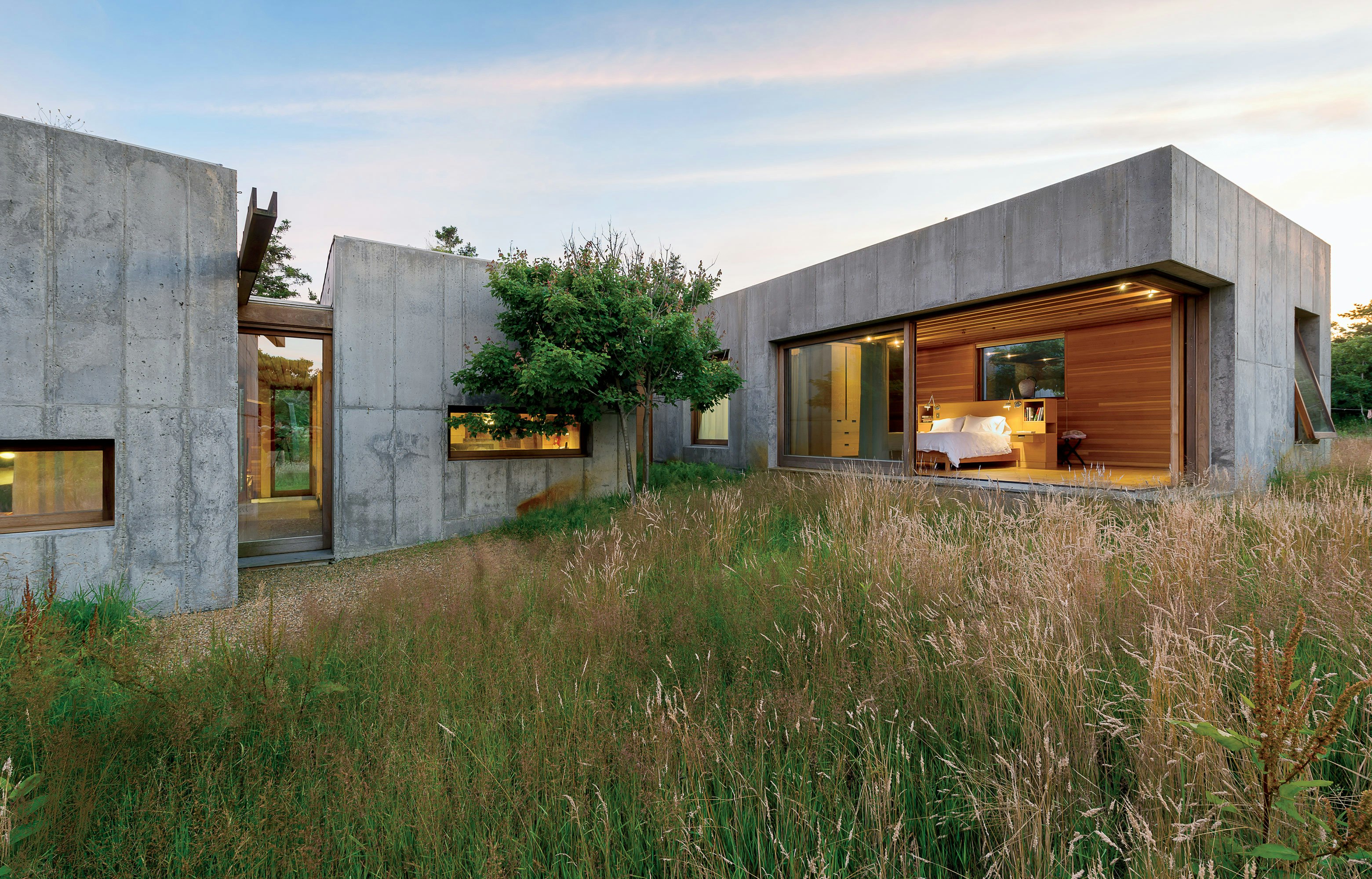
Concrete, though an ancient material, is experiencing a resurgence due to its multifaceted benefits. Beyond its strength and longevity, concrete is lauded for its aesthetic appeal, providing a strong sense of security and requiring minimal maintenance for both interior and exterior applications. Dr. Jeremy Gregory, Executive Director of the Concrete Sustainability Hub, emphasizes concrete's ability to combine energy efficiency, strength, durability, resilience, and safety within a single material.
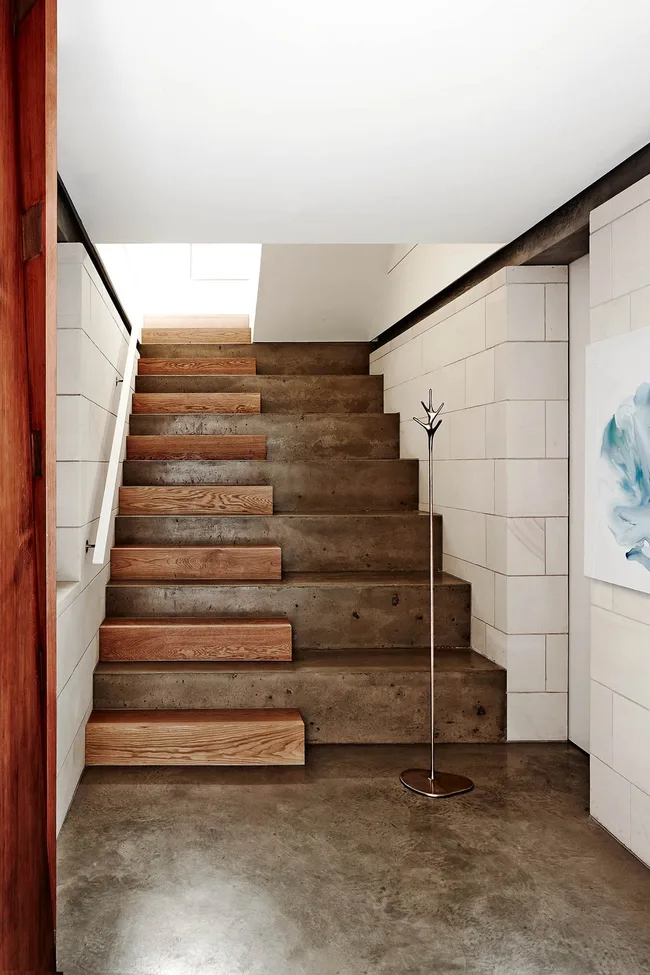
One of concrete's key advantages is its contribution to energy efficiency through thermal mass. Concrete walls and floors can absorb heat during the day and release it slowly at night, effectively moderating indoor temperatures. This passive heat transfer reduces the reliance on mechanical heating and cooling systems. The National Ready Mixed Concrete Association (NRMCA) reports that the thermal mass properties of concrete can lead to annual energy cost savings of five to eight percent compared to softwood lumber constructions.
While the initial investment for concrete construction might be higher than for wood, its life cycle costs are significantly lower. Concrete's chemical composition allows it to gain strength over time, enabling buildings to stand for centuries with very little maintenance. This long-term durability makes concrete an economically sound choice despite the higher upfront expense.
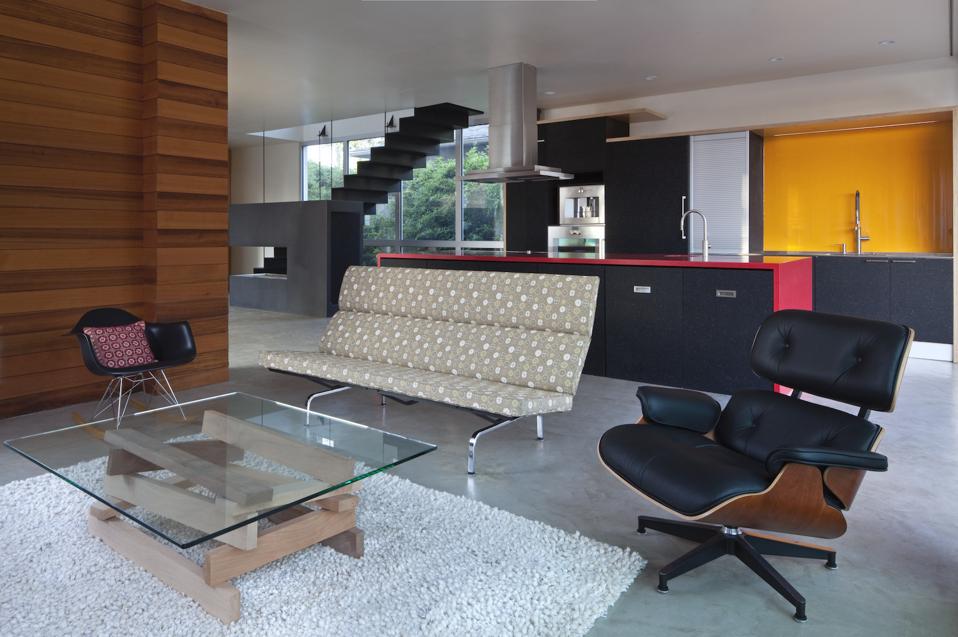
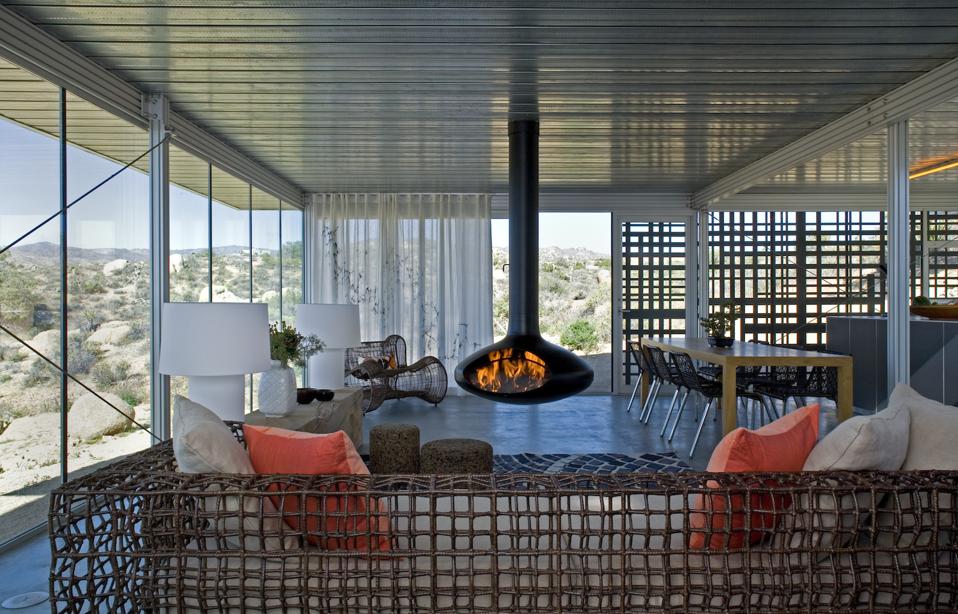
As more homeowners face the devastating impacts of natural calamities, the demand for stronger, more resilient building techniques is growing. Constructing a home with concrete not only provides enhanced protection against fires, floods, and severe winds but also signifies a commitment to creating structures that can endure for generations. The material also offers a modern aesthetic and acts as a neutral backdrop for landscaping, further enhancing its appeal in contemporary home design.
#buildingMaterials #concreteConstruction #homeDurability #energyEfficiency #sustainableBuilding #naturalDisasterResilience #materialGuide #architecture #modernDesign #buildingMaterials #concreteConstruction #homeDurability #energyEfficiency #sustainableBuilding #naturalDisasterResilience #materialGuide #architecture #modernDesign
0 comment in total
 No comments yet
You may also like
Concrete design ideas: how to make them work in any home

How to Apply Multi-Color Dyes to Polished Concrete

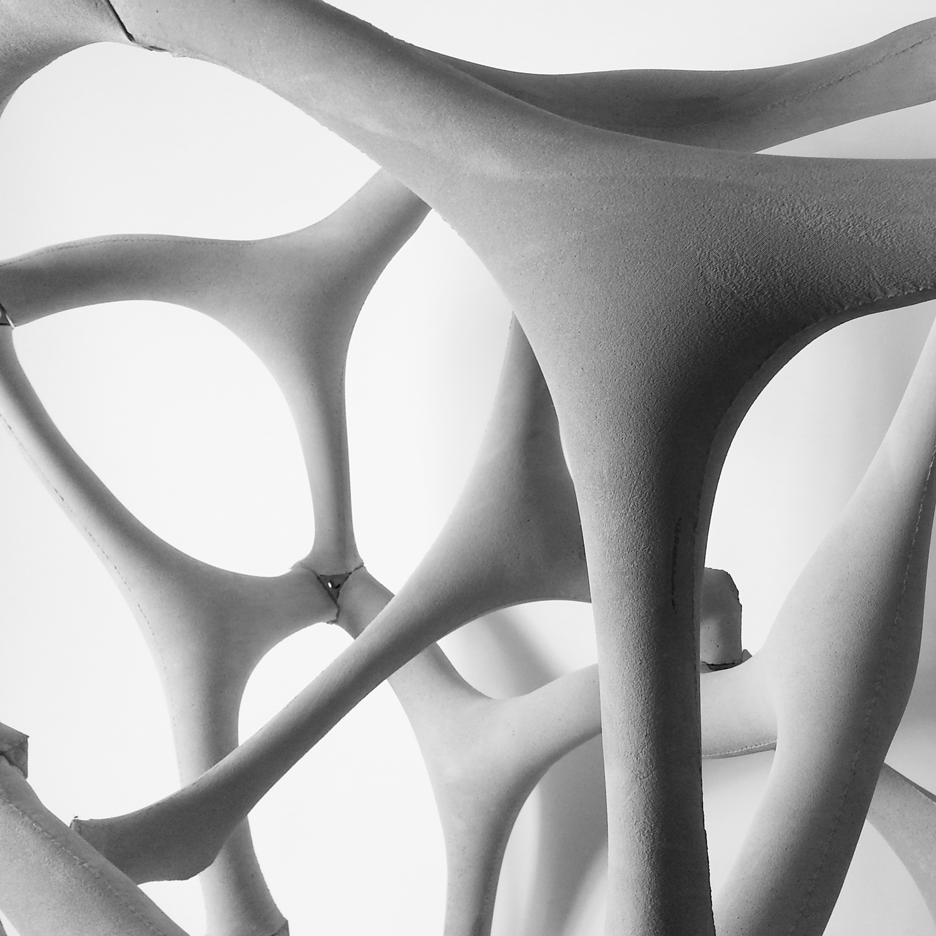
Six examples of fabric-cast concrete that are breaking the mould
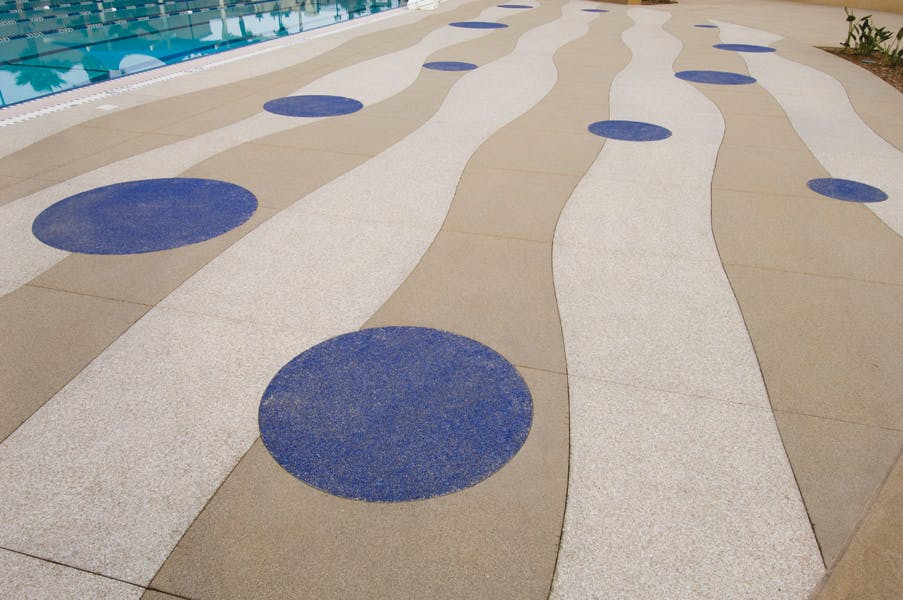
Successful Staining
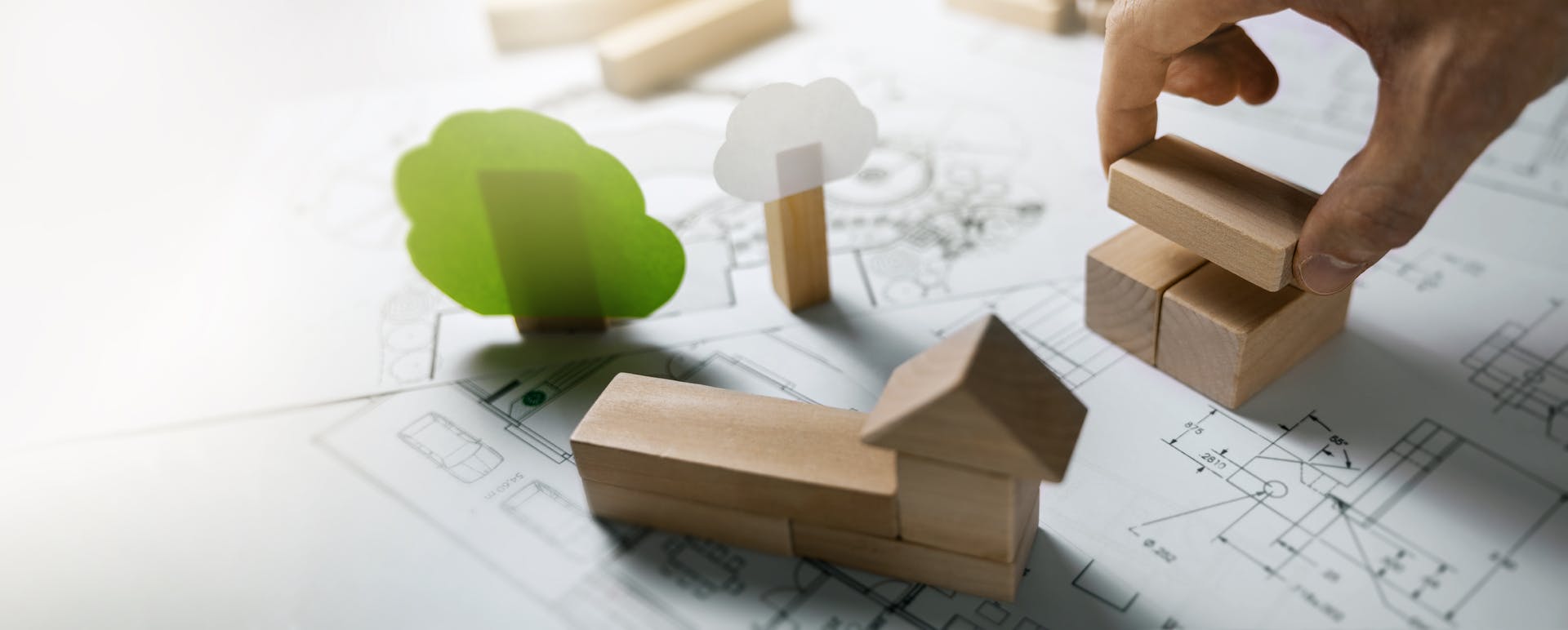
Sustainable Concrete Panel Construction | Spotlight on Nexii and Vero Building Systems
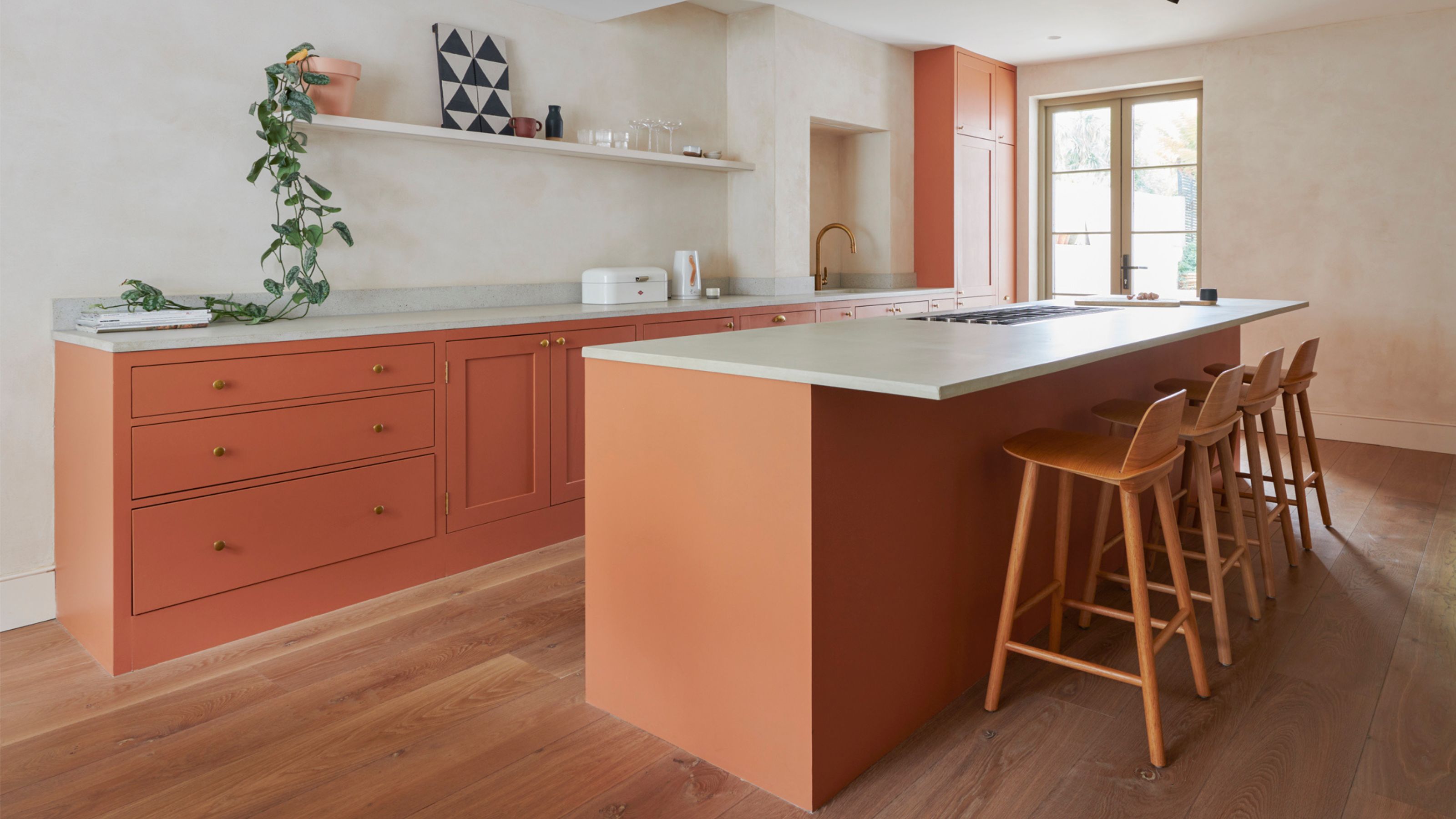
This Underutilized Countertop Looks Great, but "It's Not the Material for Everyone" — The Pros and Cons of Concrete, Explained by a Specialist


Sustainable Construction in Concrete - A Greener Future
Acme Brick, Tile and Stone – Tulsa
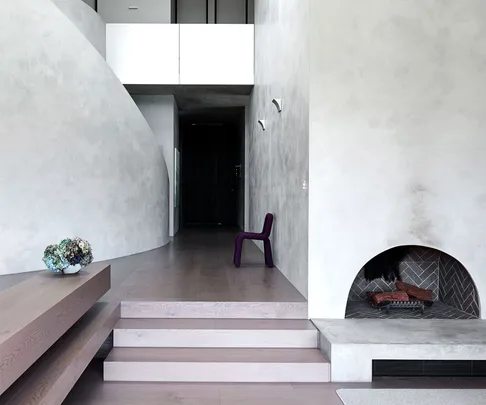
11 homes that embrace concrete
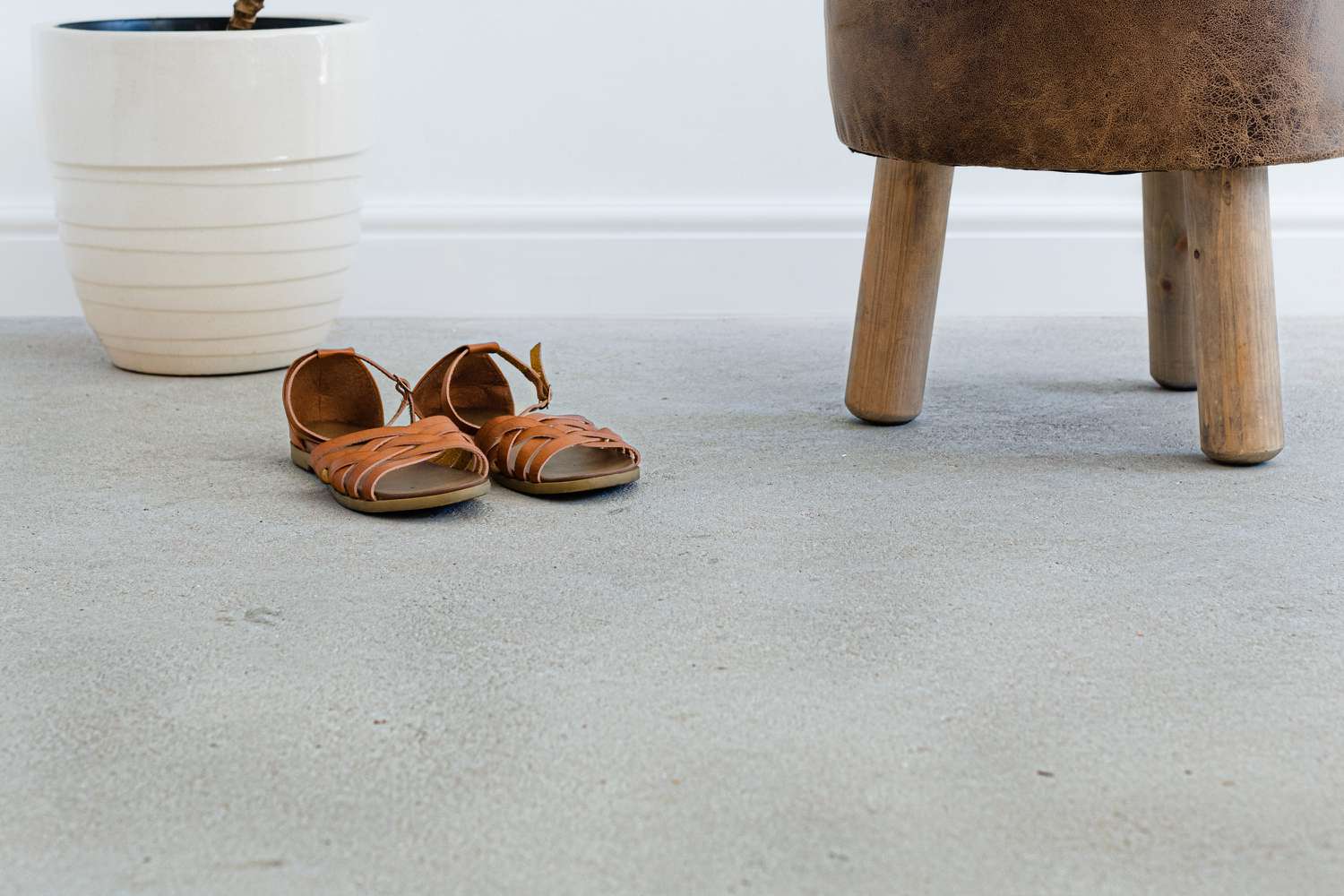
An In-Depth Look at the Pros and Cons of Concrete Flooring

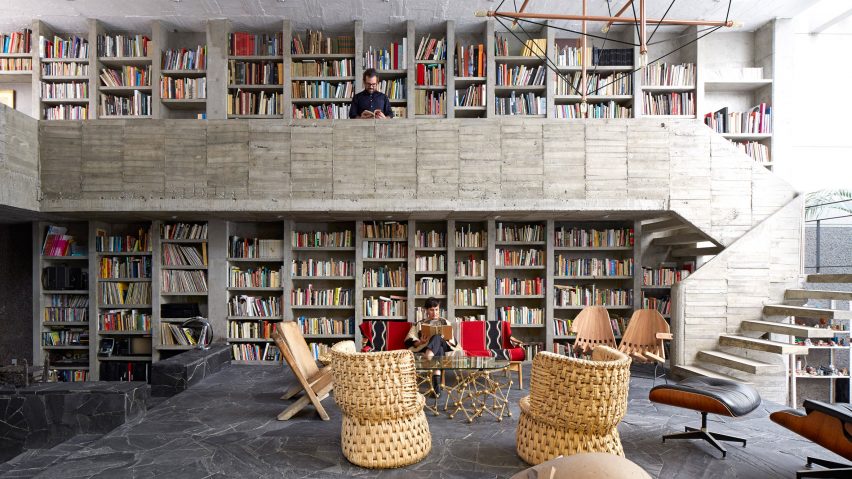
Ten living rooms that use concrete to create textural interest


Building Materials - Building Supplies

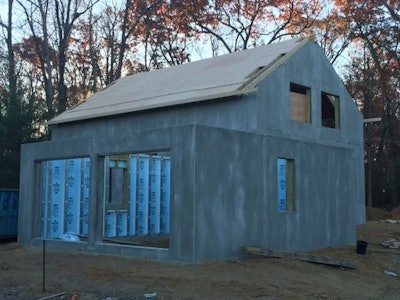
Concrete Benefits of Building a Concrete Home
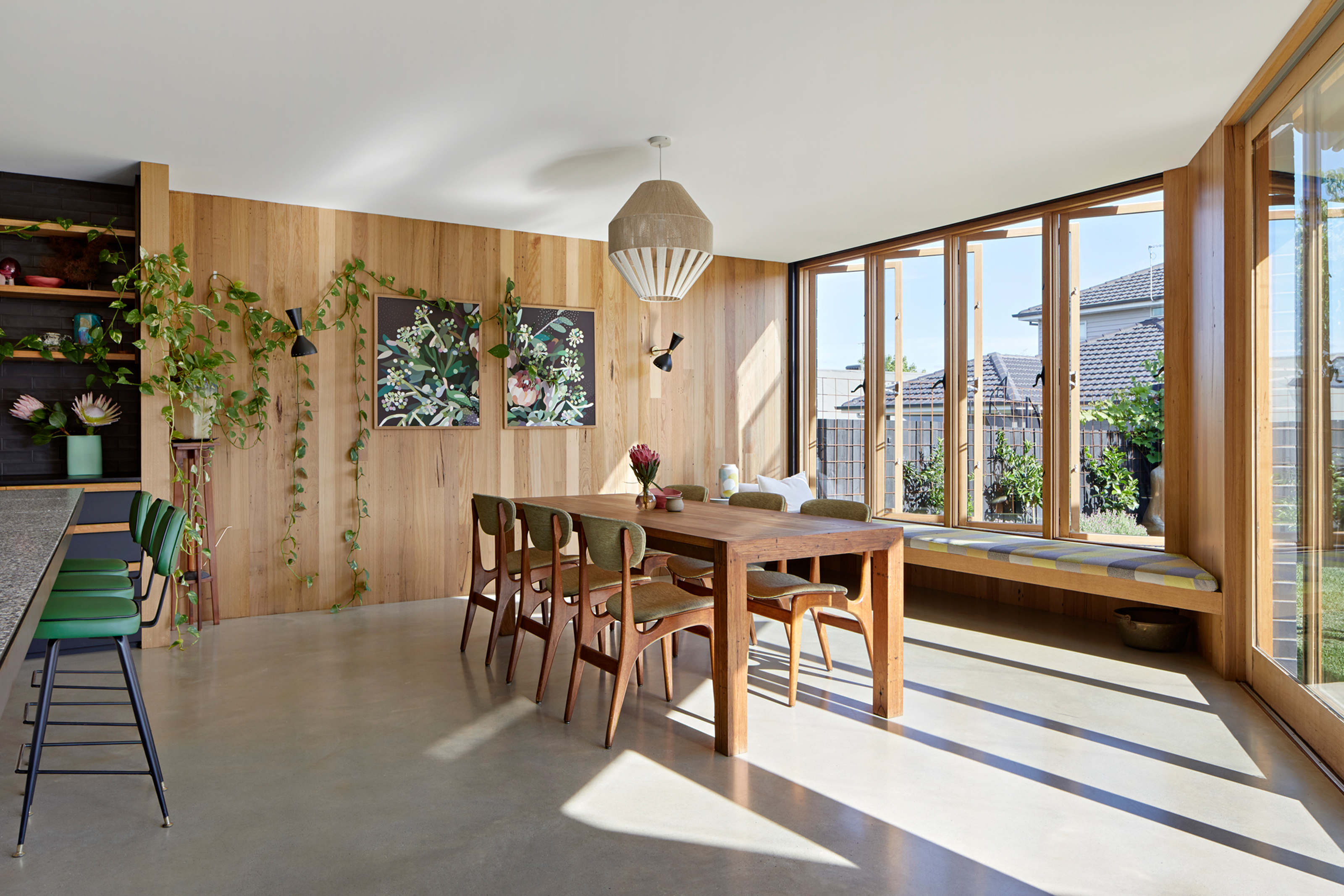
8 concrete flooring ideas that will convince you this style can be surprisingly luxurious
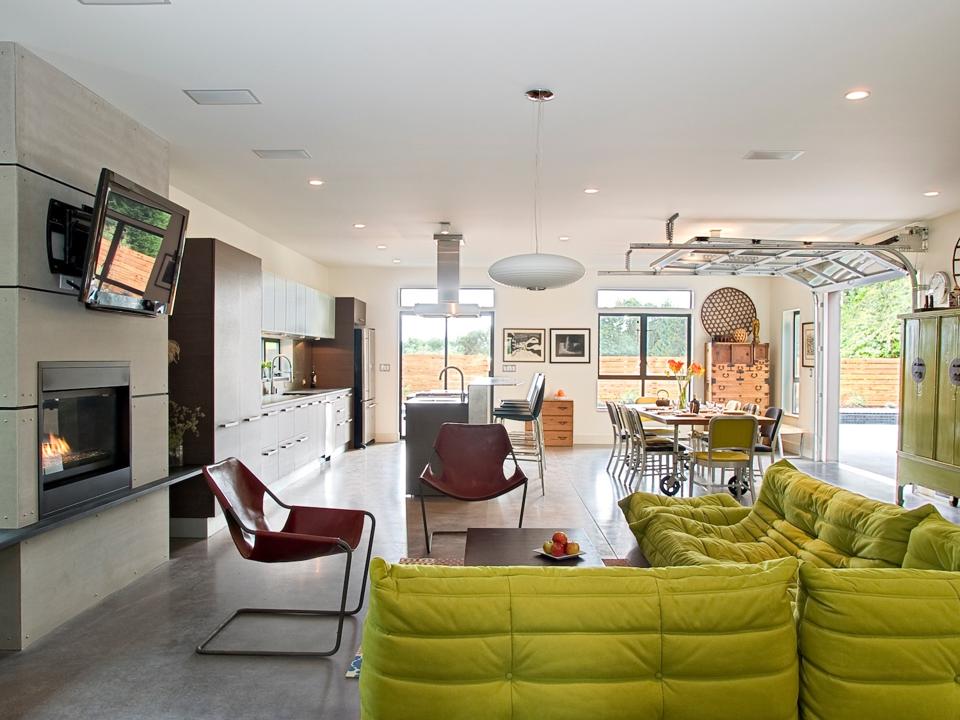
Concrete Floors: The Hot And Cold Of Them

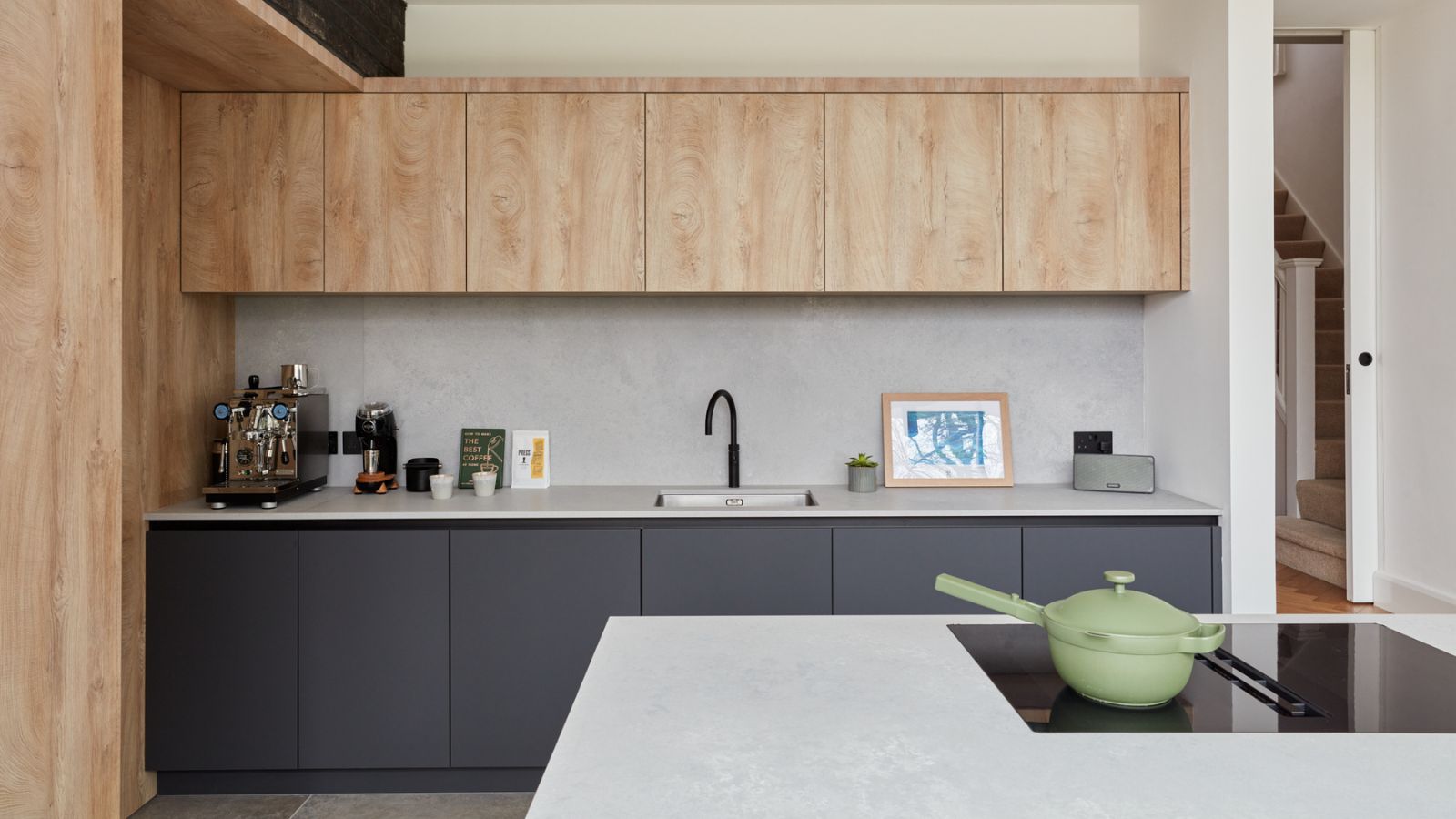
Are concrete kitchen countertops a good idea?

7 Concrete Alternatives

Everything You Need to Know About Concrete Worktops
Concrete kitchen floor ideas – 17 ways to introduce this popular style

How Formwork Works