How Formwork Works
Formwork is a crucial temporary structure in construction, acting as a mold for shaping concrete into various structural elements like walls, columns, slabs, and staircases. Concrete, being wet and unable to support its own weight initially, relies on formwork to hold its shape until it dries and gains sufficient strength. This concept is likened to using a baking pan for a cake. While modern construction heavily utilizes formwork, its origins trace back to ancient Roman architecture, notably the Pantheon, built around 125 AD. However, widespread adoption of concrete and formwork only became prevalent with the invention of Portland cement and reinforced concrete in the 19th century.
Today, formwork is integral to constructing diverse structures, from office buildings and single-family homes to driveways and sports stadiums. Despite its pervasive use, formwork is designed to be temporary, serving its purpose during construction and then being removed or discarded. It represents a vital yet transient aspect of the building process, with significant implications for safety and structural integrity if not managed correctly.
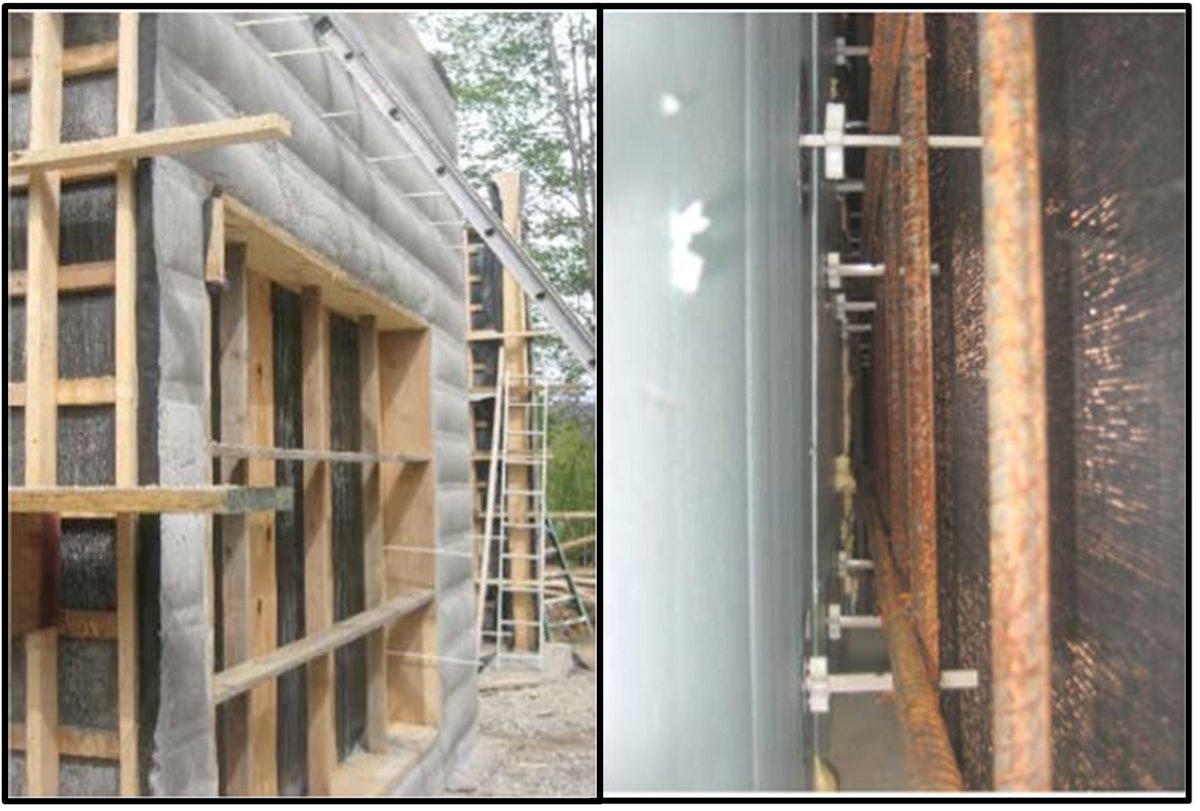
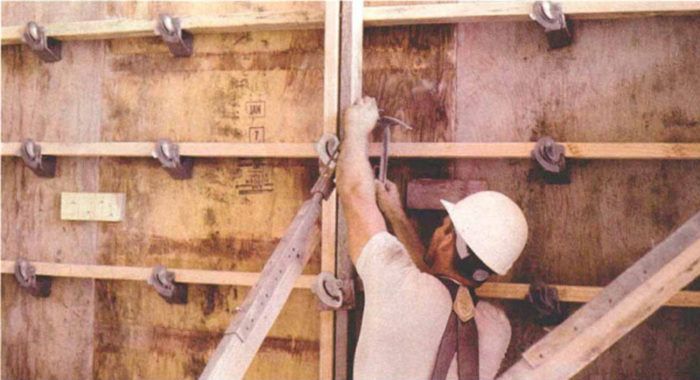
Formwork can be constructed from various materials, including timber, plywood, steel, plastic, and fiberglass, and its assembly methods differ. Some forms arrive as panels requiring on-site assembly with hardware like ties and braces, while others are prefabricated in factories and hoisted into position. The choice of formwork system often results from collaboration between the project's architect-engineer and the concrete contractor, considering factors like specific design details and cost-effectiveness. A critical consideration for all formwork is the 'rate of pour' and 'lateral pressure.' Wet concrete is exceptionally heavy, exerting substantial lateral pressure against the formwork. Pouring concrete too quickly or using inadequately strong connecting devices can lead to catastrophic bursts and structural failures. A guideline suggests a pouring rate of 4 to 5 feet (1.2 to 1.5 meters) per hour, allowing the lower layers of concrete to set before additional material is added. Ambient temperature also influences the concrete setting time, impacting the pour rate.
Economically, formwork accounts for a significant portion, roughly 40 to 60 percent, of a project's concrete budget. The majority of this cost is attributed to the labor involved in assembling and dismantling the forms, rather than the material costs themselves. Once erected, the interior surfaces of the molds are treated with a release agent—a wax, oil, or plastic compound—to prevent the concrete from sticking and to ensure a smooth, unblemished surface. After the concrete is poured, industrial vibrating devices are often used to consolidate the mixture, eliminate air pockets, and enhance its strength. Following the drying period, forms are 'stripped' (disassembled and removed) and can often be reused multiple times, highlighting the importance of durable design.
Balancing quality, cost, and safety is paramount in formwork. Quality demands that forms precisely meet architectural specifications and produce defect-free concrete structures. Cost efficiency involves timely completion to avoid construction delays and additional labor expenses. However, safety is the overriding concern. Formwork failures are a leading cause of construction accidents, accounting for over half of all concrete structure collapses, which themselves represent about 25 percent of all construction failures. Instances of formwork collapse have resulted in numerous injuries and fatalities, often due to premature removal of supports, overloading, inadequate bracing, or insufficient concrete strength before stripping. Organizations like the Occupational Safety and Health Administration provide guidelines to mitigate these risks, emphasizing proper design, supervised erection, and careful pouring procedures. Consultation with the form designer is crucial if alterations are needed. While temporary, the impact of formwork on structural integrity and worker safety is permanent.
#Formwork #ConcreteConstruction #ConstructionSafety #BuildingMaterials #StructuralEngineering #TemporaryStructures #ConstructionManagement #ConcretePouring #ConstructionTechniques #Formwork #ConcreteConstruction #ConstructionSafety #BuildingMaterials #StructuralEngineering #TemporaryStructures #ConstructionManagement #ConcretePouring #ConstructionTechniques
 No comments yet
The pros and cons of permanent formwork systems for single dwelling wall construction
Is There a Future for Fabric-Formed Concrete Structures?

Designing Forms for Tall Concrete Walls