
Sustainable Construction in Concrete - A Greener Future
The article discusses the growing trend of sustainable construction, particularly within the concrete industry. It highlights observations from the Greenbuild International Conference and Expo, emphasizing the widespread adoption of eco-friendly products and services across various construction phases. The author notes that sustainability is not limited to specific building materials but encompasses a broader spectrum, from project planning and execution to interior furnishing and long-term building management, including water and recycling systems.
The content mentions several examples of sustainable products and practices beyond the concrete sector, such as office chairs made with significant recycled content and designed for high recyclability at the end of their lifecycle. It also references paper companies offering new dispenser models to reduce waste and a ceiling recycling program that diverts construction waste from landfills, thereby saving costs and reducing environmental impact for contractors. These examples underscore the diverse ways sustainability is being integrated into the construction supply chain.
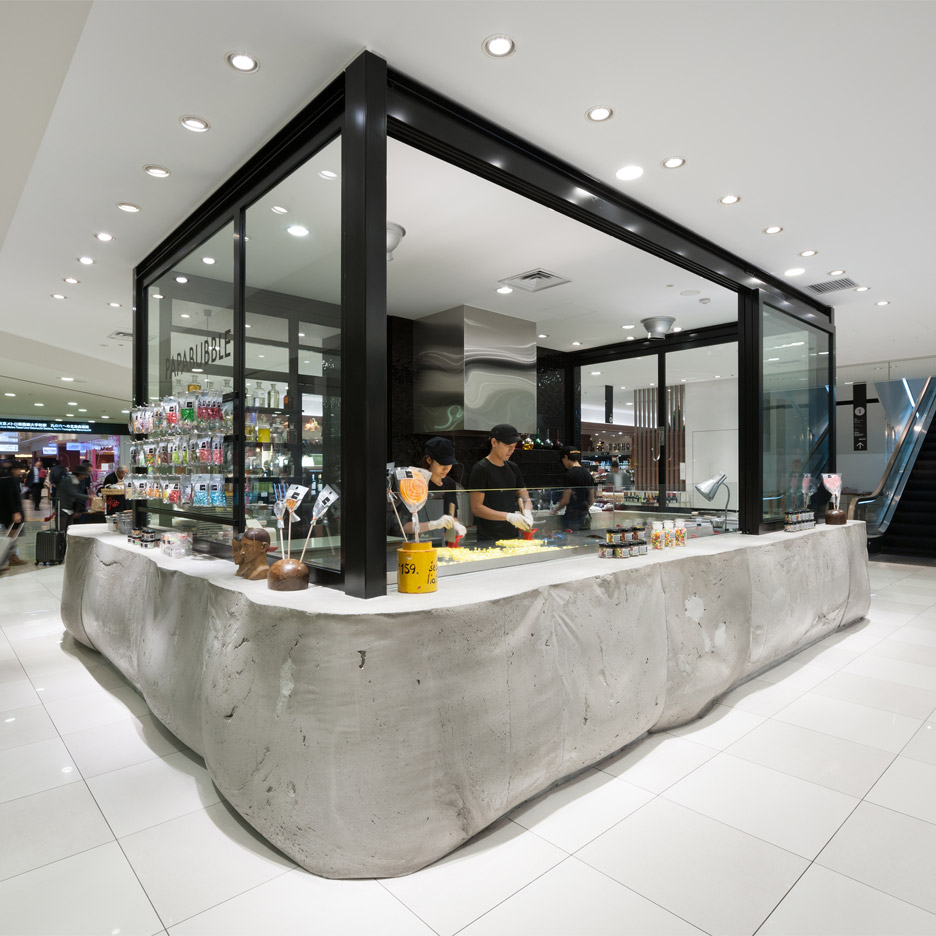
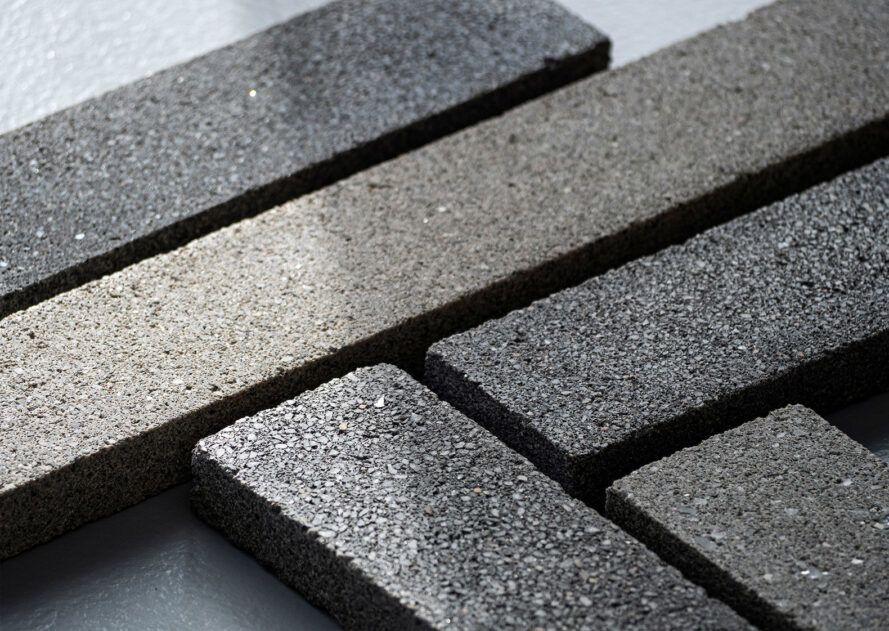
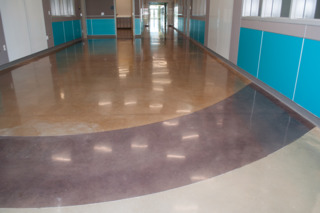
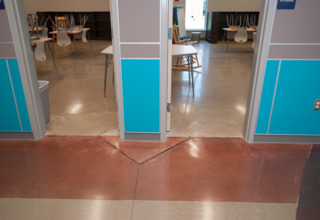
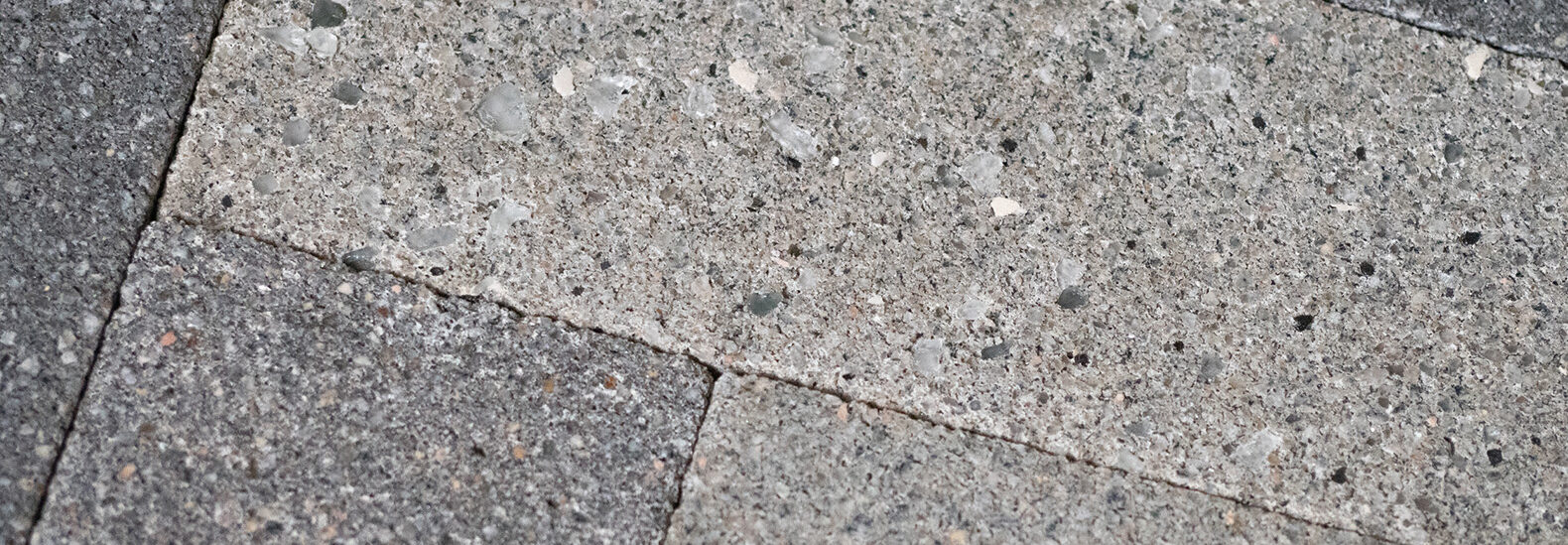
Within the concrete industry, the article identifies familiar sustainable products and systems. These include concrete polishing, which offers aesthetic and functional benefits while reducing the need for additional flooring materials; insulated concrete, which improves energy efficiency in buildings; and environmentally friendly concrete coatings. The use of recycled materials in decorative concrete applications is also highlighted, with specific mention of recycled glass and a recycled porcelain aggregate called EnviroMODE. These innovations demonstrate the concrete industry's contribution to green building.
A central message conveyed at the Greenbuild conference, and reiterated in the article, is that making sustainable choices in the built environment is a pragmatic approach. The article frames sustainable practices as logical steps toward efficiency and resource conservation, posing rhetorical questions like "Why not save energy?" and "Why not use more recycled material?" This perspective suggests that sustainability is not merely an ethical consideration but also offers tangible benefits, such as cost savings and improved operational efficiency.
The article concludes by addressing the economic climate at the time of writing (late 2008). Despite financial challenges, it expresses optimism for the construction industry's future, anticipating a positive shift in 2009. It particularly emphasizes the emerging opportunities within sustainable construction. The author suggests that companies which proactively educate themselves and embrace green building products and systems are better positioned for growth and success in an increasingly environmentally conscious future. This highlights the strategic importance of sustainability for long-term business resilience and prosperity.
#SustainableConstruction #ConcreteIndustry #GreenBuilding #RecycledMaterials #ConstructionTechnology #EnvironmentalImpact #BusinessGrowth #EnergyEfficiency #WasteReduction #SustainableConstruction #ConcreteIndustry #GreenBuilding #RecycledMaterials #ConstructionTechnology #EnvironmentalImpact #BusinessGrowth #EnergyEfficiency #WasteReduction
0 comment in total
 No comments yet
You may also like
Sustainable Concrete Panel Construction | Spotlight on Nexii and Vero Building Systems
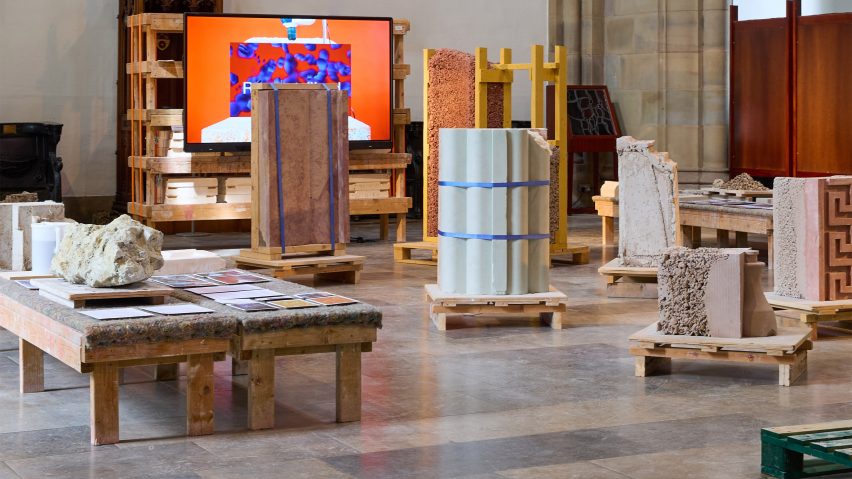
Poured Earth is a sustainable construction method modelled on concrete casting
The latest and greatest innovations in sustainable building materials
The future of sustainable building materials
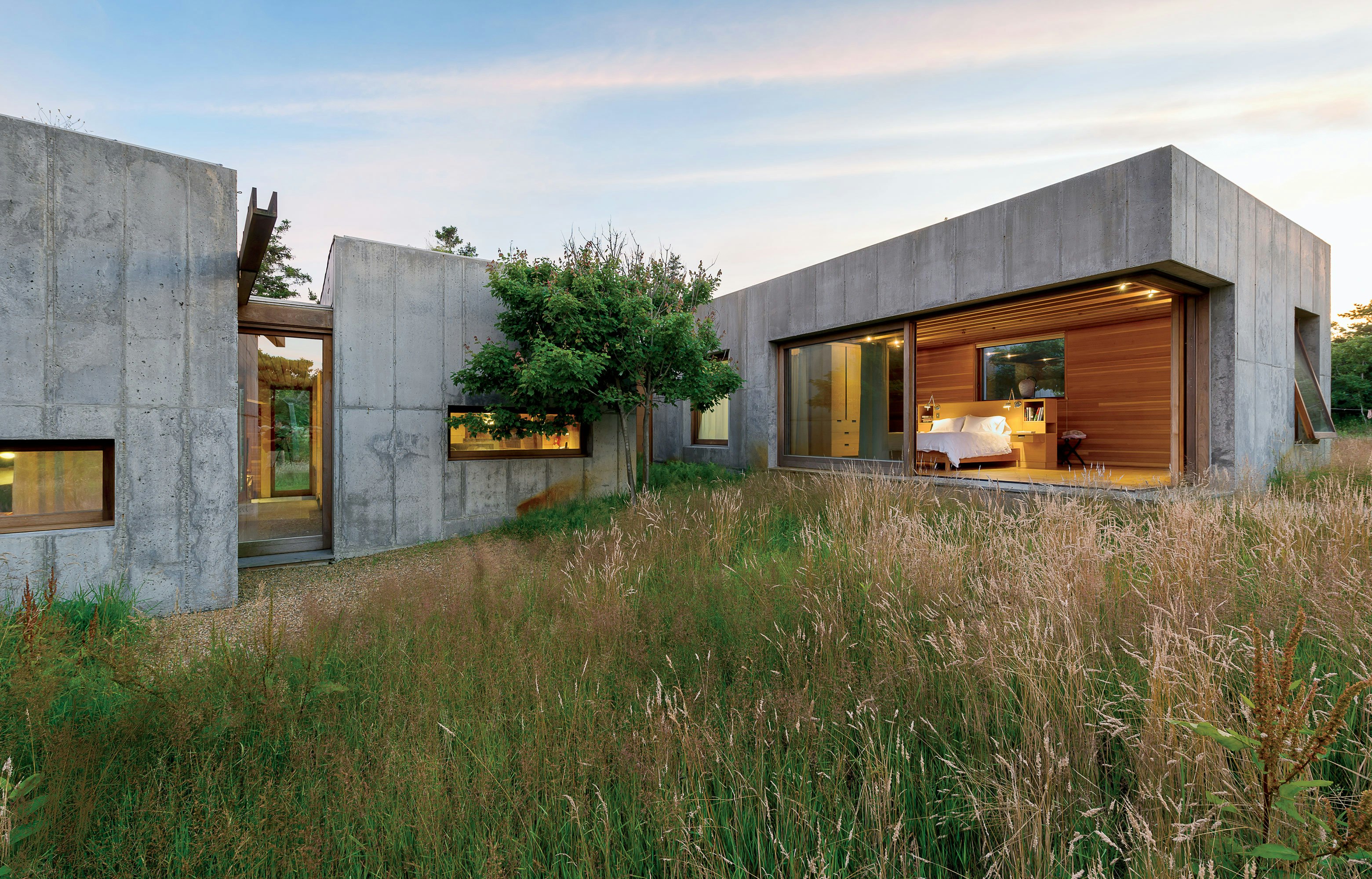
Material Guide: The Benefits of Building With Concrete

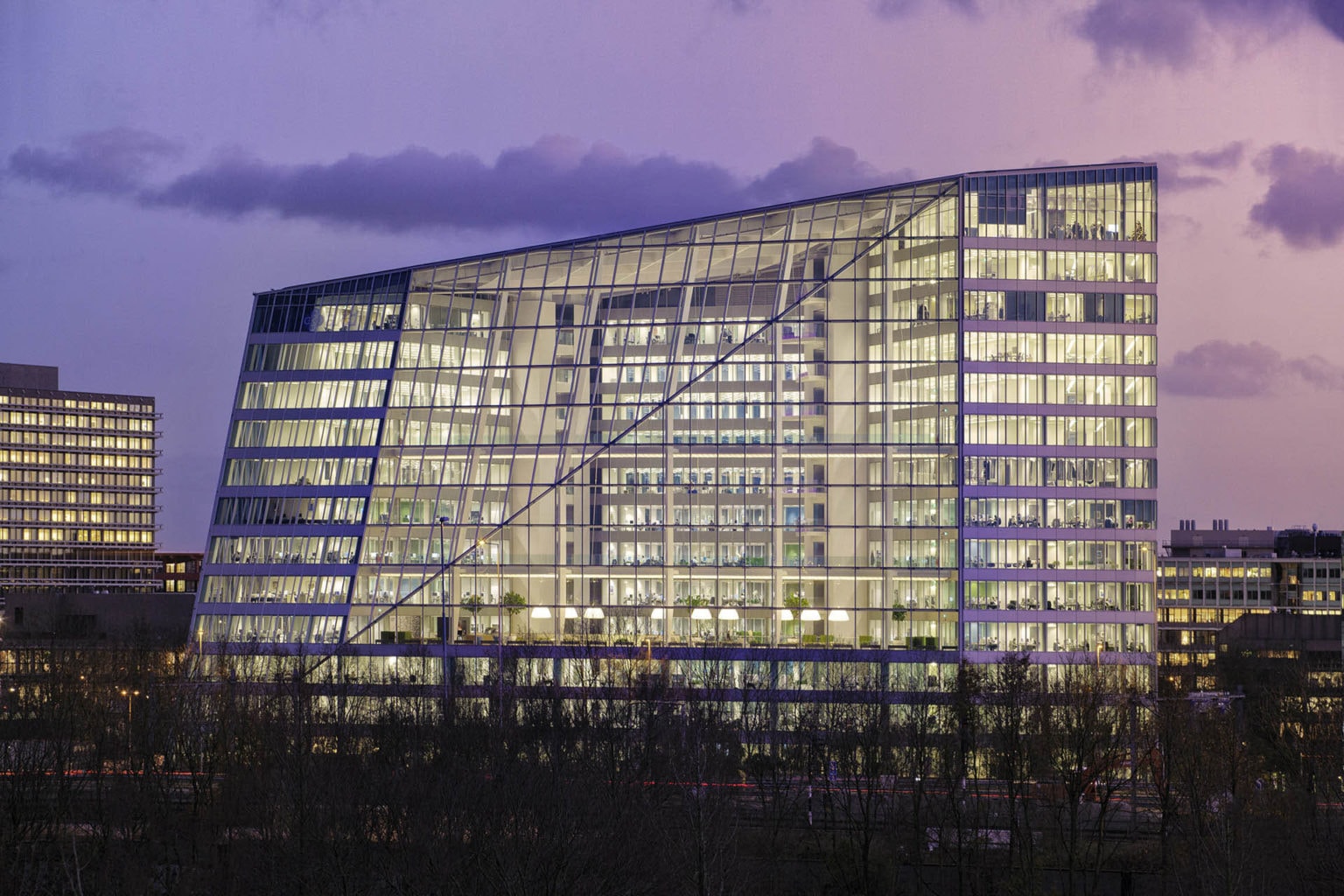
Sustainable Buildings: Pioneering a Green Revolution in Urban Design

20 Years of Concrete Contractor Magazine
How to Apply Multi-Color Dyes to Polished Concrete
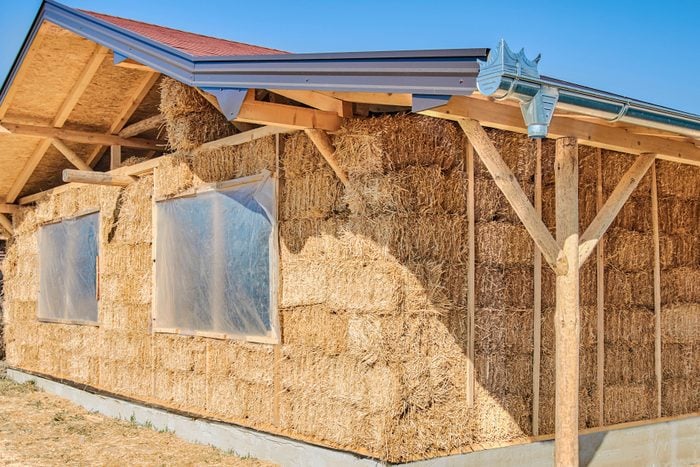
7 Concrete Alternatives


Sustainable Material Spotlight: Concrete
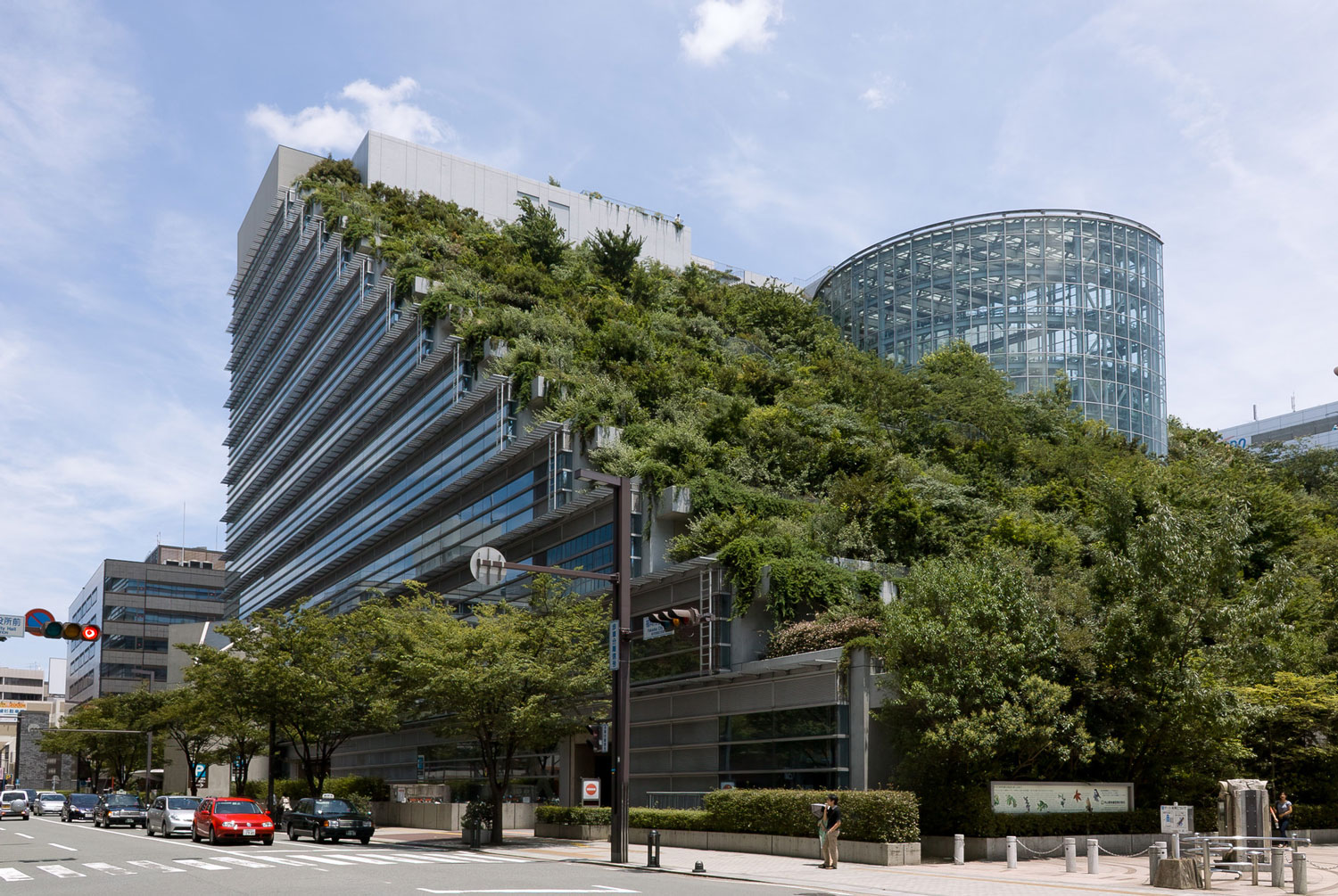
Top 10 Examples of Most Sustainable Architecture in 2025

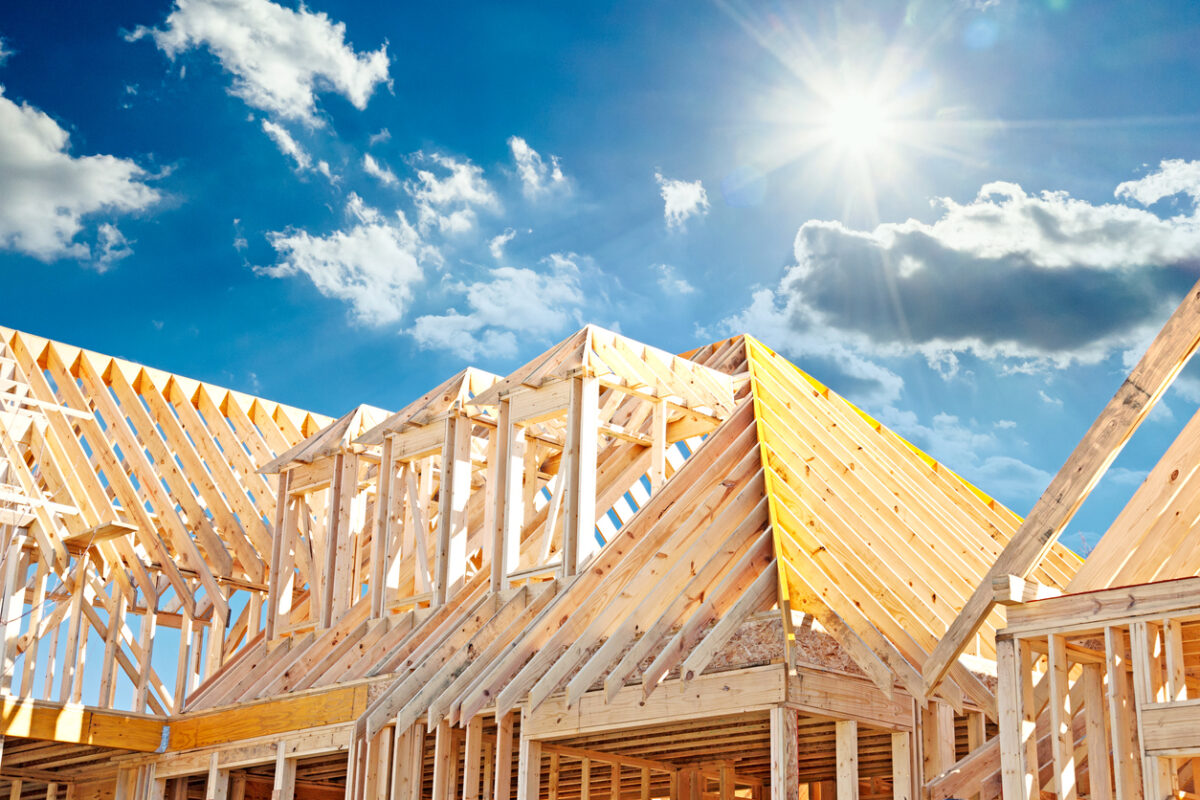
10 Innovative Materials Poised to Make Home Building More Sustainable

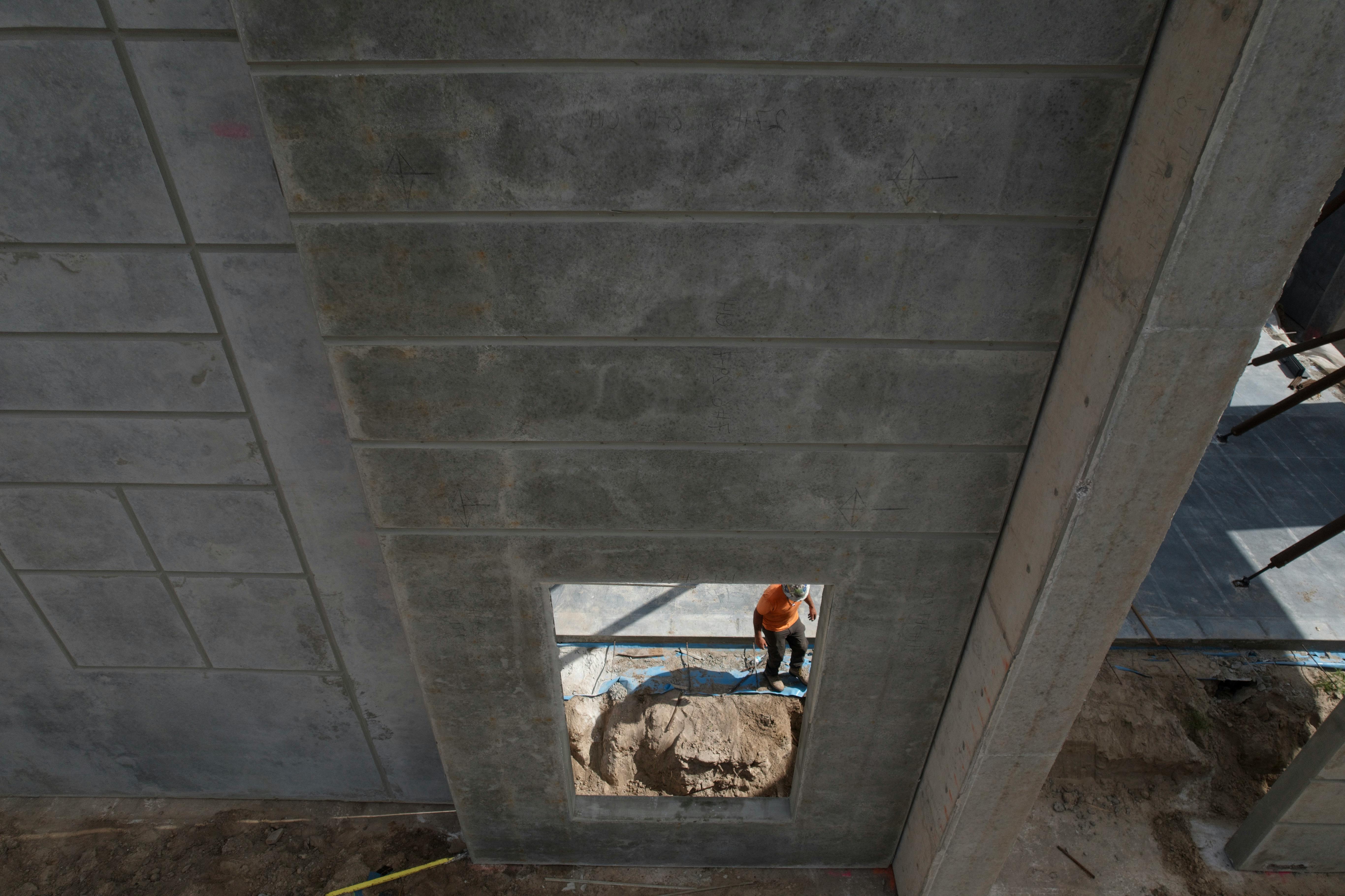
5 Concrete Technologies to Reduce Carbon Footprint
Six examples of fabric-cast concrete that are breaking the mould
Learn about Amazon HQ2's sustainable construction and design
Sustainable architecture: 46 innovative and inspiring building designs

Concrete design ideas: how to make them work in any home

The BioBased concrete tiles cut carbon emissions and waste

Rammed Earth Fits Into Urban Architecture’s Sustainable Future
Successful Staining