1/4
Seismic Retrofitting Concrete - Q and A with Kyle Tourje of Alpha Structural Inc.
This article presents an interview with Kyle Tourjé, Executive Vice President of Alpha Structural Inc., focusing on the critical aspects of concrete foundation repair and seismic retrofitting, particularly in earthquake-prone regions like Southern California. Alpha Structural Inc., a second-generation company, offers comprehensive civil and structural engineering services, alongside licensed general engineering and concrete specialty contracting. Their expertise spans structural concrete, geohazard repair, and various seismic retrofits, including coastal and hillside repairs, structural steel and concrete repairs, foundation replacement, landslide remediation, slope stabilization, deep foundation systems, and retaining walls. The company integrates both engineering and construction disciplines to ensure a seamless project execution from design to completion.
Tourjé highlights geology-related issues as the most common causes of concrete foundation problems, where substandard bearing materials often lead to settlement and instability. Corrosion-related damage is another significant factor, causing deterioration in concrete structures, along with poor drainage which accelerates the overall degradation of foundations over time. He emphasizes the importance of collaboration between structural engineers and concrete contractors, advocating for contractor input during the engineering design phase to enhance constructibility and prevent project delays, performance issues, or disagreements. This integrated approach ensures that practical construction considerations are factored into the theoretical design.
In Southern California, specific construction practices are implemented to resist seismic forces, which are often not mandated in other states. These practices include the precise placement of reinforcing steel, the use of high-strength concrete mixes, and meticulous rebar installation to prevent corrosion and ensure long-term foundation resilience. Key details such as maintaining adequate clearance between reinforcing steel and the concrete surface are critical, underscoring that cutting corners on these installation steps can compromise structural integrity. Contractors in other regions can learn from these practices, particularly focusing on preventing corrosion by ensuring correct concrete slump and proper rebar placement.
Recent updates in ACI documents and committees relevant to concrete foundation placement in seismic areas include clarifications to seismic design criteria, new maximum stirrup spacing for closed stirrups under seismic demand, and updated seismic design requirements for deep foundations across all categories. These changes are crucial for adhering to the latest safety and durability standards in earthquake-prone zones. Emerging technologies and trends in concrete construction include pressure-injected concrete, advanced mix designs for improved corrosion resistance and strength, and the application of fiber-reinforced polymer (FRP) as an alternative to traditional steel rebar. These innovations contribute to building stronger and more durable foundations. Tourjé advises concrete contractors to remain committed to quality, especially during challenging project phases, and to strive for perfection in every pour to deliver work that meets the highest standards.
#ConcreteConstruction #SeismicRetrofitting #FoundationRepair #StructuralEngineering #ConstructionTechnology #EarthquakeResilience #CorrosionPrevention #ConstructionBestPractices #SouthernCalifornia #ConcreteConstruction #SeismicRetrofitting #FoundationRepair #StructuralEngineering #ConstructionTechnology #EarthquakeResilience #CorrosionPrevention #ConstructionBestPractices #SouthernCalifornia
0 comment in total
 No comments yet
You may also like
Taking the floor

Material Guide: The Benefits of Building With Concrete

Critical earthquake response of elastic–plastic structures under near-fault ground motions (Part 1: Fling-step input)
8 special materials that are most suitable for the repair, restoration and seismic strengthening of buildi
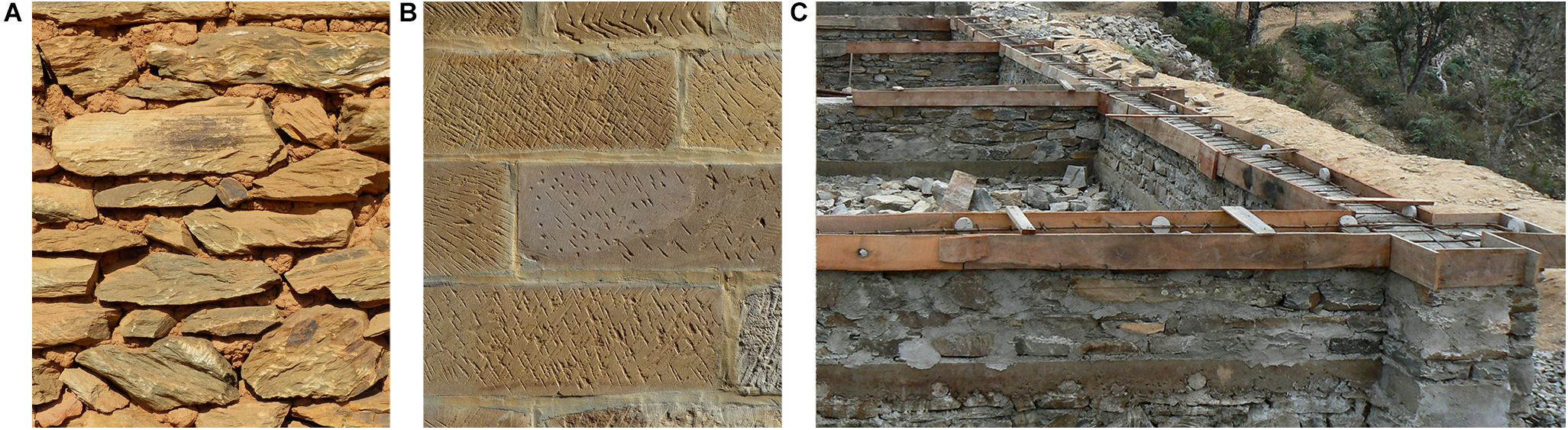
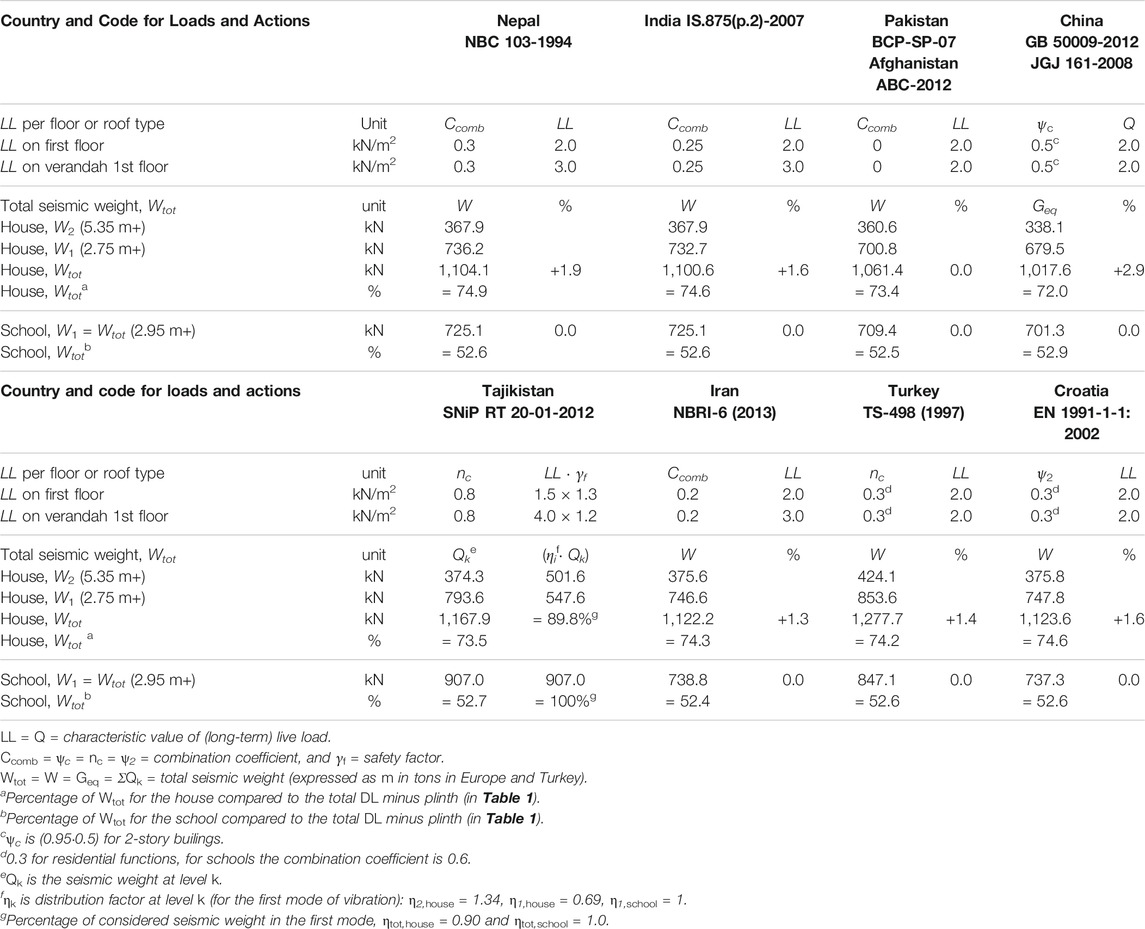
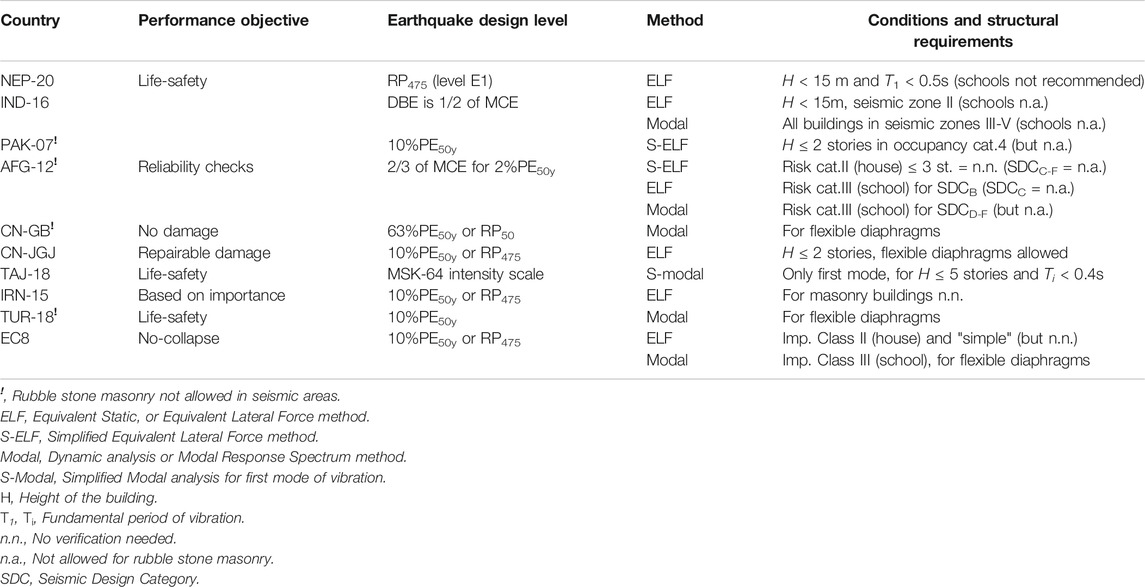
Rubble Stone Masonry Buildings With Cement Mortar: Design Specifications in Seismic and Masonry Codes Worldwide
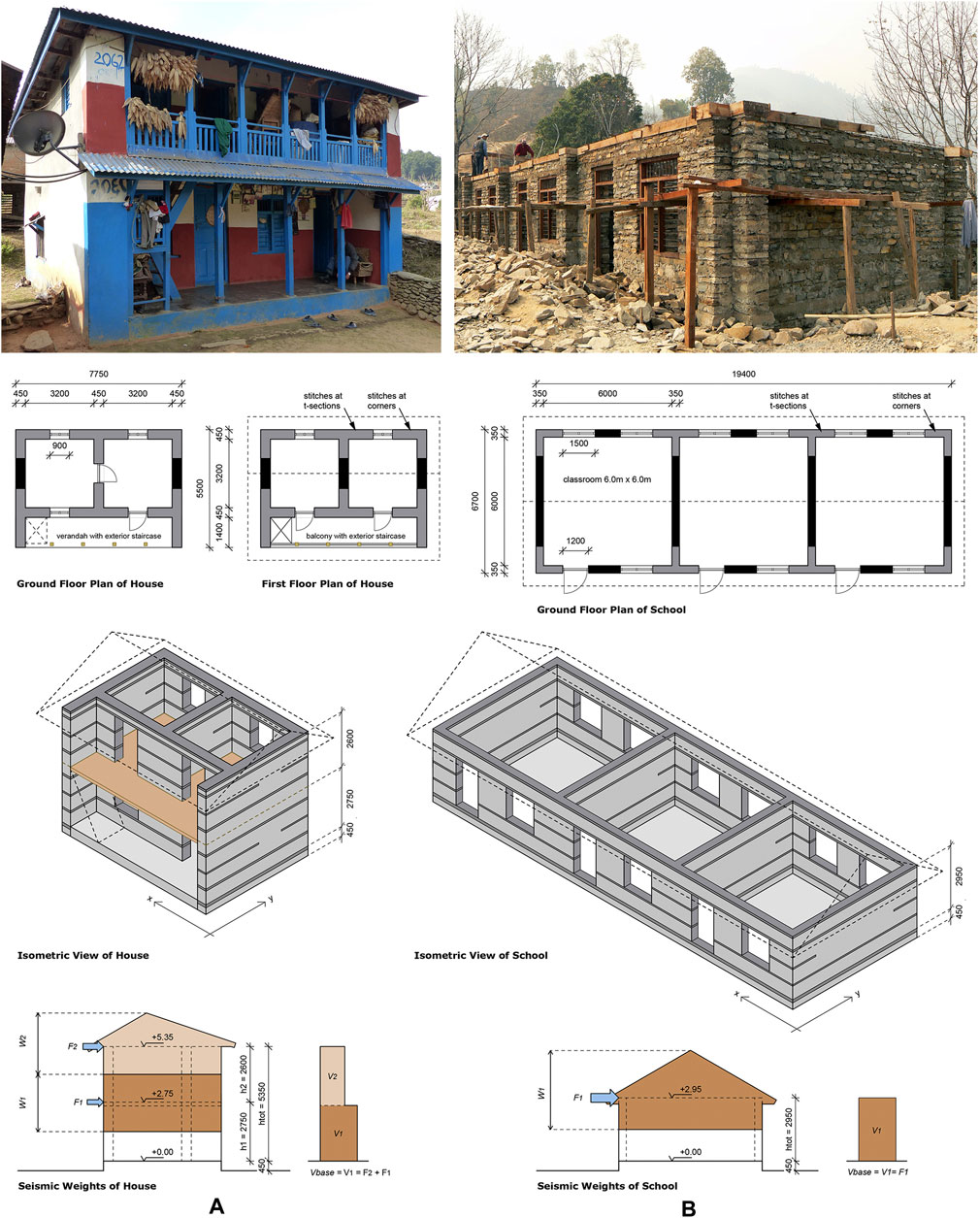
Rubble Stone Masonry Buildings with Cement Mortar: Base Shear Seismic Demand Comparison for Selected Countries Worldwide
Tilt-Up Concrete: A Unique Opportunity for the Resurgence of Craftsmanship in Construction

Concrete Collaborative Unveils Playfully Patterned Tiles From Alex Proba
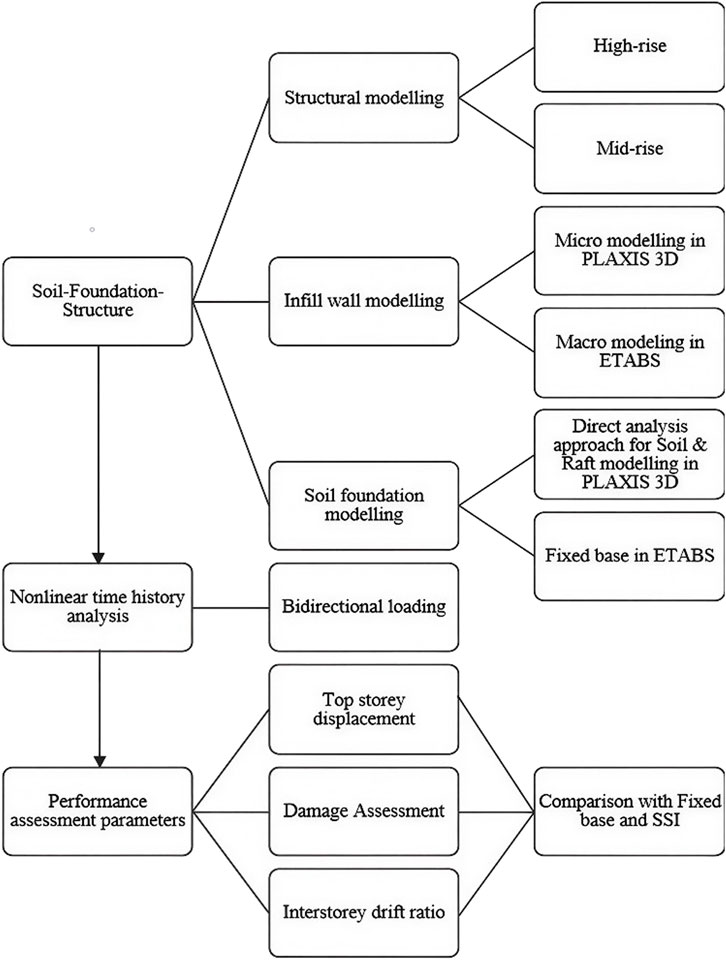
Seismic performances of reinforced concrete buildings with openings in unreinforced masonry infill walls: a soil–foundation–structure modelling approach
Jonathan Kozlowski
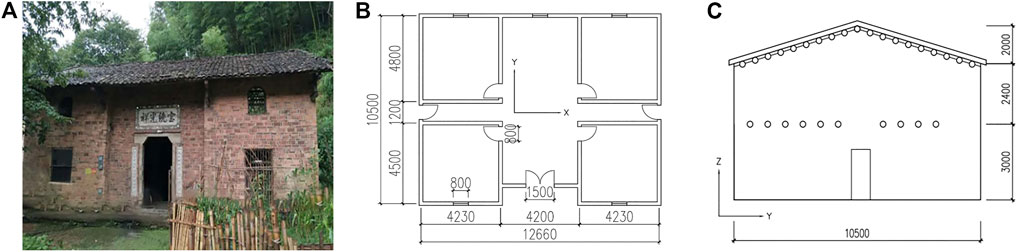
Seismic Performance and Strengthening of Purlin Roof Structures Using a Novel Damping-Limit Device
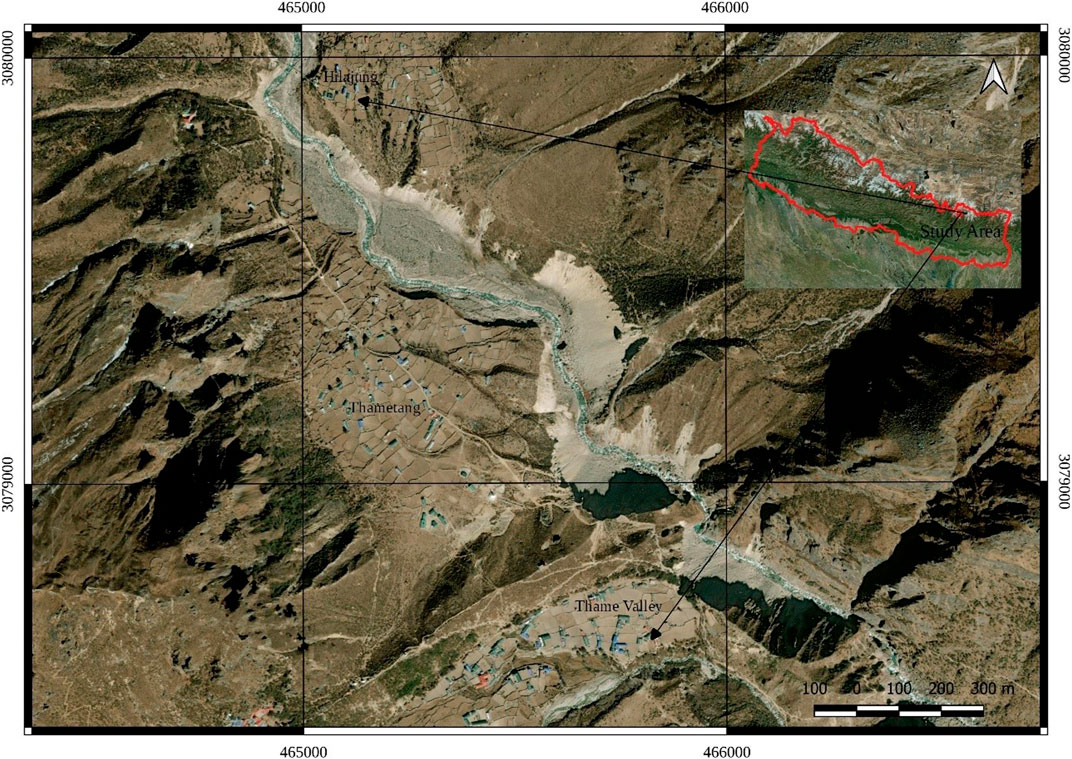
Enhancement of Himalayan irregular stone masonry buildings for resilient seismic design
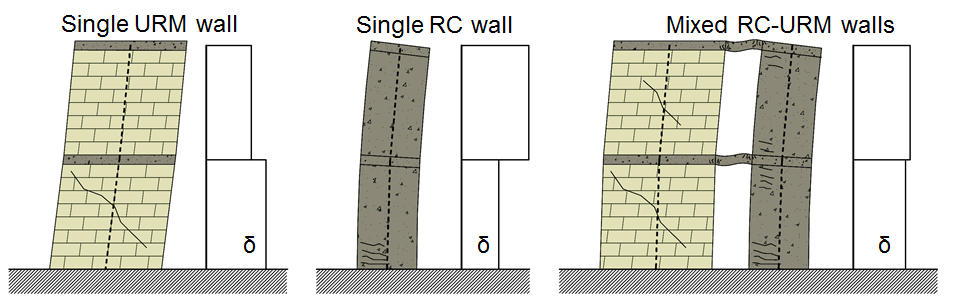
Coupling URM walls with RC walls ‒ EESD
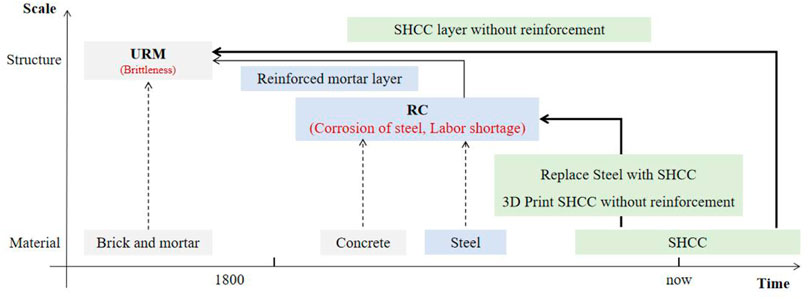
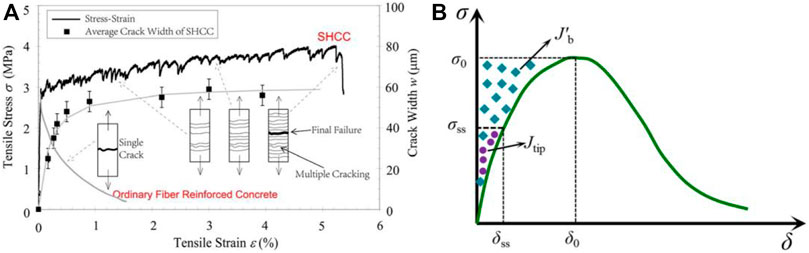
Tensile strain-hardening cementitious composites and its practical exploration without reinforcement: A review
Rogue builders quoted over £15k for a repair job that cost £185 to fix - my lessons learnt
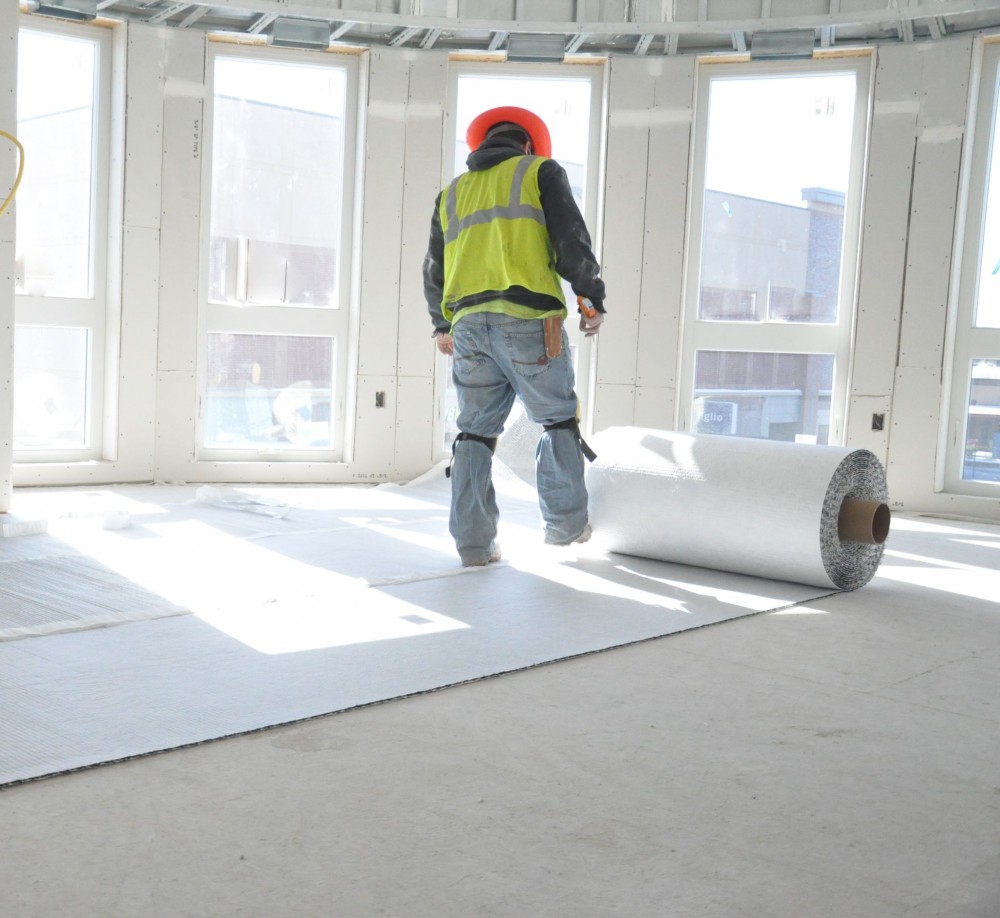
Improving floor/ceiling sound control in multifamily projects
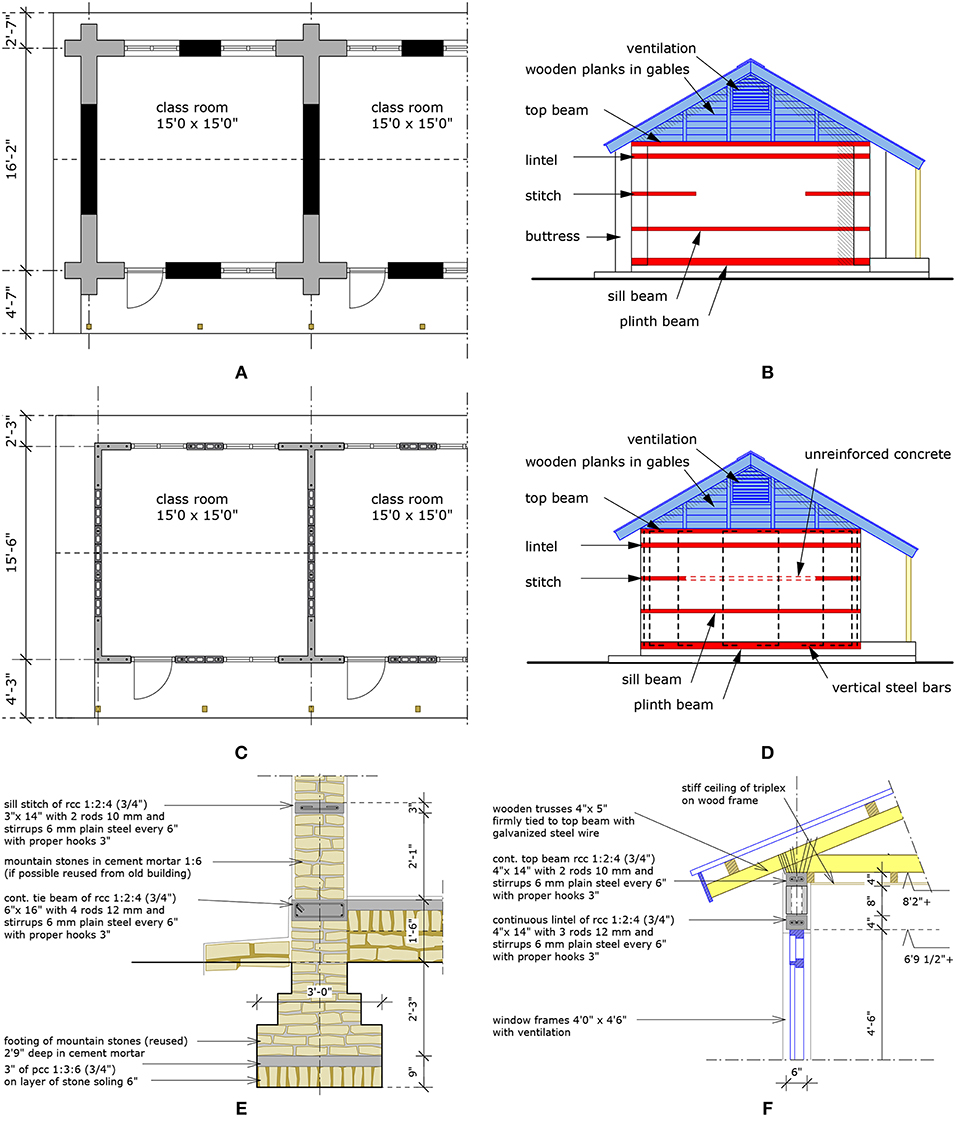
Cost Analysis of Mountain Schools in Nepal: Comparison of Earthquake Resistant Features in Rubble Stone Masonry vs. Concrete Block Masonry
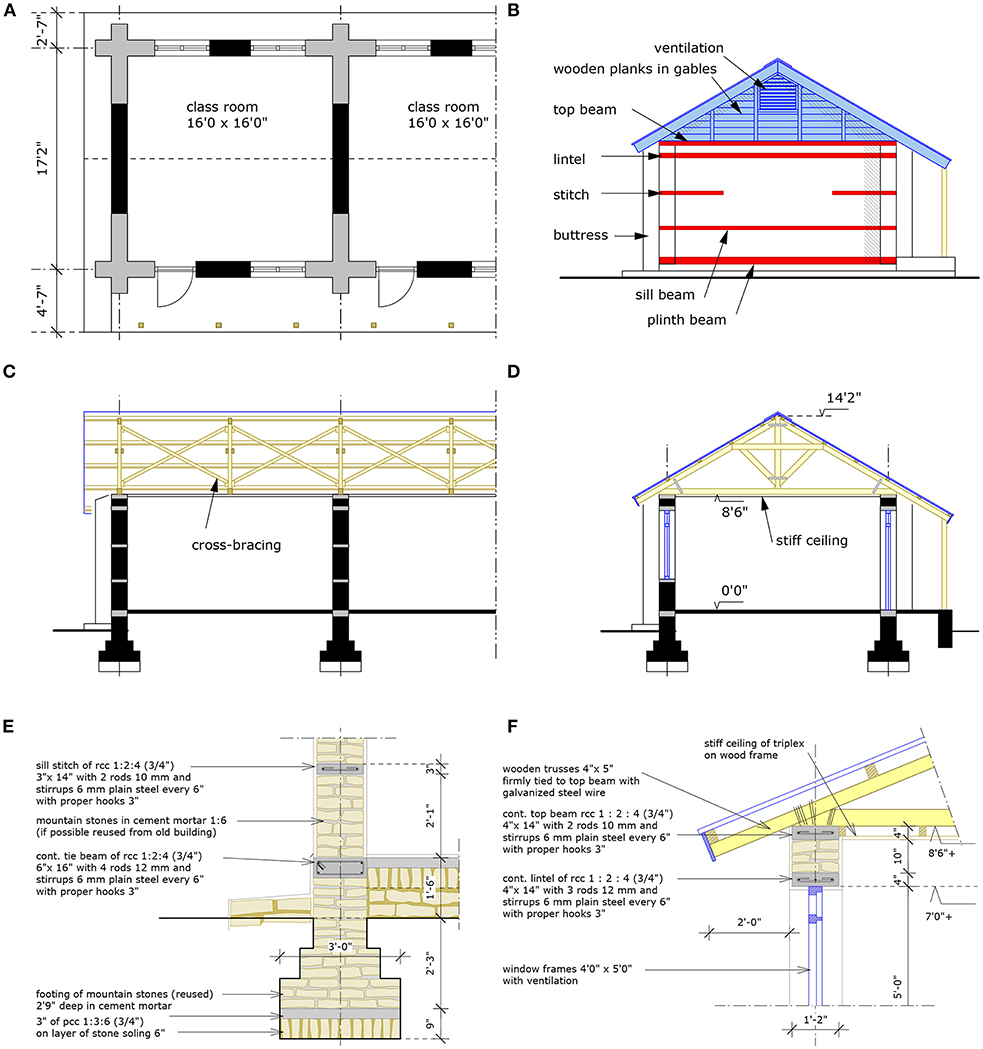
School Buildings in Rubble Stone Masonry With Cement Mortar in Seismic Areas: Literature Review of Seismic Codes, Technical Norms and Practical Manuals

Concrete design ideas: how to make them work in any home

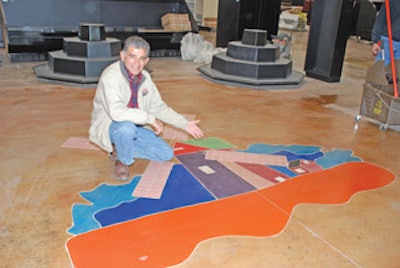
Turning Gray to Great