1/7
Improving floor/ceiling sound control in multifamily projects
The demand for enhanced floor/ceiling acoustics in multifamily construction has increased significantly due to consumer preferences, updated guidelines from code bodies, and stricter enforcement of existing regulations. Design professionals face the challenge of adapting traditional sound control methods to these evolving requirements. This article examines crucial new guidelines for architects and specifiers and explores how construction manufacturers are developing innovative products and improving existing ones to achieve superior acoustical performance.
Two primary measurement standards for acoustics in multifamily construction are the sound transmission class (STC) and the impact insulation class (IIC). STC quantifies the amount of airborne sound a building element, such as walls or floor/ceilings, can contain. IIC measures impact noise, like footsteps or dropped objects, transmitted through a floor/ceiling system. These single-number ratings apply to the entire assembly of materials separating tenants. For over 50 years, these metrics have guided architectural design teams in quantifying acoustic levels. Early documents like HUD's 1967 guide and the Uniform Building Code (UBC) emphasized sound control, with UBC requiring a minimum STC and IIC rating of 50 (or 45 if field-tested). Higher ratings indicate better performance.
The adoption of the International Building Code (IBC) in 1997 raised awareness of acoustical ratings, though minimum requirements remained consistent with UBC. Despite growing competition in the multifamily industry leading to upgrades in flooring and lighting as amenities, acoustical performance often received little attention. This oversight is problematic given that acoustics significantly influence vacancy rates and are a common source of litigation. Furthermore, popular amenity upgrades, such as hard-surfaced floors and canister lighting, can negatively affect a floor/ceiling assembly's acoustical performance.
To address the need for updated acoustical guidance, the International Code Council (ICC), in collaboration with acoustical experts, developed ICC G2-2010, "Guideline for Acoustics." This guideline acknowledges that current code requirements are insufficient for occupant needs and introduces two performance levels: 'acceptable' and 'preferred,' both surpassing minimum code requirements. These levels offer clearer targets for desired acoustical performance based on building type. For example, a luxury building or one with noise-sensitive occupants would aim for the 'preferred' level.
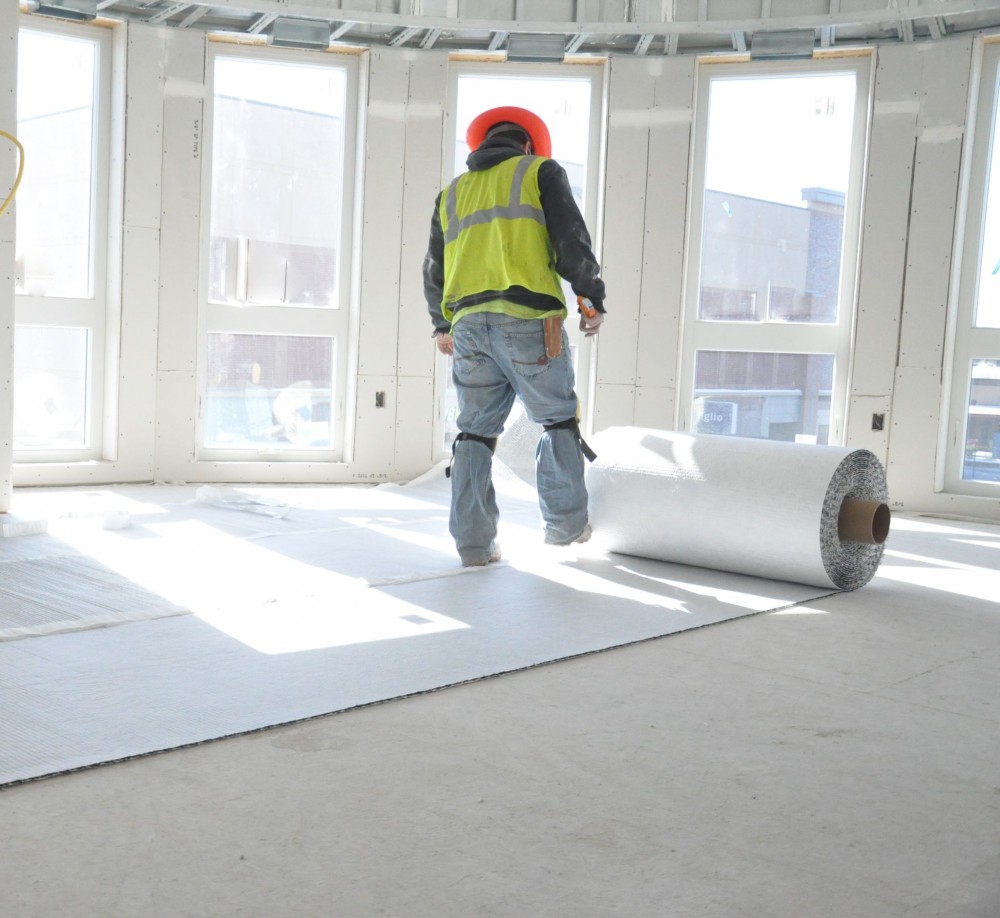
A common design for multifamily projects, recommended by acoustical consultants, includes hard-surfaced flooring, at least 25 mm (1 in.) of gypsum concrete, a 6.4-mm (¼-in.) entangled mesh sound mat, a wood subfloor, wood floor trusses or joists, insulation, resilient channel, and a single layer of gypsum board. This assembly typically achieves an IIC of 51 to 55 and an STC of 56 to 60, depending on the floorcovering. While these ratings exceed code minimums and often meet the 'acceptable' STC requirement, they only marginally satisfy 'acceptable' IIC levels for nuisance impact noises. Achieving these ratings relies on proper selection and installation of all components, such as using high-quality resilient channels. To further improve IIC ratings, upgrades to the sound mat or resilient ceiling system are necessary.
Advancements in sound mat technology include traditional entangled mesh mats manufactured with an additional acoustical fabric laminated to the underside, creating an extra vibration break and absorptive layer. This innovation improves IIC performance by two to five points without increasing the floor system's thickness. Another option involves using the standard 6.4-mm entangled mesh sound mat with a secondary topical mat placed between the gypsum concrete and the finished floor, provided the secondary mat is high-quality and tested for sound ratings specific to the assembly.
Properly installed, high-quality resilient channels enhance IIC ratings, but faulty installation can undermine their effectiveness. New resilient clips have emerged that are less prone to improper installation and can deliver comparable performance. Hanging systems that incorporate springs and minimize contact between the resilient channel and the joist offer even better performance. Combining these products, such as ceiling wave hangers or spring isolators with a 6.4-mm entangled mesh sound mat, can enable systems to exceed 'acceptable' and approach 'preferred' IIC levels for hard-surfaced floorcoverings.
Specifiers and architects must determine the desired level of acoustic performance for each project, moving beyond mere code compliance. Key considerations include the importance of acoustical privacy for tenants, the project's long-term use (e.g., apartments versus condominiums), and the potential for future changes in flooring. For instance, projects that may convert to condominiums should be designed from the outset with high-performance sound control throughout, as future owners might replace carpets with hard-surfaced flooring, necessitating stringent acoustical criteria. The wood-frame multifamily industry is increasingly prioritizing floor/ceiling acoustics, requiring specifiers to stay informed about new products and adapt specifications to meet specific sound control levels that contribute to end-user satisfaction.
#MultifamilyConstruction #SoundControl #AcousticalPerformance #FloorCeilingAssembly #STC #IIC #BuildingCodes #GypsumConcrete #SoundMats #ResilientChannels #ArchitecturalDesign #ConstructionTechnology #MultifamilyConstruction #SoundControl #AcousticalPerformance #FloorCeilingAssembly #STC #IIC #BuildingCodes #GypsumConcrete #SoundMats #ResilientChannels #ArchitecturalDesign #ConstructionTechnology
0 comment in total
 No comments yet
You may also like
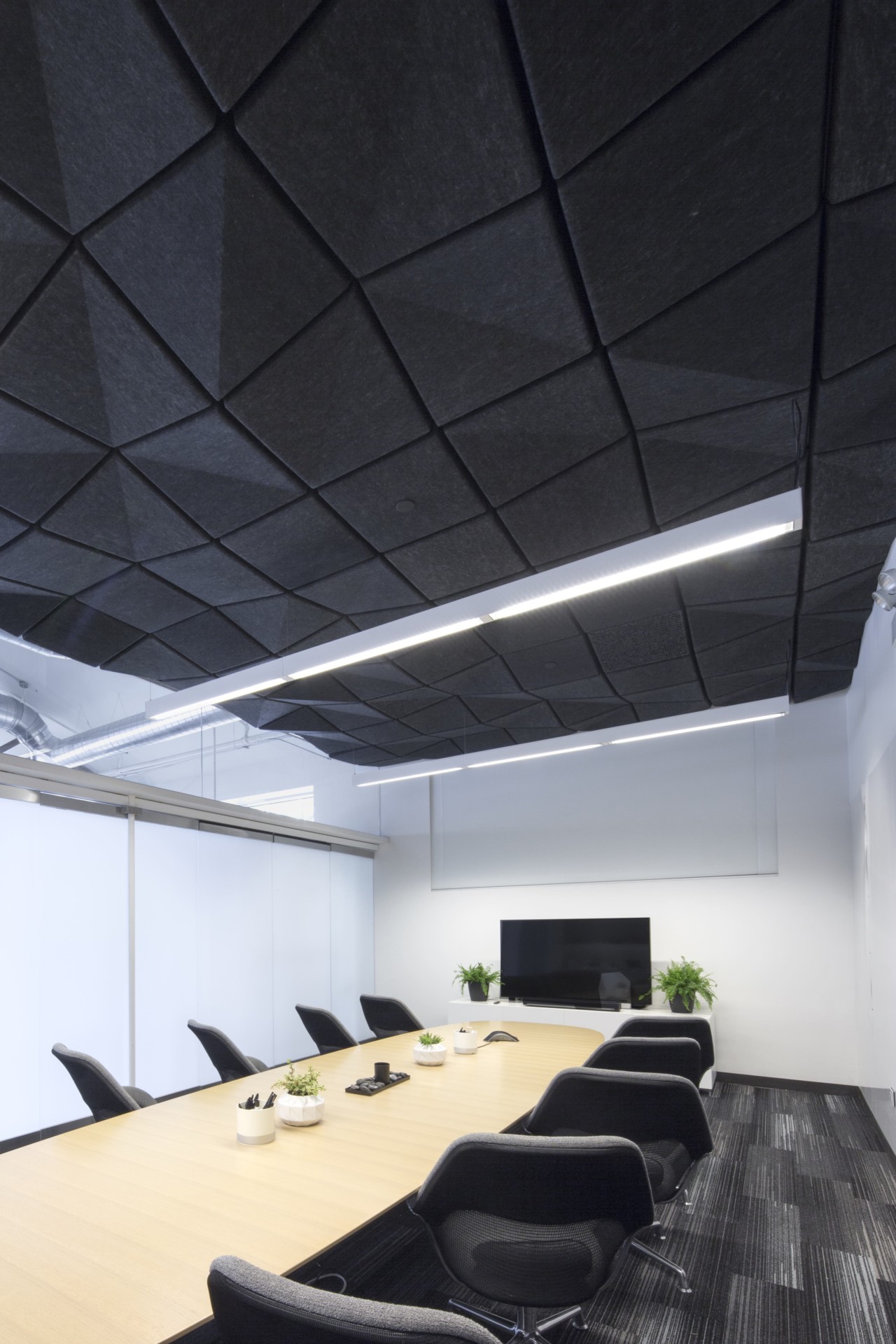
Crease: A Range of Modular Acoustic Ceiling Tiles by Turf Design and MNML

How to soundproof a bedroom – five easy and affordable fixes for a quiet night's sleep

How to soundproof your kitchen and stop noisy appliances disturbing your peace

5 cheap and easy ways to soundproof a room, whether you're a homeowner or a renter

How to soundproof an apartment – 6 renter-friendly changes that will block out noisy neighbors

Acoustic Ceilings - HeartFelt® Origami Ceiling System Hunter Douglas Architectural (Europe)

Soundproofing, proper acoustic treatment vital for a home

Tempo’s modular wall and ceiling ‘baffle system’ offers infinite acoustic solutions


Six acoustic products that control noise levels in busy interiors
The sound of silence: Strategies to keep out the noise in condo suites
Vertically Folding Operable Walls – Classic™ Series from Skyfold


10 Modern Plywood Ceiling Design Ideas In 2025

Need help with soundproofing your NYC apartment? Here’s Brick’s best advice

Ecophon
Phoenix Stretch Ceilings celebrates 10 years of stunning ceilings, lighting
How do I make my kitchen quieter? The tricks designers use to stop noise ruining an open-plan home
9 expert tips for soundproofing a room – how to sort acoustics while losing nothing of the aesthetics

How to soundproof a room according to an expert

Enhance Your Listening Experience With These Expert Rated Ceiling Speakers

How to Soundproof a Room (Published 2021)