Need help with soundproofing your NYC apartment? Here’s Brick’s best advice
Living in New York City often means contending with significant noise, which can elevate stress levels, especially when it disrupts sleep. This article offers comprehensive advice on mitigating noise in NYC apartments, addressing both structural changes for owners and practical steps for renters. Soundproofing efforts are categorized by areas such as ceilings, floors, walls, and windows, with specific recommendations for each.
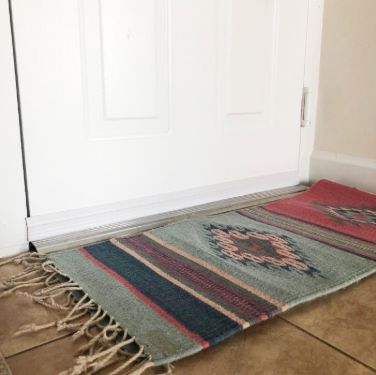
For apartment owners, making structural changes and adding insulation provides more extensive soundproofing options. However, even renters can take effective measures. A common lease clause in many rentals and co-ops mandates that 80 percent of the floor must be covered with carpeting or rugs to help dampen sound, as insulation and textiles are known to muffle noise. While this helps, it may not always be sufficient to counter excessive noise from upstairs neighbors.
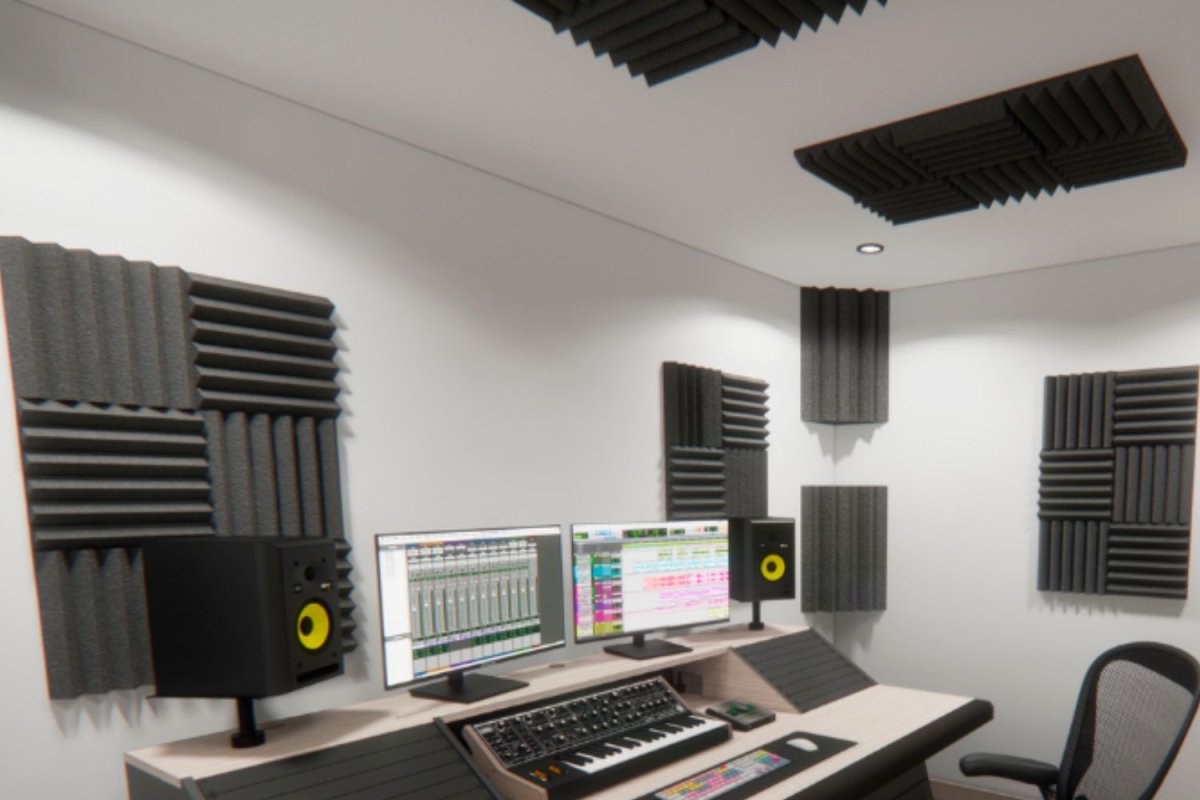
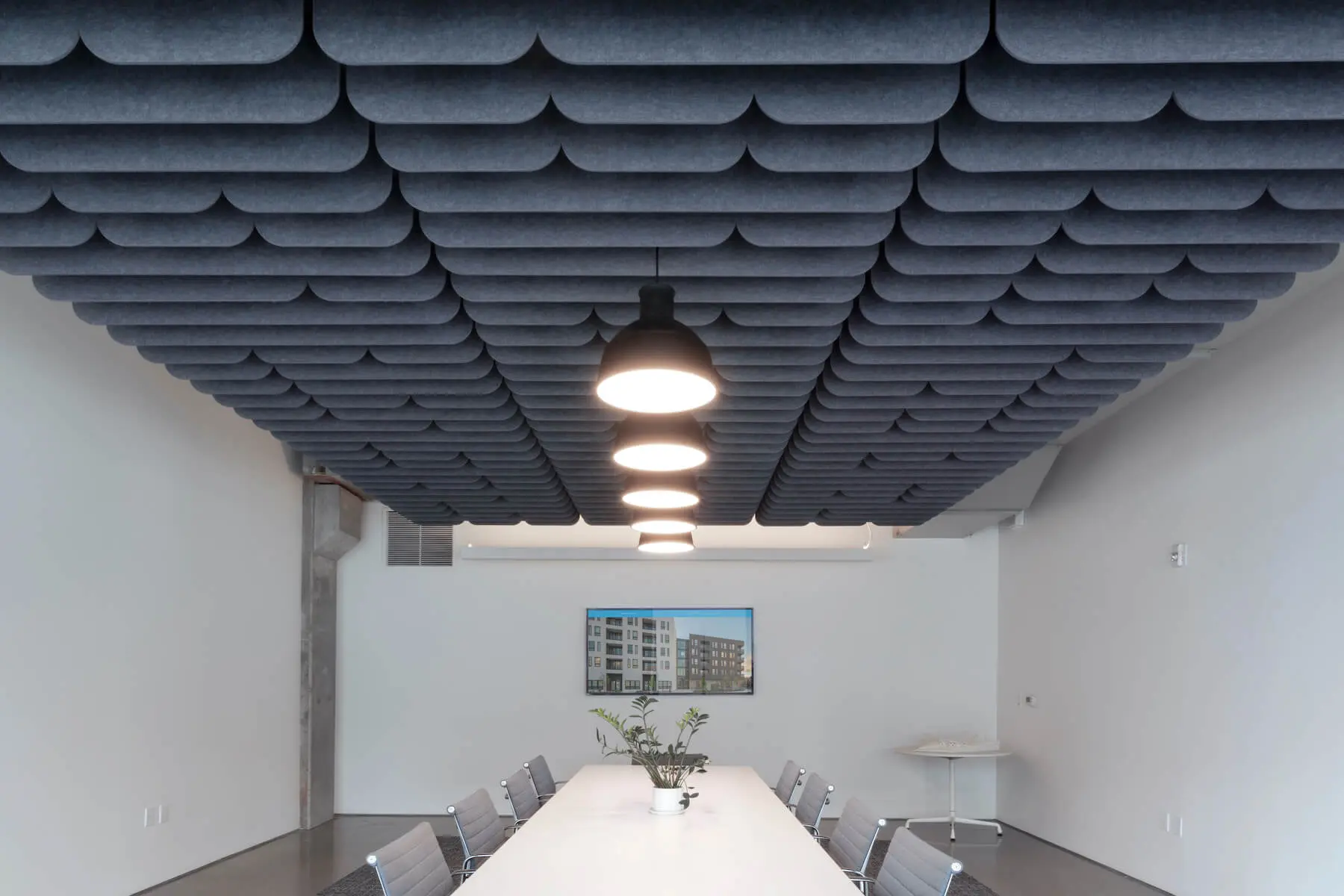
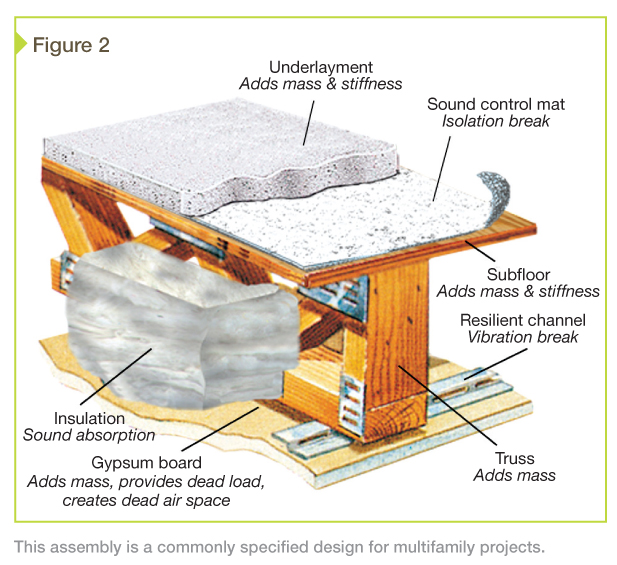
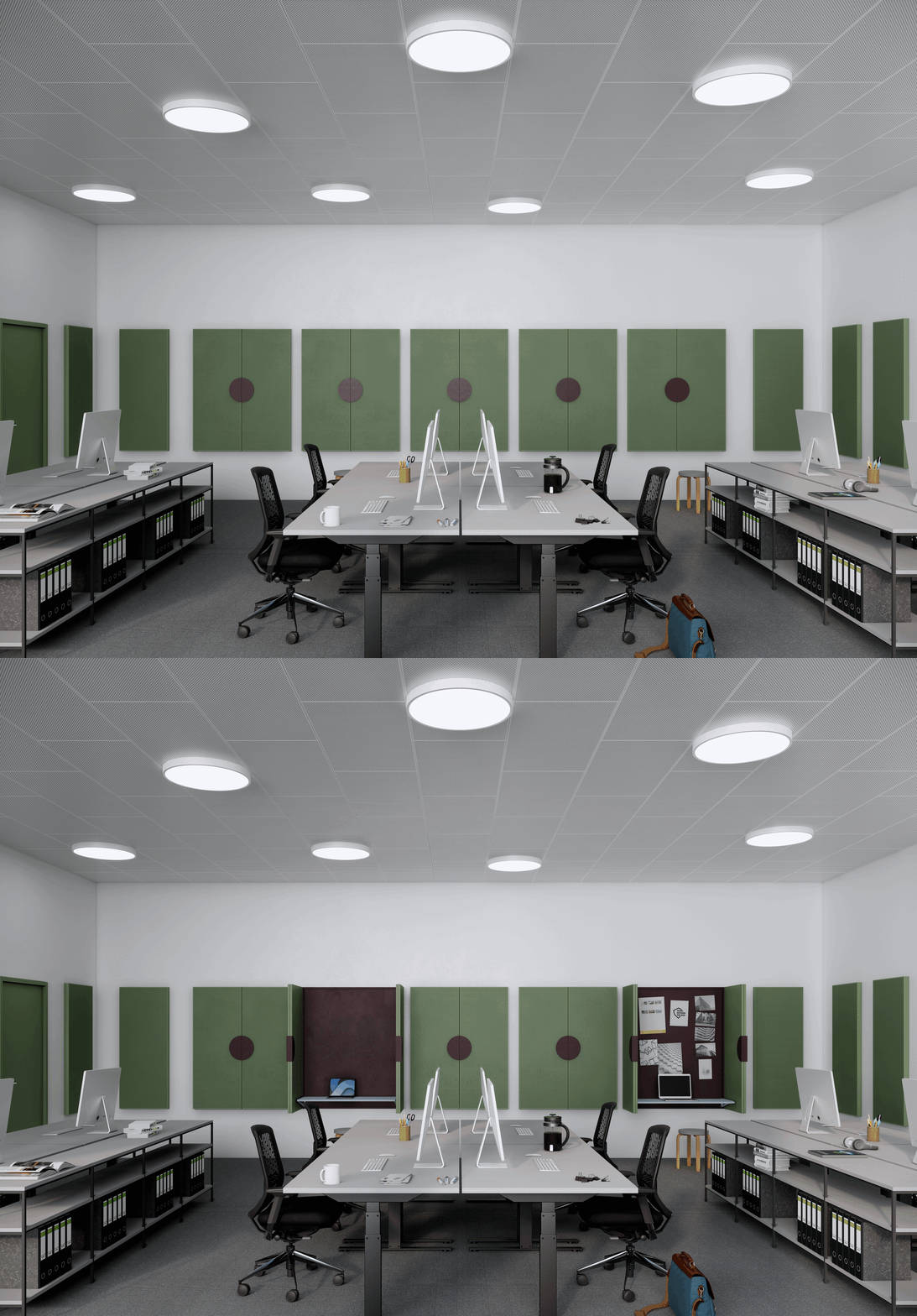
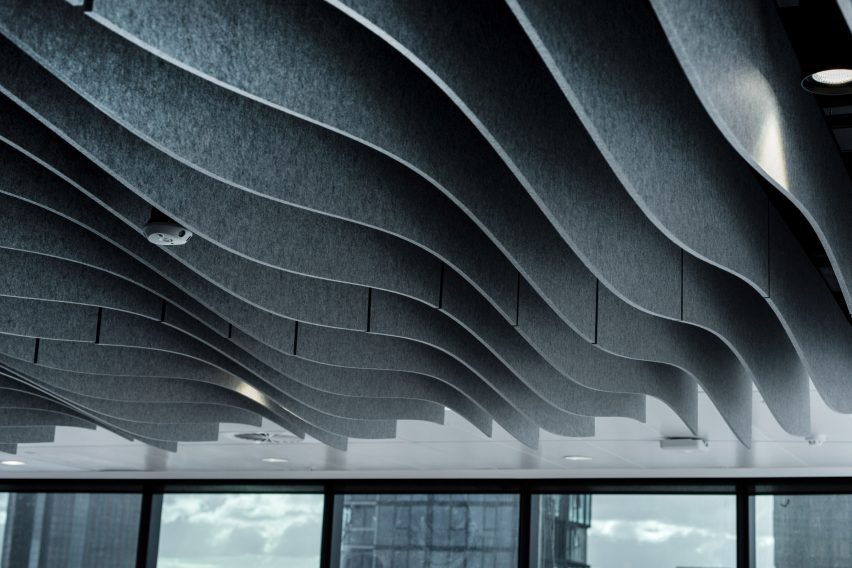
Ceiling soundproofing is frequently cited as the most critical area, with 80-90 percent of soundproofing work often focused there. Recessed lighting is identified as a primary contributor to sound transfer due to the holes created for electrical components. Developers are increasingly using hidden LEDs on the exterior of ceilings, which significantly reduces sound transfer compared to traditional recessed lighting. When viewing an apartment, prospective buyers should inquire about soundproofing measures, ideally looking for two layers of sheetrock on the ceiling plus insulation. For existing noise issues from above, a multi-layered approach involves separating ceiling sheetrock from joists to minimize vibrations and adding insulation to prevent noise amplification. Such comprehensive work can cost around $85 per square foot, with potential price reductions for larger projects, and typically requires temporary relocation during construction.
To address noise generated within an apartment, especially for those concerned about disturbing neighbors, soundproofing subflooring is an option. Renters can utilize carpeting and rugs with sound-dampening padding, particularly beneficial for concrete or tile floors. The addition of soft furnishings also contributes to noise reduction. While enforcing the 80 percent floor-covering rule on noisy neighbors can be challenging, there are strategies and expert suggestions available for residents dealing with such situations.
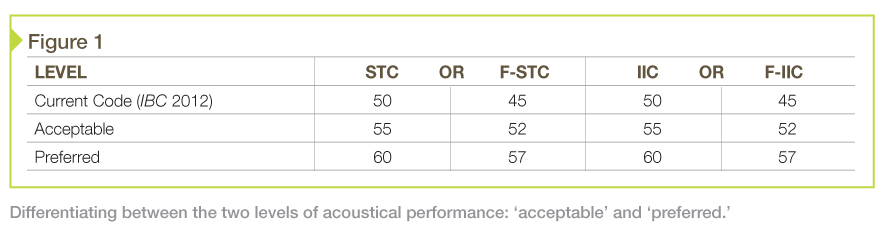
Limiting street noise involves considering window improvements. New soundproof windows are highly effective, and their Sound Transmission Class (STC) rating indicates their ability to insulate against sound; a rating of 60 or higher is ideal. Triple-glazed windows are considered the most effective. Landlords or co-op boards are typically responsible for addressing broken window panes under the warranty of habitability, as these can significantly increase street noise. For severe street noise, specialized companies offer custom screens that create an air-space buffer to block external sounds. Co-op owners, however, must secure approval for window replacements.
Renovation projects offer an opportune moment to integrate soundproofing into walls and floors, depending on budget considerations. When soundproofing a wall, a common method involves reframing the existing wall with an additional layer at least a quarter-inch thick to prevent vibration transfer, with costs comparable to ceiling soundproofing. These various strategies aim to create a more peaceful living environment in the bustling urban setting of New York City.
#soundproofing #NYCapartments #noiseReduction #homeImprovement #renovation #ceilingSoundproofing #windowSoundproofing #floorSoundproofing #urbanLiving #soundproofing #NYCapartments #noiseReduction #homeImprovement #renovation #ceilingSoundproofing #windowSoundproofing #floorSoundproofing #urbanLiving
0 comment in total
 No comments yet
You may also like

How to soundproof a room according to an expert


How to soundproof a bedroom – five easy and affordable fixes for a quiet night's sleep
Improving floor/ceiling sound control in multifamily projects

How to Soundproof a Room (Published 2021)
How to soundproof an apartment – 6 renter-friendly changes that will block out noisy neighbors

How to soundproof your kitchen and stop noisy appliances disturbing your peace

All the Quiet Money Can Buy

How do I make my kitchen quieter? The tricks designers use to stop noise ruining an open-plan home
9 expert tips for soundproofing a room – how to sort acoustics while losing nothing of the aesthetics
The cost of silence in NYC? $8,000 a wall

Room Within a Room: Acoustic Spaces That Adapt to Contemporary Needs


5 ways to insulate a wall to lower your energy bills and block out noise – and which ones are a mistake to DIY


How to soundproof your apartment


Tempo’s modular wall and ceiling ‘baffle system’ offers infinite acoustic solutions

If Your Home Is Super Noisy, You’ll Appreciate These 24 Noise-Dampening Products

Autex launches Frontier Acoustic Raft sound-absorbing system for ceilings and walls
The Best Soundproofing Materials for Any Room in Your Home


Ecophon
Autex Acoustics releases acoustic products that blend into a variety of interiors

Soundproofing, proper acoustic treatment vital for a home