1/6
How to soundproof a room according to an expert
The acoustics of a home are a critical, yet often overlooked, aspect of its design, significantly impacting comfort and tranquility. In a world characterized by increasing noise, achieving quiet moments at home is highly valued. While modern homes often prioritize light, space, and utility, the movement of sound within these spaces, and its effect on daily life, is rarely a primary consideration. This oversight can lead to unexpected challenges once residents move in, underscoring the importance of proper soundproofing to ensure peace and quiet. Shannon Vos, an expert in the field, provides guidance on how to effectively soundproof a room, both during the initial design phase and through retrofitting existing homes.
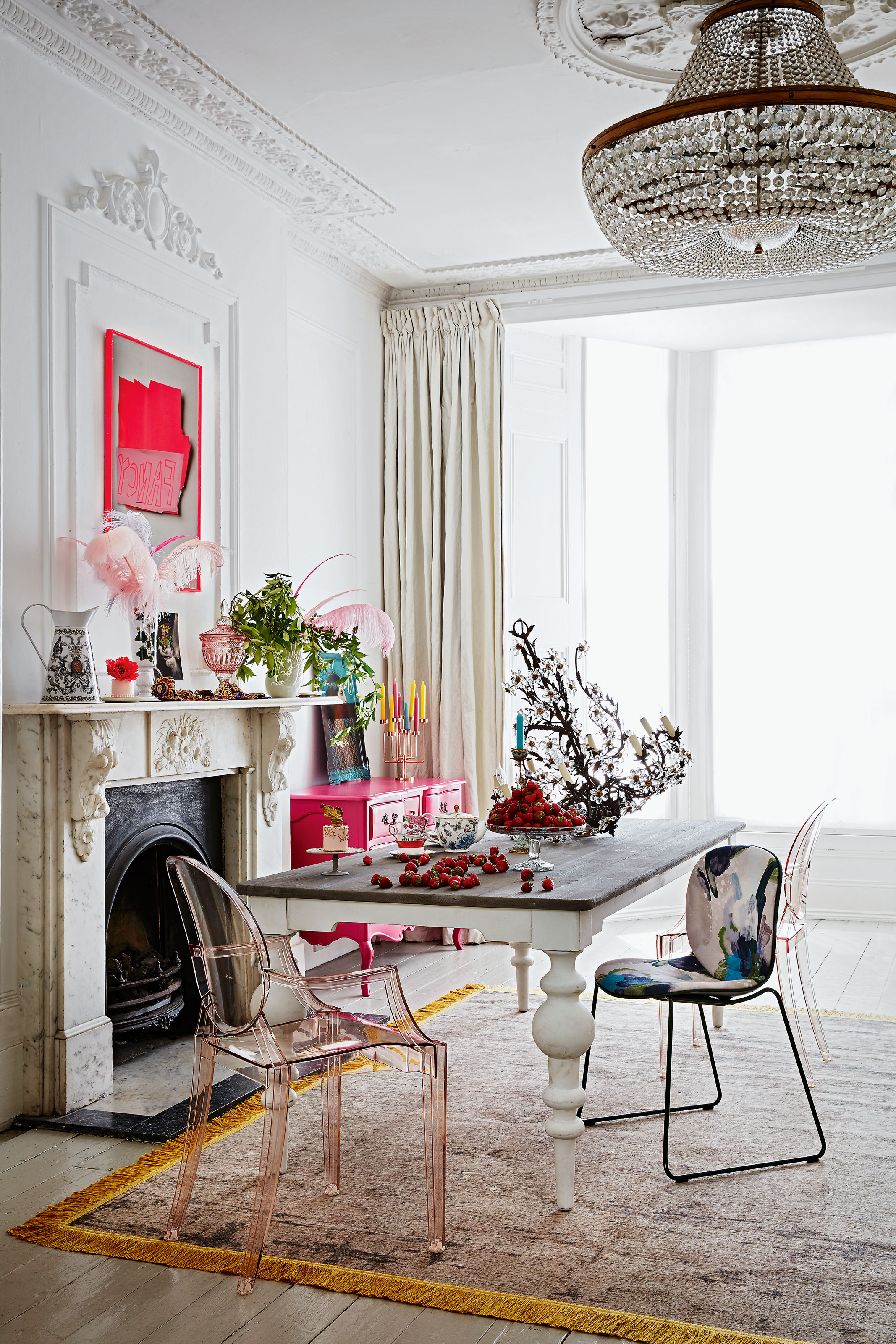
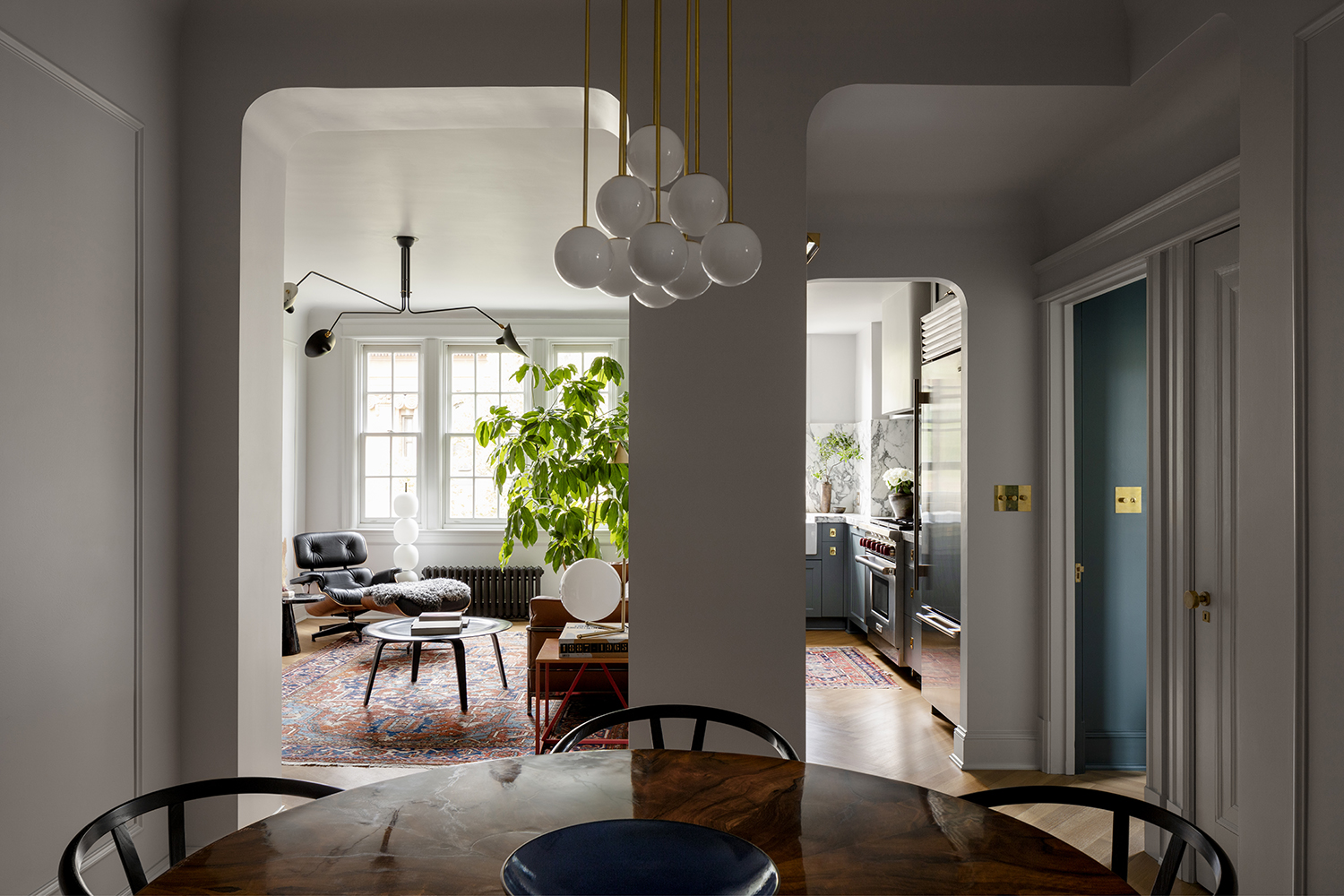
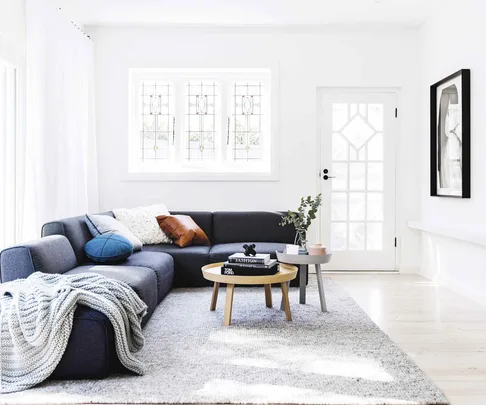
Understanding the basics of soundproofing is essential. Acoustics refers to how sound travels through a space and how the room's structure and materials influence that sound. Hard, glossy surfaces like glass and metal tend to reflect sound, creating echoes and increasing overall noise levels. Conversely, soft, textural materials such as rugs, pillows, and upholstered furniture absorb sound. The key to effective acoustic design lies in striking a balance between these elements. An excess of soft textures can make a room feel unnaturally dead, akin to a recording studio, while too many hard surfaces will result in excessive reverberation. Sound can be reflected, absorbed, or diffused, and selecting materials that perform these functions appropriately is crucial. In residential settings, the primary goal is generally to absorb and diffuse sound to prevent unwanted noise from disrupting the home's peaceful atmosphere.
When designing a new home, acoustic considerations should be as important as lighting. The external environment of the home plays a significant role in internal acoustics. For properties located near busy highways or other noisy areas, the focus should be on insulating the interior from external disturbances. This involves using double-glazed windows, sound-rated insulating batts, cavity walls, and absorbent exterior materials. Incorporating plenty of trees, plants, and shrubs around the property can also help absorb and scatter unwanted noise. Conversely, for homes situated in naturally quiet environments, such as forests or by the beach, the design can be tailored to amplify and reflect ambient natural sounds, rather than completely isolating the interior.

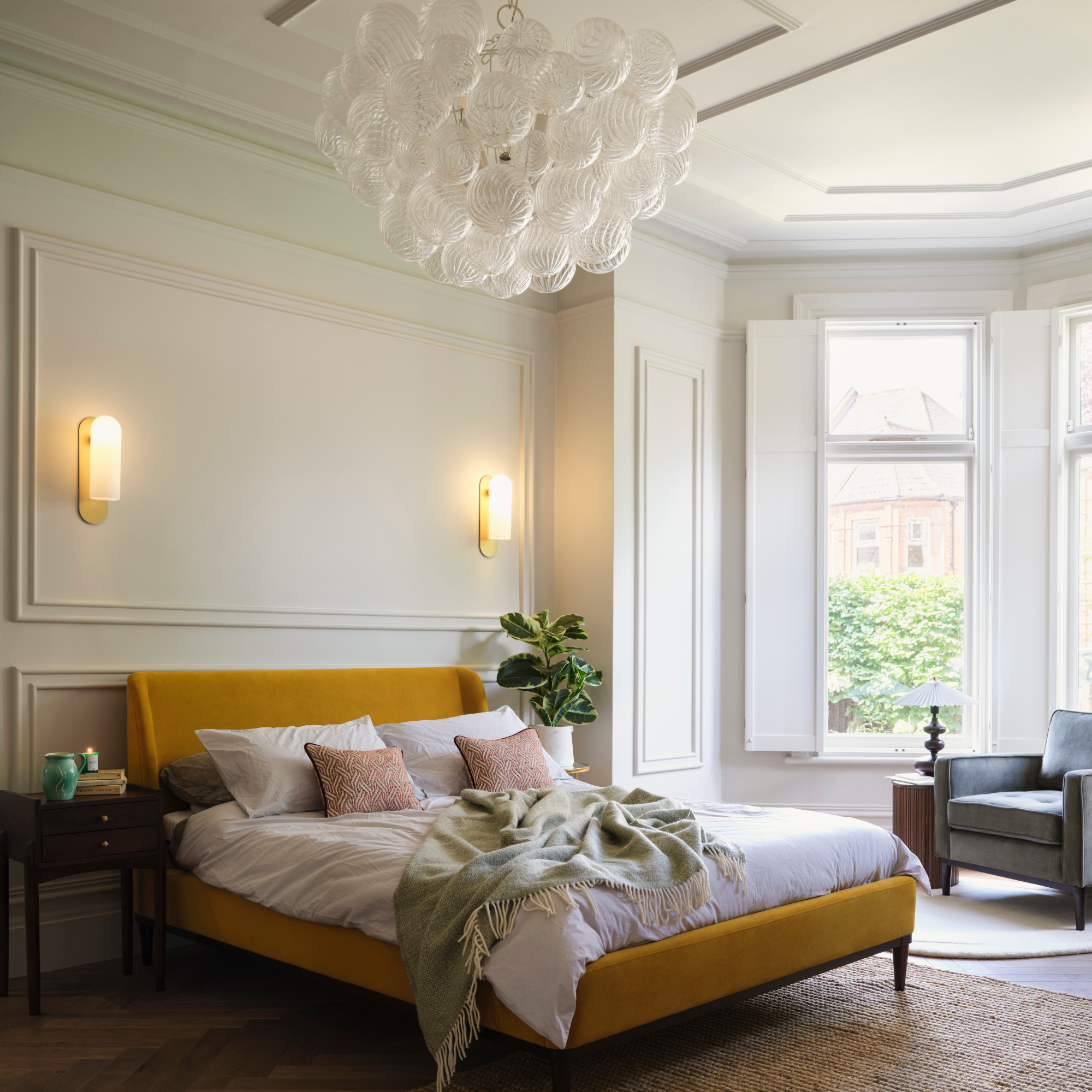
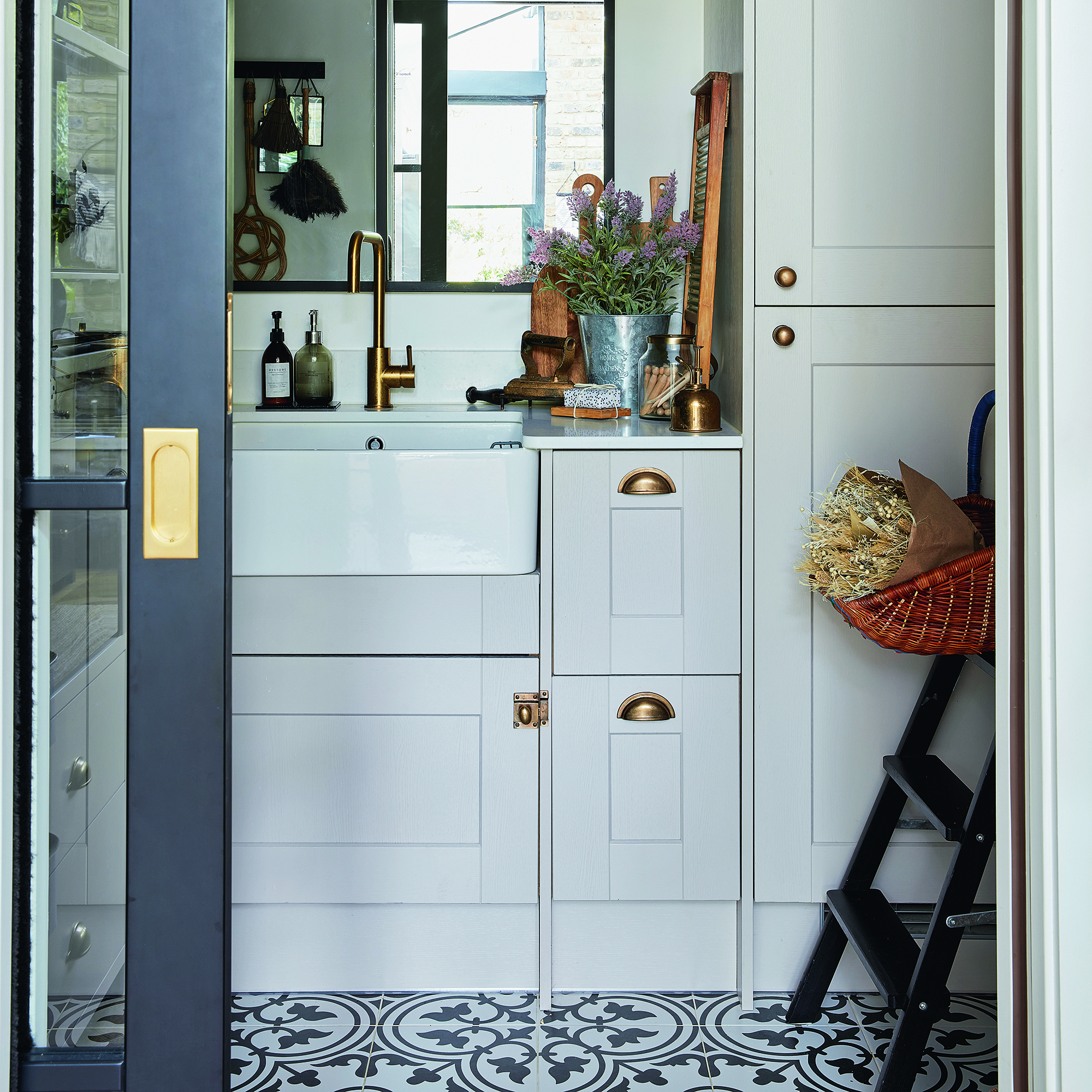
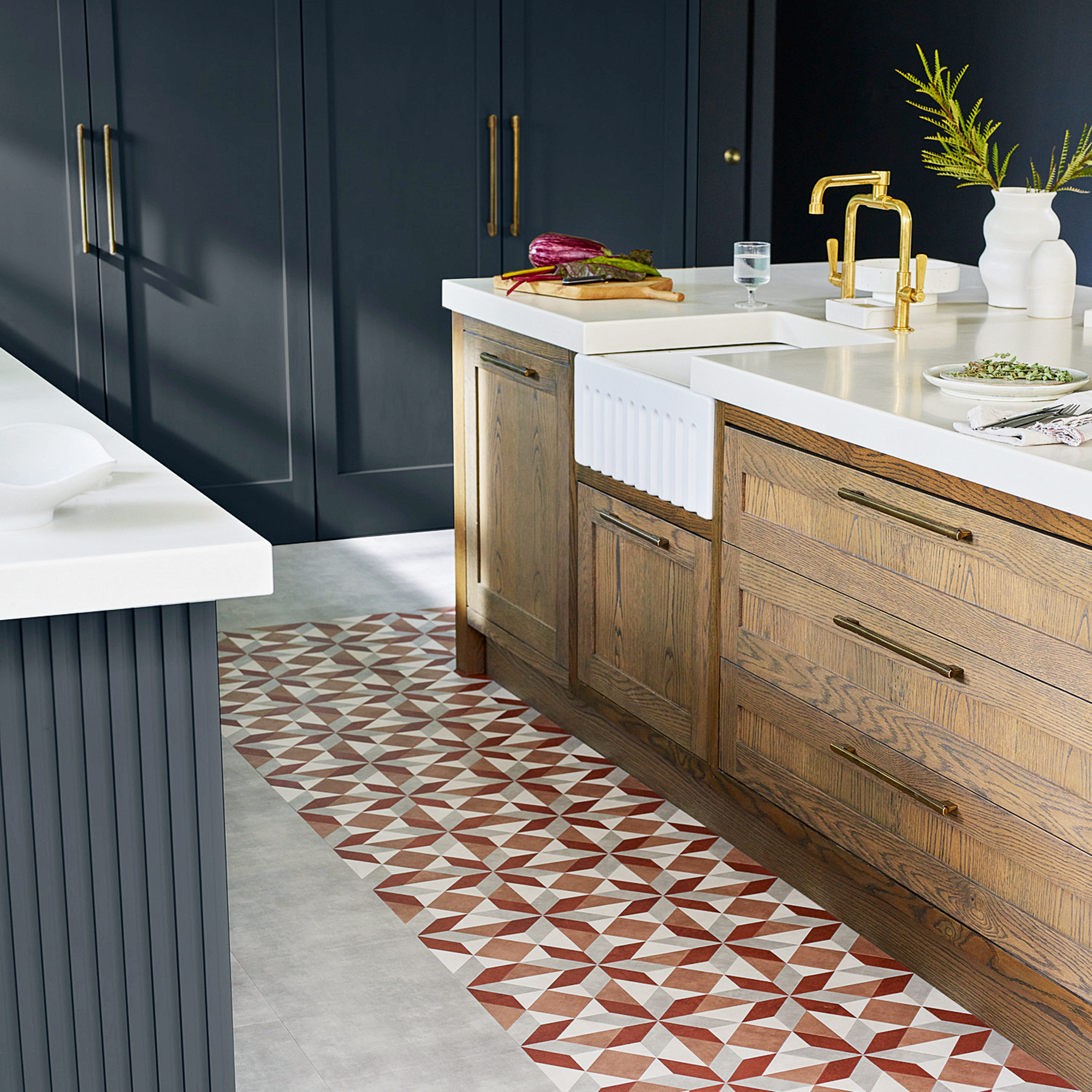
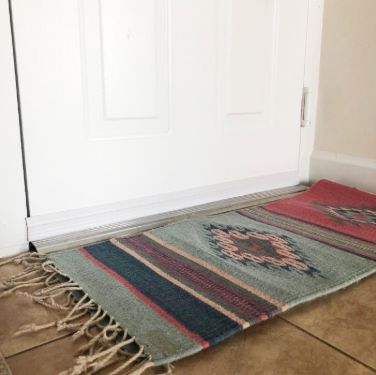
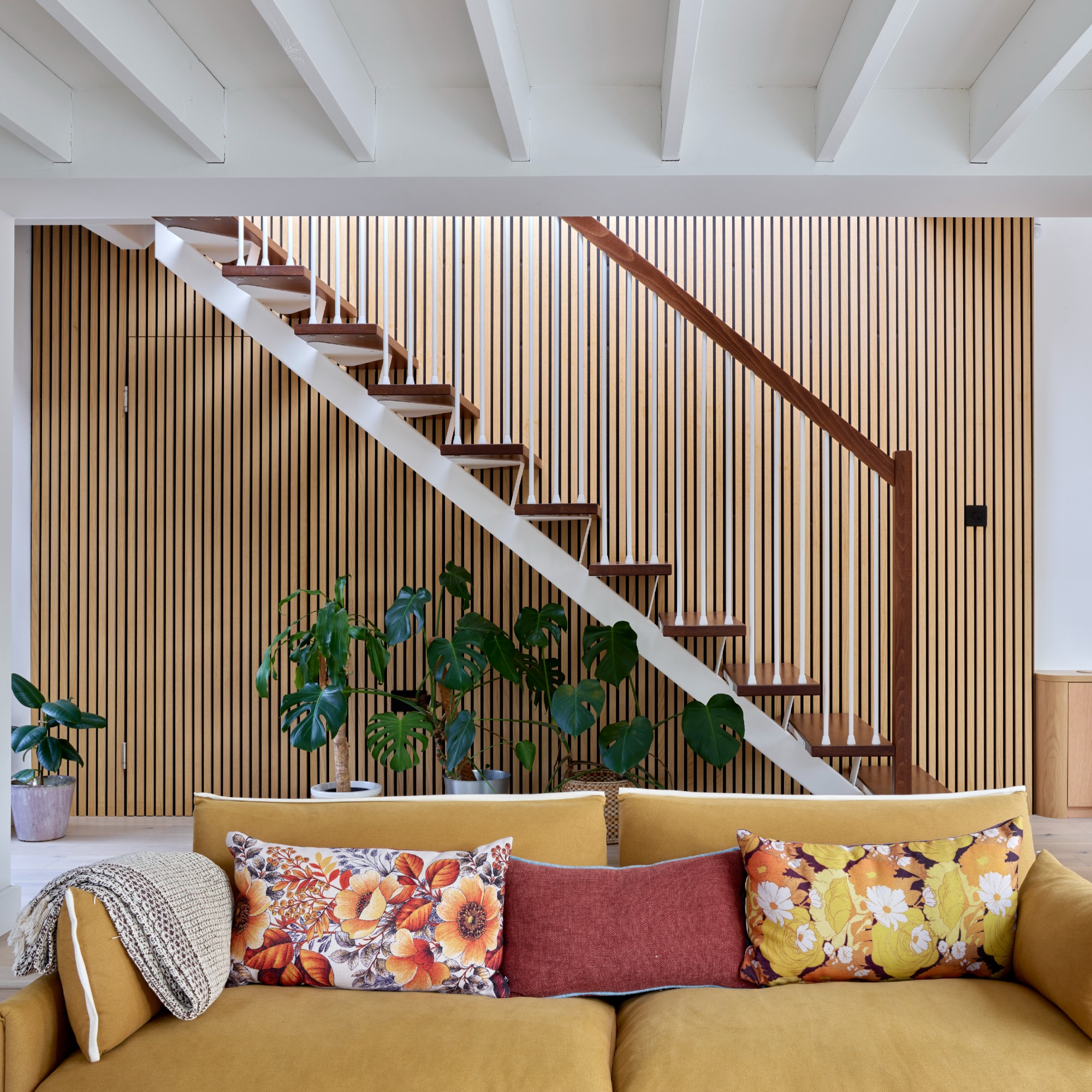
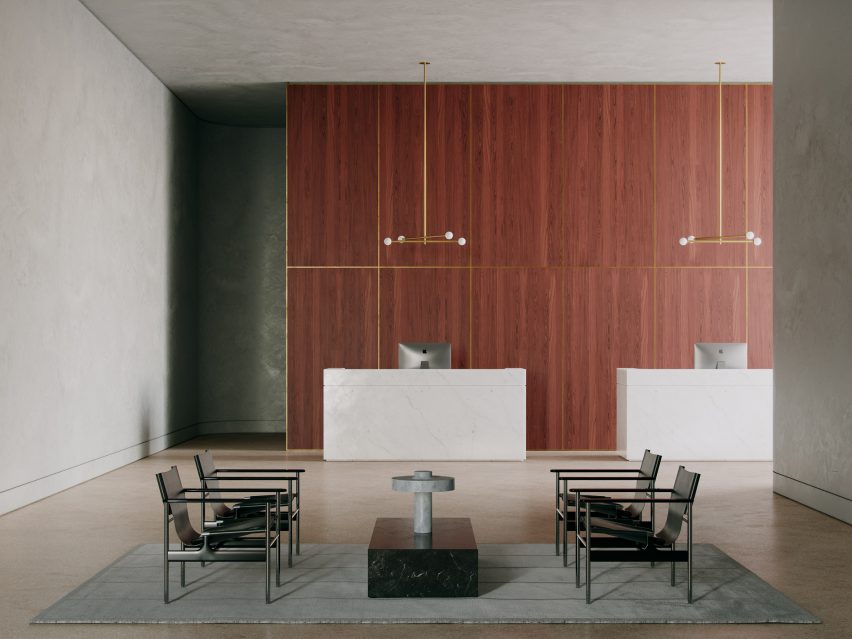
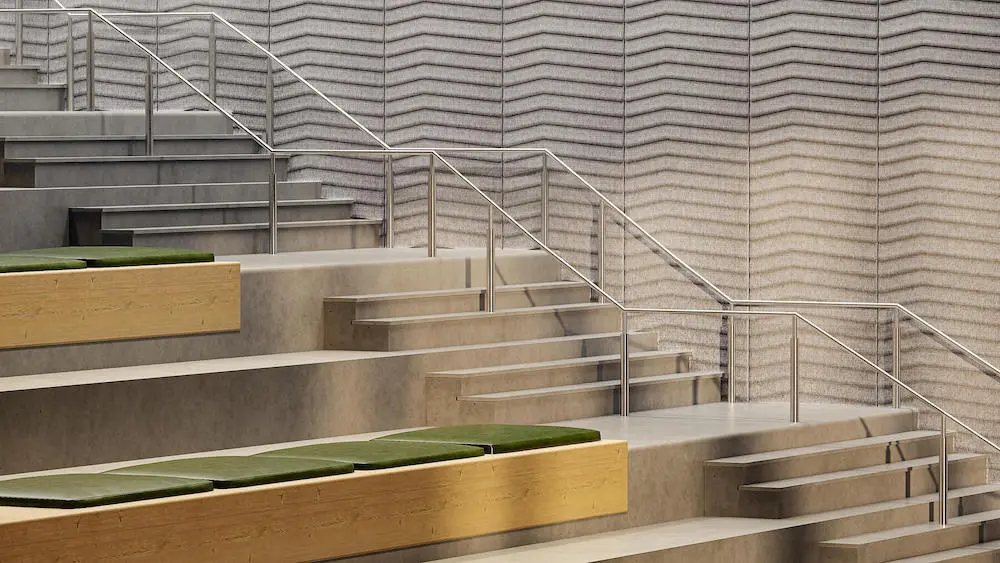
Internally, strategic spatial planning is vital. Bedrooms, for instance, should ideally be situated away from high-traffic living areas and external noise sources. While living areas benefit from a clear flow of movement, this principle does not apply to the flow of sound. Design barriers can be incorporated to prevent excessive noise transfer between different zones of the home. Building materials and techniques that minimize sound transmission are crucial, including sound-rated plasterboard, acoustic insulation, double or triple-glazed windows, floor underlay, sound-rated curtains, and even soundproof paint. Properly sealed doors are also critical. Architectural features that introduce depth, such as recessed or coffered ceilings and timber-batten features, can diffuse sound waves, preventing them from bouncing off flat surfaces. While polished concrete floors offer aesthetic appeal, they require soft floor coverings to mitigate sound reflection. Appliances like washers and dryers are significant contributors to indoor noise, so positioning the laundry away from living spaces can greatly reduce disturbance.
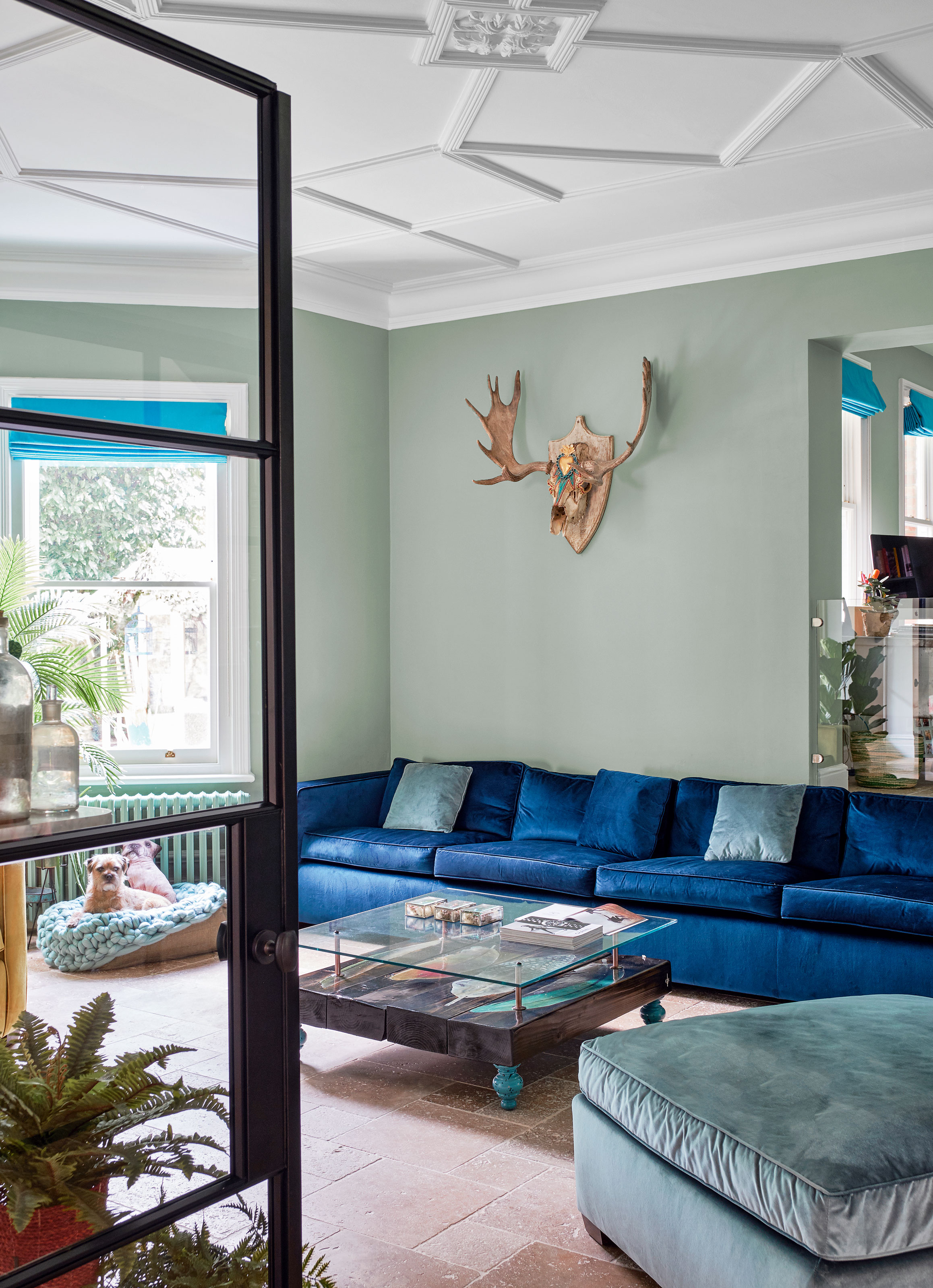
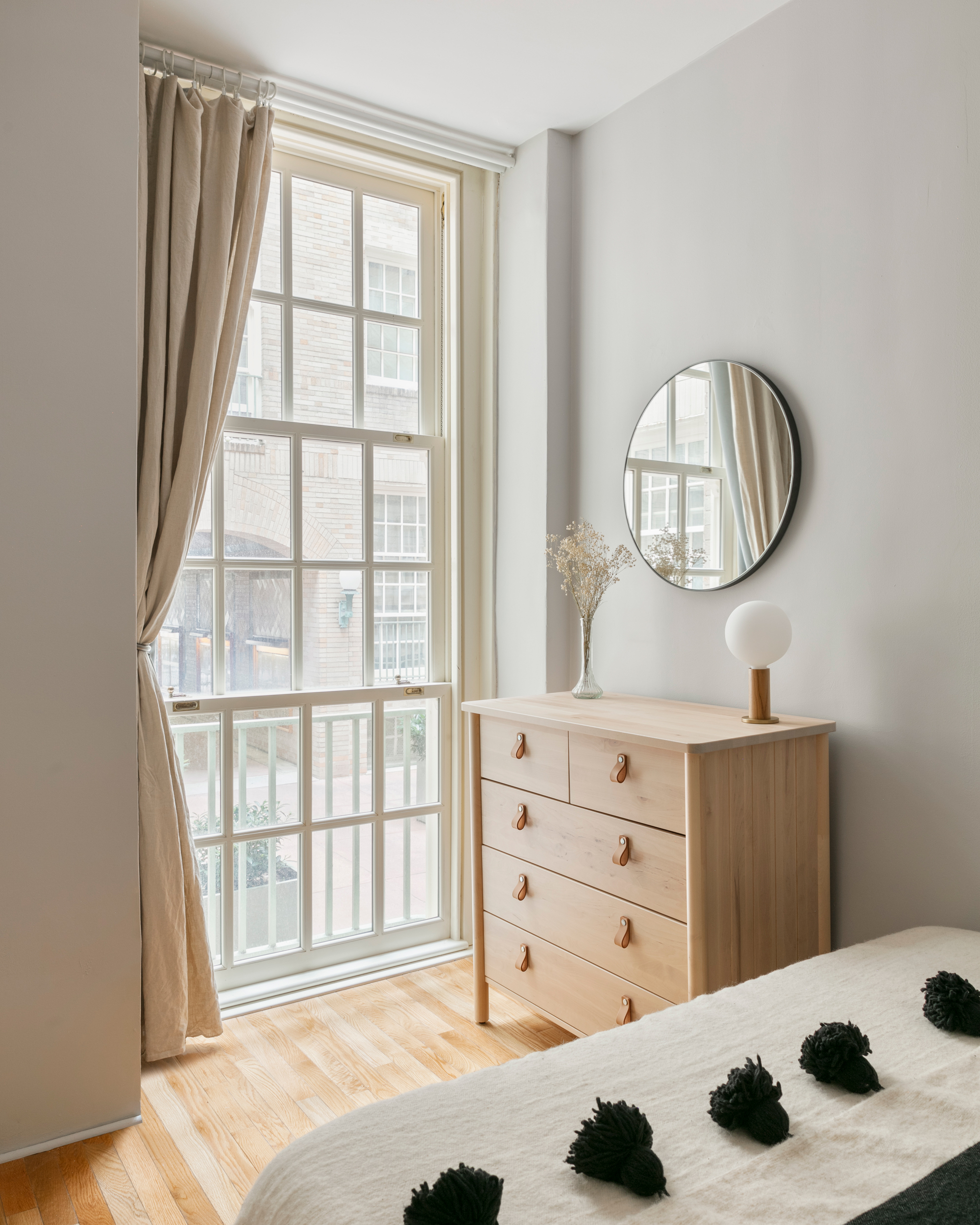
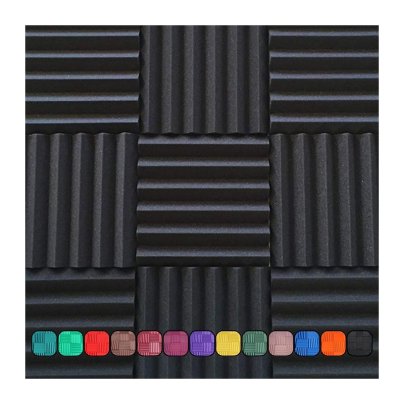
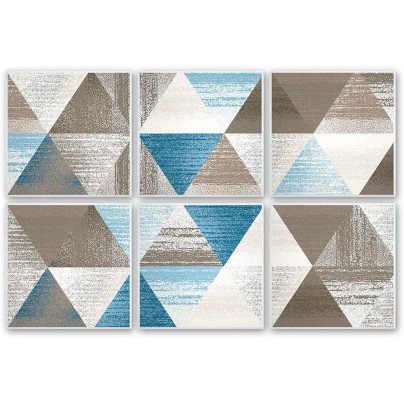
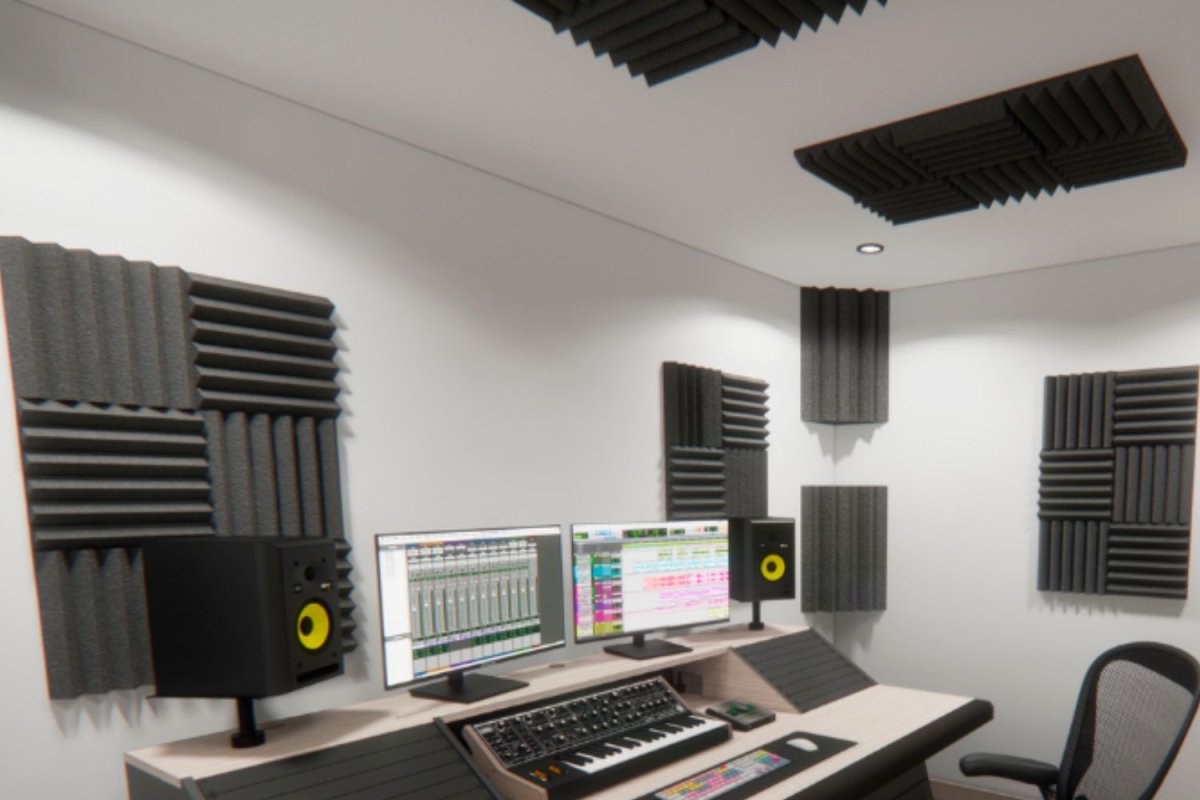
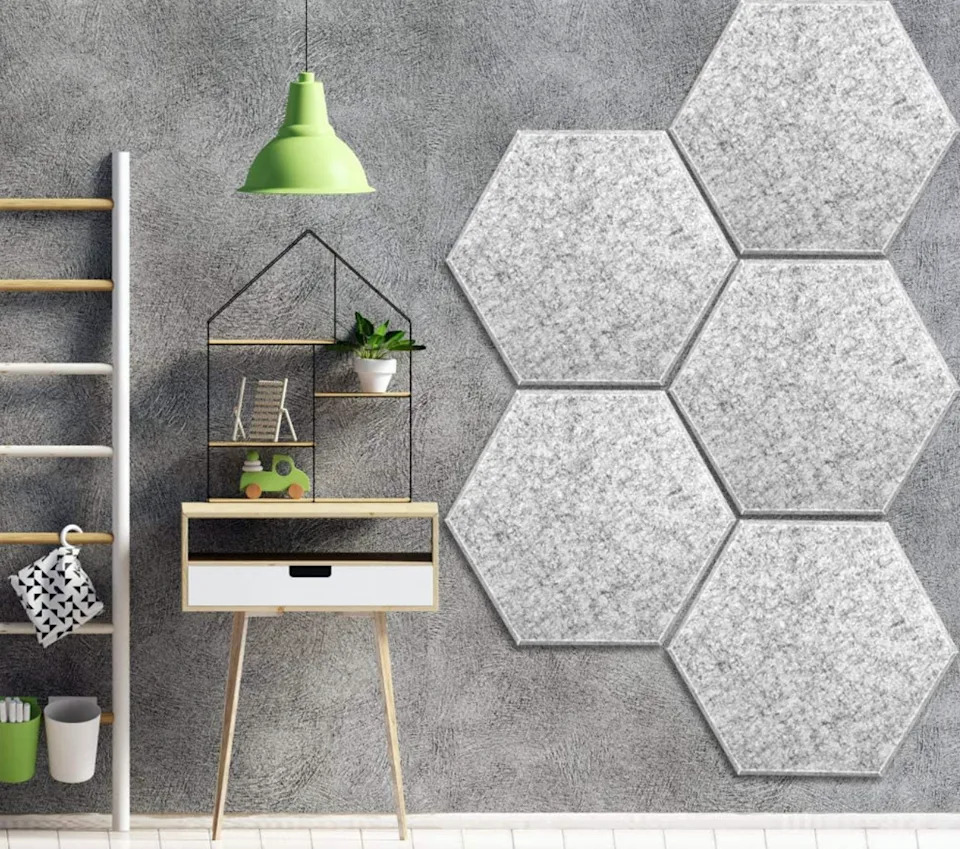
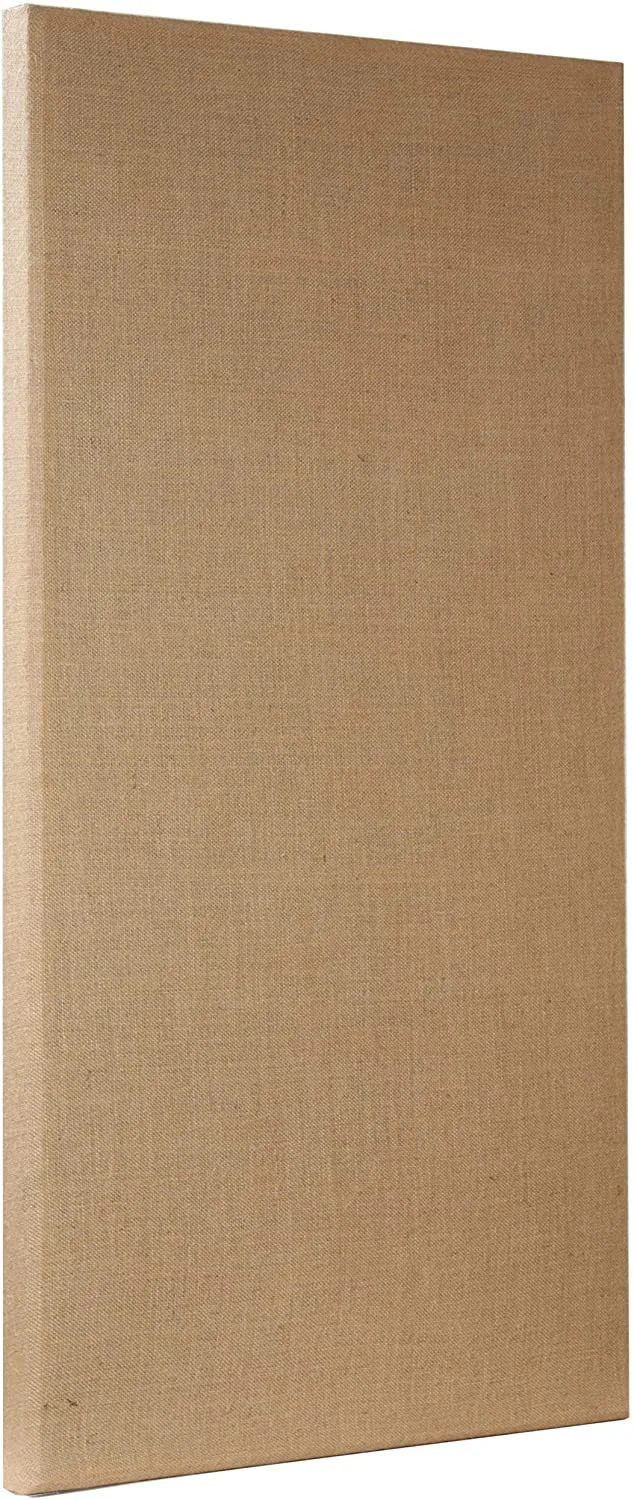
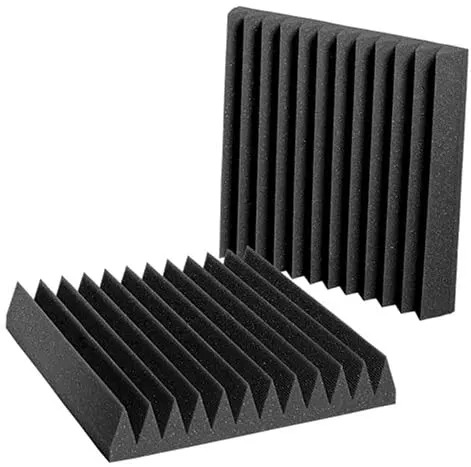
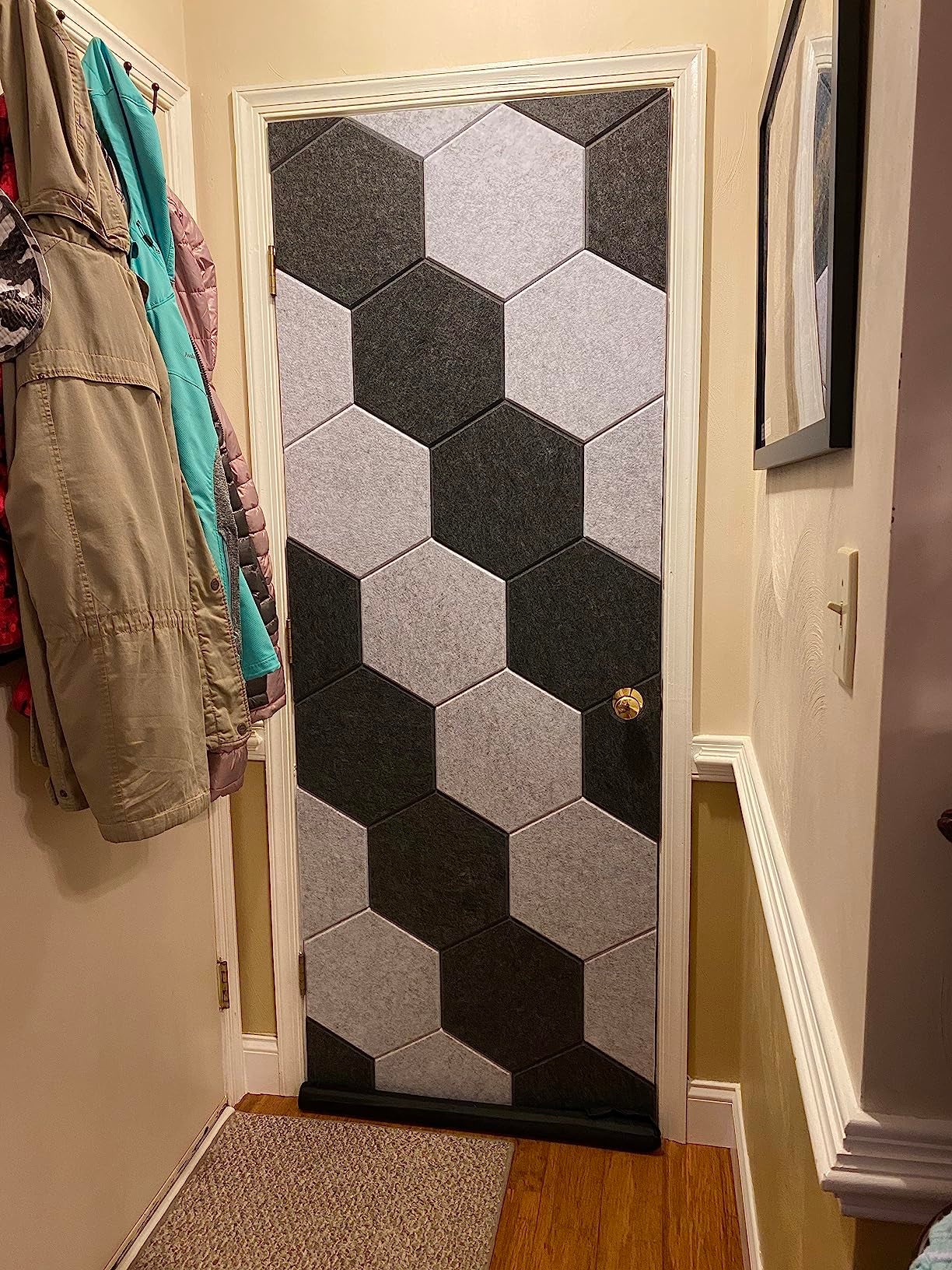
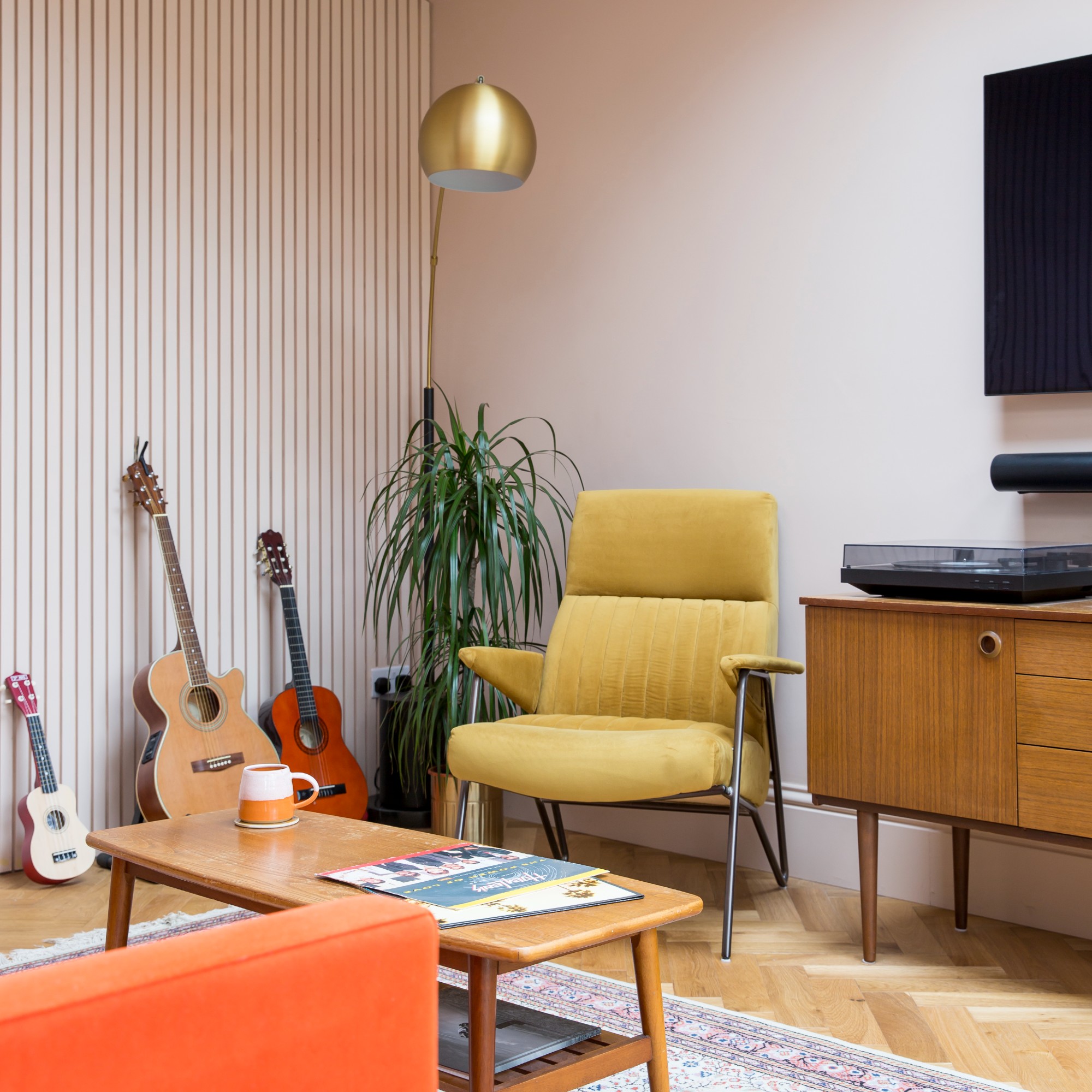
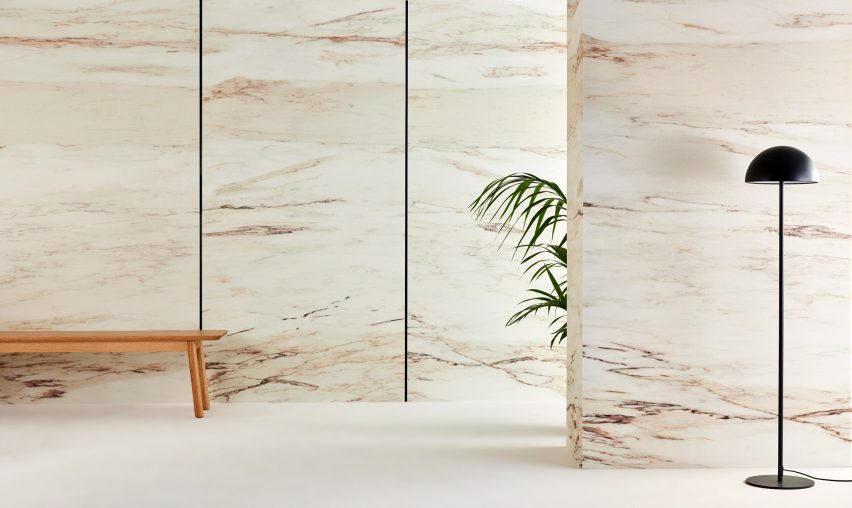
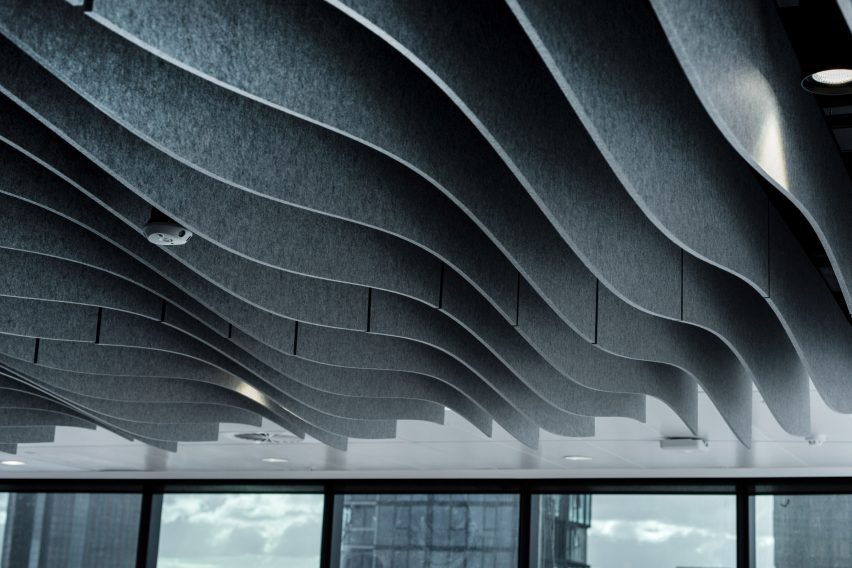
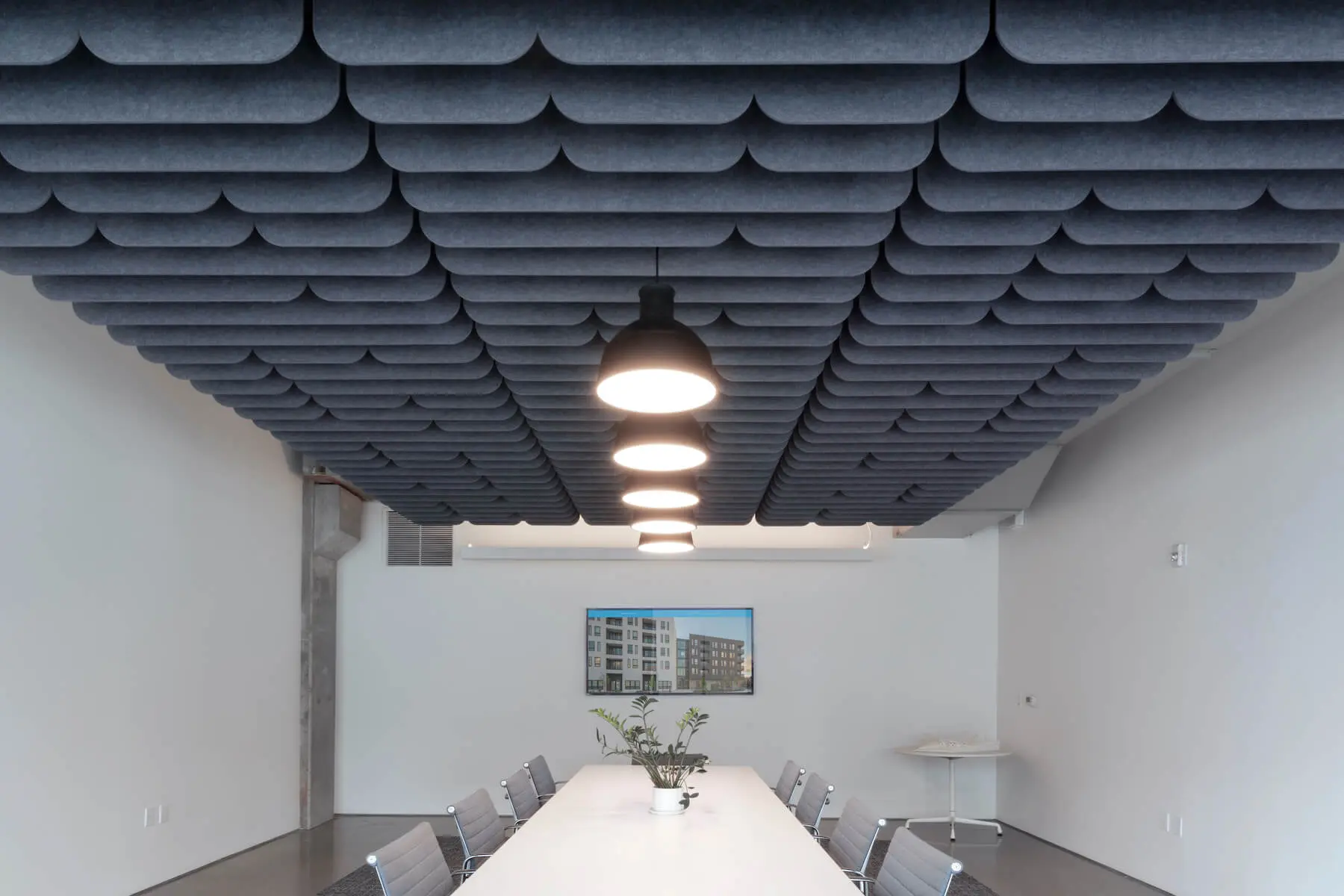
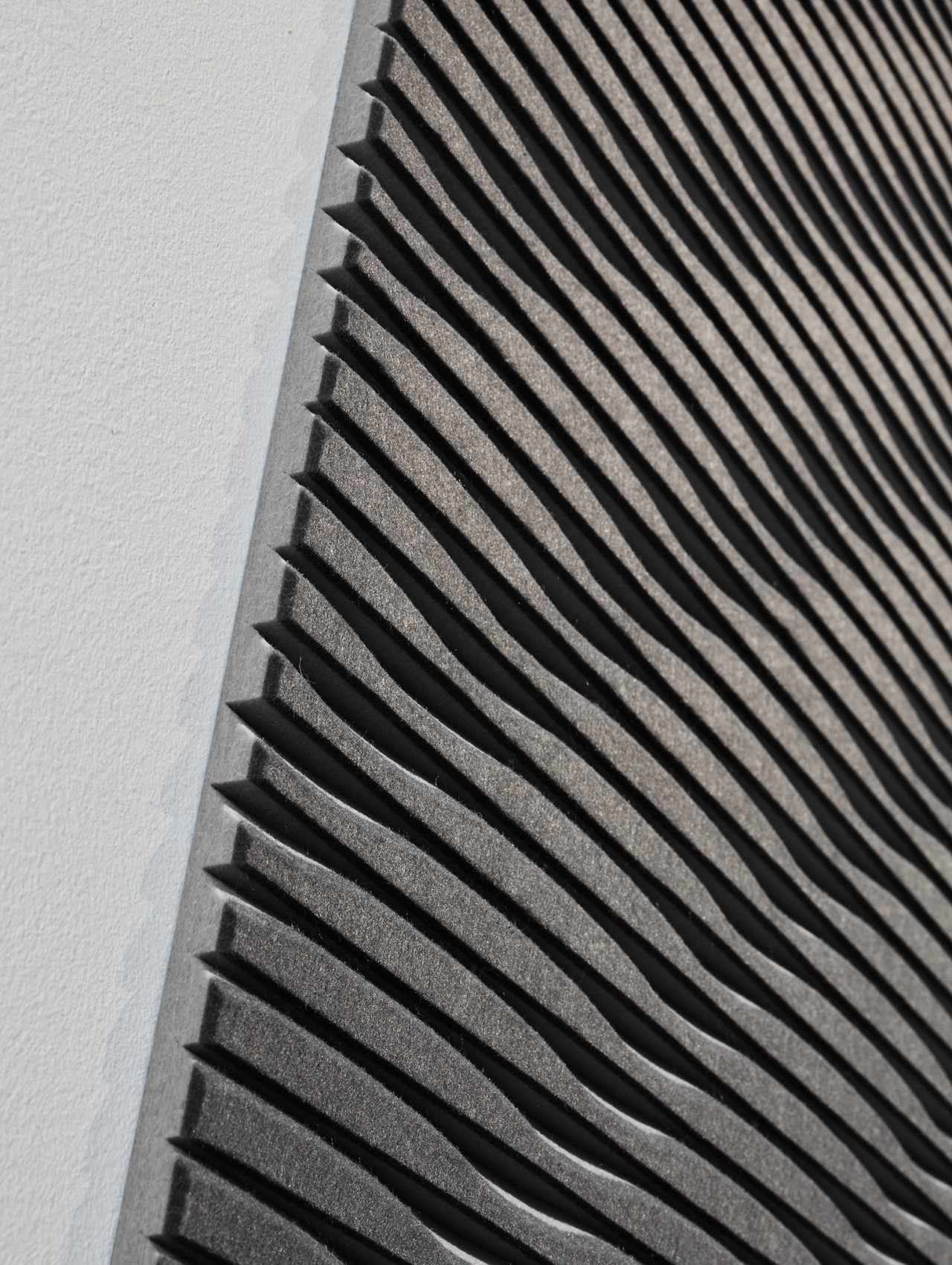
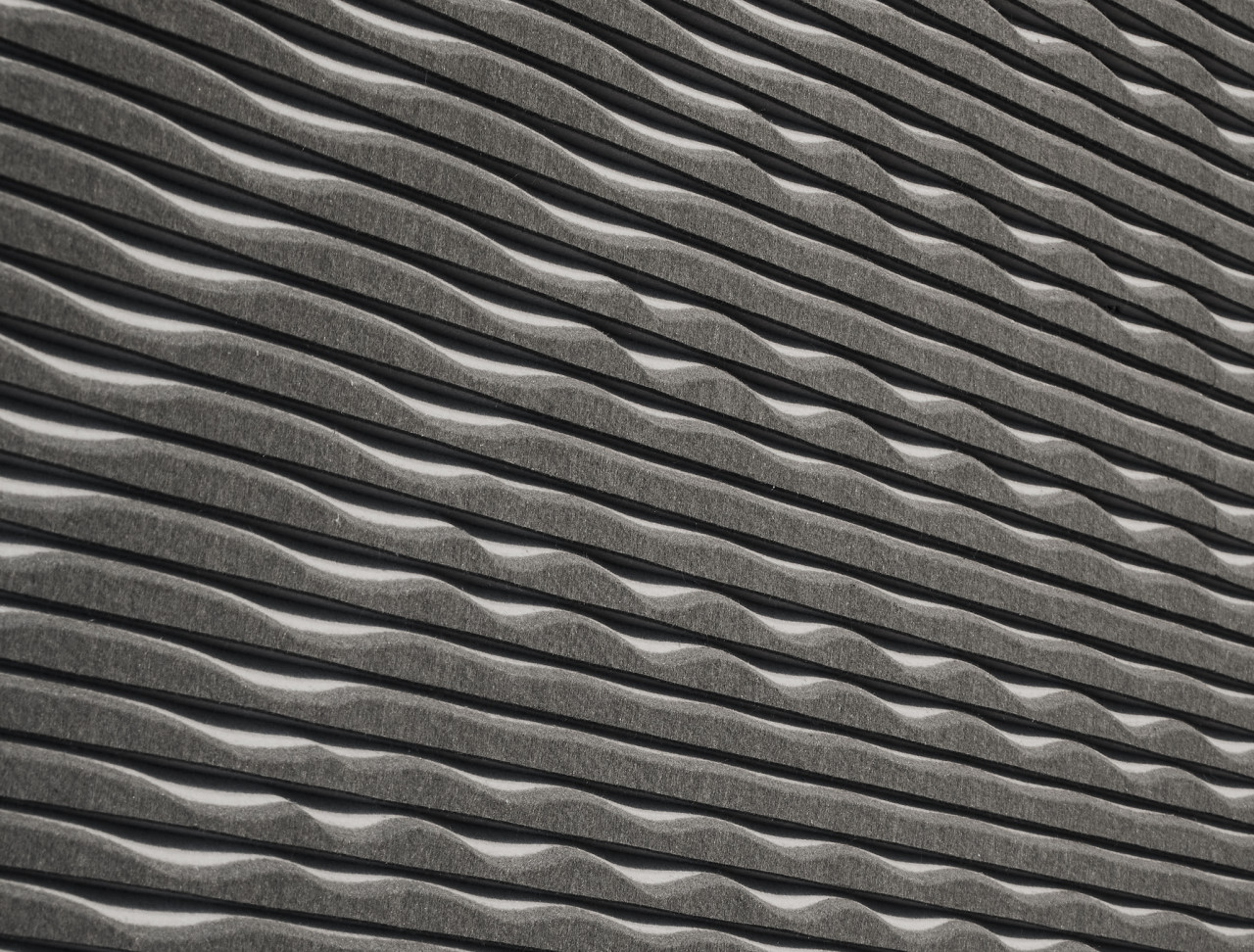
For existing homes, retrofitting soundproofing can be achieved by introducing sound-absorbing elements. Soft furnishings like sofas, pillows, and rugs are effective at absorbing sound. Wall hangings, lampshades, and indoor plants also contribute to reducing noise. For a more advanced approach, acoustic panels or tiles, which have evolved significantly in design, offer professional-grade sound reduction and can even serve as decorative features. In dedicated spaces like home cinemas, avoiding an abundance of hard, flat surfaces is essential to prevent sound distortion. A balanced use of soft elements to absorb sound, carpeting hard floors, and integrating specific sound diffusers will enhance the audio experience. Maintaining a clear line of sight between speakers and seating ensures optimal sound delivery. By implementing these strategies, individuals can create a tranquil environment in their homes, effectively mitigating unwanted noise.
#soundproofing #homeAcoustics #interiorDesign #renovationTips #noiseReduction #homeComfort #acousticPanels #materialSelection #residentialDesign #soundproofing #homeAcoustics #interiorDesign #renovationTips #noiseReduction #homeComfort #acousticPanels #materialSelection #residentialDesign
0 comment in total
 No comments yet
You may also like
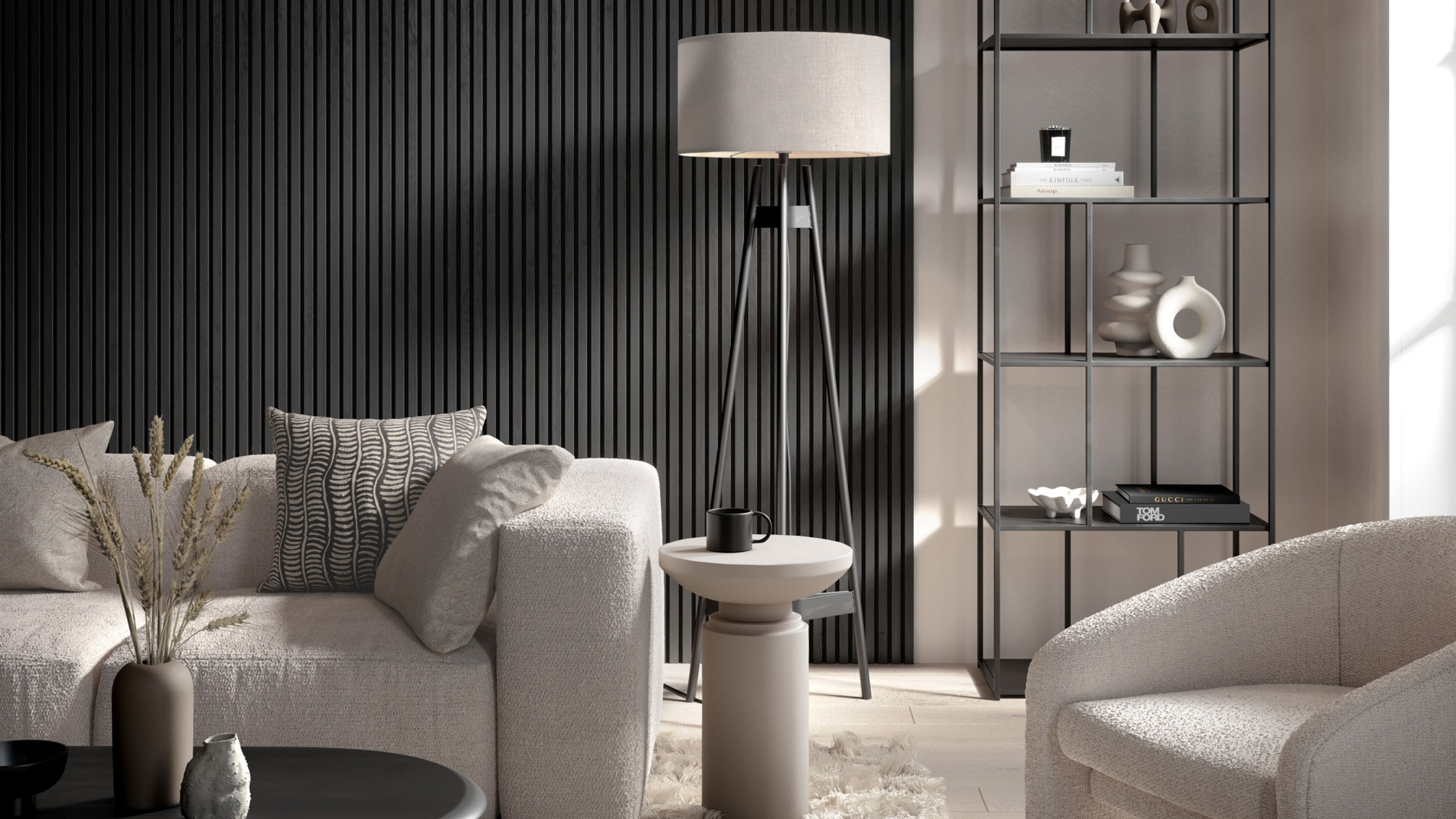
9 expert tips for soundproofing a room – how to sort acoustics while losing nothing of the aesthetics

How to soundproof your kitchen and stop noisy appliances disturbing your peace
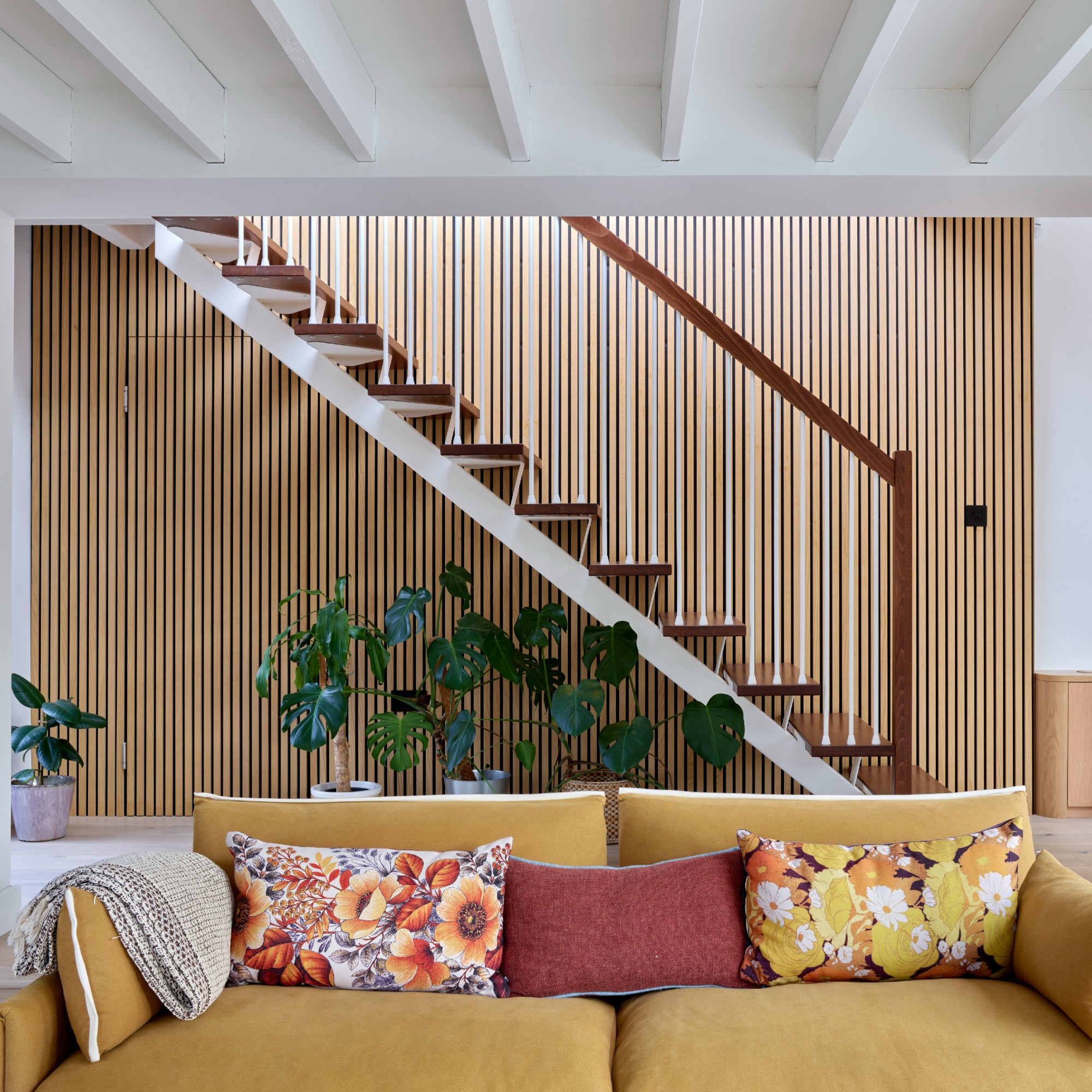
Do acoustic wall panels soundproof a room? Experts…
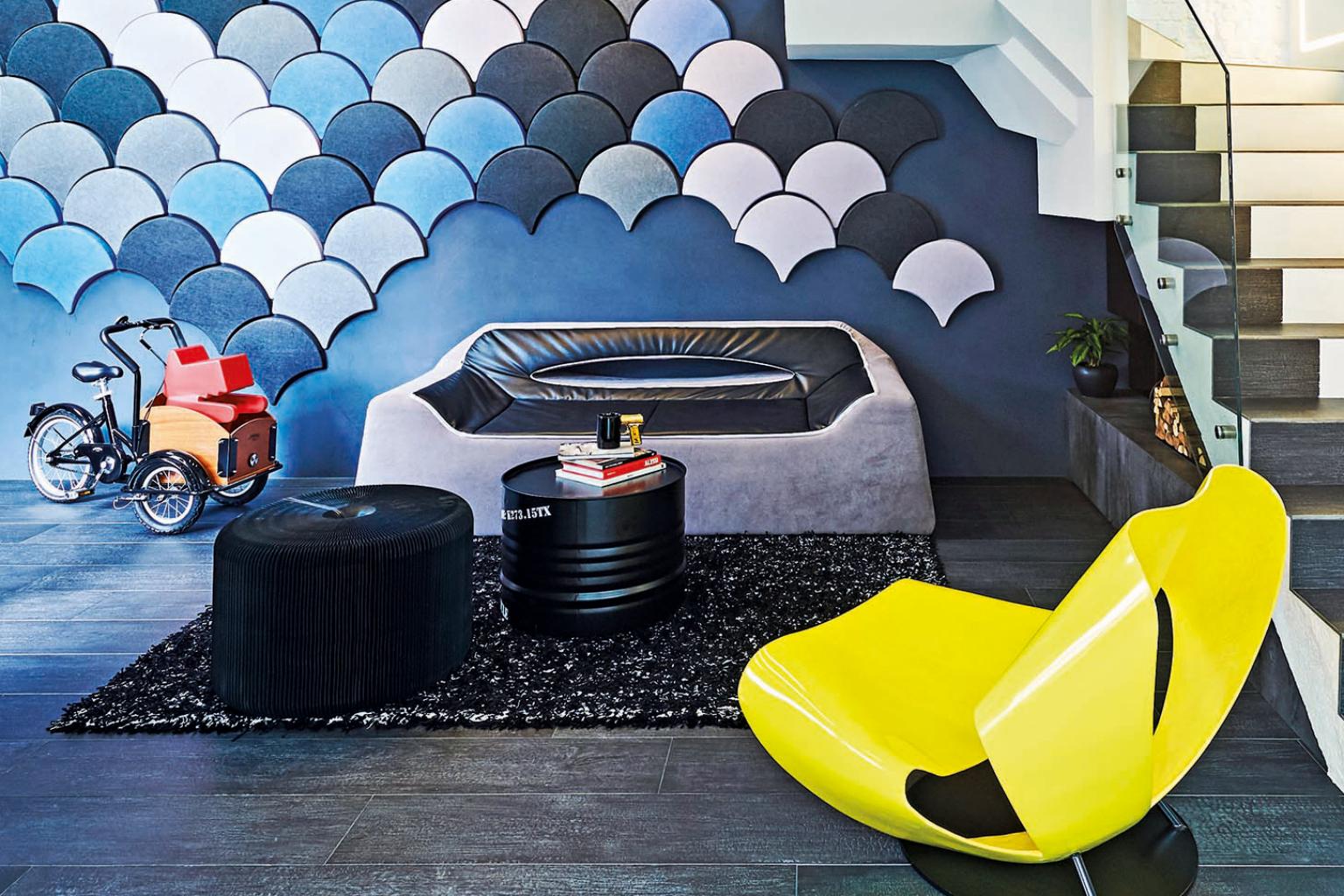
Soundproofing, proper acoustic treatment vital for a home

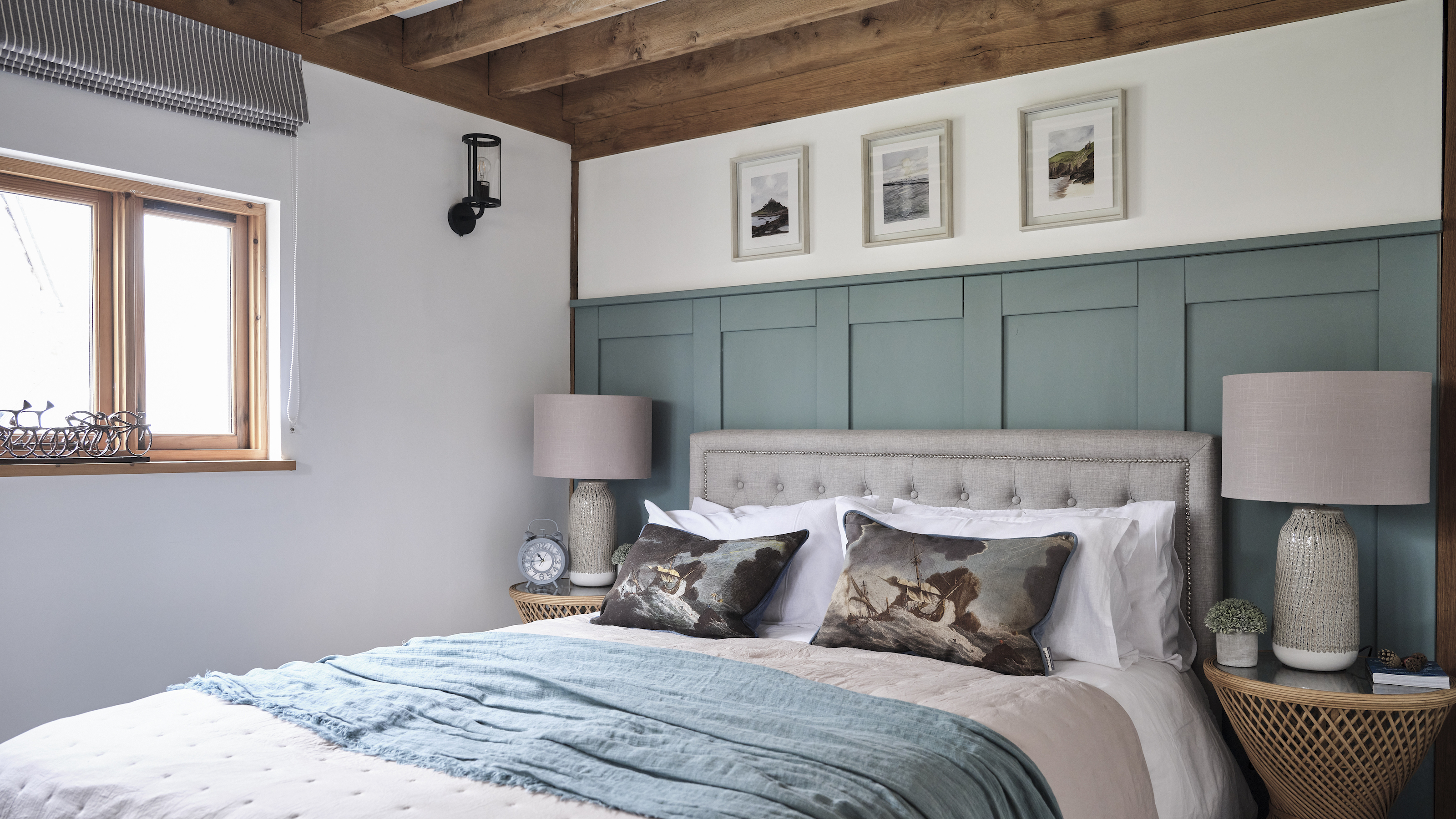
How to soundproof a bedroom – five easy and affordable fixes for a quiet night's sleep
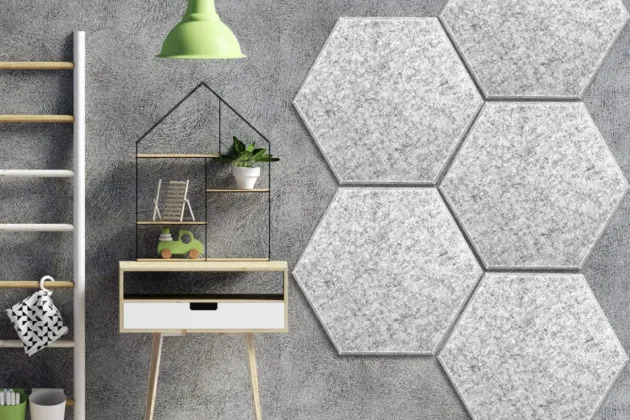
These Acoustic Wall Panels Make Any Room a Quiet Place to Work or Relax

4 Effective Ways to Soundproof Your Bedroom


An Algorithm Transforms Images Into Sound-Absorbing Wall Art
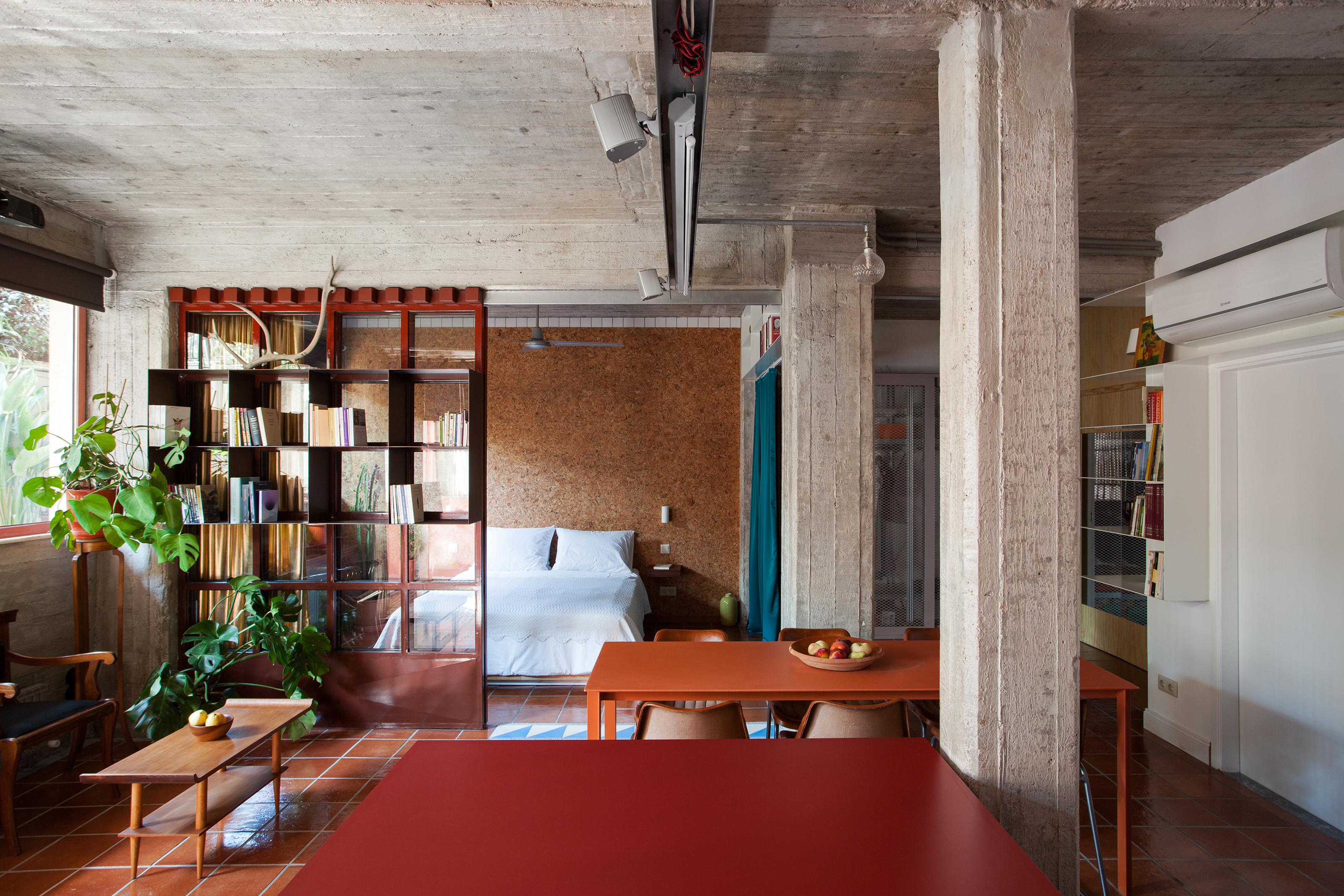
How to soundproof an apartment – 6 renter-friendly changes that will block out noisy neighbors
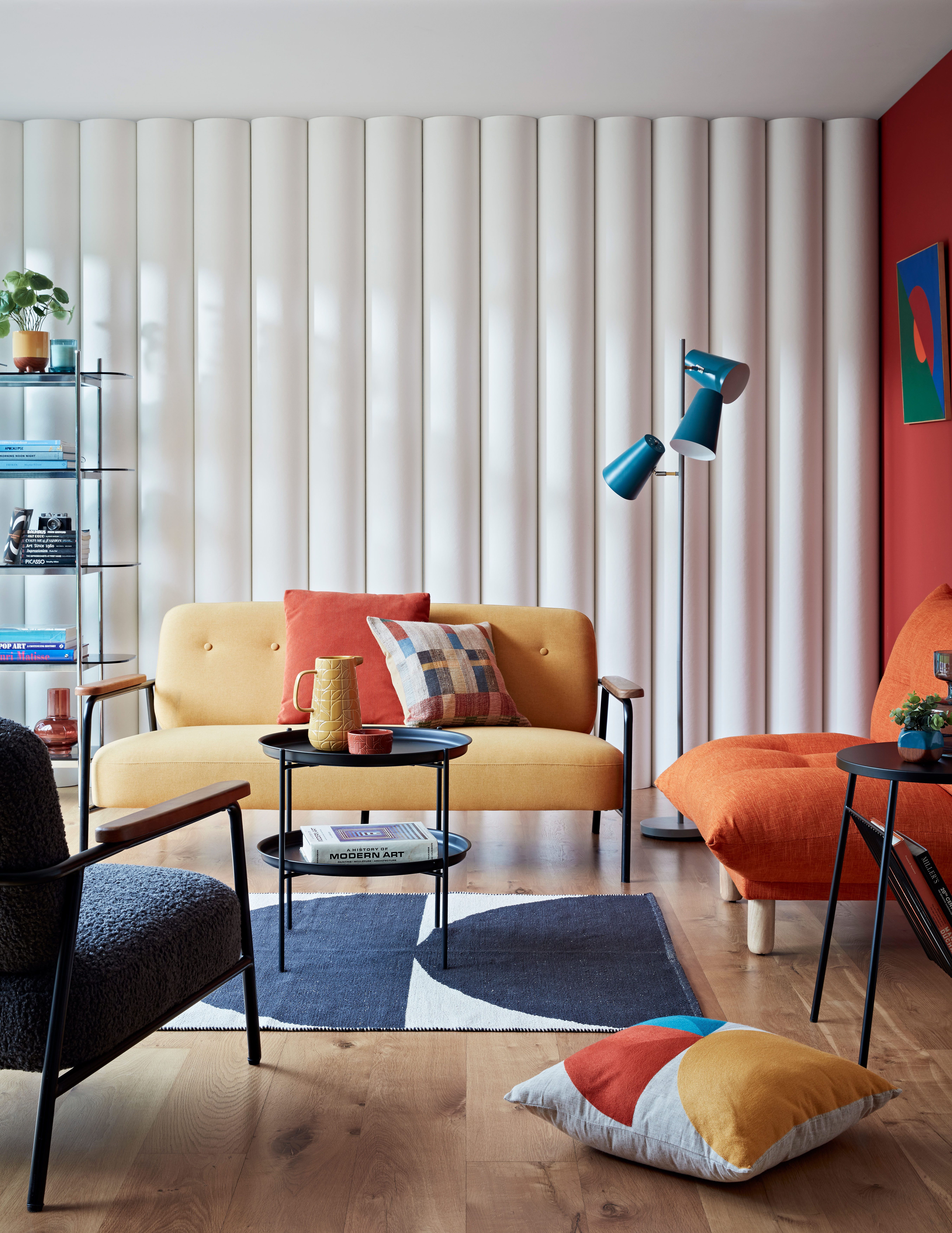
How to soundproof your apartment

Autex Acoustics releases acoustic products that blend into a variety of interiors
No, room correction software cannot fix a room’s reverb problem


How to Soundproof a Room (Published 2021)
If Your Home Is Super Noisy, You’ll Appreciate These 24 Noise-Dampening Products

Six acoustic products that control noise levels in busy interiors

Ecophon
The Best Soundproofing Materials for Any Room in Your Home


These Acoustic Wall Panels Make Any Room a Quiet Place to Work or Relax

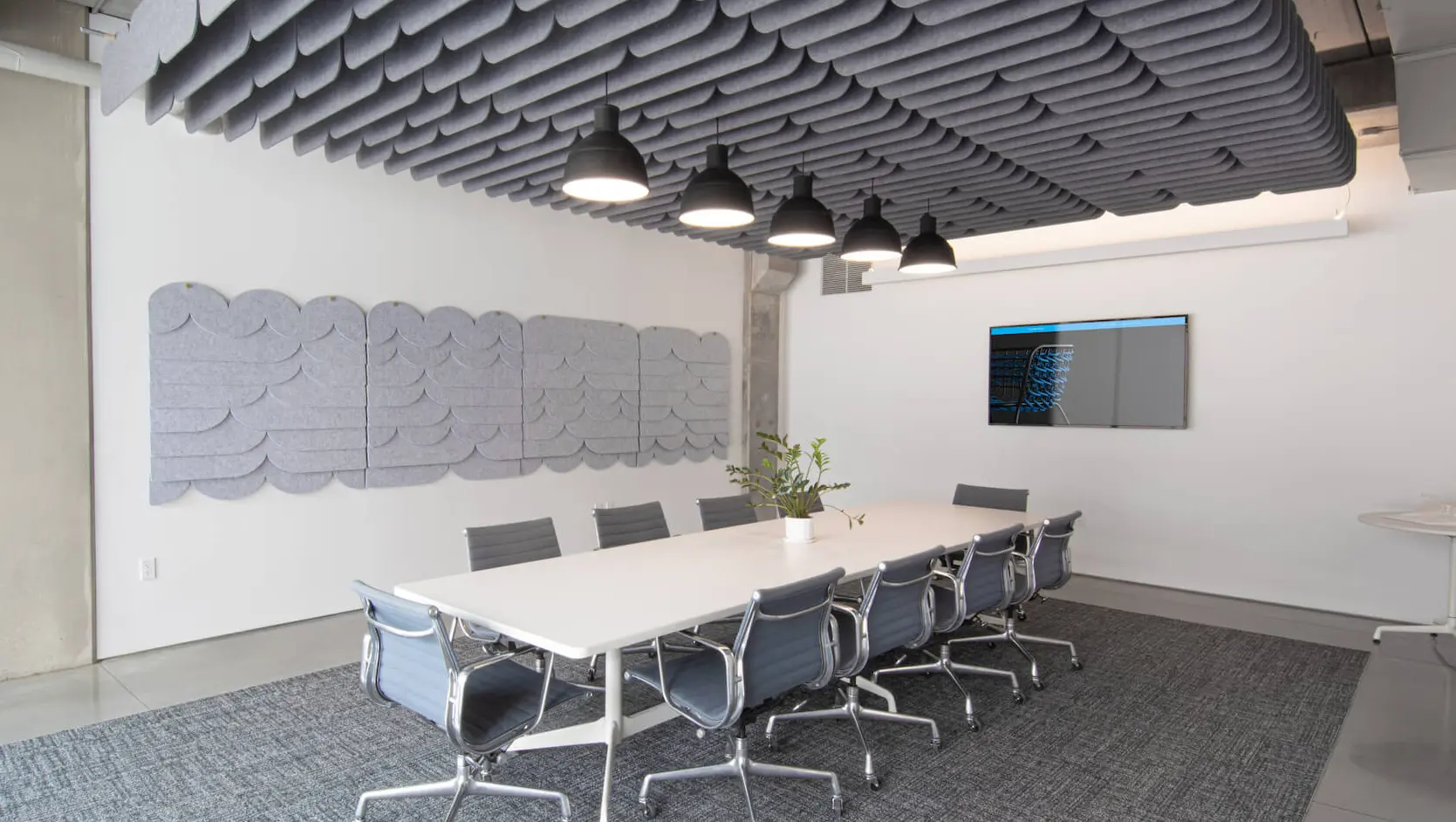
Tempo’s modular wall and ceiling ‘baffle system’ offers infinite acoustic solutions


How to Soundproof Your Bedroom for a Calm and Quiet Sleep Sanctuary