4 Effective Ways to Soundproof Your Bedroom
Achieving a serene and quiet bedroom environment is essential for rest and relaxation. While comfortable furnishings and calming colors contribute to a soothing sleep space, effective soundproofing is crucial to prevent external noise from entering and internal sounds from escaping. Whether updating an existing room or designing a new home, various methods can be employed to enhance acoustic insulation. This guide outlines several designer-approved strategies for soundproofing a bedroom, focusing on walls, textiles, windows, and structural considerations.
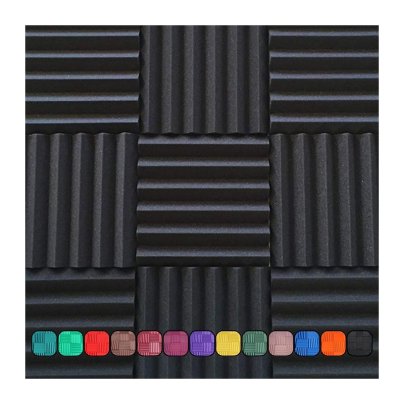
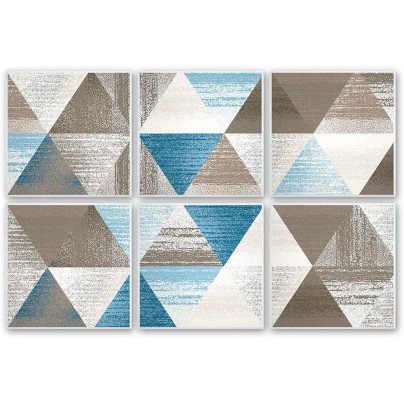
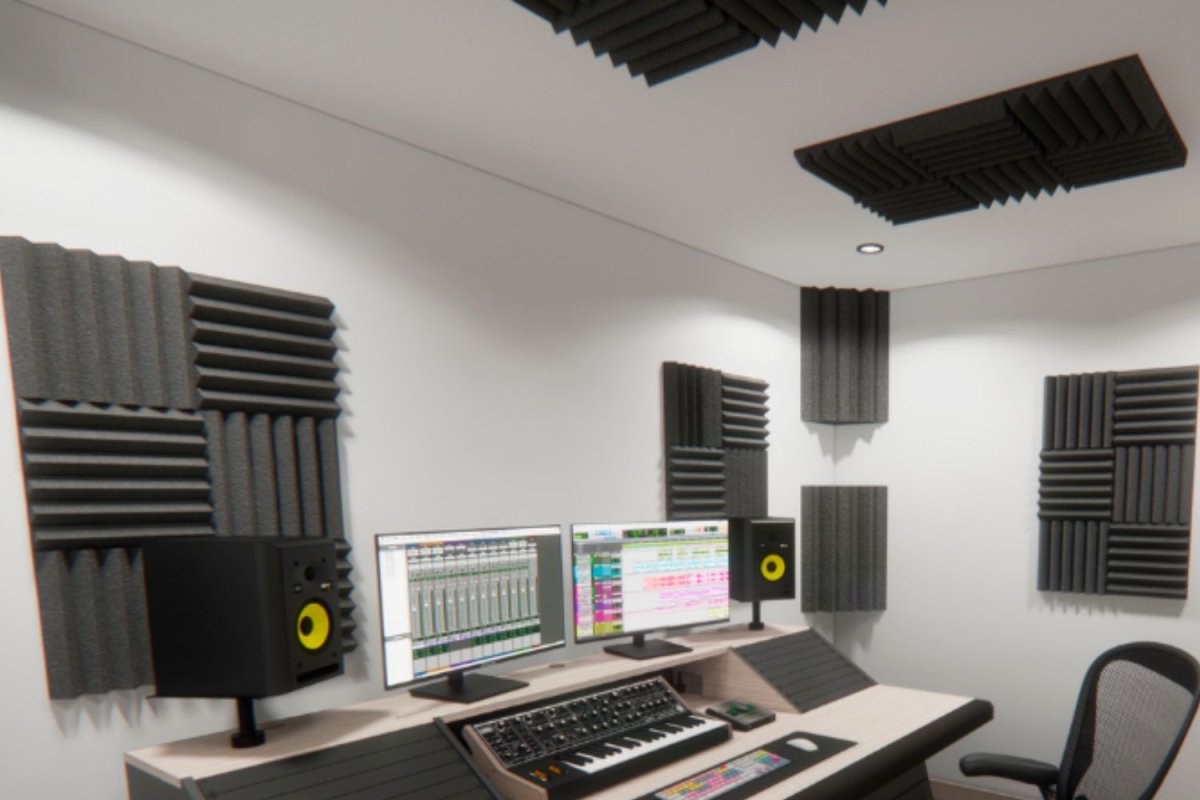
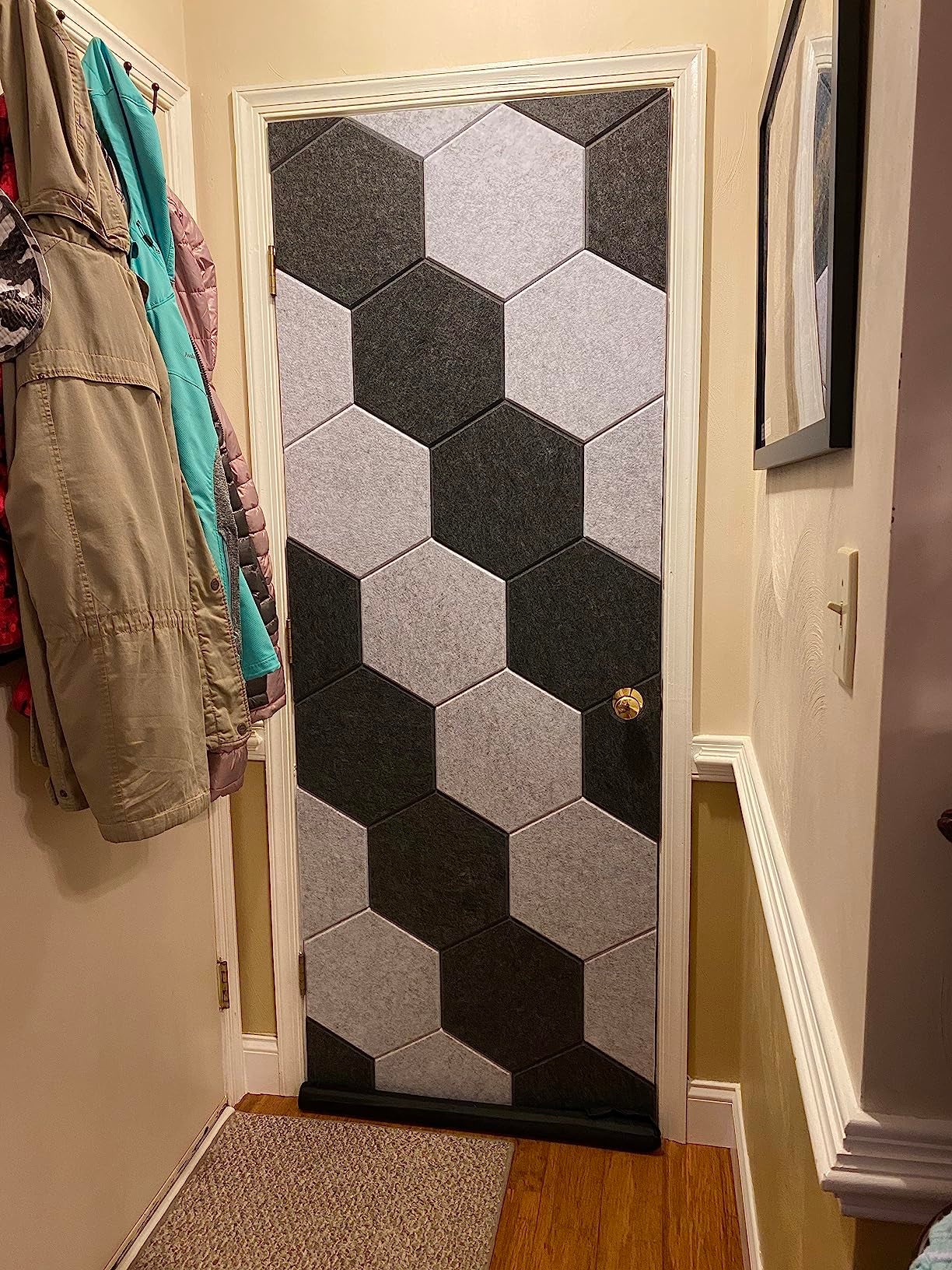
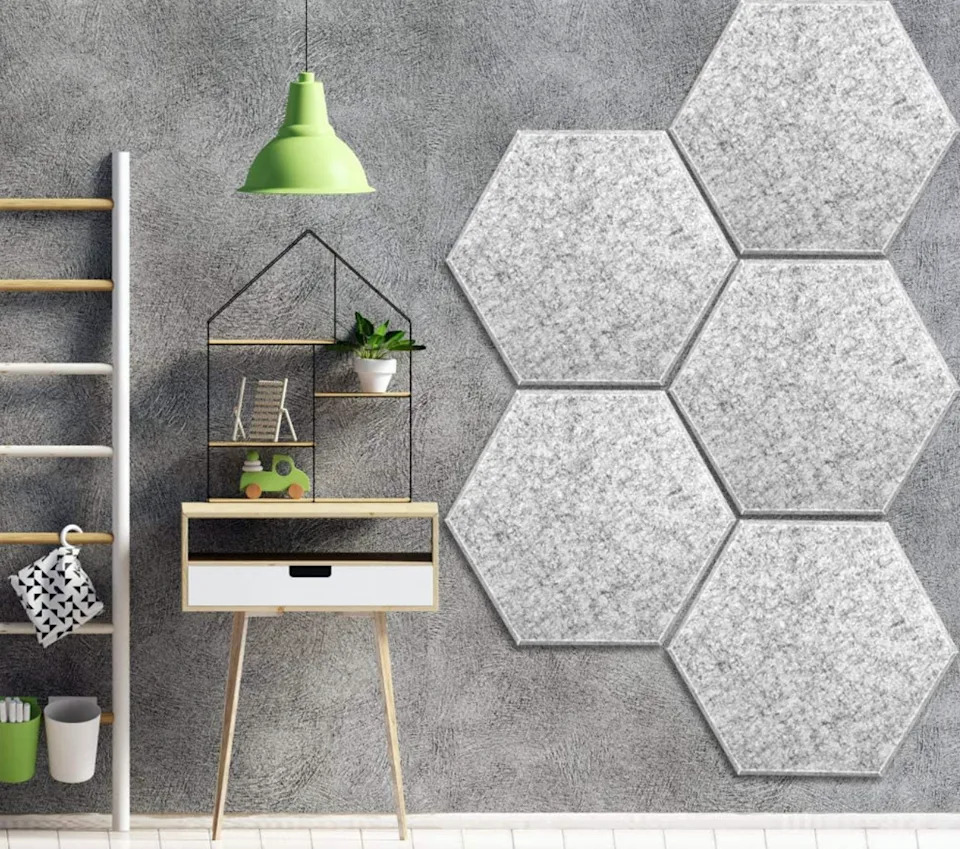
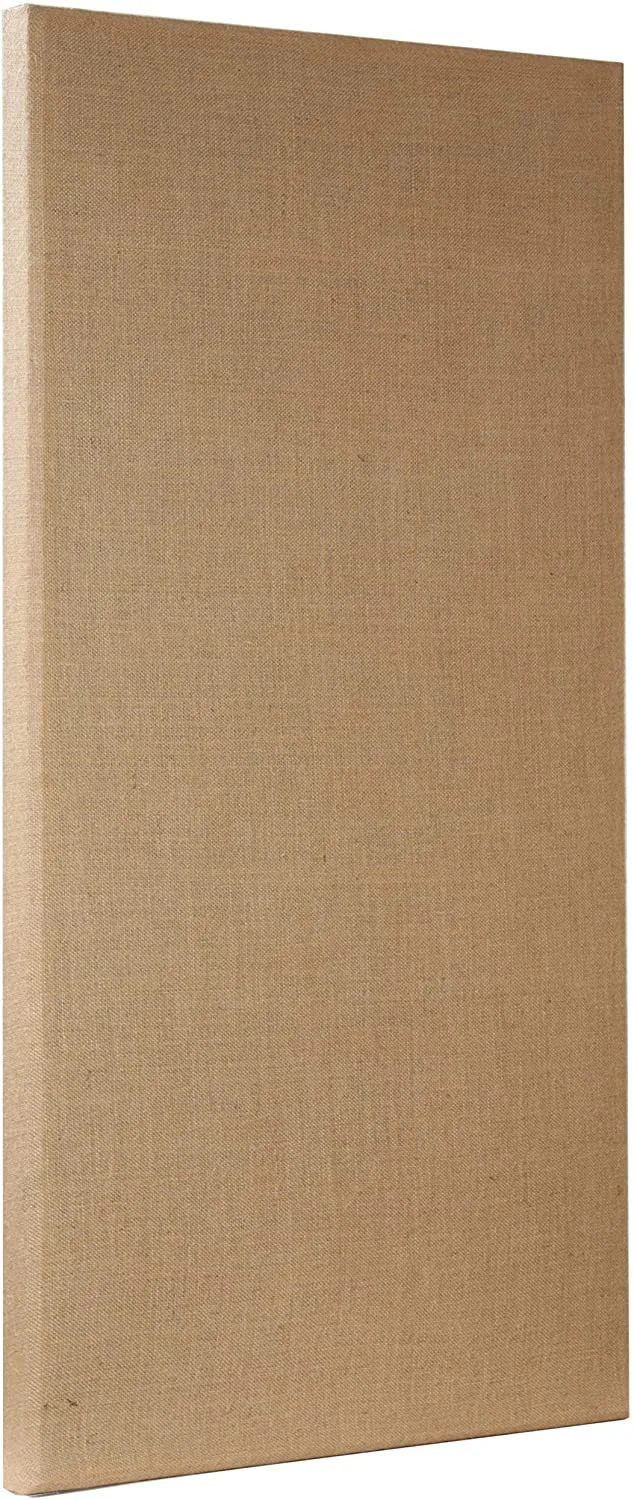
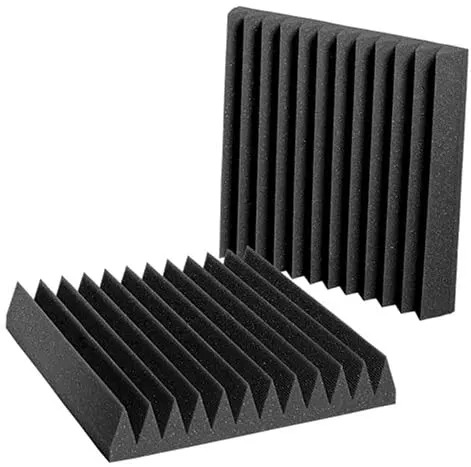
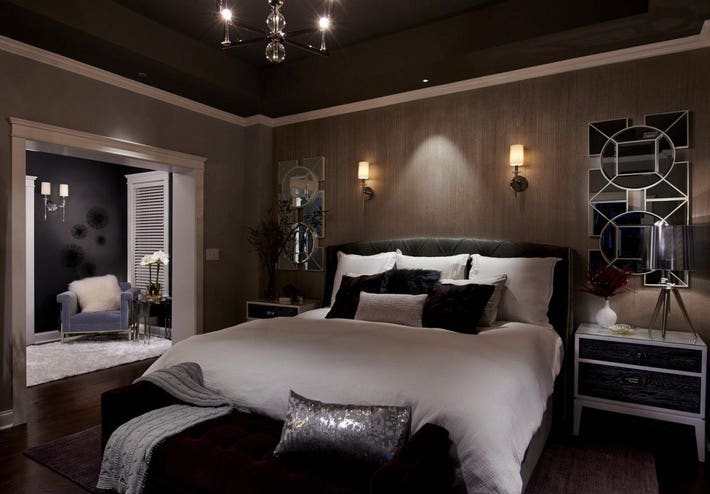
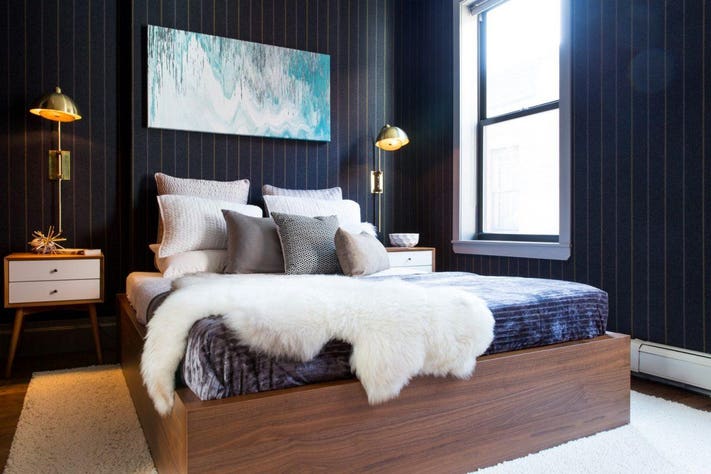
Walls play a pivotal role in sound attenuation. Upholstered walls are a recommended starting point, offering a sophisticated alternative to functional acoustic panels, which can sometimes appear utilitarian. Designers suggest materials like velvet for a touch of glamour. For those who prefer wallpaper, integrating cork underneath can significantly improve sound absorption, as cork is a natural noise-absorbing material. These solutions help to reduce sound reverberation within the room.
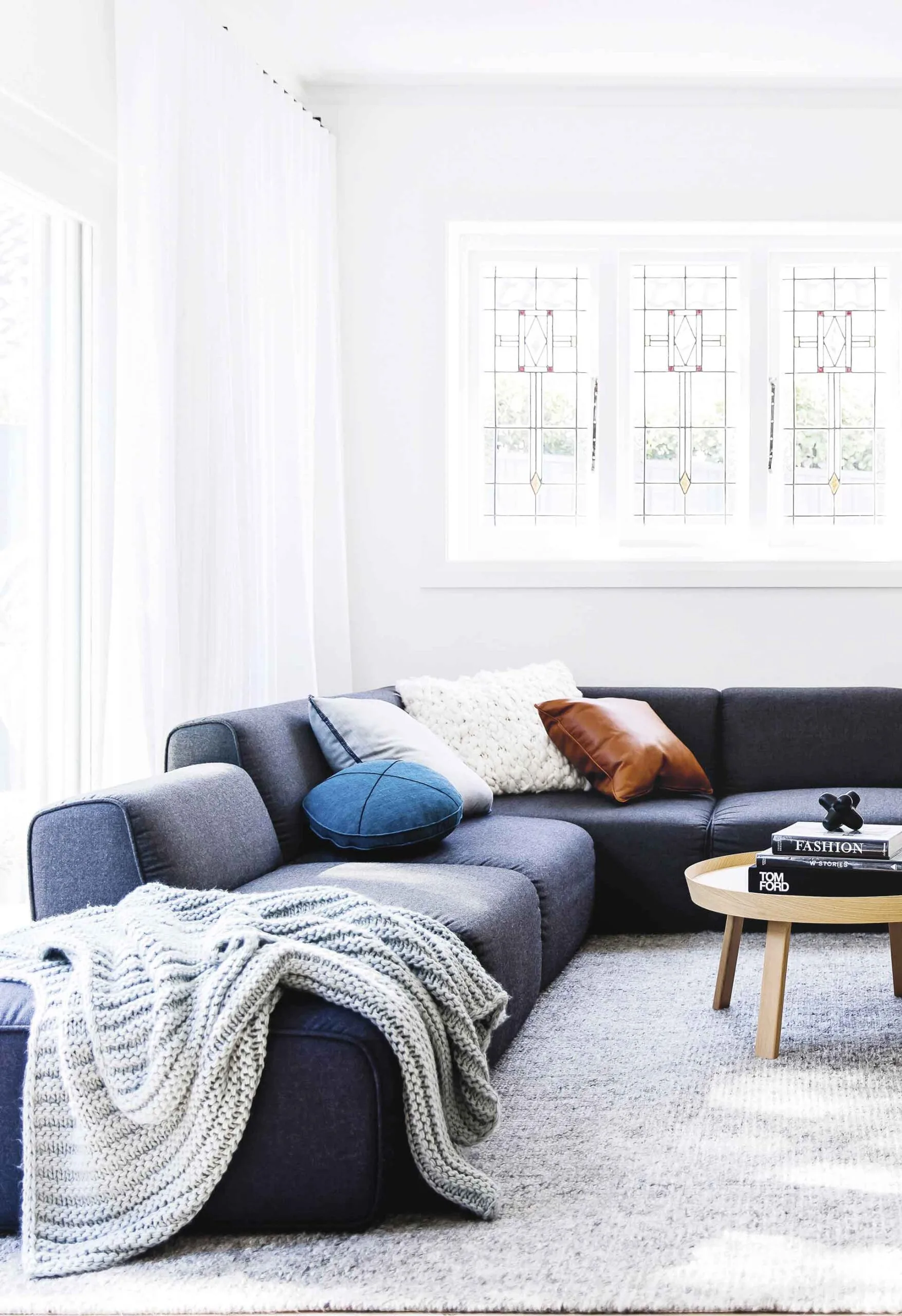
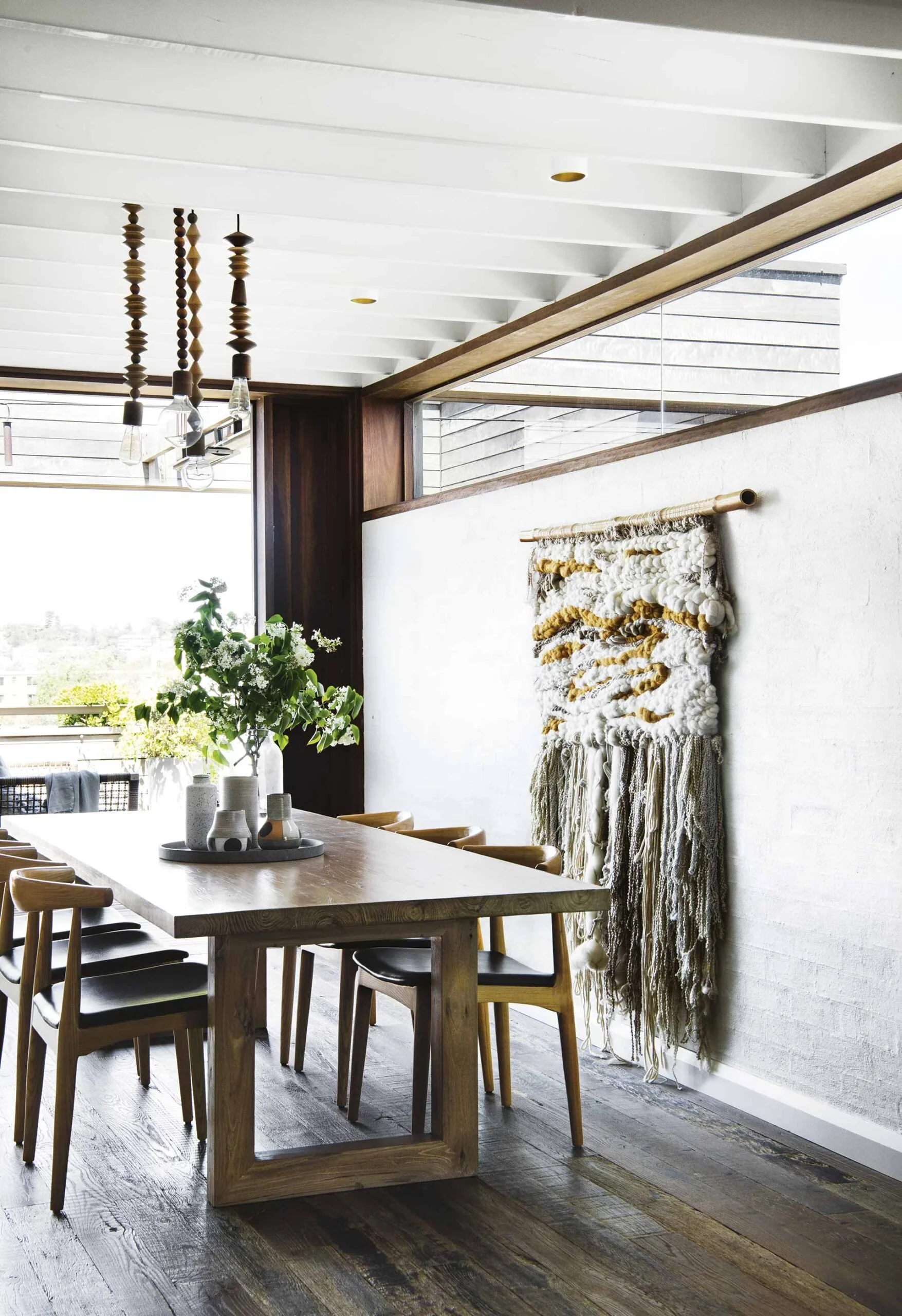
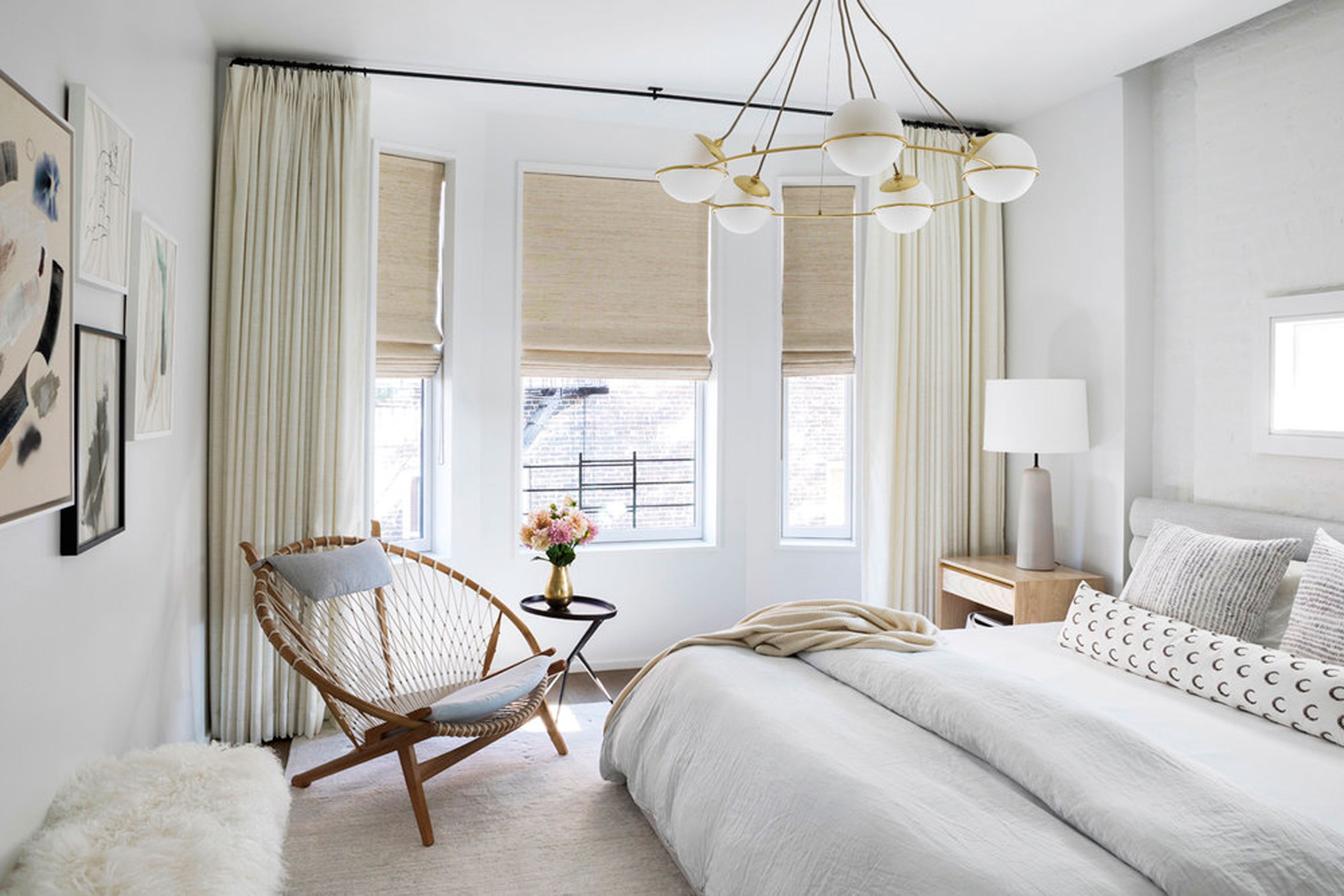
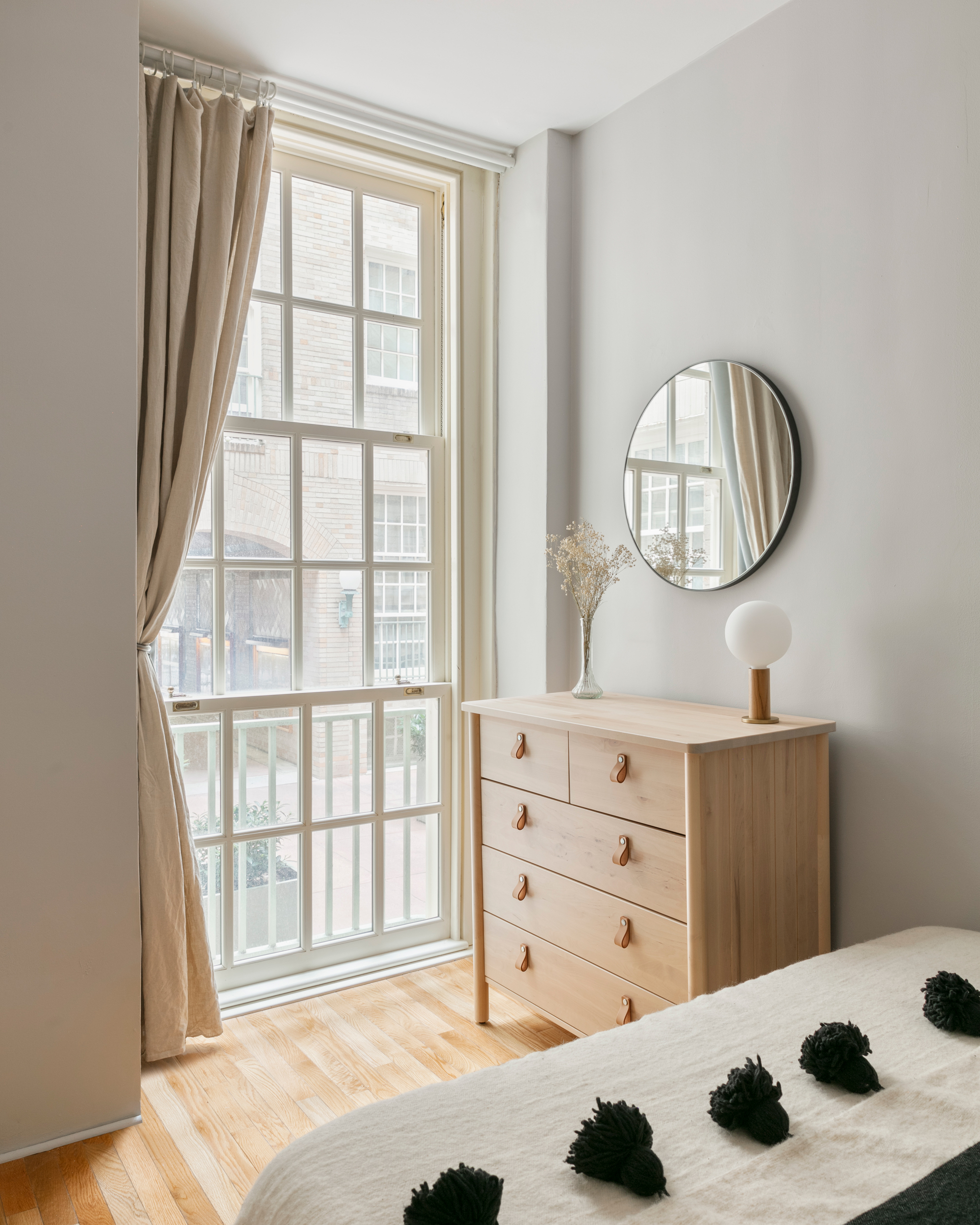

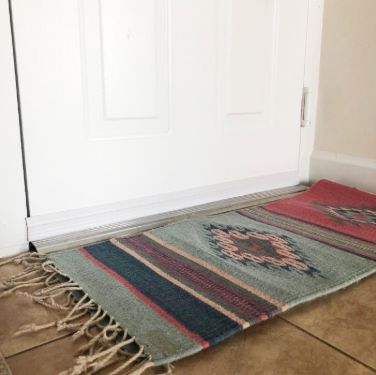
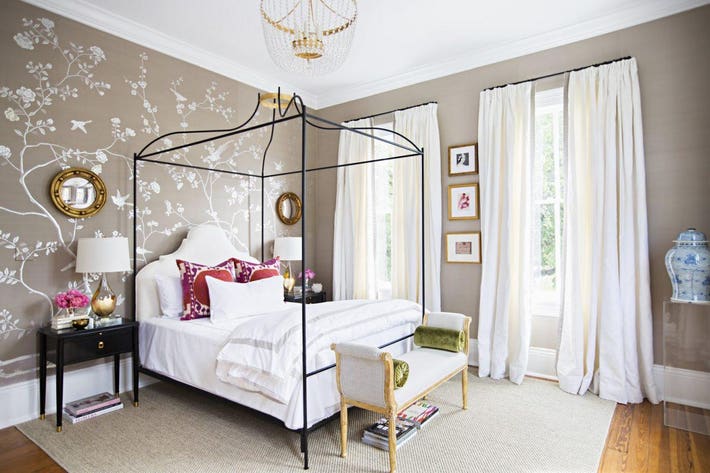
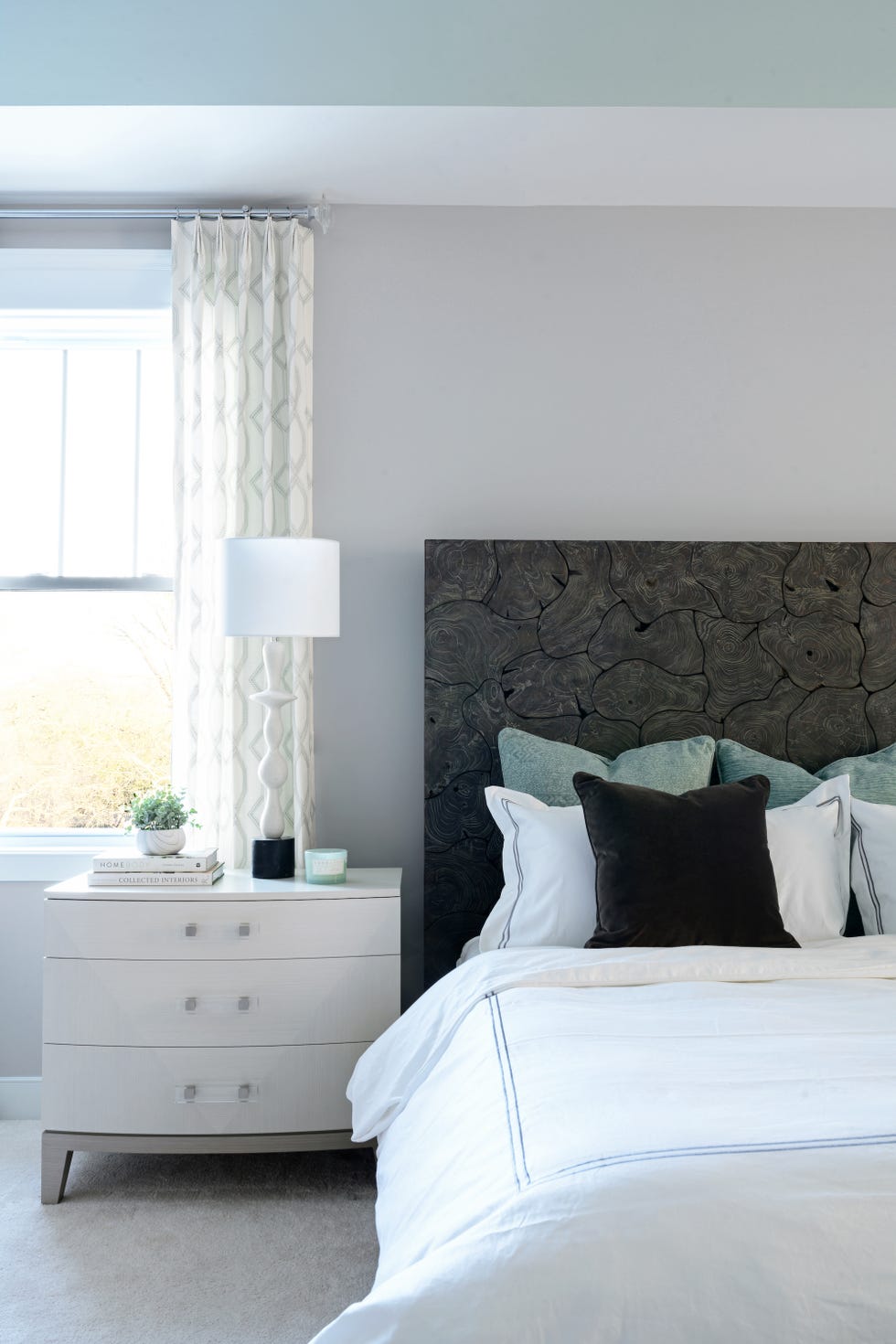
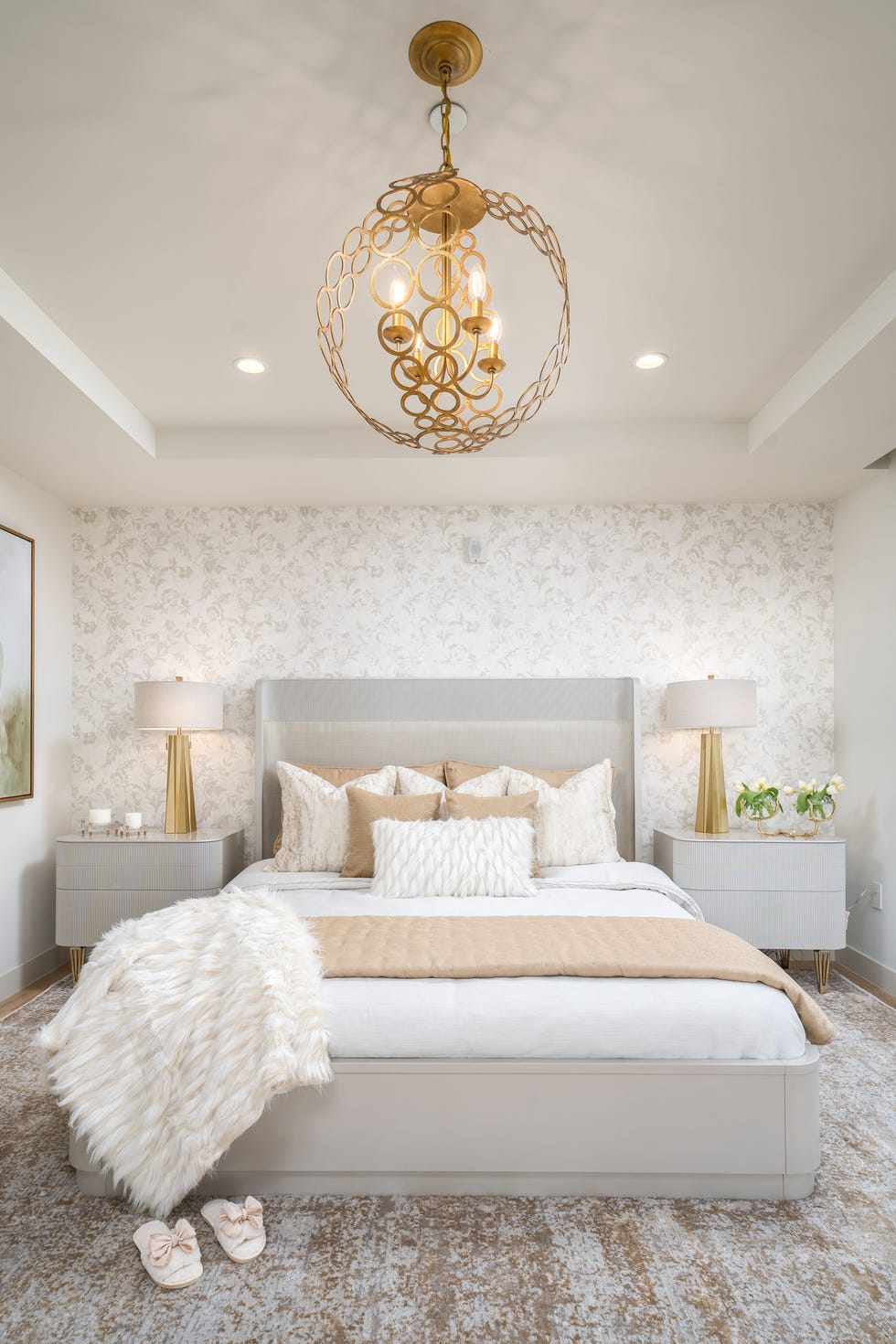
Textiles are another key element in soundproofing. A tall, three-sided upholstered headboard can create a cocoon-like effect, dampening sound. Upholstered beds and side chairs also contribute to noise reduction. Soft goods, such as heavy draperies and accent rugs placed around the bed or wall-to-wall carpeting, are highly effective for sound absorption. These items also offer opportunities to incorporate unique design elements, colors, and patterns, combining functionality with aesthetic appeal. Even wall decor, like tapestries or artwork, adds an additional layer of soundproofing to walls.
Windows are often a significant source of sound transmission. While a more costly intervention, replacing existing windows is one of the most effective ways to address acoustic issues. Most window companies offer double-pane options, with some providing triple-pane alternatives. Increasing the number of panes directly correlates with a higher reduction in sound transmission, making this a worthwhile investment for superior sound insulation.
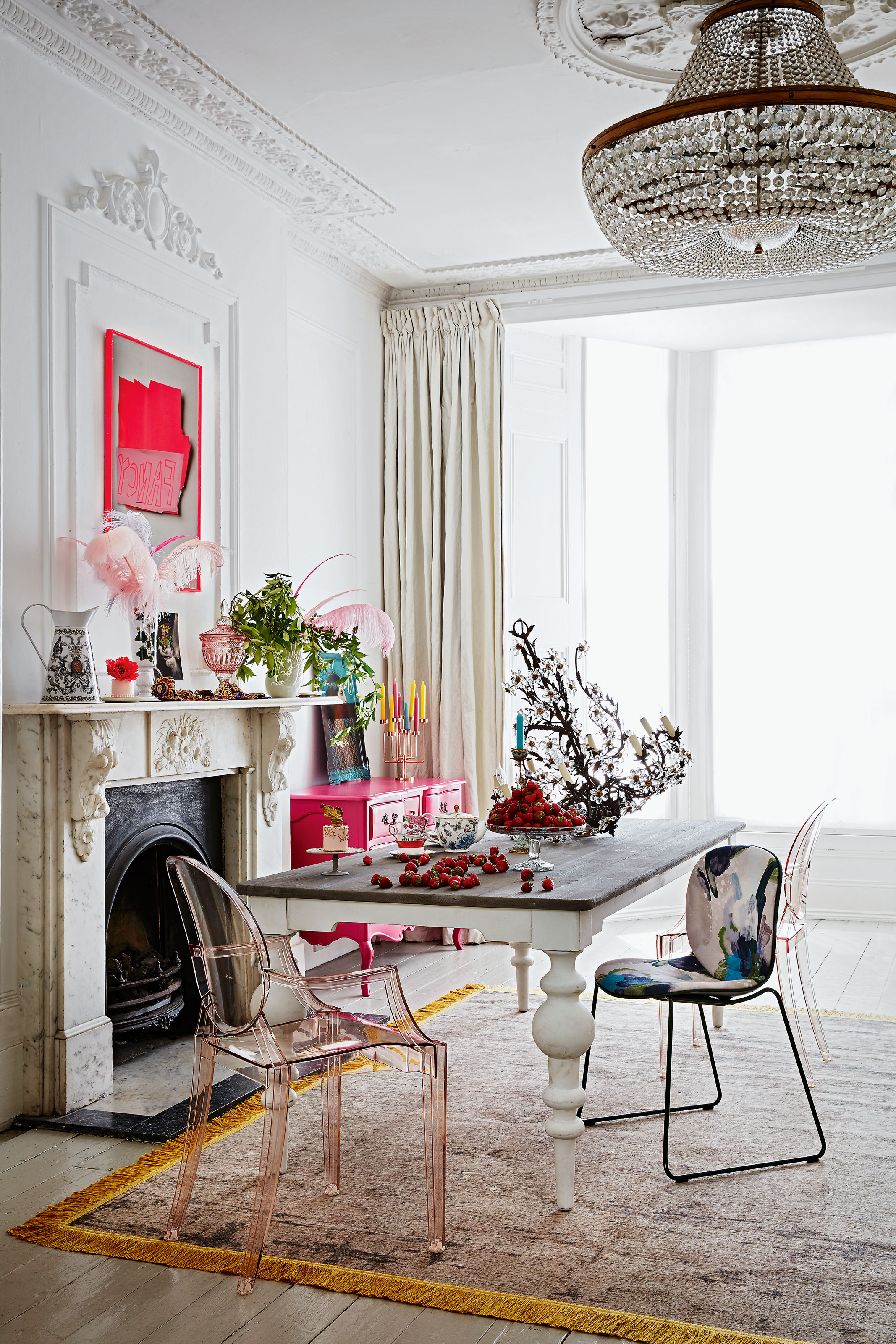
For those undertaking new home construction or extensive renovations, strategic layout and insulation choices offer ample opportunities to mitigate sound problems. Sound can travel through heating and air conditioning ducts, exterior windows, and even gaps under doors. Incorporating a closet along the noisiest wall can provide an effective sound barrier. Installing multiple doors to the bedroom, such as a pocket door in addition to a standard door, creates an extra noise barrier, particularly beneficial at night. Before installing flooring, utilizing mass loaded vinyl (MLV) between joists acts as a foundational step in the soundproofing process. Alternatively, denim insulation, made from recycled blue jeans, can be added to walls. This eco-friendly material is non-carcinogenic and features a unique multidimensional structure—both dense and porous—making it an excellent agent for soundproofing.
#BedroomSoundproofing #HomeDesign #AcousticInsulation #InteriorDesign #TextileDecor #WindowReplacement #WallTreatments #SoundAbsorption #HomeImprovement #BedroomSoundproofing #HomeDesign #AcousticInsulation #InteriorDesign #TextileDecor #WindowReplacement #WallTreatments #SoundAbsorption #HomeImprovement
0 comment in total
 No comments yet
You may also like
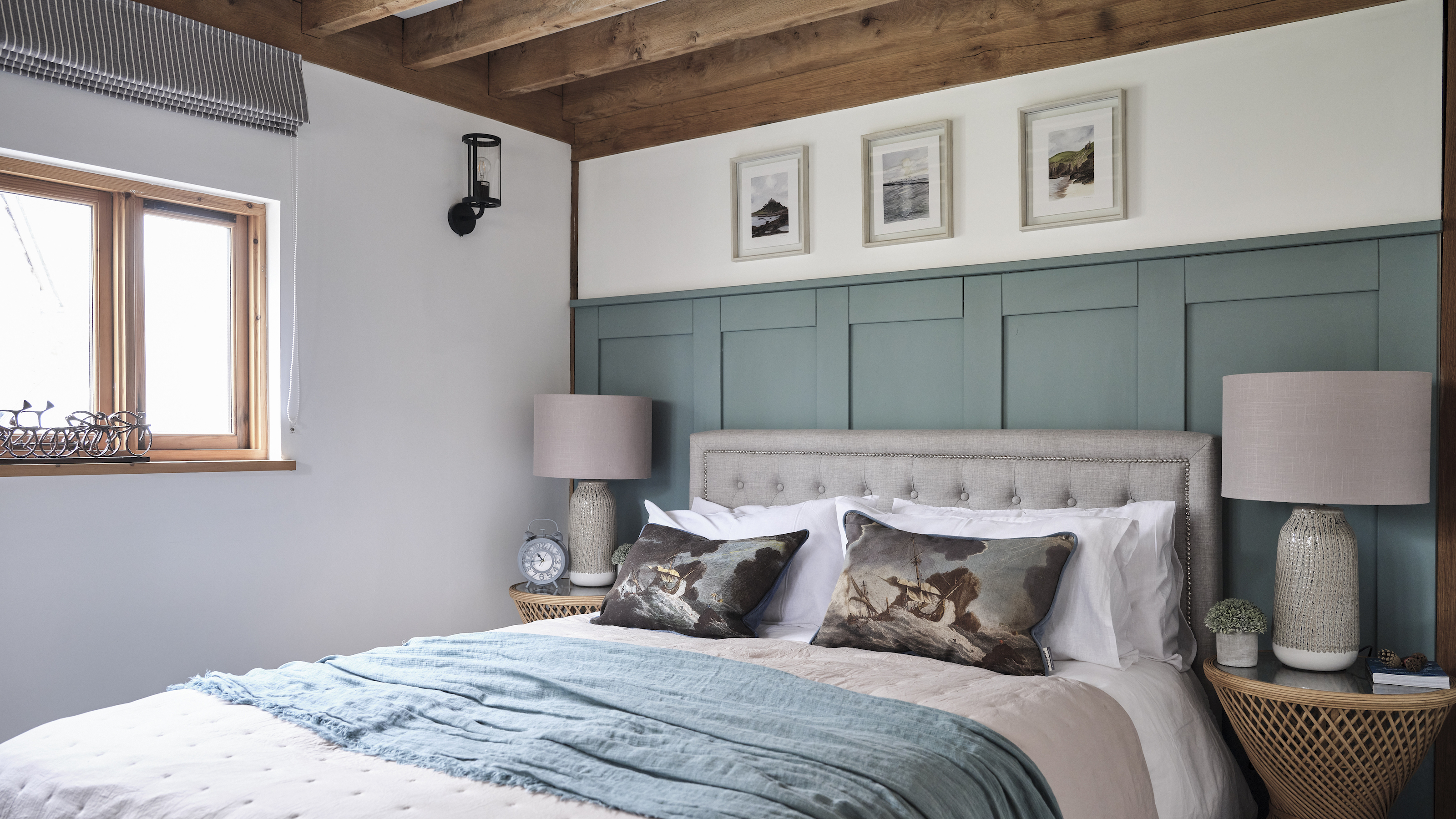
How to soundproof a bedroom – five easy and affordable fixes for a quiet night's sleep
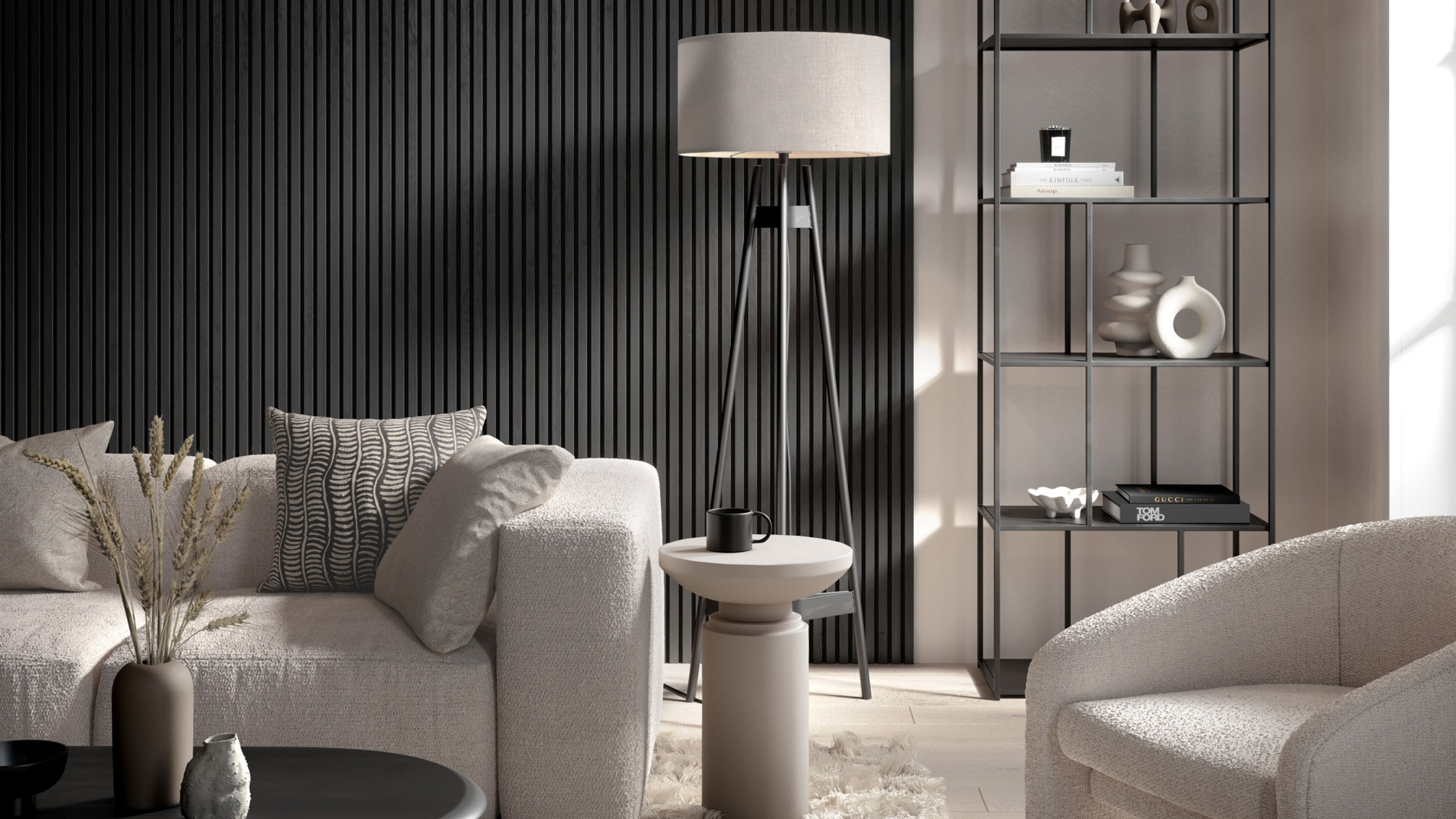
9 expert tips for soundproofing a room – how to sort acoustics while losing nothing of the aesthetics


These Acoustic Wall Panels Make Any Room a Quiet Place to Work or Relax


5 cheap and easy ways to soundproof a room, whether you're a homeowner or a renter
How to soundproof a room according to an expert

If Your Home Is Super Noisy, You’ll Appreciate These 24 Noise-Dampening Products
How to soundproof your apartment


The 9 Very Best Sound Machines
The Best Soundproofing Materials for Any Room in Your Home


How to Soundproof a Room (Published 2021)
10 Tips To Upgrade Your Bedroom

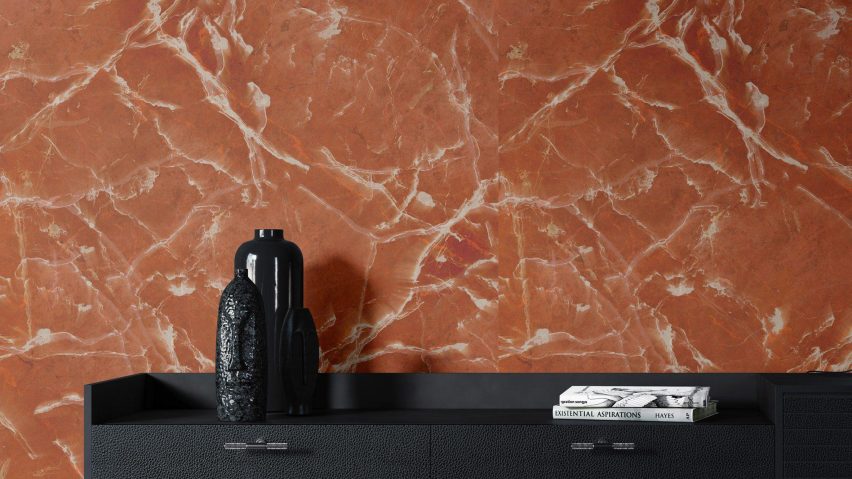
Autex Acoustics releases acoustic products that blend into a variety of interiors
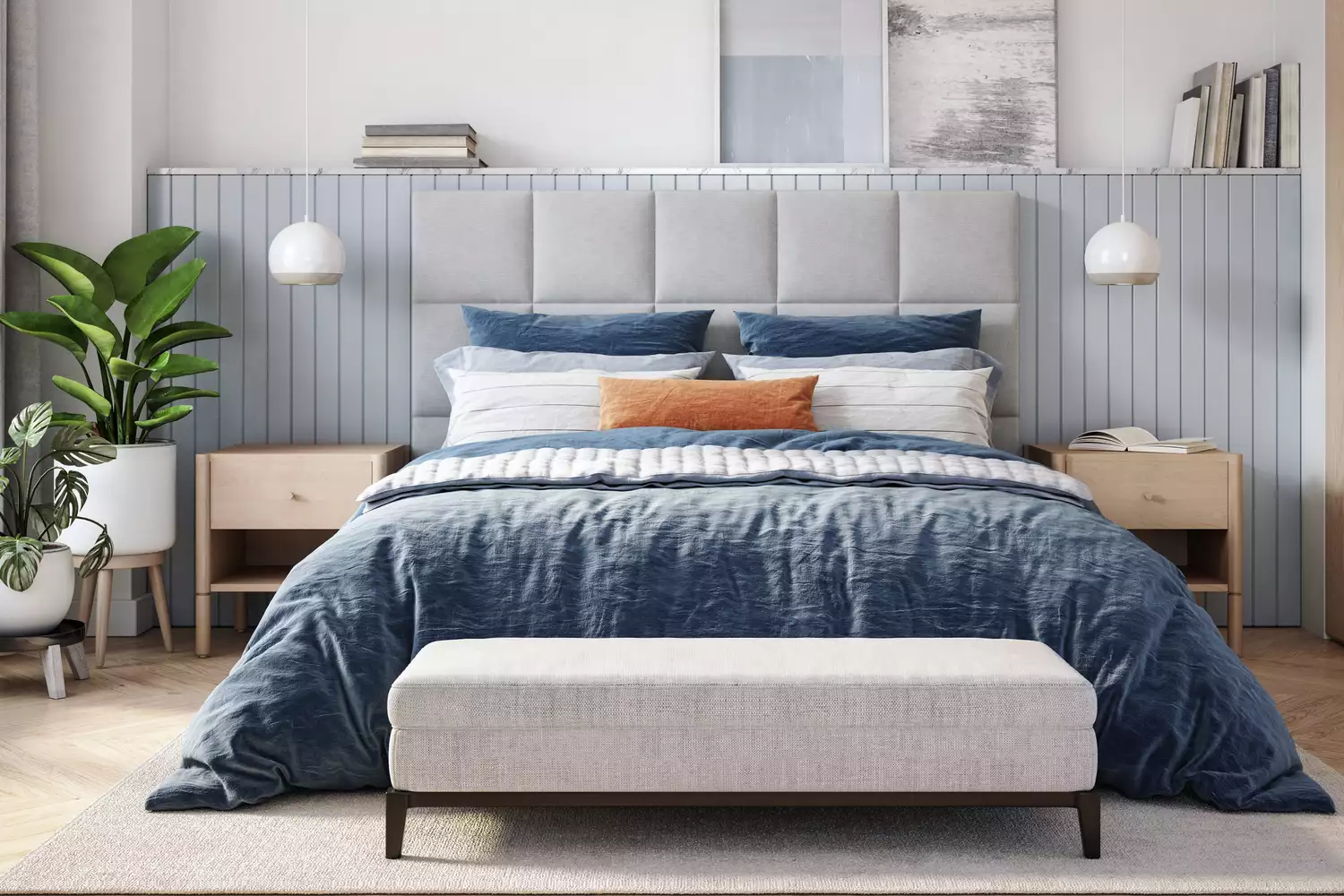
How to Soundproof Your Bedroom for a Calm and Quiet Sleep Sanctuary

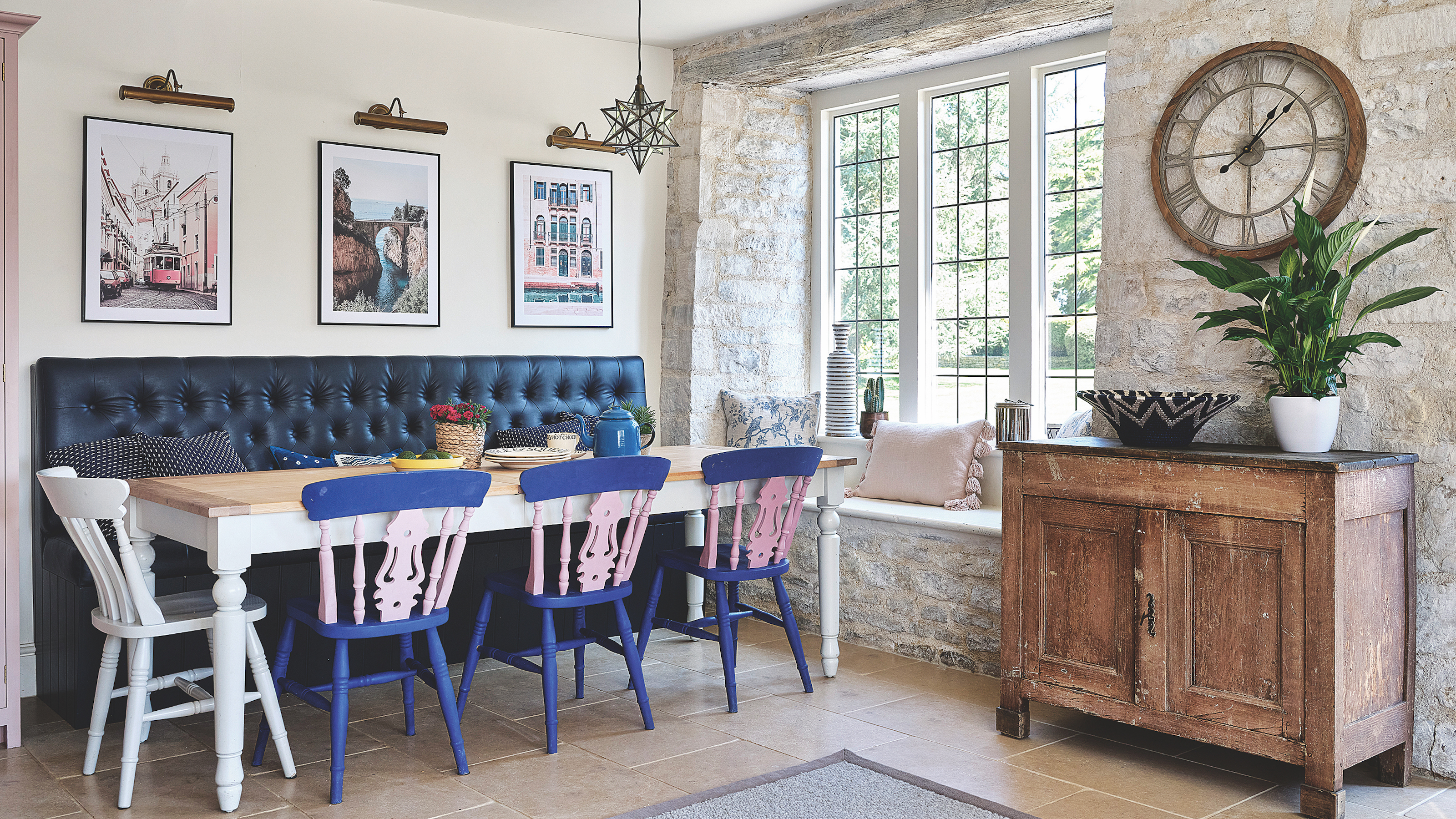
How to soundproof your kitchen and stop noisy appliances disturbing your peace
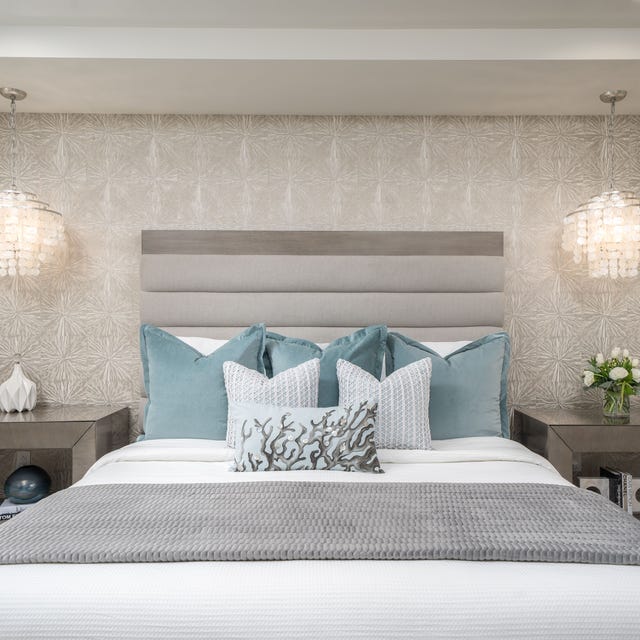
7 Ways to Make Your Bedroom a No-Stress Zone Right This Minute


Stylish sound-absorbing artwork for a quieter home
How to soundproof an apartment – 6 renter-friendly changes that will block out noisy neighbors
These Acoustic Wall Panels Make Any Room a Quiet Place to Work or Relax

5 Ways to Maximize Bedroom Space
5 easy ways to soundproof your home office