1/9
9 expert tips for soundproofing a room – how to sort acoustics while losing nothing of the aesthetics
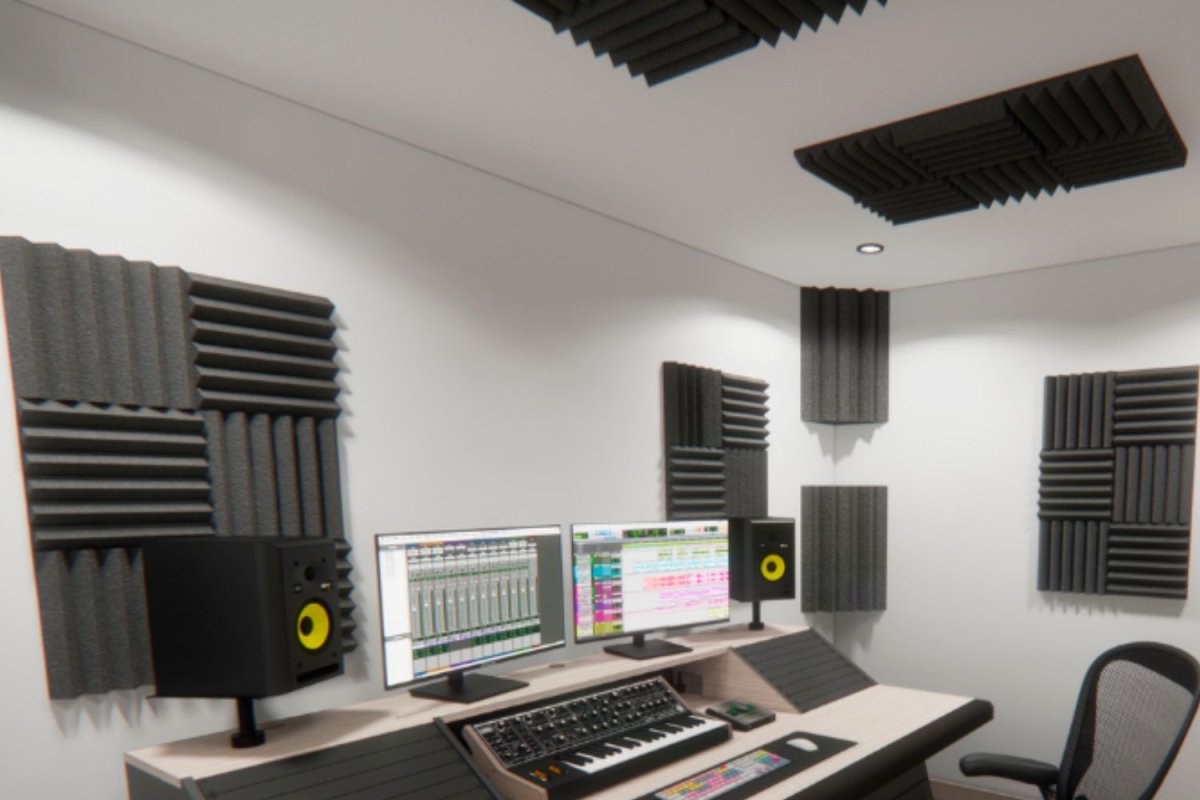
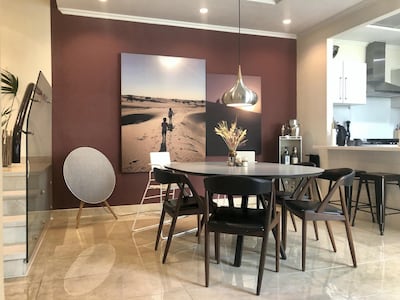
The increasing prevalence of working from home has highlighted the importance of a quiet living environment, making soundproofing a room a critical consideration for overall well-being. Beyond just minimizing distractions during virtual meetings, excessive noise can negatively impact physical rhythms, hormones, heart rate, and brain waves, emphasizing its profound effect on health and the design of living spaces. The goal of soundproofing in a home setting is not to achieve the complete acoustic isolation of a recording studio, but rather to implement strategies that reduce echo and limit noise transmission from both internal and external sources, without compromising aesthetic appeal.
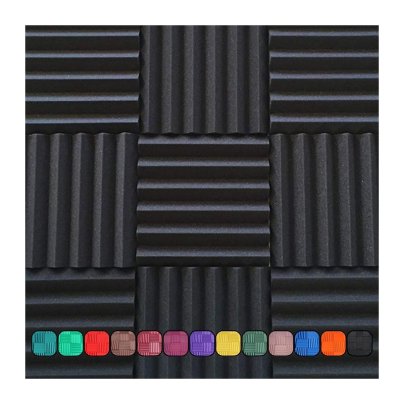
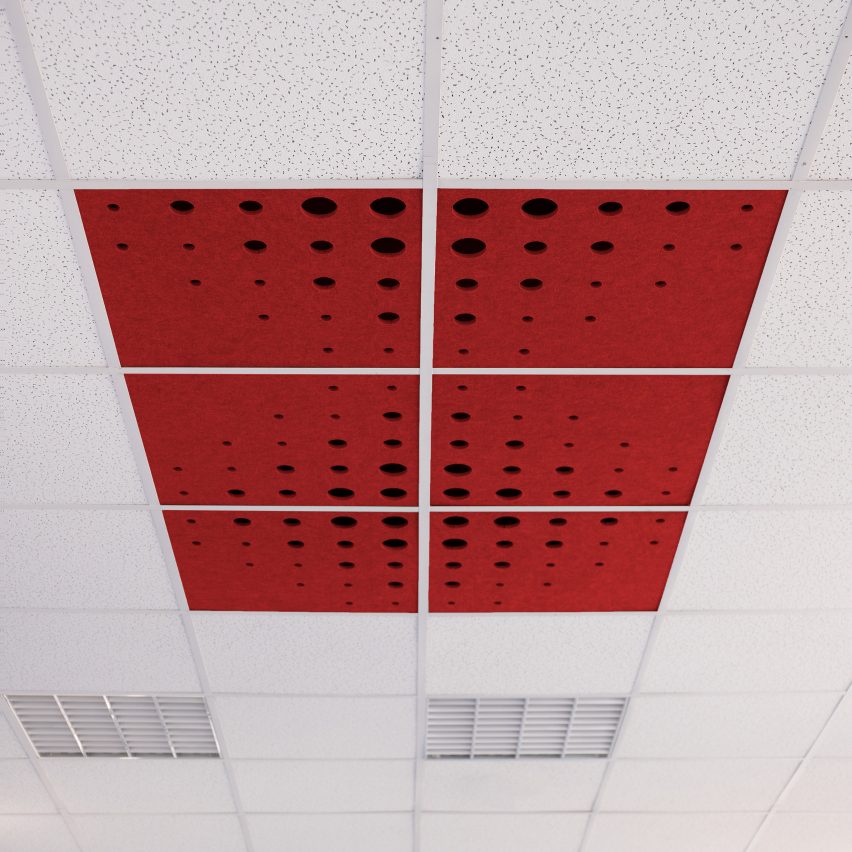
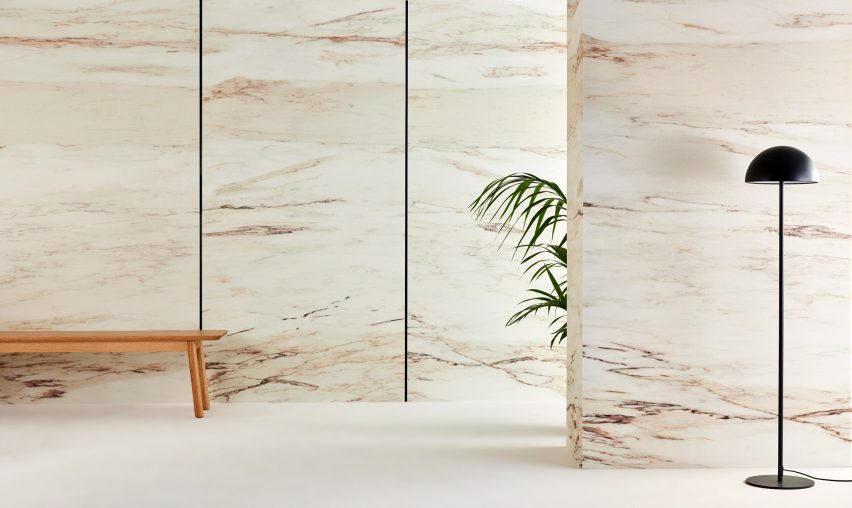
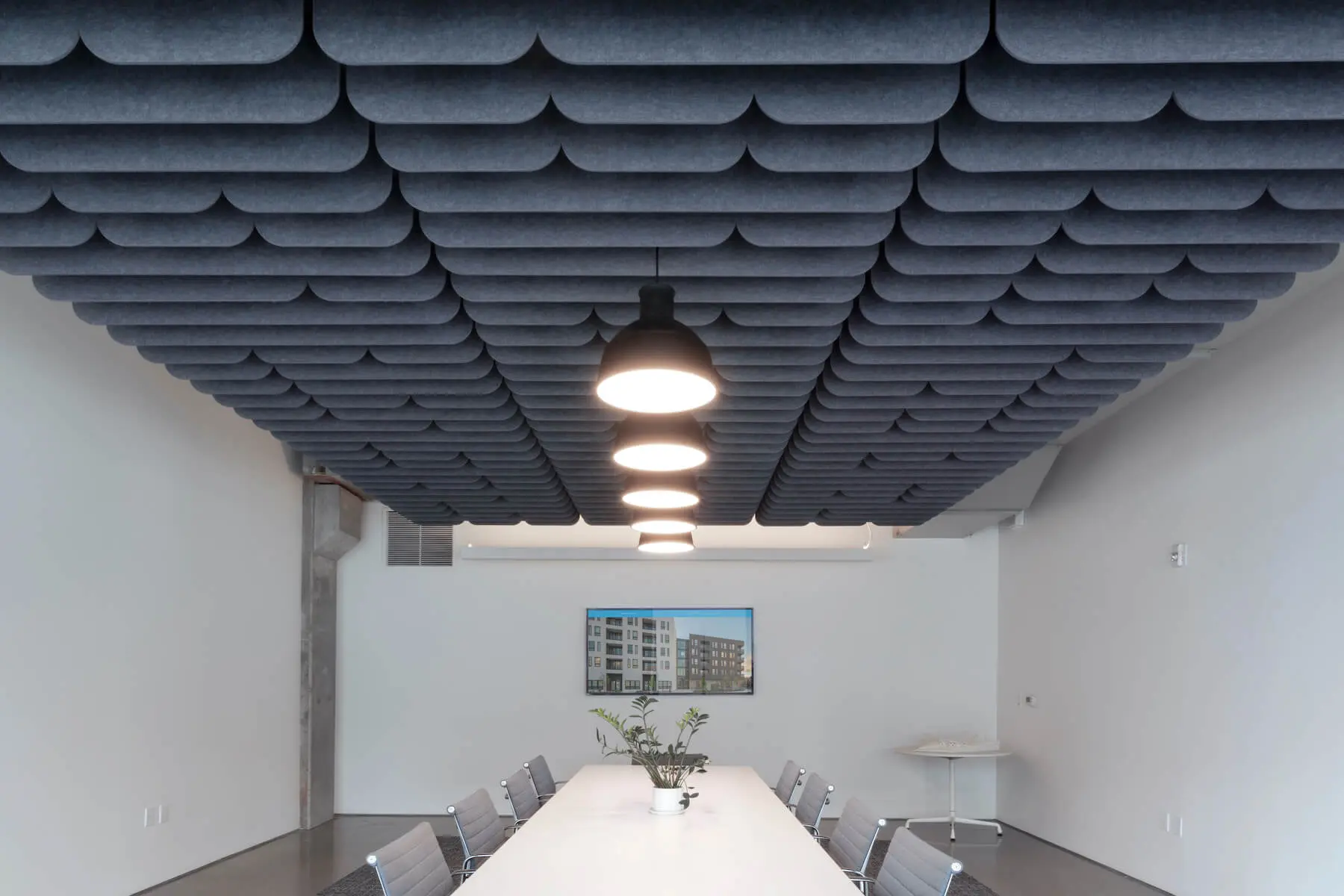
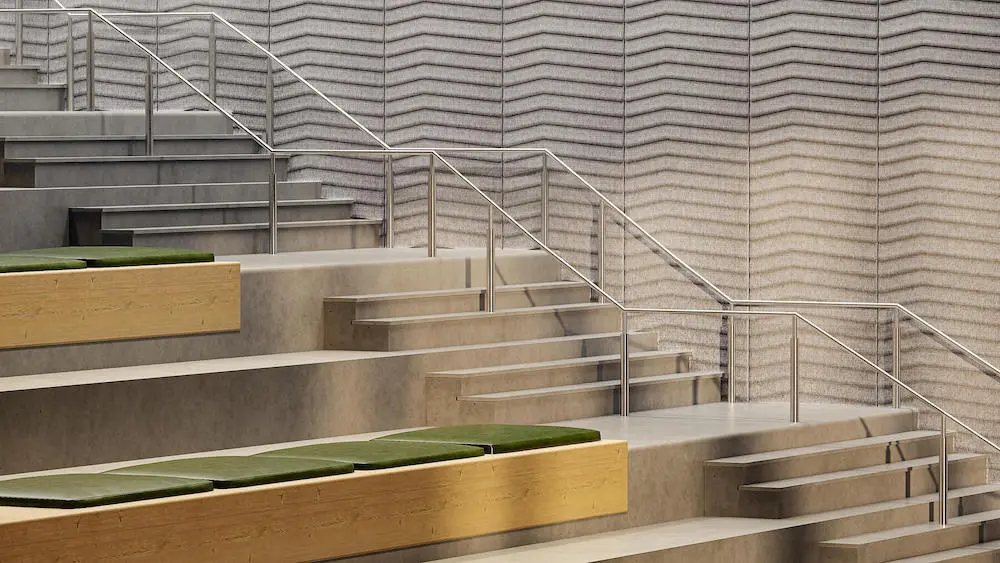
Effective soundproofing begins with thoughtful material selection during construction or renovation. For dividing walls and floors, specifying sound insulation materials like ROCKWOOL Sound Insulation Slab can significantly reduce noise transfer between rooms or even adjacent properties. Addressing overhead noise, particularly from upstairs rooms, involves considering acoustic insulation for ceilings or between floor joists. The choice of flooring in upper levels also plays a role; carpets in bedrooms absorb footsteps, and for hard flooring, acoustic underlays combined with rugs can mitigate sound. External noise can be managed through cladding with acoustic panels, which come in various forms, including acoustic render board that can be customized to match a home's aesthetic.
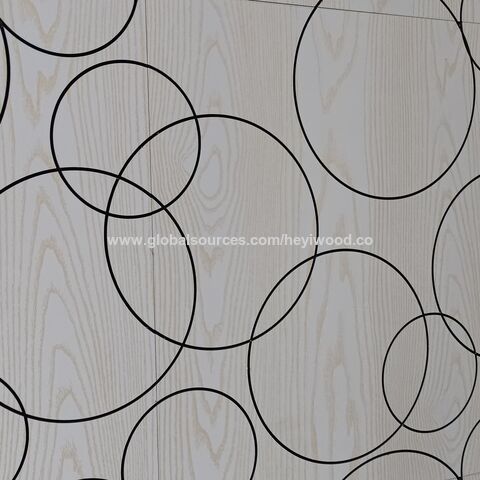
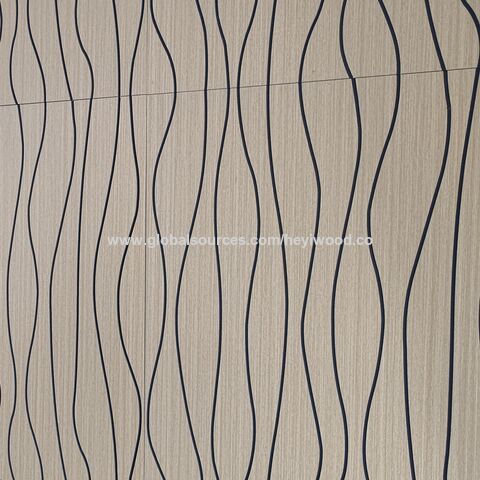
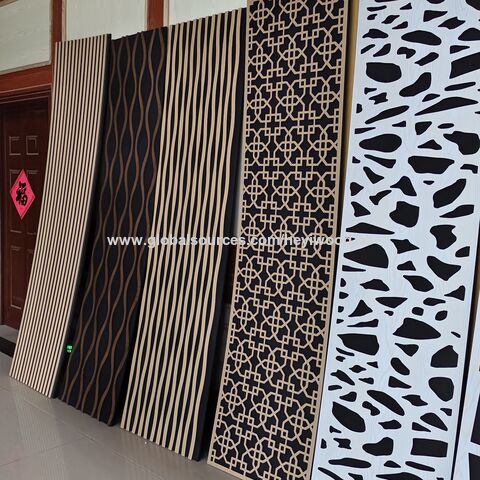
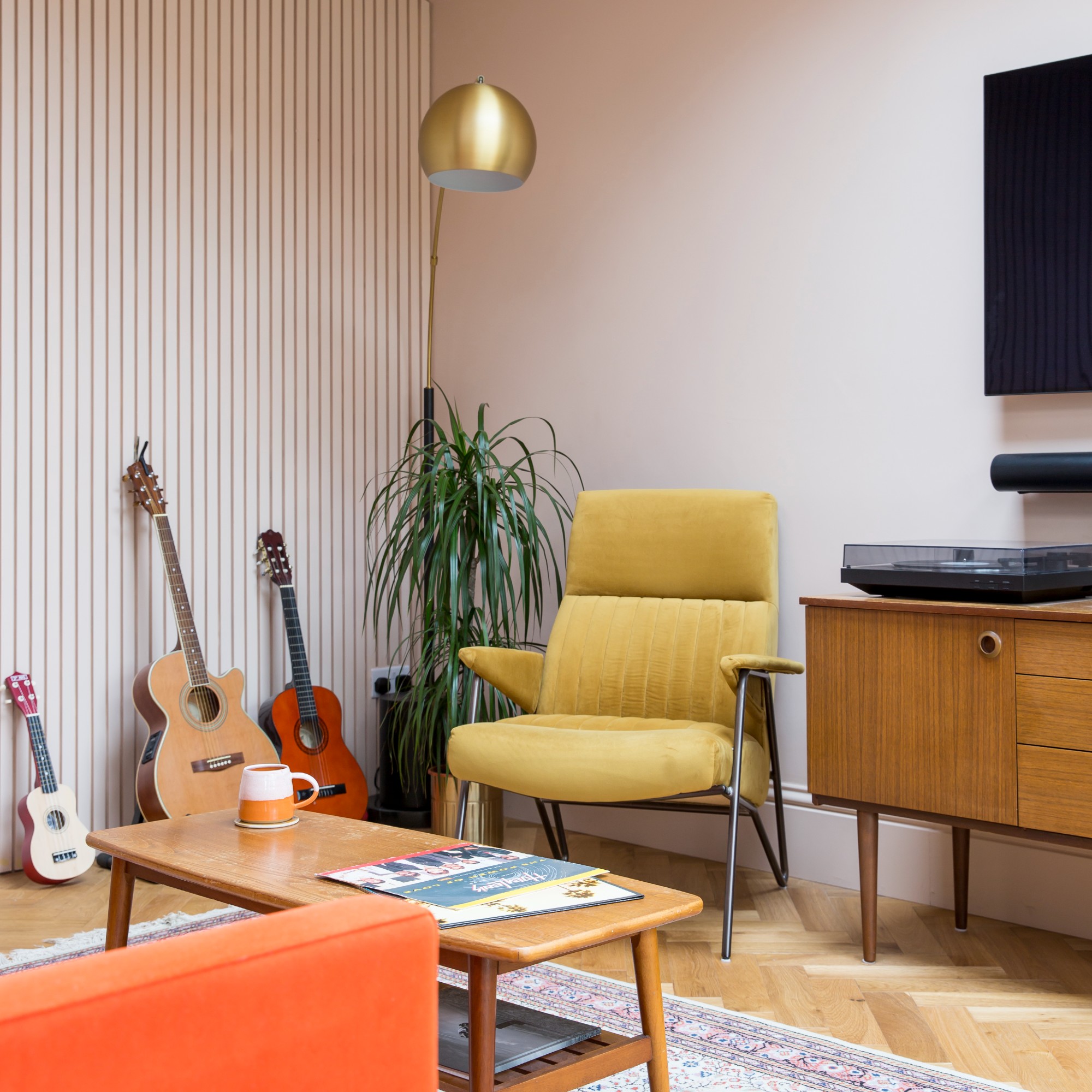
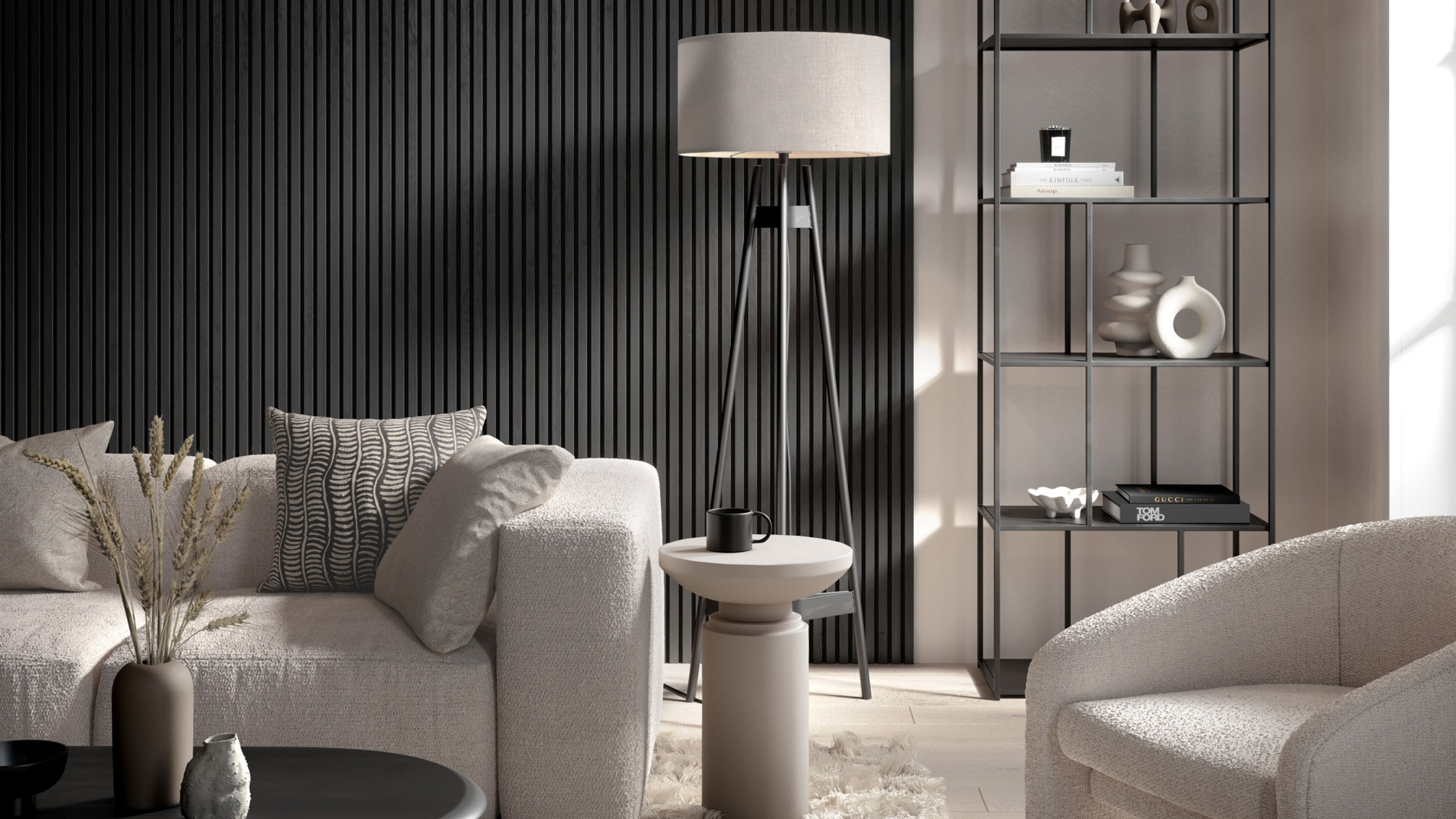
Interior finishes and furnishings further contribute to a room's acoustics. While standard plasterboard or timber finishes offer better sound absorption than hard surfaces like concrete, specialized acoustic plasters can be used to limit reverberation in larger spaces. Wall paneling, especially acoustic timber panels with felt backing, can combine aesthetic trends with functional soundproofing. Choosing high-quality glazing, such as acoustic double glazing with an insulation film, is crucial for reducing external noise, particularly in urban areas. Secondary glazing offers an improvement over single glazing, while triple glazing provides superior soundproofing.
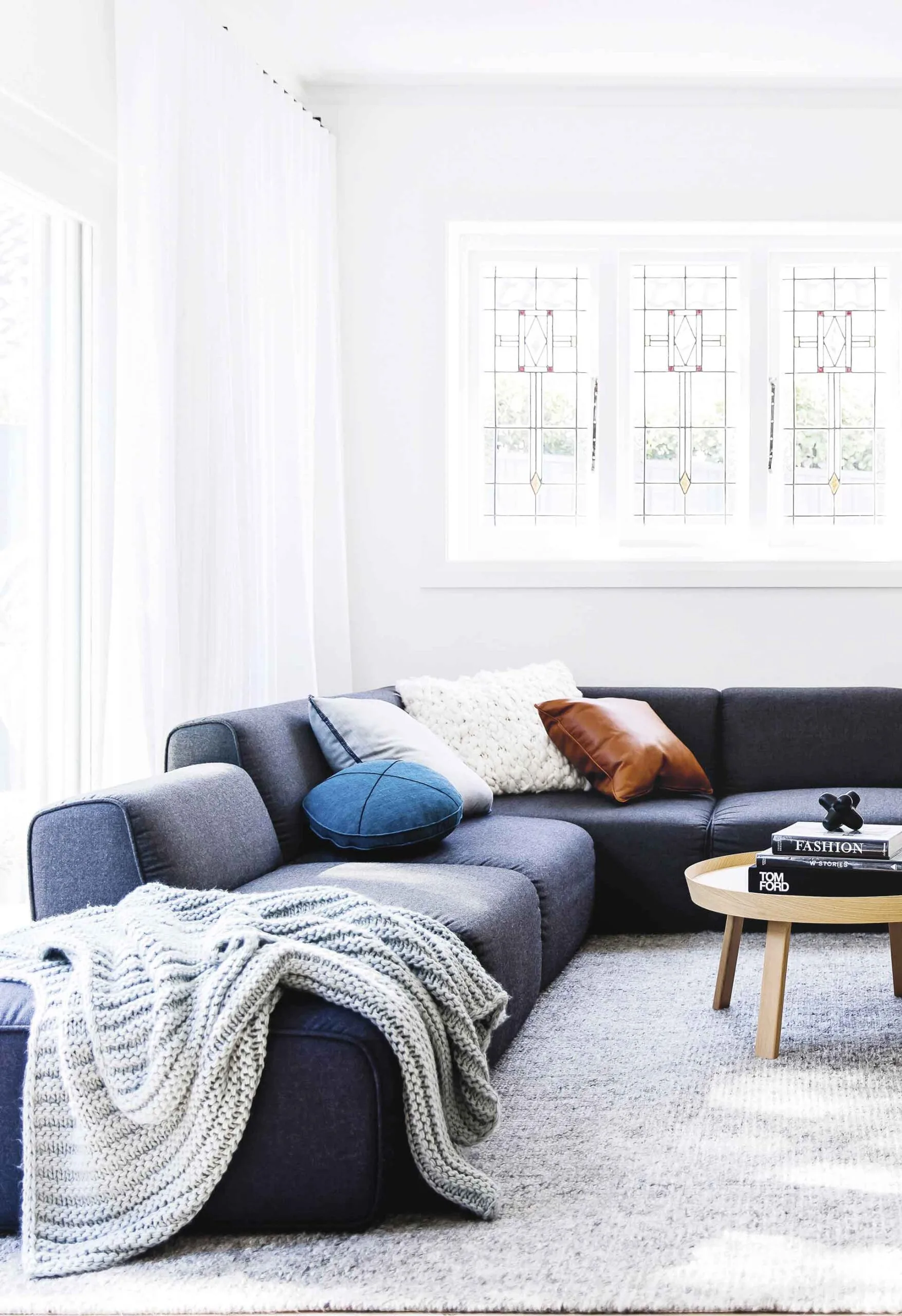
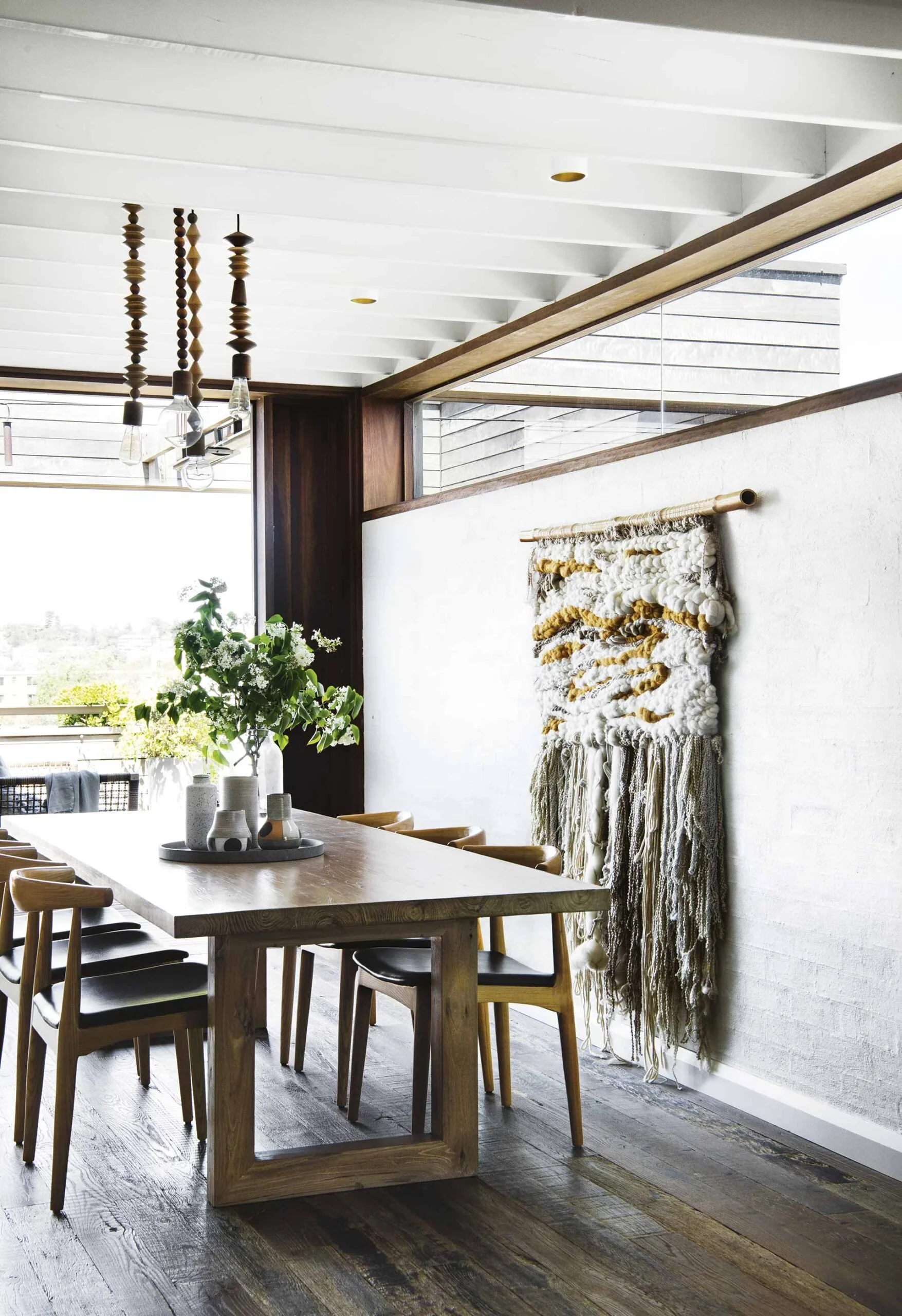
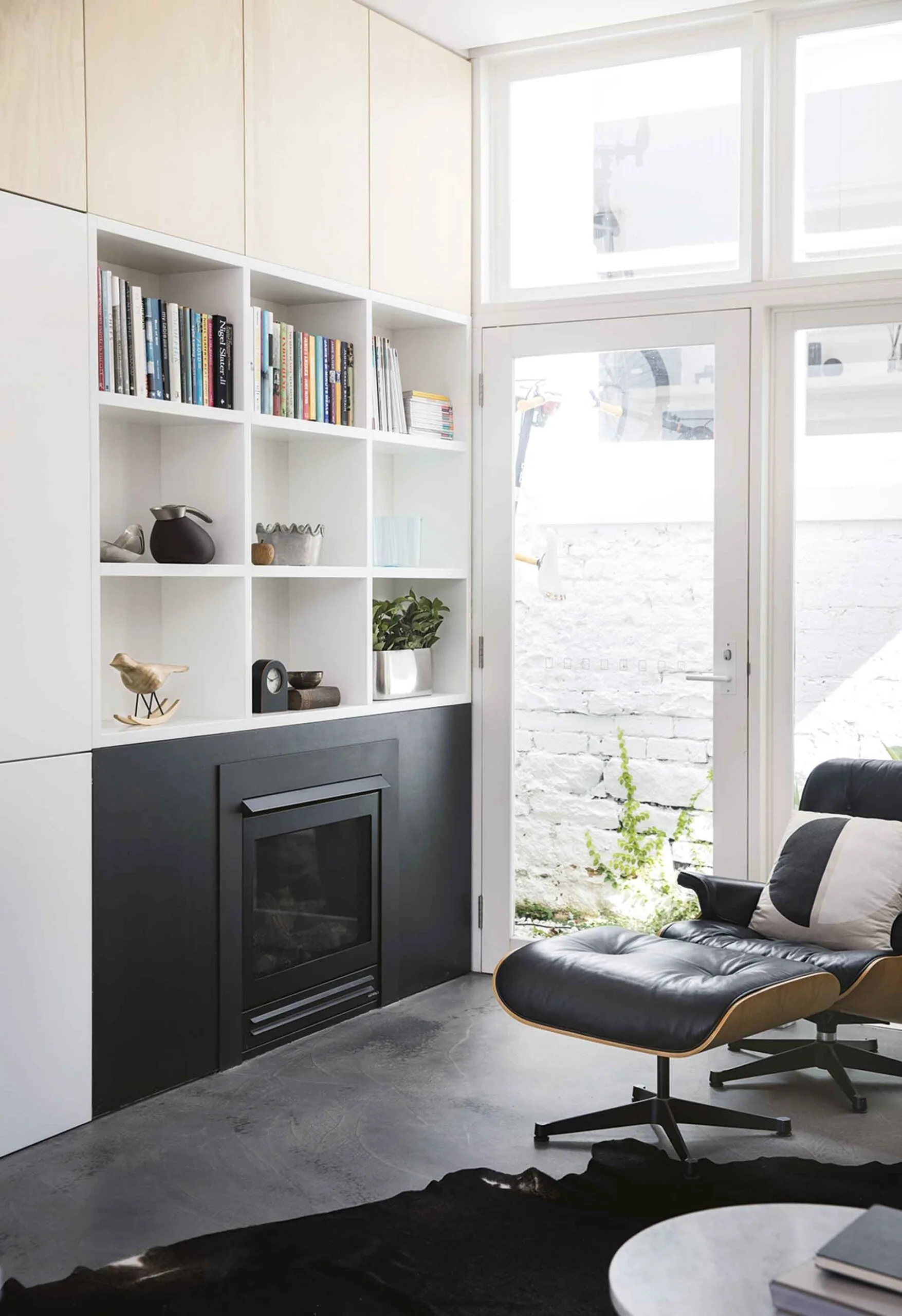
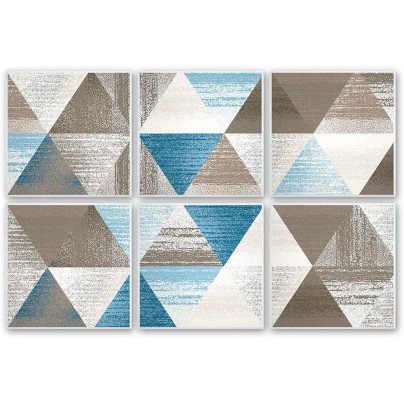
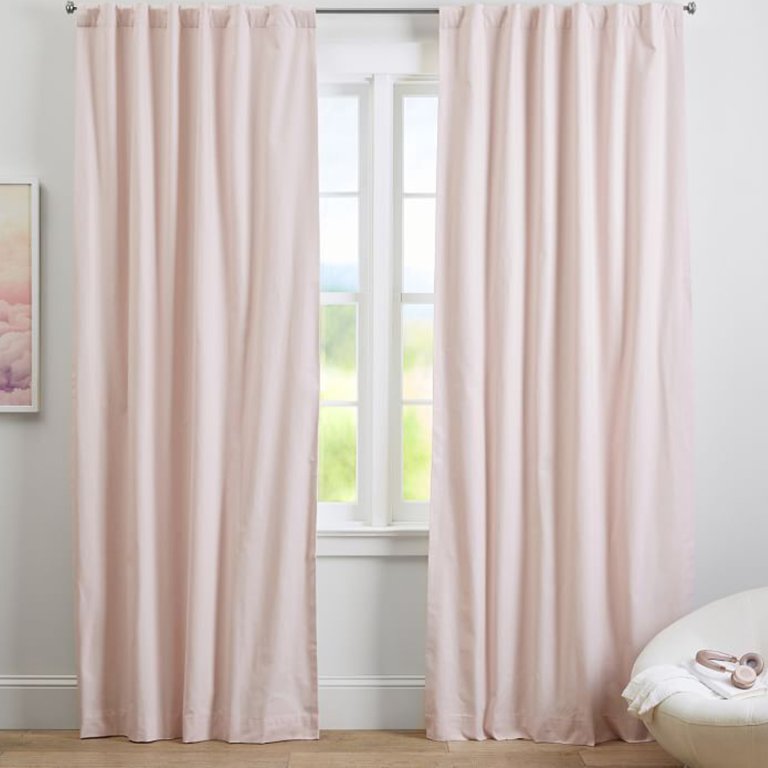
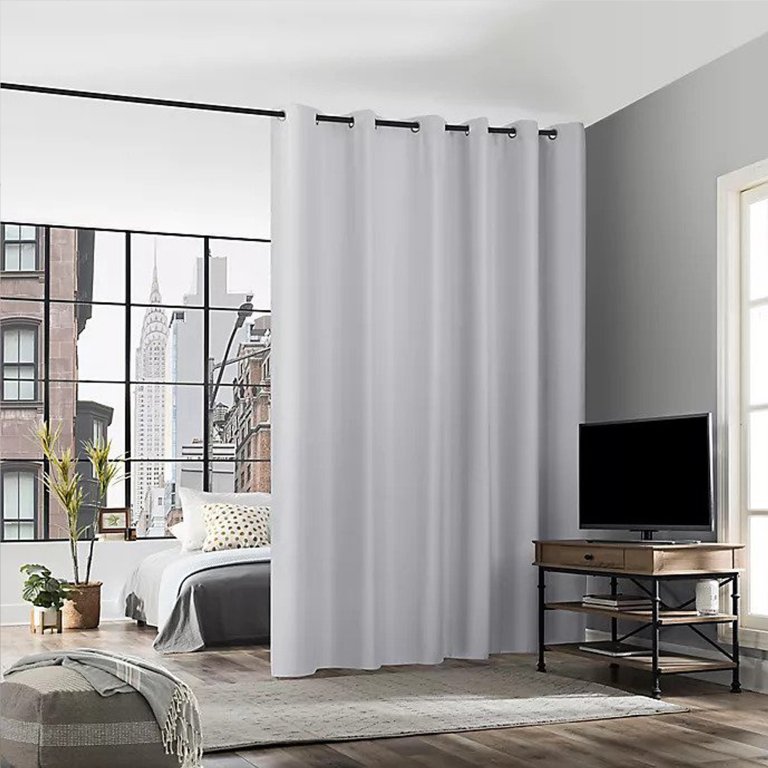
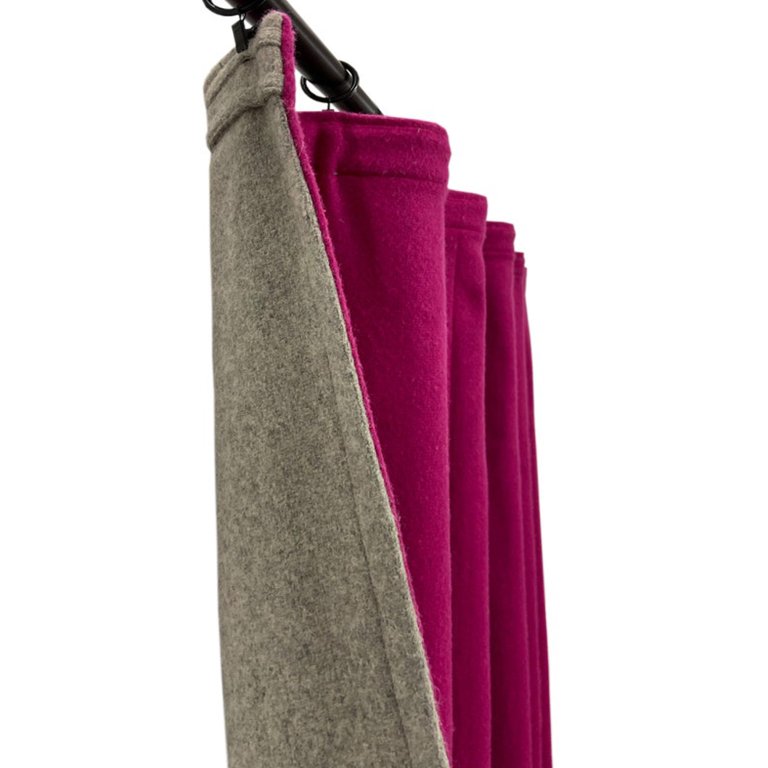
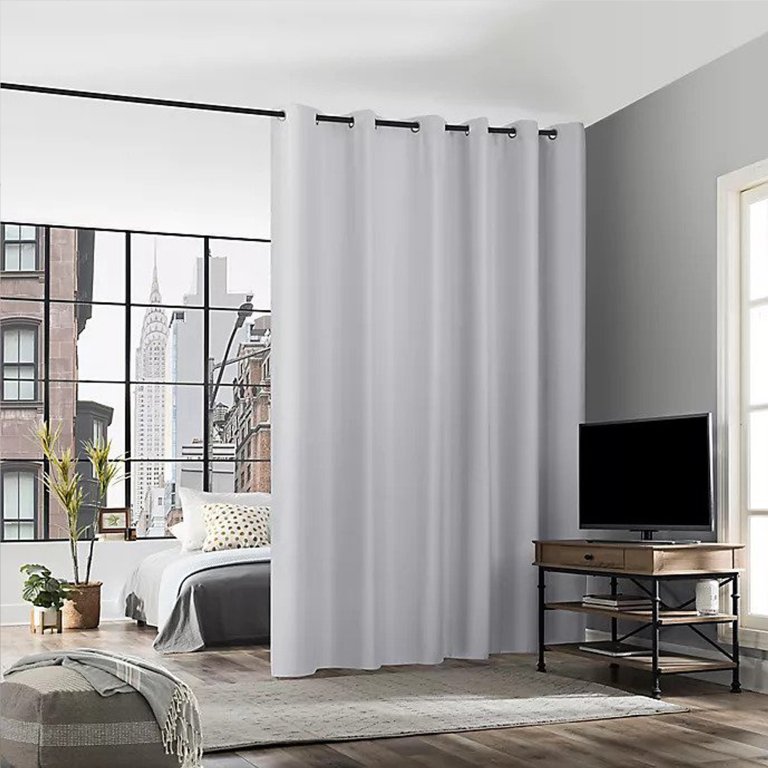
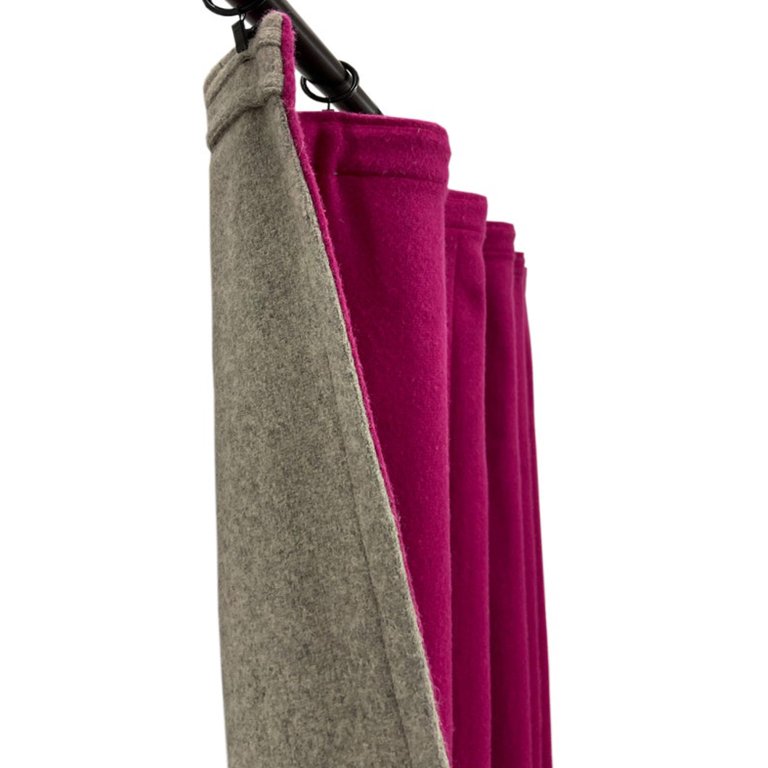
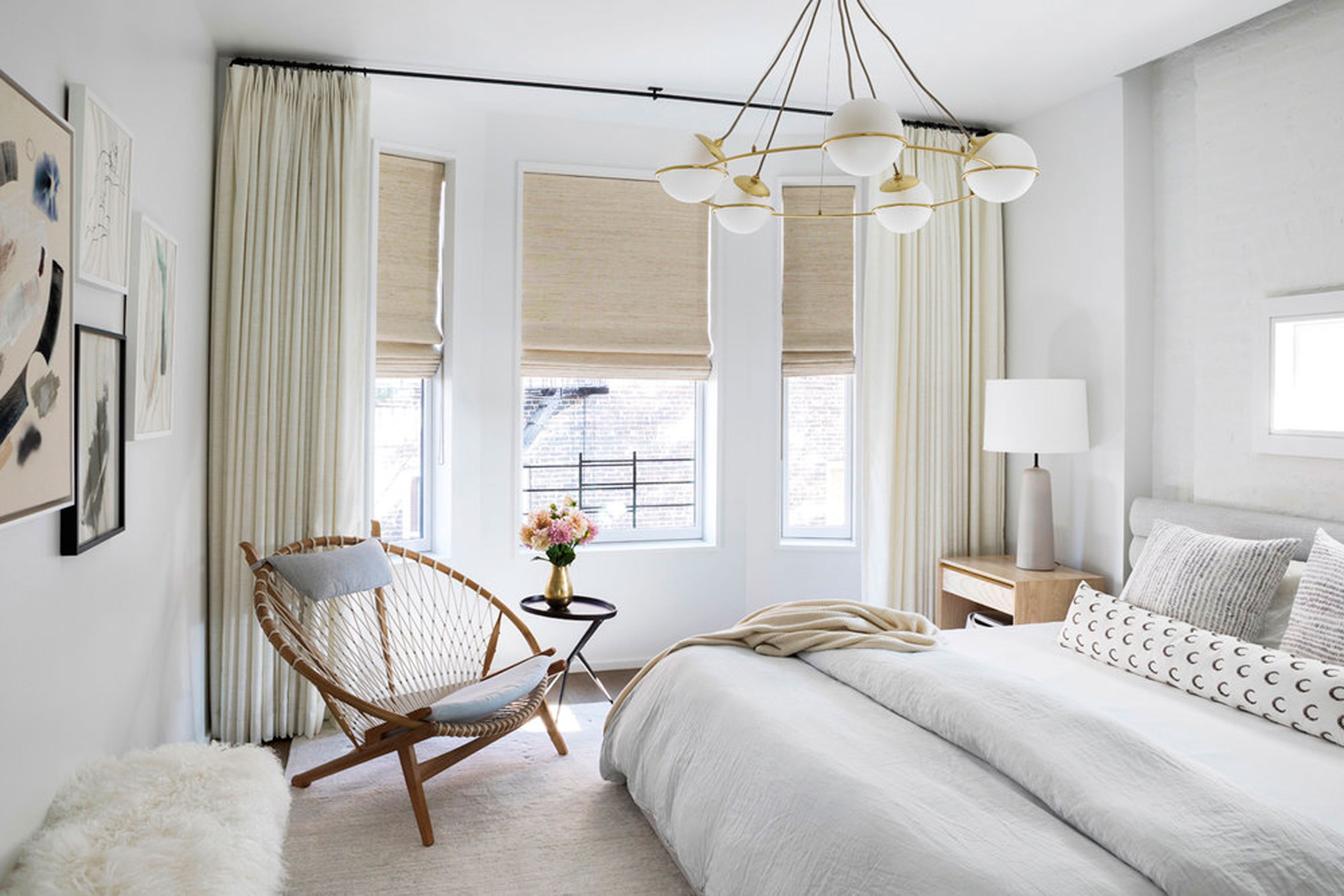
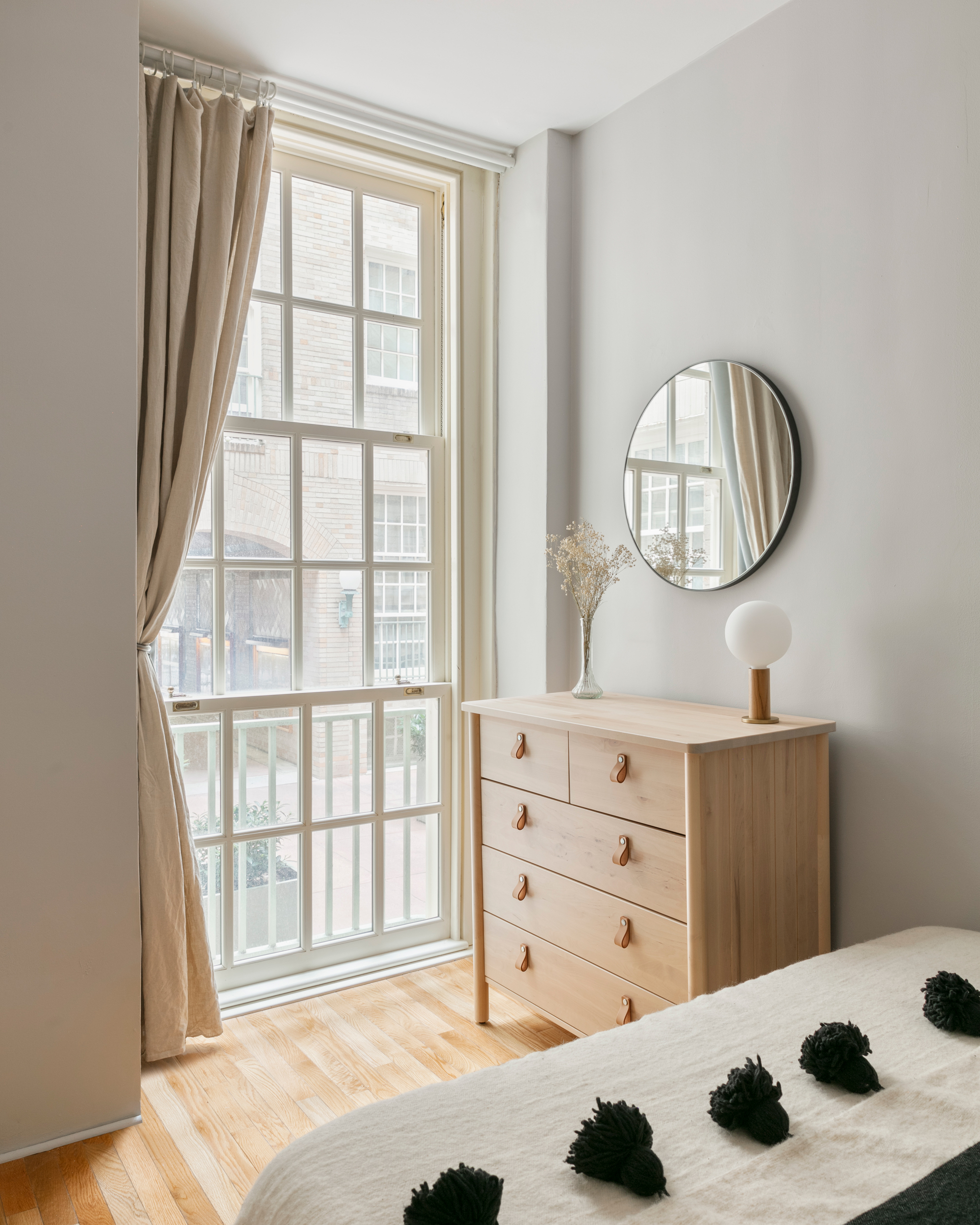
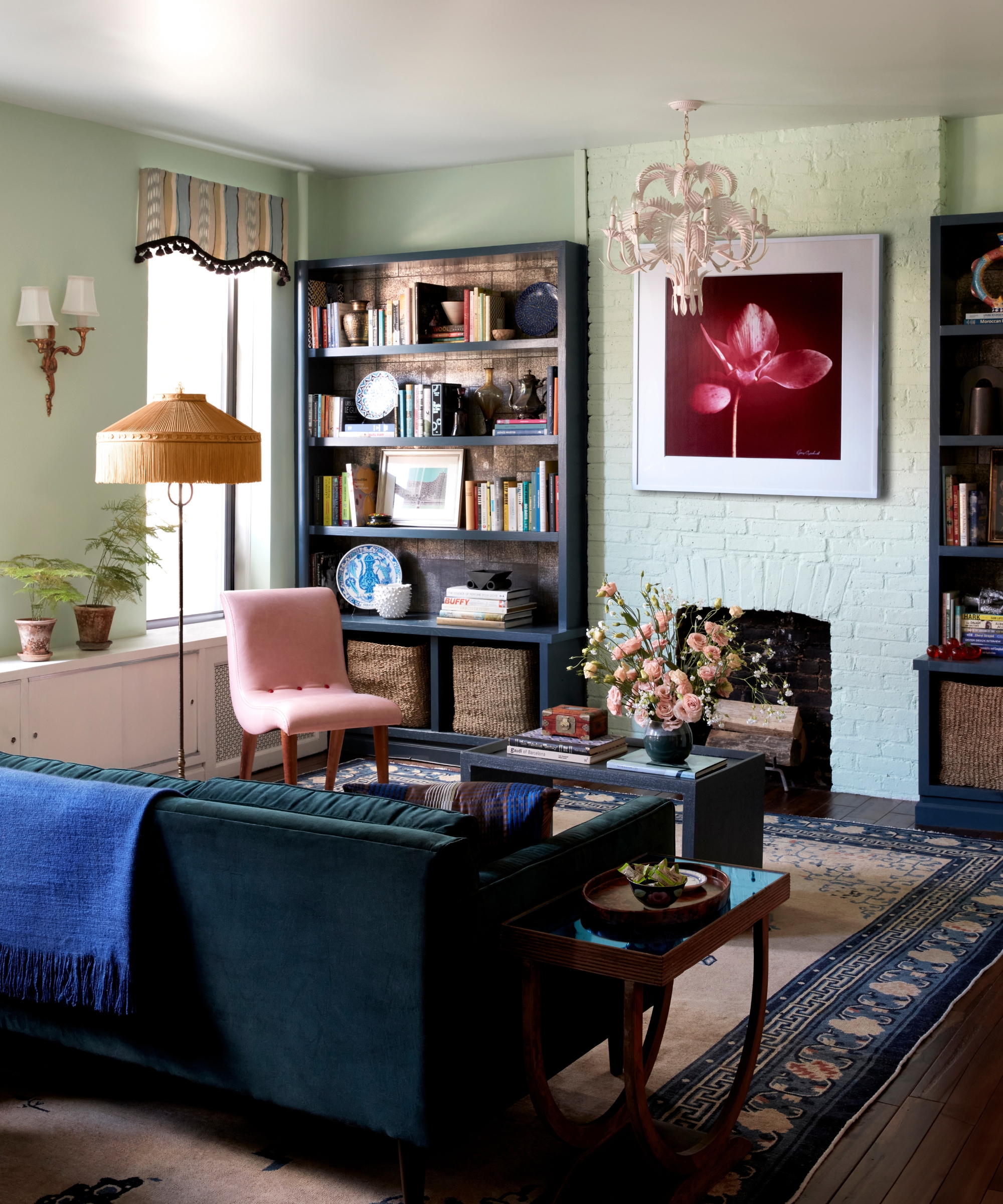
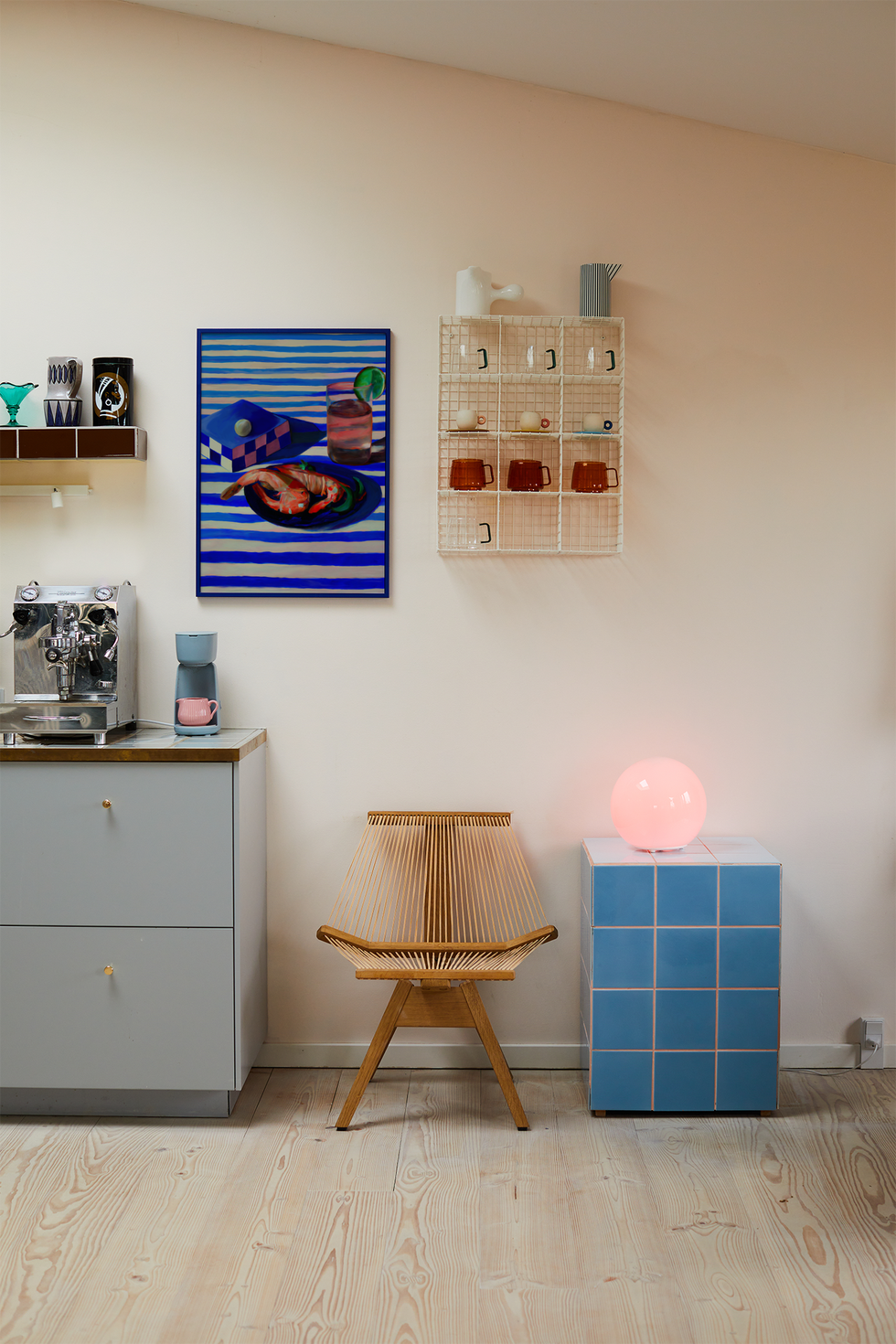
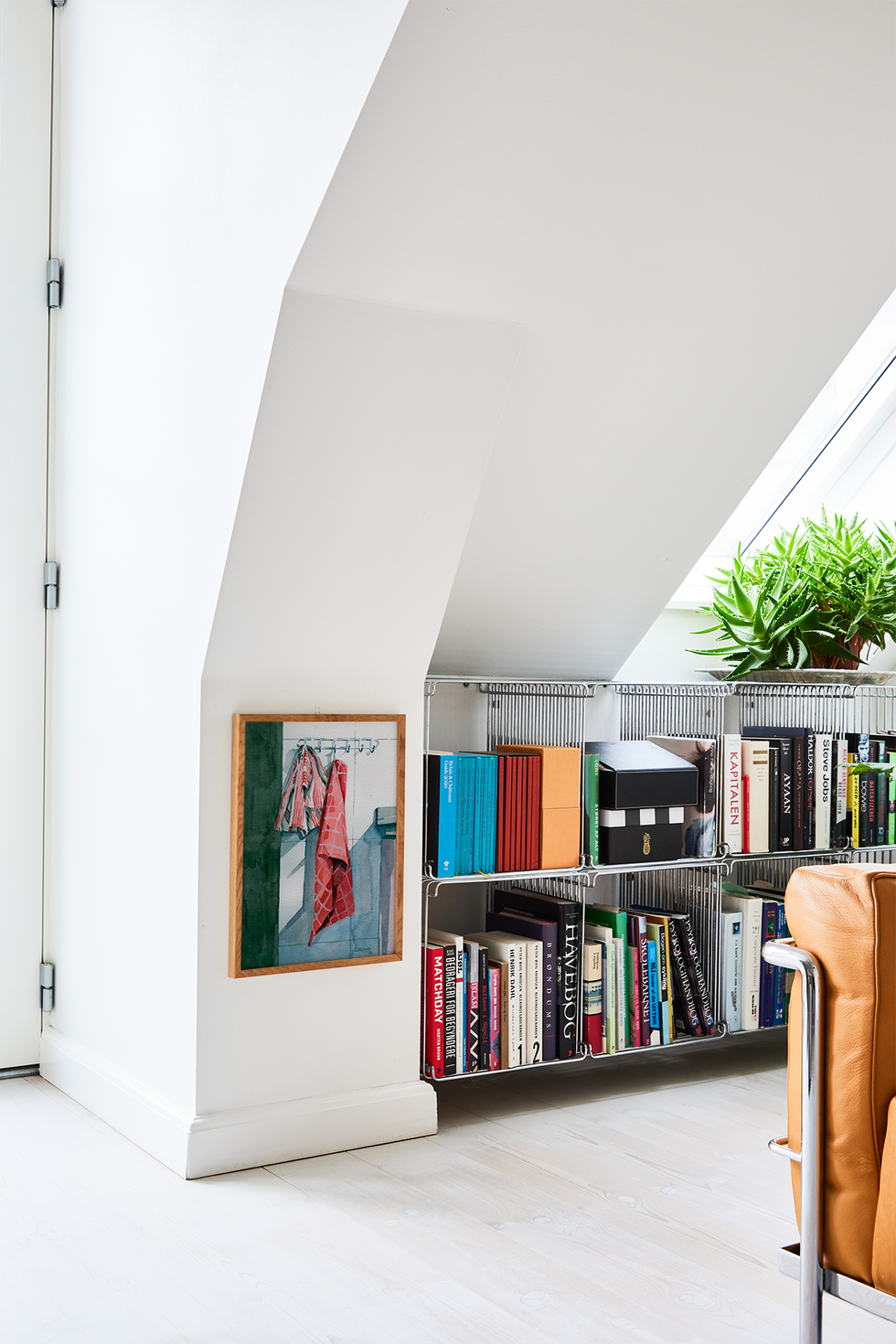
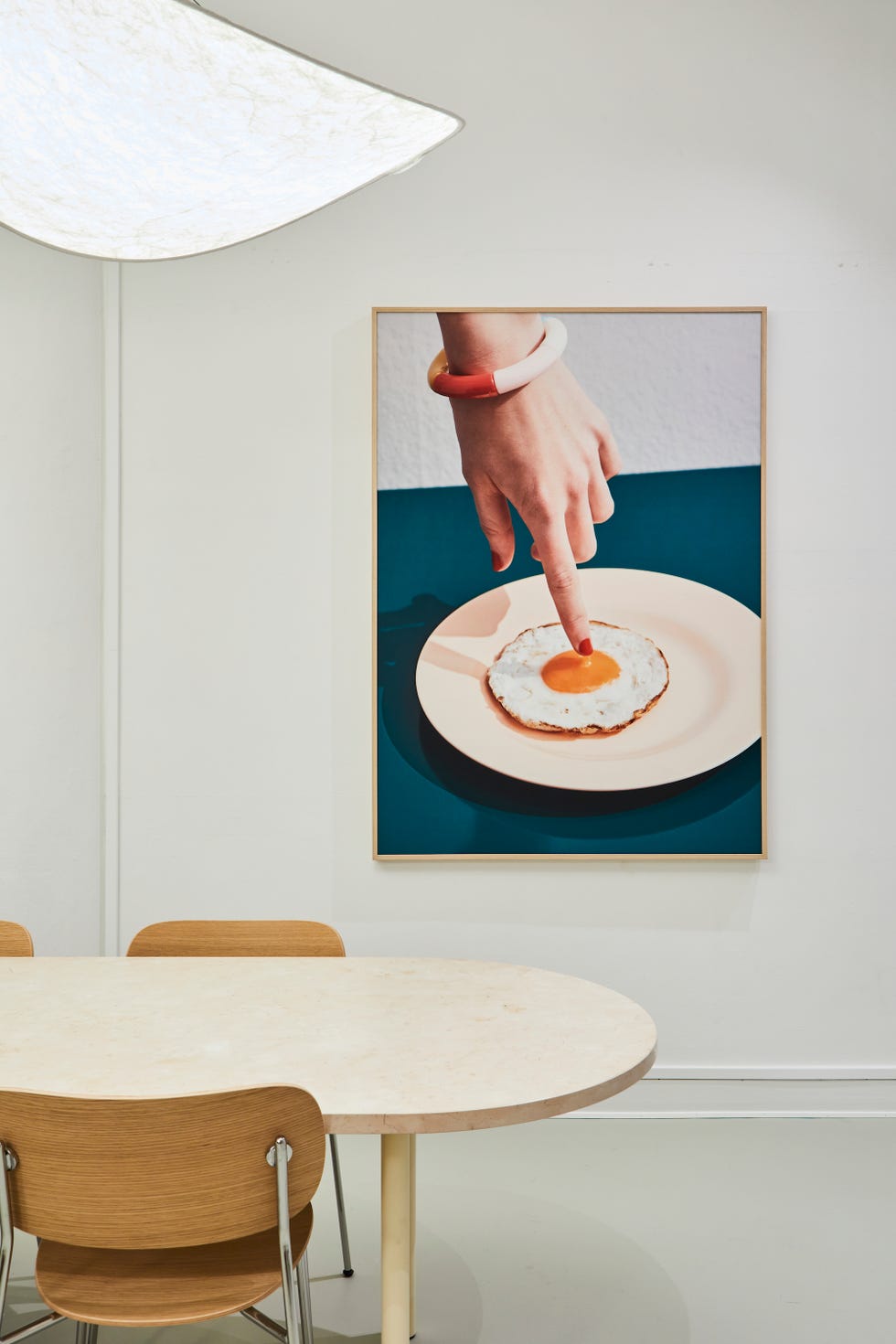
Soft furnishings are an accessible way to enhance acoustic comfort. Items like Roman blinds, rugs, and upholstered furniture absorb sound, making a room feel quieter and more inviting. Textile wall art can serve a dual purpose by adding visual interest while also dampening sound. Even seemingly mundane elements like well-stocked bookcases can contribute to sound resistance by diffusing vibrations and preventing noise transfer between rooms, making them ideal for home offices. Finally, selecting quieter appliances is a simple yet impactful step. Many appliances come with decibel ratings, and products certified by organizations like Quiet Mark indicate acoustic testing. Smart kitchen planning can also involve scheduling noisy appliances to operate during off-peak hours, minimizing disruption and contributing to a more peaceful home environment.
#Soundproofing #HomeAcoustics #InteriorDesign #NoiseReduction #HomeRenovation #AcousticInsulation #QuietHome #Wellbeing #HomeComfort #Soundproofing #HomeAcoustics #InteriorDesign #NoiseReduction #HomeRenovation #AcousticInsulation #QuietHome #Wellbeing #HomeComfort
0 comment in total
 No comments yet
You may also like
How to soundproof a room according to an expert

The 9 Best Soundproof Curtains Stifle Noises, Not Style

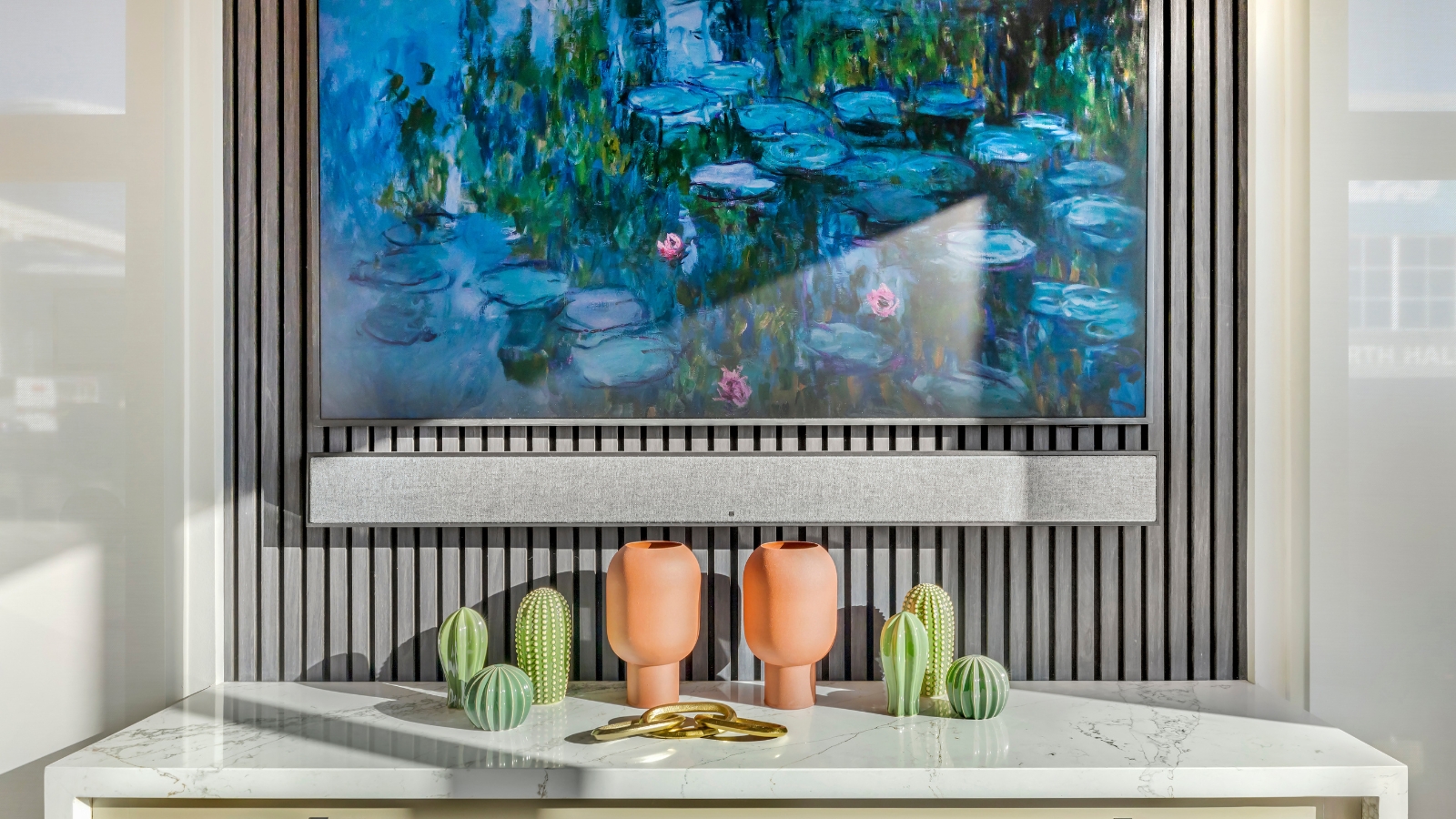
Is Your Soundbar Ruining Your Living Room’s Aesthetic? Here’s How to Conceal It Like a Designer


5 cheap and easy ways to soundproof a room, whether you're a homeowner or a renter
The Best Soundproofing Materials for Any Room in Your Home

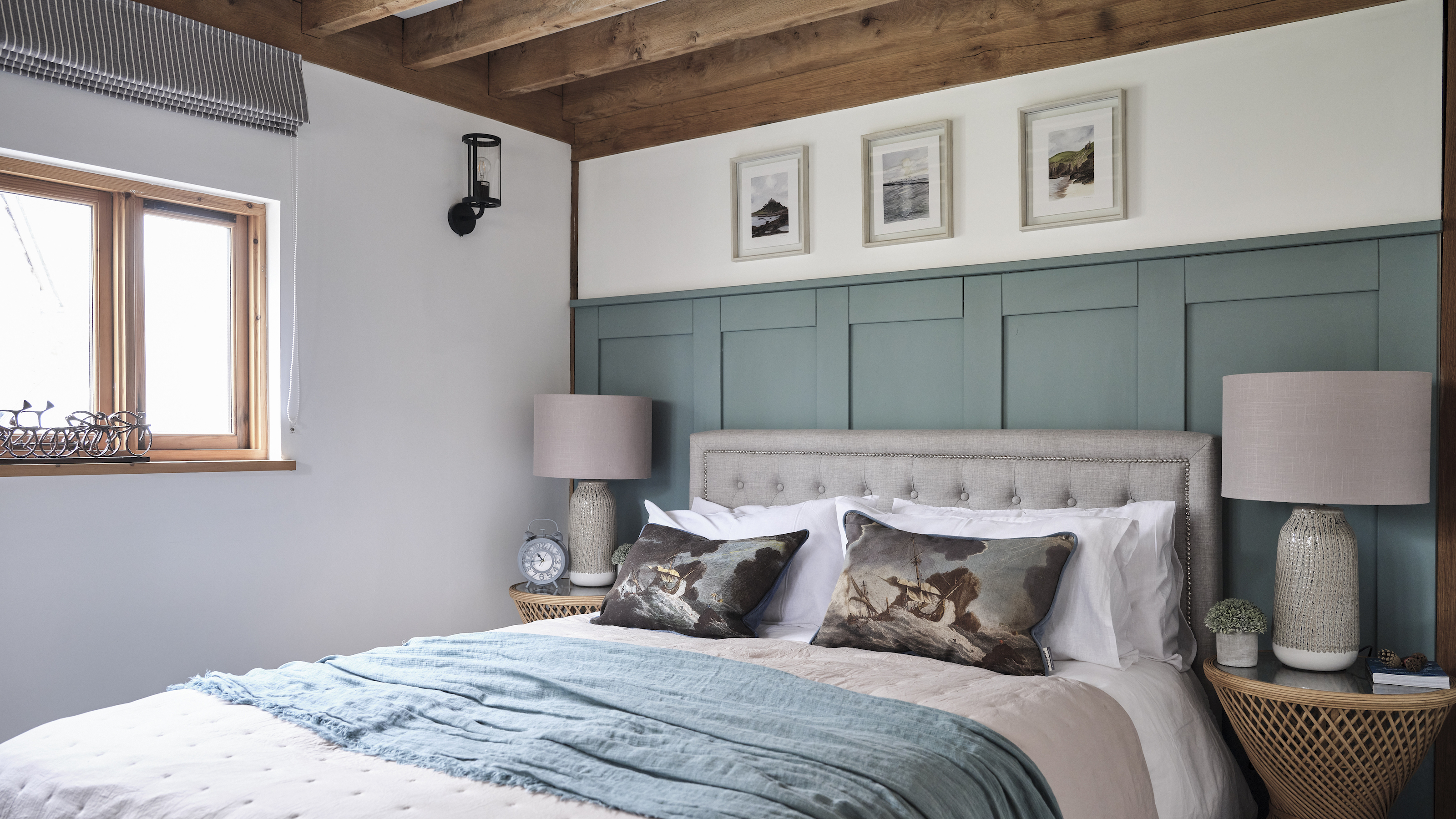
How to soundproof a bedroom – five easy and affordable fixes for a quiet night's sleep
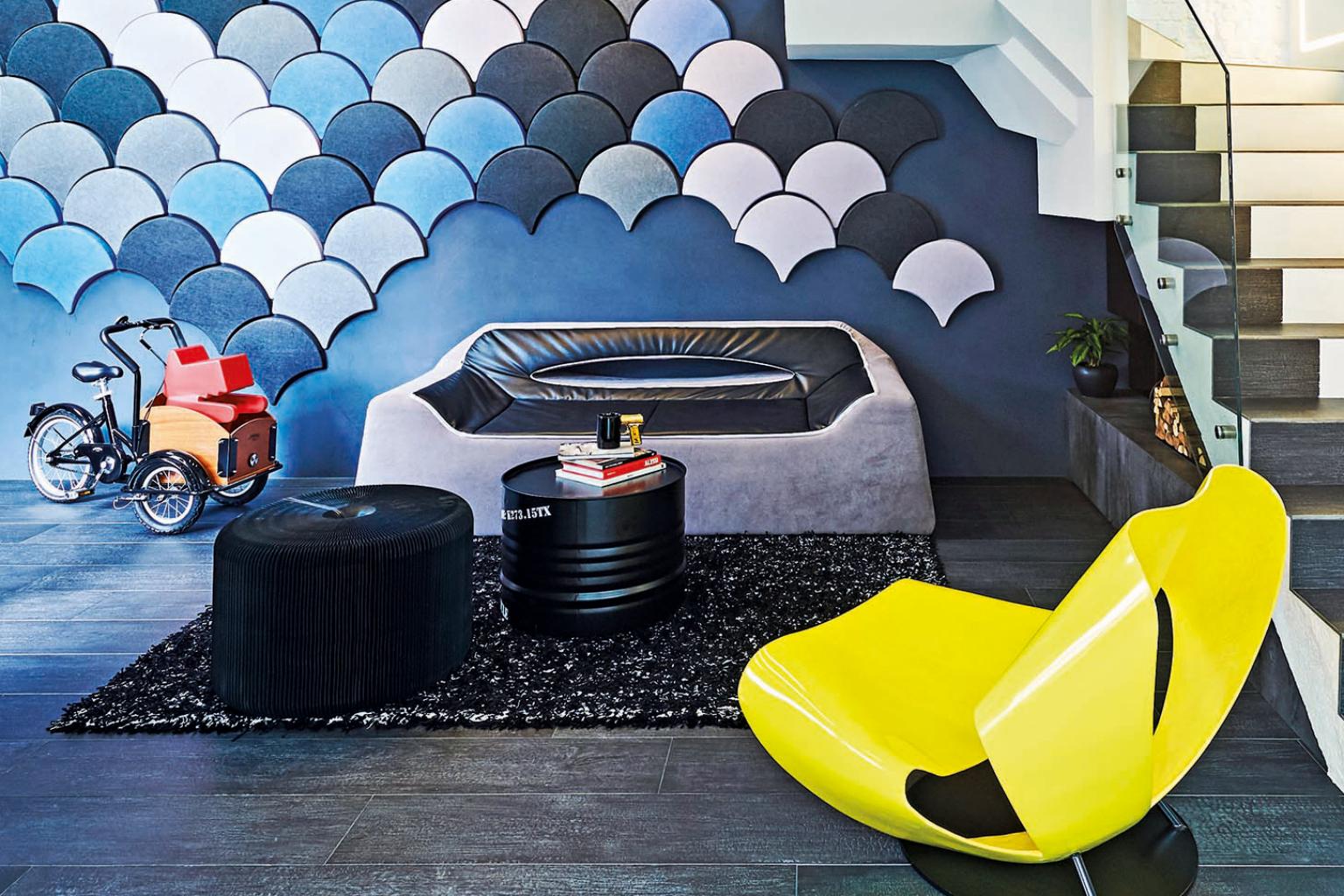
Soundproofing, proper acoustic treatment vital for a home


Six acoustic products that control noise levels in busy interiors

Eight acoustic items that help to quieten down lively interiors

4 Effective Ways to Soundproof Your Bedroom


Stylish sound-absorbing artwork for a quieter home

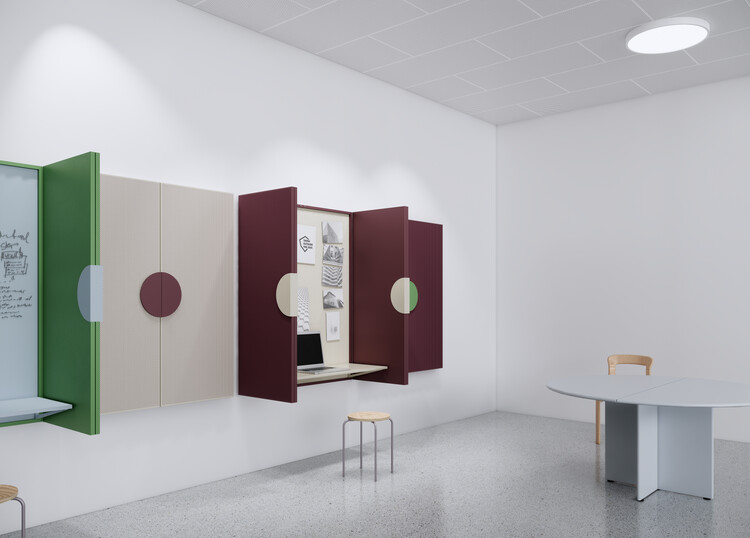
Room Within a Room: Acoustic Spaces That Adapt to Contemporary Needs


How to Soundproof a Room (Published 2021)
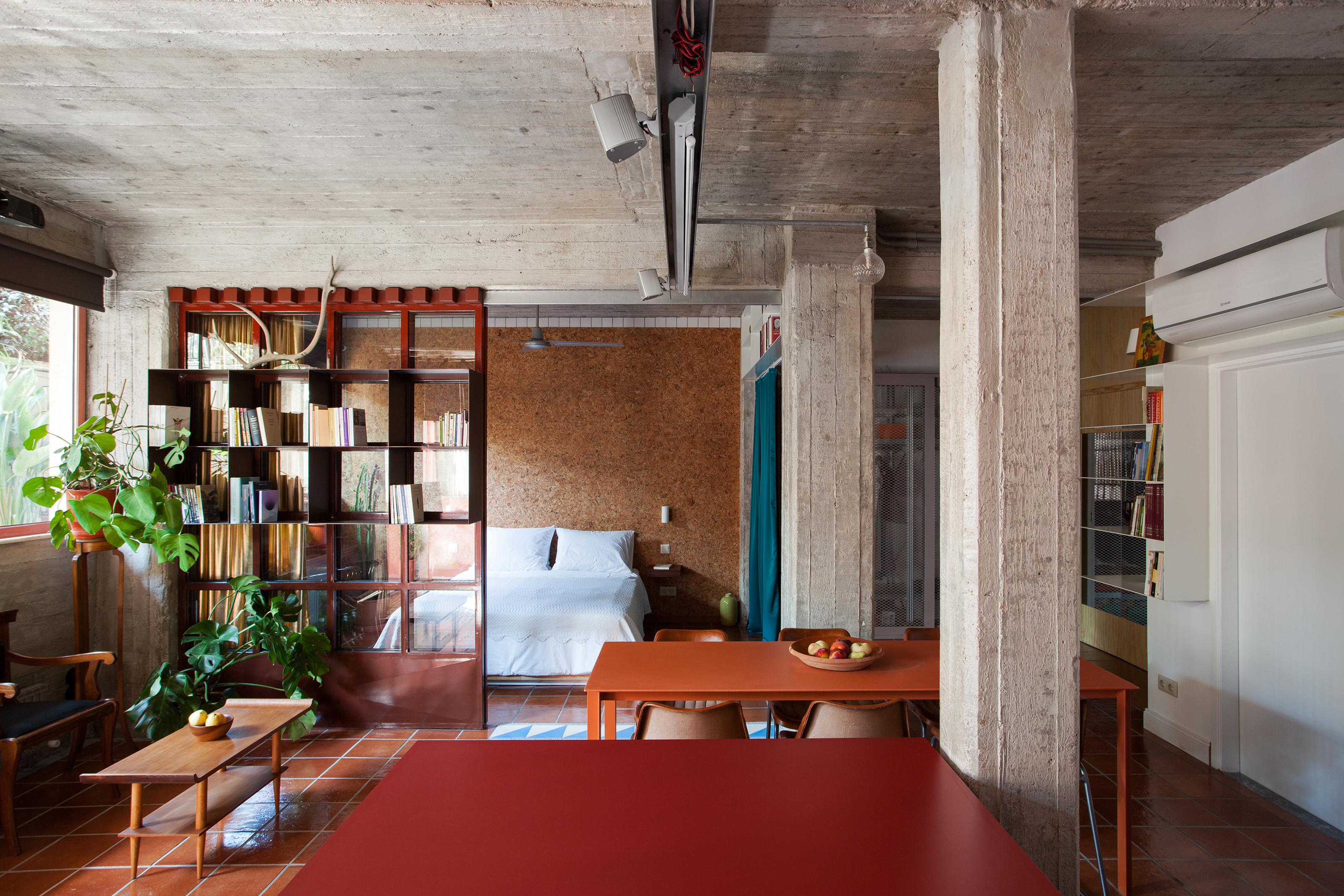
How to soundproof an apartment – 6 renter-friendly changes that will block out noisy neighbors
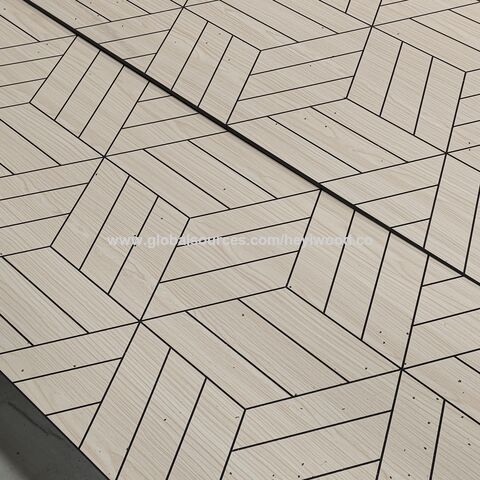
New design patterns Soundproof Acoustic Panels for Interior Wall Decor Paneling


Tempo’s modular wall and ceiling ‘baffle system’ offers infinite acoustic solutions

The 9 Best Soundproof Curtains Stifle Noises, Not Style

Autex Acoustics releases acoustic products that blend into a variety of interiors

Do acoustic wall panels soundproof a room? Experts…

The art of making a room soundproof: woman turns pictures and canvases into sound-absorbing decor