1/9
Bore Through Tough Concrete and Brick With These Masonry Drill Bits
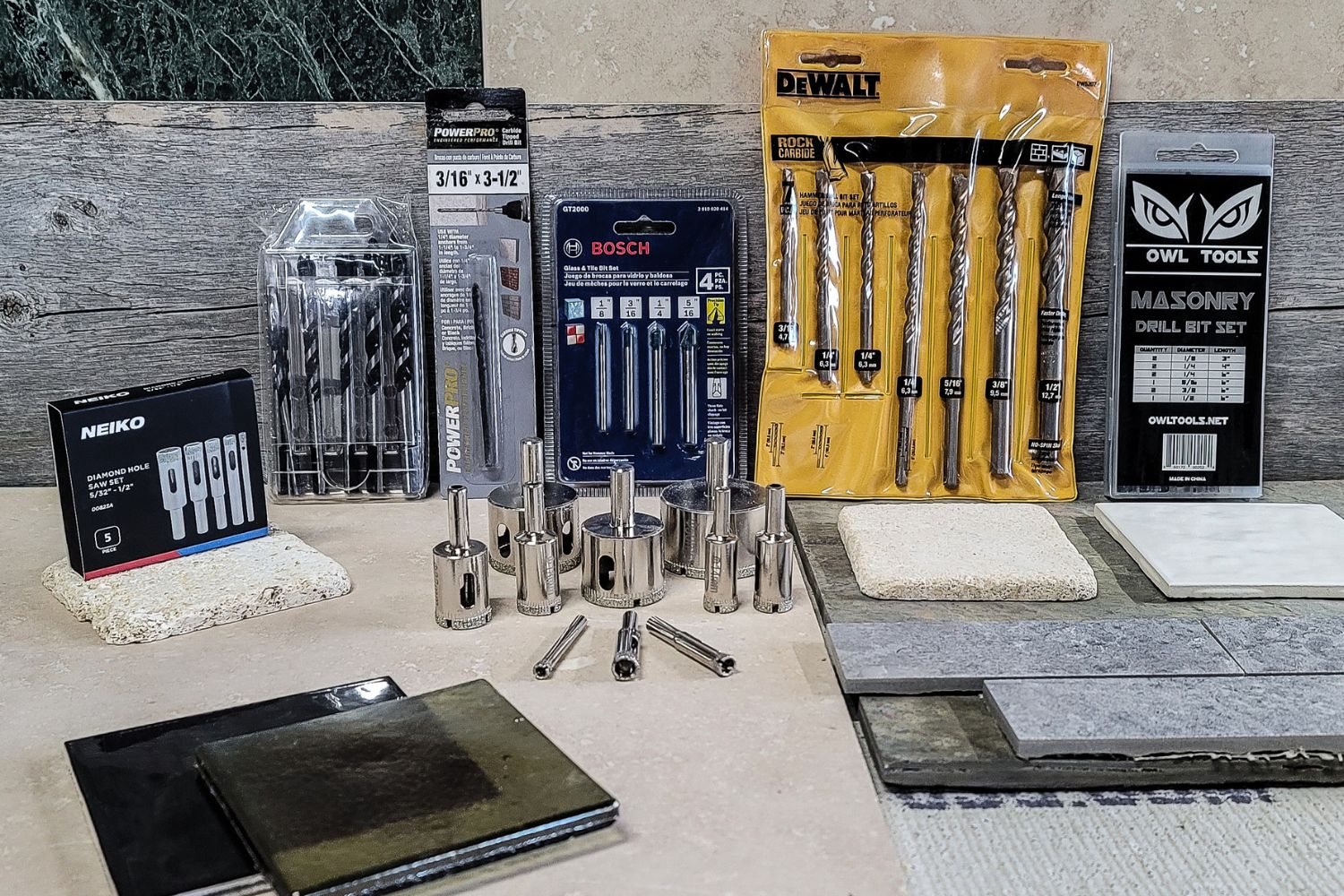
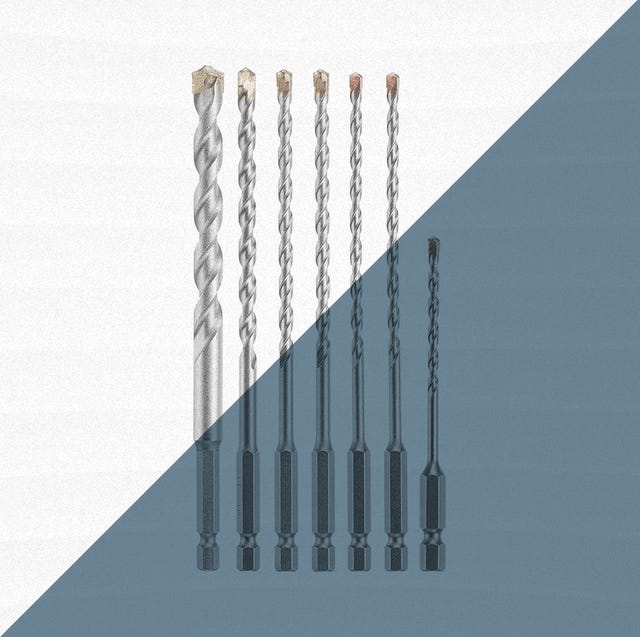
Masonry drill bits are essential tools for anyone planning to drill into hard materials like brick, concrete, or stone. Unlike typical drill bits, these specialized tools are engineered with strong carbide tips to effectively bore through tough surfaces. They also feature wide flutes designed to efficiently eject dust and debris, thereby minimizing friction and enhancing drilling efficiency. For extremely challenging applications, such as drilling into stone or porcelain, some masonry bits are even coated with diamonds.
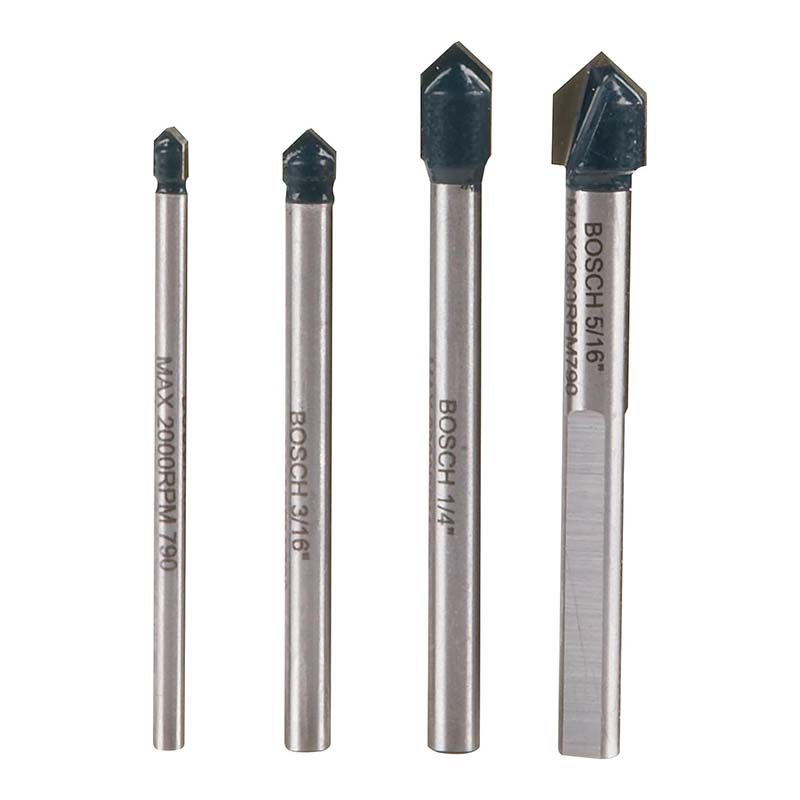
These bits are compatible with either a standard drill that has a hammer mode setting or a dedicated rotary hammer drill, making them a versatile addition to any comprehensive toolkit. Masonry drill bits are available in various sizes to accommodate a wide range of tasks, from mounting a garage door opener on a brick wall to creating holes in concrete for anchors or screws. When selecting a masonry drill bit, several factors are crucial. The size of the bit must match the specific task; for instance, when installing concrete screws or wall anchors, it is imperative to refer to the product's packaging for the recommended bit size. While some screw or anchor sets include bits, these are often of lower quality than standalone options.
Material composition is another critical consideration. Given the rigorous nature of drilling into concrete, masonry drill bits must be exceptionally hard. Tungsten carbide tips are highly recommended due to their strength and durability, preventing premature wear. For extremely hard materials like stone or porcelain, diamond-coated bits are necessary. The type of head on the drill bit also varies based on the application. Most masonry bits feature a two-cutter head, suitable for smaller holes required for concrete screws or anchors. For heavy-duty materials, especially concrete containing rebar, a beefier four-cutter head is more effective as it can continue drilling even when encountering steel reinforcement. For creating large holes in extra-hard materials like granite or porcelain, a masonry hole saw, which uses a diamond coating to grind through the material and ejects a solid core, is the best choice.
Compatibility with the drill is equally important. Drill chucks, which hold the bit in place, come in different types, requiring specific shank types. Hex shanks fit into standard cordless drills, while SDS+ shanks are exclusively for rotary hammer drills. Regarding quantity, it is advisable to purchase a set with a range of sizes, particularly 1/4-inch and 5/16-inch options, for general versatility. However, individual bits can be bought for specific, known tasks, though it's worth noting that masonry work is very demanding on bits, and even durable options will wear out.
Safety is paramount when using masonry drill bits. Drilling into concrete, brick, and stone generates dust that is harmful to human health. Concrete dust, in particular, contains microscopic silica particles that can cause short-term breathing problems and long-term lung damage. Therefore, wearing dust masks or respirators is essential. Eye protection, preferably full-coverage goggles, is also critical to prevent dust and chips from damaging the eyes. Additionally, due to the loud noise produced during drilling, hearing protection is strongly recommended.
#MasonryDrillBits #PowerTools #HomeImprovement #DIYTools #ConcreteDrilling #BrickDrilling #StoneDrilling #ToolSelection #DrillBitSafety #MasonryDrillBits #PowerTools #HomeImprovement #DIYTools #ConcreteDrilling #BrickDrilling #StoneDrilling #ToolSelection #DrillBitSafety
0 comment in total
 No comments yet
You may also like
We Drilled More Than 100 Holes to Find the Best Drill Bits for Tile


Acme Brick, Tile and Stone – Shreveport
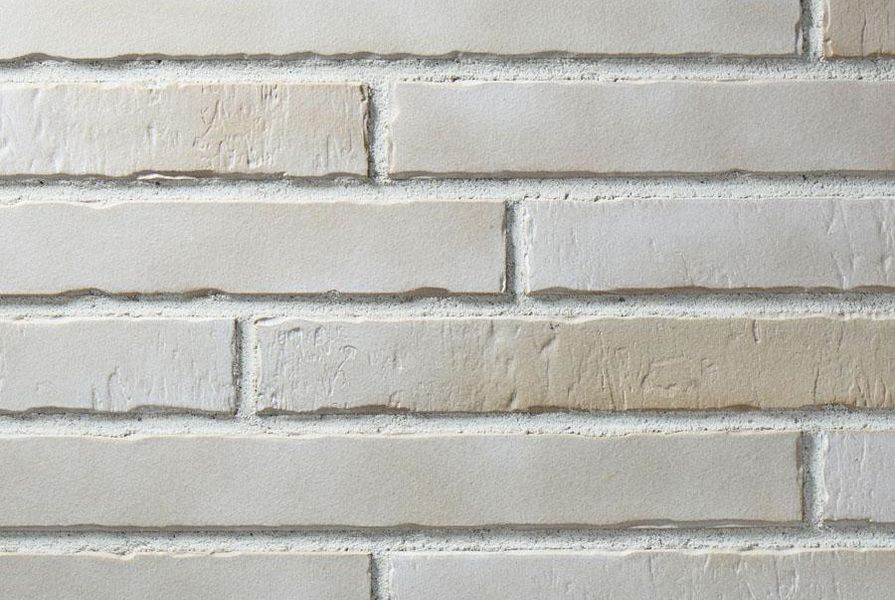
Long-format brick slips from Klay Tiles and Facades

How to Clean Brick on Your Interior and Exterior Surfaces


Masonry reinvented: One brick at a time

Acme Brick, Tile and Stone – Northwest Arkansas

Acme Brick, Tile and Stone – Dothan

Acme Brick, Tile and Stone – Tulsa

Acme Brick, Tile and Stone – El Paso
Acme Brick, Tile and Stone – Memphis

Acme Brick, Tile and Stone – Abilene

Birmingham
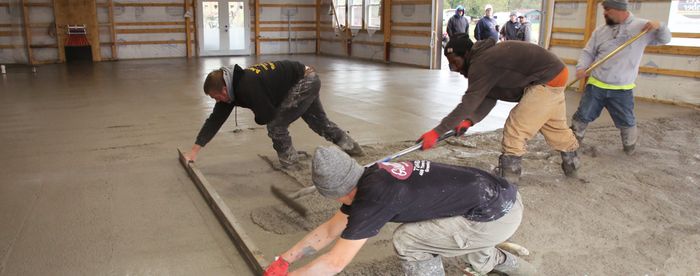
Bucket-Mixed Concrete

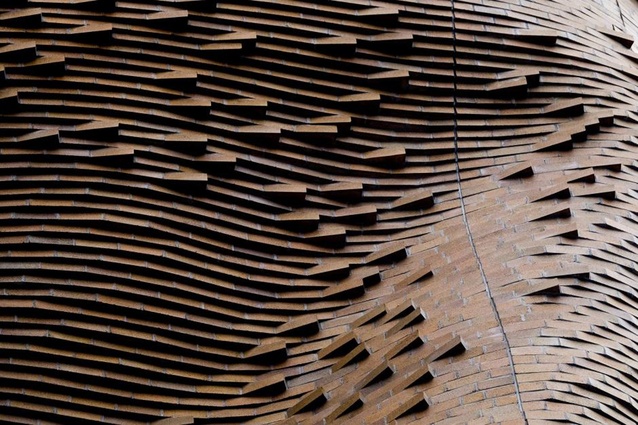
Another brick in the wall

Acme Brick, Tile and Stone – Jackson, TN

Acme Brick, Tile and Stone – Huntsville
Rubble Stone Masonry Buildings With Cement Mortar: Design Specifications in Seismic and Masonry Codes Worldwide

‘It’s a tough lesson to learn’ – brick homeowners must complete this outdoor maintenance task to avoid costly repairs and structural failure


Cement

These Tools Can Easily Knock Out Cracked or Dirty Grout