The Regs: Staying compliant with construction in stone
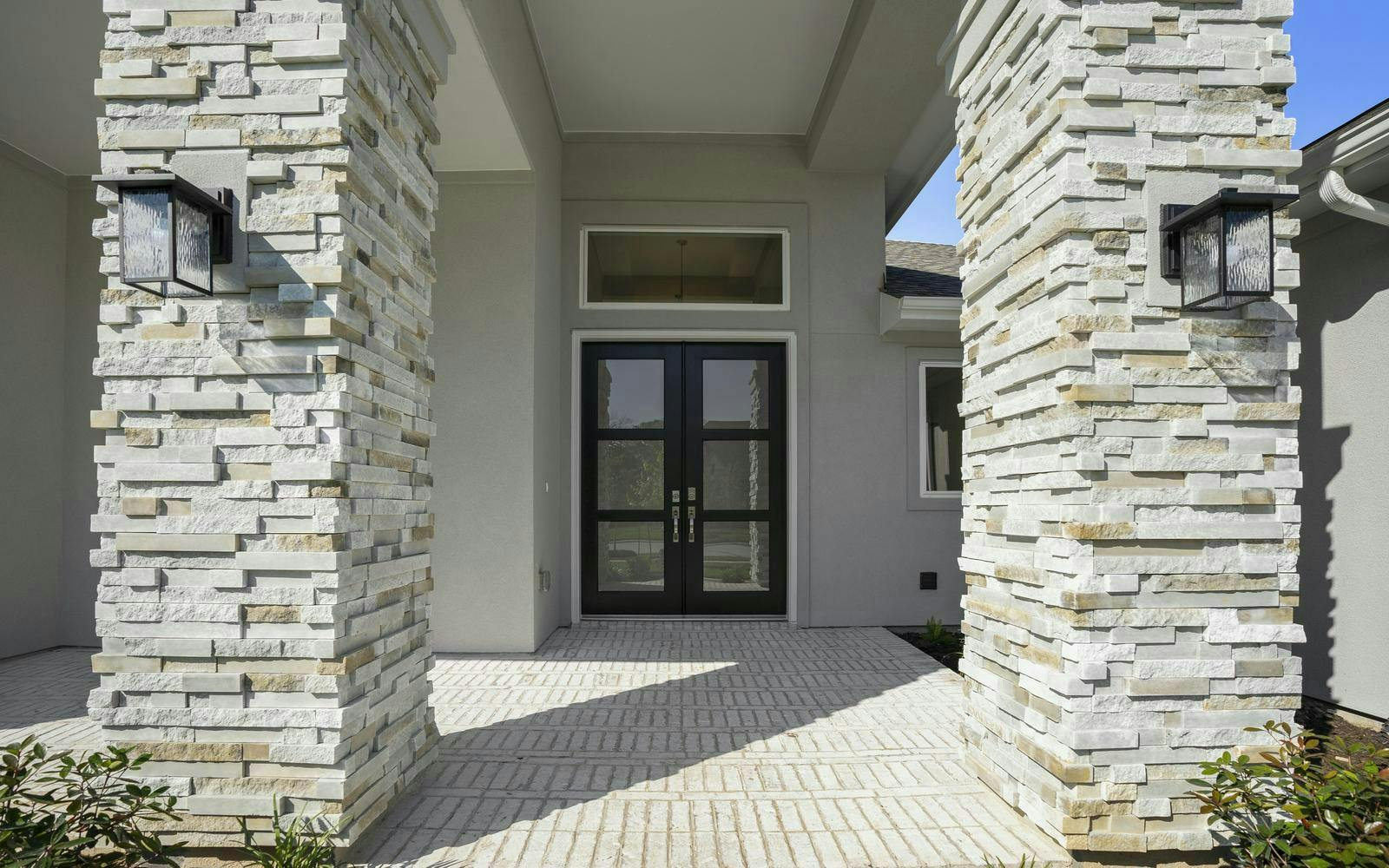
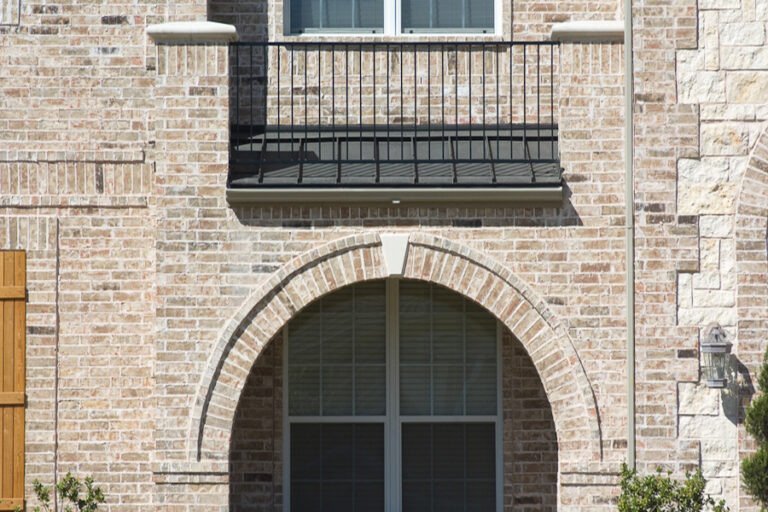
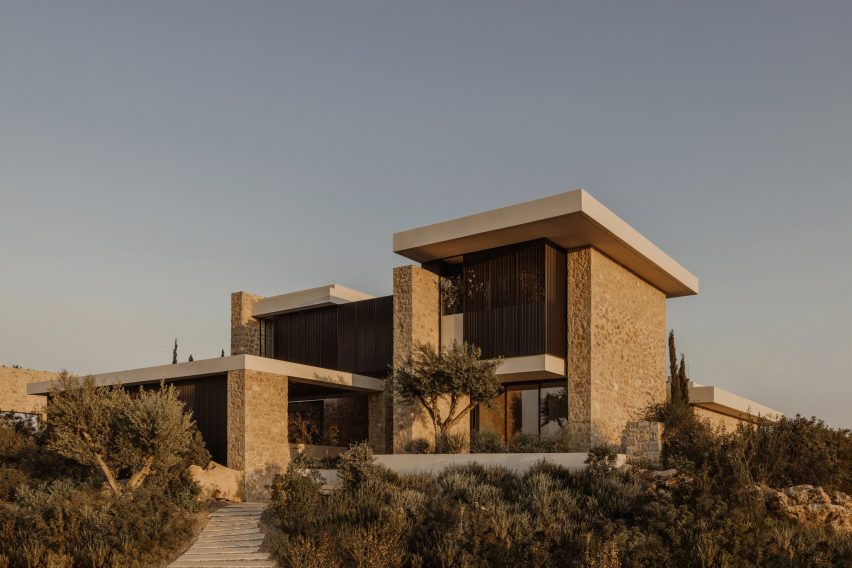
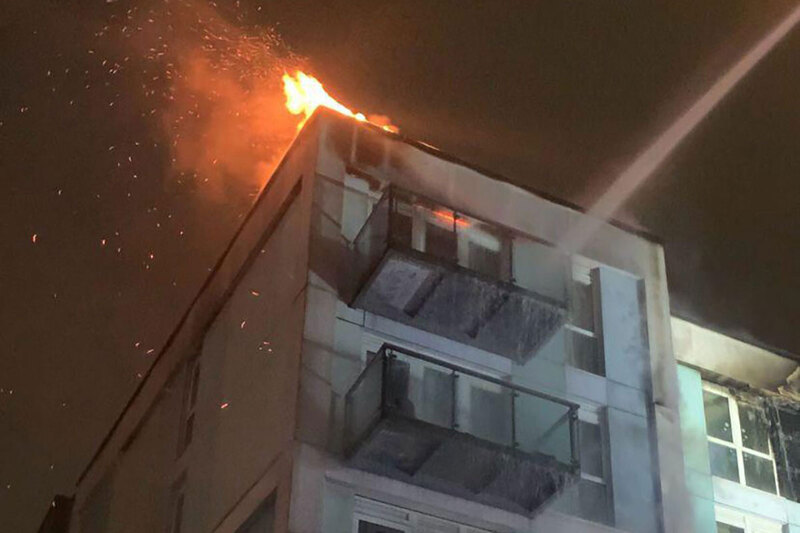
The re-evaluation of traditional architectural styles and materials, sparked by initiatives like the Building Beautiful Commission and the ban on combustible cladding, is leading architects to reconsider the use of stone in construction. Historically, stone was fundamental in creating structural solid masonry walls, offering a sense of safety and security in buildings. However, its usage evolved over the last seven decades, moving away from solid wall construction, with modern applications typically involving stone cladding panels fixed to steel or concrete frames. This shift presents challenges, especially for indigenous stones like softer limestones, which are often unsuitable for thin cladding sections due to their susceptibility to weathering and frost when saturated, making them less ideal for rainscreen cladding systems.
Further complicating the use of traditional stone construction methods was the 2010 update to Part L of the Building Regulations. This update significantly increased the focus on mitigating cold bridging at critical junctions such as wall/floor connections and around windows and doors. Consequently, the conventional use of solid stone elements became problematic, necessitating the introduction of thermal break layers. This requirement directly conflicts with stone's inherent reliance on thickness for structural integrity; splitting a stone element to insert a thermal break can compromise its stability. Areas demanding particular attention in detailing include window reveals, sills, lintels, balconies, parapets, and the interfaces between walls, floors, and roofs.
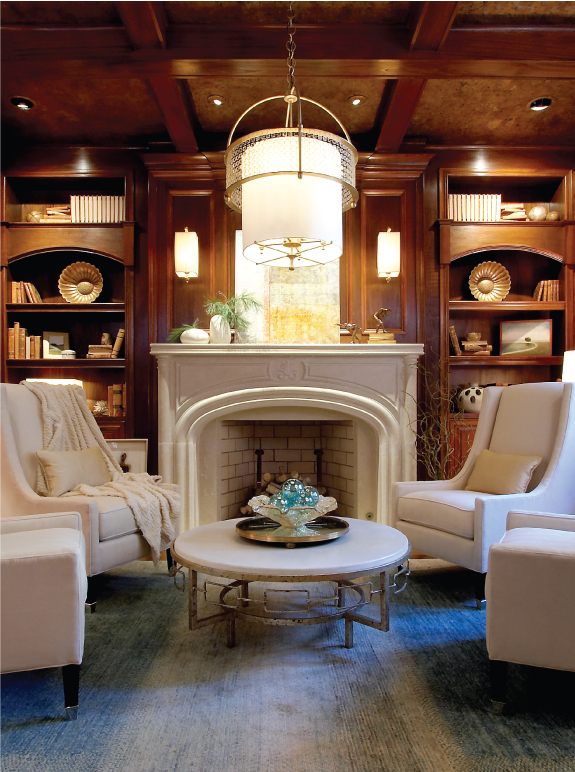
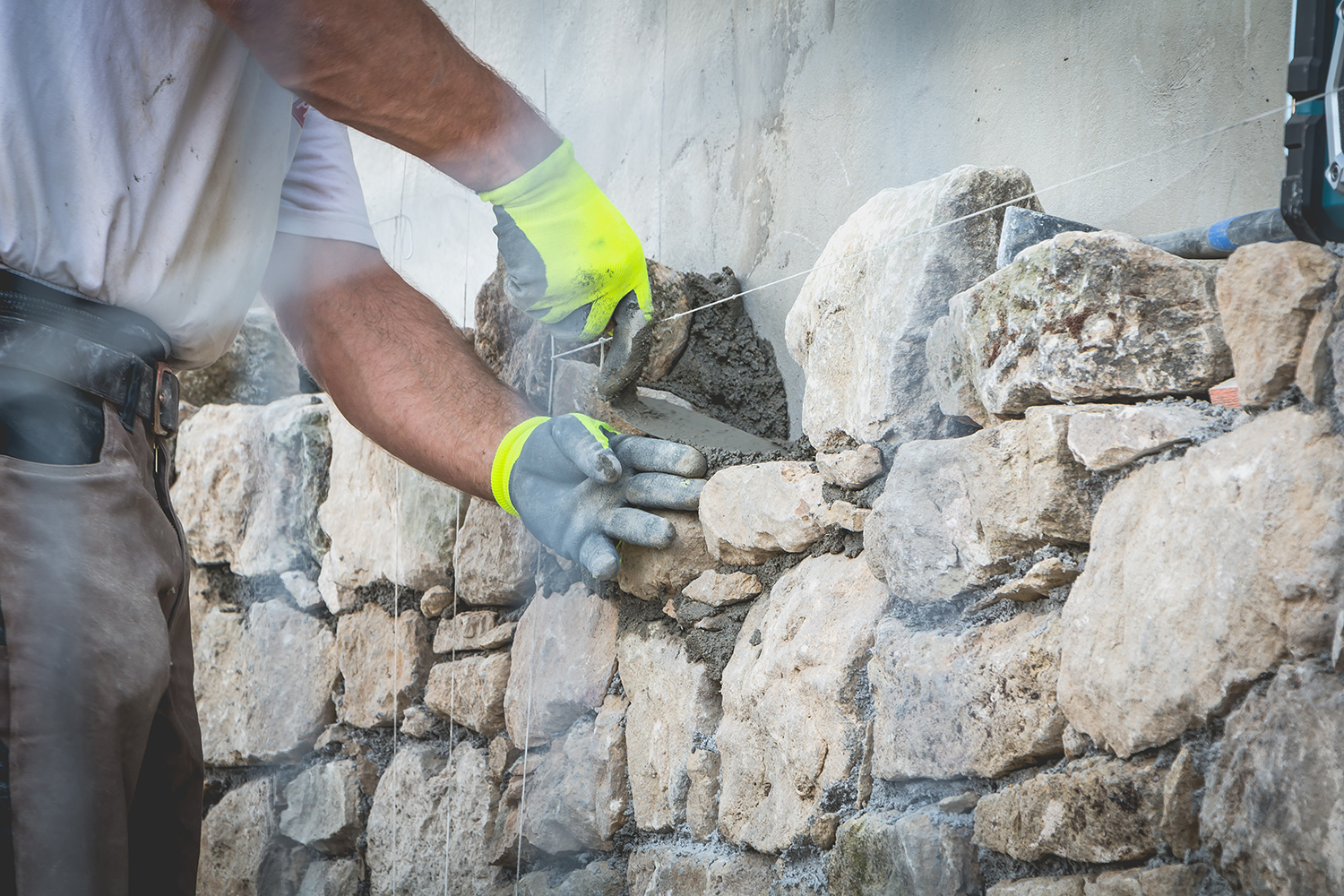
In contrast, internal applications of stone, such as floor and wall tiling, fire surrounds, and even the internal leaf of a wall (provided it is thermally isolated to prevent condensation), are considerably simpler to implement. A key concern with external stone detailing is its weight and irregular nature compared to manufactured masonry like bricks and blocks. For cavity walls, external stone must be adequately tied to the internal skin to meet structural design codes. The precise design, placement, and installation of brackets and ties are crucial for ensuring wall strength and stability, alongside maintaining thermal isolation between the outer and inner leaves.
The substantial loads imposed by stone panels often necessitate robust metal brackets for support against gravity, lateral forces, and wind. These metal components, however, can act as cold bridges to the main structure. Fortunately, contemporary solutions include proprietary products that leverage the structural strength and low thermal conductivity of fibre-reinforced resins, offering support without the thermal transmission associated with metal. The irregular coursing of stone, even in 150mm thick sections, also poses challenges for compliance with Building Regulations regarding wall tie spacing, particularly the requirement for 300mm vertical centers.
To address this, the National House Building Council has provided updated guidance, allowing for wall ties in such situations to be spaced at 450mm centers, provided they are installed in pairs within the same bed joint and within 225mm of an opening or joint. Therefore, integrating stone into contemporary construction is feasible, but it requires architects to exercise heightened care in detailing and a thorough understanding of stone's unique material properties to ensure compliance with modern building regulations and performance standards. Additional guidance is available, such as 'Natural Stone Masonry in Modern Scottish Construction' from the Scottish Stone Liaison Group, which can be accessed free online.
#BuildingRegulations #StoneConstruction #ArchitecturalMaterials #ThermalPerformance #CladdingSystems #CavityWalls #StructuralDesign #MaterialProperties #HistoricArchitecture #SustainableBuilding #BuildingRegulations #StoneConstruction #ArchitecturalMaterials #ThermalPerformance #CladdingSystems #CavityWalls #StructuralDesign #MaterialProperties #HistoricArchitecture #SustainableBuilding
0 comment in total
 No comments yet
You may also like
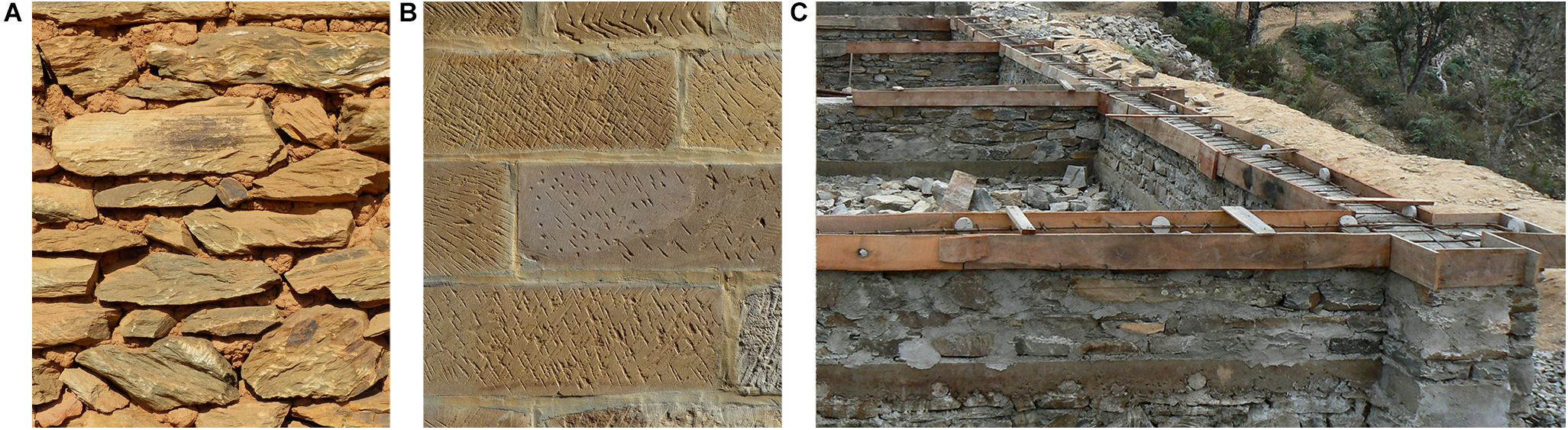
Rubble Stone Masonry Buildings With Cement Mortar: Design Specifications in Seismic and Masonry Codes Worldwide

These Rules Dictate Where You Can Place Your Pool, Shed, or ADU—Even on Your Property

Can you build a pergola next to a neighbor's fence? 6 rules from legal experts

Setting the Record Straight on Concrete Pumping Stability
Party Wall Agreements explained – everything you need to know when planning your renovation

Right the First Time: Manufactured Stone Veneer Installation

A manufactured stone installation that’s doomed to eventual failure

Cast Stone
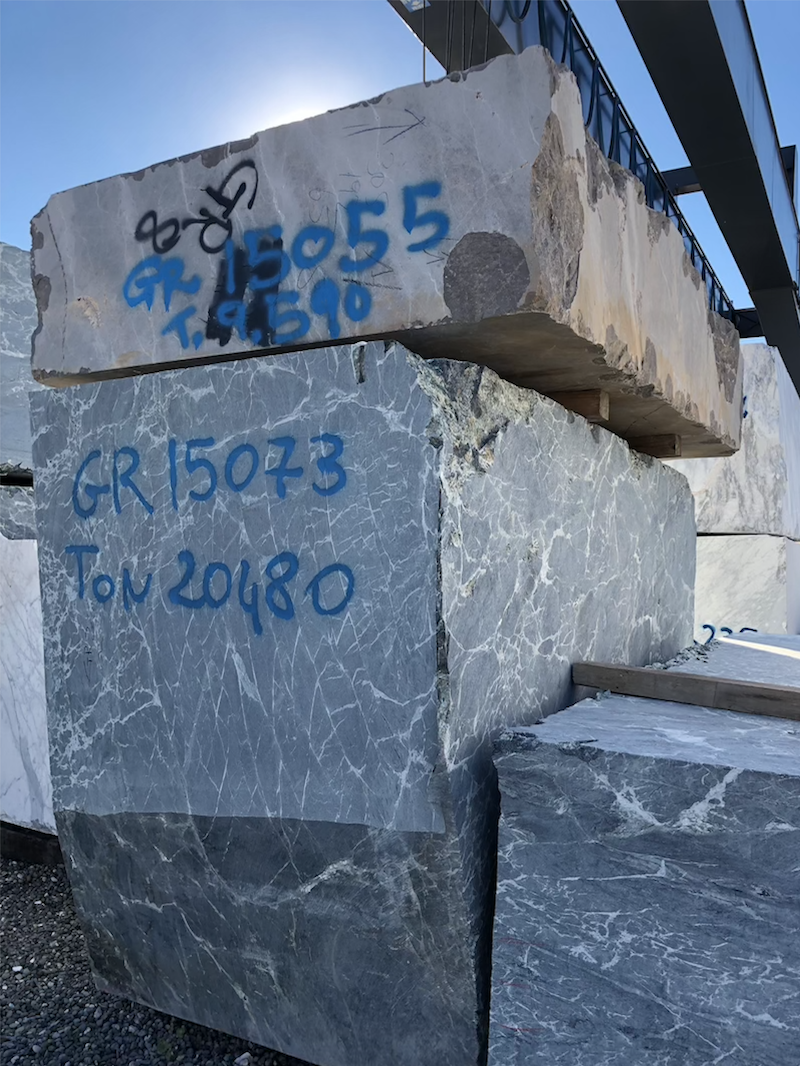
The new rules of marble


Opinion: Disregard rules on building permits and bylaws at your peril

Tips and Tricks with Statement Stone
K-Studio pairs stone with concrete for Greek holiday home

R-E-C-I-P-R-O-C-I-T-Y ~ Find Out What It Means to You (Updated August 2025)


Acme Brick, Tile and Stone – Florence
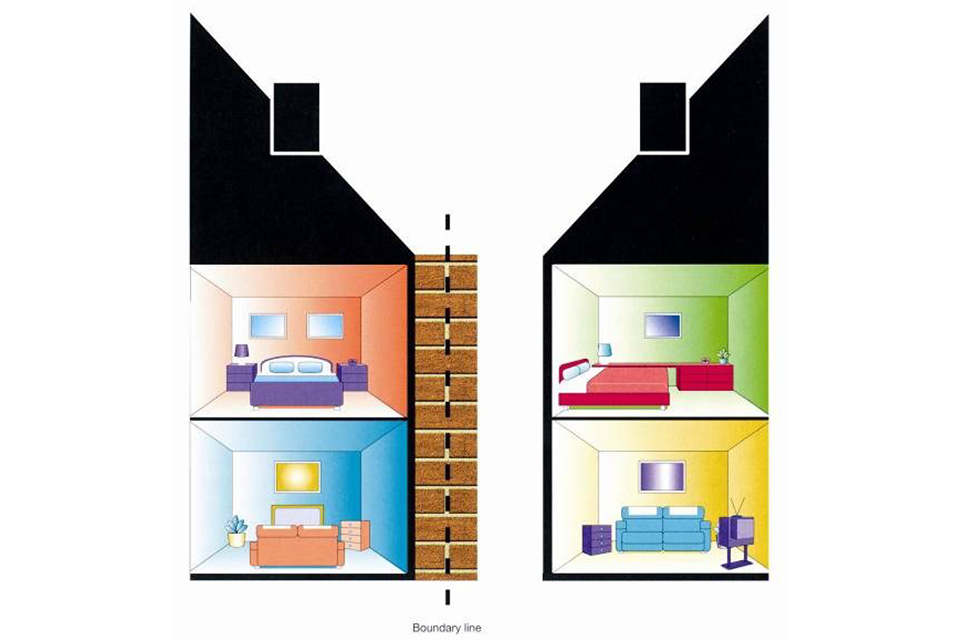
The Party Wall etc Act 1996: explanatory booklet


Do I need planning permission for a pergola? Experts say it all depends on these 3 things

General Information

School Buildings in Rubble Stone Masonry With Cement Mortar in Seismic Areas: Literature Review of Seismic Codes, Technical Norms and Practical Manuals

Building Materials - Building Supplies

Insight - Cladding remediation: why is progress so slow?