



1/2
Insight - Cladding remediation: why is progress so slow?
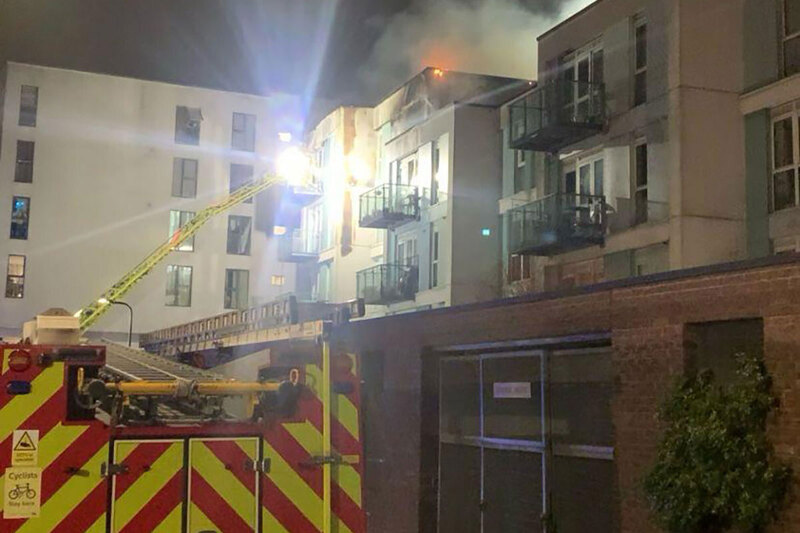
Nearly seven years after the Grenfell fire, a significant number of buildings in the UK still require cladding remediation. A fire in January at Petworth Court in Wembley highlighted this ongoing issue, as the blaze spread up the external wall of a building where combustible materials were known to be present but had not been removed. This incident serves as a stark reminder that despite years of effort, the remediation process is moving at a glacial pace.
Of 3,839 buildings above 11 meters being monitored by the government for cladding remediation, 2,286 have yet to even begin the necessary work. This figure likely underestimates the true scale of the problem, as it excludes buildings below 11 meters and those above this height that have not undergone full assessments against new guidance. For example, Barratt Developments identified 278 problem buildings, but only 128 are included in government figures due to assessment completion. Government estimates suggest the total number of affected buildings could increase by as much as 5,000.
Buildings requiring remediation generally fall into three categories: those where one of the 55 developers who signed the government’s remediation contract is responsible (1,345 buildings), those owned by social landlords (1,952 buildings), and those privately owned where the original developer is unavailable or not part of the government program. Various government funds have covered some remediation costs, but responsibility largely rests with developers and social landlords. However, work has only commenced on 35% of developer-responsible blocks and 37% of social landlord-owned blocks.
A primary reason for these delays is the internal disputes regarding the scope of work. Developers, bound by government contracts, are only required to remediate to a "life safety" risk assessment. This often leads to conflict with freeholders, who may seek a more comprehensive fix, potentially entitled under original contracts. The application of PAS 9980 guidance by different fire engineers further complicates matters, with developers' surveyors often proposing minimal work while freeholders demand more extensive repairs. These disagreements can result in prolonged standstills, as seen in cases like Charlotte Meehan's building, where a dispute between the freeholder and developer has halted remediation, leaving residents in an unsafe environment.
The issue is compounded by soaring insurance premiums for buildings with dangerous cladding. A partial fix that meets only the developer’s limited specifications may not be sufficient to reduce these costs, leaving residents facing high bills even after some work is done. Leaseholders like Dom Ahern face similar dilemmas, where proposed remediation might still leave combustible materials and fail to satisfy insurance providers, resulting in persistent high premiums.
In the social housing sector, delays are also driven by legal disputes, even though these buildings are often not covered by the 'developer pledge' as firms acted as contractors. L&Q;, a large London housing association, details a 19-step process for remediation, which includes establishing defects, determining liability, seeking redress, and negotiating. This lengthy process, especially the legal aspect, can take an extraordinary amount of time. Social landlords are often compelled by charity law and fiduciary duties to pursue legal action if a claim is viable, further extending timelines. Experts in the field, such as fire engineers, are in high demand and short supply, leading to further delays. Additionally, opening up external wall systems often reveals deeper, more complex structural issues, requiring comprehensive and time-consuming repairs.
Residents express growing frustration, with surveys indicating poor communication and significant impacts on mental health. Campaign groups advocate for greater oversight and accountability for those responsible for remediation. The ongoing delays underscore the critical need for streamlined processes and effective resolution of disputes to ensure resident safety and prevent further incidents.
#CladdingRemediation #BuildingSafety #GrenfellTower #HousingCrisis #FireSafety #DeveloperLiability #SocialHousing #ConstructionLaw #ResidentSafety #CladdingRemediation #BuildingSafety #GrenfellTower #HousingCrisis #FireSafety #DeveloperLiability #SocialHousing #ConstructionLaw #ResidentSafety
 No comments yet