1/5
Can you build a pergola next to a neighbor's fence? 6 rules from legal experts
Building a pergola can enhance a yard, but homeowners must be aware of various legal considerations to avoid conflicts with neighbors and potential fines. Key rules involve obtaining building permits, communicating with neighbors, understanding zoning laws, selecting appropriate materials, precise measurement, and adhering to Homeowners Association (HOA) regulations.
The first critical step is securing a building permit. Most large pergolas require a permit, and failure to obtain one can lead to official reports from neighbors and legal consequences. The application process is typically straightforward, often involving a visit to the local Department of Buildings or the city's official website. Permits are especially crucial for pergolas exceeding 12x12 feet or those attached to the house. Without proper authorization, even if the pergola is not directly on the property line, it is still considered a violation of regulations.
After obtaining the necessary permits, it is essential to communicate plans with neighbors. This common courtesy can prevent future disputes. Neighbors should be informed about the construction to avoid surprises, especially since a pergola could cast shade on their property, affecting their plants or amenities like a pool. Proactive communication helps address potential issues before construction begins, fostering goodwill and preventing arguments.
Understanding local zoning rules is another vital aspect. These regulations dictate how close a structure can be to property lines, typically ranging from 5 to 20 feet, to ensure safety and privacy. Adhering to these setback requirements, often specified in the building permit, is crucial. If a homeowner builds a pergola with a gap between it and the neighbor's fence, the law is generally on their side, assuming it doesn't directly interfere with the existing fence.
Material selection is also important, as some jurisdictions have rules regarding construction materials. Safety is a primary concern, and materials must comply with local building codes. Using durable and approved materials ensures the pergola's safety and longevity. Climate considerations, such as the need for pergolas to withstand strong winds in hurricane-prone areas or specific materials for roofs in heavy snowfall regions, also influence material choices. Poor-quality materials could lead to a pergola being deemed a hazard. Additionally, some historical areas may have vernacular architecture standards that restrict modern designs.
Accurate measurements are paramount. Pergola regulations often vary with size, so even slight errors can lead to non-compliance. Larger pergolas may require more permits, particularly if they are close to a neighbor's fence and might obstruct views or create excessive shade. Homeowners must also measure their yard carefully to ensure the chosen pergola design fits within the legal boundaries and does not encroach on neighboring property.
Finally, homeowners in areas with HOAs must consult their specific rules. HOAs often have guidelines on the height, style, and placement of outdoor structures to maintain neighborhood aesthetics. These rules can be stricter than municipal building codes, and non-compliance can result in fines. It is advisable to get construction plans pre-approved by the HOA and, if necessary, seek advice from a neighborhood attorney familiar with local regulations.
#PergolaConstruction #NeighborRelations #BuildingPermits #ZoningLaws #PropertyBoundaries #MaterialSelection #HOARules #BackyardDesign #LegalAdvice #PergolaConstruction #NeighborRelations #BuildingPermits #ZoningLaws #PropertyBoundaries #MaterialSelection #HOARules #BackyardDesign #LegalAdvice
0 comment in total
 No comments yet
You may also like
Pergola mistakes: a pro reveals 9 common pergola errors

Pergola ideas – 19 ways a pergola can enhance your backyard design
How do you build a pergola? Experts explains their methods so you can enjoy the best parts of open-air living

Fences


Do I need planning permission for a pergola? Experts say it all depends on these 3 things

Pergola ideas - 14 gorgeous garden structures to add style and shade
10 privacy fence options for your deck, patio or backyard

Home Sale Differentiators: The Pergola
Apr 2017: This fencing project had an interesting twist

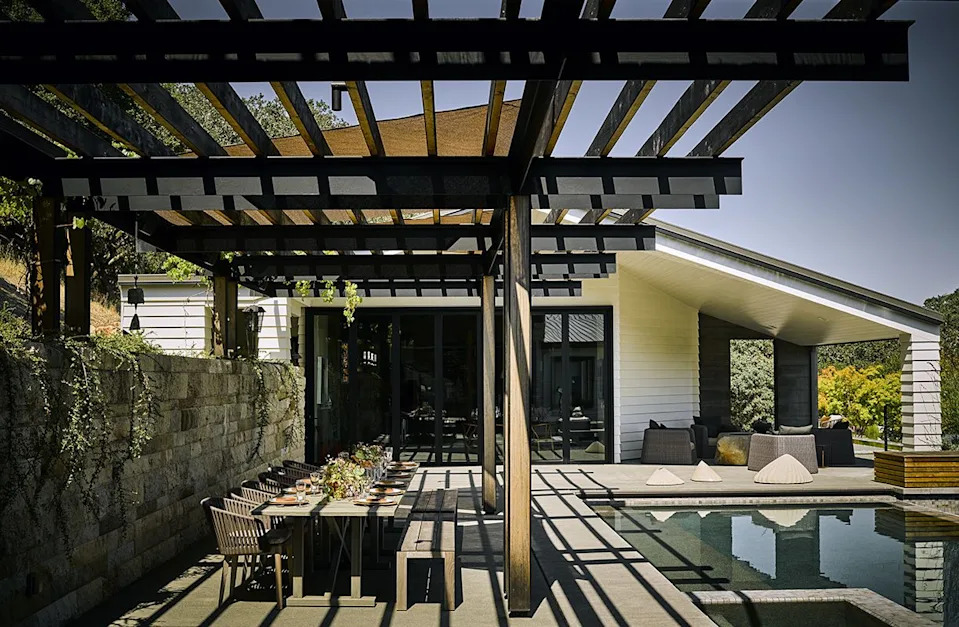
15 Pergola Ideas That'll Turn Any Outdoor Space Into a Majestic Escape

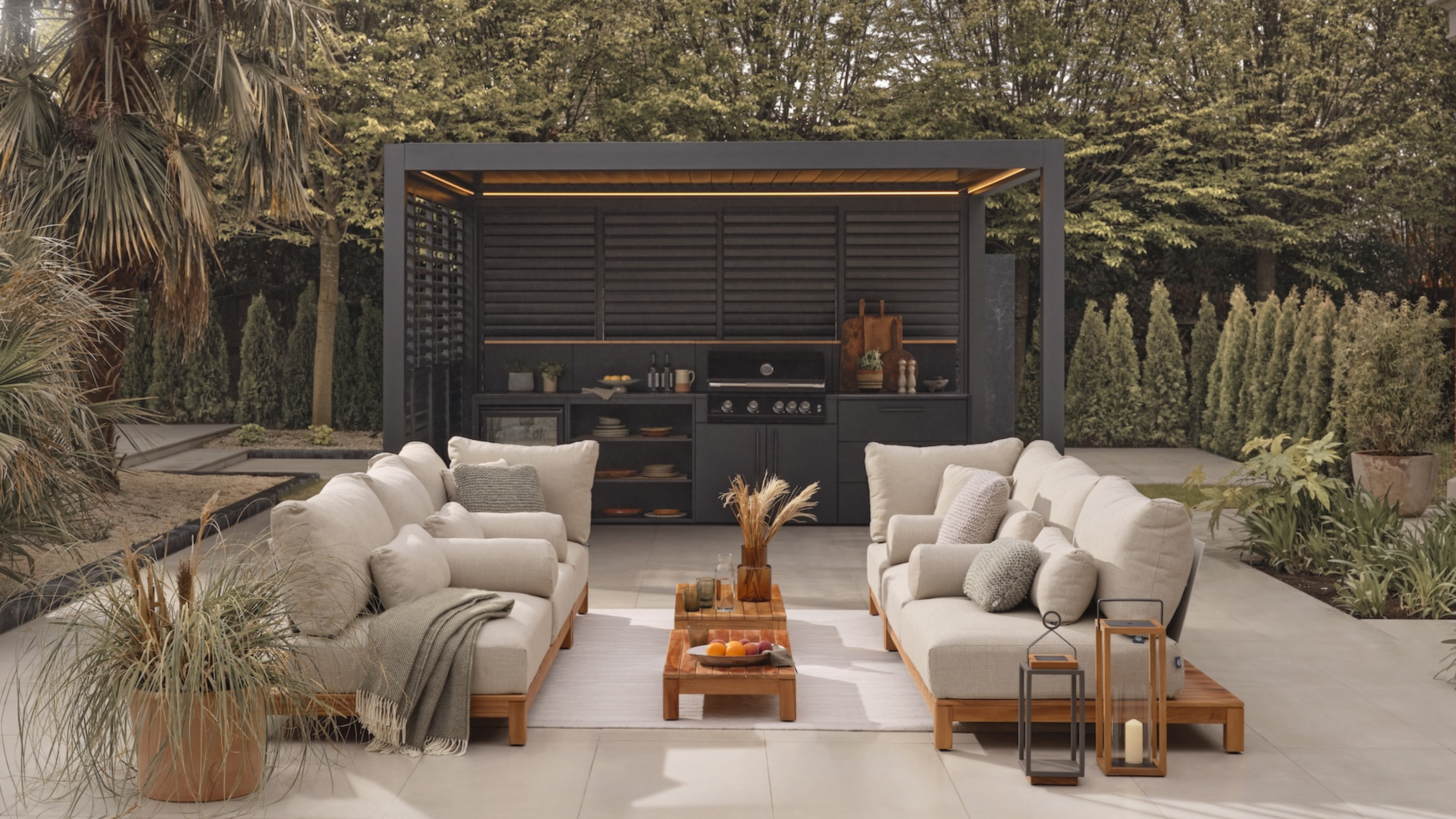
Is It Better to Buy or Build Your Own Pergola? Experts Discuss the Most Cost-Effective Way to Embrace Those Shady Summer Days
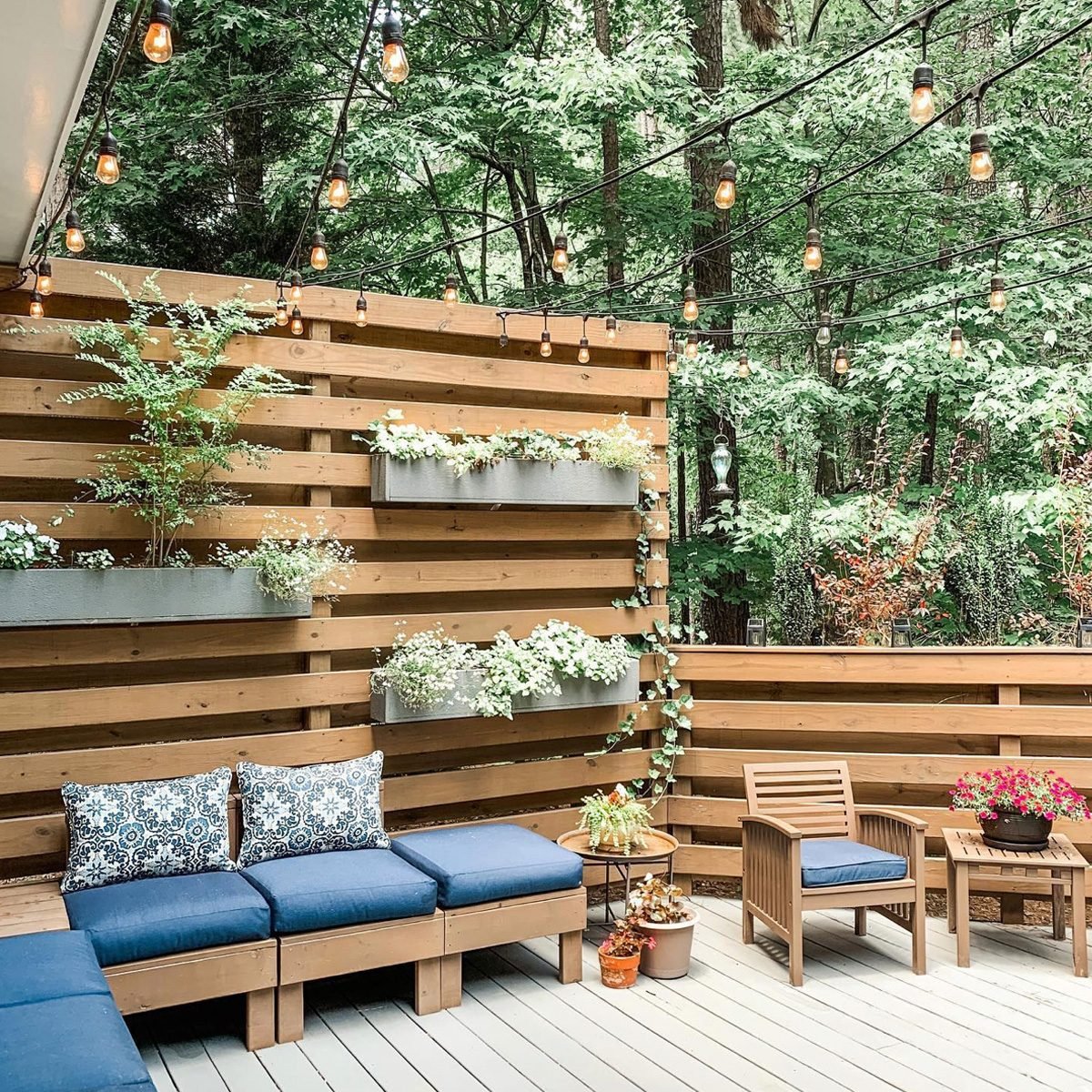
10 Privacy Fence Ideas for Your Yard

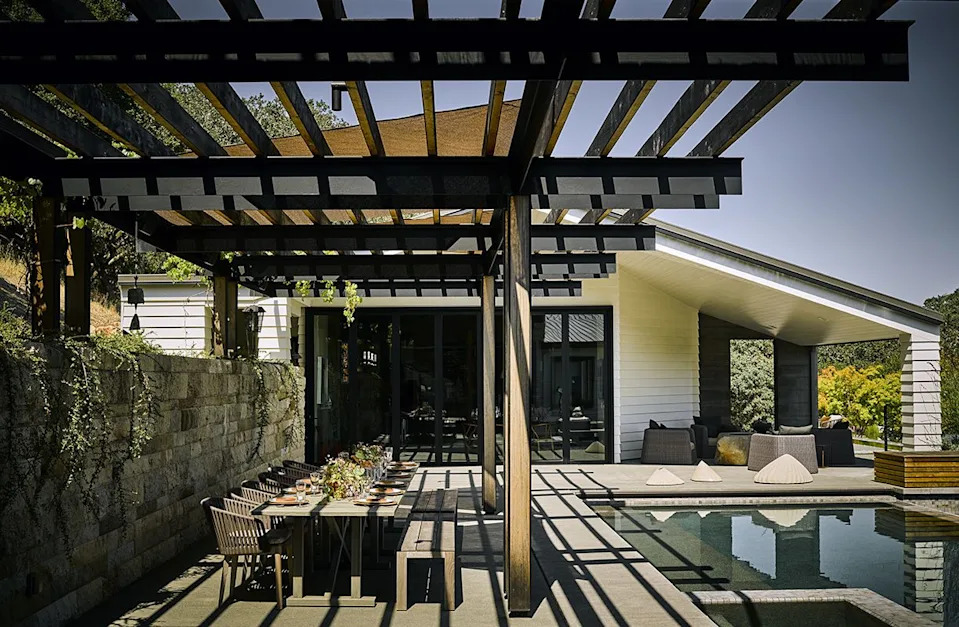
15 Pergola Ideas That'll Turn Any Outdoor Space Into a Majestic Escape

Want the Garden of Your Dreams? Check Out These 29 Enchanting Pergola Ideas

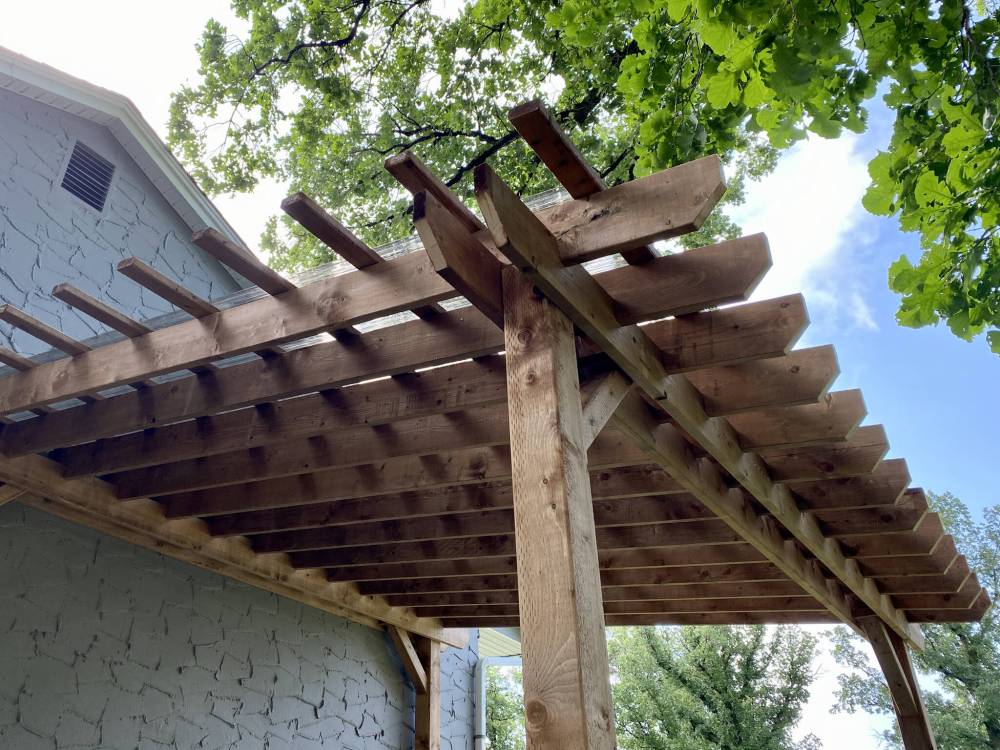
Nov 2022: The endless pergola summer


Garden screening ideas: 13 ways to create privacy in your garden

Neighbor Builds A Kids Play Fort So Close To The Fence That His Kids Can See Into This Homeowner’s Yard, So The Homeowner Builds His Own Structure And Lets The Police Decide Who Needs To Take Theirs Down


Add Shade to Your Backyard with a Pretty Pergola
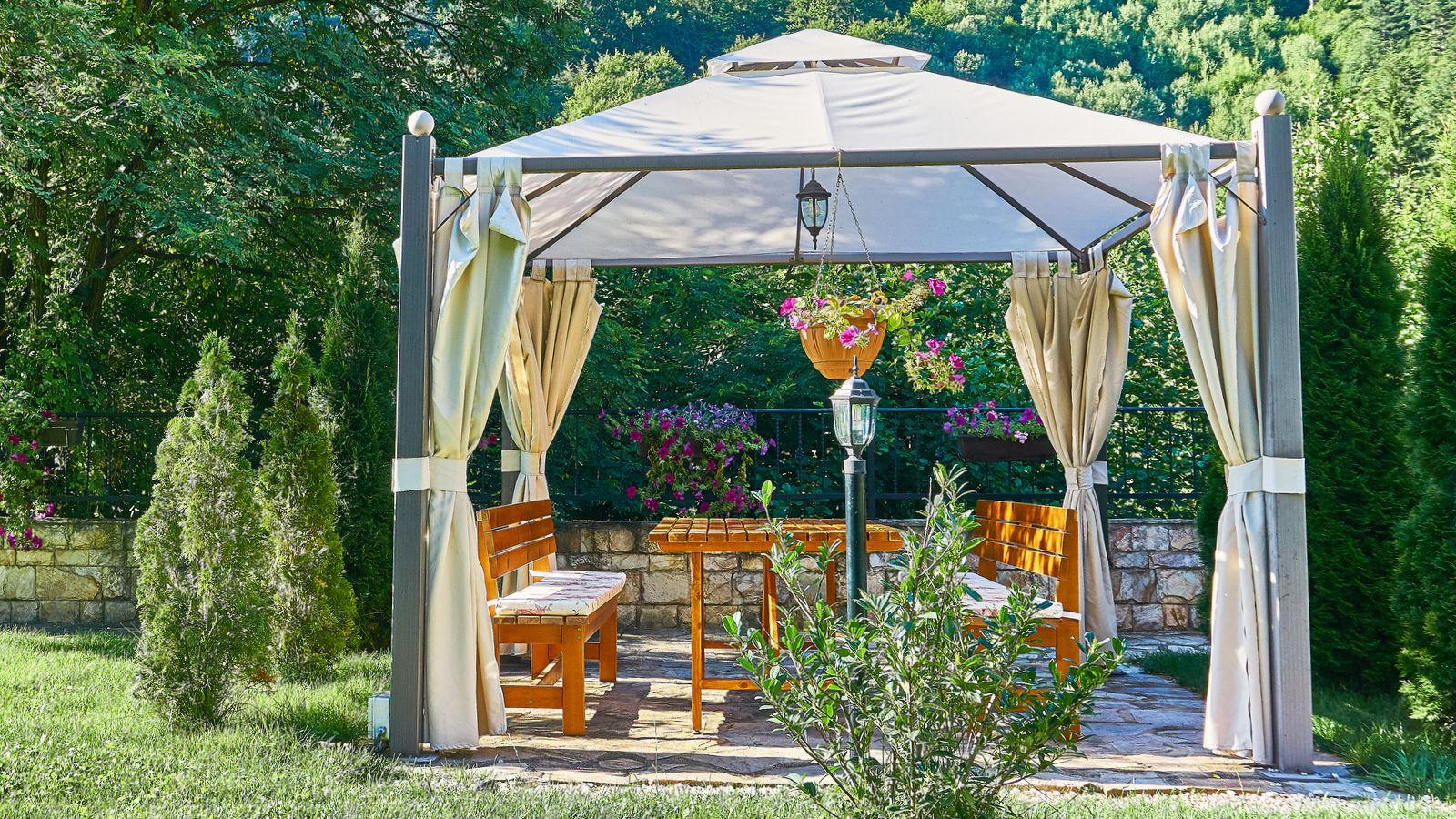
Where to place a gazebo? Construction experts reveal the best spots
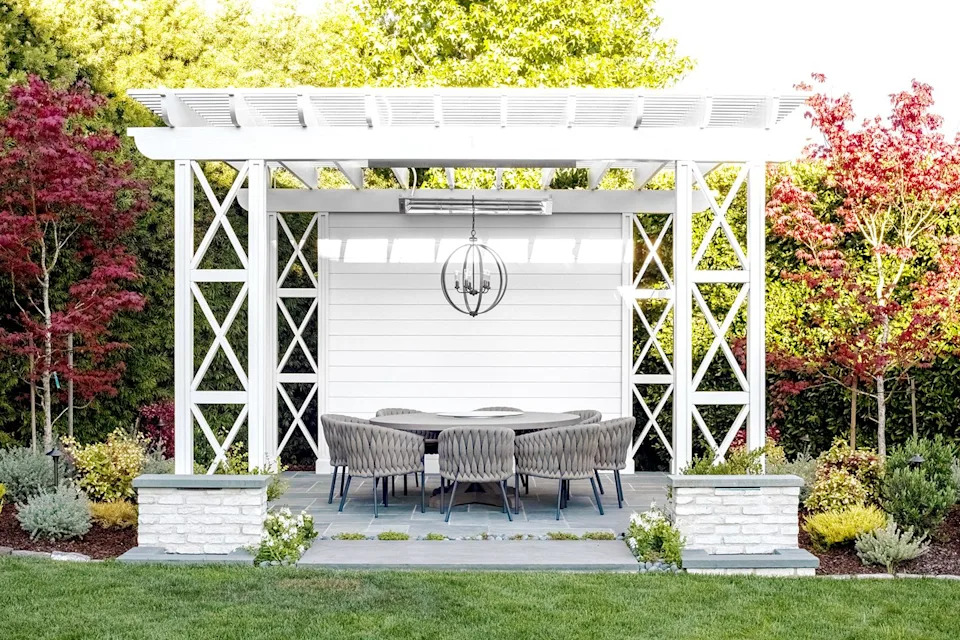
With a Modern Pergola, Your Backyard Can Become a Private Oasis