1/9
Pergola mistakes: a pro reveals 9 common pergola errors
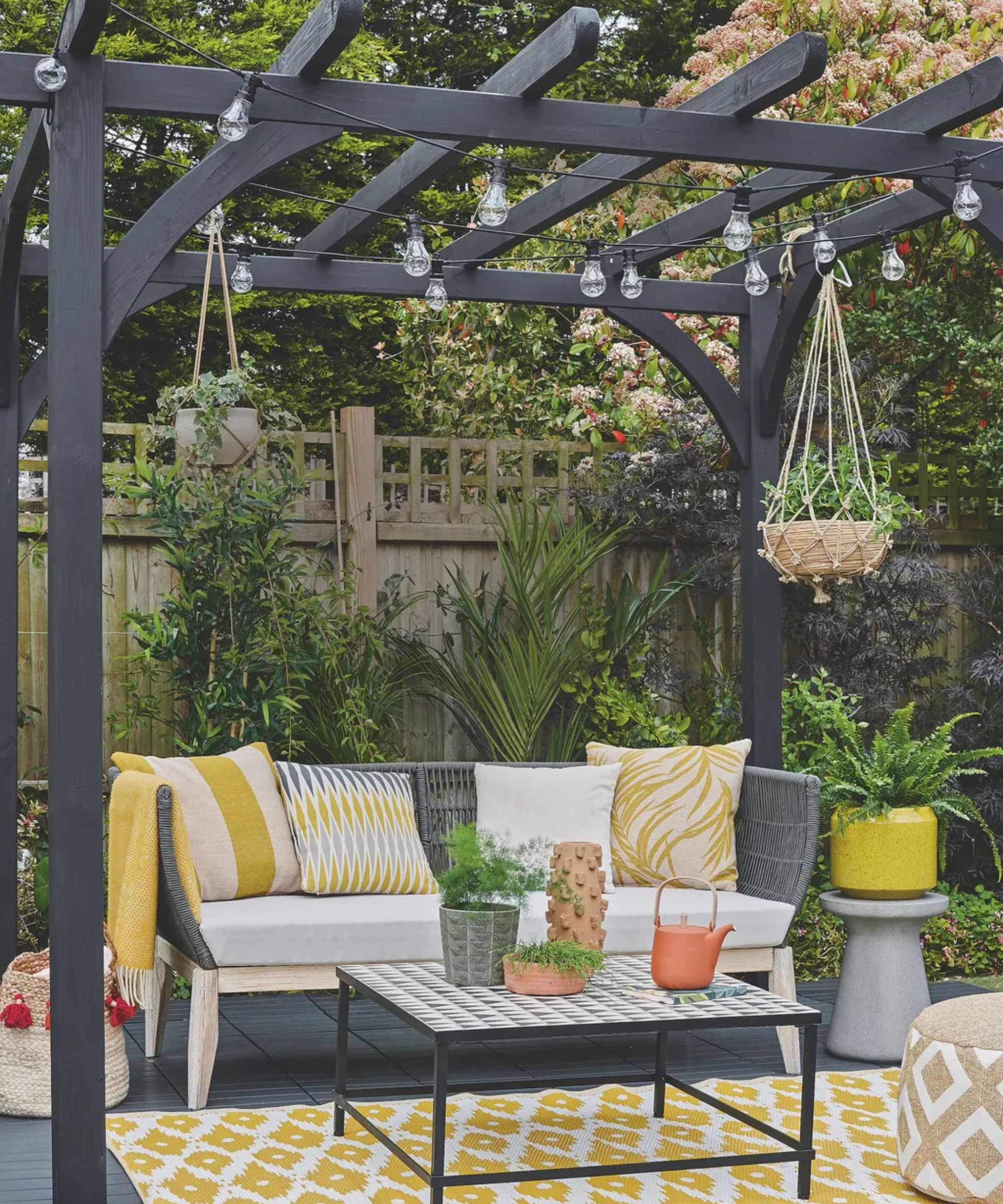
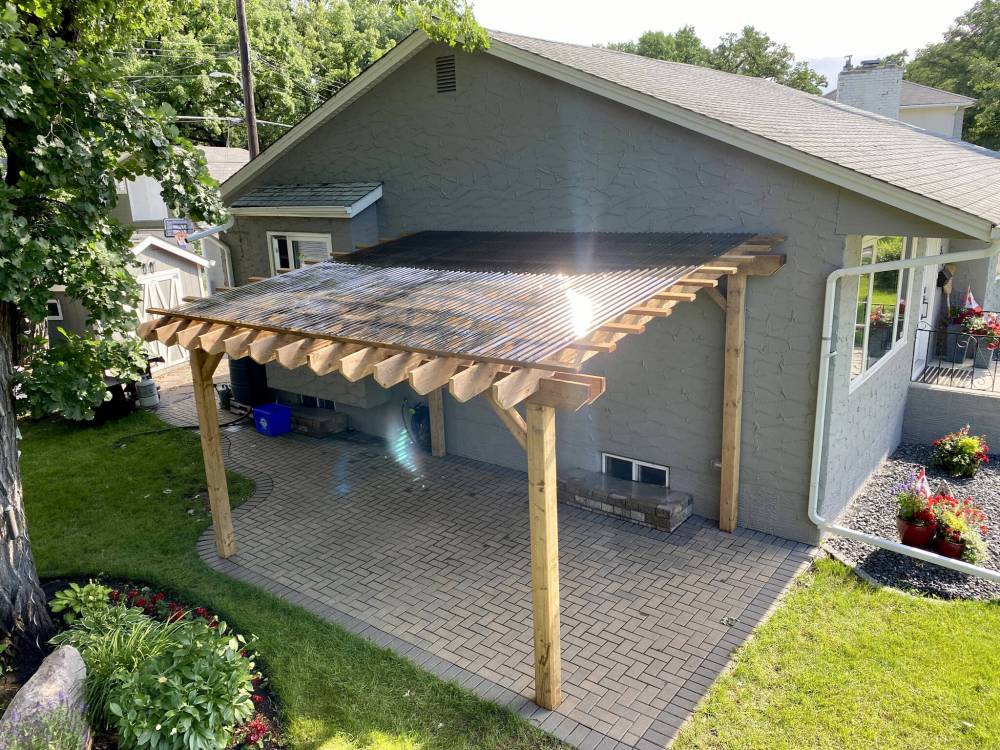
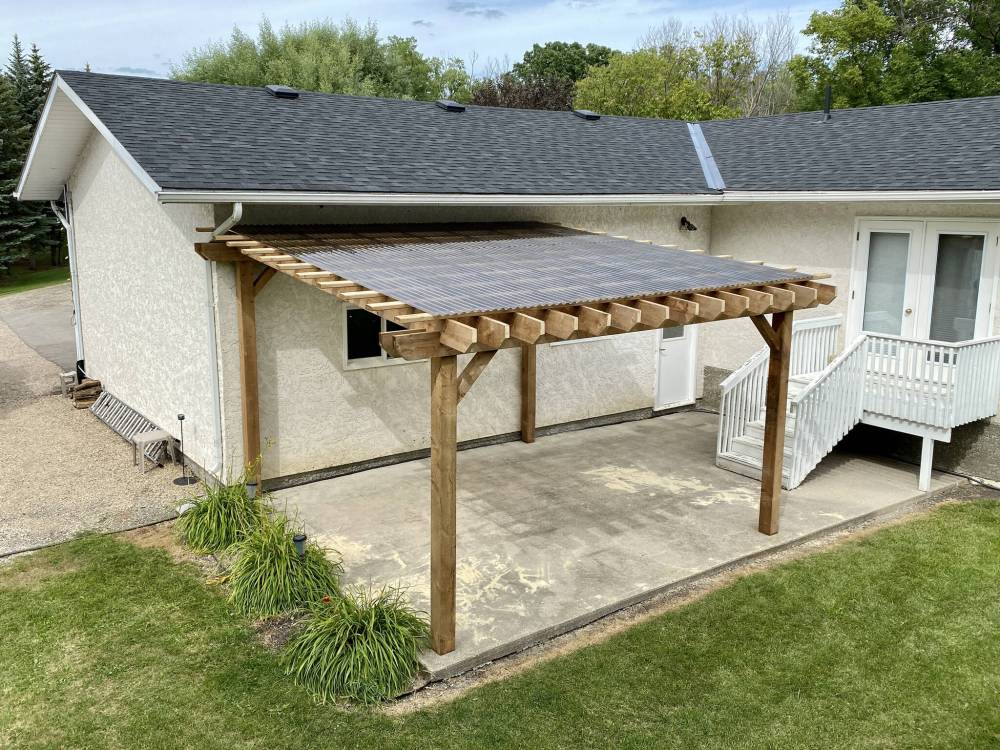
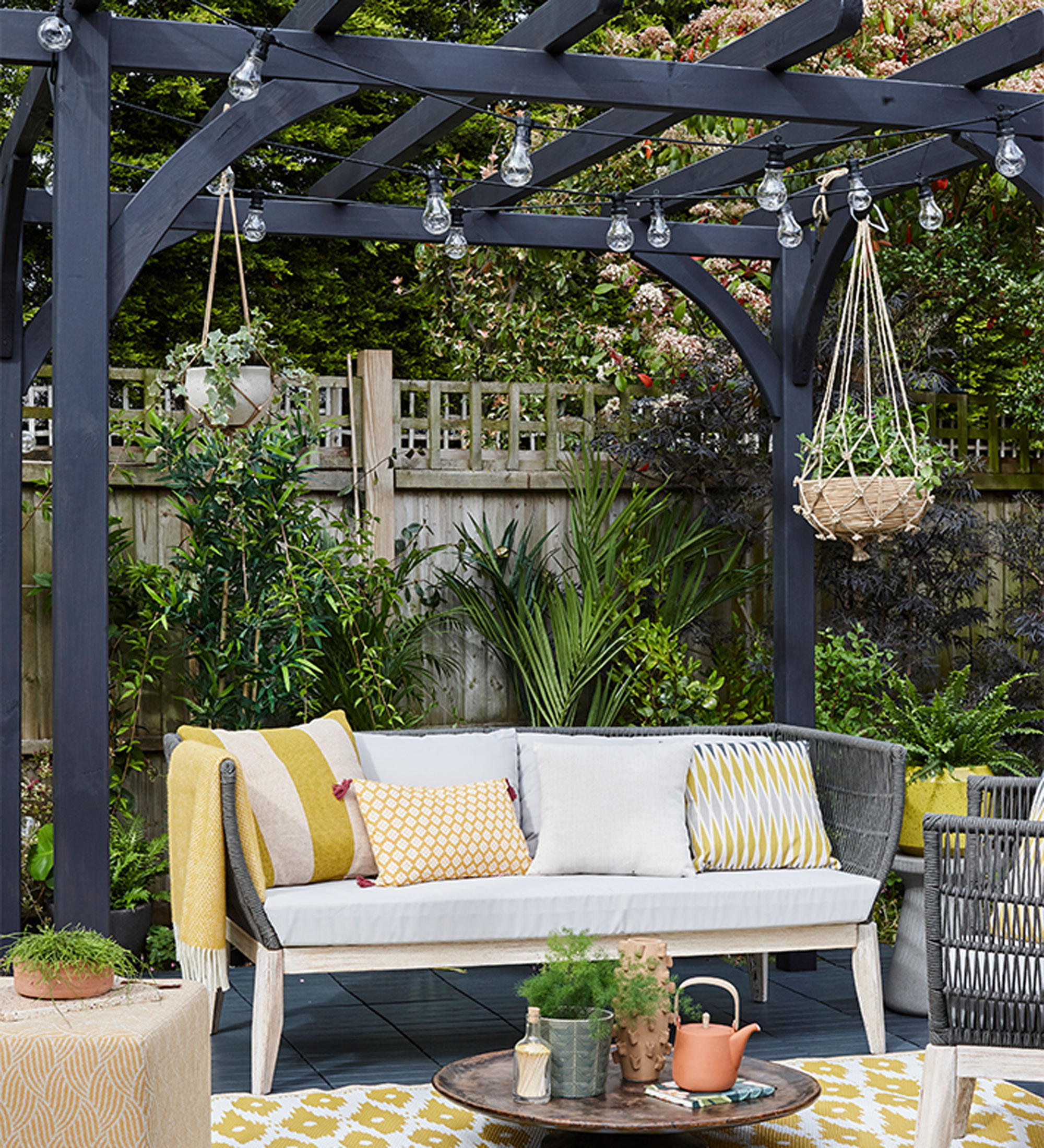
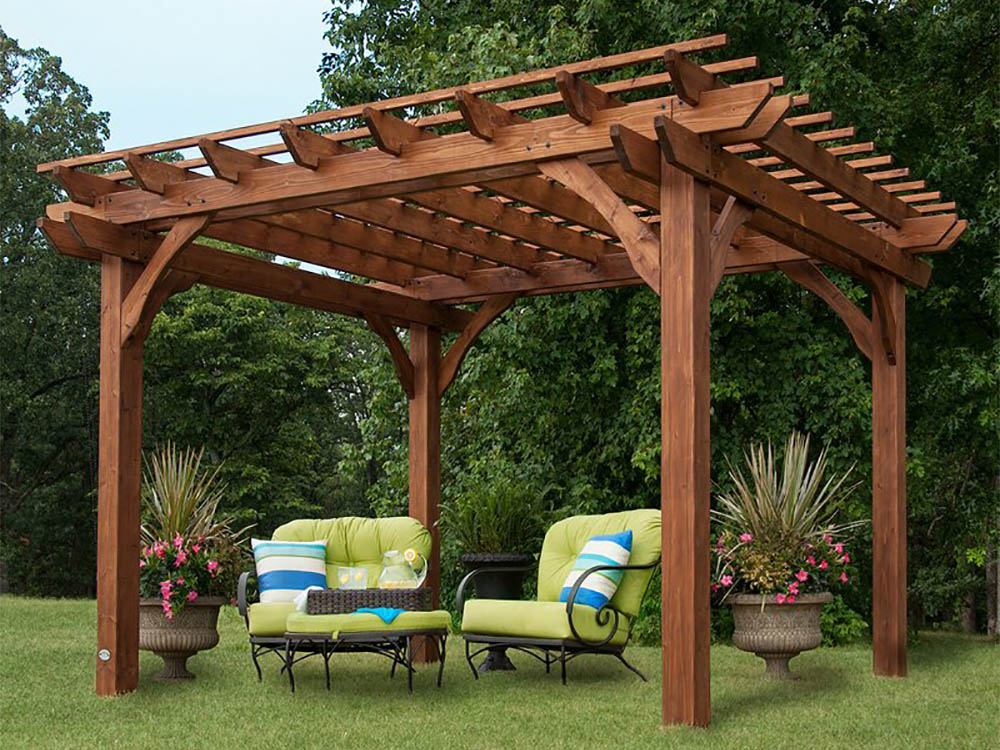
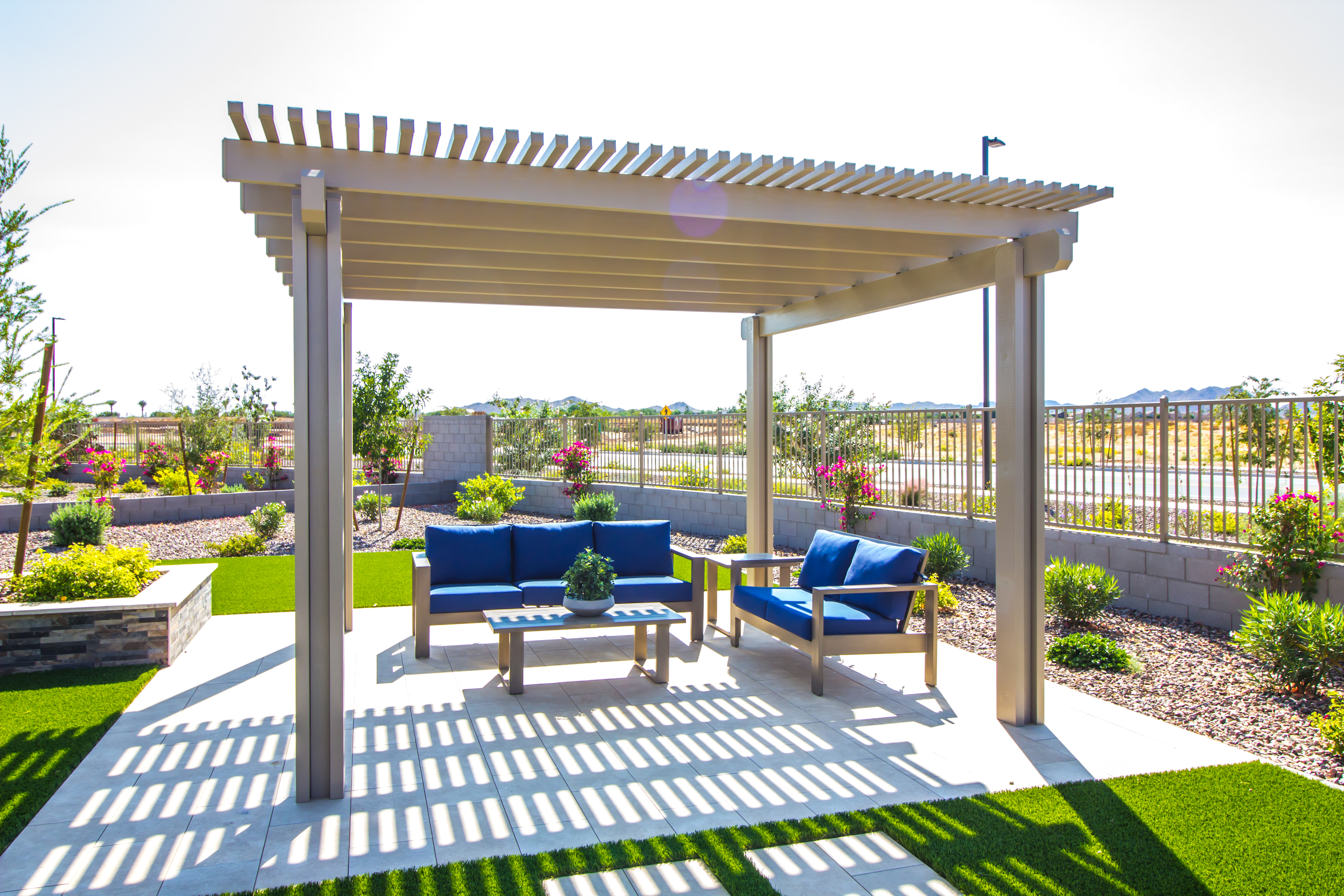
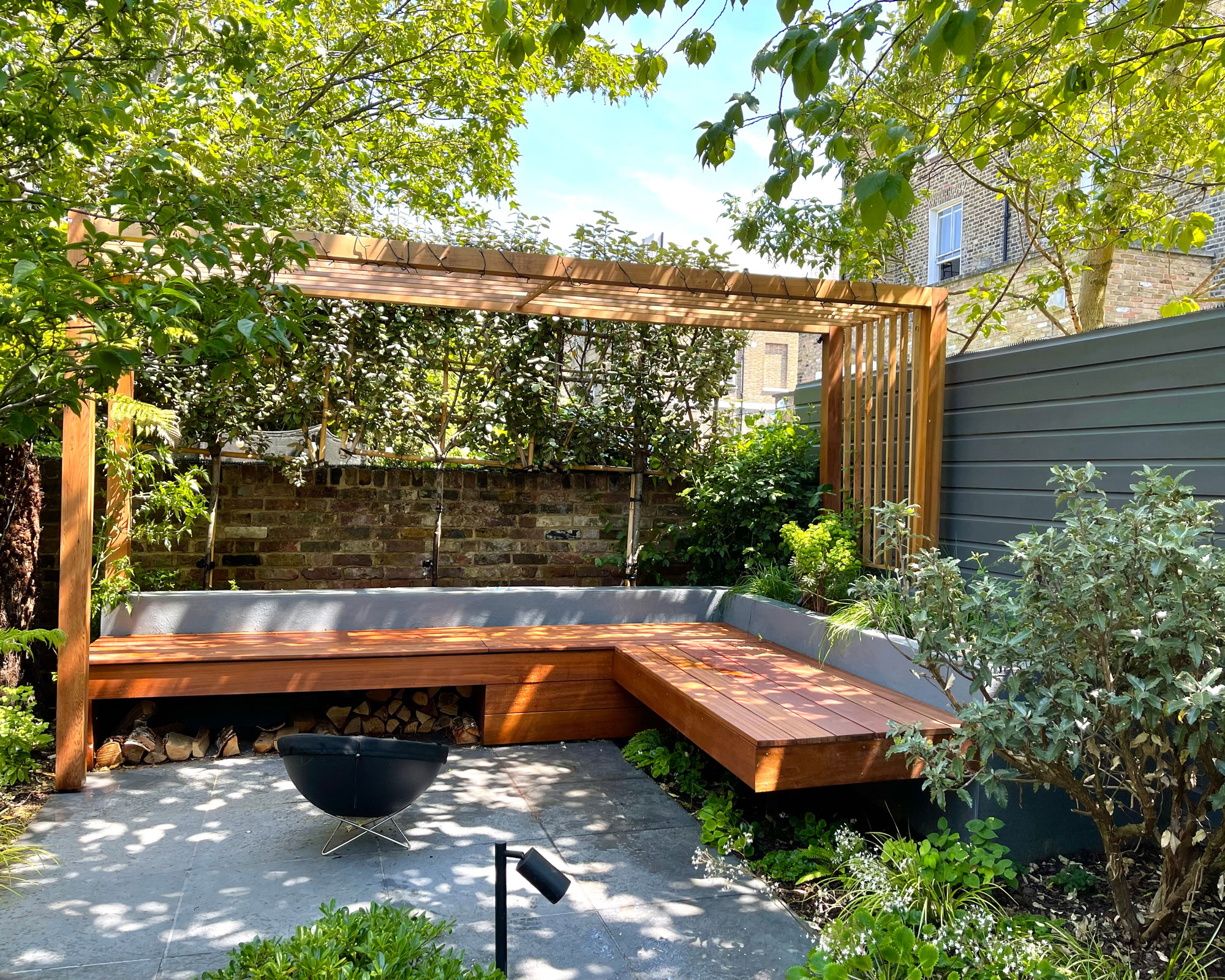
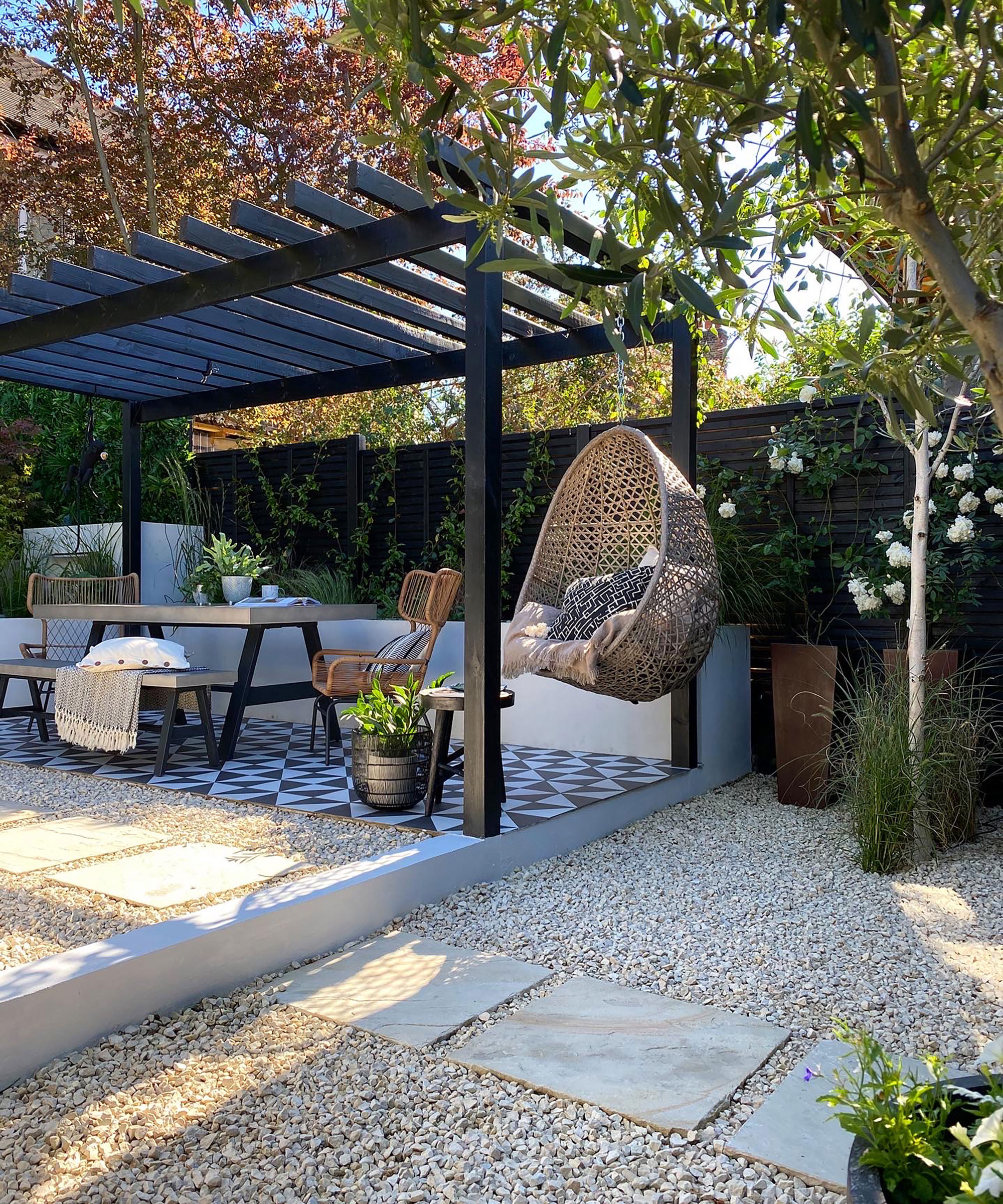
Pergolas serve as a versatile addition to any garden, offering a structured, covered social space that enhances outdoor aesthetics without feeling enclosed. However, their beauty and functionality can be compromised by several common mistakes related to planning, placement, and maintenance. Understanding these pitfalls is crucial for ensuring a durable and visually appealing pergola.
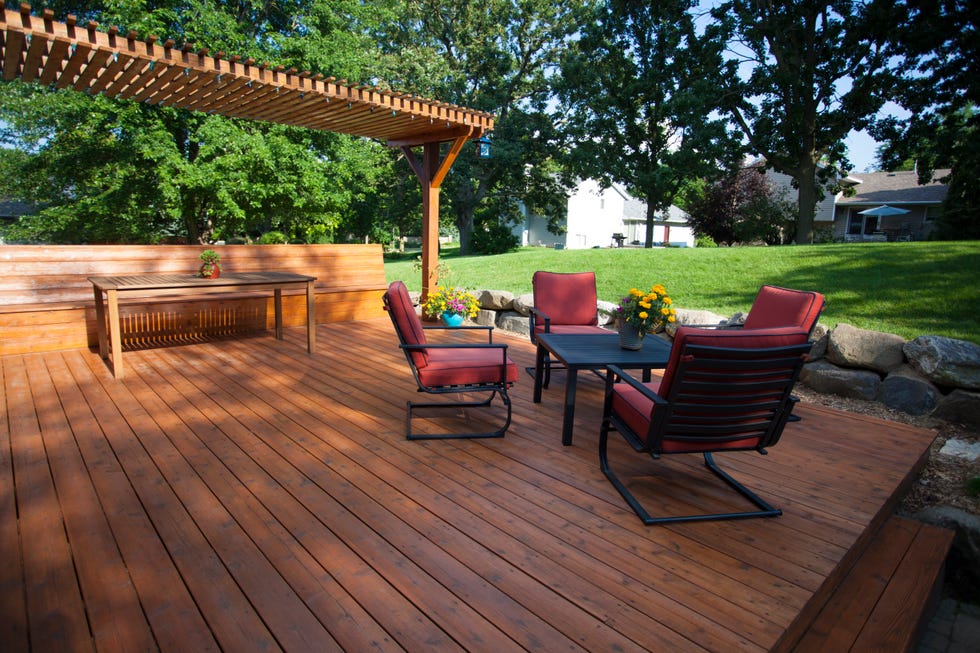
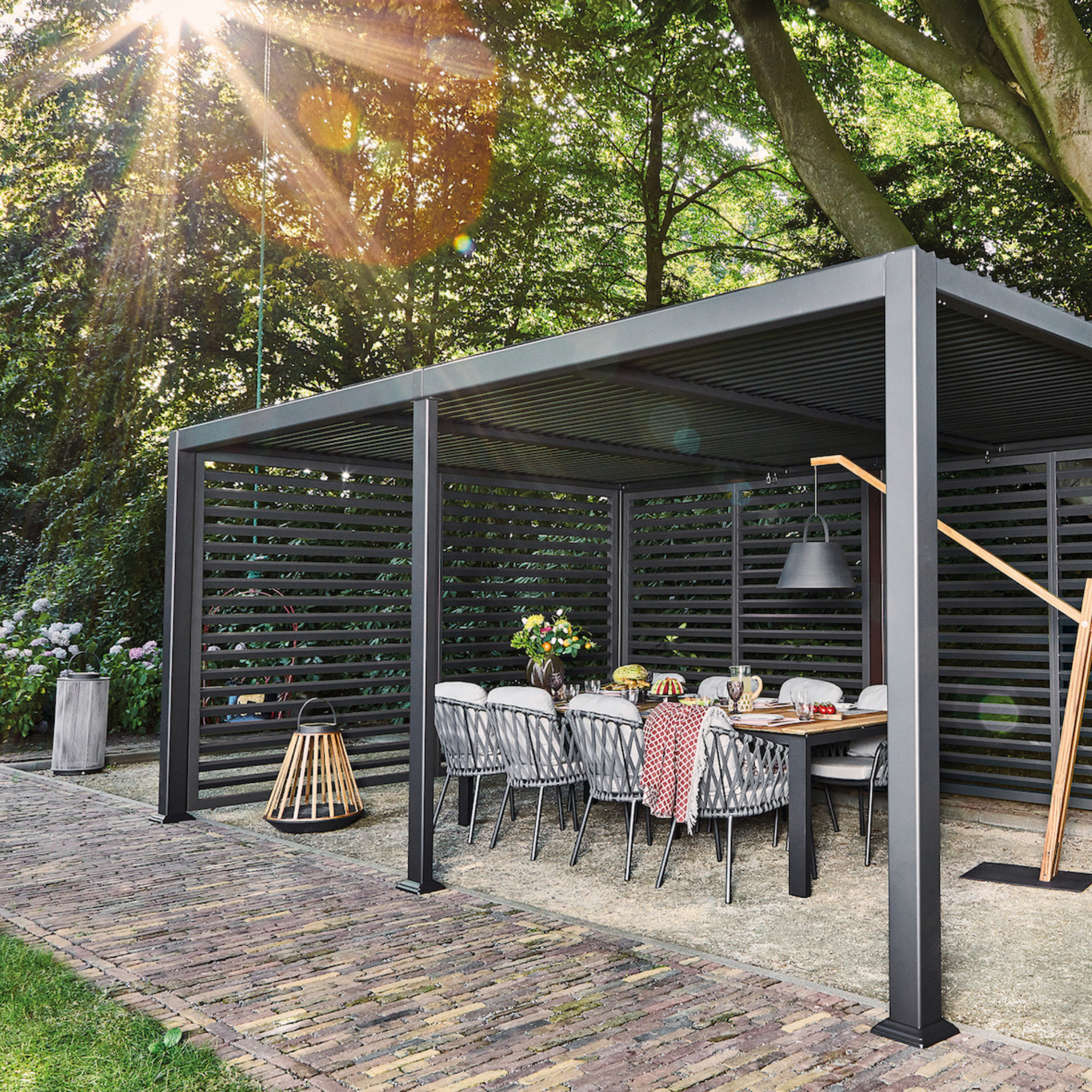
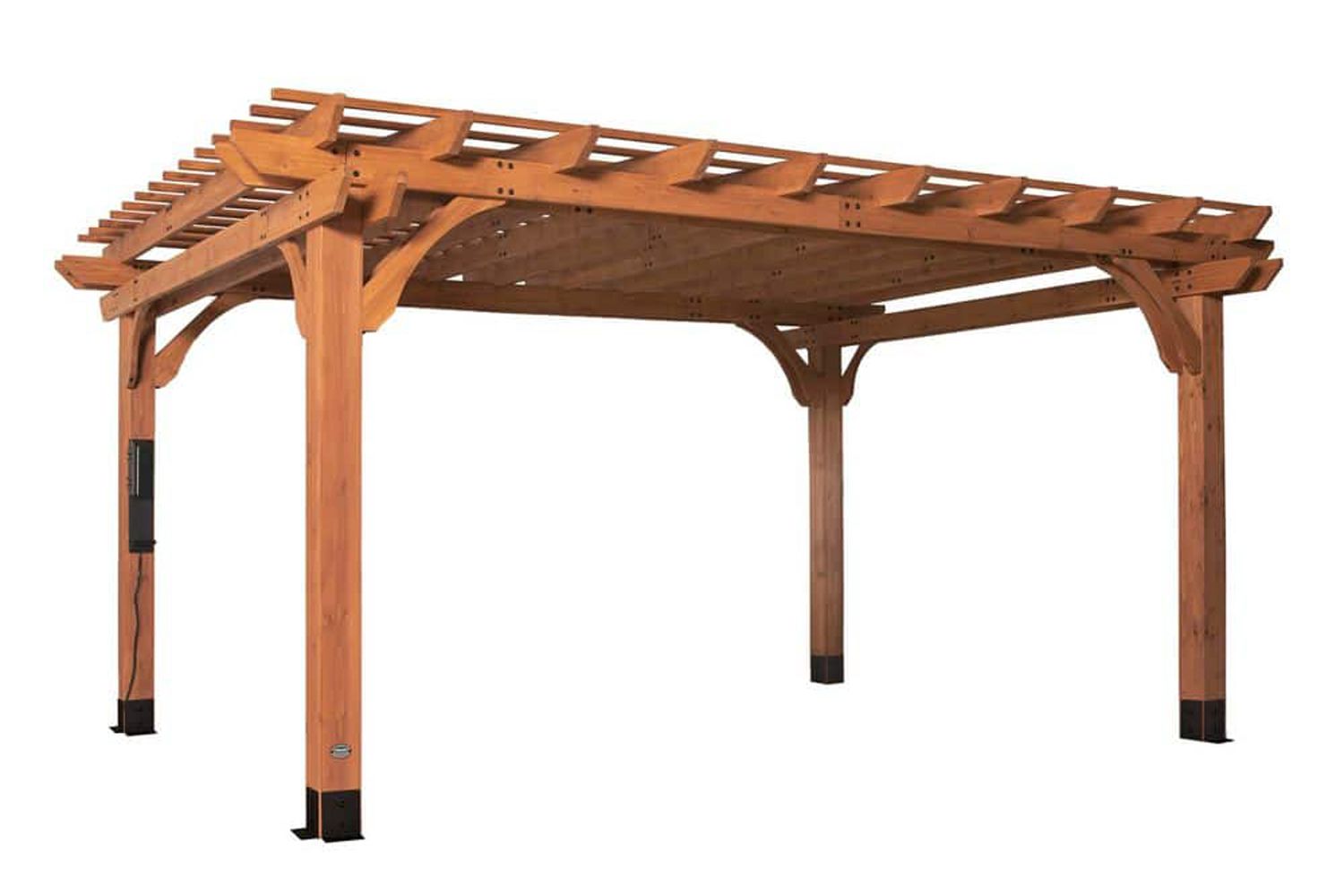
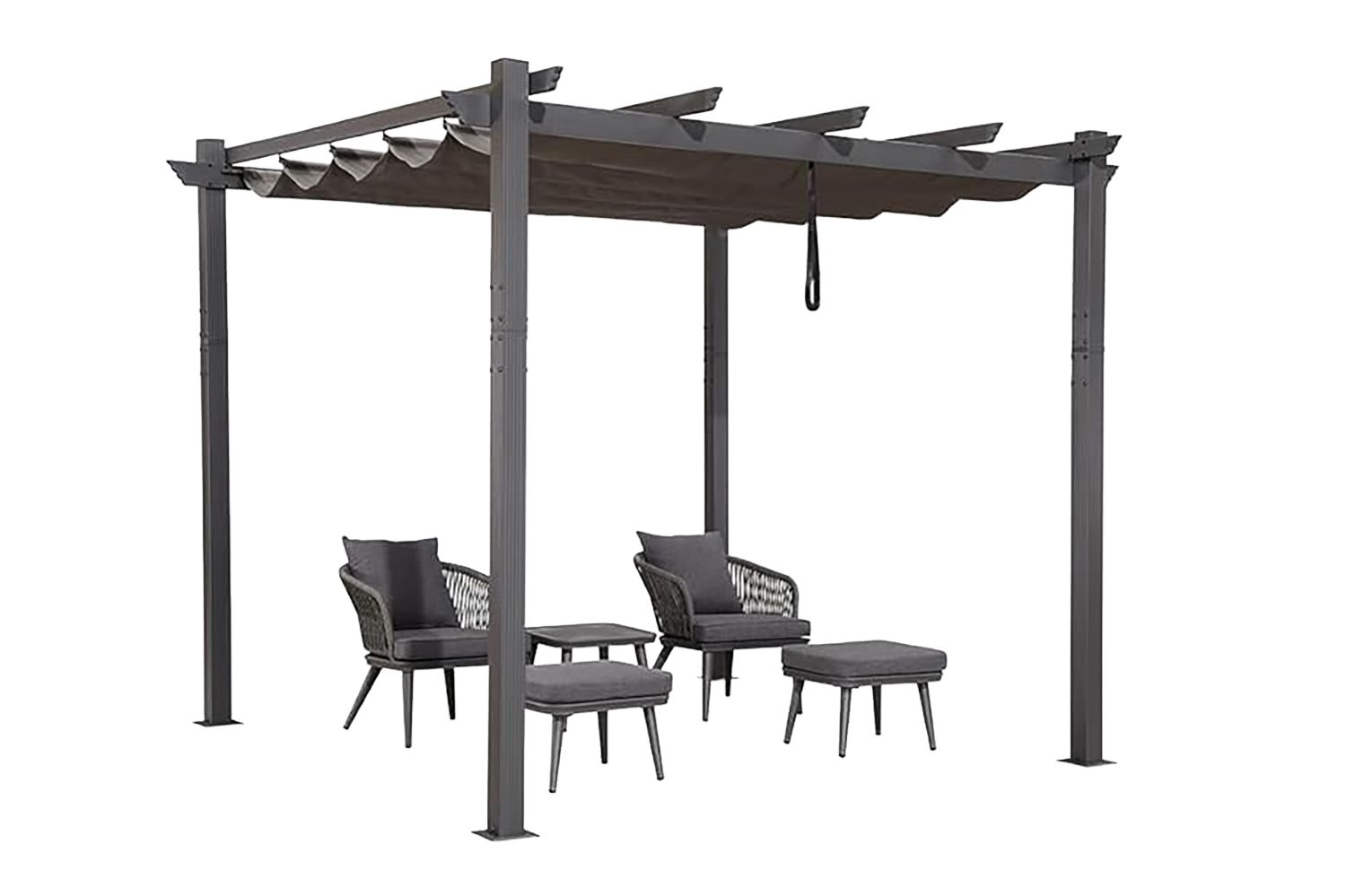
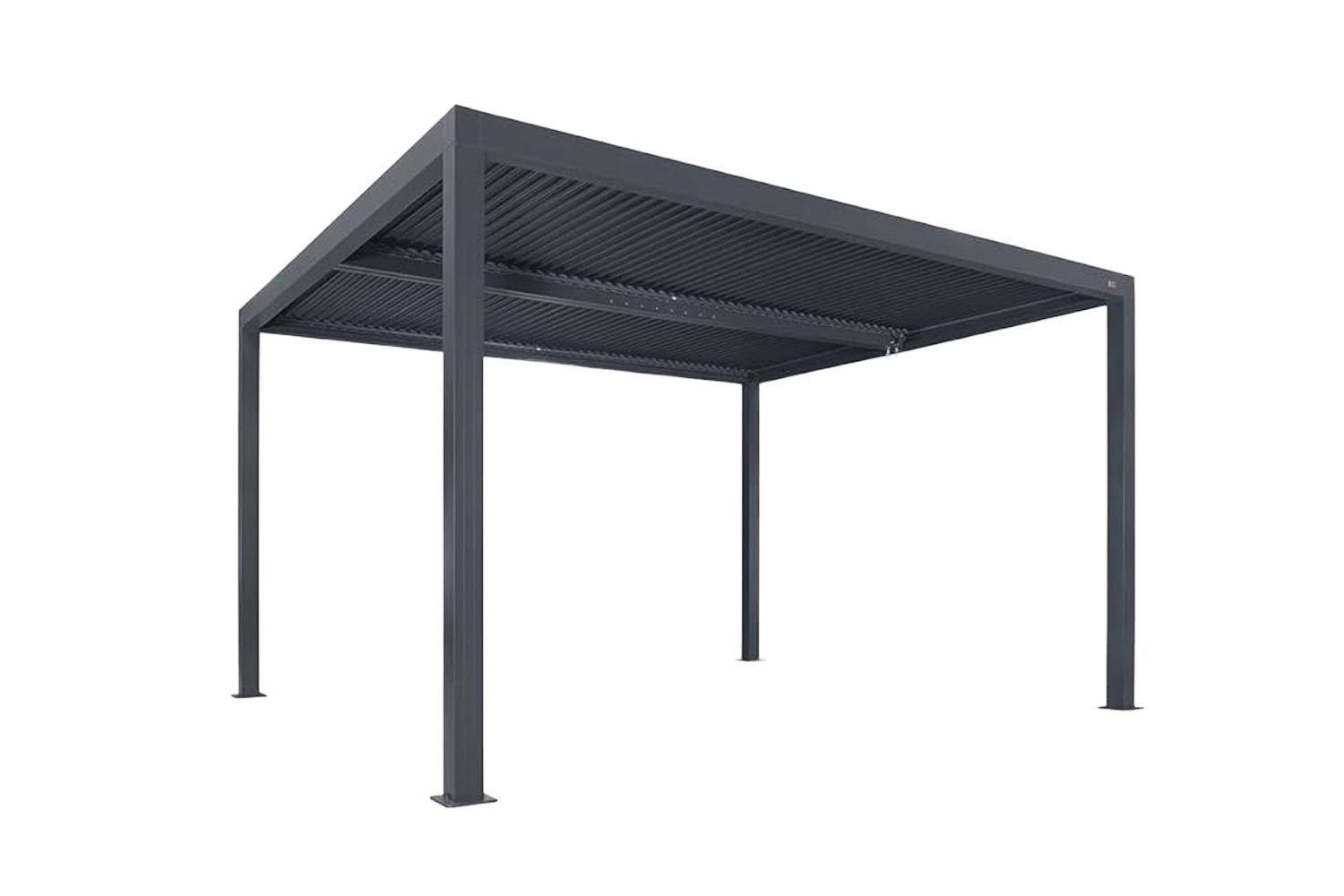
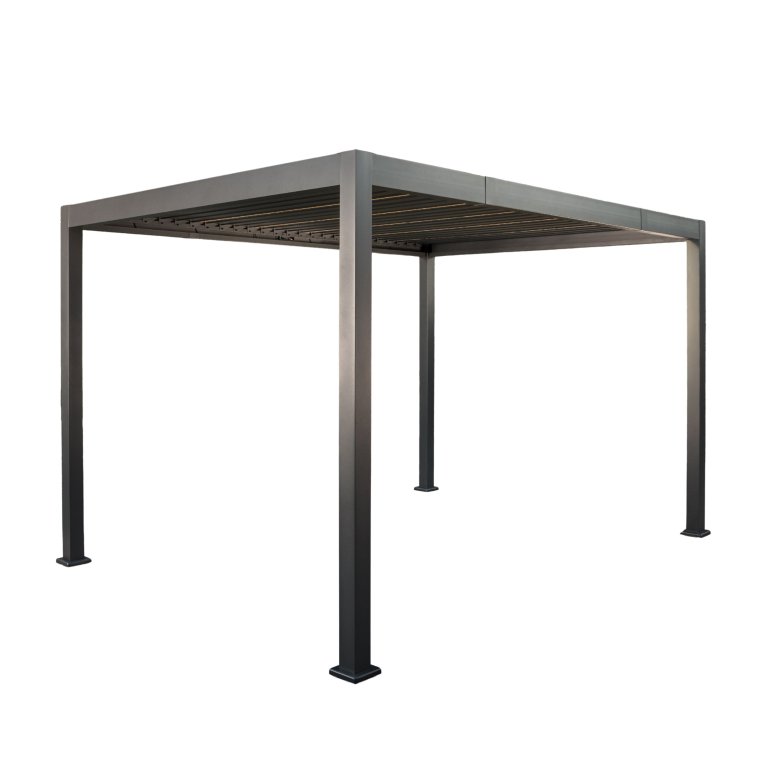
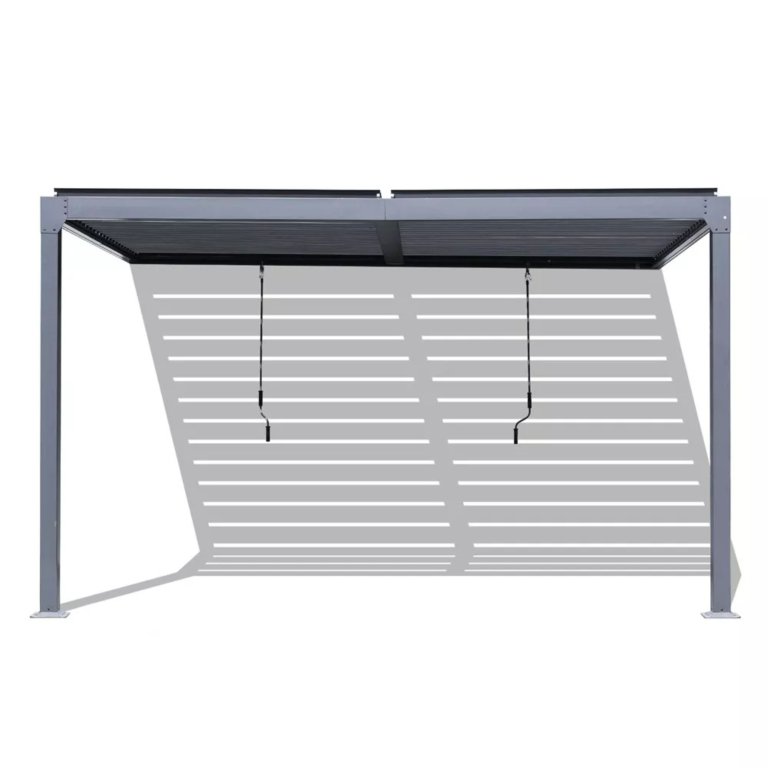
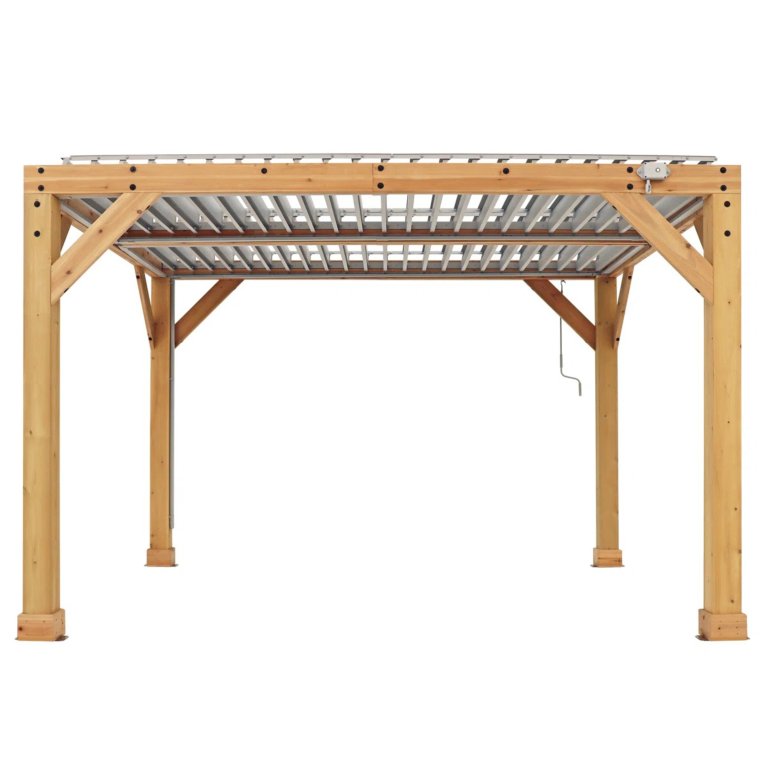
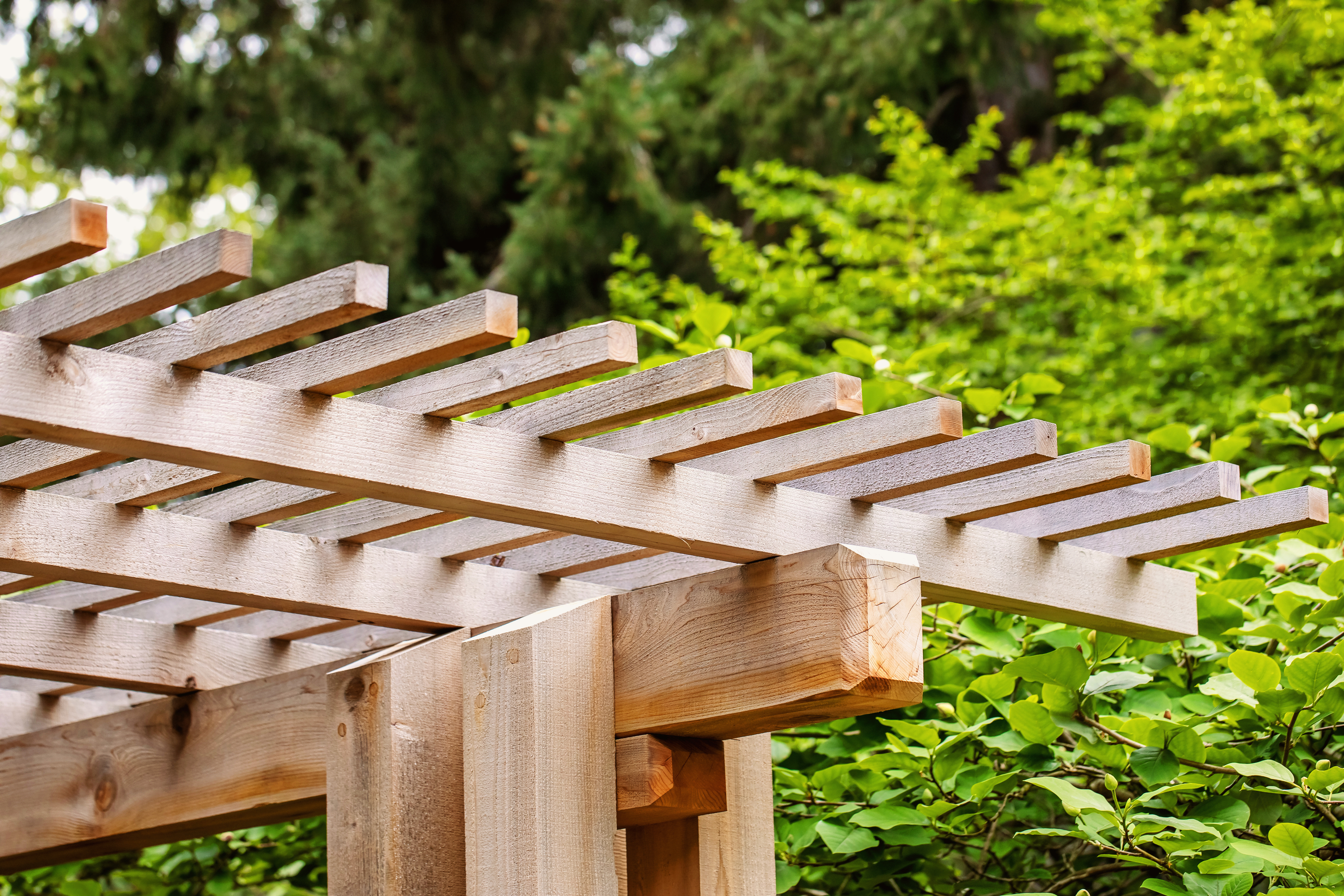
One significant error is the choice of inadequate materials. Untreated wood, particularly softwoods like pine, is highly susceptible to rot, warping, and insect damage, diminishing the pergola's lifespan and appearance. While pine is cost-effective and readily available, opting for pressure-treated pine, which is infused with chemical preservatives, is essential to resist decay and pests. Naturally rot-resistant woods like cedar also require regular maintenance. For minimal upkeep, aluminum offers a rust-proof solution, though its modern aesthetic may not suit all garden styles.
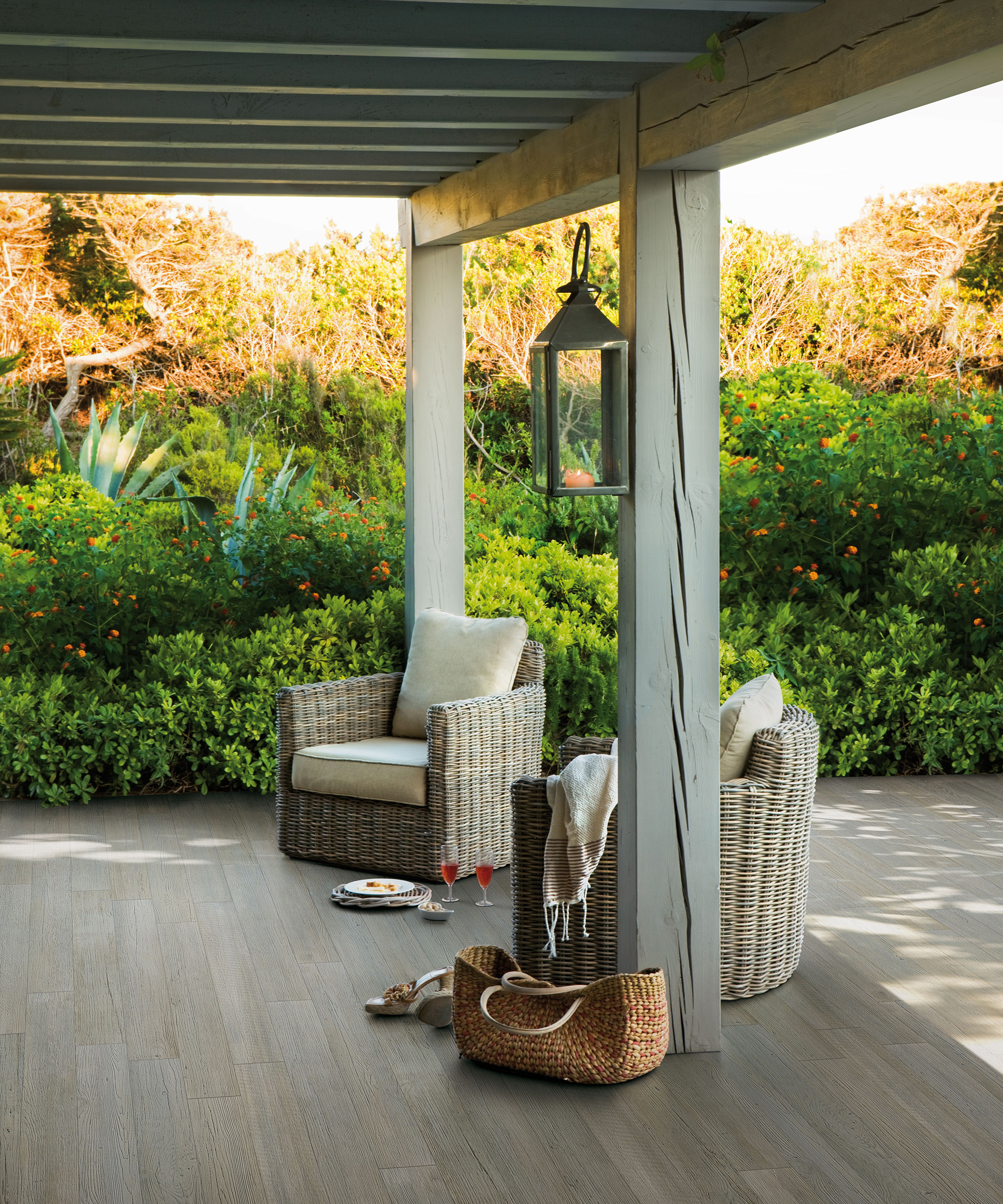
Poor placement is another frequent mistake. Building a pergola in a low-lying area with insufficient drainage can lead to water accumulation and structural damage. Additionally, neglecting sun patterns can result in inadequate shade or excessive heat. Proper siting should prioritize optimal shade and airflow while complementing the existing landscape. Consideration of the garden's orientation and nearby trees is vital for effective placement.
Permit requirements often vary by location, but homeowners frequently overlook the necessity of obtaining permits, especially for pergolas attached to their homes. Failure to comply with local regulations regarding size, height, and attachment can lead to costly modifications or fines. Consulting local building authorities before construction is a critical step to avoid legal and financial complications.
Exceeding height restrictions is another regulatory pitfall. Many municipalities impose height limits, typically ranging from 8 to 12 feet. Building a pergola taller than permitted without proper authorization can result in fines or demands for structural alterations, highlighting the importance of checking local ordinances.
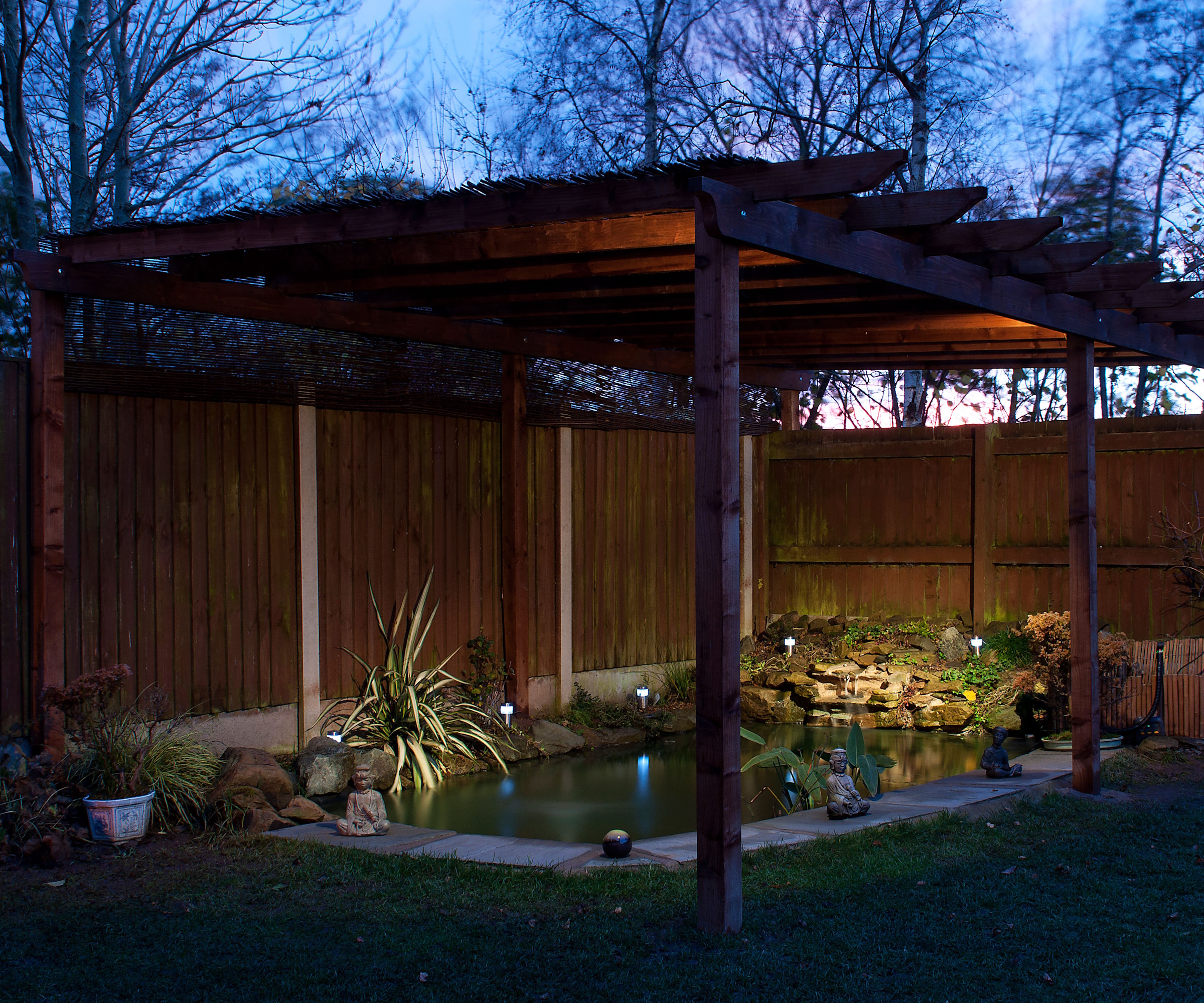
Placing a pergola too close to a fence can create various issues, including restricted airflow, a cramped appearance, and potential conflicts with neighbors. Close proximity can cast unwanted shade on a neighbor's property, affect their plants, or raise privacy concerns. Zoning laws often dictate minimum distances from property lines, usually five to twenty feet, to prevent such disputes and ensure adequate space for maintenance.
Neglecting maintenance significantly shortens a pergola's lifespan. Wooden pergolas, regardless of species, require periodic staining and sealing every two to three years to prevent rot and maintain their appearance. Failure to do so can compromise the structure's safety and integrity. Aluminum pergolas, while low-maintenance, still benefit from occasional cleaning and inspections.
Shallow foundations are a common and dangerous error, particularly in DIY projects. Insufficiently deep post foundations can cause instability. Posts should be securely anchored in concrete, extending below the frost line to prevent shifting due to temperature changes and ground movement.
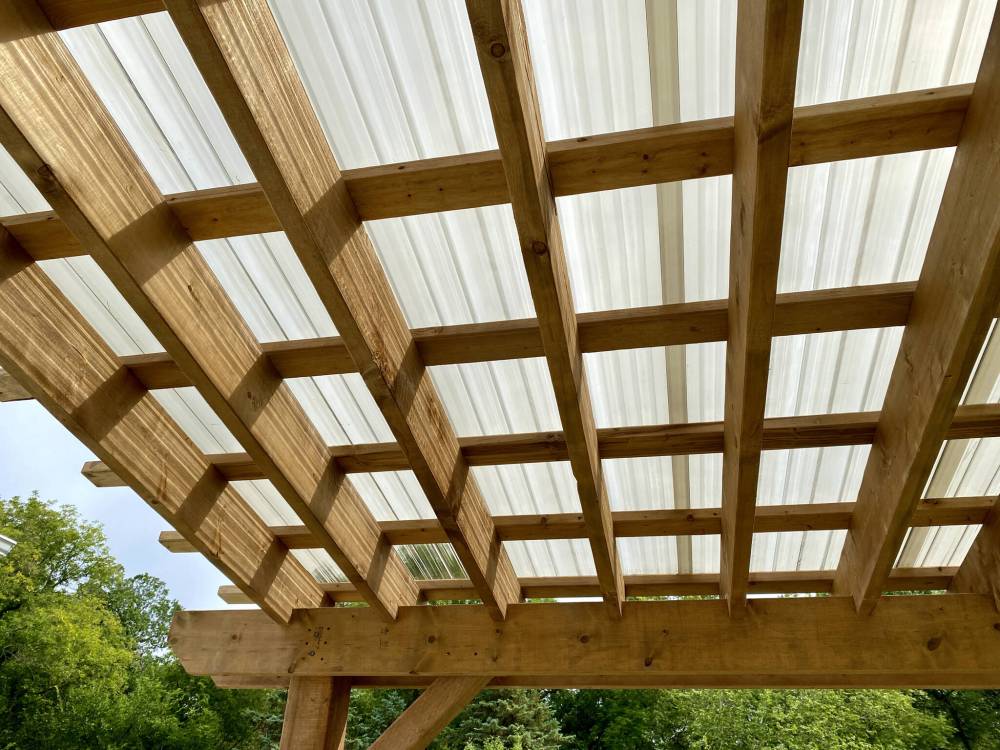
Using thin or improperly secured beams can also lead to structural problems. Pergola beams must be robust enough to support considerable weight from shades, snow, or climbing plants. Aesthetic considerations should not compromise the structural integrity, as inadequate beam sizing or attachment can result in sagging and safety hazards.
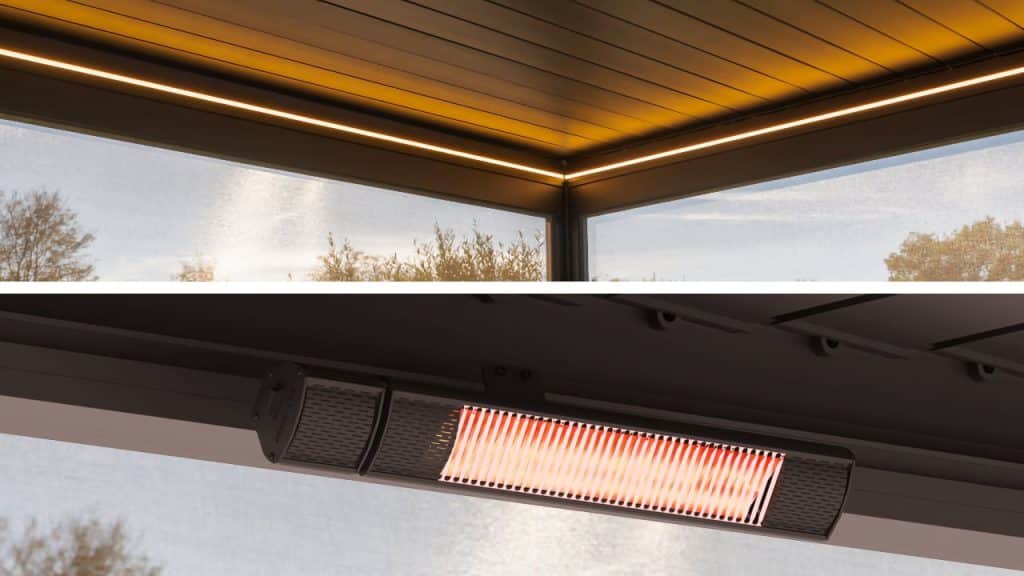
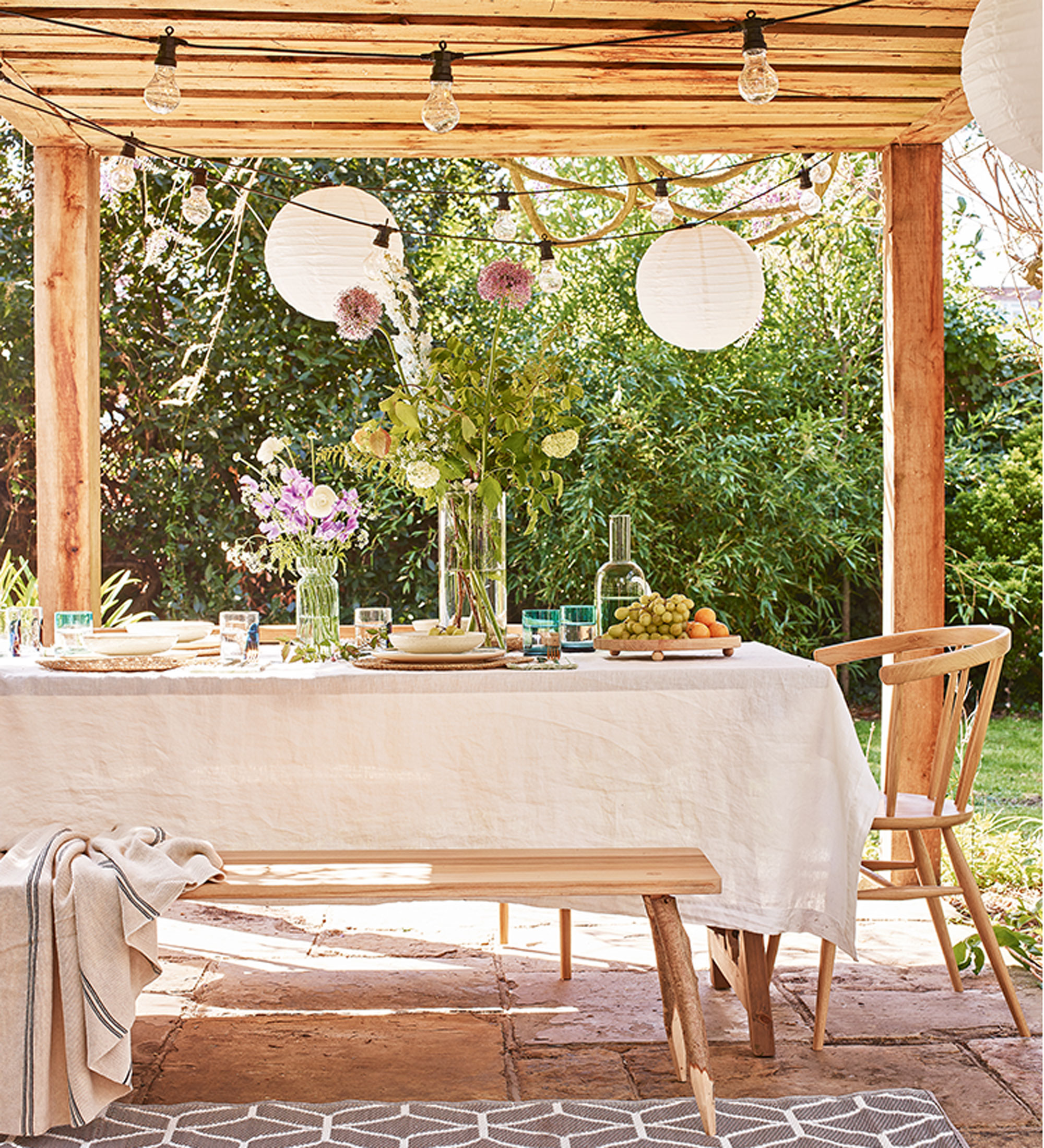
Finally, failing to plan for future utilities, such as lighting or motorized elements, can limit a pergola's long-term functionality. Integrating power outlets and considering wiring during the initial design phase allows for greater flexibility and convenience later on, avoiding the need for costly retrofits. Carefully planning for all these aspects ensures a well-built, compliant, and enjoyable outdoor structure.
#Pergola #GardenDesign #OutdoorStructures #HomeImprovement #DIYProjects #LandscapeArchitecture #ConstructionTips #GardenMaintenance #ZoningLaws #Pergola #GardenDesign #OutdoorStructures #HomeImprovement #DIYProjects #LandscapeArchitecture #ConstructionTips #GardenMaintenance #ZoningLaws
0 comment in total
 No comments yet
You may also like

9 Patio Design Mistakes You're Probably Making—And How to Avoid Them

Want the Garden of Your Dreams? Check Out These 29 Enchanting Pergola Ideas


Pergola ideas - 14 gorgeous garden structures to add style and shade
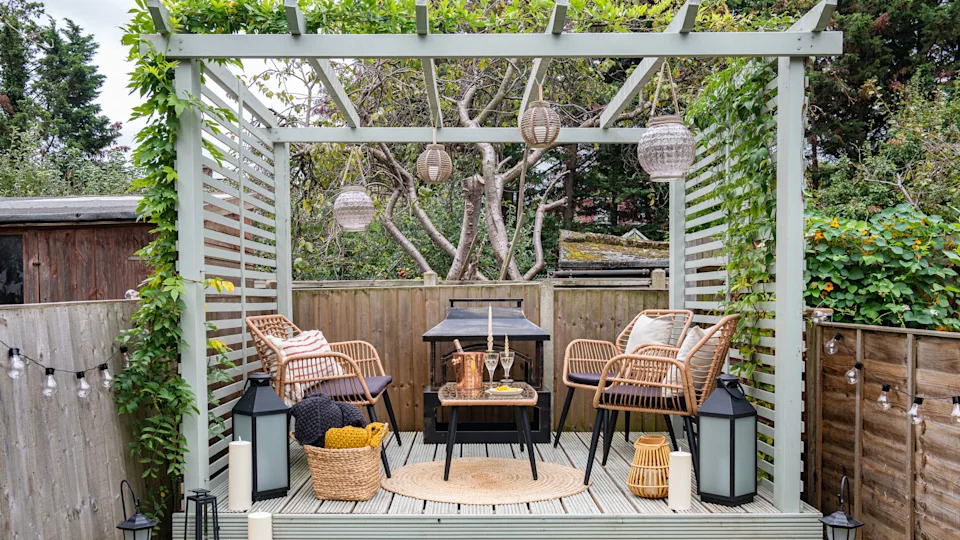
27 pergola ideas to add shade, privacy and style to your outside space


Pergola ideas – 19 ways a pergola can enhance your backyard design

Outdoor living room mistakes – 5 errors to avoid, and the tips garden designers use to get it right

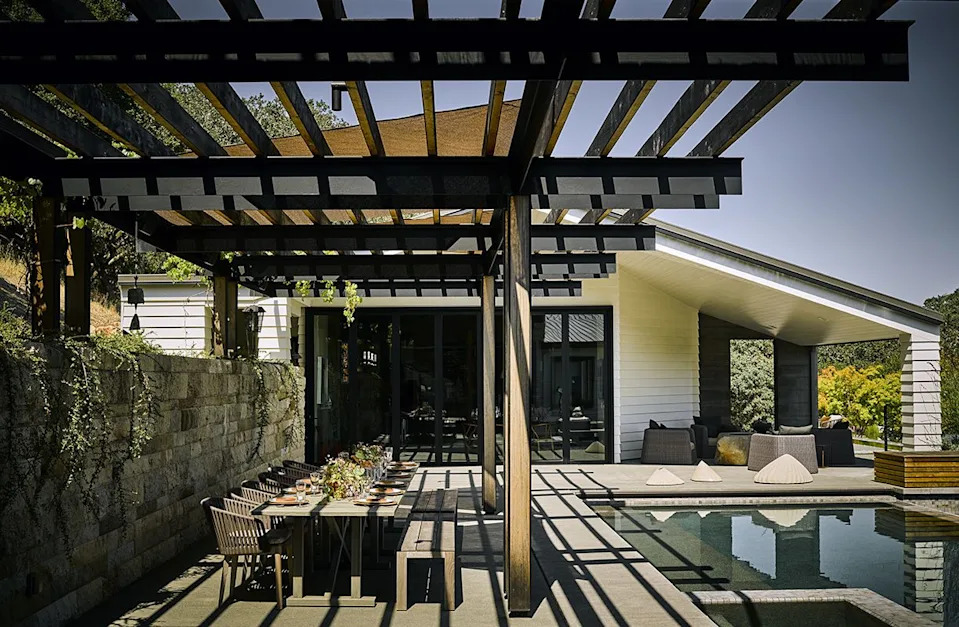
15 Pergola Ideas That'll Turn Any Outdoor Space Into a Majestic Escape

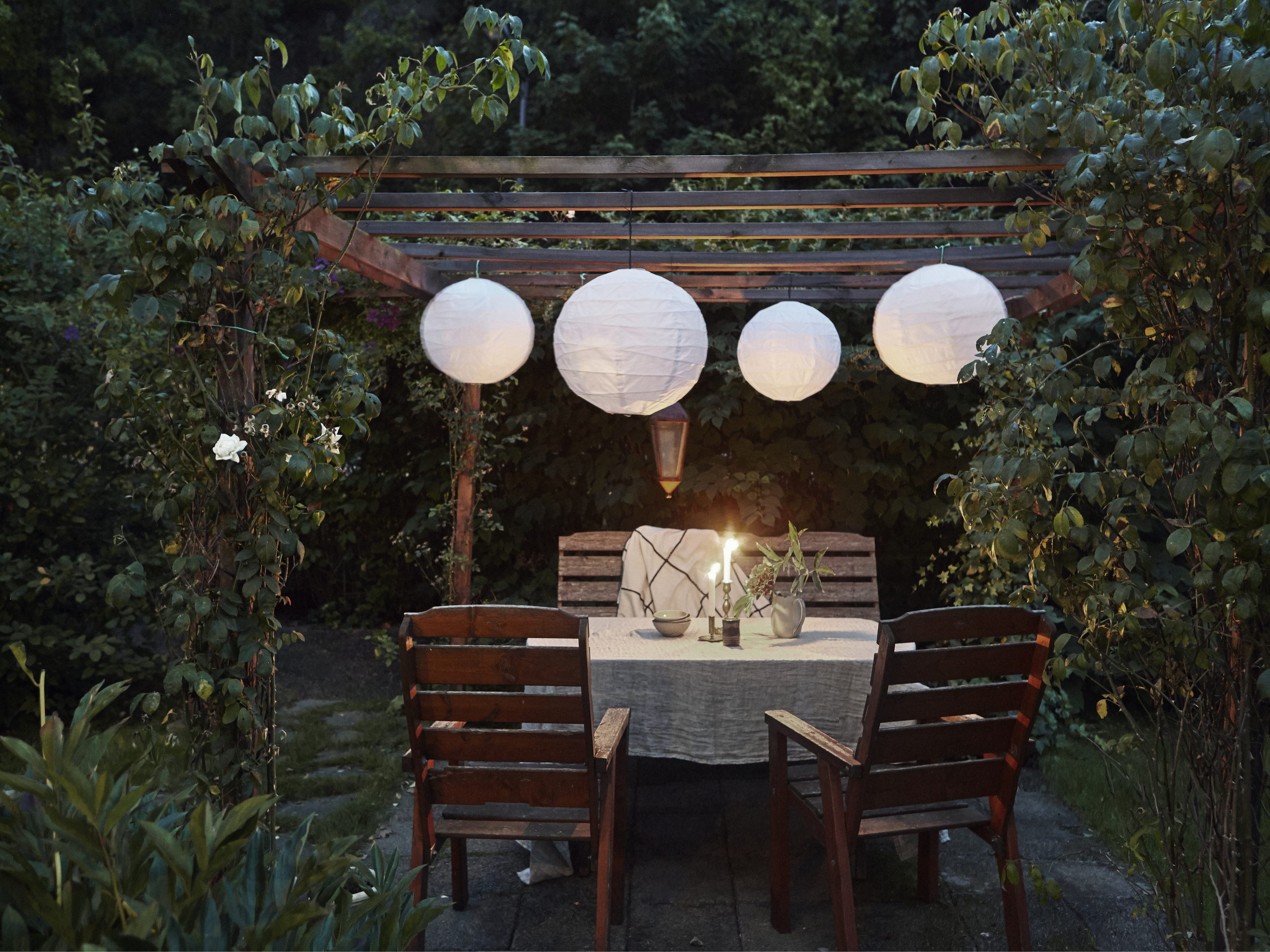
How do you build a pergola? Experts explains their methods so you can enjoy the best parts of open-air living

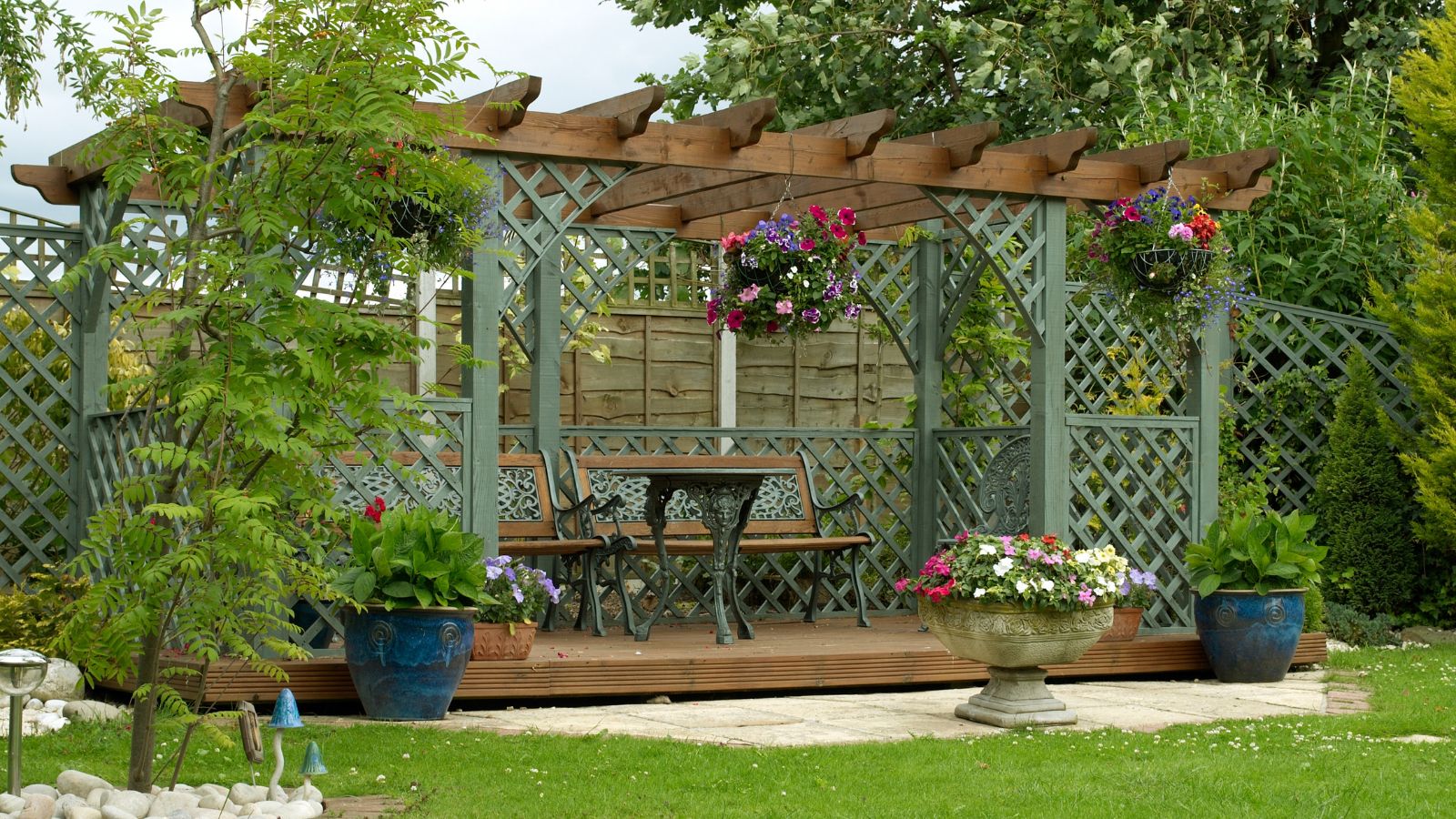
Can you build a pergola next to a neighbor's fence? 6 rules from legal experts

7 Porch Design Mistakes That Are Ruining Your Curb Appeal
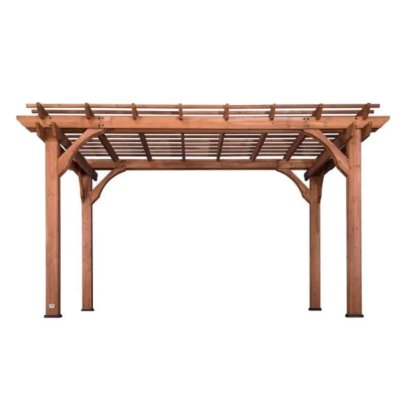
Pass Off Your DIY Skills As Those of a Pro With An Easy-To-Assemble Pergola Kit

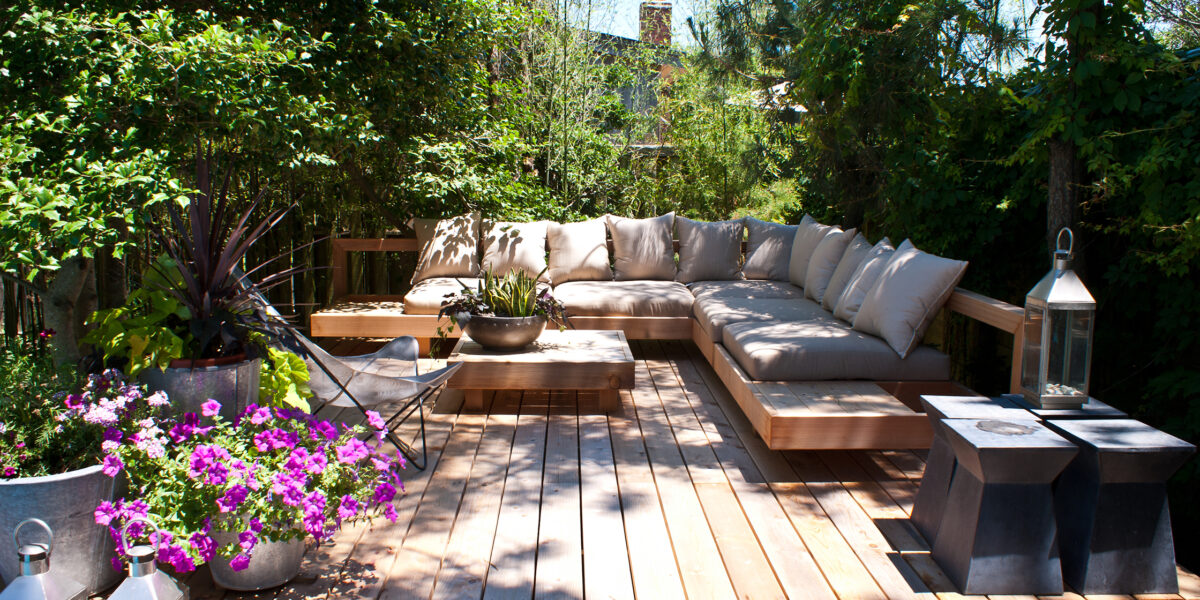
5 Mistakes Designers Want You to Stop Making with Your Outdoor Furniture

Pergolas with Matter from Pergolux
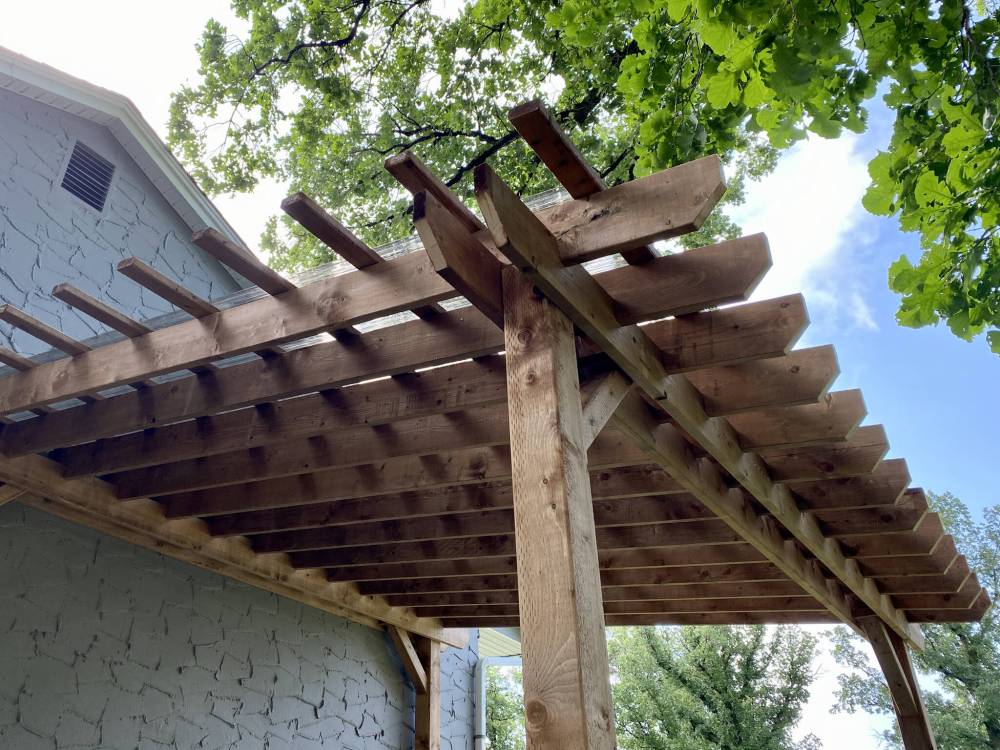
Nov 2022: The endless pergola summer

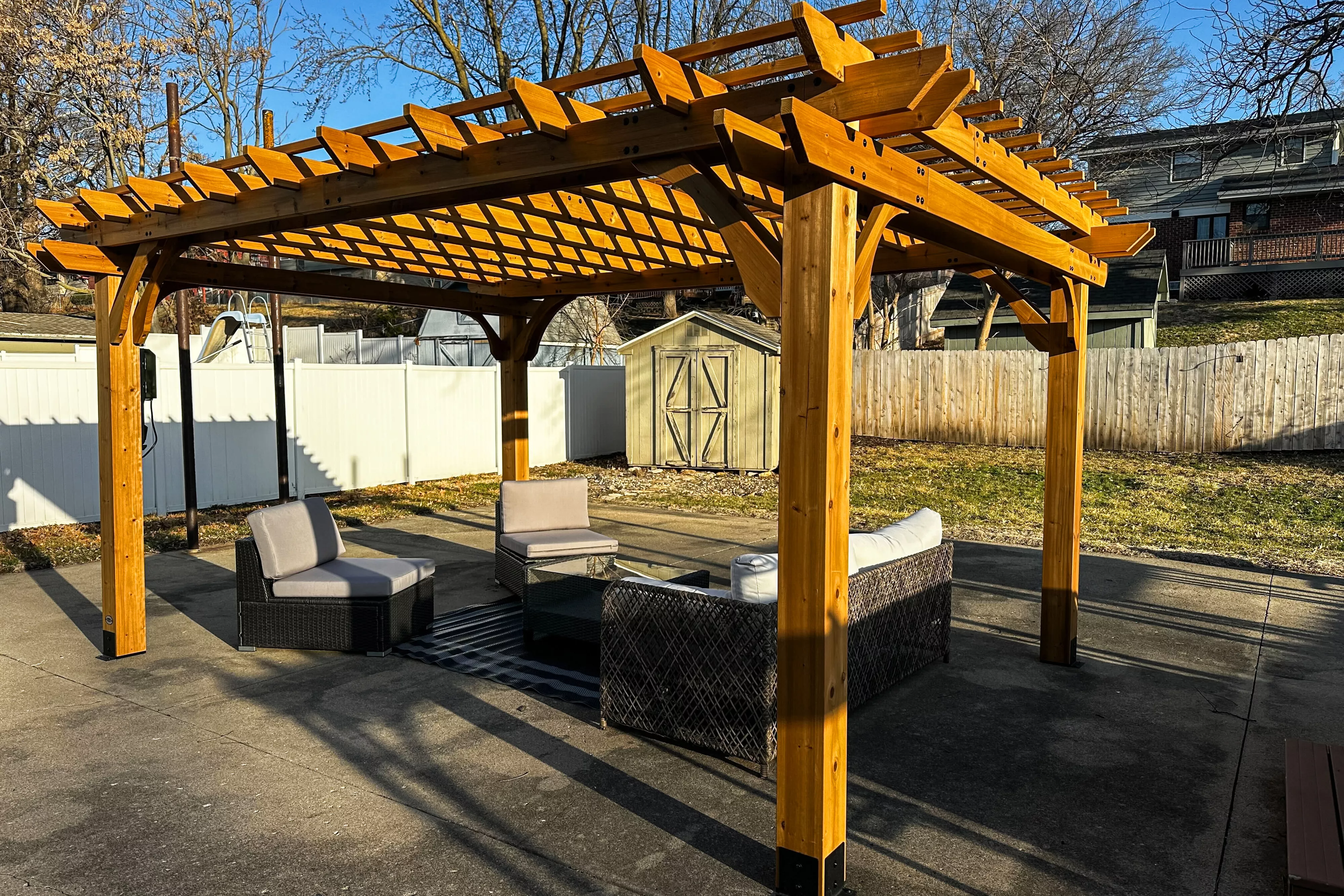
The 4 Best Pergola Kits, Tested by BHG


Pergola ideas - 10 ways expert landscapers switch up outdoor urban spaces

Pergola shade ideas – 10 ways to use a pergola for shade

Vertical Gardens: 10 mistakes to avoid, according to the experts

This Sleek Pergola Already Sold Out This Summer—Now It’s Back

15 Pergola Ideas That'll Turn Any Outdoor Space Into a Majestic Escape