1/5
Tips and Tricks with Statement Stone
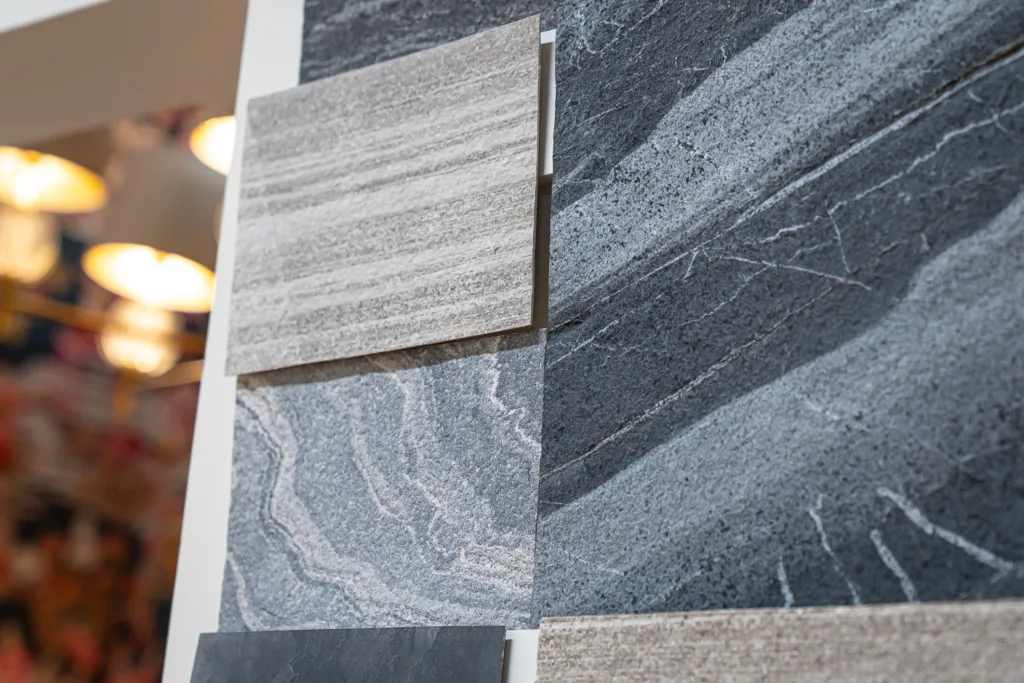
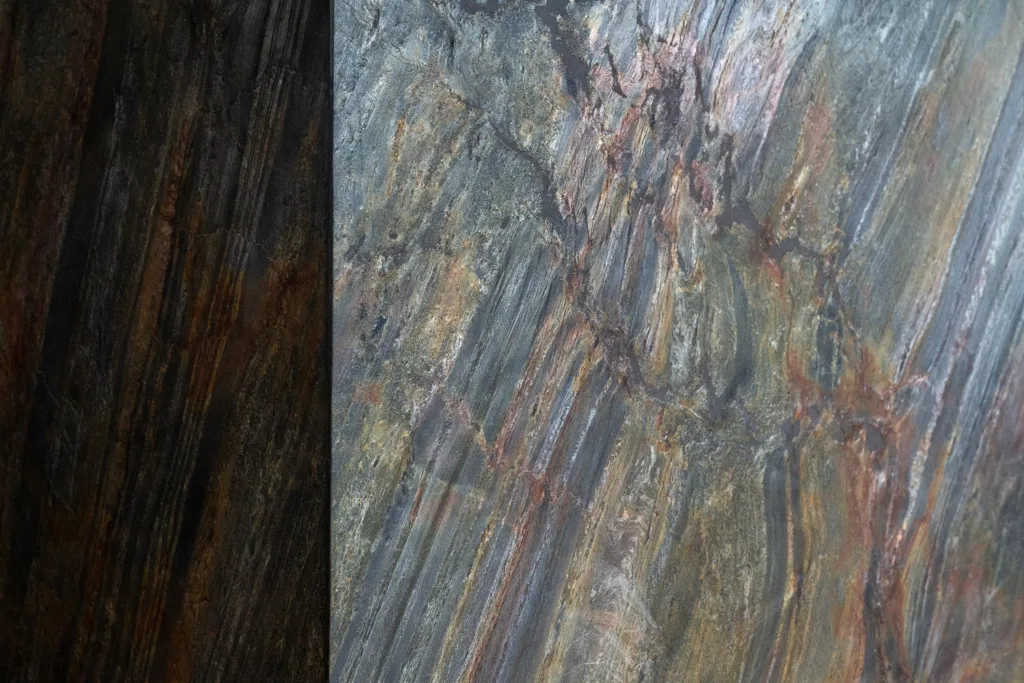
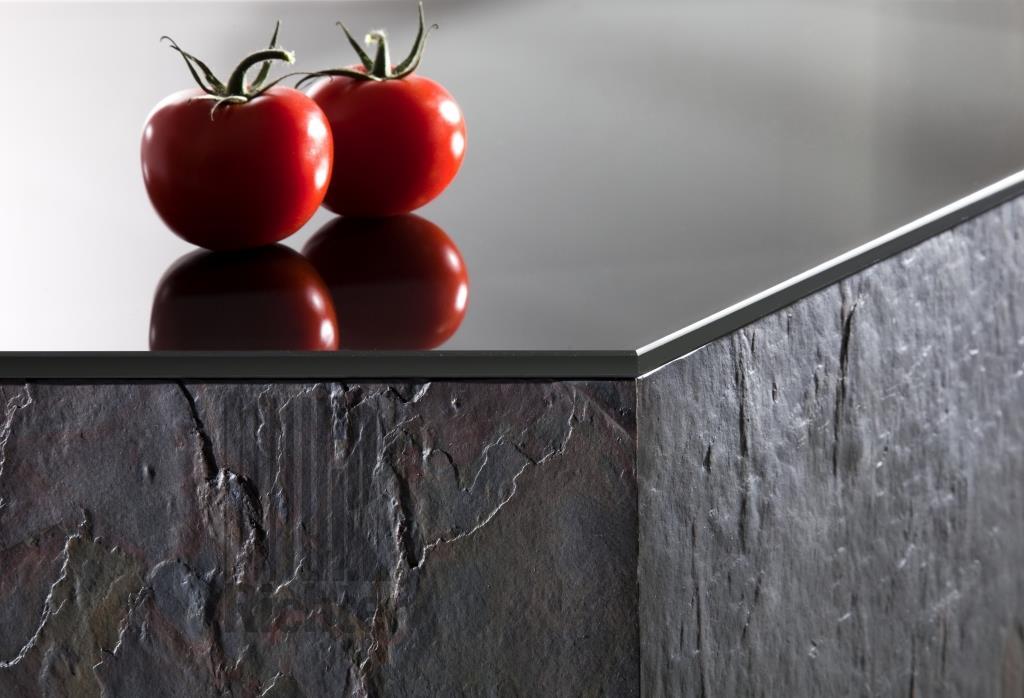
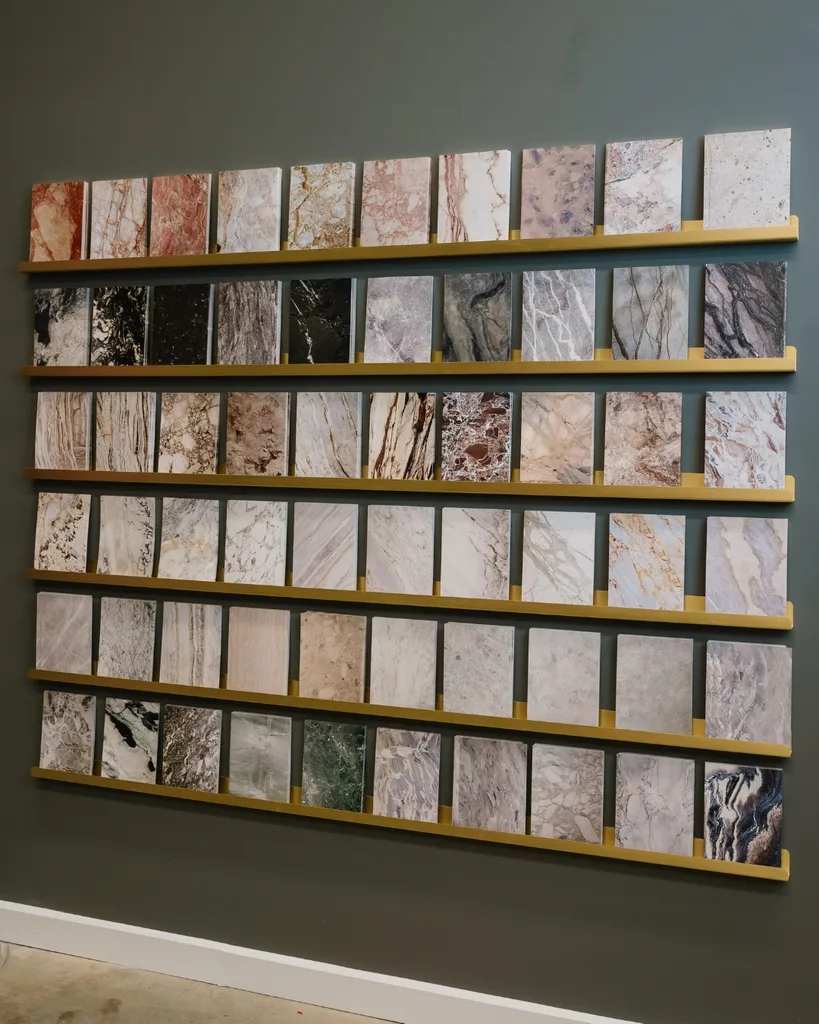
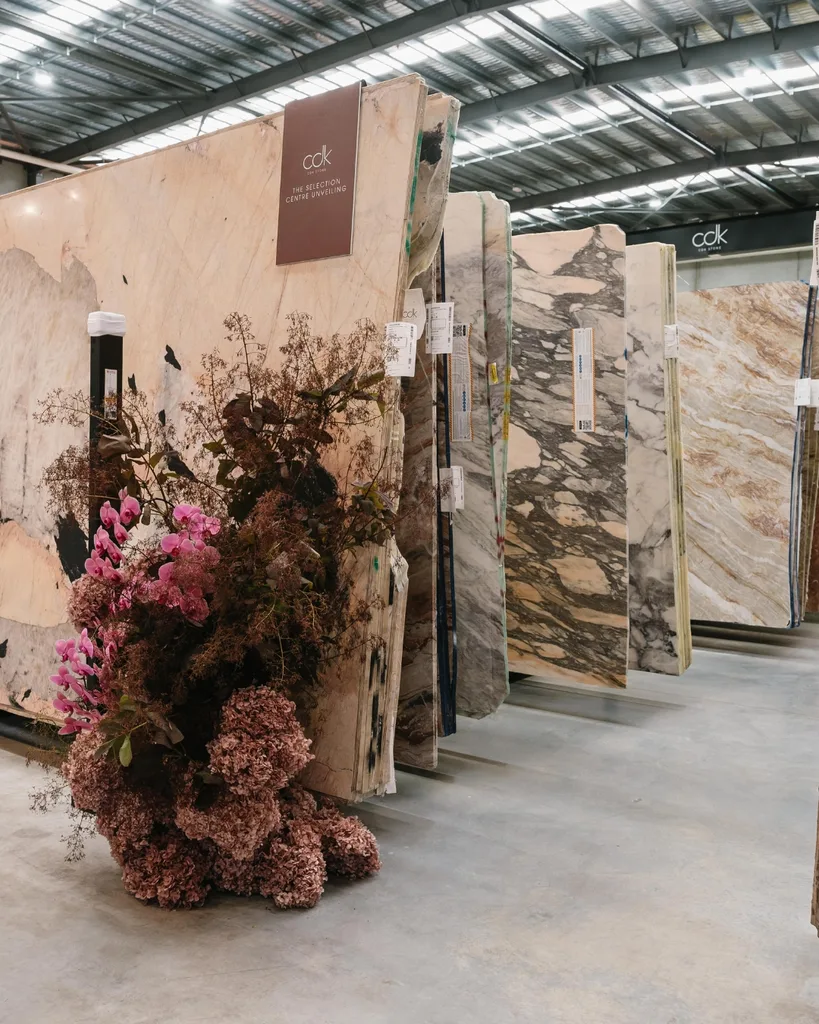
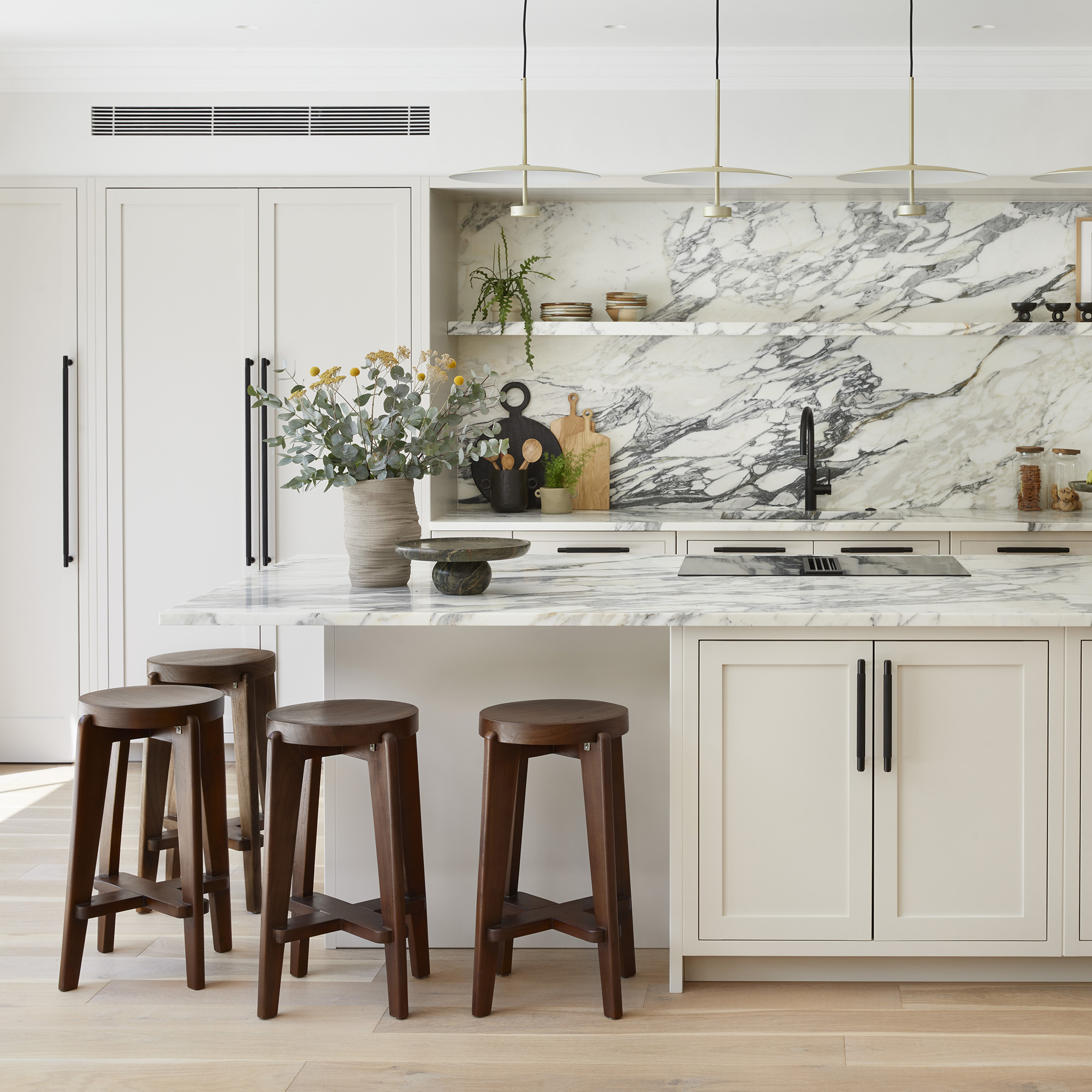
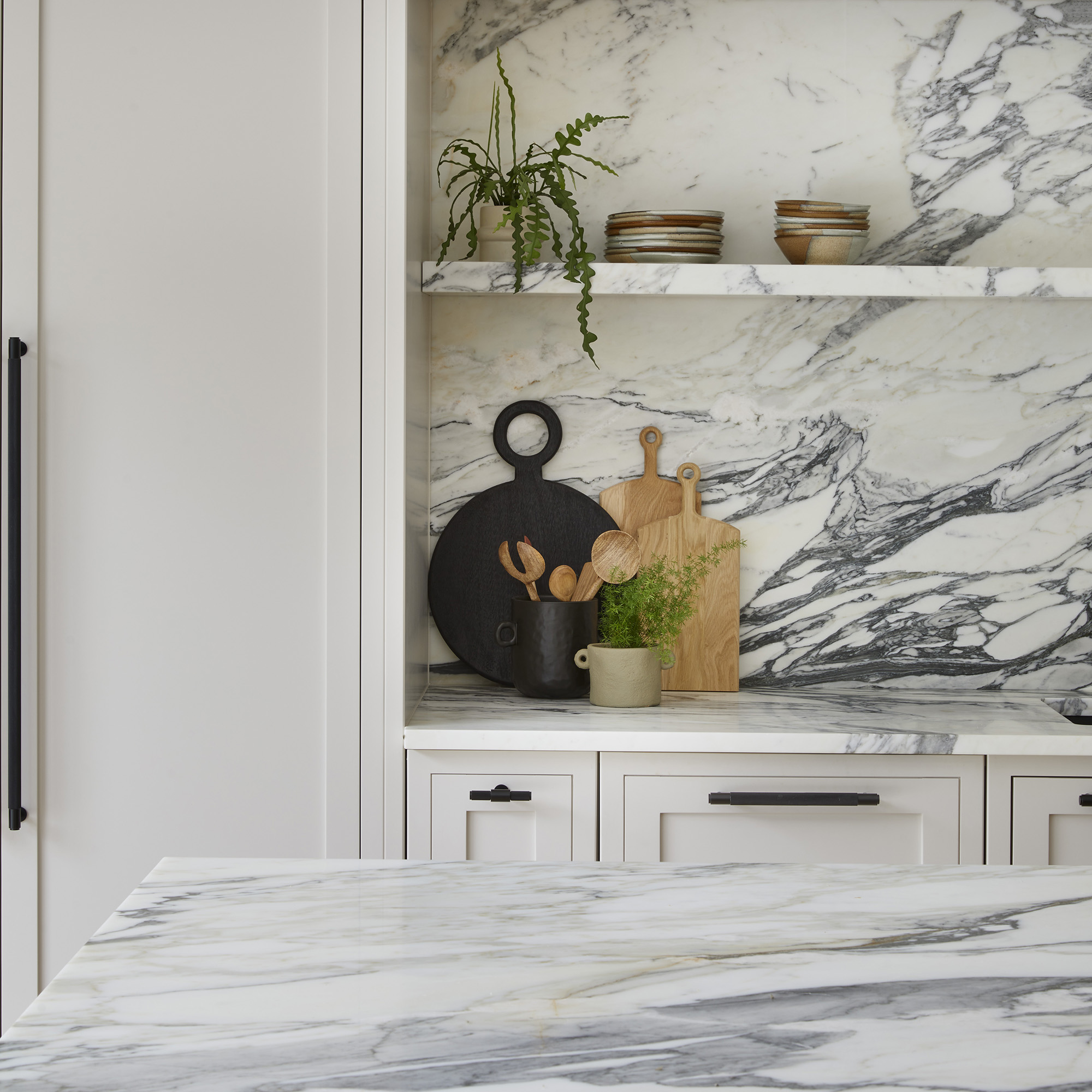
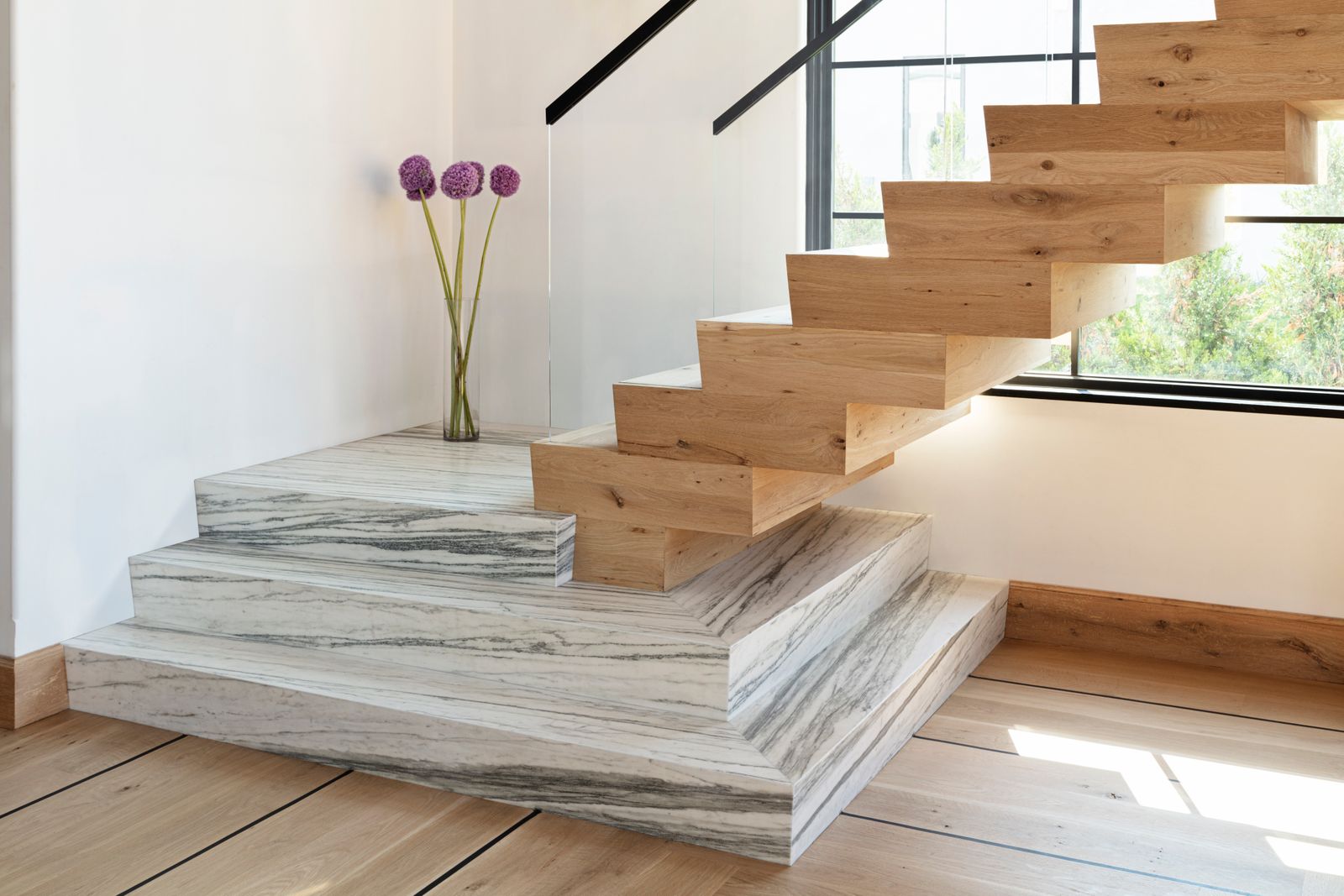
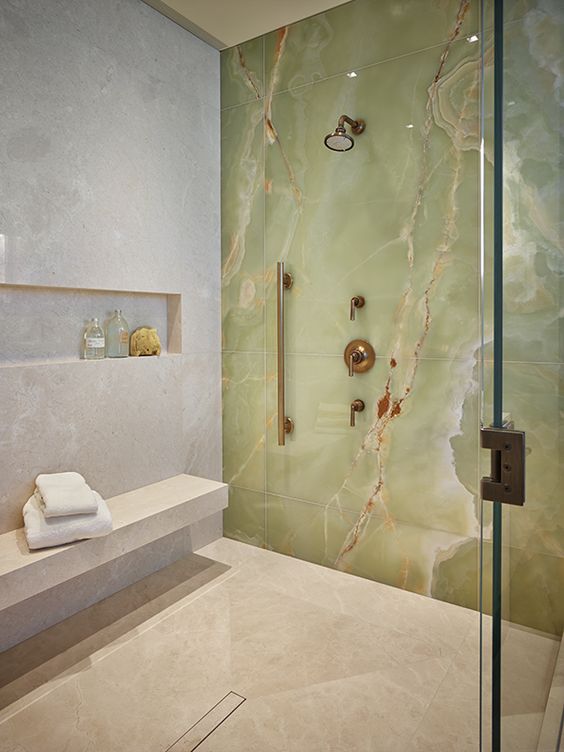
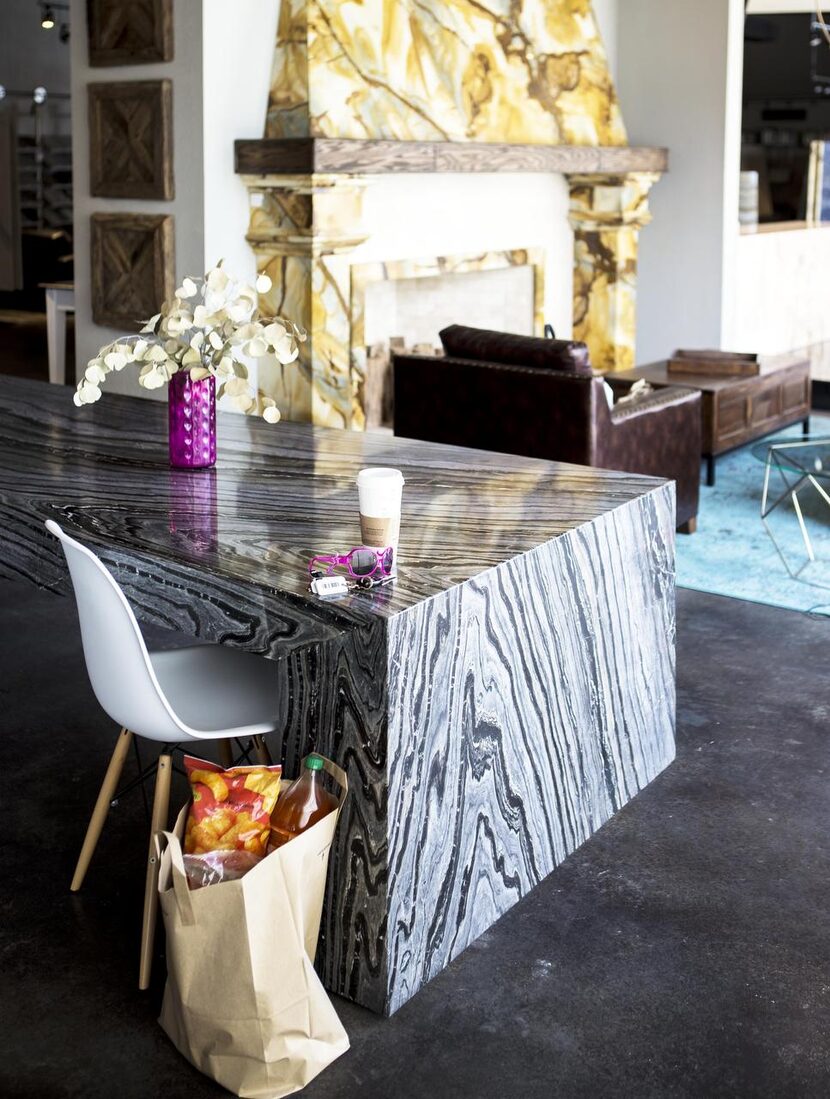
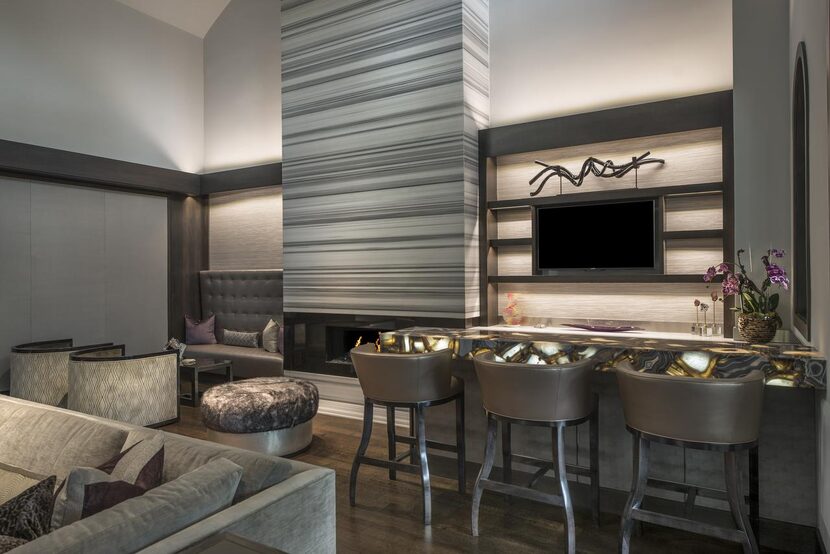
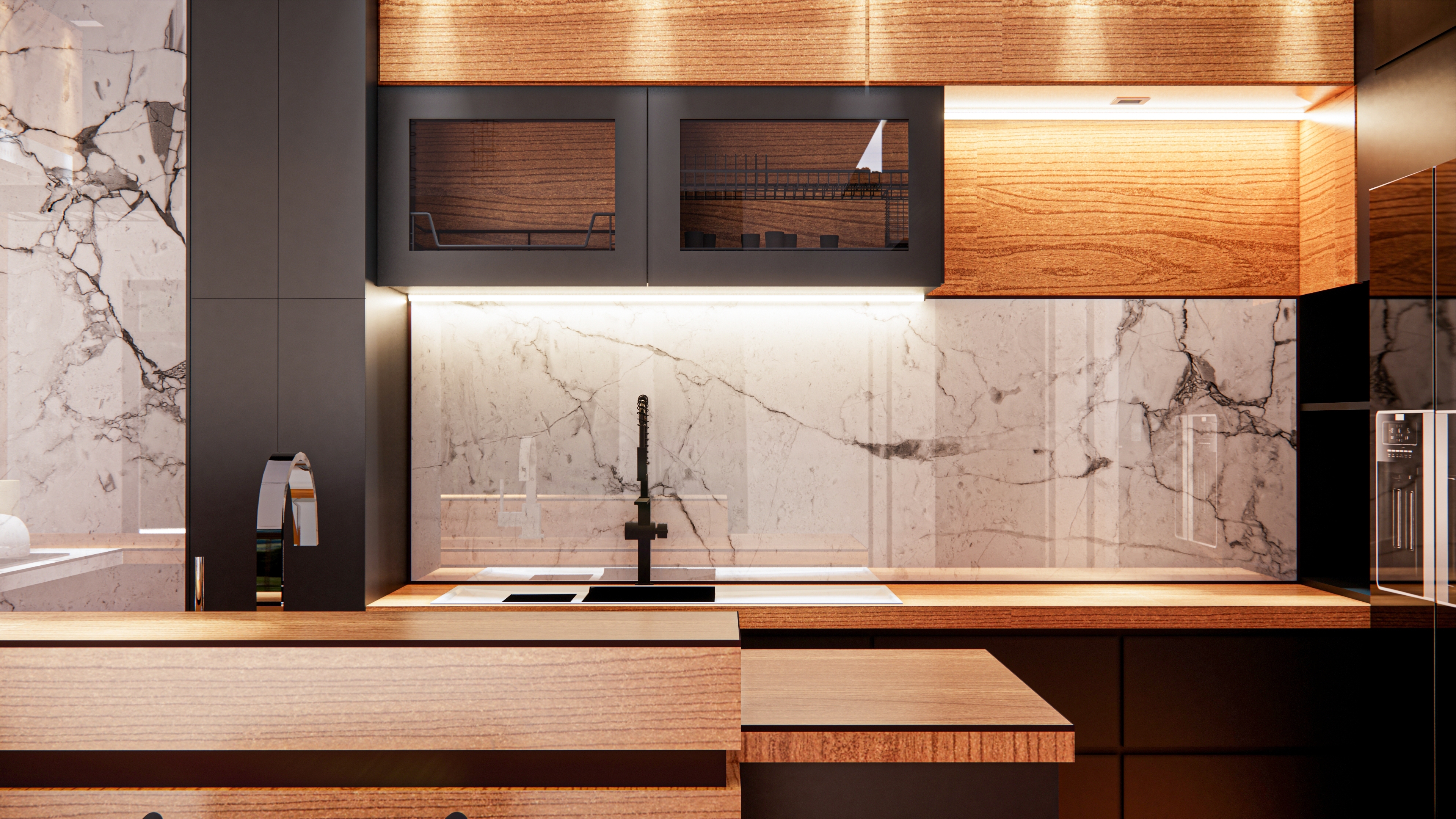
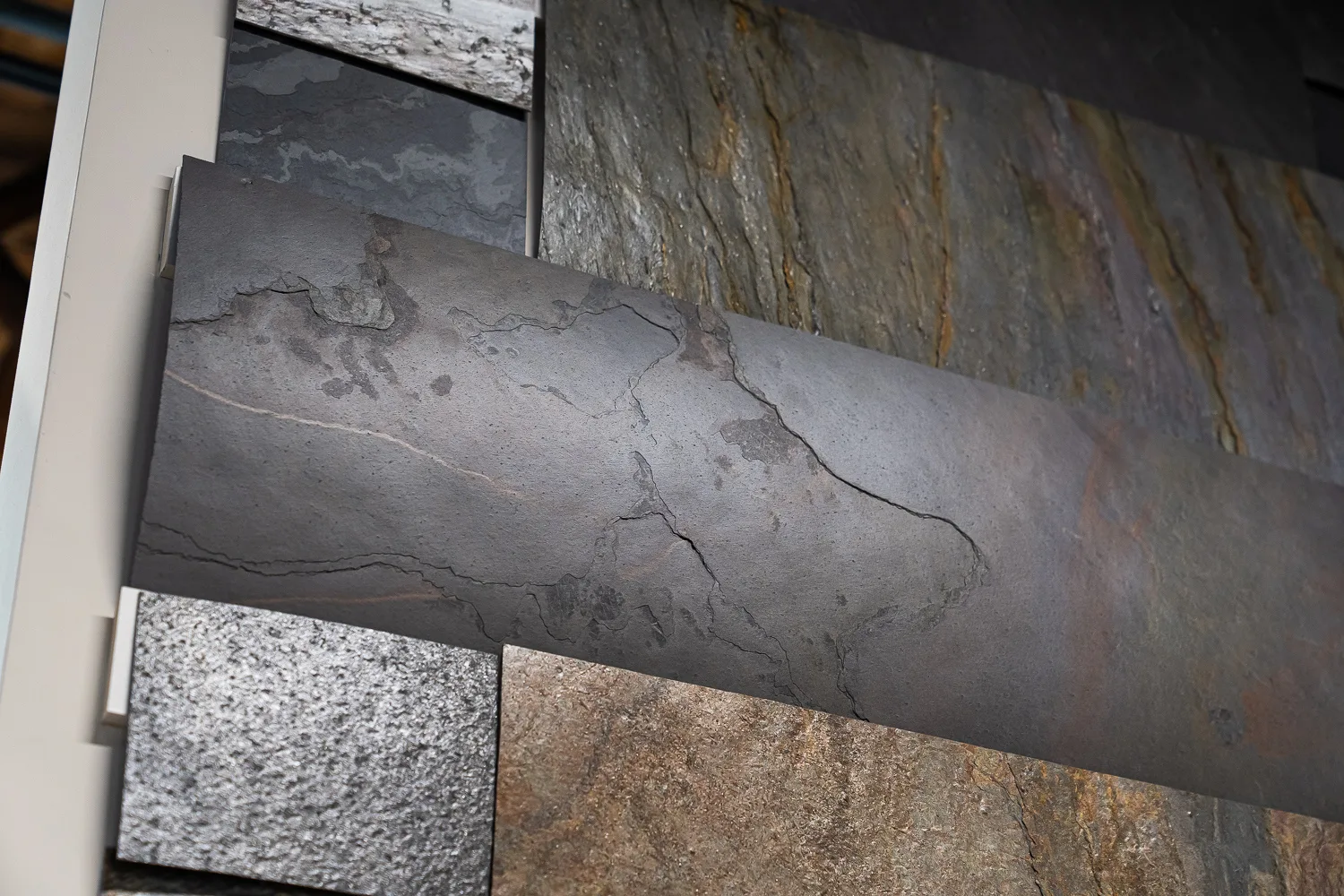
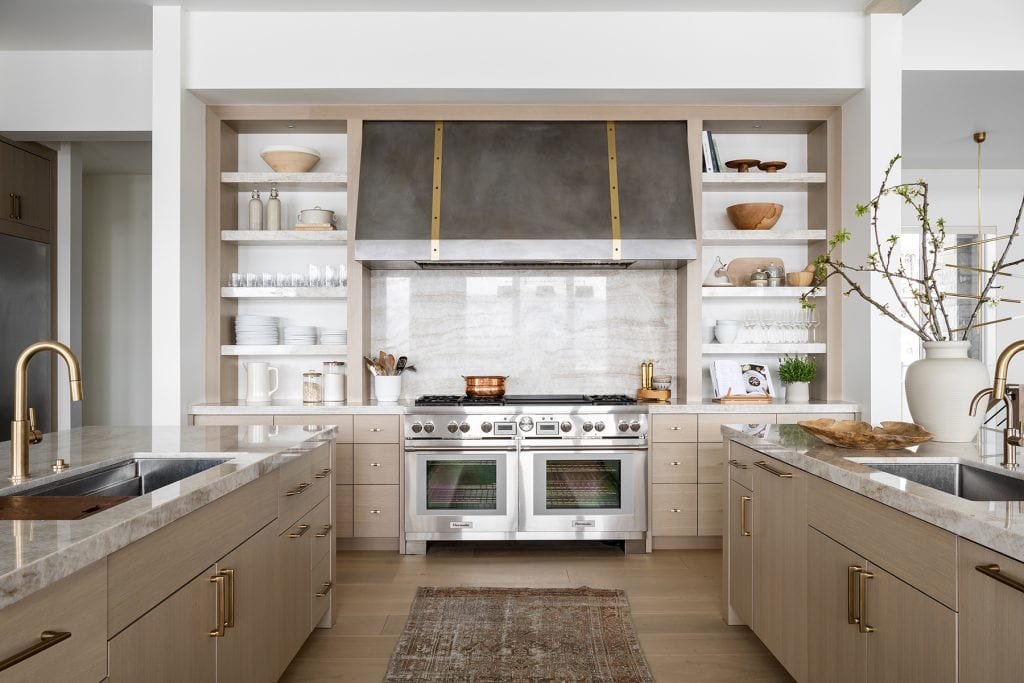
Statement stone, characterized by its prominent contrast, movement, and veining, is a popular interior design trend, frequently utilized for countertops and backsplashes where solid stone slabs extend from the counter up the wall, replacing traditional tile. This approach, using natural stones like quartzite or marble, is seen as creating a sophisticated and elegant aesthetic. When considering the incorporation of statement stone into kitchen and bathroom renovations, several factors warrant consideration.
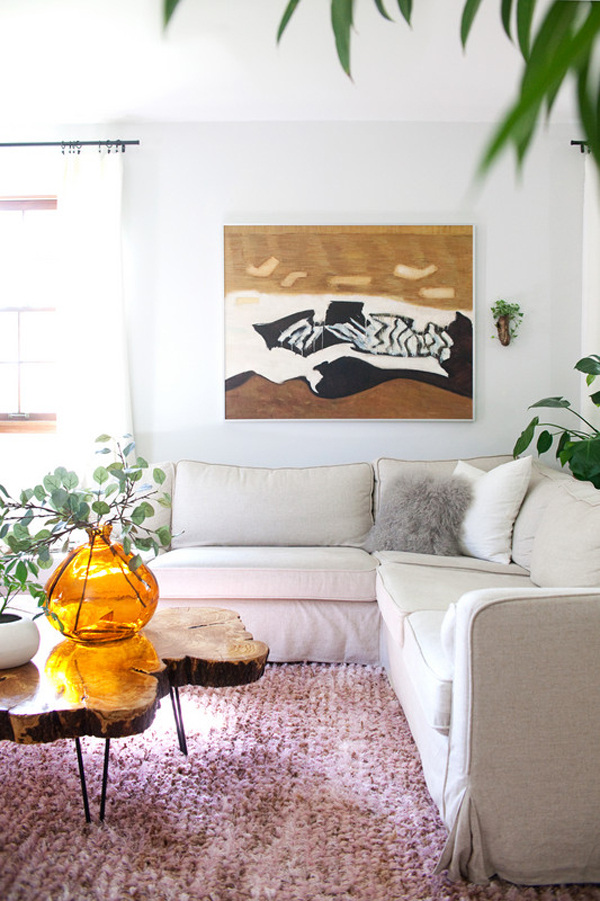
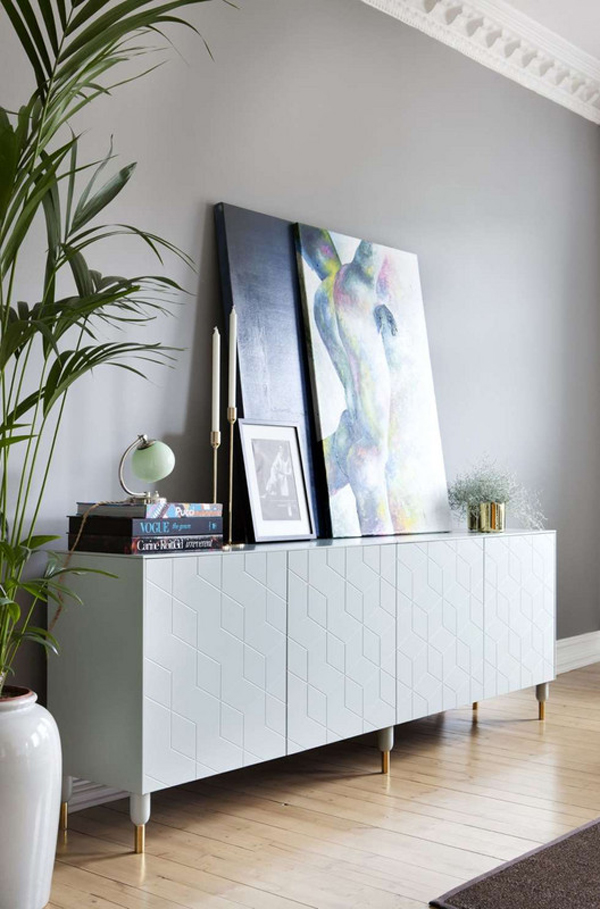
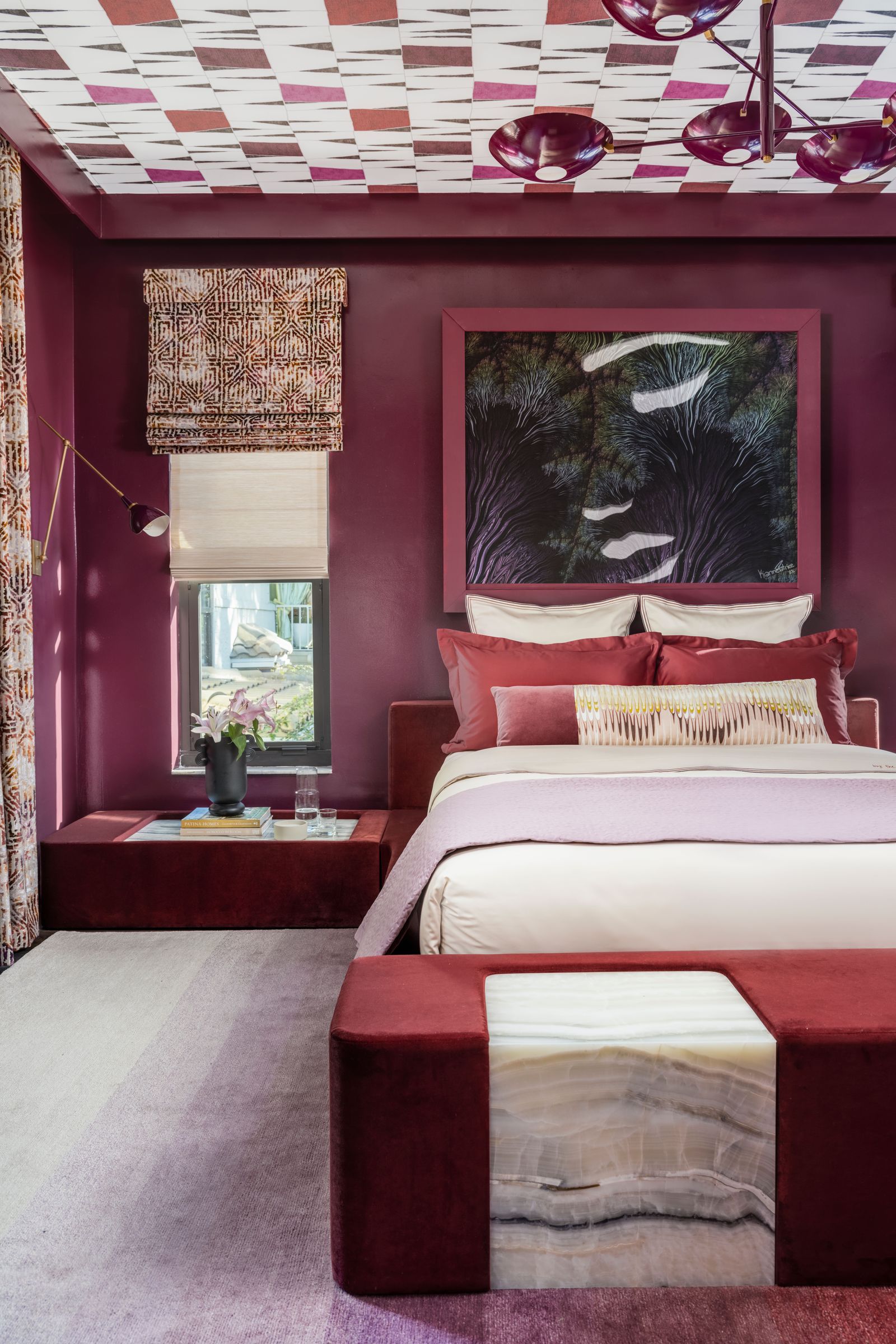
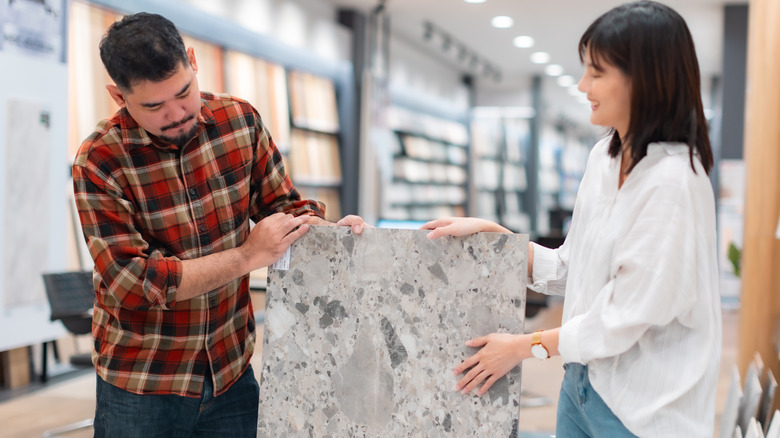
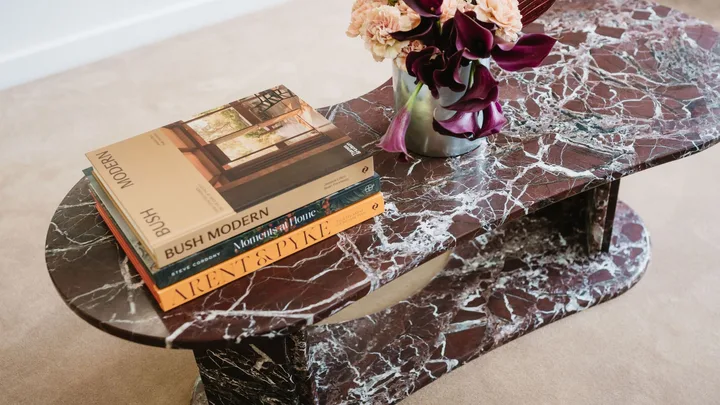
First, the timelessness of the design is crucial, given that large stone slabs represent a significant investment. Homeowners should determine whether they prefer a dramatic visual impact with highly veined and contrasting slabs or a more serene atmosphere with muted or less contrasting stone. It is also important to select colors within the stone that will complement existing home elements, such as furniture, artwork, hardware finishes, and flooring, for many years. For those hesitant to commit to large-scale installations, using remnant pieces for decorative trays or accent table tops offers a way to introduce the aesthetic without a major investment.
Second, the potential resale value of the home should be assessed. If a home is likely to be sold within a few years, and its market value is on the lower end, investing heavily in expensive marble slabs throughout the kitchen and bathroom may not yield a proportional return on investment. In such cases, choosing lighter-colored stones with less veining and contrast can appeal to a broader range of potential buyers.
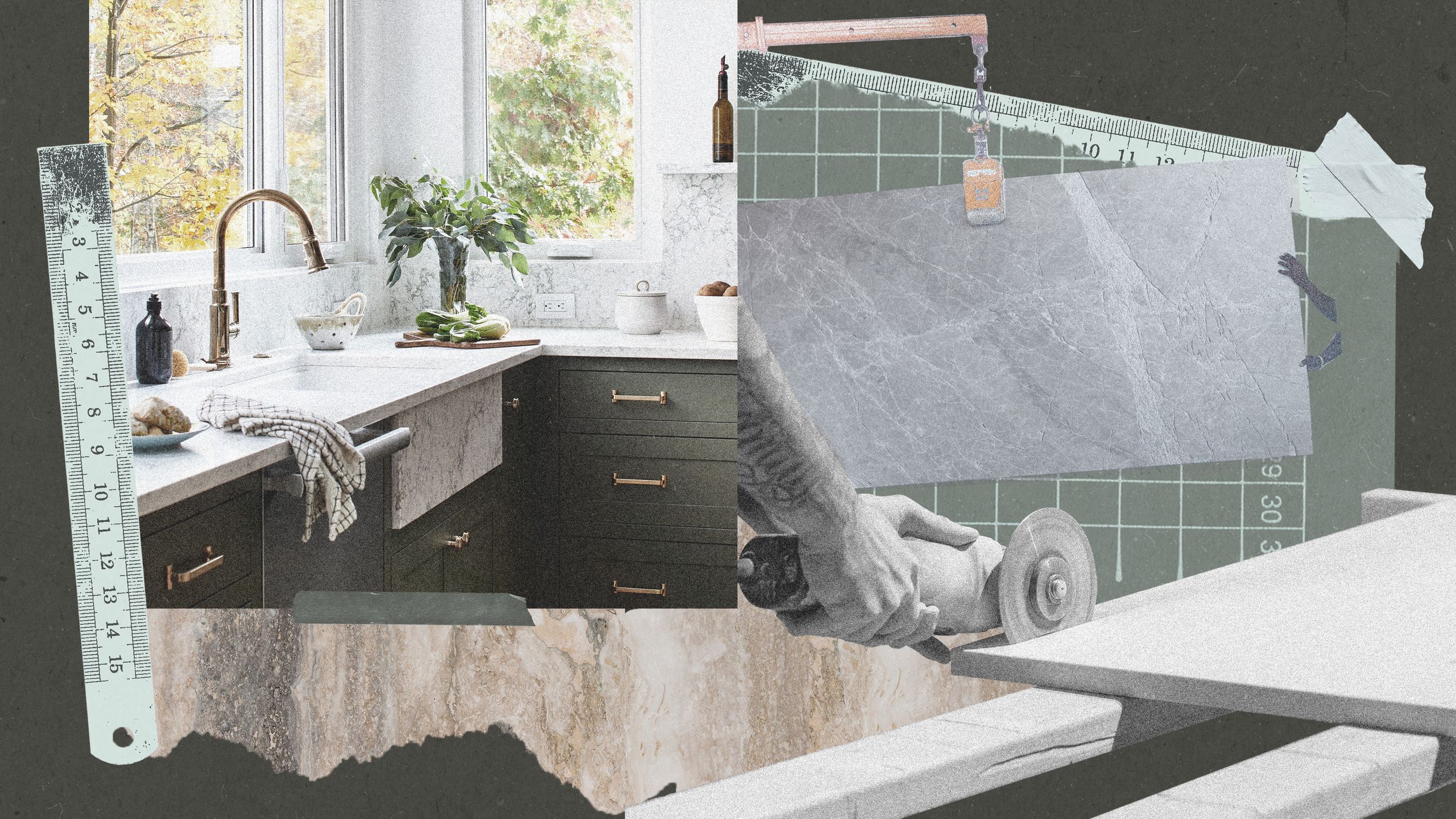
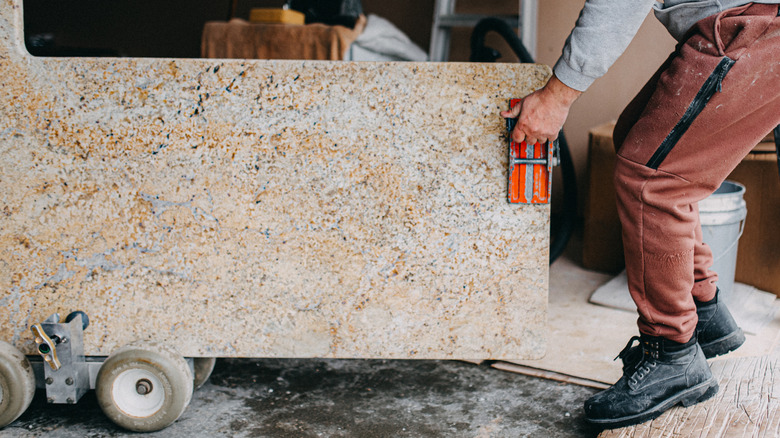
Third, cost is a significant consideration. Natural stone slabs, along with their fabrication and installation, can be among the more expensive components of a remodel. A cost-effective strategy involves searching for remnant pieces, particularly for smaller applications like bathroom vanity countertops or fireplace hearths.
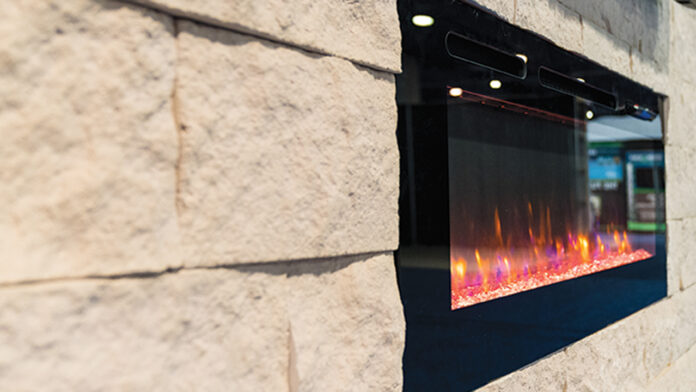
Fourth, the practical use of the area and the specific material chosen are important. While marble is aesthetically pleasing, its porous nature makes it susceptible to staining, rendering it potentially unsuitable for high-activity kitchens. Quartzite and granite offer greater durability and heat resistance, making them more appropriate choices for areas near heat sources like oven ranges, stovetops, or fireplaces.
Finally, maintaining balance in design is essential to prevent an overdone appearance. If a bold, high-contrast stone is chosen for an open-concept kitchen, it should serve as the singular focal point. Introducing multiple distinct statement stones, such as one for the kitchen island and another for the backsplash, can create visual competition and an overwhelming effect. The goal is to highlight the chosen statement stone without cluttering the visual space with competing elements.
#StatementStone #InteriorDesign #KitchenRemodel #BathroomRenovation #HomeImprovement #NaturalStone #DesignTrends #MaterialSelection #StatementStone #InteriorDesign #KitchenRemodel #BathroomRenovation #HomeImprovement #NaturalStone #DesignTrends #MaterialSelection
0 comment in total
 No comments yet
You may also like
Cast Stone
K-Studio pairs stone with concrete for Greek holiday home
Easy updates for your statement pieces.
The Regs: Staying compliant with construction in stone

Decorative Stones & Gravel


Acme Brick, Tile and Stone – Florence
Evolve Stone Monument Gate Stone Veneer

Insider Tips For Buying Marble Or Stone Remnants Secondhand
Design & Detail becomes exclusive North American Showroom for Casadenza Stone Veneers

Inside The Trend | Statement Stone

Acme Brick, Tile and Stone – Northwest Arkansas
Marble, Take Note: There’s a New Stone on the Block


Use stone to update, add interest to your landscape


Stone Veneer Works Like Wood Veneer

Farrow & Ball's 'Skimming Stone' is the ultimate neutral paint shade – 3 beautiful ways to use it in a kitchen
Trending: Try natural stone on headboards, staircases and fireplaces
Right the First Time: Manufactured Stone Veneer Installation

Inside CDK Stone's New Adelaide Selection Centre | Belle


7 Creative Stone Slab Ideas That Go Beyond Countertops


Smartstone sintered surfaces drive minimalism in Cremorne home's kitchen