1/12
Insider Tips For Buying Marble Or Stone Remnants Secondhand
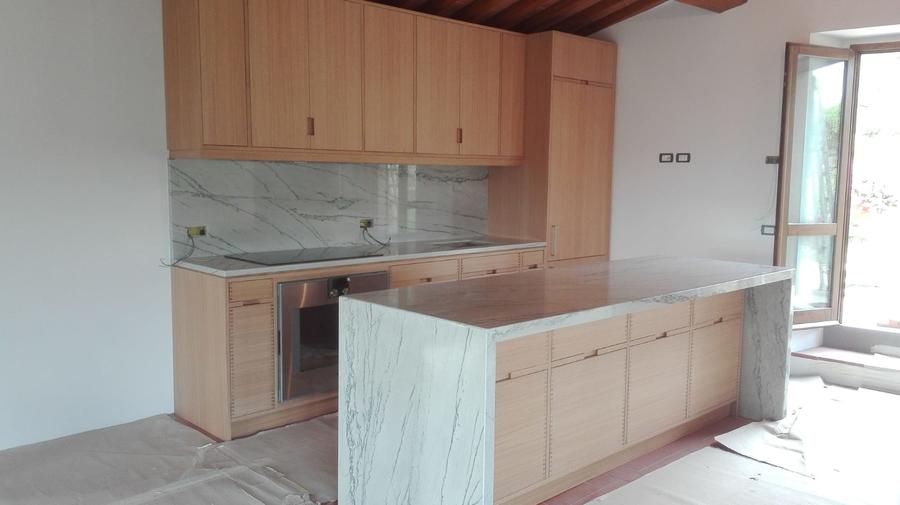
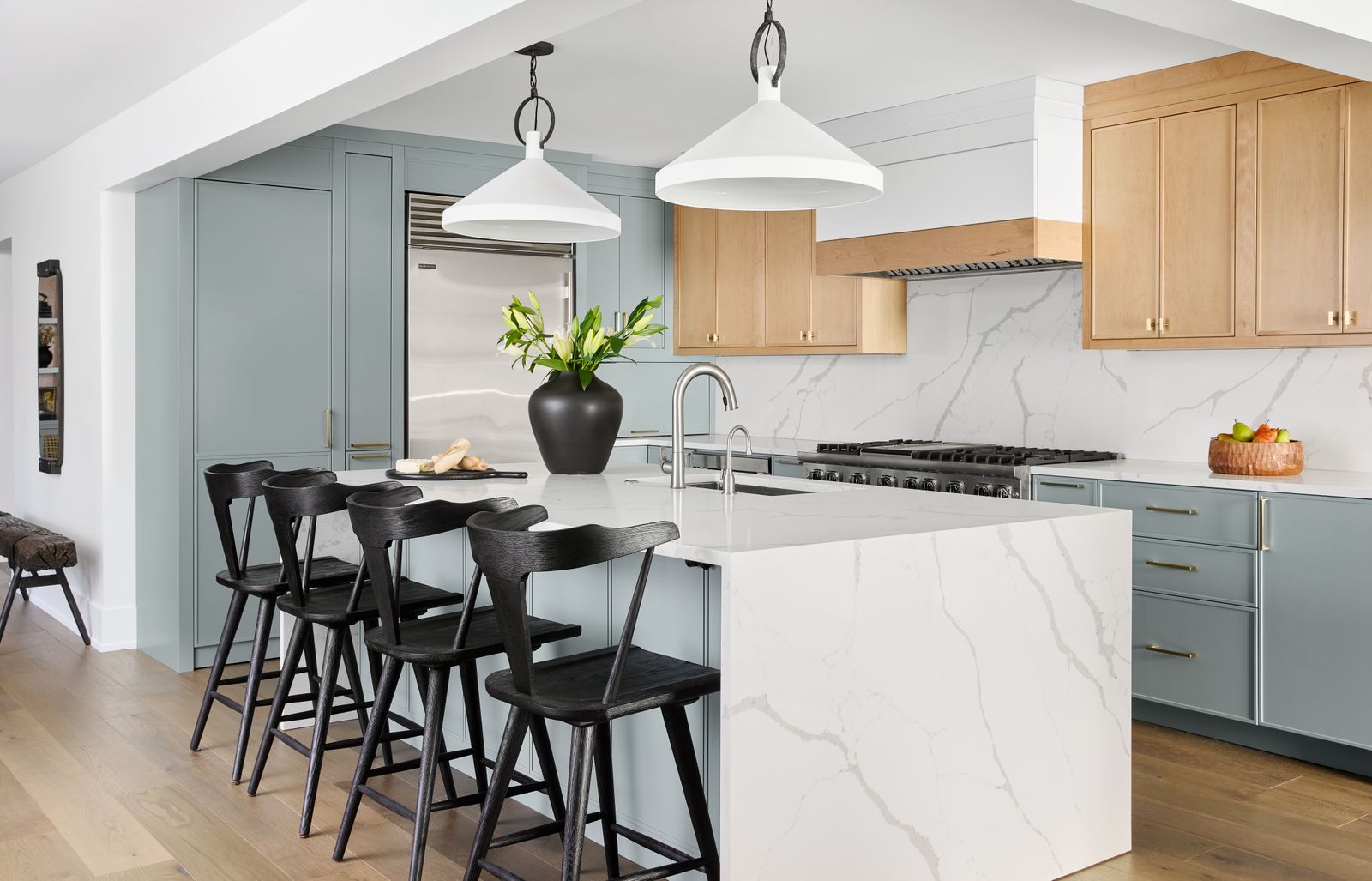
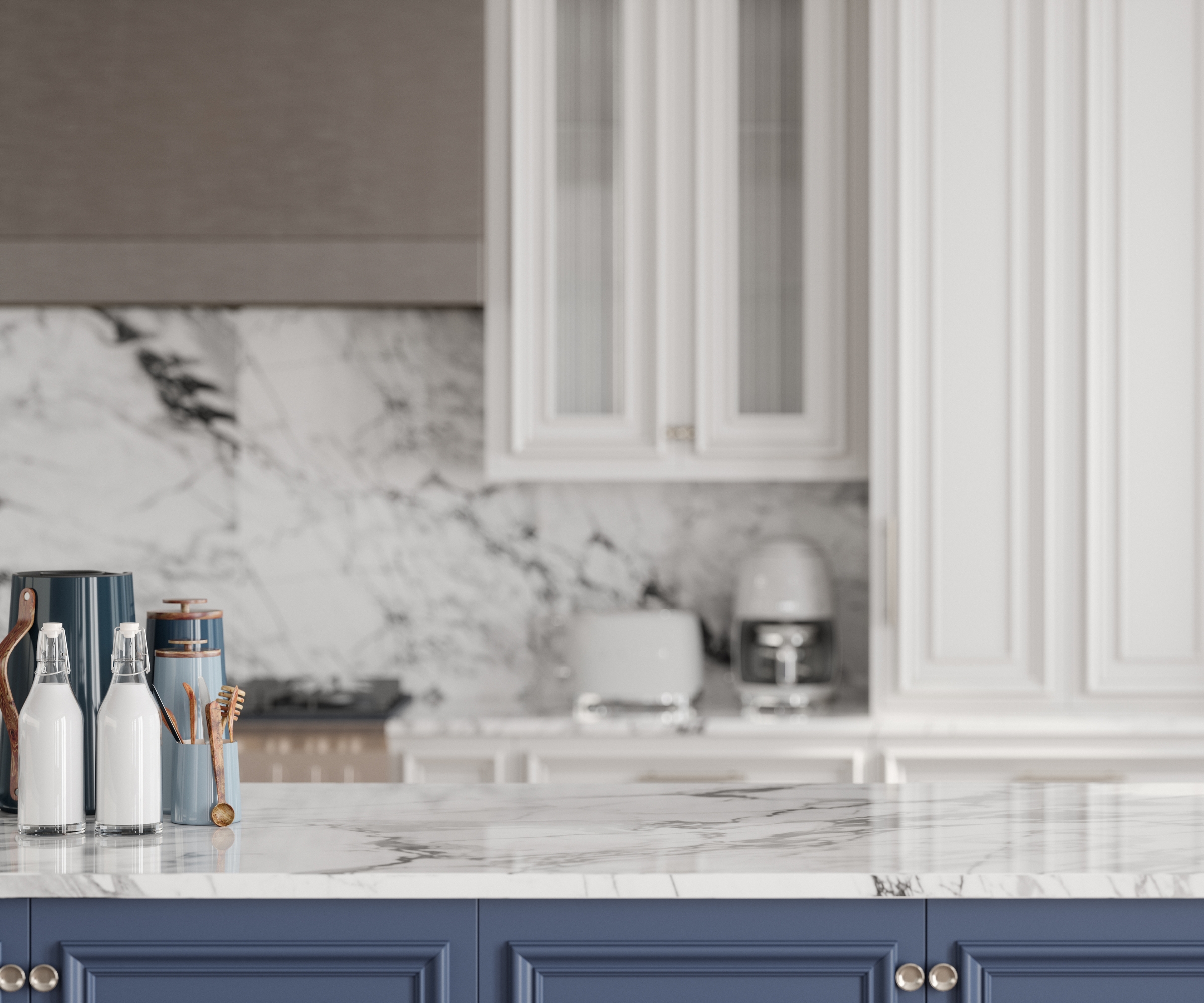
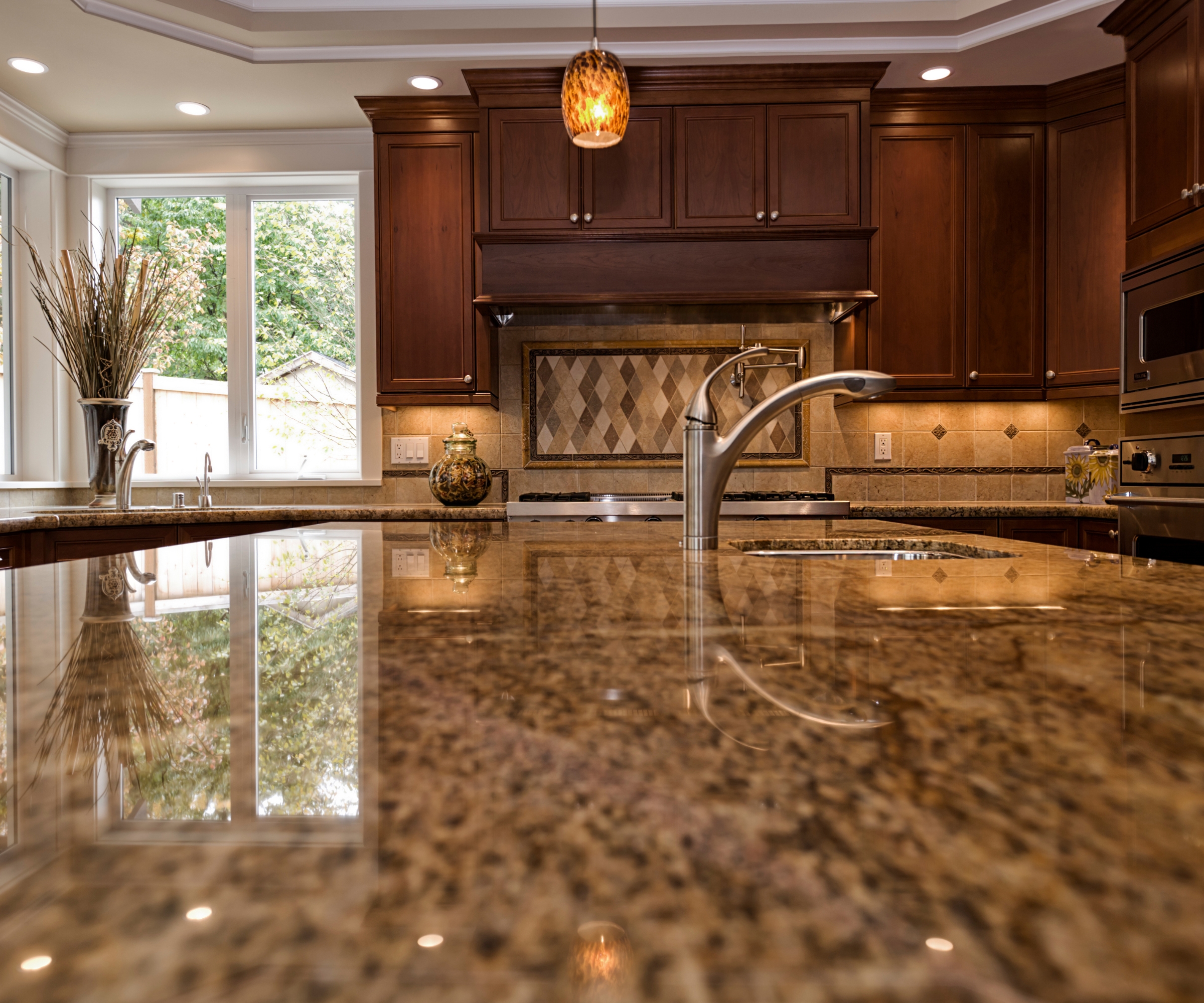
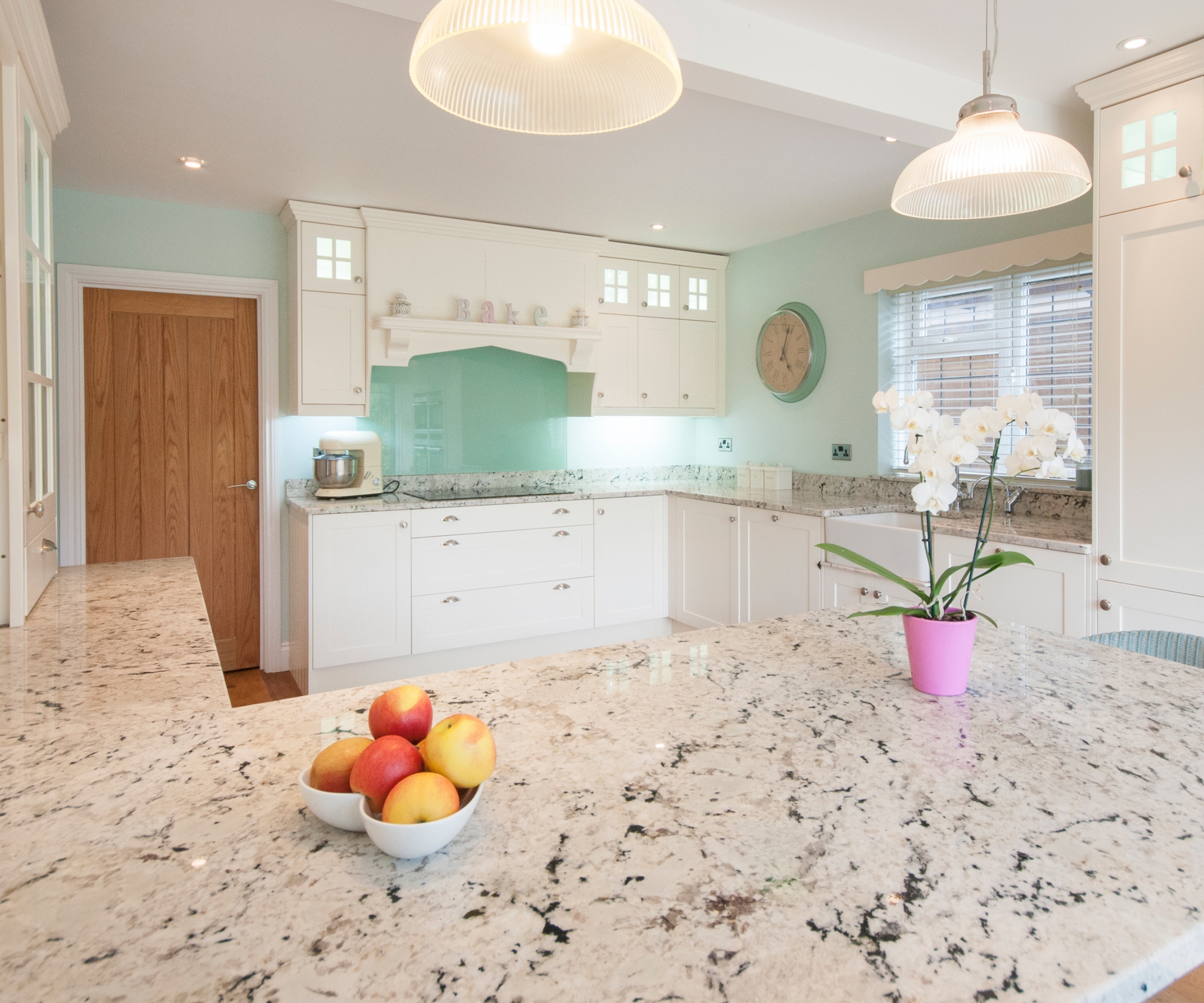
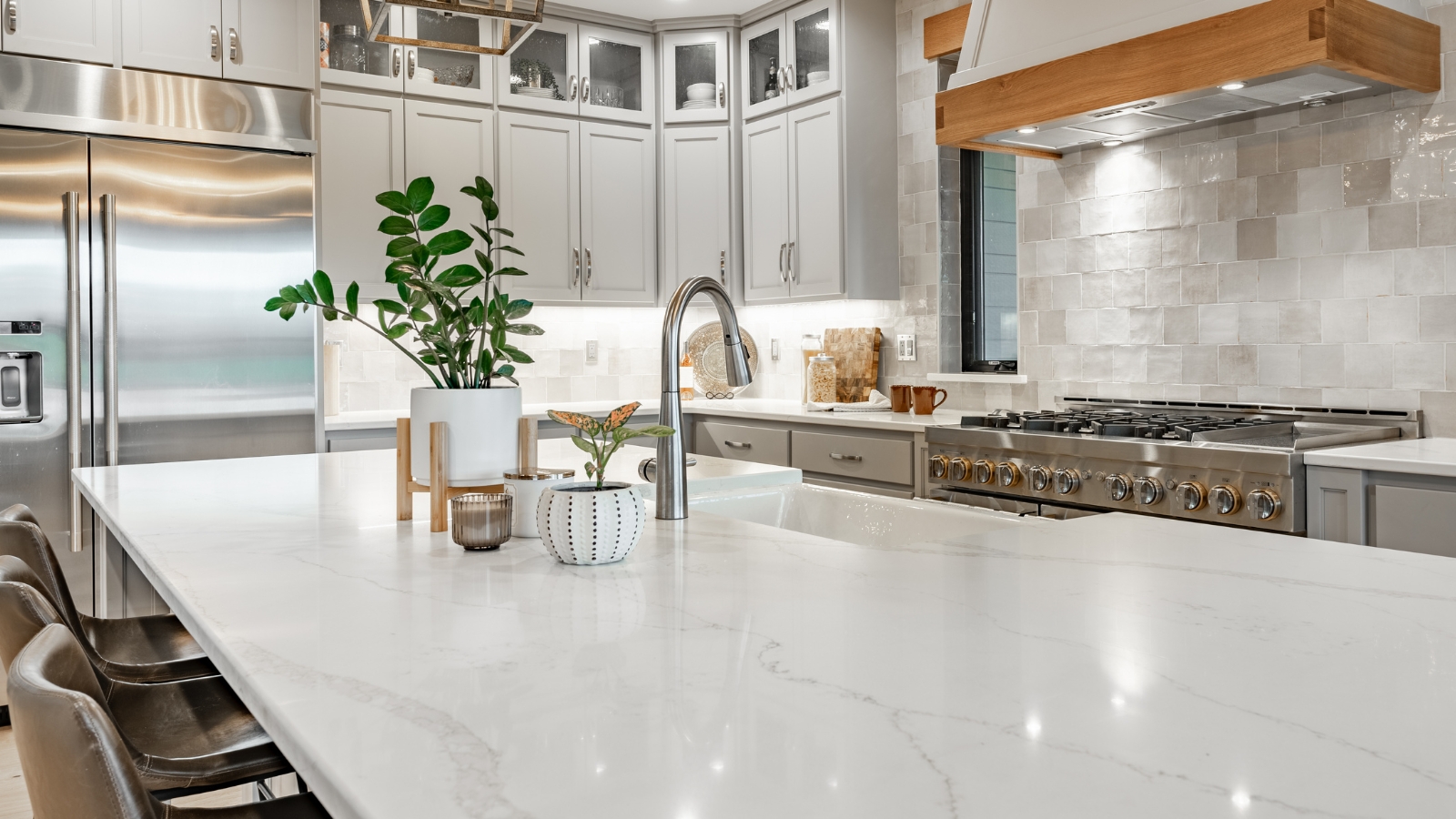
Stone countertops, including marble and granite, offer a blend of durability and aesthetic appeal, making them a popular choice for kitchen renovations. Marble is particularly prized for its elegance, while granite is valued for its durability and heat resistance. However, the high cost of these materials, often exceeding $125 per square foot for marble and $65 for other stones including installation, can be a significant barrier. A more economical and eco-conscious alternative is to purchase stone remnants, which are leftover pieces from larger projects that would otherwise go to waste. This approach can lead to substantial savings, but requires careful consideration and an informed approach to ensure a successful purchase.
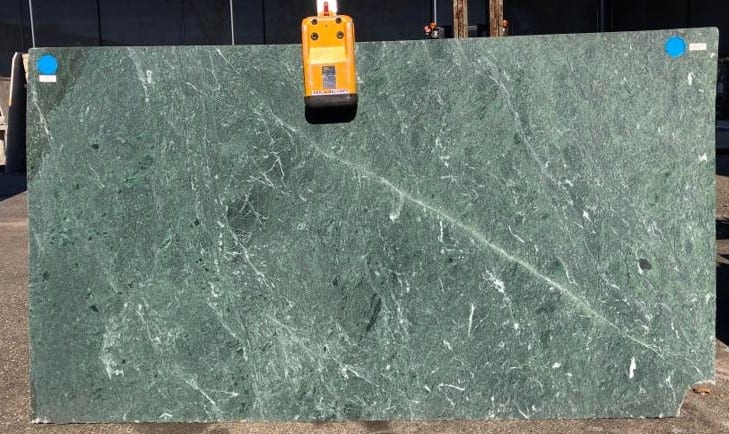
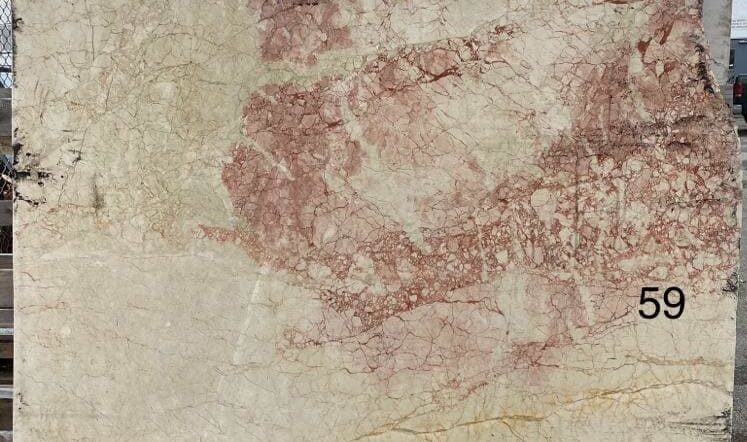
When shopping for secondhand stone remnants, it is crucial to thoroughly examine listings, especially online. High-quality images from various angles are essential for assessing the stone's condition and appearance. Some experts even suggest that videos can provide a more comprehensive view, revealing finishes, dull spots, or minor warping. Sellers who are unwilling to provide detailed visuals or allow in-person inspections should be viewed with caution, as this could indicate hidden defects.
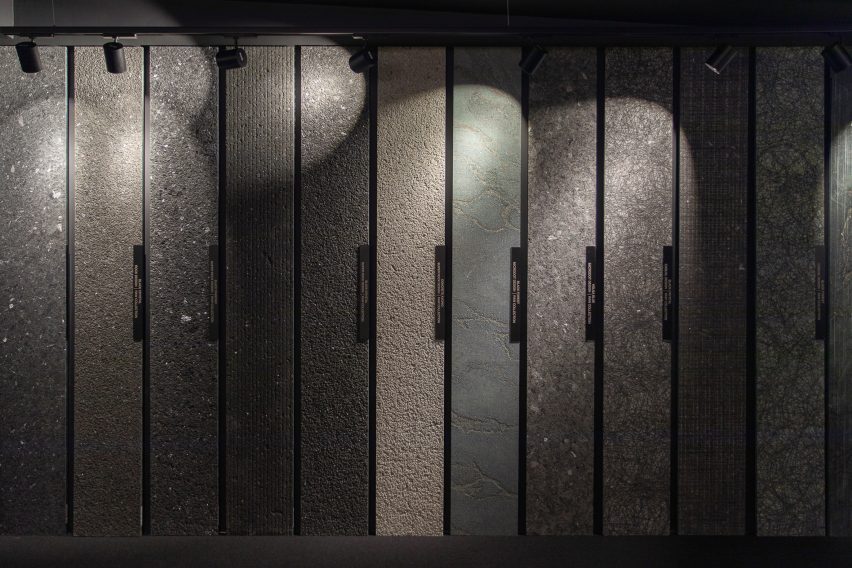
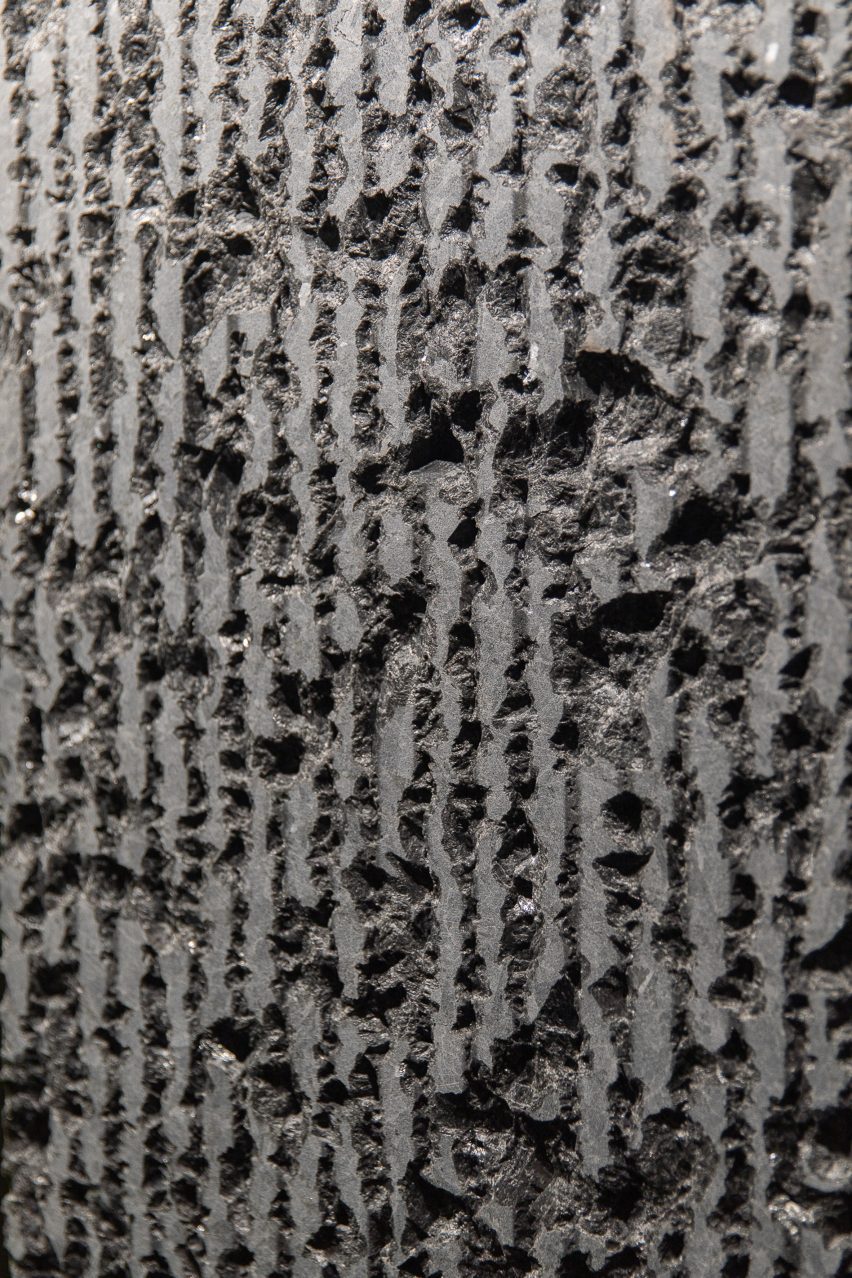
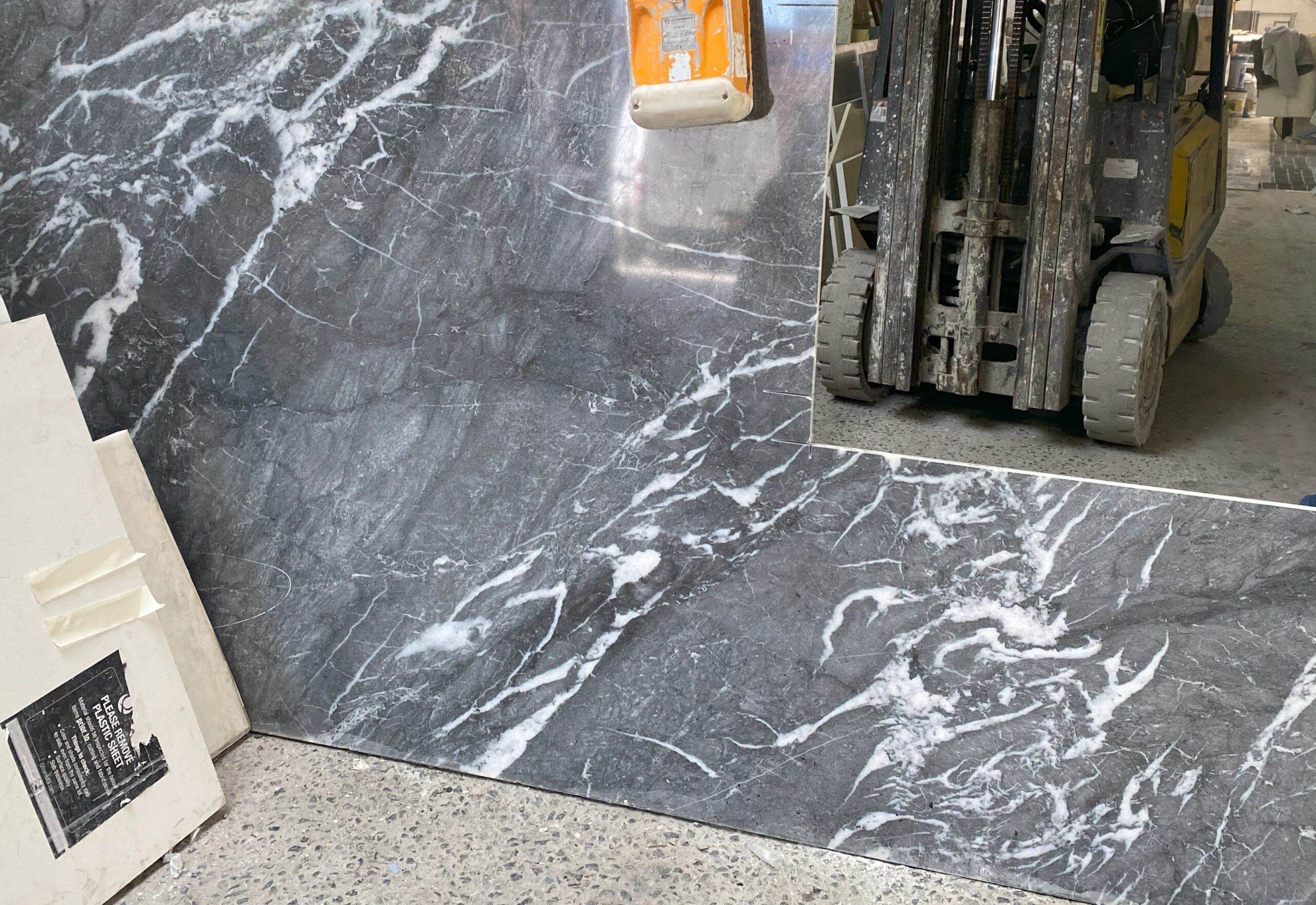
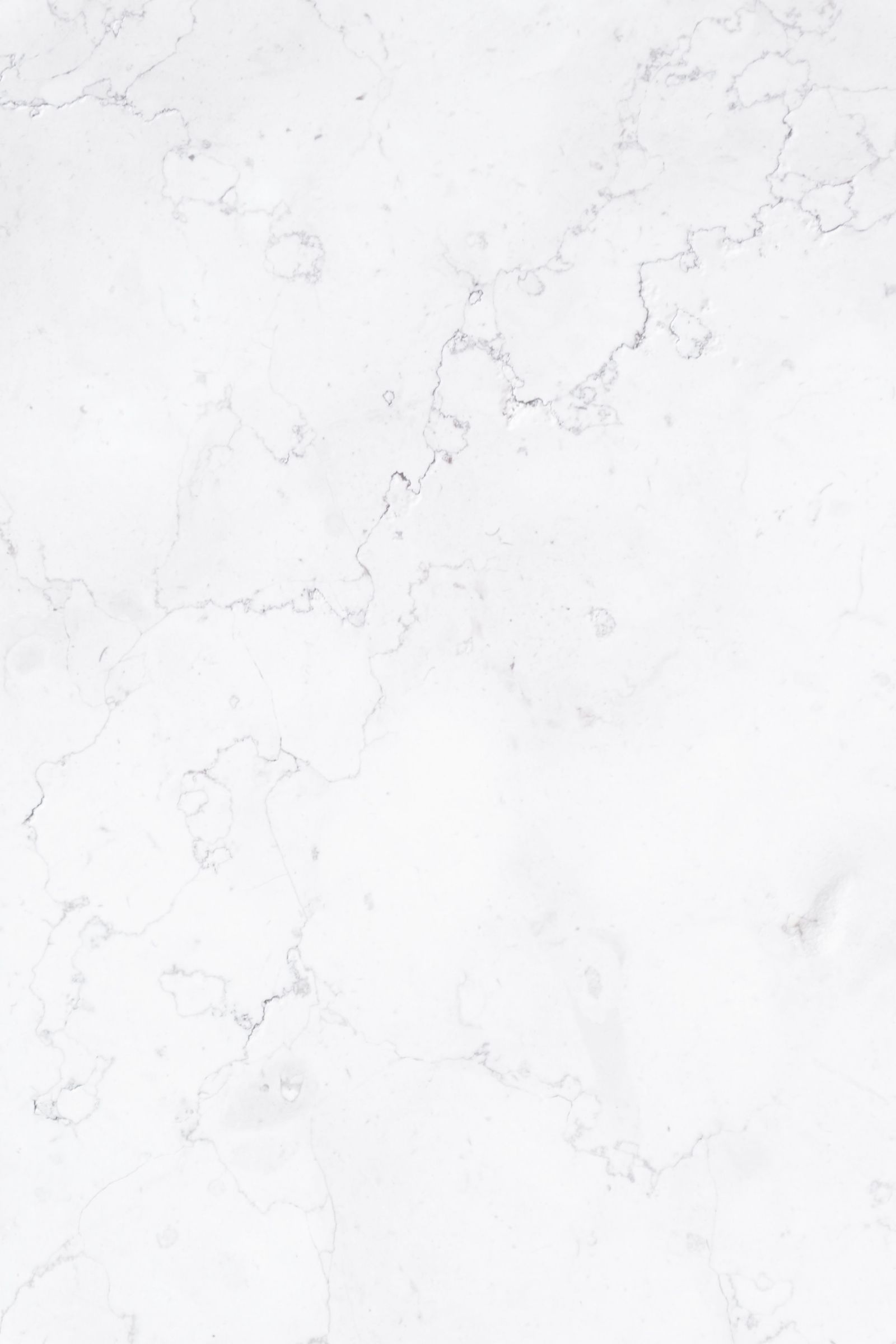
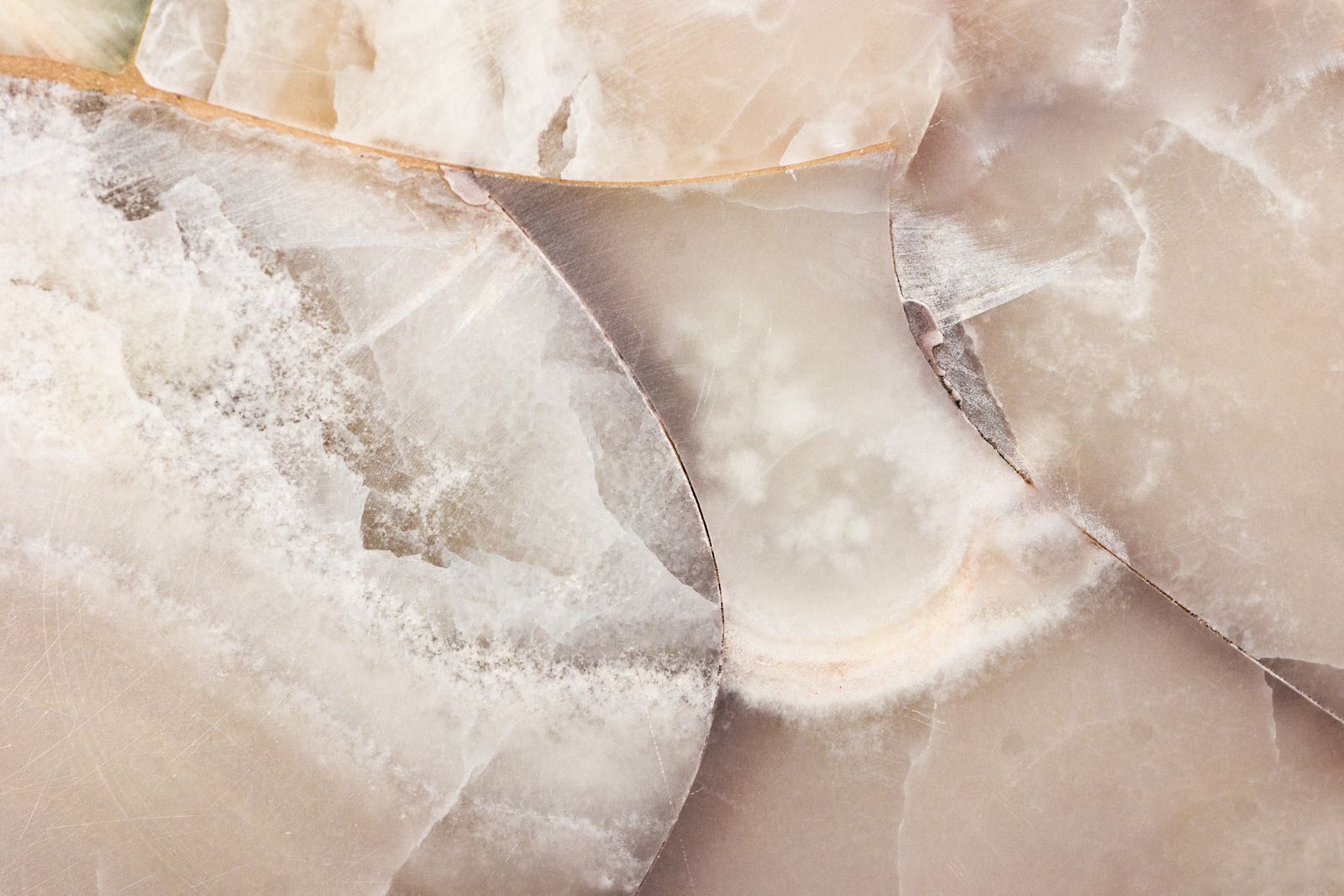
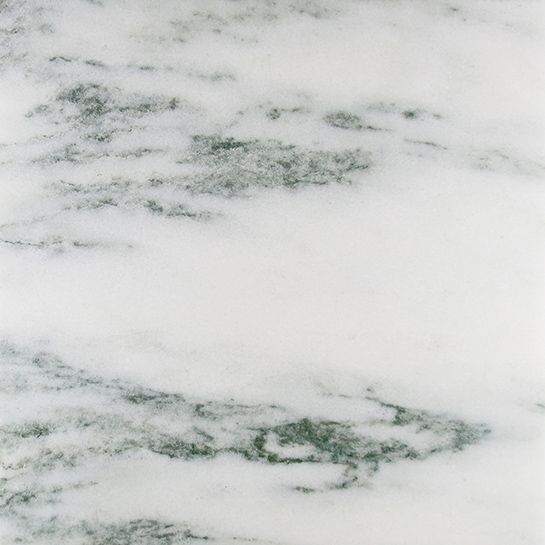
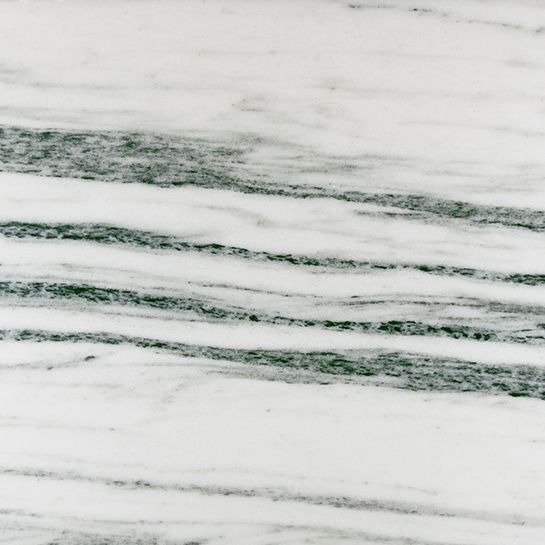
Verifying the authenticity of the material is another critical step. Due to the potential for misrepresentation, buyers should not solely rely on a seller's description. For marble, genuine pieces exhibit natural, irregular patterns and minor imperfections, unlike uniform man-made materials. Quartz, on the other hand, typically displays a consistent, slightly speckled appearance. Requesting information such as brand names or origins allows for cross-referencing and verification. The finish of the stone also requires close inspection for cracks, fractures, and chips that could compromise its usability. While minor surface scratches on marble can often be polished out, deep cracks or pitting may indicate structural issues. Yellowing in marble suggests improper storage, such as exposure to excessive moisture or sunlight. For quartz, discoloration or burn marks should be noted as signs of misuse. It is advisable to avoid heavily damaged slabs unless there is a clear plan to cut around the flaws during fabrication.
The storage conditions of the stone remnant significantly impact its quality and longevity. Natural stone should be stored upright in a dry, stable environment. Slabs stored flat for extended periods may develop stress cracks or internal weaknesses, particularly in more fragile stones like marble. Humidity and temperature also play a role; exposure to moisture or extreme temperatures can cause discoloration or weakening in marble, while damp conditions can affect quartz. Buyers should be wary of sellers who are vague about storage or whose storage practices are visibly inadequate.
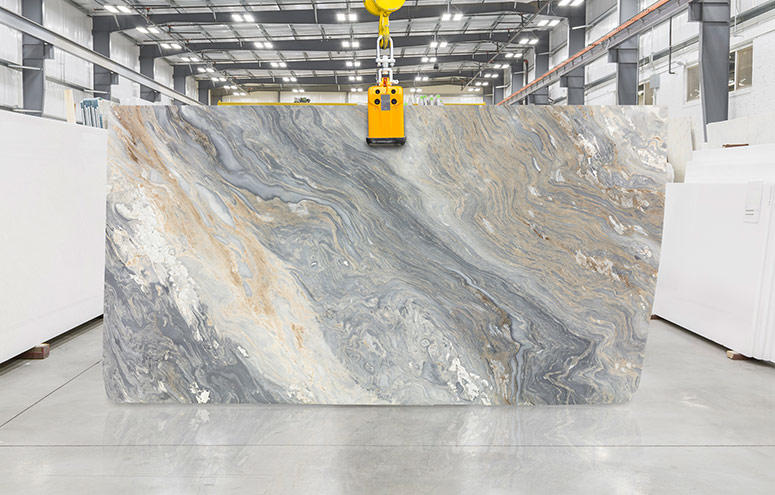
Before committing to a purchase, it is vital to determine the usable square footage of the remnant. The overall dimensions might not reflect the actual functional size, especially considering vein direction, existing cuts, and potential imperfections. Sellers may provide total measurements, but buyers need to ascertain the finished dimensions after accounting for cuts, holes (e.g., for sinks), and uneven edges. Understanding the thickness and edge condition upfront is also important. Remnant sellers often only showcase the polished top surface, neglecting the edge profile or underside. A slab with a perfect top surface is less advantageous if the edge cannot be re-fabricated or polished. A thickness of 2 or 3 centimeters is generally recommended; thinner slabs are lighter and cheaper but may require additional support, while thicker slabs are sturdier but heavier and can complicate installation.
When evaluating pricing, it is essential not to be solely swayed by steep discounts. The listed price per square foot for a remnant often excludes additional costs such as cutting, edging, delivery, installation, and sink cut-outs, which can quickly accumulate. The cost of finishing the stone, including polishing or adding edge profiles, should also be factored in. Buyers should research the cost of new materials to gauge a realistic price range for remnants. A good rule of thumb is that the resale price of a remnant should be approximately one-third of what a fabricator would charge for full slabs, as cutting and delivery are typically not included. Negotiation is possible, especially for pieces with imperfections or odd cuts, with a target price of 40-60% of retail for high-quality remnants, or lower for damaged ones. Politeness combined with firmness is key during negotiations.
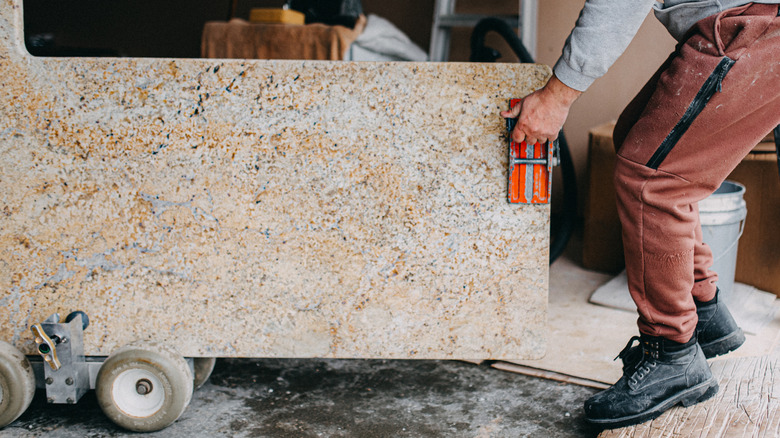
Finally, buyers must consider the logistical challenges of cutting, moving, and finishing the remnant. Stone slabs are extremely heavy and require specialized vehicles and upright transport. Many local fabricators may be reluctant to cut stone they did not source themselves, or they might charge higher fees due to increased risk. This could necessitate multiple transport steps: to the contractor for cutting and then to the home. To better inform their decision-making, prospective buyers are advised to first visit showrooms selling new slabs. This allows them to familiarize themselves with available colors, textures, and prices, and to identify specific preferences or styles to avoid, thereby streamlining the search for a suitable remnant. The fall season is generally considered ideal for finding remnants due to the preceding summer construction boom, leading to a greater availability of leftover materials. However, the process of finding the right remnant can be time-consuming, requiring a flexible renovation timeline and a blend of online and in-person shopping, including exploring options at places like Facebook Marketplace, Habitat for Humanity ReStore, and eBay.
#StoneRemnants #CountertopSavings #DIYHomeImprovement #KitchenRenovation #MarbleGraniteQuartz #SustainableDesign #SecondhandMaterials #HomeDesignTips #StoneRemnants #CountertopSavings #DIYHomeImprovement #KitchenRenovation #MarbleGraniteQuartz #SustainableDesign #SecondhandMaterials #HomeDesignTips
0 comment in total
 No comments yet
You may also like
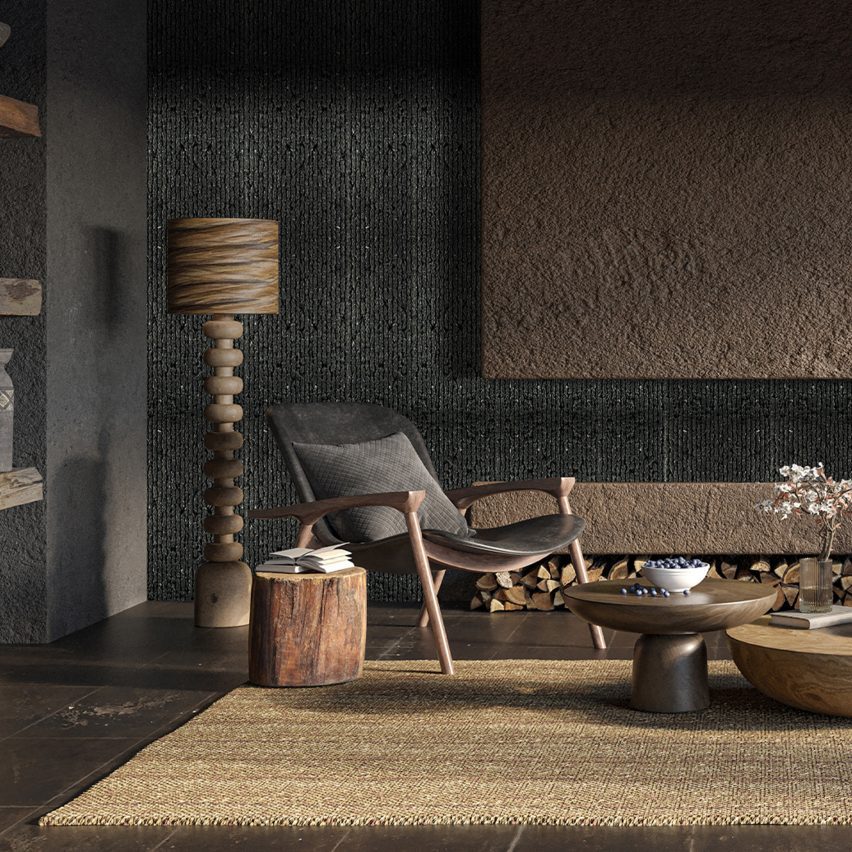
Piatraonline unveils Raw stone collection that "adds elegance and warmth to a room"
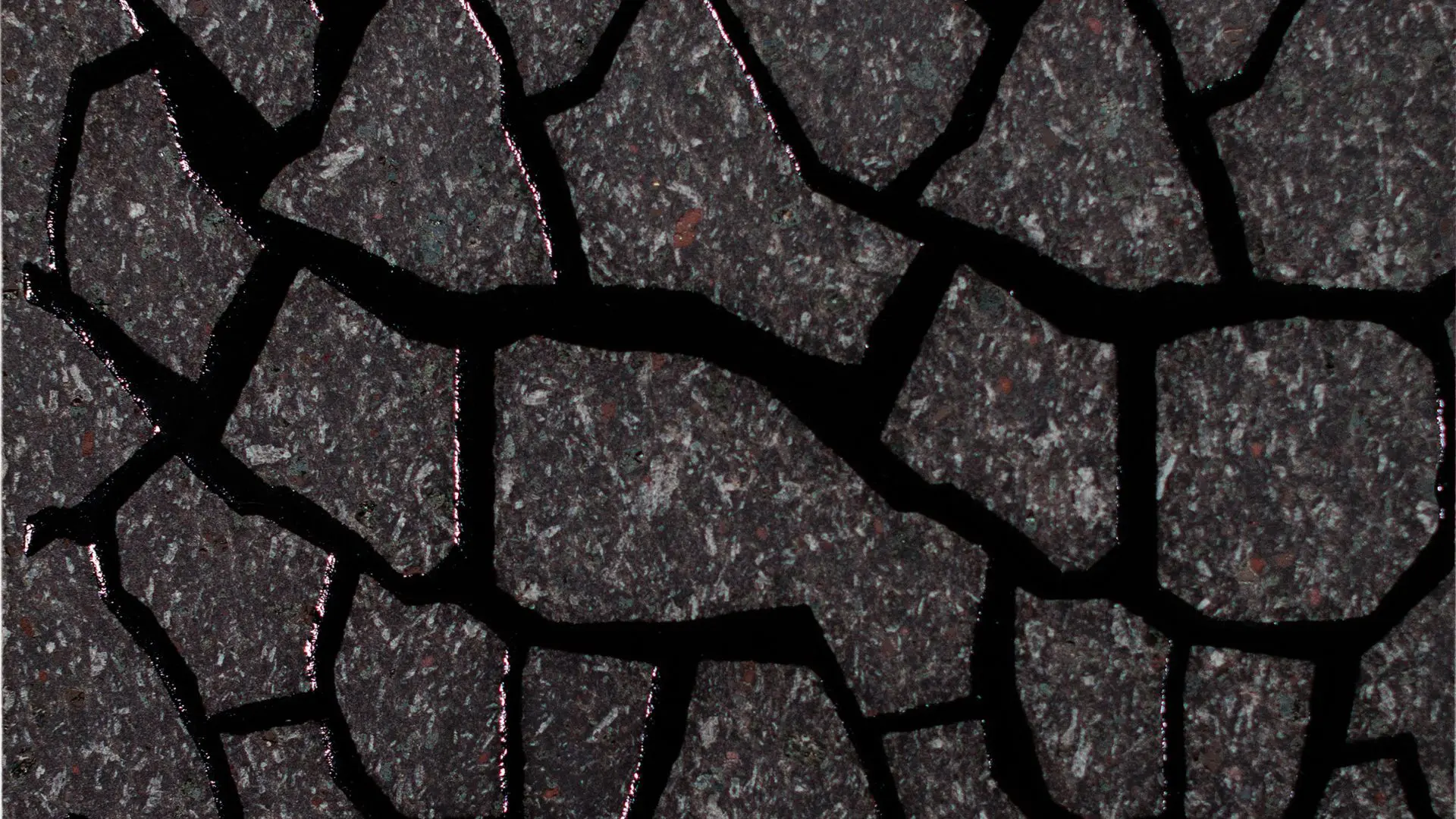
From the purest lava stone to refined collection of tiles and furnishings


Marble Countertops: 9 Tips for Choosing a White Marble Slab

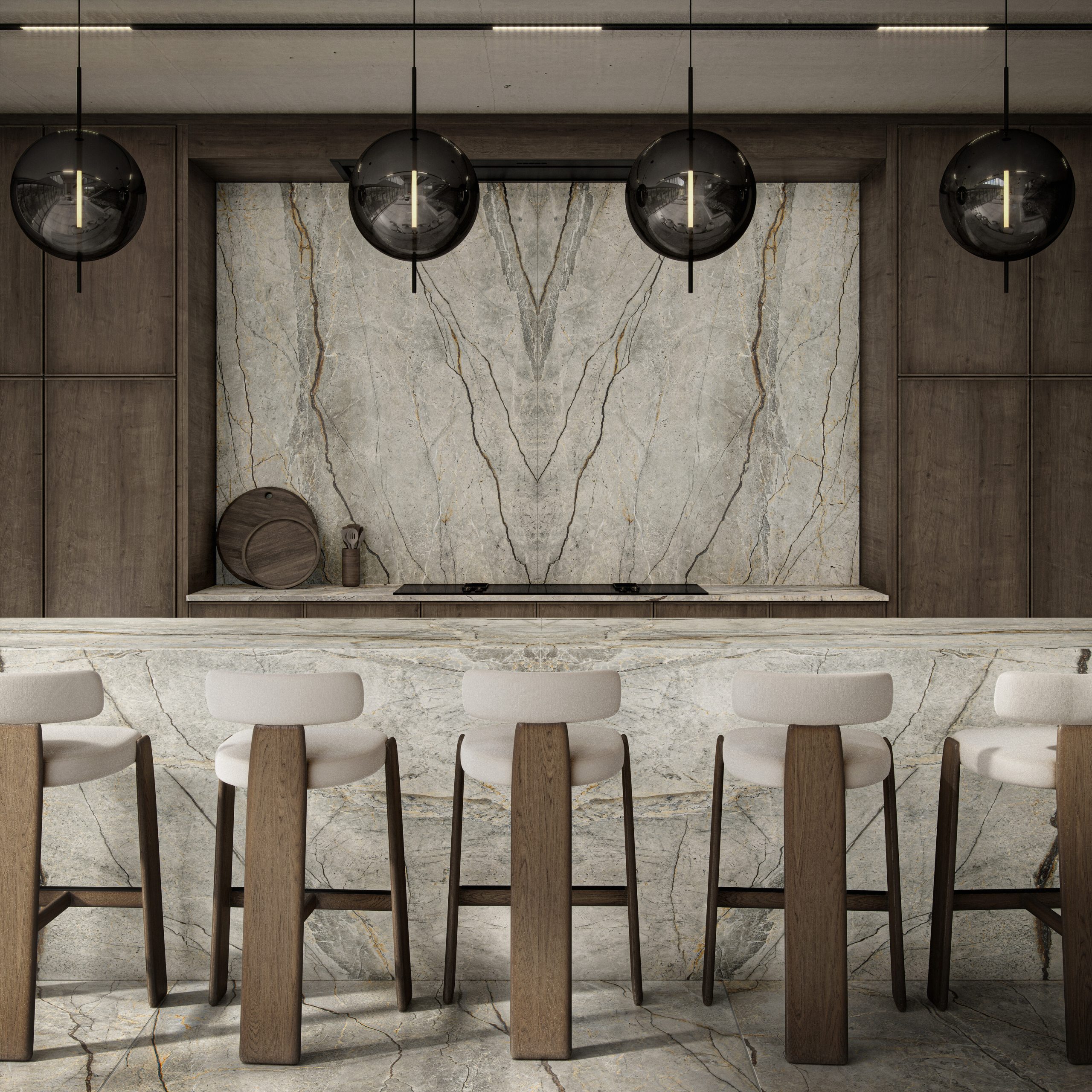
Marble-Look Porcelain Slabs

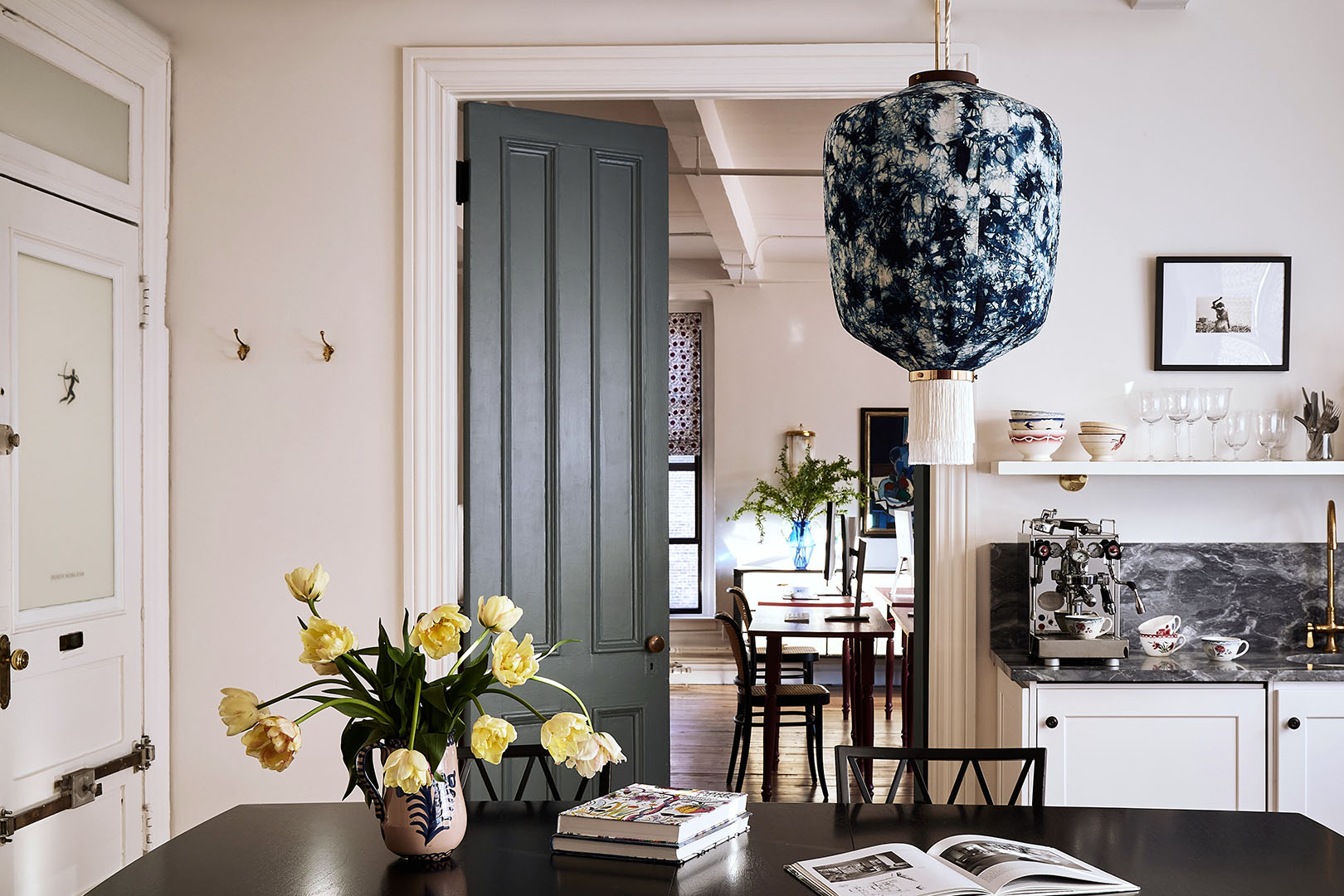
A Marble Countertop on a Budget Is Possible—Here's This Designer's Secret Shopping Source

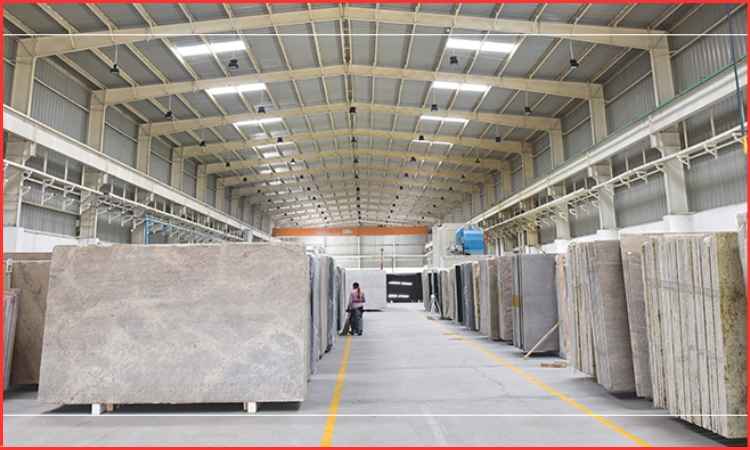
Best Marble Companies in India | Top 10 Manufacturers

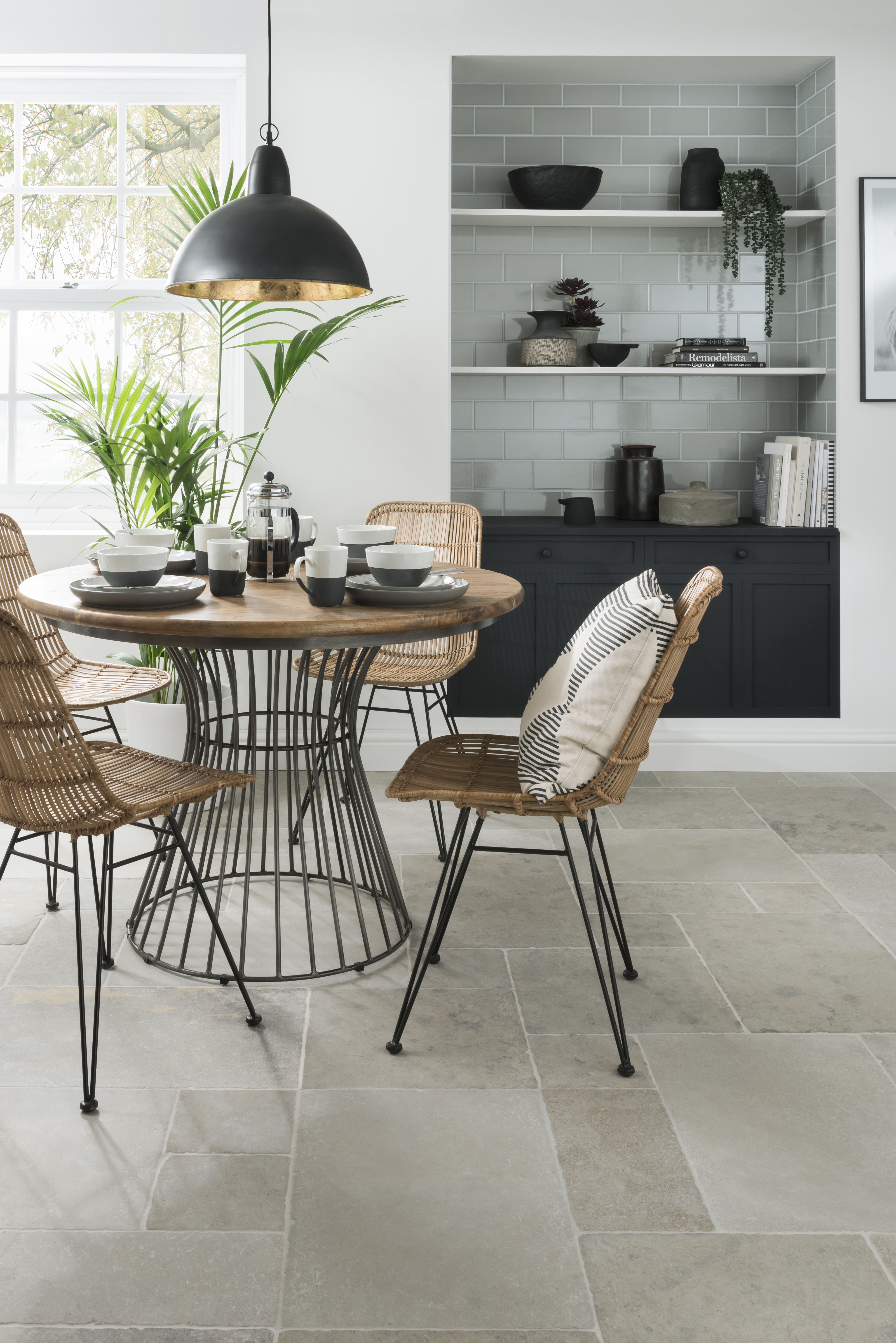
Natural stone tiles: tips and ideas for using them in your home


Is marble still on trend? Interior designers have their say


With 7 generations in the biz, here’s why this Italian man says Alabama marble is unique

USA Tile And Marble Offers Selection, Value, Experience

Natural elements make authentic decorative statements

Tips and Tricks with Statement Stone

Face of Quality Natural Stone: Terrazzo & Marble Supply


9 important tips for choosing a white marble slab

Vintage Tile Is on the Rise, But Hard to Find—Here’s Where to Source It

Decorating with marble – 16 luxe looks created with precious stone

Decorative Stones & Gravel

The new rules of marble

How to care for natural stone in your home – 7 expert tips, including what to never do
Into the palette: Exploring trends in natural stone