1/6
Marble Countertops: 9 Tips for Choosing a White Marble Slab
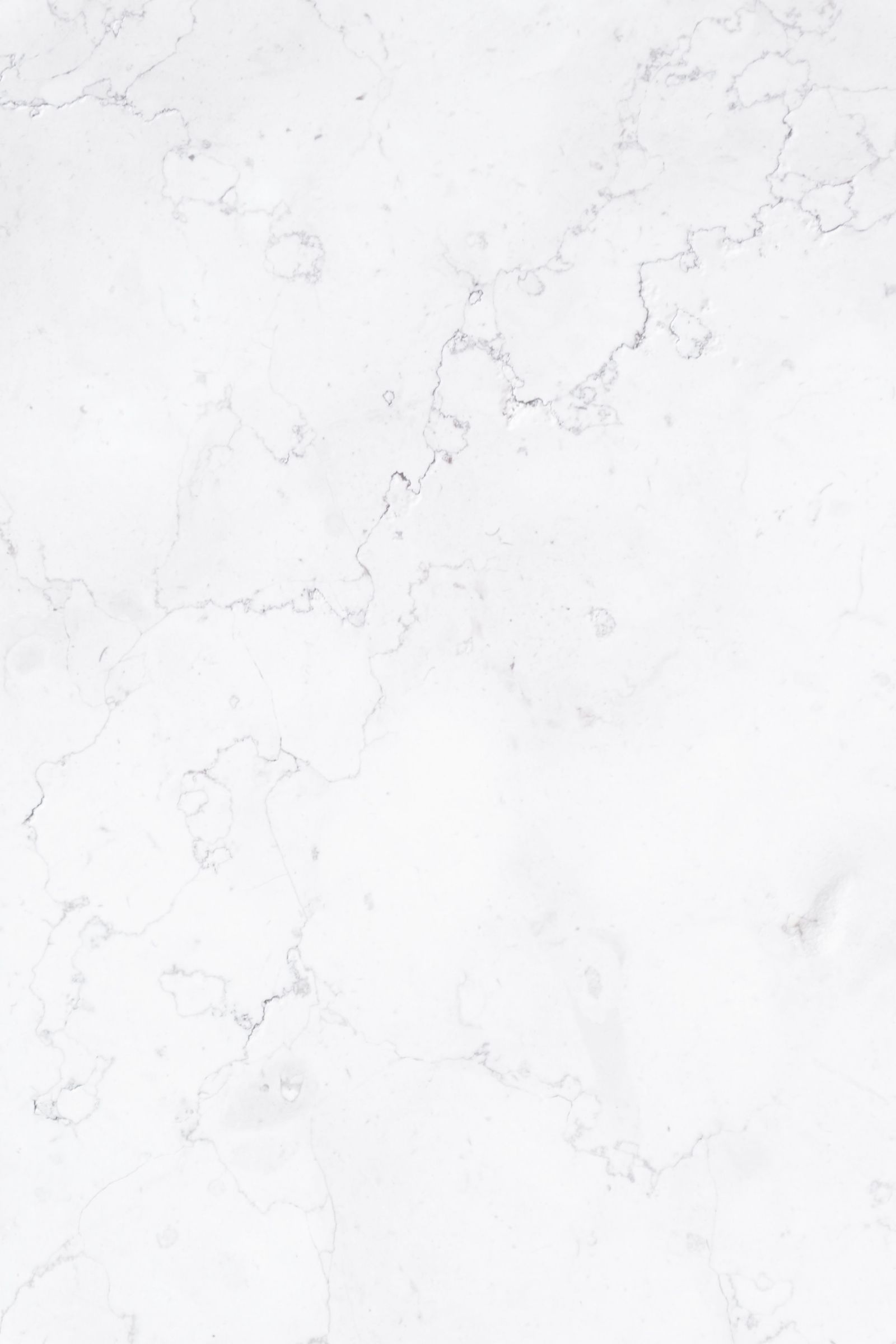
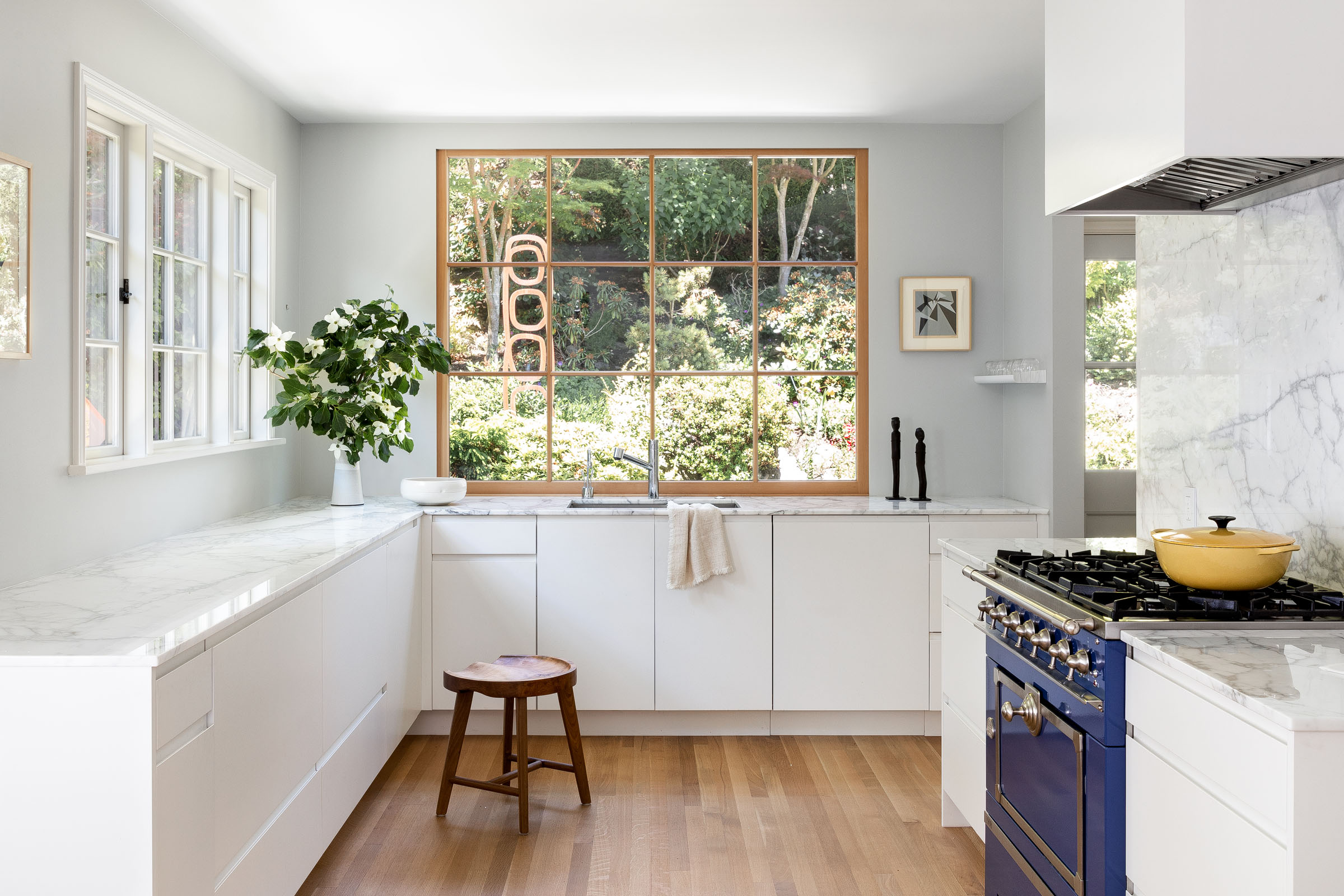
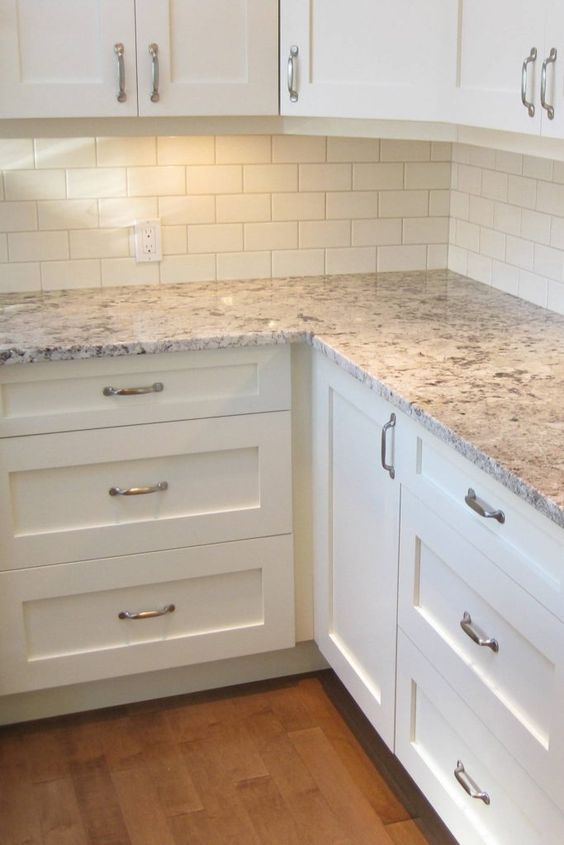
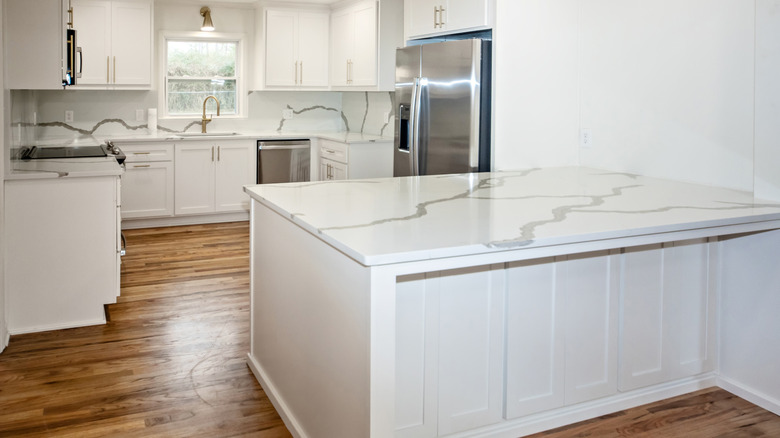
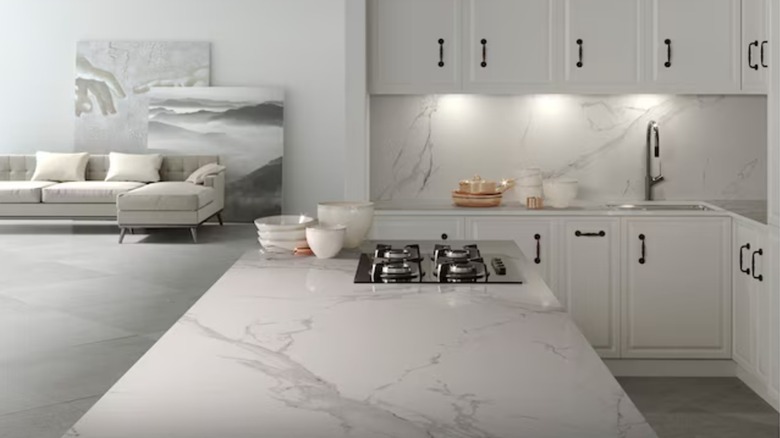
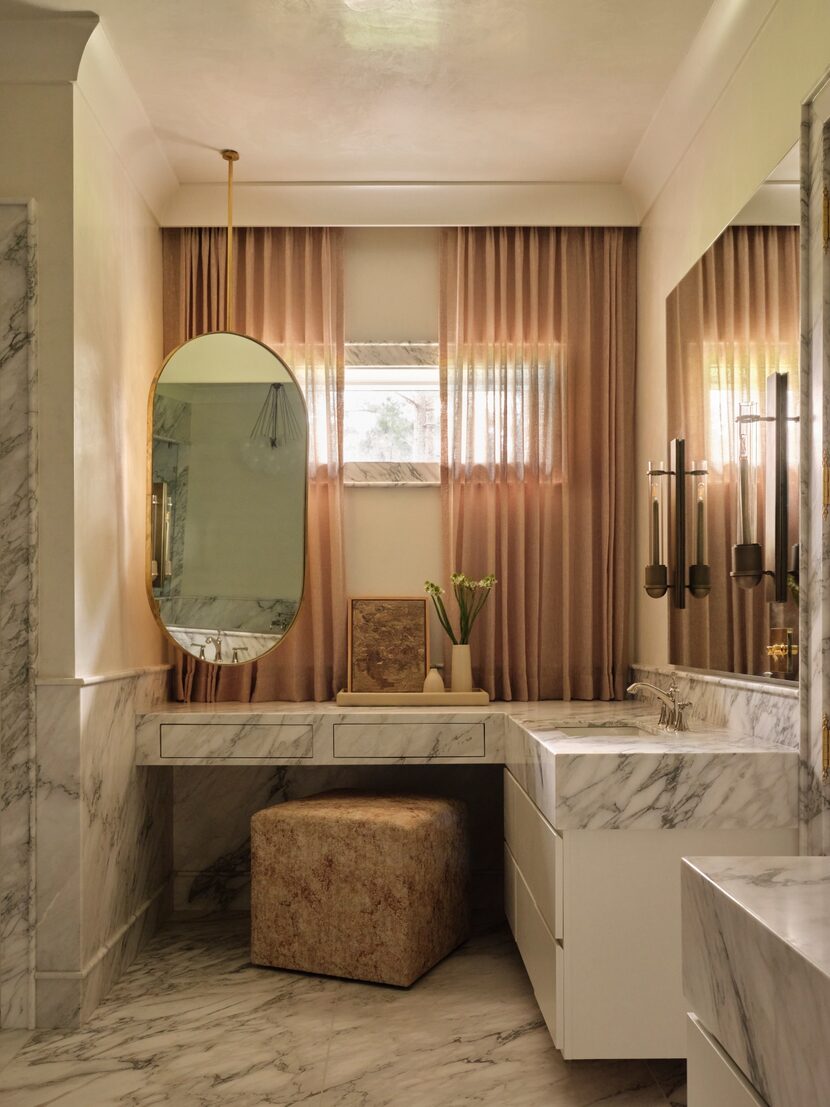
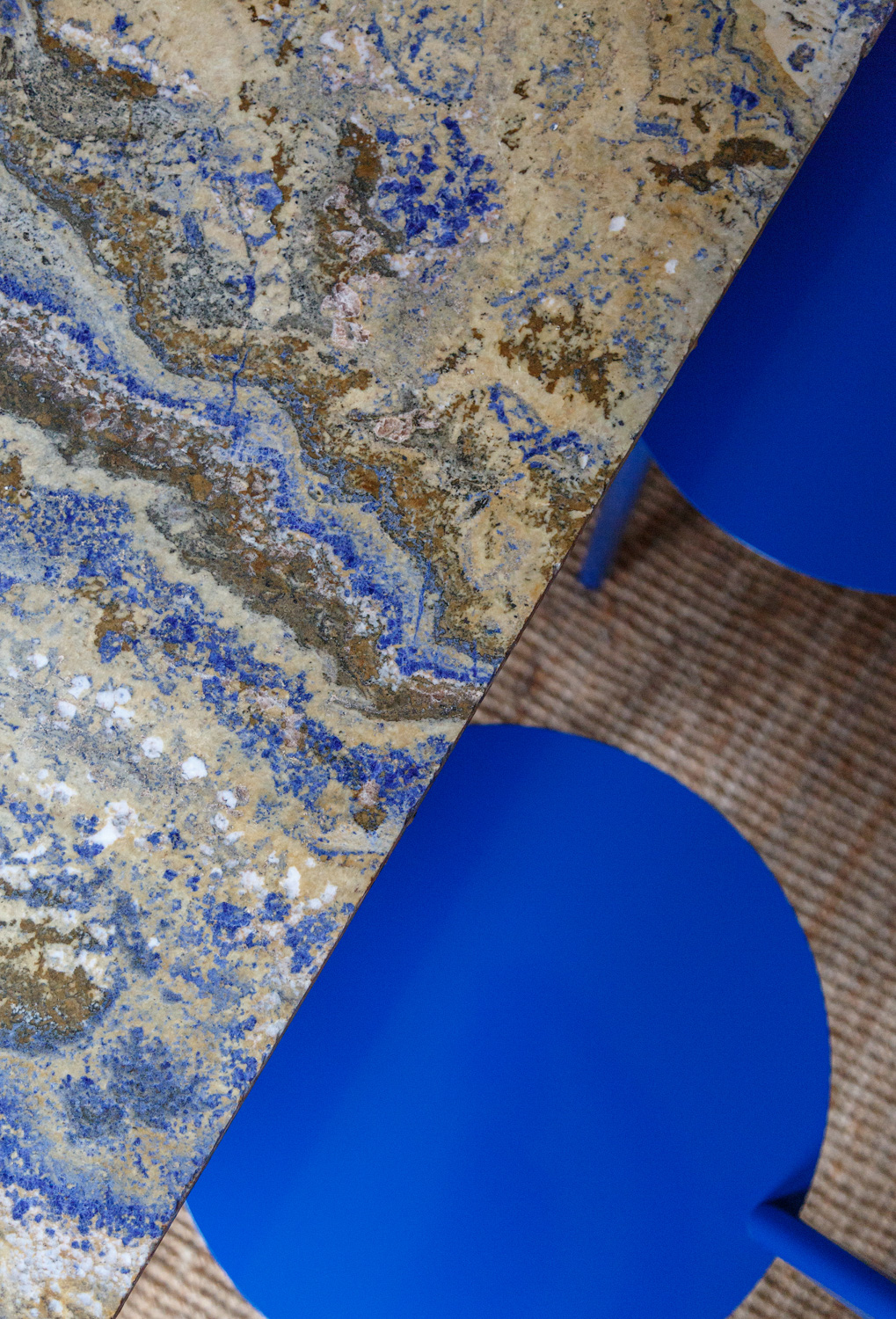
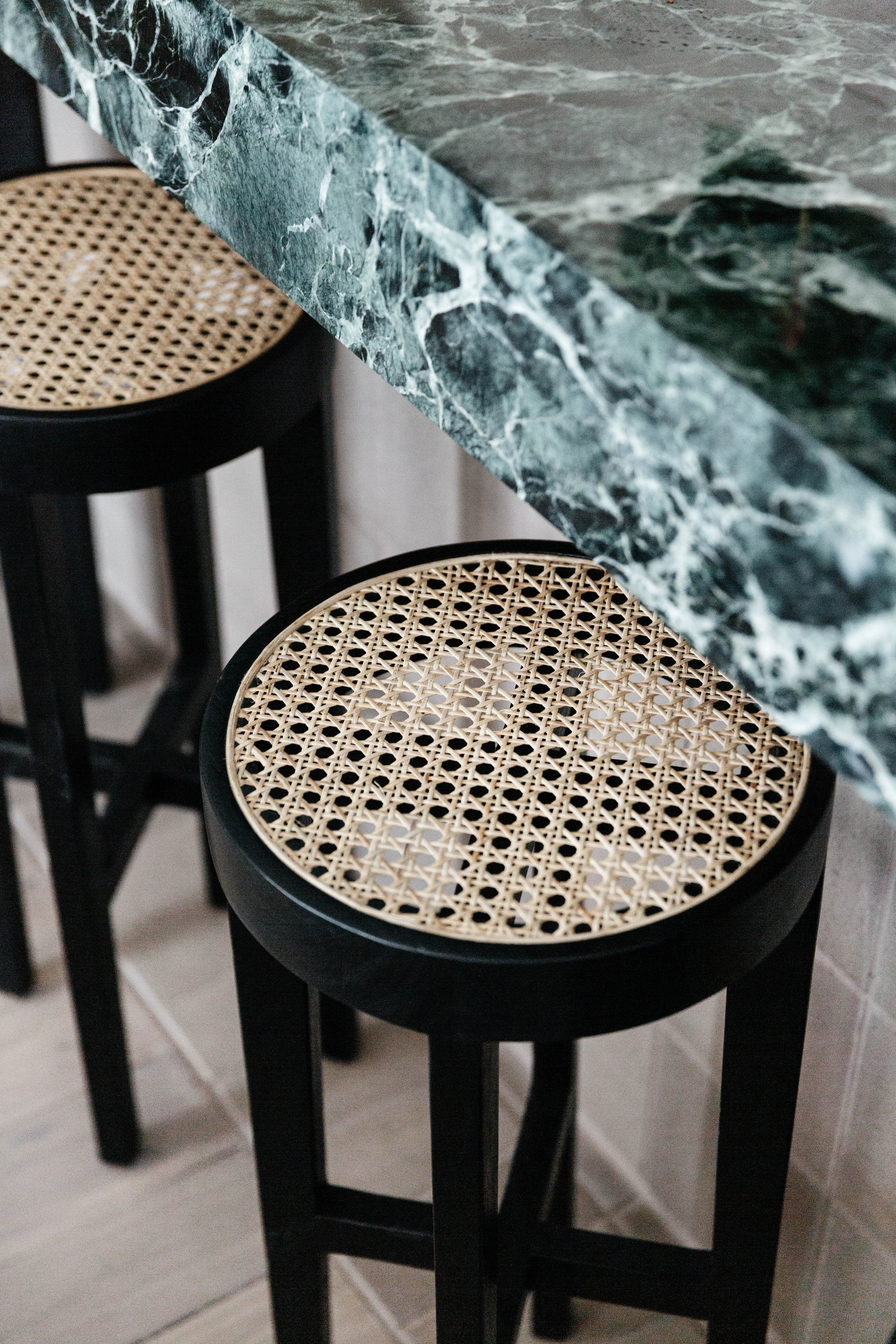
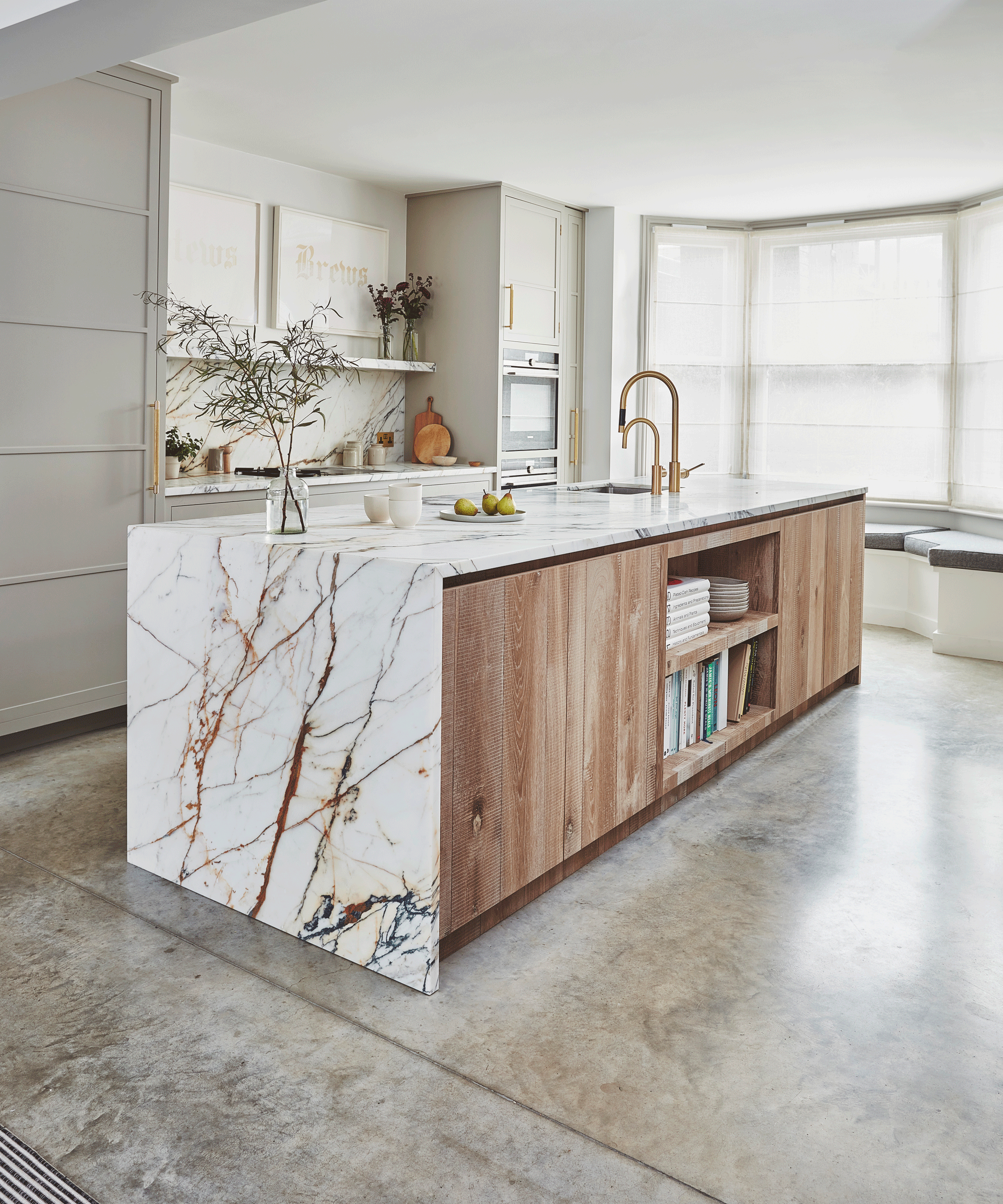
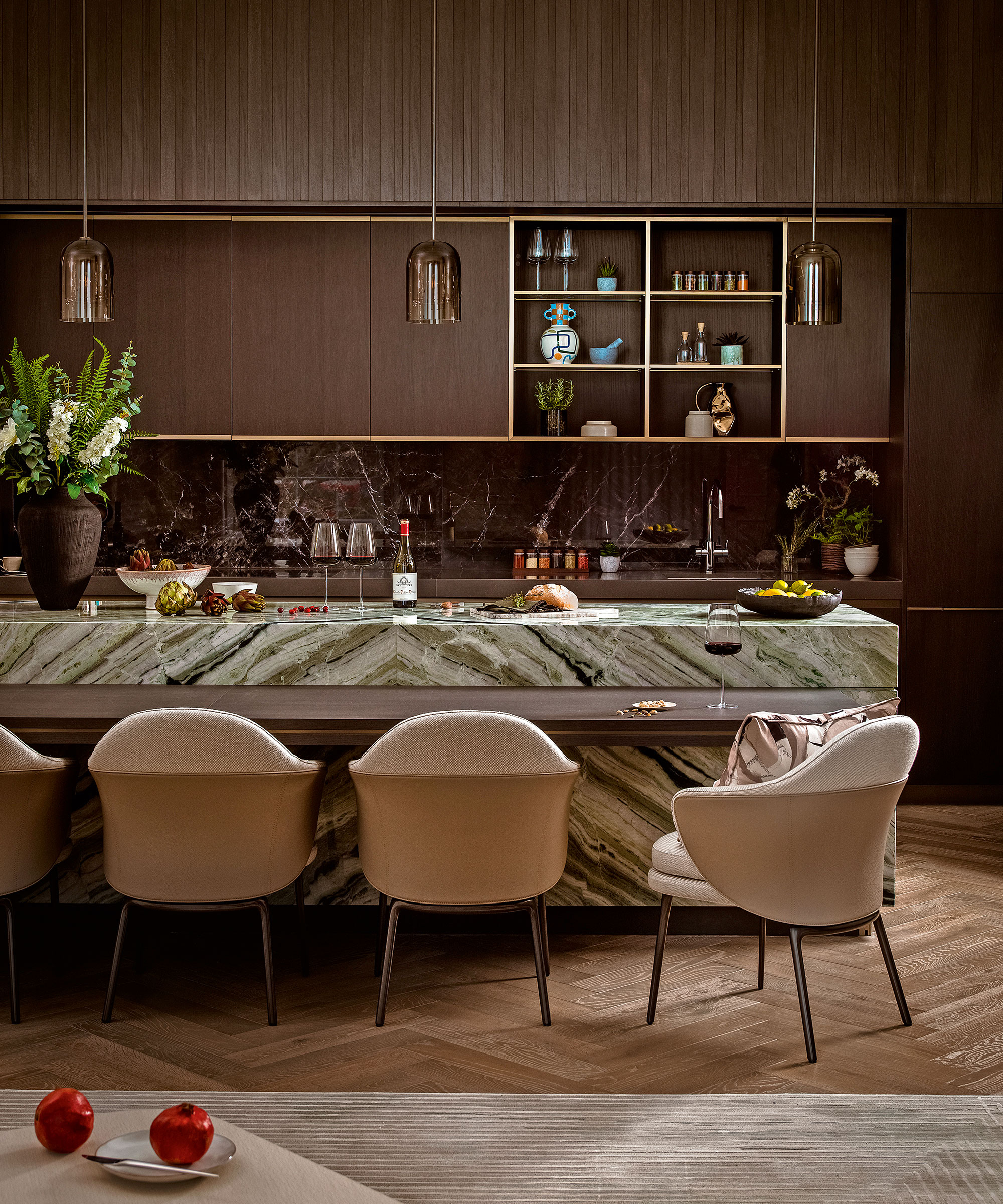
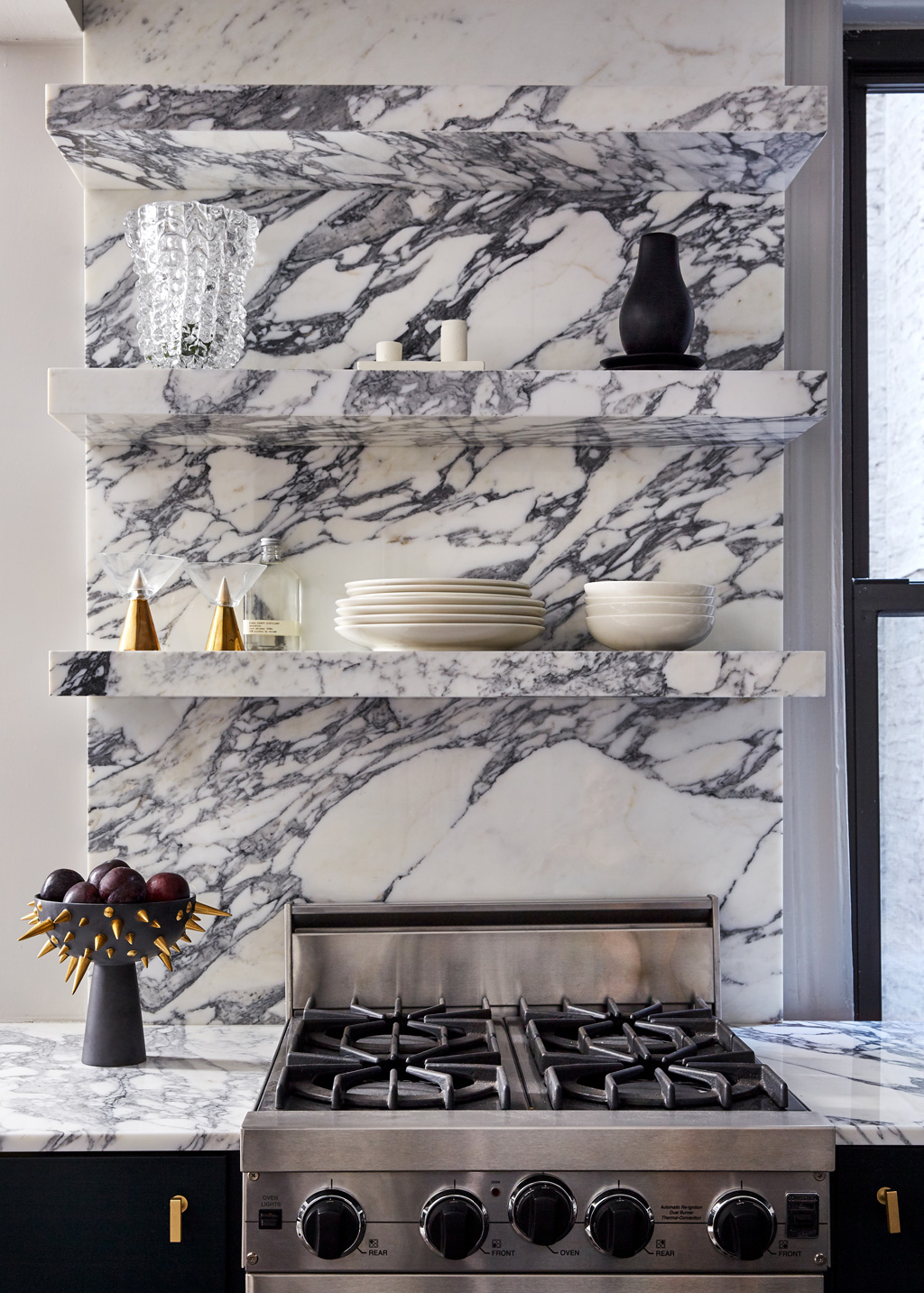
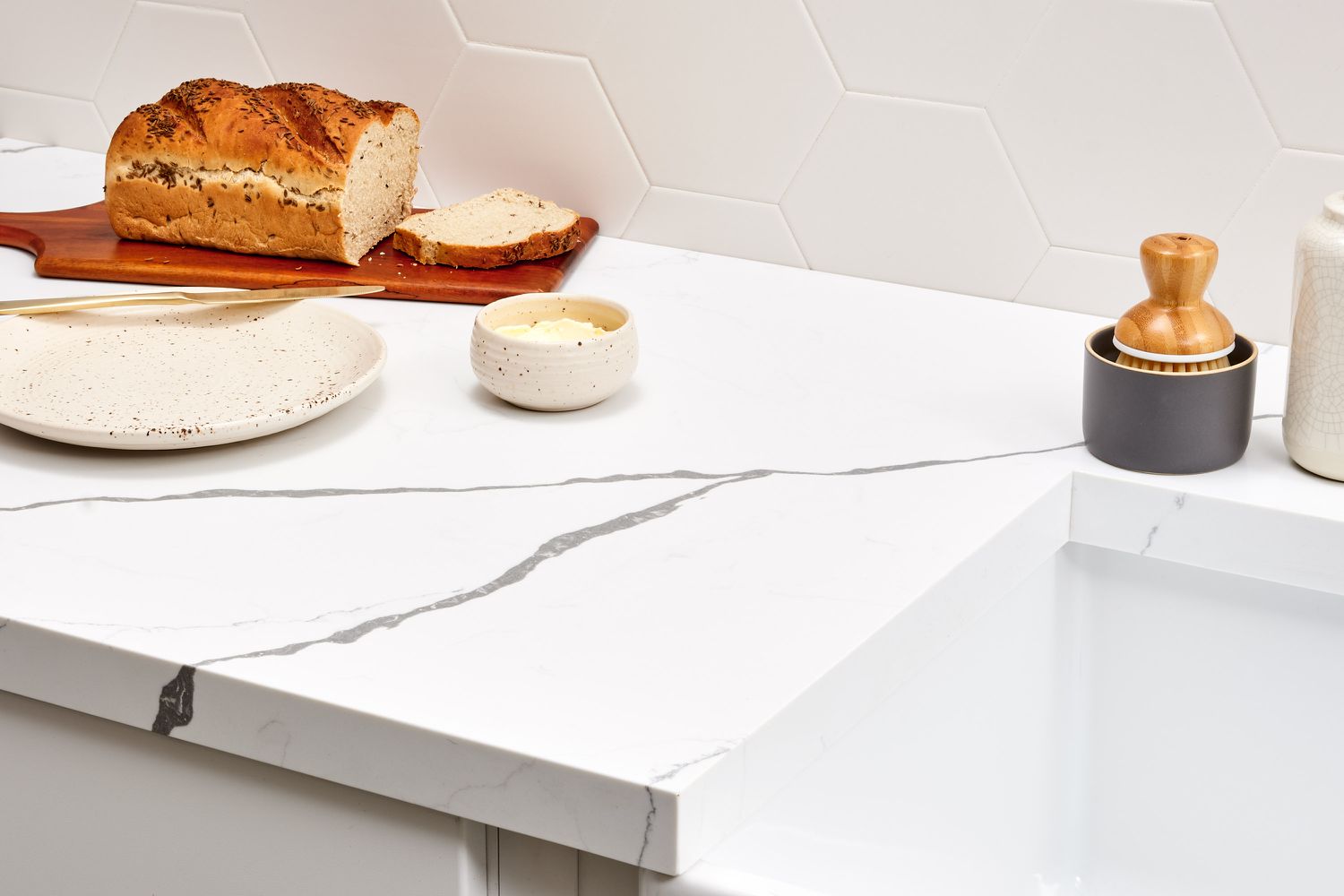
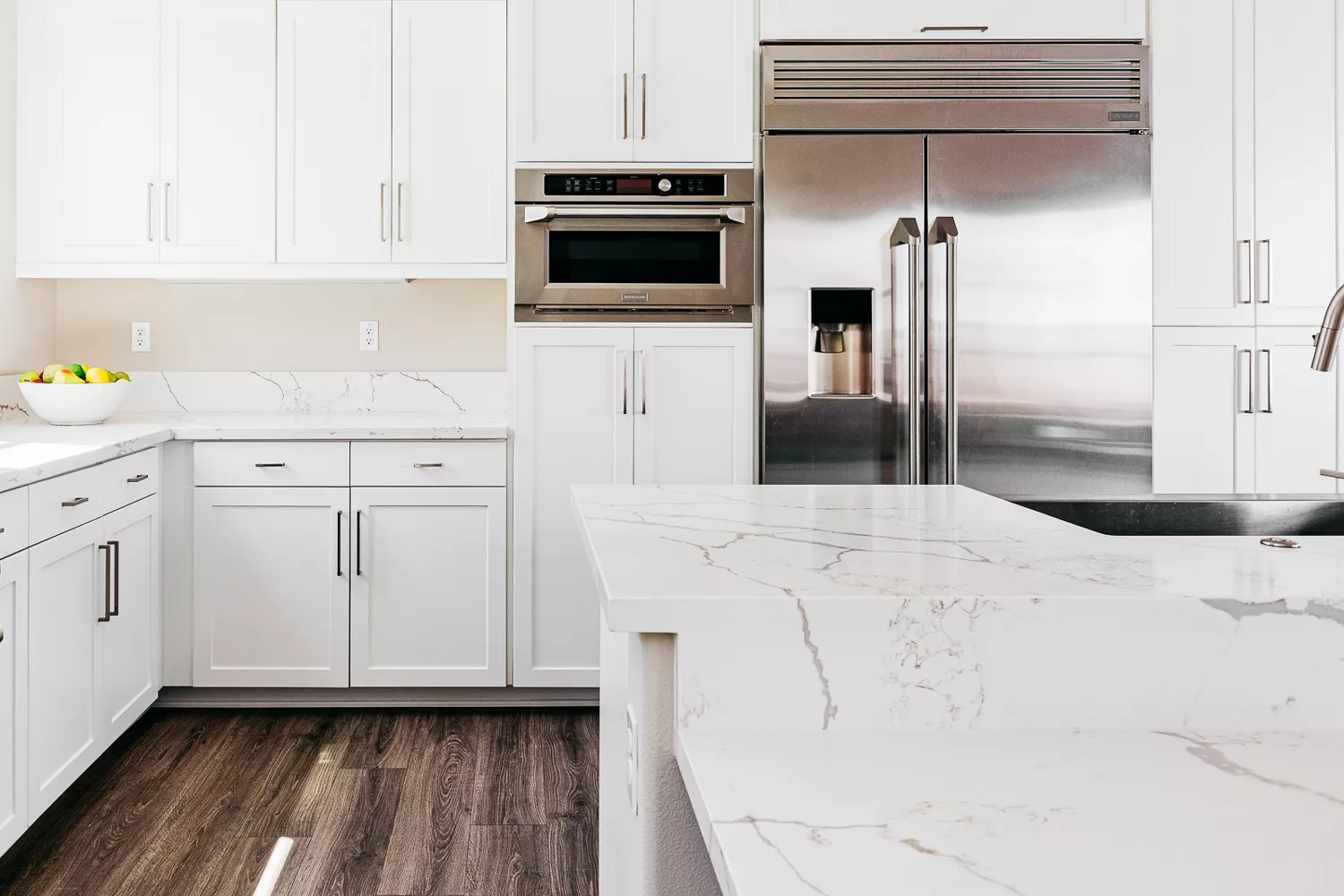
Marble countertops continue to be a highly sought-after choice for kitchens, admired for their natural beauty and unique patterns. Russell Groves of Groves & Co. highlights the material's variety and aesthetic appeal, while Kelsey McGregor of Kelsey Leigh Design Co. emphasizes its popularity. White marble, in particular, is noted for its unparalleled whiteness and distinct figuring. Quality marbles, such as those from Carrara, Italy, are dense, durable, and resistant to staining, though they are susceptible to etching from acidic substances like lemon juice or vinegar, which can leave dull, whitish marks. Despite this, experts suggest that with careful selection and maintenance, marble remains a beautiful and functional option for kitchen countertops.
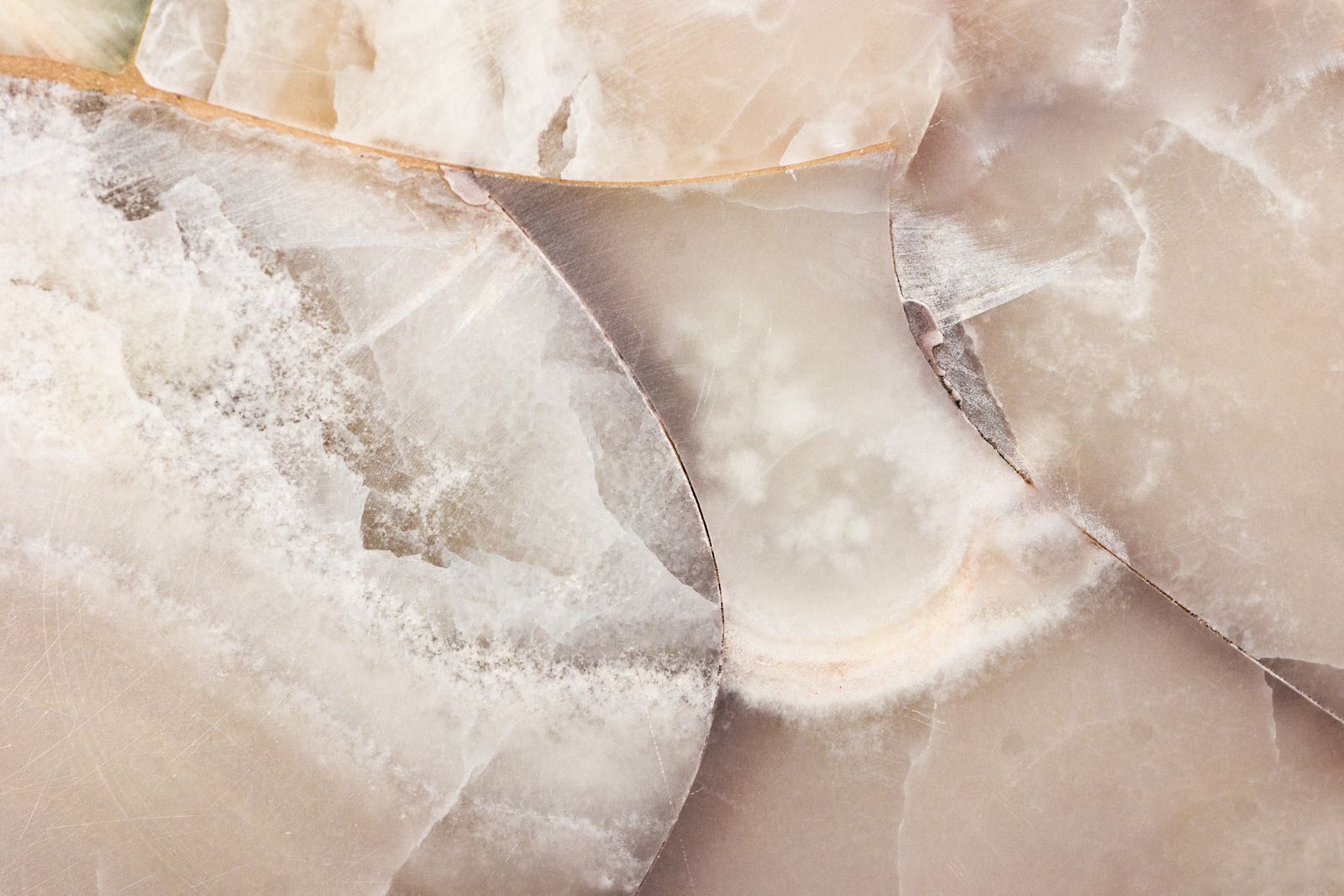
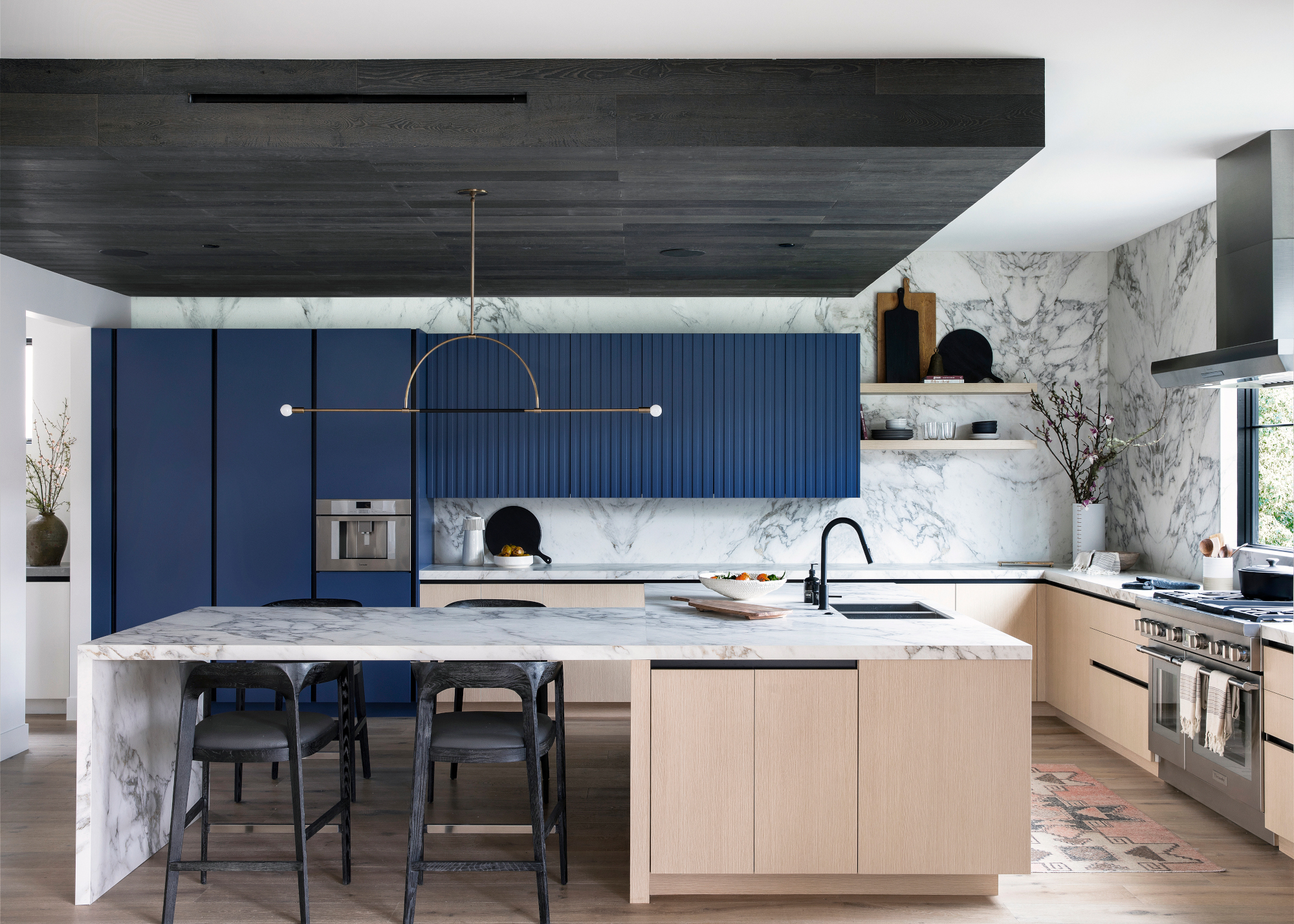
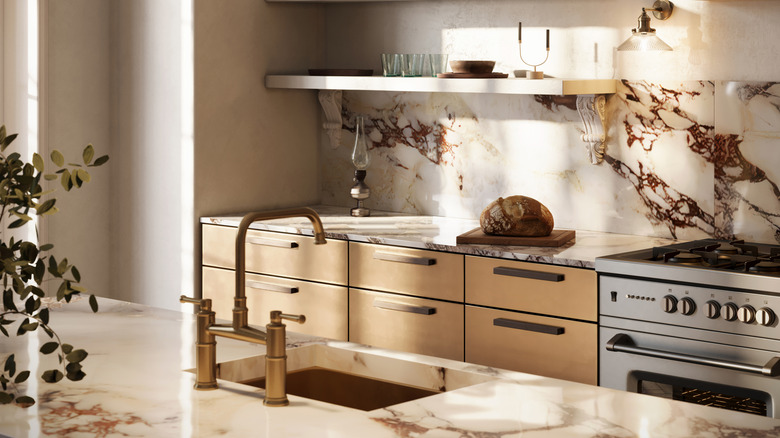
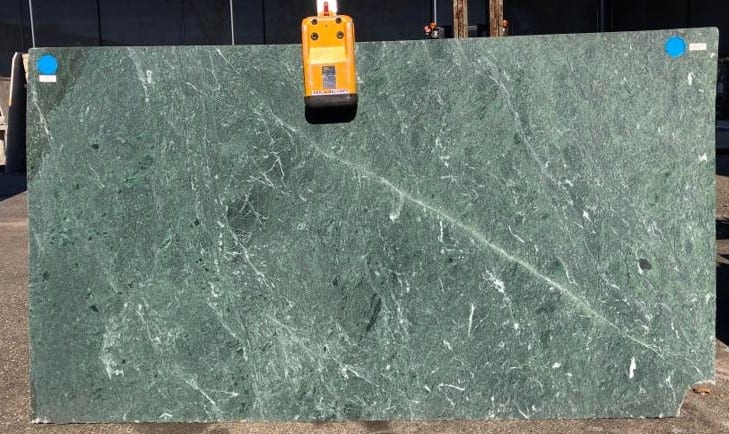
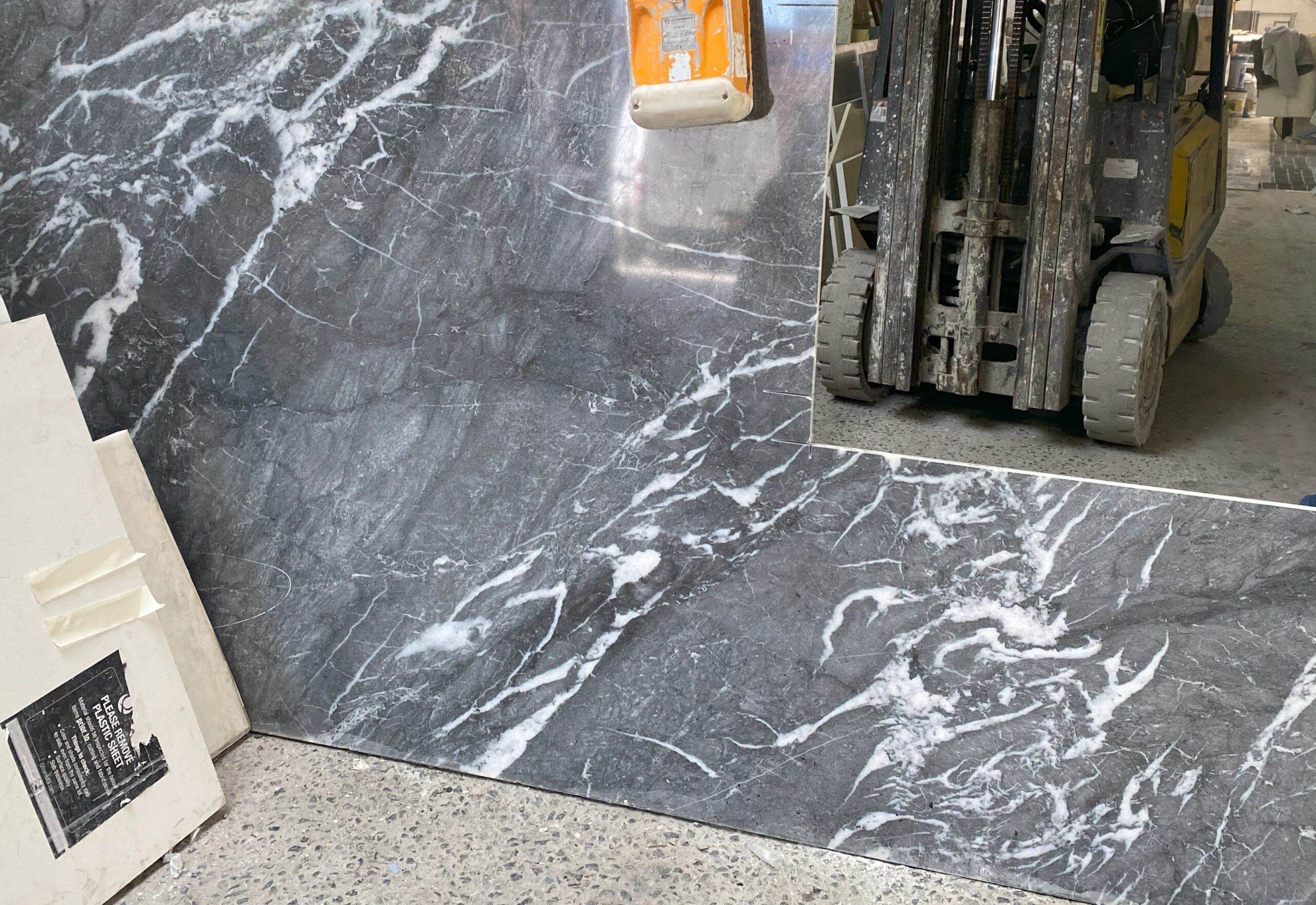
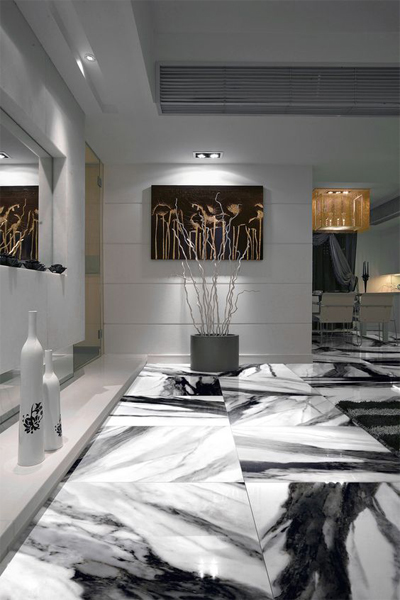
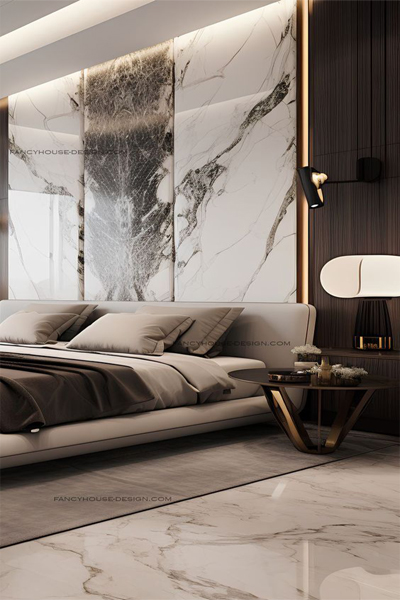
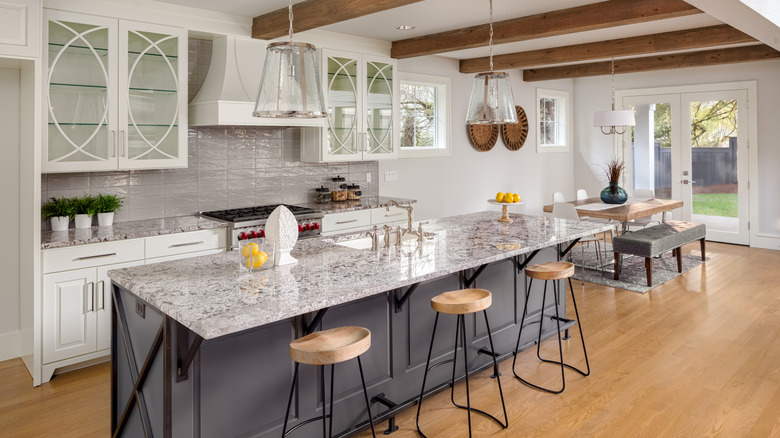
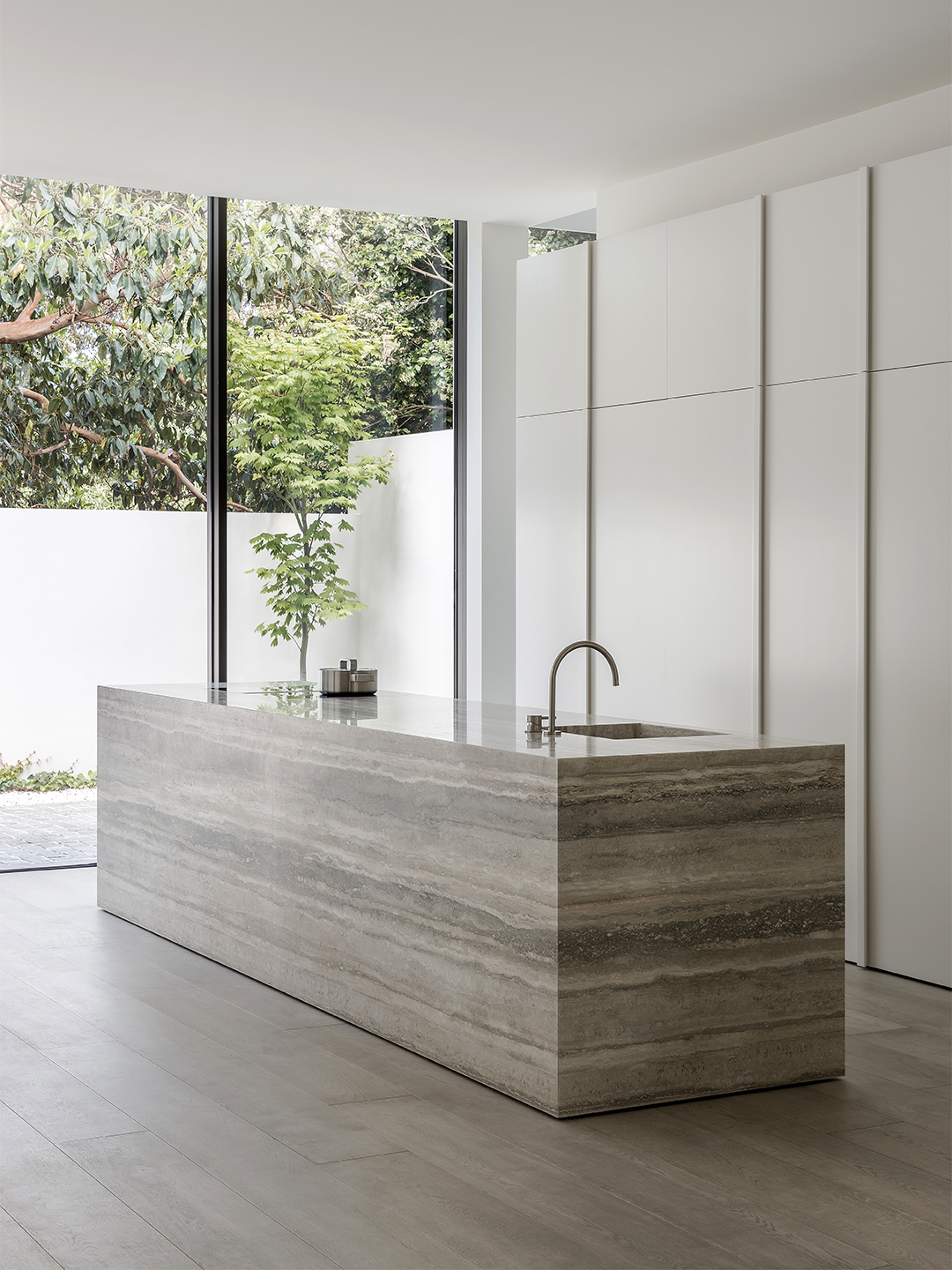
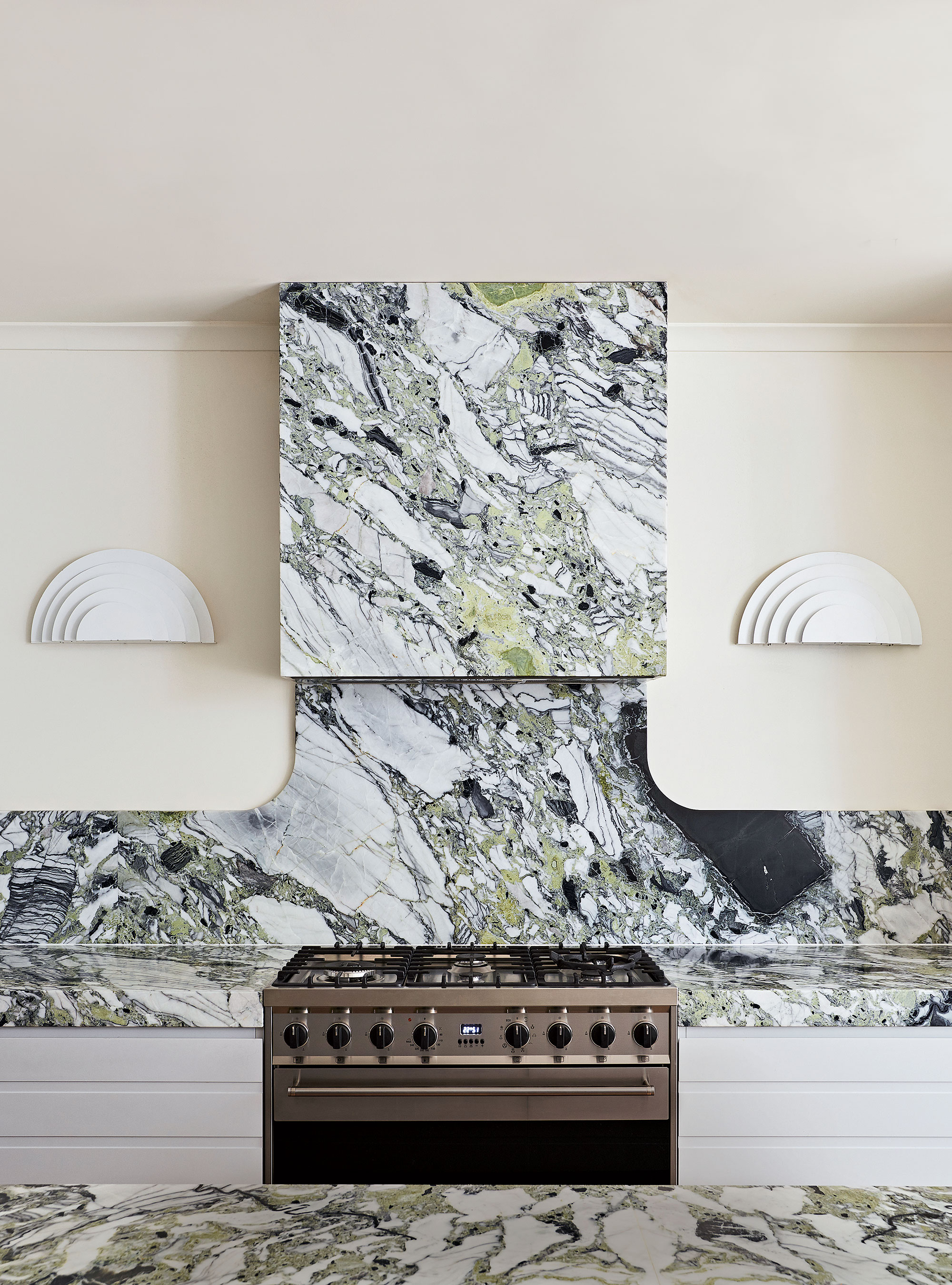
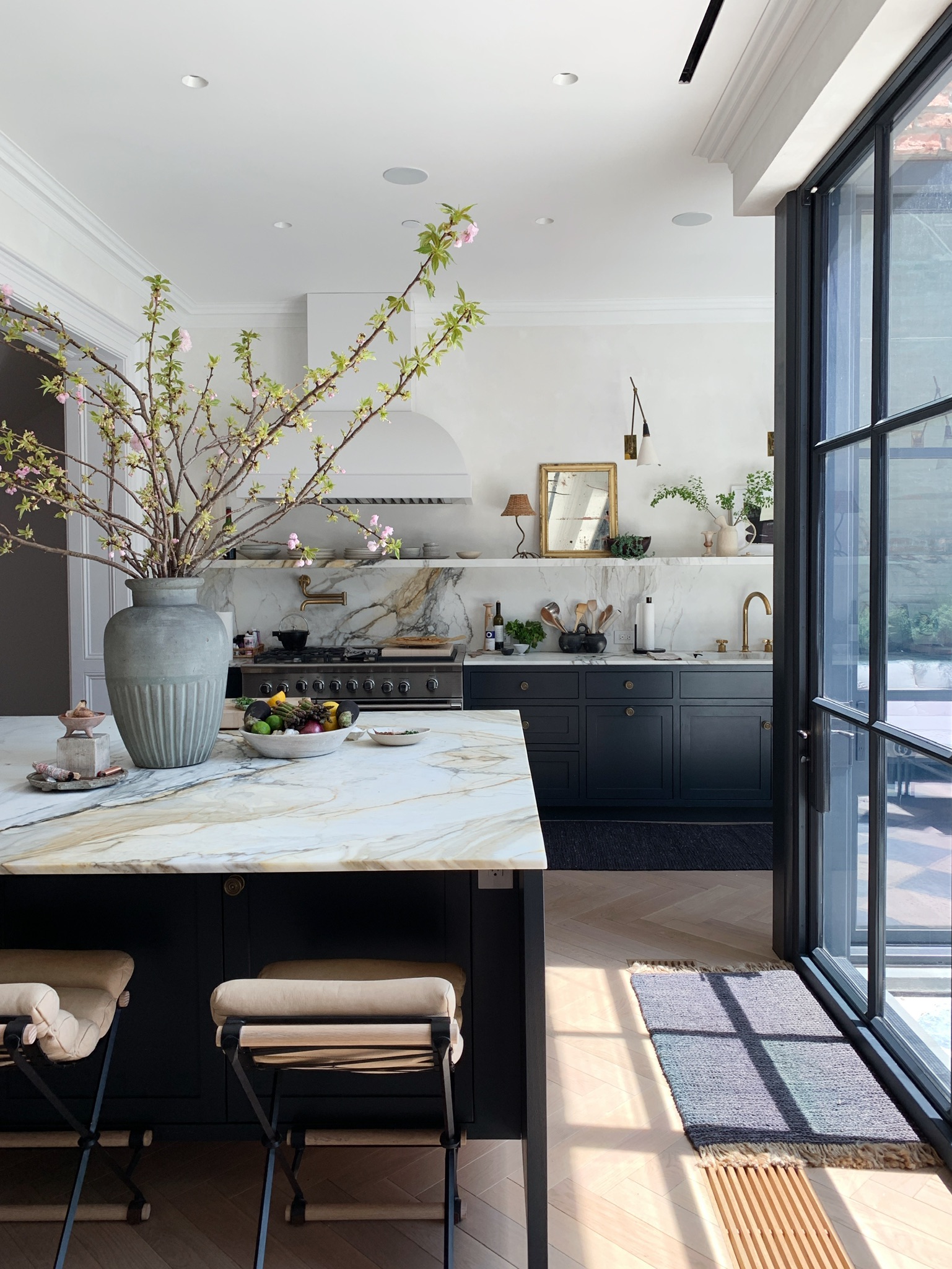
For those considering marble, several expert tips are offered. Firstly, if stain visibility is a concern, white marble is recommended because etching marks are less noticeable on lighter surfaces compared to colored varieties. While classic Italian marbles like Calacatta and Statuario are popular, high-quality alternatives like Vermont Danby and Colorado Yule are available domestically. Secondly, it is crucial to personally select the specific marble slabs, considering how their unique veining patterns will be arranged on the countertop. Designers often 'book-match' adjacent pieces to create a mirrored effect, enhancing the aesthetic continuity. Thirdly, marble blocks can be cut in two ways: 'cross cut' (fleuri cut) for an open, flowered pattern suitable for book-matching, or 'vein cut' (striato) for a linear, striped appearance. These different cuts allow for diverse design applications, such as using vein-cut marble on walls and cross-cut on floors.
Fourthly, various finishes can transform marble's appearance. While polished marble offers a glossy look, a honed finish, which is matte, is often recommended to disguise acid etching. Modern technology also allows for unique textures like leather, brushed, or river-wash finishes. Fifthly, the inherent workability of marble allows for numerous edge profiles. Simple eased edges or bullnose profiles are popular choices, with bullnose edges offering increased durability against chipping. Techniques like miter joints can create the illusion of a thicker slab without using excessively thick material. Over time, marble develops a 'patina,' which some designers find appealing, suggesting that embracing this natural aging process is key to living with marble.
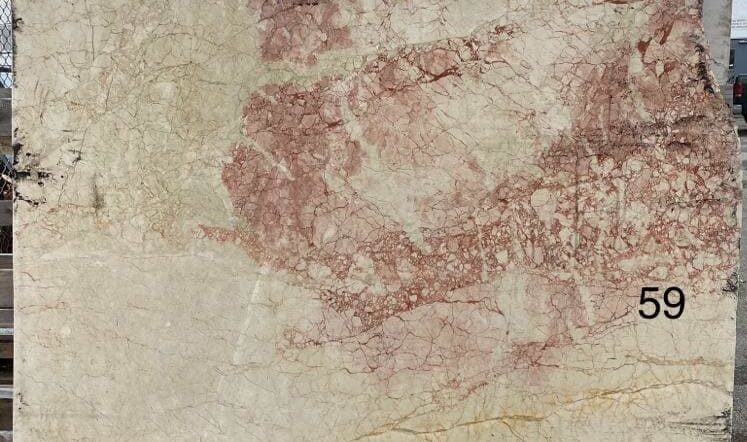
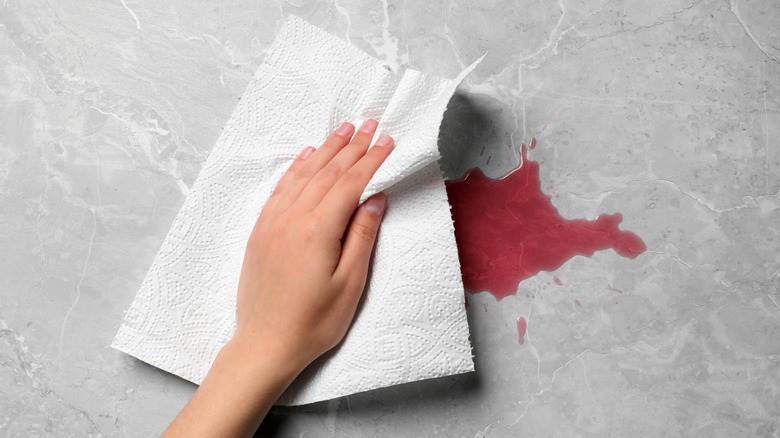
Before visiting a marble facility, it is advisable to call ahead to confirm availability of desired colors, types, and dimensions, and to arrange a guided tour. When inspecting slabs, it's important to distinguish between cracks, which indicate damage, and fissures, which are natural, superficial features that do not compromise the stone's integrity. Verifying the marble's origin is also crucial, especially for high-demand types like Calacatta and Statuario, which are traditionally from Italy. Lastly, maintaining marble countertops requires a penetrating sealer to protect against stains. While acids can still etch the surface, marks on honed finishes can often be removed with an alkaline poultice or mild abrasive, followed by reapplication of the sealer. Polished surfaces may require professional cleaning.
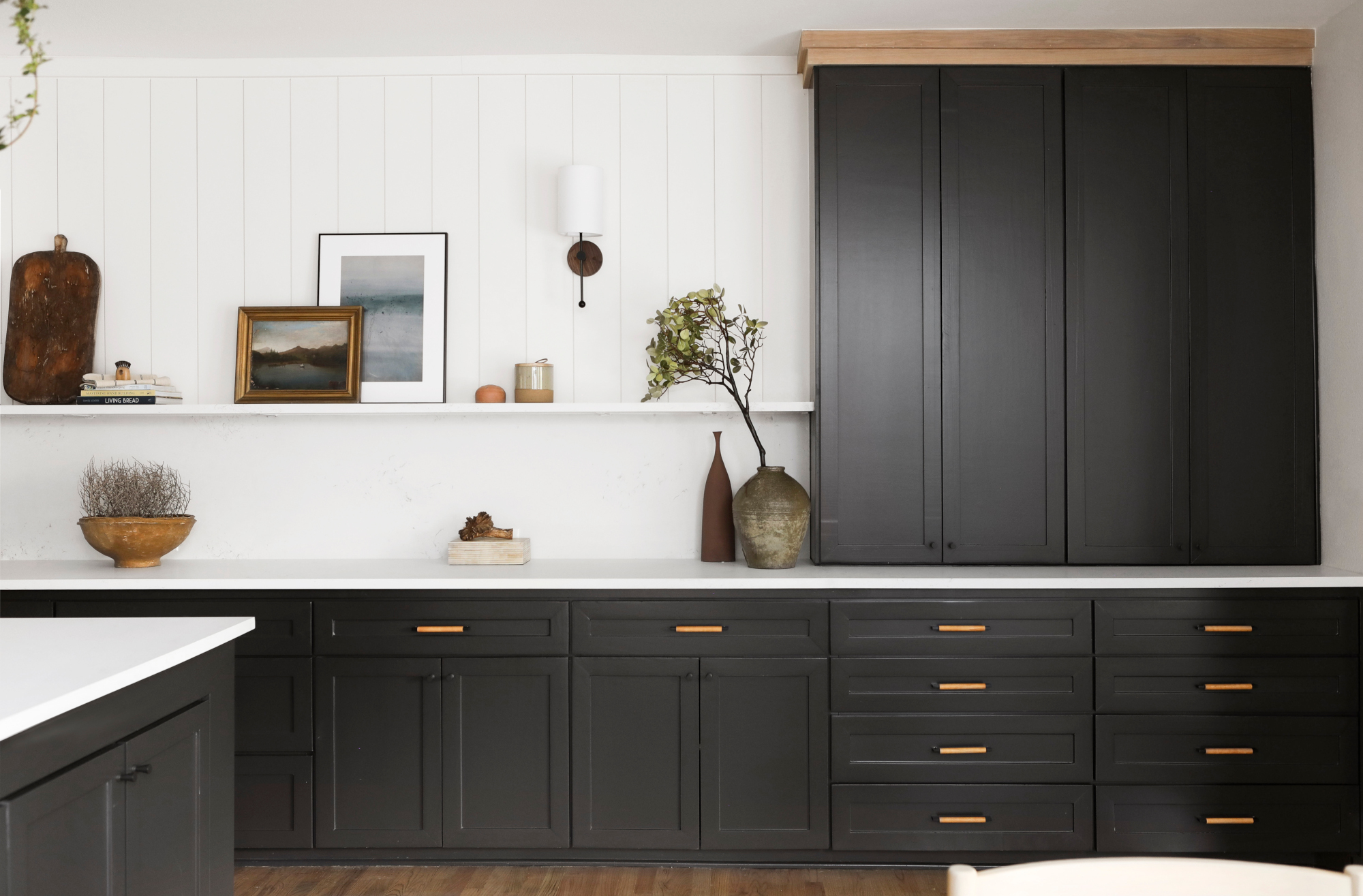
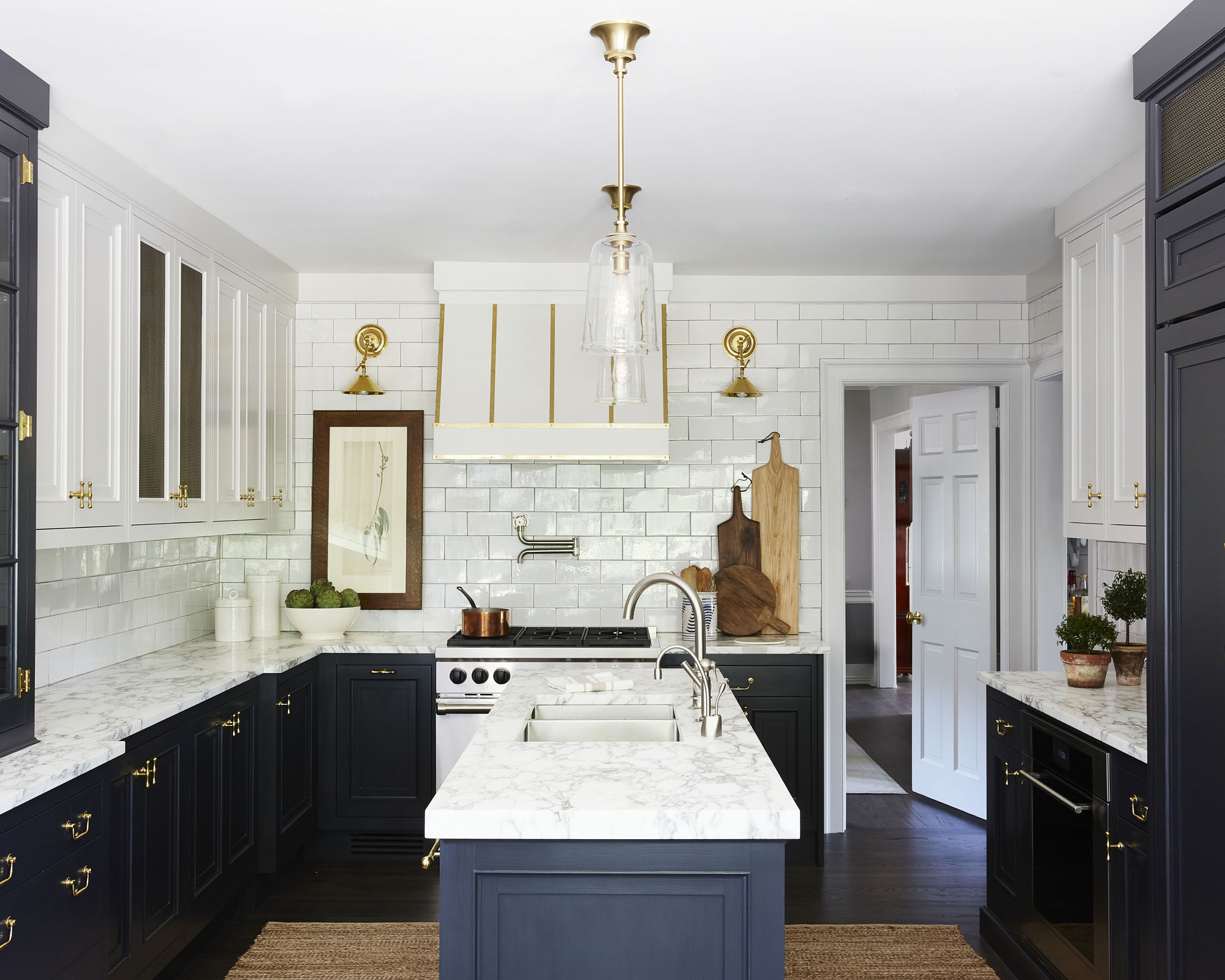
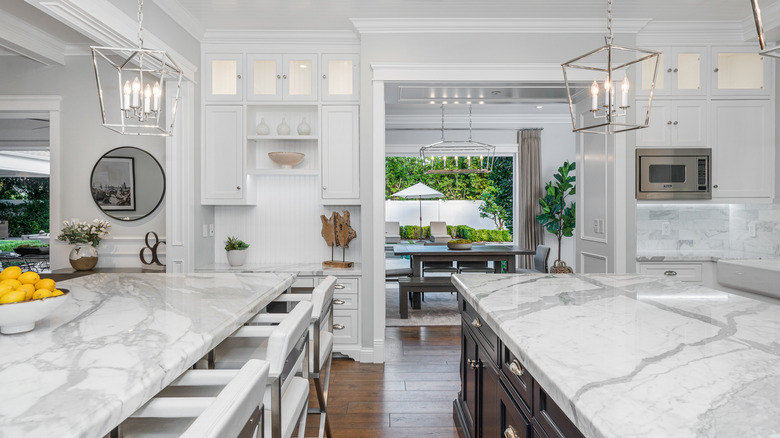
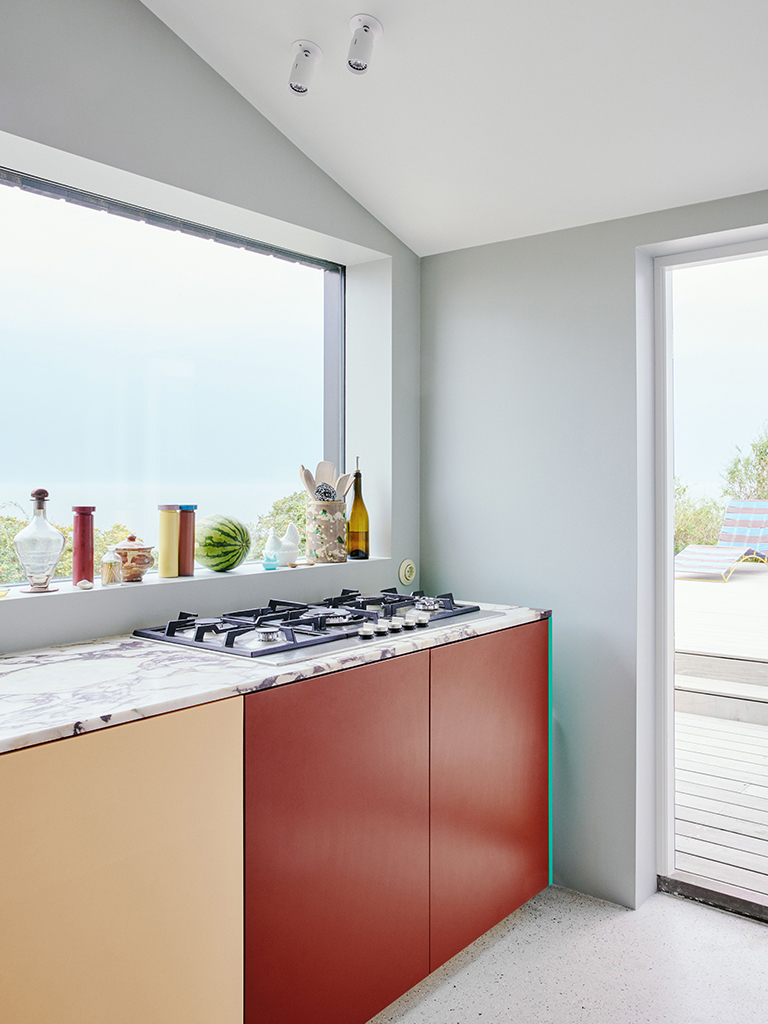
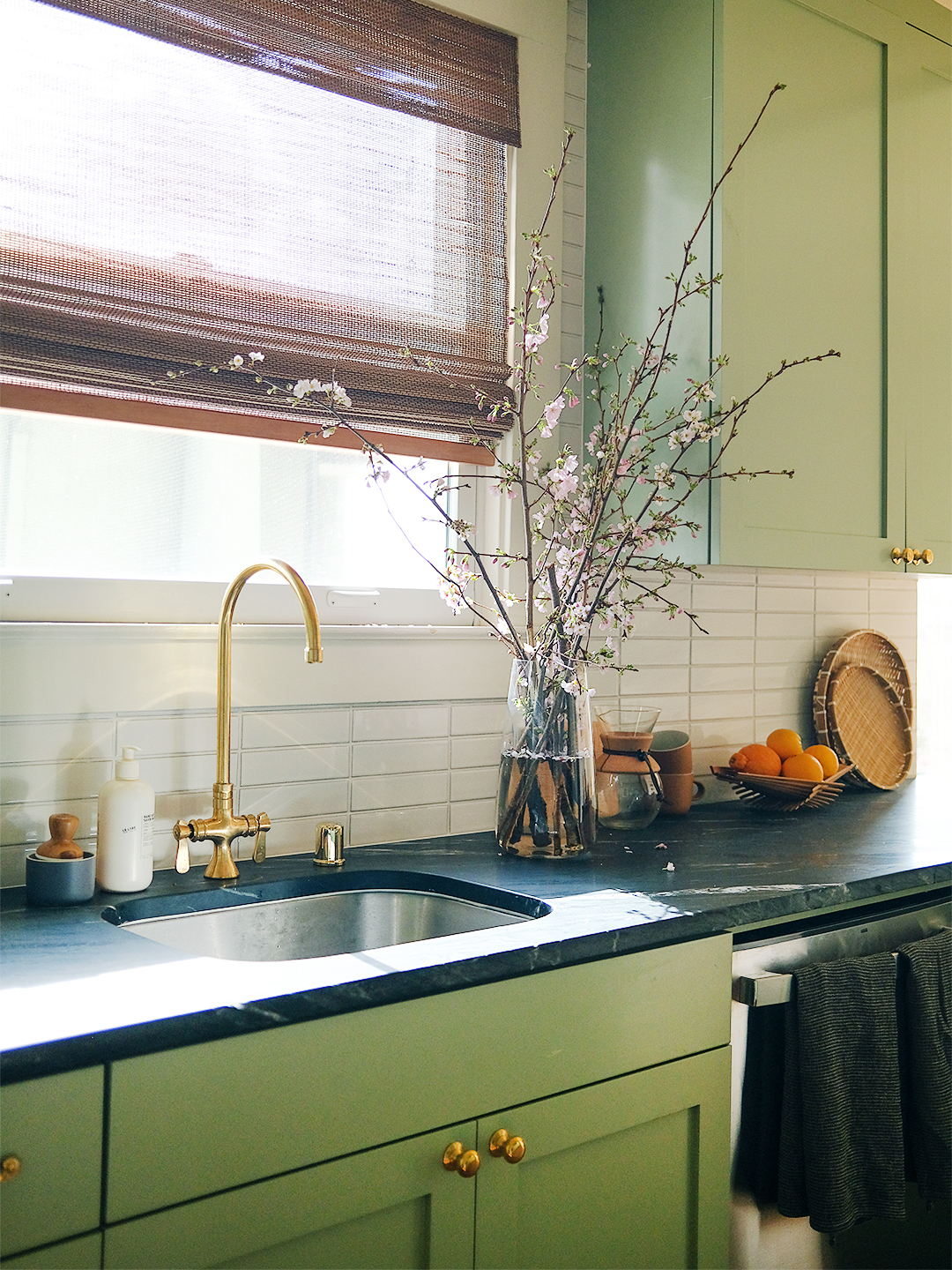
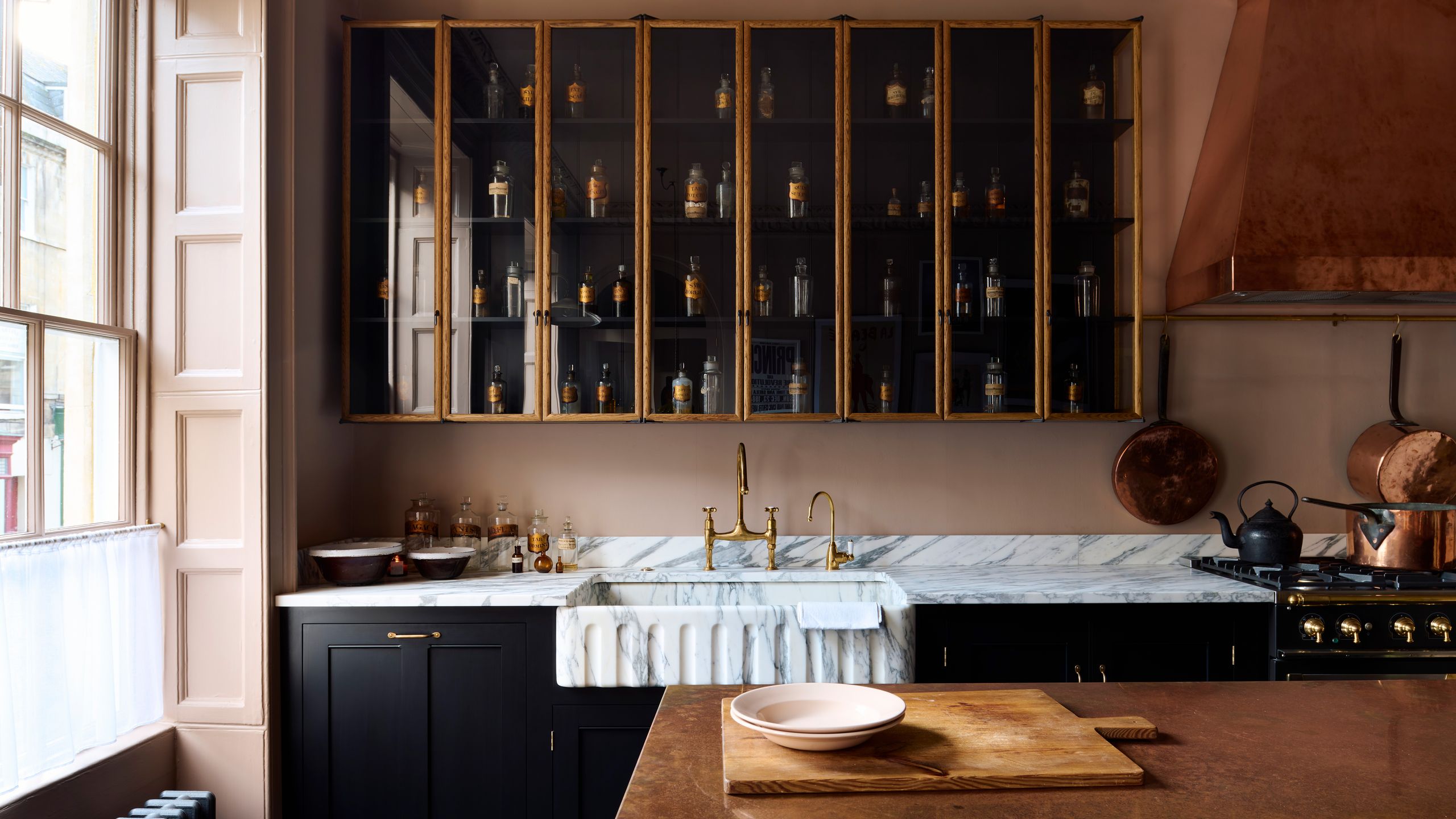
Marble offers both advantages and disadvantages. Its luxurious appearance, unique veining, and natural variation contribute to its timeless elegance, making each slab distinct. However, marble is high-maintenance, prone to showing wear, and susceptible to etching from acids. The development of a patina is viewed differently by individuals, with some appreciating its aged beauty, while others consider it a drawback. Despite these considerations, many designers advocate for marble, suggesting it is a suitable choice for those who appreciate its natural aging process and are not overly concerned with minor imperfections. Compared to other materials, marble is generally more expensive than granite but offers a distinct character that manufactured options like quartz cannot fully replicate. When pairing with cabinets, most paint colors complement marble, though some designers suggest avoiding all-white kitchens to prevent a monotonous look, instead recommending contrasting island or cabinet colors. For styling, incorporating items that also age gracefully, such as silver, copper, or olive wood, enhances the overall aesthetic. Lastly, it is advised to keep highly acidic or staining substances like lemon and turmeric away from marble surfaces, and to be mindful of oils, to preserve its appearance.
#MarbleCountertops #KitchenDesign #HomeDecoration #InteriorDesignTips #StoneSelection #CountertopMaintenance #MaterialGuide #KitchenRemodel #NaturalStone #MarbleCountertops #KitchenDesign #HomeDecoration #InteriorDesignTips #StoneSelection #CountertopMaintenance #MaterialGuide #KitchenRemodel #NaturalStone
0 comment in total
 No comments yet
You may also like

9 important tips for choosing a white marble slab

A Marble Countertop on a Budget Is Possible—Here's This Designer's Secret Shopping Source

How To Pick The Perfect Countertop Material For Your Kitchen

16 Beautiful Marble Countertops to Add a Classic Touch to Your Kitchen

Colors That Go With White Marble — 7 Picks to Complement Light Natural Stone

20 Latest Marble Floor Designs For Home In 2024

Clean up those marble countertops and keep your stone protected from stains

4 Cool Countertop Ideas That’ll Spark Your Next Kitchen Remodel
White kitchen backsplash ideas – 10 stylish backdrops for neutral kitchens

I Regret This "Light and Bright" Bathroom Feature (It's Impossible to Keep Clean!)

Burgundy Marble Counters Are In, But Designers Also Love These 4 Stones
The ultimate guide to choosing the right shade of white for your walls
How To Choose The Perfect Kitchen Cabinet Color For Marble Countertops


Caitlin Wilson's 5 Tips for Choosing the Perfect Tile

The Coolest Countertops We’ve Seen Lately Are Blue Marble
Marble vs. Quartz Countertops: Which Is Better?

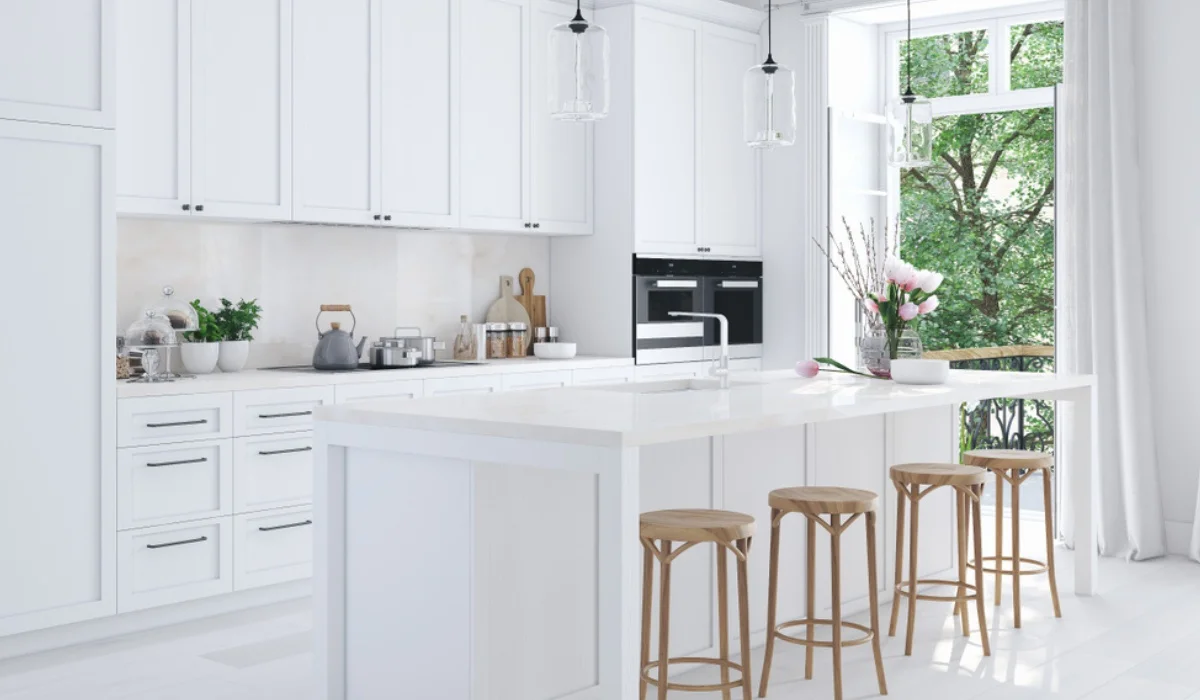
10 best white kitchen countertops designs
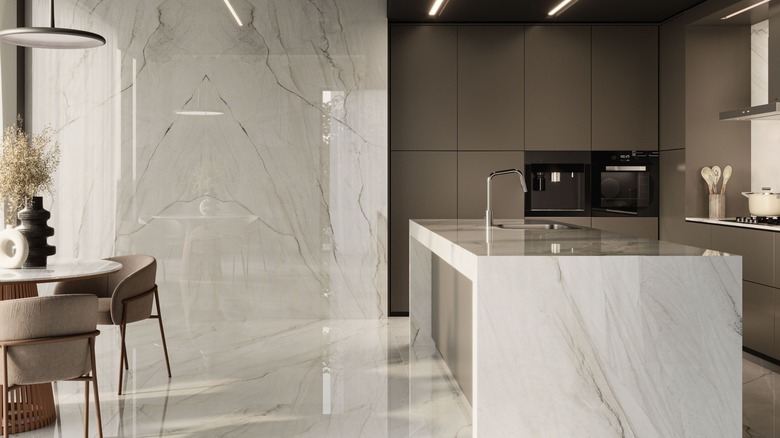
7 Stunning Countertops That Mimic The Beauty Of Marble (And 2 We'd Avoid)
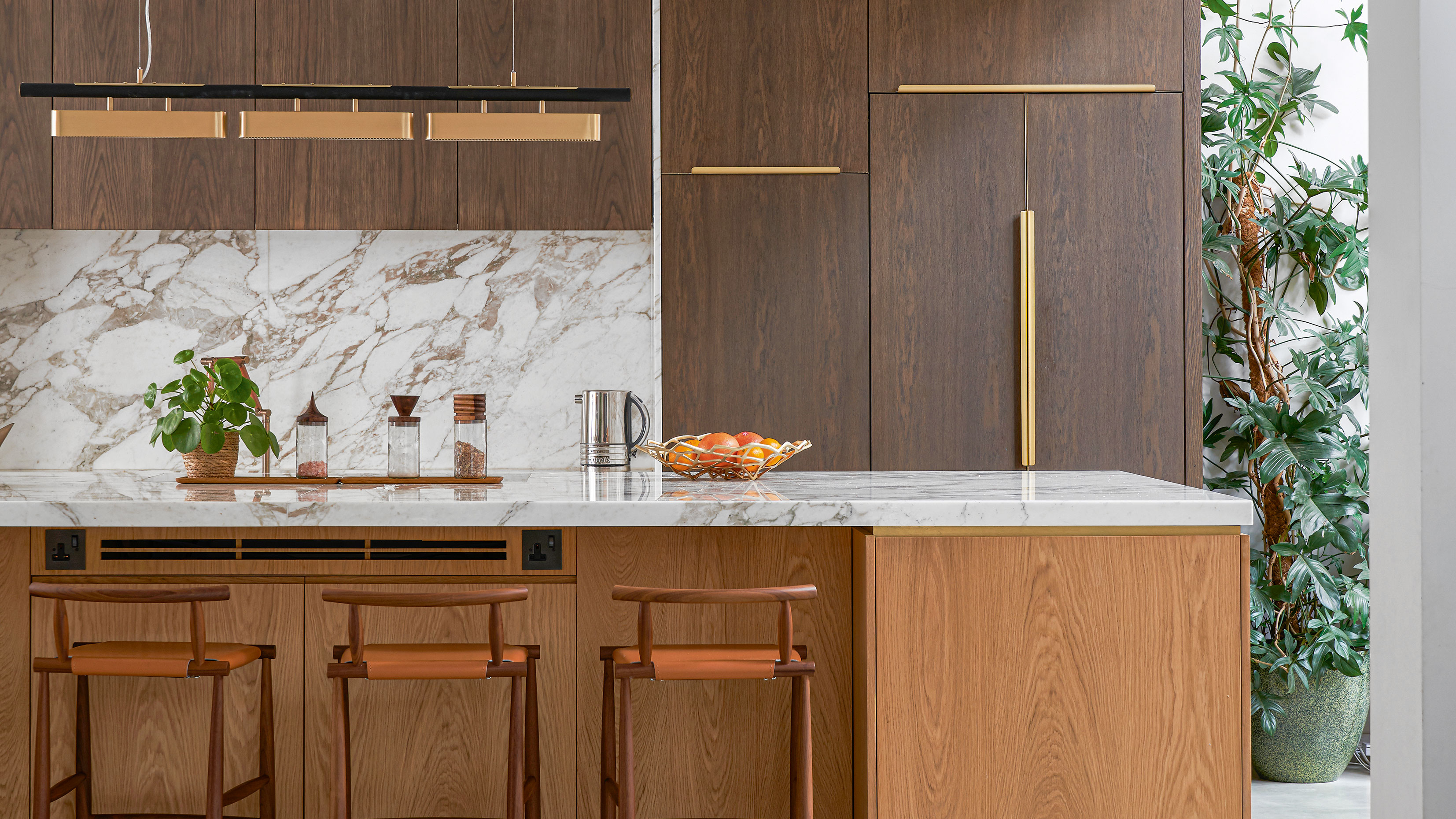
Is marble bad for kitchens? 10 things no one tells you about using this porous stone
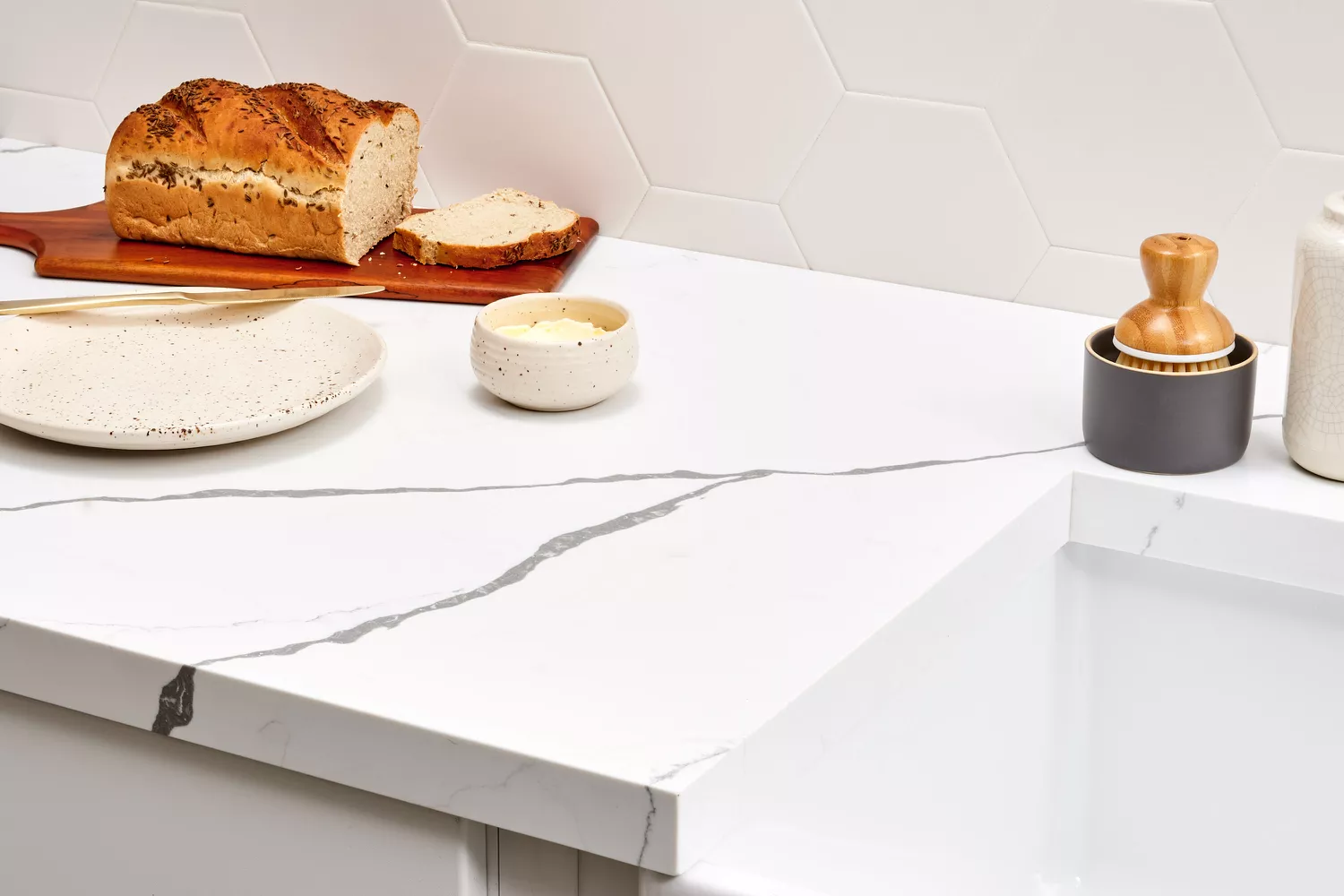
Are Marble Countertops Worth the Price? We Break Down Every Cost Before You Buy