




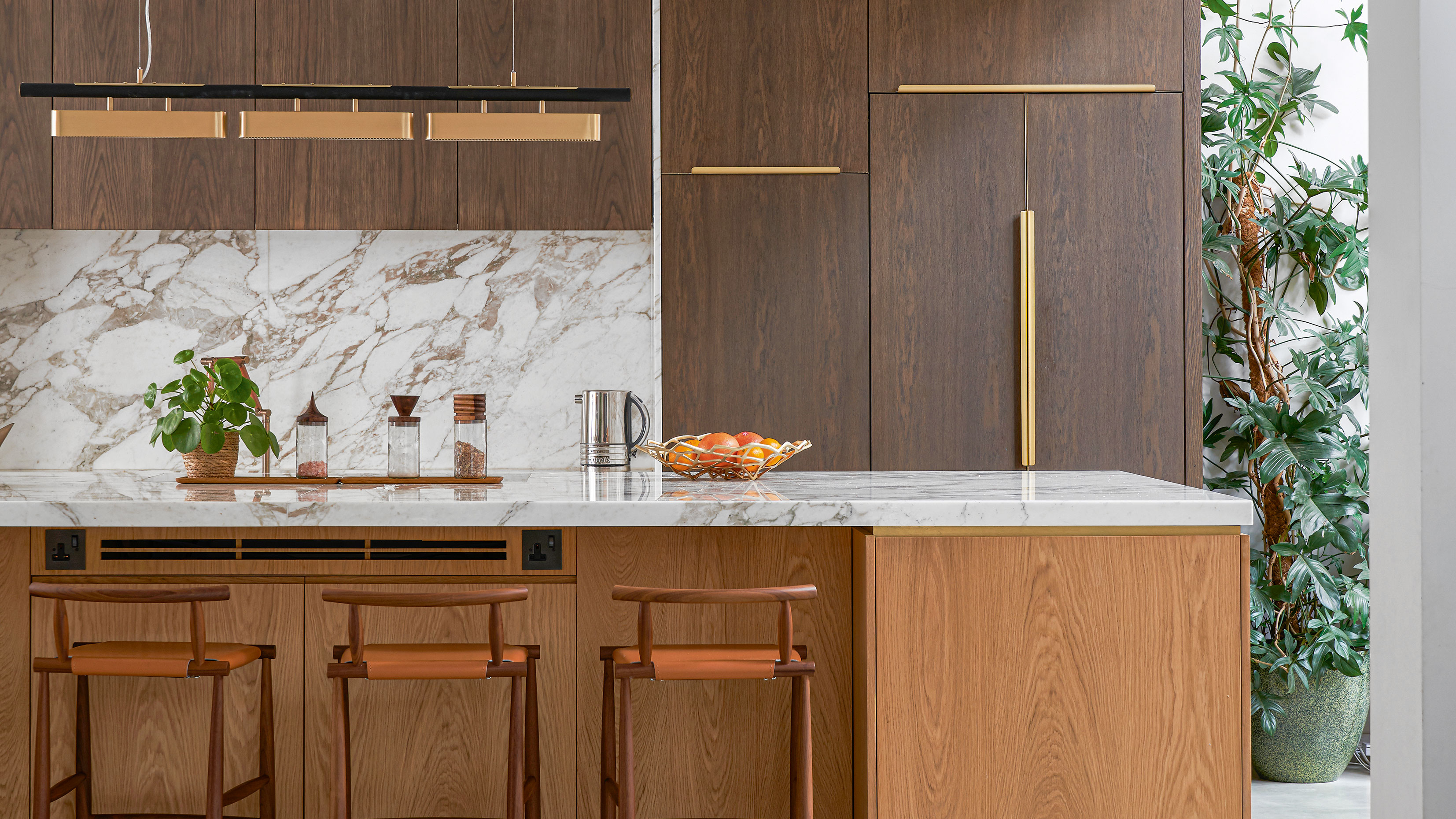
1/4
Is marble bad for kitchens? 10 things no one tells you about using this porous stone
Marble is a popular material for kitchens, and while it is not inherently 'bad,' it does come with specific characteristics that potential users should consider. Marble is a metamorphic rock formed from cooling magma, giving each slab a unique color and pattern. This natural beauty is a significant draw for designers and homeowners looking for a distinctive and timeless aesthetic in their kitchen spaces. However, its porous nature means it can be more susceptible to staining and scratching than other materials, requiring ongoing maintenance.
One of the main advantages of marble is its durability against light kitchen utensils and its natural antibacterial properties, which can be enhanced with regular cleaning and proper sealing. Unlike some man-made alternatives like quartz, marble is also highly heat-resistant, tolerating hot pans up to a certain degree without damage, a valuable trait in a busy kitchen. The uniqueness of each marble slab, often highlighted through techniques like bookmatching, allows for highly personalized designs.
Despite these benefits, marble presents several challenges. Its edges and corners are prone to chipping, and repairs can be difficult, sometimes requiring specialized techniques. The material can also contribute to a cold or sterile feel in a kitchen if not balanced with warmer elements like wood. To combat its porous nature, regular sealing is crucial to prevent the absorption of liquids and oils, and users must avoid abrasive cleaners or harsh chemicals that can damage the stone.
Another consideration is the inherent imperfections of marble; its natural veining means that no two slabs are identical, which can be a drawback for those seeking perfect uniformity. However, for many, these natural markings are part of its allure. Finally, marble is an expensive material, with prices varying significantly based on grade and rarity, often ranging from $150 to over $500 per square meter, not including additional fabrication costs for features like drainer grooves or inset sinks. Ultimately, the decision to use marble in a kitchen depends on one's willingness to embrace its unique qualities and commit to its specific maintenance requirements.
#MarbleKitchen #KitchenDesign #HomeRenovation #KitchenCountertops #InteriorDesign #NaturalStone #KitchenMaterials #HomeDecor #DesignTrends #MarbleKitchen #KitchenDesign #HomeRenovation #KitchenCountertops #InteriorDesign #NaturalStone #KitchenMaterials #HomeDecor #DesignTrends
 No comments yet