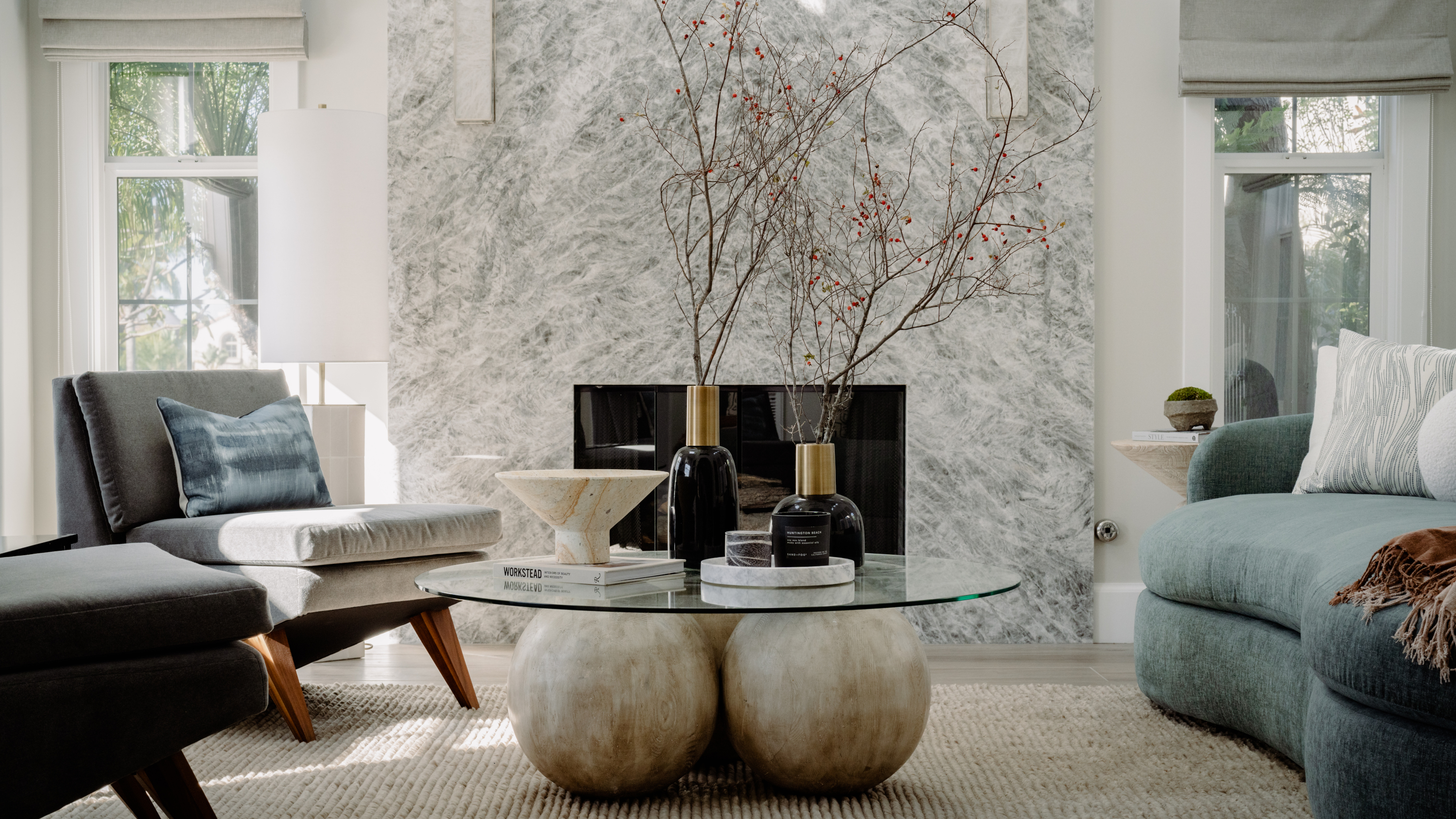
1/9
Colors That Go With White Marble — 7 Picks to Complement Light Natural Stone
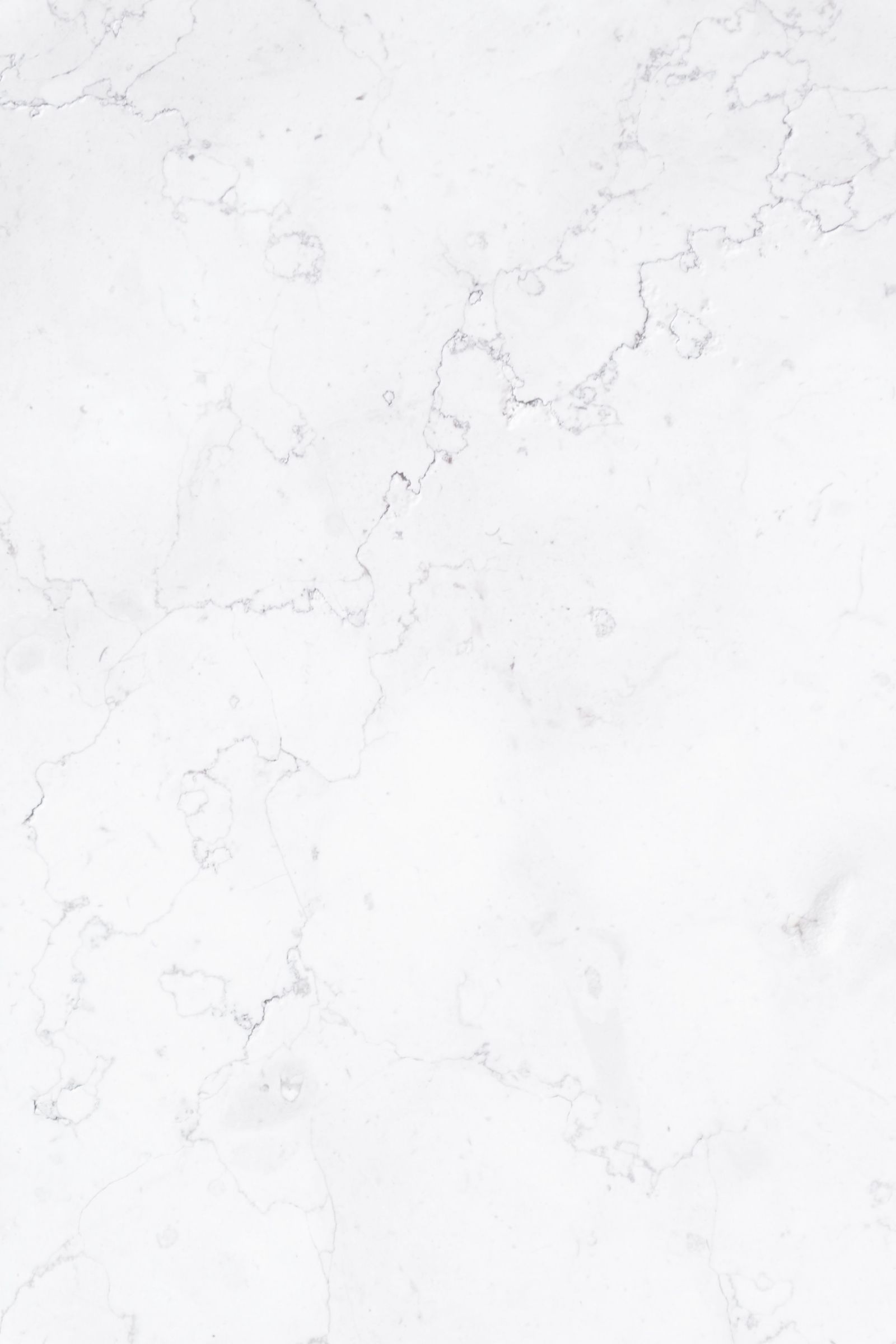
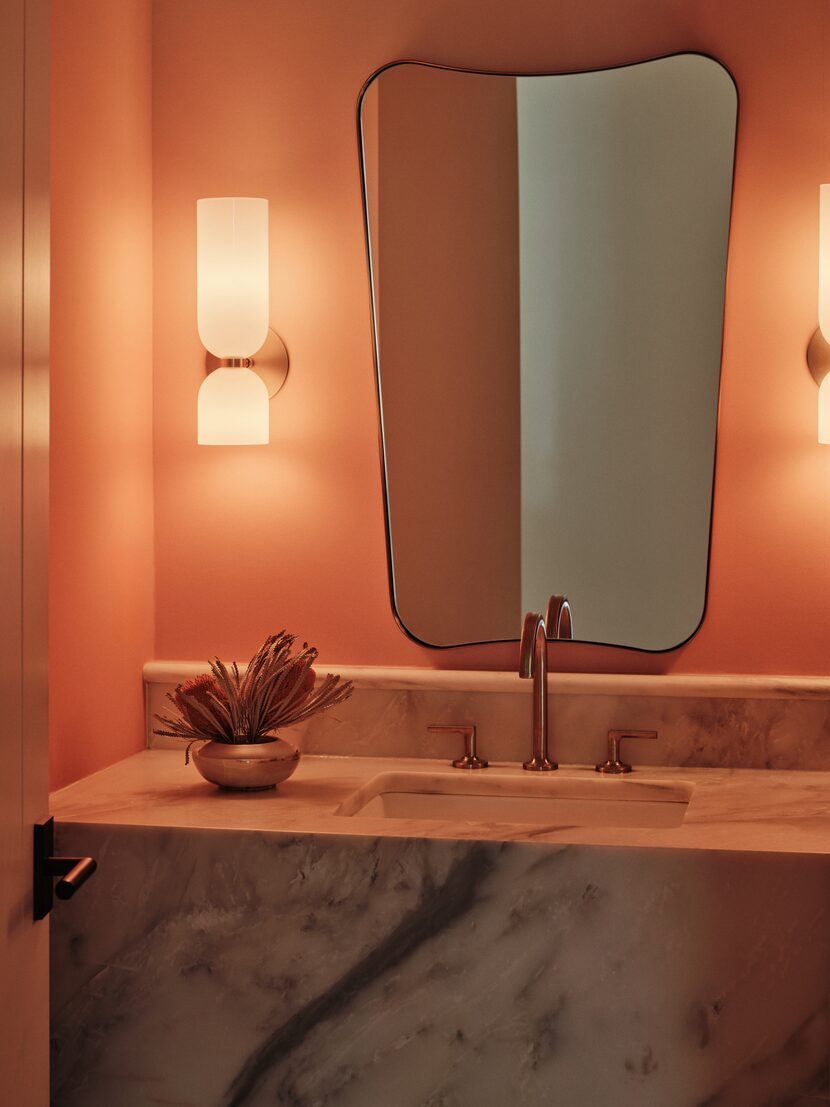
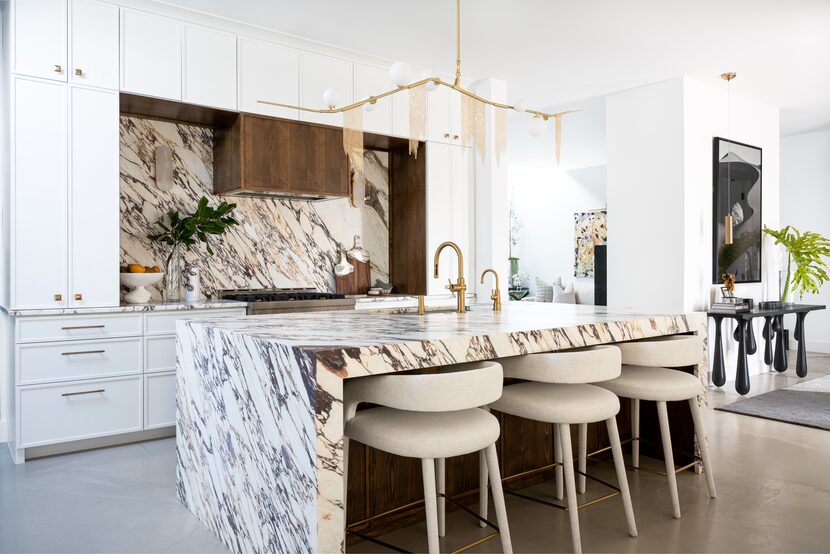
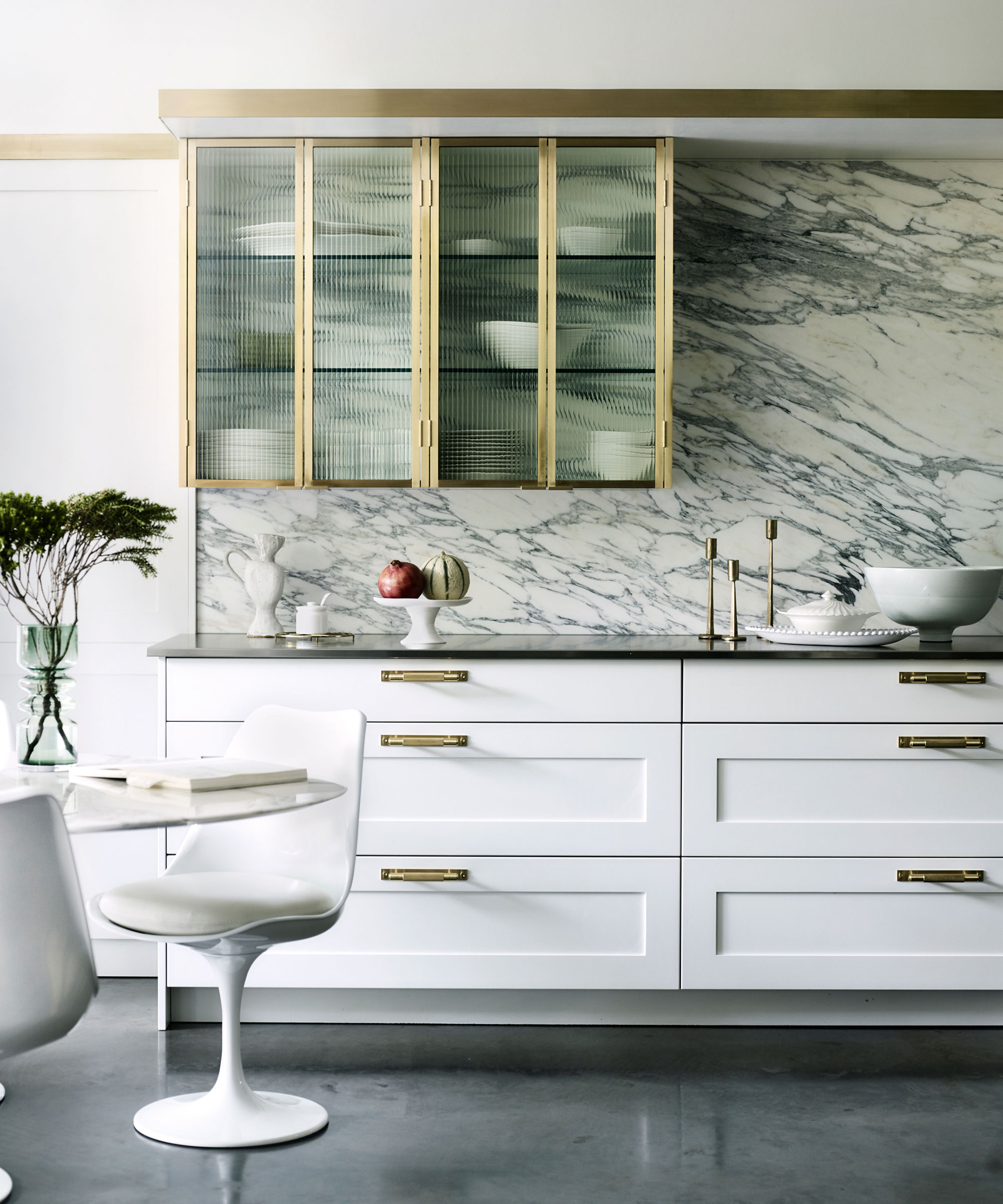
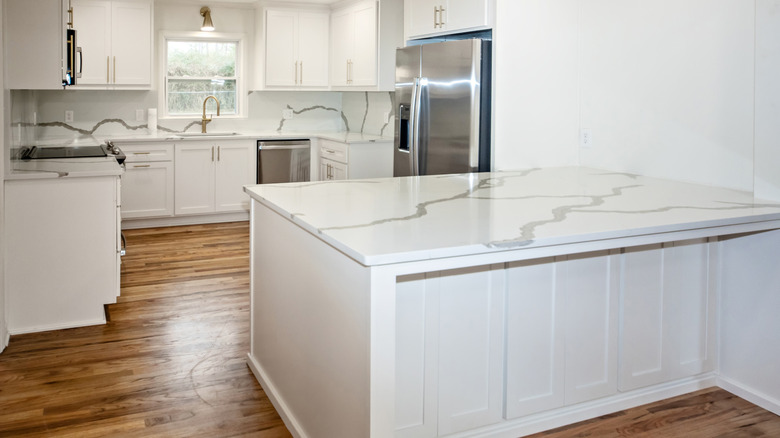
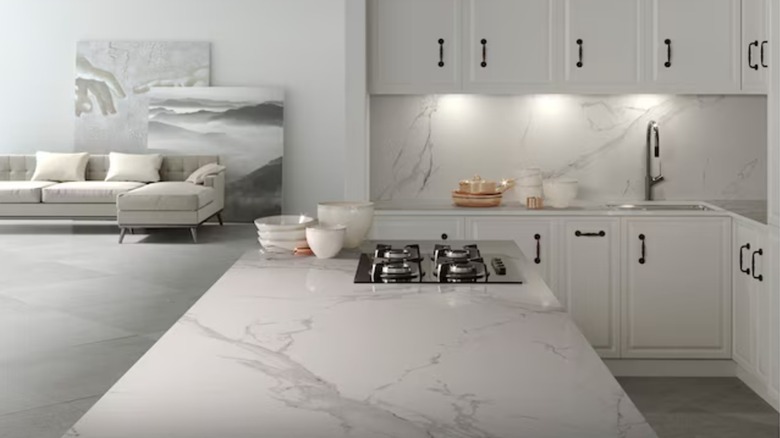
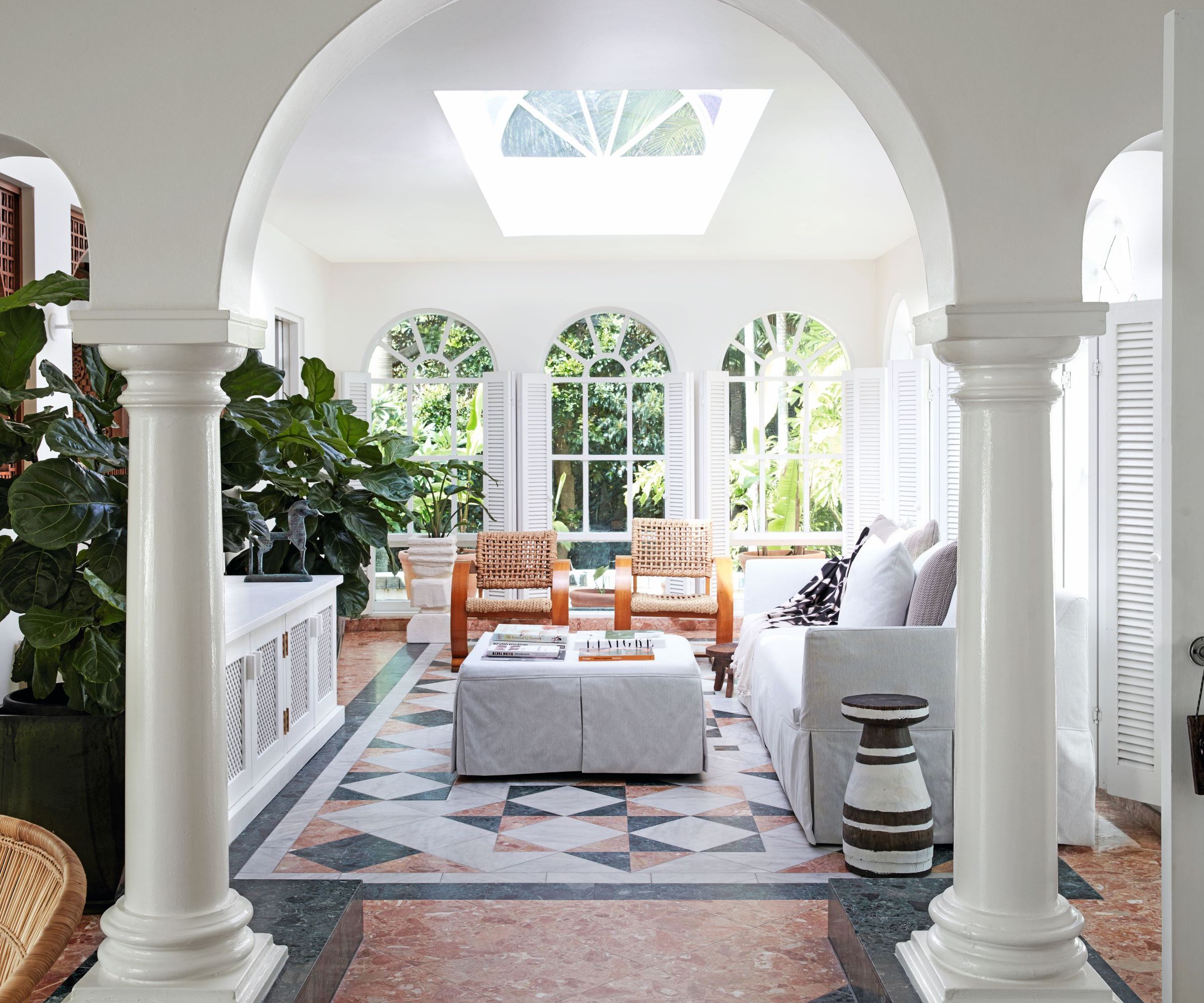
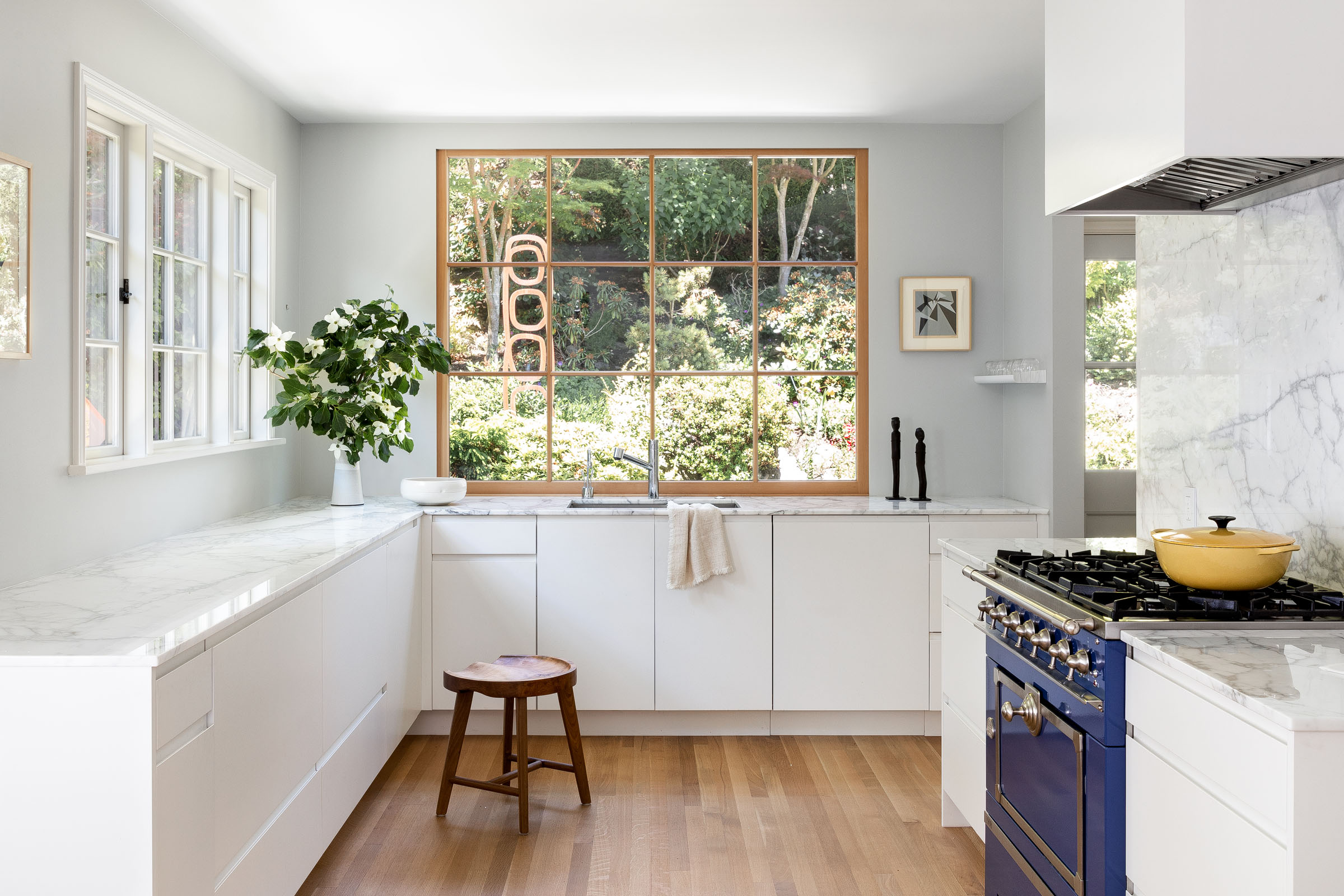
White marble, while a neutral, presents a nuanced challenge when selecting complementary colors due to its varying undertones and veining. Interior designers emphasize the importance of identifying these characteristics to create harmonious and sophisticated schemes. For instance, Calacatta marble, with its golden veining and creamy undertones, pairs well with warm neutral paints. Carrara and Statuario marbles, characterized by their grey veining and cool undertones, are best complemented by fresh, cool colors. Arabescato marble, known for its bold veining, benefits from neutral paints that allow the stone to be the focal point.
Minimalist palettes often incorporate white and beige alongside white marble for a calm and contemporary aesthetic. To prevent these schemes from appearing flat, designers recommend varying shades of white and beige, and introducing diverse textures such as rough-hewn wood or matte plaster. This layering of materials and finishes adds depth and visual interest.
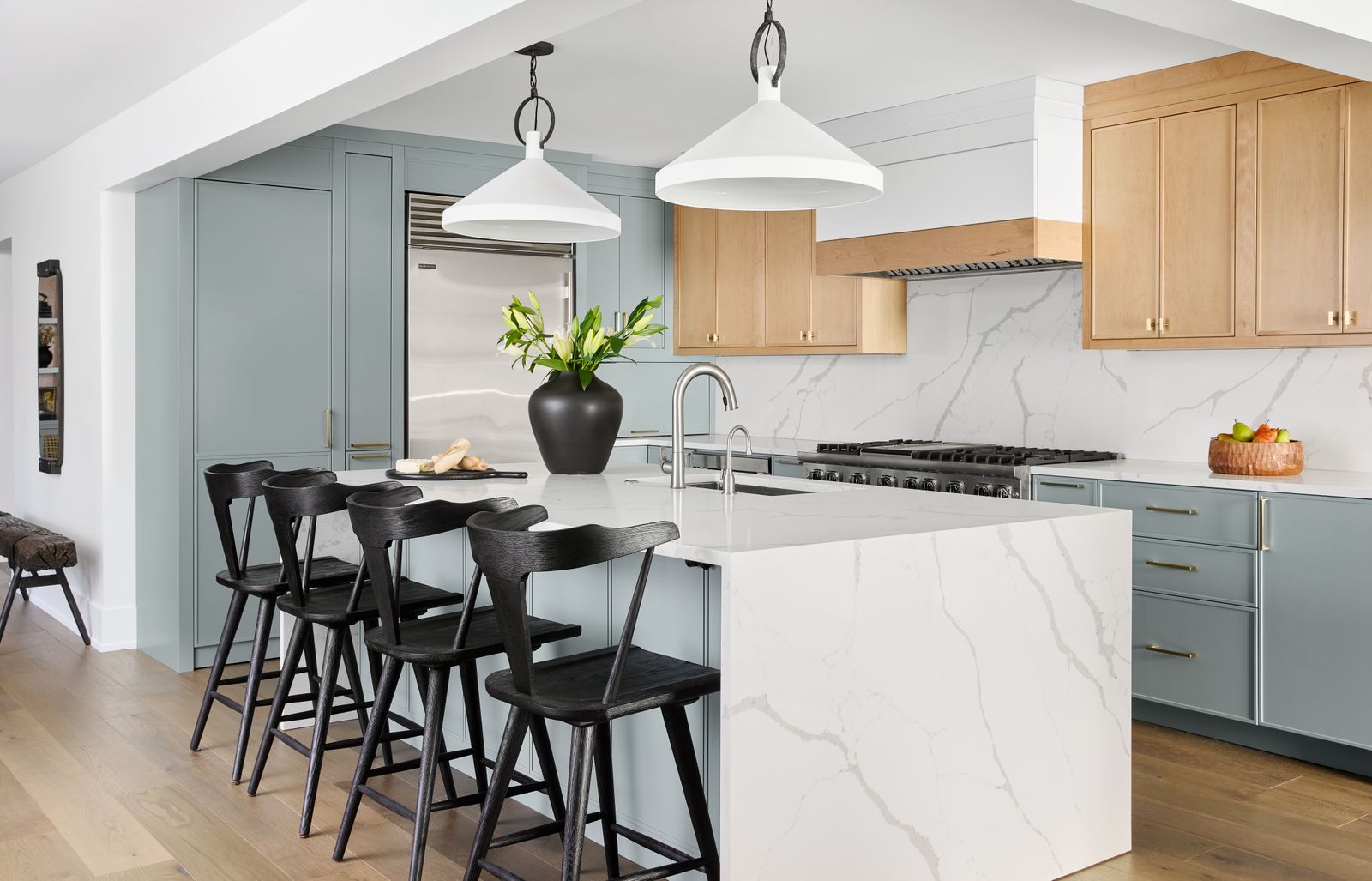
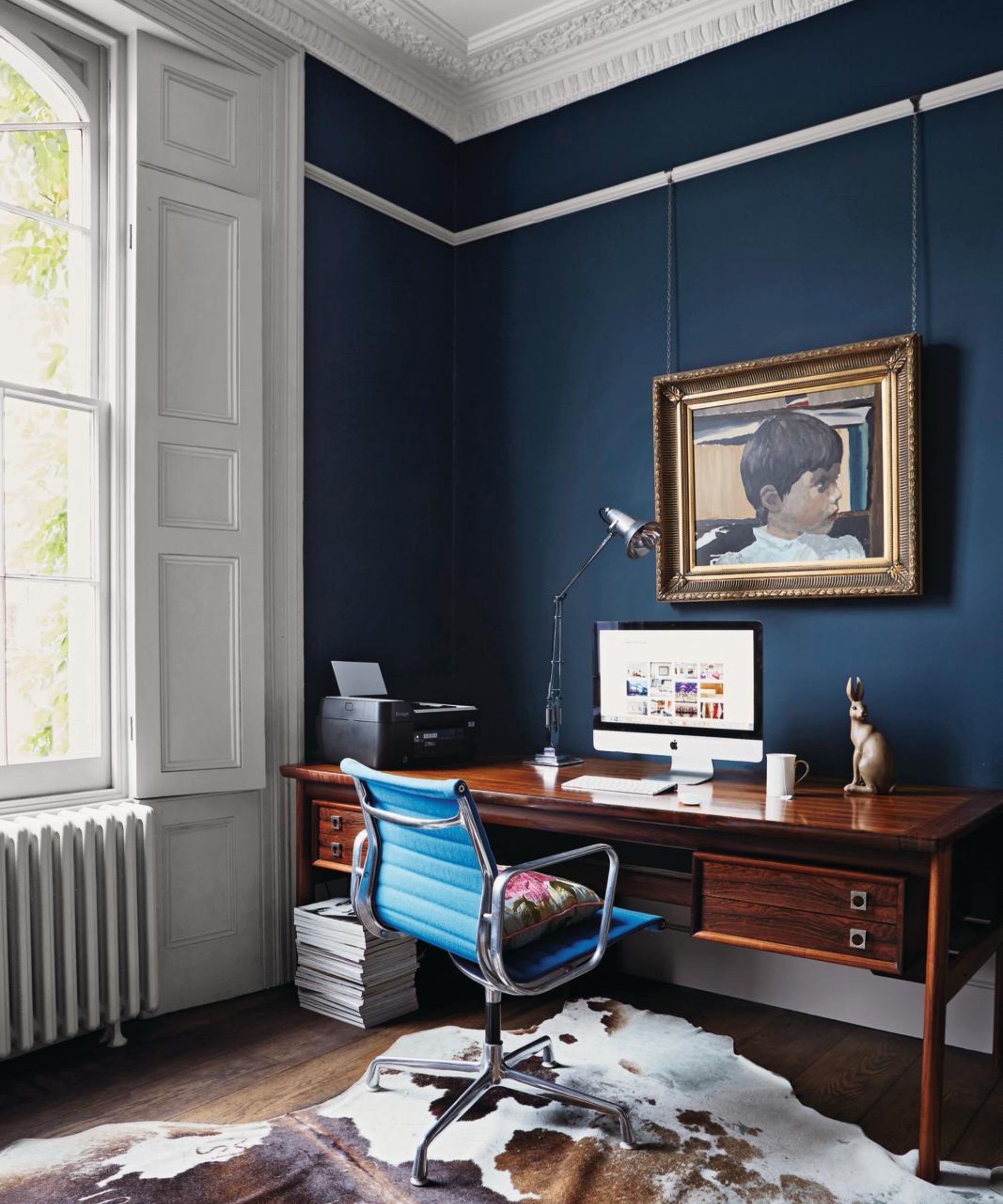
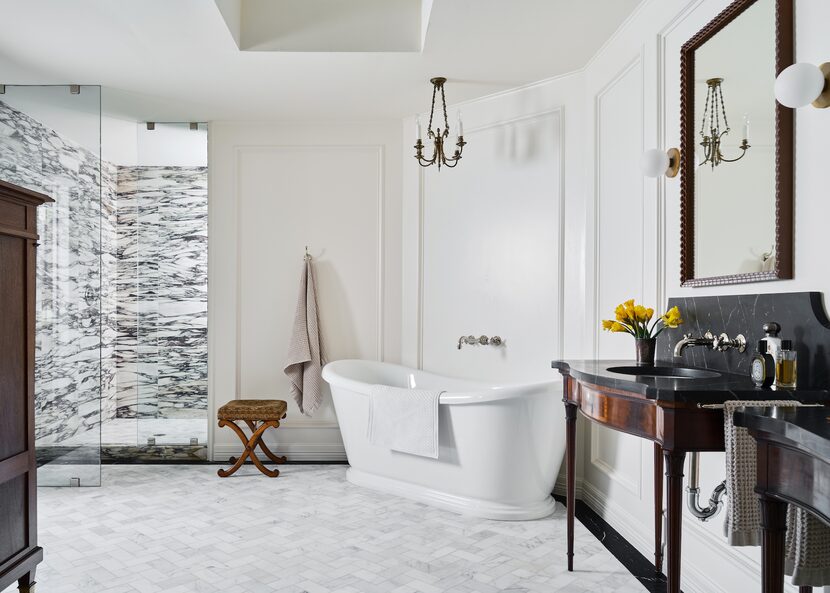
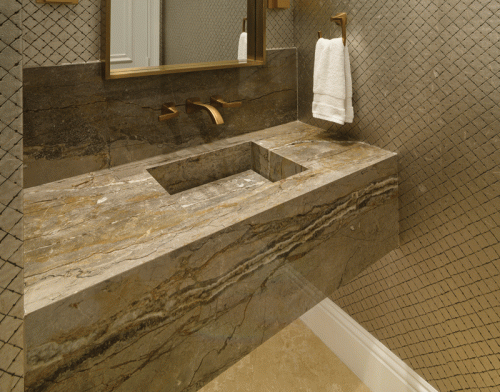
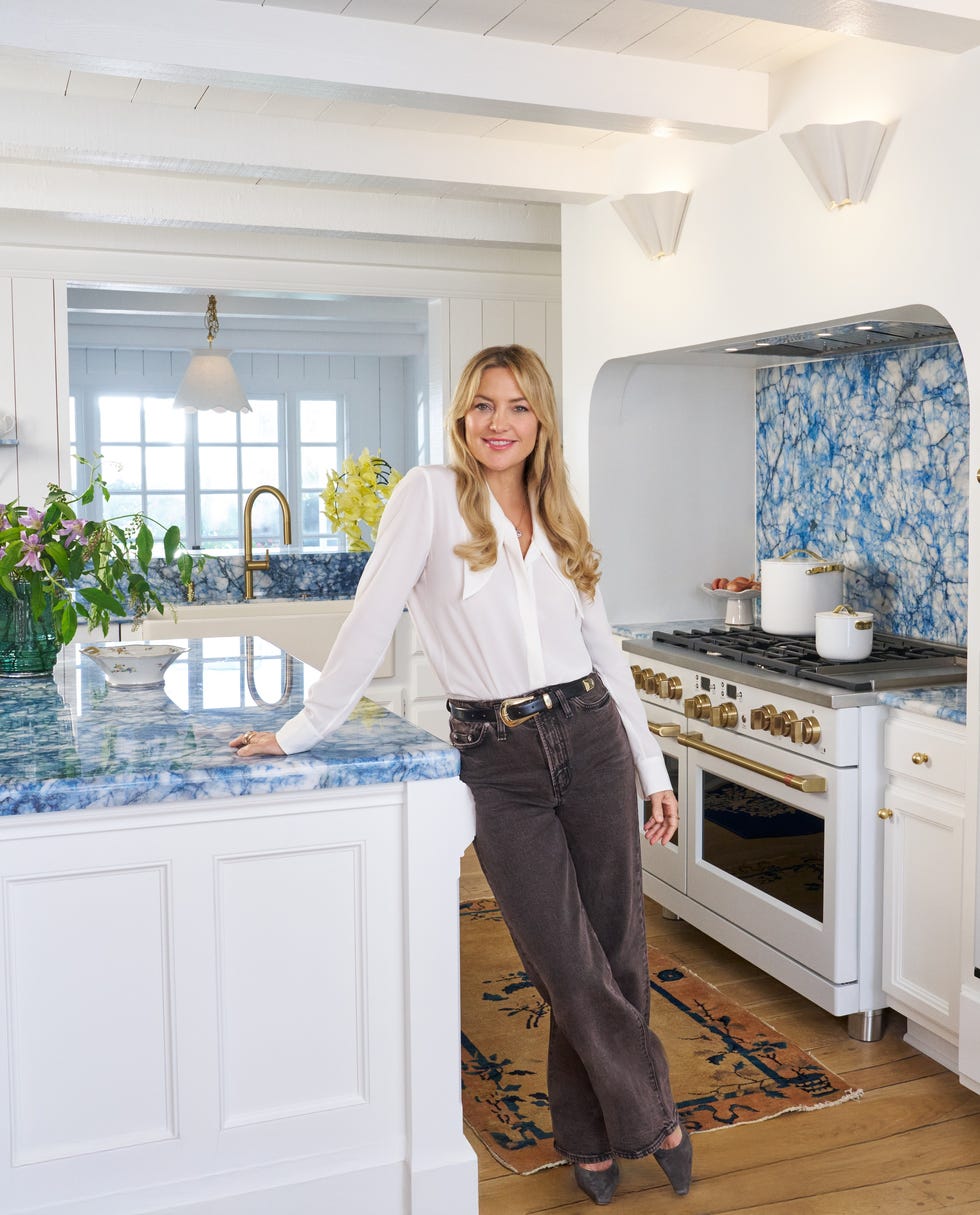
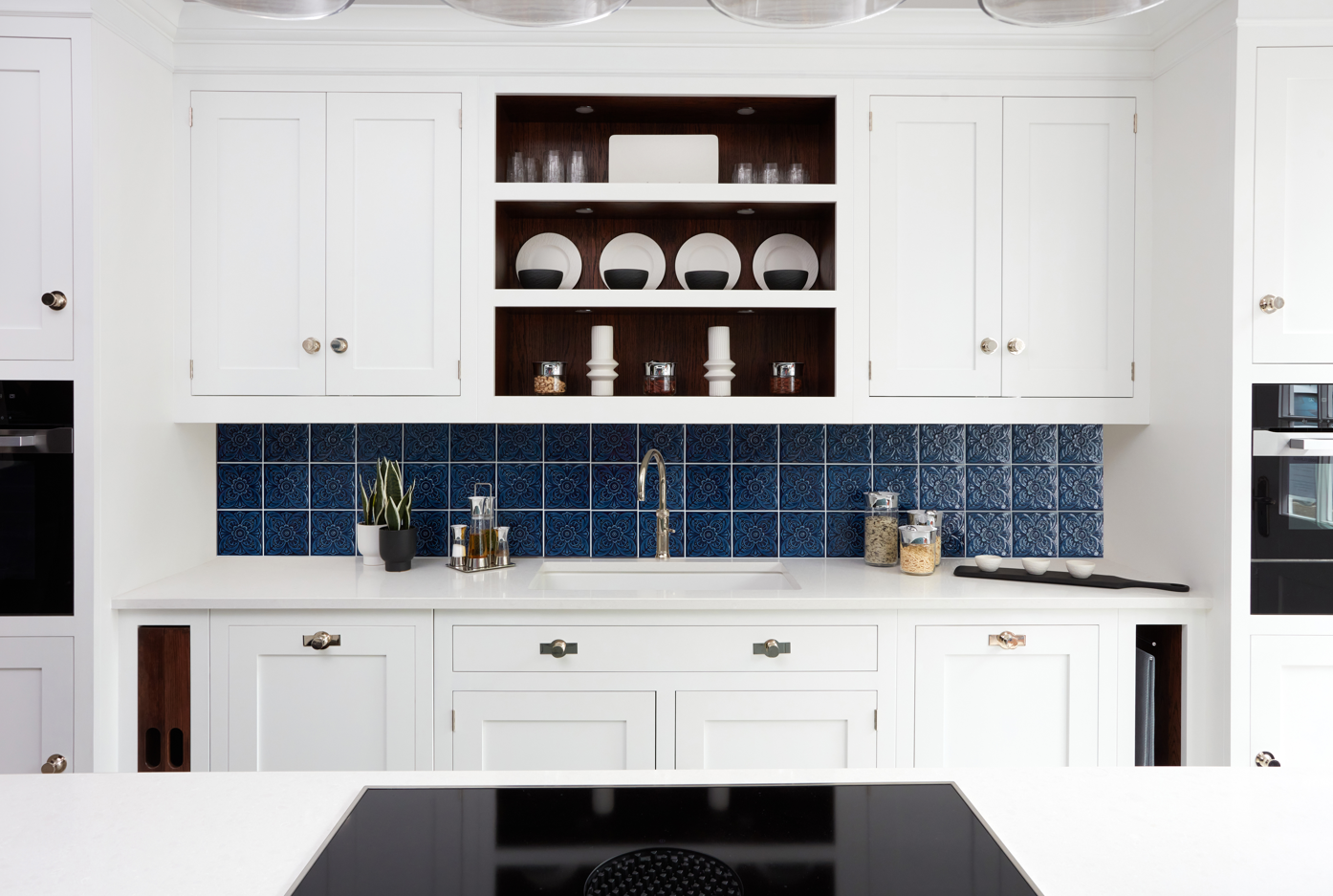
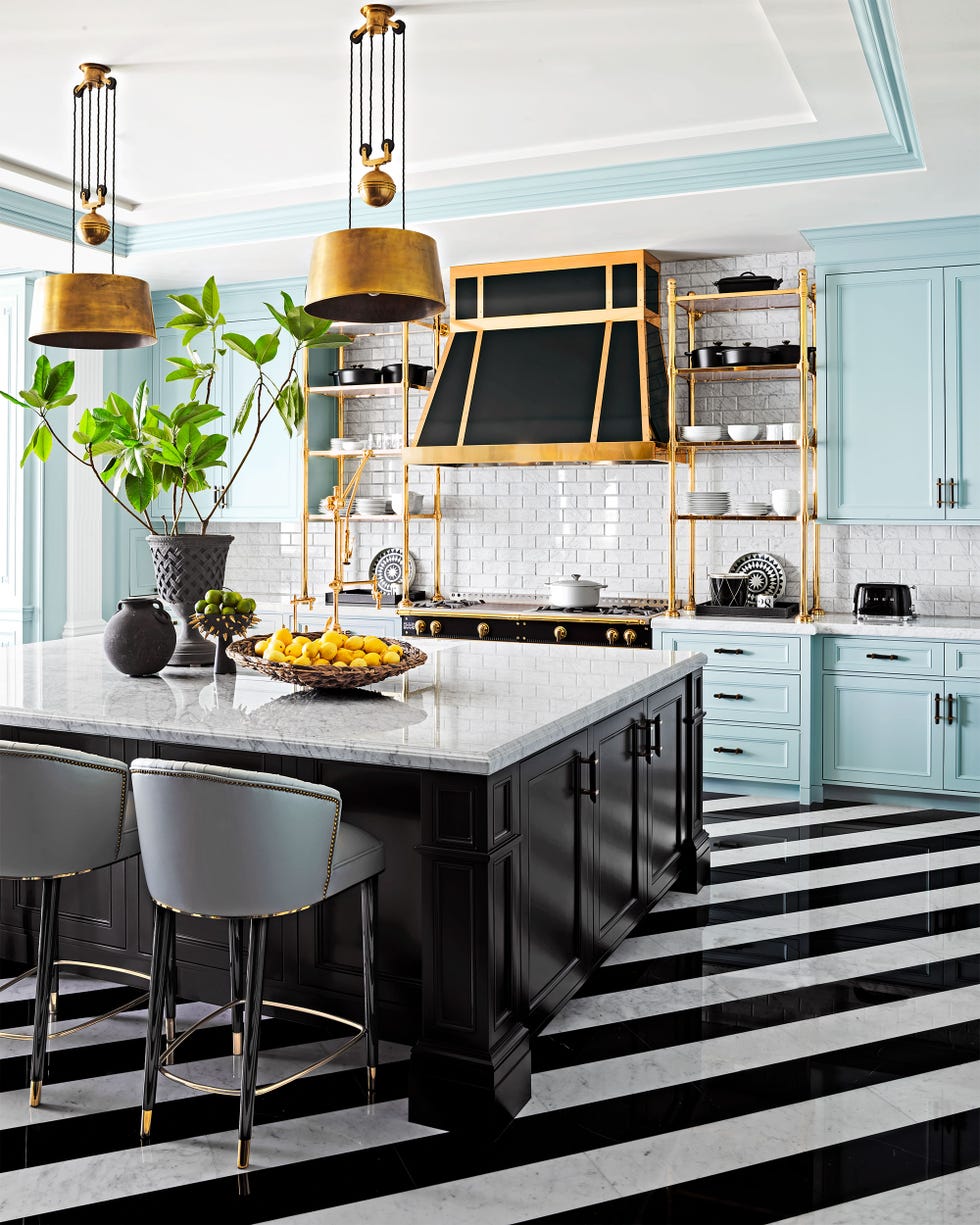
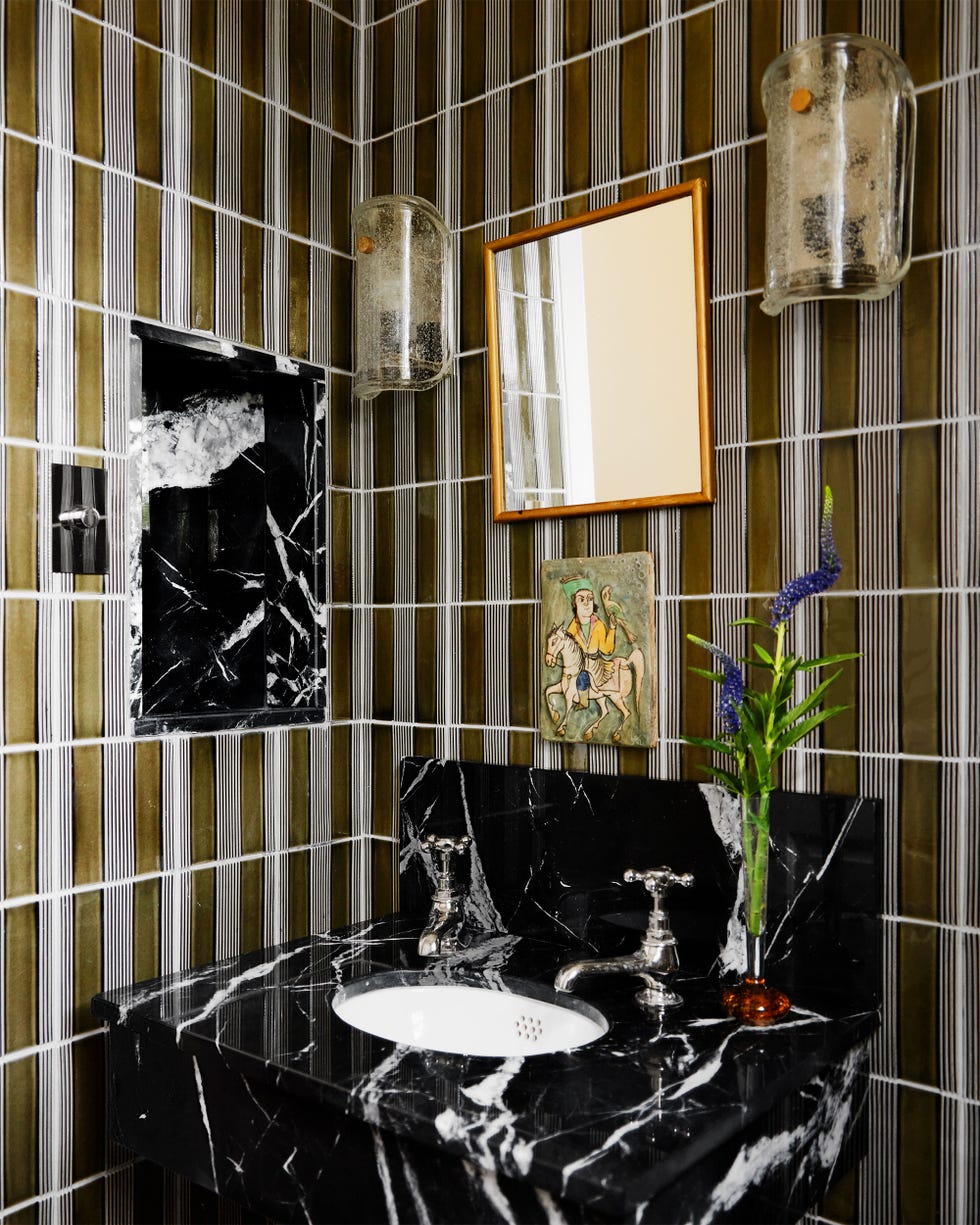
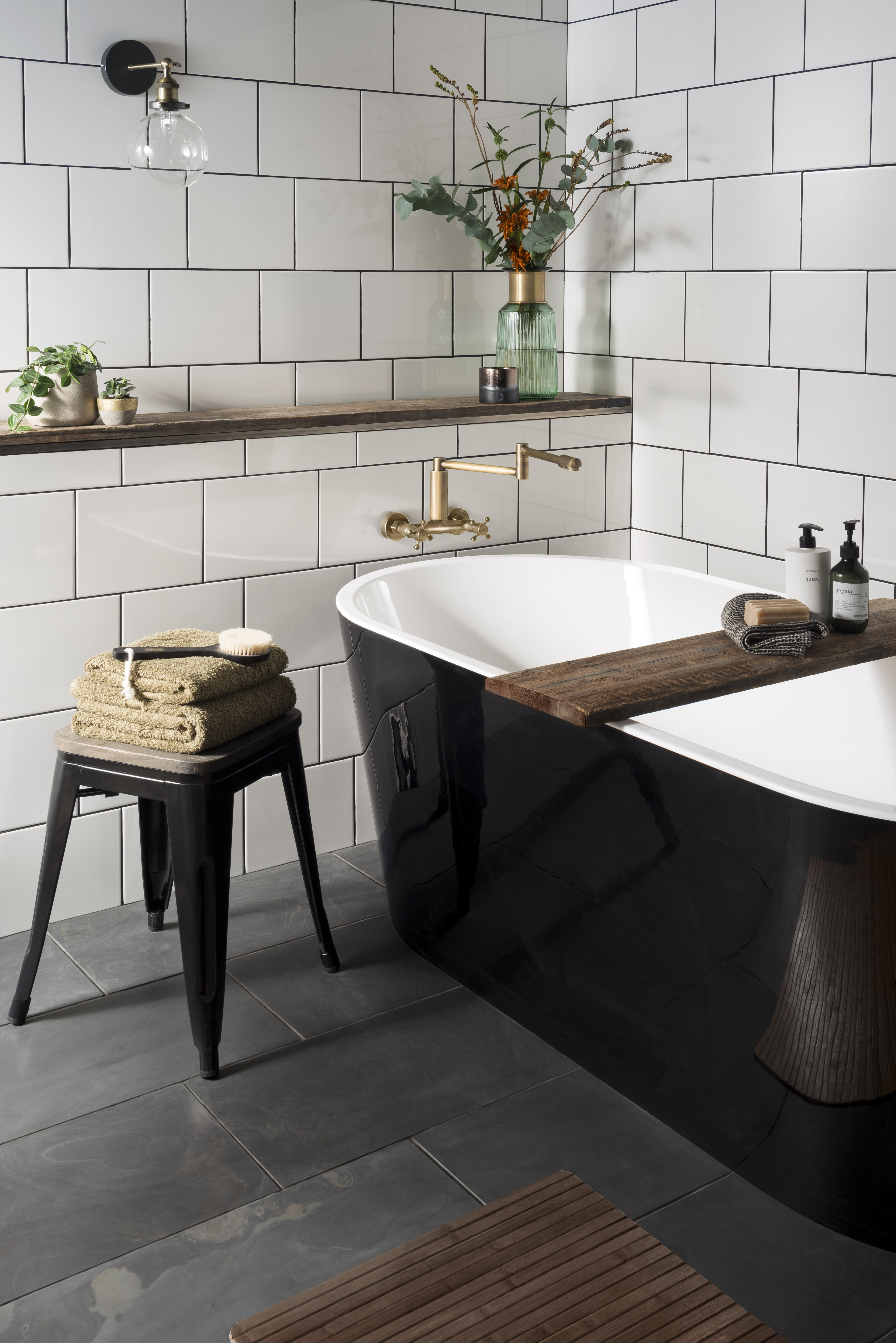
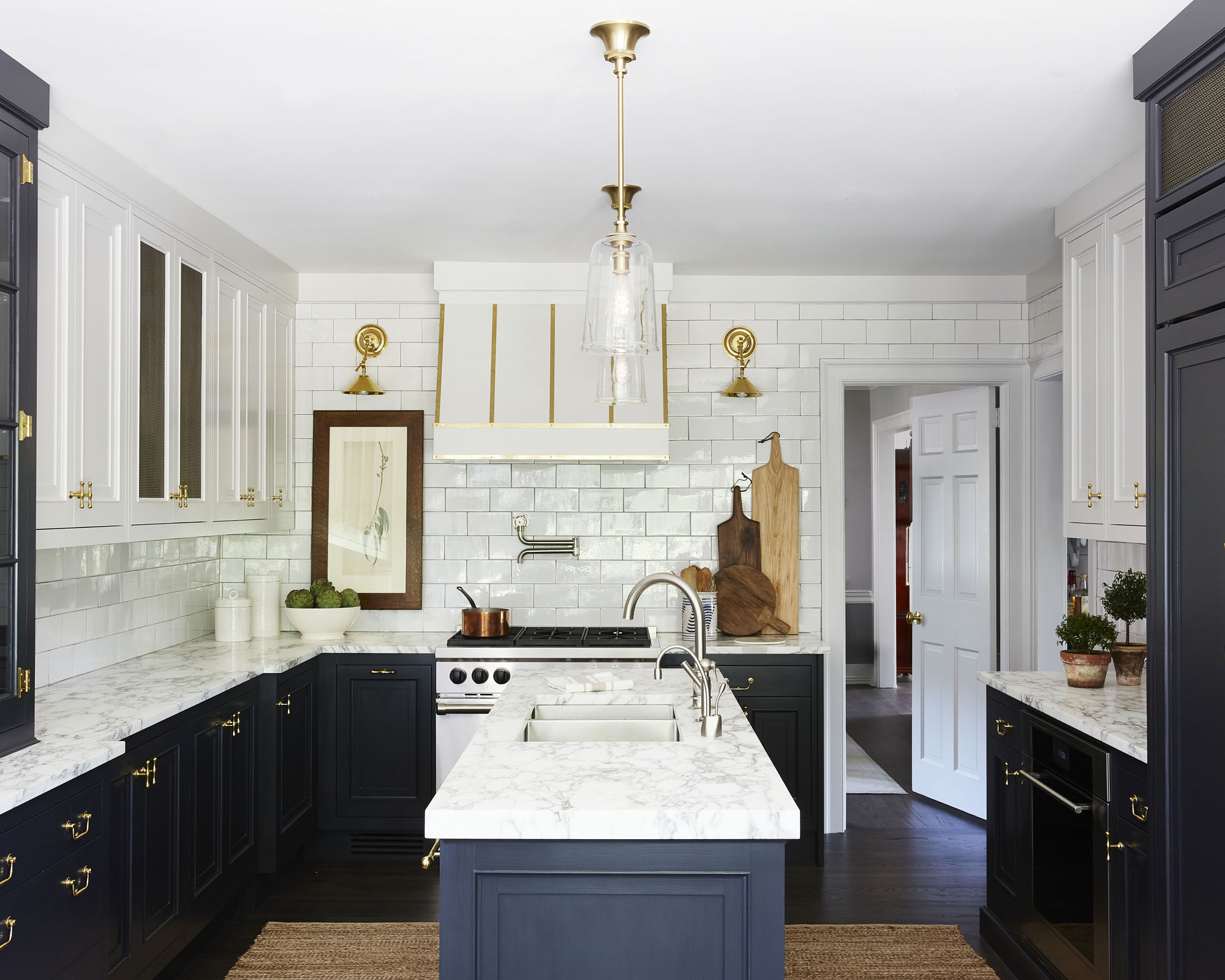
The classic combination of black and white marble creates a striking contrast. The key to making this pairing feel warm and inviting lies in incorporating textures like honed marble with black plaster surfaces, or matte marble countertops with matte black cabinets, softened by wood and brass accents. Dark blue is another enduring partner for white marble, offering a luxurious juxtaposition. The choice of blue, such as sapphire, can enhance specific marble undertones, creating a dynamic space, particularly in kitchens.
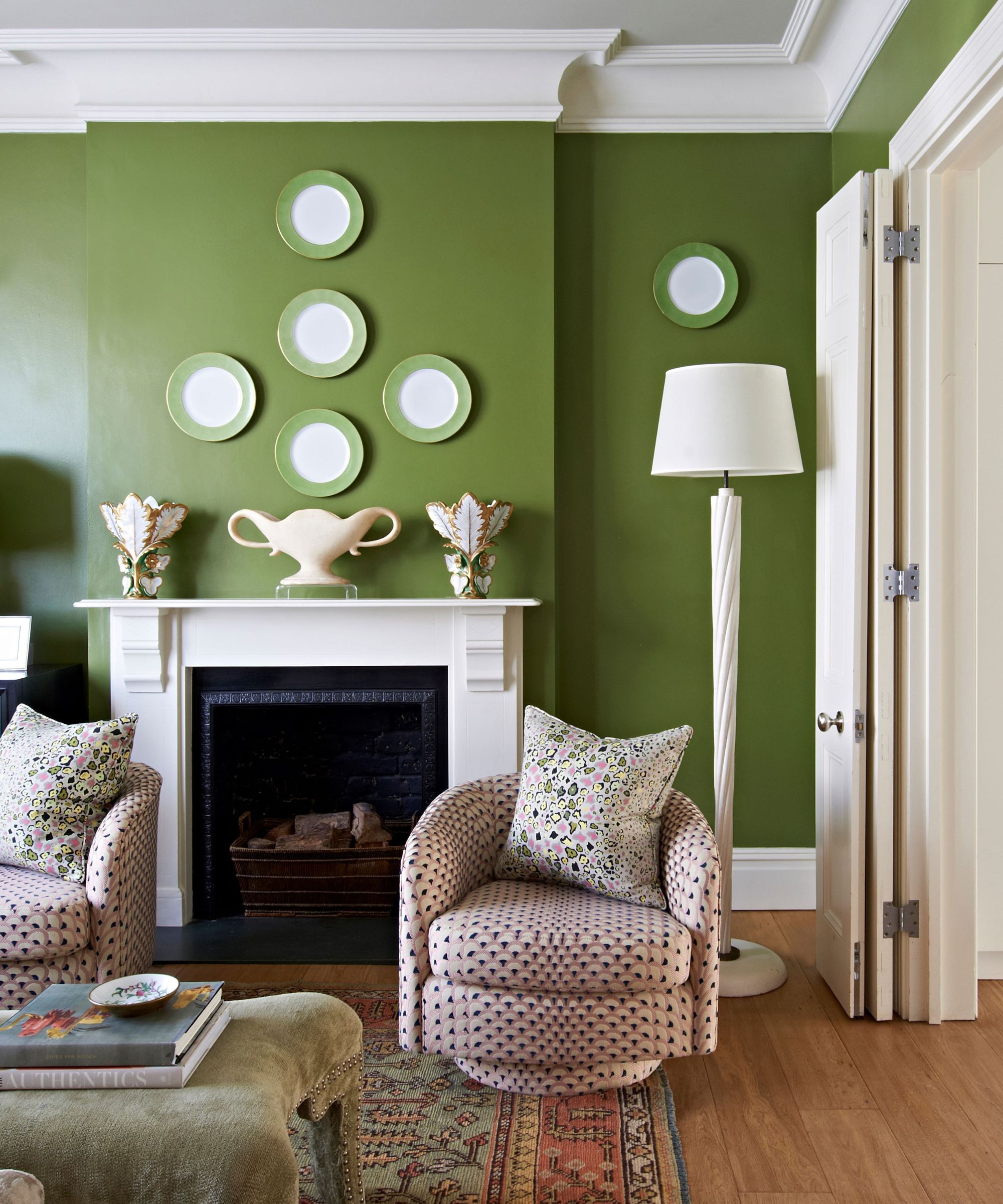
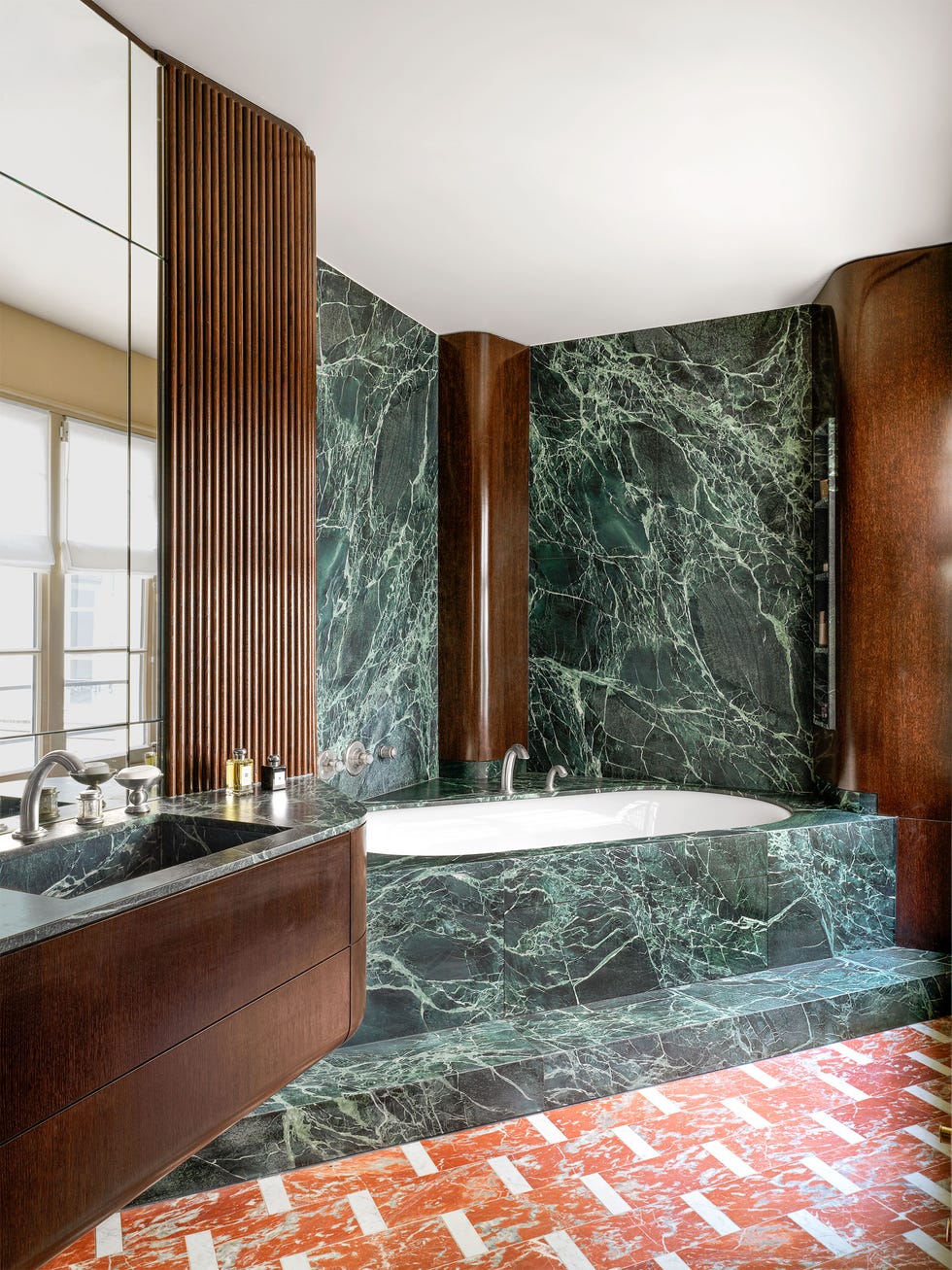
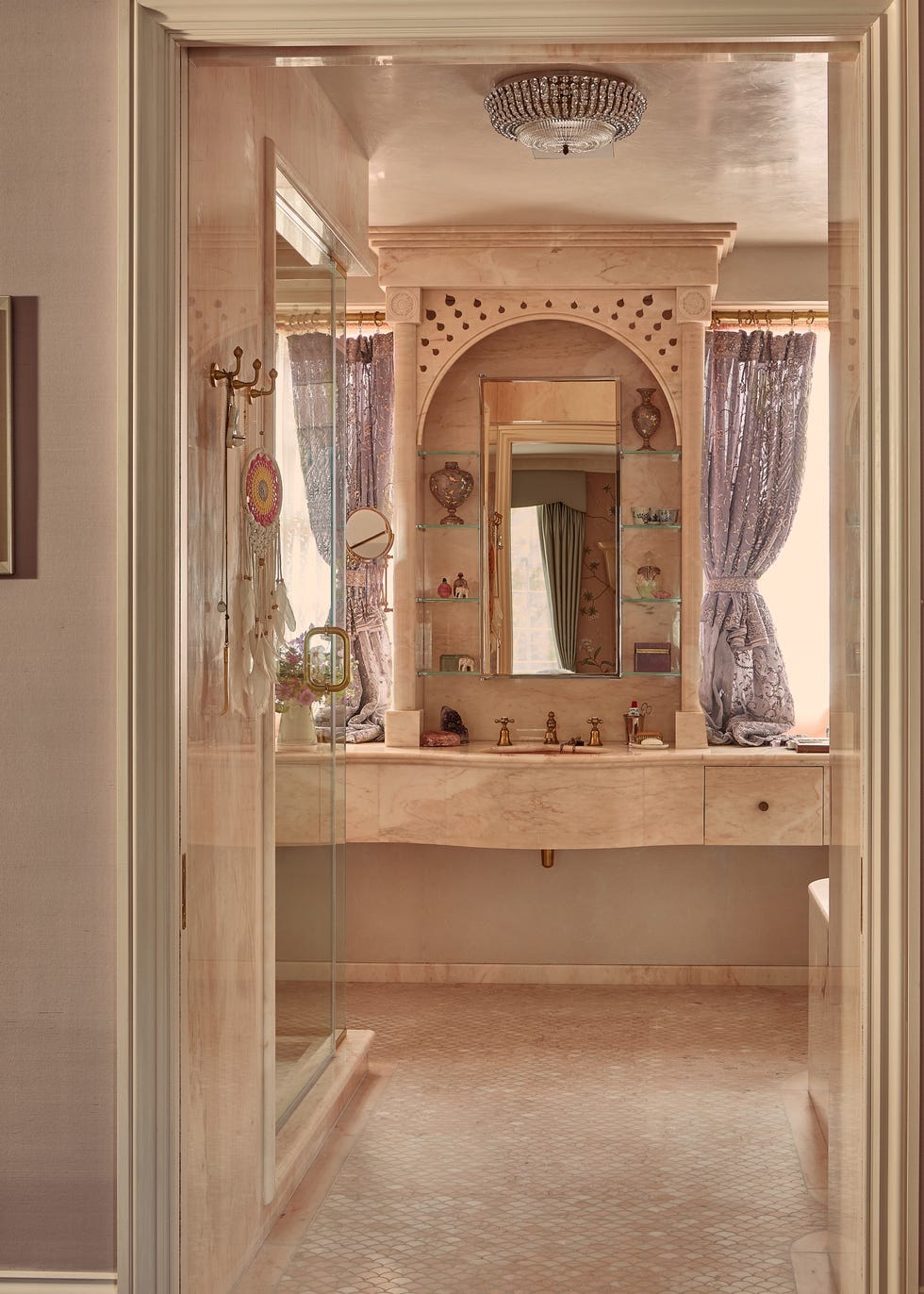
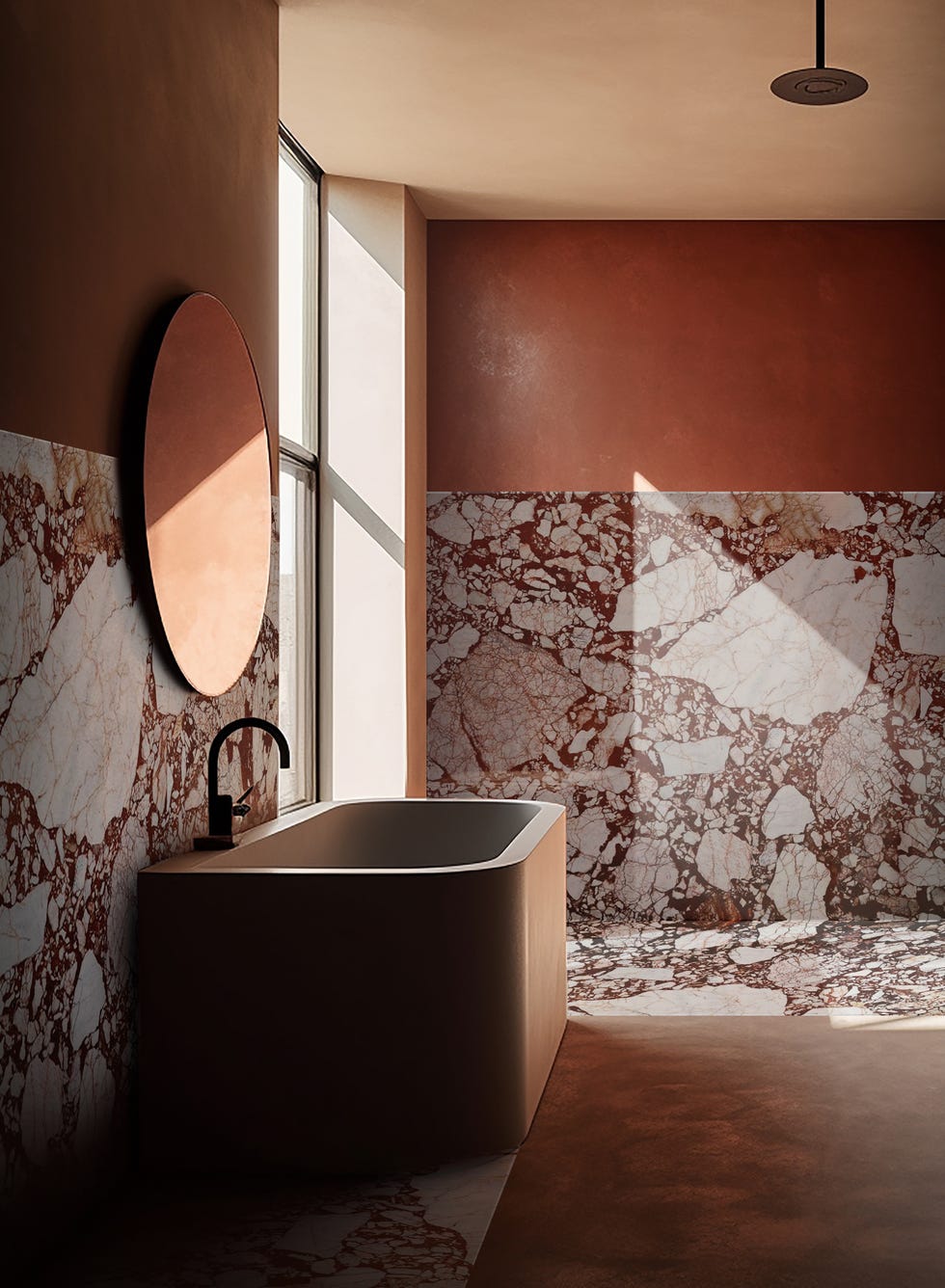
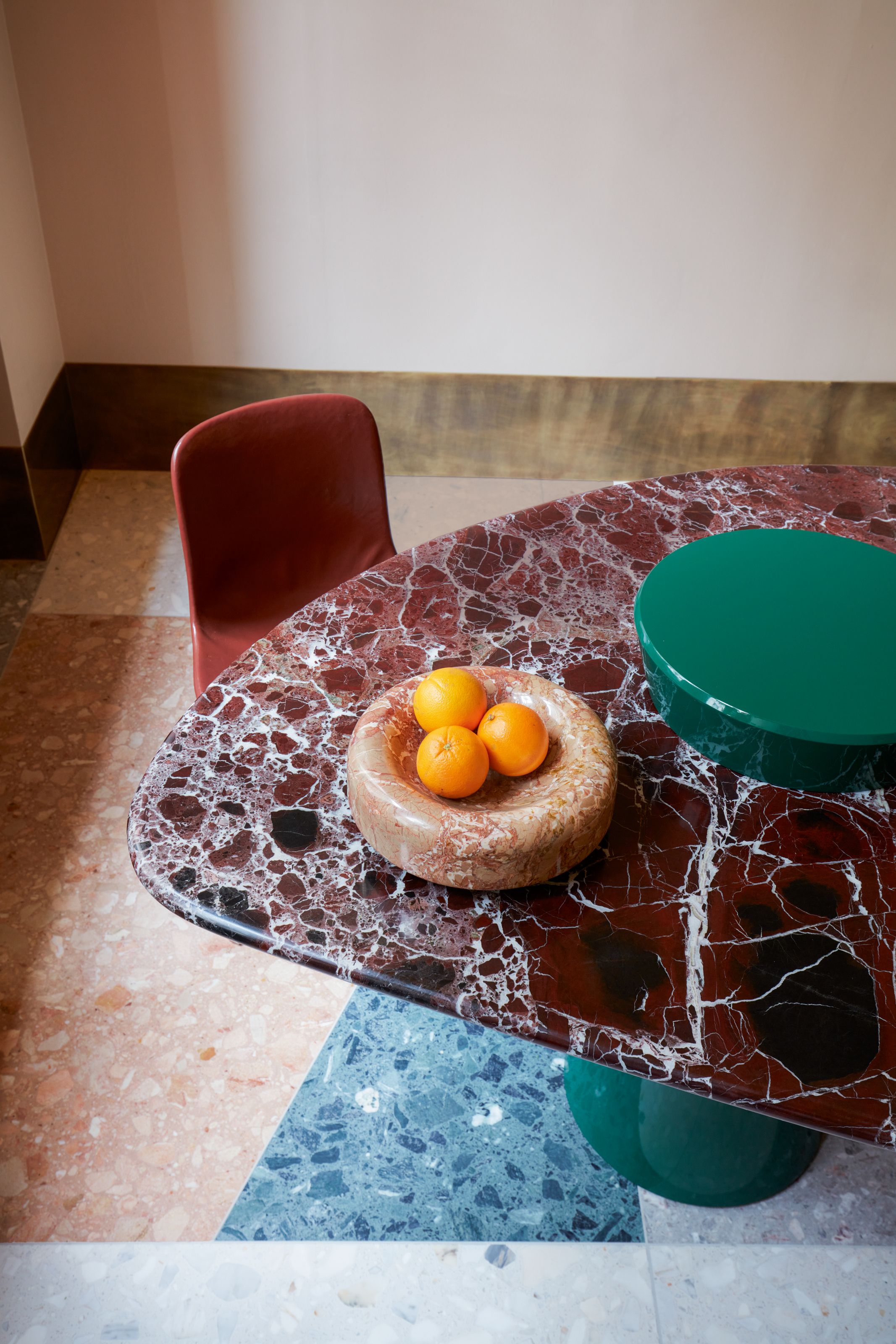
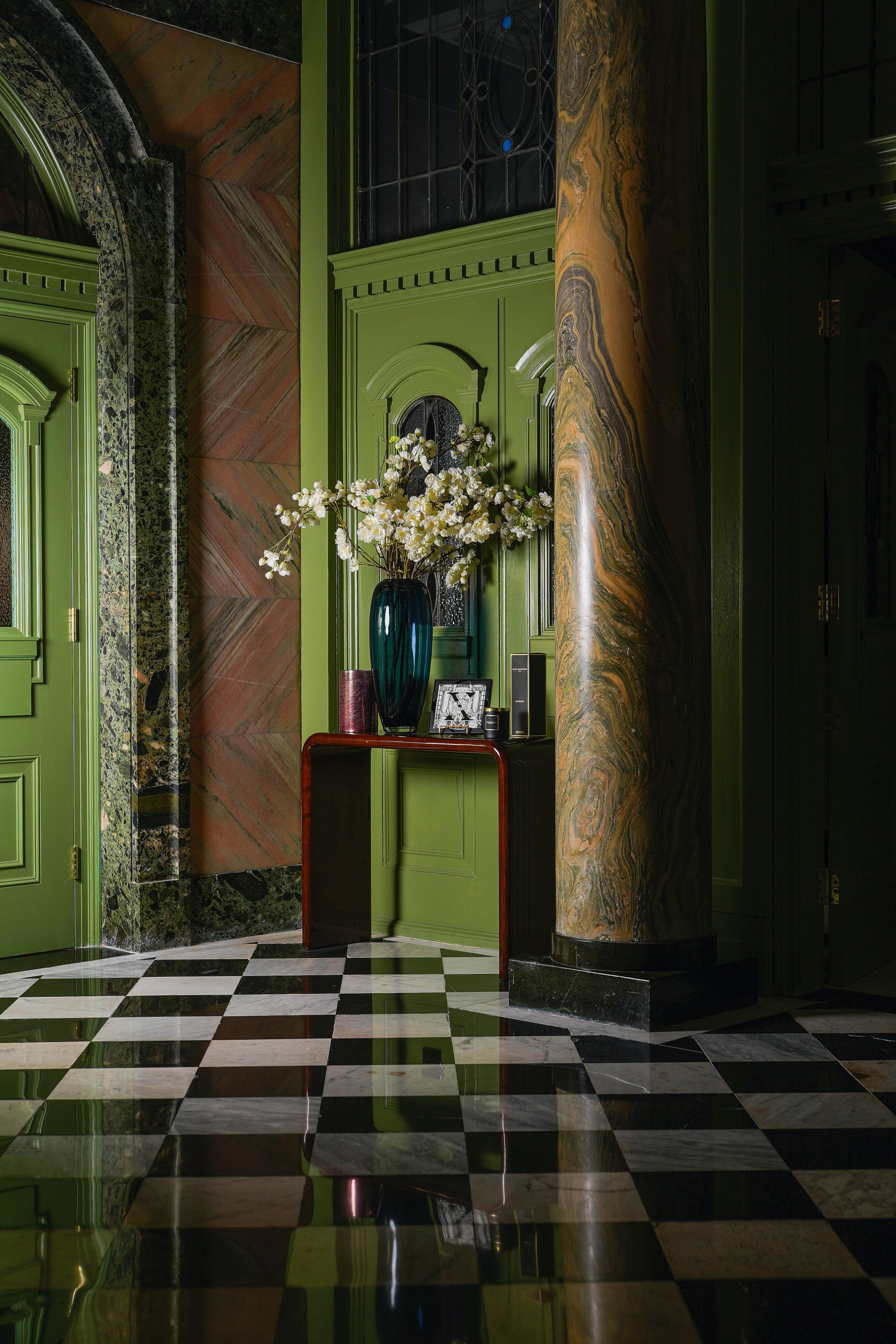
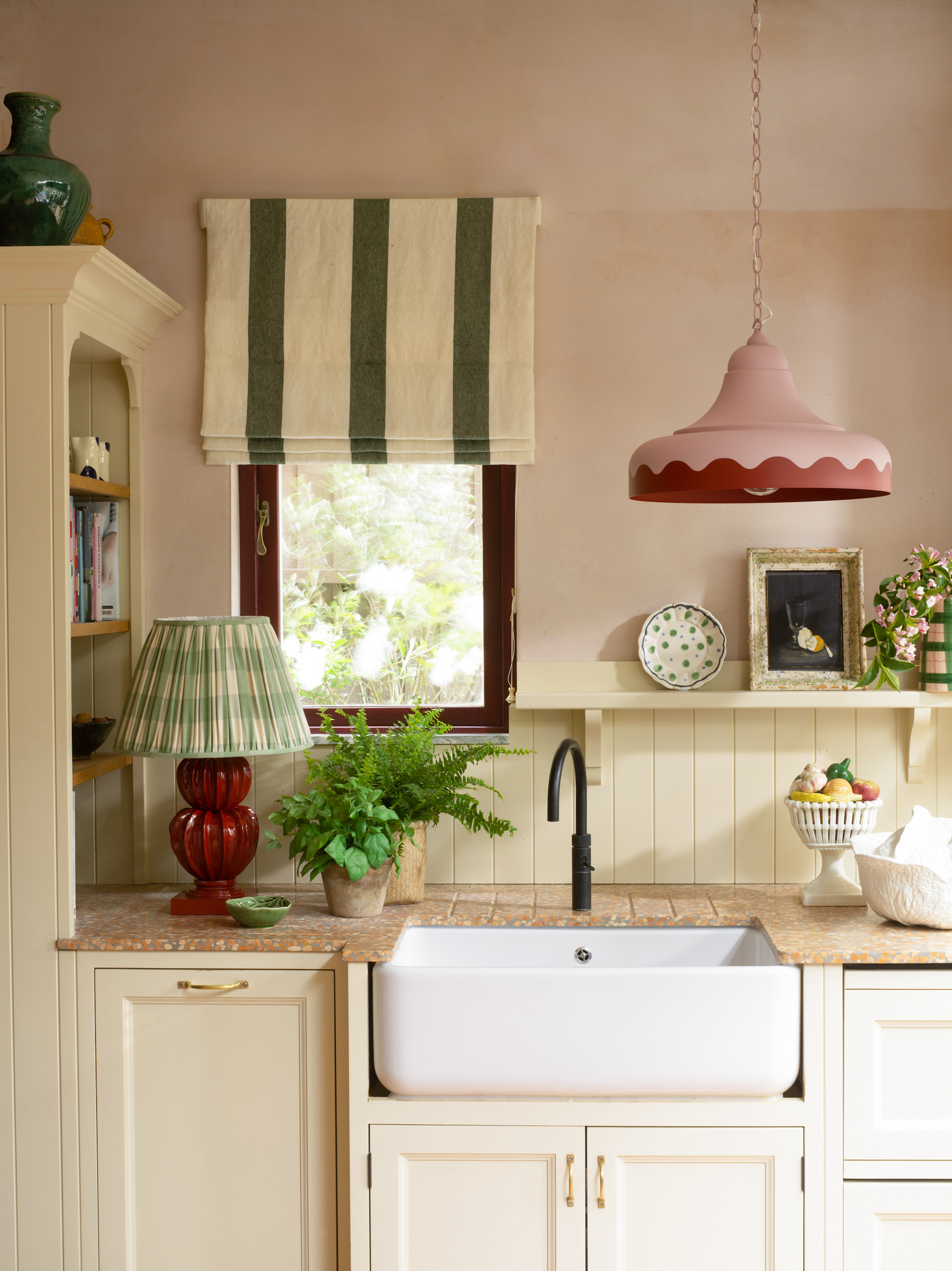
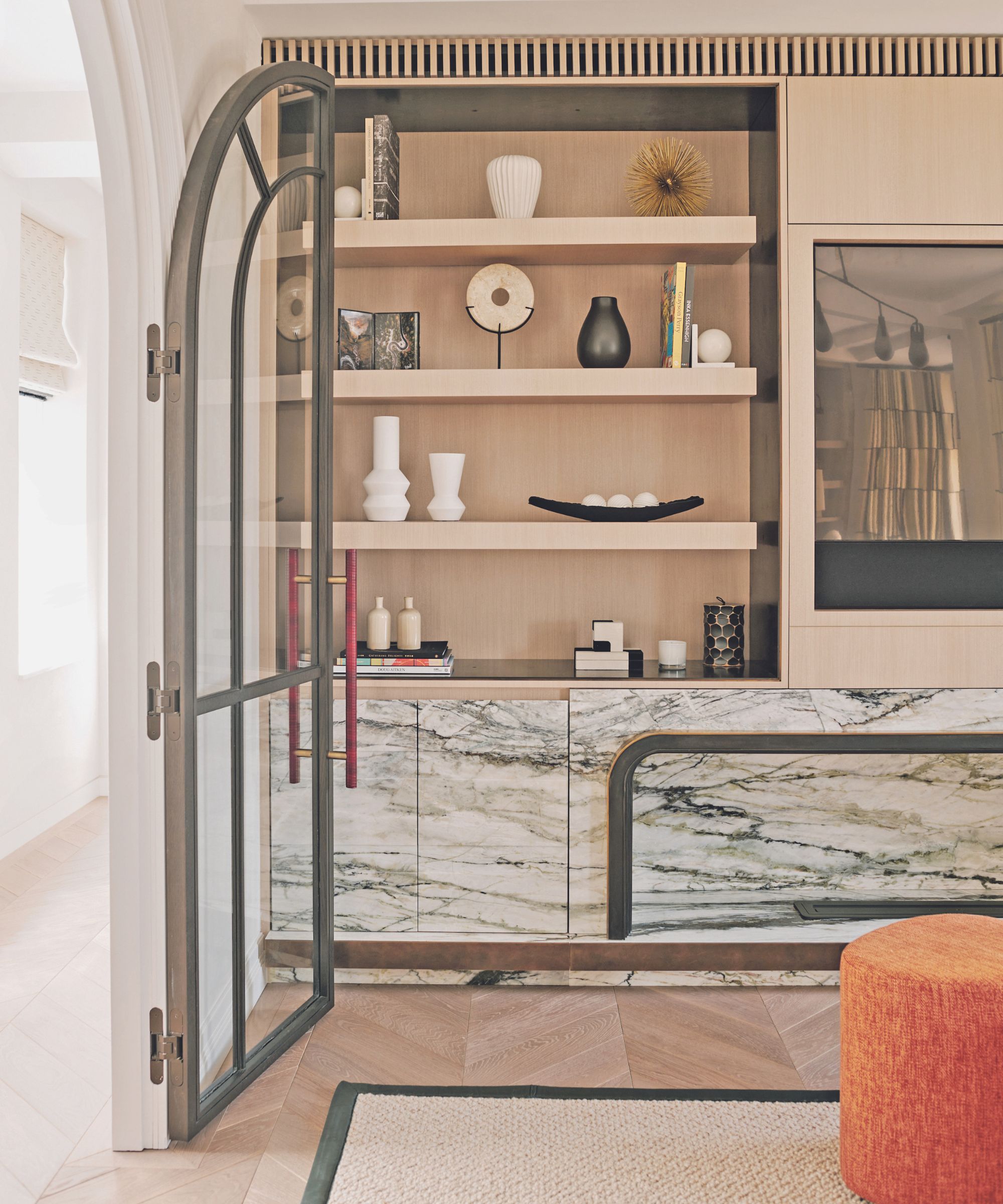
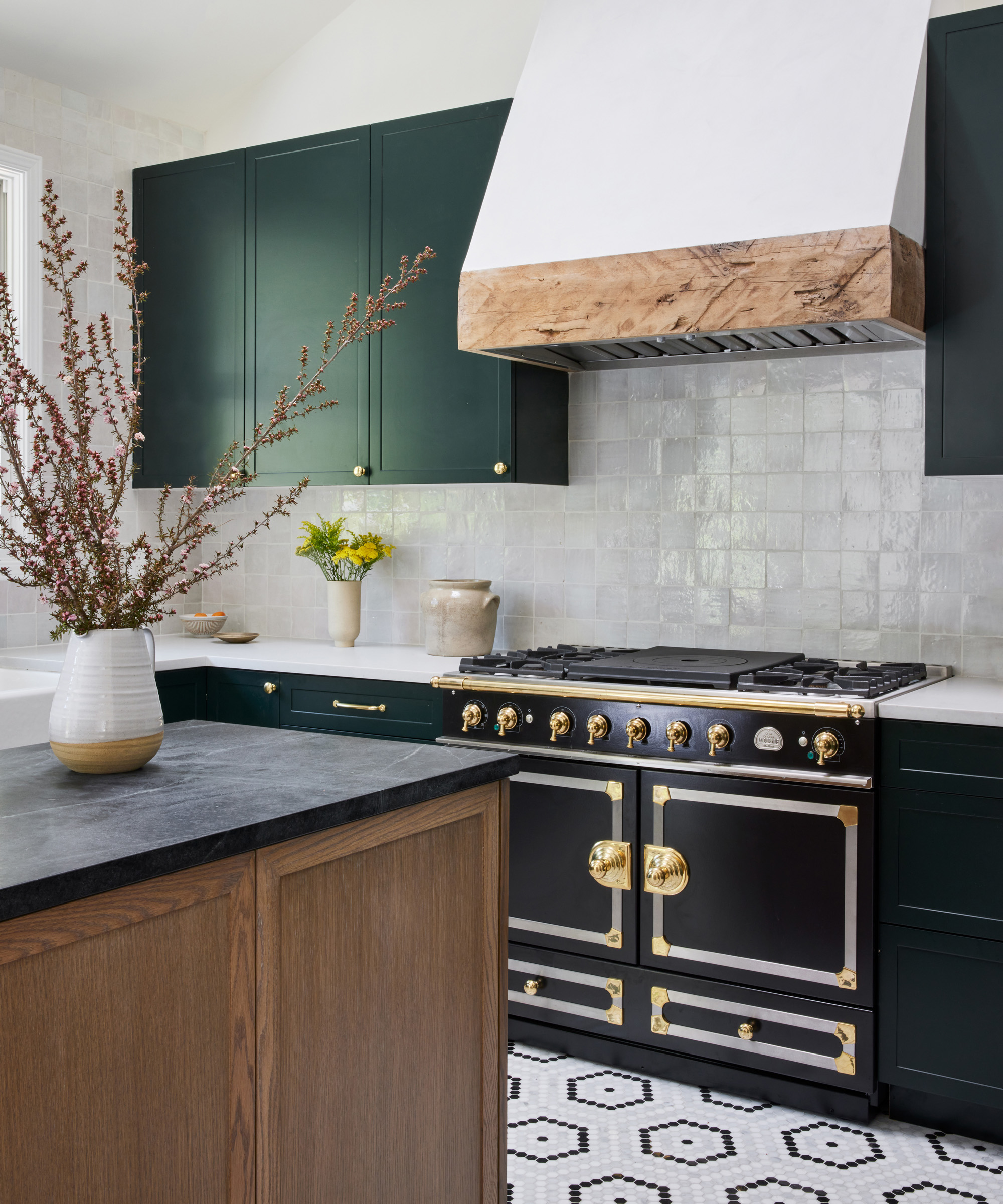
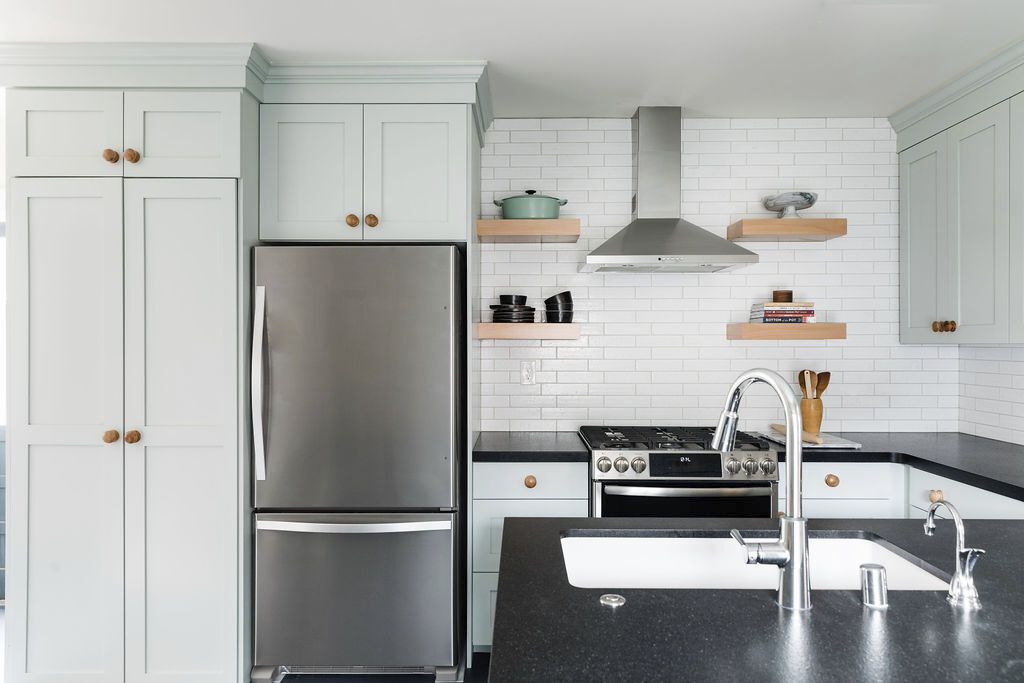
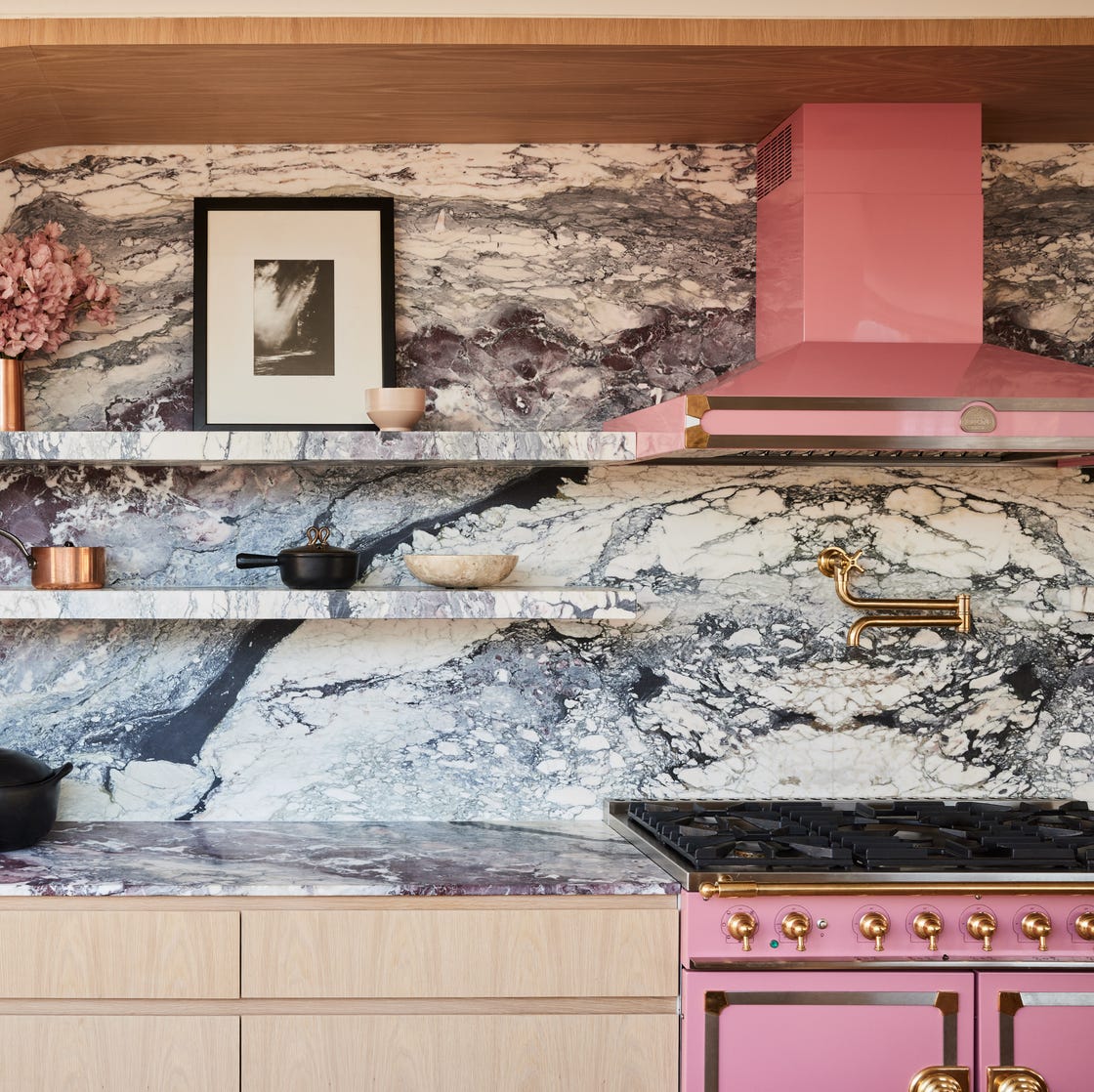
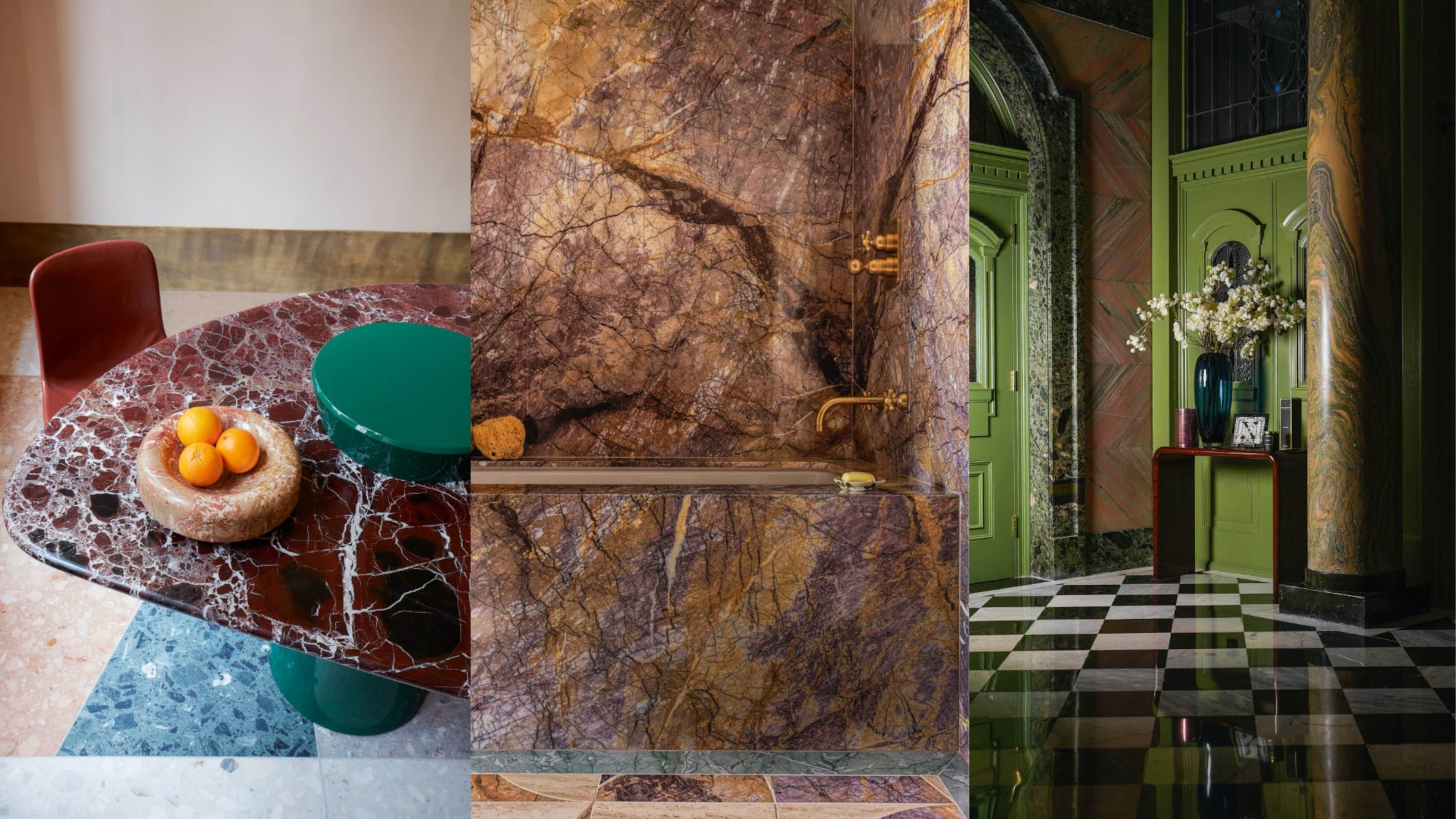
For more unexpected pairings, shades of burgundy, plum, or eggplant can create a sophisticated atmosphere, especially when accented with brass or warm wood tones. These deep, rich colors provide a contemporary contrast to the cool tones of white marble, making the scheme feel both timeless and current. Green, either as a fresh and warm alternative to blue or in textural applications like plaster-effect walls, also harmonizes well with white marble. Saturated dark neutrals, particularly deep forest green, provide a compelling contrast, especially when paired with honed marble for a luxurious tactile experience. Greens with blue undertones, like teal, can match the cool temperature of certain marbles.
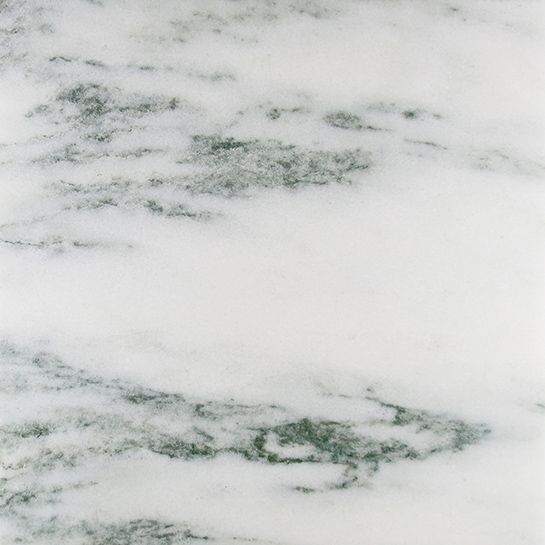
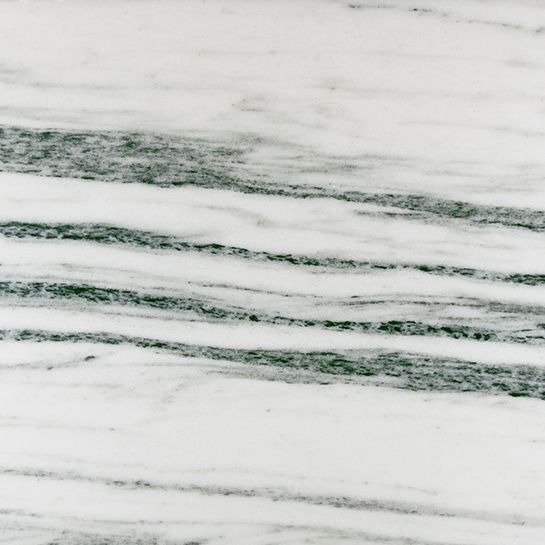
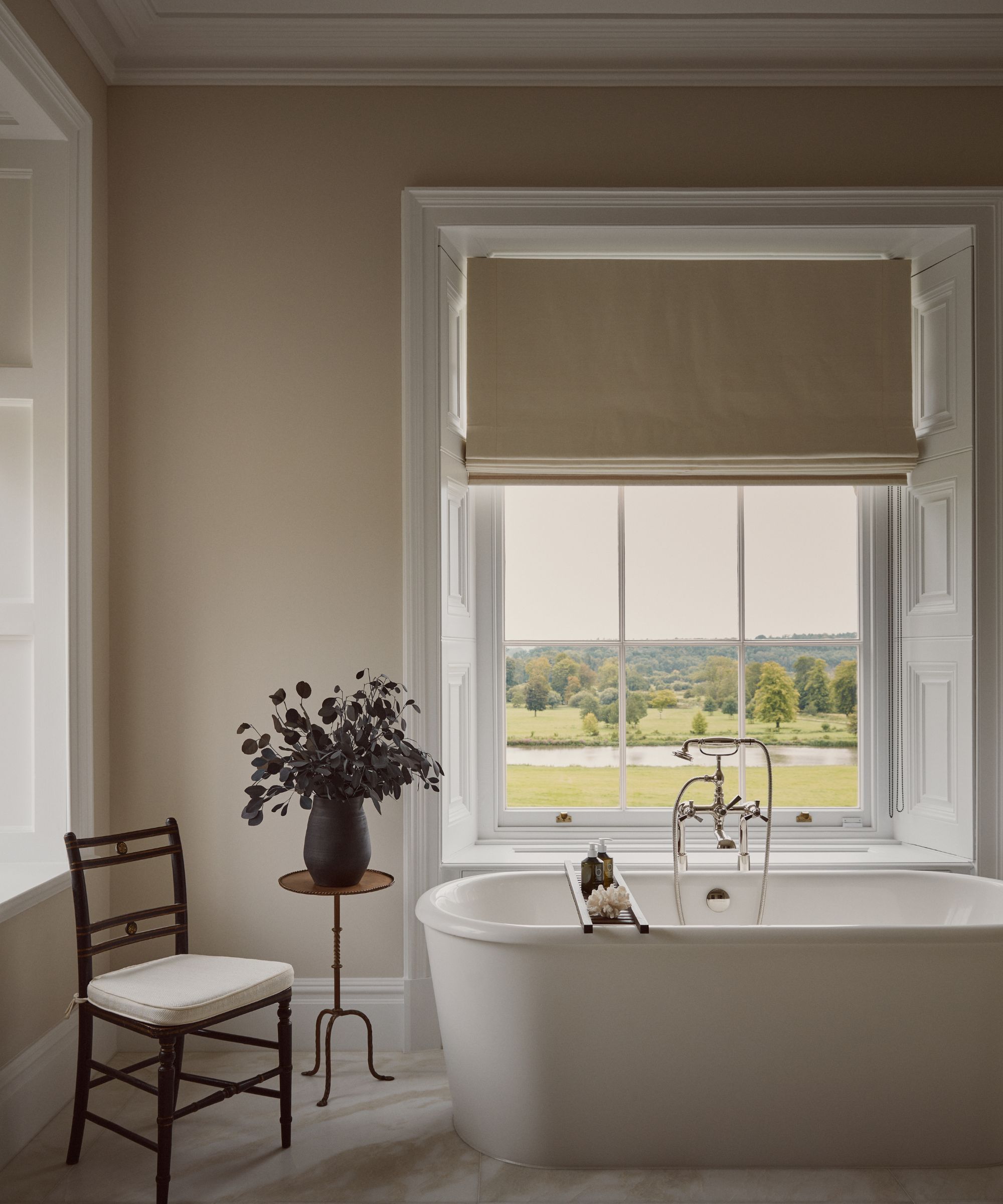
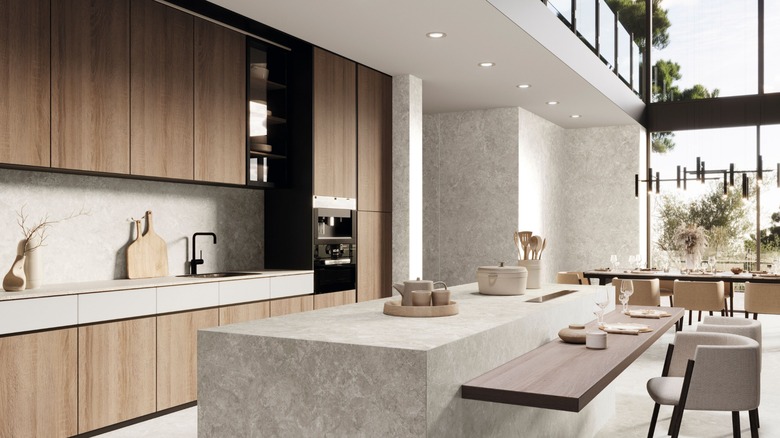
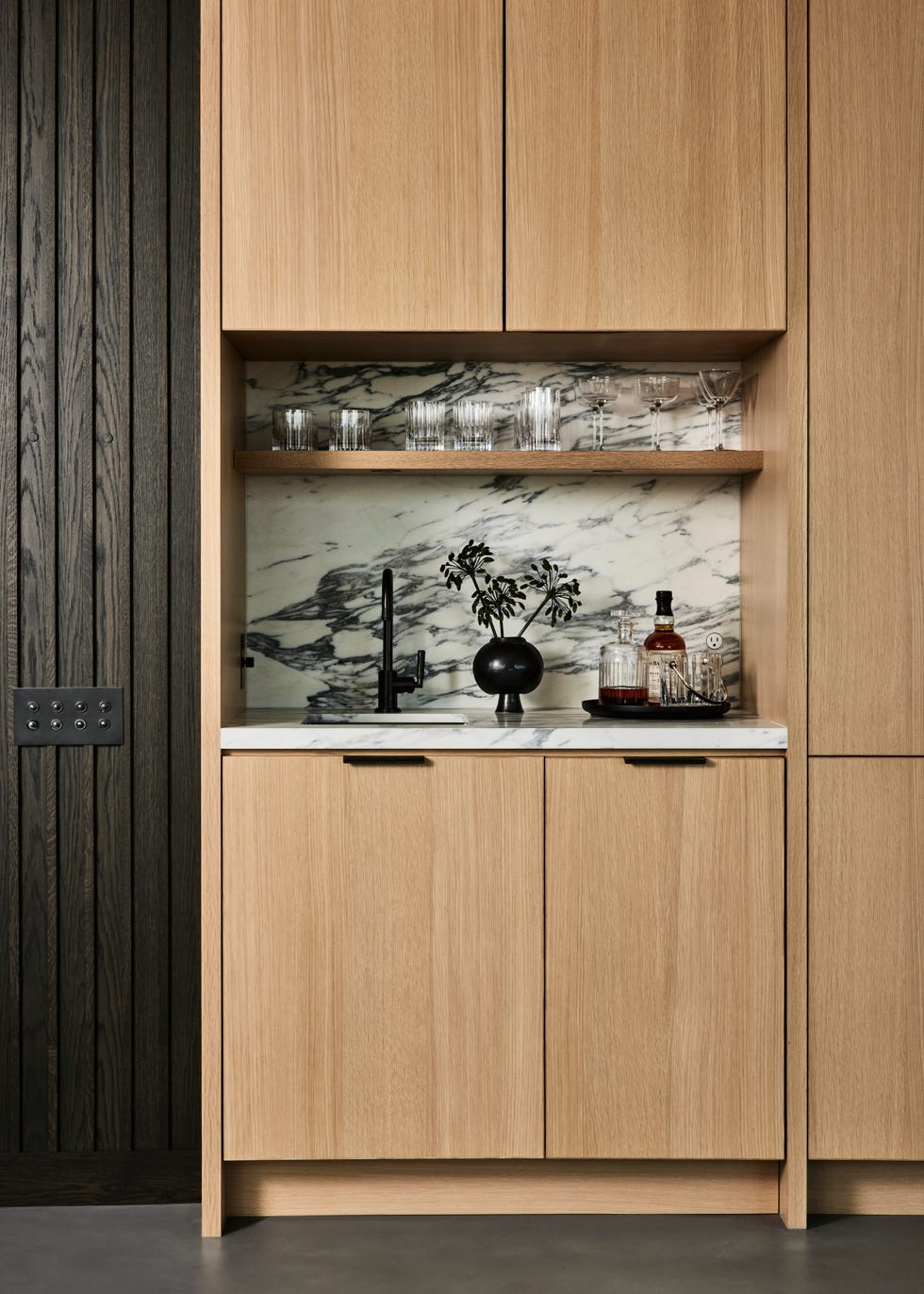
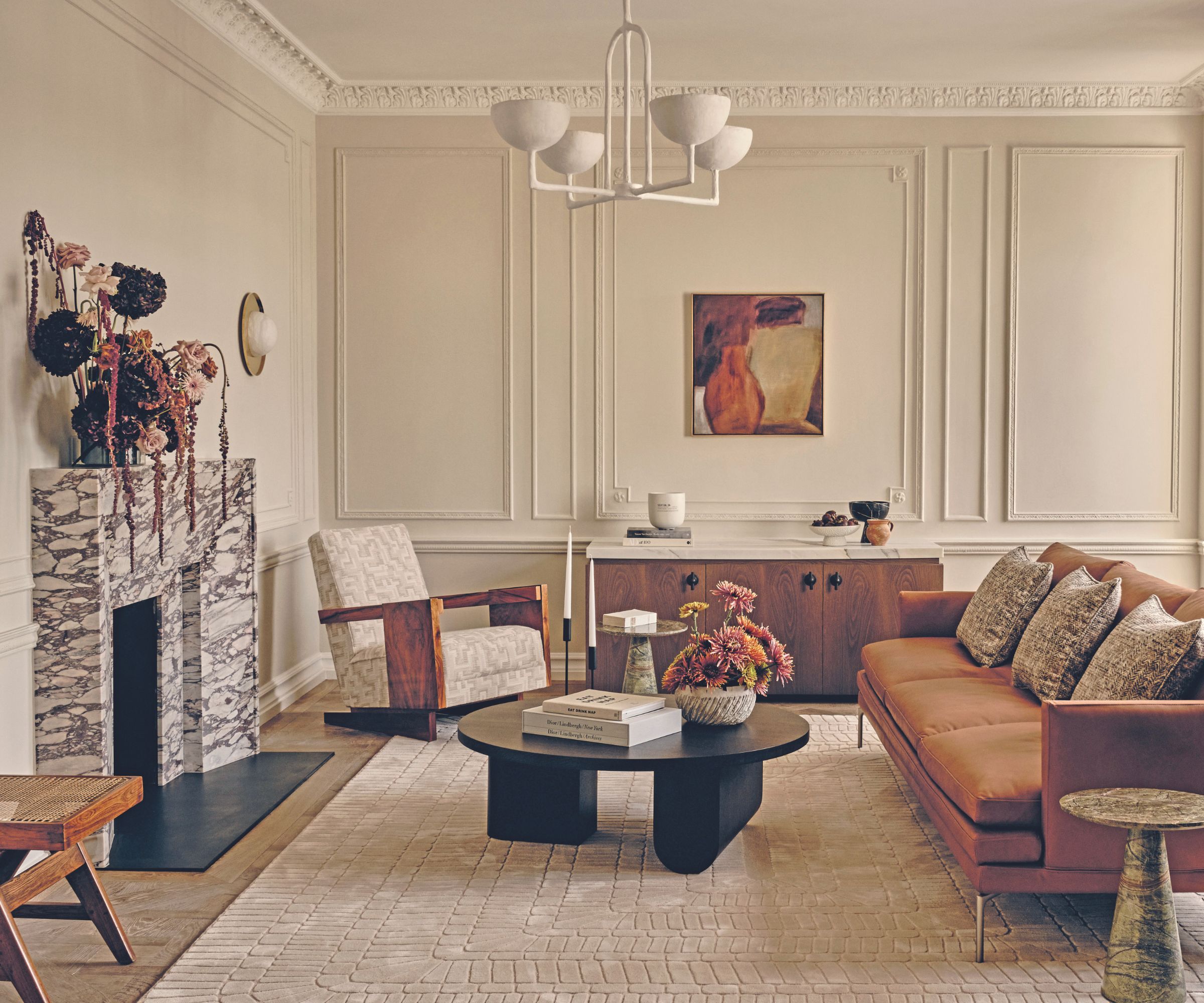
Warm wood tones, such as light oak, mushroom browns, and taupes, paired with white marble, align with the trend for warm minimalism, creating soothing and restful environments. The choice of wood can be guided by the marble's veining to ensure a cohesive look. Finally, yellow, though surprising, can be a complementary choice for white marble, especially in kitchens. Lemon cabinetry with green-veined white marble creates a bold yet beautiful effect, which can be tempered by incorporating warm wood elements like oak.
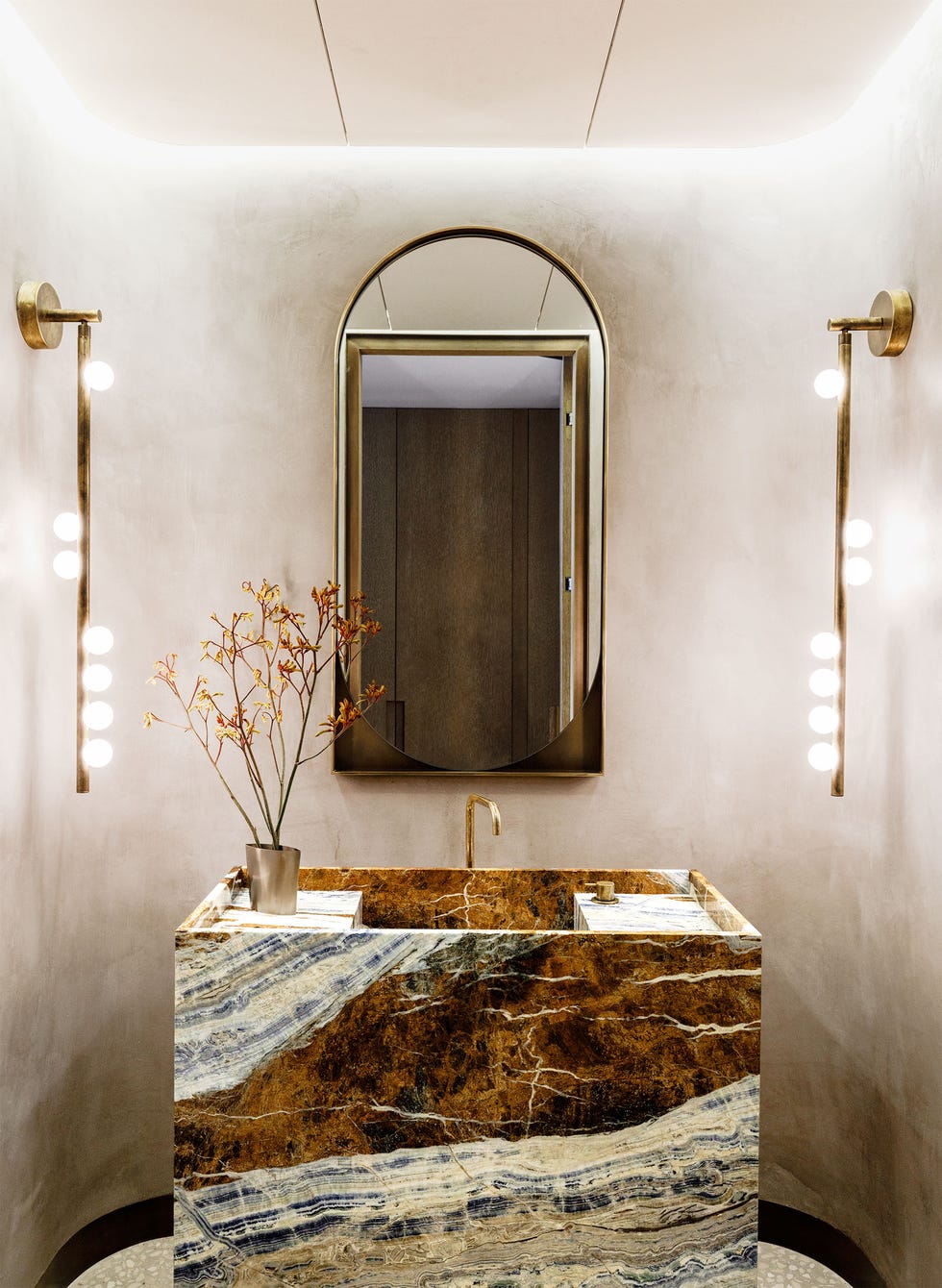
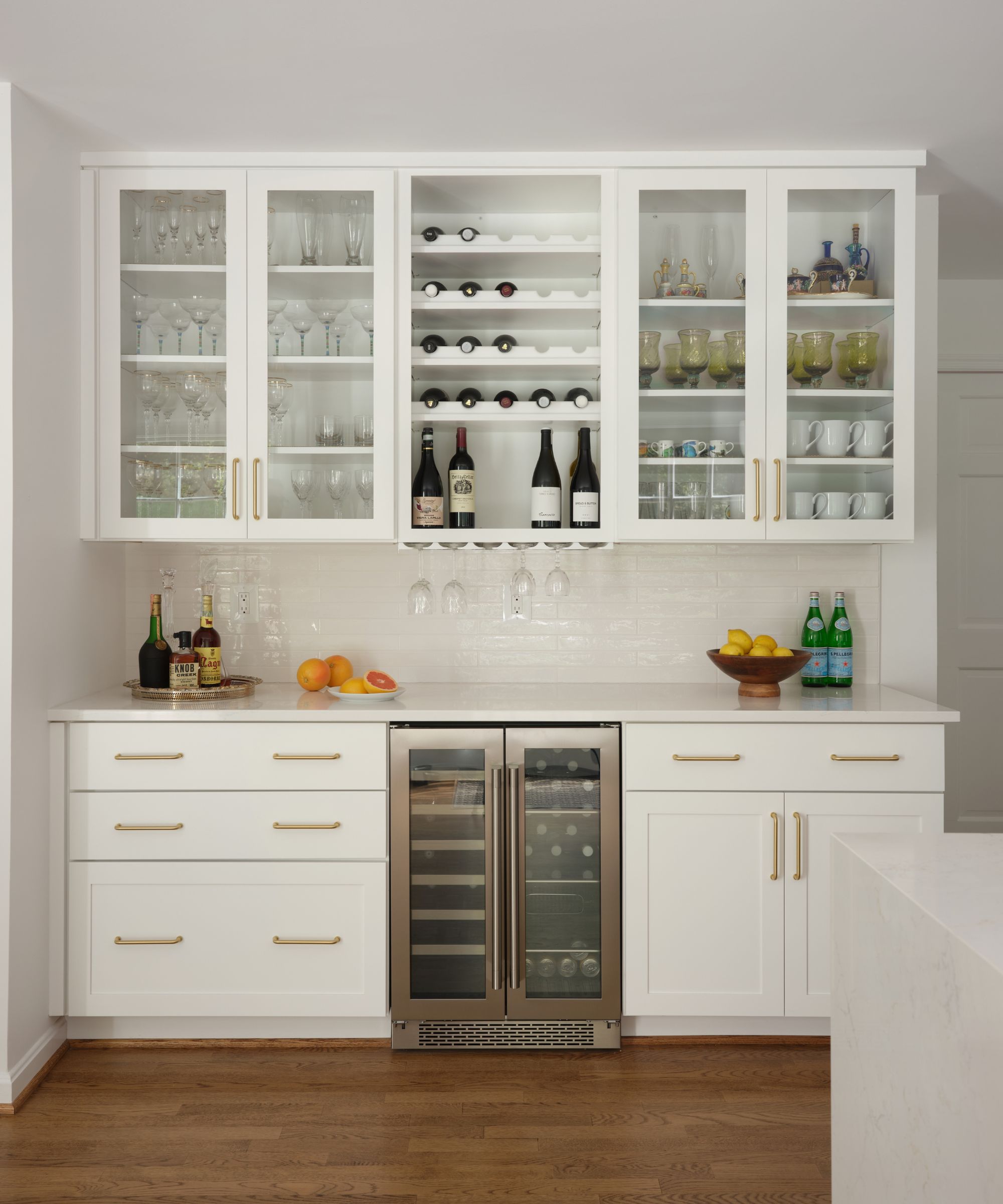
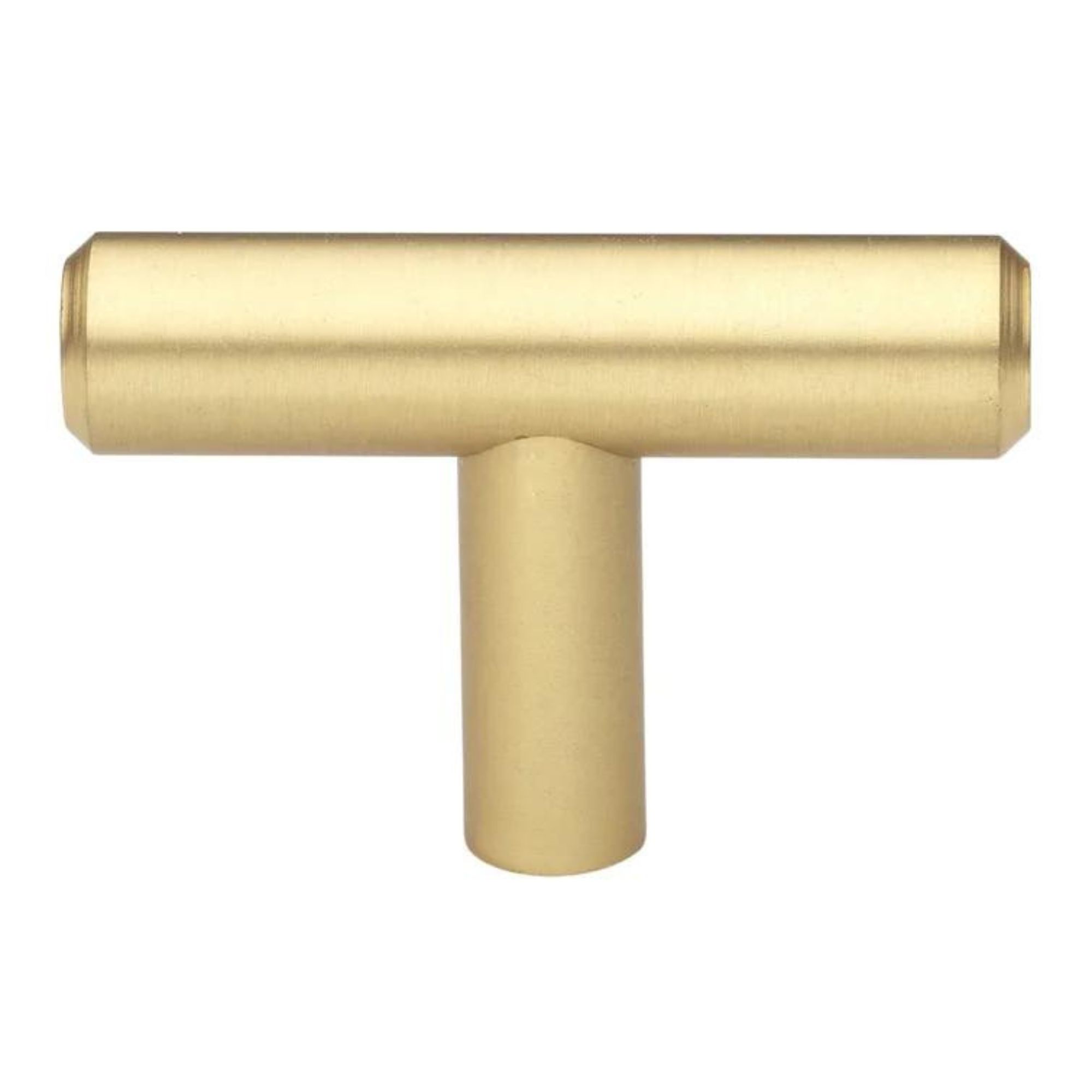
When it comes to metallic hardware, white marble is versatile. Brushed nickel offers subtlety, brass provides a pop of warmth, and black creates a modern, graphic statement. The undertones and veining of the marble can further guide the selection of metals like polished nickel or unlacquered brass to achieve balance. Ultimately, white marble should be viewed as one of many layers in a design, capable of adding depth without overwhelming color. Designers suggest exploring beyond painted walls and cabinets to incorporate color through plaster, Roman clay, or accompanying tile colors, and using white marble as a backdrop for colorful accents in living areas or fireplace surrounds.
#WhiteMarble #ColorPairing #InteriorDesign #HomeDecor #NeutralPalette #KitchenDesign #BathroomDesign #TexturalDesign #ContemporaryDesign #WhiteMarble #ColorPairing #InteriorDesign #HomeDecor #NeutralPalette #KitchenDesign #BathroomDesign #TexturalDesign #ContemporaryDesign
0 comment in total
 No comments yet
You may also like
9 important tips for choosing a white marble slab

What Colors Go With White? Design Experts Share 10 Pairings That Won't Feel Too Stark in Your Space
What color goes with a white kitchen? 10 top picks from design experts

Natural stone tiles: tips and ideas for using them in your home

Marble Countertops: 9 Tips for Choosing a White Marble Slab

D-FW designers hone in on bold, colorful marbles for a modern take on a traditional look

Top marble trends in interior design for 2024: From dramatic veining patterns to nautical-inspired hues | Hindustan Times

Designing the Appearance of Rammed Earth Walls: The Interplay Between Natural Clay Colors and Pigmentation

What colors go with white? 5 expert-approved color combinations to try
Into the palette: Exploring trends in natural stone
7 Stunning Countertops That Mimic The Beauty Of Marble (And 2 We'd Avoid)
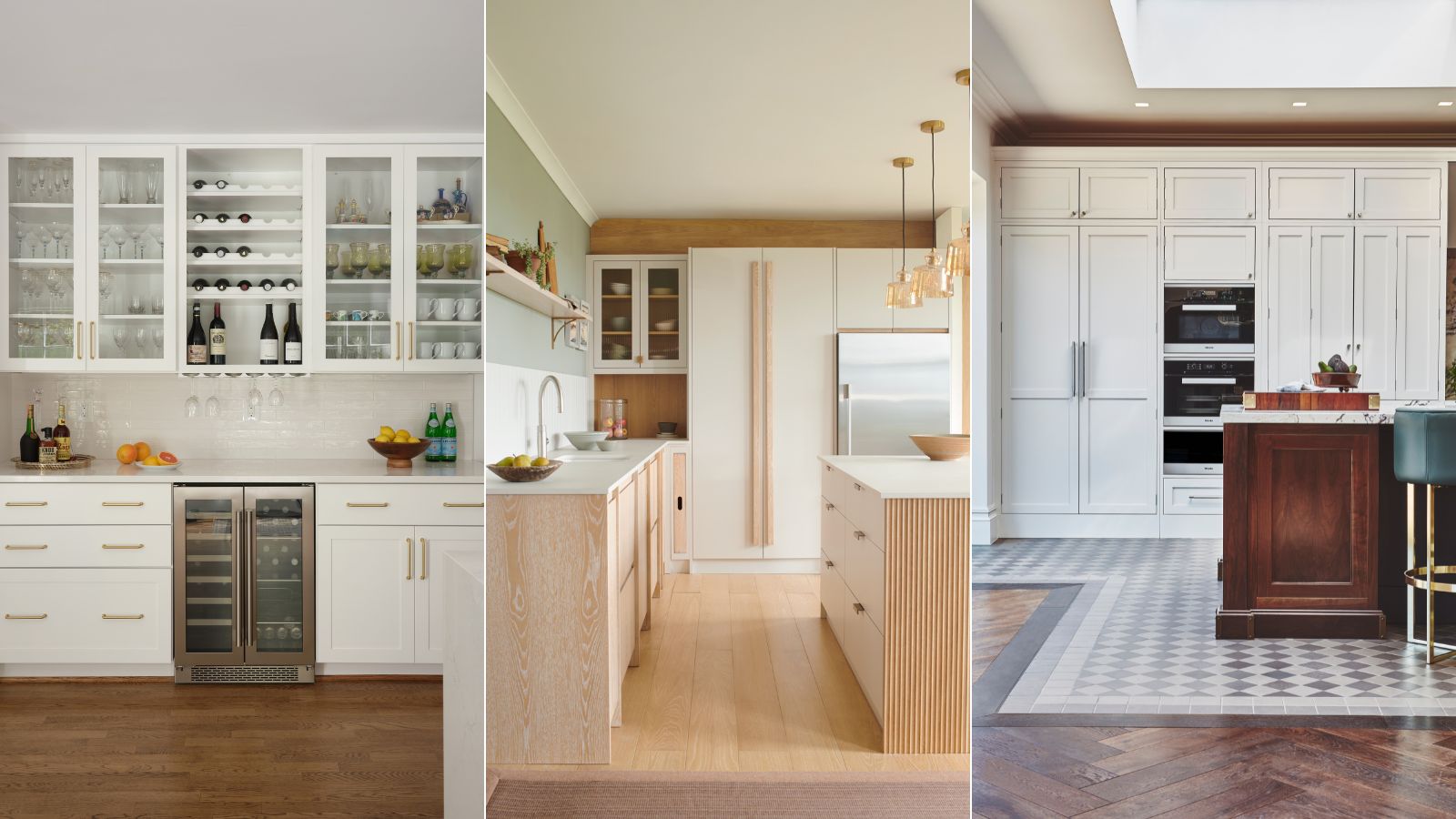
What color hardware goes with a white kitchen? Interior designers share their favorite combinations
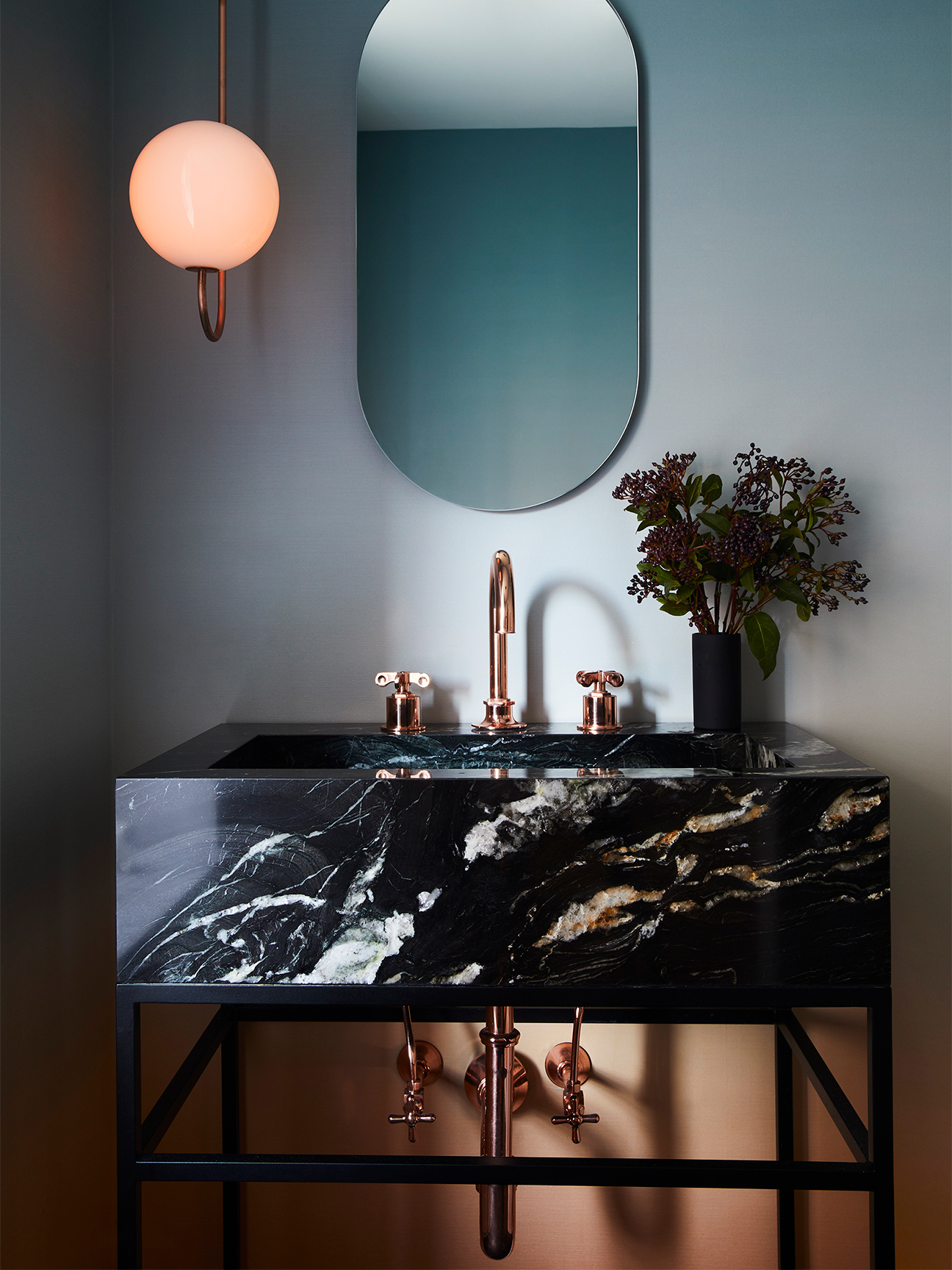
What Comes After Carrara Marble?


Inside The Coloured Marble Craze Celebrities Love — And How To Get The Look At Home

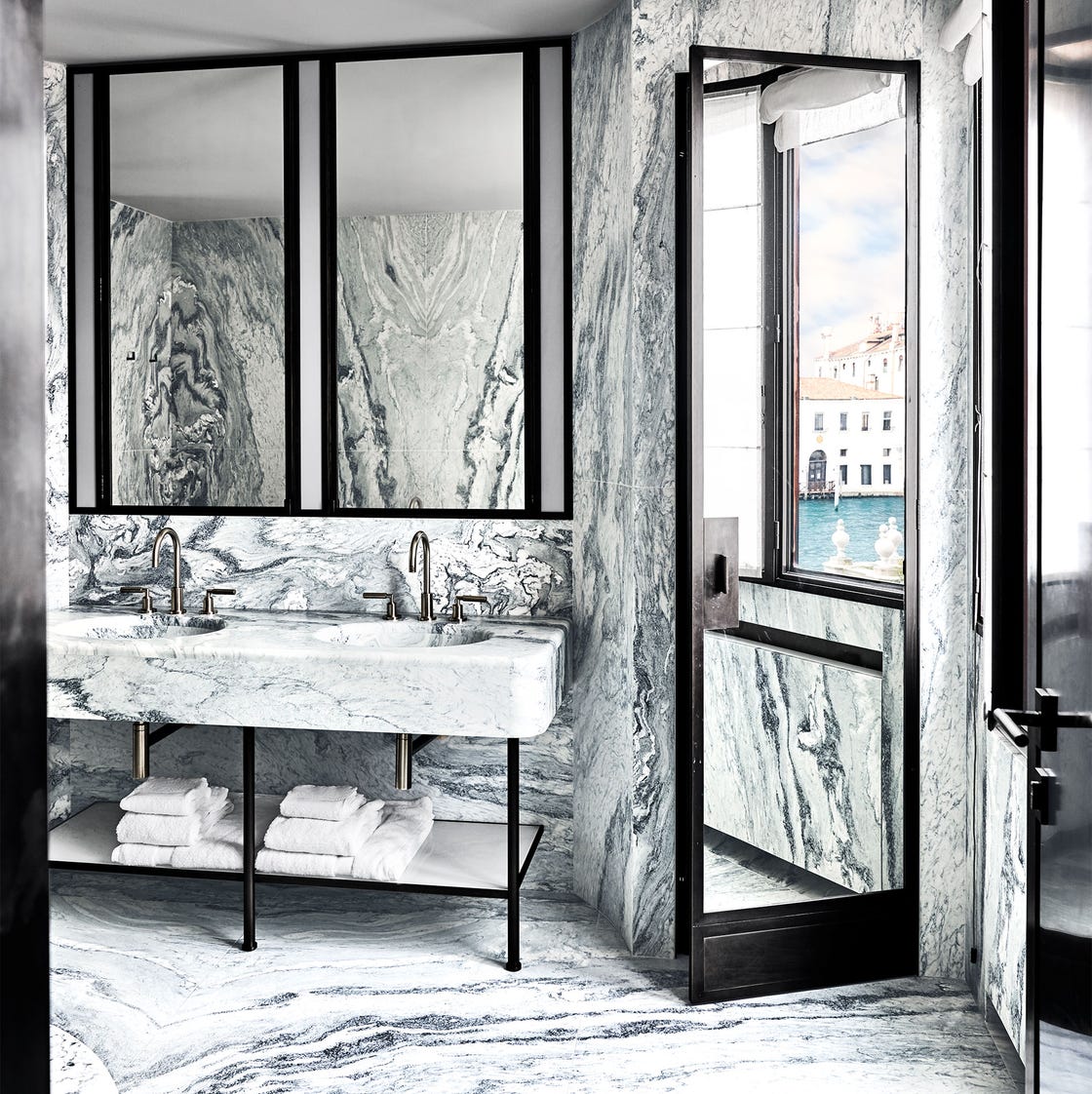
Is Plain Old Carrara Marble Making a Comeback? Designers Say Yes
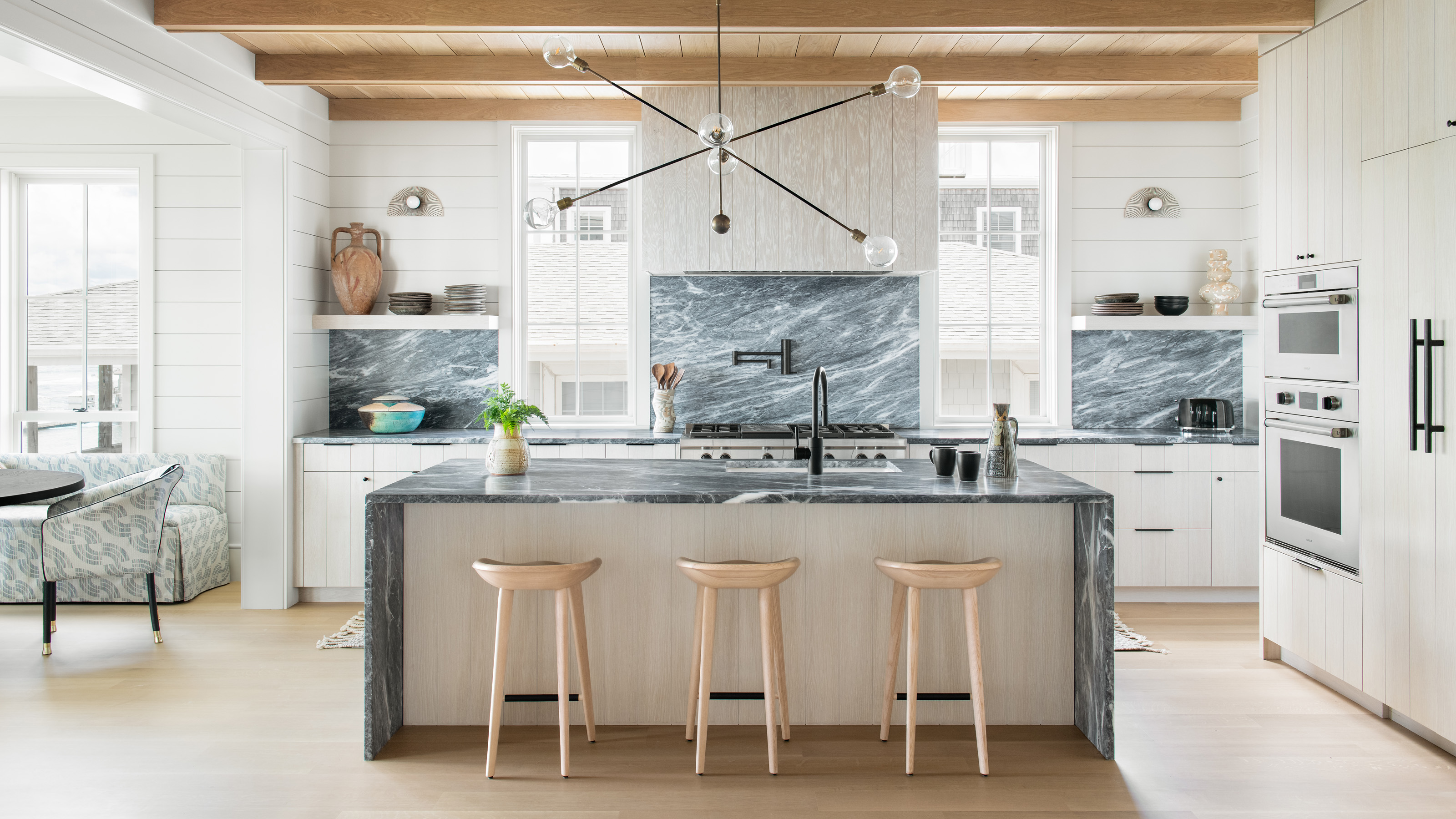
White kitchen backsplash ideas – 10 stylish backdrops for neutral kitchens
Why We’re Seeing Bold, Colorful Marble Everywhere Right Now
Total Interiors Eye Candy — These 6 Rooms Make Mixed Marble the Hero, and I Want to Copy Them All for My Home
Decorating with marble – 16 luxe looks created with precious stone
Designers Share the Best Paint Colors to Pair With Black Granite