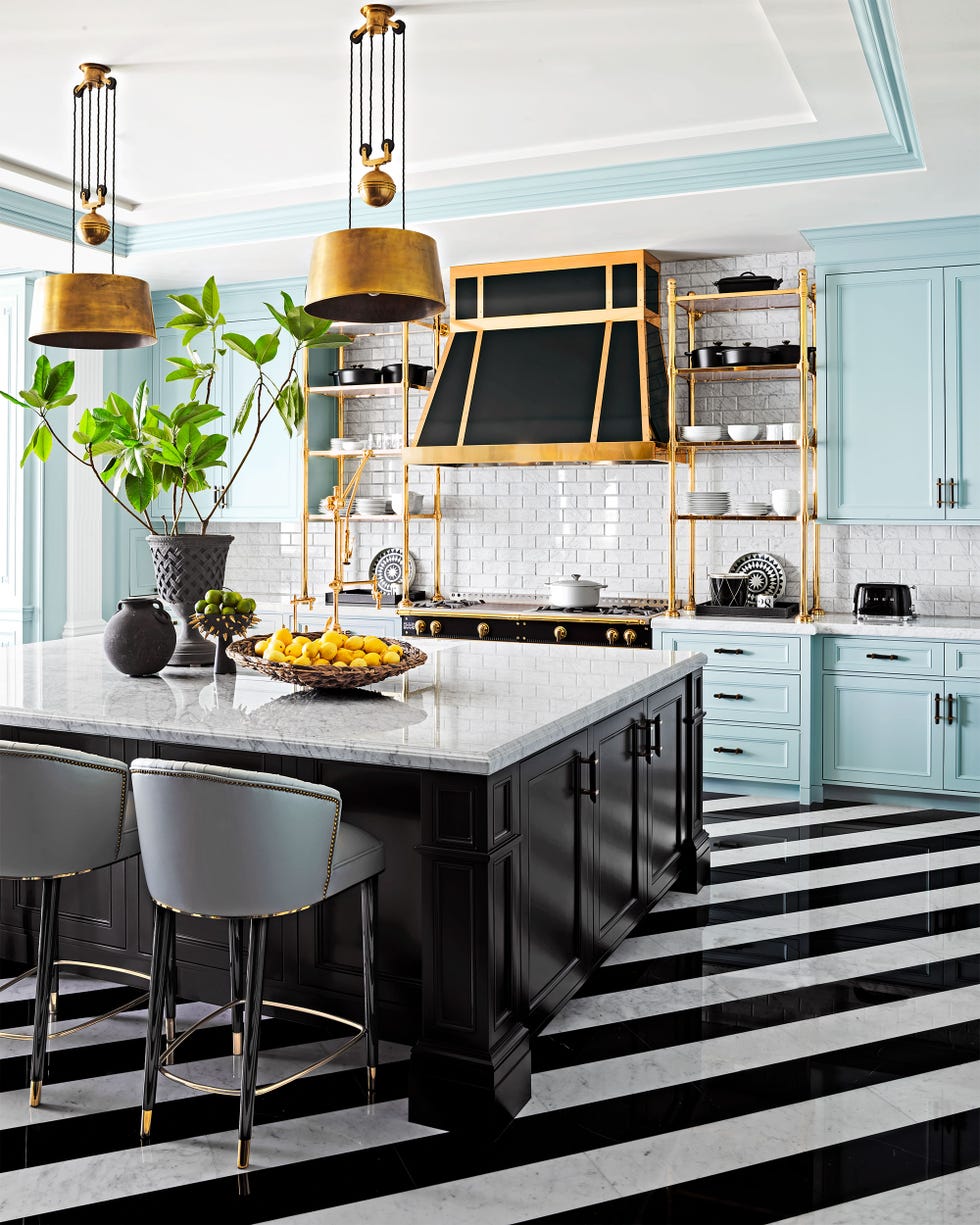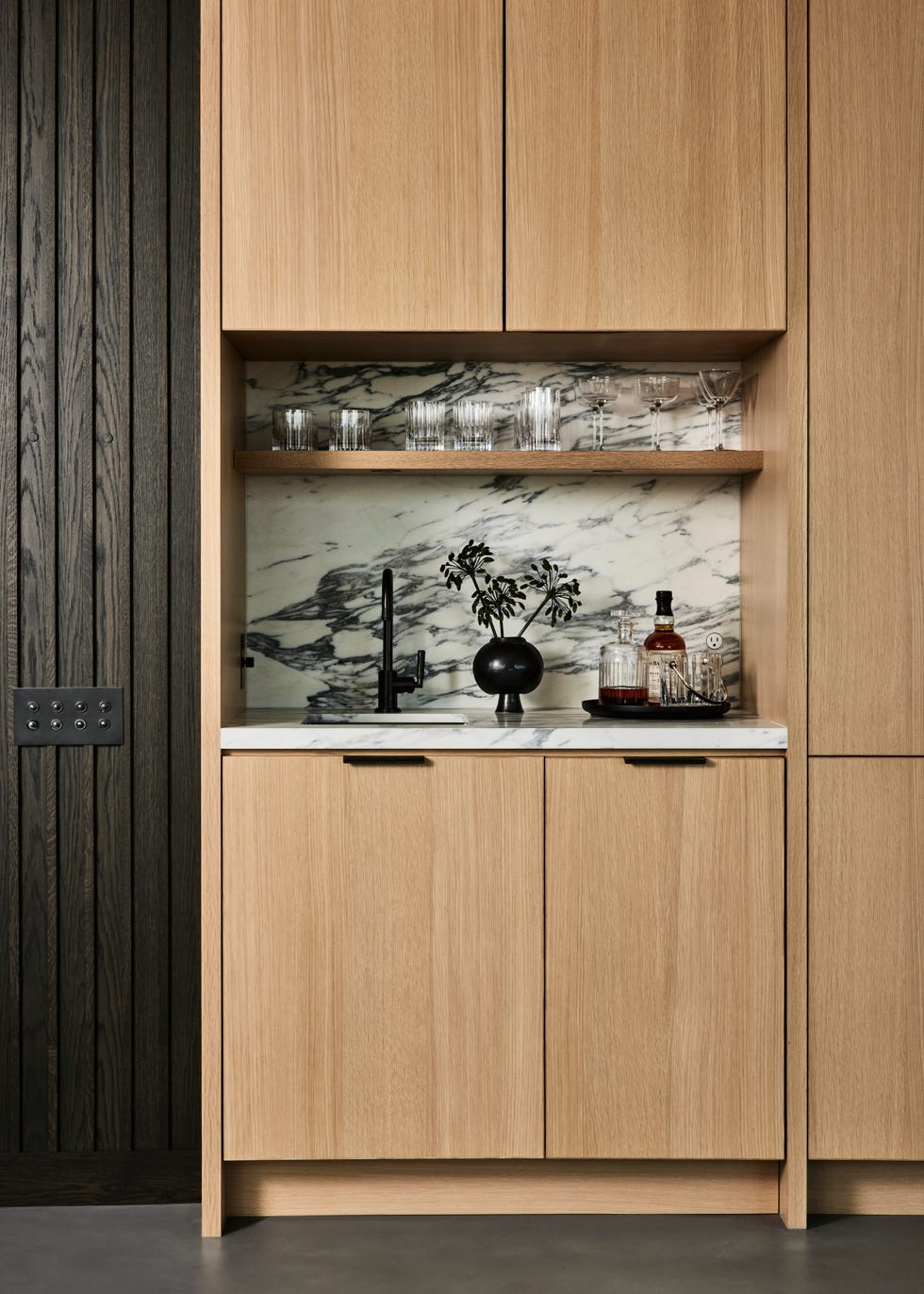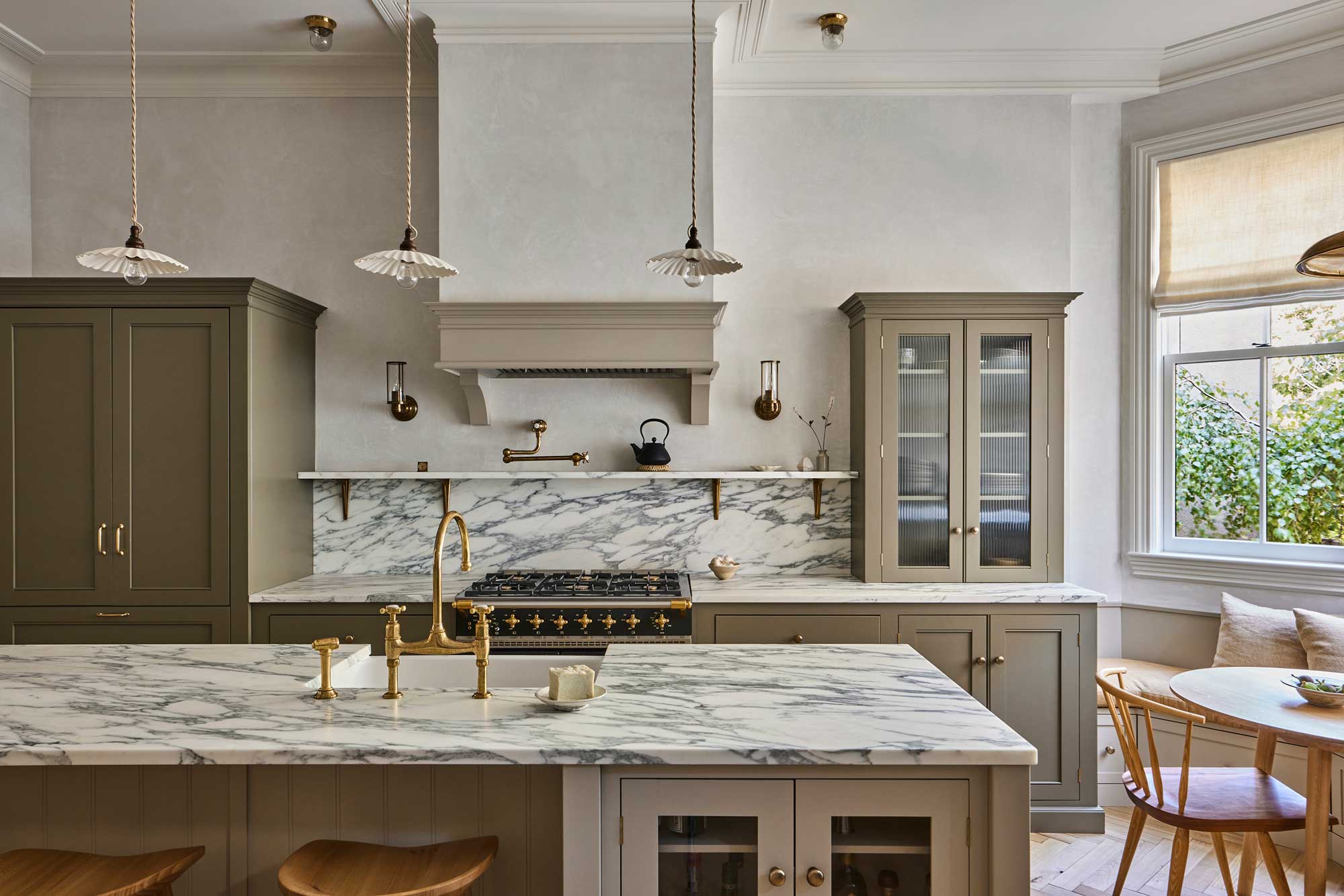
What Comes After Carrara Marble?

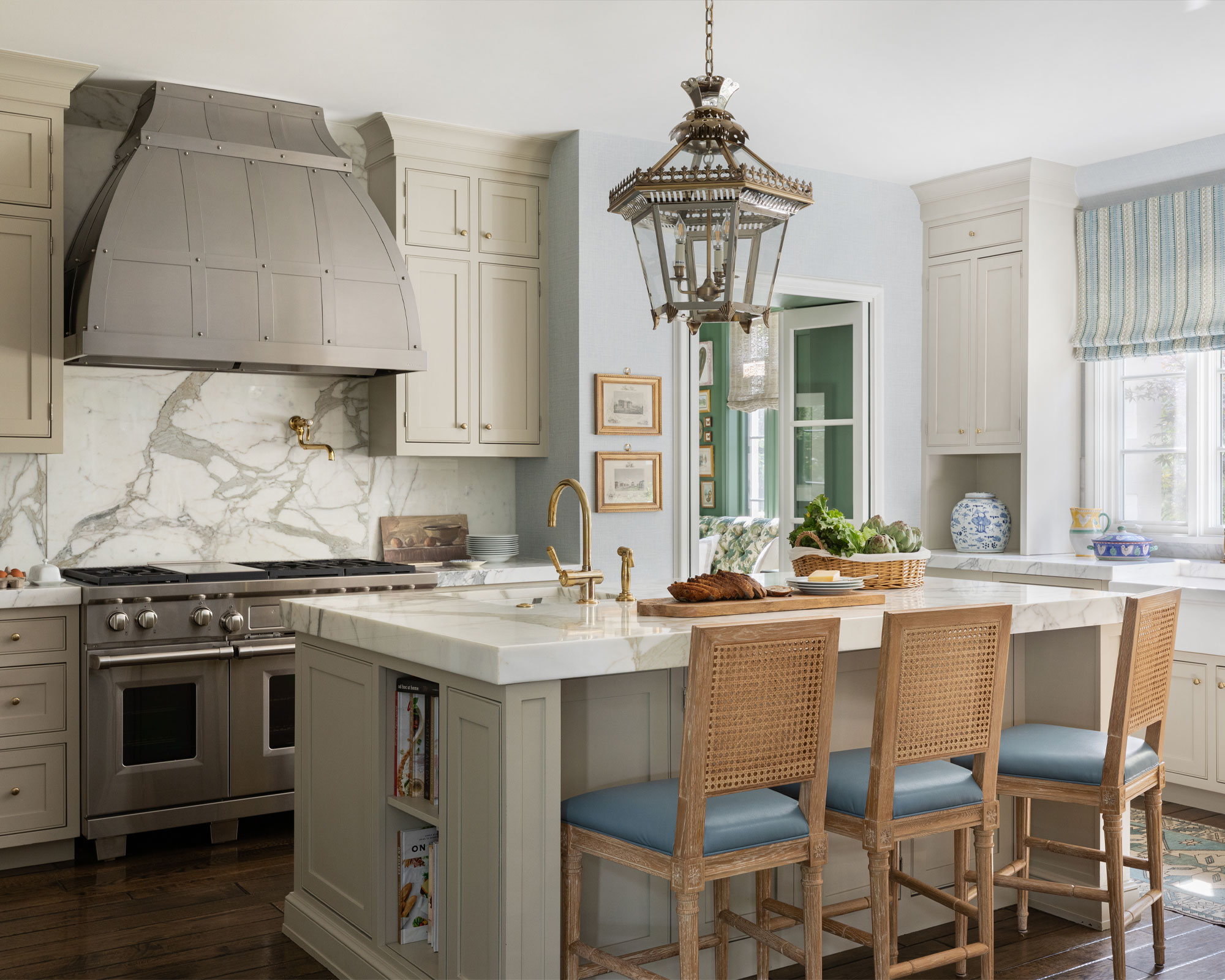
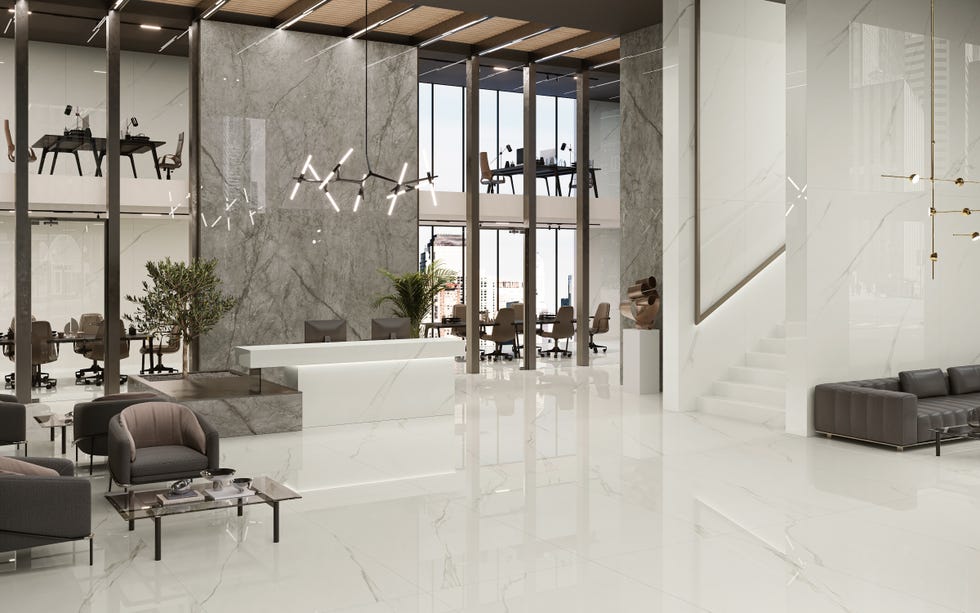
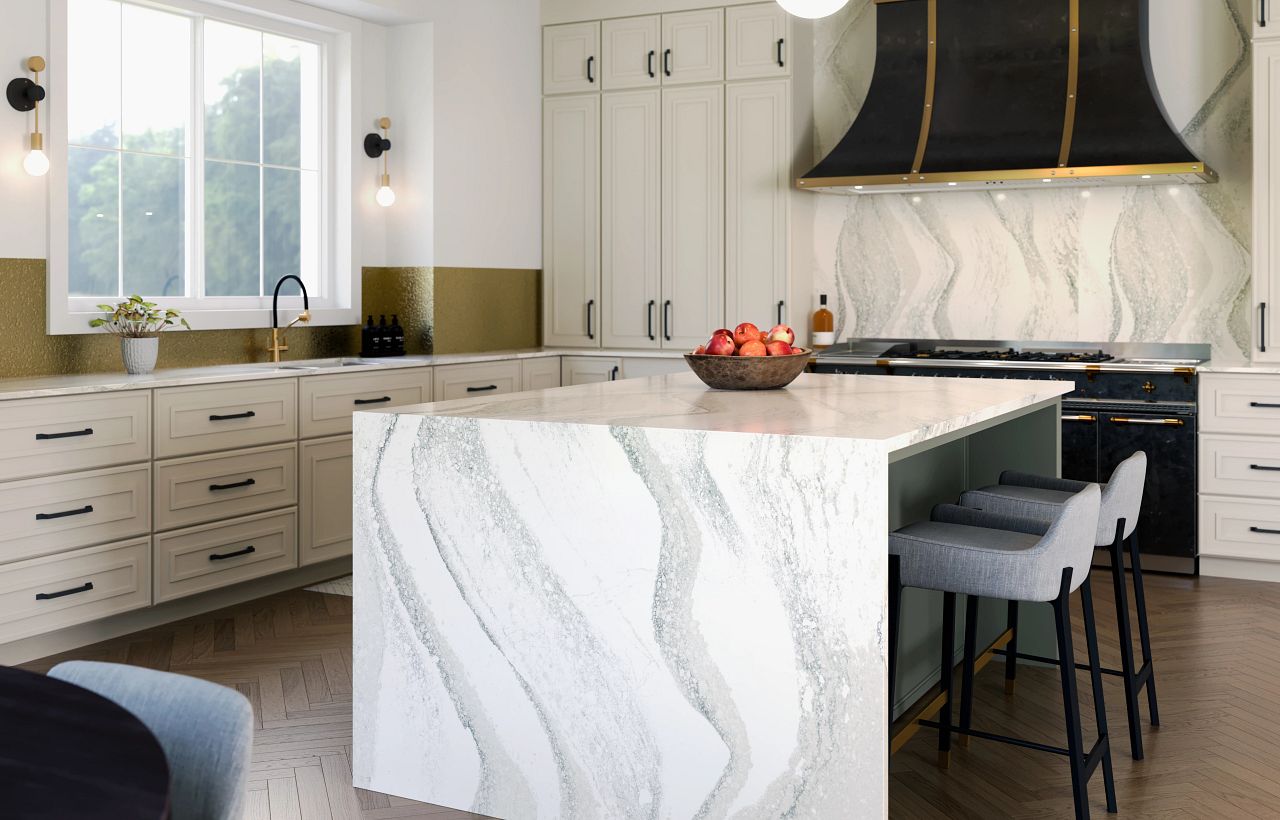
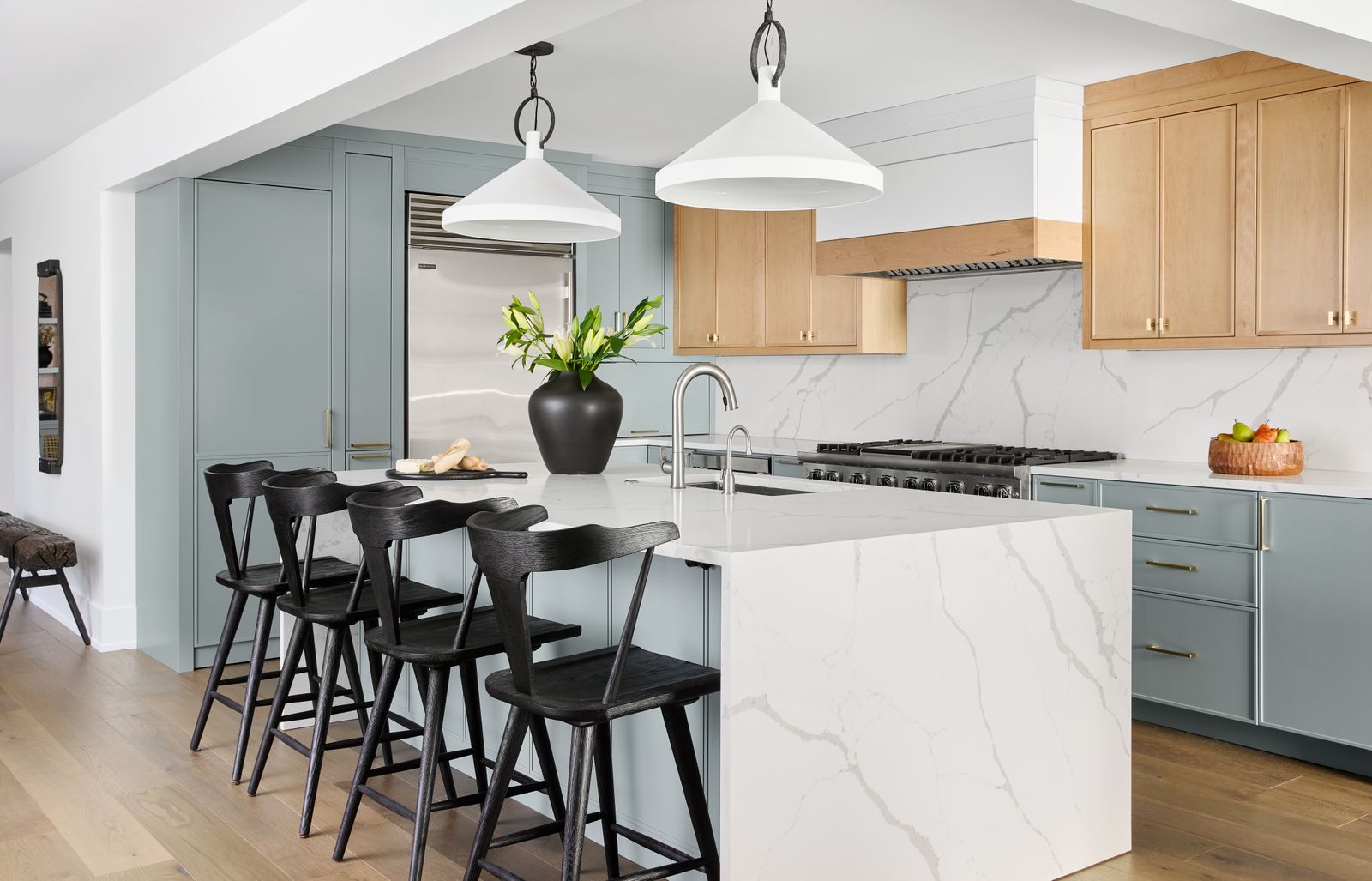
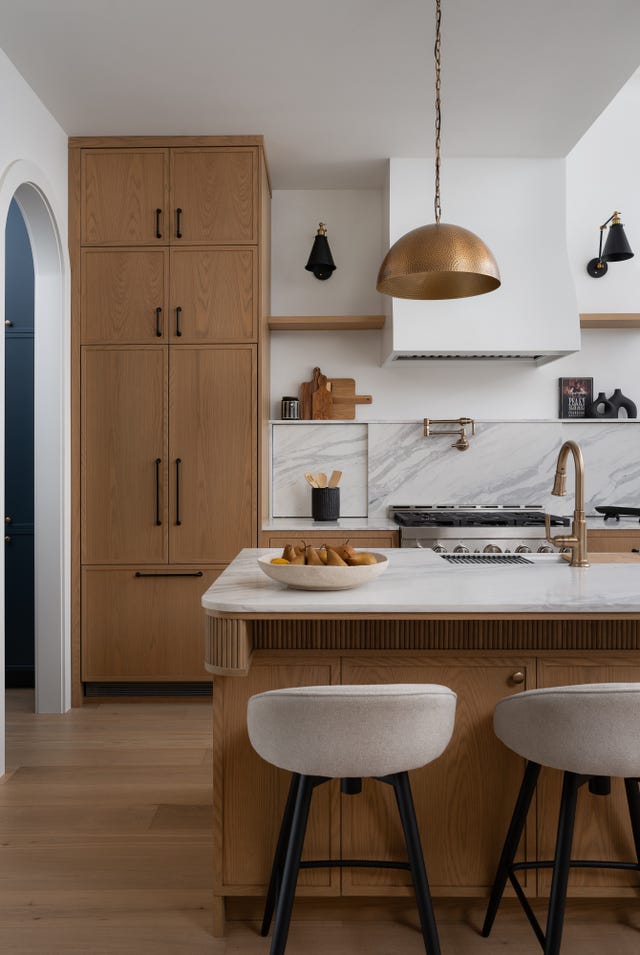
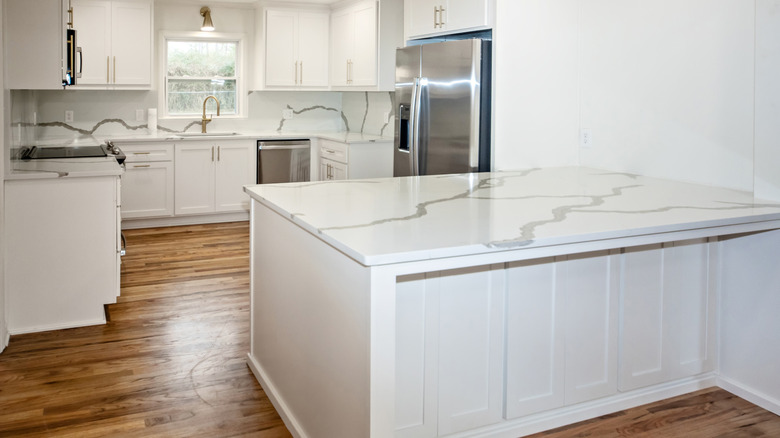
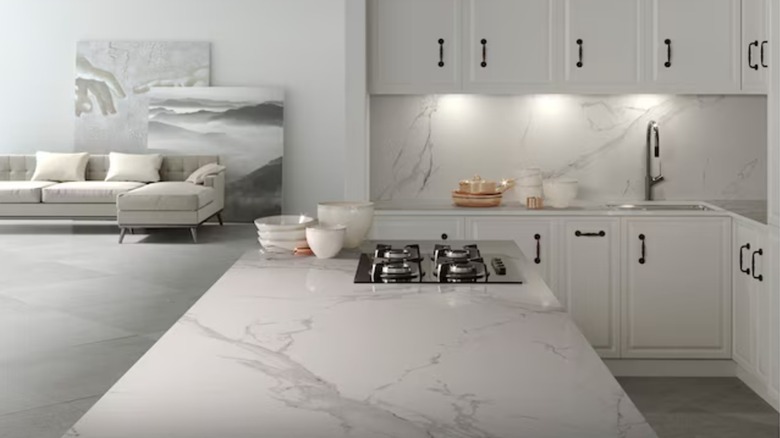
For nearly a decade, Carrara marble has been a dominant trend in interior design, particularly for kitchen countertops, often replacing other materials like Formica, laminate, and granite. This white stone with subtle gray veining has become synonymous with luxury and sophistication. However, a growing sentiment among interior designers suggests that the material, along with its close relatives Statuary and Calacatta Gold, has become overused and predictable. Designers are now actively seeking out alternative marble varieties to inject more dynamism, personality, and fresh aesthetics into their projects.
Kevin Greenberg, founder of Space Exploration, acknowledges that while there is nothing inherently wrong with traditional marbles, the market offers a vast array of expressive alternatives. He emphasizes that exploring these lesser-known varieties can significantly enhance a project's character. Britt Zunino, cofounder of Studio DB, is more direct in her assessment, stating that Calacatta Gold, whether real or imitated, has been overused to the point of becoming a "predictable and boring way to convey luxury." This shift in perspective signals a desire within the design community to move beyond the ubiquitous and embrace more unique and visually compelling options.
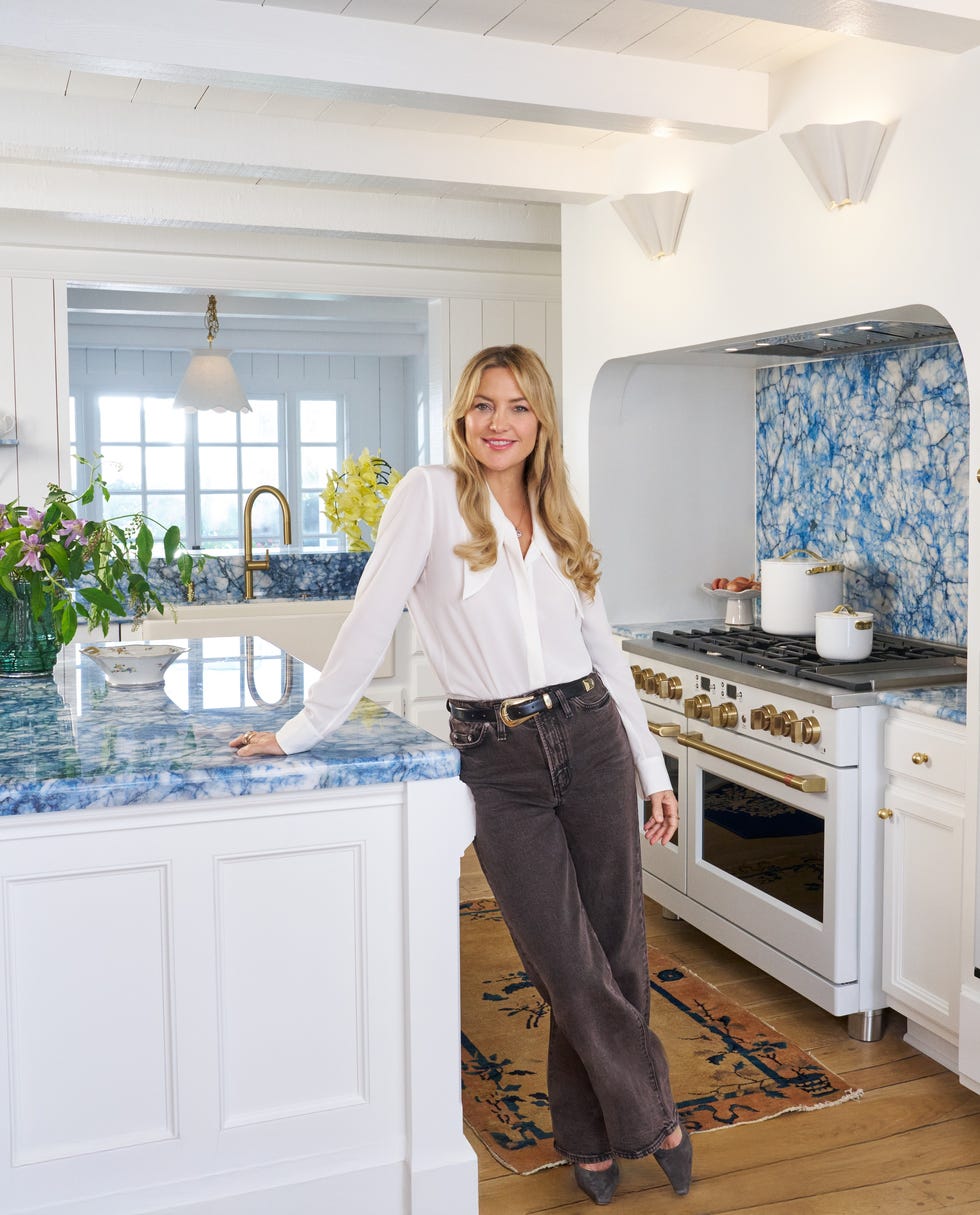
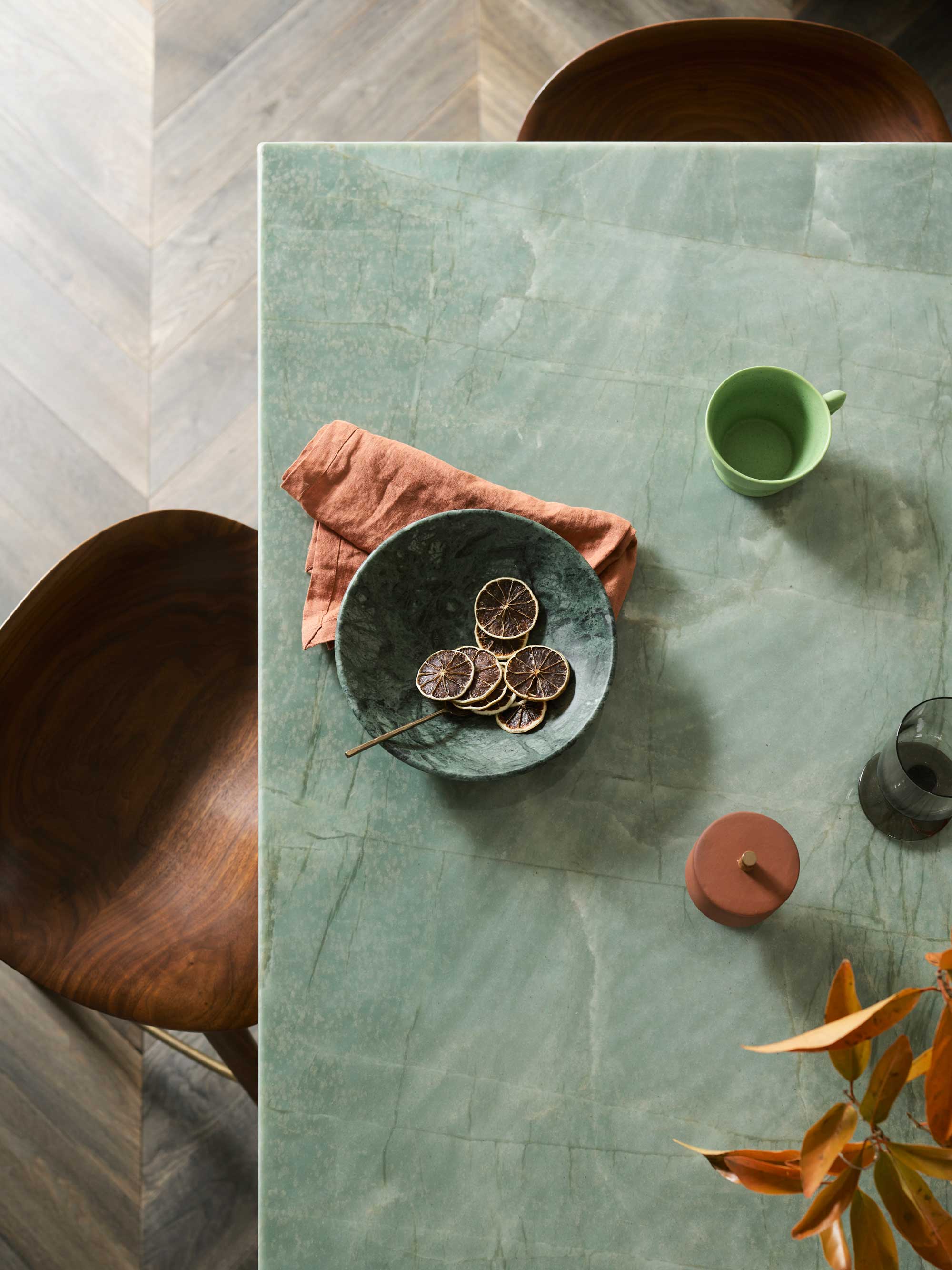
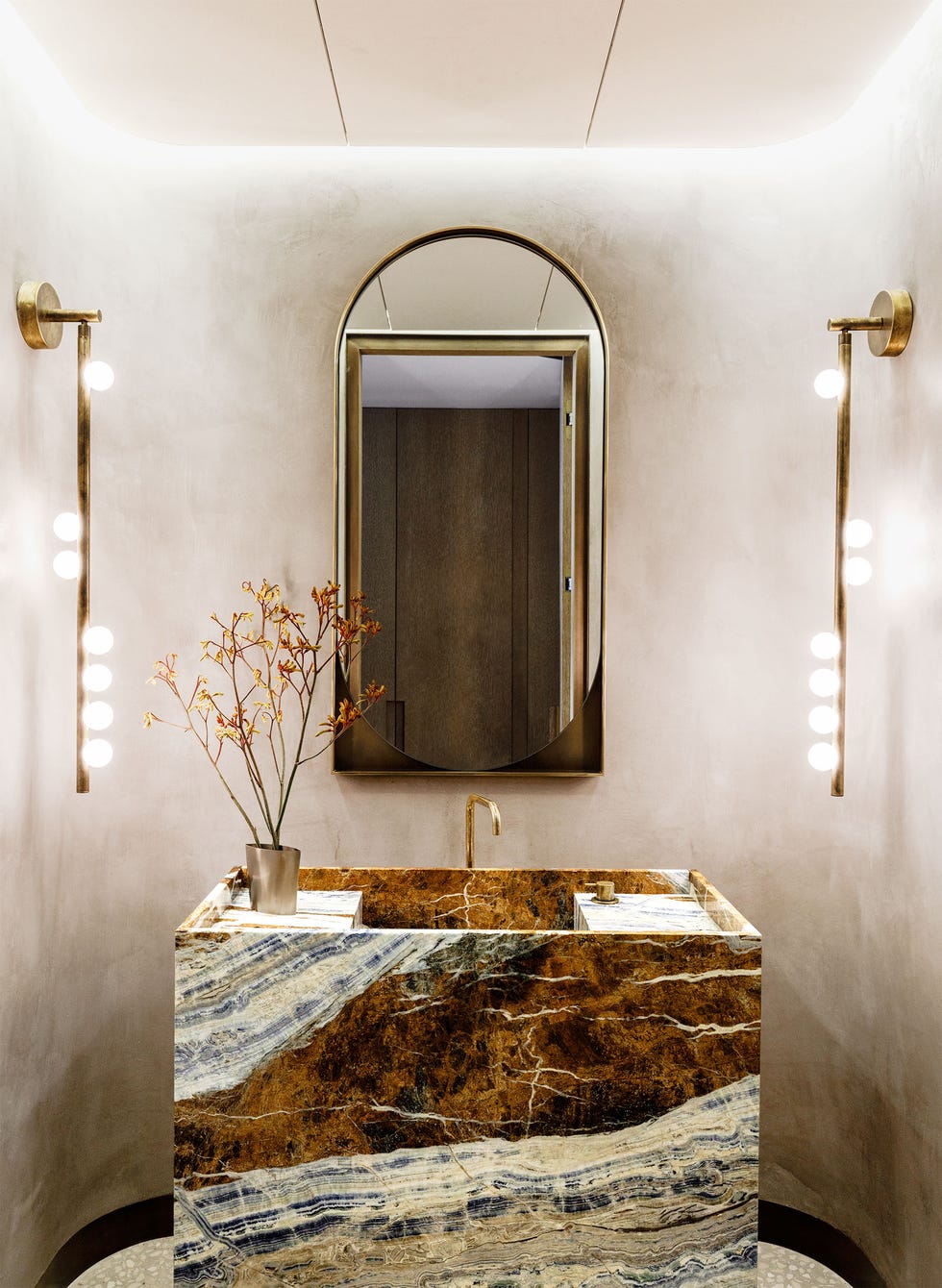
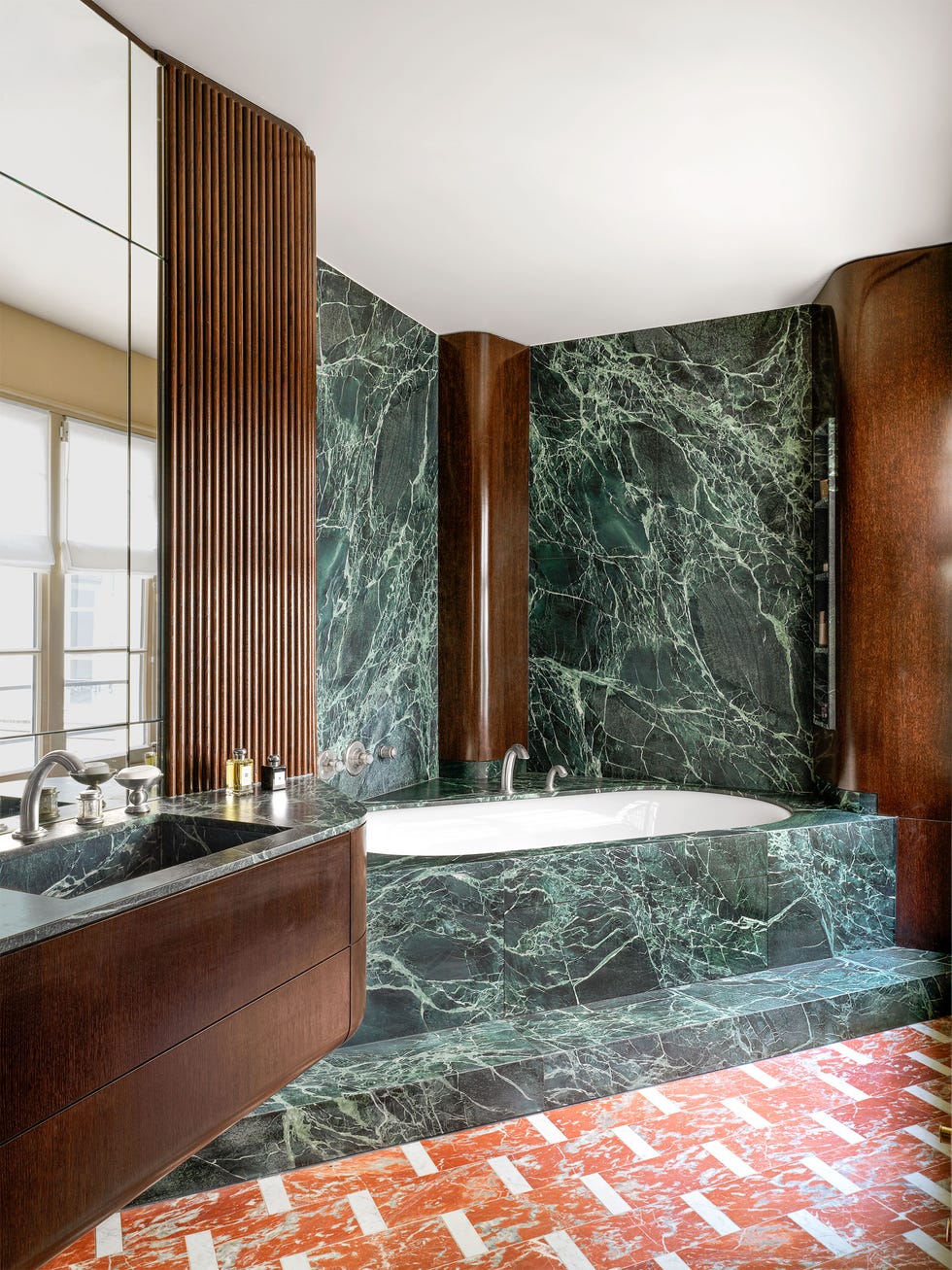
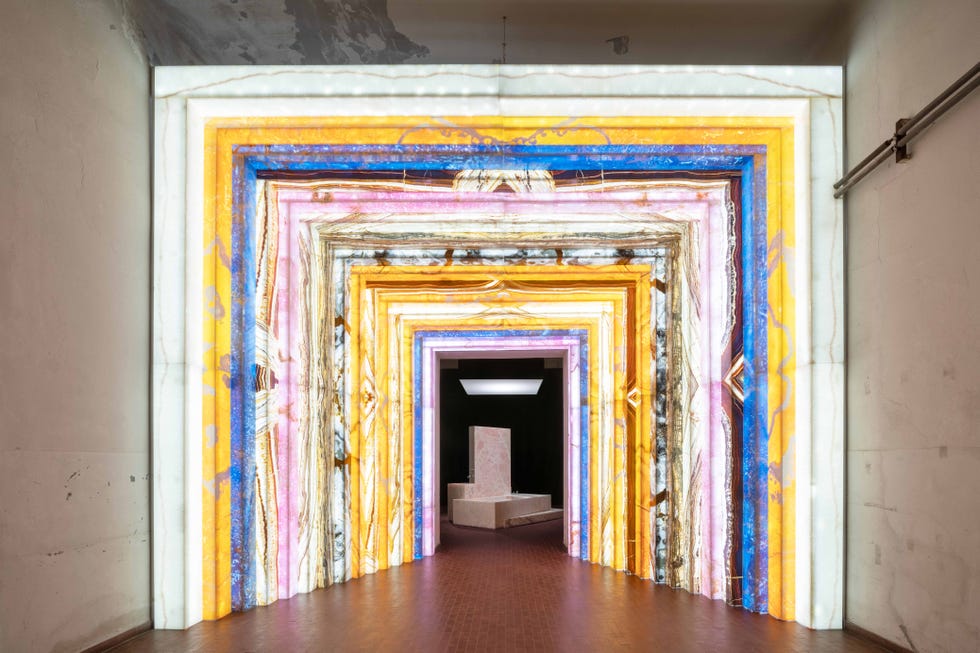
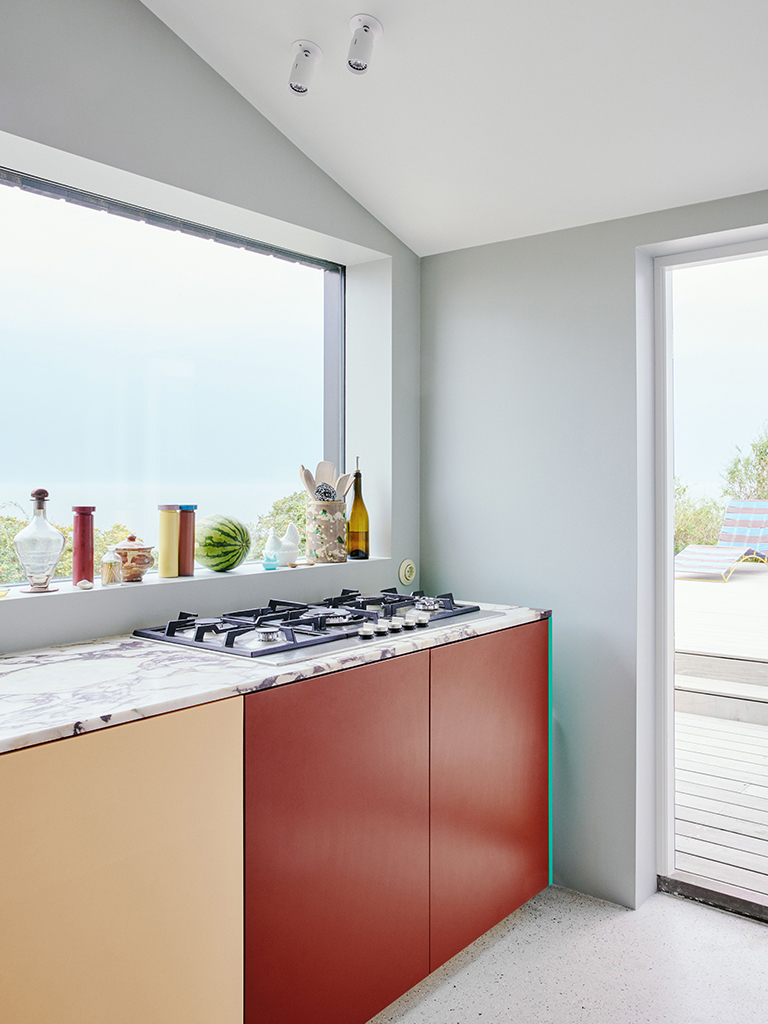
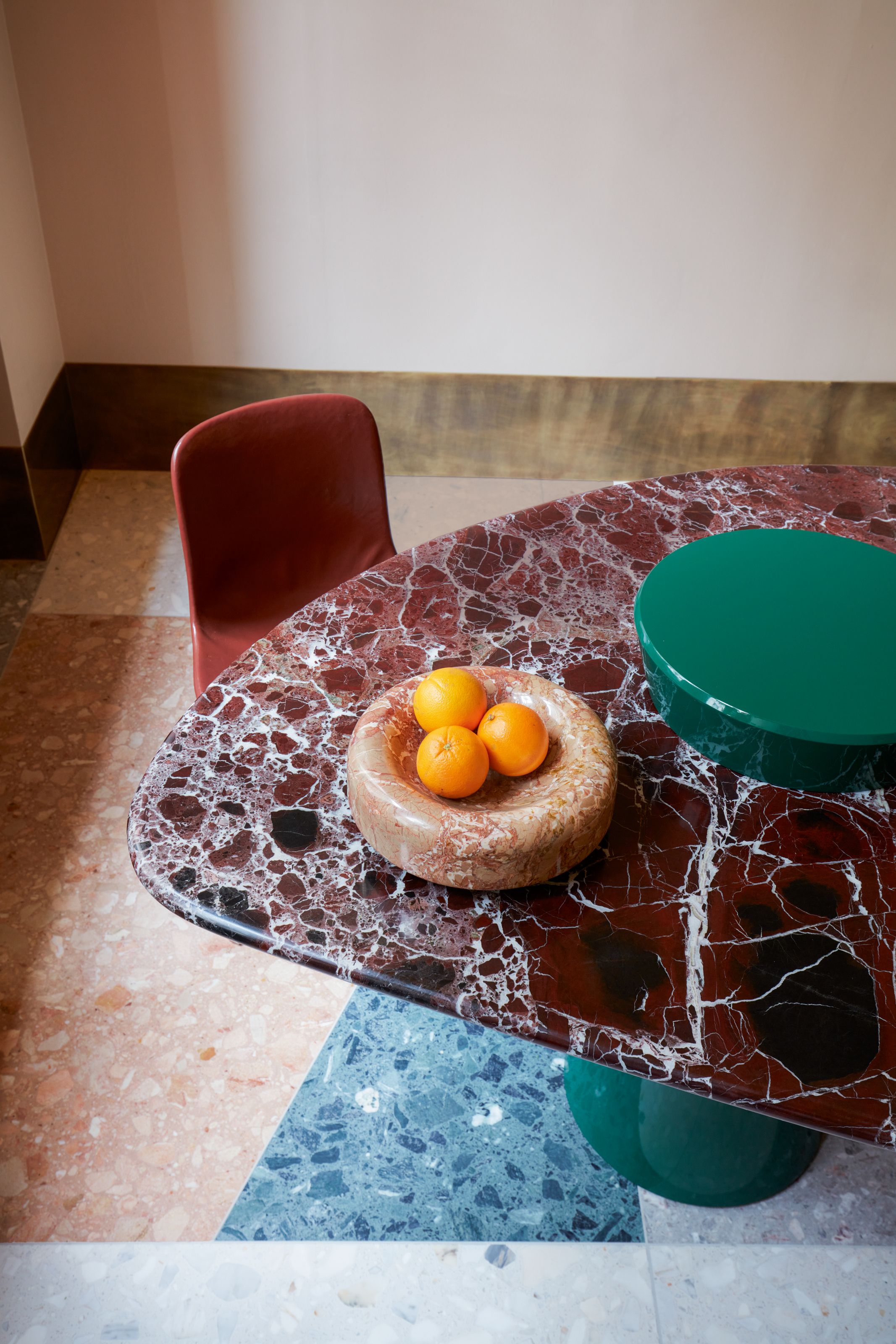
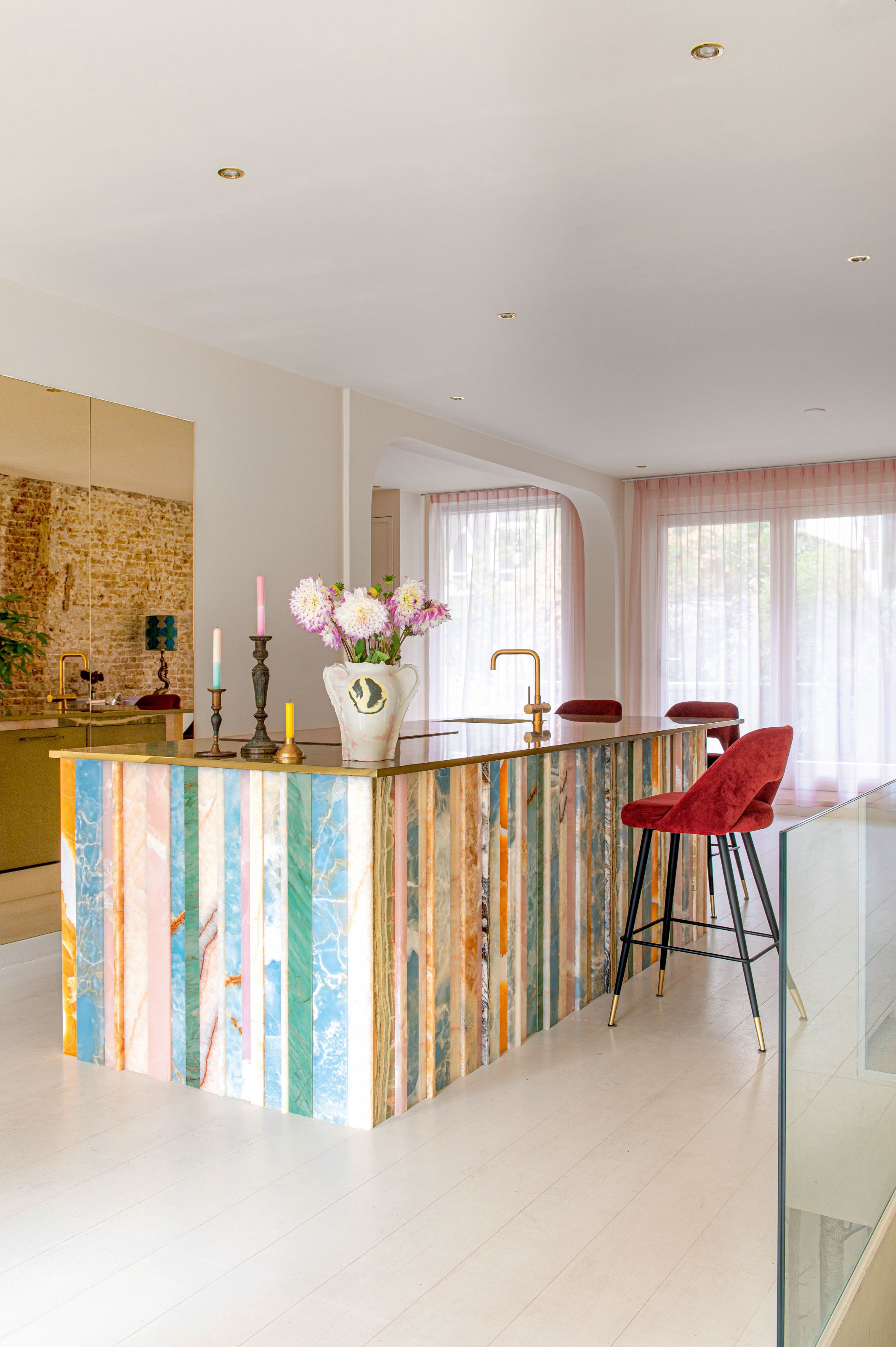
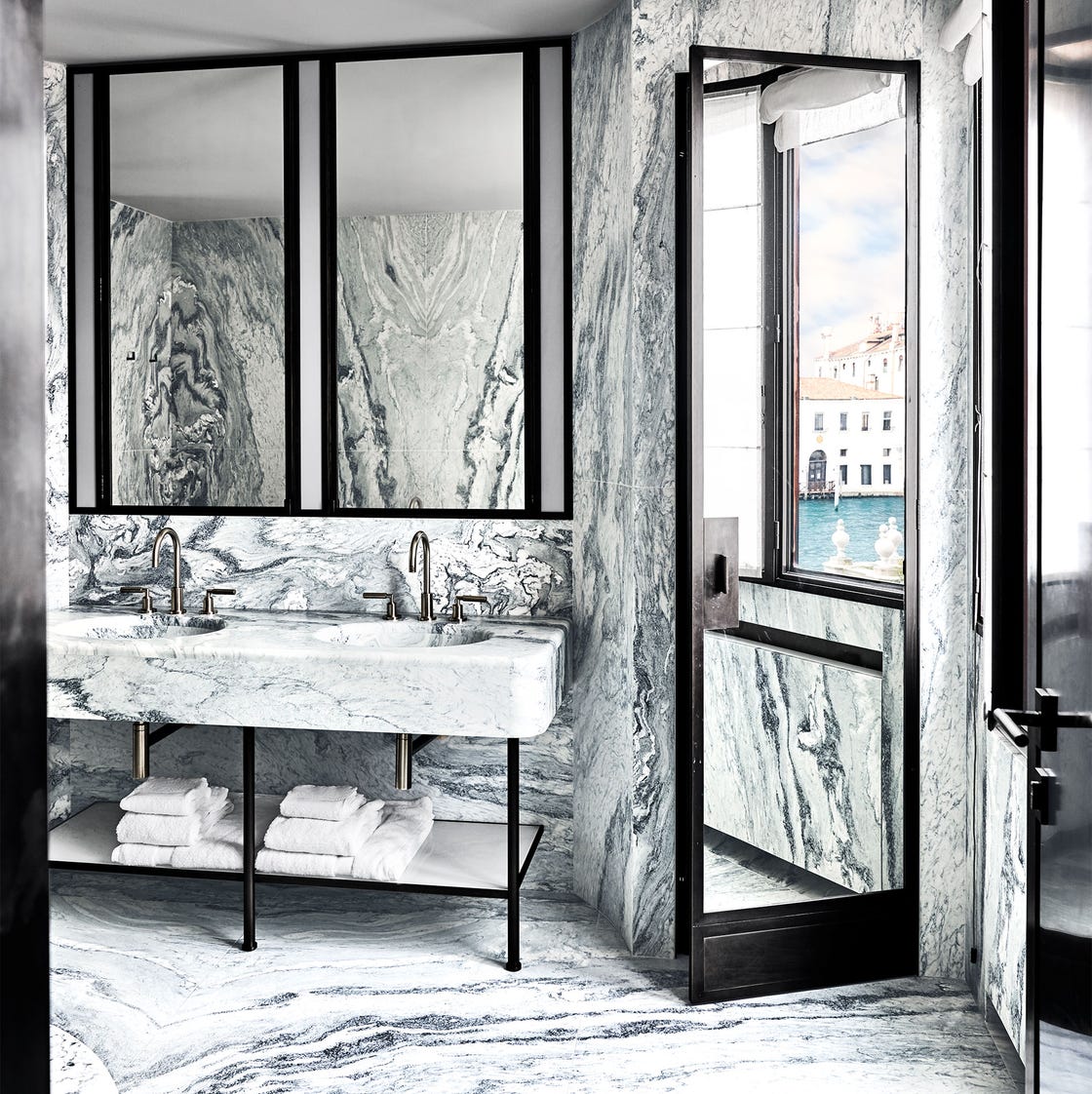
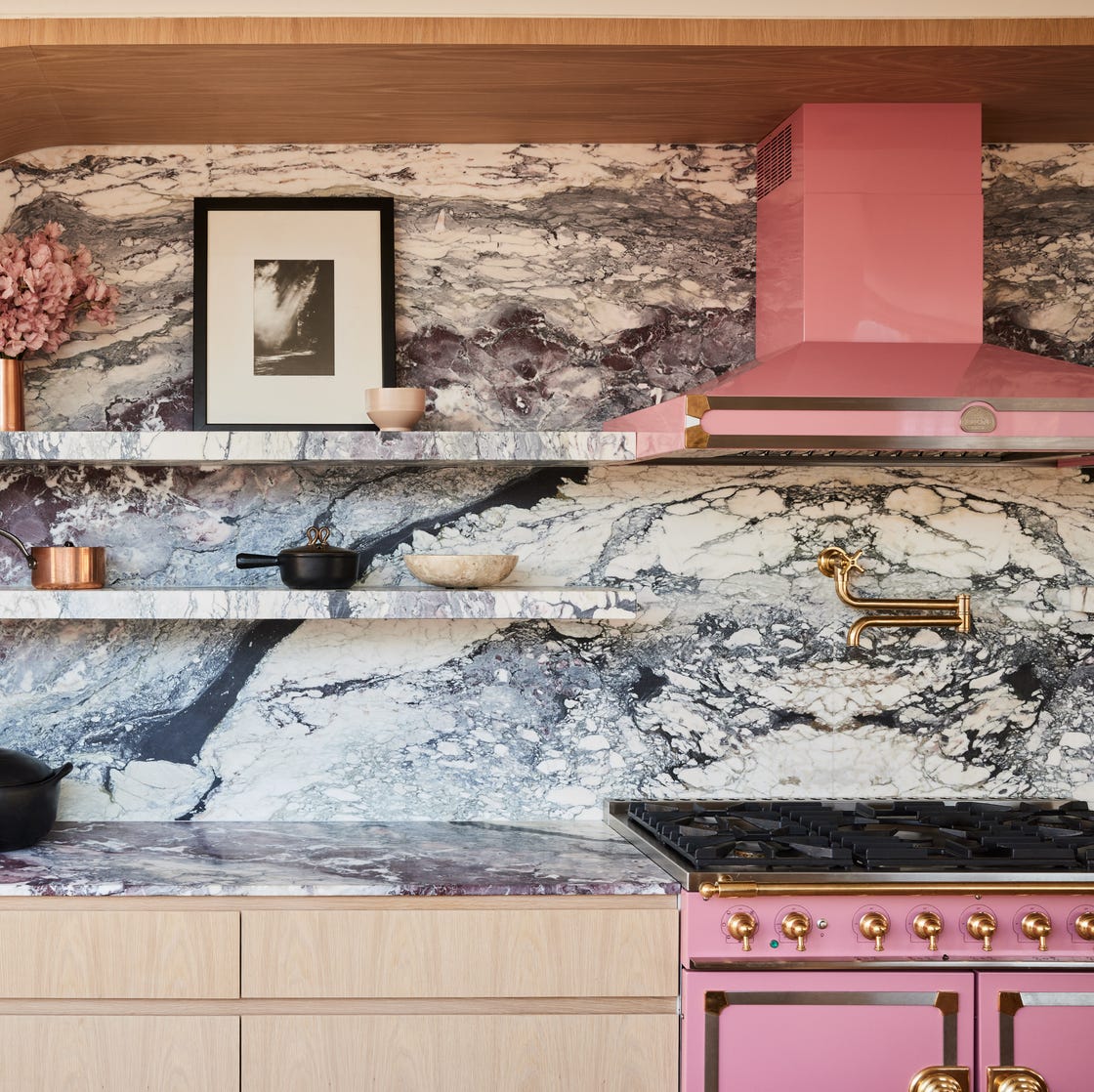
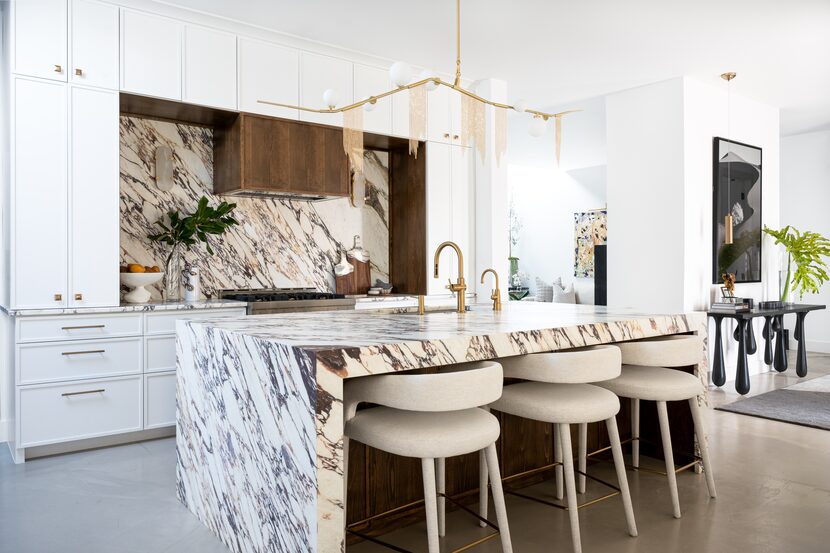
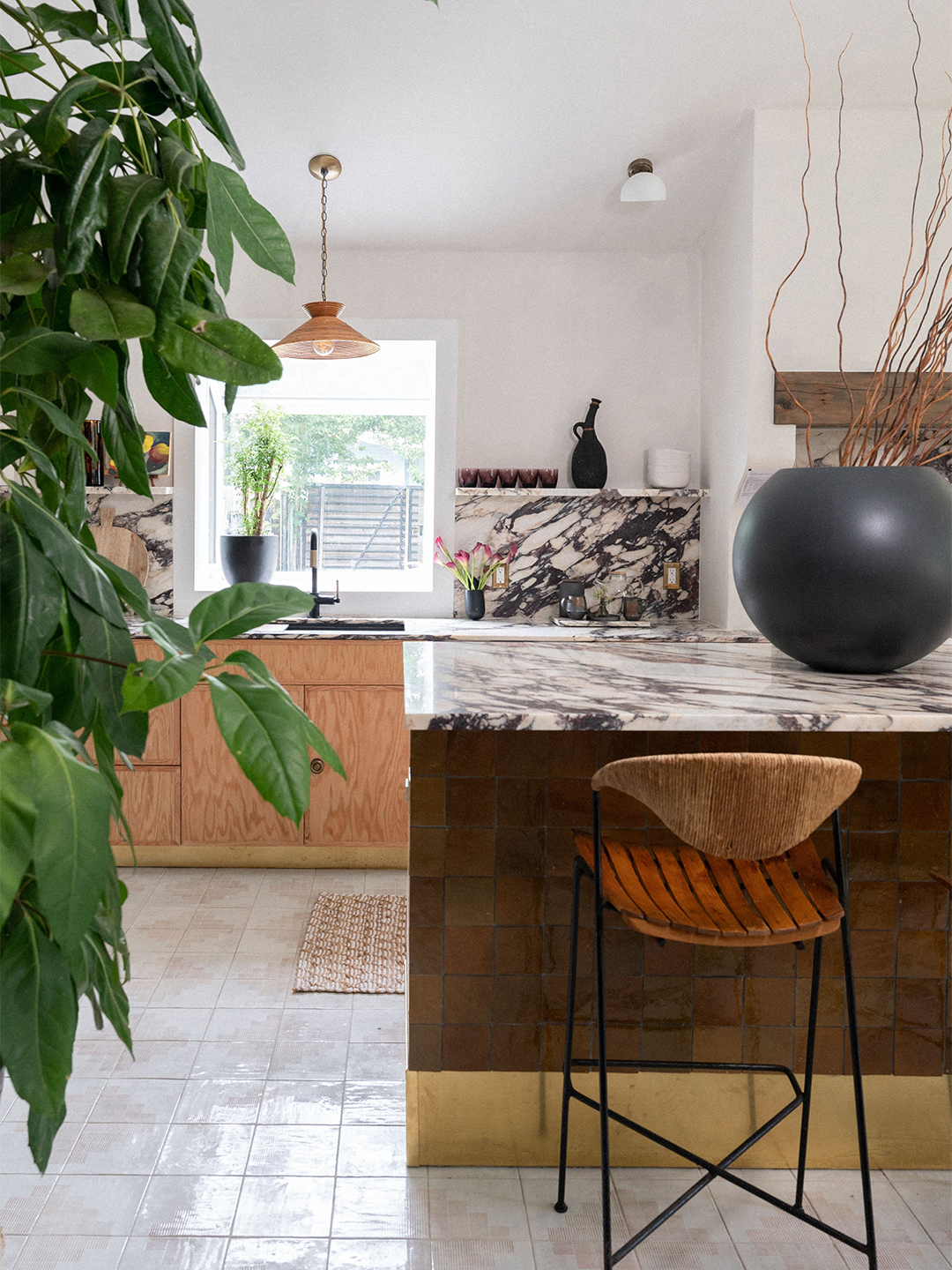
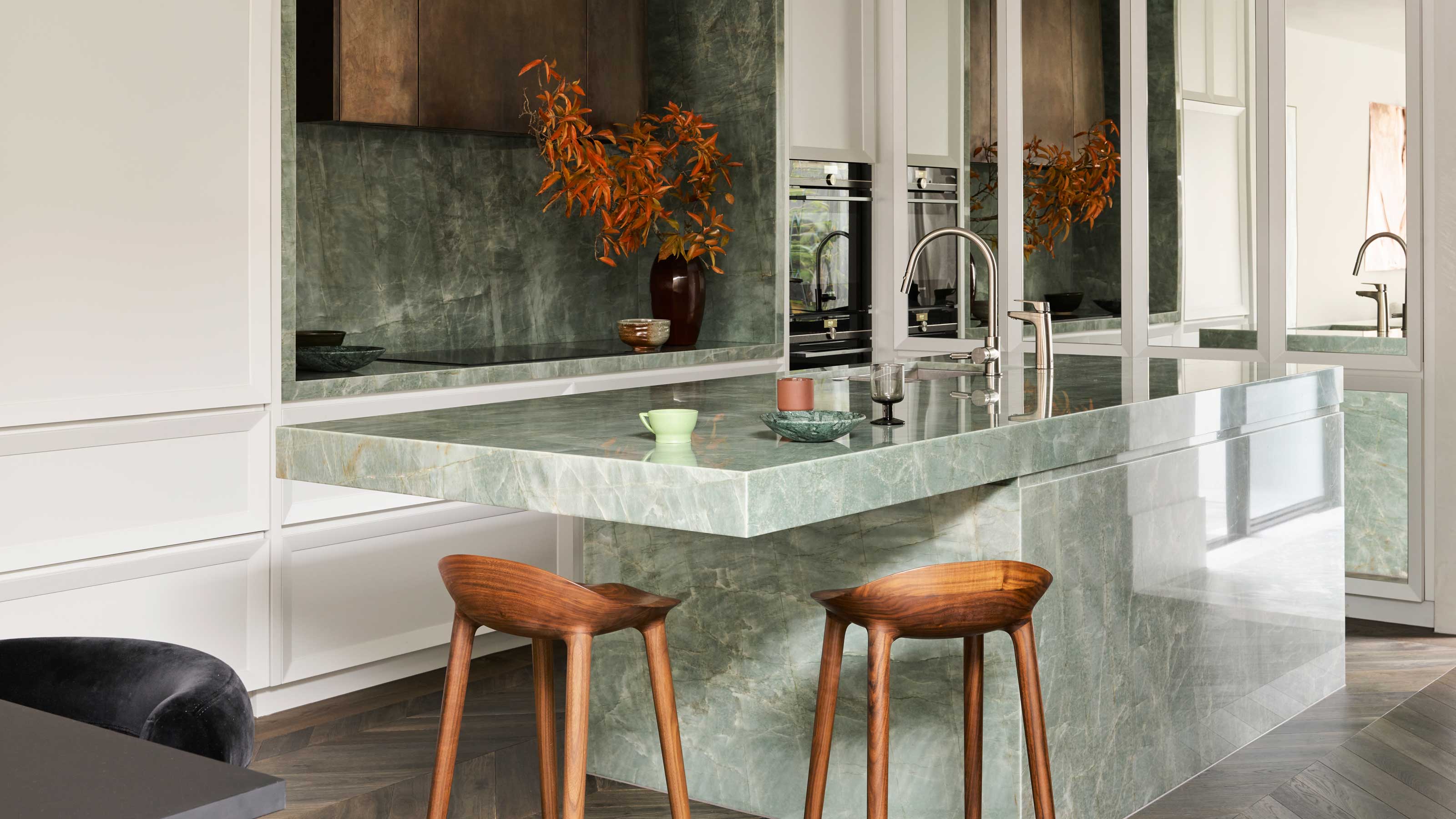
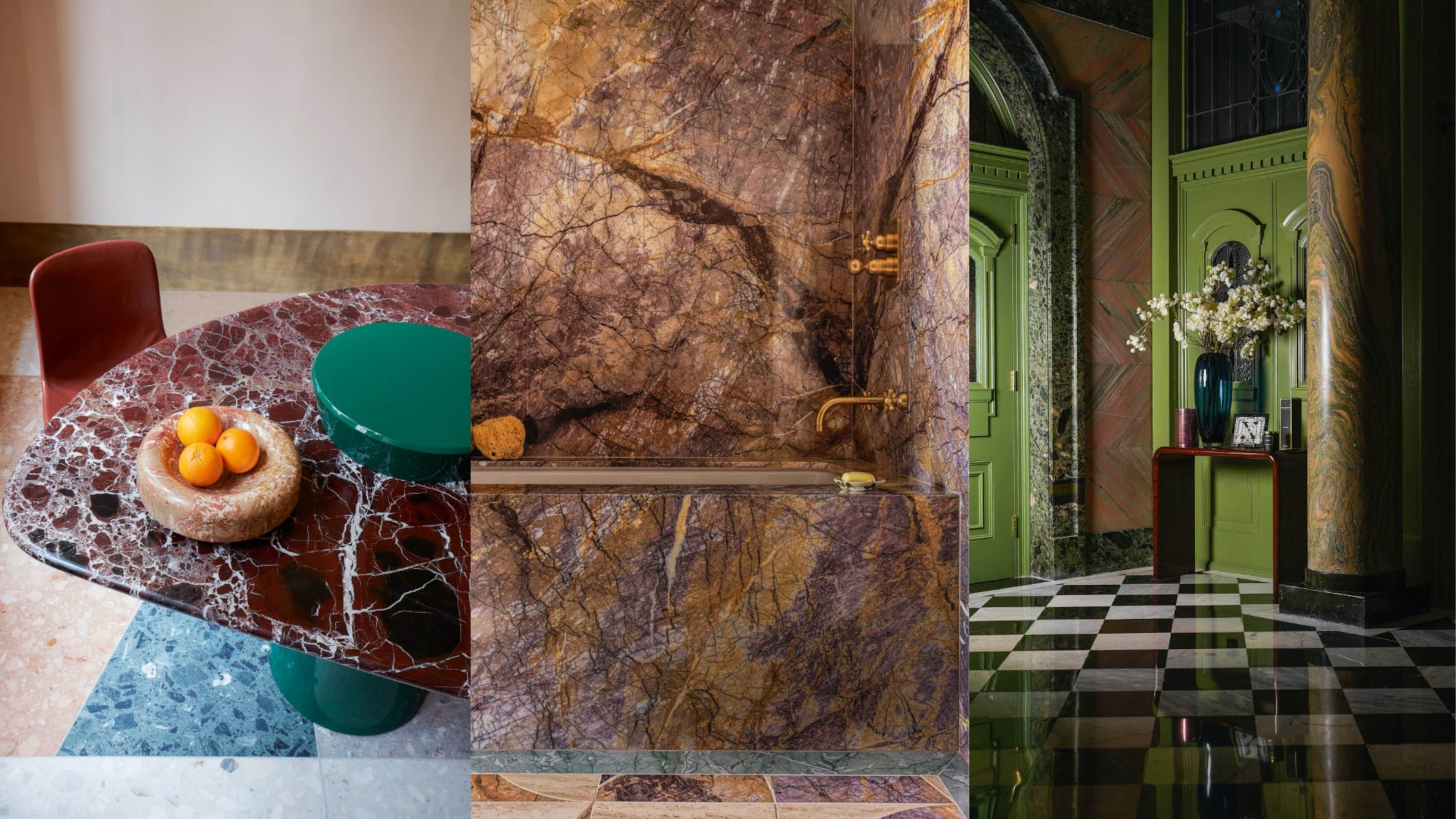
To identify emerging trends, five designers were consulted, offering eight colorful suggestions for marble alternatives. These suggestions aim to move beyond the classic Carrara aesthetic. Calacatta Viola, Turkish Violet, Calacatta Monet, and Rosa Portogallo are highlighted for their rich coloration, while Bardiglio is presented as an elegant gray option for those preferring a more subdued palette. Calacatta Turquoise is described as a painterly and almost psychedelic variant, characterized by deep blue-green veins resembling classical Chinese landscapes or Himalayan vistas, occasionally interspersed with caramel and gold tones. This particular marble is favored for its elegance and drama, making it suitable for fireplaces and backsplashes.
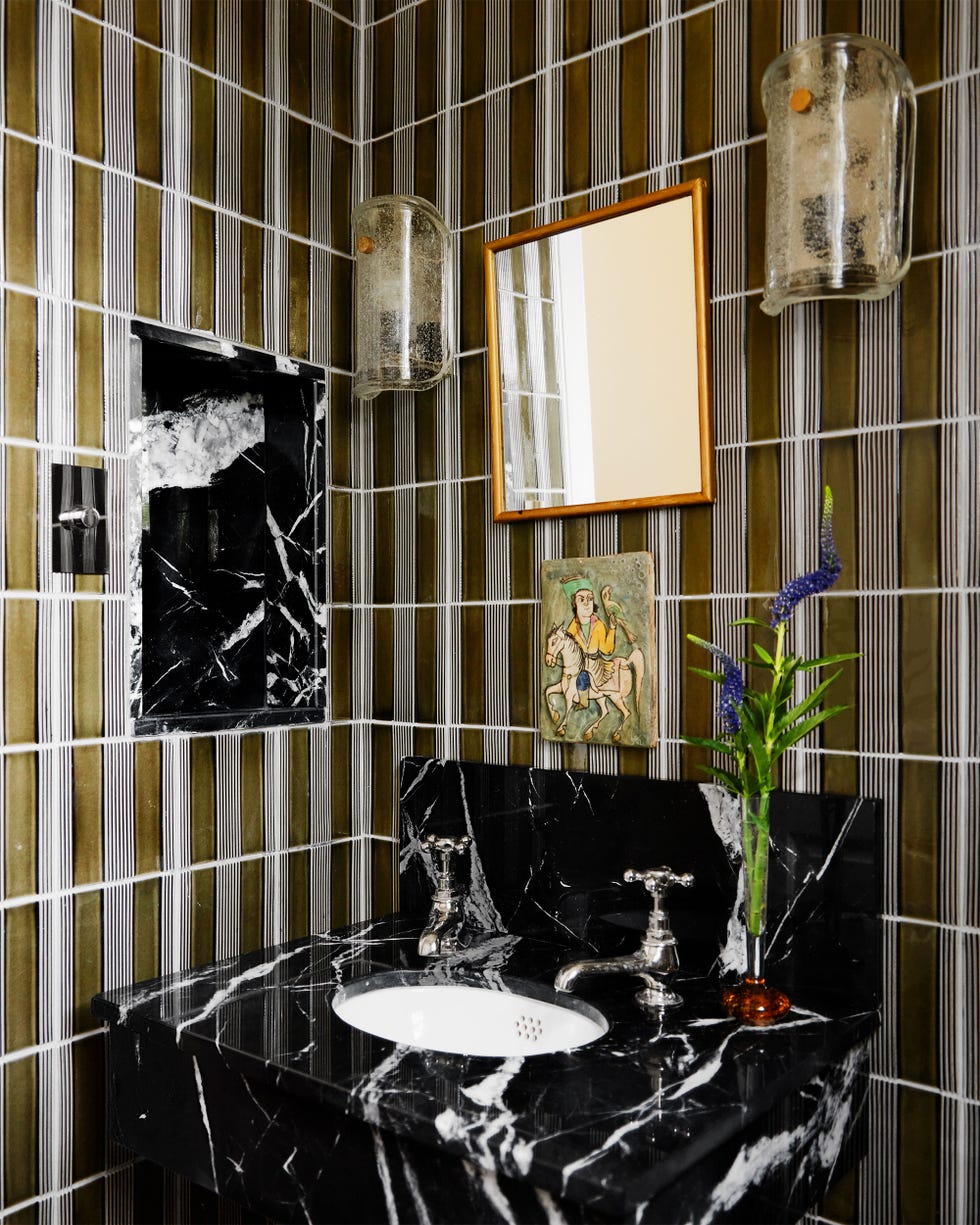
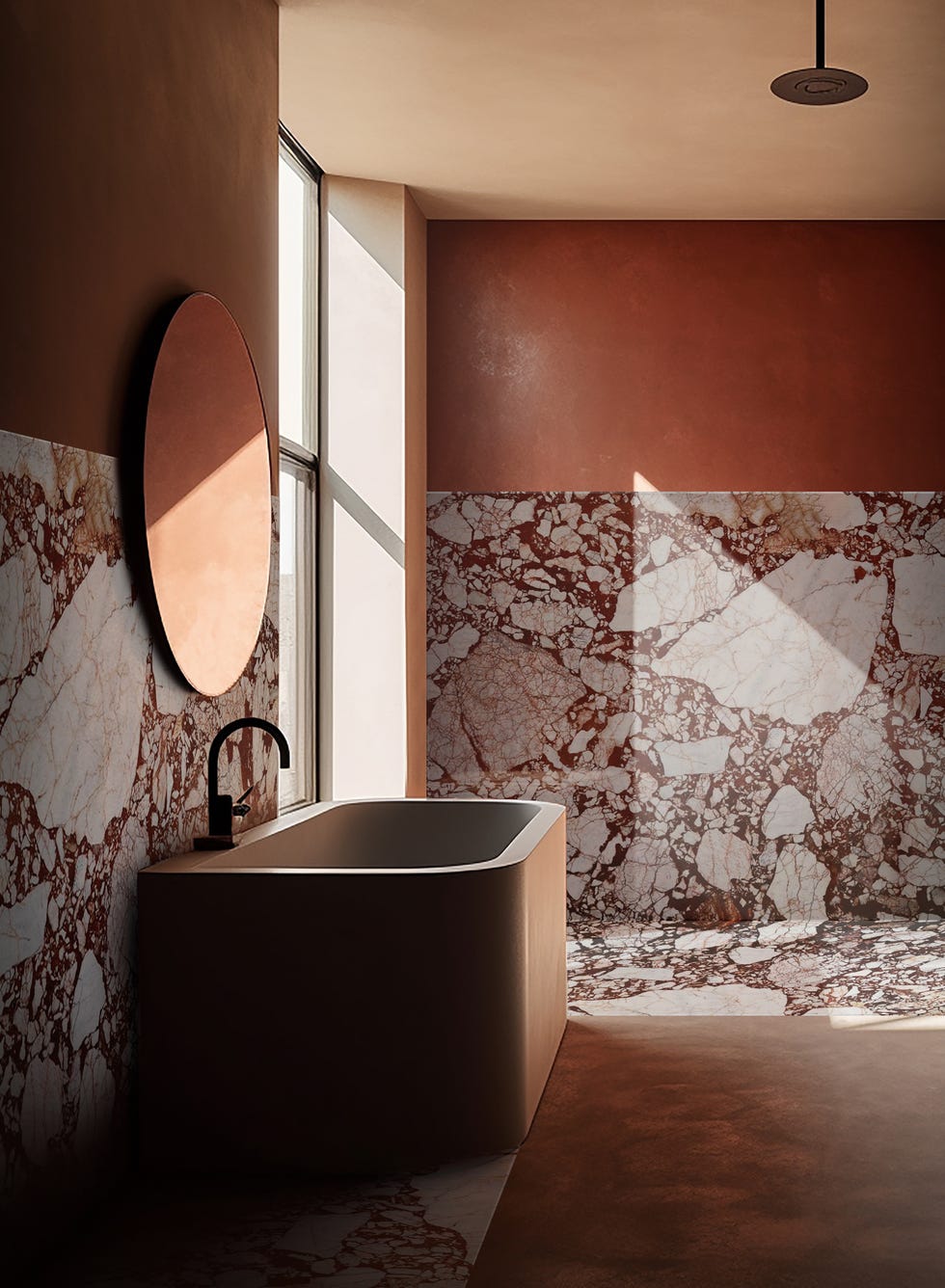
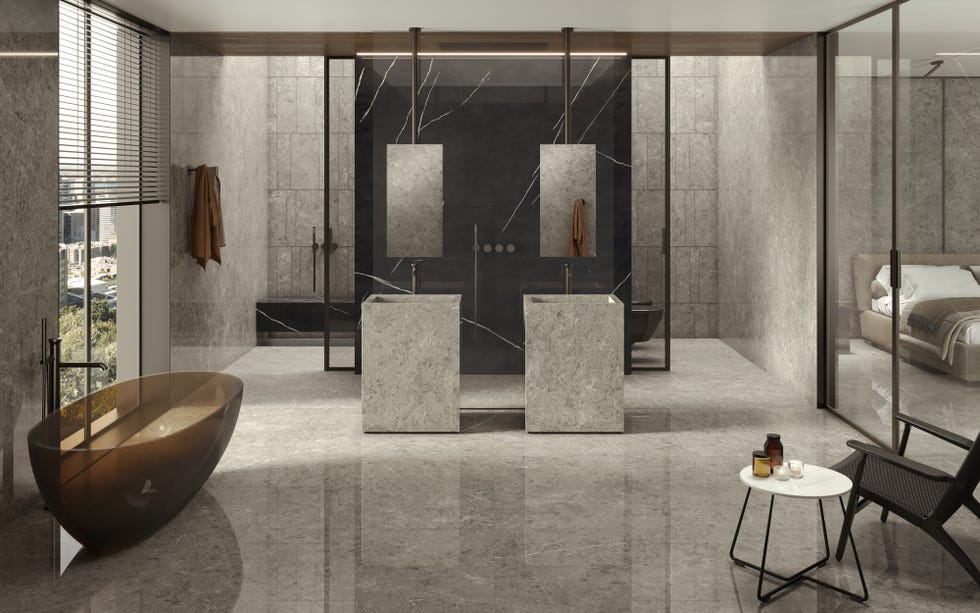
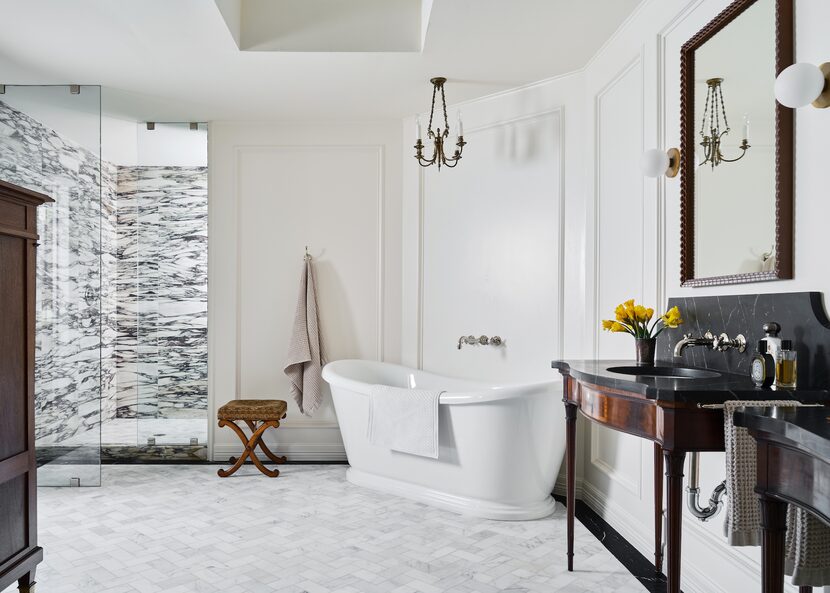
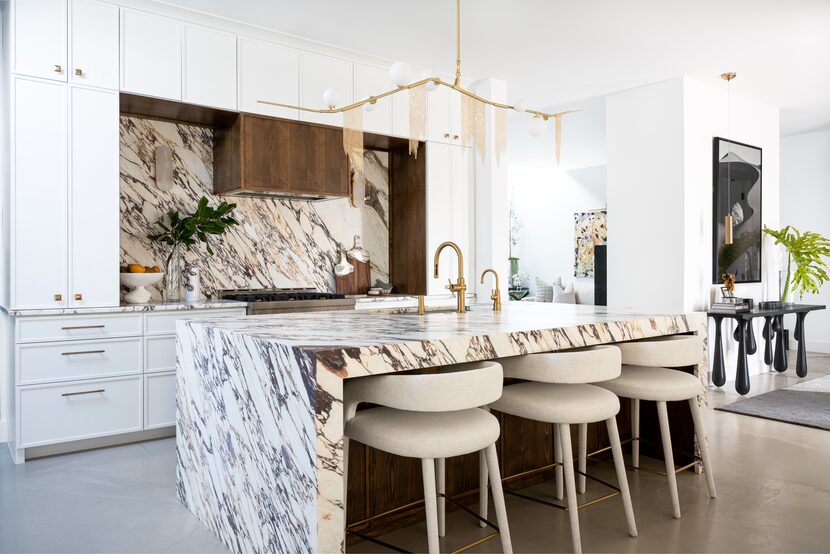
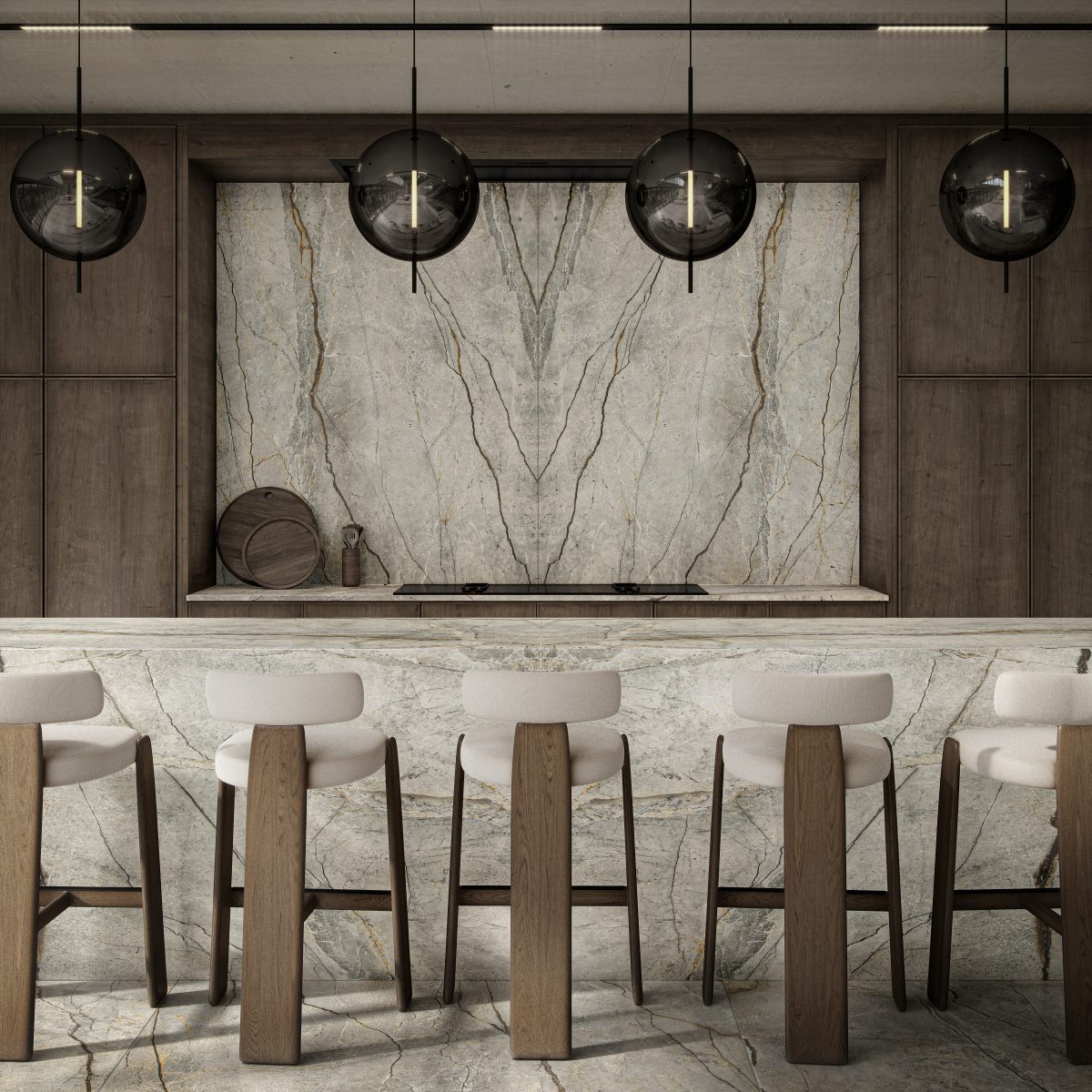
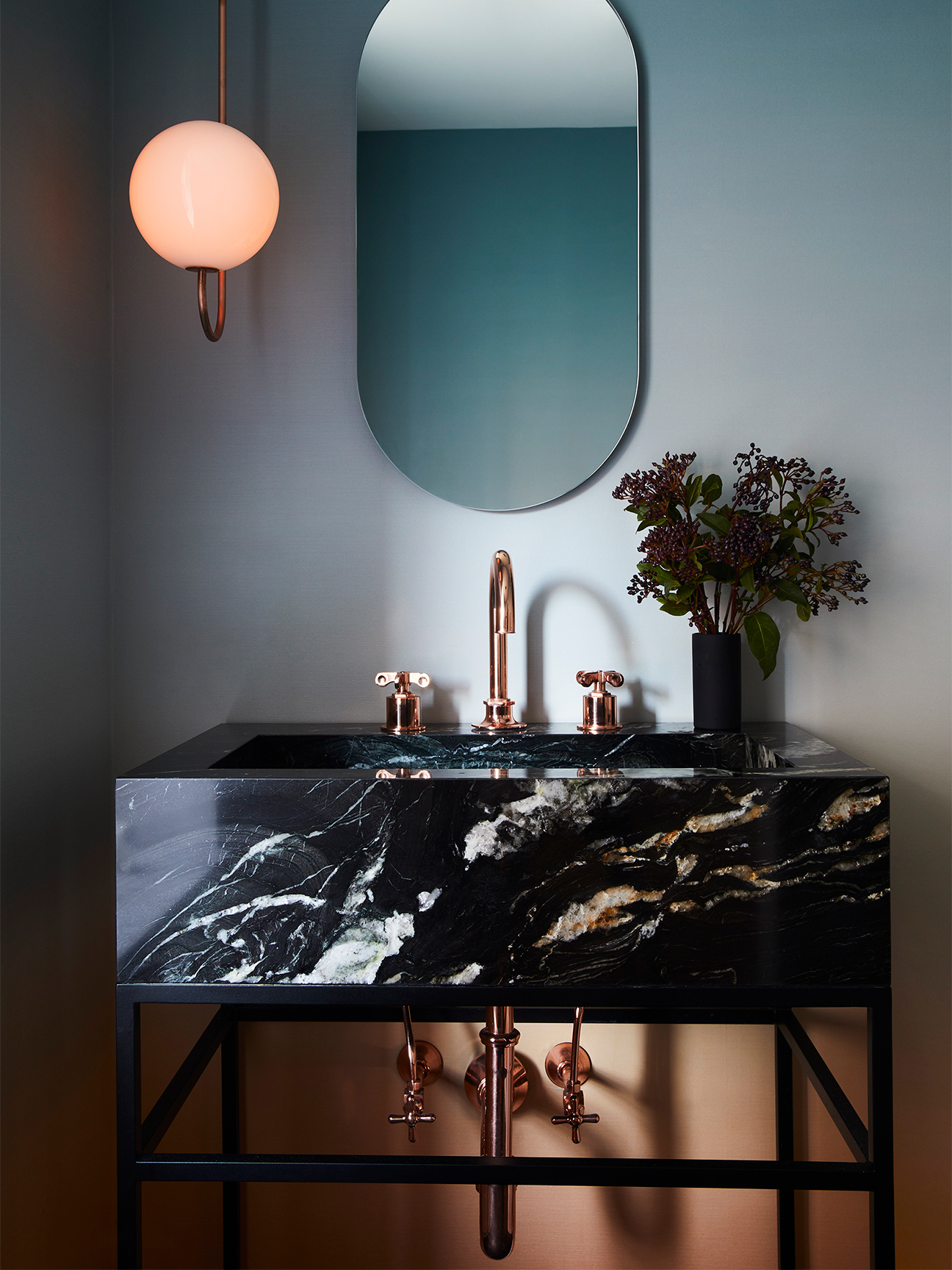
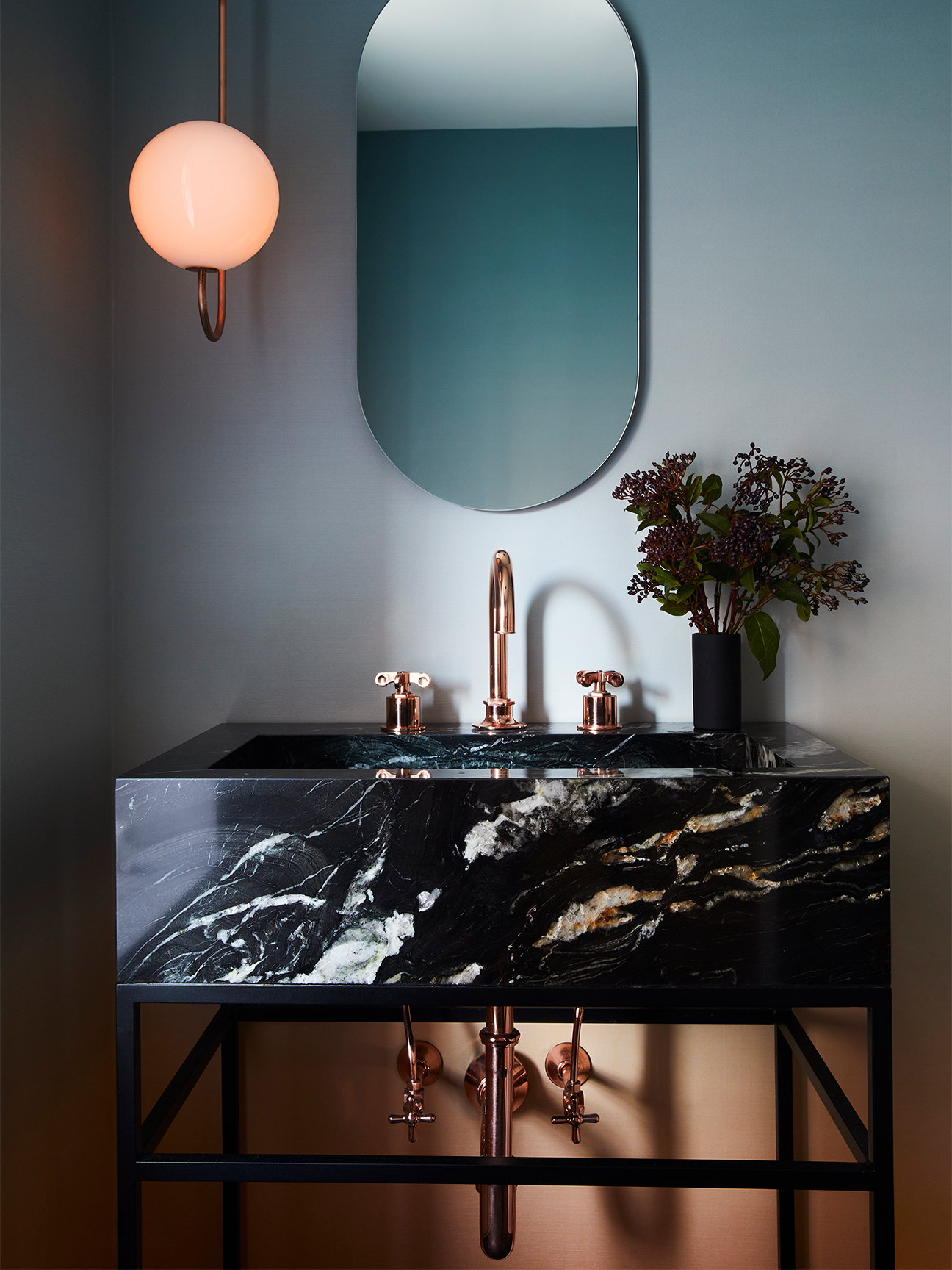
Nero Marquina is another favored option, known for its dramatic black base with white veining that can sometimes include hints of gold, adding warmth and movement to a space. Calacatta Paonazzo is appreciated for its dense, crunchy brecciations that evoke an ancient, European ruin aesthetic, with designers recommending slabs that maintain a subdued range of hues to avoid an overly baroque appearance. Calacatta Belgia is noted for its dramatic texture and veining, making it ideal for focal points like fireplace mantels or kitchen islands. For this variety, proper book-matching during fabrication is crucial to ensure the alignment of veins and preserve the organic movement of the stone.
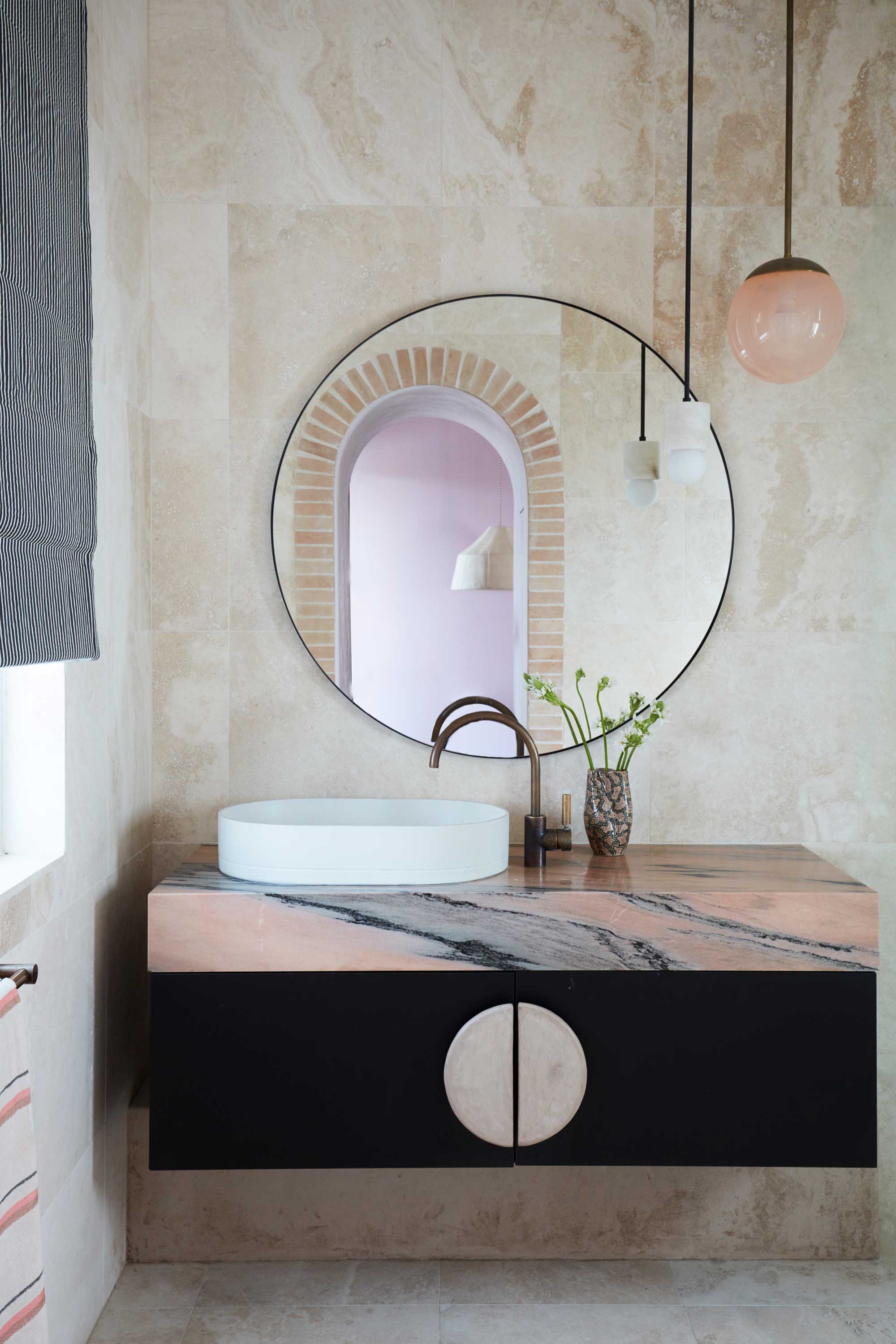
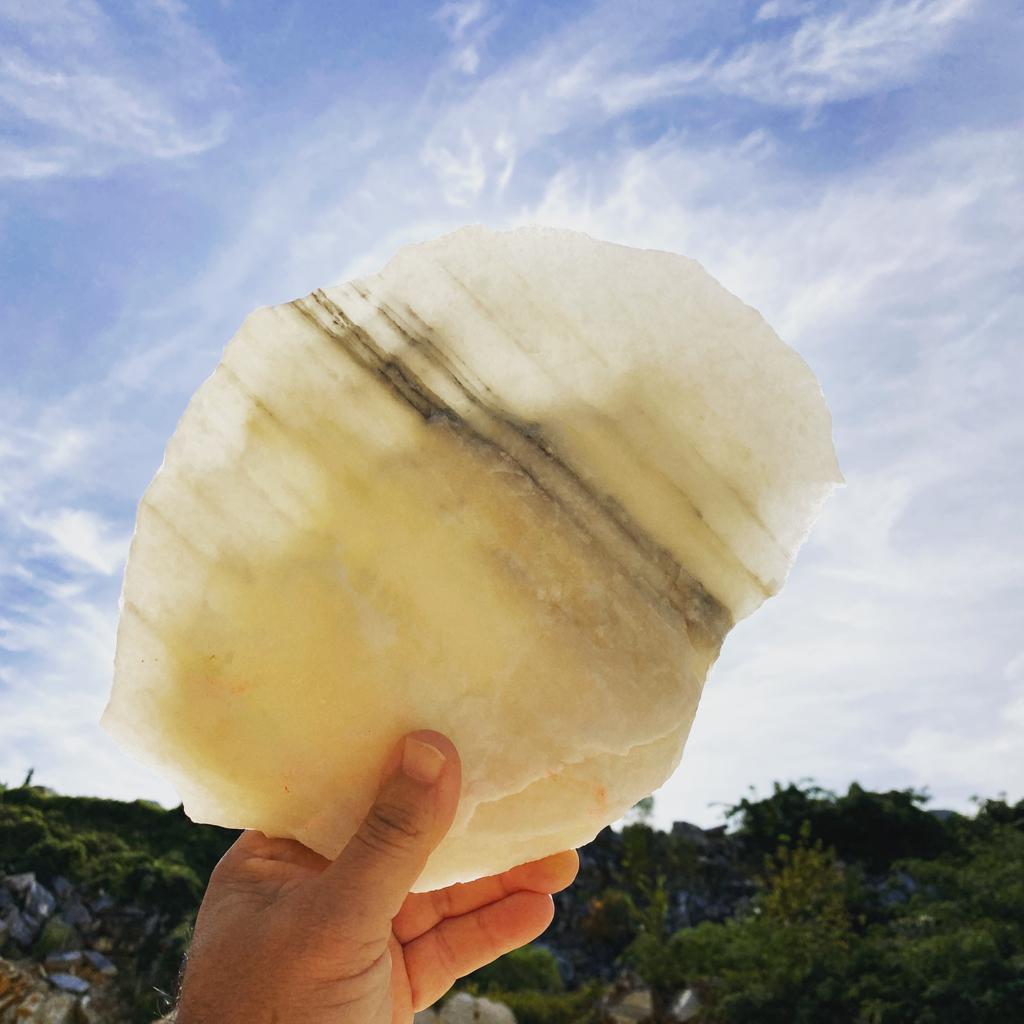
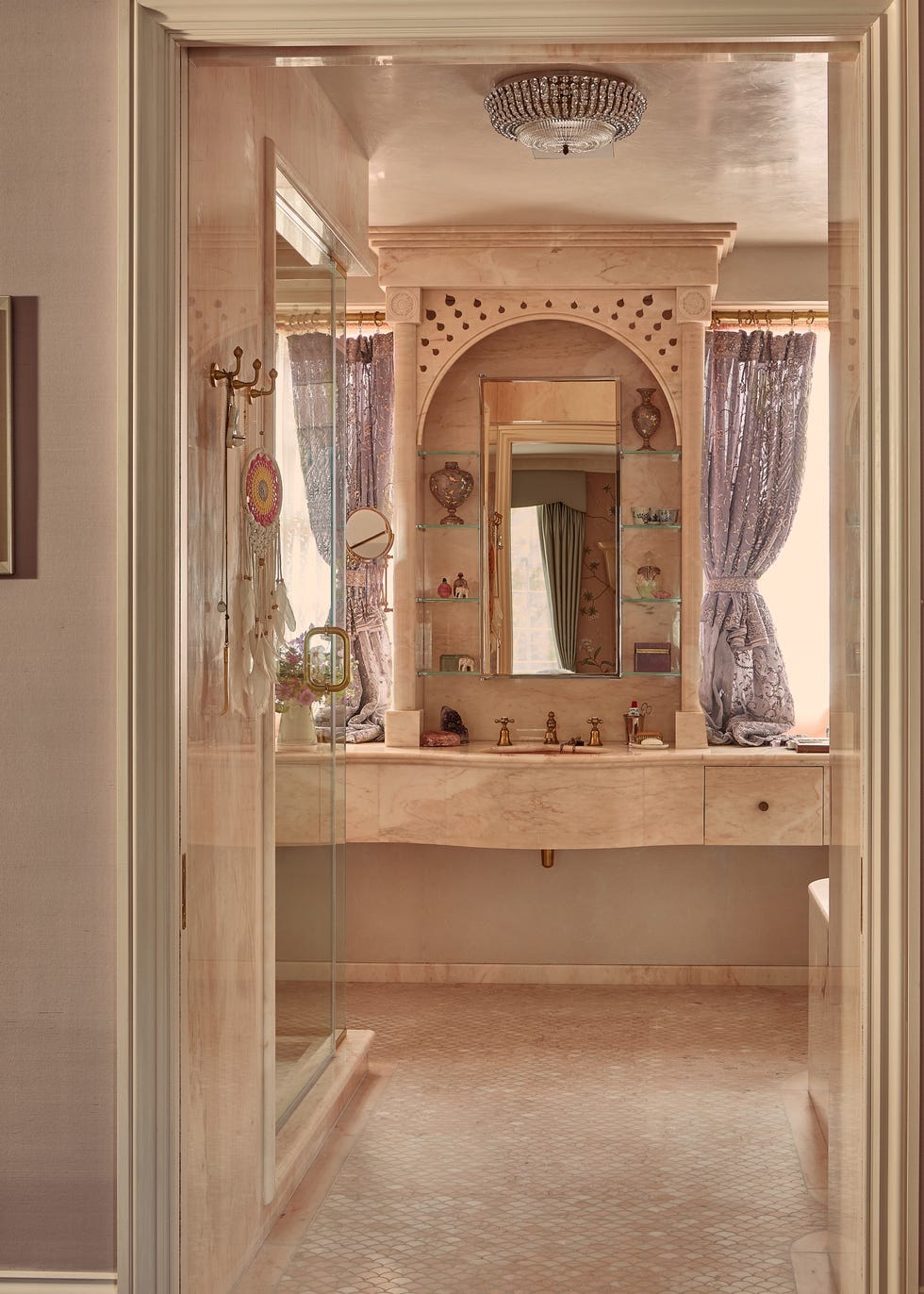
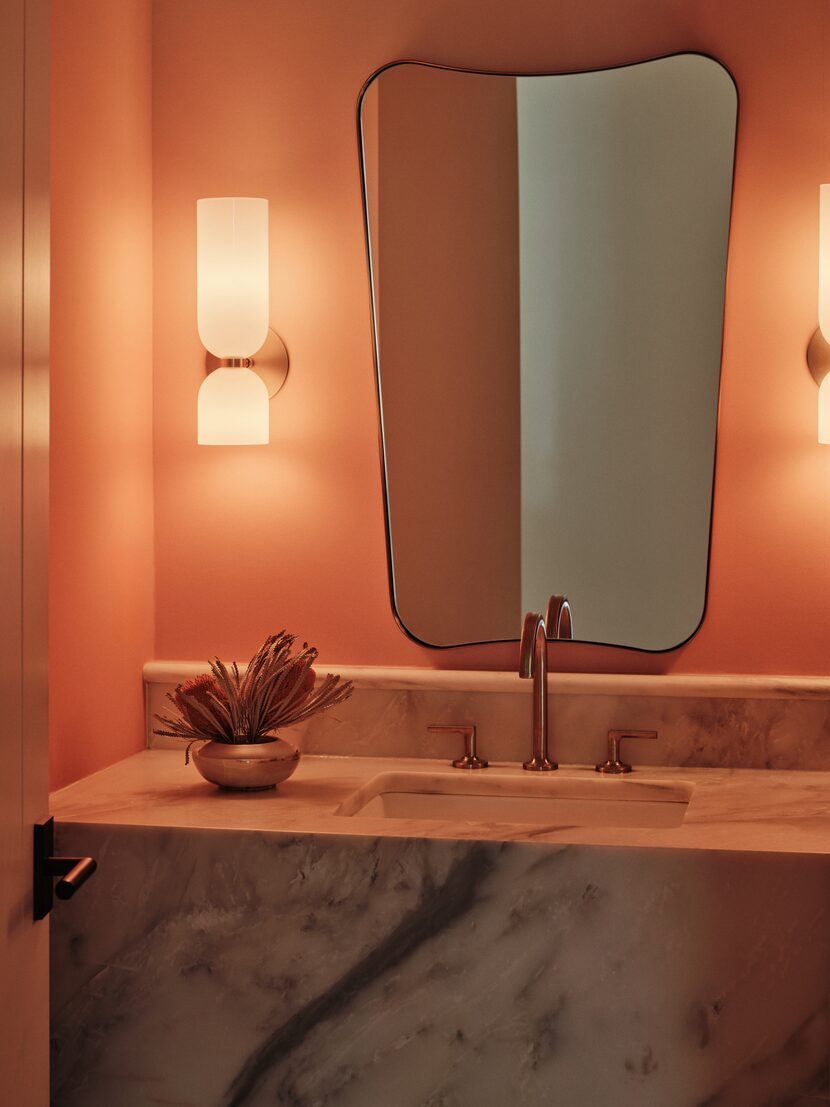
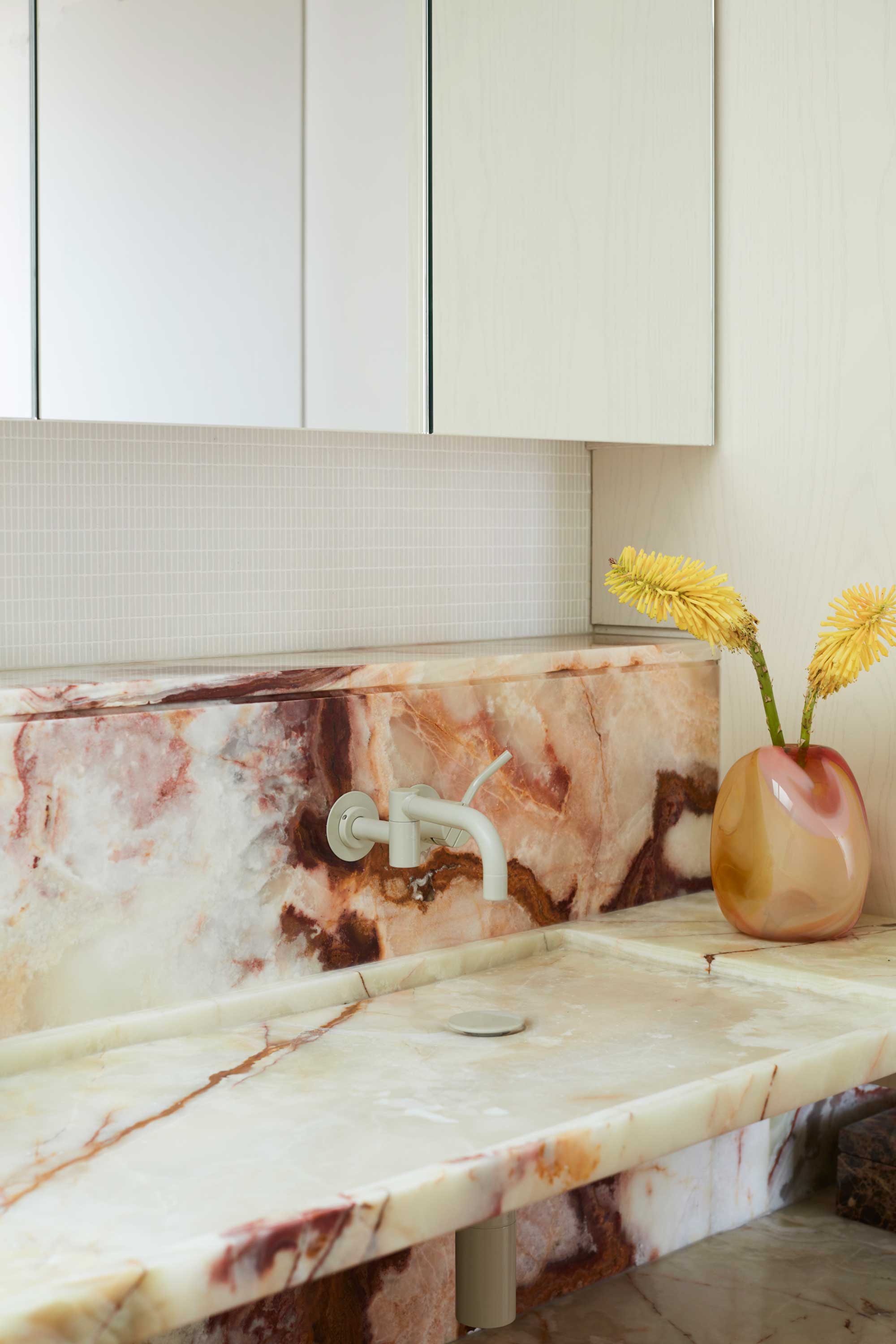
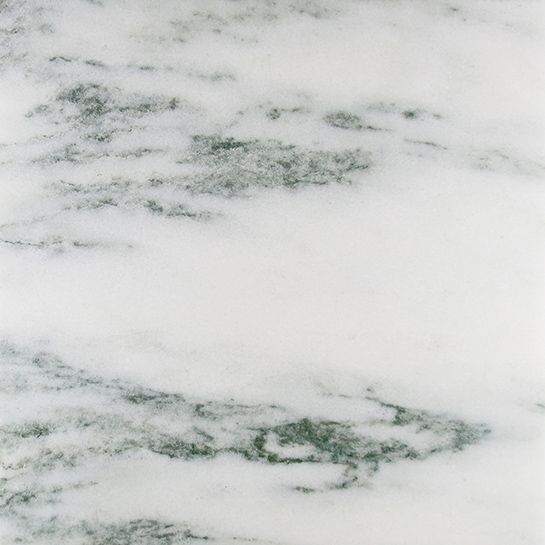
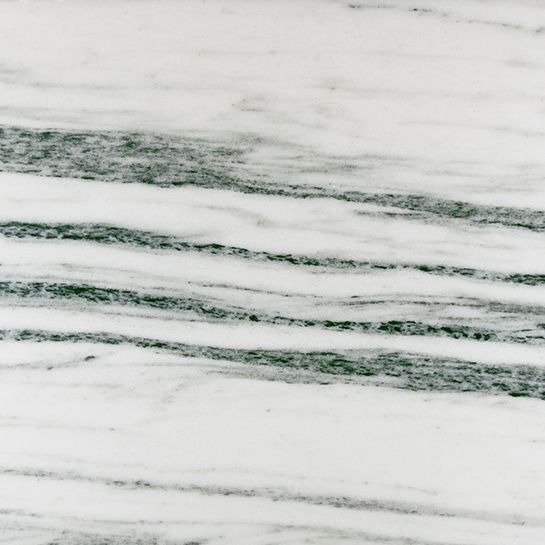
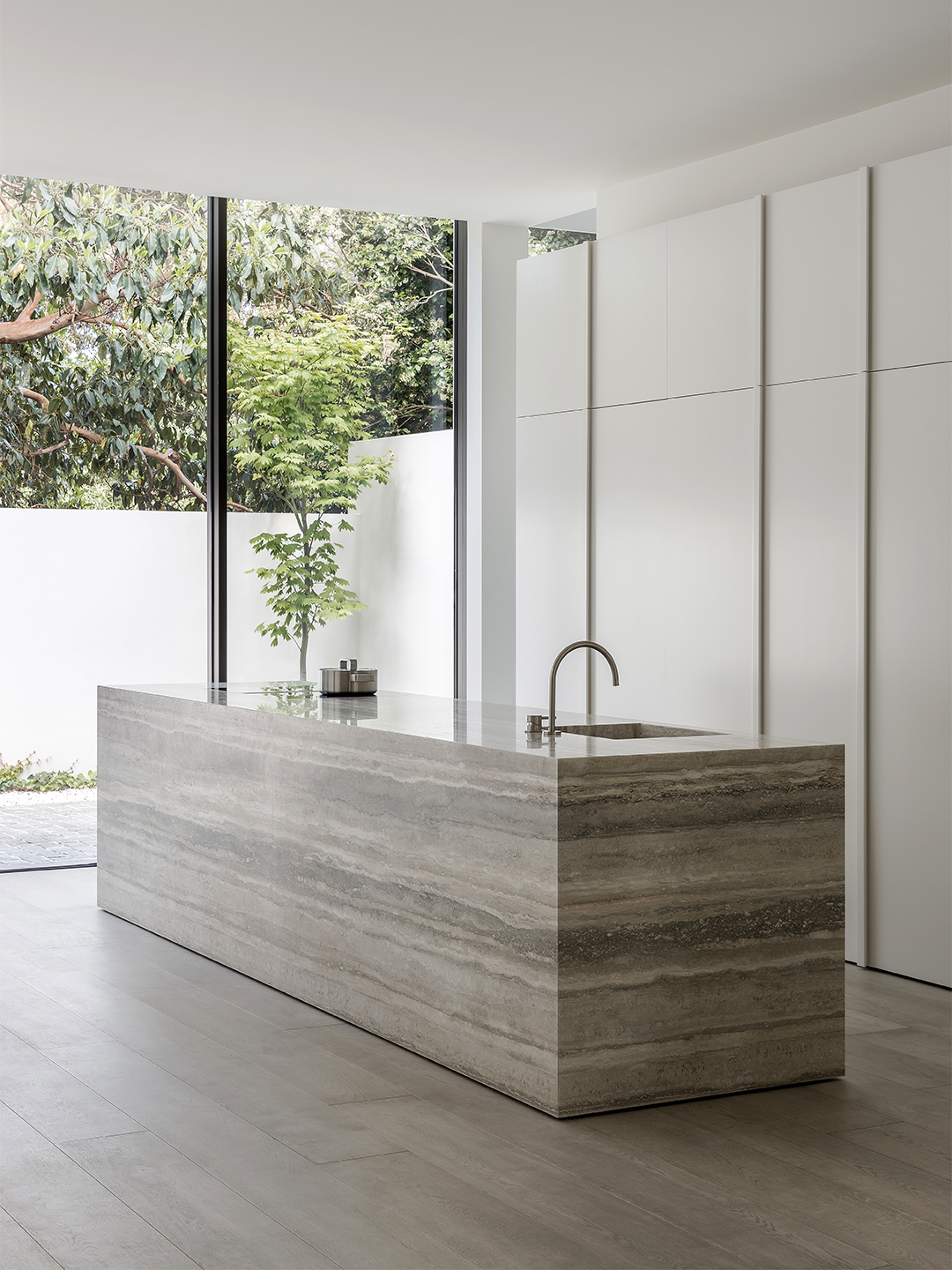
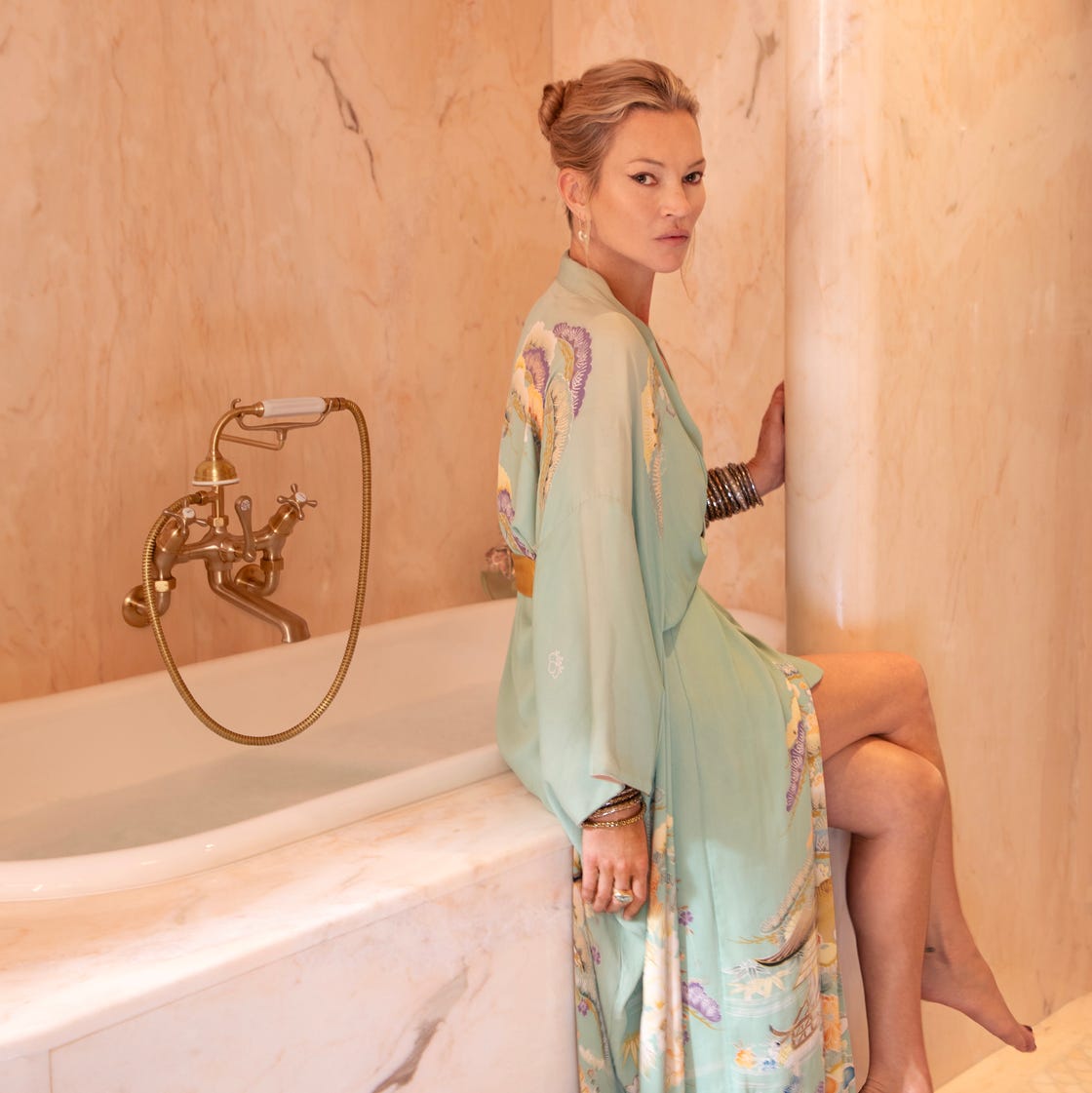
Rosa Egeo is gaining popularity due to its warm, vibrant pink hue and beguiling transparency, likened to a block of pink Himalayan salt. This marble is anticipated to be used in custom vanities and tub surrounds. Wood Grain marble, primarily used in bathrooms, is valued for its resemblance to a tree's annual growth rings, offering simplicity, light tones, and low maintenance. Designers prefer a honed finish for Wood Grain marble to achieve a modern and natural look. Lastly, Ferrara Vein Cut marble is praised for its linear veining, which provides a graphic quality that keeps spaces bright, fresh, and modern. Its blend of brown and gray brushstrokes offers both cool and warm undertones, allowing for versatile material pairings. These diverse marble options collectively represent a departure from the established Carrara trend, signaling a new era of colorful and distinct natural stone choices in interior design.
#MarbleTrends #InteriorDesign #HomeDecor #LuxuryMaterials #DesignInspiration #StoneSelection #KitchenDesign #BathroomDesign #ColorfulMarble #MarbleTrends #InteriorDesign #HomeDecor #LuxuryMaterials #DesignInspiration #StoneSelection #KitchenDesign #BathroomDesign #ColorfulMarble
0 comment in total
 No comments yet
You may also like
Is Plain Old Carrara Marble Making a Comeback? Designers Say Yes
Inside The Coloured Marble Craze Celebrities Love — And How To Get The Look At Home

Why We’re Seeing Bold, Colorful Marble Everywhere Right Now
Marble-Look Porcelain Slabs

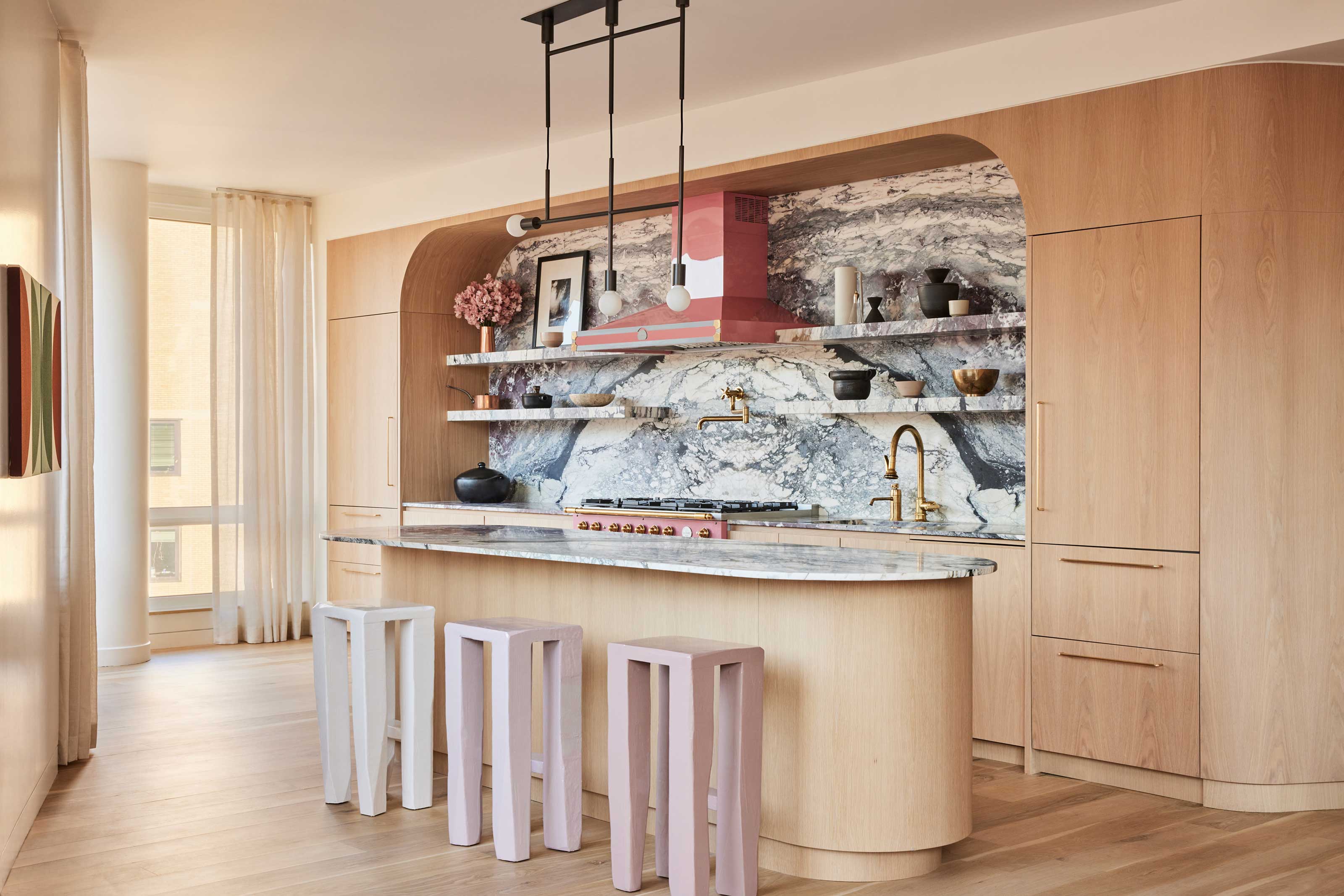
Forget Carrara – these incredible types of marble are what the world's best designers are using instead

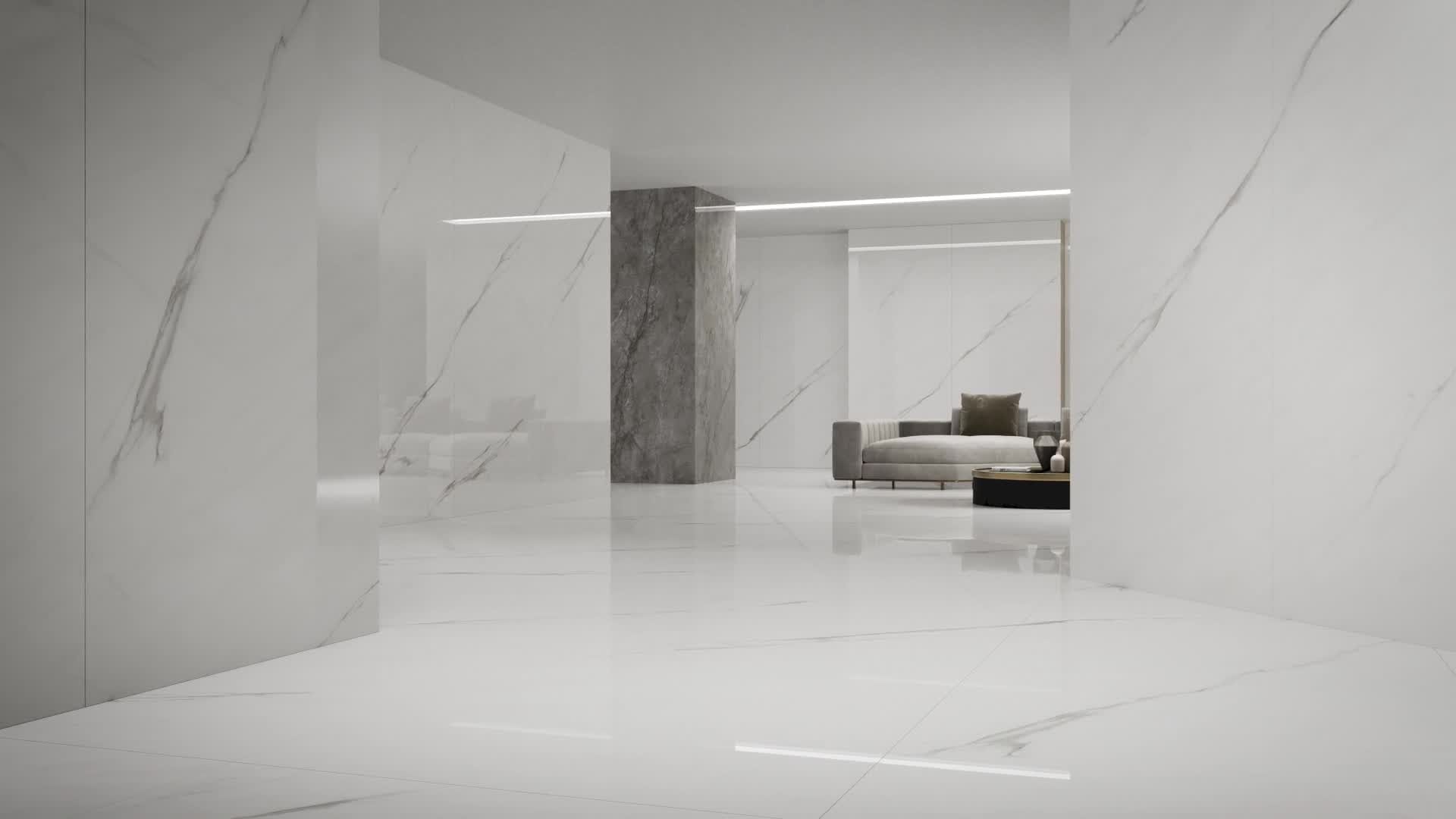
Atlas Concorde, Marvel Meraviglia collection
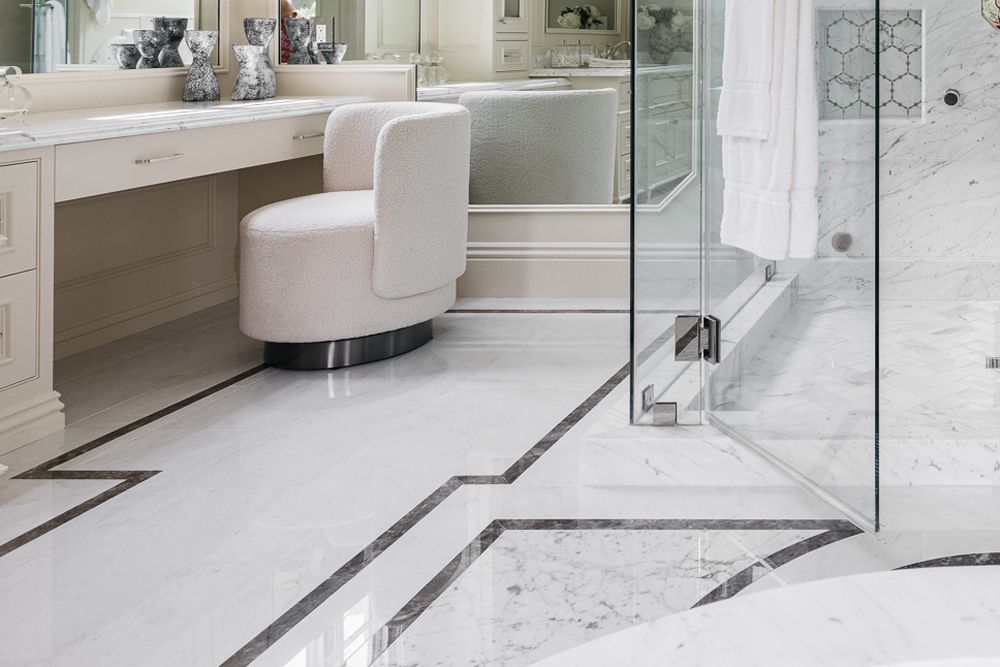
Marble Floors: Elegant, but Challenging to Install and Maintain

This Stone Is About to Be More Popular Than Marble, According to Designers

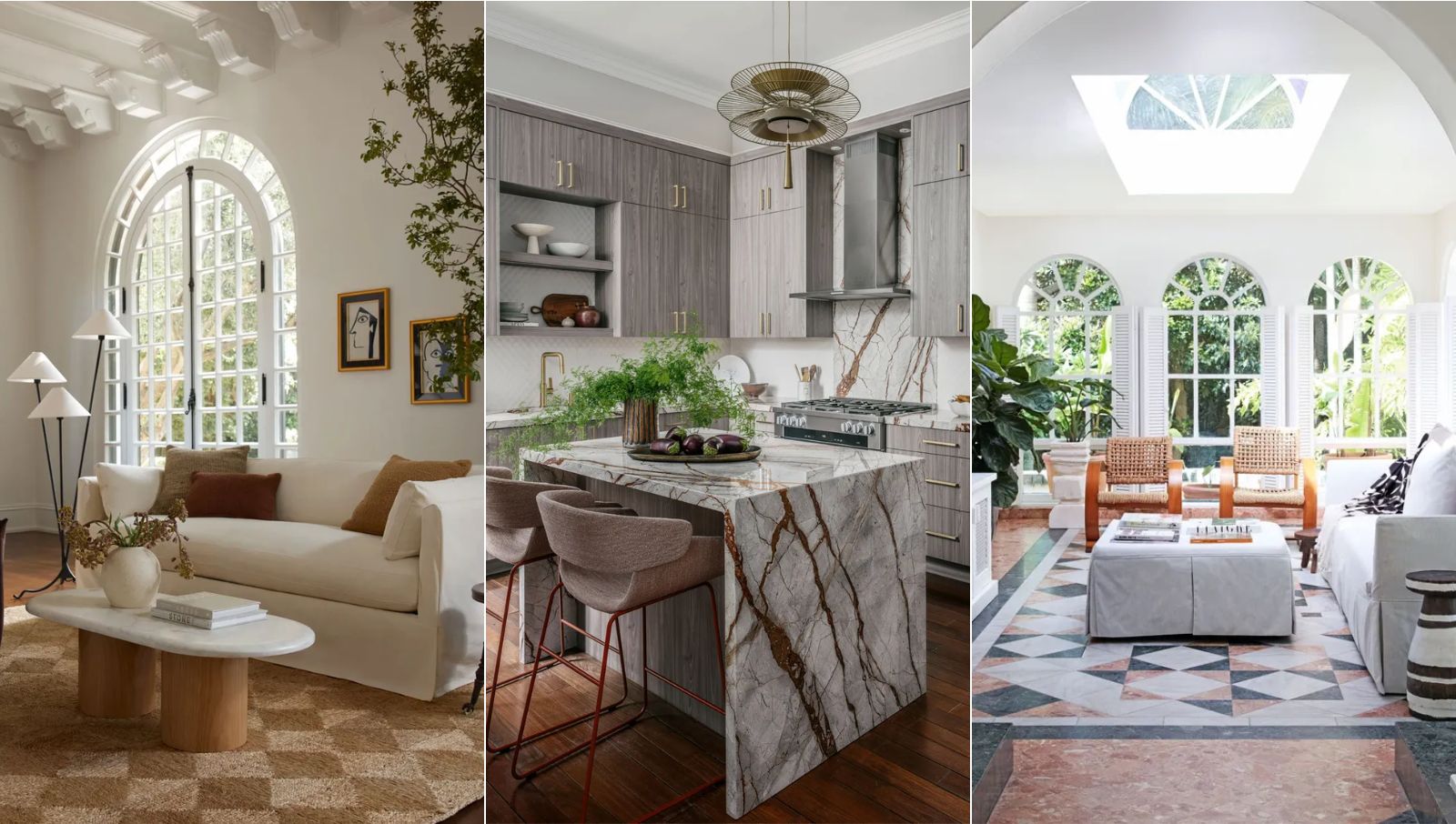
Is marble still on trend? Interior designers have their say

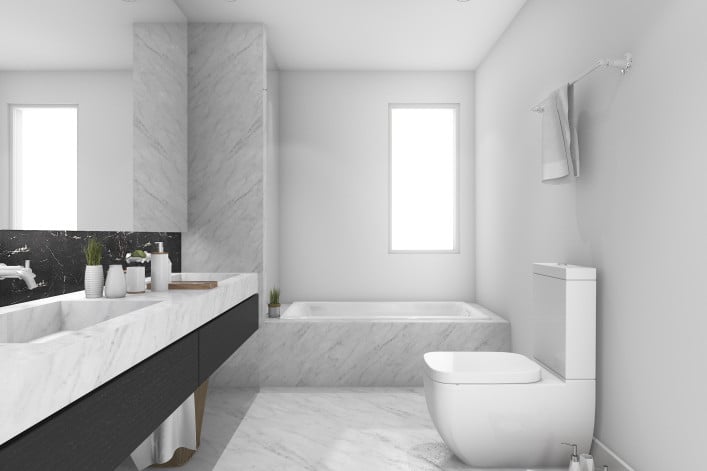
The white marble in my bathroom is starting to turn brown. Is there anything I can do?
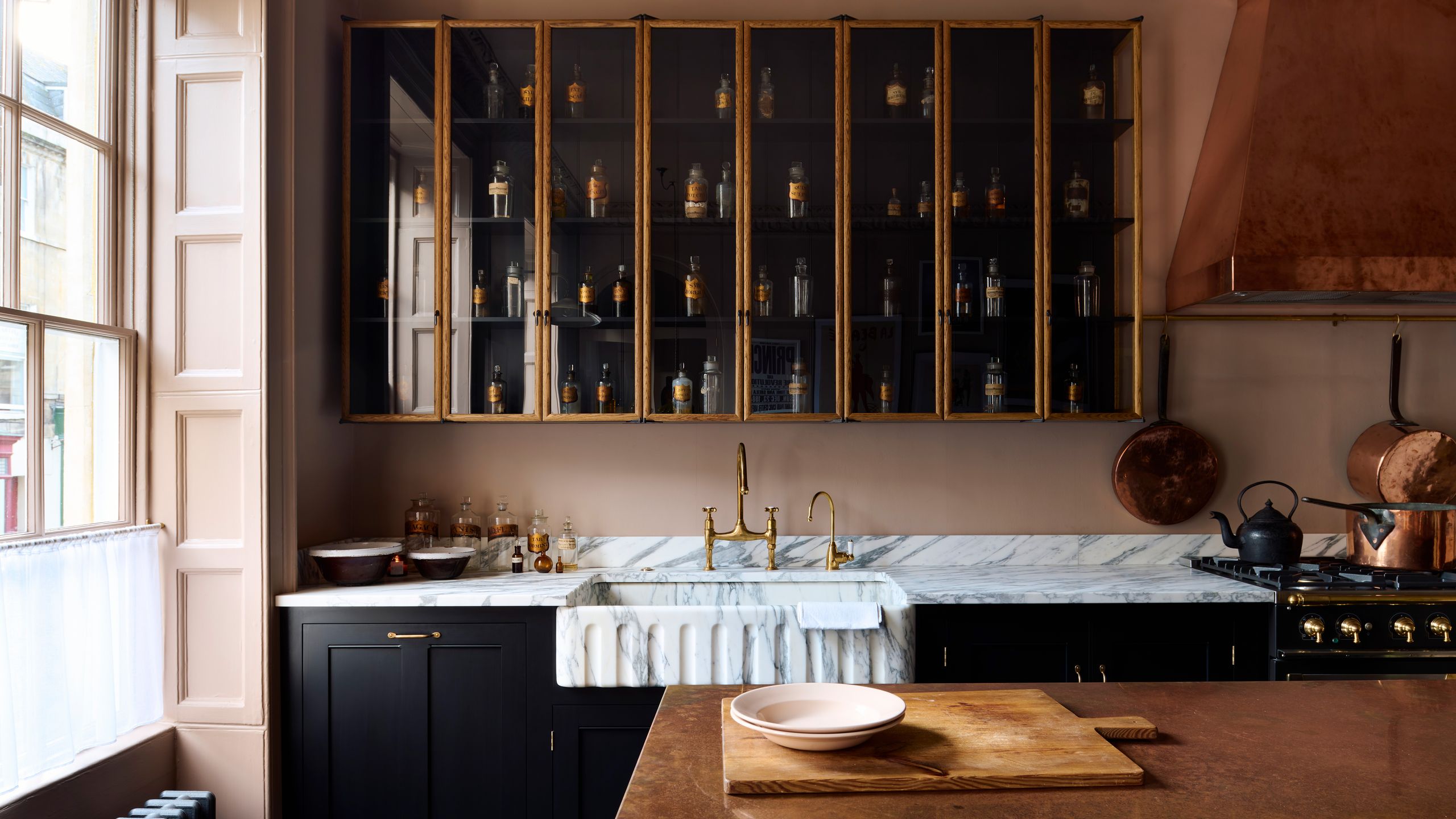
Marble Countertops: 9 Tips for Choosing a White Marble Slab

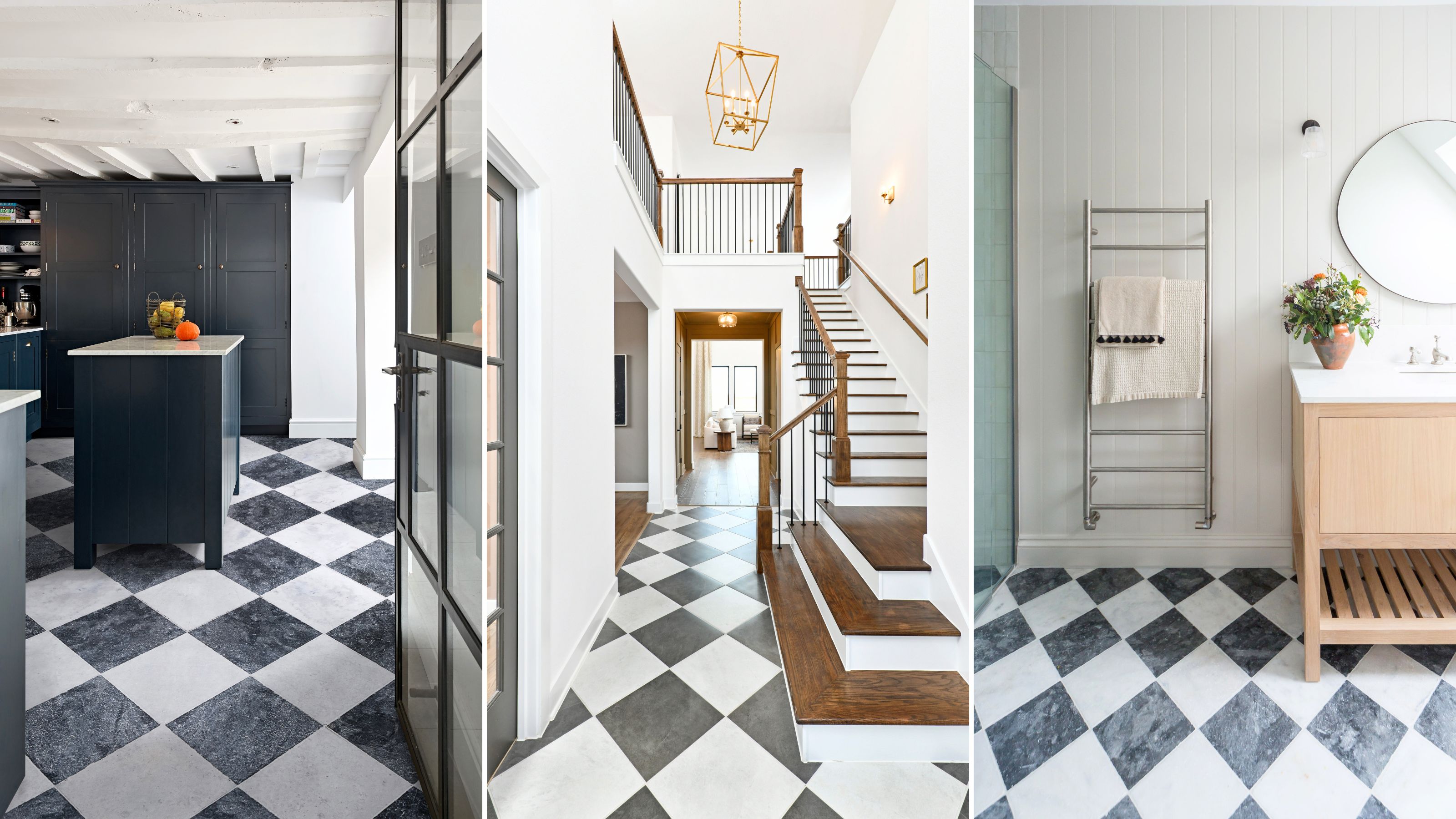
Marble checkerboard flooring — why designers say this “anti-Kardashian” style is back on trend

What Comes After Carrara Marble?

D-FW designers hone in on bold, colorful marbles for a modern take on a traditional look

Burgundy Marble Counters Are In, But Designers Also Love These 4 Stones

7 Stunning Countertops That Mimic The Beauty Of Marble (And 2 We'd Avoid)
With 7 generations in the biz, here’s why this Italian man says Alabama marble is unique

What alternatives to marble are there? The 5 trending materials you should also consider for countertops and more
Total Interiors Eye Candy — These 6 Rooms Make Mixed Marble the Hero, and I Want to Copy Them All for My Home
Ask the Experts: Hard Surfaces 101