Marble Floors: Elegant, but Challenging to Install and Maintain
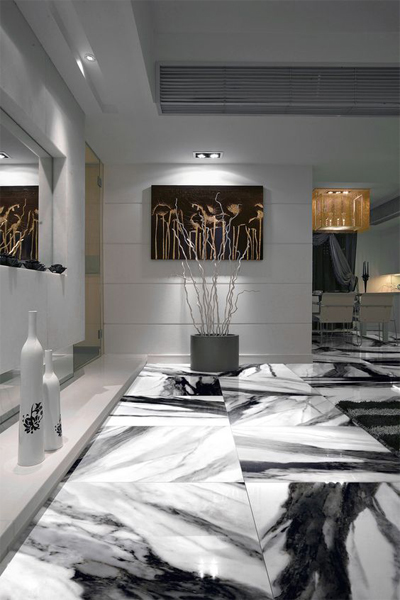
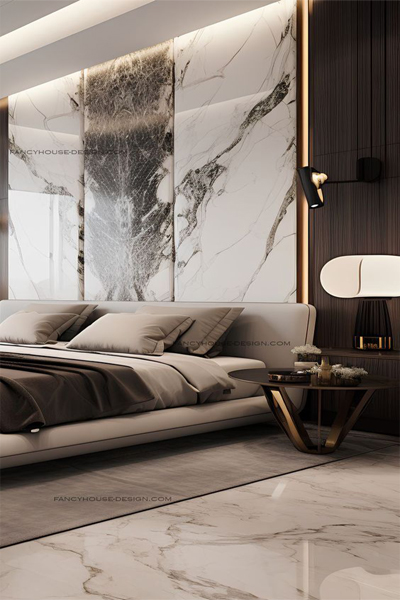
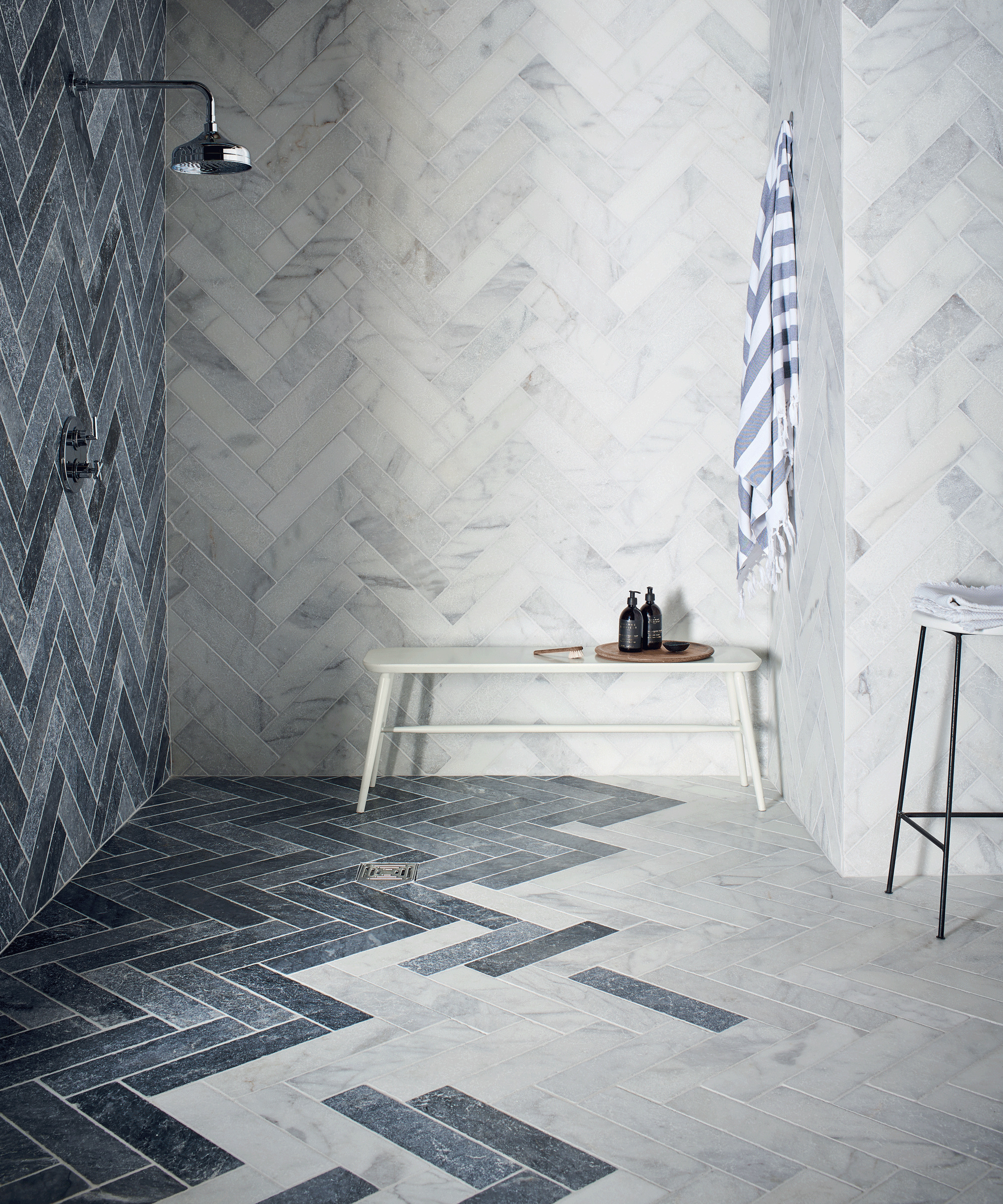
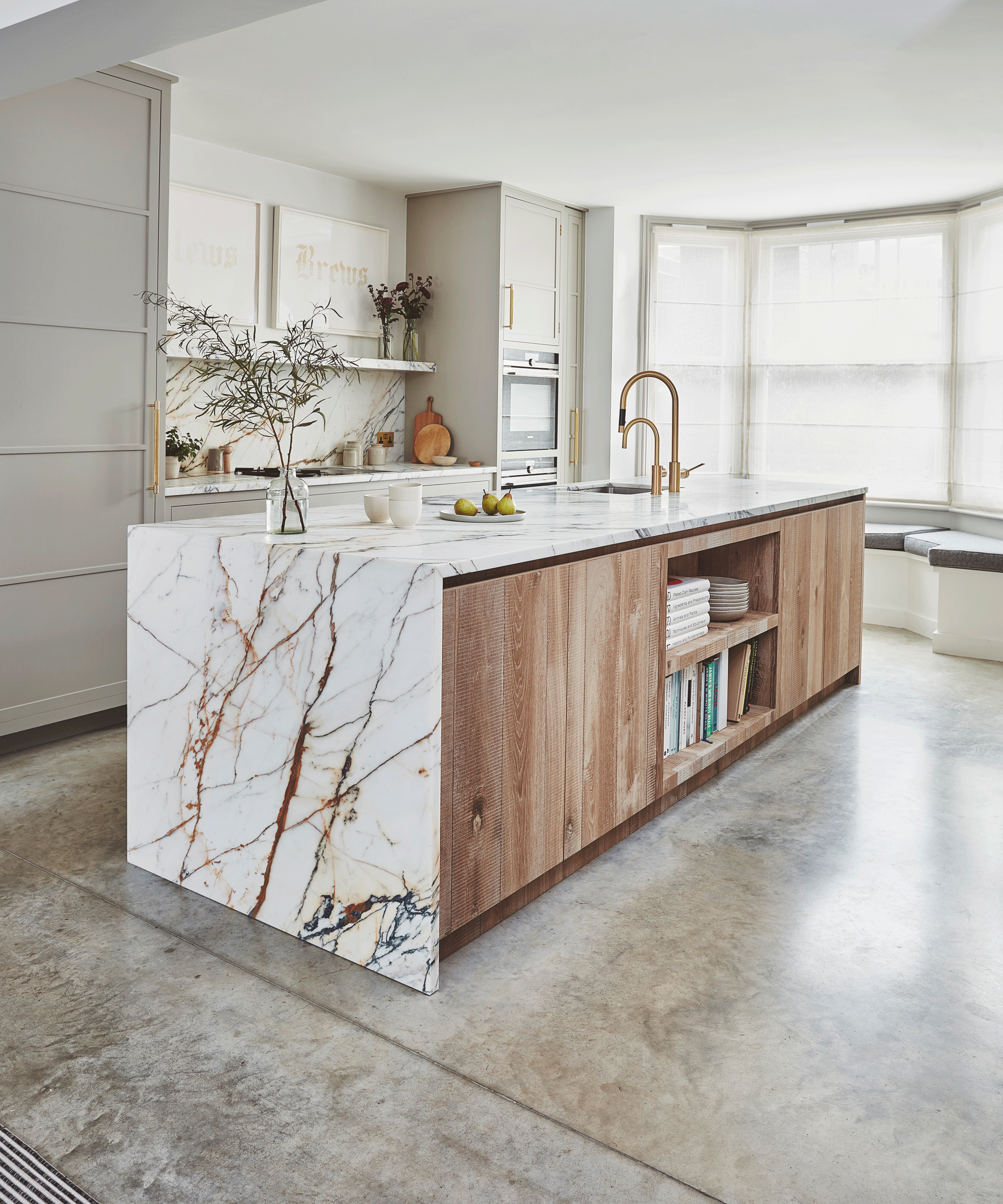
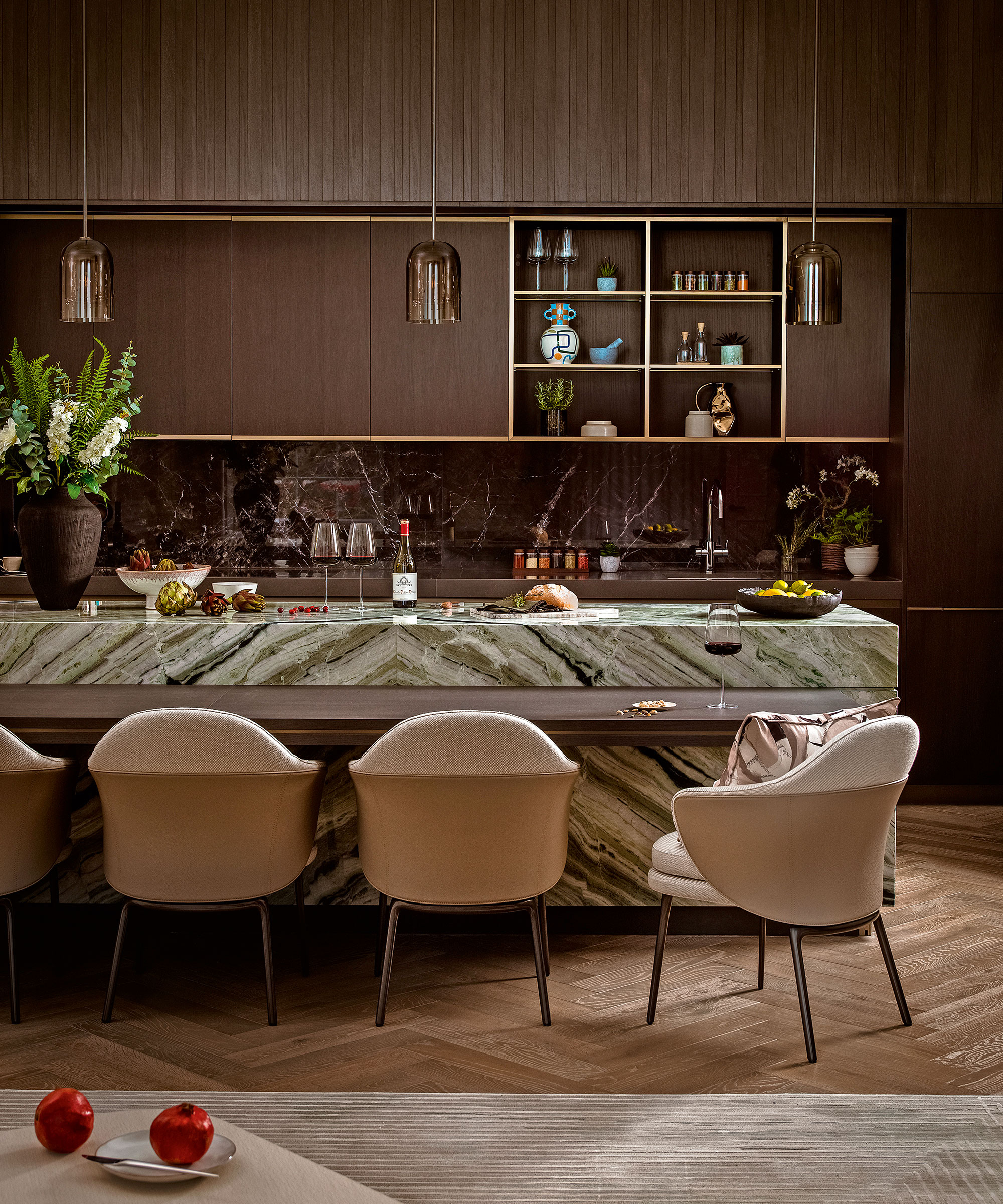
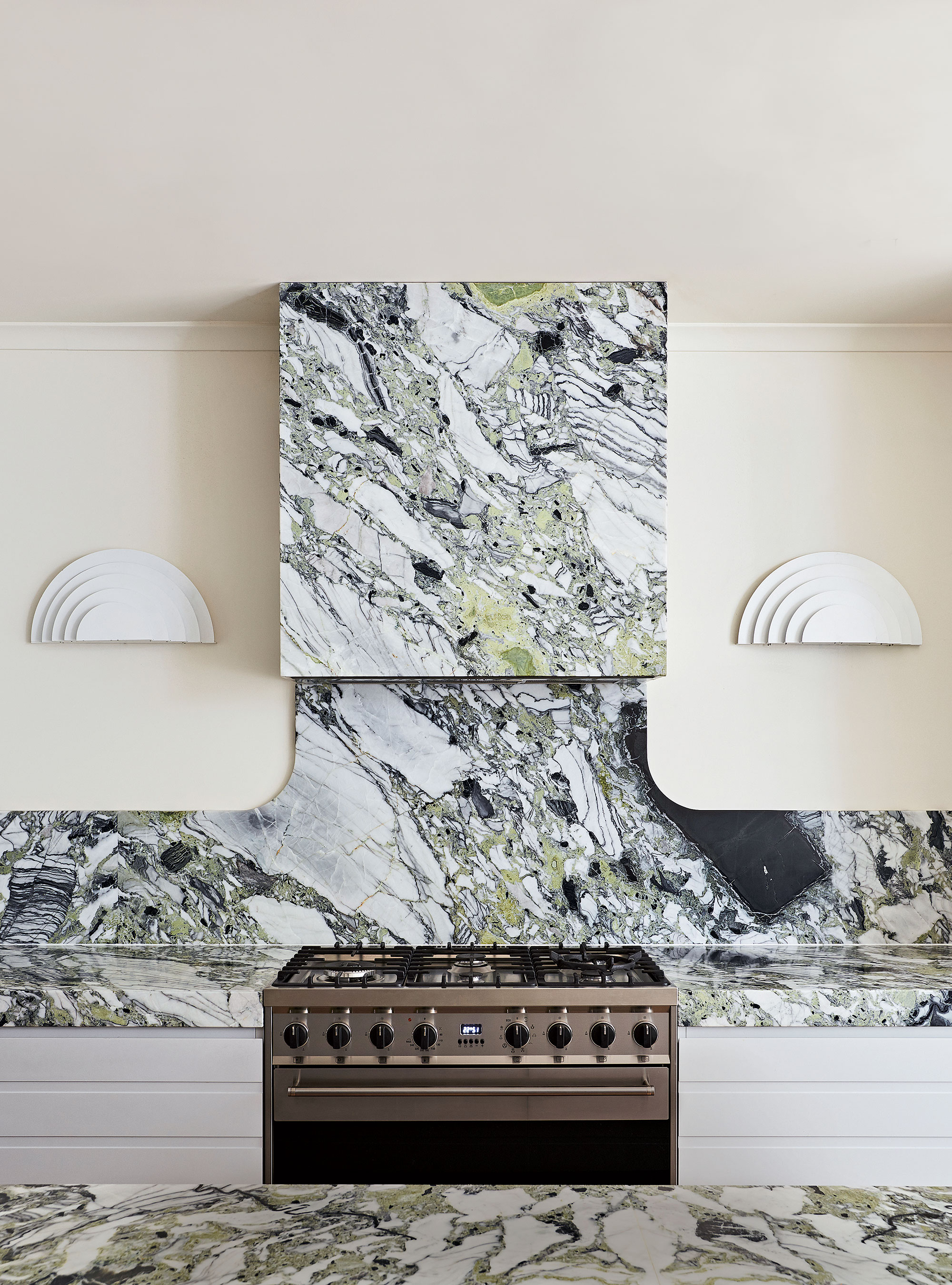
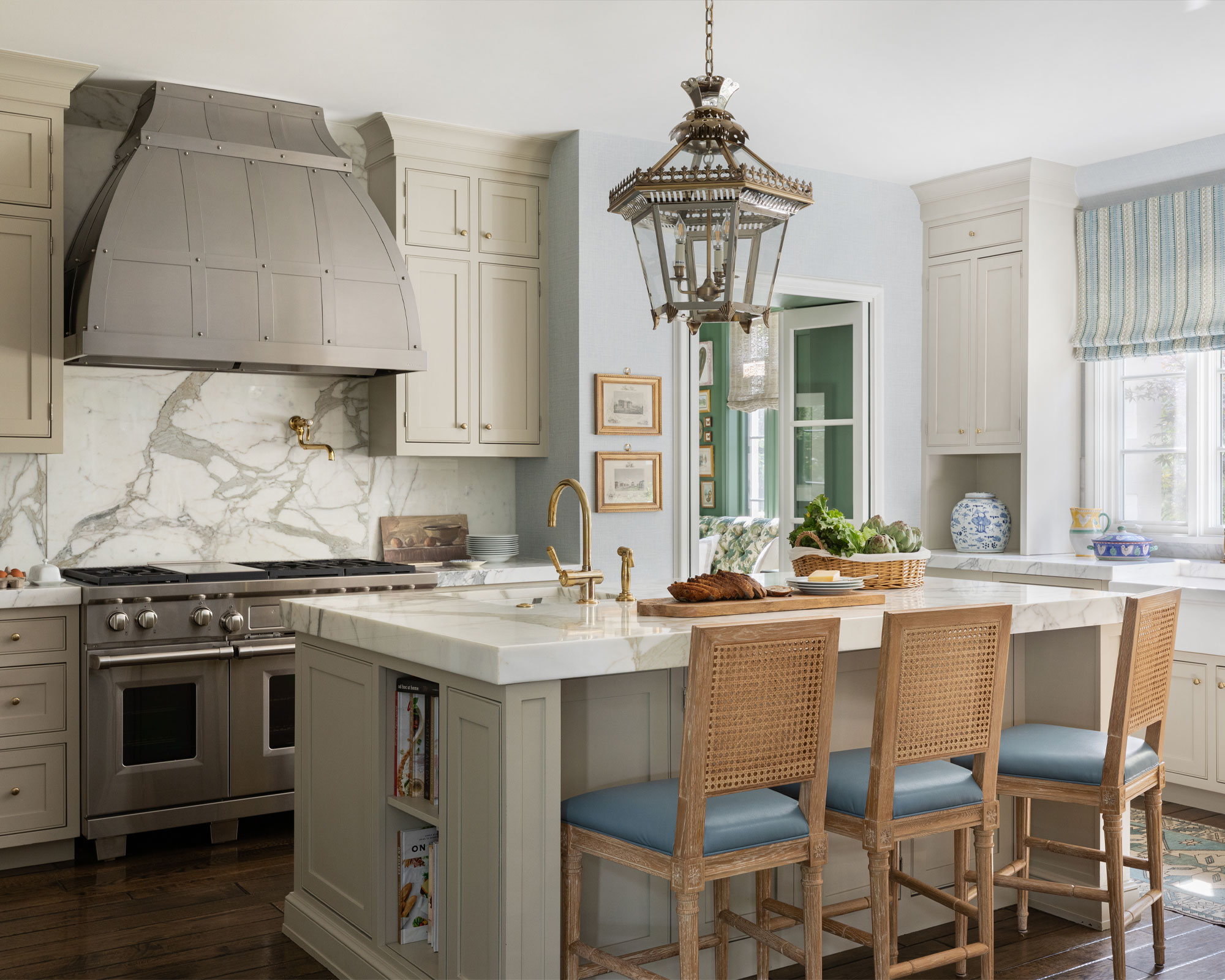
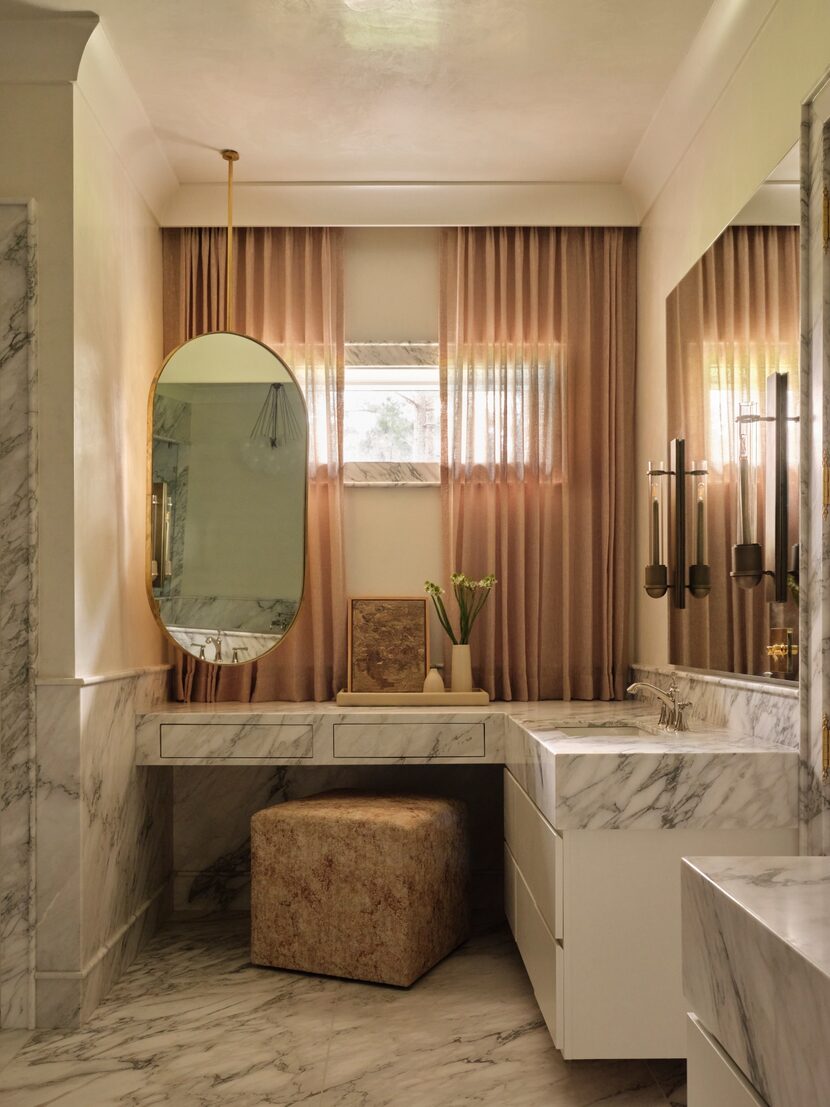
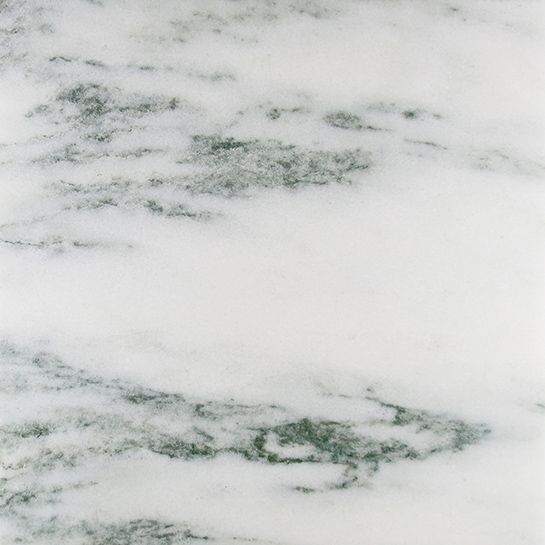
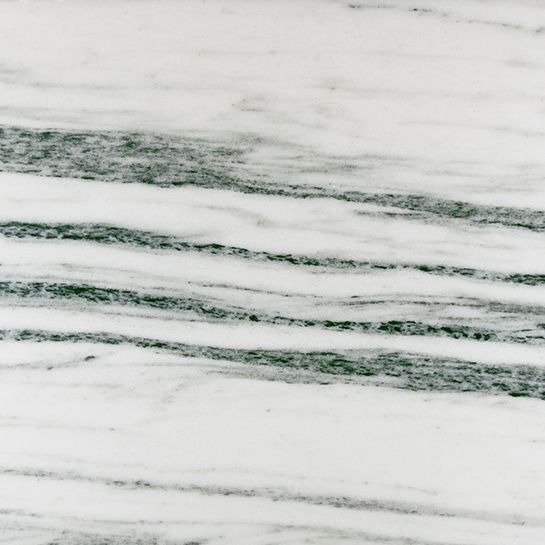
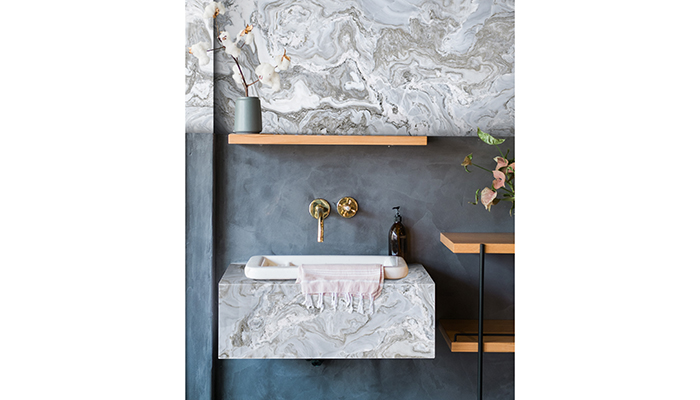
Marble has long been revered as a luxurious building material, prized for its aesthetic appeal and elegance. This blog post explores the characteristics, advantages, and disadvantages of marble flooring, helping homeowners determine if it's the right choice for their interiors. Marble is a natural metamorphic rock, formed under intense heat and pressure from sedimentary stones like limestone. This geological process gives marble its distinct wavy veined patterns, differentiating it from igneous rocks like granite, which typically exhibit pebbly or spotted patterns. The unique origin of each marble piece means every tile possesses its own individual character, with variations ranging from subtle color shifts to pronounced multi-color mixes.
Despite its opulent appearance, marble flooring comes with a high price tag, typically ranging from $10 to $20 per square foot for materials, with some specialty types reaching up to $40 per square foot. Installation costs an additional $3 to $7 per square foot, making it a premium option compared to ceramic tiles, which are generally half the price. While routine maintenance like sweeping and damp mopping is straightforward, marble's porous nature necessitates careful handling to prevent water penetration and discoloration. Its alkaline pH makes it susceptible to chemical reactions with acidic substances, leading to potentially permanent stains. To mitigate this, a chemical penetrating sealer and a surface sealer are recommended after installation, with the surface sealer requiring annual reapplication for optimal protection.
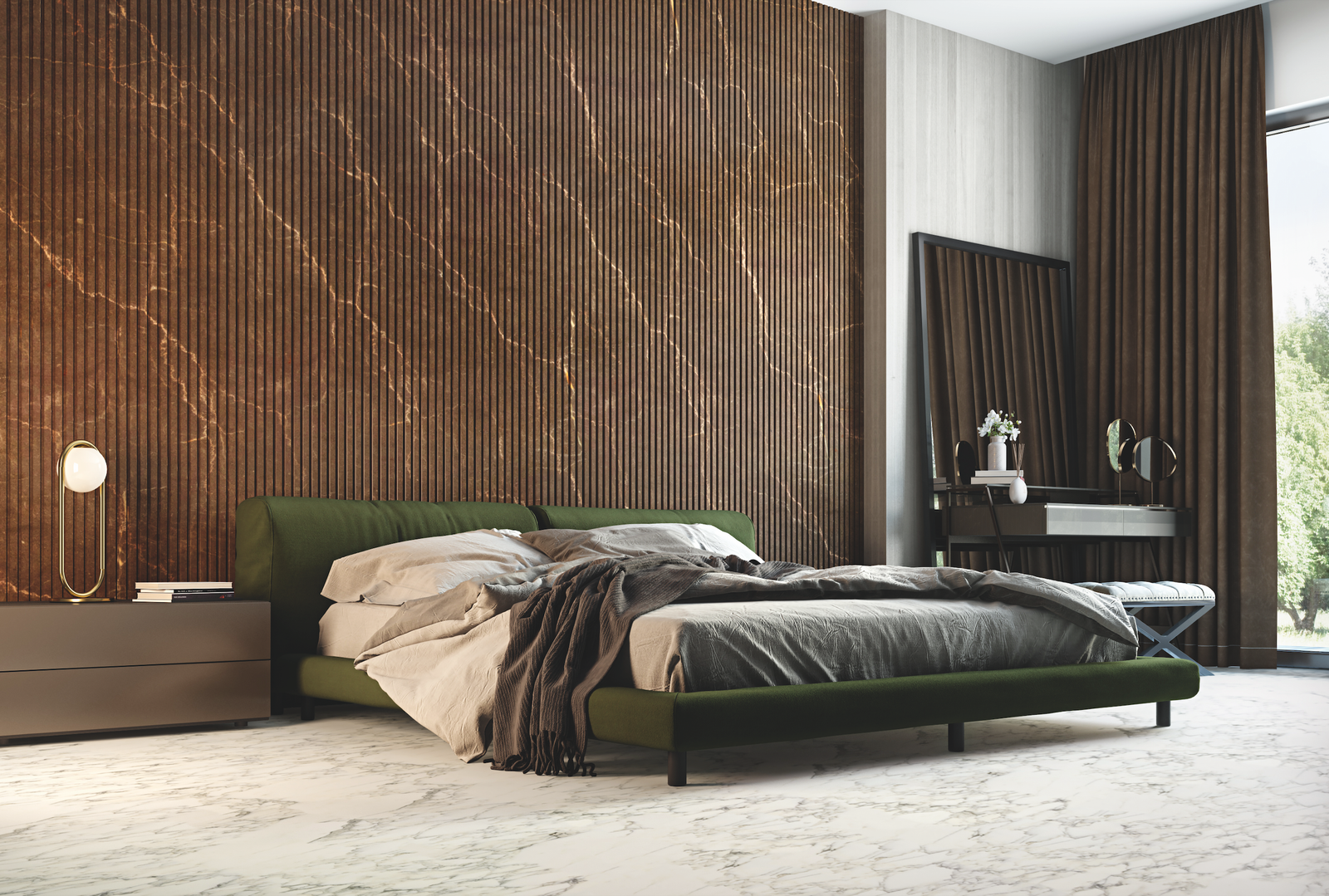
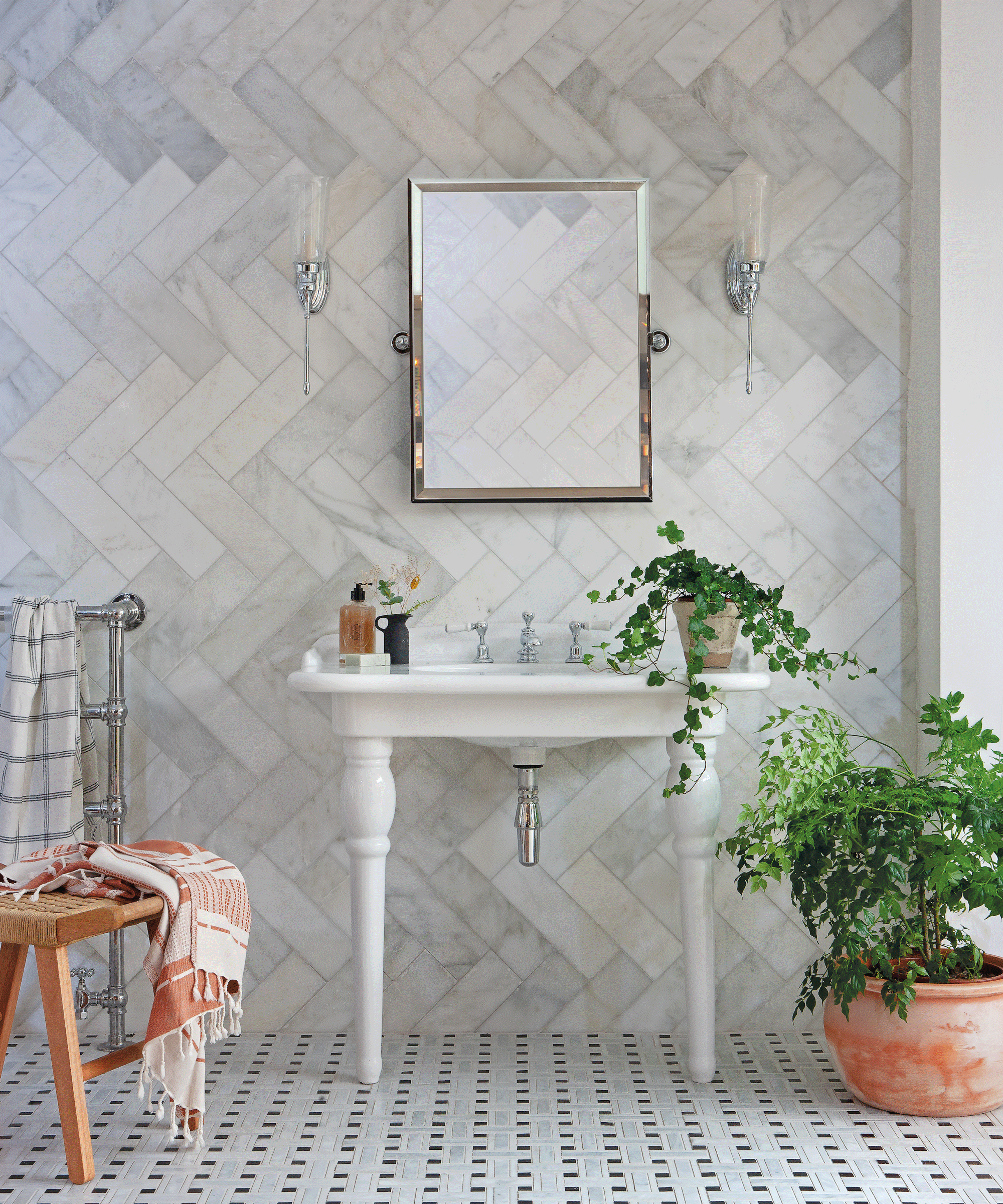
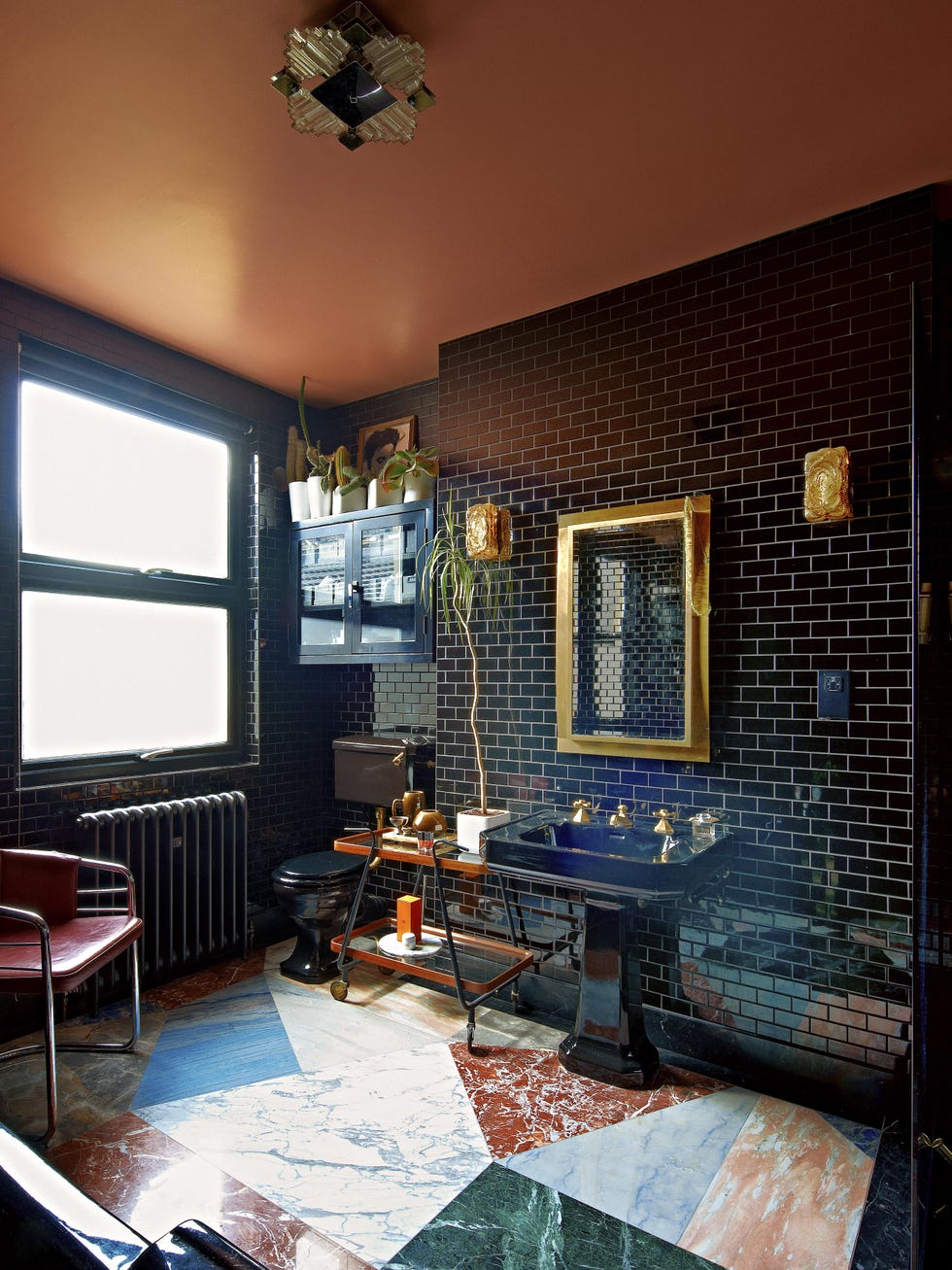
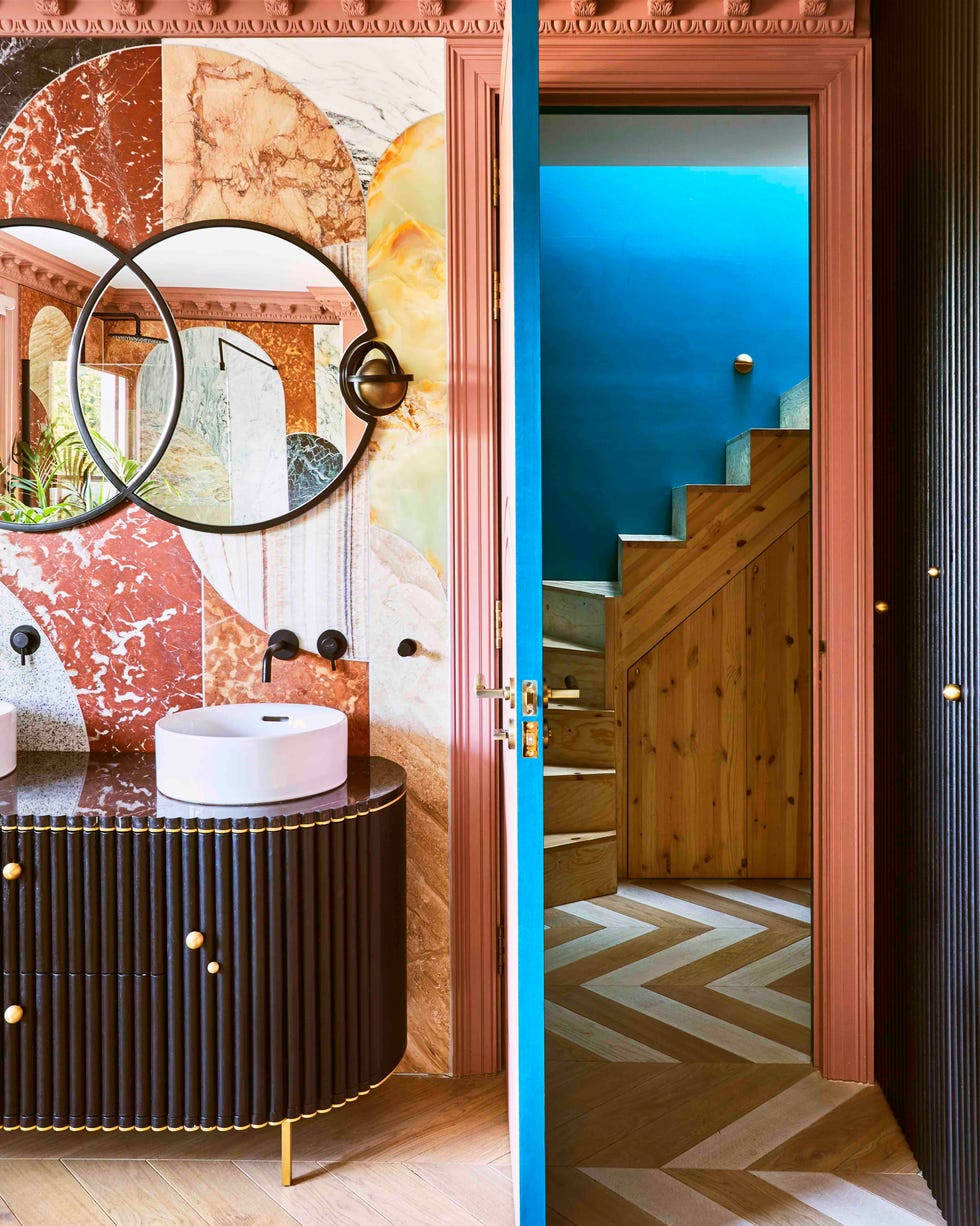
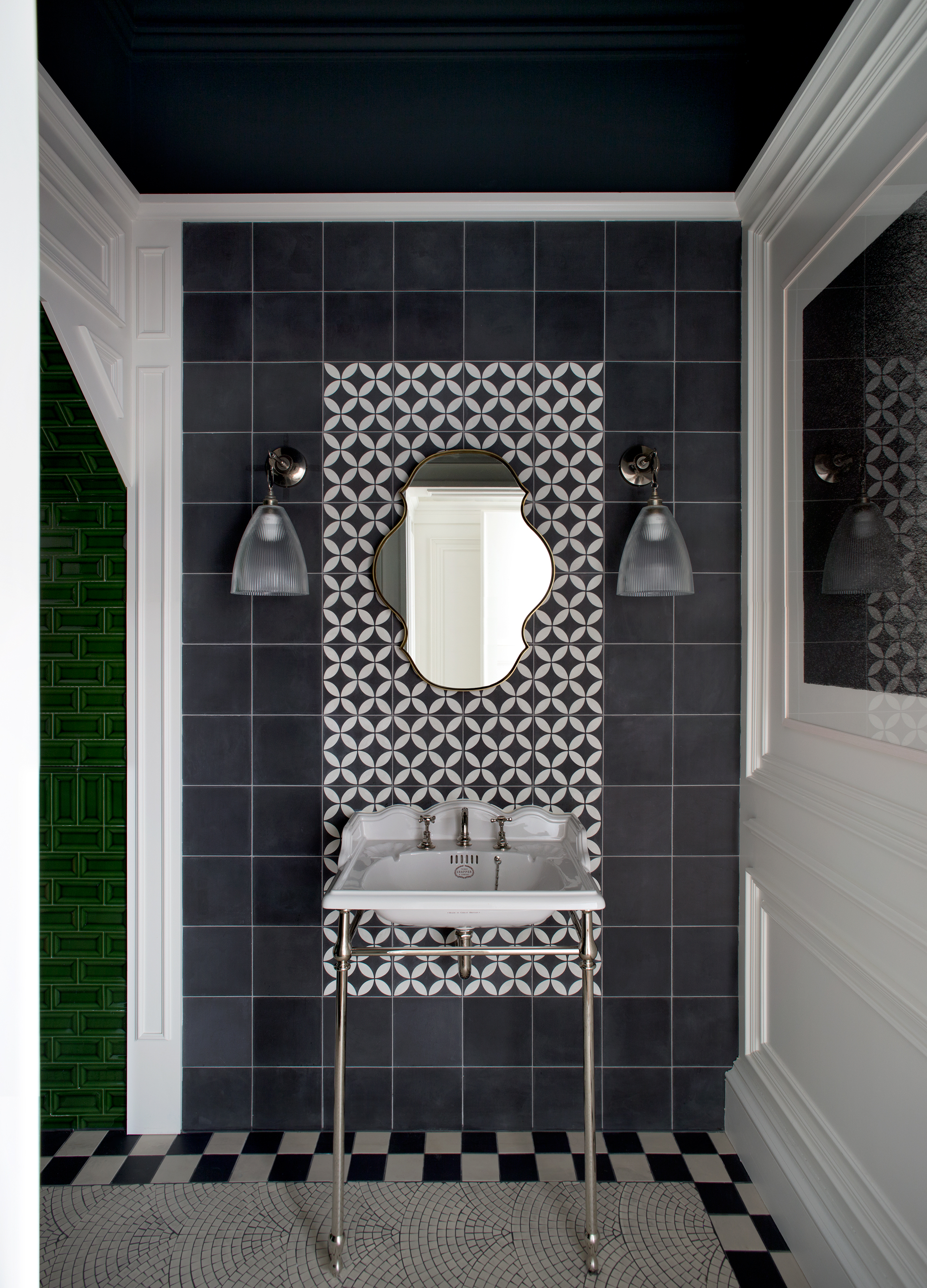
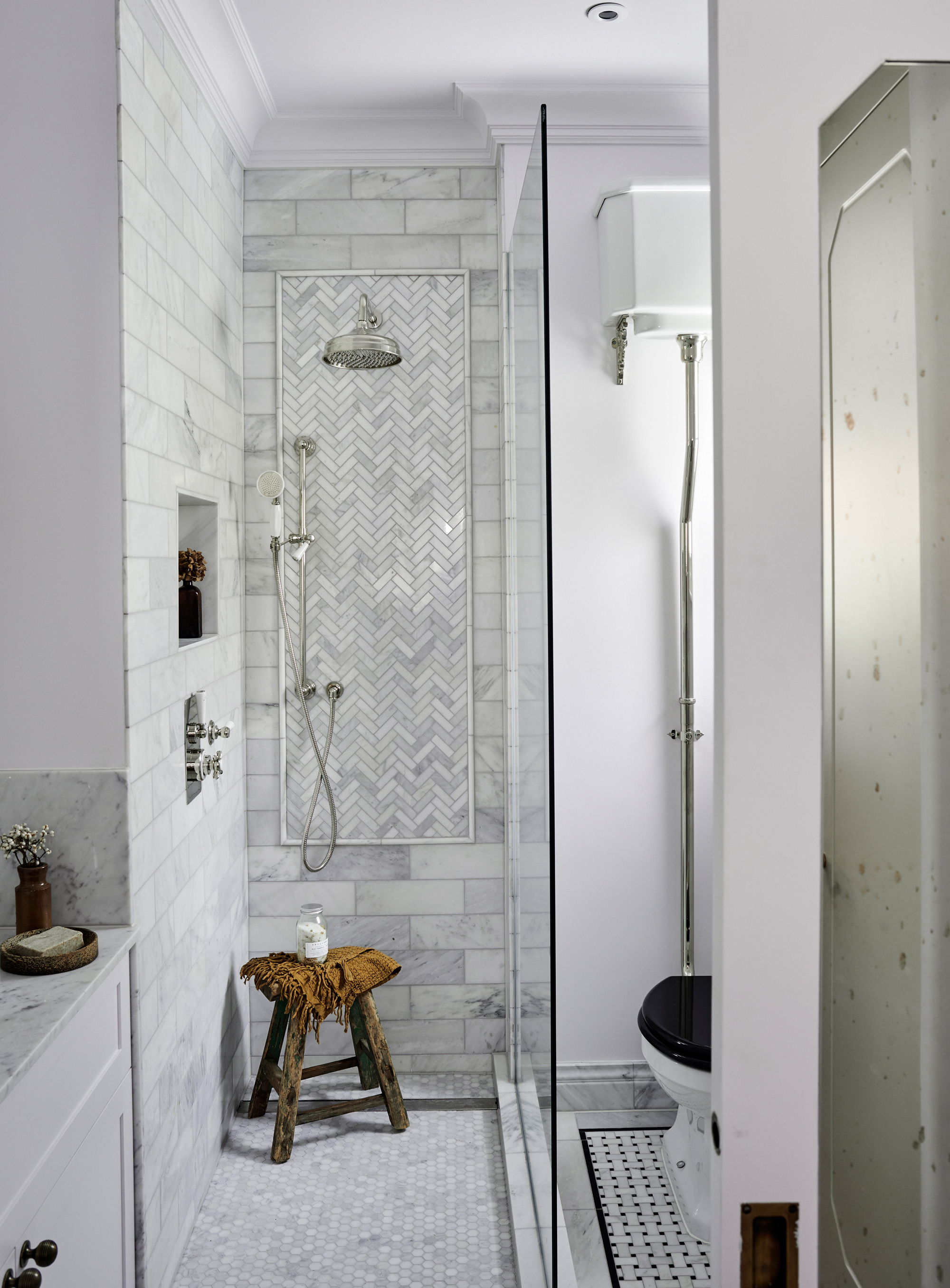
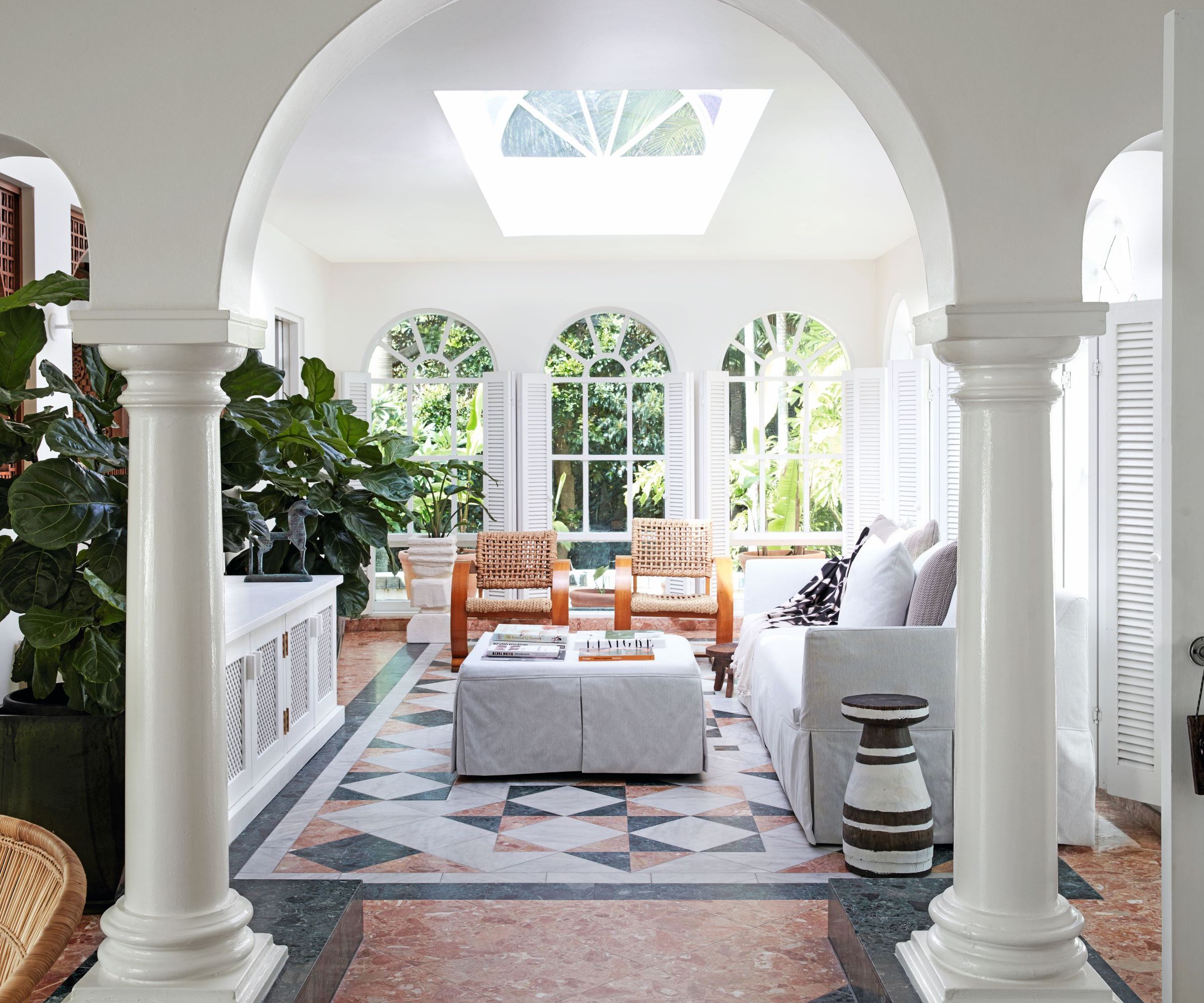
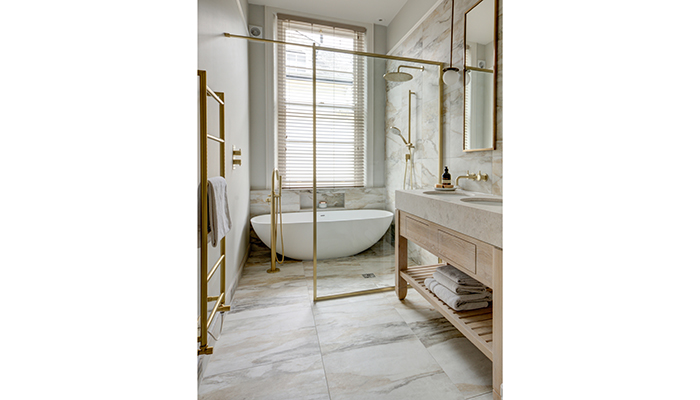
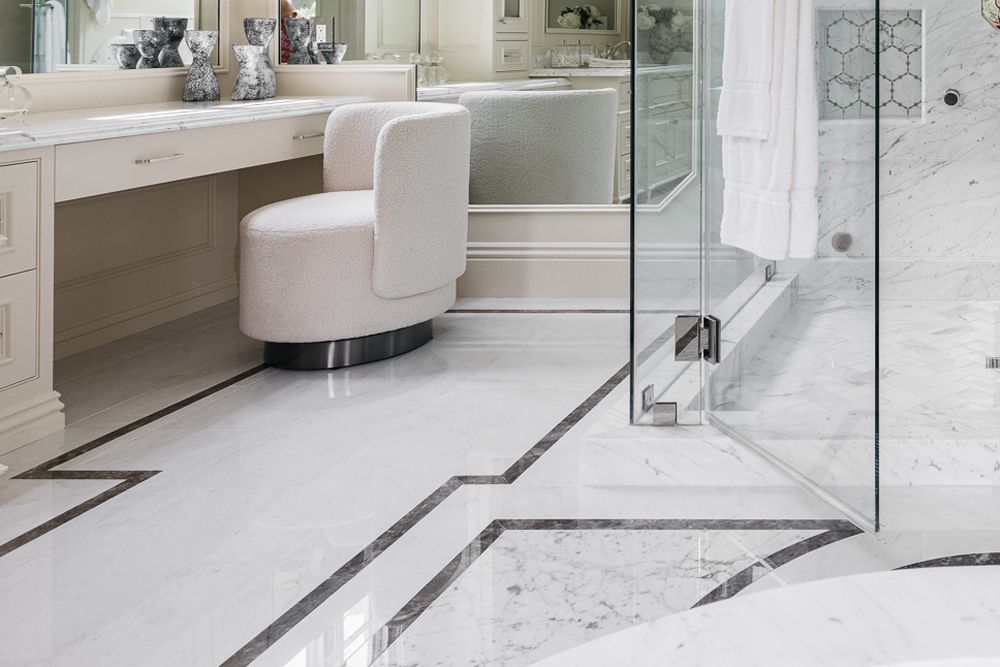
Marble is a relatively soft stone, making it prone to scratches, scrapes, and chips, particularly with polished finishes where imperfections are more noticeable. Unlike other materials, scratches on marble are difficult to repair without replacing the damaged tiles. However, its aesthetic benefits are considerable. Marble's ability to take a high polish creates a smooth, shimmering surface that enhances a space's sophistication. It is also available in various colors and can be cut into different shapes for mosaic designs, offering versatility in interior decoration. Its excellent heat conductivity makes it compatible with radiant floor heating systems, transforming a typically cold surface into a warm and inviting one.
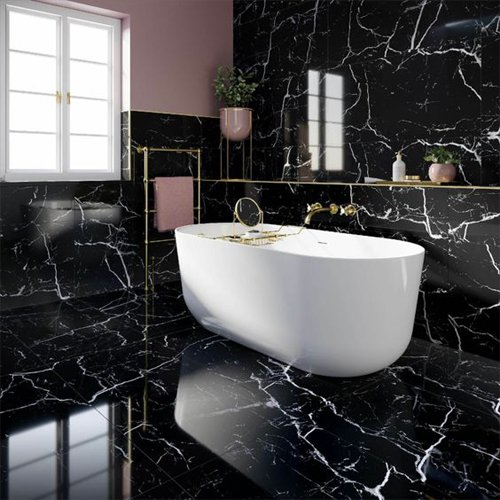
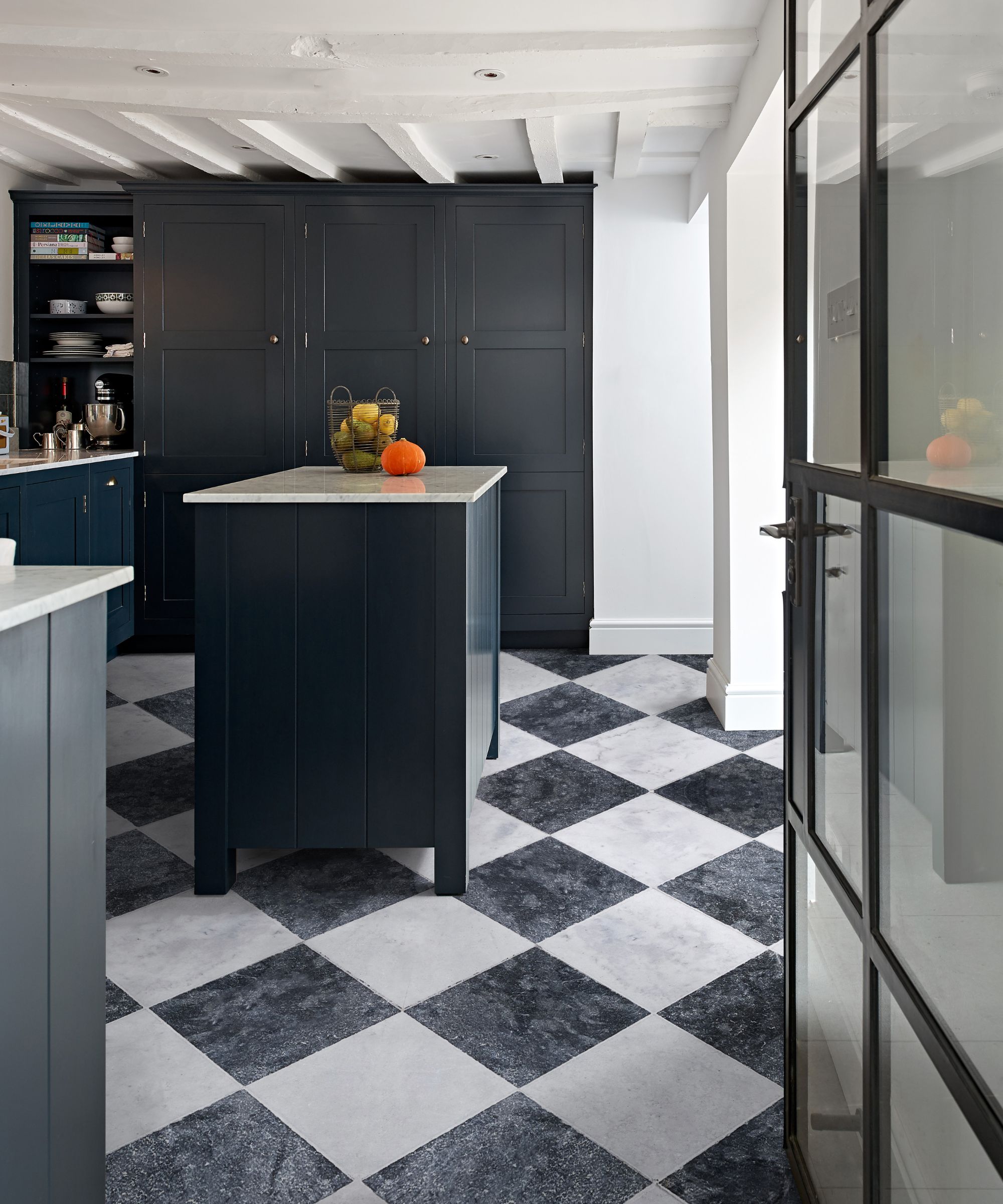
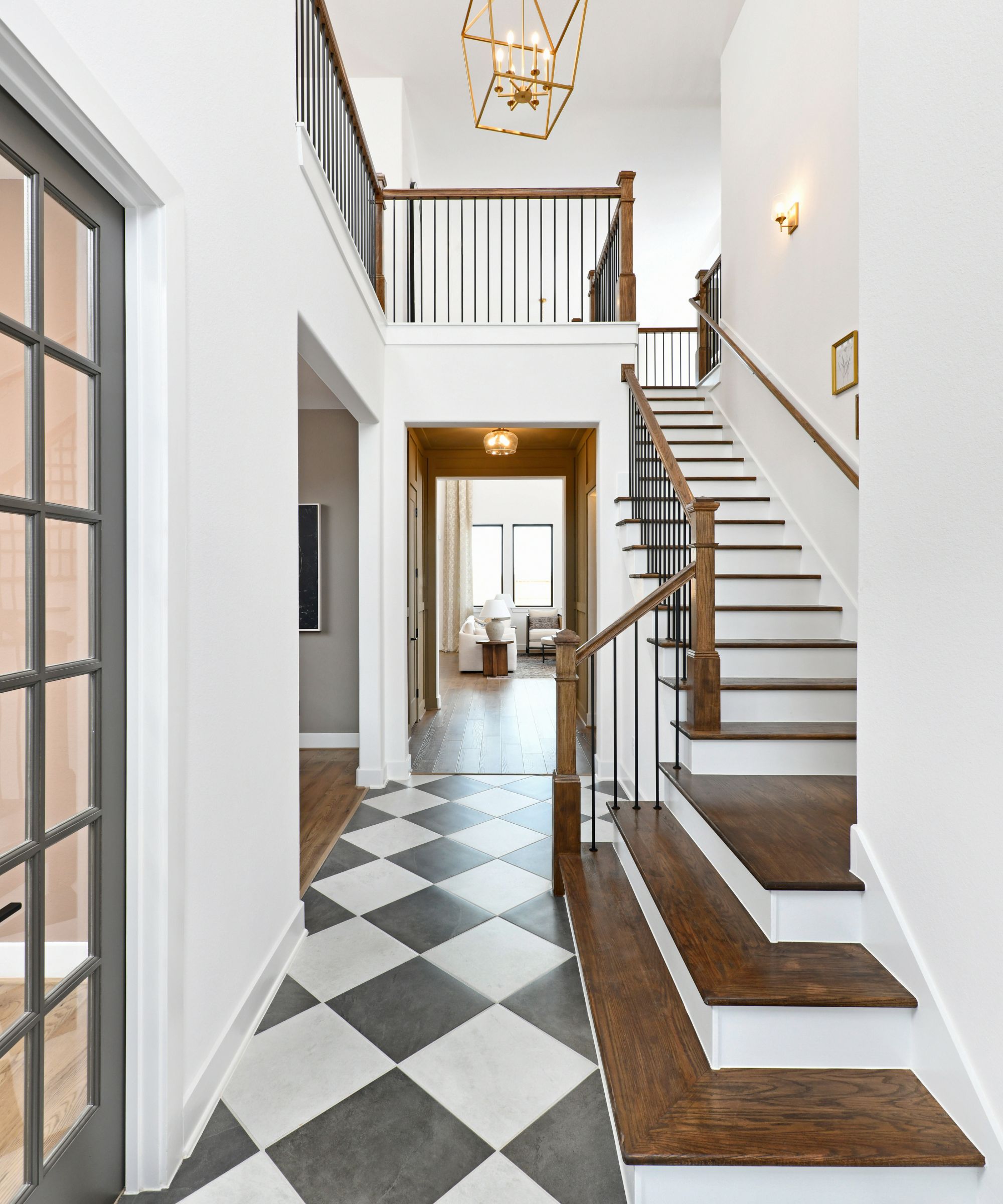
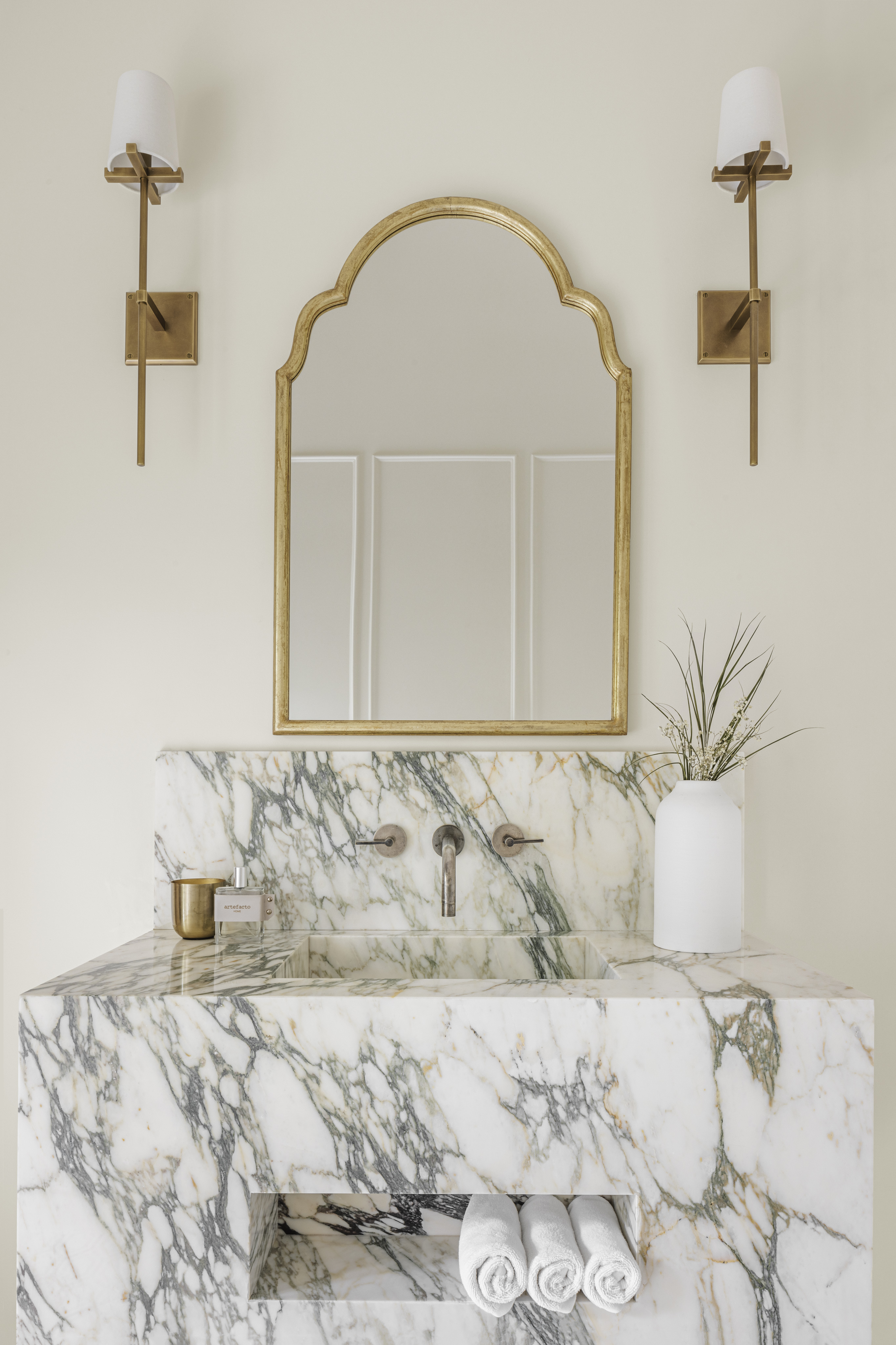
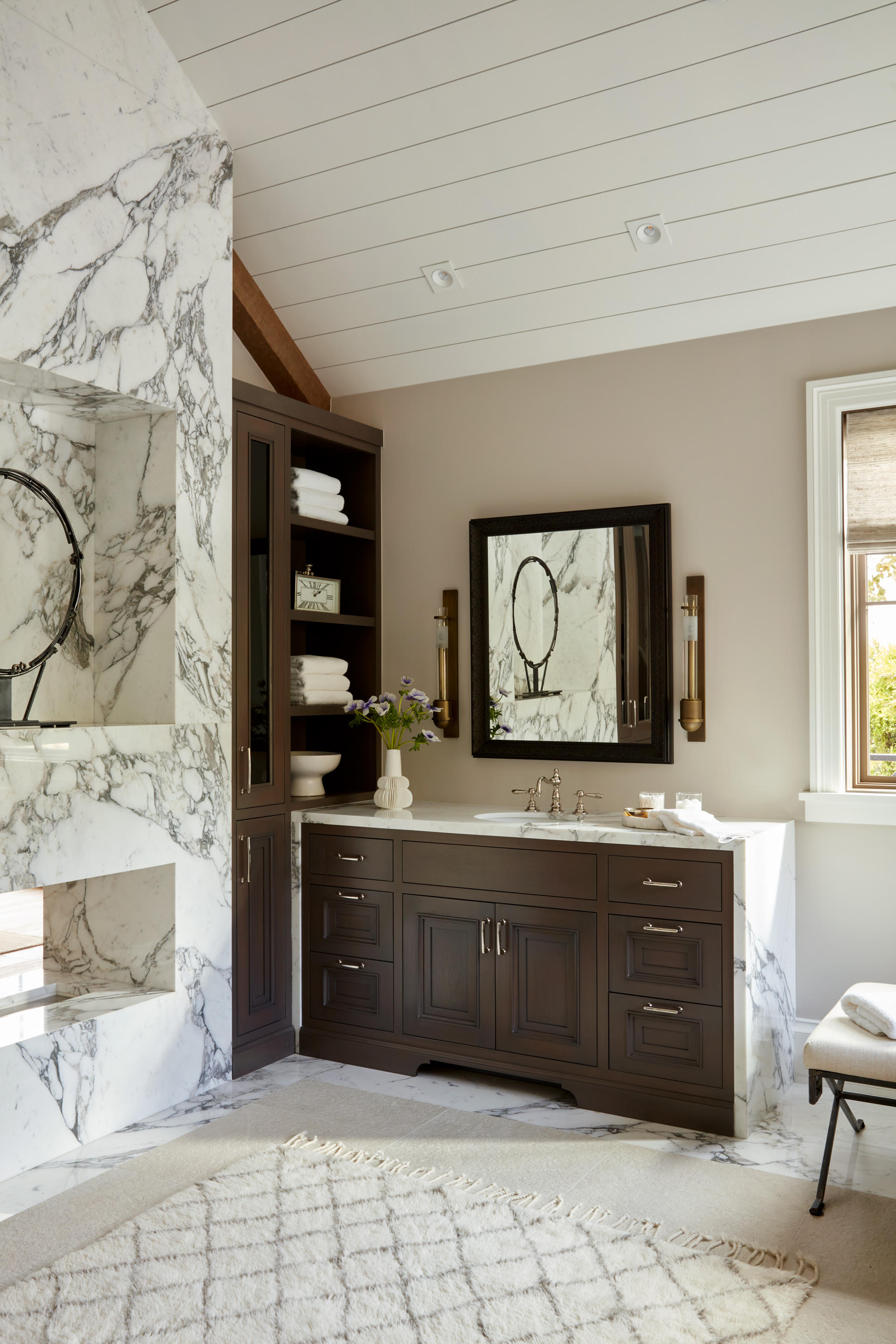
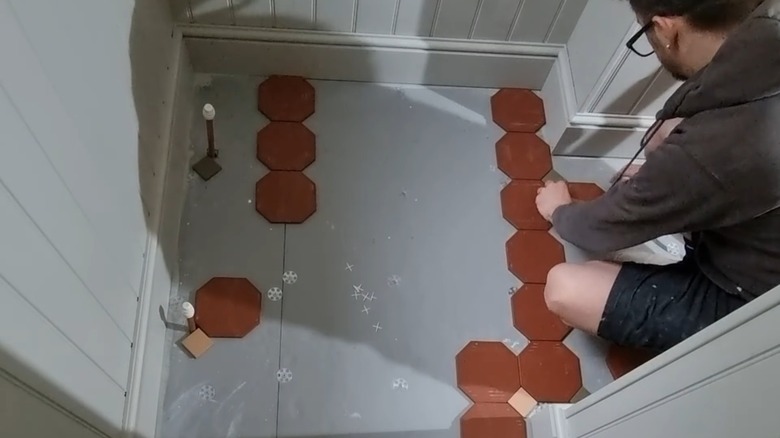
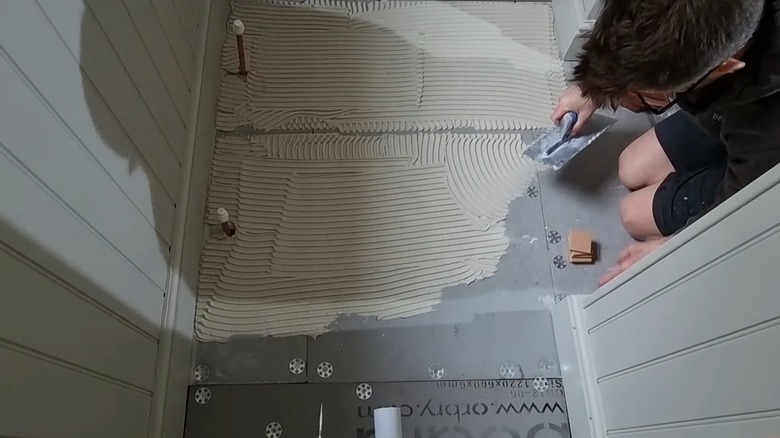
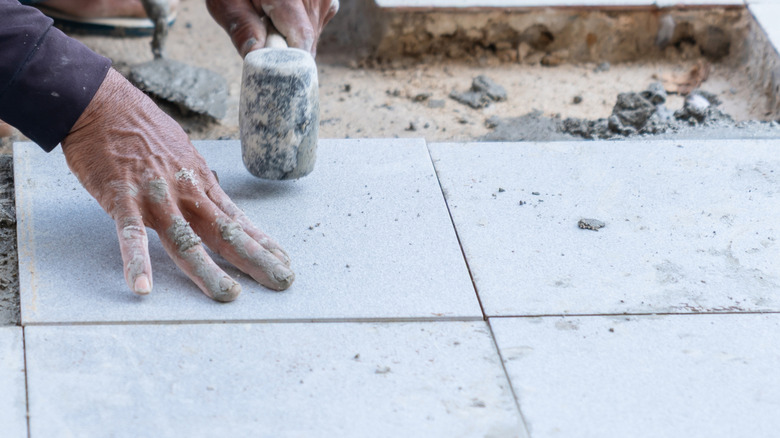
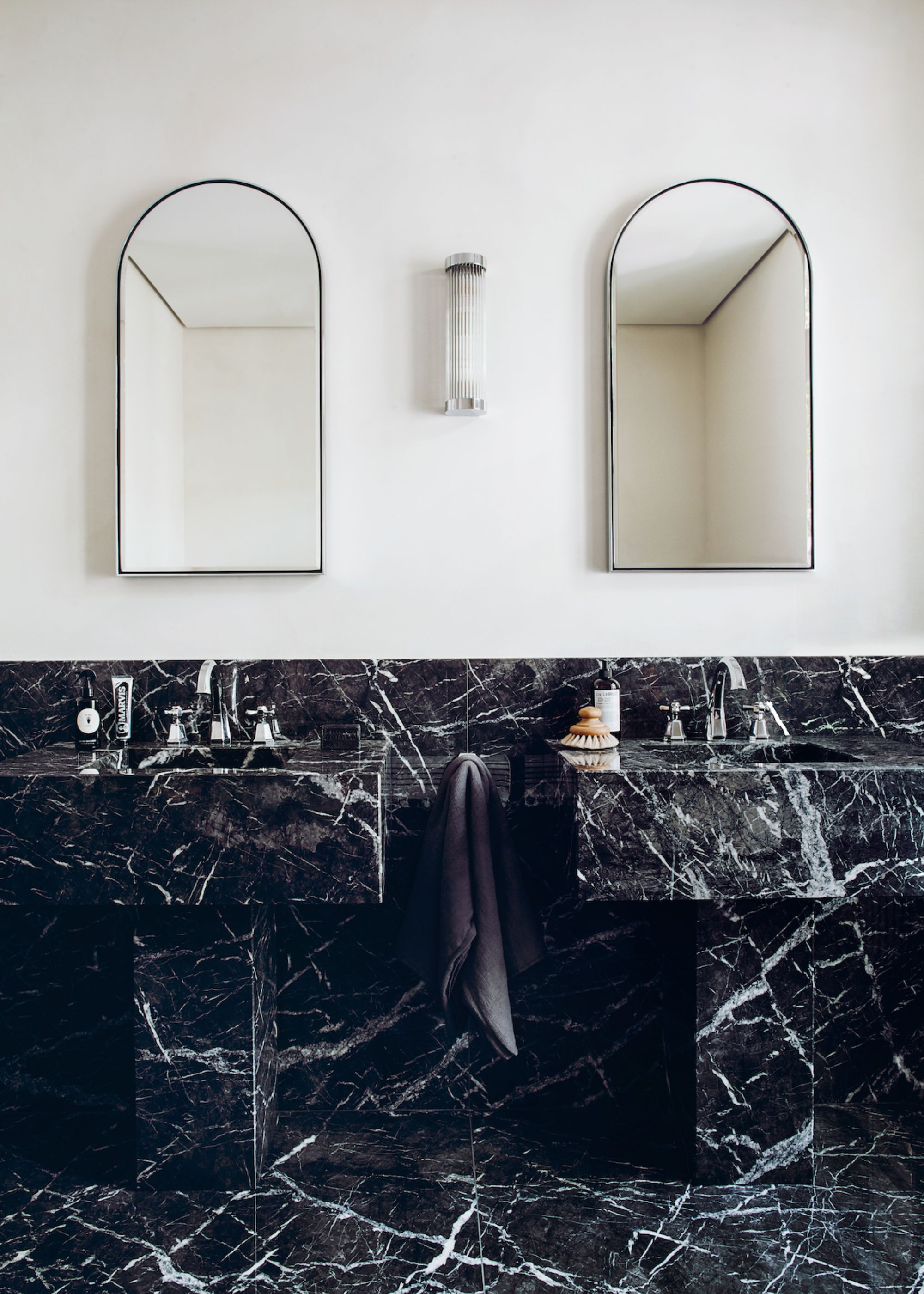
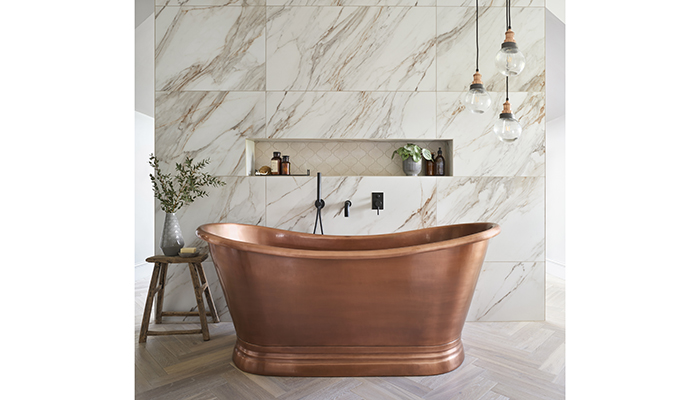
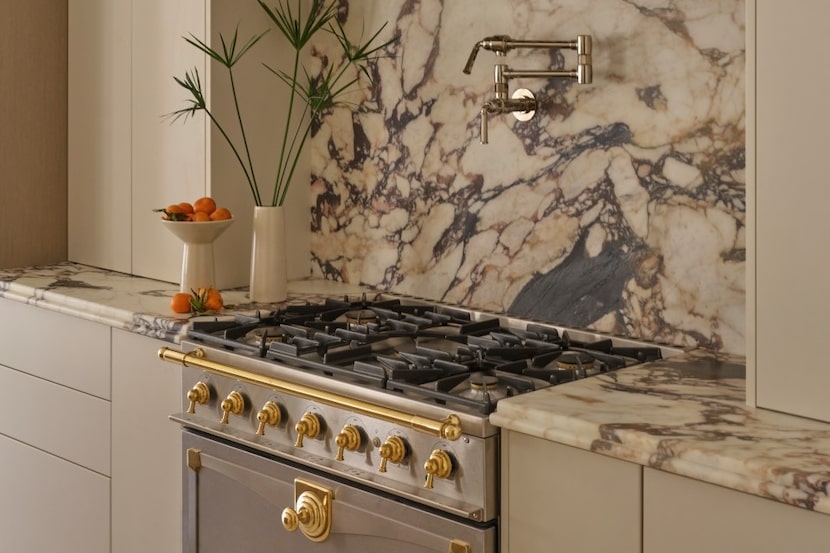
Installation of marble tiles is similar to ceramic tiles, involving a backer board, thin-set adhesive, and grout. However, marble's weight and brittleness make DIY installation challenging, often resulting in material waste. Professional installation is generally recommended due to the need for specialized tools and precise subfloor preparation. Common tile sizes are 12x12 inches, 16x16 inches, and 24x24 inches, typically 3/8 inch thick. Key types of marble include Carrara, a common and economical grayish-white marble with soft veining; Calacatta, a rarer and more expensive option with dark, thick veining on a bright white background, sometimes featuring gold hues; Statuary, similar to Carrara but with a more translucent white background and dramatic veining; Emperador, available in various shades of brown with irregular veining; Crema Marfil, a beige or yellowish marble with varying intensity of veining; Talathello, a light grey marble with silver or beige speckles; and Levadia Black, a striking black marble with smoke-like gray veining. The article also distinguishes between polished marble, which is shiny and reflective, and honed marble, which is dull, matte, and more scratch-resistant.
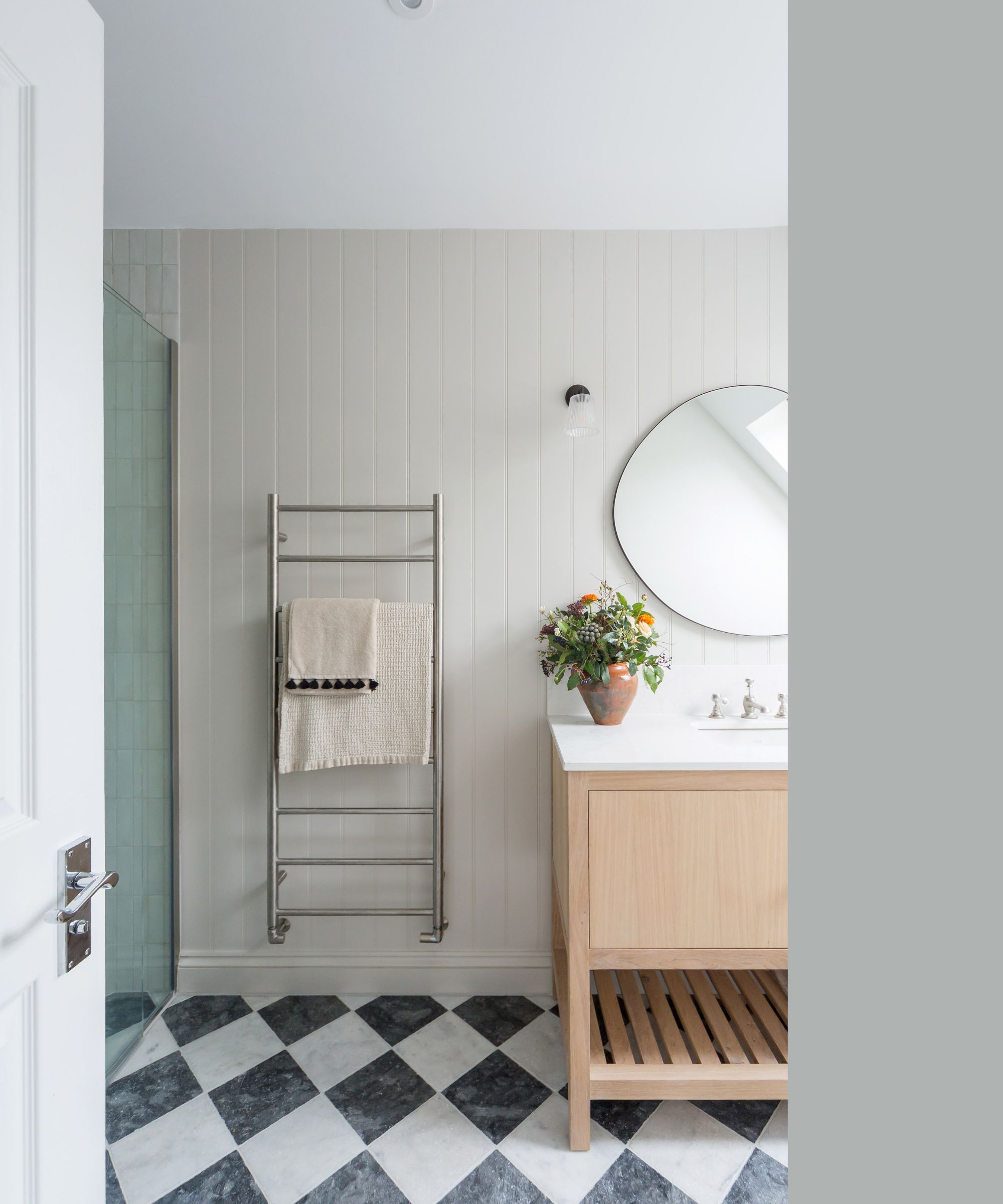
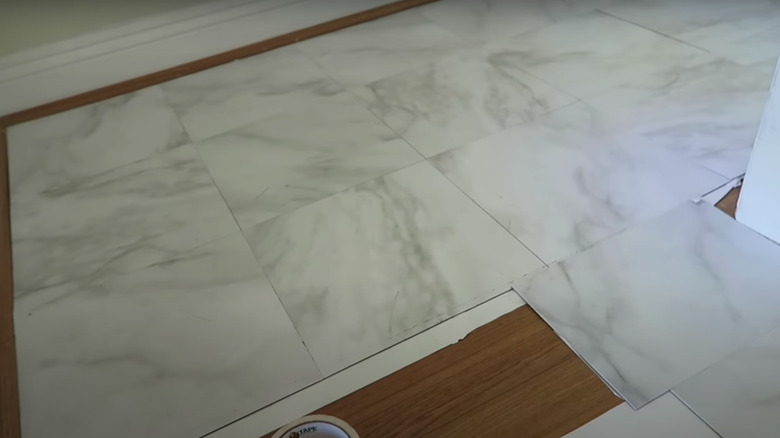
For those seeking a similar aesthetic without the high cost and maintenance, porcelain tiles are presented as an alternative. Modern porcelain tiles can convincingly mimic marble's veining patterns, offering a visually comparable result at a lower price point, typically $5 to $10 per square foot. Porcelain is also manufactured from simple clay, appealing to those concerned about the environmental impact of marble quarrying. A significant safety consideration for marble is its slipperiness, especially when polished or wet, making non-slip rugs advisable in areas like kitchens and bathrooms. Finally, it is recommended to purchase extra tiles during installation to ensure color and veining match for future repairs.
#MarbleFlooring #HomeImprovement #InteriorDesign #FlooringMaterials #NaturalStone #HomeRenovation #TileInstallation #LuxuryInteriors #MarbleFlooring #HomeImprovement #InteriorDesign #FlooringMaterials #NaturalStone #HomeRenovation #TileInstallation #LuxuryInteriors
0 comment in total
 No comments yet
You may also like
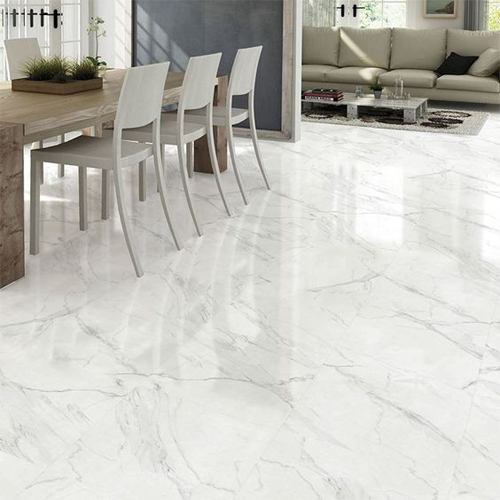
20 Latest Marble Floor Designs For Home In 2024

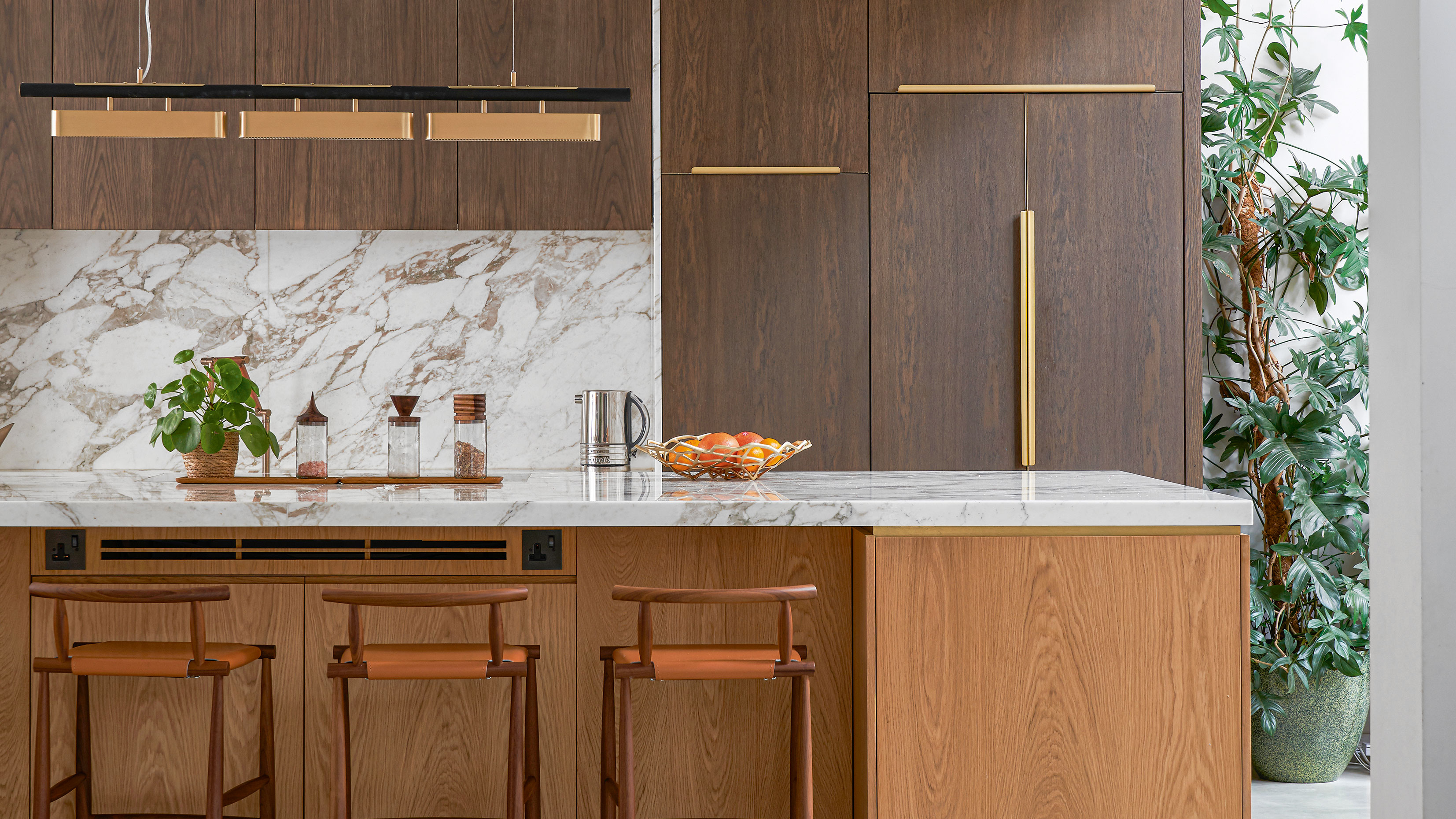
Is marble bad for kitchens? 10 things no one tells you about using this porous stone

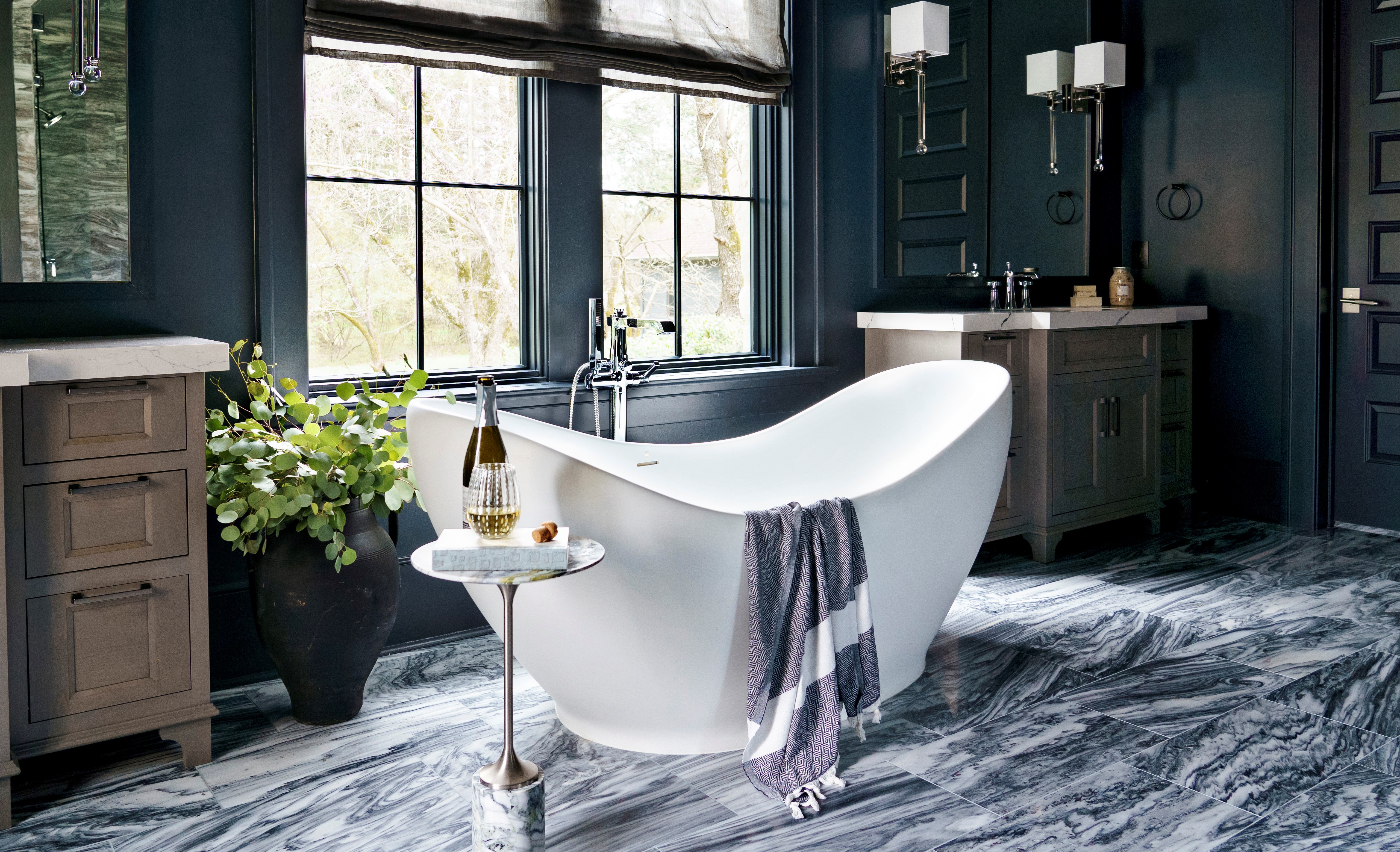
This changes everything! Experts are advising we stay away from marble in small bathrooms. Here's why

USA Tile And Marble Offers Selection, Value, Experience


Vogue's flooring guide will ensure you never look up
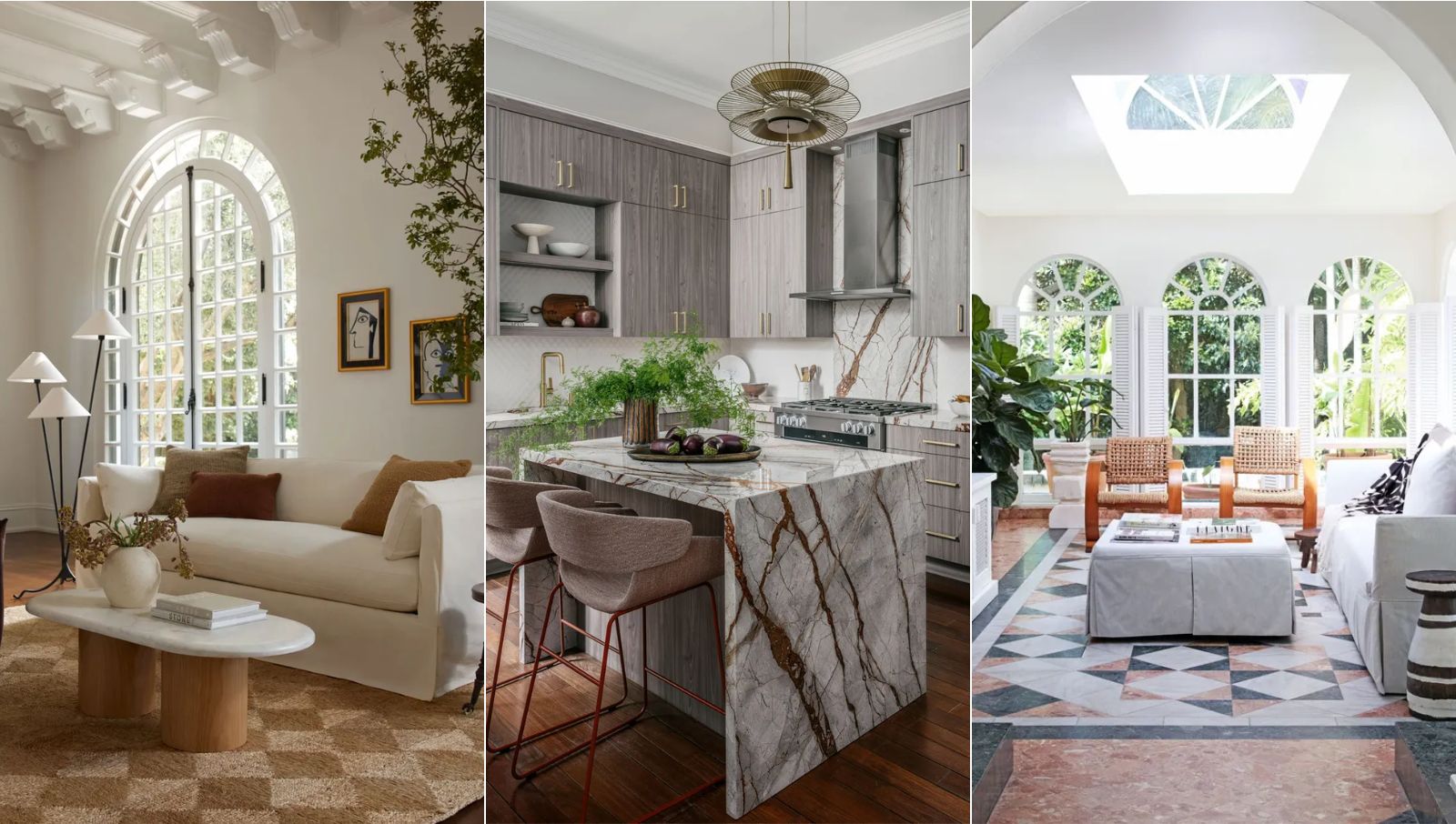
Is marble still on trend? Interior designers have their say
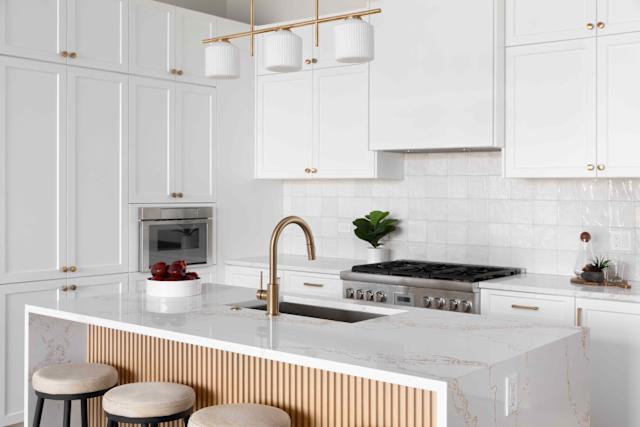
Are Marble Countertops Officially Out of Style? Interior Designers Weigh In

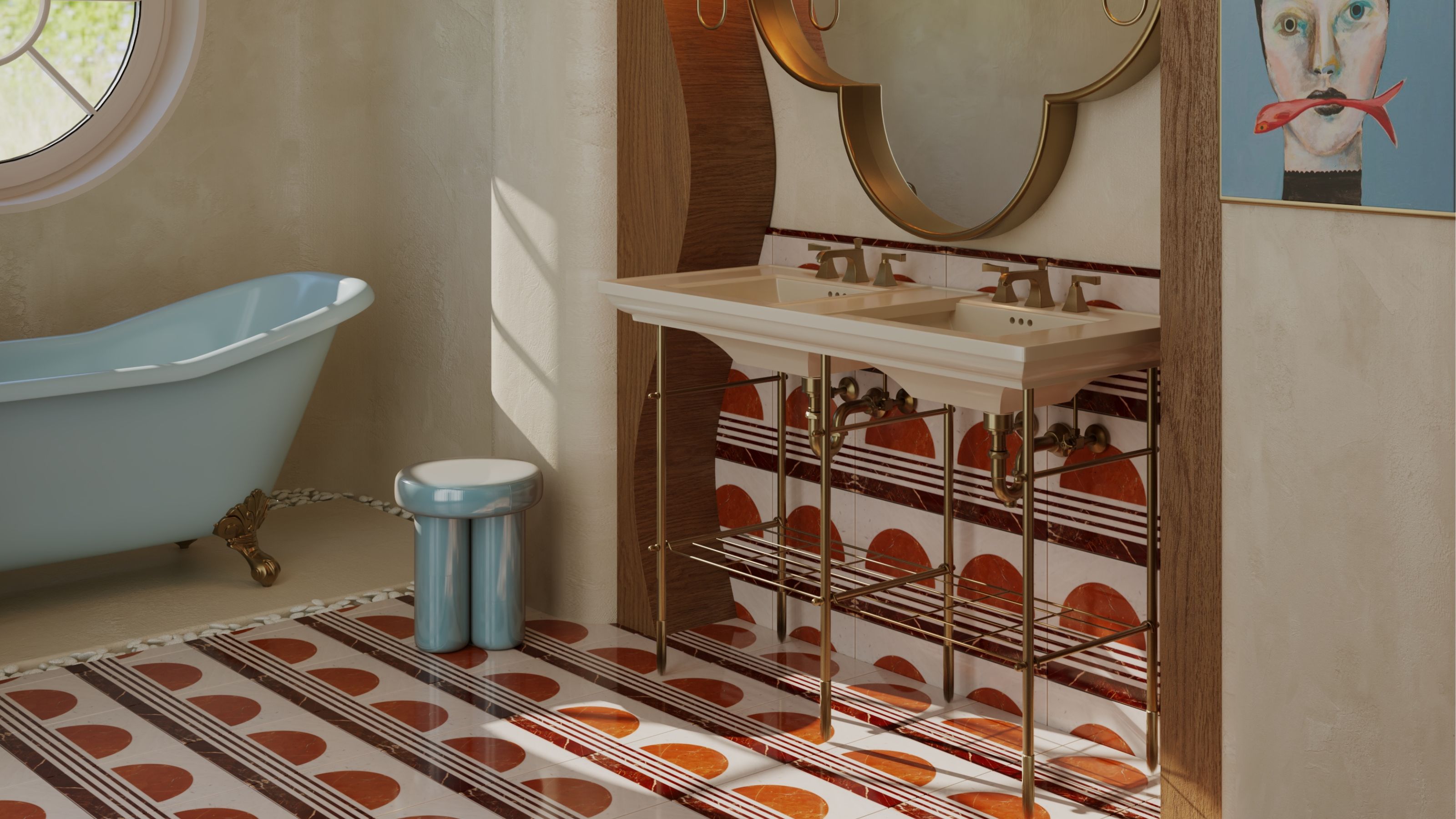
15 of the Most Important Bathroom Flooring Ideas You Need to Know When You're Planning a Makeover This Year
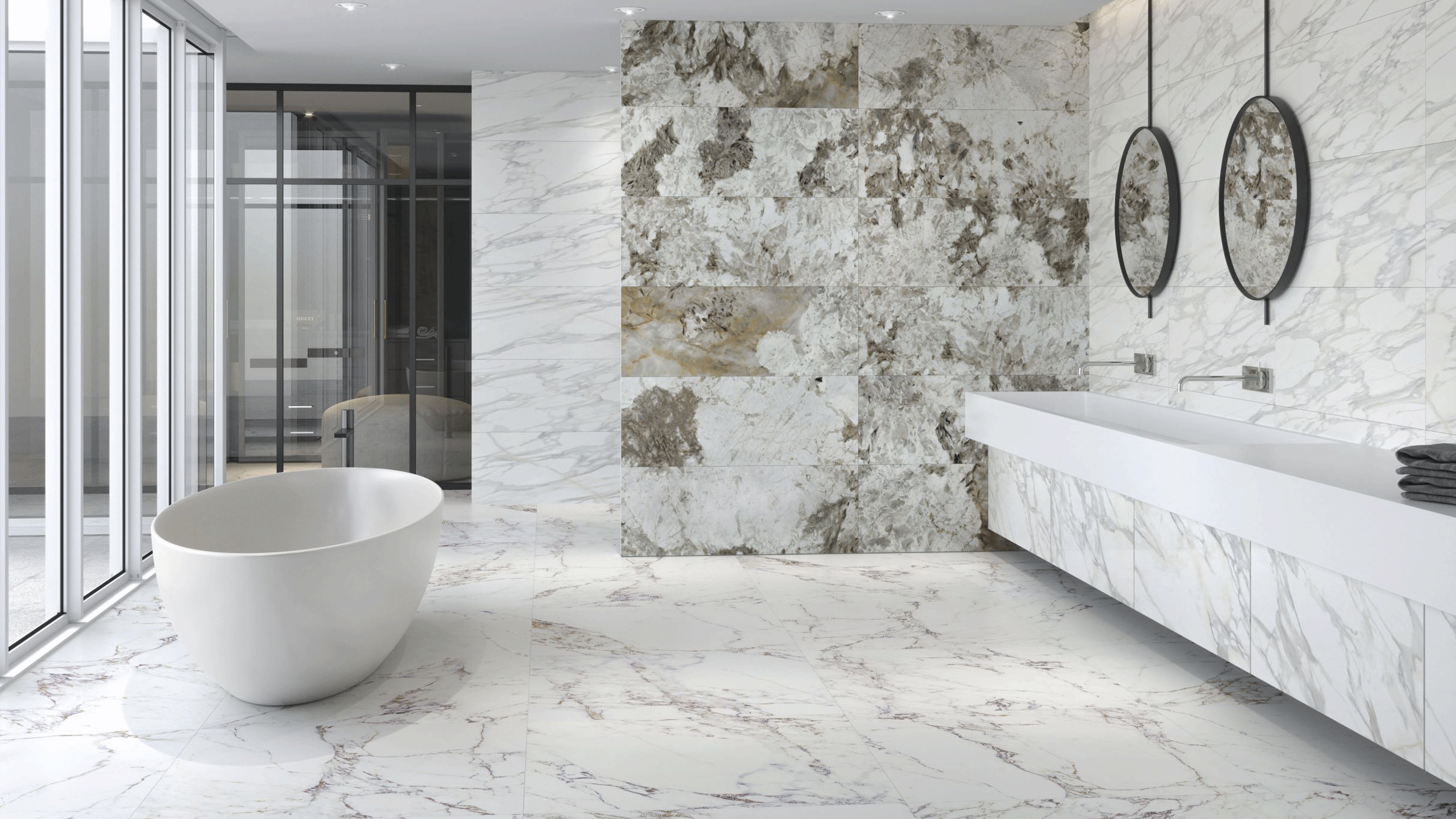
Marble bathroom flooring ideas – fresh ways to create a modern and luxurious look
Clean up those marble countertops and keep your stone protected from stains

Marble Countertops: 9 Tips for Choosing a White Marble Slab

10 Faux Marble DIY Projects You Can Take On In A Weekend

Is Marble Sustainable? It’s Complicated
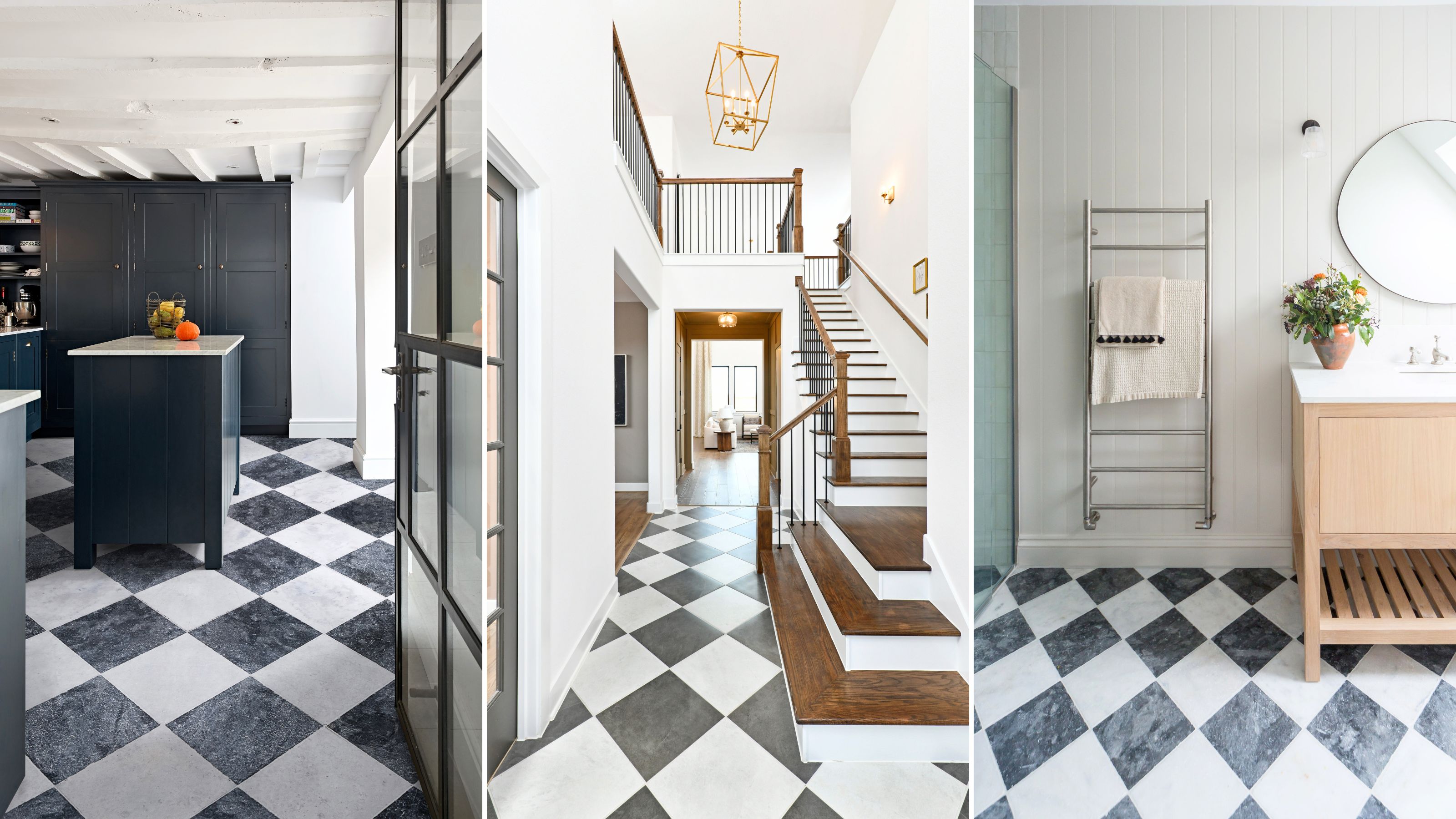
Marble checkerboard flooring — why designers say this “anti-Kardashian” style is back on trend

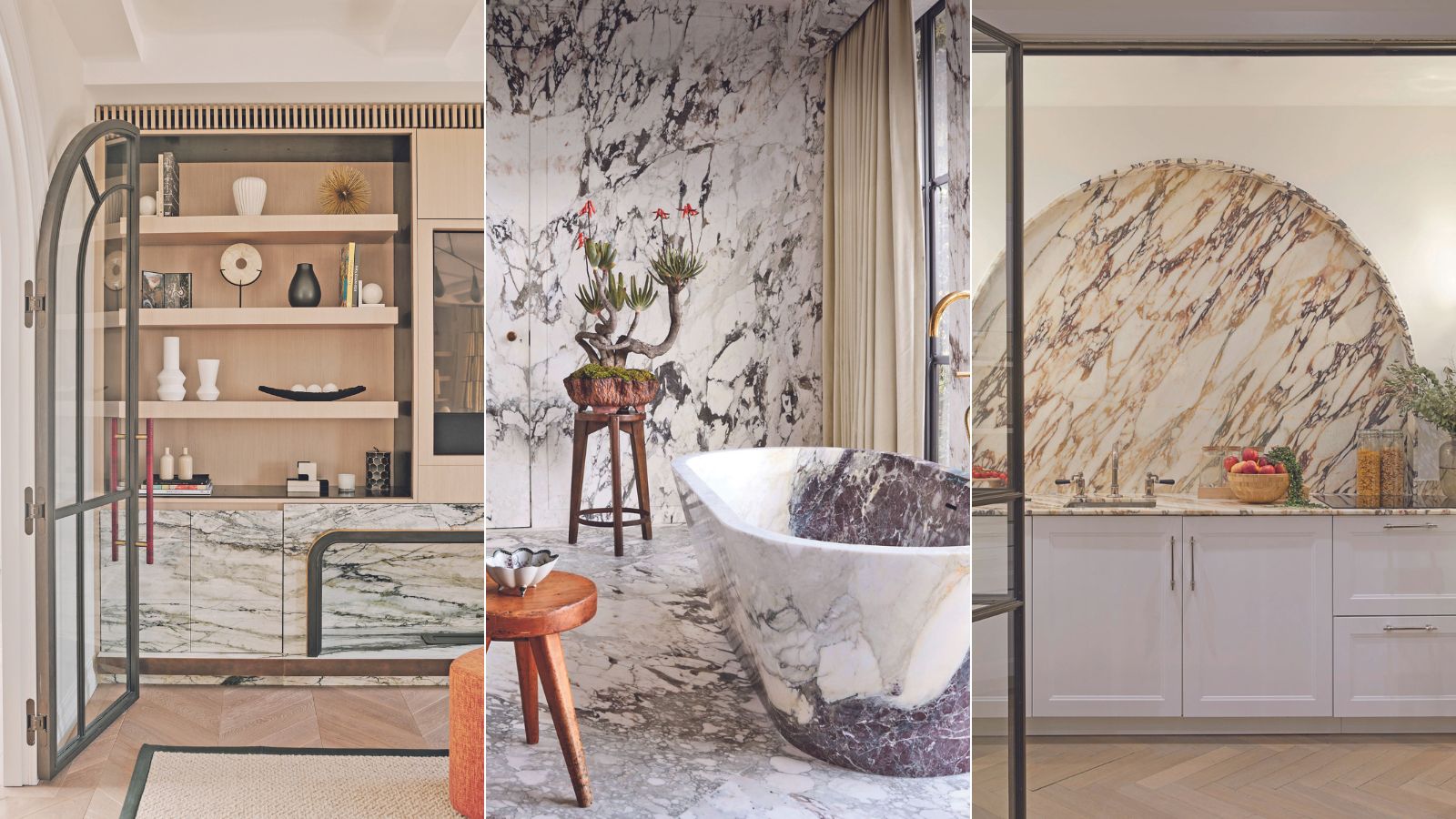
Decorating with marble – 16 luxe looks created with precious stone
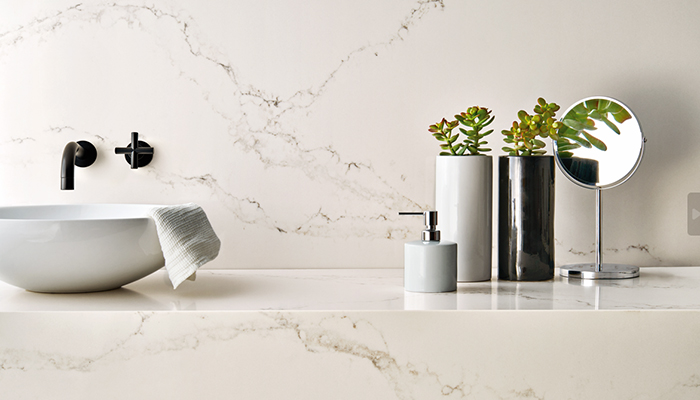
Bathroom focus: How the marble look is key to creating boutique style
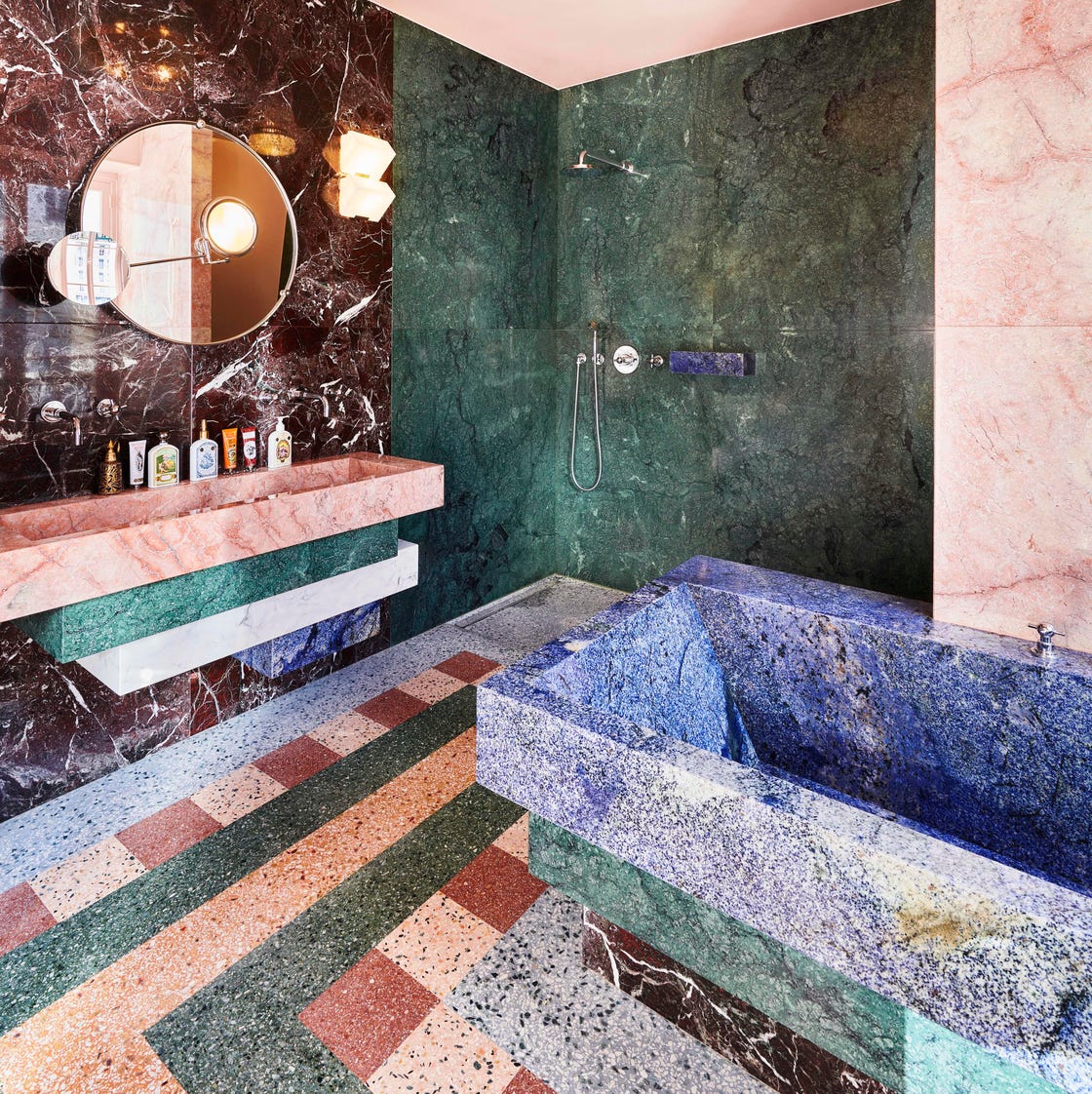
From patchwork to parquet: 8 homes that do marble differently

Can I use mosaic tiles on the floor? Expert advice you need to know before making your decision
Expert Tips For Perfecting Quarry Tile Floor Installation At Home
How To Clean Marble Countertops And Tile