1/2
Natural stone tiles: tips and ideas for using them in your home
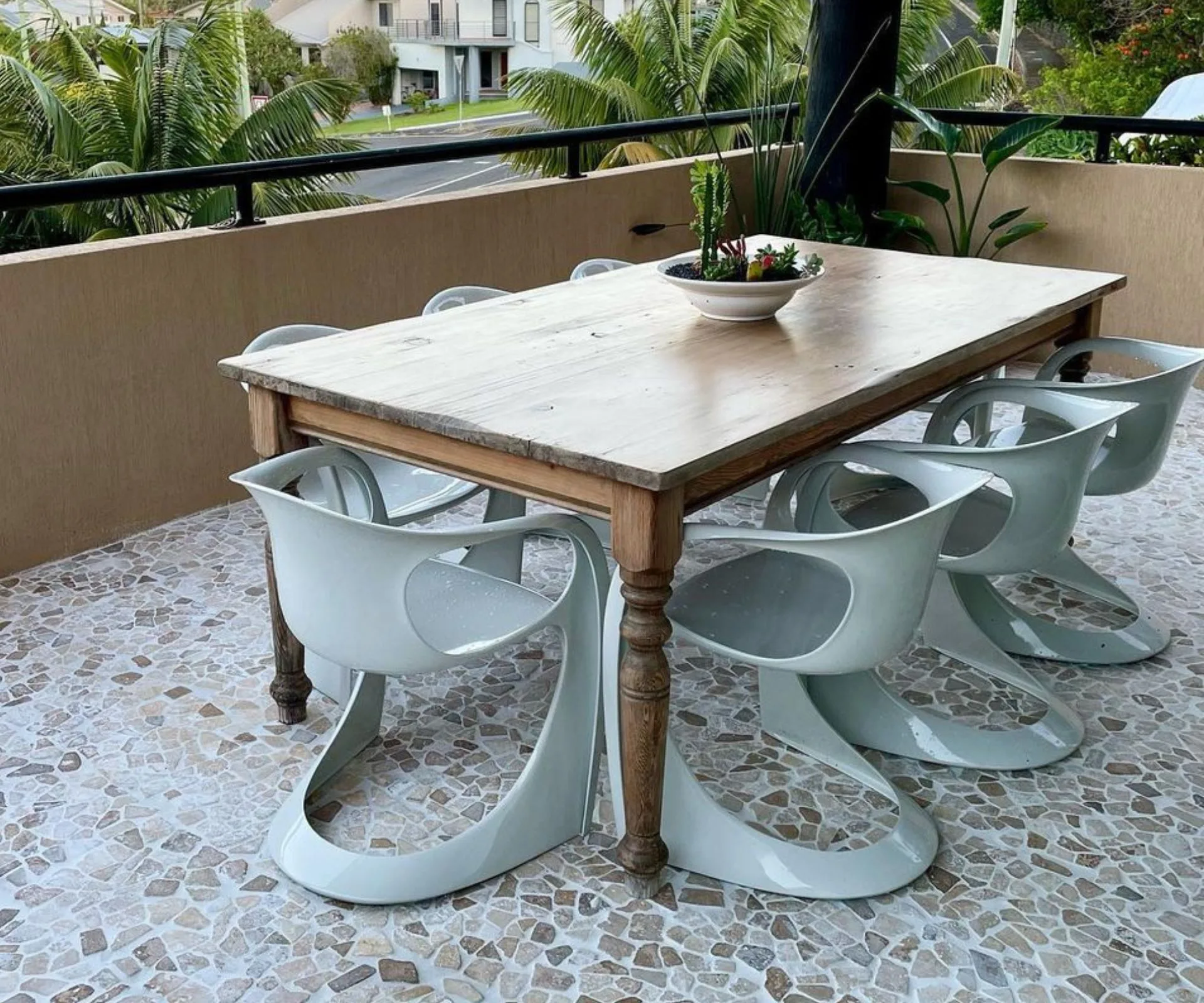
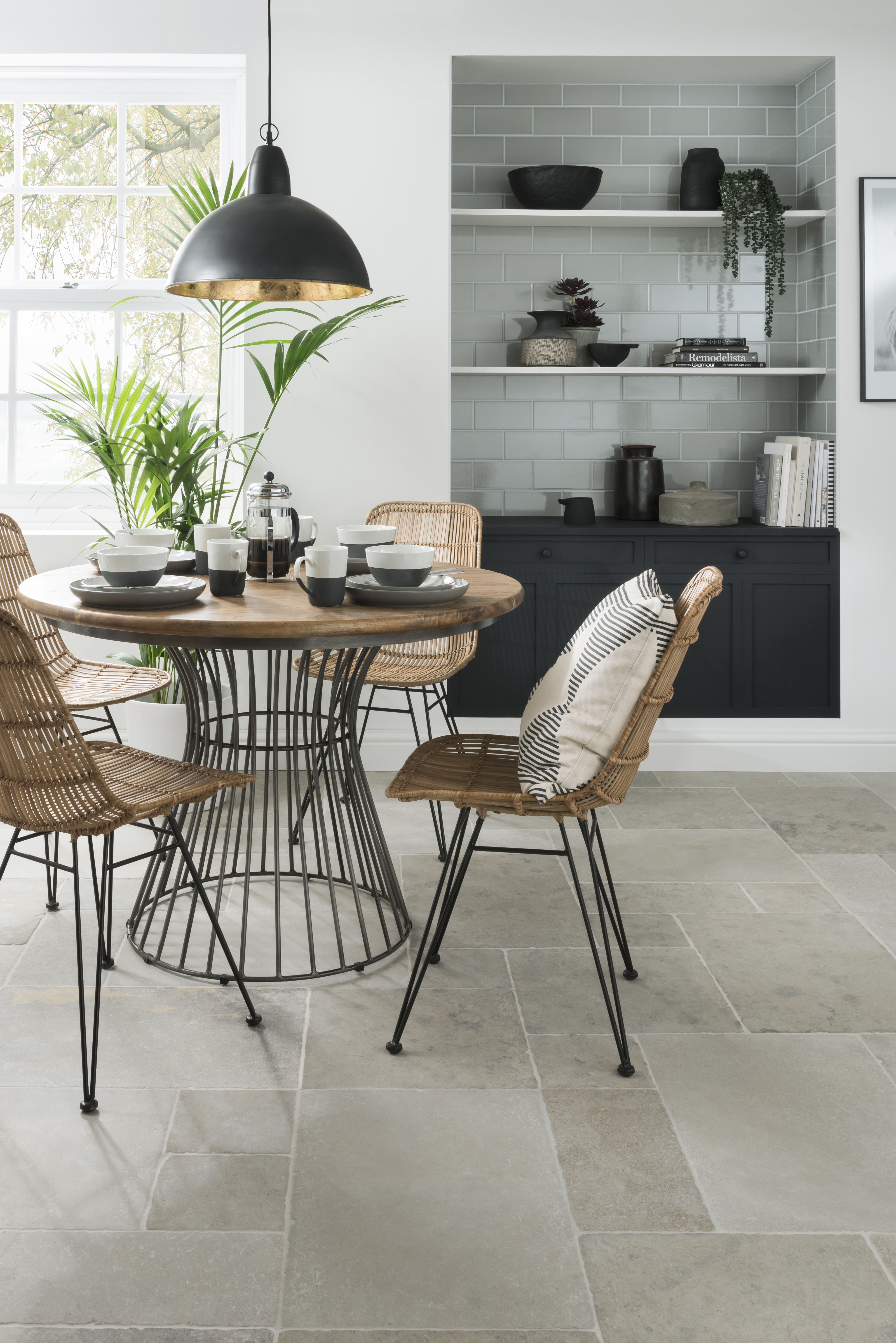
Natural stone tiles are a popular choice for homeowners looking to transform their interior spaces with a sophisticated and timeless aesthetic. These versatile tiles can be used for various surfaces, including wall tiles and flooring, and can even create a seamless transition between rooms. This guide, created in collaboration with leading tile specialist Topps Tiles and property guru Sarah Beeny, offers essential tips on effectively integrating natural stone flooring into your home.
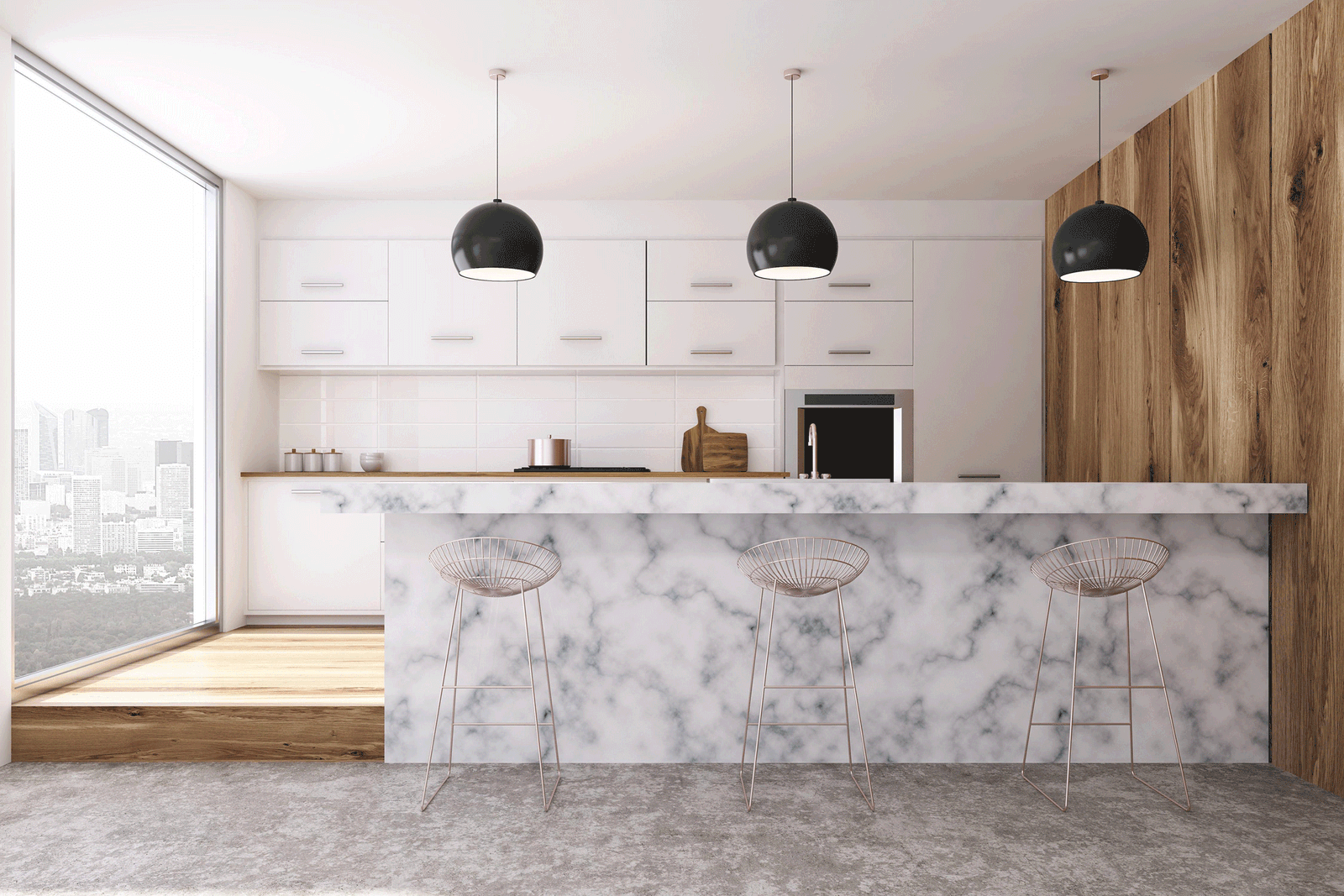
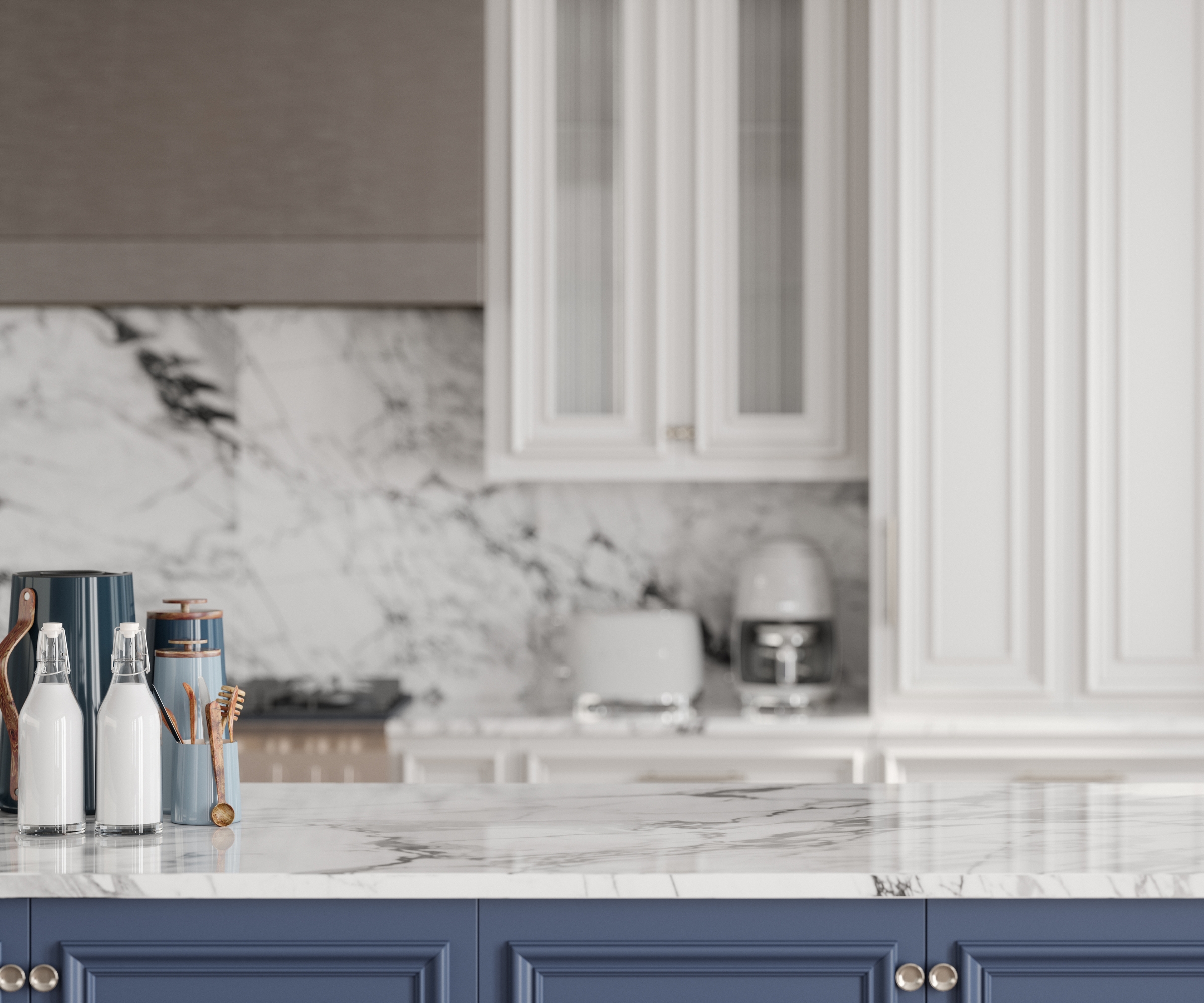
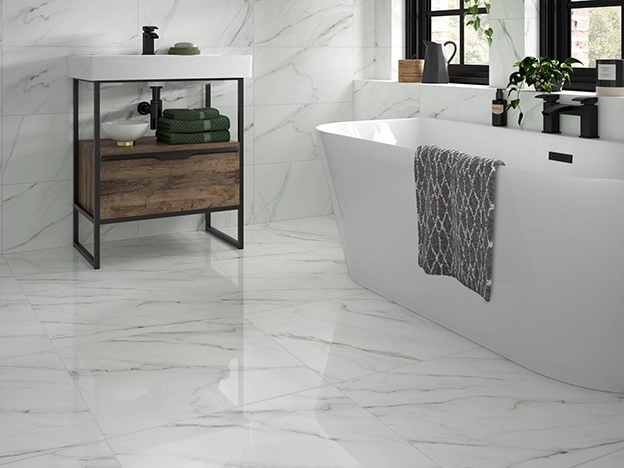
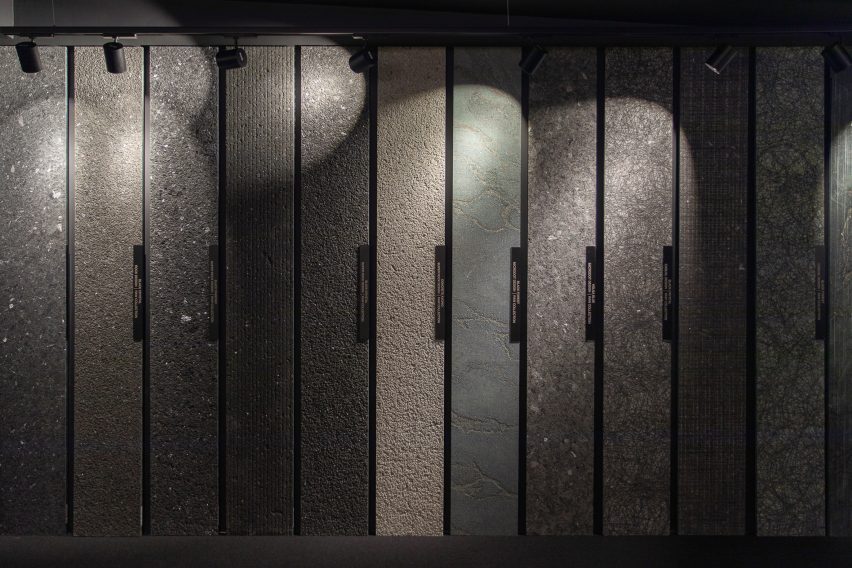
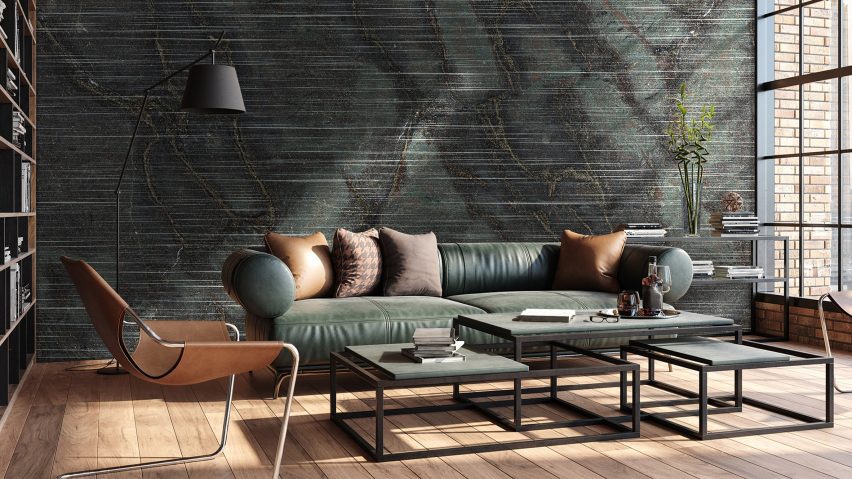
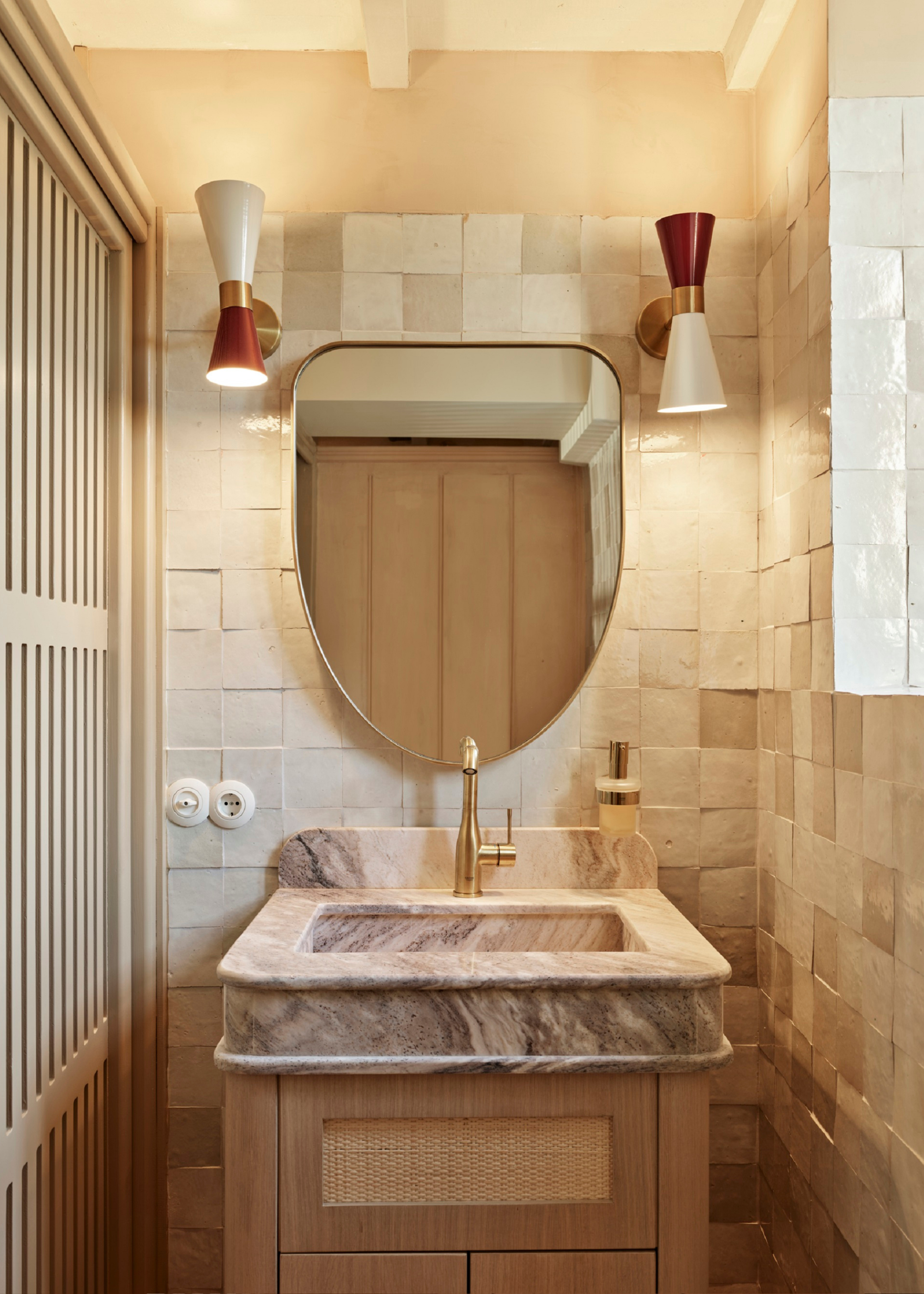
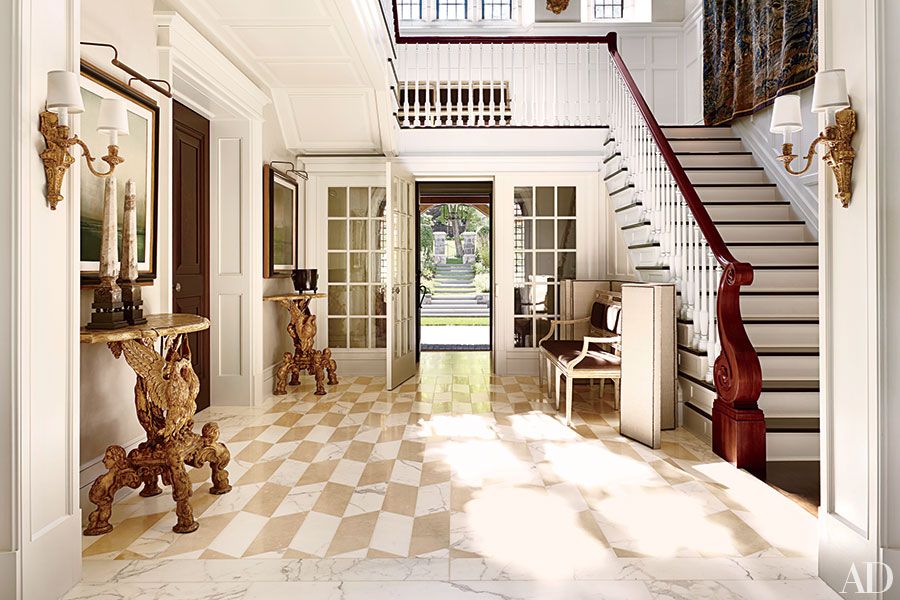
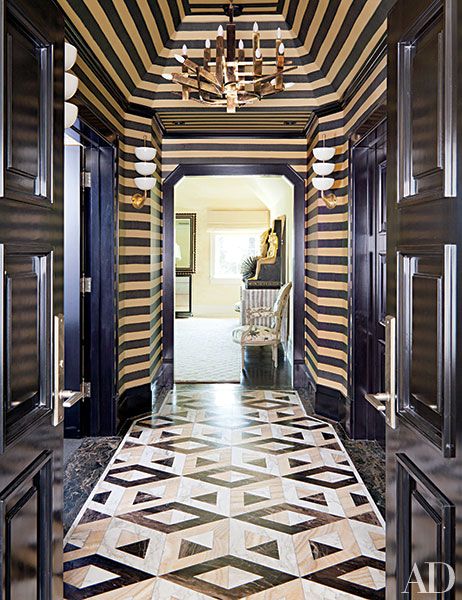
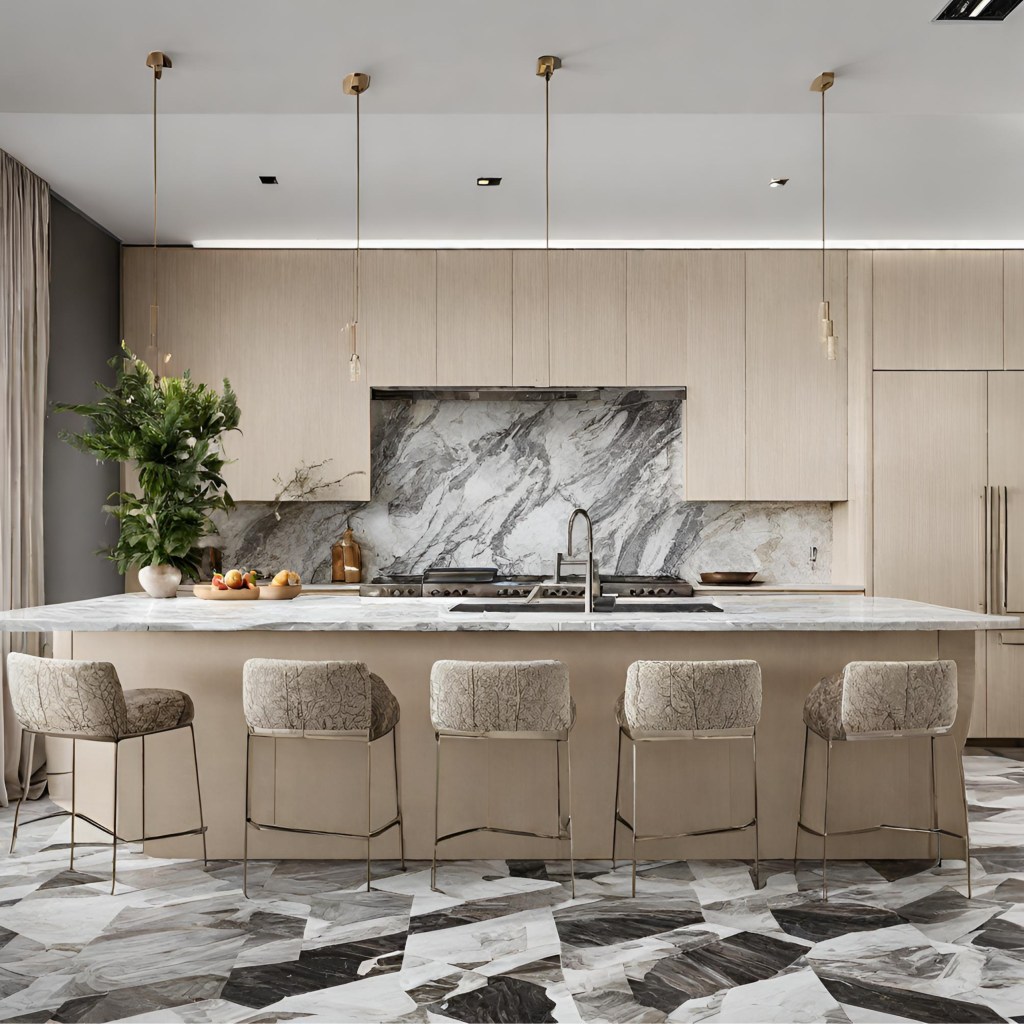
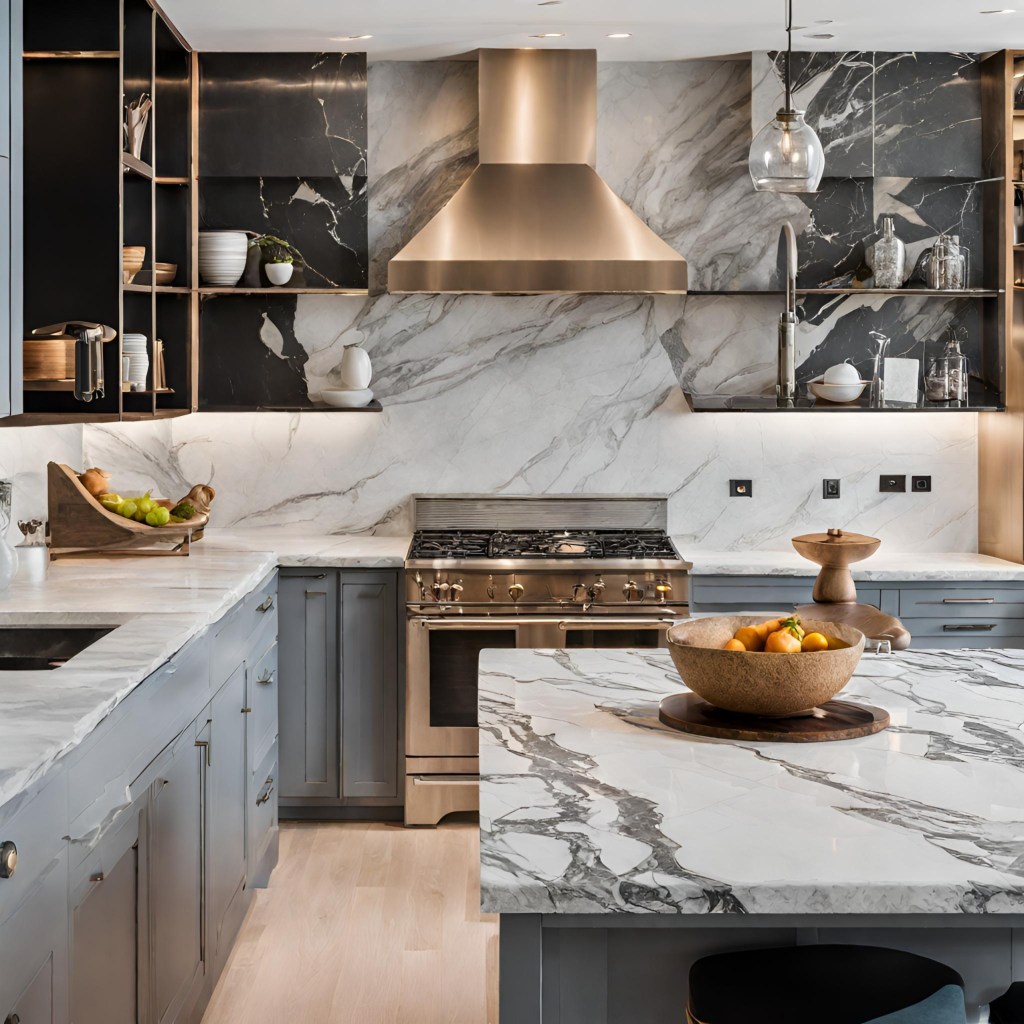
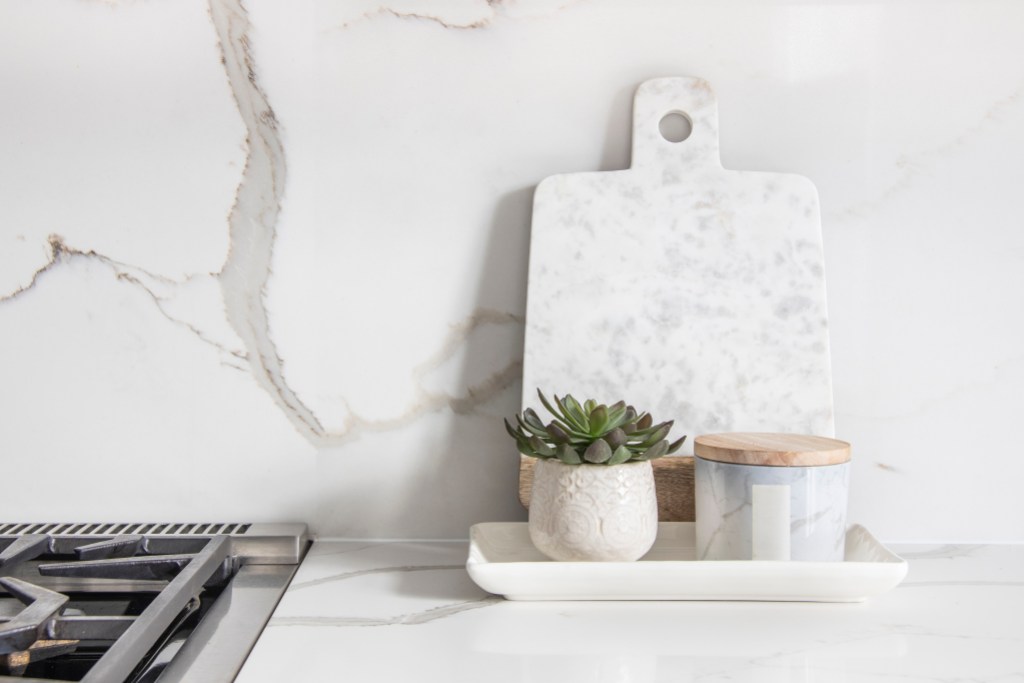
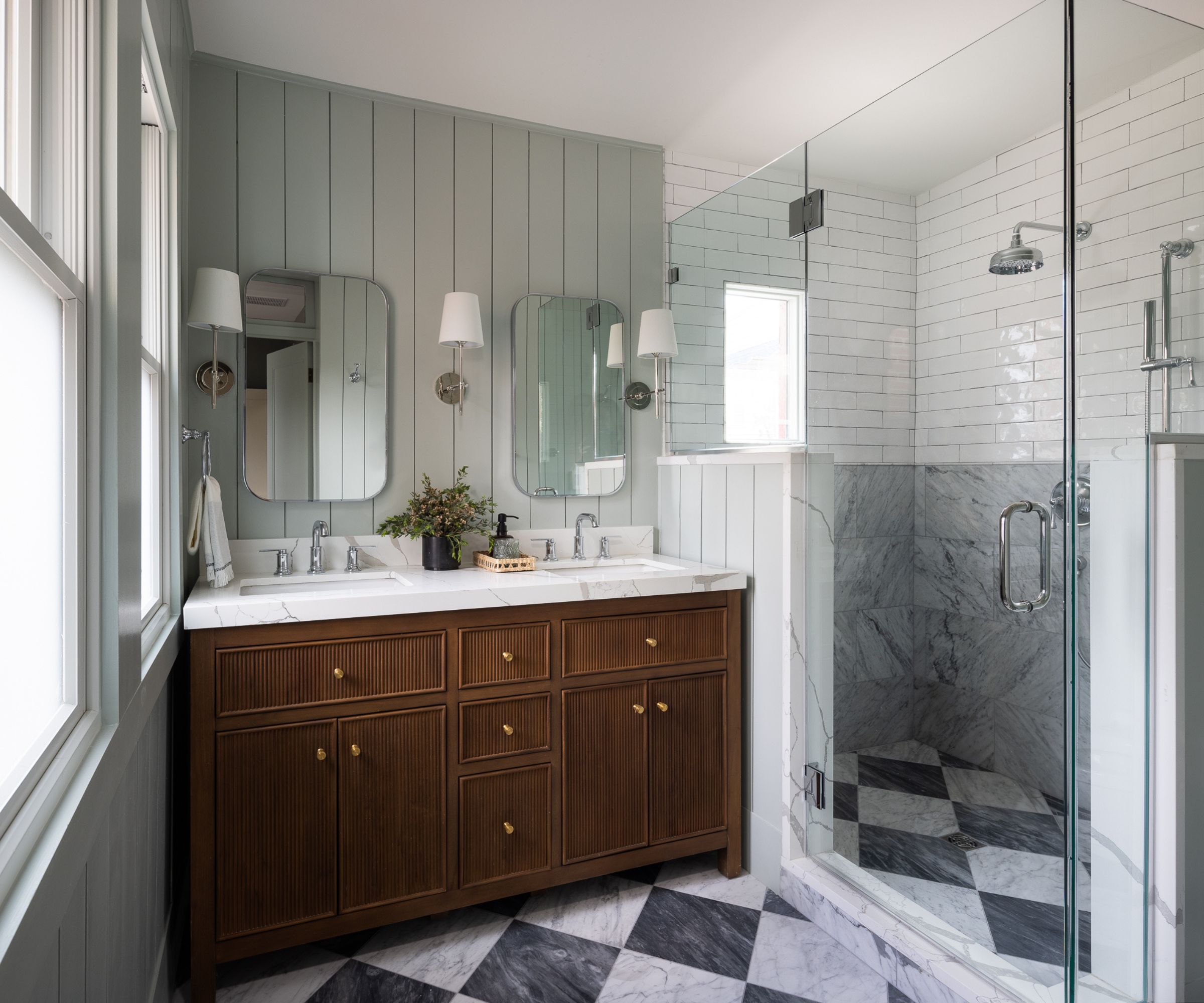
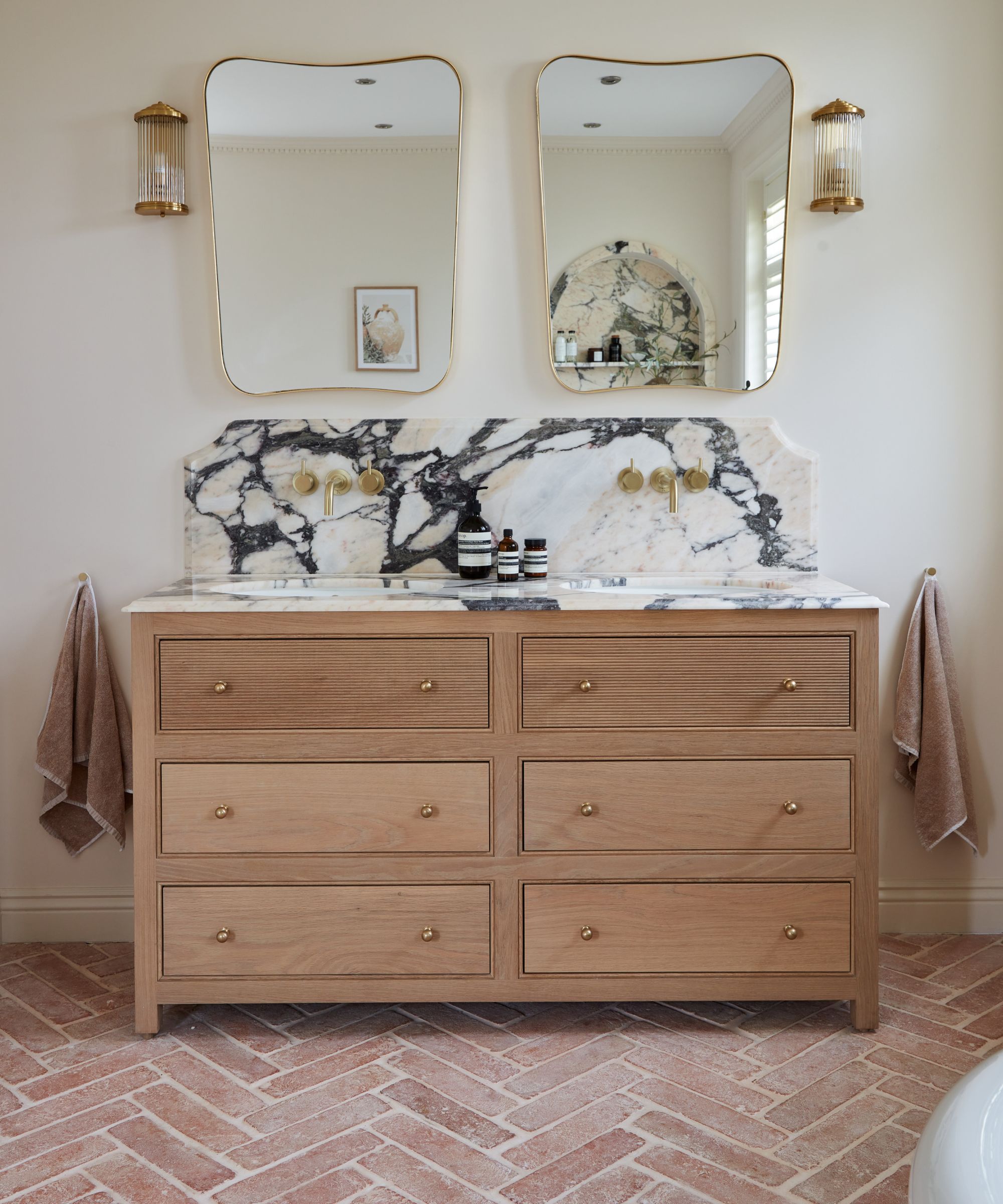
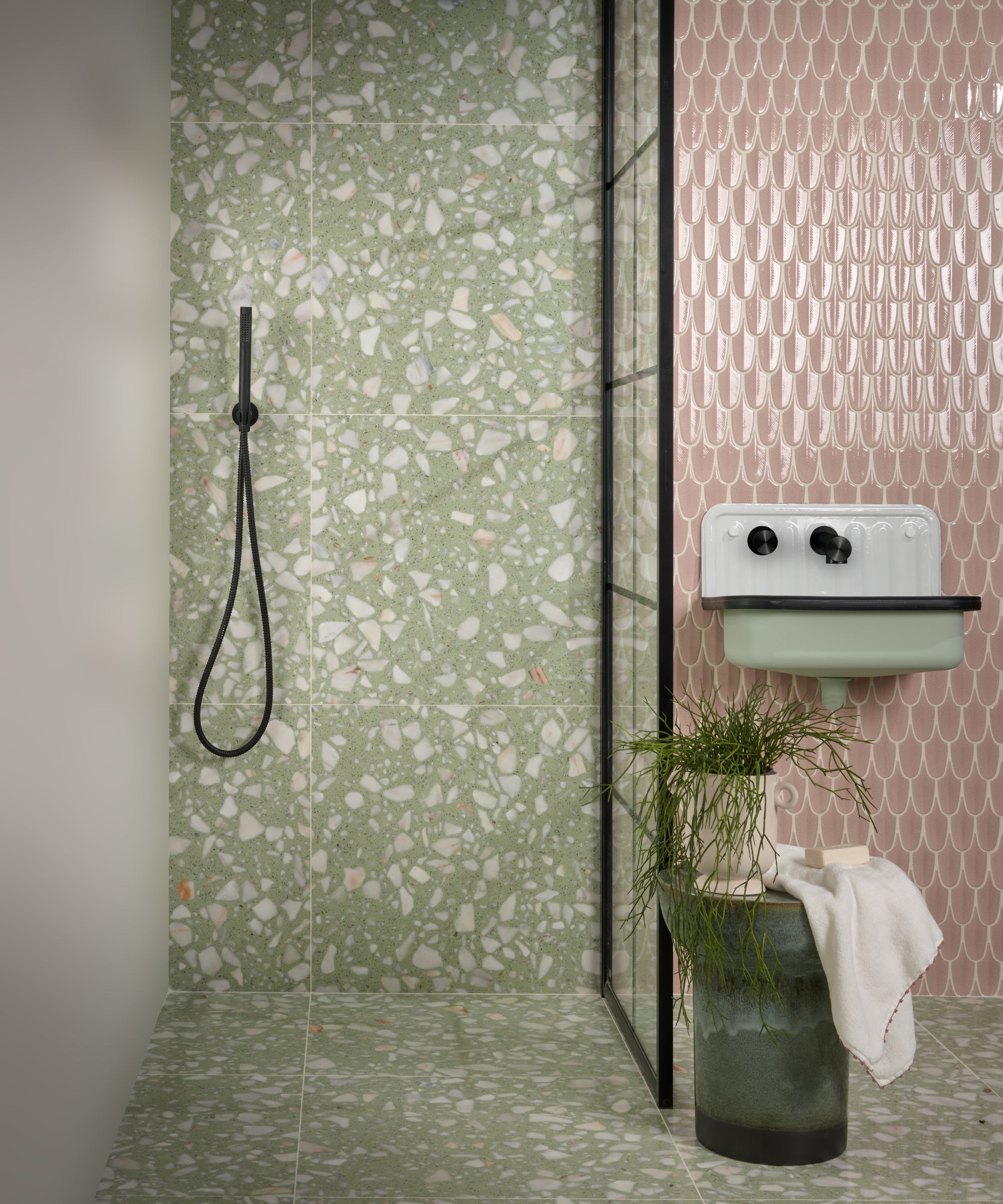
Marble is currently a highly sought-after stone, available in diverse styles, from bright white Carrara tiles to textured greys and vibrant greens. Marble is essentially re-crystallized limestone, which becomes denser over time. To achieve a luxurious feel, homeowners can pair marble with gold or brass accessories. For a more relaxed ambiance, it can be combined with natural woods in neutral shades. While polished or honed marble is visually stunning, it requires proper sealing and maintenance, especially in wet areas like bathrooms, due to its susceptibility to moisture. Regular cleaning with specialist, non-acidic products is crucial to preserve its appearance.
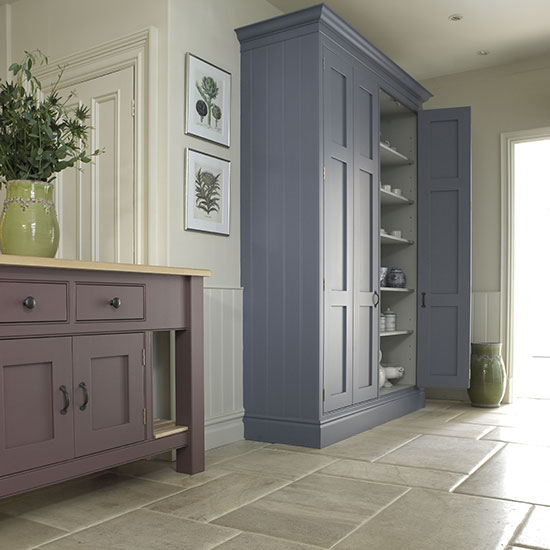
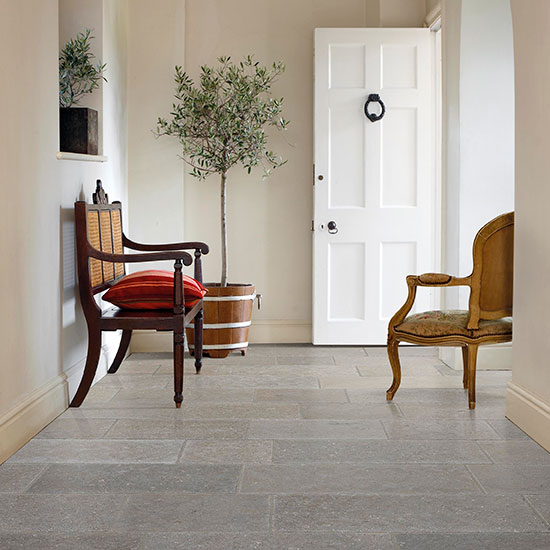
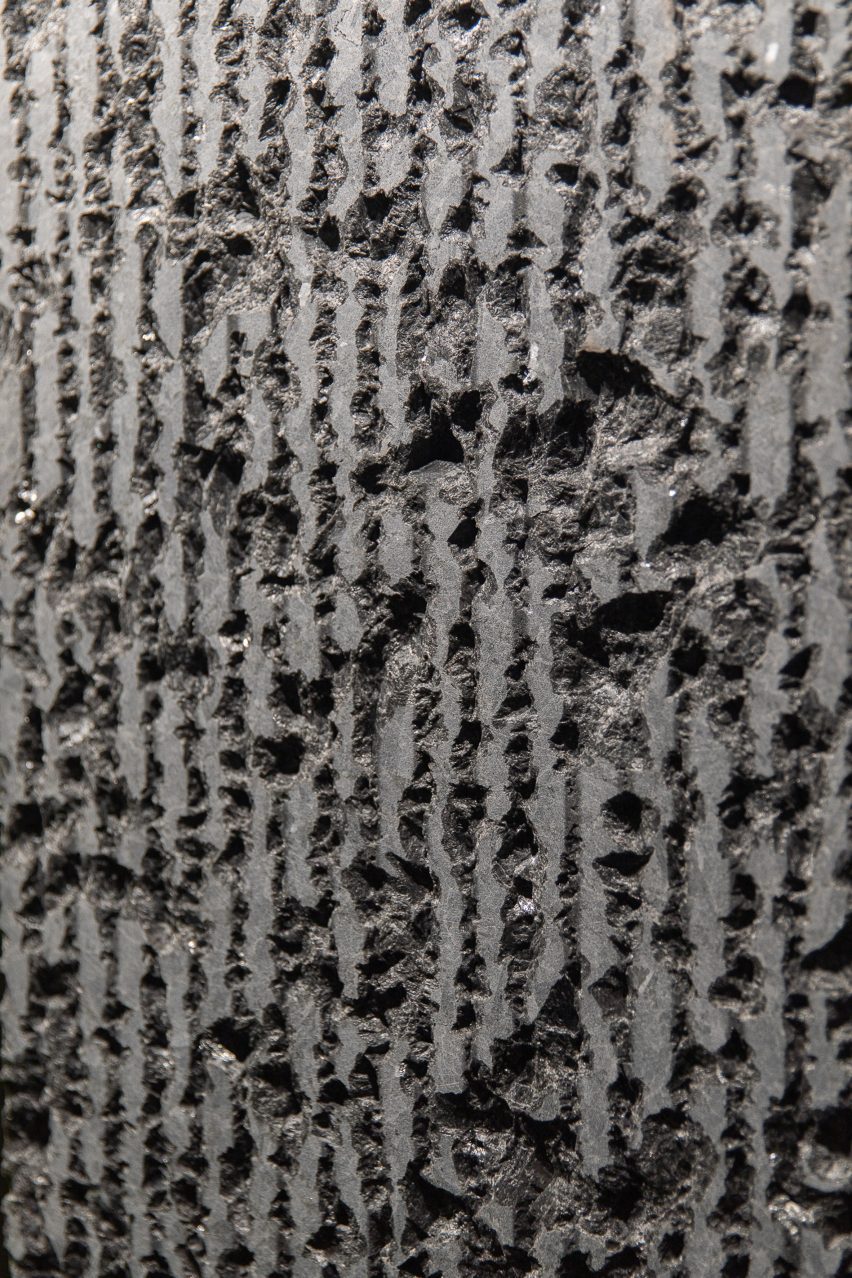
Limestone is a younger version of marble, often featuring similar veining. It is equally durable and traditionally offers a honed, rustic finish, making it ideal for country-style homes. Topps Tiles has expanded its limestone offerings to include polished and sandblasted varieties, such as Varino Black, which introduce new textures. These tiles are perfect for interiors that seek subtle character, providing understated elegance with rich textural interest. Similar to marble, limestone needs to be sealed and maintained using a neutral pH cleaner to ensure its longevity.
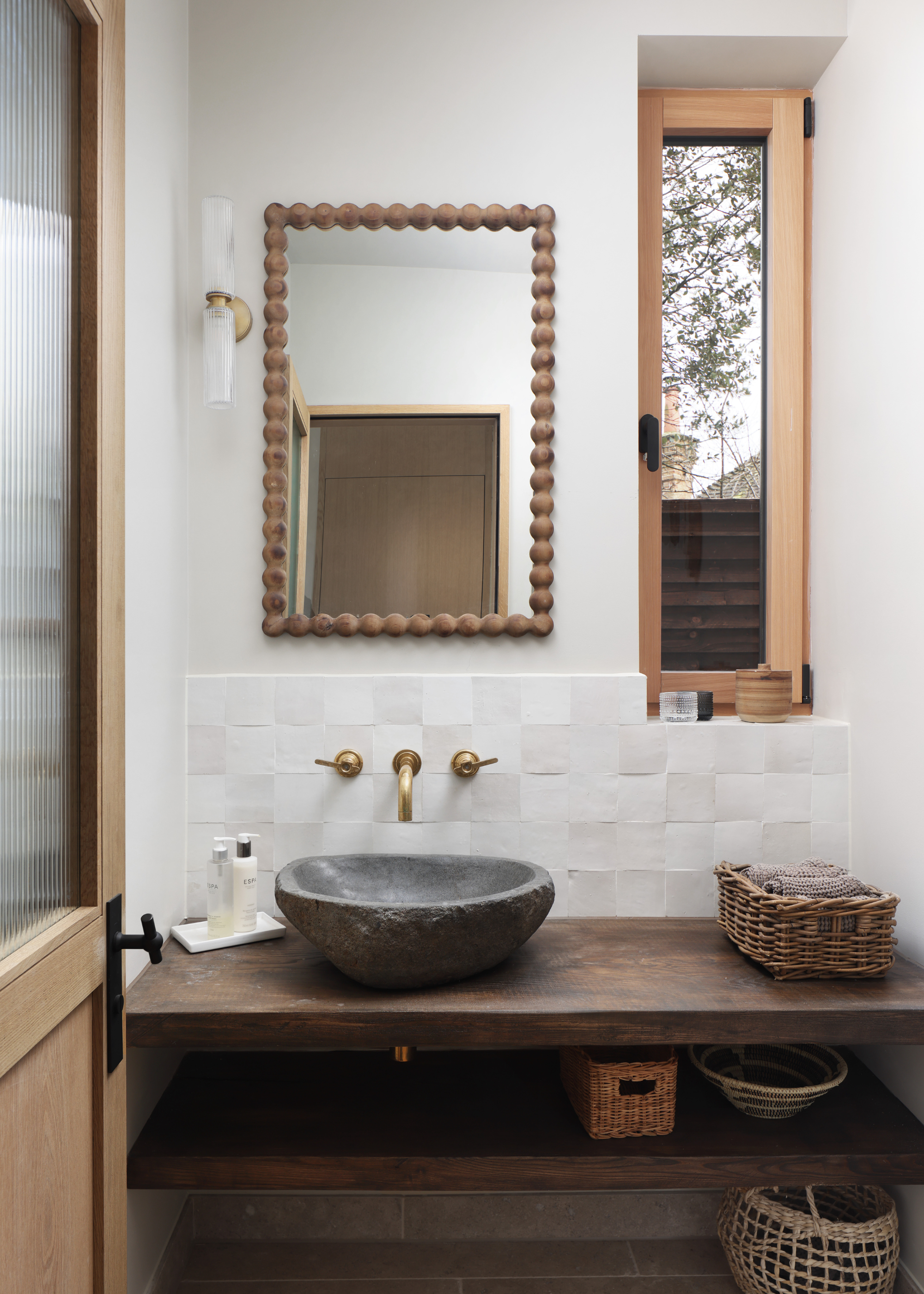
For a more rustic and less polished appearance, travertine is an excellent option. This natural stone is characterized by numerous pits and voids on its surface, formed by hot water leakage millions of years ago. Travertine is available in various quality grades; higher-end options feature a honed finish with minimal marks, while standard products, like the Aurelius Tumbled Tile, exhibit more surface pits, lending a country and rustic feel. It is recommended to dry lay travertine tiles before fitting to ensure satisfaction with the overall look and natural variations.
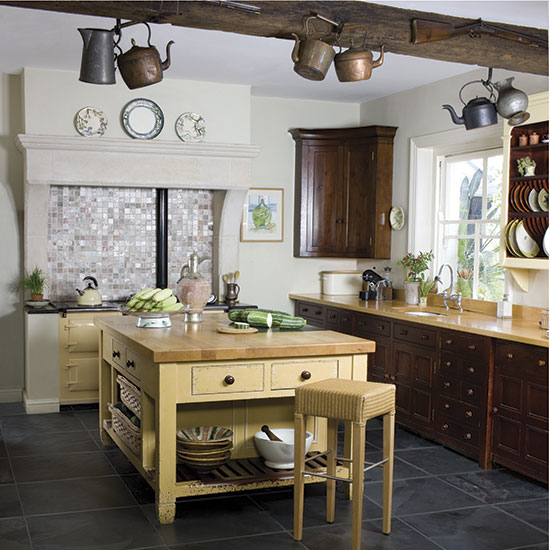
Slate is a remarkable material, known for its ability to be cut into slim slabs along visible layers. It comes in a wide array of colors, from coppery rusts to deep blacks, with each piece possessing unique charm. Slate's versatility allows it to complement both rustic, traditional homes with vintage furniture and country cottage decor, as well as contemporary, minimalist spaces. Once installed, slate is exceptionally durable. However, it requires sealing and the application of a color intensifier to protect its surface and enhance its natural layers of color.
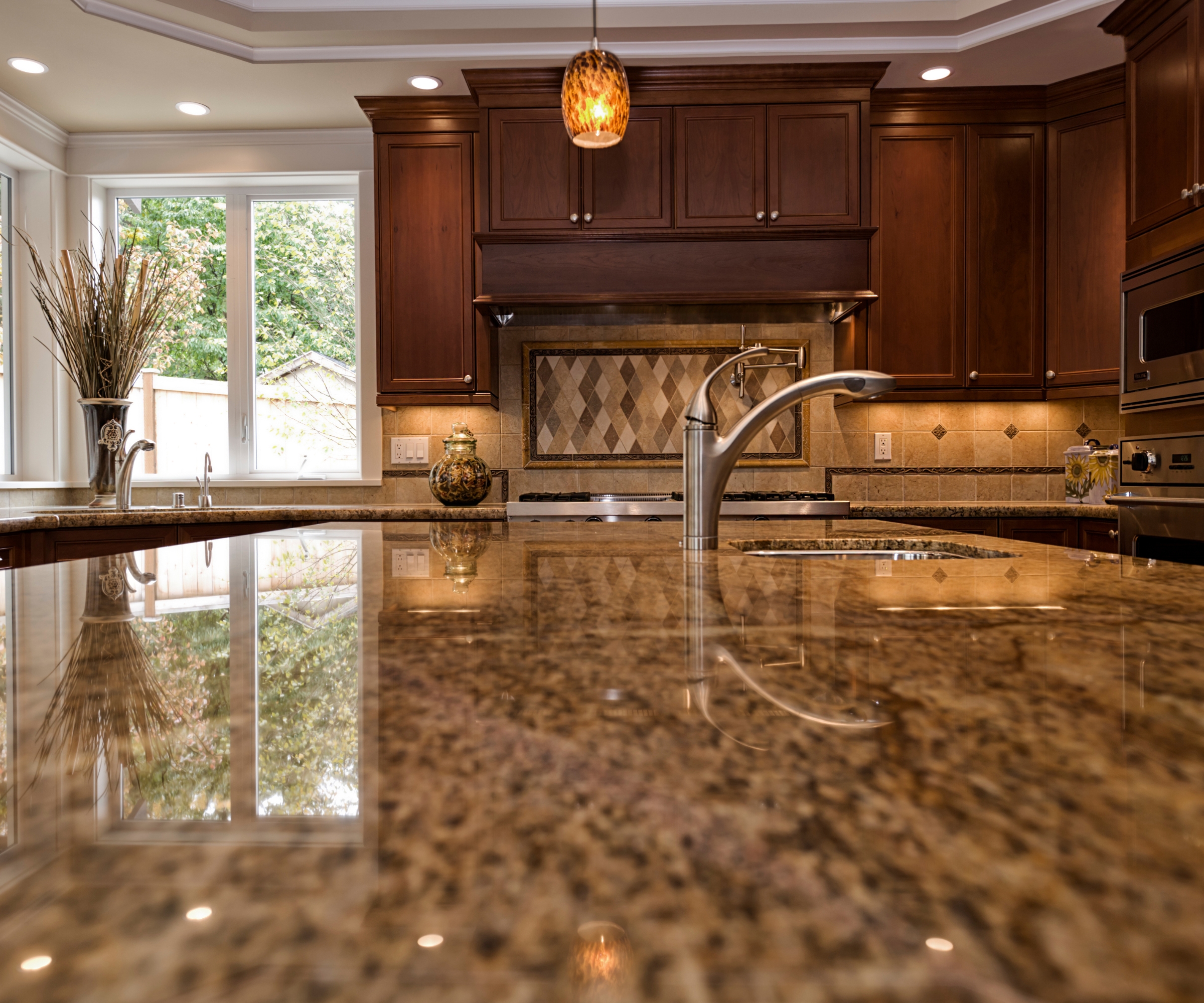
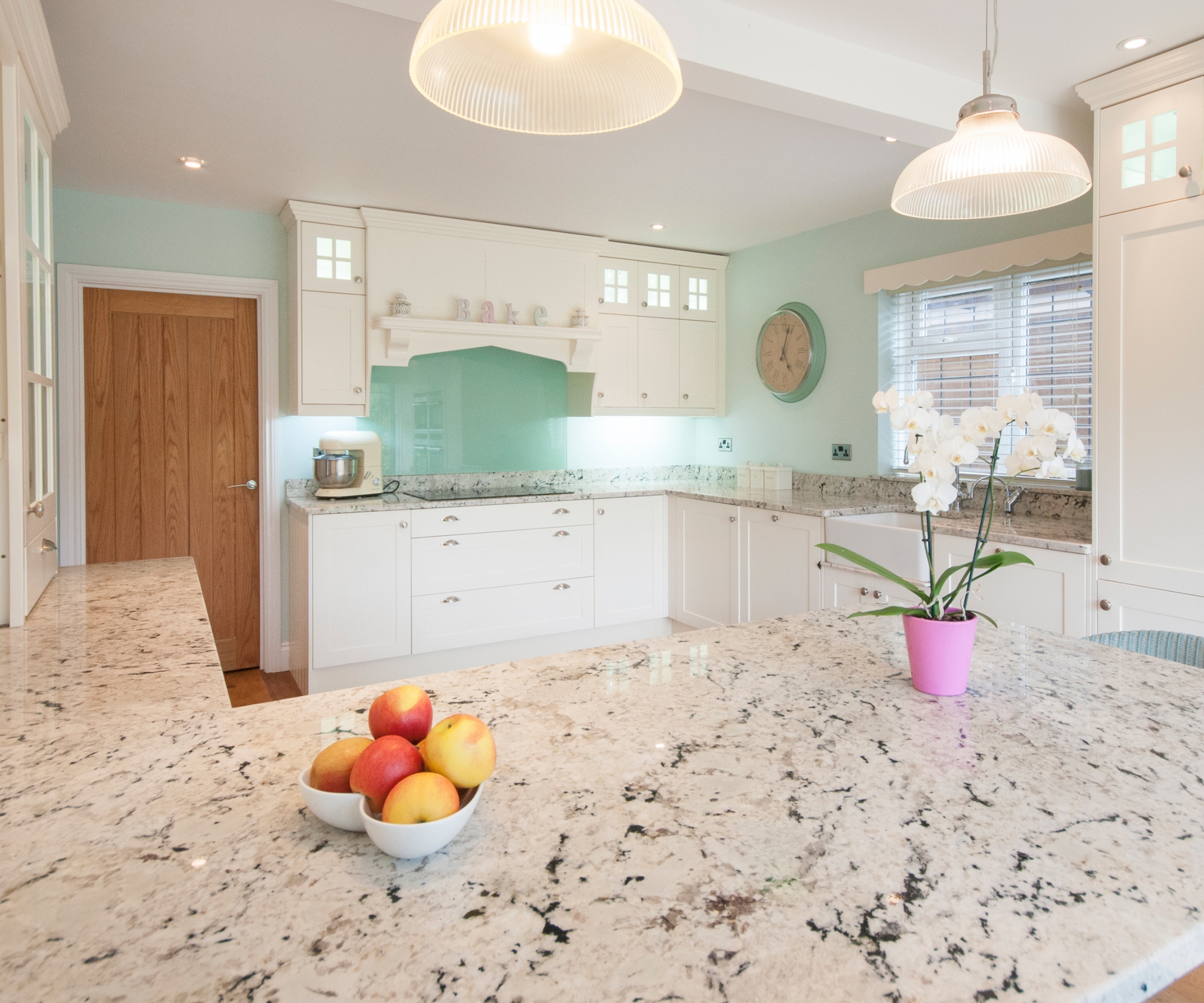
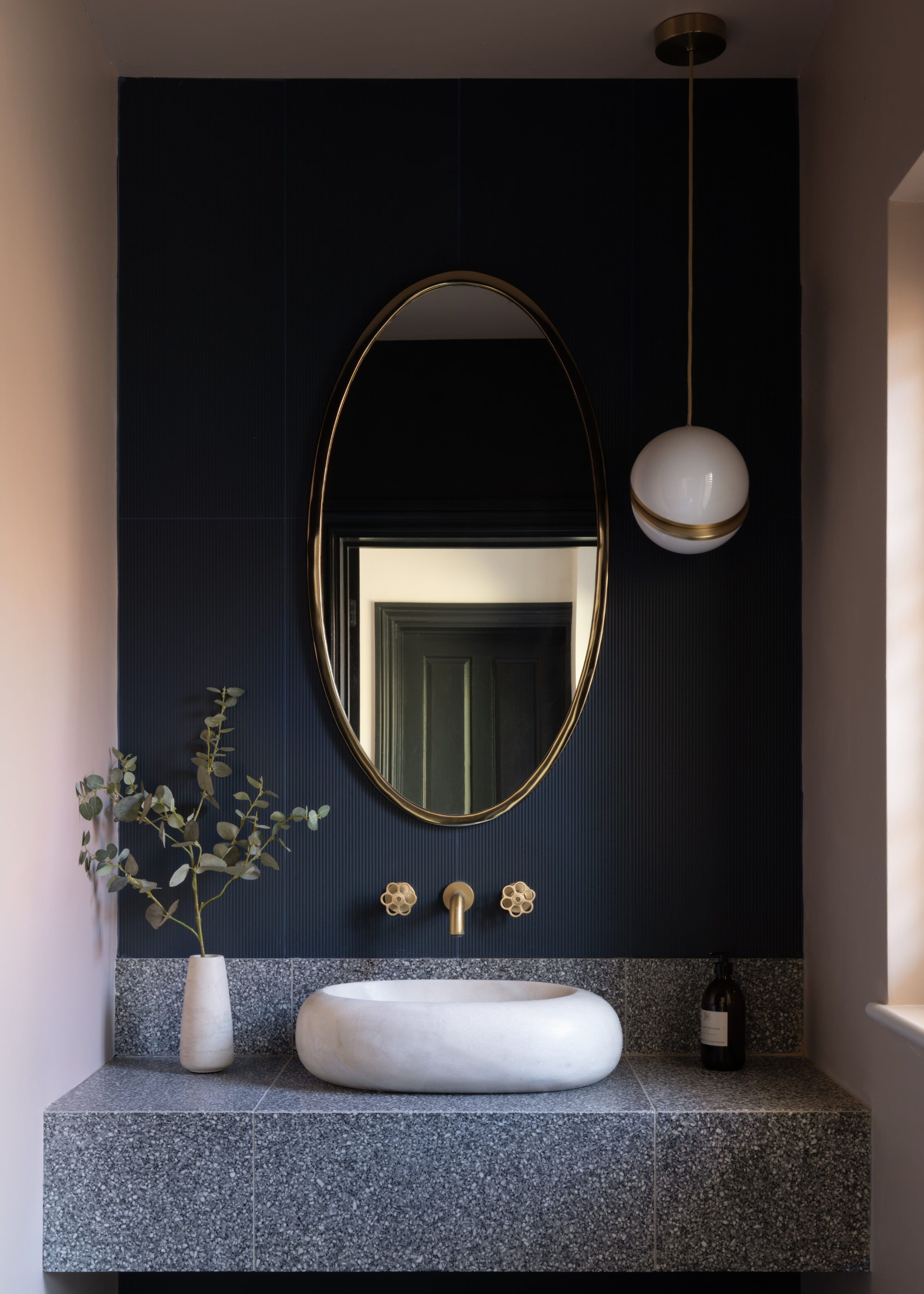
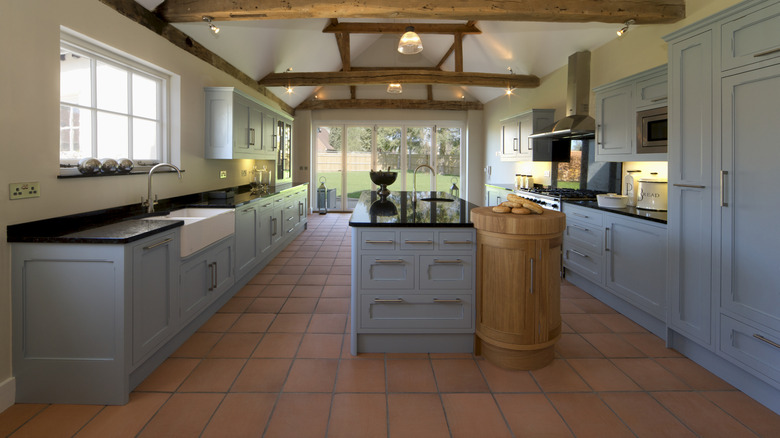
Granite is the most suitable natural stone for hard-wearing, high-traffic areas such as hallways and kitchens, thanks to its exceptional hardness. The color of granite is consistent, with its stunning finished look derived from the composition of its minerals. Like other natural stones, granite must be sealed to prevent water stains and marks, ensuring its enduring beauty and functionality in demanding environments.
#NaturalStoneTiles #HomeDesign #InteriorDecor #MarbleTiles #LimestoneFlooring #TravertineTiles #SlateFlooring #GraniteDurability #ToppsTiles #NaturalStoneTiles #HomeDesign #InteriorDecor #MarbleTiles #LimestoneFlooring #TravertineTiles #SlateFlooring #GraniteDurability #ToppsTiles
0 comment in total
 No comments yet
You may also like
5 clever ways to use natural stone in home décor

Piatraonline unveils Raw stone collection that "adds elegance and warmth to a room"
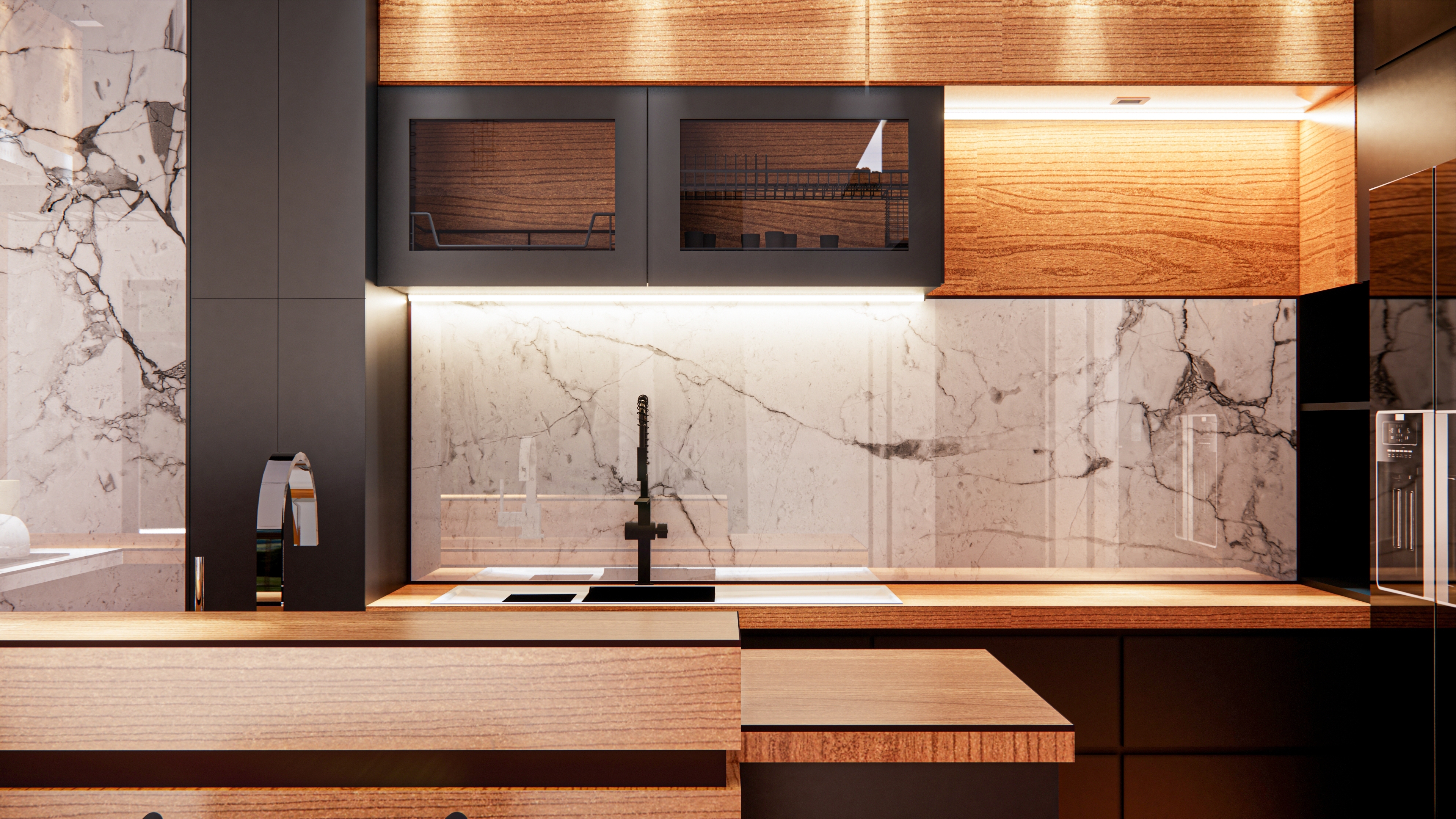
Tips and Tricks with Statement Stone
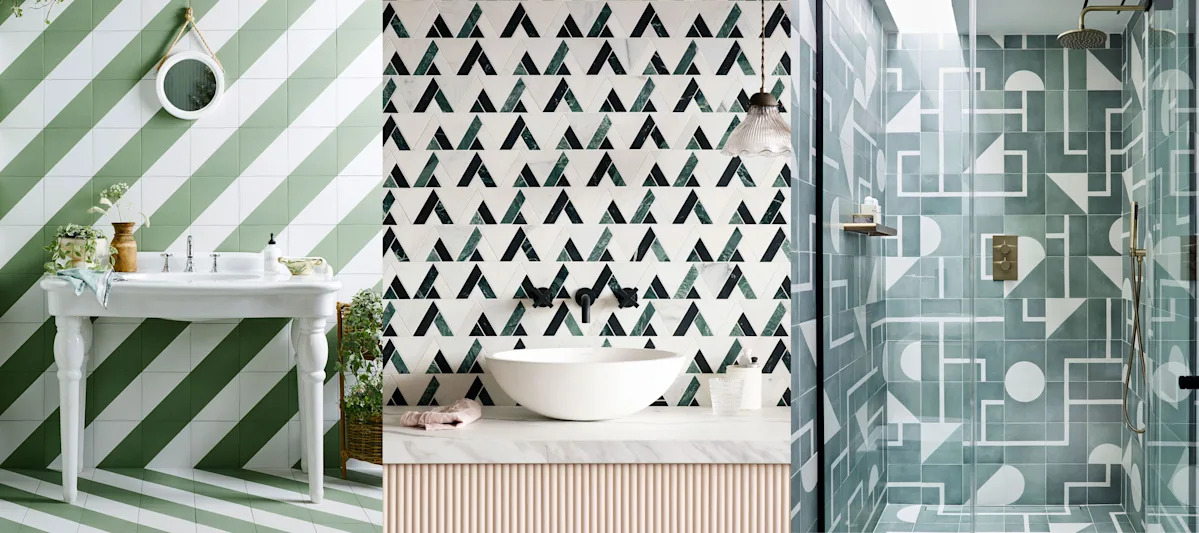
Beautiful bathroom tile ideas
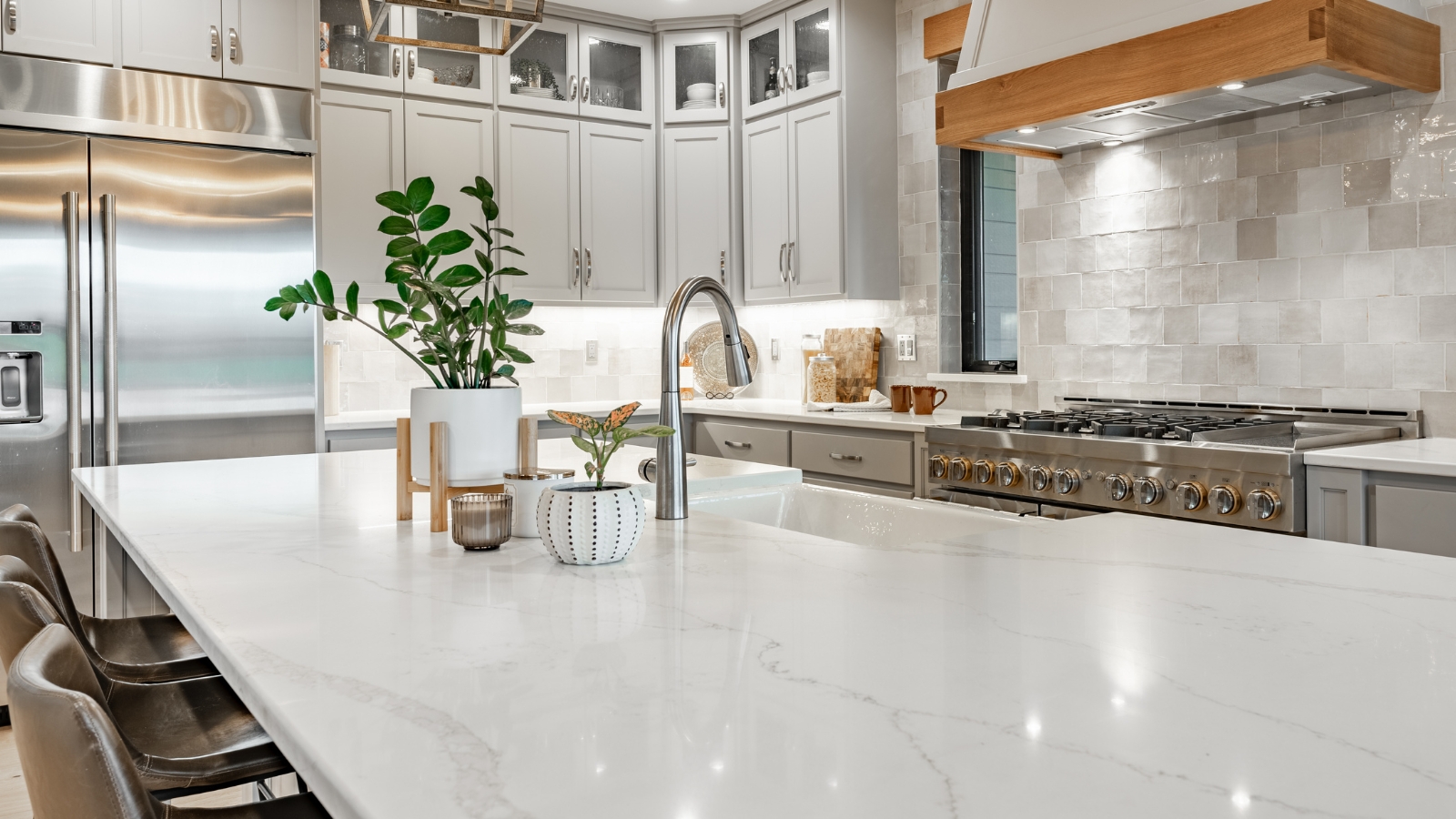
How to care for natural stone in your home – 7 expert tips, including what to never do

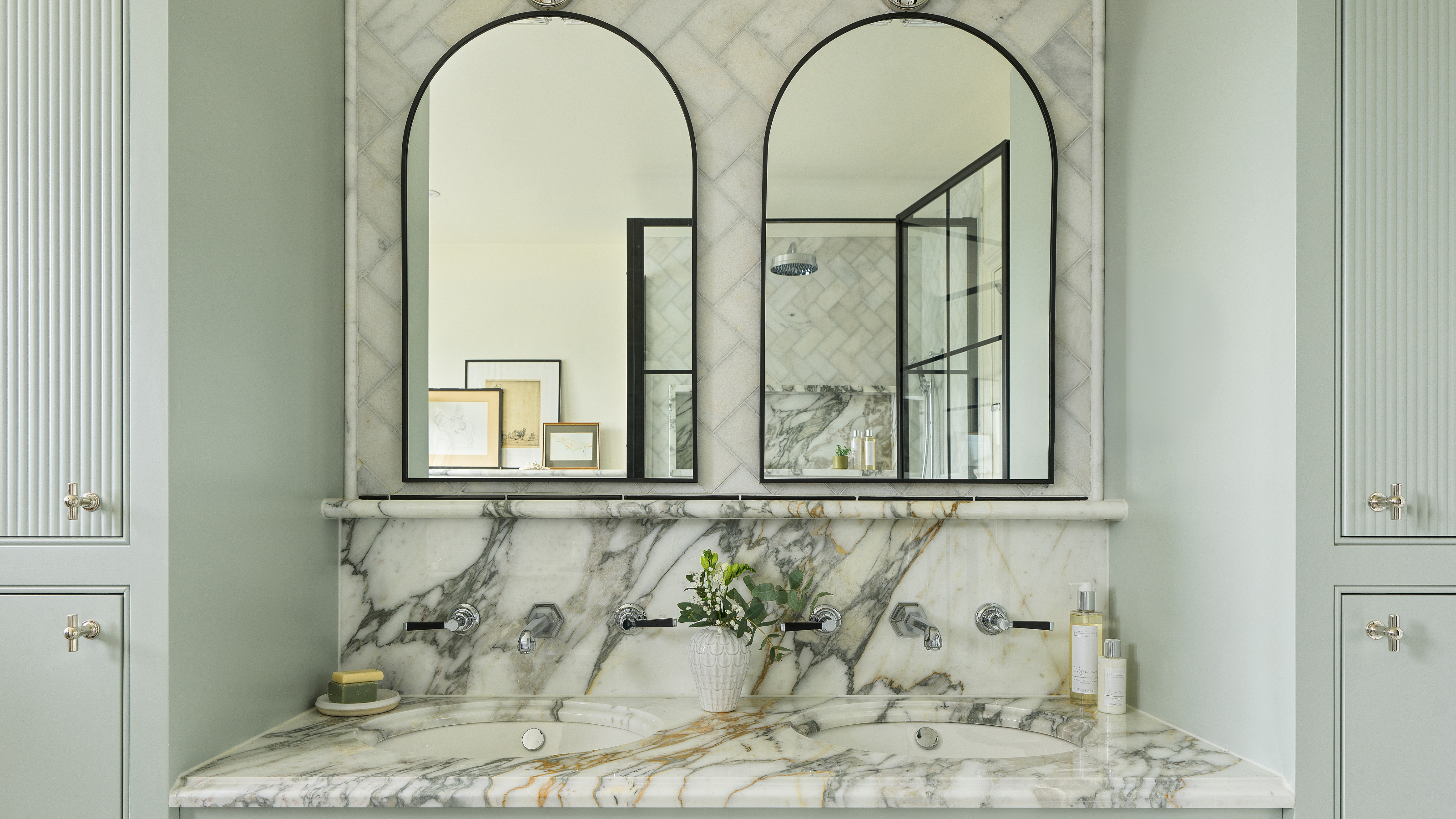
5 Bathroom Backsplash Materials Designers Tend to Avoid for Practical Reasons — And What They're Choosing Instead When Renovating


Acme Brick, Tile and Stone – Birmingham
7 bathroom floor tile trends interior designers have on their radar for 2025
Create a farmhouse look with stone floor tiles
5 Tile Trends for 2026 That Turn Ordinary Floors into Standout Spaces

Acme Brick, Tile and Stone – Abilene
New ways with tiles: 15 creative ideas for using tiles at home


Face of Quality Natural Stone: Terrazzo & Marble Supply

AD’s Guide to Patterned Stone Floors


Acme Brick, Tile and Stone – Shreveport
8 dreamy DIYs that use Kmart’s viral $29 stone decking tiles


Tile Trends That Will Be Dominating In 2025
Tile Style: Four Ways to Dress Up Your Home
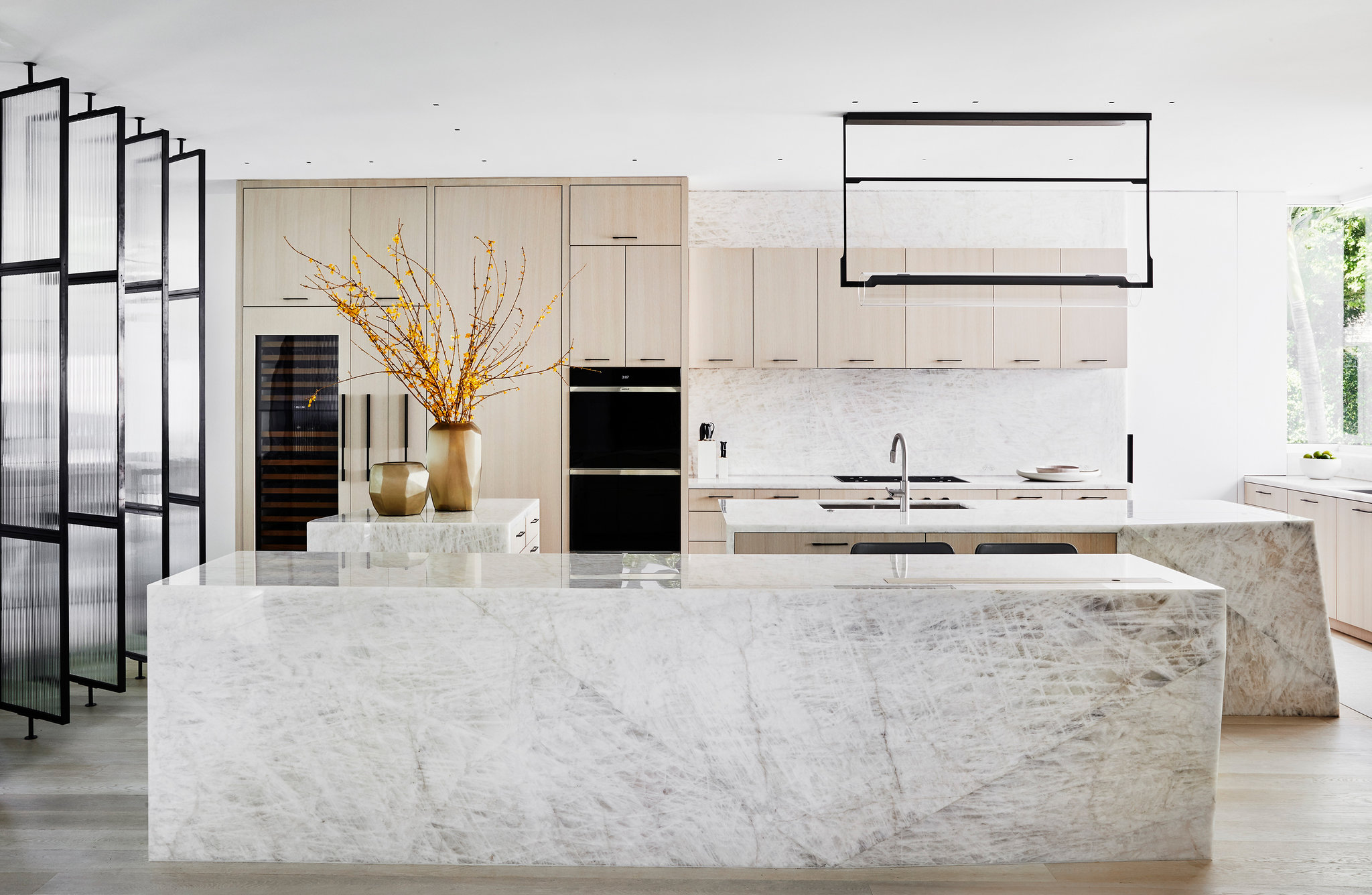
The Marble Waterfall and Other Countertop Options (Published 2019)