1/4
AD’s Guide to Patterned Stone Floors
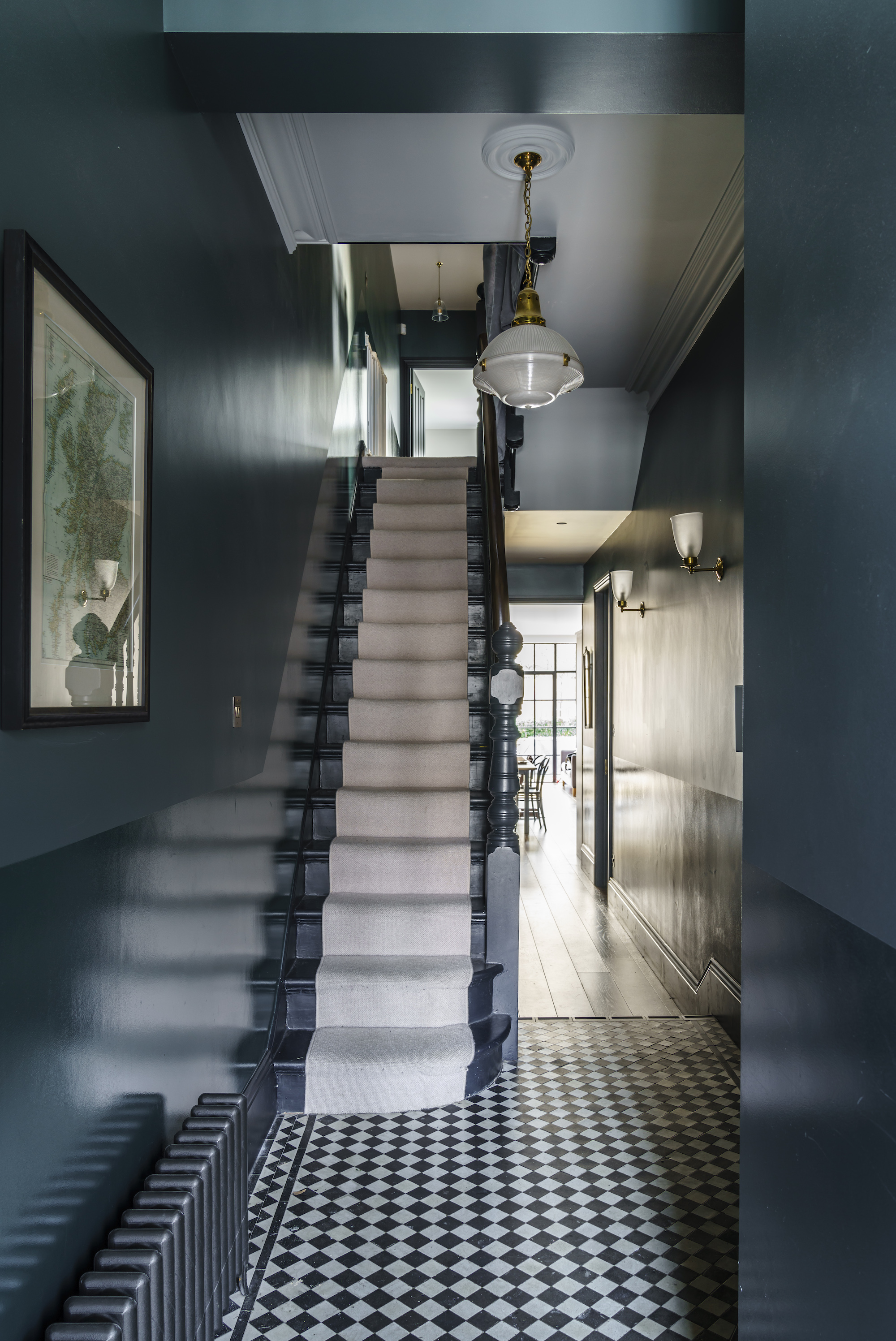
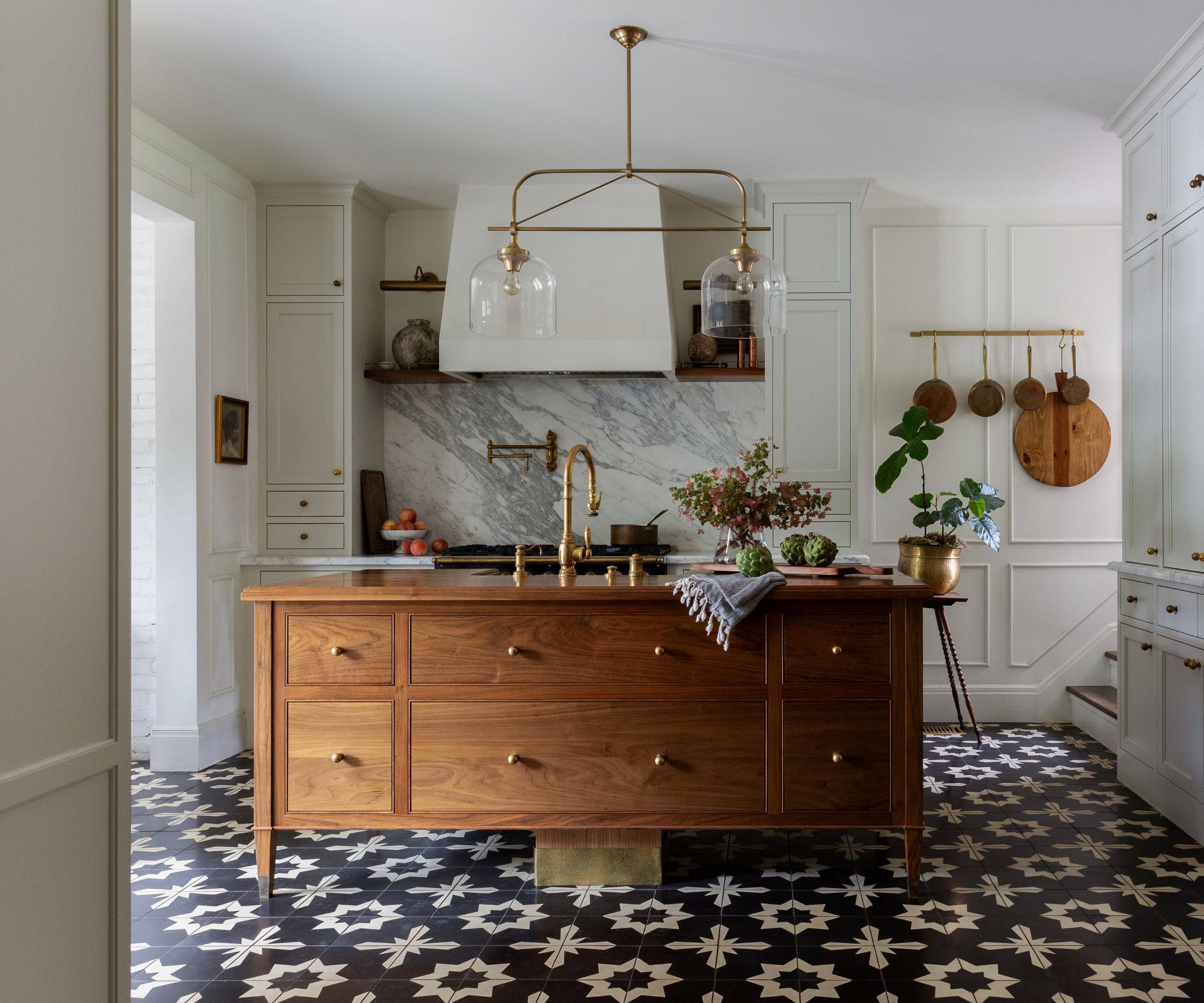
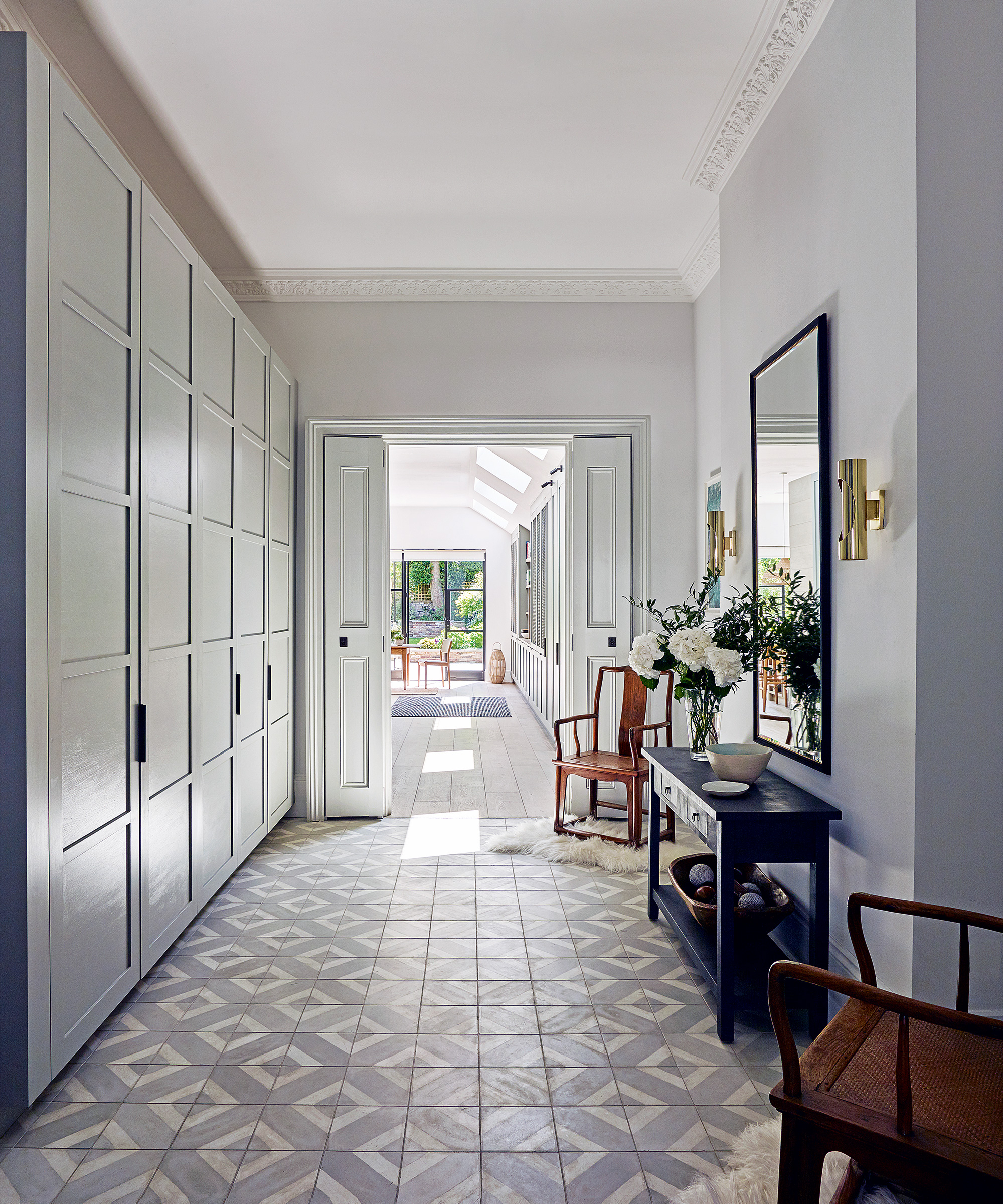
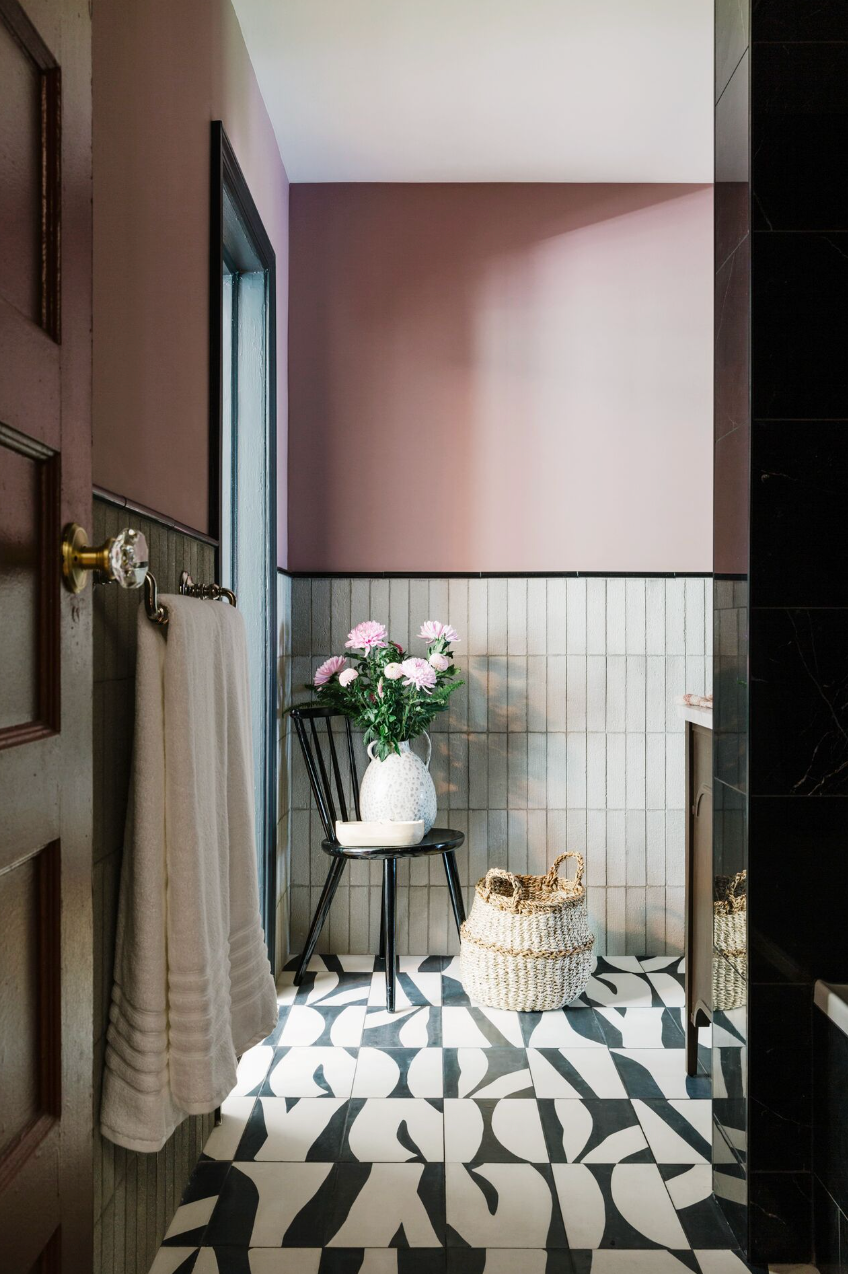
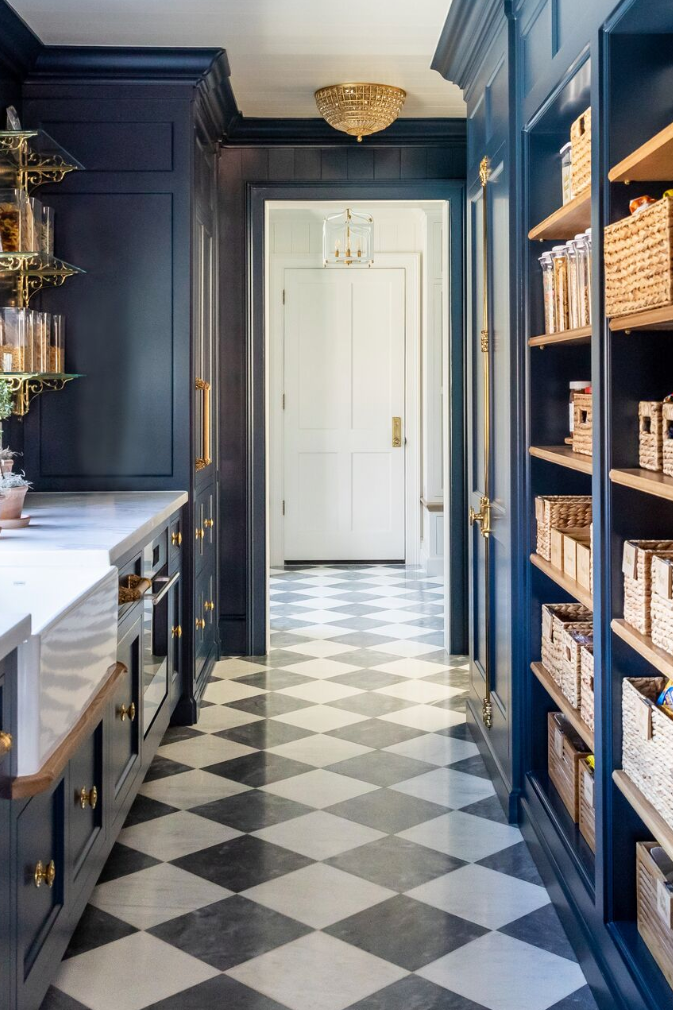
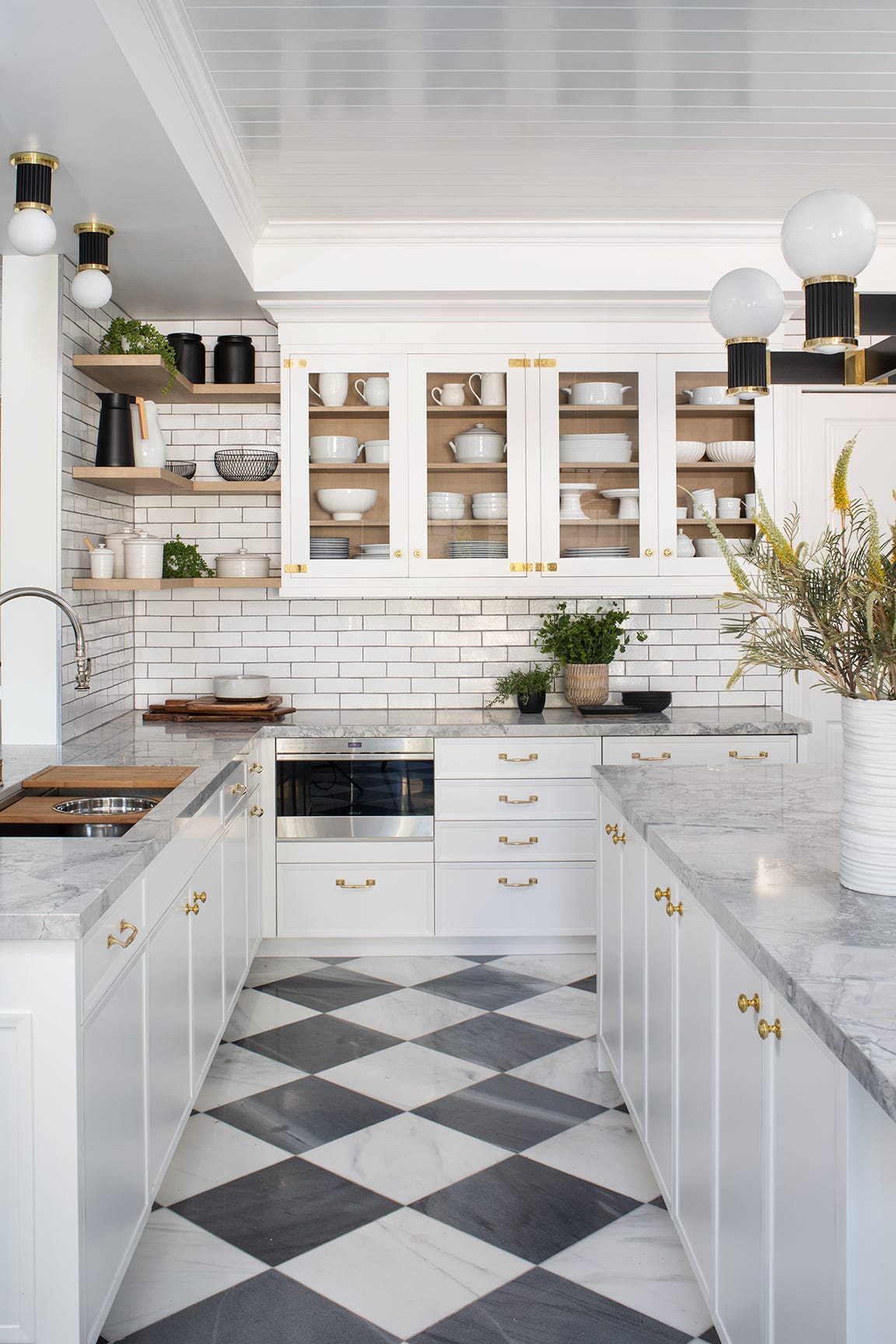
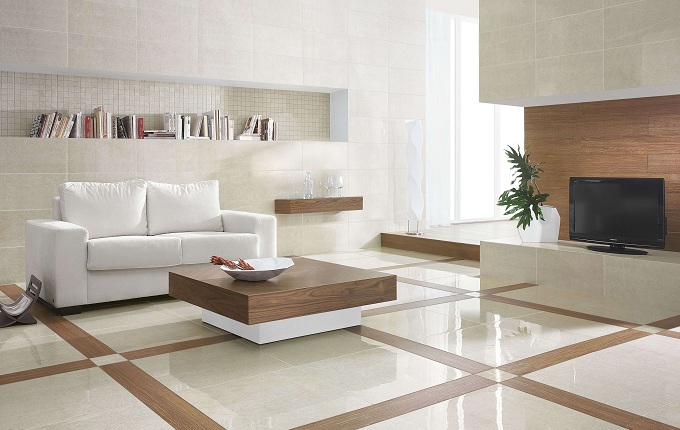
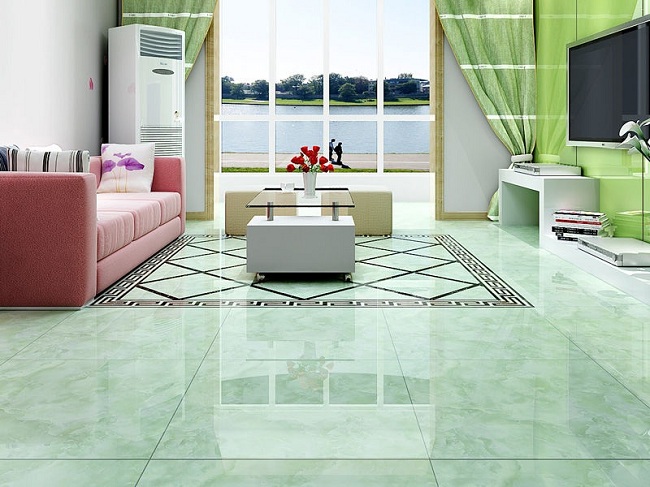
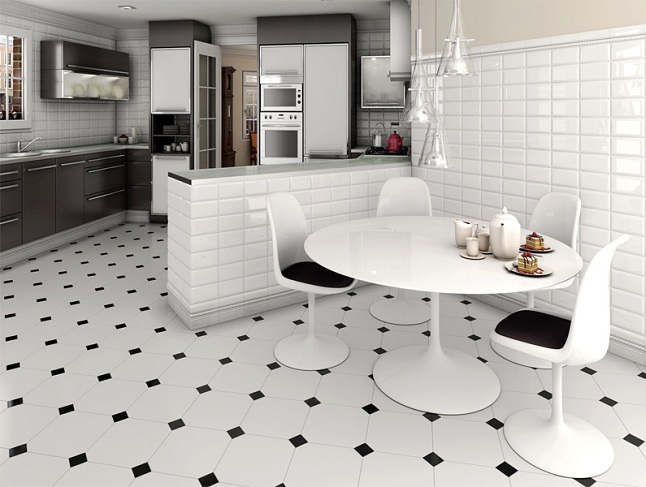
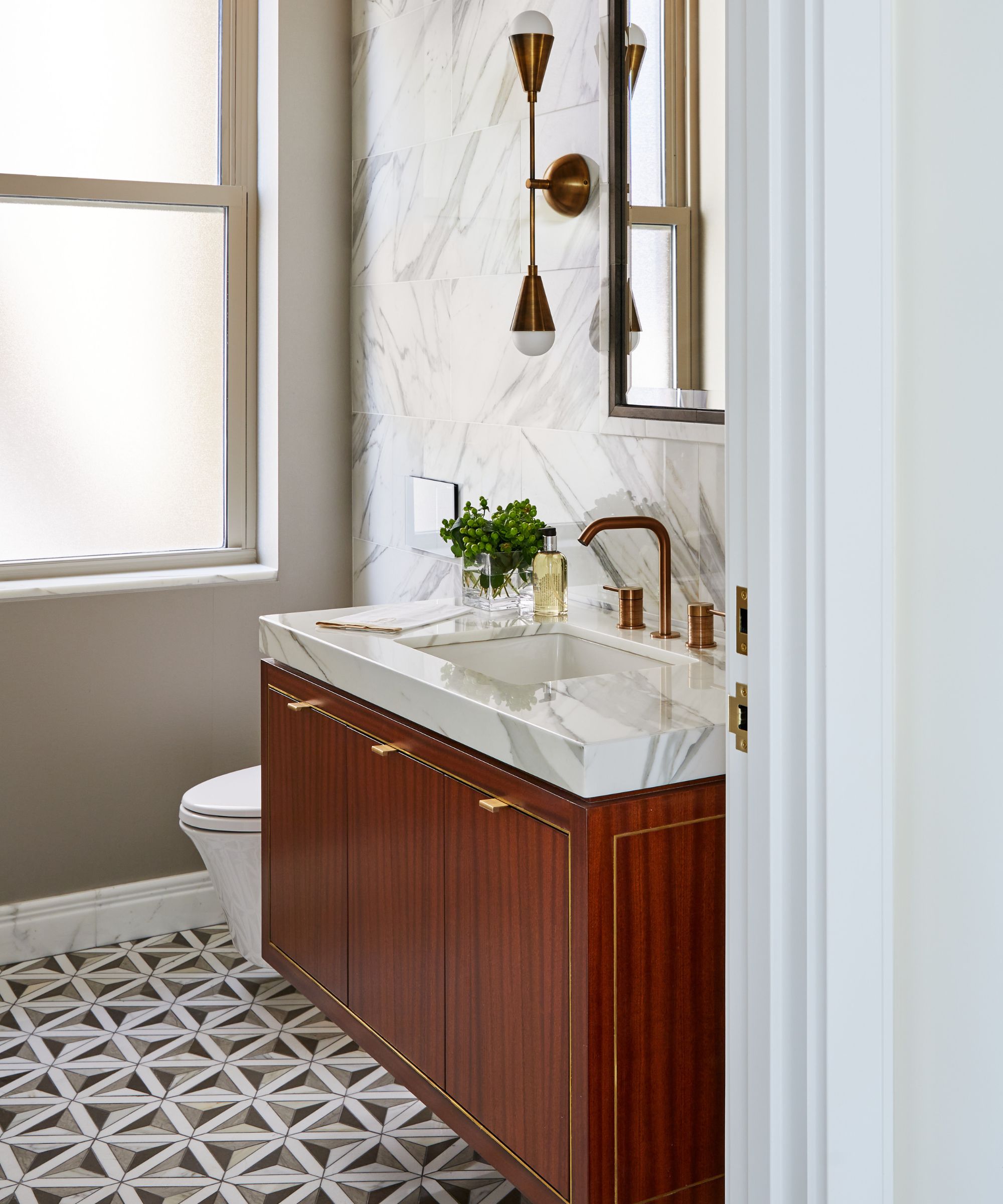
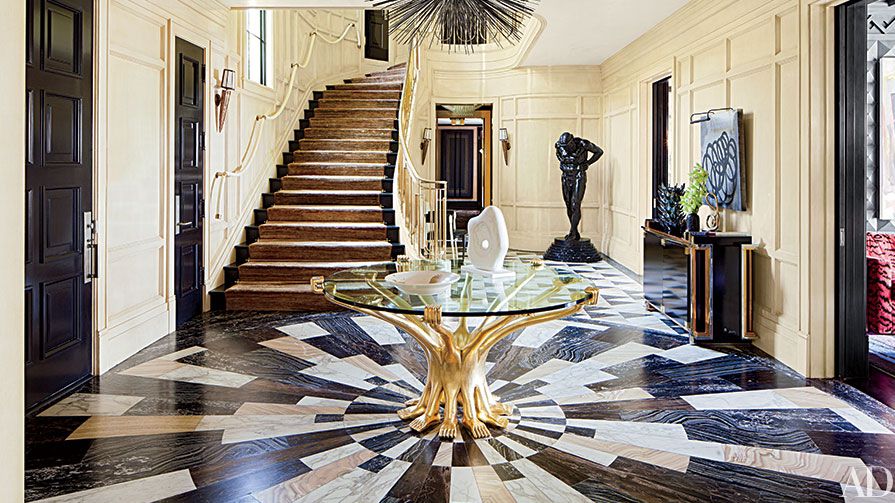
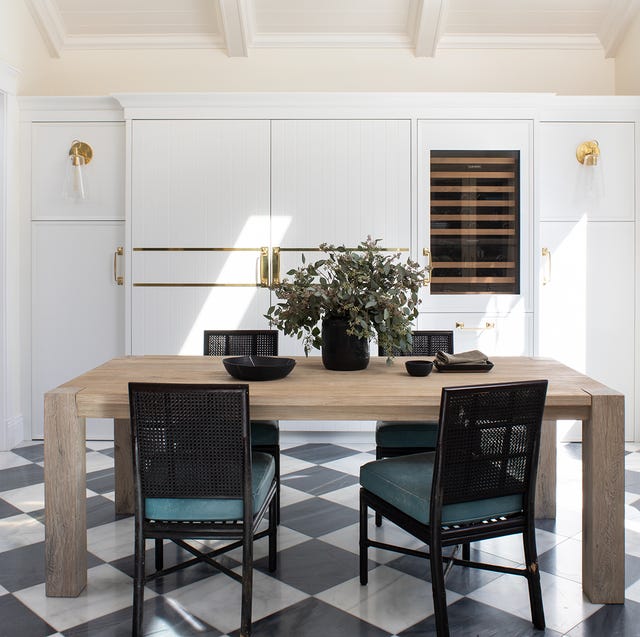
Patterned stone floors, renowned for their visual fluidity and tactile stability, have been a significant element in interior design for millennia, evident in historical structures like Turkey's Hagia Sophia and the Papal Basilica of St. Paul in Rome. The enduring appeal of geometric patterns crafted from natural stone tiles lies in the striking contrast between the material's hard, linear forms and the organic veins, blooms, and specks inherent in stone. Modern design continues to embrace this aesthetic, but achieving a masterful patterned stone floor involves careful consideration of several factors.
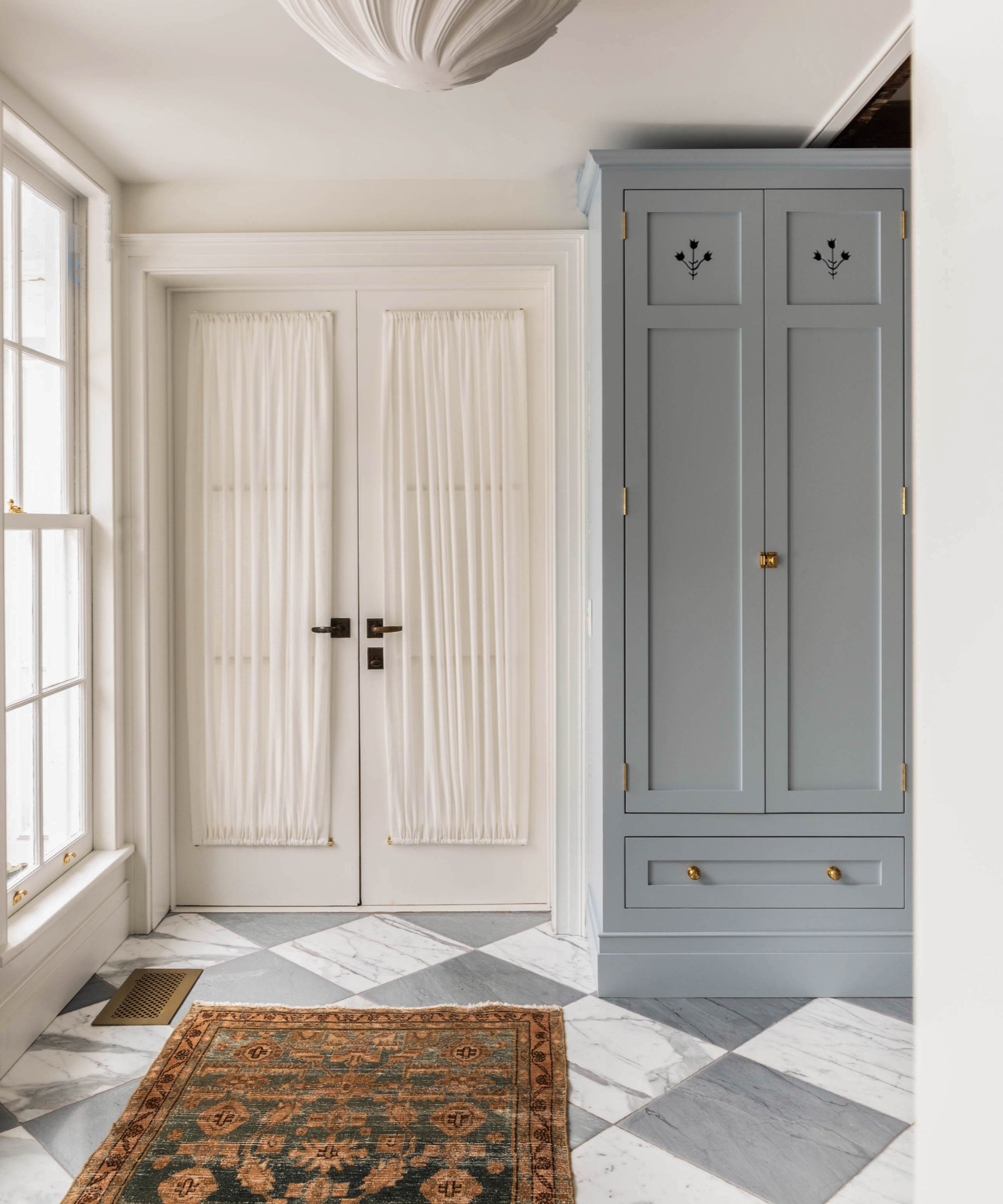
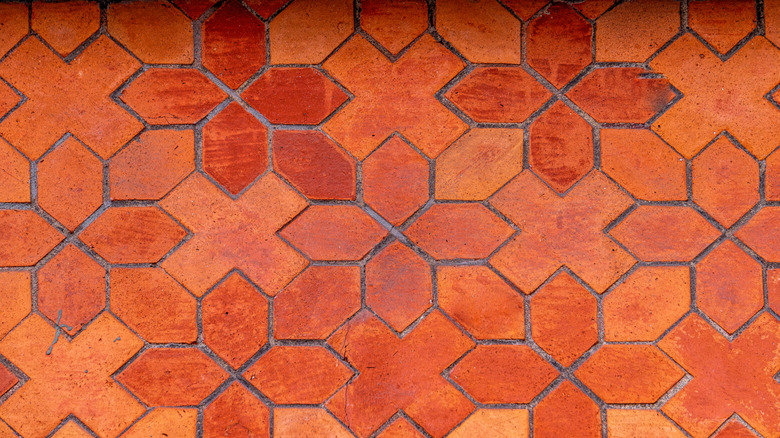
Selecting the right stone is the initial step, with options such as marble, onyx, granite, and slate available. According to Nancy Epstein, CEO of Artistic Tile, most stones are compatible, offering boundless possibilities for combinations. While the material selection is vast, white, gray, and black consistently rank as the most popular color choices. Interior designer Kelly Wearstler emphasizes the importance of incorporating neutrals, even in motifs that feature bolder colors like reds, pinks, tans, and golds, to provide balance within a geometric design. She also notes that a border can effectively ground the overall pattern.
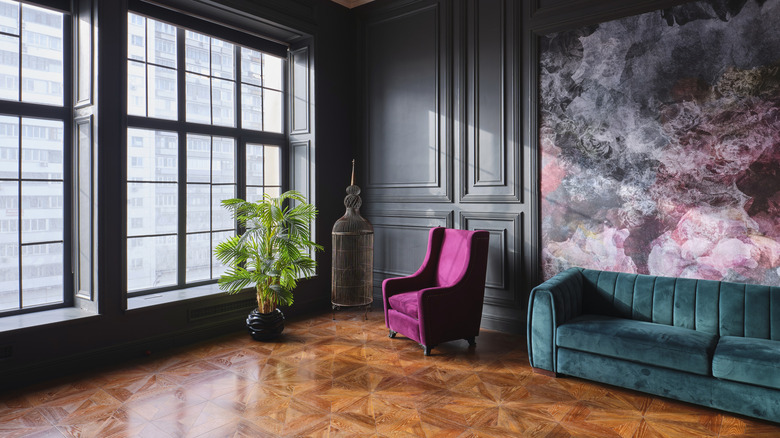
Choosing a design involves deciding between geometric and more organic shapes, a decision often guided by the designer's personal taste. Wearstler frequently draws inspiration from historical parquet wood floors when developing her intricate geometric stone floor patterns. However, the inherent properties of stone impose certain limitations on pattern complexity. When utilizing waterjet machines for cutting, extremely thin shapes or patterns with sharp, tight points are prone to breakage during shipping. Consequently, working with larger, more basic tile shapes proves to be more practical and resilient.
The way stone is cut significantly influences its visual impact. Vein-cutting, which aligns with the stone's grain, produces long, slender bands of color. Conversely, cross-cutting, against the grain, reveals the stone's layered, blossoming veins. Another crucial aspect is ensuring consistent tile thickness, as Epstein highlights that a centimeter from one country may not be the same as a centimeter from another, necessitating careful verification before installation. After cutting, stone tiles can undergo various finishing processes. Polishing results in a glossy surface, while honing creates a matte appearance. Wearstler prefers to hone the stone, as it removes the shine and imparts a more soulful quality to the floor.
Once the stones are selected, the pattern designed, and the tiles cut and finished, the floor must be sealed. Due to varying porosity levels, even within tiles from the same batch, applying multiple layers of sealant is essential to ensure comprehensive coverage. Epstein advises sealing the stone until it can absorb no more, guaranteeing maximum resilience. For ongoing maintenance, basic rules apply to all stone types. Promptly cleaning spills of acidic substances like lemon juice or vinegar is crucial. For routine cleaning, frequent vacuuming is recommended, alongside infrequent mopping with a moist, rather than soaking wet, mop. When incorporating rugs, especially on a visually striking patterned floor, Wearstler suggests using solid-colored rugs, with organically shaped options like natural hides offering the most successful pairing.
#patternedStoneFloors #stoneTileDesign #interiorDesign #homeDecoration #naturalStone #geometricPatterns #materialSelection #stoneFinishing #floorMaintenance #patternedStoneFloors #stoneTileDesign #interiorDesign #homeDecoration #naturalStone #geometricPatterns #materialSelection #stoneFinishing #floorMaintenance
0 comment in total
 No comments yet
You may also like
Entryway floor ideas – 10 luxury flooring designs that look good underfoot

Vogue's flooring guide will ensure you never look up
These 4 Flooring Trends Are Set To Dominate In 2026, According To A Design Expert
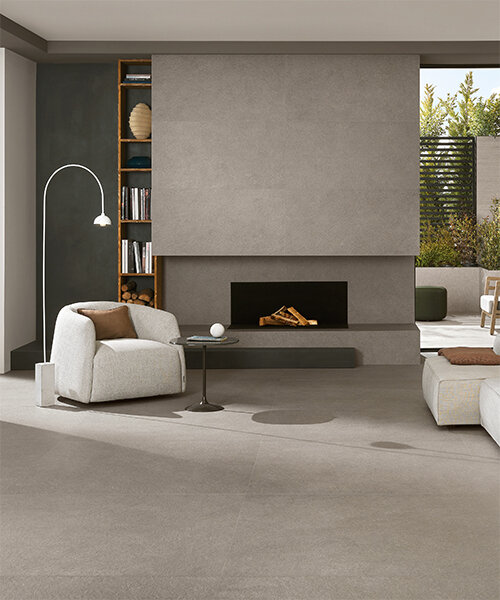
atlas concorde harmonizes in & outdoors with sedimentary stone-inspired tiles
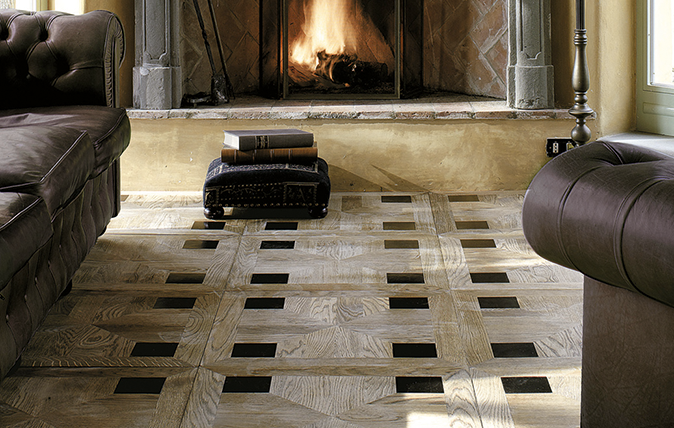
Flooring it: 10 ideas for beautiful carpet, wood, stone or ceramic floors
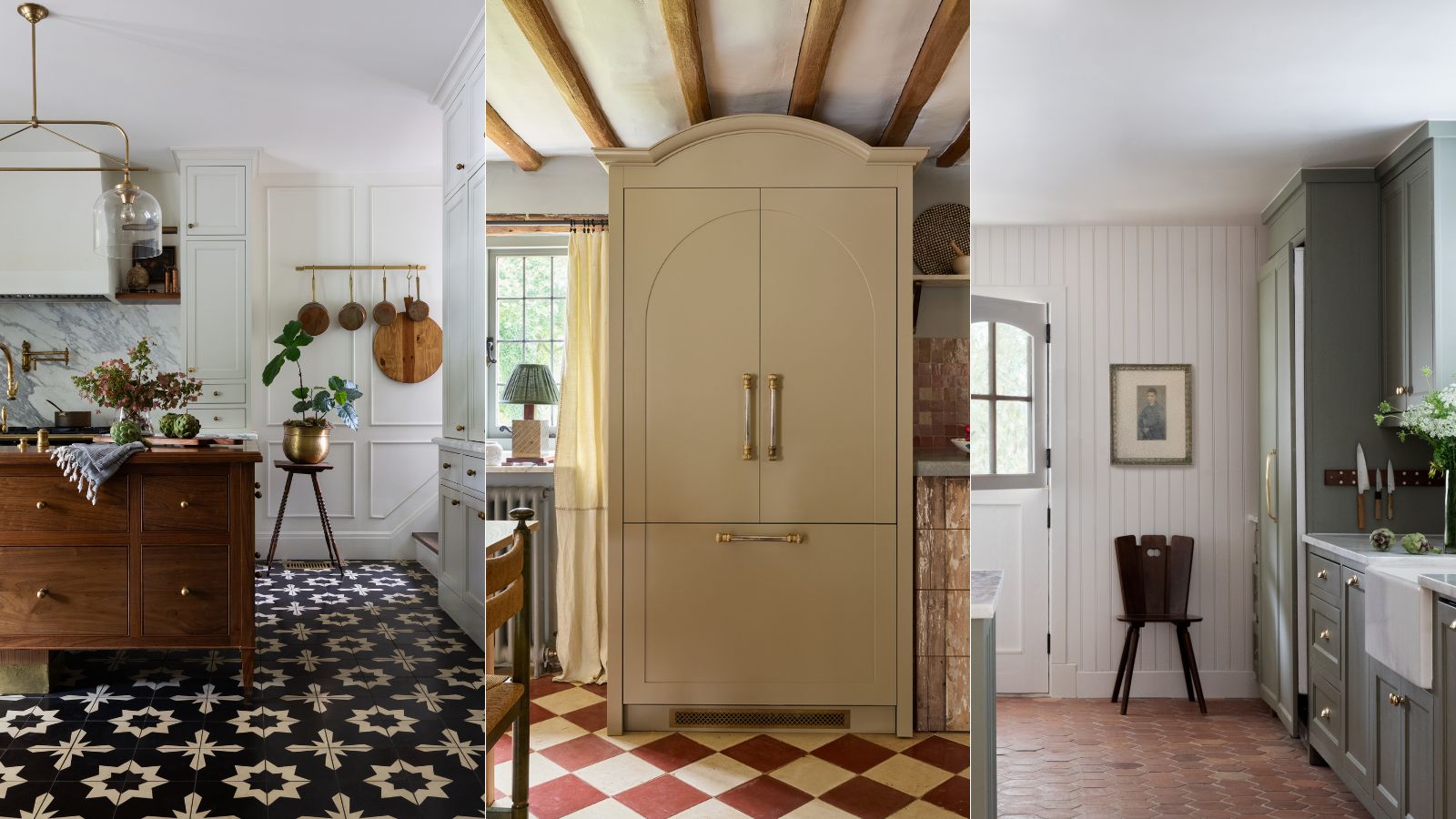
7 checkerboard floor tile alternatives to try in 2025

Could This Be the New It Tile?

Birmingham
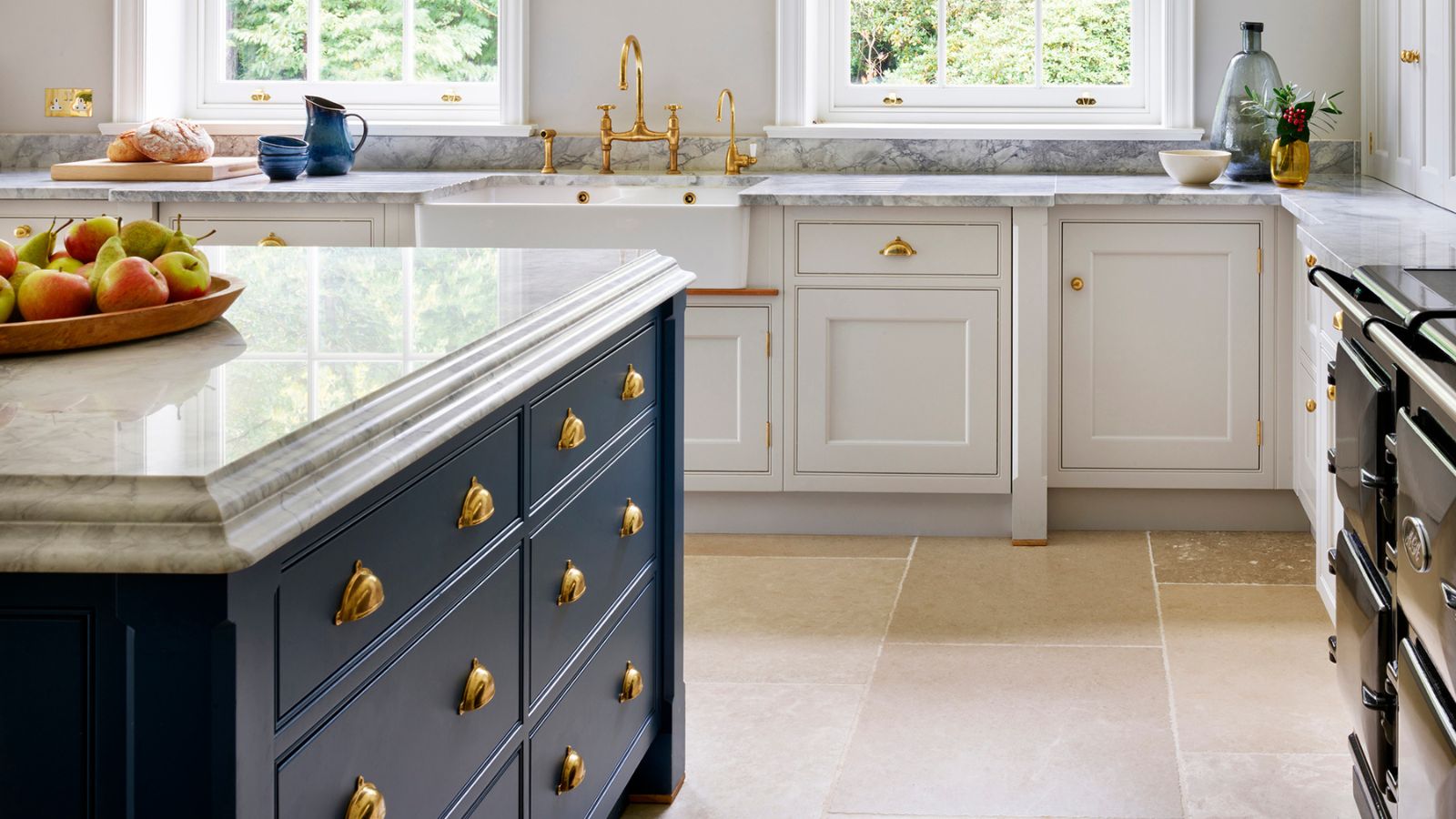
Stone flooring ideas – inspiring styles, how to choose and how to clean
Natural stone tiles: tips and ideas for using them in your home

Marble, Stone and Wood Effect Floors: Ceramics Inspired by Nature

25 Popular Floor Tile Designs for 2025 with Images


This designer just revealed how she makes new stone flooring look original – it's all about the layout
Modern hallway flooring ideas – 10 ways to put the focus on your floor in an entryway
10 Tile Trends You'll Be Seeing More Of In 2026

Flooring trends 2024 – designers predict these 8 styles will lead the way in interiors this year
Tile patterns: 15 smart designs to add style to every room
25 Floor Tile Designs for Any Room in Your Home
The Most Popular Kitchen Flooring Ideas for Every Style

A Guide to Gorgeous Floors