1/4
Mechanically stabilized earth walls
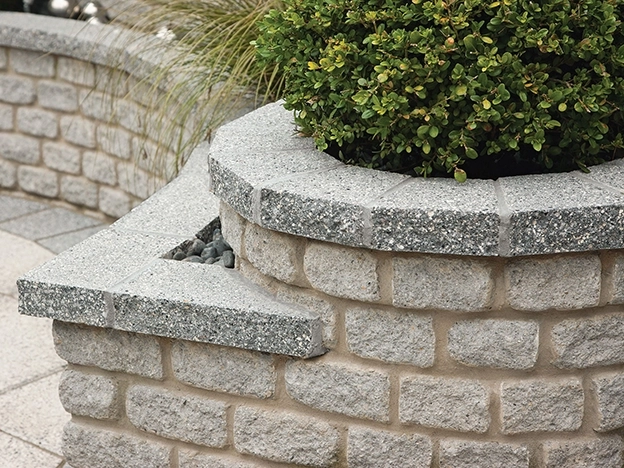
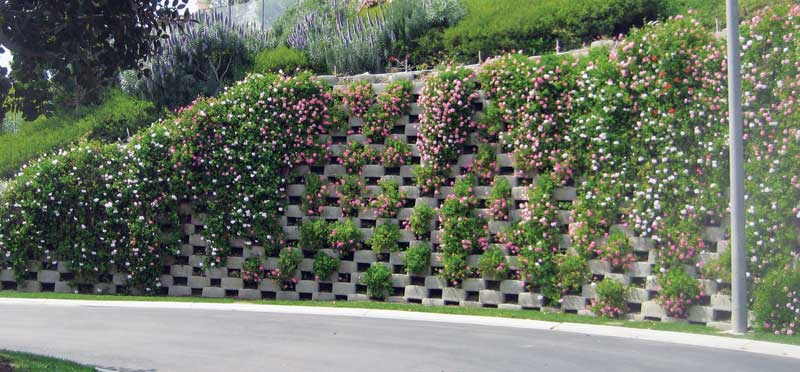
Mechanically stabilized earth (MSE) walls have gained significant popularity due to their economic advantages, ease of construction, and the wide array of proprietary systems available. These walls operate as gravity-retaining structures, relying on facing elements, compacted soil, and reinforcement working in conjunction. The reinforced-soil mass, formed by interlayered soil backfill and reinforcement, uses its self-weight to resist lateral pressures from various sources, including earth, surcharges from vehicles and buildings, seismic events, and water. A key benefit of MSE walls is their cost-effectiveness, often reducing expenses by 50 percent or more compared to conventional reinforced-concrete retaining structures, as highlighted by a 2001 USDOT and FHWA publication. Furthermore, their aesthetic appeal and straightforward construction methods, which don't necessitate highly specialized skills or equipment, contribute to their widespread adoption. While granular and free-draining select soil backfill is ideal, projects can utilize less desirable site soils if appropriate design and construction controls are implemented.
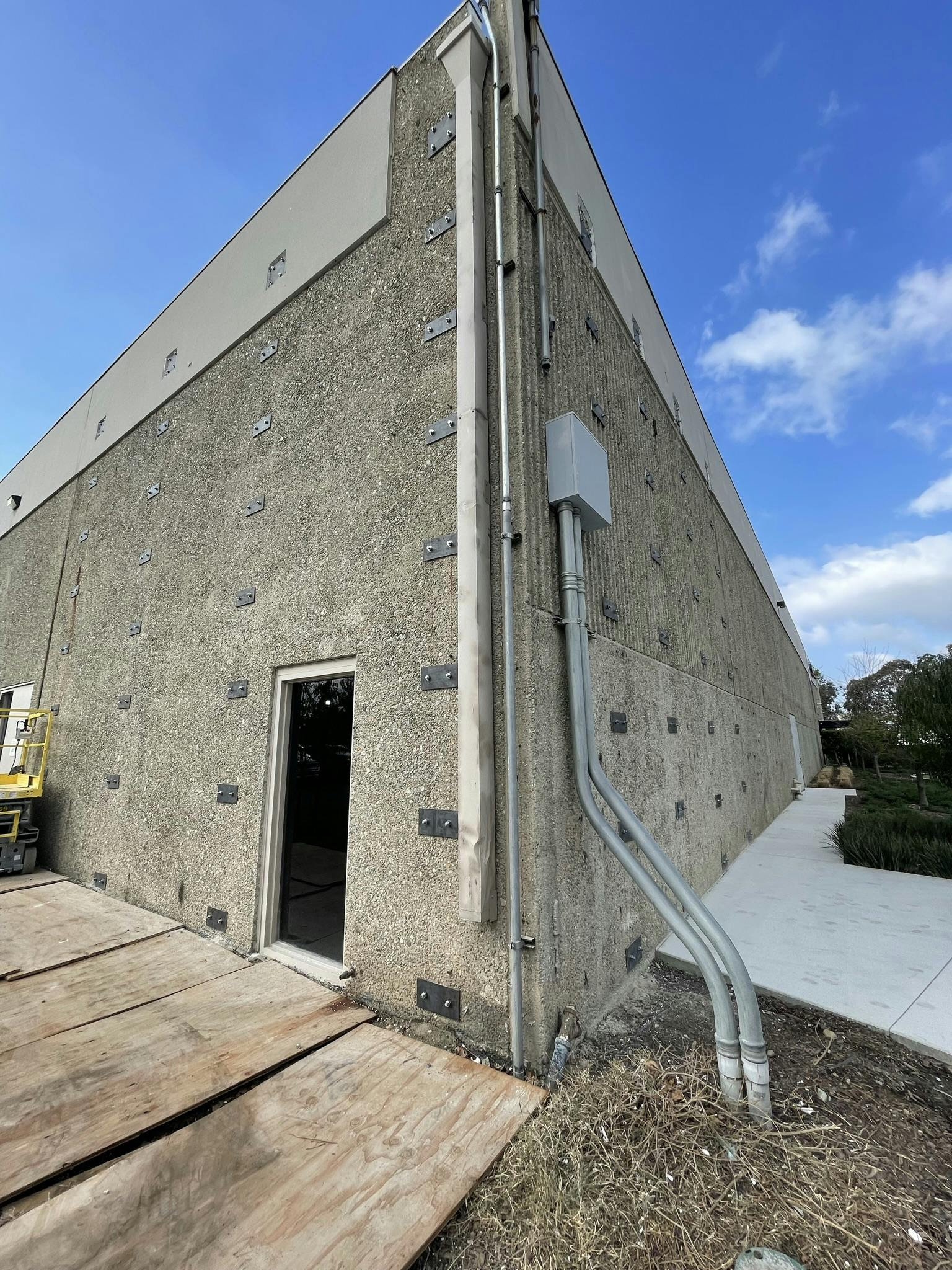
Despite their advantages, MSE walls are susceptible to failure or performance issues, often stemming from common contributors such as the impact of civil site improvements, inadequate surface and subsurface water management, and poor project communication. Civil site improvements, particularly utility installations, pose significant challenges. Utilities, whether water-bearing (like drainage or pressurized waterlines) or non-water-bearing (like electrical conduits and gas lines), can be installed at various depths and locations relative to the wall, potentially affecting its performance. These installations can interfere with the soil reinforcing, leading to discontinuities. For instance, guardrails, utility manholes, and light poles might penetrate the reinforcing elements, causing damage or necessitating their removal, thereby reducing the wall's resistance to loads or introducing additional stresses. Such interferences are frequently overlooked during the design phase, requiring careful consideration from the MSE wall designer, civil site engineer, and contractor during construction.
Water-bearing utilities are particularly problematic. If placed within or directly behind the reinforced fill, they can interrupt reinforcing and are prone to leakage over time. Severe leaks can lead to rapid hydrostatic or seepage pressure buildup behind the wall and erode the soil by transporting fine-grained particles through the mass. The wall designer must account for potential leakage and assess whether designing for water pressures is necessary to prevent structural issues. These considerations emphasize the critical need for comprehensive planning, design coordination, and effective communication among all project stakeholders to mitigate risks and ensure the long-term stability and performance of MSE walls.
#BryanPStrohman #CivilEngineering #MechanicallyStabilizedEarthFoundationWalls #ReinforcedSoil #RetainingWall #ScottJDiFiore #WaterManagement #BryanPStrohman #CivilEngineering #MechanicallyStabilizedEarthFoundationWalls #ReinforcedSoil #RetainingWall #ScottJDiFiore #WaterManagement
0 comment in total
 No comments yet
You may also like
Geotechnical factors influencing earth retaining wall deformation during excavations

Taking the floor
Poured Earth is a sustainable construction method modelled on concrete casting
AFS Foundation Repair & Waterproofing Specialists

Rammed Earth Construction
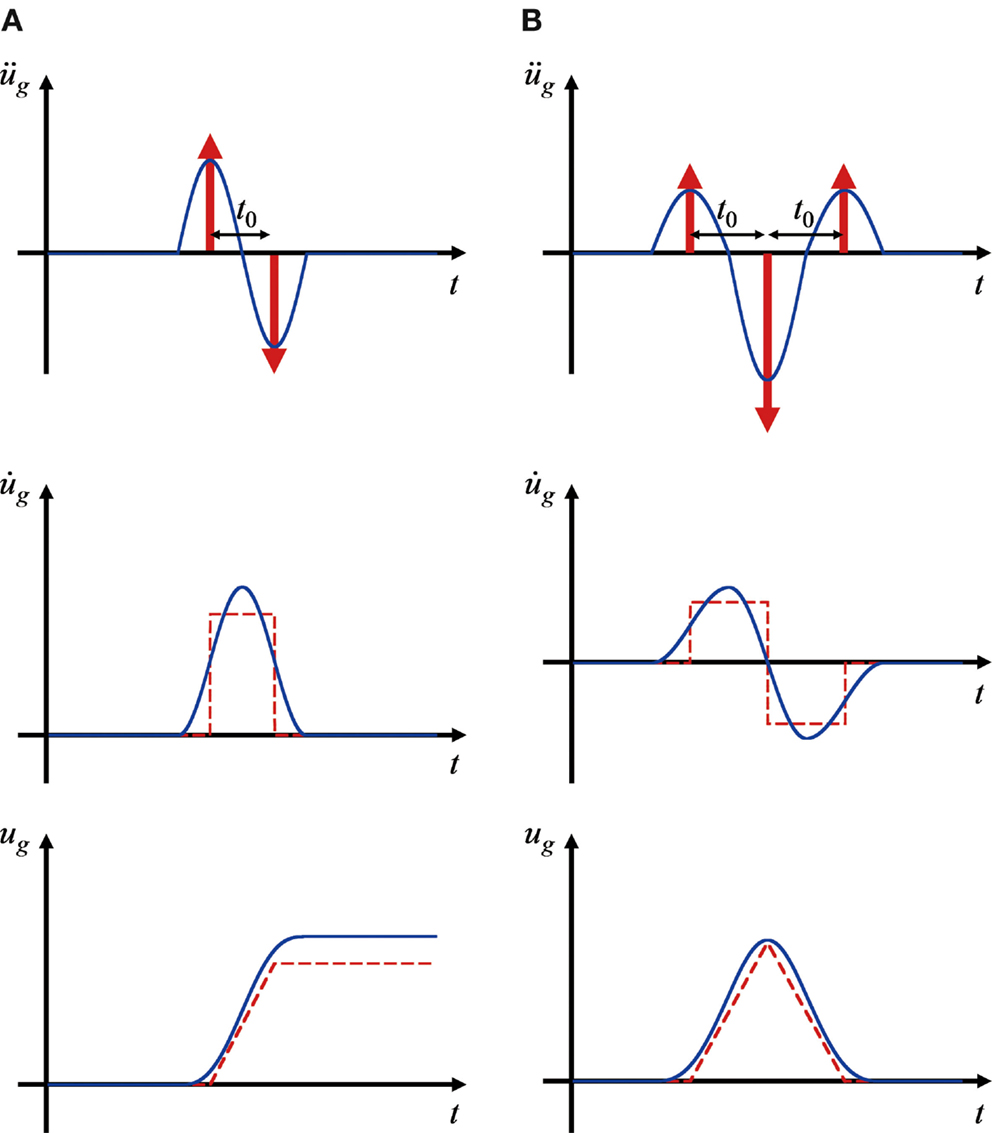
Critical earthquake response of elastic–plastic structures under near-fault ground motions (Part 1: Fling-step input)
Earth Wall Builders Unite!

Garden Paving & Walling | Front Garden Paving & Block Paving Grout

Seismic Performance and Strengthening of Purlin Roof Structures Using a Novel Damping-Limit Device
Retaining walls: Helping overcome a multitude of obstacles

Seismic Retrofitting Concrete - Q and A with Kyle Tourje of Alpha Structural Inc.

Rammed Earth Walls Tie This Eco-Friendly Home to the Desert

10 Retaining Wall Ideas That Add Style and Support to a Sloped Backyard

Build a "Perfect Wall" on a Budget for Affordable High-Performance
Tensile strain-hardening cementitious composites and its practical exploration without reinforcement: A review
Weather-resistant barriers: Advanced technologies for modern construction
Dampproofing and Waterproofing for Foundation Walls

School Buildings in Rubble Stone Masonry With Cement Mortar in Seismic Areas: Literature Review of Seismic Codes, Technical Norms and Practical Manuals
Rubble Stone Masonry Buildings with Cement Mortar: Base Shear Seismic Demand Comparison for Selected Countries Worldwide
Keystone Design Manual & KeyWall PRO Operating Guide From: Keystone Retaining Wall Systems LLC