1/9
Poured Earth is a sustainable construction method modelled on concrete casting
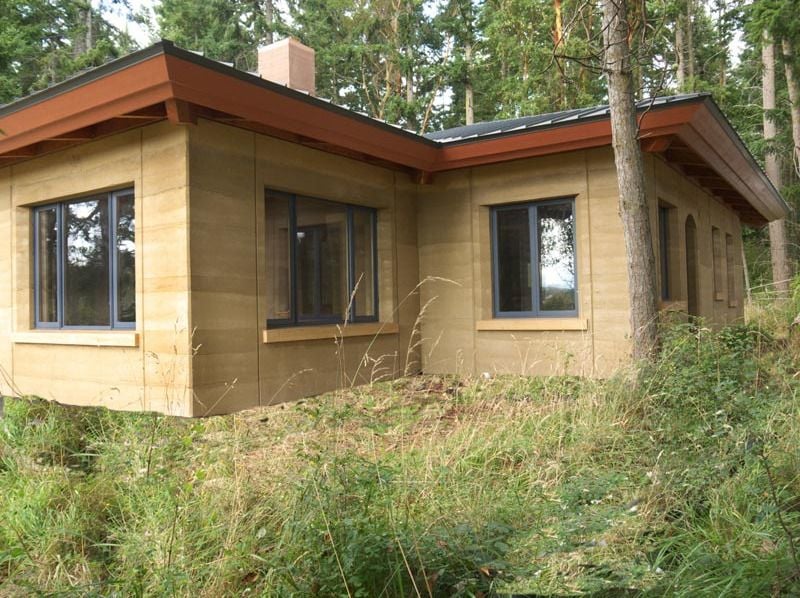
Matter at Hand, a material research studio co-founded by Assemble's Lewis Jones, has developed a novel clay-based construction technique called Poured Earth. This method aims to simplify and increase the accessibility of building with earthen materials, drawing inspiration from concrete casting. Traditional earthen construction methods, such as rammed earth and cob, are highly sustainable but often demand significant labor. Poured Earth seeks to address this by leveraging a process similar to concrete casting, enabling scalability and the reuse of existing equipment.
The development of Poured Earth was part of Matter at Hand's residency in the Art in Manufacturing programme at the National Festival of Making. Jones highlights the utility of flowable, castable solid materials, as demonstrated by concrete, while acknowledging concrete's substantial carbon footprint. Poured Earth offers a practical alternative, allowing for similar ease of use with earthen materials, thereby promoting a more sustainable approach to construction. The method also introduces new design possibilities and surface finishes not typically associated with earth construction.
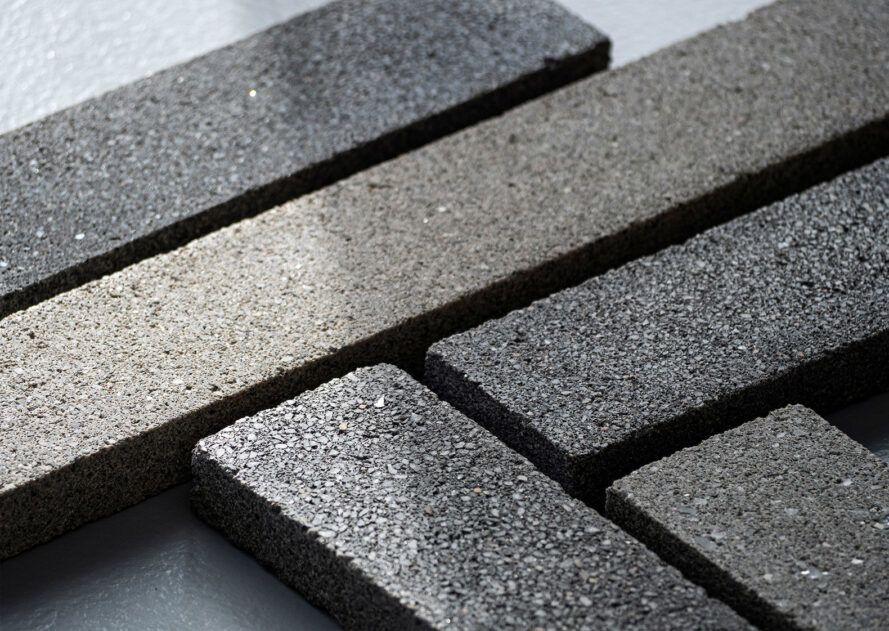
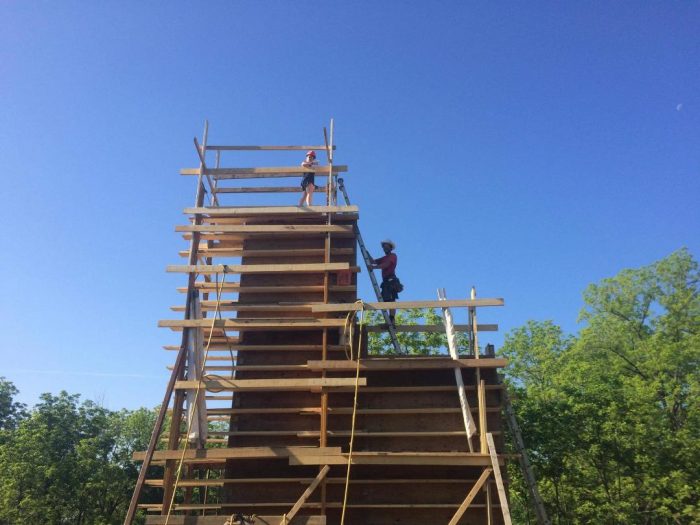
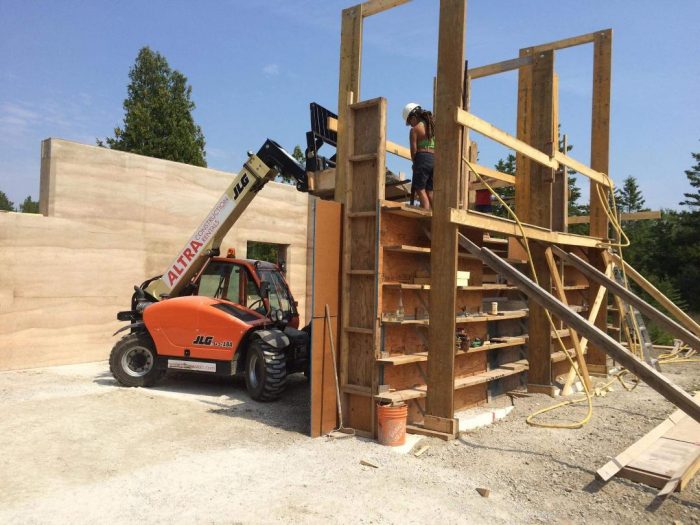
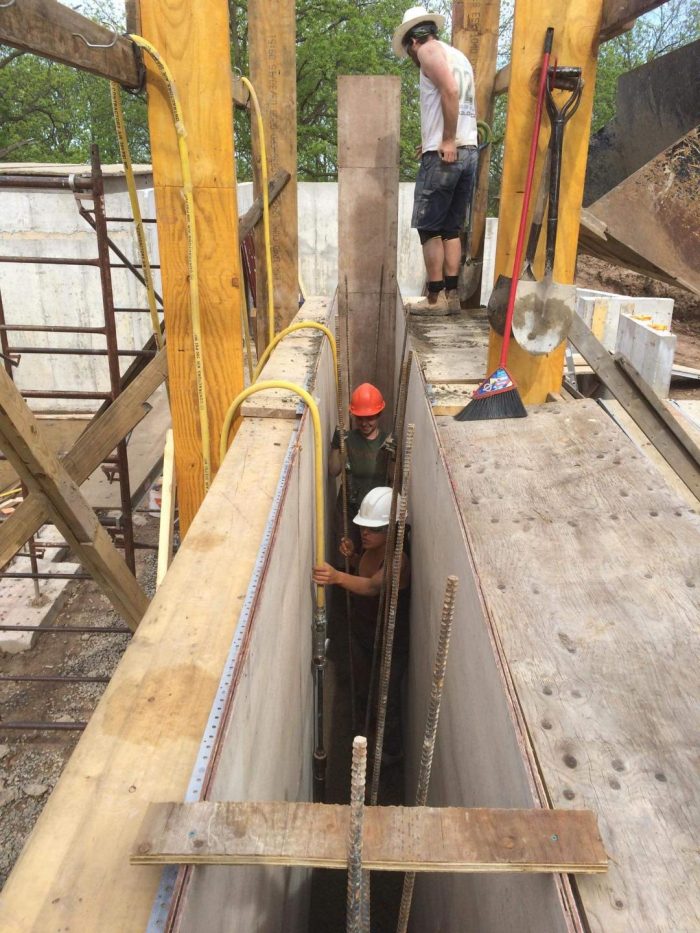
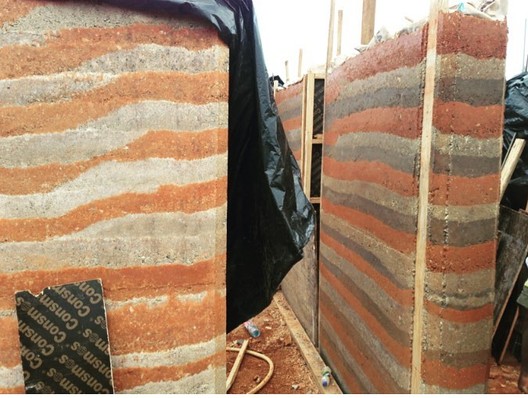
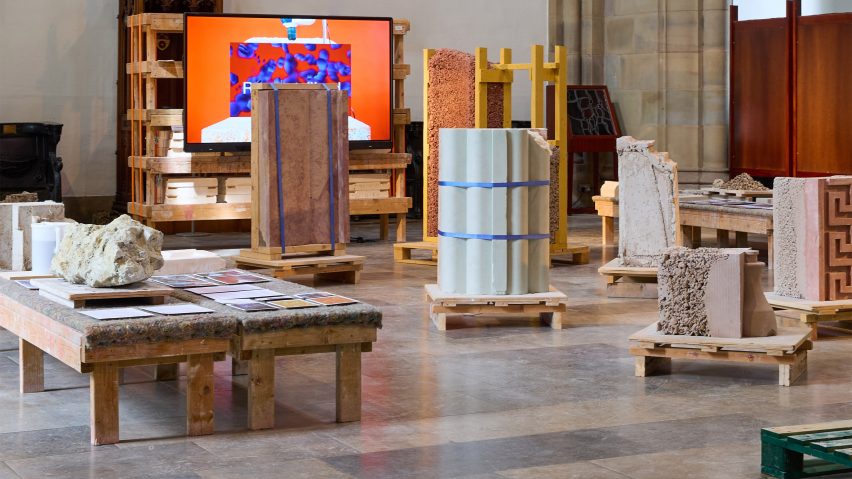
Poured Earth samples are created by combining clay with varying amounts of sand, aggregate, and natural fibers. Crucially, these mixtures do not require binders like cement or gypsum, making them easily reformable or returnable to the earth at the end of their lifecycle. The process involves mixing these materials in a cement mixer, pouring them into formwork, and then vibrating the mixture to eliminate trapped air before demolding. Matter at Hand collaborated with ceramic manufacturer Darwen Terracotta, integrating slip-casting techniques used for architectural ceramics into the Poured Earth development.
A key innovation distinguishing Poured Earth from other earthen construction methods is the incorporation of deflocculants, chemical agents commonly used in ceramic slip-casting. Deflocculants such as sodium silicate, soda ash, or bark tannins enhance the flowability of the clay mix without requiring additional water. This results in a denser material with minimal shrinkage, unlike traditional methods where adding more water to achieve fluidity can reduce strength and increase drying time. Jones notes that while deflocculants are foundational to ceramic slip casting, their application in earth construction is a relatively new and promising area.
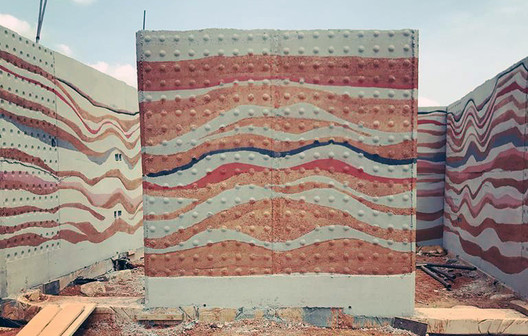
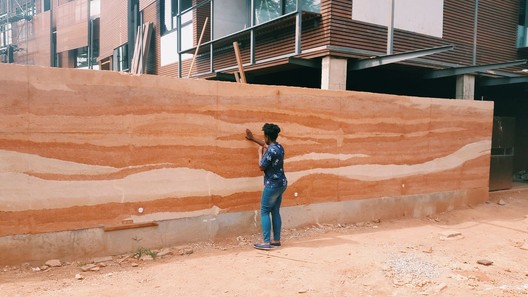
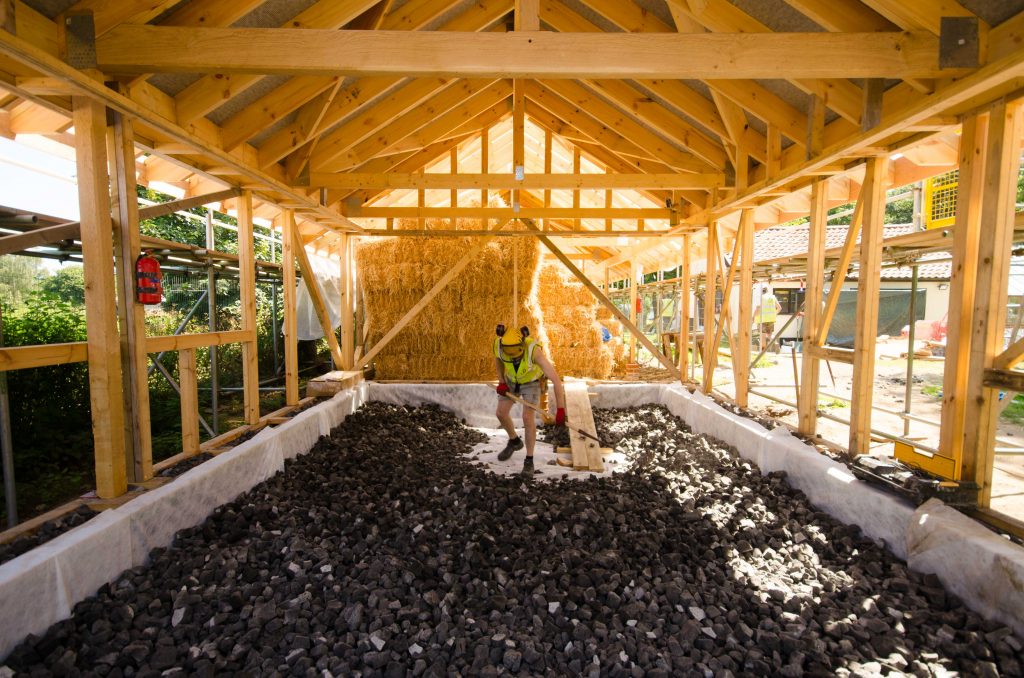
Poured Earth samples were showcased at the National Festival of Making in Blackburn Cathedral. The exhibition featured structural Poured Earth walls made from clay, crushed ceramics, and recycled construction aggregates, designed for both in-situ construction and precast panels. Also presented was a lightweight insulative panel, framed in timber, composed of clay, wood chip, hemp shiv, and foamed recycled glass. Prototypes of hollow clay cast blocks filled with loose, natural insulation were also displayed. A composite wall, drawing from the CobBauge system, demonstrated a dual-layer structure with an internal load-bearing layer and an insulative layer. Matter at Hand intends to scale the Poured Earth prototype into a full-scale building, aiming to demonstrate its viability as a mainstream, contemporary building method. Jones emphasizes the need to re-establish unfired clays as mainstream construction materials in the face of the climate emergency, advocating for both design innovation and practical advancements to facilitate their broader adoption.
#PouredEarth #SustainableConstruction #EarthenMaterials #MaterialInnovation #ClayConstruction #ConcreteAlternative #Deflocculants #GreenBuilding #ConstructionTechnology #PouredEarth #SustainableConstruction #EarthenMaterials #MaterialInnovation #ClayConstruction #ConcreteAlternative #Deflocculants #GreenBuilding #ConstructionTechnology
0 comment in total
 No comments yet
You may also like
7 Concrete Alternatives

Rammed Earth Fits Into Urban Architecture’s Sustainable Future
Sustainable Concrete Panel Construction | Spotlight on Nexii and Vero Building Systems

How Formwork Works

Cement

Material Guide: The Benefits of Building With Concrete


Sustainable Construction in Concrete - A Greener Future

edg Reveals 3-D Printed Cast Concrete Collection
Six examples of fabric-cast concrete that are breaking the mould

Sustainable Material Spotlight: Concrete
Colors Of the Earth: Ghana's Incredible, Rammed Earth Walls

Seismic Retrofitting Concrete - Q and A with Kyle Tourje of Alpha Structural Inc.
5 Concrete Technologies to Reduce Carbon Footprint
Rammed Earth Construction

Saving the earth: making the case for rammed earth architecture
Cast Stone
The BioBased concrete tiles cut carbon emissions and waste

7 Earth-based Solutions For Building Closer to Nature
Strategic Hardscaping Can Make Your Outdoor Space More Sustainable—Here’s How

Building Into Luxury Concrete