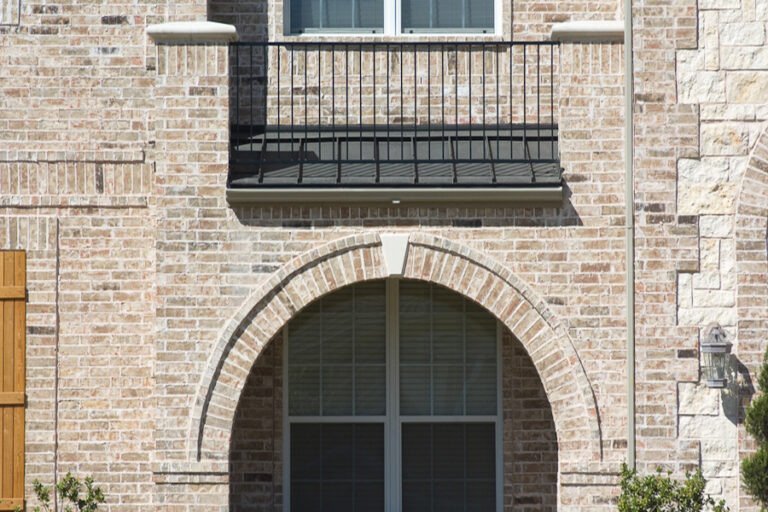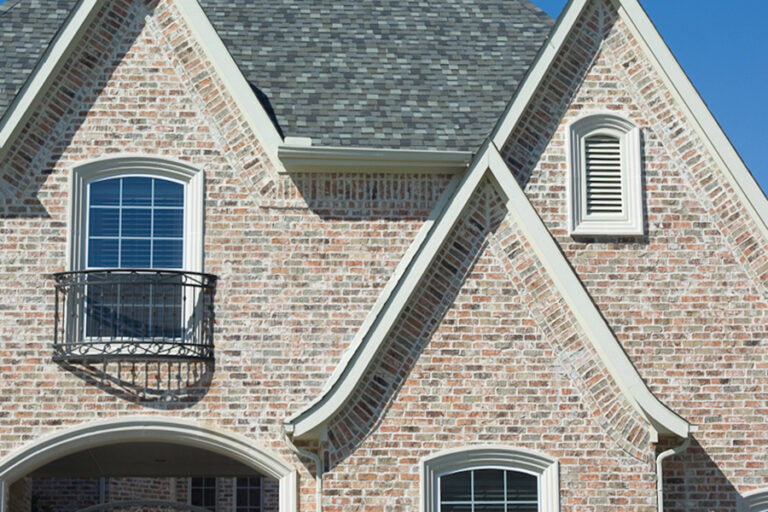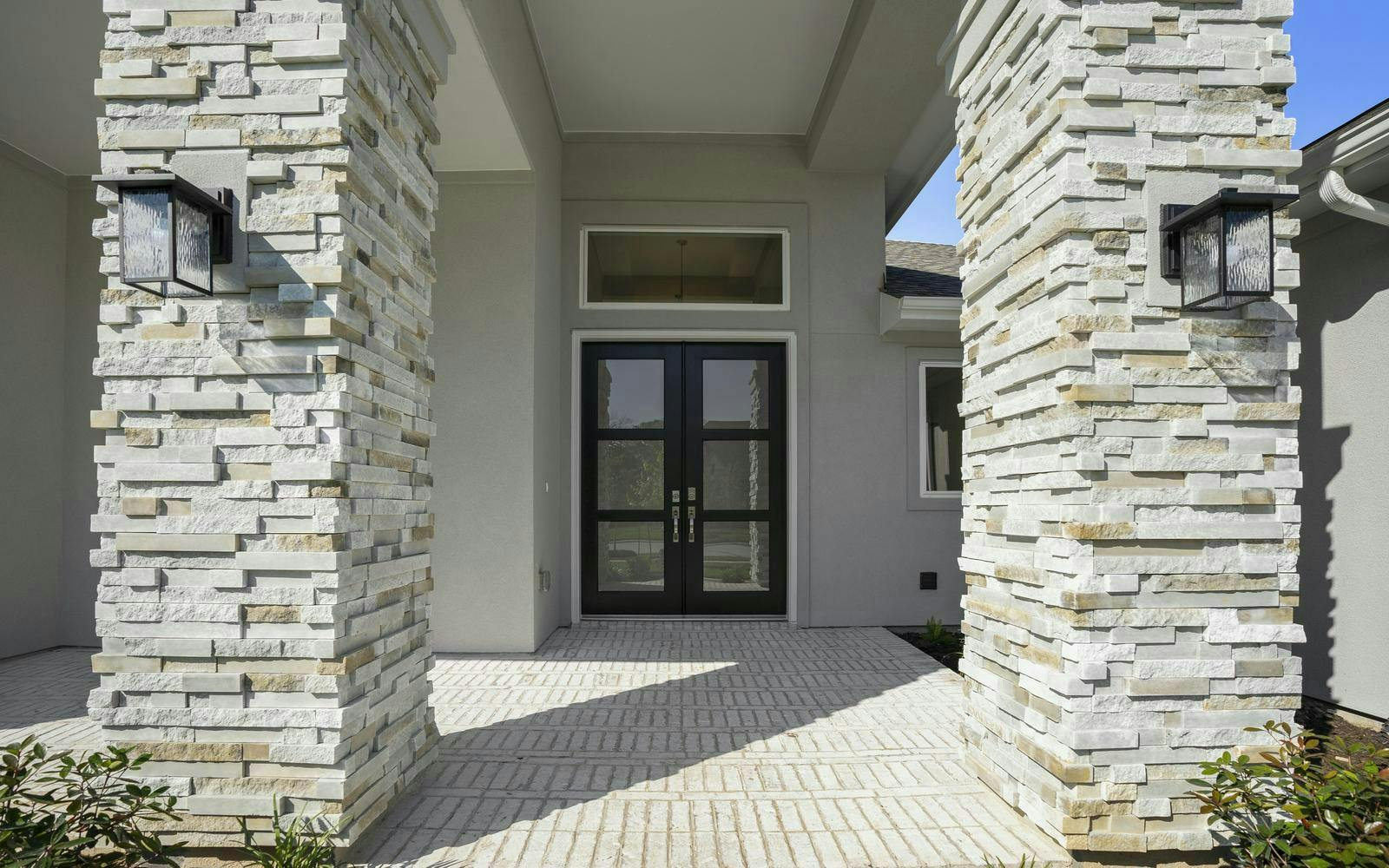
A manufactured stone installation that’s doomed to eventual failure
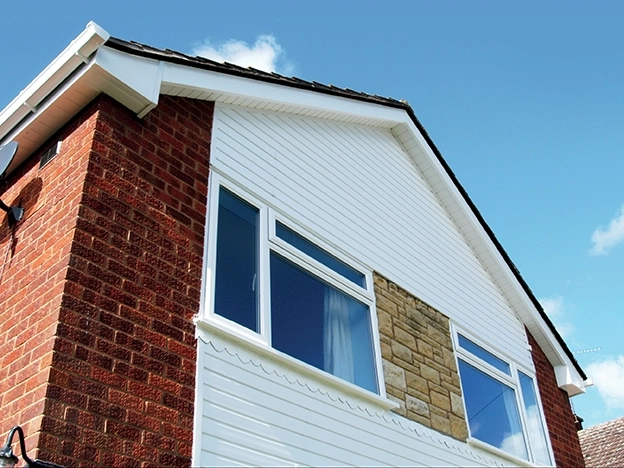
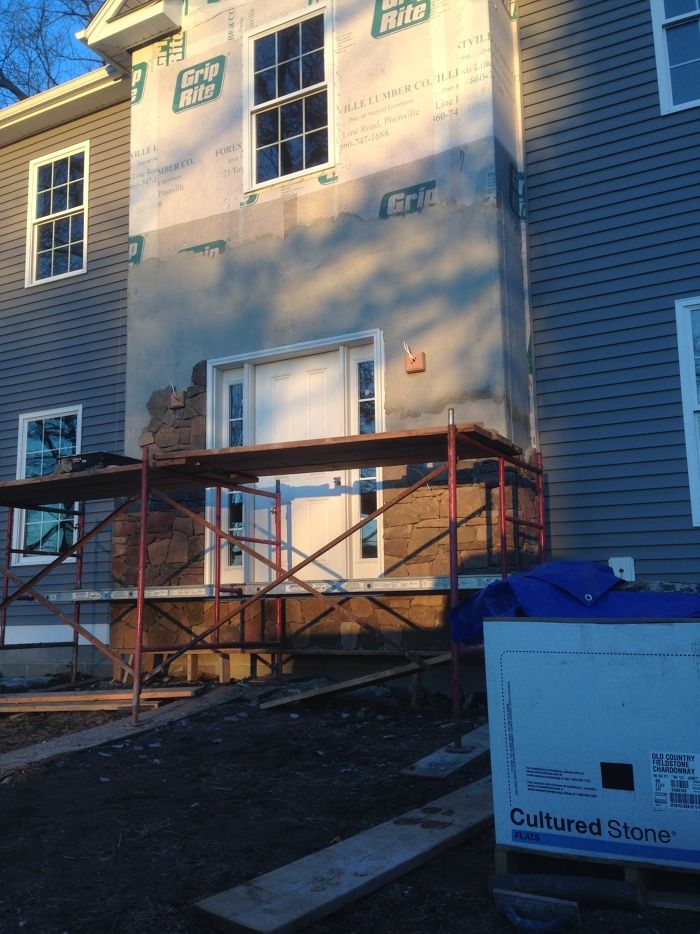
The article highlights a critical flaw in a manufactured stone veneer installation observed on a new house in Connecticut. The primary issue stems from the inadequate moisture management system beneath the stone veneer, which is similar to stucco in its behavior as a 'reservoir cladding.' The author notes that only a single layer of housewrap was installed over moisture-sensitive Oriented Strand Board (OSB) sheathing, a practice that history has shown leads to rot and structural damage.
The problem is rooted in the way reservoir claddings like stucco and manufactured stone absorb and hold water. Sunlight then drives this moisture deeper into the wall assembly, where it can accumulate against the sheathing. Historically, a single layer of asphalt-impregnated building paper was used, which worked because the stucco would debond from it as it dried, creating small drainage gaps. However, changes in manufacturing processes led to newer building papers maintaining their bond with stucco, thus eliminating these crucial drainage paths. Concurrently, the shift from more moisture-resistant plywood to OSB sheathing exacerbated the issue, making walls more vulnerable to rot when moisture is trapped.
The author predicts that the OSB sheathing on the observed house will inevitably rot. The speed of this degradation will depend on factors such as the house's exposure to sun, rain, and wind. The presence of a vapor retardant cavity insulation, such as closed-cell spray foam, or an interior sheet poly vapor barrier would further accelerate the problem by preventing the wall from drying to the interior.
To prevent such failures, the article recommends a minimum of two layers of housewrap or felt paper. In this setup, the outer layer acts as a sacrificial barrier, while the inner layer maintains the weatherproof integrity of the house. The space created between these two layers allows for proper water drainage. An even more effective solution involves creating a physical air gap between the manufactured stone and the housewrap-covered OSB sheathing, using products like Benjamin Obdyke’s Homeslicker mesh. This enhances drainage and ventilation, crucial for preventing moisture accumulation. The author expresses frustration over seeing money spent on aesthetic details that ultimately lead to costly and extensive moisture problems due to improper installation techniques.
#ManufacturedStoneVeneer #MoistureManagement #BuildingFailures #OSBSheathing #Housewrap #Stucco #DrainagePlanes #ConstructionDefects #HomeBuilding #ManufacturedStoneVeneer #MoistureManagement #BuildingFailures #OSBSheathing #Housewrap #Stucco #DrainagePlanes #ConstructionDefects #HomeBuilding
0 comment in total
 No comments yet
You may also like
Cast Stone

Six examples of fabric-cast concrete that are breaking the mould

Mal Stone Trading & Industry
Evolve Stone Monument Gate Stone Veneer

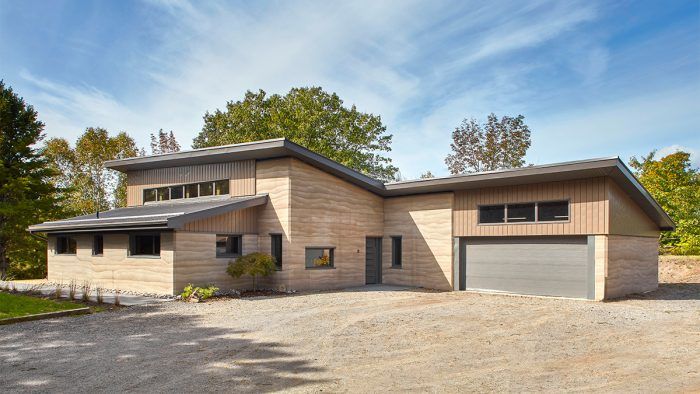
Rammed Earth Construction


Cladding


Trash or Treasure: Sculpture Is spelter, not bronze, but still desirable
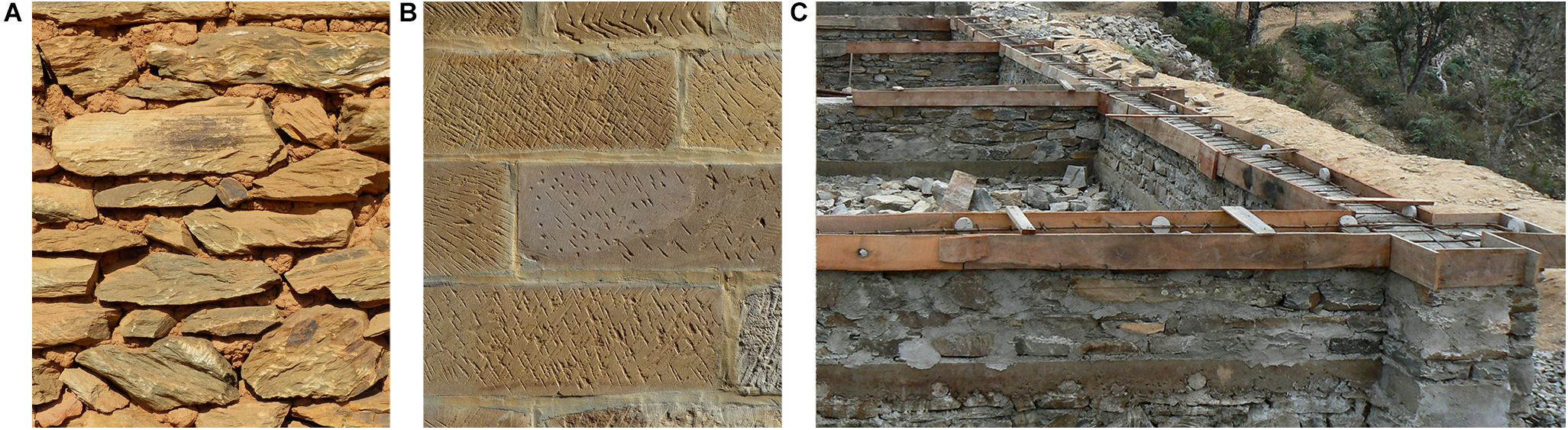
Rubble Stone Masonry Buildings With Cement Mortar: Design Specifications in Seismic and Masonry Codes Worldwide

K-Studio pairs stone with concrete for Greek holiday home

MUT design: drops concrete tiles for entic design
Another brick in the wall

iggy pop rocks sustainable, recyclable bavarian quartz sinks with schock
Confronting the Dangers of Engineered Stone

Heirlooms in Concrete / Greyscale Design Studio


Right the First Time: Manufactured Stone Veneer Installation

Building Big Doors, On Site
Rammed Earth: Creating a 500-Year House

Cement

Misshapen Glass Vases by Studio E.O Appear to Melt Atop Angular Stone Platforms


Divine Design: Basement crosses the finish line